Surfing in Japan: discover the best spots in the land of the rising sun
Why does Japan appeal to surf enthusiasts?
Japanese surfing is increasingly attracting slide enthusiasts due to its unique and authentic character. This surprising destination perfectly combines sport and cultural discovery, offering an unparalleled experience to travelers seeking original adventures.
A mosaic of waves for all surfers
The Japanese archipelago offers a remarkable variety of surf spots suited for all levels. Experienced surfers find their bliss on the powerful reefs of Okinawa or the technical point breaks of Miyazaki, while beginners can gently start on the regular beach breaks of Chiba Prefecture. This geographic diversity allows surfing in Japan all year round depending on the regions chosen.
The conditions vary according to the exposure of the coasts: the Pacific facade receives the main ocean swells, particularly intense during typhoon season, while the more sheltered coasts offer gentler waves for learning. This geological richness, a result of the intense volcanic activity of the archipelago, sculpts varied seabeds creating exceptional beach breaks, reef breaks, and point breaks.
The Japanese art of living at the service of surfers
Surfing in Japan transcends the mere practice of the sport to become a total cultural immersion. After your sessions, you can relax in natural hot springs facing the ocean, a uniquely global experience. The legendary hospitality of the Japanese is felt in local surf camps, where every detail is thought out for your comfort.
The remarkable safety of the country allows surfers to leave their belongings on the beach without fear, creating an atmosphere of trust rare elsewhere in the world. This peace of mind, combined with the impeccable cleanliness of the spots and mutual respect among surfers, shapes the unique identity of Japanese surfing.
Where to find exceptional surf spots in Japan?
The best surfing spots are spread along the Japanese coasts, each offering unique features depending on your level and expectations. Discover the best territories for unforgettable sessions.
The Chiba coast: your gateway from Tokyo
Just an hour from the capital city, Chiba Prefecture is the ideal starting point for your surfing trip. Ichinomiya, an iconic spot that hosted the Olympic surfing events, offers regular and accessible waves suitable for all levels. This beach break works particularly well with east and south swells, providing quality sessions even for beginners.
Onjuku appeals with its warmer waters and relaxed atmosphere, perfect for families looking to introduce their children to surfing. The spot has the advantage of working on a high tide, multiplying the possible surfing slots. Hebara Beach reveals its power in winter with north swells, attracting surfers in search of more intense sensations.
The exceptional accessibility of these spots via Japanese public transport greatly facilitates the organization of your stay. The numerous surf schools along the coast offer classes in English, with professional quality equipment.
Contact us for more information about your tailor-made surfing trip to Chiba
Shikoku and Kyushu: the authentic soul of Japanese surfing
The island of Shikoku reveals the most authentic face of Japanese surfing, away from the Tokyo crowds. The south coast of the island captures the Pacific swells perfectly, producing powerful and regular waves from June to November. Ikumi Beach impresses with its long fast rights that can offer beautiful tubes to experienced surfers, while Kaifu features a technical reef break that mainly works in summer.
Further south, the island of Kyushu unveils spots still confidential to foreign visitors. Miyazaki, nicknamed the "Japanese Hawaii," houses some of the best point breaks in the country. Aoshima captivates with its unique coral reef creating exceptional tubular waves, particularly spectacular during typhoon swells. The wilder coast of Tanegashima offers pristine white sandy beaches framed by sculpted cliffs, creating a paradisiacal setting for your sessions.
These less touristy regions allow the discovery of authentic Japan, between ancient temples and preserved fishing villages. The relaxed atmosphere contrasts pleasantly with the bustle of spots near Tokyo.
Okinawa: Among Coral Reefs and Turquoise Waters
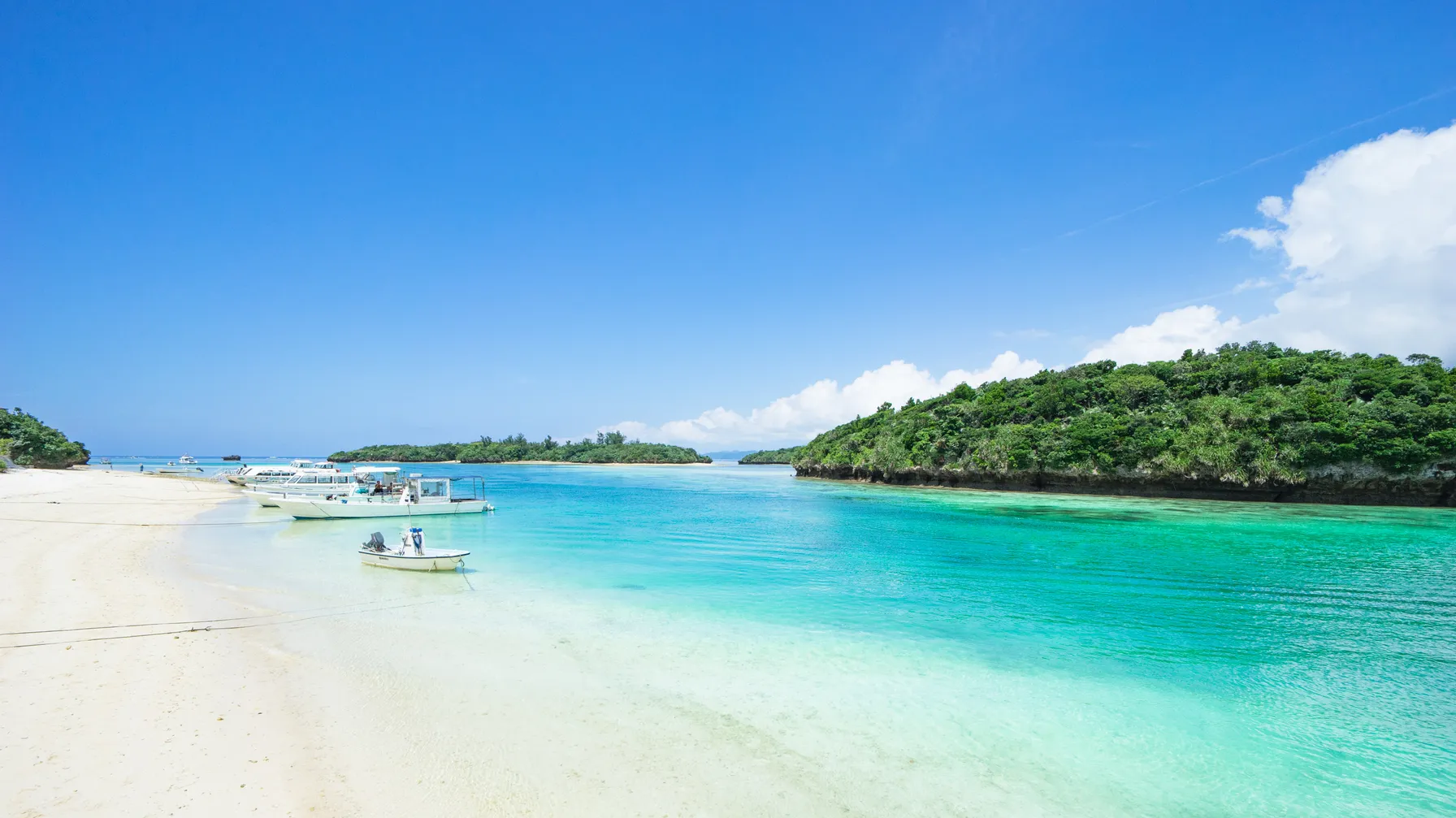
The Okinawa archipelago takes surfers into a unique tropical world in Japan. Its intensely blue crystalline waters, maintained at a pleasant temperature even in winter, allow surfing year-round in paradise-like conditions. Sunabe, an accessible reef break, is perfectly suited for intermediate surfers with its playful and consistent waves.
Zanpa challenges experienced surfers with its hollow and fast sections, requiring perfect technical mastery to navigate the protruding reefs. Ikei Island offers more confidential spots, real gems for connoisseurs willing to stray off the beaten path.
The uniqueness of Okinawa lies in its dependence on typhoon systems. When these tropical depressions generate swell, the waves become magical, sculpted by millennia-old coral reefs. This alternation between absolute calm and exceptional sessions shapes the unique character of Okinawan surfing.
Book your surf trip to Okinawa now
What is the best time to surf in Japan?
Japan's climatic diversity offers various surfing windows depending on the region, allowing you to plan your trip according to your preferences and availability.
Typhoon Season: When Waves Come Alive
From August to November, the typhoon season radically transforms the surfing conditions in Japan. These powerful depression systems generate long, organized swells that sweep across the archipelago, creating the best conditions of the year on the majority of spots. This privileged period draws the attention of local and international surfers.
September and October often represent the peak, combining consistent swells and often offshore winds. Temperatures remain pleasant, the water keeps its summer warmth, and the days still offer long hours of light to maximize your sessions. The spots in Shikoku and Kyushu then reveal their full potential, with waves that can reach impressive sizes.
However, this period requires some flexibility in planning. Typhoons can occasionally create conditions too intense for practicing, necessitating adaptation and possibly changing regions according to the weather forecast.
Adapt your trip to the Japanese seasons
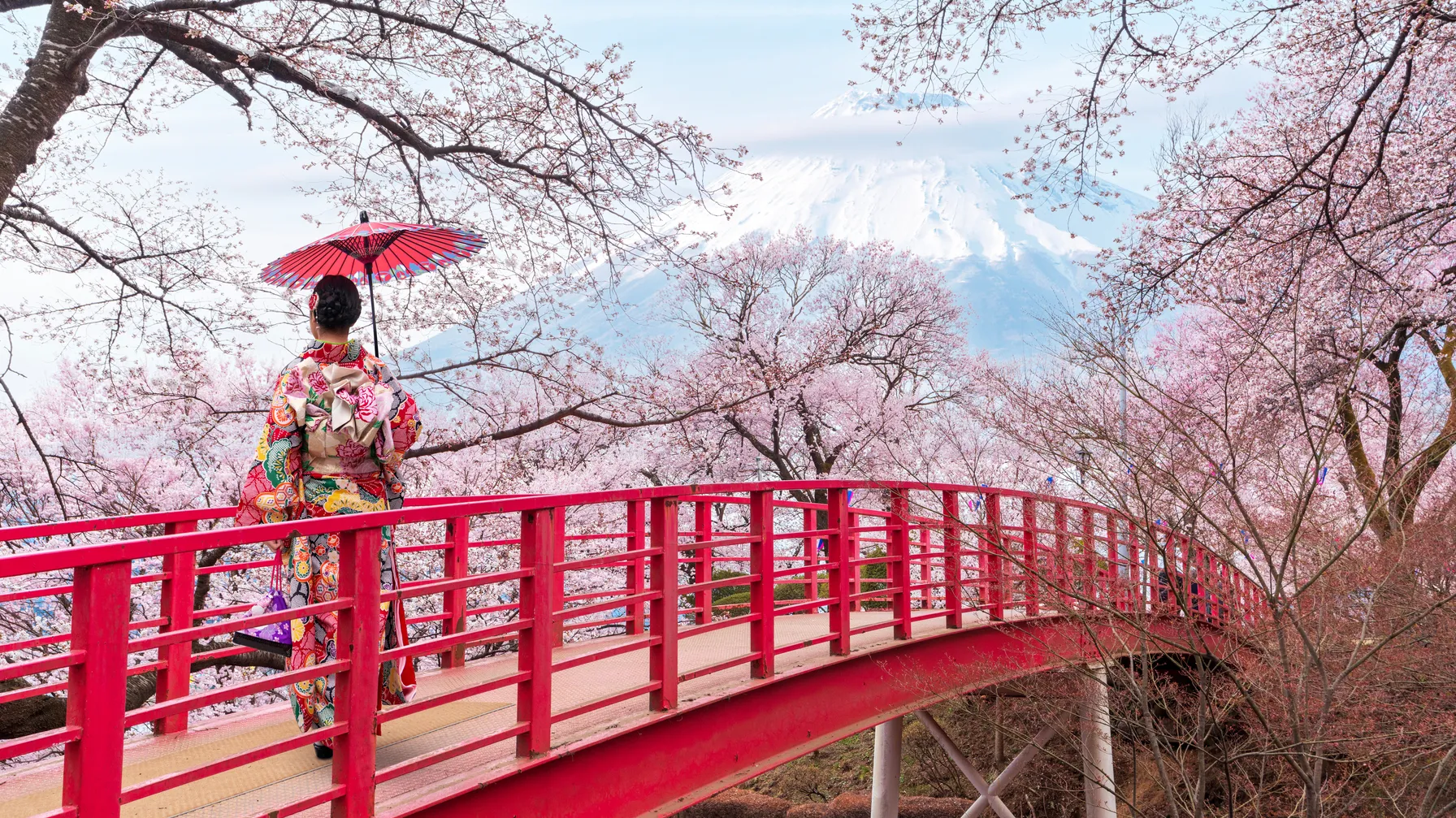
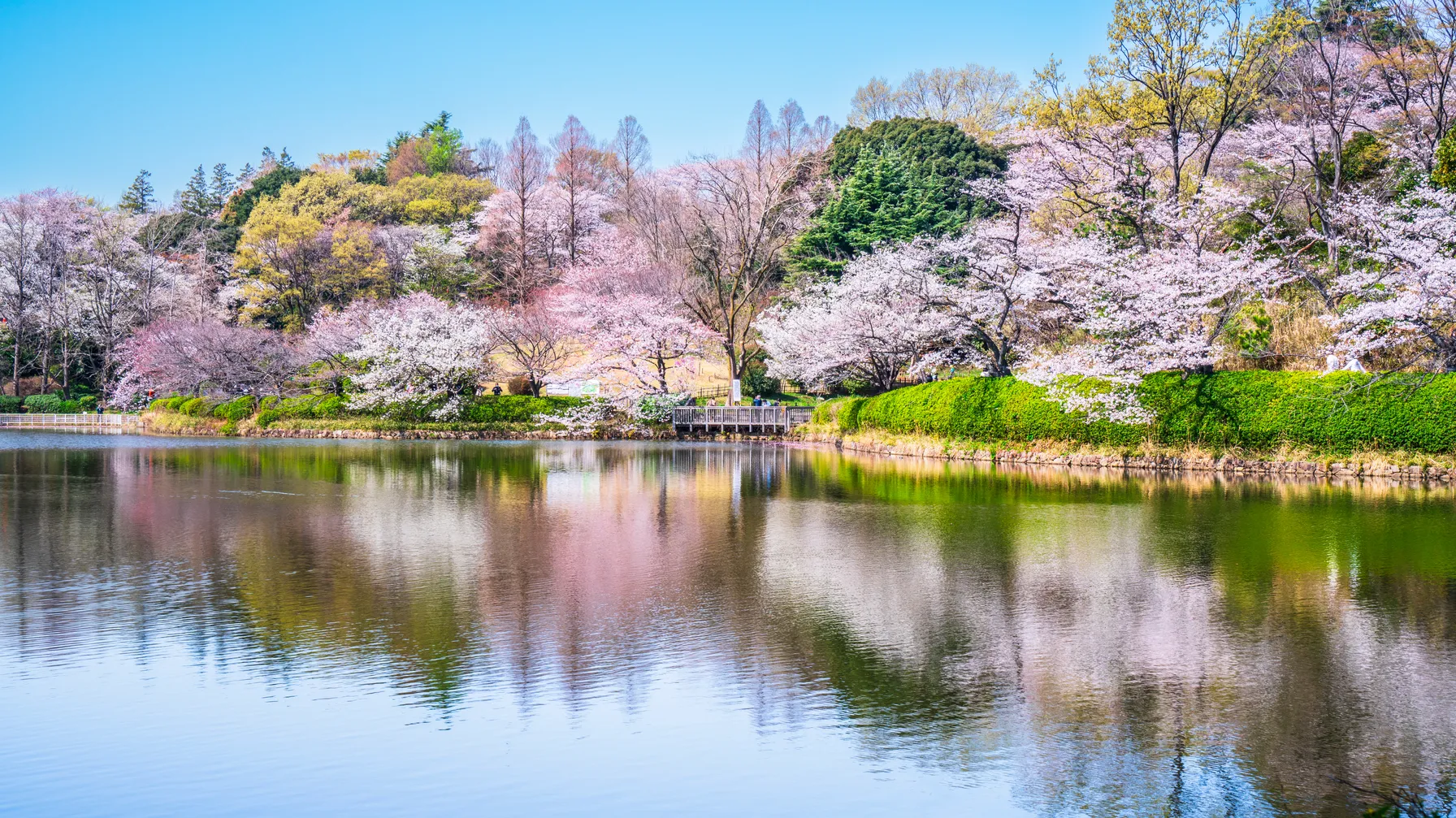
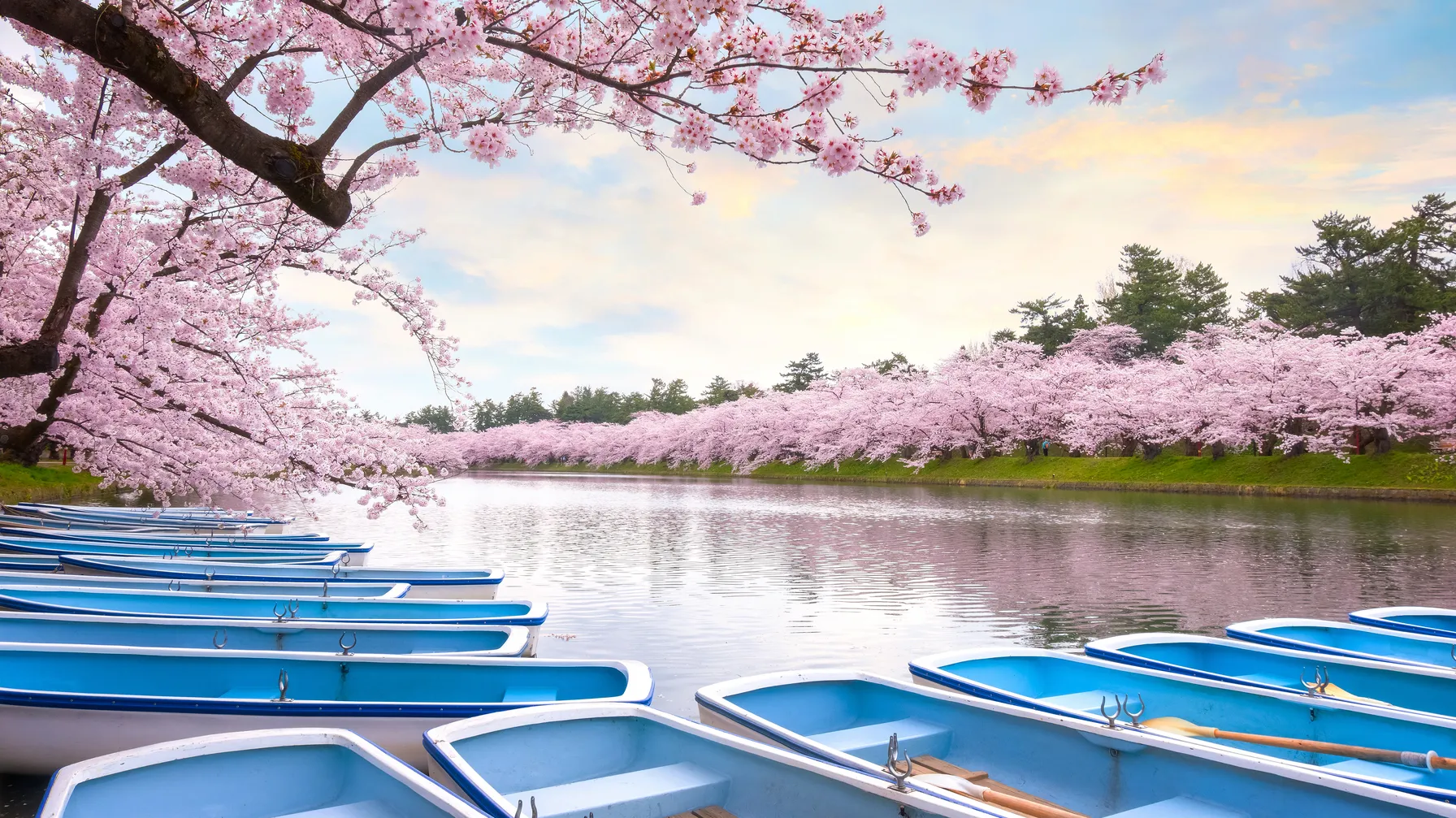
Spring (March to May) is an excellent alternative to avoid the summer crowds while enjoying suitable conditions. The water begins to warm up, surf spots gradually regain activity after the winter, and the landscapes are adorned with the famous cherry blossoms. This season is particularly suitable for families wishing to combine surfing with cultural exploration.
Summer reveals a calmer aspect of Japanese surfing, but surf schools are in full swing, ideal for beginners or those looking to refine their techniques. The beaches come alive, creating a unique festive atmosphere. Okinawa stands out with its tropical waters and privileged position to catch the first typhonic swells.
The Japanese winter, harsh in the north, maintains surfable conditions on the southern coasts. Experienced surfers appreciate this period for its tranquility, favorable rates, and small-group sessions against a backdrop of snow-capped mountains.
How to organize your custom surf trip?
The success of your Japanese surf trip relies on careful preparation, particularly important in a country with specific cultural codes.
Equipment and learning: everything you need to get started
Japan has a particularly developed network of surf schools, especially in tourist regions. These institutions generally offer courses suitable for foreigners, with English-speaking instructors. The Japanese pedagogical approach, methodical and respectful, is perfectly suited for beginners looking to progress in good conditions.
Regarding equipment, you will find in each surf zone specialized stores offering rental and sale of surfboards. The globally recognized quality of Japanese equipment ensures high-performance gear. The suits vary by season: a shorty is sufficient in summer, while a 4/3 mm becomes indispensable in winter on the northern coasts.
Experienced surfers can have their surfboards shipped directly to their accommodations through the remarkably efficient Japanese postal services. This option avoids the constraints of air transport while ensuring the use of your usual equipment.
Contact us to organize your custom surf trip
Accommodation and mobility: the keys to a successful trip
Accommodation in Japan perfectly suits the needs of surfers. Traditional surf camps, often located beachfront, allow you to monitor conditions right from your room. These family-run establishments offer a true cultural immersion, sometimes even offering the option to share typical meals with your hosts.
For more flexibility, ryokans (traditional inns), located near surf spots, combine comfort and authenticity. Some even offer private hot springs, perfect for relaxing after your sessions. The guesthouse option is suitable for tighter budgets while maintaining a high standard of quality.
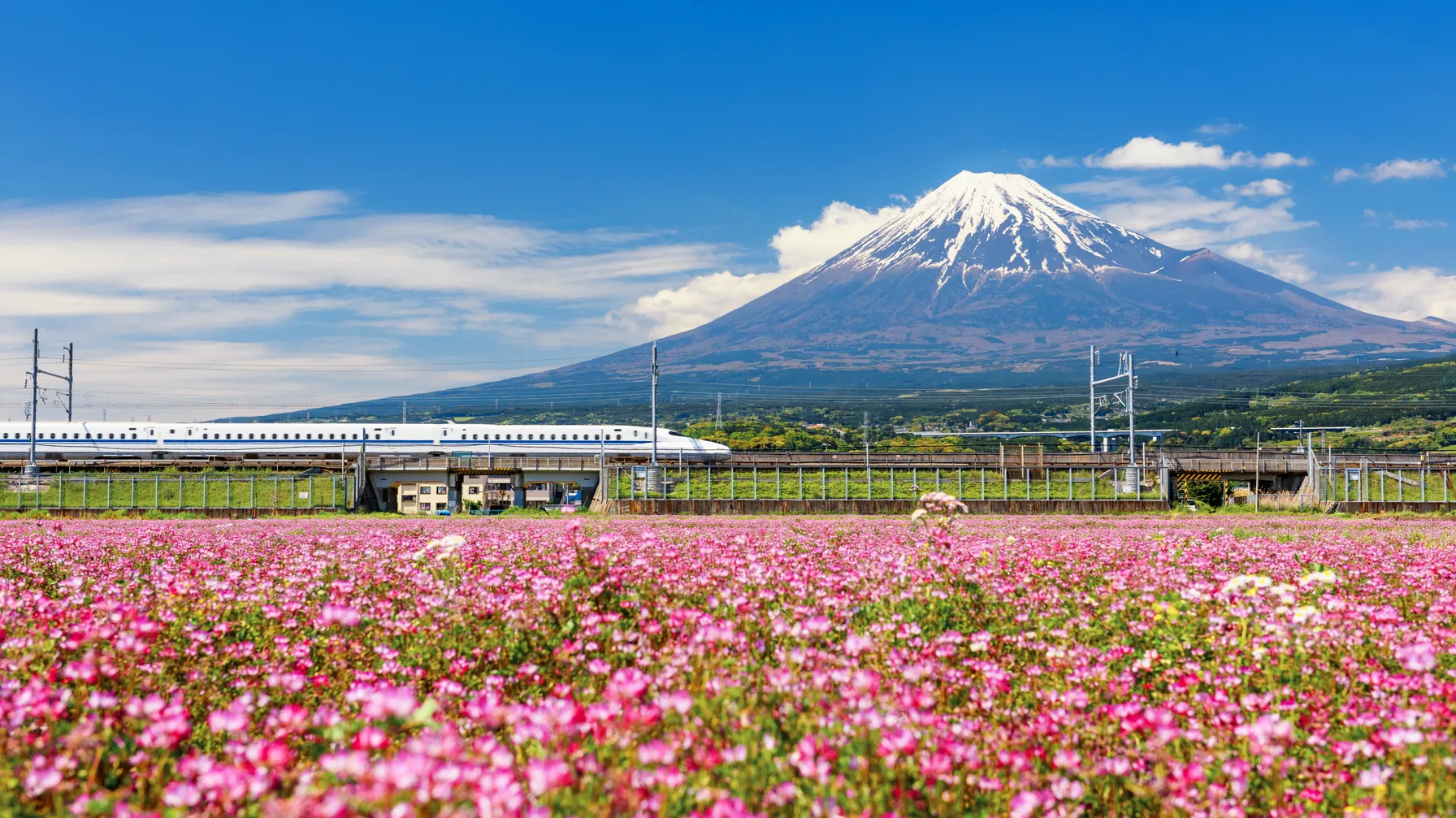
Mobility is a major advantage in Japan for surfers. The Japan Rail Pass allows easy travel between different surfing regions, turning your trip into a true rail road trip. For exploring the more remote spots, car rental offers total freedom, with an excellent quality road network and clear signage.
Demandez votre devis Japan sur-mesure 100% gratuit
 4.8
4.8+3.000 travelers satisfied
Frequently asked questions
Is there a minimum level required to surf in Japan?
Japan welcomes surfers of all levels thanks to the diversity of its spots. Beginners will enjoy the beach breaks in Chiba or Shonan, where many schools offer suitable courses. Experienced surfers can head to the reefs in Okinawa or the point breaks in Shikoku for more technical challenges. The Japanese culture of respect and mutual assistance makes it easy for new practitioners to integrate.
Can you surf in Japan without speaking Japanese?
Absolutely! Many Japanese surf professionals speak English, especially in tourist areas. Surf schools often offer courses in English, and the use of an instant translation app makes communication easier. The universal gestures of surfing and the natural benevolence of the Japanese allow for effective communication even with limited language skills.
Are surfing conditions in Japan predictable?
Japanese weather forecasts are among the most reliable in the world, allowing for accurate anticipation of surfing conditions. Numerous specialized sites provide detailed information on swell, winds, and tides. The typhoon season offers the best predictability, with clearly identifiable surfing windows several days in advance, making it easier to plan your trip.