10 days in Japan: the complete guide for an unforgettable stay
Why is Japan an essential destination for a first trip?
The Japanese archipelago attracts travelers from around the world for one simple reason: every detail is thought to offer an exceptional experience. From sprawling metropolises to ancient villages, passing through a cuisine of rare finesse, Japan combines all the facets of a memorable trip in the same journey.
Between tradition and modernity, a striking contrast
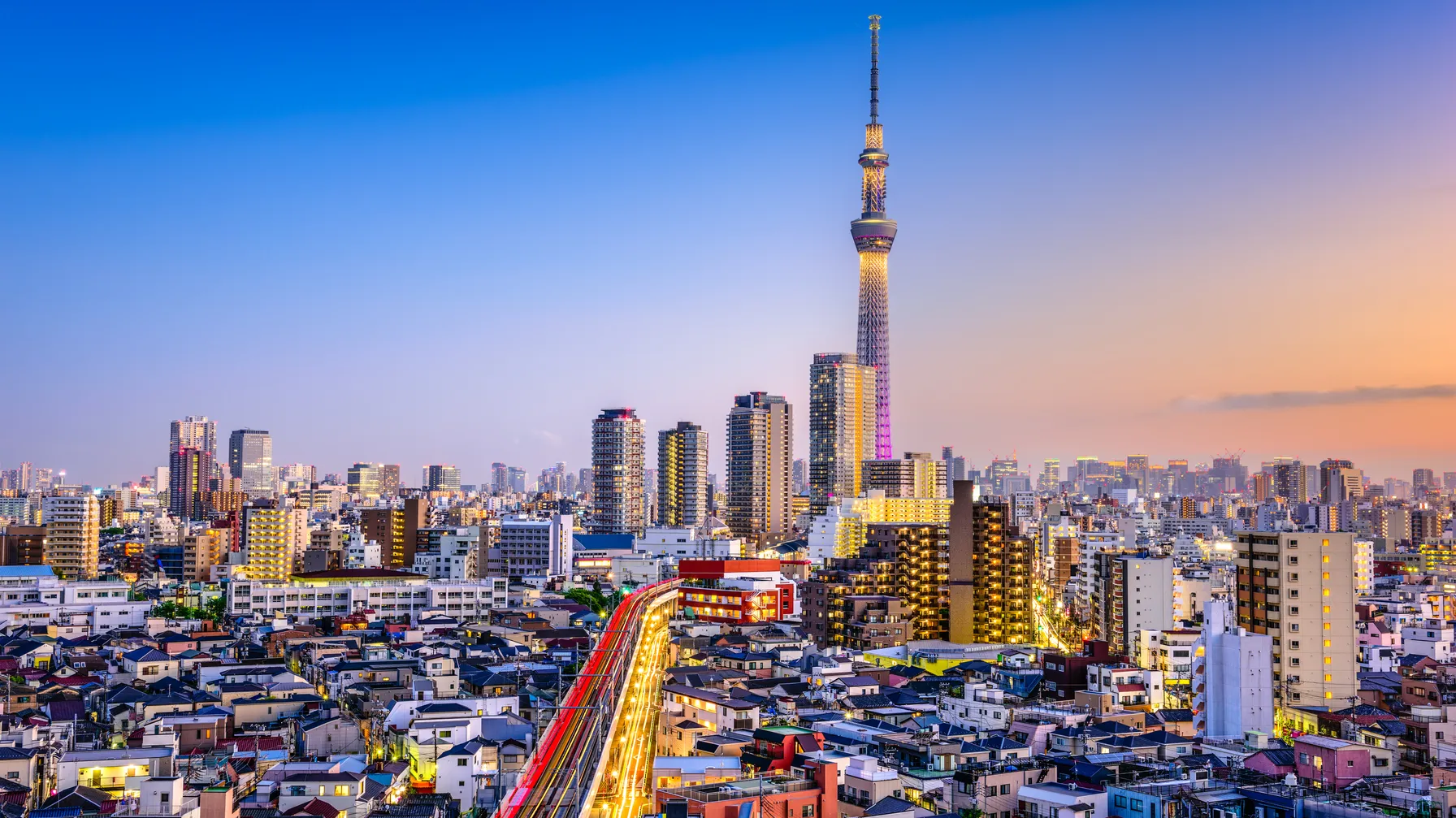
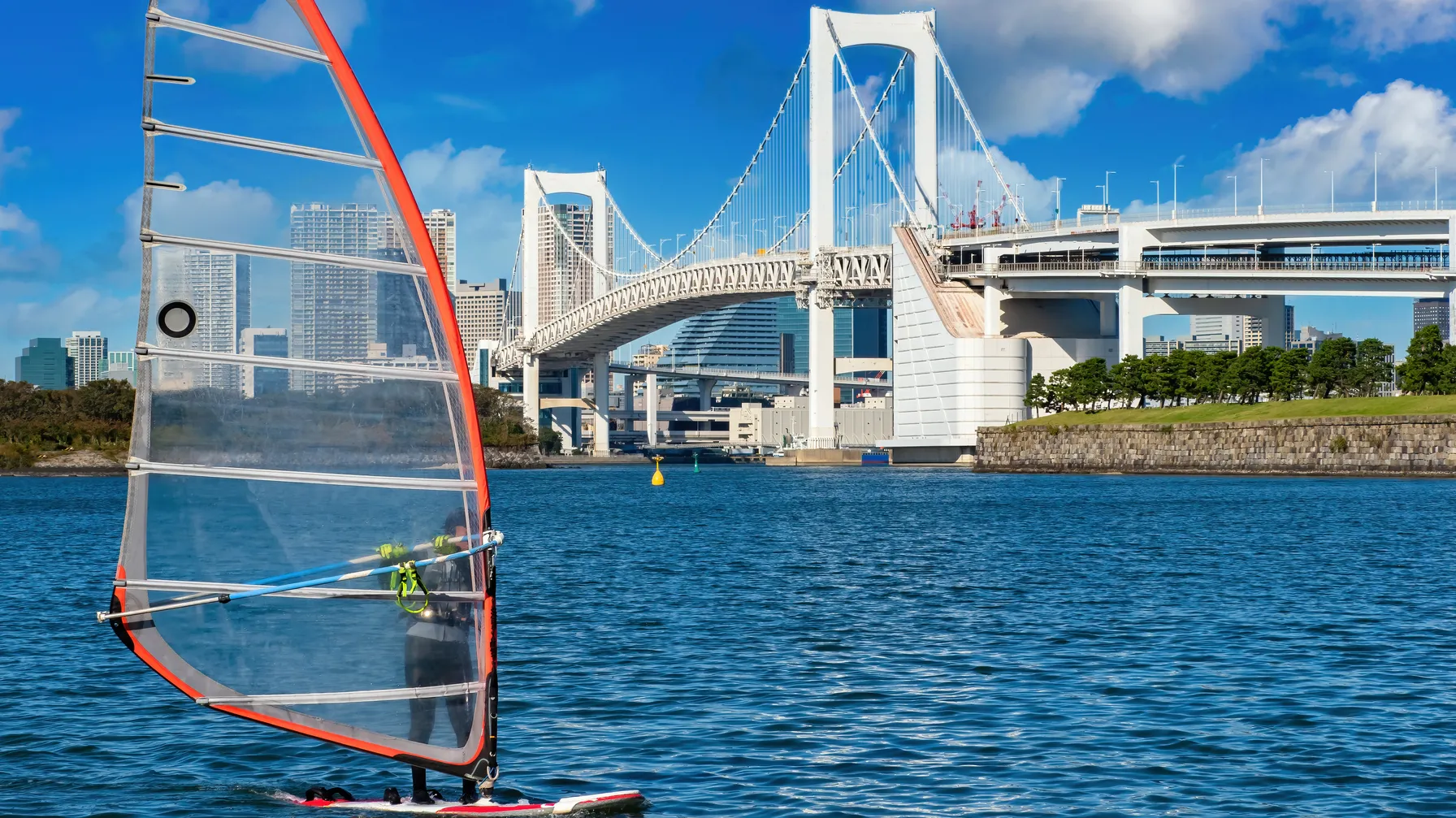
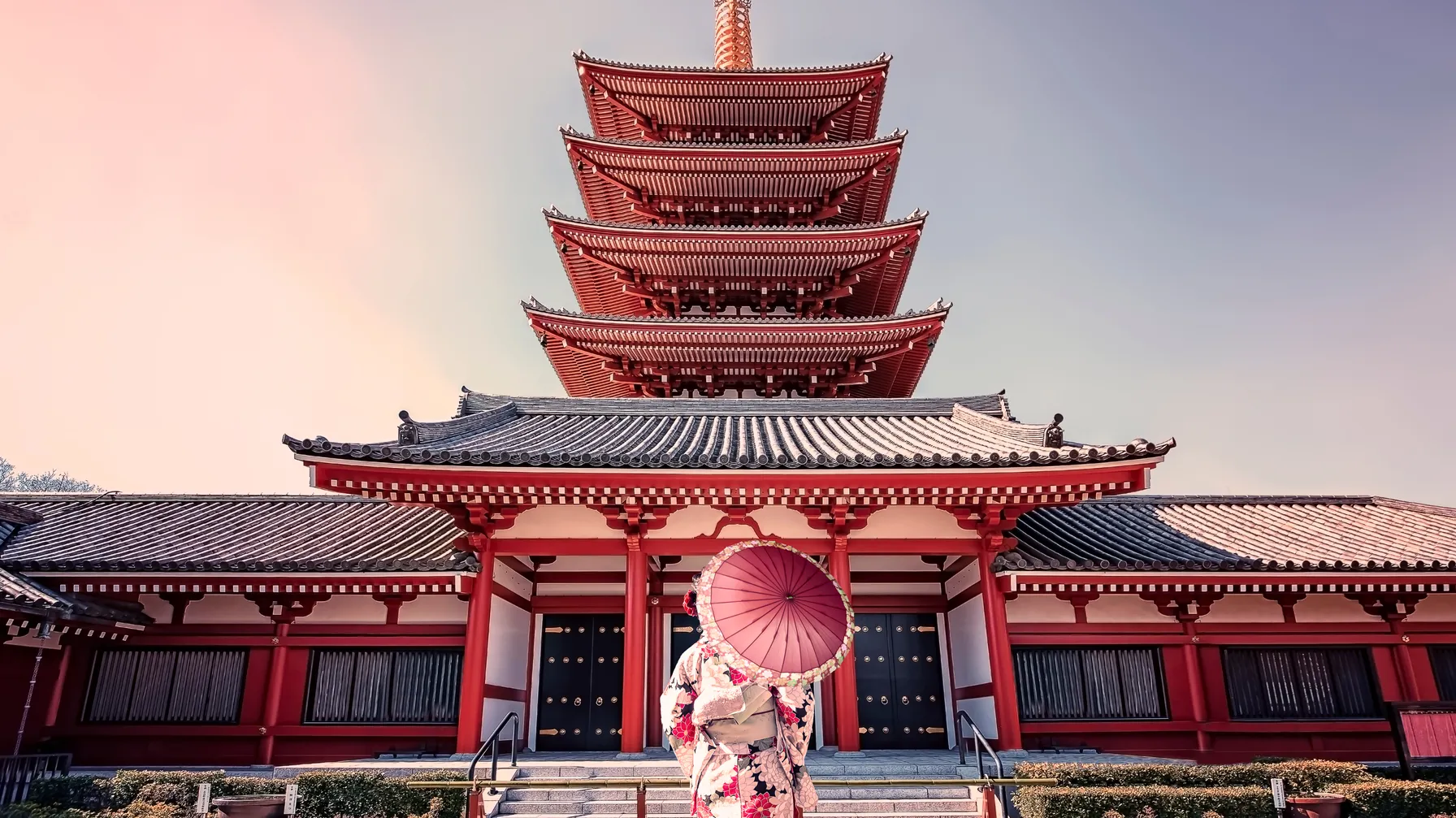
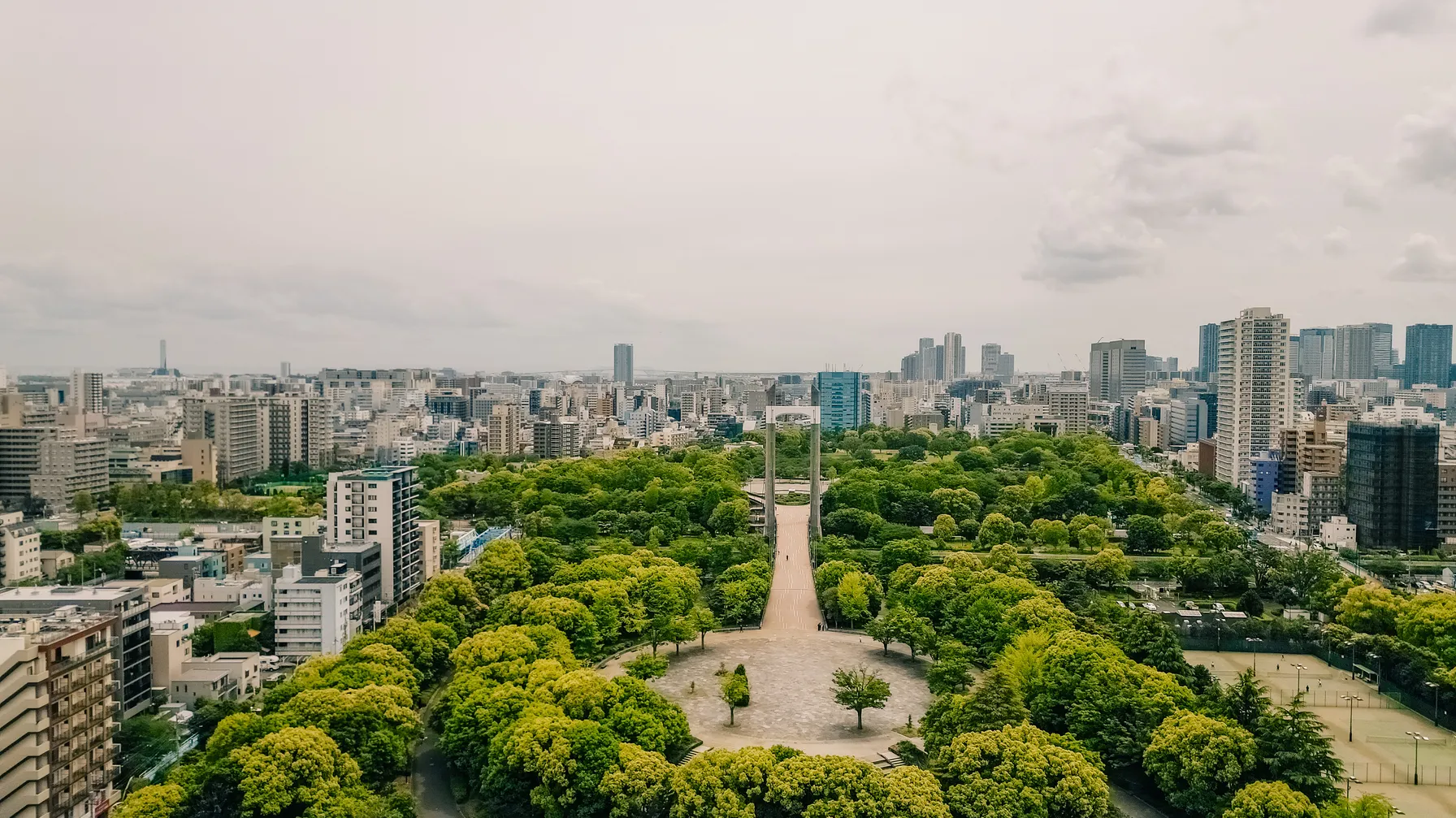
Upon your arrival at Narita airport, Tokyo welcomes you with incomparable energy. Just a few minutes' walk away, the Senso-ji temple immerses you in ancient Japan, while the Tokyo Skytree offers a breathtaking view of one of the world's largest metropolises. Shopping in the bustling districts of Shibuya or Shinjuku, and then meditating in front of the Imperial Palace: this is the permanent contrast that makes this country so endearing. This mix of shrine intimacy and urban bustle characterizes the soul of Japan.
A cuisine that warrants a trip in itself
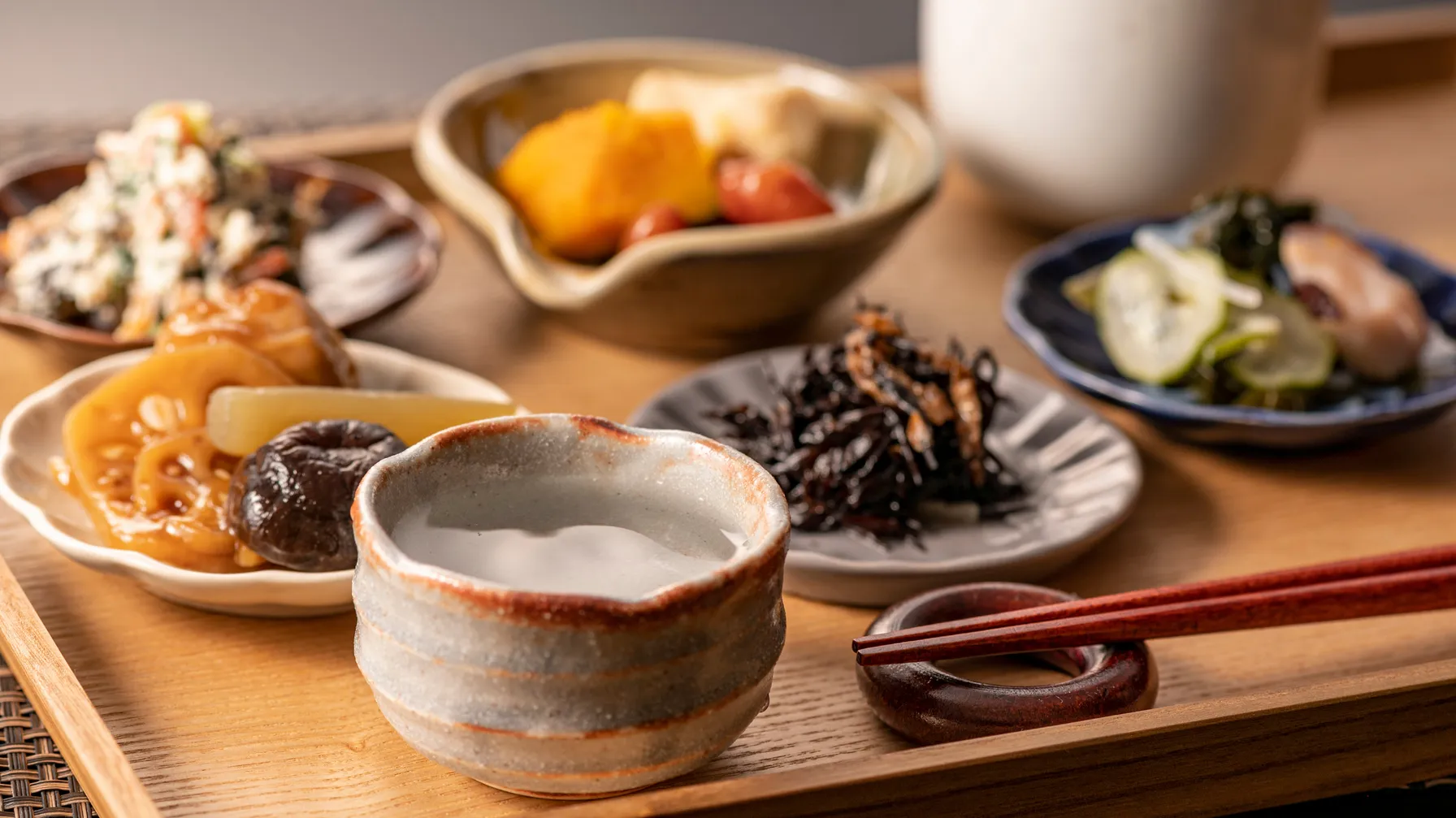
The Japanese table is an invitation to discovery. Steaming ramens, sushi of absolute freshness, crispy tempuras, or melting Kyoto tofu: each region brings its own specialties. Local markets and traditional restaurants provide numerous opportunities to grasp the soul of a cuisine that places precision and quality at the heart of each dish. Allowing oneself a bit of serenity around a traditional meal is, in itself, a distinct cultural experience.
Contact us for more information on the best experiences to have during your stay in Japan.
What is the best time to visit Japan?
The archipelago's climate varies considerably with the seasons, which directly influences the style of stay. To help you choose your ideal time, here is an overview of the seasons:
| Season | Period | Average Temperatures | Highlights |
|---|---|---|---|
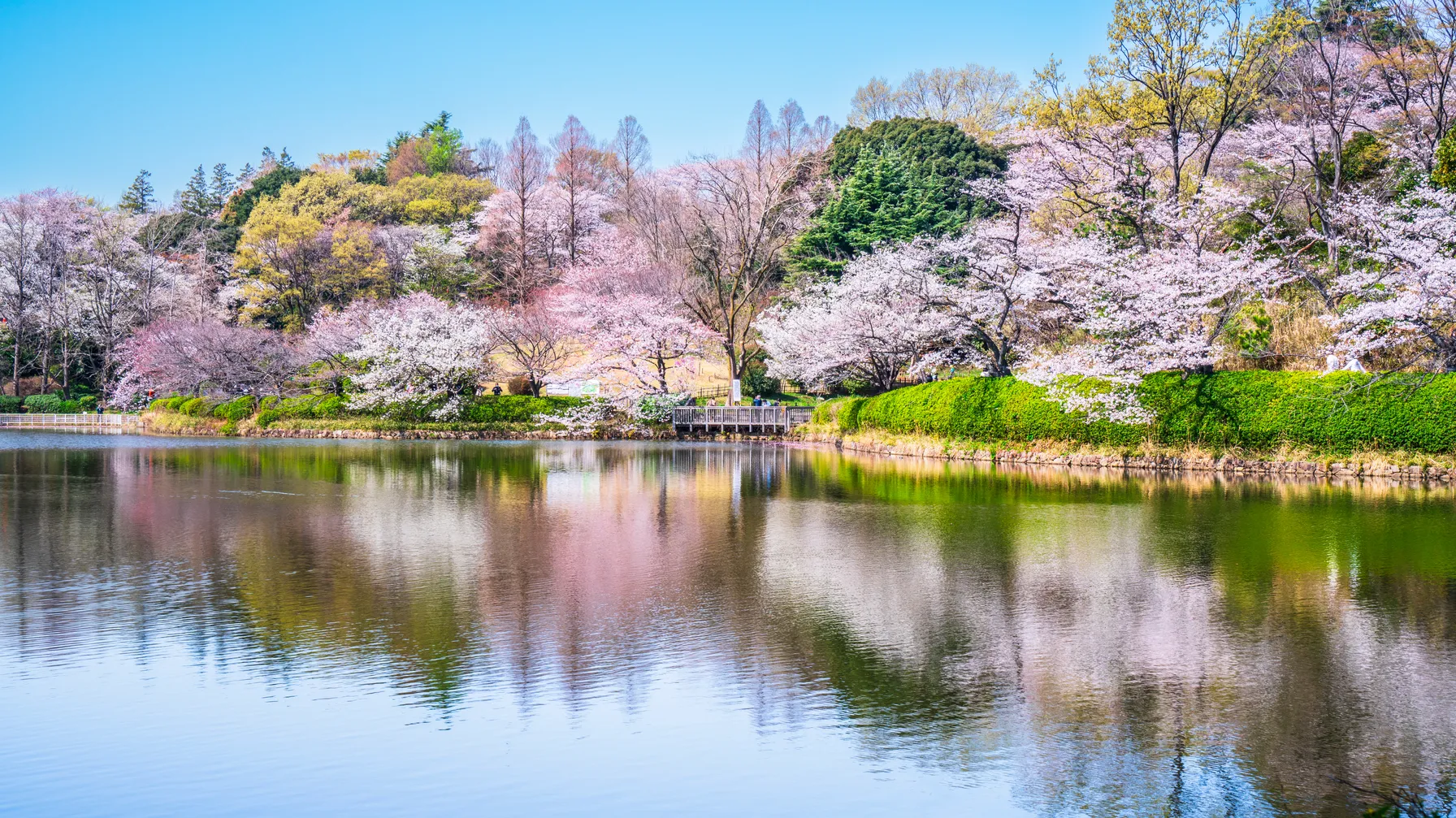
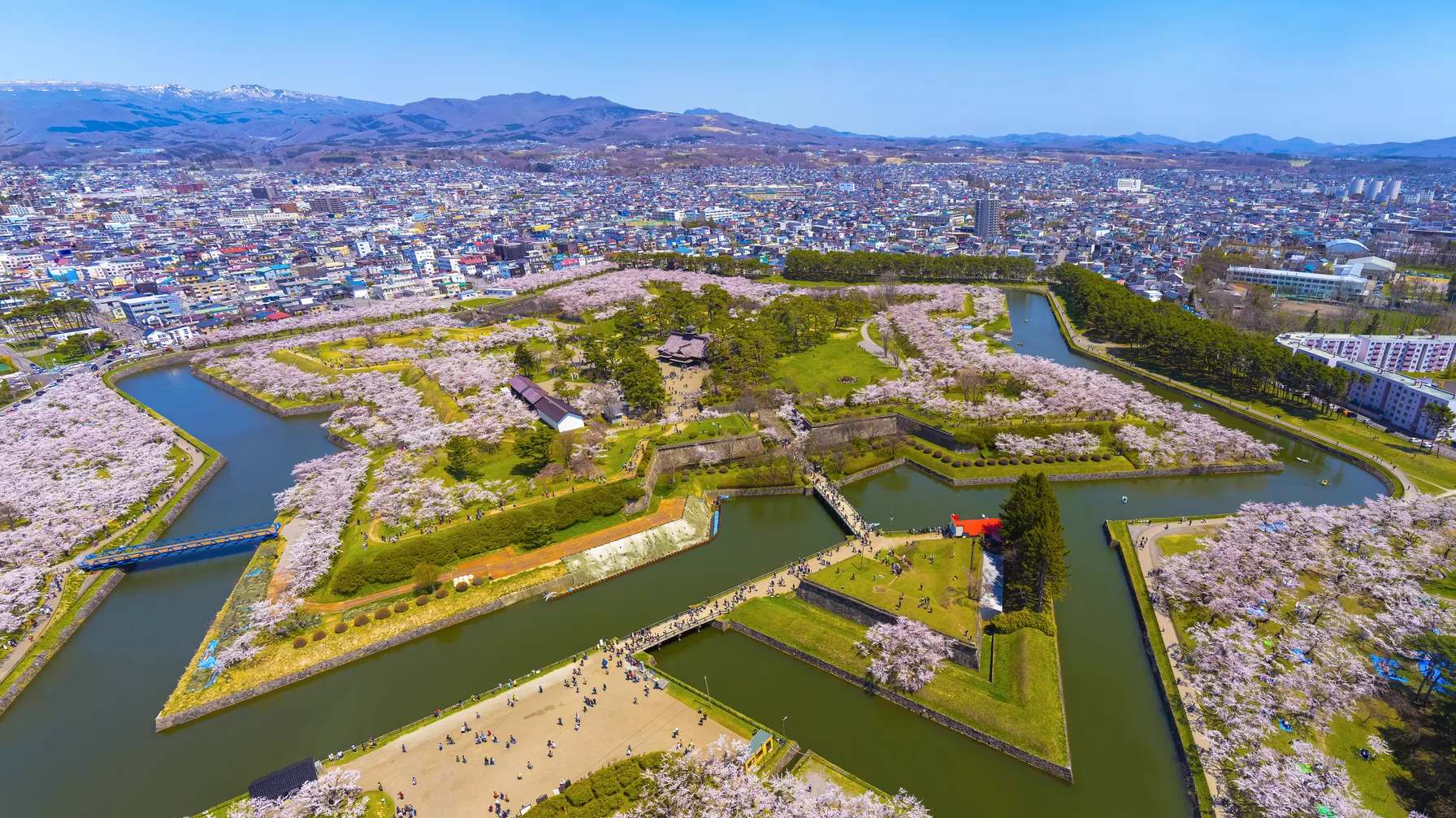
| Spring | March – May | 10 to 20 °C | Cherry blossom, visiting temples and shrines |
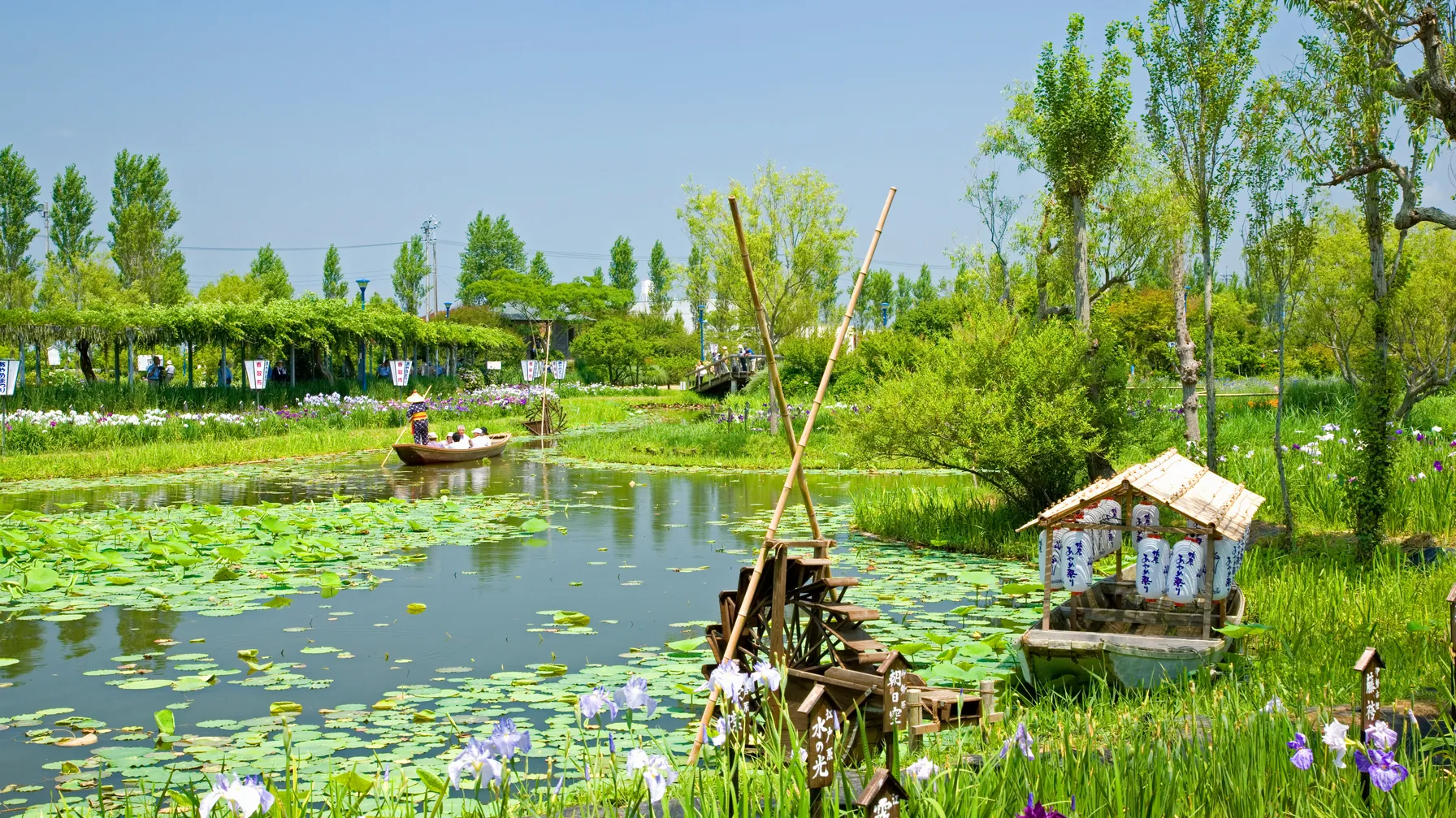
| Summer | June – August | 25 to 35 °C | Traditional festivals, but significant heat and humidity |
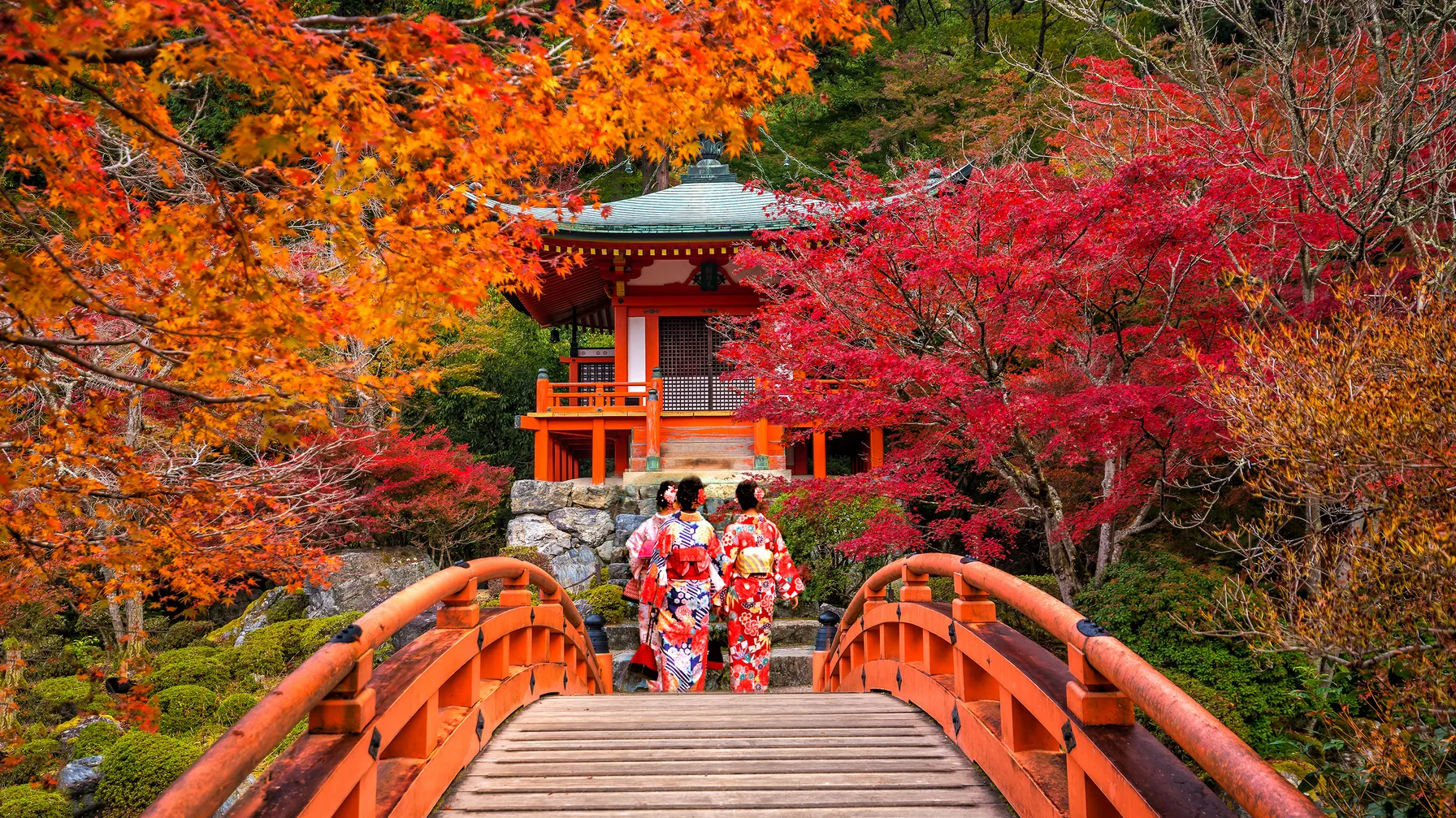
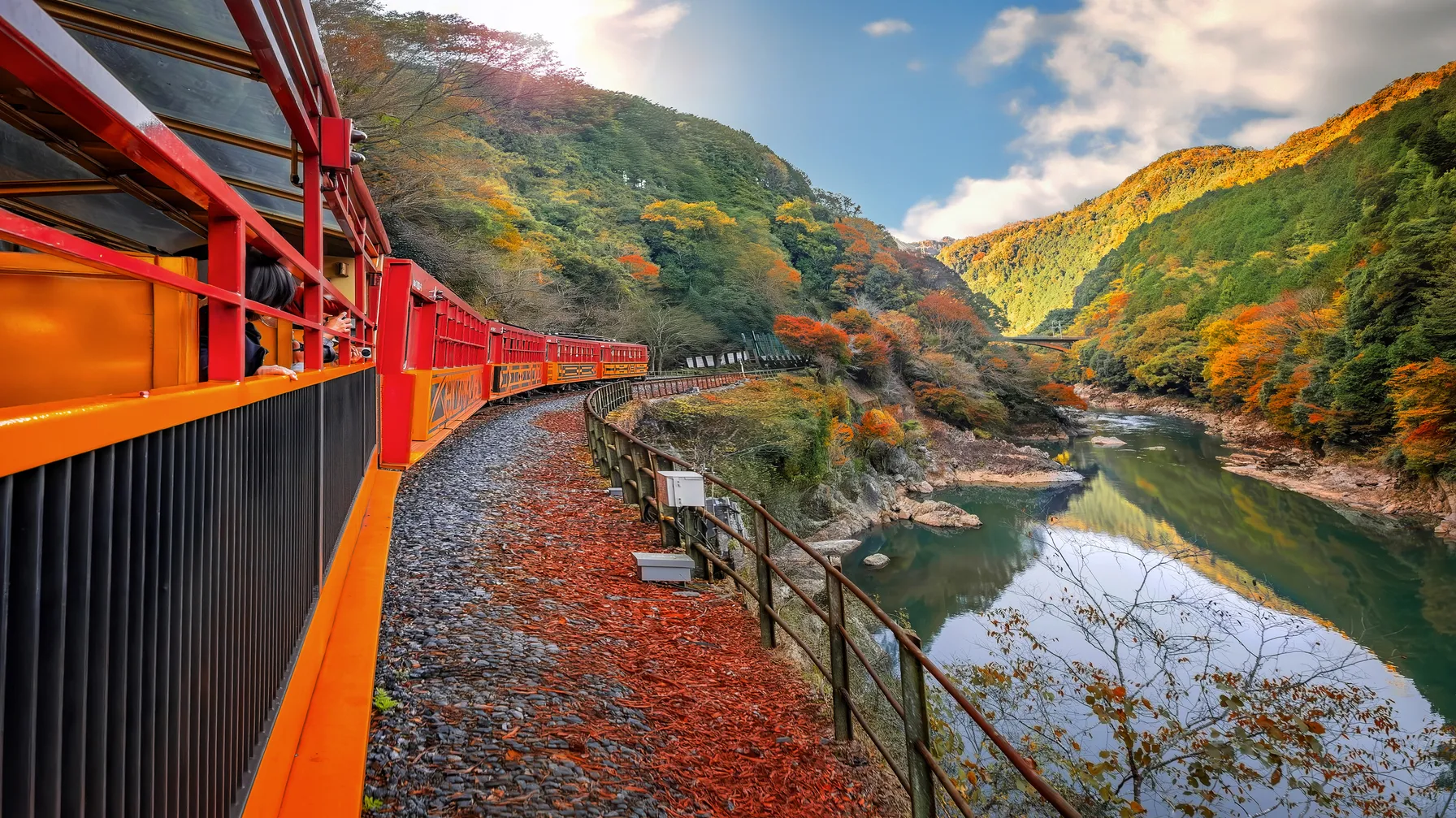
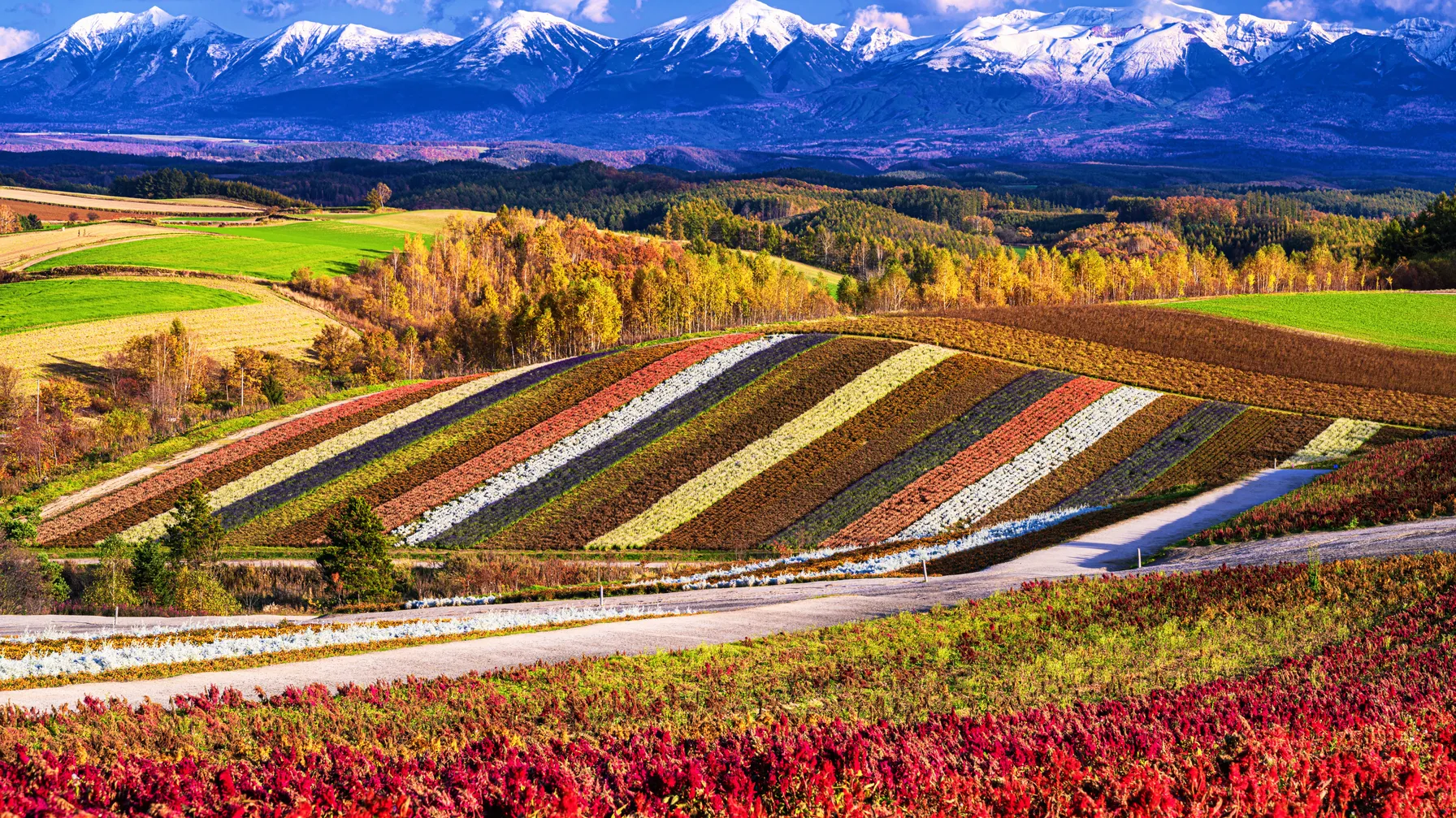
| Autumn | September – November | 10 to 22 °C | Flamboyant foliage, soft light, moderate crowds |
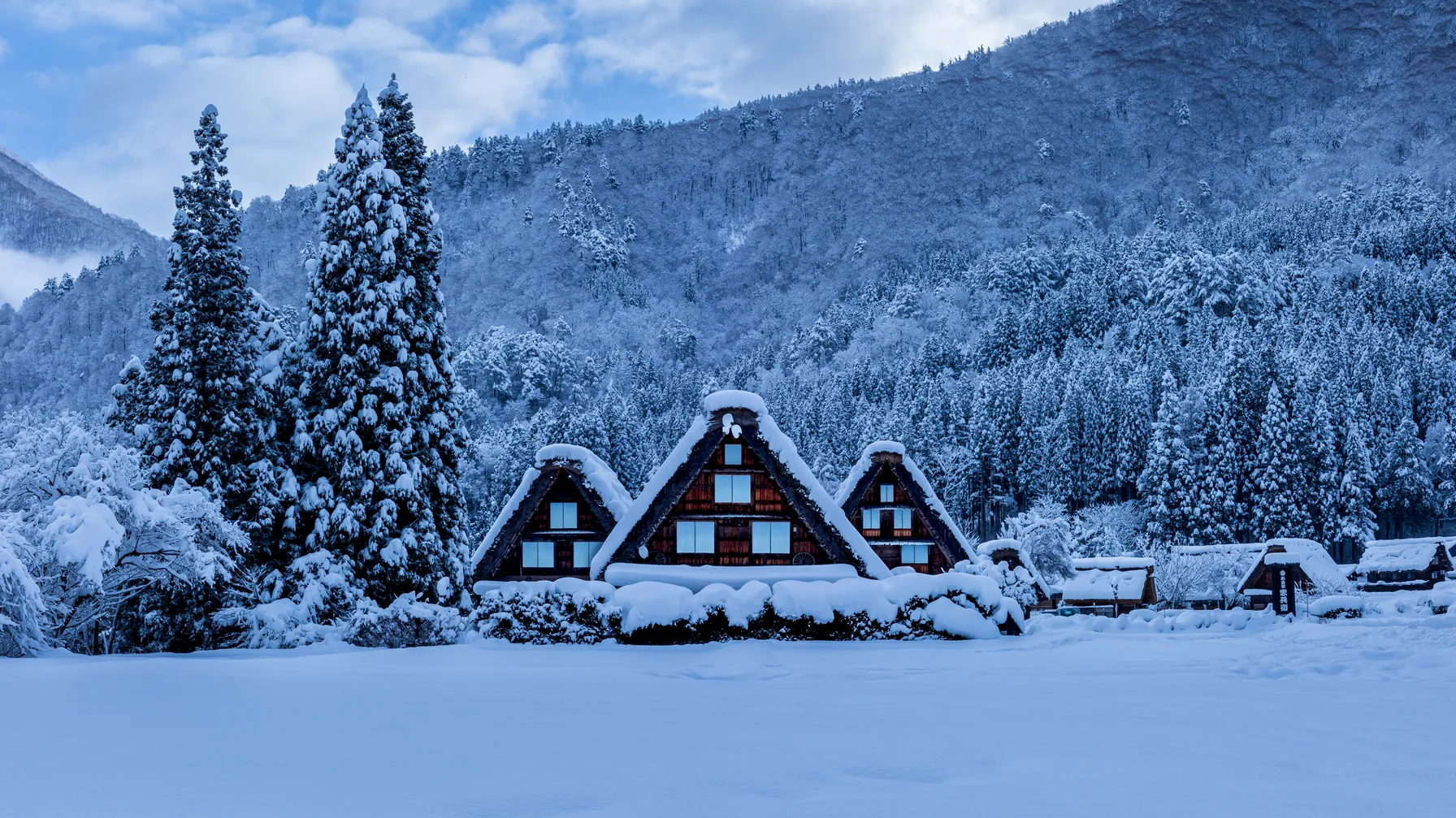
| Winter | December – February | -5 to 10 °C | Winter sports in the Japanese Alps, intimate atmosphere |
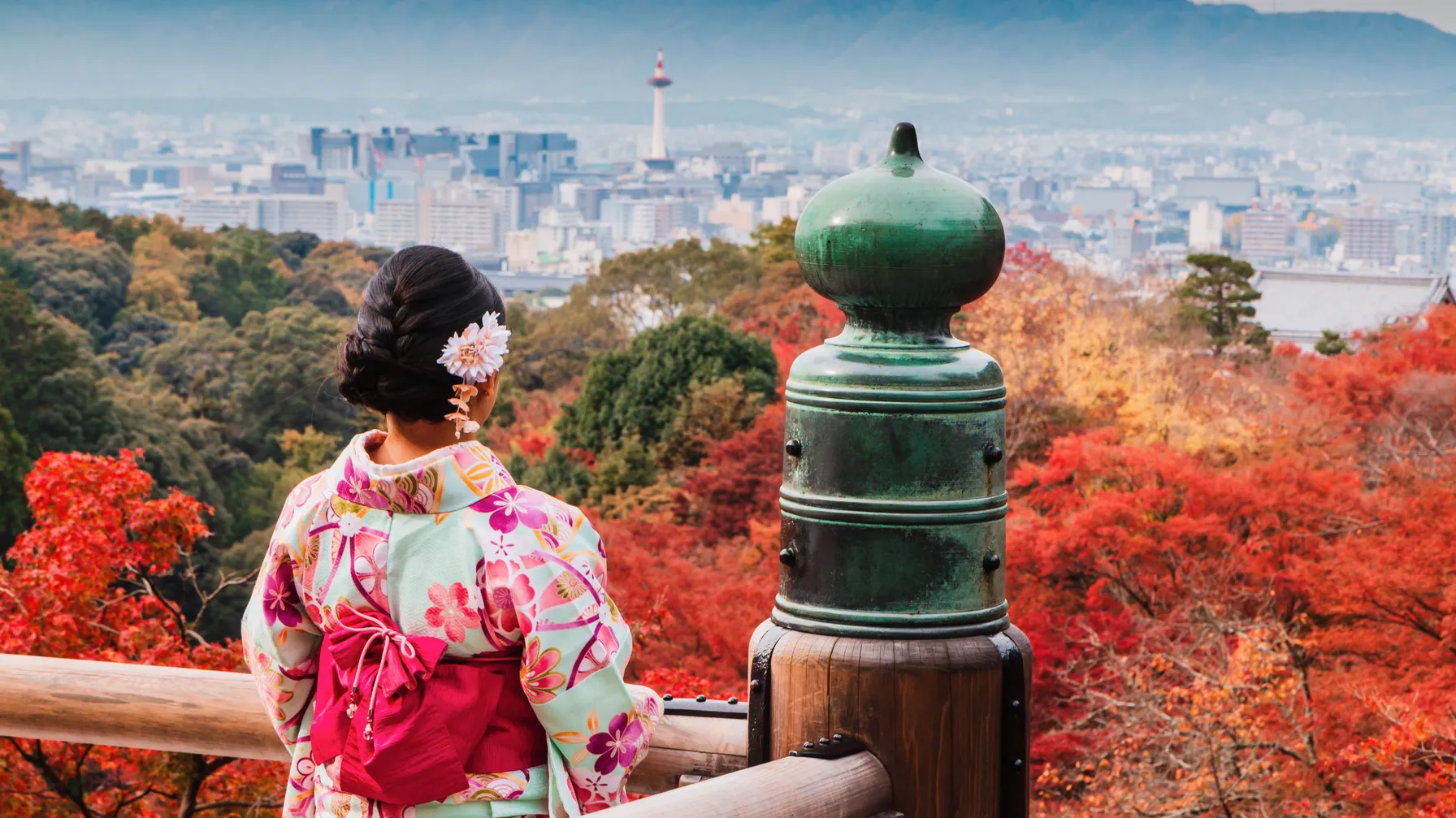
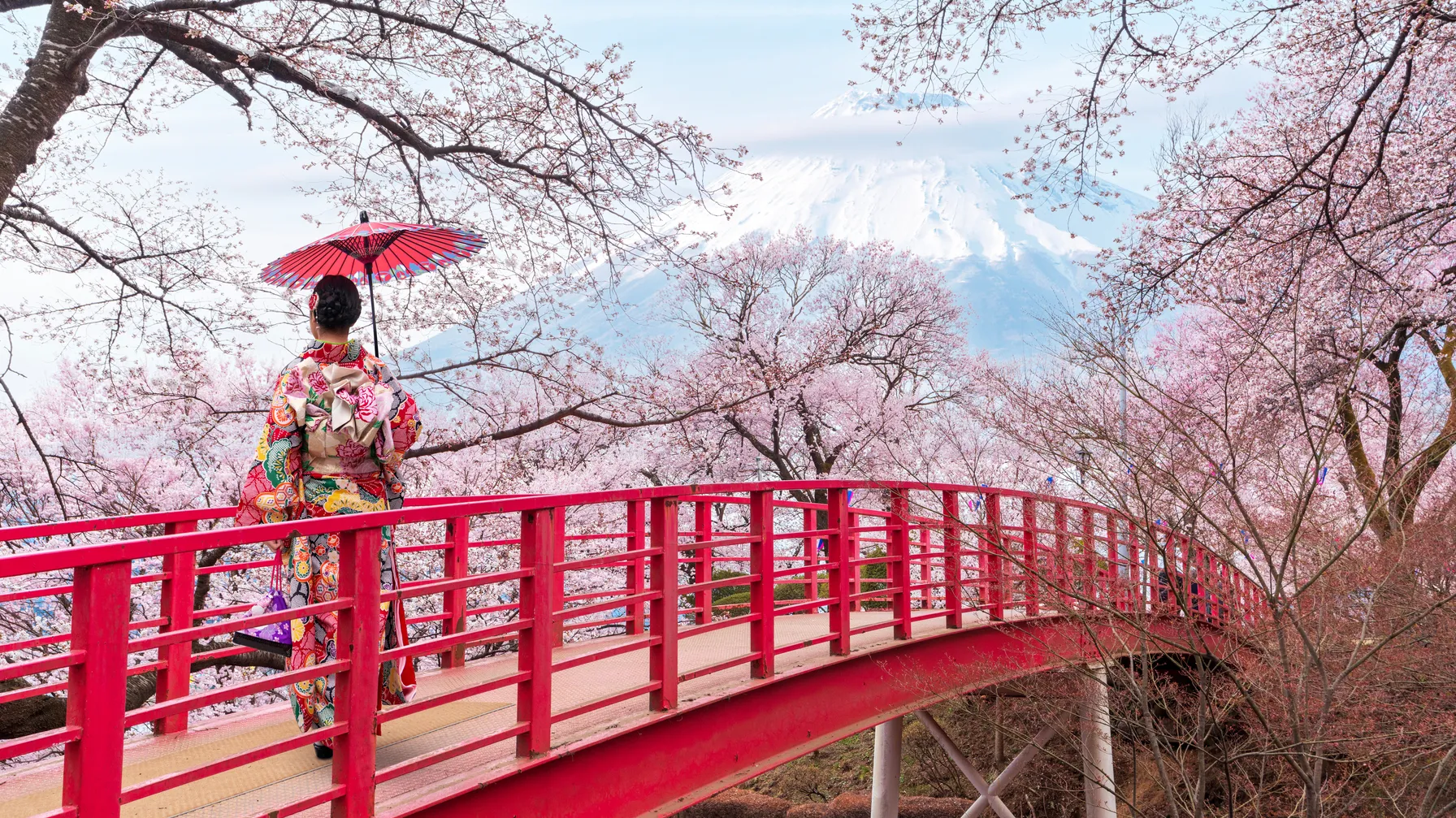
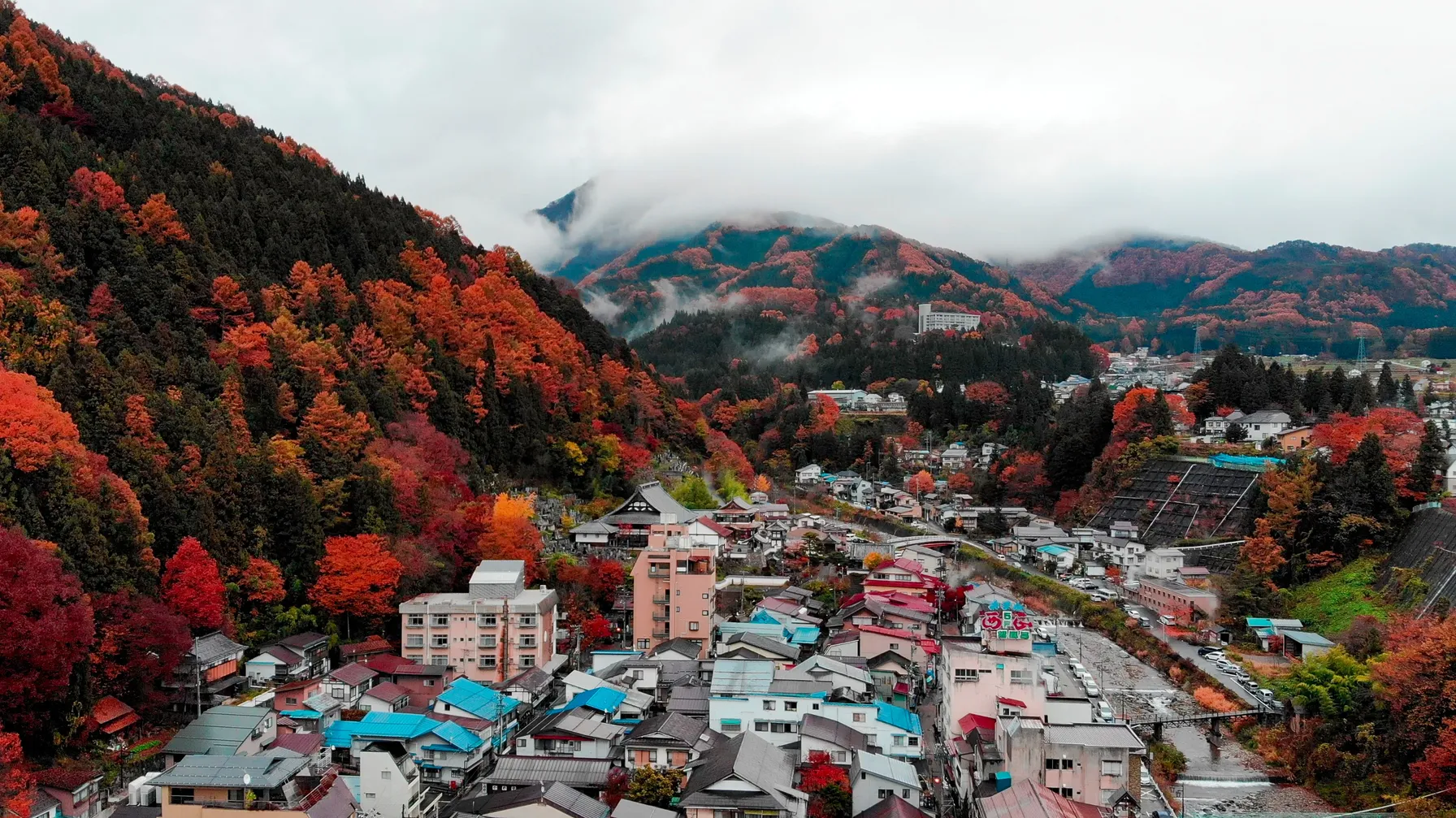
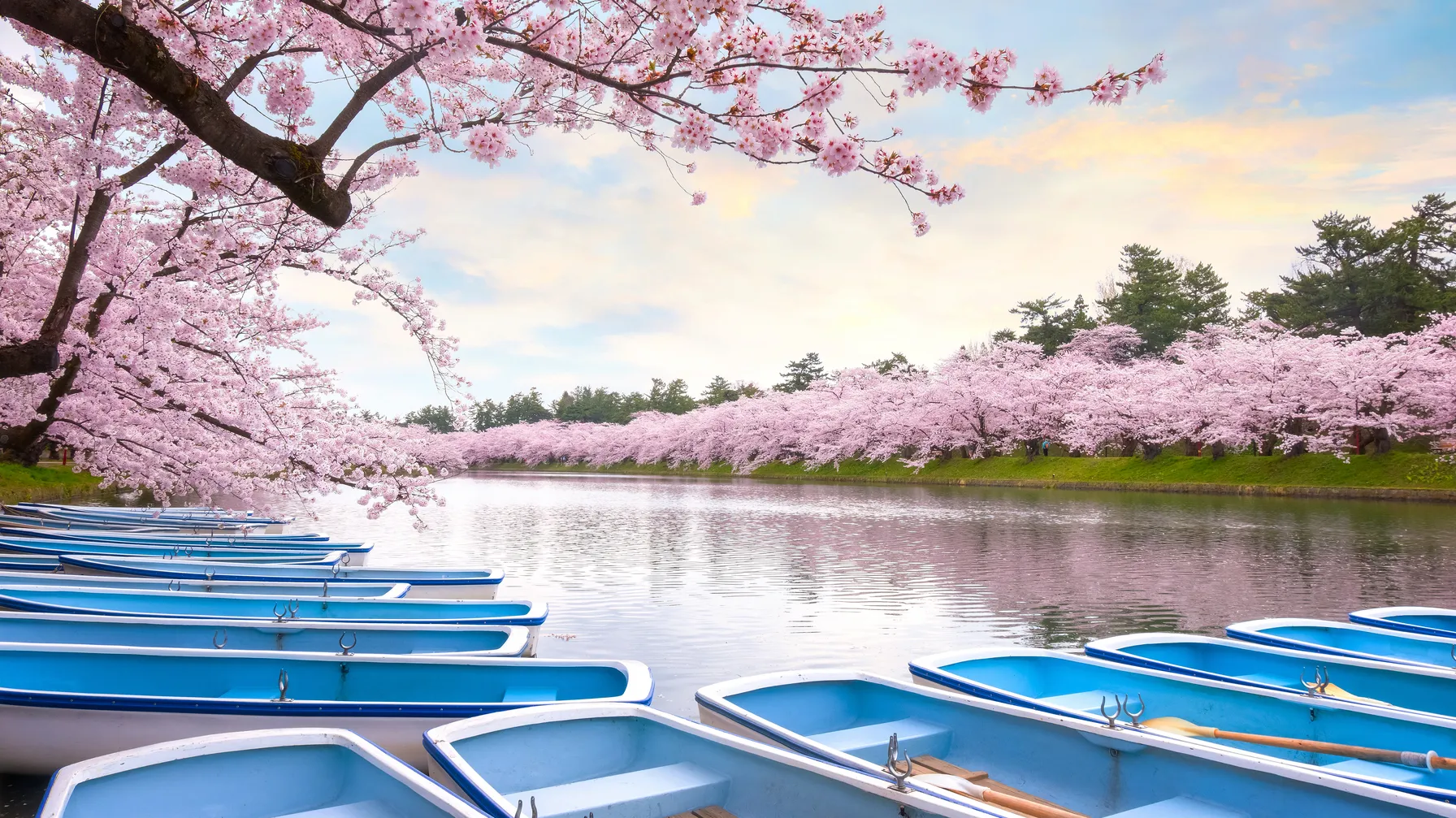
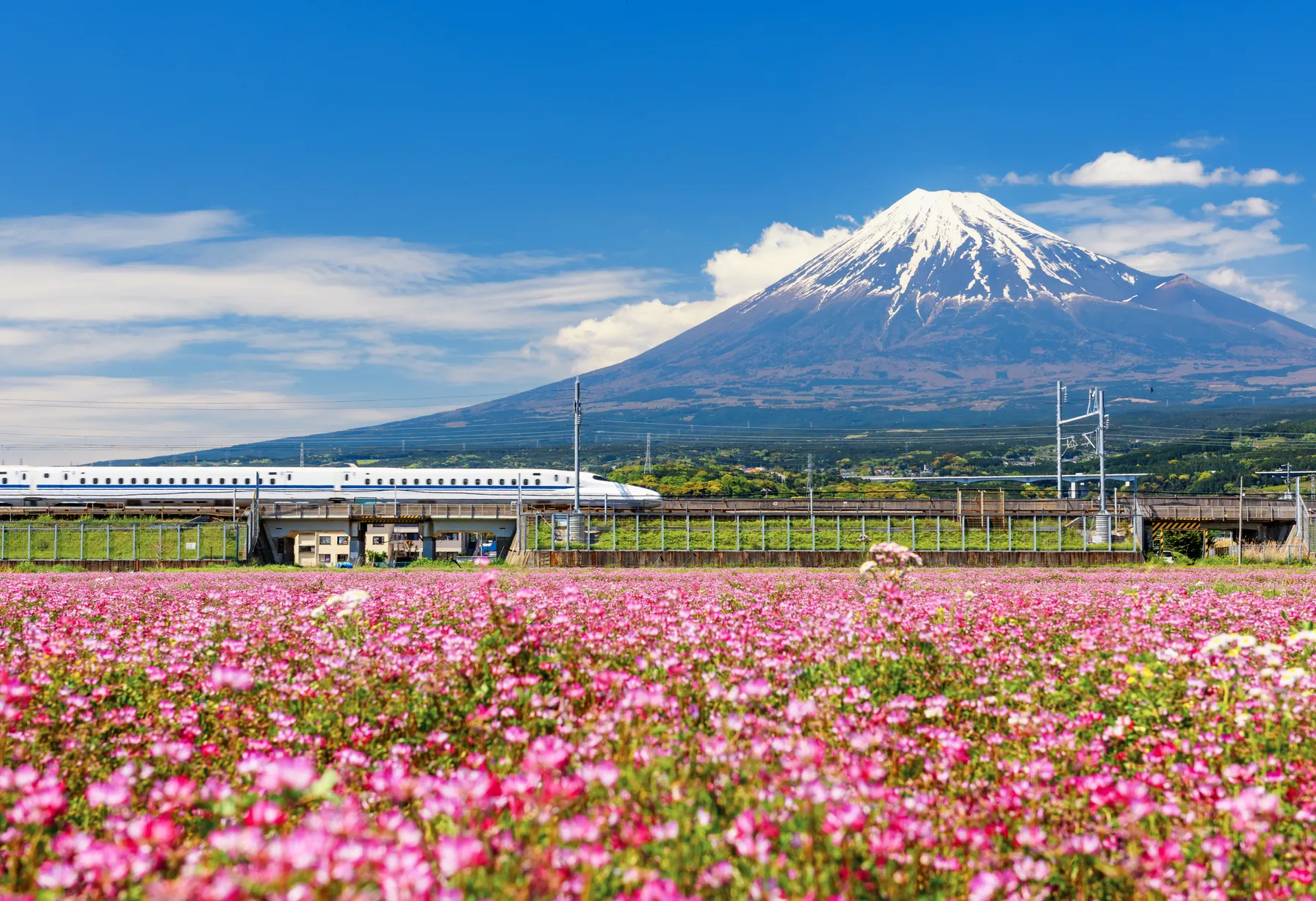
Spring and autumn remain the most favored times for a first trip. The cherry blossom season in March and April certainly draws crowds, but the atmosphere around the temples and shrines is simply unique. Autumn offers colors of rare intensity, ideal for photography enthusiasts or hiking at the foot of Mount Fuji.
Did you know? In winter, the Japanese Alps host ski resorts renowned worldwide for the quality of their powdery snow. A mountain break to perfectly couple with a tour of Japan.
What itinerary should you consider for your 10-day visit to Japan?
A 10-day stay in Japan allows you to combine major steps without hurrying, provided you organize your travels well. The Japan Rail Pass is the most convenient means of transportation for quickly and comfortably connecting cities, and represents a cost-effective investment to plan before departure.
Tokyo, between bustle and intimacy
Spending three to four days in Tokyo is a great way to start your tour. From the Senso-ji temple in Asakusa to the heights of the Tokyo Skytree and the bustling shopping districts, the capital is explored at a pace that allows for leisurely discovery. A special attention deserves to be paid to the surroundings of the Imperial Palace, where time seems to stand still.
Kyoto and Nara, the soul of the ancient capital
By Shinkansen from Tokyo, Kyoto can be reached in just over two hours. The ancient capital features a heritage of exceptional richness: the Golden Pavilion, the Gion district with its geisha houses, as well as a multitude of temples and shrines to visit. Just forty-five minutes away, Nara and its famous Great Buddha of Tōdai-ji impress both by their size and the serenity that surrounds the site. Not to forget the Kasuga Taisha shrine, whose stone lanterns line one of the most evocative paths throughout the Japanese archipelago.
Osaka and the Japanese Alps, to go further
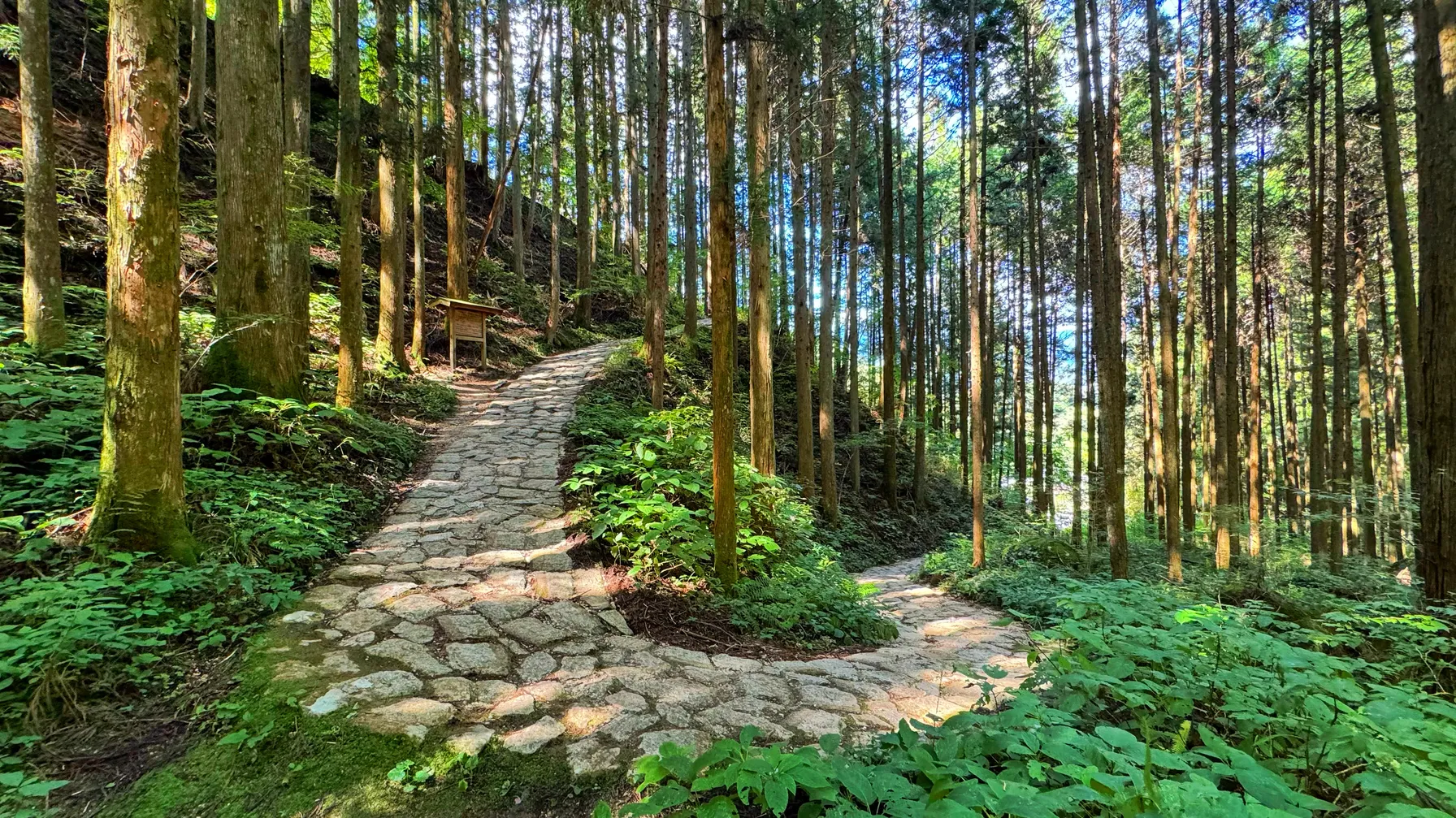
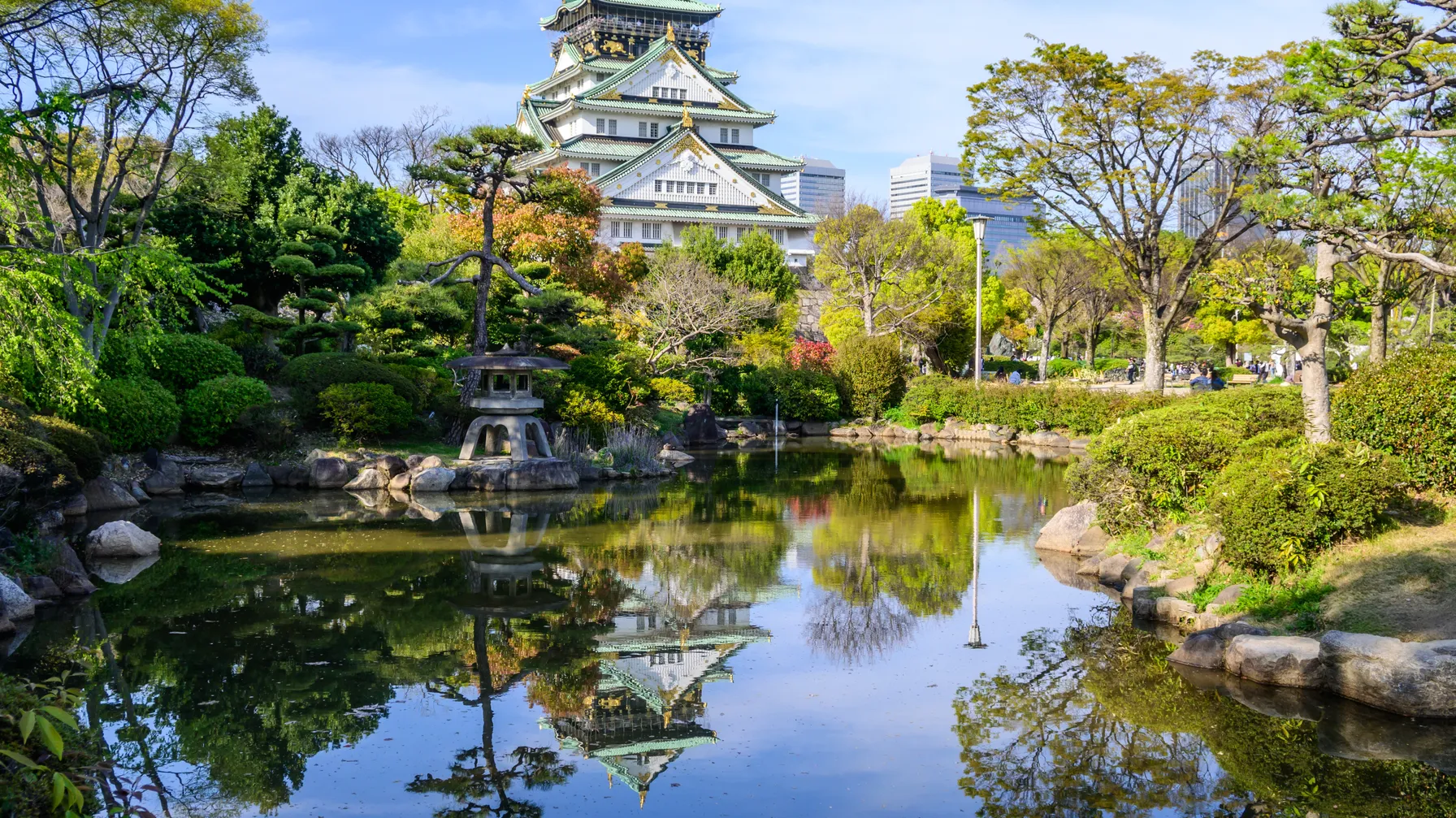
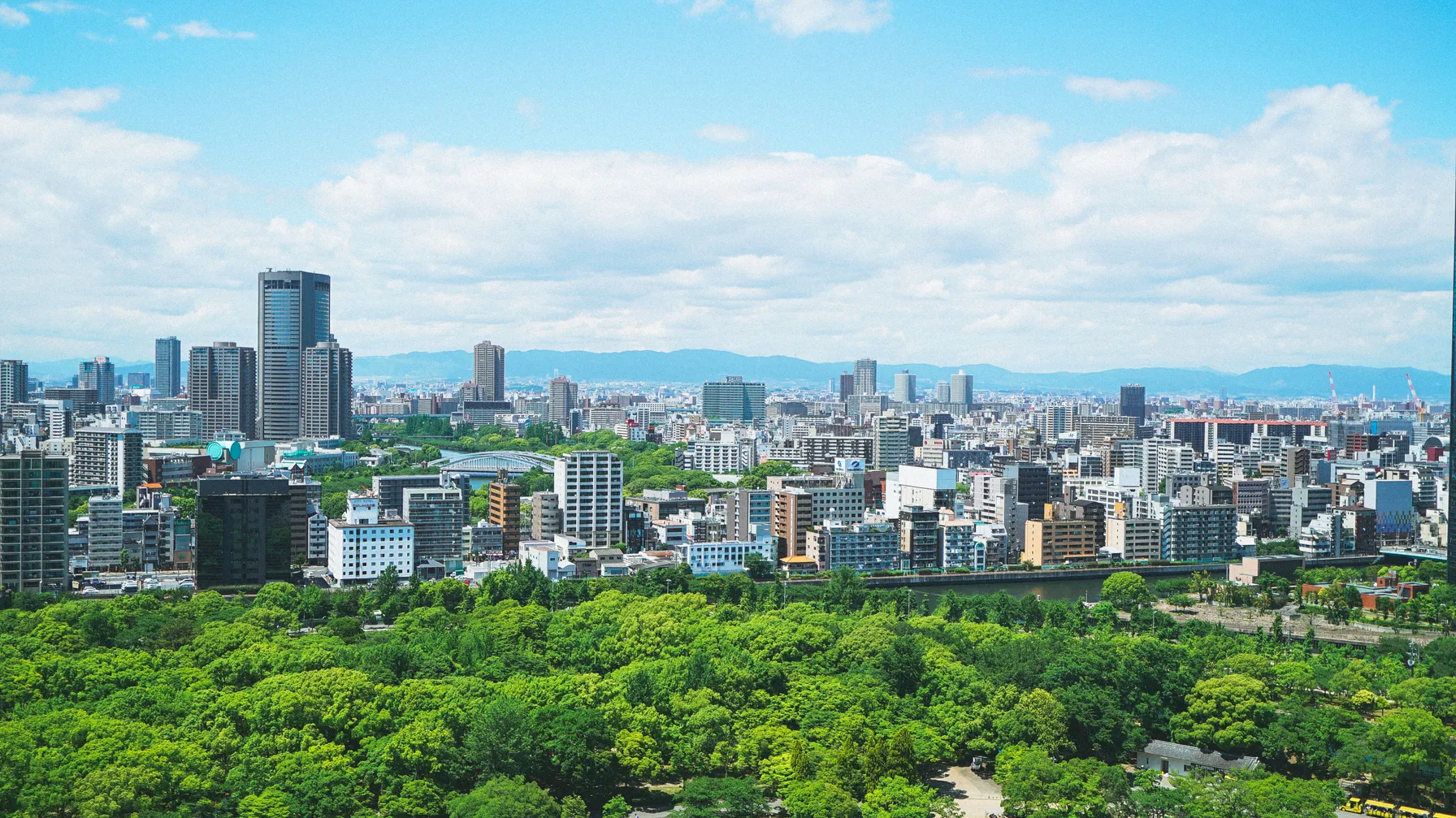
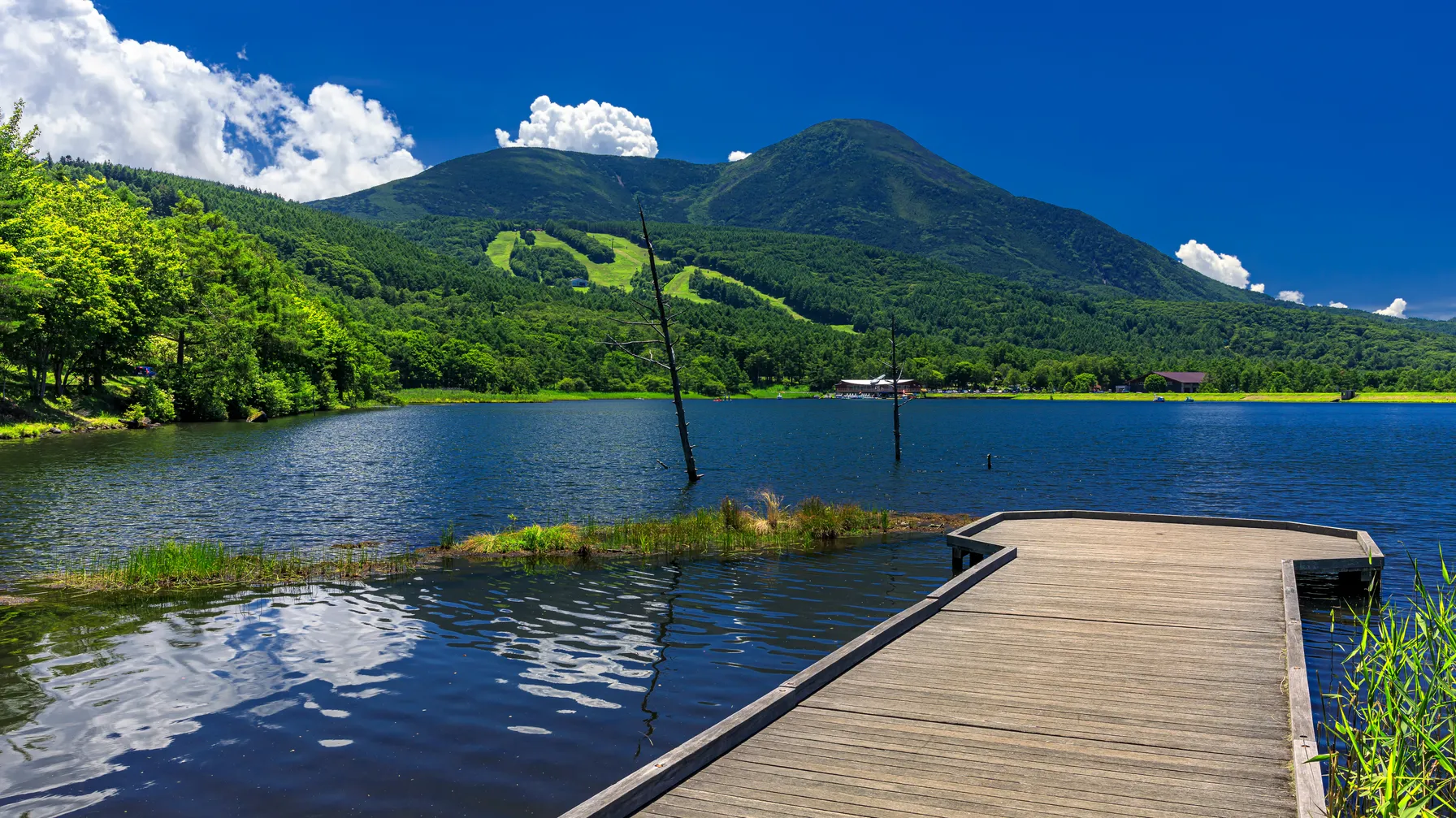
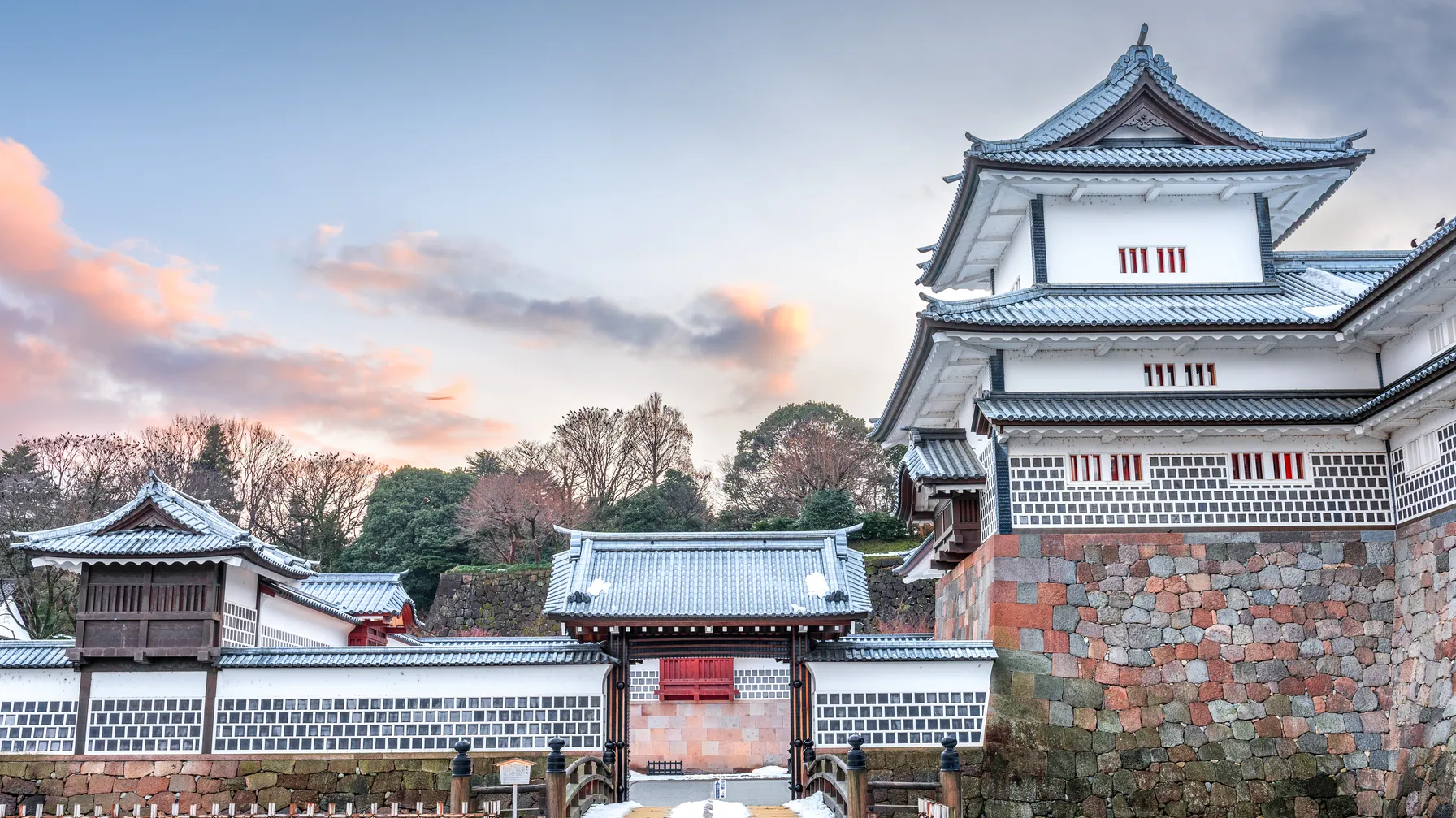
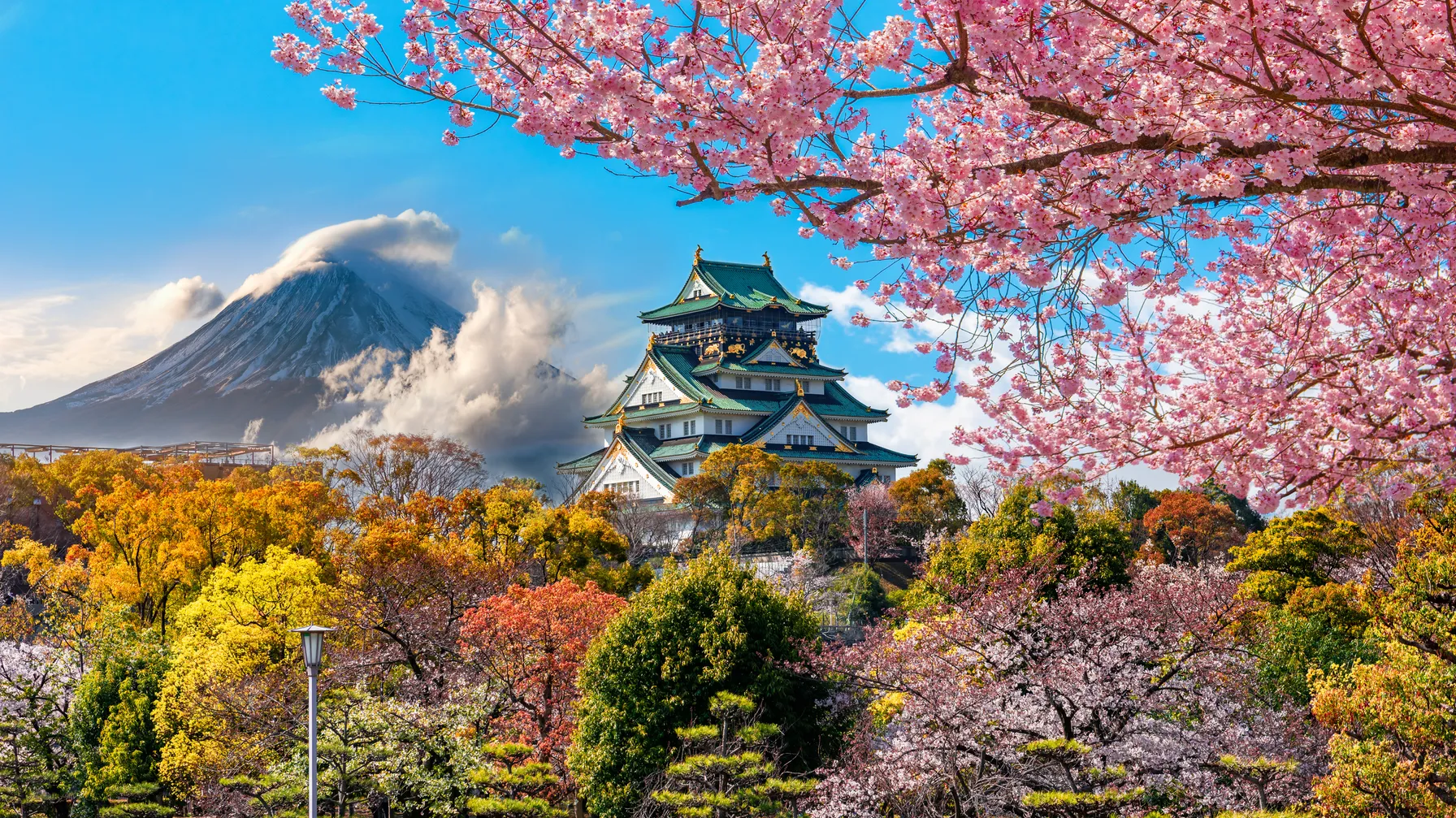
Tokyo and Kyoto form the heart of any trip to Japan, but Osaka definitely deserves a stopover. Osaka Castle, an iconic monument of feudal Japan, and the generous flavors of the local street food make it a warm and lively city. For those who love wide-open spaces, the Japanese Alps offer a striking natural break, with magnificent landscapes and preserved traditional villages.
Book your trip to Japan now and let our Travel Planners design your tailor-made itinerary
Demandez votre devis Japan sur-mesure 100% gratuit
 4.8
4.8+3.000 travelers satisfied
What practical information should you know before going to Japan?
Before heading to the archipelago, a few essential points deserve your attention. French nationals do not need a visa for a tourist stay of less than 90 days. The local currency is the Japanese yen; the country is still not very oriented towards card payments outside of major cities, so having cash is recommended. The time difference with France is eight hours in summer and nine hours in winter.
For the suitcase, here are the essentials to adapt according to the chosen season:
- Summer: light clothing, sun protection, and mosquito repellent;
- Spring and autumn: layerable clothes and a light waterproof;
- Winter: warm jacket, ski equipment if you plan a visit to the Japanese Alps.
Our advice: no matter the season, opt for comfortable shoes. Japan is best experienced on foot, and every detail of the landscape reveals itself more fully when you take the time to walk.
Contact us for more information and benefit from the expertise of our Travel Planners to organize your 10-day trip to Japan with complete peace of mind.