Visiting Japan in July: climate, festivals, and practical tips
What climate awaits you in Japan in July?
Traveling to Japan in July means fully embracing the Japanese summer in all its splendor and challenges. This pivotal time of the year in Japan has specific climatic characteristics that should be known before planning your trip.
The transition to the Japanese summer
The rainy season, called tsuyu, generally ends by mid-July, giving way to a clear and determined summer. Temperatures then rise quickly, ranging between 27 and 31°C across most of the archipelago. This heat is accompanied by notable humidity, often exceeding 70%, creating a characteristic moist sensation of the Japanese summer.
Rainy days become less frequent after the end of the rainy season, but still occur in the form of refreshing thunderstorms in the late afternoon. Sunlight gradually intensifies, allowing to fully enjoy the long summer days that extend until 7 PM by the end of the month.
This particular weather deeply influences the Japanese way of life: the inhabitants adjust their schedules, favoring morning outings and nighttime activities to escape the hottest hours of the day.
Variable conditions according to the region
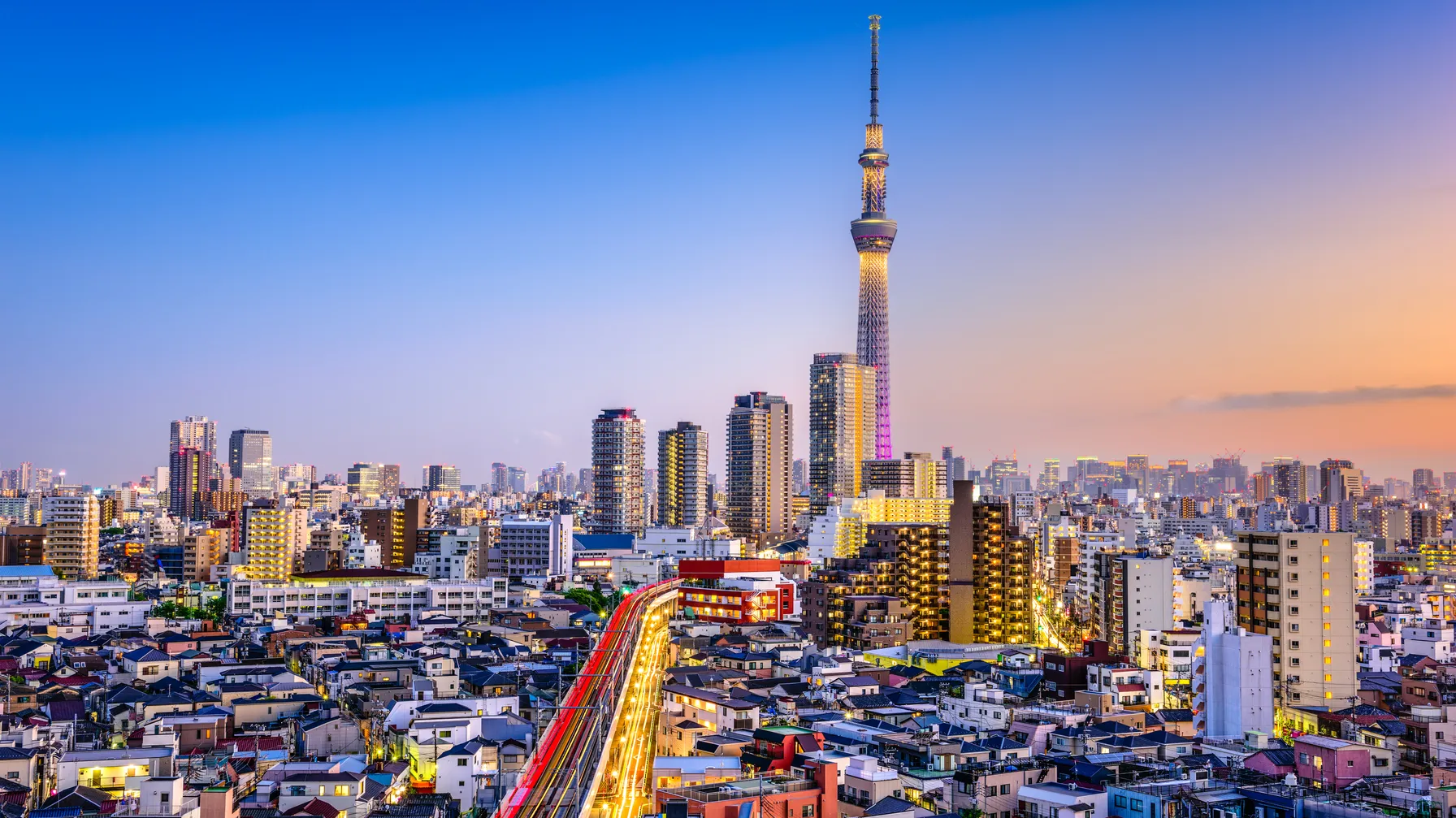
The vastness of the Japanese archipelago generates significant climatic variations depending on your destination. Tokyo and the Kanto region experience daytime temperatures around 29°C, while nights remain mild around 23°C. Humidity there reaches particularly high levels, transforming each outing into a true sensory experience.
Kyoto and Osaka, located in the Kansai region, display slightly higher temperatures, regularly touching 32°C in the middle of the day. These cities, nestled between mountains, retain heat, sometimes creating an urban furnace effect that residents counteract through numerous air-conditioned underground galleries.
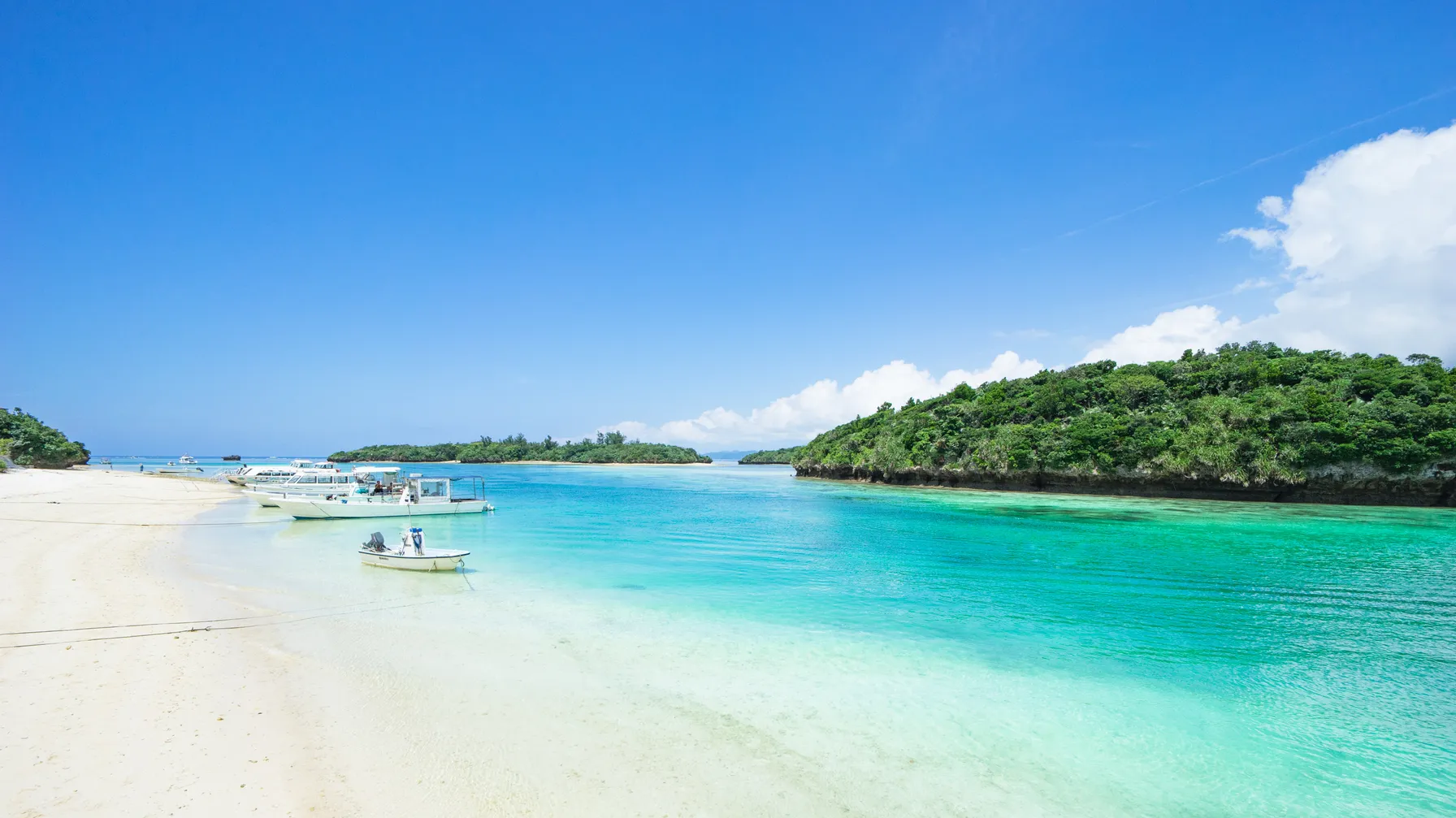
The island of Okinawa, more southerly, features more stable temperatures around 30°C, with the advantage of sea breezes that temper the sensation of heat. In contrast, Hokkaido offers a much milder climate with maximum temperatures of 22°C, making this region a popular destination to escape the summertime heat of the south.
What cultural events can you discover during your stay in Japan in July?
The month of July transforms the archipelago into a grand theater where the finest displays of Japanese culture unfold. This period marks the peak of the festival season, offering visitors an authentic immersion into the country's ancient traditions.
The buzz of summer matsuri
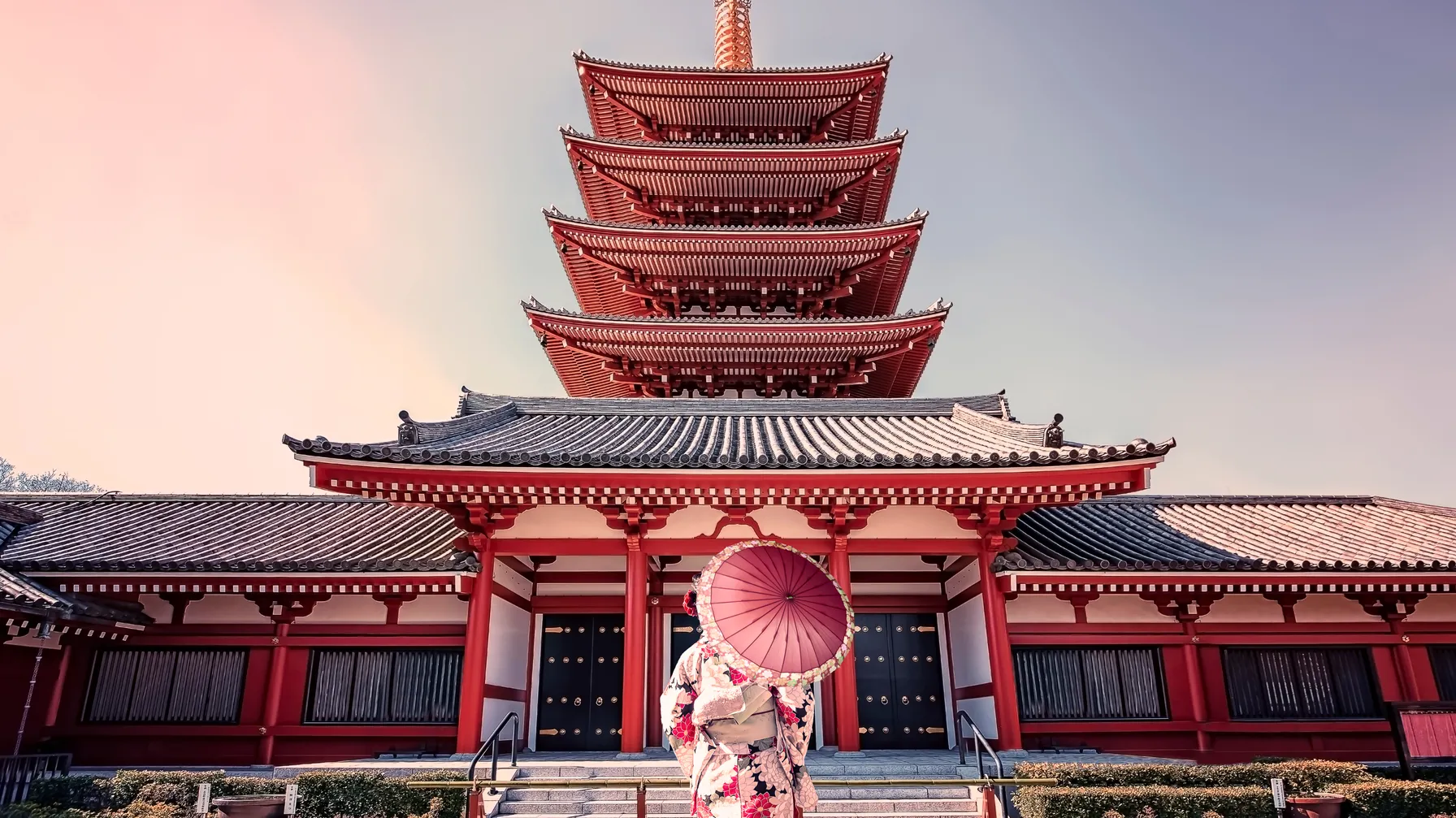
July inaugurates the golden season of the matsuri, these traditional festivals that have rhythmized Japanese social life for centuries. The Gion Matsuri in Kyoto, which spans from July 1st to July 31st, is one of the three largest festivals in Japan. Its imposing decorated floats, called yamaboko, parade majestically through the historic streets, creating a spectacle of striking beauty.
The third Monday of July celebrates Umi no Hi, Marine Day, a national holiday that honors the ocean's bounty. This public holiday particularly enlivens the coastal regions, where Japanese people gather on beaches for family picnics and water activities.
Other notable events highlight this festive month: the Tenjin Matsuri in Osaka lights up the city on the 24th and 25th of July with its spectacular river processions, while many local festivals spring up in every city and village, providing an opportunity to taste summer specialties like takoyaki or kakigori.
Contact us for more information on the best routes to experience these authentic festivals
The magic of nighttime fireworks
Fireworks, or hanabi, peak in July, transforming Japanese nights into symphonies of light. The Sumida River Firework Festival in Tokyo, traditionally held on the last Saturday of July, gathers more than one million spectators to admire these pyrotechnic creations of remarkable finesse.
These nighttime displays are accompanied by a uniquely festive atmosphere: Japanese wear their most beautiful yukata, light summer kimonos, and gather in parks and along riverbanks to share this magical moment. Temporary stalls offer street food specialties, creating a traditional fairground atmosphere.
Each region develops its own pyrotechnic traditions: the fireworks over Lake Biwa near Kyoto, those at Osaka Bay, or the more intimate displays at mountain resorts. This diversity allows travelers to discover different facets of this ancient art, according to their preferences and itinerary.
What activities to prioritize for a successful trip to Japan in July?
Traveling to Japan during this summer month requires adapting your habits to make the most of your experience. Naturally, the heat and humidity influence the choice of activities, but also open up unique possibilities at this time of the year.
Escape to the coolness of the mountains
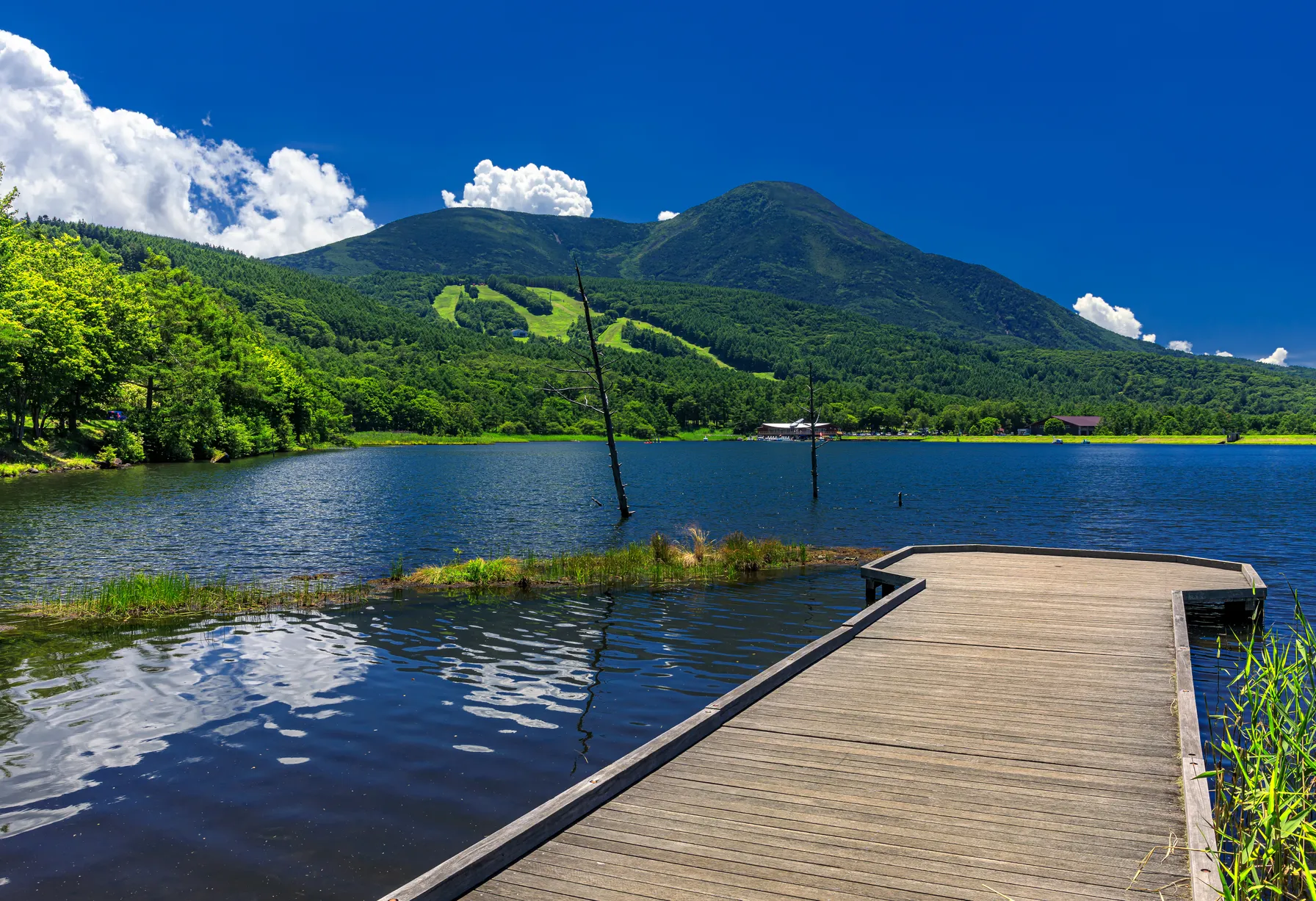
The Japanese Alps become the ideal refuge to escape the summer heat of the plains. Kamikochi, nicknamed 'the pearl of the Japanese Alps,' offers temperatures 15°C cooler than Tokyo, enabling refreshing hikes amidst spectacular alpine landscapes.
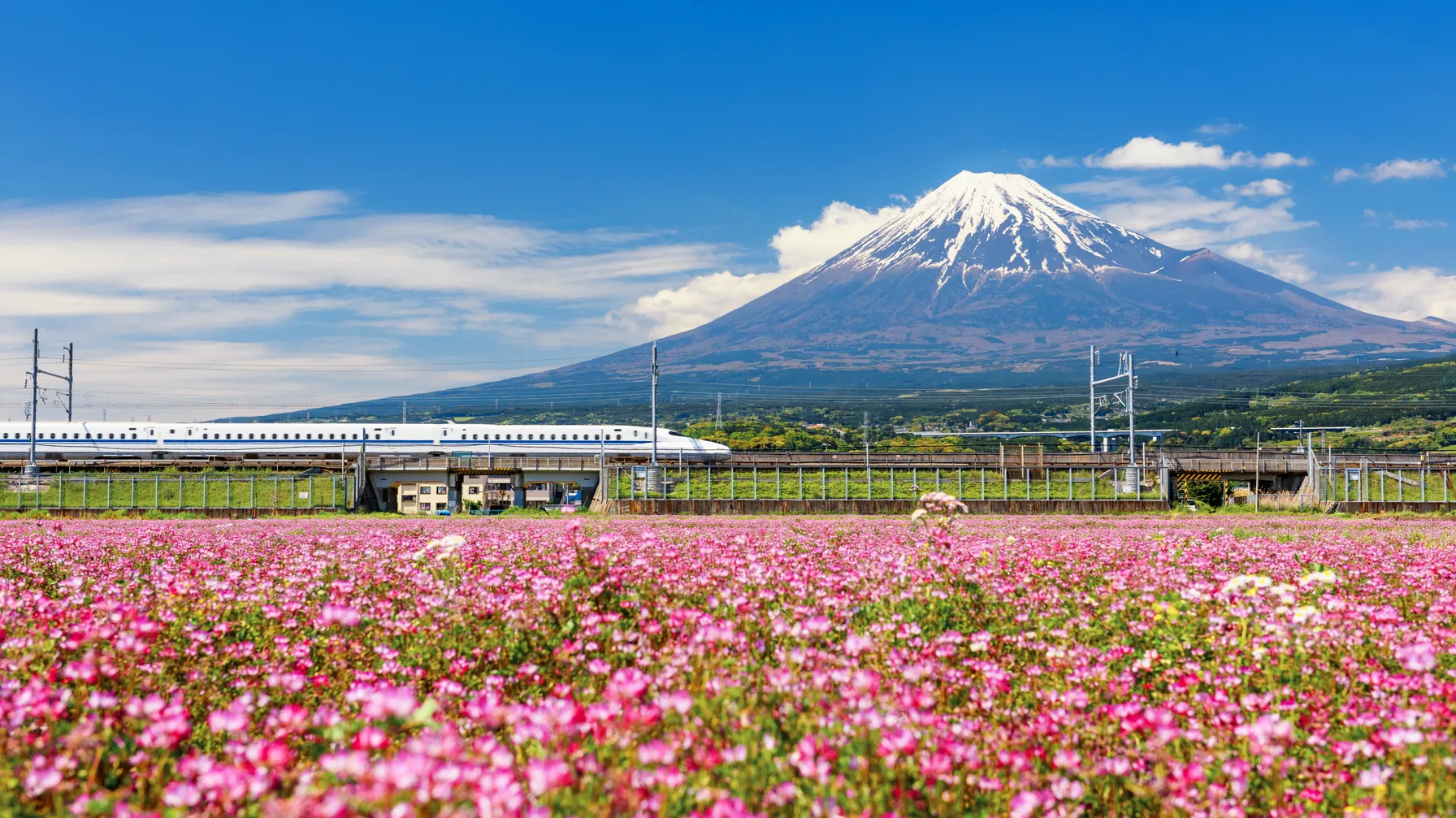
The ascent of Mount Fuji sees its peak activity in July, when all access trails are open. Nighttime temperatures on the summit can drop to 5°C, offering a striking contrast with the city heat. This unique experience requires careful preparation, but rewards adventurers with breathtaking views and an intense spiritual journey.
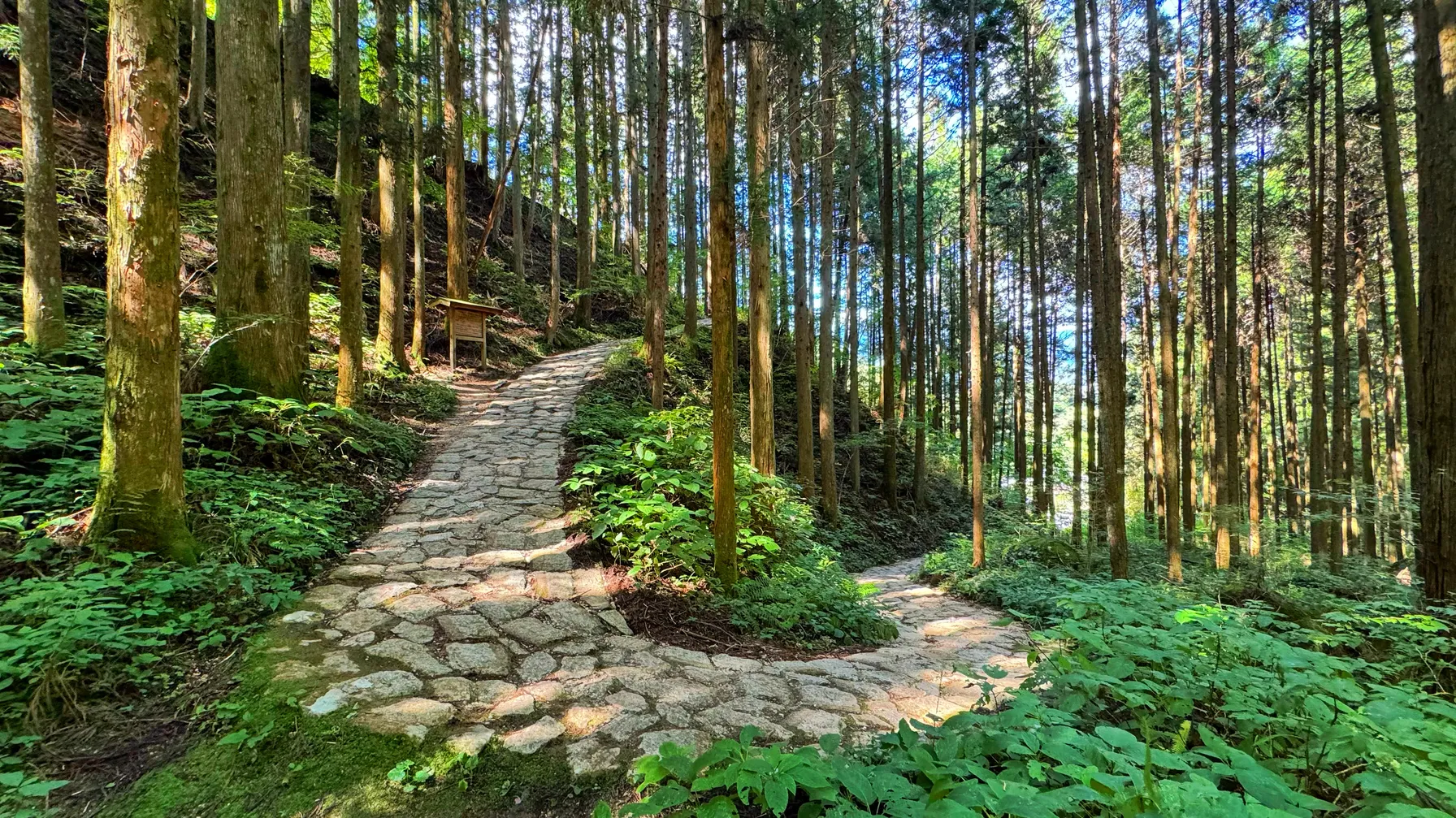
The Kumano Kodo, a network of pilgrimage paths listed as a World Heritage site, offers forest routes where the canopy naturally protects from the sun's rays. Natural hot springs along these trails allow for relaxation after the effort, creating a perfect balance between adventure and well-being.
Book your customized trip to the Japanese mountains now
Savoring authentic summer delights
Beer gardens bloom on rooftop terraces in major cities as soon as the rainy season ends. These typically Japanese social spaces allow for the enjoyment of fresh beers and grilled specialties while taking in the night breeze and panoramic views of urban lighting.
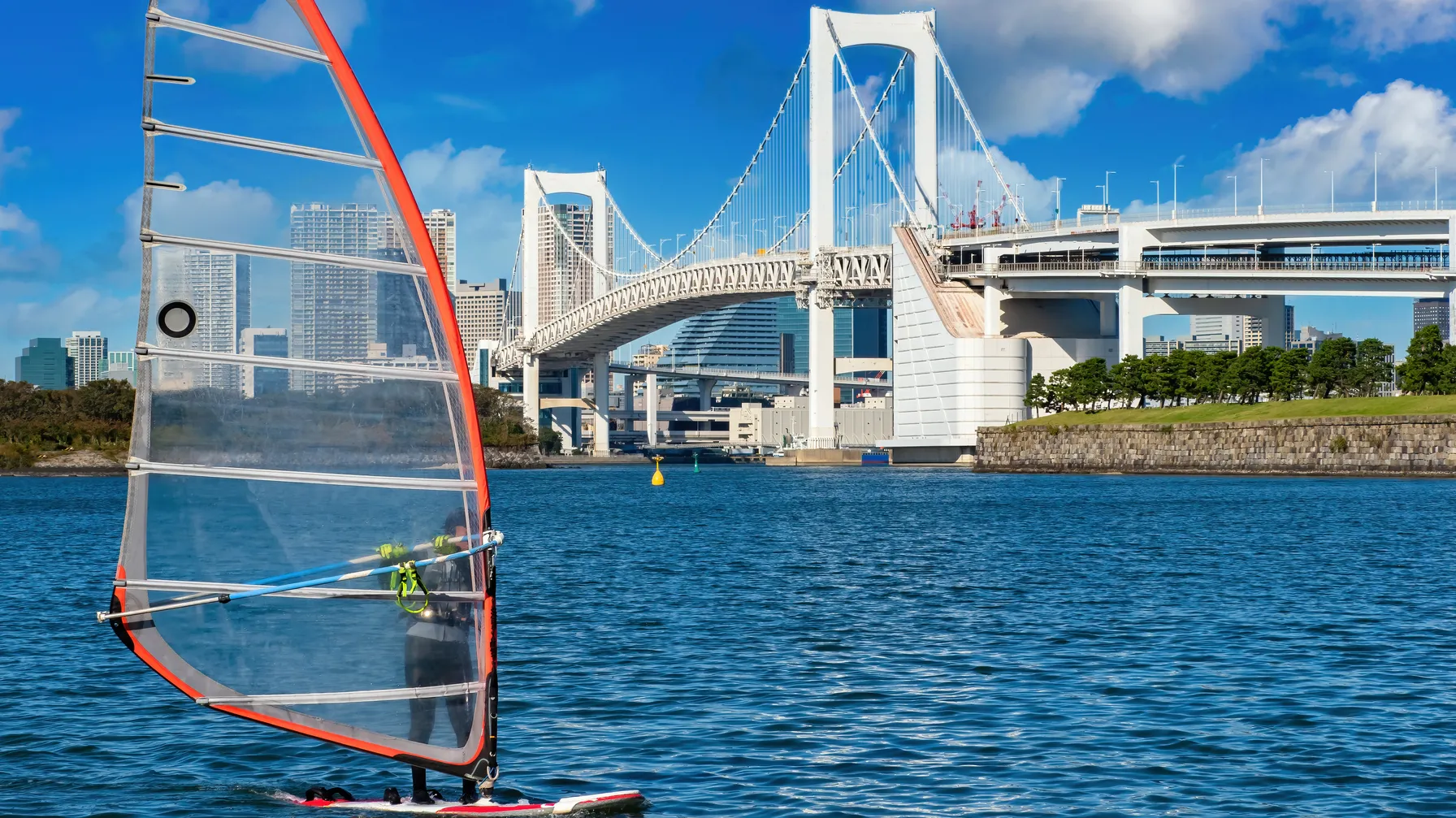
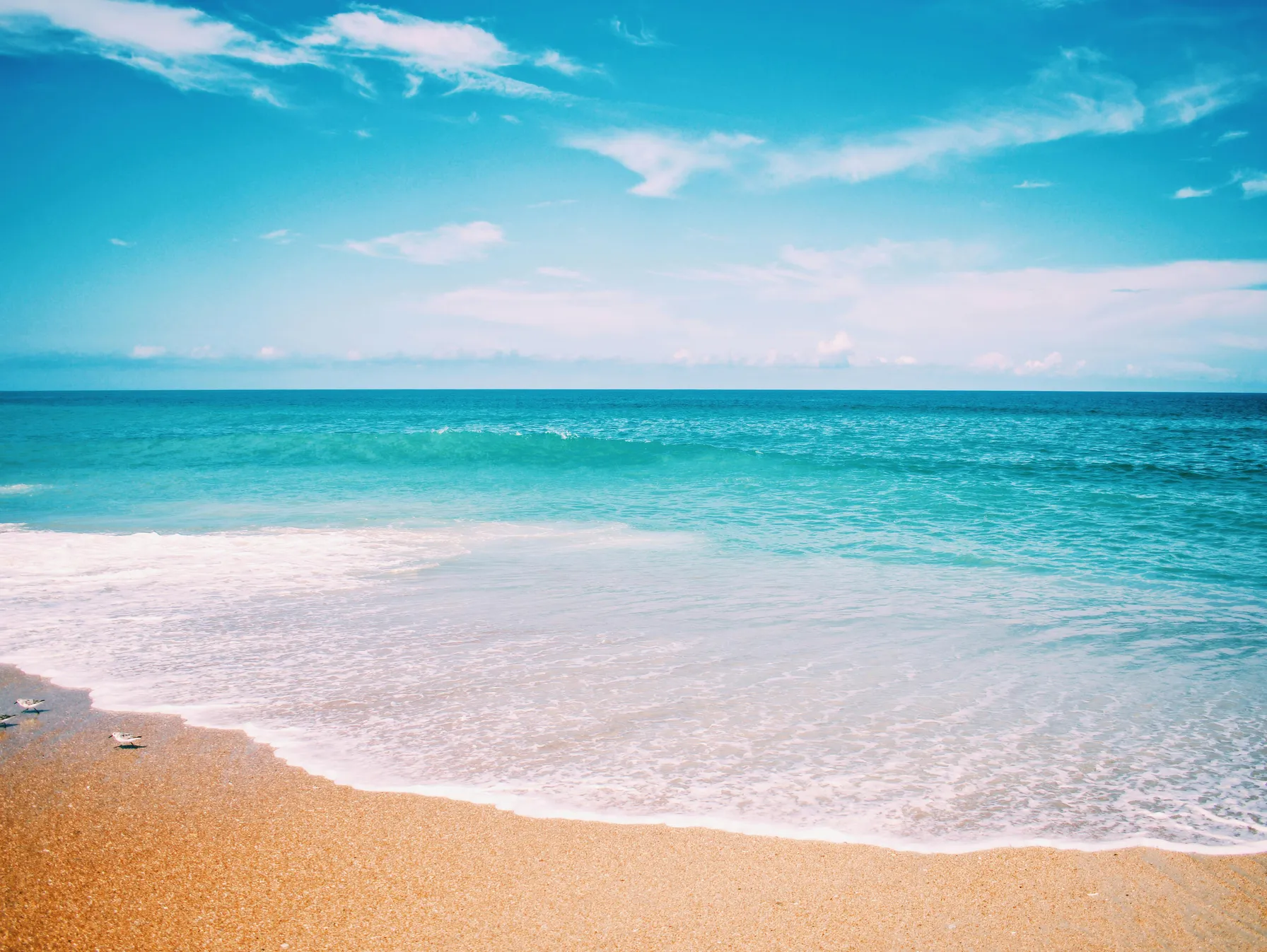
Japanese beaches reveal their potential during this period: the Izu Peninsula near Tokyo, the coasts of Wakayama, or the paradisiacal beaches of Okinawa offer waters at ideal temperatures for swimming. Although water temperatures rarely exceed 25°C, they provide a welcome refreshment after torrid days.
Water parks and thalassotherapy centers celebrate their peak season in July. Complexes like Nagashima Resort in Mie Prefecture combine aquatic attractions, hot springs, and amusement parks, creating complete leisure destinations suitable for the whole family.
The art of Japanese living is particularly revealed during summer evenings: the riverside terraces at Kawadoko in Kibune near Kyoto offer refreshing dinners above mountain streams, while nocturnal festivals liven up each neighborhood with their street stalls and traditional games.
How to optimize your preparation for a trip to Japan in July?
The success of a trip to Japan in July largely depends on being well-prepared for the archipelago's specific summer conditions. A few precautions and wise choices will turn climatic challenges into assets for your experience.
The art of dressing for the Japanese summer
Adopting the Japanese summer fashion philosophy becomes essential: favor natural materials like cotton and linen, which allow the skin to breathe in the humid atmosphere. Technical clothing, especially the highly popular Airism range from Uniqlo in Japan, effectively regulates perspiration while maintaining a relaxed elegance.
The essential summer kit includes several indispensable items: a compact umbrella for sudden showers and sun protection, a personal towel to manage perspiration (a common practice in Japan), and breathable shoes easy to remove to respect local cultural codes.
Accessories make the difference: a wide-brimmed hat, quality sunglasses, and especially high-performance sun protection. Japanese frequently use cooling sleeves for the neck and portable fans, real lifesavers when waiting in crowded public transport.
For specialized activities, adapt your gear: swimwear and snorkeling equipment for seaside destinations, hiking shoes and warm clothes for high-altitude excursions, lightweight yukata to authentically participate in traditional festivals.
Strategic planning and bookings
July is one of the busiest tourist times in Japan, especially after the official end of the rainy season. Accommodations in popular destinations are booked out several months in advance, making early reservations absolutely crucial to securing the best establishments.
The Japan Rail Pass proves its relevance during this period of high mobility: air-conditioned trains offer a welcome refuge from the outside heat, and the flexibility of the pass allows you to adjust your itinerary according to the weather conditions and your energy at the time.
The optimal temporal strategy involves starting your days very early, around 6 or 7 AM, to enjoy the morning coolness and avoid the crowds. Taking extended midday breaks in air-conditioned shopping centers, museums, or temples helps you conserve energy for late afternoon and evening activities.
Maintain flexibility in your schedule: the heat can be exhausting on some days, and it is sometimes wise to alter your plans to favor indoor activities or cooler destinations. This adaptive approach will allow you to fully enjoy every moment of your discovery of summer in Japan.
Contact us to design your personalized itinerary in Japan for July
Demandez votre devis Japan sur-mesure 100% gratuit
 4.8
4.8+3.000 travelers satisfied