15 days in Japan: the guide to prepare for your trip
Why is Japan a destination that leaves a lasting mark?
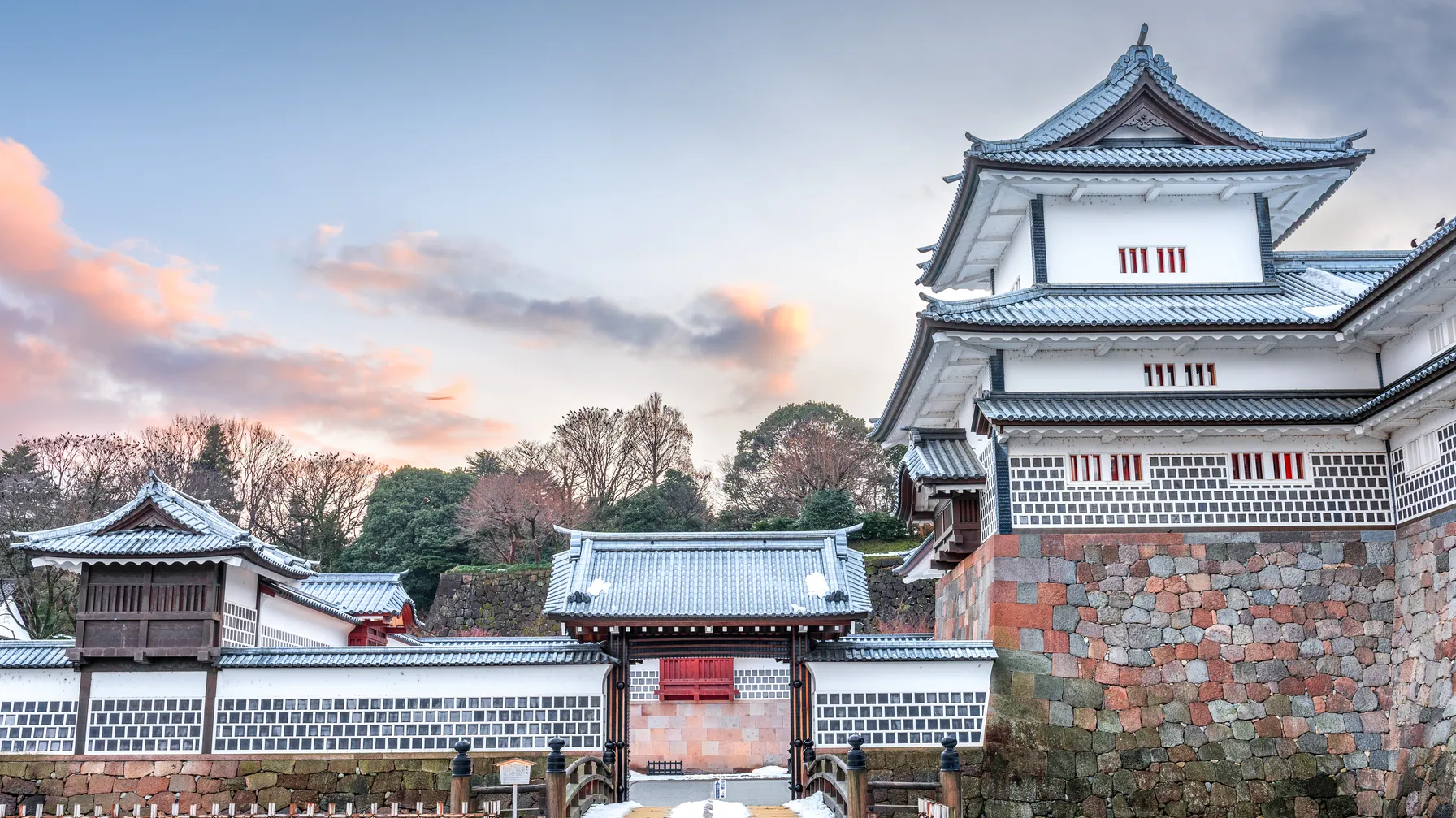
Japan is much more than a mere destination: it is an encounter with a deeply original culture, where every detail reflects a rare concern for harmony and precision. Whether first-time travelers or frequent visitors to the archipelago, everyone leaves with the same favorites: the hospitality, the pervasive aesthetics, and the richness of the experiences had on site.
A country with endlessly contrasting faces
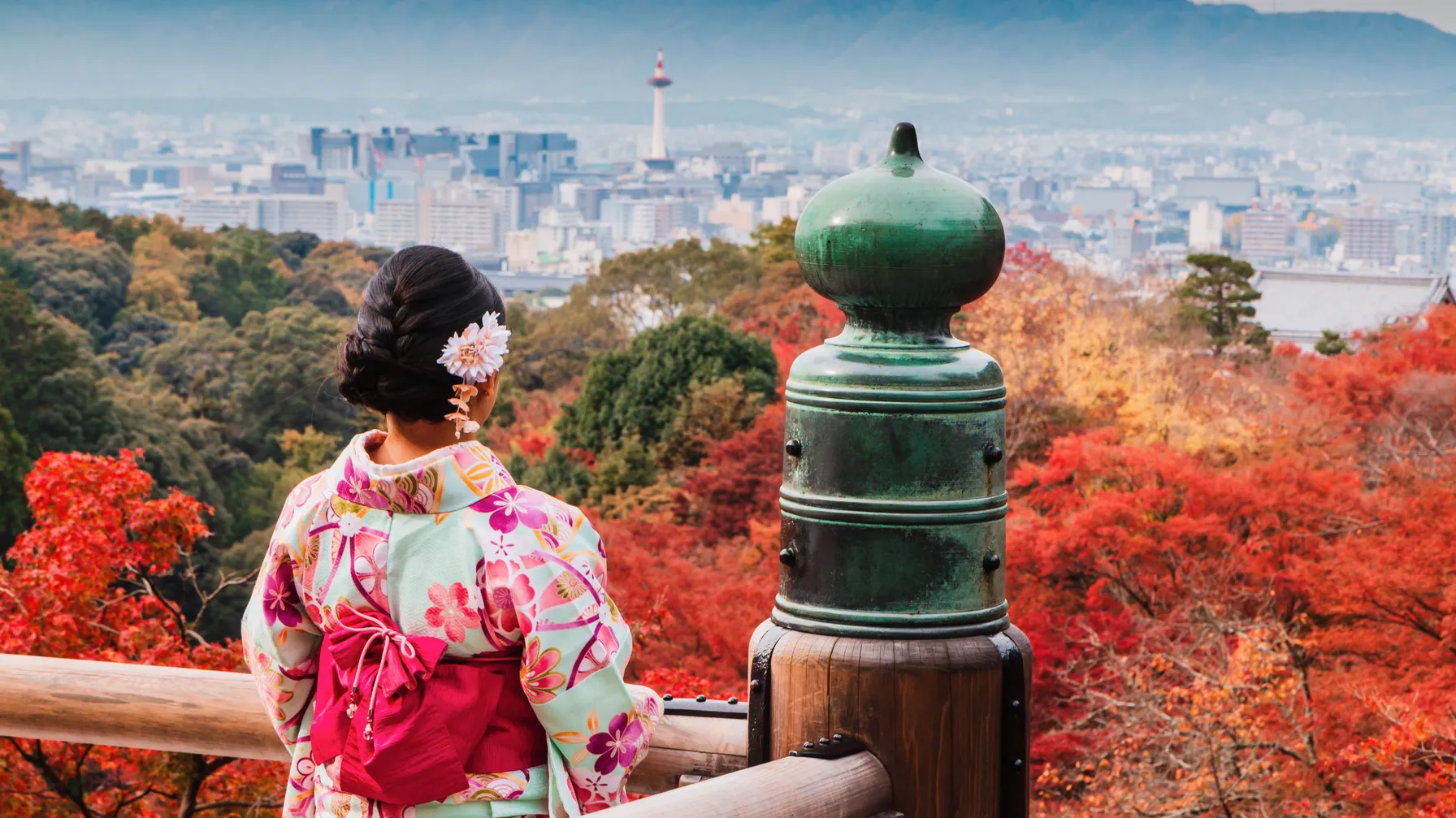
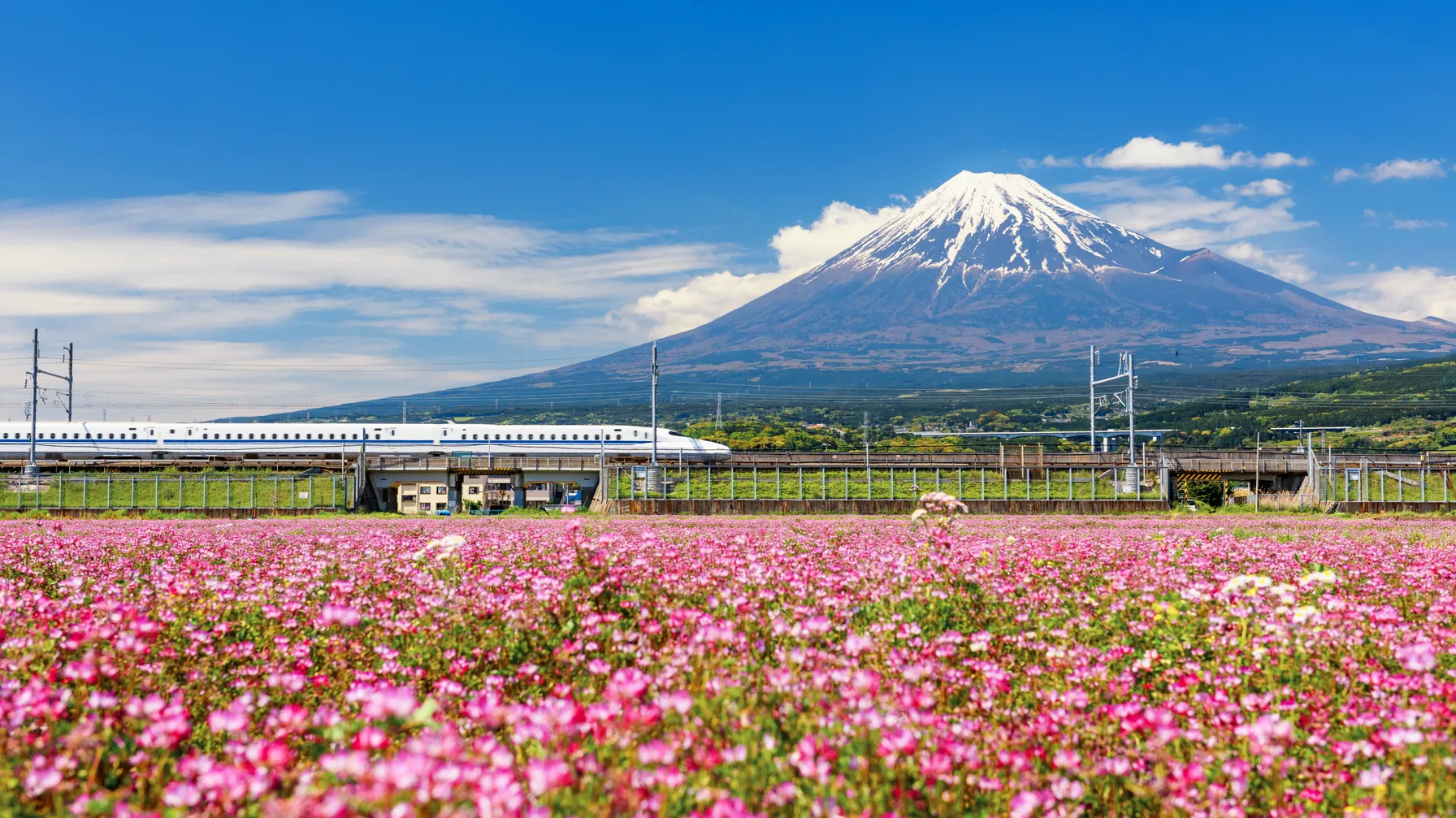
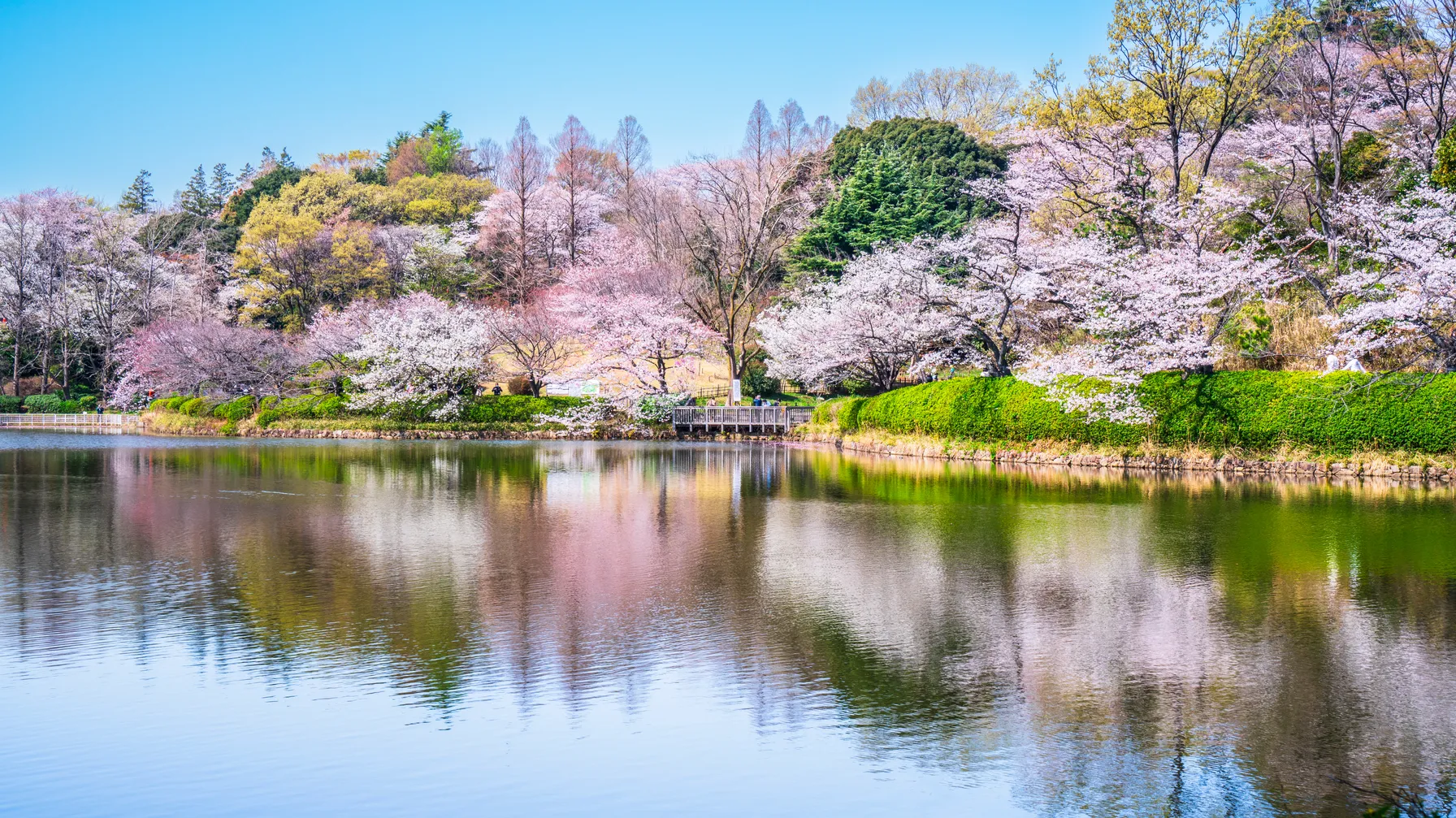
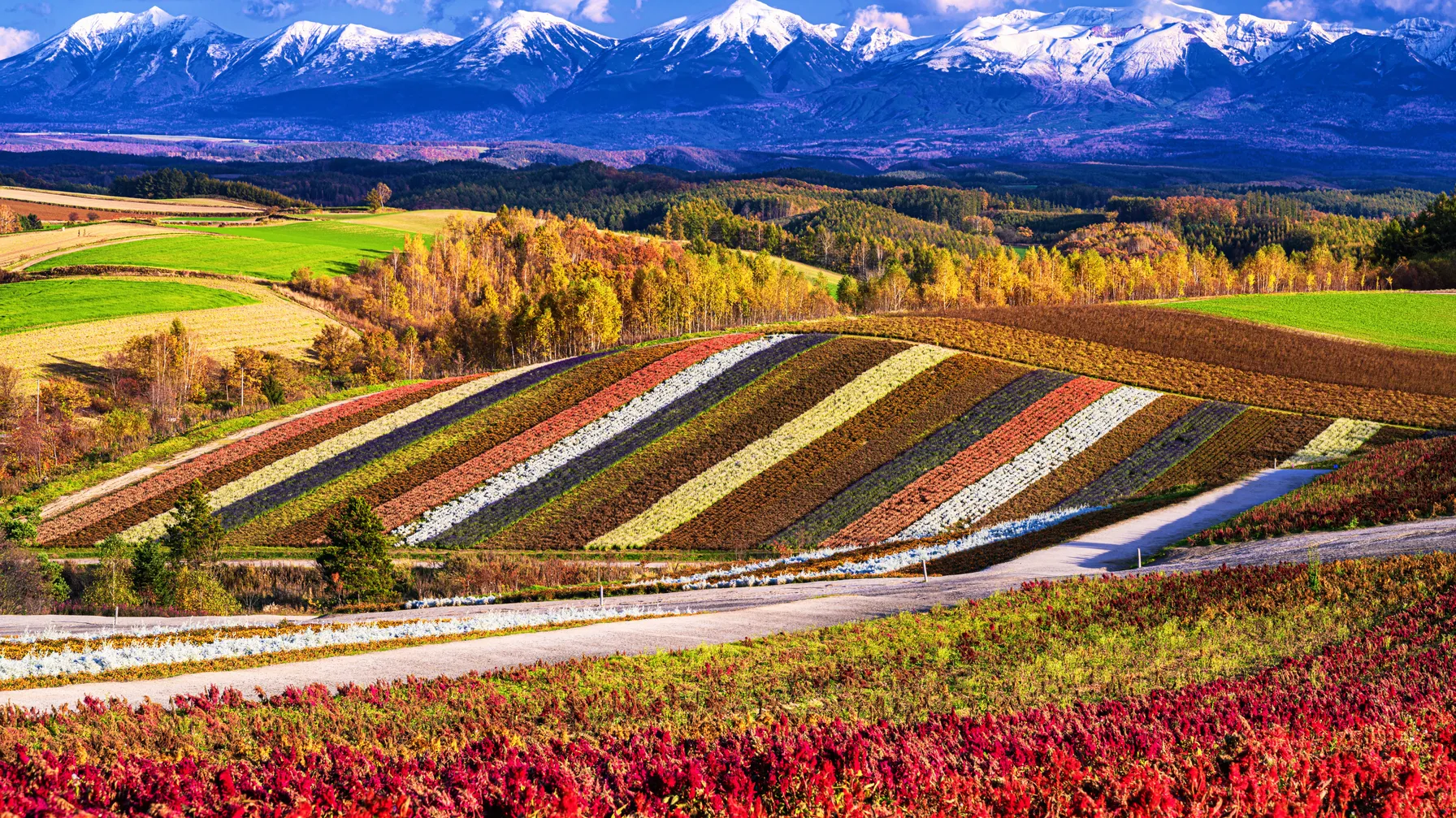
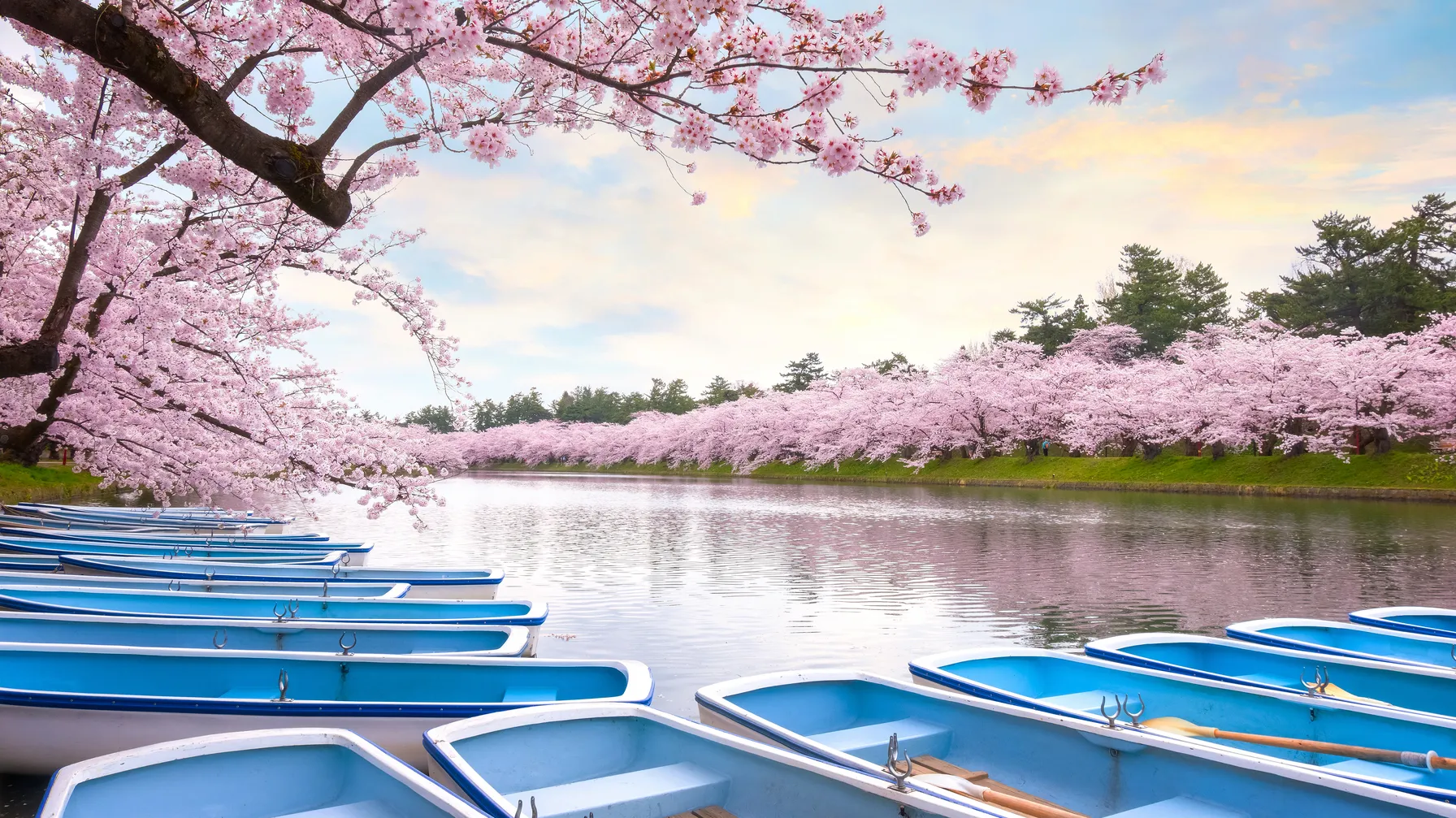
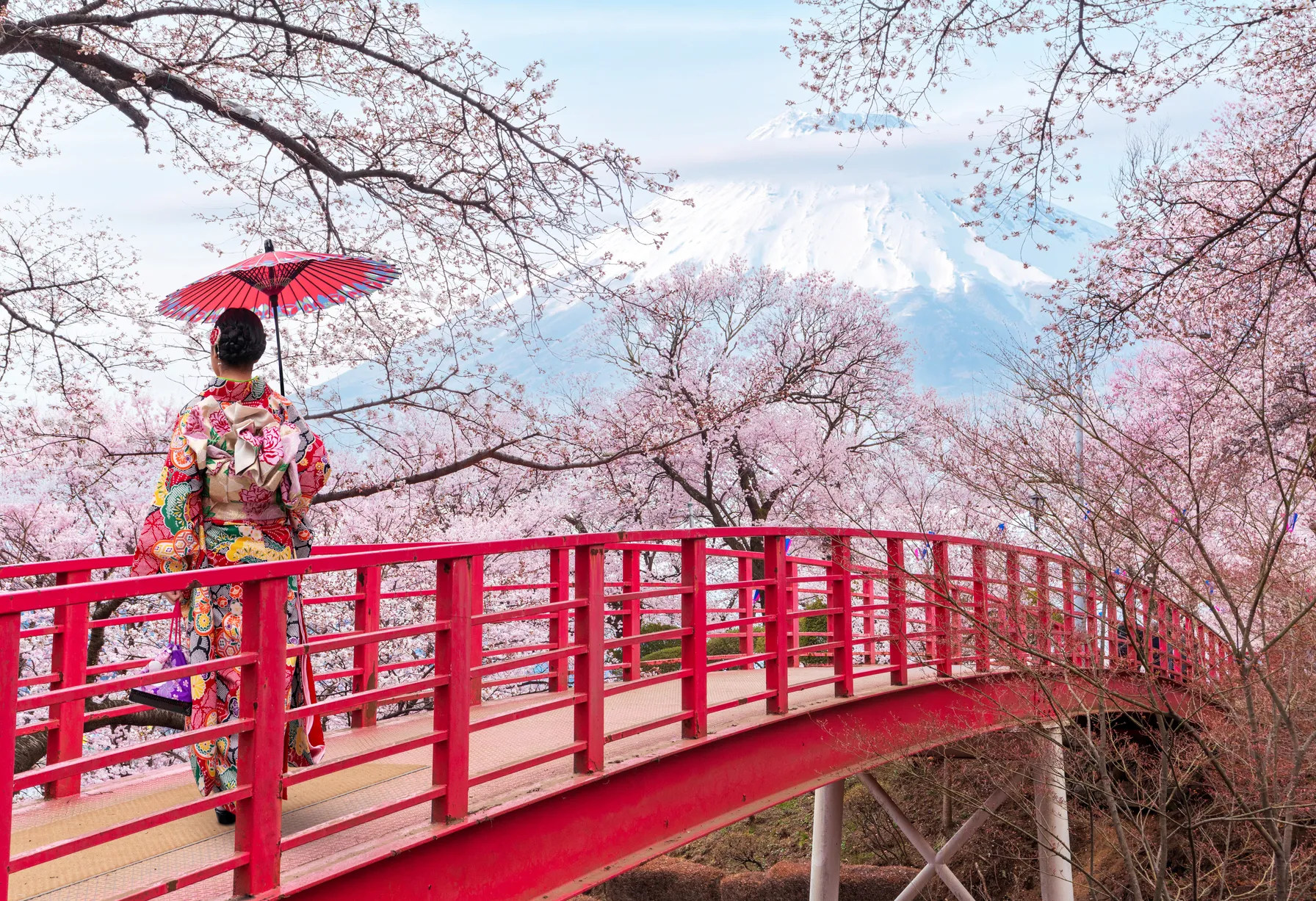
From Mount Fuji, which rises above the clouds with silent majesty, to the illuminated alleyways of Gion district in Kyoto, to the cherry blossoms that transform parks in spring, visiting Japan is to traverse constantly renewed worlds. Lovers of vast spaces find spectacular Alpine landscapes in the Japanese Alps, while families enjoy immersive parks, accessible temples, and cultural experiences designed for all ages. The diversity of traveler profiles who fall in love with Japan speaks volumes about the richness it offers.
A cuisine savored at every stage
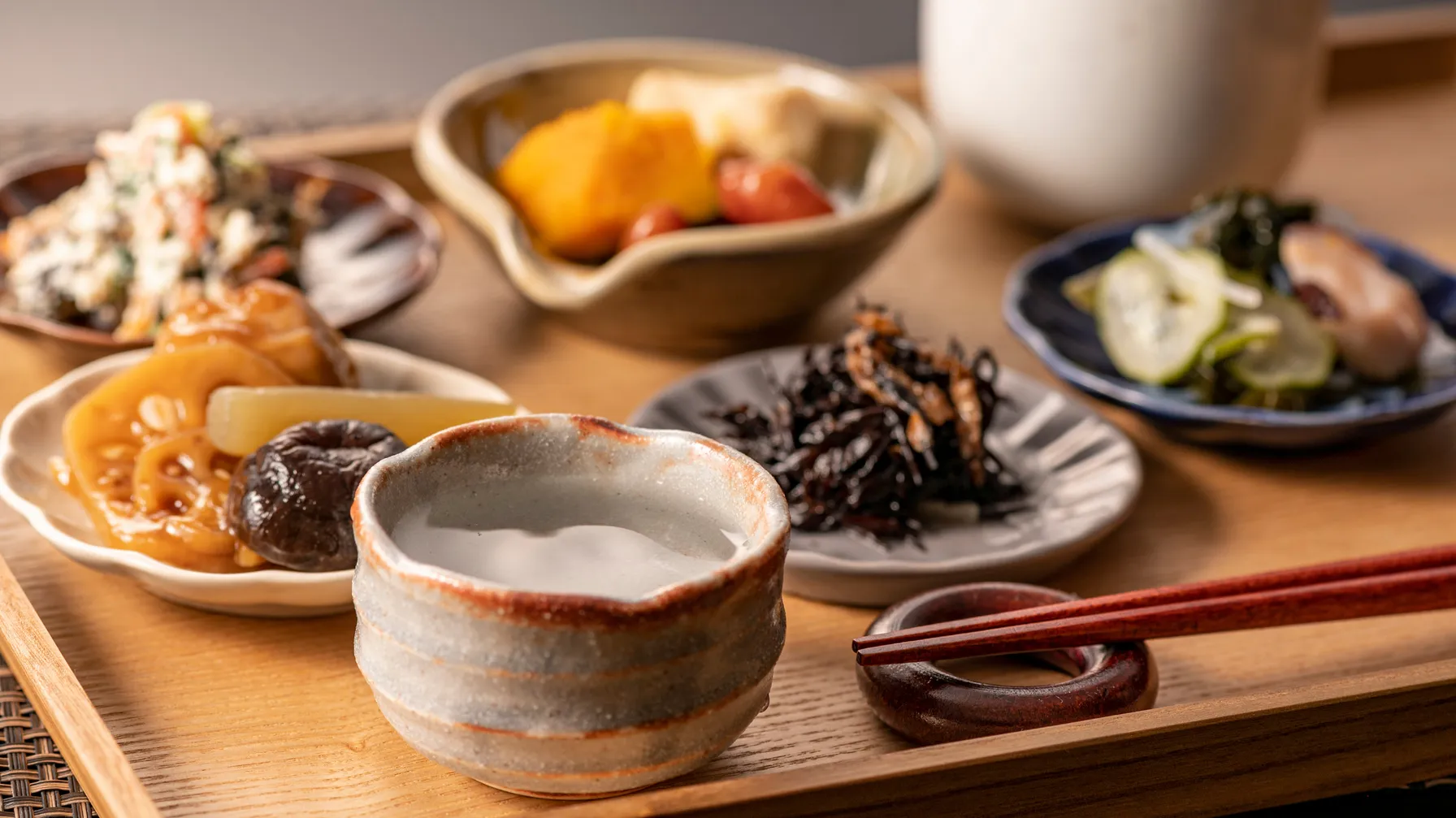
A trip to Japan would be incomplete without a real immersion into its cuisine. From steaming ramen enjoyed at a small counter in Tokyo to kaiseki platters served during a night in a ryokan, Japanese flavors are exceptionally delicate. Local markets, lively izakayas, and gastronomic districts in Osaka or Kyoto offer a taste of unique regional specialties: crispy takoyaki, matcha in all its forms, savory okonomiyaki. Here, gastronomy is an art form in itself, inseparable from the journey itself.
Contact us for more information on our tours in Japan, designed to let you experience this destination in all its richness.
What is the best time to visit Japan?
Traveling to Japan is possible all year round, but each season offers a distinctly different atmosphere. The choice of when to go depends on your priorities: natural spectacle, climatic comfort, or controlled budget. Here is an overview of the seasons to help you plan your visit:
| Season | Period | Average Temperatures | Ambiance |
|---|---|---|---|
| Spring | March – May | 10 – 22 °C | Cherry blossoms, soft light |
| Summer | June – August | 25 – 35 °C | Lively festivals, high heat, and humidity |
| Autumn | September – November | 12 – 25 °C | Flaming maples, clear and bright skies |
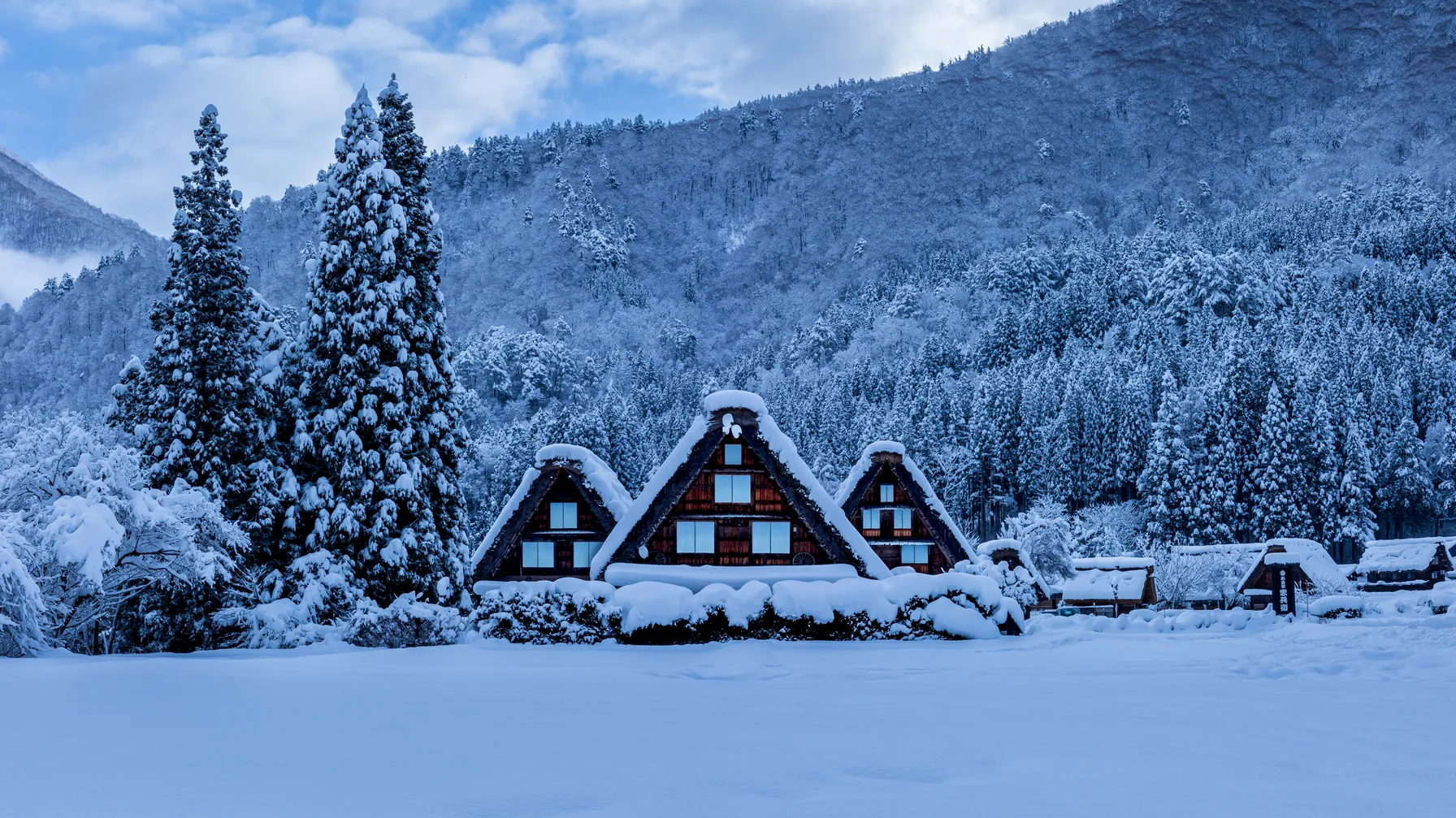
| Winter | December – February | 0 – 10 °C | Less crowded, snow in the mountains |
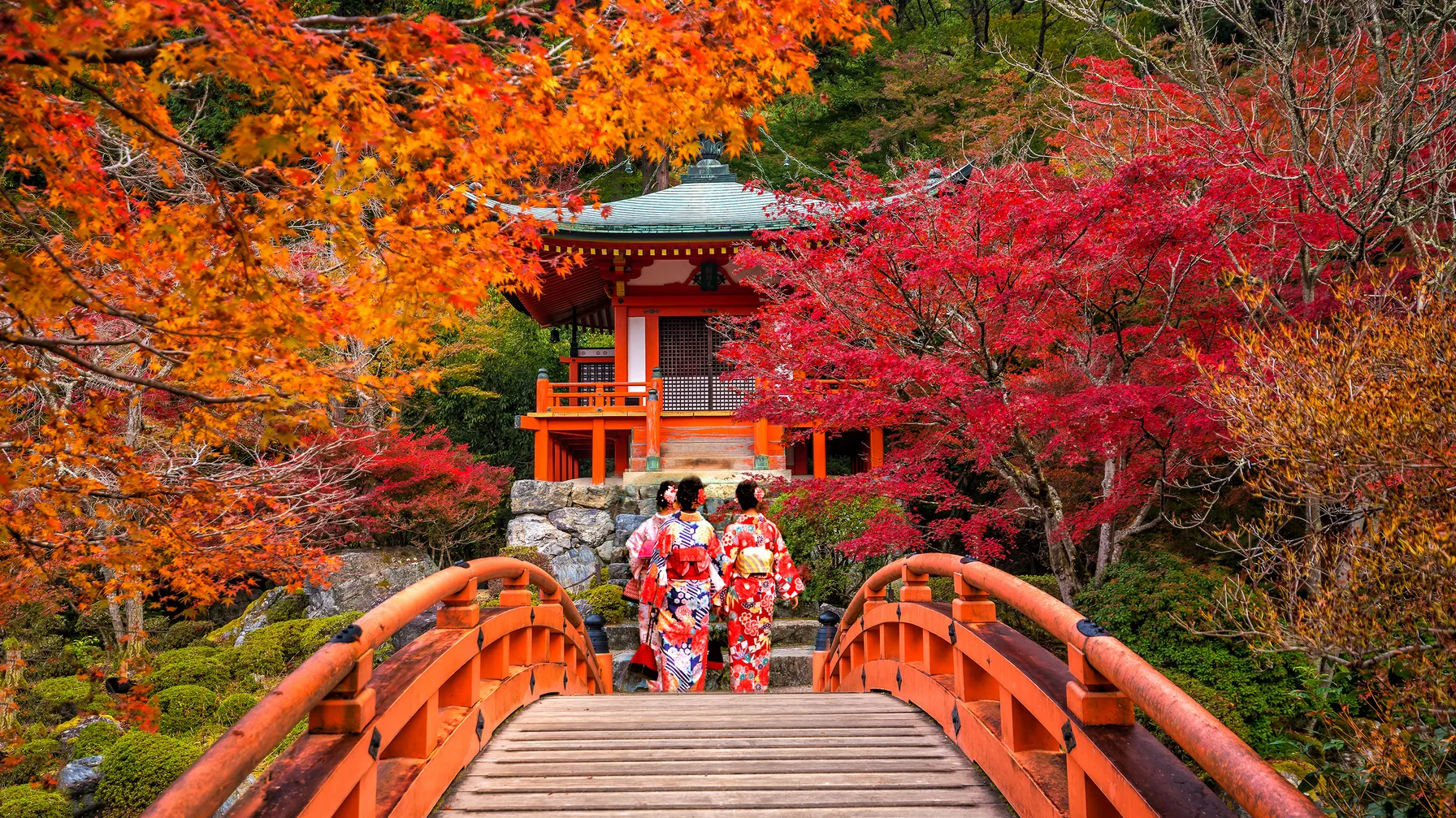
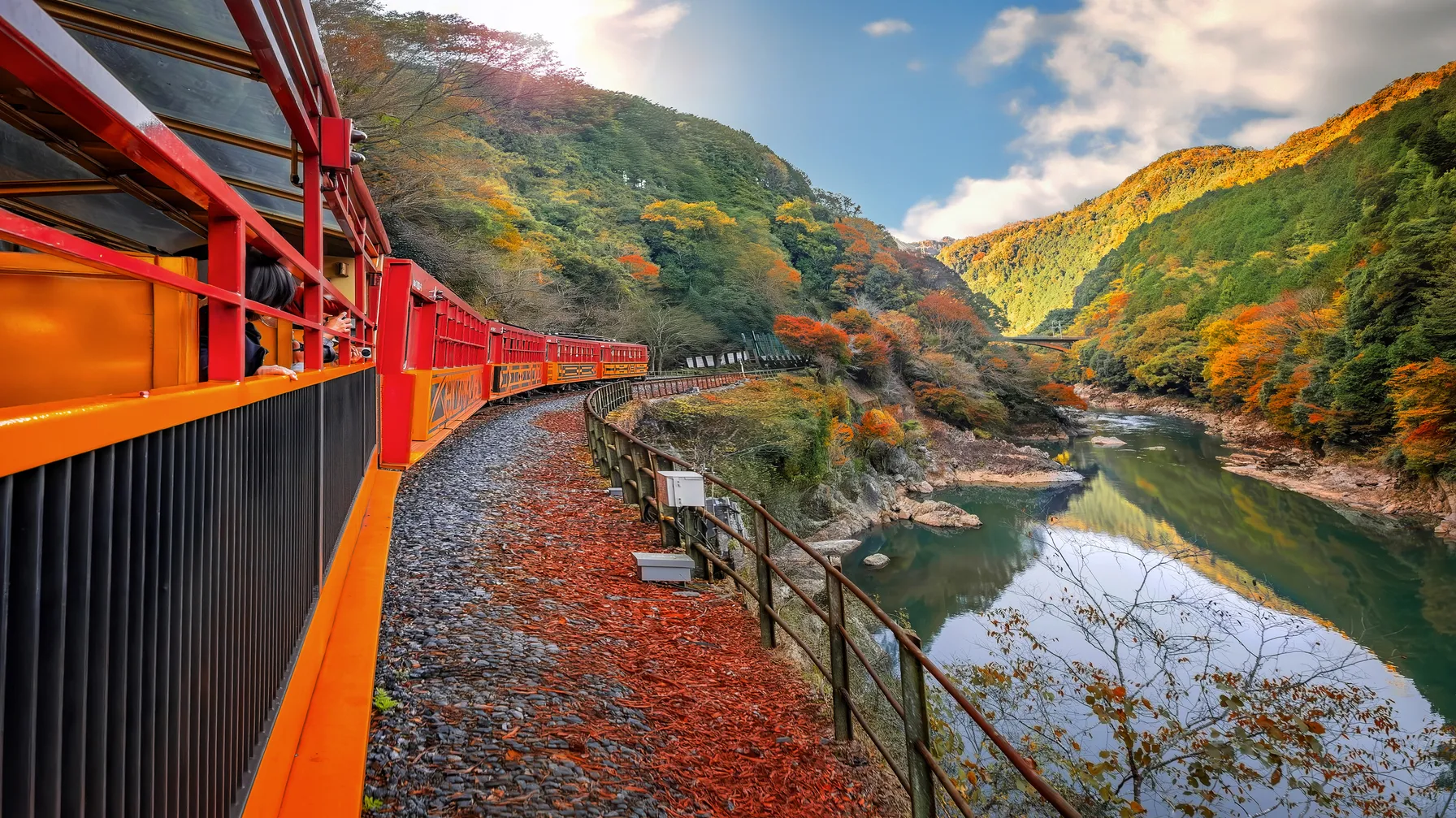
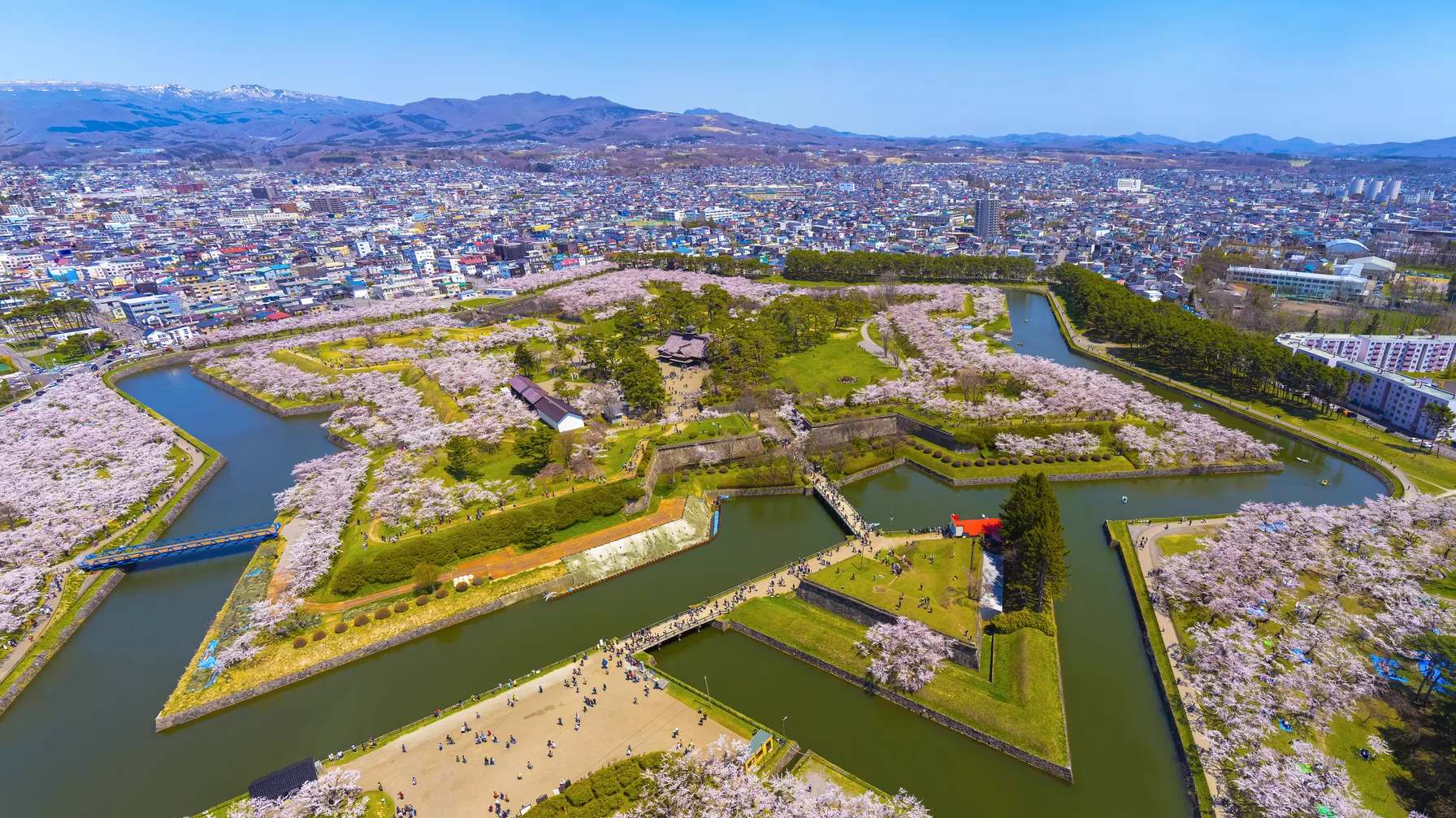
Spring remains the most popular season to visit Japan. The cherry blossom, known as sakura, transforms parks and paths into ephemeral scenes of delicate pink. Autumn is equally captivating with its flaming maples, especially in Kyoto where Zen gardens and temples are adorned in red and gold. These two periods are the best times for a memorable first trip to Japan. To fully enjoy these seasons, it is recommended to book your accommodations several months in advance, especially for Tokyo and Kyoto.
What itinerary to consider for your 15 days in Japan?
Organizing two weeks in Japan requires a minimum amount of preparation, especially for travel. The Japanese rail network is one of the most efficient and punctual in the world. The Japan Rail Pass is often the most convenient solution for connecting major cities. With it, trips on the Shinkansen between Tokyo and Kyoto, or between Osaka and other destinations, become smooth and comfortable. Budget-wise, it is available in 7, 14, or 21-day versions depending on the length of your itinerary.
Tokyo and its surroundings, an immersive start
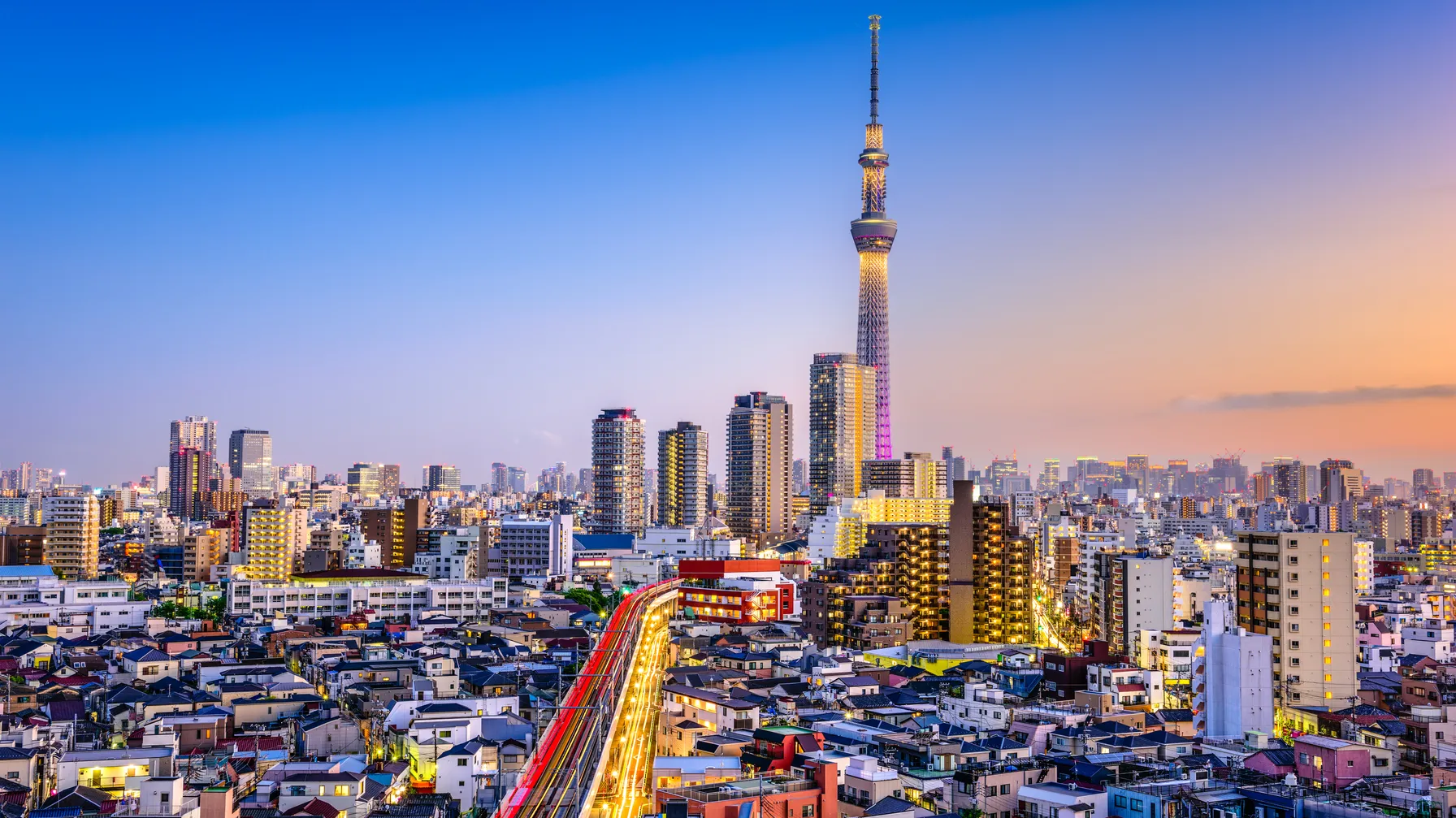
A 15-day stay in Japan ideally starts with four or five days in Tokyo. The capital offers an extraordinary range of experiences: the hustle and bustle of Shibuya, the spirituality of the Meiji Shrine, the historically loaded lanes of Yanaka, or the immersive experiences in the city's artistic spaces. A day trip to Mount Fuji from Shinjuku Station is often one of the most memorable moments of the trip. The view of the Chureito Pagoda with the snow-capped peak in the background is, in itself, an image that remains etched.
From Kyoto to Osaka, the cultural heart of the archipelago
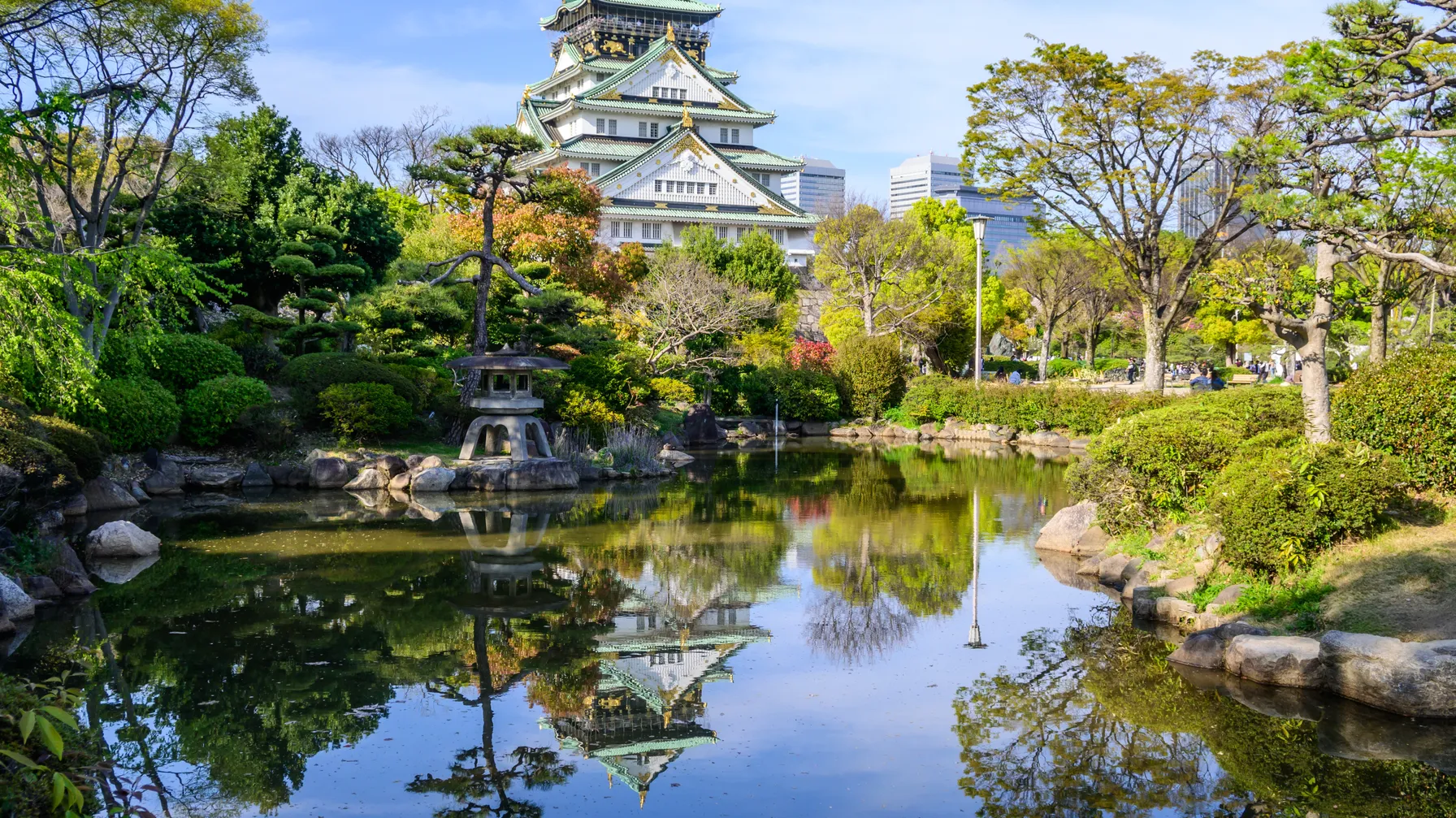
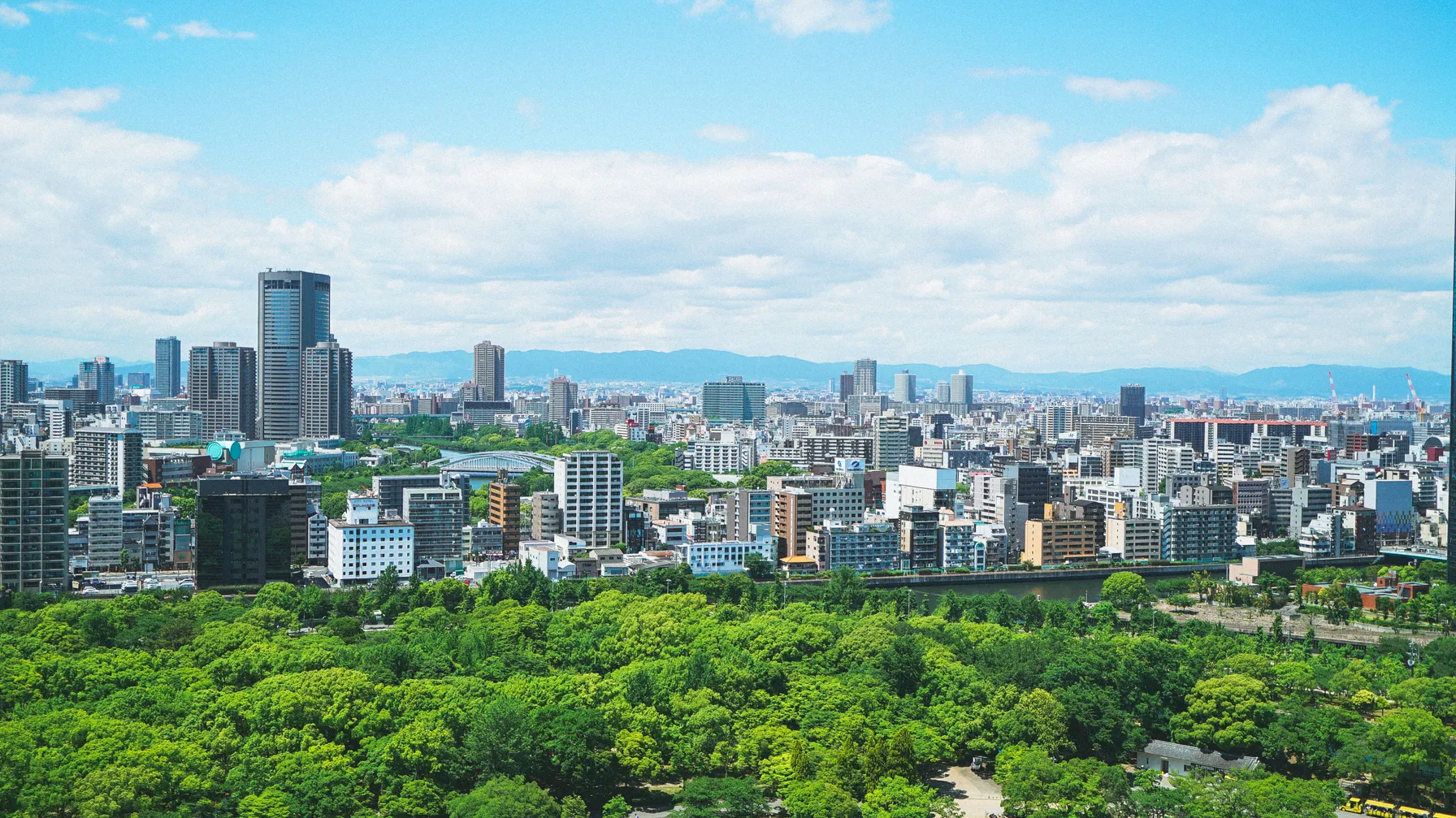
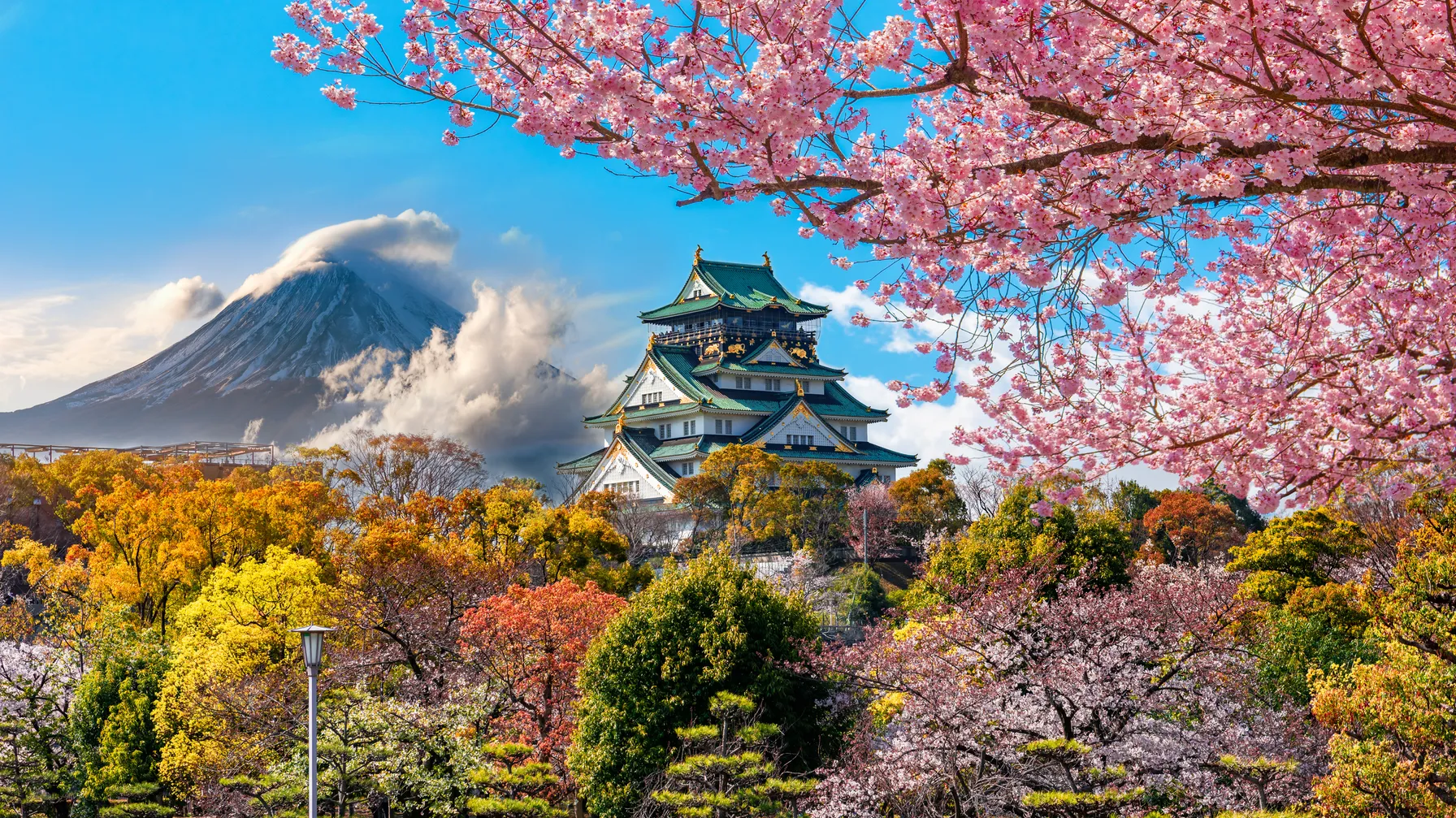
The train in Japan allows you to reach Kyoto from Tokyo in just over two hours. Three to four days in the former imperial capital are enough to wander in front of the thousands of torii gates at Fushimi Inari, soak up the atmosphere of the Gion district at dusk, or meditate in a Zen garden. A day in Nara, with its sacred deer and ancient temples, naturally fits into this stage. Osaka, a decidedly different city, ideally concludes this tour: Osaka Castle, the alleys of Shinsekai, and the markets brimming with street food offer a delightful light note at the end of the stay.
Book your trip to Japan with Vialala and let our Travel Planners design an itinerary that truly suits you.
Demandez votre devis Japan sur-mesure 100% gratuit
 4.8
4.8+3.000 travelers satisfied
What practical advice should be remembered before traveling to Japan?
A stay in Japan should be prepared with some key information to travel light. Here are the essentials to remember before going to Japan:
- Visa: French nationals do not need a visa for a tourist stay of less than 90 days;
- Currency: the yen is the official currency; it is advisable to have cash for small purchases and some restaurants;
- Connectivity: an eSIM card or a pocket WiFi provides a constant connection, valuable for finding your way around the city;
- Suitcase: bring comfortable shoes for the many kilometers on foot, tidy socks (shoes are often removed) and a type A power adapter.
Did you know? In Japan, tipping is not part of the cultural customs. Impeccable service is simply the norm, at every step of your stay.
Contact us for more information and let's build together your customized trip to Japan, tailored to your desires and pace.