Japanese Culture: Discover a Millennia-Old Heritage with Many Facets
What are the influences that have shaped the Japanese cultural identity?
Understanding Japanese culture requires grasping the multiple influences that have shaped it over the centuries. This complex cultural richness is one of the most fascinating elements of your trip to Japan.
From continental roots to creative isolation
The Japanese culture draws its origins from exchanges with Chinese and Korean civilizations, starting from the 4th century. The introduction of writing, artisan techniques, and philosophical concepts profoundly marked the archipelago. However, the long period of voluntary isolation (sakoku) under the Tokugawa shogunate, from 1633 to 1854, allowed Japan to develop a truly unique cultural identity.
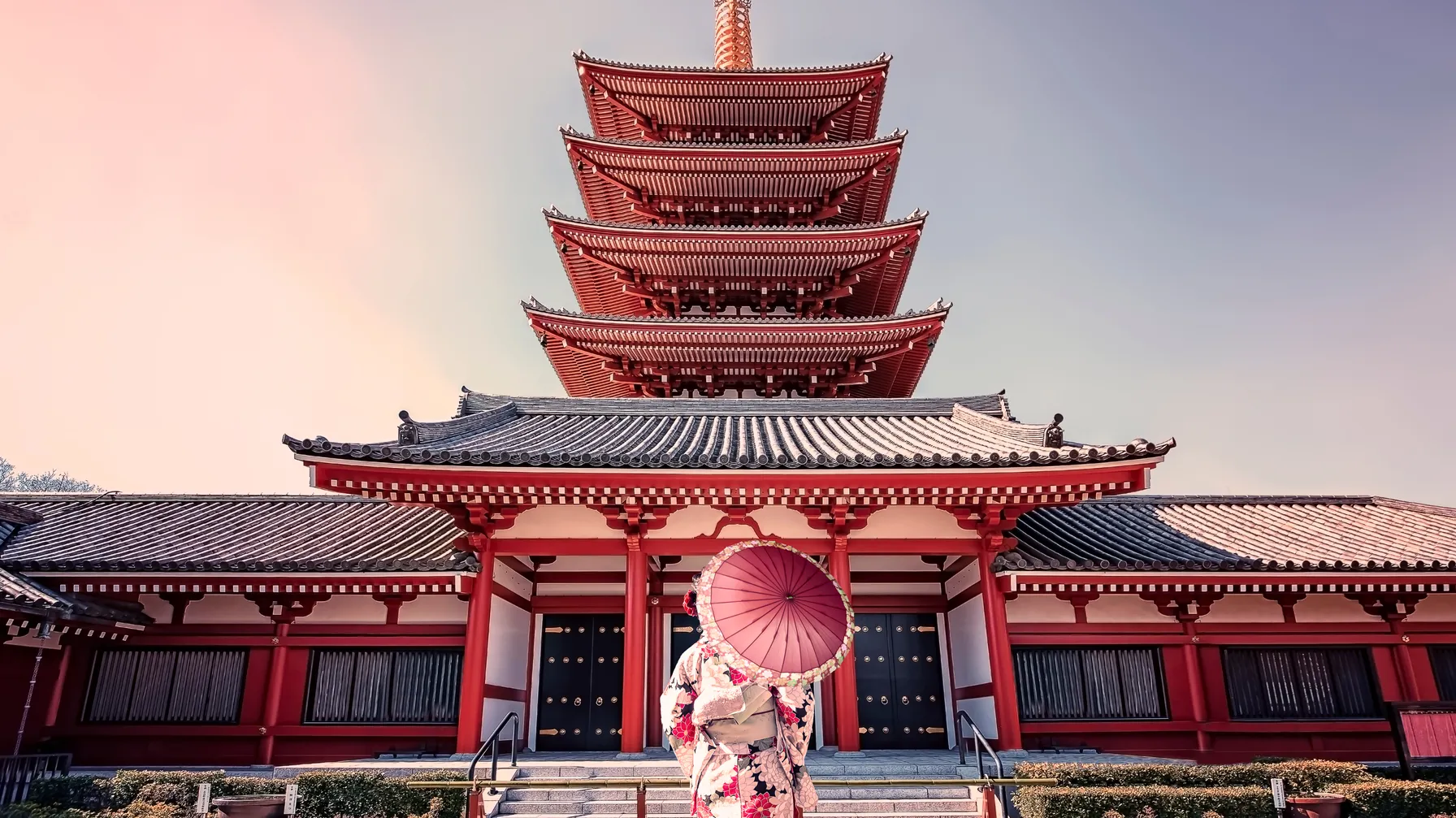
This creative fusion between external influences and endemic development explains why the culture in Japan has such distinctive characteristics. You will discover how the Japanese have transformed and reinterpreted continental contributions to create their own traditions. For example, the architecture of temples reveals this remarkable synthesis between imported styles and local innovations.
Confucianism has also left a lasting imprint on Japanese society, influencing social relationships and collective values. This philosophy continues to manifest in contemporary customs and mores, notably in the importance placed on hierarchical respect and social harmony.
Shintoism and Buddhism, the spiritual pillars
The spiritual dimension occupies a central place in Japanese culture. Two main religions coexist harmoniously: Shintoism, the indigenous cult of the kami (nature spirits), and Buddhism, which was imported from China via Korea in the 6th century.
This unique global coexistence of religious practices manifests in the daily lives of Japanese people. Many practice both faiths simultaneously, visiting Shinto shrines for joyful events and turning to Buddhist temples for matters related to the beyond. This spiritual synthesis, called shinbutsu shūgō, greatly enriches your understanding of Japanese culture and traditions.
During your stay, you will notice this religious duality in sacred architecture. Shinto shrines can be recognized by their vermilion torii and their clean architecture, while Buddhist temples display more complex structures with elaborate roofs.
Contact us for more information on cultural tours in Japan
How to explore the rich tangible and intangible Japanese heritage?
Japanese heritage comes in many forms, from listed monuments to ancestral skills. This diversity offers a palette of exceptional cultural experiences to explore during your trip.
Temples, shrines, and UNESCO World Heritage sites
Japan has many sites inscribed on the UNESCO World Heritage List, witnesses to its historical and cultural richness. Among the must-sees are:
- \n
- The Buddhist monuments of the Horyu-ji region, the oldest wooden structures in the world; \n
- The shrines and temples of Nikko, an architectural ensemble of striking beauty; \n
- The historic monuments of ancient Kyoto, an exceptional concentration of temples and traditional gardens; \n
- Himeji Castle, a masterpiece of Japanese military architecture. \n
These sites reveal Japanese architectural evolution and allow understanding the importance of heritage in national identity. Each visit is a dive into the history and beliefs that shaped the country. For an optimal experience, plan enough time: count at least a half-day per major site to fully appreciate their richness.
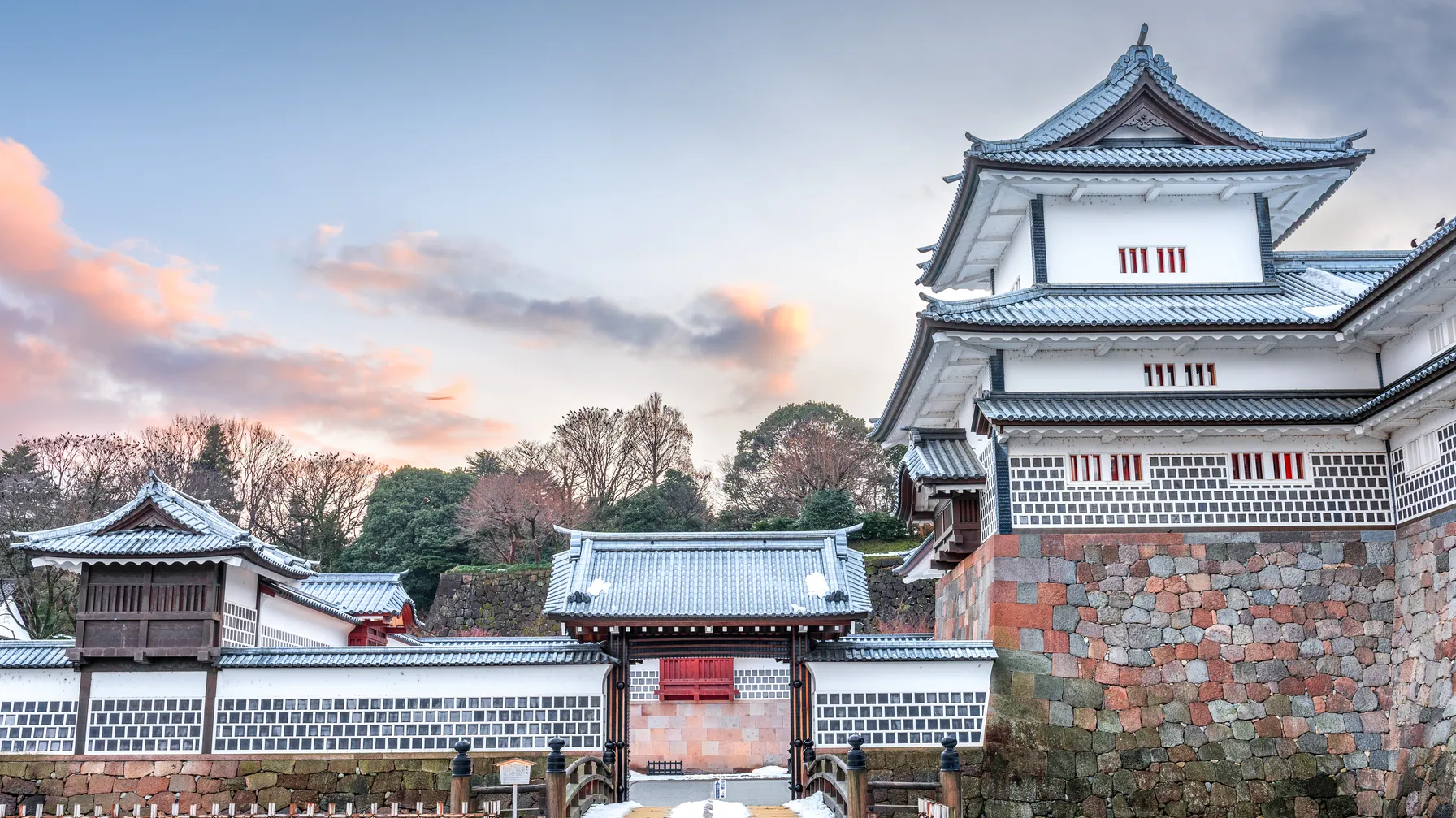
Traditional Japanese architecture is characterized by the use of wood, harmony with the natural environment, and the pursuit of aesthetic simplification. These principles are found in both religious buildings and traditional dwellings, creating a remarkable visual consistency across the archipelago.
Traditional crafts and ancestral skills
The intangible heritage of Japan includes artisanal techniques passed down from generation to generation. These skills are an essential part of what to do in Japan to grasp the soul of this civilization.
Textile craft showcases extraordinary sophistication: dyeing techniques like indigo (aizome), kimono weaving, complex embroideries. Each region develops its specialties, creating a fascinating creative diversity. In Kyoto, you can observe artisans in their workshops and even participate in workshops.
Japanese ceramics enjoy a well-deserved international reputation. From the rustic pottery of Bizen to the refined porcelains of Arita, each school reveals a unique aesthetic. This ceramic tradition particularly flourishes in the art of tea, where each piece contributes to the harmony of the ceremony.
Floral art (ikebana) and calligraphy (shodō) embody the pursuit of aesthetic perfection characteristic of the Japanese spirit. These disciplines, considered as spiritual as well as artistic paths, offer a meditative approach to beauty.
What authentic cultural experiences can you live during your stay?
The Japanese culture is fully revealed through the living experiences you can share with the locals. These privileged moments often constitute the most precious memories of a trip.
Seasonal festivals and traditional ceremonies
The Japanese calendar marks the year with numerous festivals (matsuri) celebrating the seasons, deities, or historical events. These festivities offer total immersion in popular culture and local traditions.
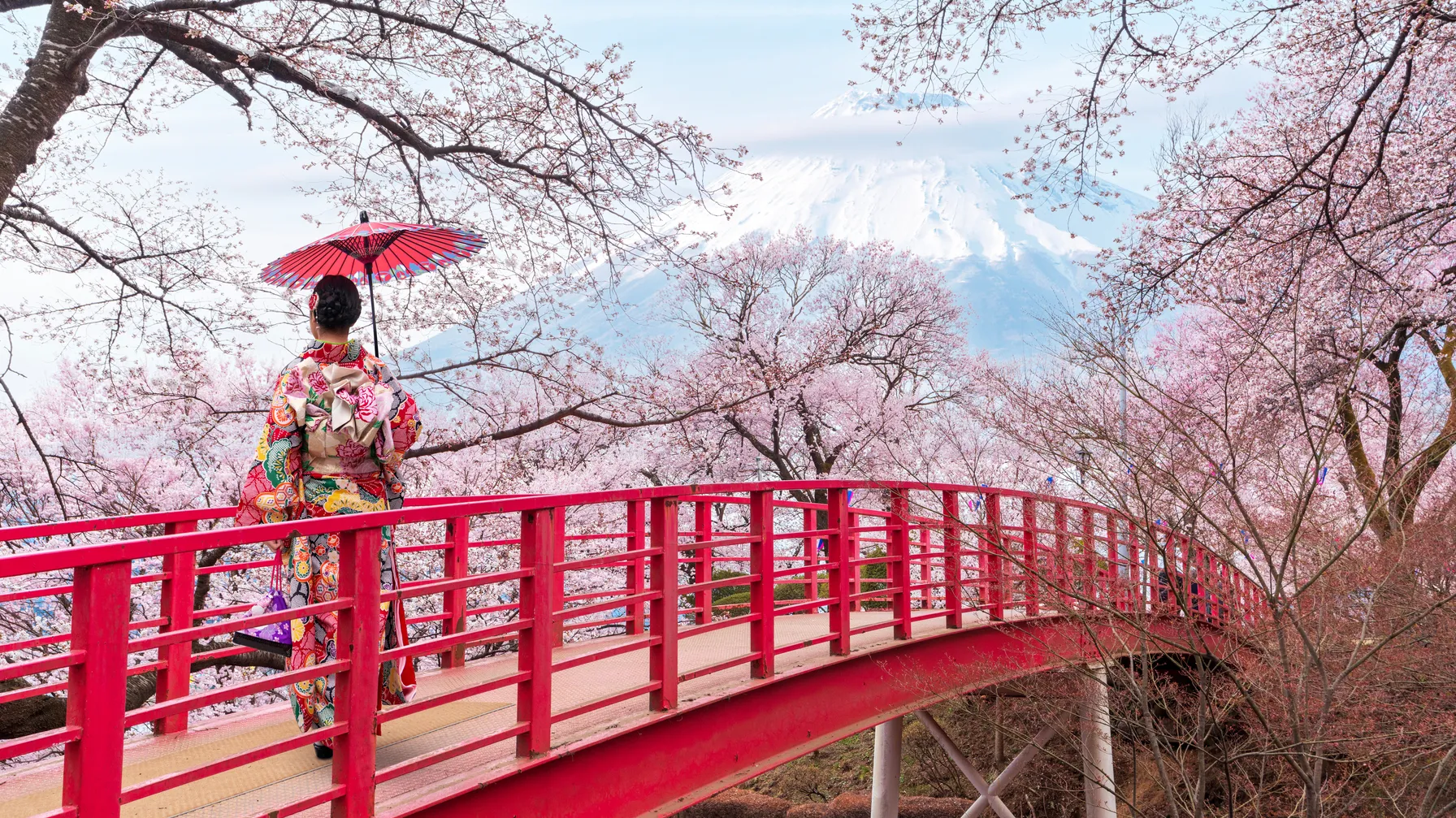
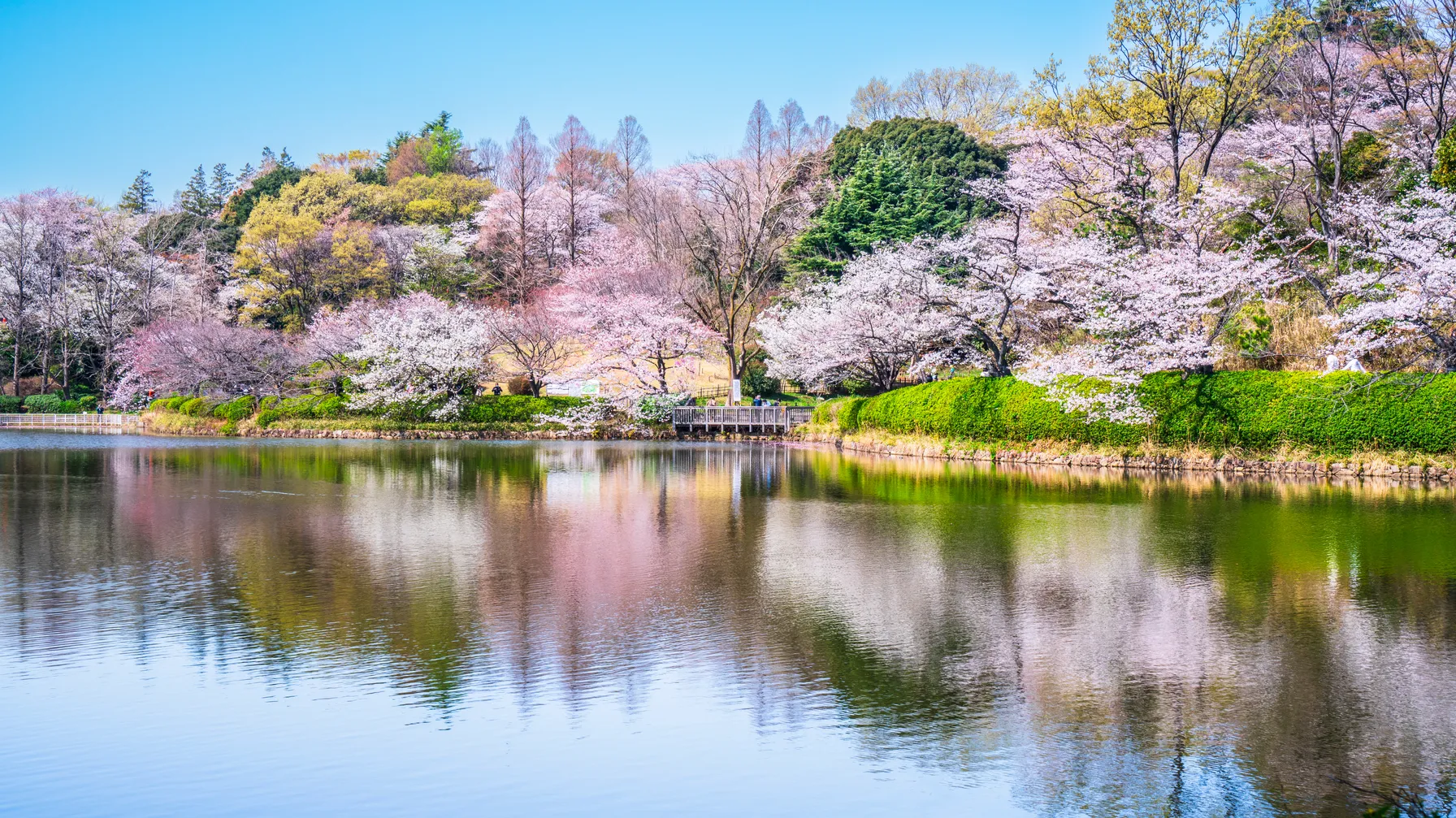
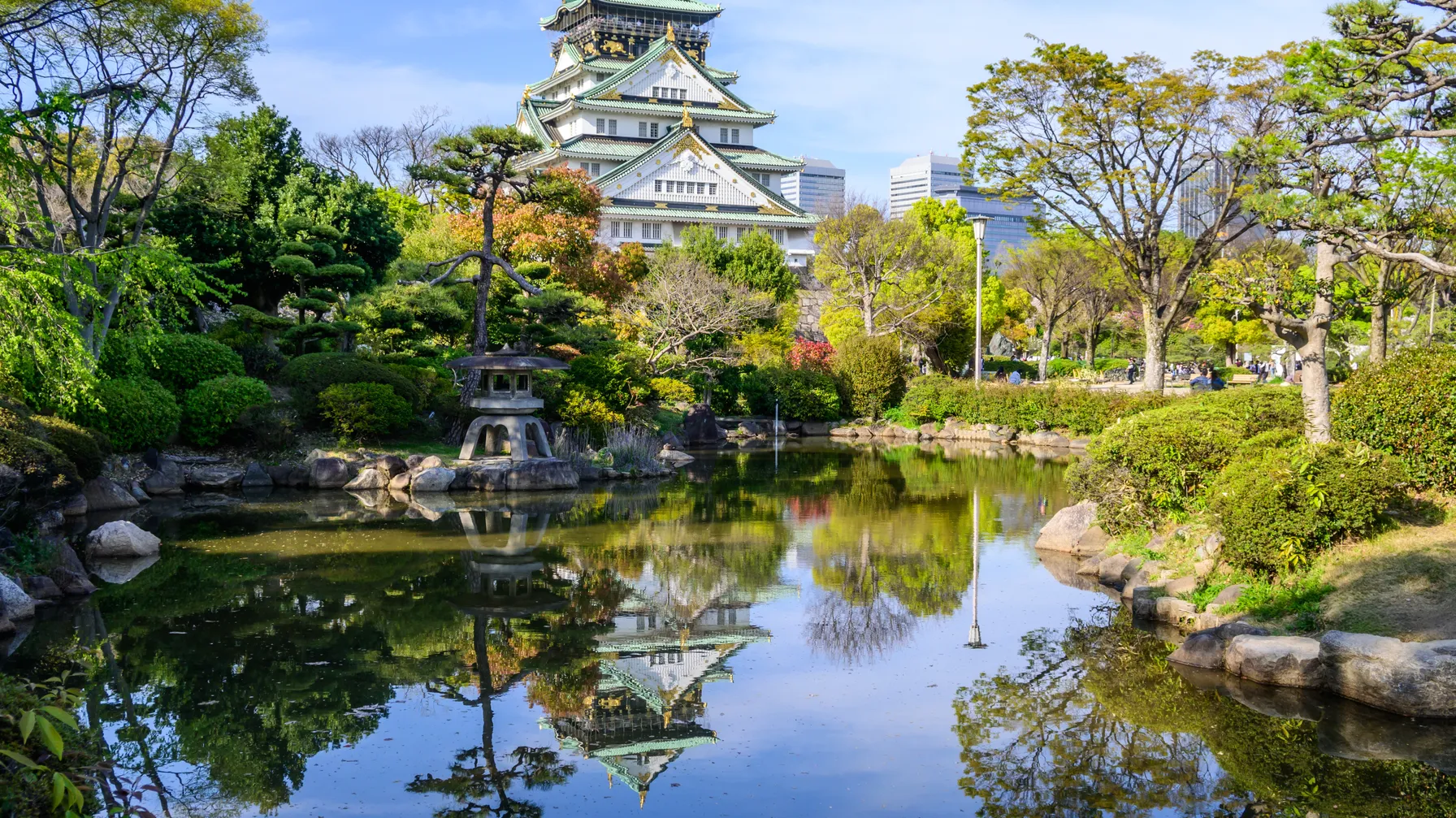
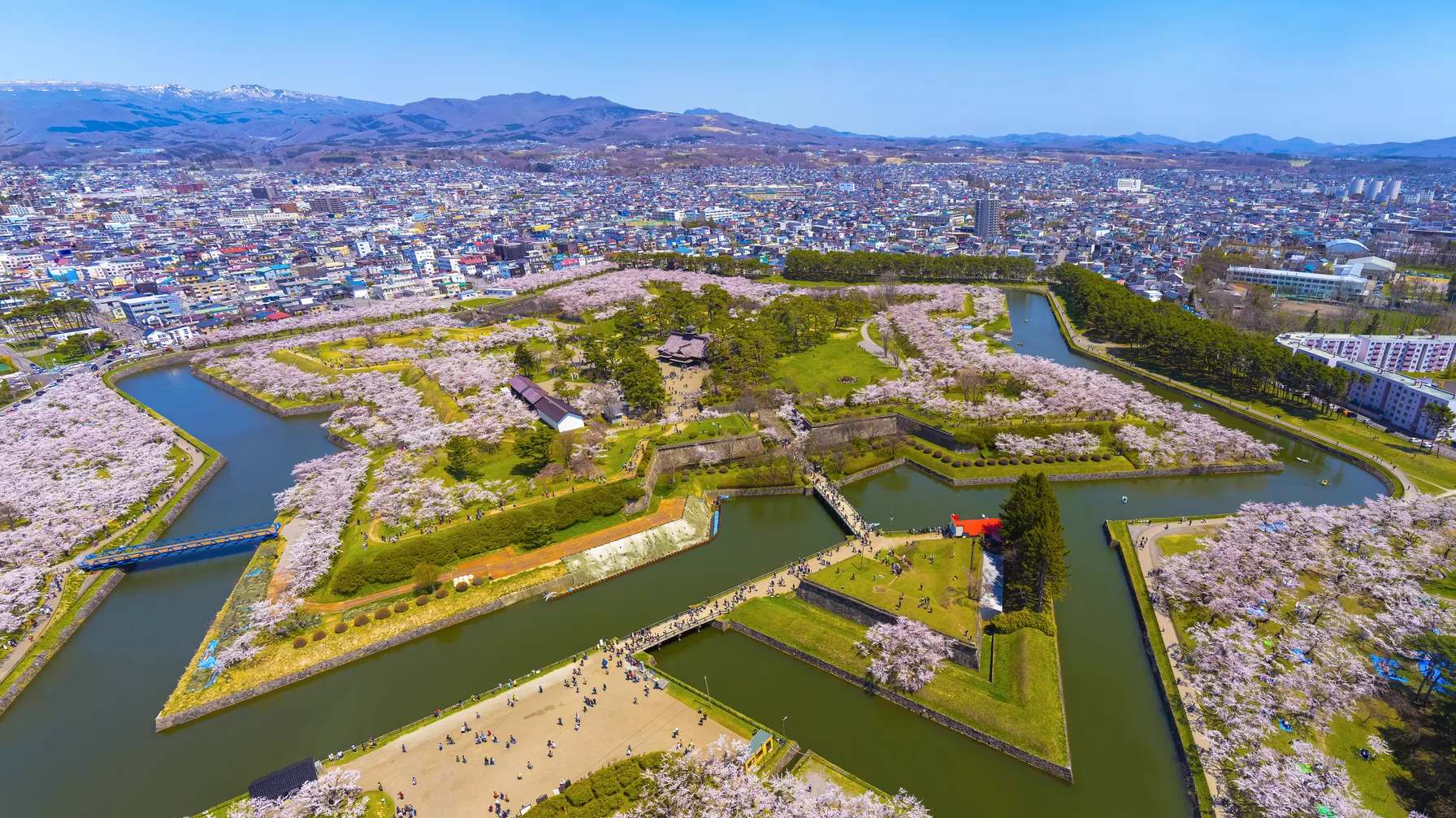
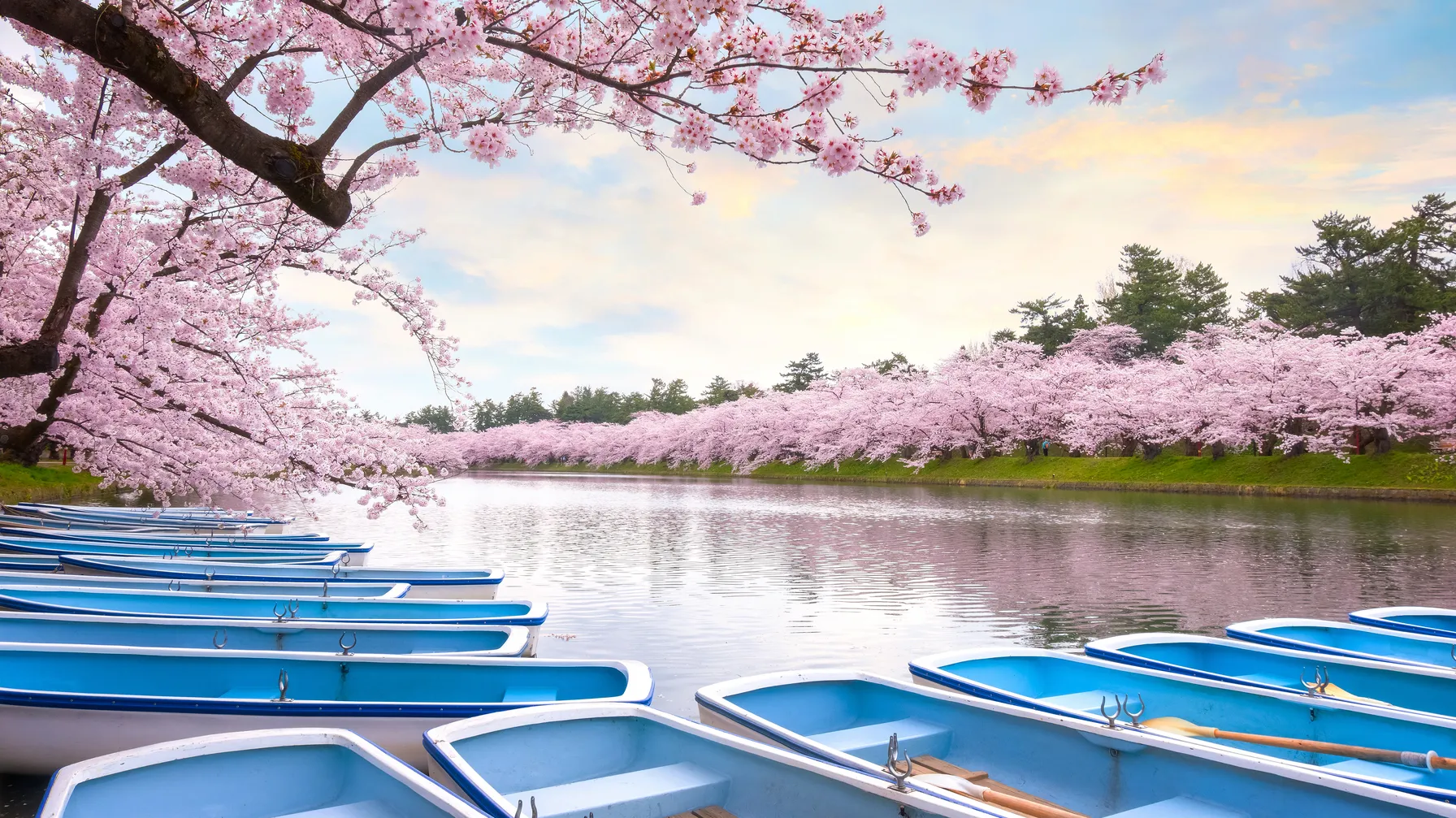
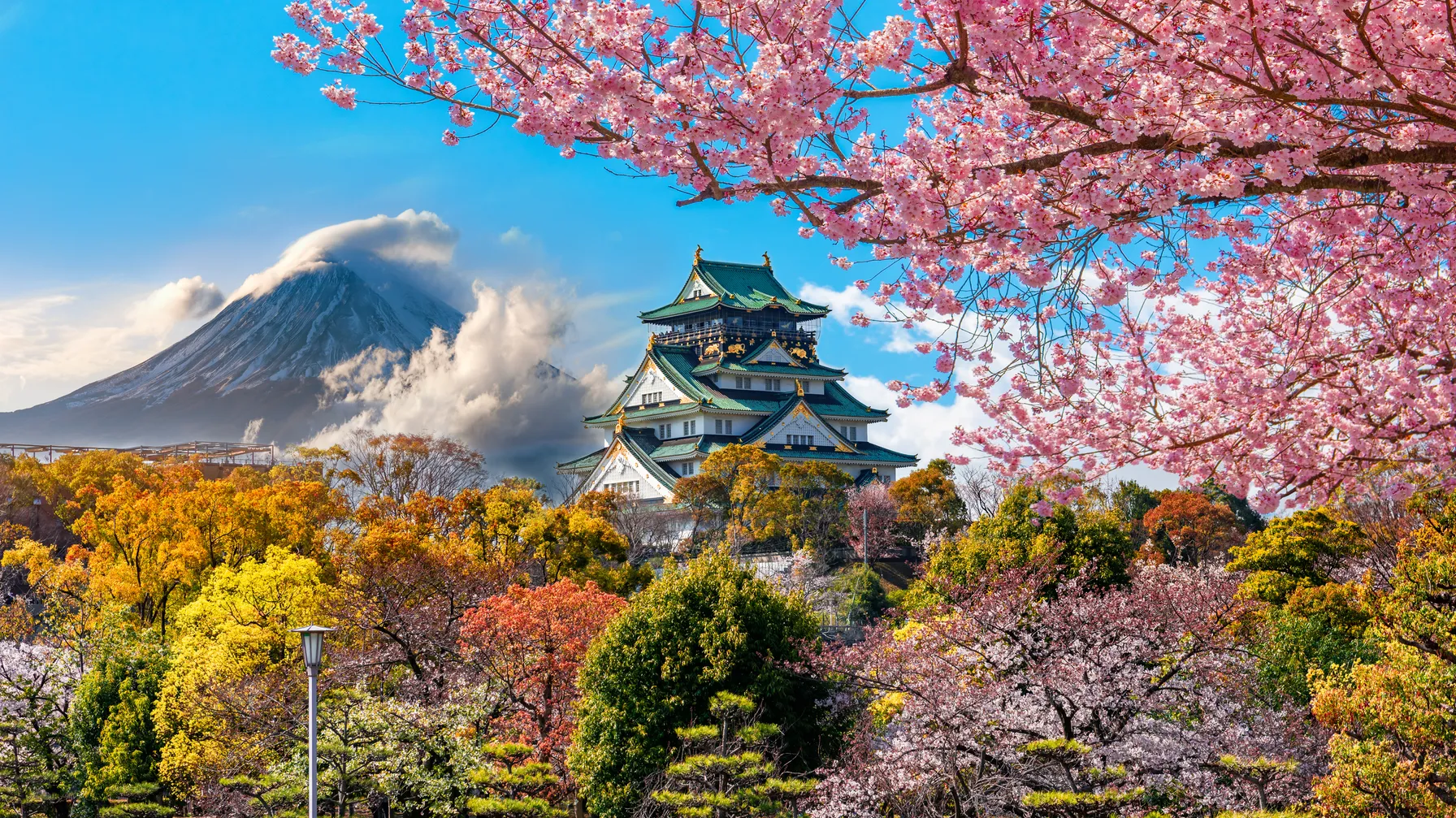
The hanami, the contemplation of cherry blossoms in spring, brings families and friends together in parks for festive picnics under the pink petals. This ancient tradition perfectly illustrates the Japanese sensitivity to the ephemeral beauties of nature. The parks of Ueno in Tokyo or of Osaka Castle then become remarkable places of sharing and conviviality.
Summer brings the summer matsuri with their colorful processions, food stalls, and spectacular fireworks. The Gion festival in Kyoto, with its procession floats dating back to the 9th century, is among the most prestigious. These events allow for observing traditional costumes and tasting local specialties in a warm atmosphere.
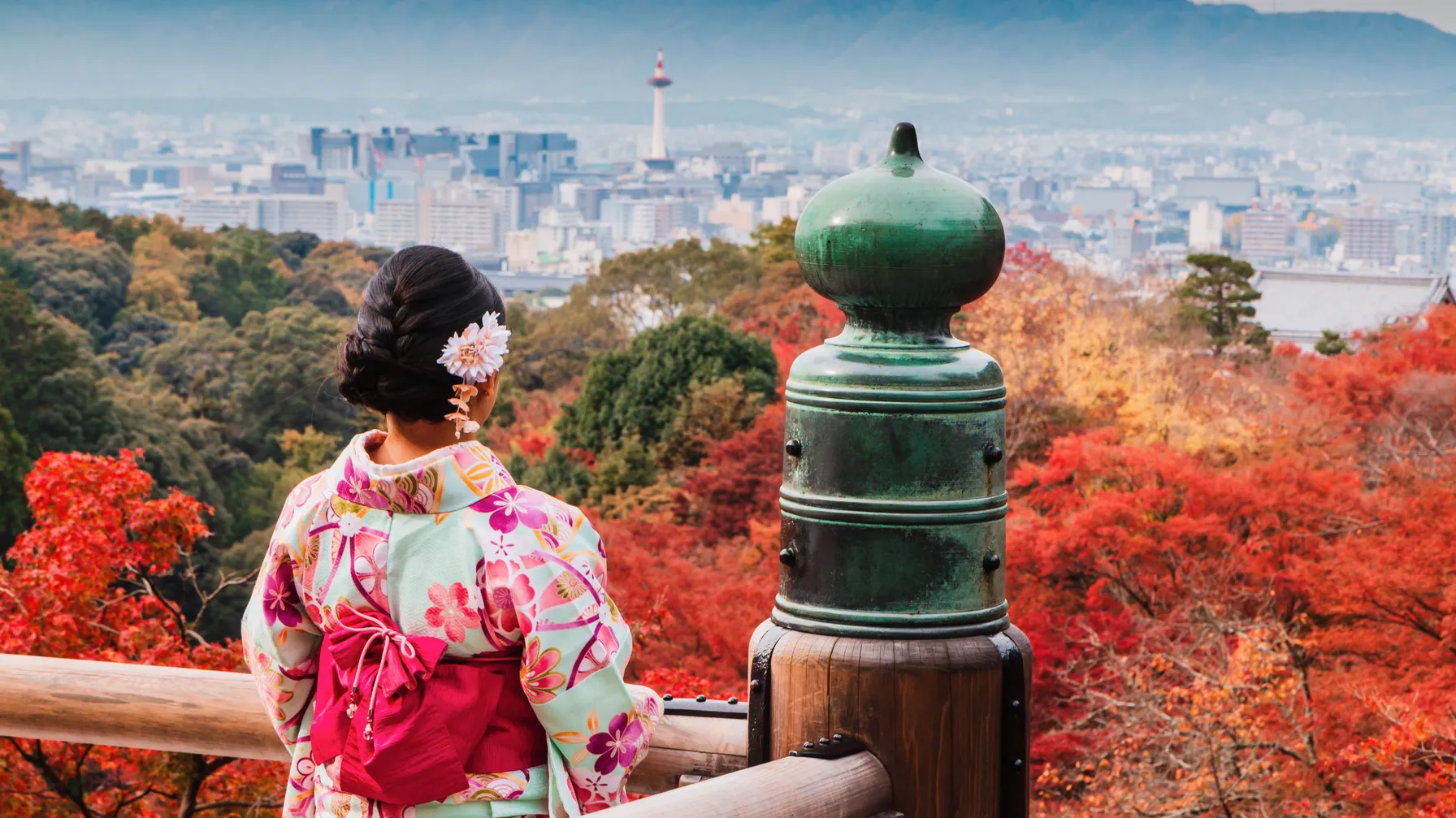
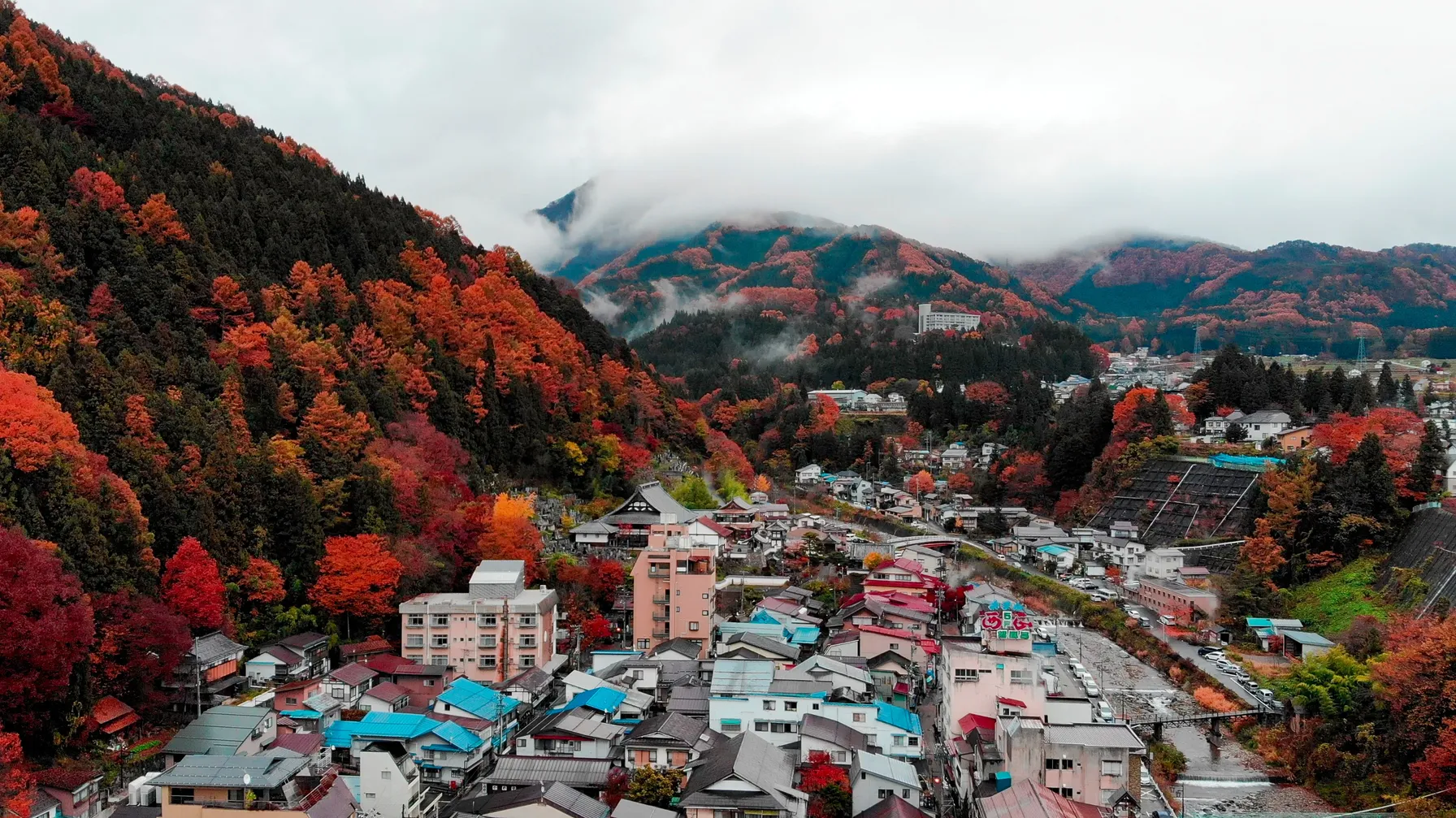
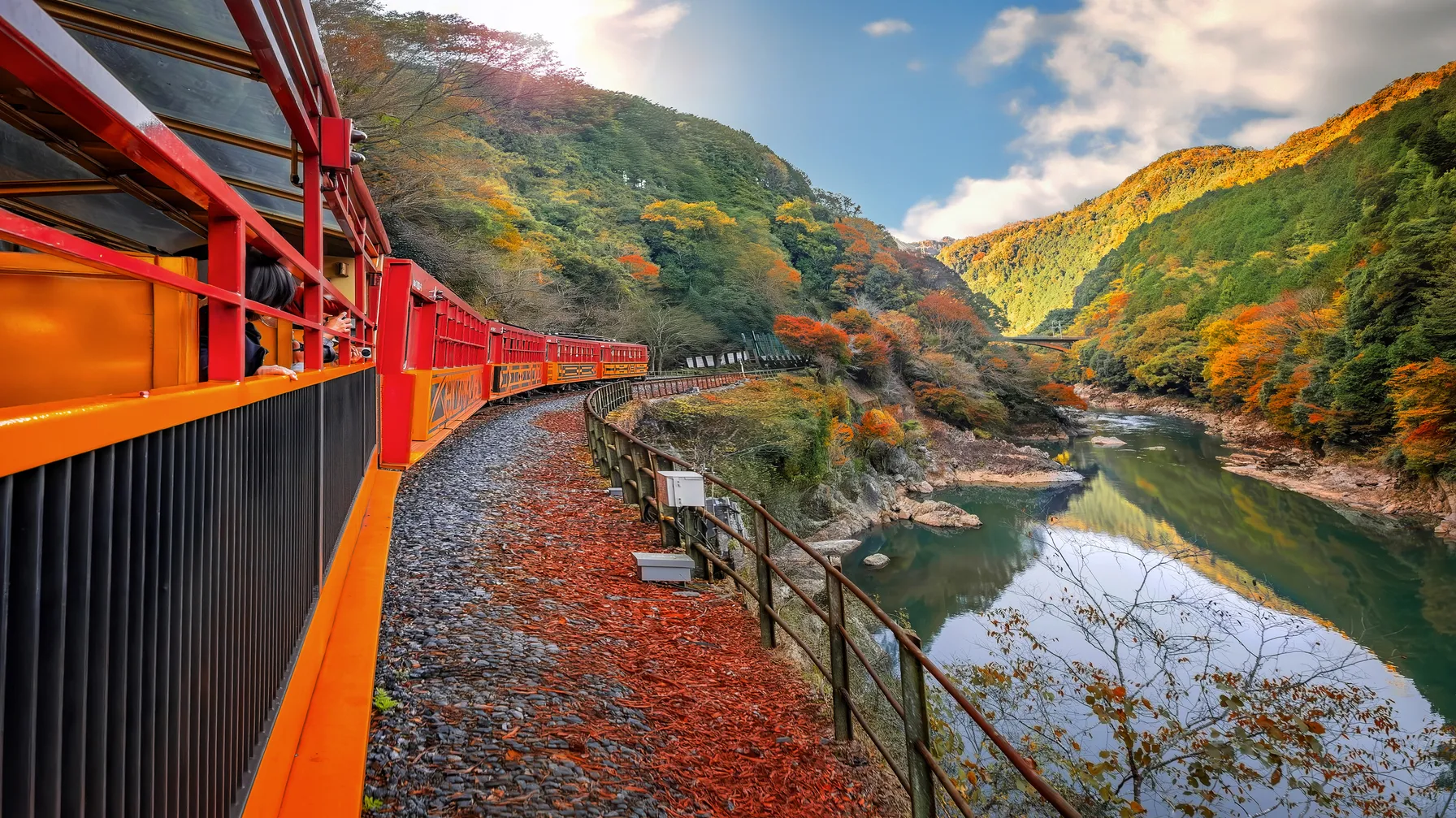
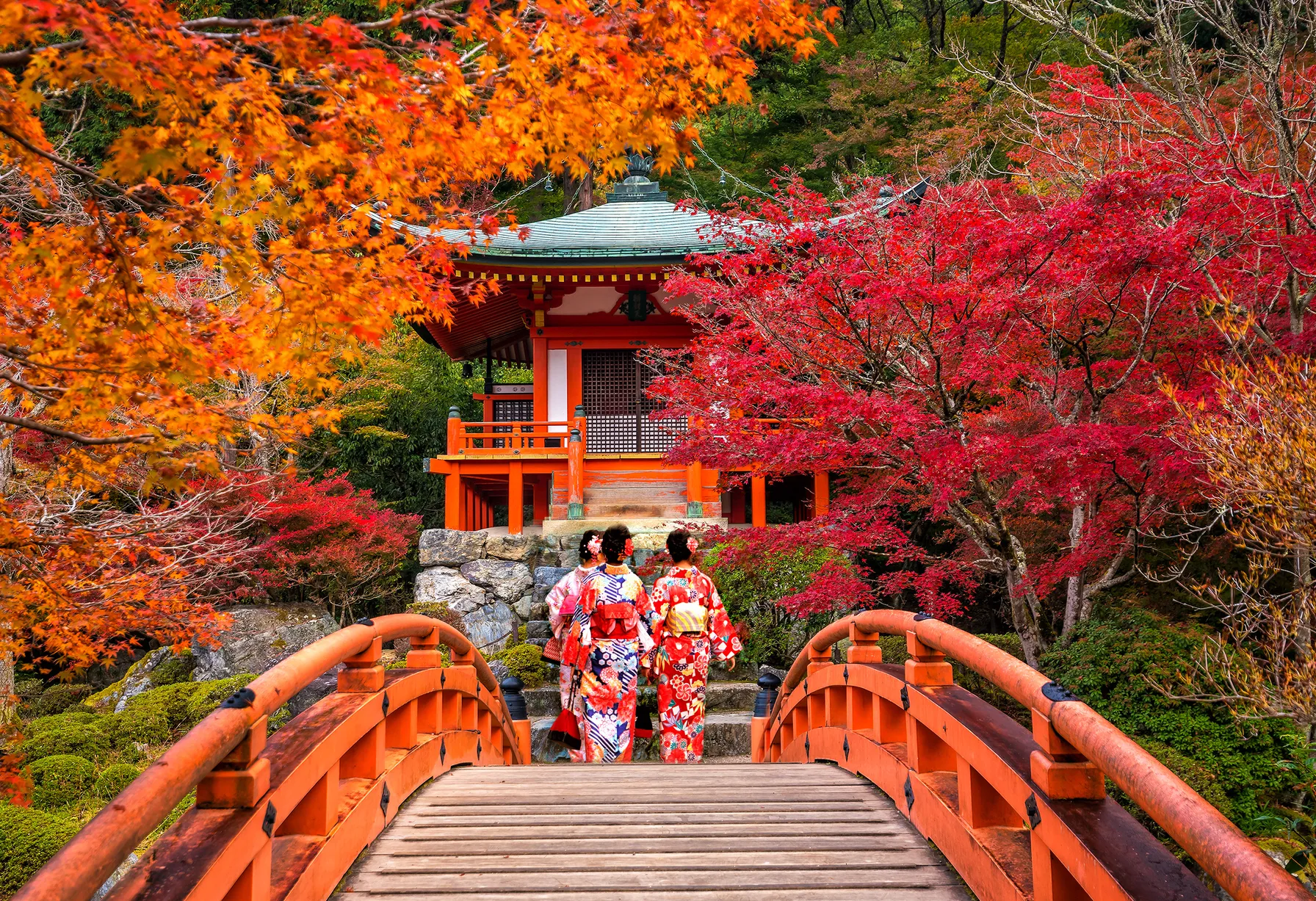
The autumn period celebrates the vibrant colors of maple trees (momiji-gari), while winter brings its own rituals, such as purifying New Year baths in the hot springs of the Japanese Alps.
The Japanese way of life on a daily basis
To fully grasp Japanese culture, one must immerse themselves in the daily way of life. The tea ceremony (chadō) represents one of the most refined experiences to discover. This codified practice transforms the preparation and tasting of tea into an aesthetic meditation where each gesture holds particular significance.
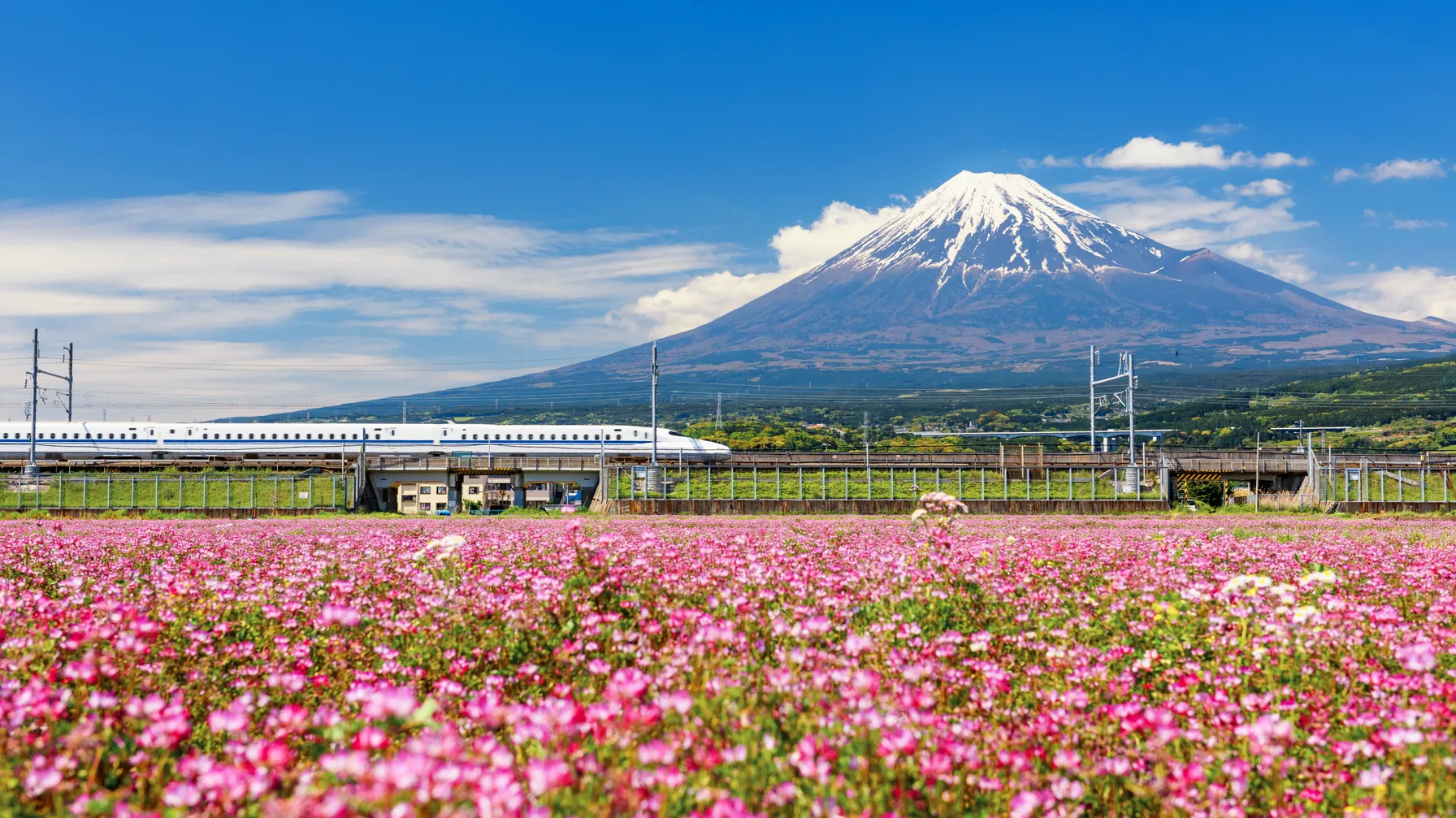
Japanese customs and traditions govern numerous aspects of social life. The art of greeting, etiquette at the table, respect for rules in public transport: these social codes reflect a constant pursuit of collective harmony. Traveling by train, especially on board the Shinkansen, offers a striking glimpse of this refined social organization.
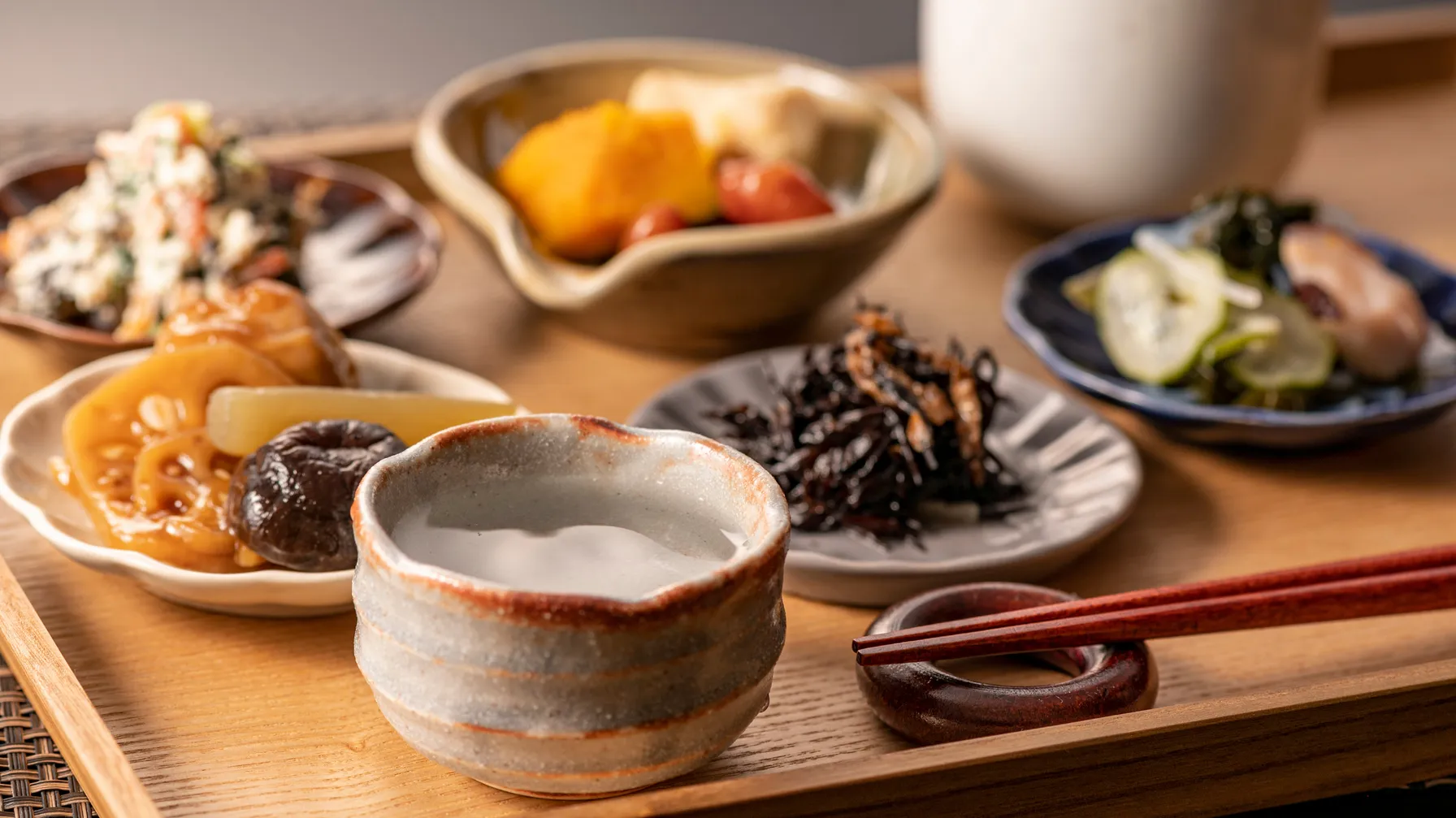
Gastronomy constitutes a major aspect of Japanese culture. Beyond the globally known sushi, you will discover the richness of a seasonal cuisine that enhances natural products. Each region develops its specialties: soba noodles in the mountains, seafood on the coasts, marinated vegetables in the countryside.
Public baths (onsen and sentō) reveal an intimate aspect of Japanese culture. These places of collective relaxation, governed by precise rules, offer a unique wellness experience while allowing one to observe local social codes.
Book your cultural trip to Japan now
To properly prepare for your trip and fully enjoy these cultural riches, some practical information is useful. Most major sites offer guided tours in English, sometimes in French. Mobile translation apps greatly facilitate exchanges with locals. Consider booking your traditional accommodations (ryokan) well in advance, especially during festival periods or cherry blossom seasons.
Demandez votre devis Japan sur-mesure 100% gratuit
 4.8
4.8+3.000 travelers satisfied
Frequently asked questions
What is the best time to explore Japanese culture?
Each season offers its own cultural attractions in Japan. Spring (March-May) allows you to experience hanami and enjoy mild temperatures for visiting temples and gardens. Fall (September-November) reveals the vibrant colors of momiji and hosts numerous festivals. Winter offers a more intimate atmosphere, ideal for traditional experiences like thermal baths.
How to respect cultural codes during temple visits?
In temples and shrines, several rules apply: purify your hands and mouth at ablution fountains, remove your hat, avoid pointing fingers, speak softly. In Buddhist temples, it is customary to bow before entering. For Shinto shrines, clap your hands twice after ringing the bell to attract the attention of the kami.
Is it possible to participate in traditional craft workshops?
Many cities offer introductory workshops to traditional Japanese arts. In Kyoto, you can learn pottery, indigo dyeing, or making wagashi (traditional pastries). Tokyo offers calligraphy and origami classes. These activities typically require prior reservation and last between 1 and 3 hours depending on the complexity of the technique.