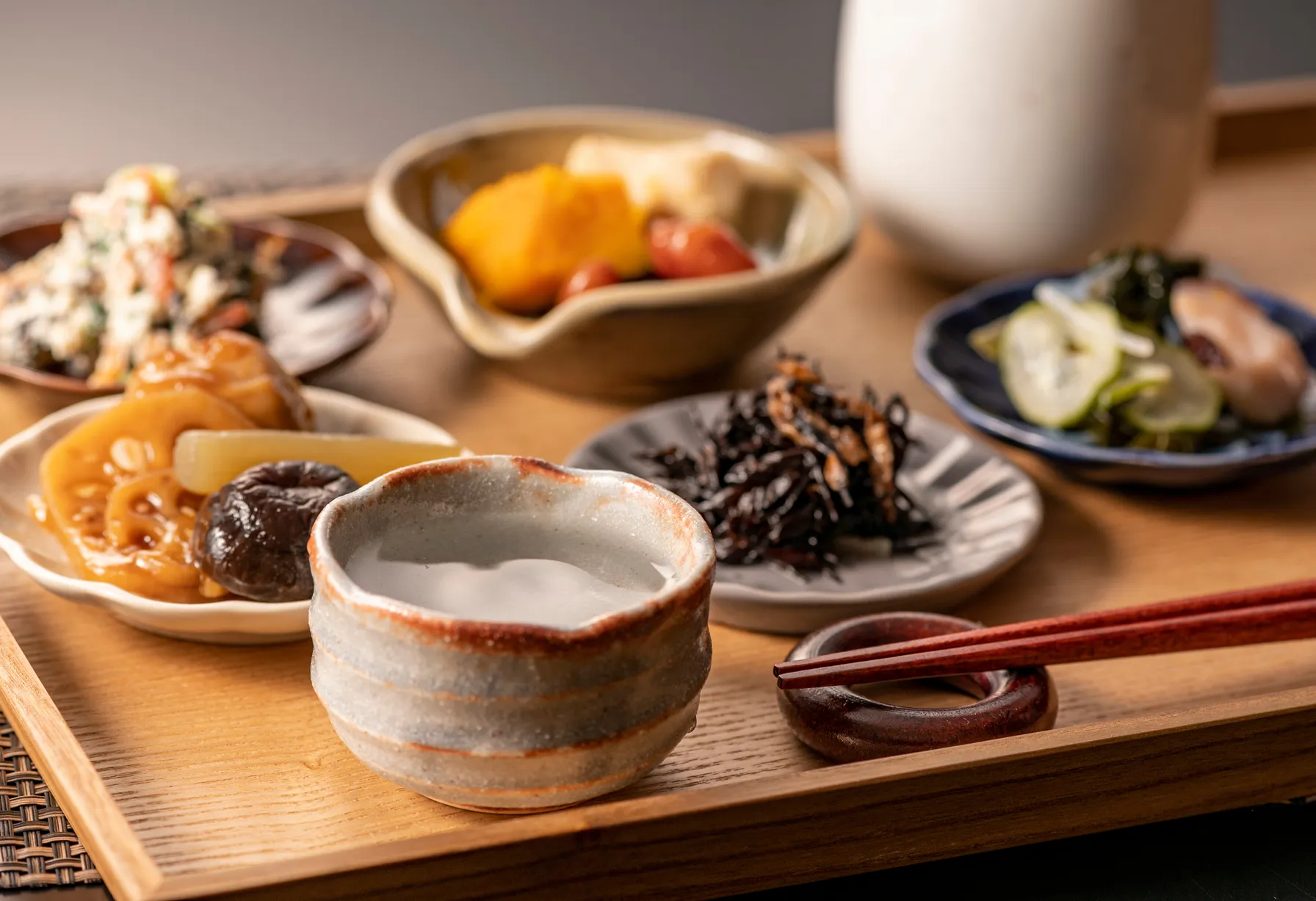
Gastronomy in Japan: An Unforgettable Culinary Journey
What can you discover in traditional Japanese gastronomy?
The art of Japanese cuisine rests on fundamental principles that transform every meal into a celebration of the senses. This holistic approach to cooking goes far beyond our Western conception of dining.
The Sacred Foundations of Japanese Cuisine
\n\n\n Japanese culinary culture revolves around the concept ichijū sansai
, literally\n a soup, three dishes
, which constitutes the base of a traditional balanced meal.\n This philosophy emphasizes the quality of seasonal products, the simplicity of preparations, and the harmony of flavors.\n White rice occupies a central place, always accompanied by a miso soup prepared with fermented soybean paste\n and a kombu seaweed dashi broth.\n
\n Japanese chefs master the art of revealing the umami flavor, this fifth taste that naturally elevates the ingredients.\n This expertise is especially evident in the use of soy sauce, an essential condiment obtained by extended fermentation\n of soybeans. Each region develops its own varieties, creating a palette of exceptional richness.\n
\n\n\n The seasonality fully guides the composition of menus. Do you know that the Japanese adapt their dishes according to\n 72 distinct micro-seasons? This attention to natural cycles guarantees products at their apogee of freshness and flavor.\n
\nThe iconic specialties to savor absolutely
\n\n\n Your gastronomic exploration will reveal typical dishes that transcend culinary borders.\n Authentic sushi, prepared with impeccably fresh fish, is best enjoyed at the Tsukiji fish markets or directly with the sushi-ya masters.\n
\n\n\n Ramen, far from their industrial versions, are true culinary masterpieces. Each region develops its style: the creamy tonkotsu ramen of Kyushu, the miso ramen of Sapporo, or the shoyu ramen of Tokyo.\n These broths simmer for days to reach perfection.\n
\n\n\n Do not miss tempura, these delicate fritters that reveal the Japanese technique of light frying.\n Seasonal vegetables and seafood are elevated by a light, airy, crispy batter.\n Osaka's okonomiyaki, this tasty customizable pancake, perfectly illustrates the convivial spirit of Japanese street cuisine.\n
\n\n\n Traditional Japanese also include kaiseki, this haute cuisine that elevates cooking to the rank of total art.\n These refined meals span several courses, each celebrating aesthetic beauty as much as gustatory pleasure.\n
\n\n \n\nWhat authentic culinary experiences to have?
\n\n\n Your gastronomic stay takes on a particular dimension when you actively participate in discovering culinary traditions.\n These immersive experiences connect you intimately with Japanese culture.\n
\n\nTotal immersion in the world of markets
\n\n\n Markets are the beating heart of Japanese gastronomy. Tokyo's Tsukiji Market wakes you up at dawn with its fish auctions\n and exceptional bluefin tuna tastings. These privileged moments allow you to observe the purchasing rituals of the most renowned chefs.\n
\n\n\n Western Japan reveals markets with distinct characters. The Nishiki Market in Kyoto winds along 400 meters and concentrates four\n centuries of culinary traditions. You will taste local specialties such as yuba (soybean skin) freshly prepared or pickles\n of vegetables with acidic flavors.\n
\n\n\n Japanese street food reaches its peak in the yatai, these mobile stalls that set up in the evening in the streets.\n Fukuoka remains the undisputed capital of this tradition, with dozens of stalls offering ramen, gyoza and yakitori in a warm and convivial atmosphere.\n
\nLearning traditional culinary arts
\n\n\n The Japanese cooking classes introduce you to millennia-old gestures transmitted from generation to generation. Learning to handle Japanese knives,\n these blades of surgical precision, reveals the importance of cutting in this cuisine. The art of preparing sushi\n requires years of training, but a few hours are enough to understand the basics and appreciate this refined technique.\n
\n\n\n The tea ceremony is one of the most contemplative experiences. In the hushed atmosphere of a traditional tea house,\n you will discover the codified gestures surrounding the preparation of matcha green tea. This meditative practice reveals how Japanese gastronomy\n goes beyond mere nourishment to become philosophy of life.\n
\n\n\n Our Travel Planners organize these authentic experiences according to your interests, whether it's miso-making courses on a traditional farm or wagashi pastry initiation.\n
\n\nWhere and when to go for an optimal gastronomic experience?
\n\n\n The geographical diversity of Japan greatly influences its culinary palette. Each region cultivates its specialties and develops its\n own culinary traditions.\n
\n\nThe must-visit destinations for gourmets
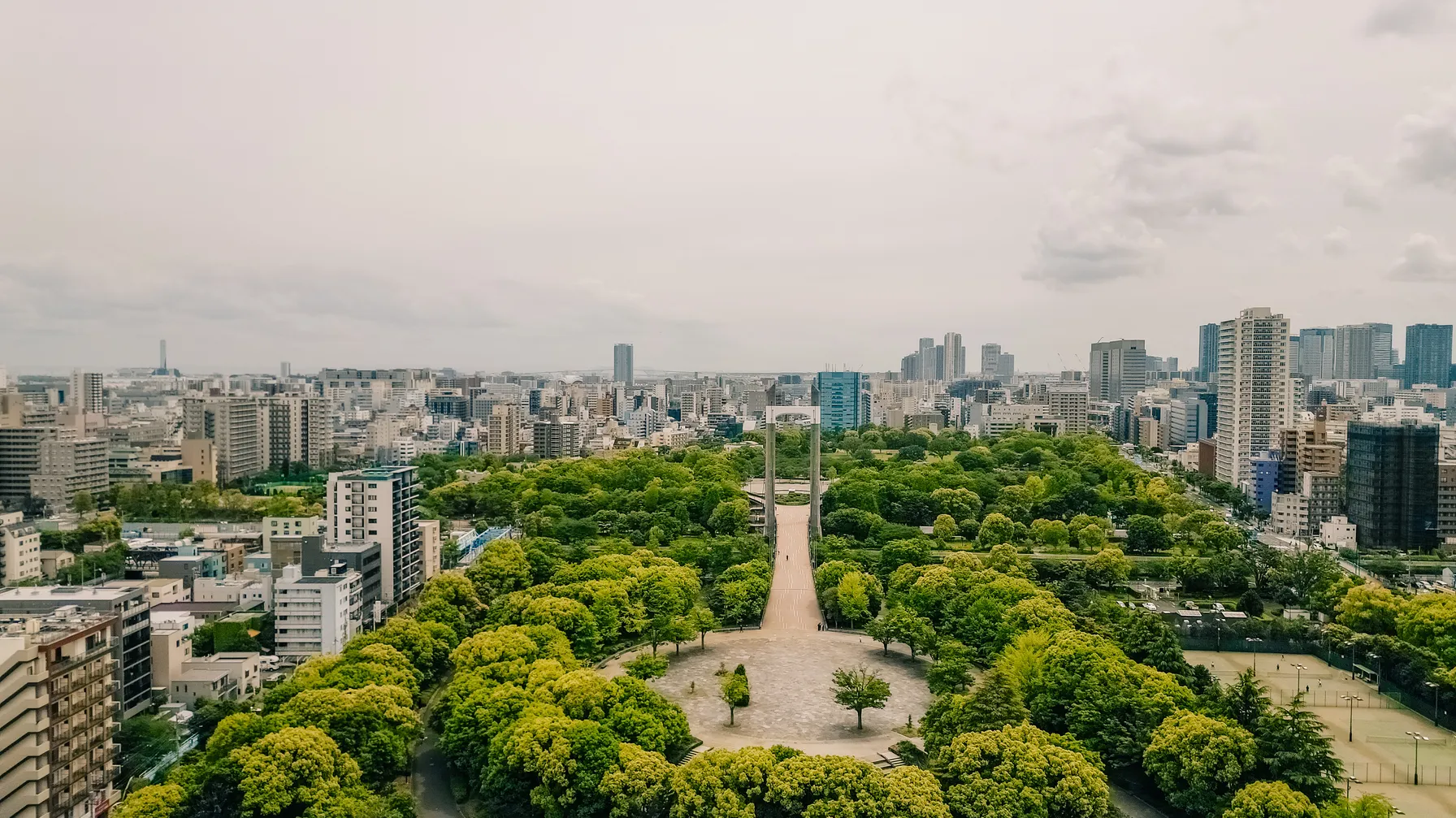
\n\n\n Tokyo concentrates all facets of contemporary Japanese gastronomy. The Ginza district houses the most prestigious restaurants, while Shibuya and Shinjuku reveal a dynamic and accessible culinary scene. The basements of department stores (depachika) offer an extraordinary selection of artisanal products and prepared dishes.\n
\n\n\n Kyoto, the former imperial capital, stubbornly preserves aristocratic culinary traditions. Kaiseki cuisine reaches heights of refinement there, particularly in the ryokans in the Gion district. Local specialties such as silky tofu from Arashiyama or Kyoto vegetables cultivated according to ancestral methods enchant the most demanding palates.\n
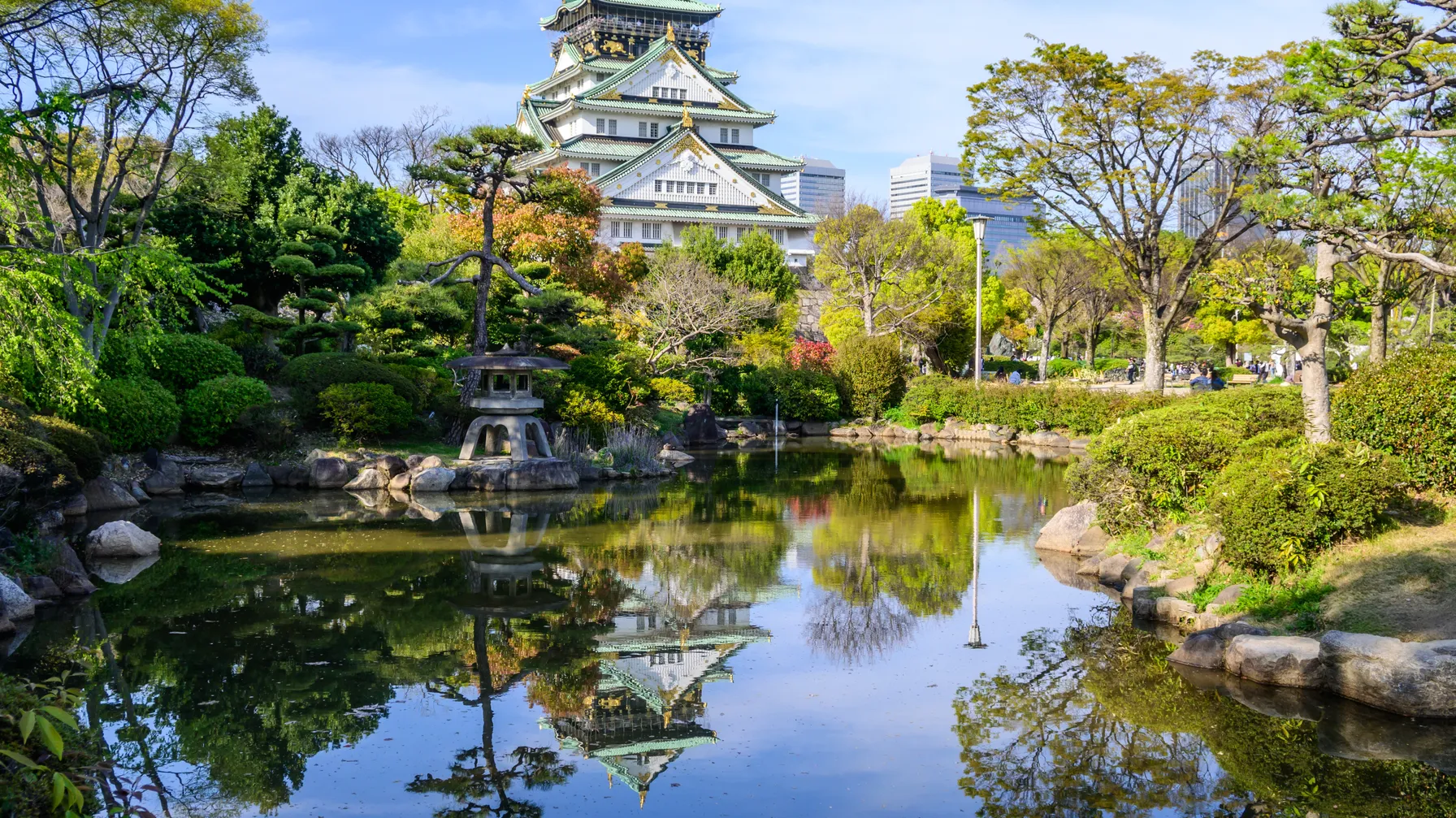
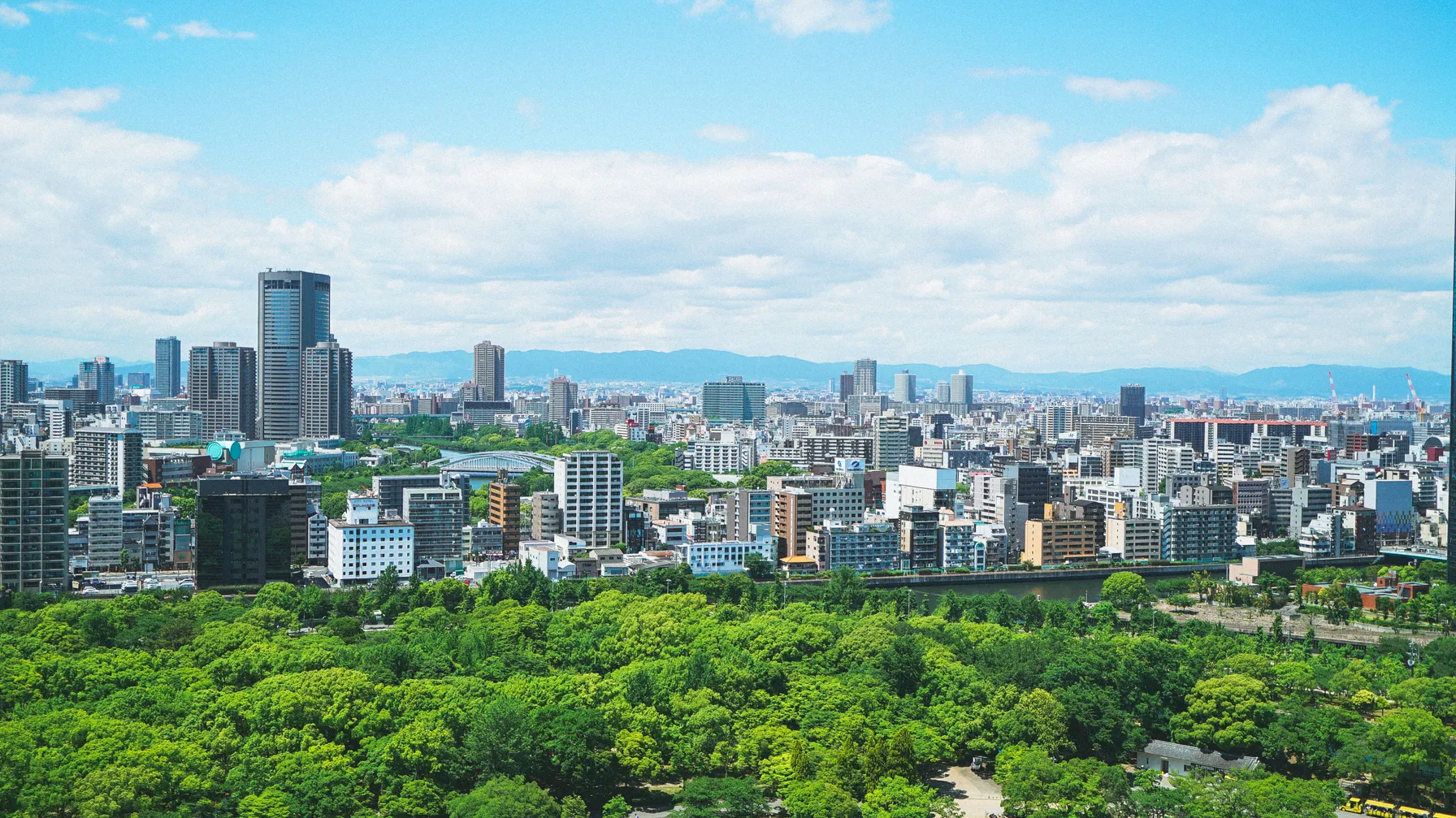
\n\n\n Osaka deserves its reputation for the cuisine of Japan
with its inventive and generous street food. Takoyaki, okonomiyaki and kushikatsu are born there in a lively, warm atmosphere. The Dotonbori district concentrates the essence of this convivial gastronomy.\n
Seasons and festivals: the gourmand's calendar
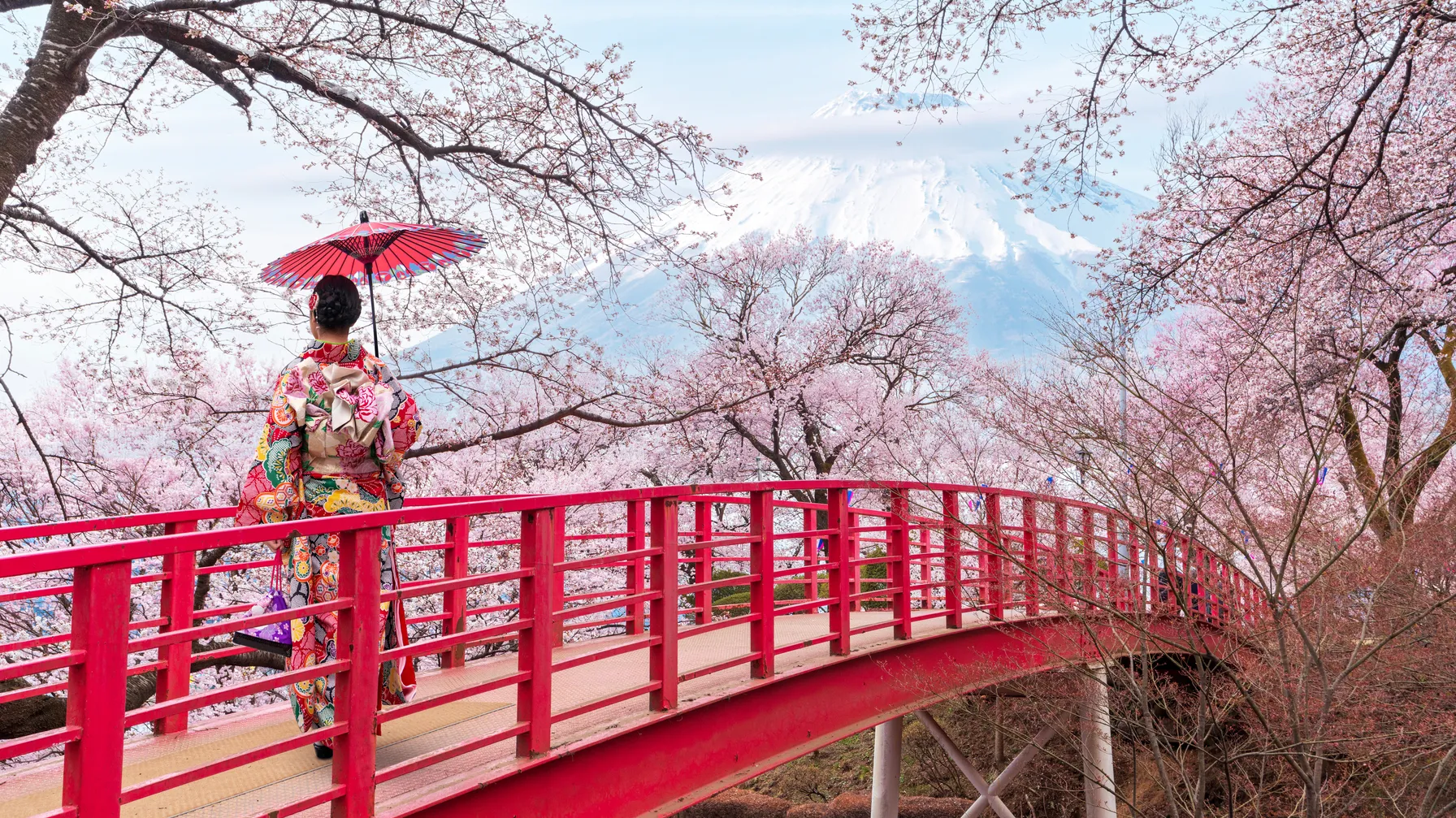
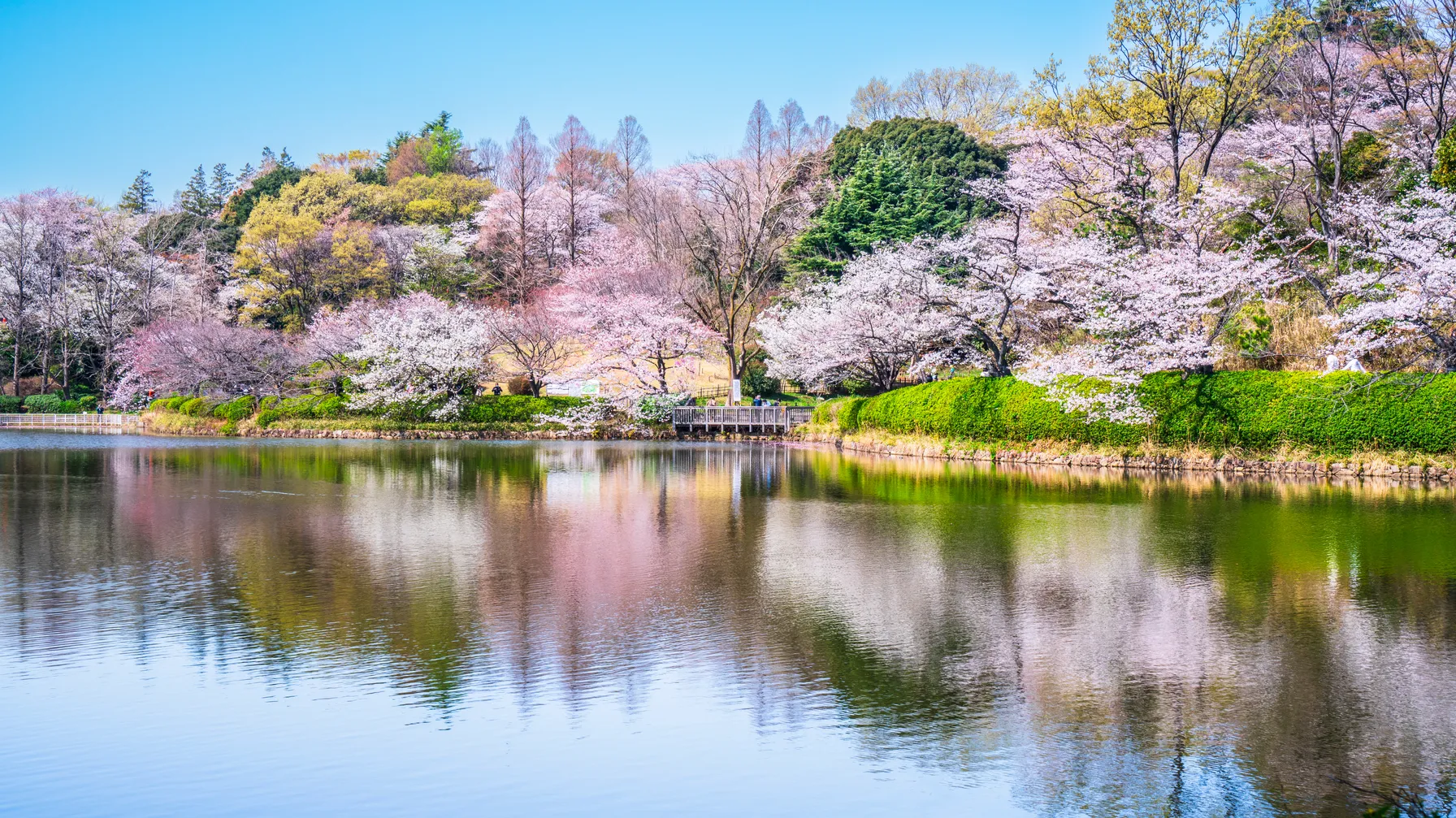
\n\n\n Spring reveals the delicate flavors of bamboo shoots and edible cherry blossoms. The hanami parties transform parks into vast banquets where traditions and modernity mingle. It's the ideal season to discover spring wagashi with red beans and azuki paste.\n
\n\n\n Summer intensifies flavors with matsuri festivals that offer an incredible variety of street food. Kakigori (crushed ice desserts) and watermelons refresh hot evenings, while grilled eel provides the energy to face the heat.\n
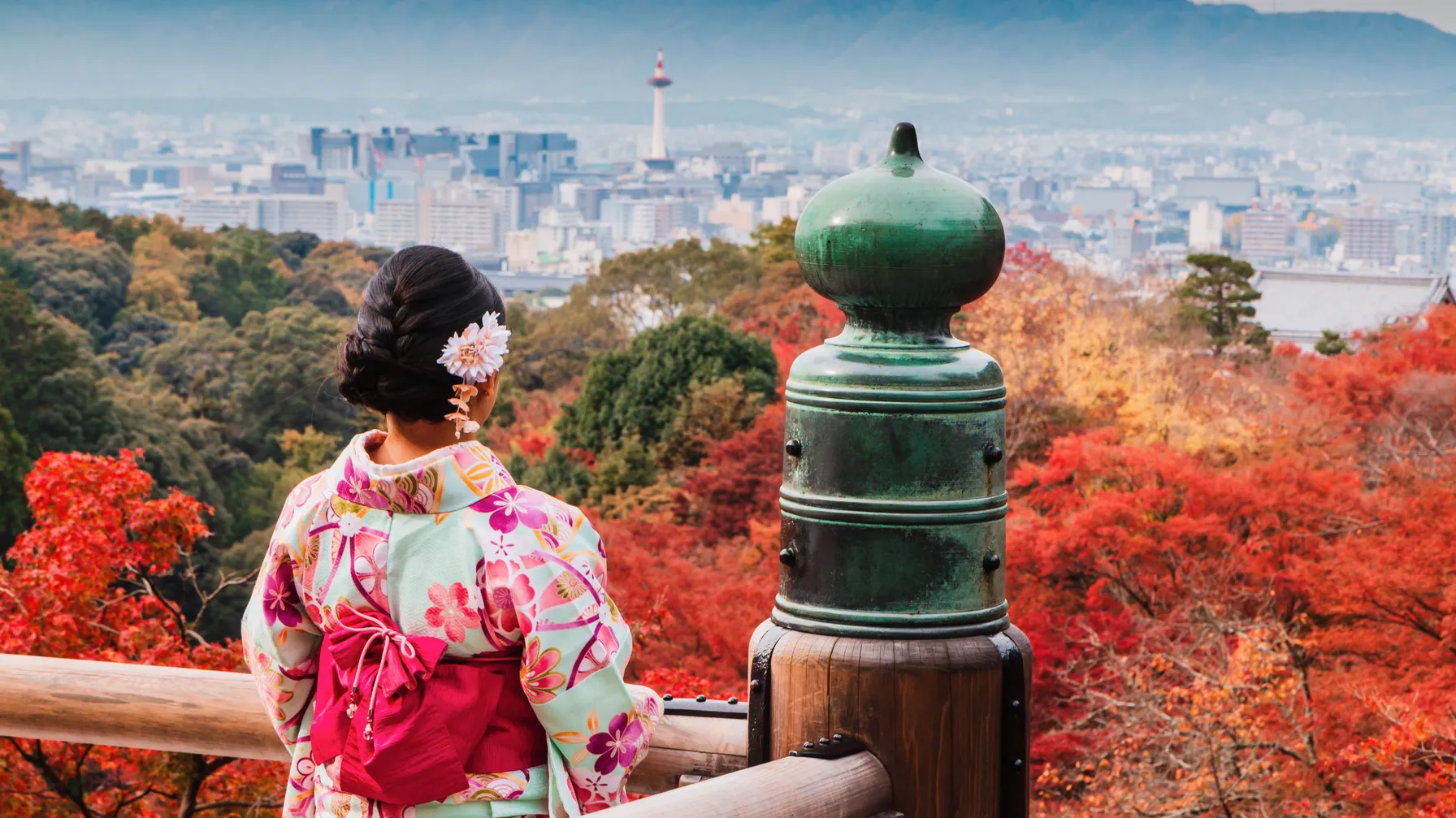
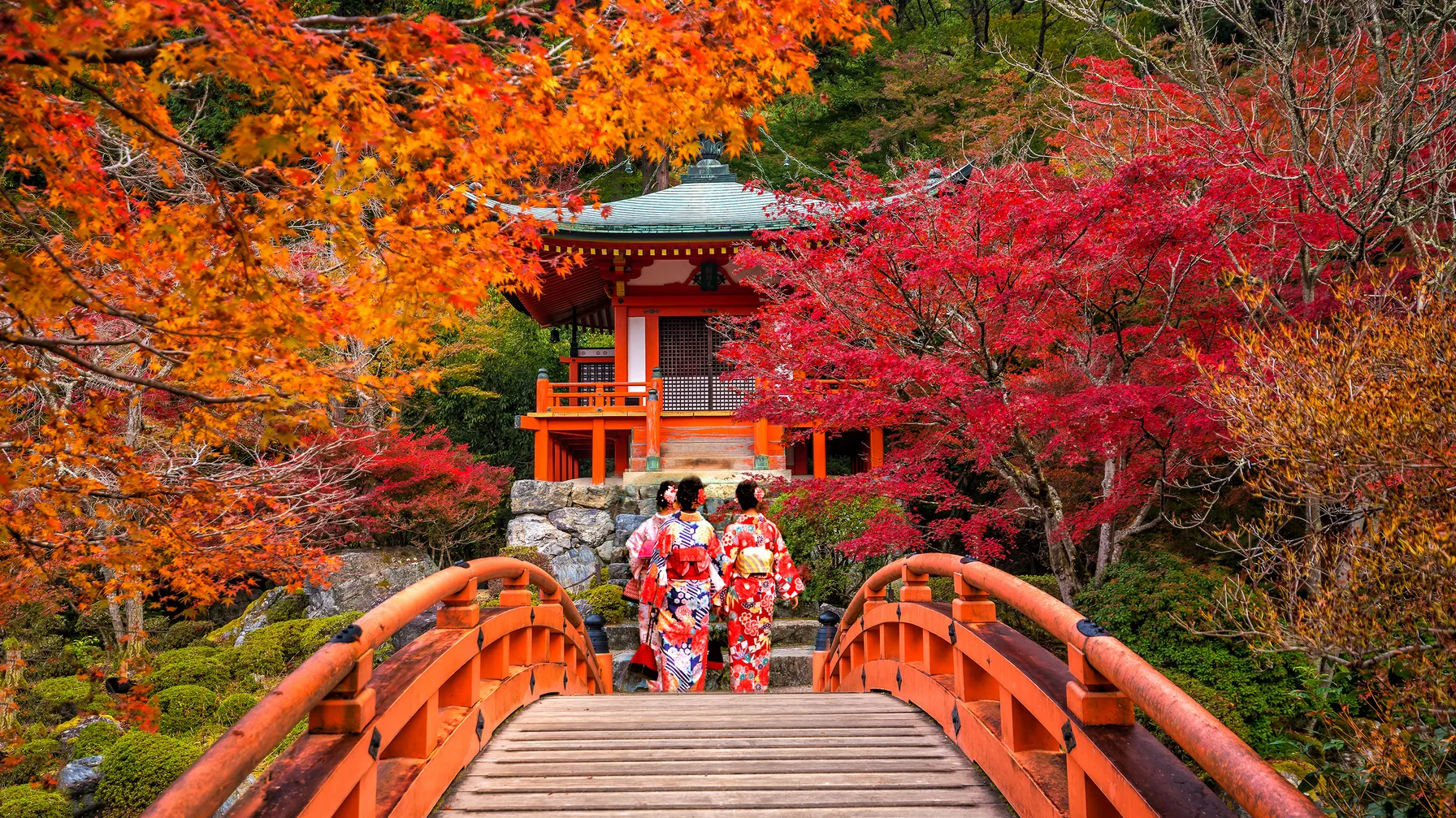
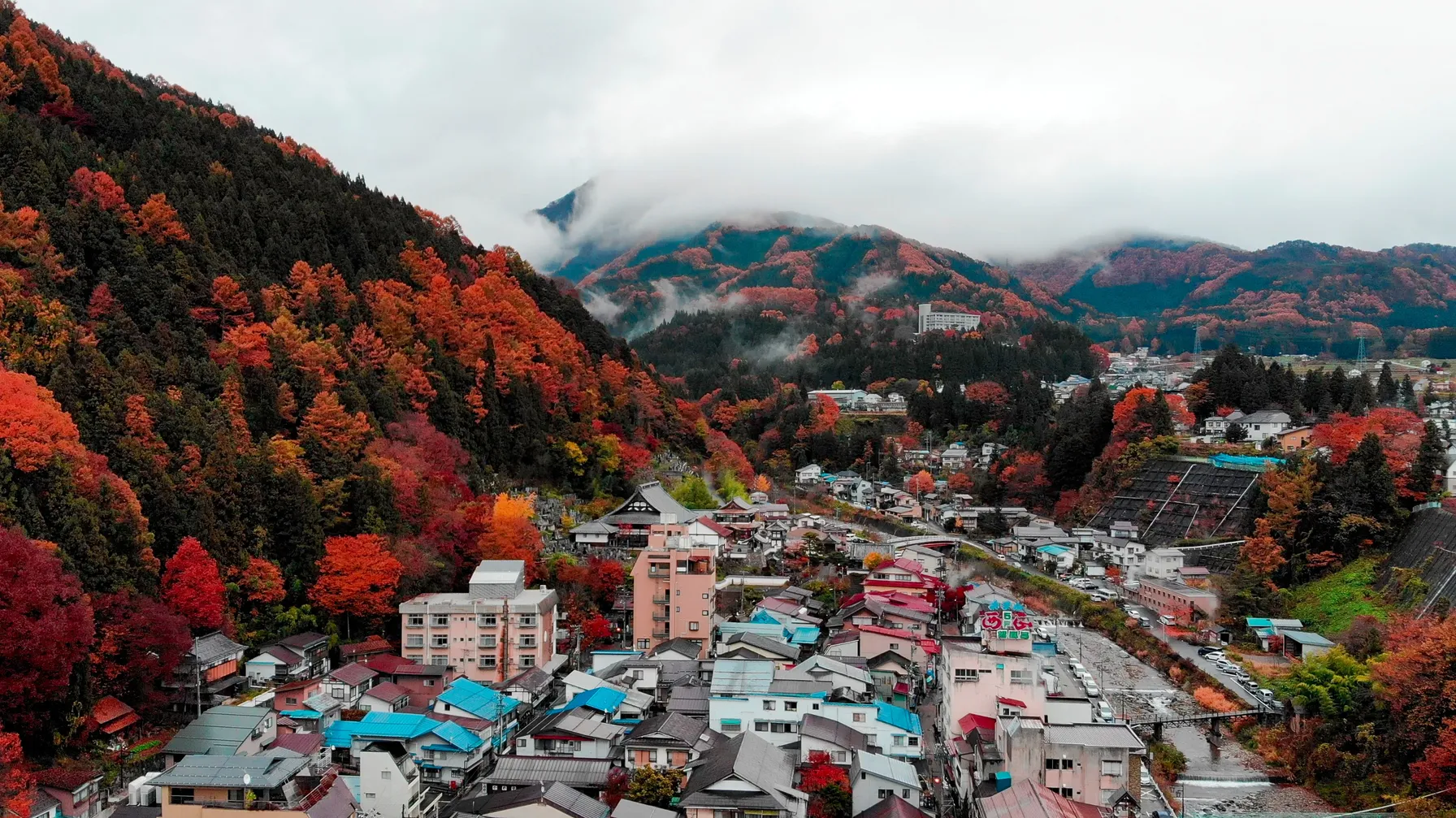
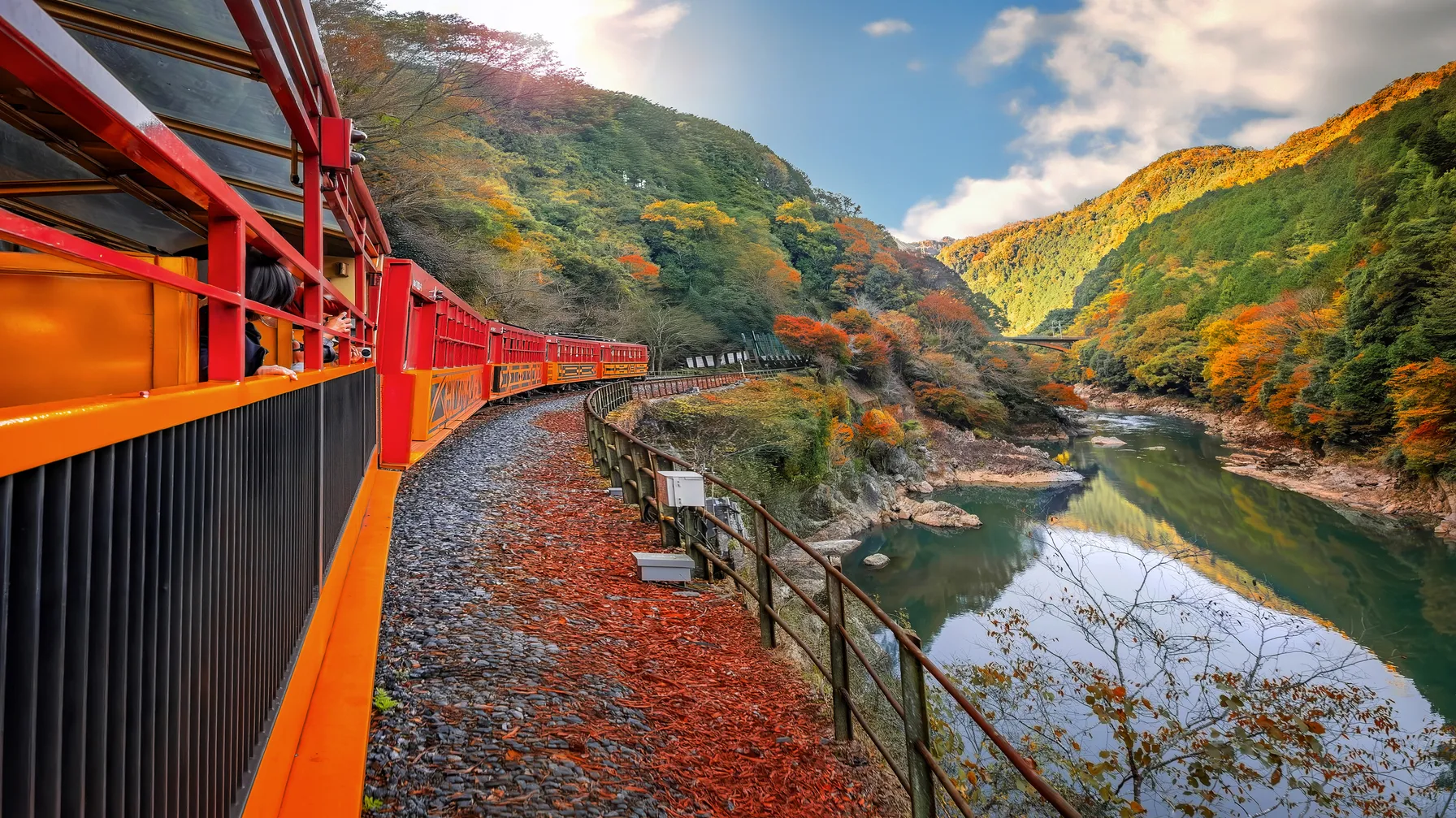
\n\n\n Autumn crowns the season of matsutake mushrooms, true treasures of the Japanese forest. Momiji (maples) color the landscapes while chestnuts and persimmons perfume traditional desserts.\n
\n\n\n Winter reveals comforting dishes like nabe (Japanese hotpot) and steaming soups. It's the perfect time to enjoy onsen (hot springs) accompanied by Kaiseki meals in mountain ryokans.\n
\n\n \n\n \nFrequently asked questions
How much does a traditional Japanese meal cost?
Prices vary considerably depending on the type of establishment. A meal at a family restaurant costs between 800 and 1,500 yen, while a kaiseki meal at a starred restaurant can reach 20,000 to 50,000 yen per person. Markets and street food offer delicious options between 300 and 800 yen.
How to manage food allergies in Japan?
Prepare explanatory cards in Japanese mentioning your specific allergies. Soy, fish, and shellfish allergies are particularly important to signal because these ingredients form the basis of many dishes. Large hotels and tourist restaurants are generally well informed on these matters.
Should you book restaurants in advance?
Reservations are highly recommended for high-end restaurants, particularly establishments serving kaiseki cuisine or with a limited number of seats. Popular restaurants often accommodate guests without reservations, but plan to wait during peak hours.
What etiquette should be observed in Japanese restaurants?
Avoid sticking your chopsticks vertically into a bowl of rice (a gesture associated with funeral rites) and never pass food directly from chopsticks to chopsticks. Drink your miso soup directly from the bowl and don't hesitate to make noise while eating your noodles: it's a sign of appreciation.