Hiking in Japan: essential trails to explore
Why is hiking in Japan a unique experience?
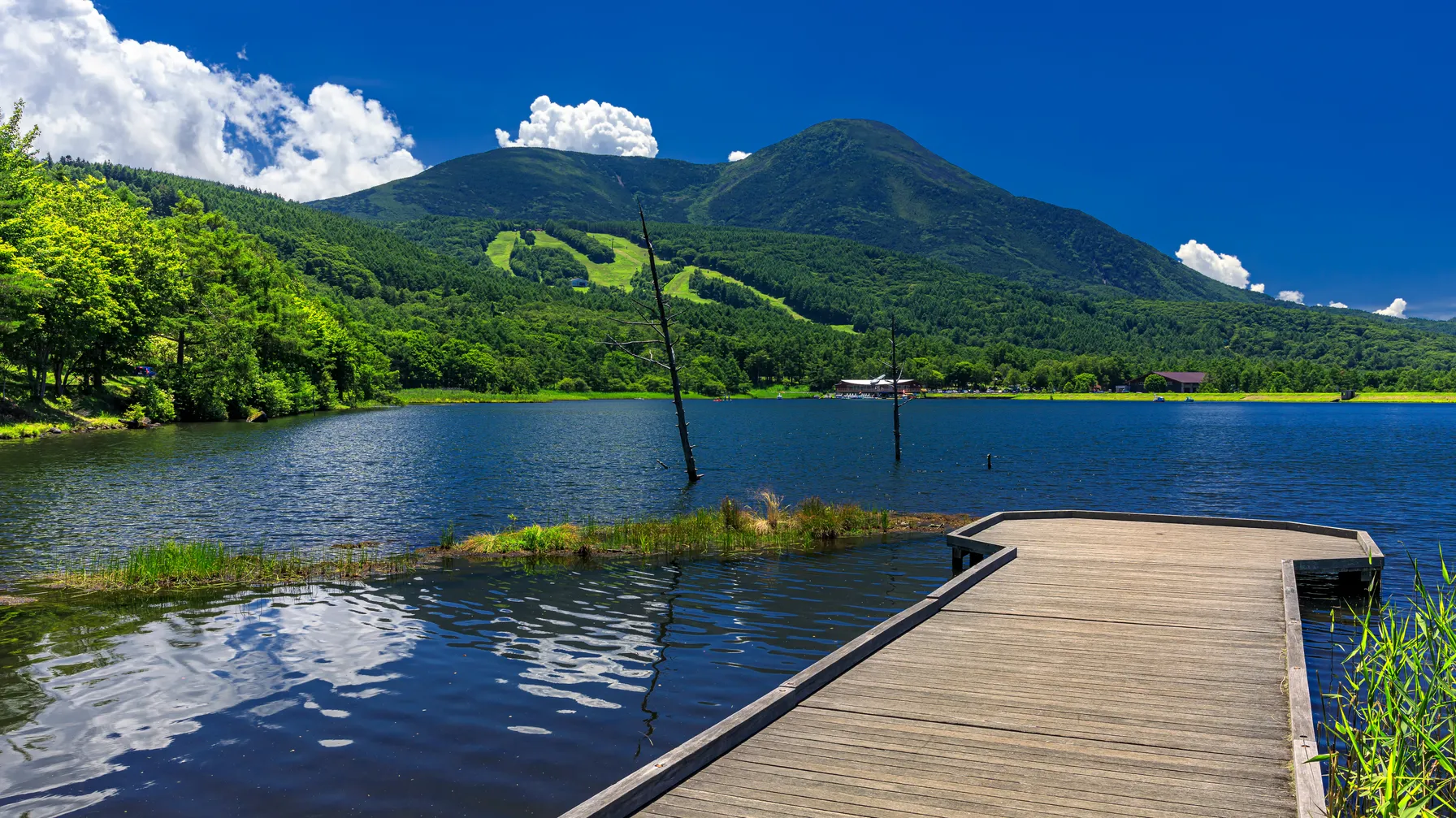
Japan is a predominantly mountainous archipelago, which makes it an exceptional natural terrain for trekking. From major cities like Tokyo or Osaka, hiking trails are often accessible in just a few hours. What really sets travel in Japan apart is the country's ability to combine physical effort with cultural depth. Between preserved national parks, rugged coasts, vertiginous mountain ranges, and enclosed valleys, the landscapes change with each itinerary.
A nature shaped by volcanoes and seasons
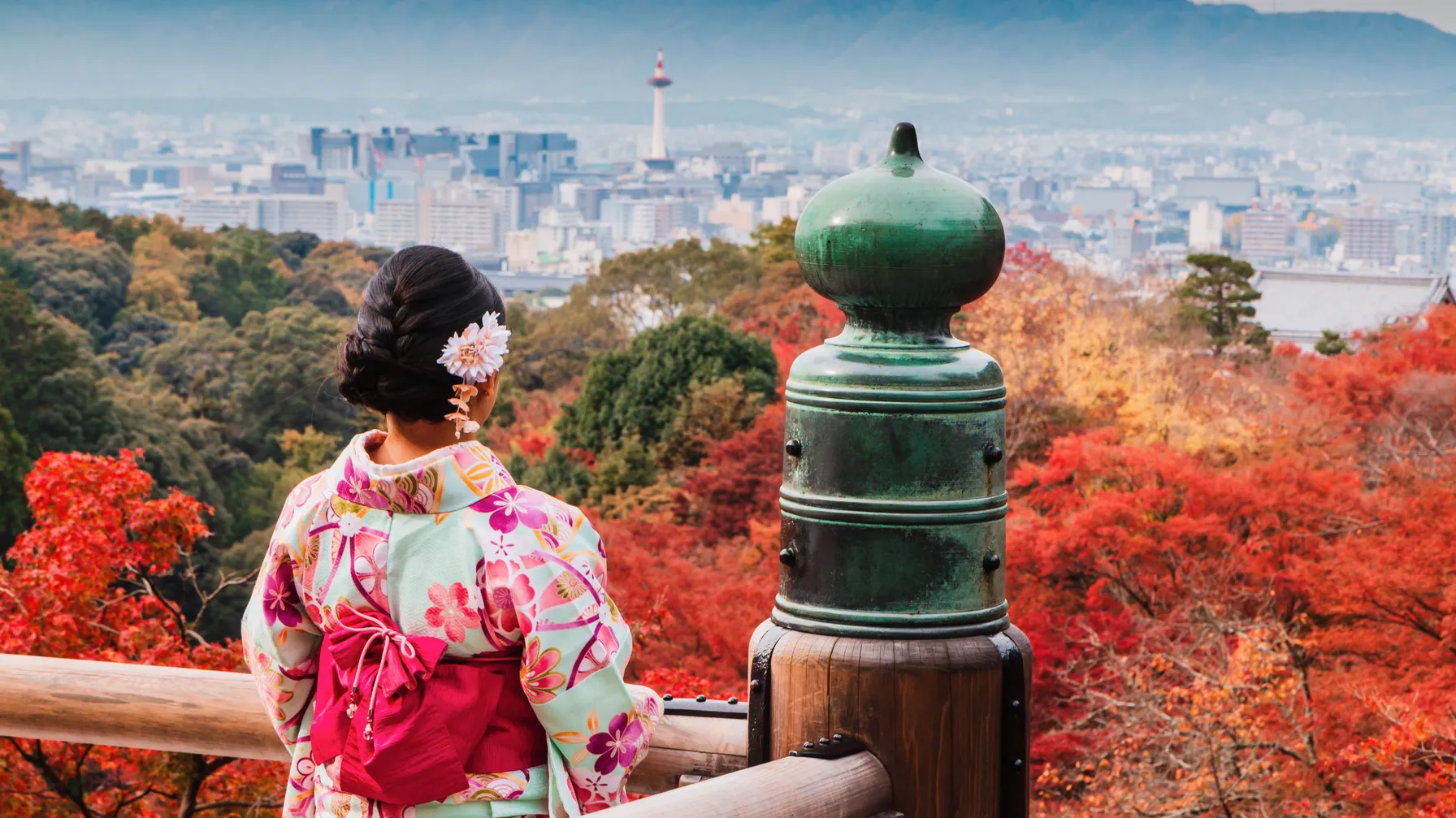
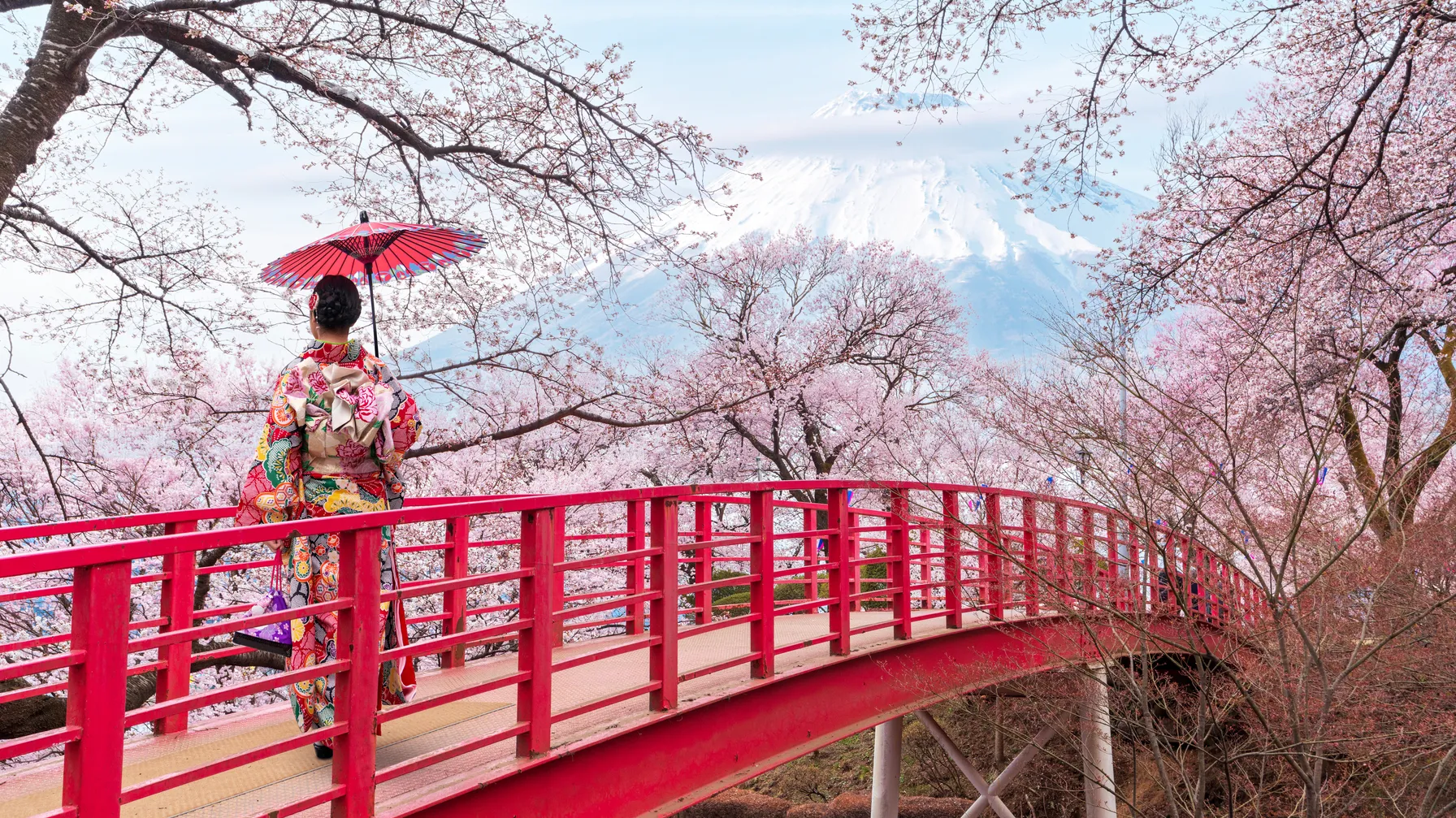
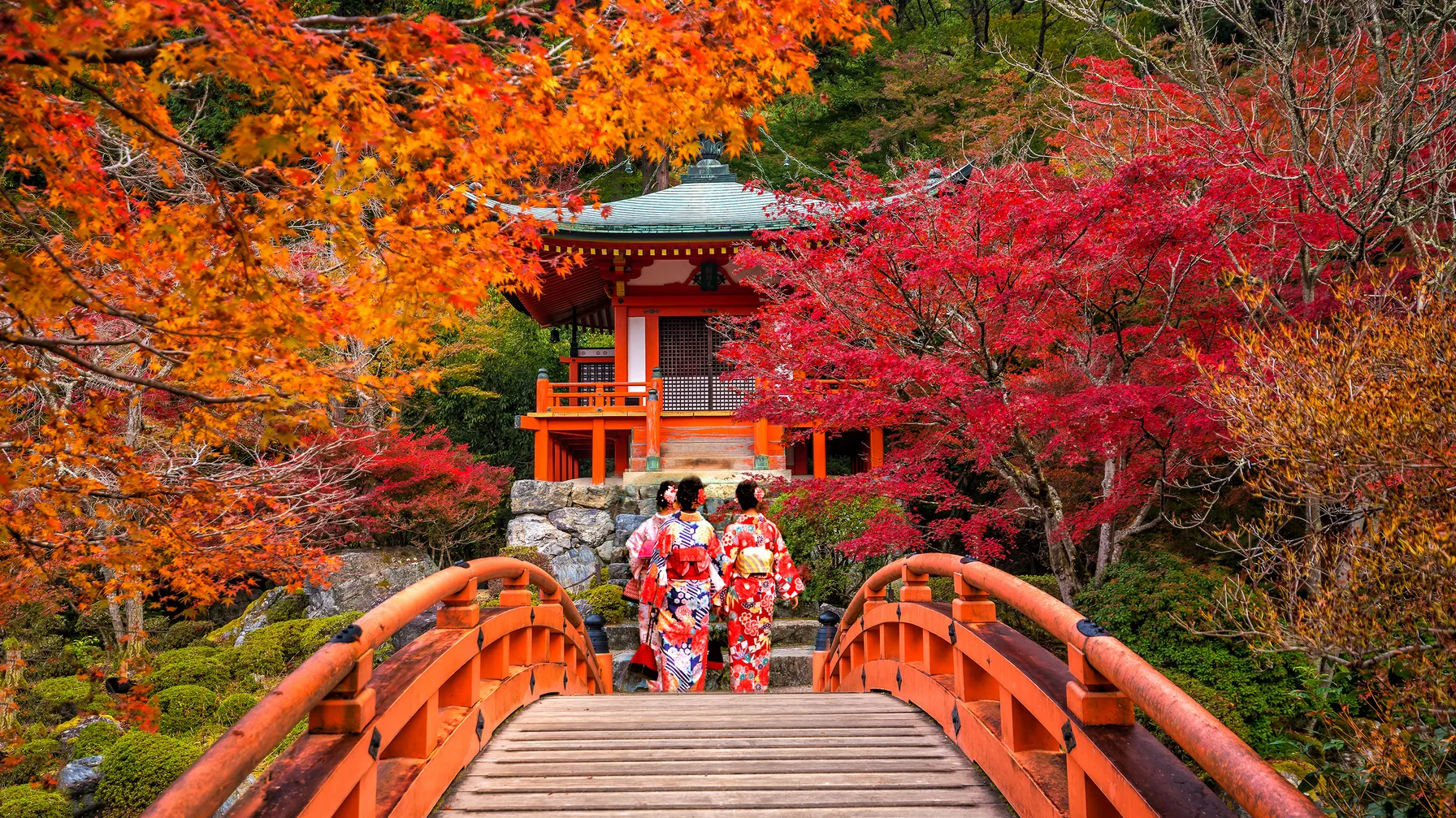
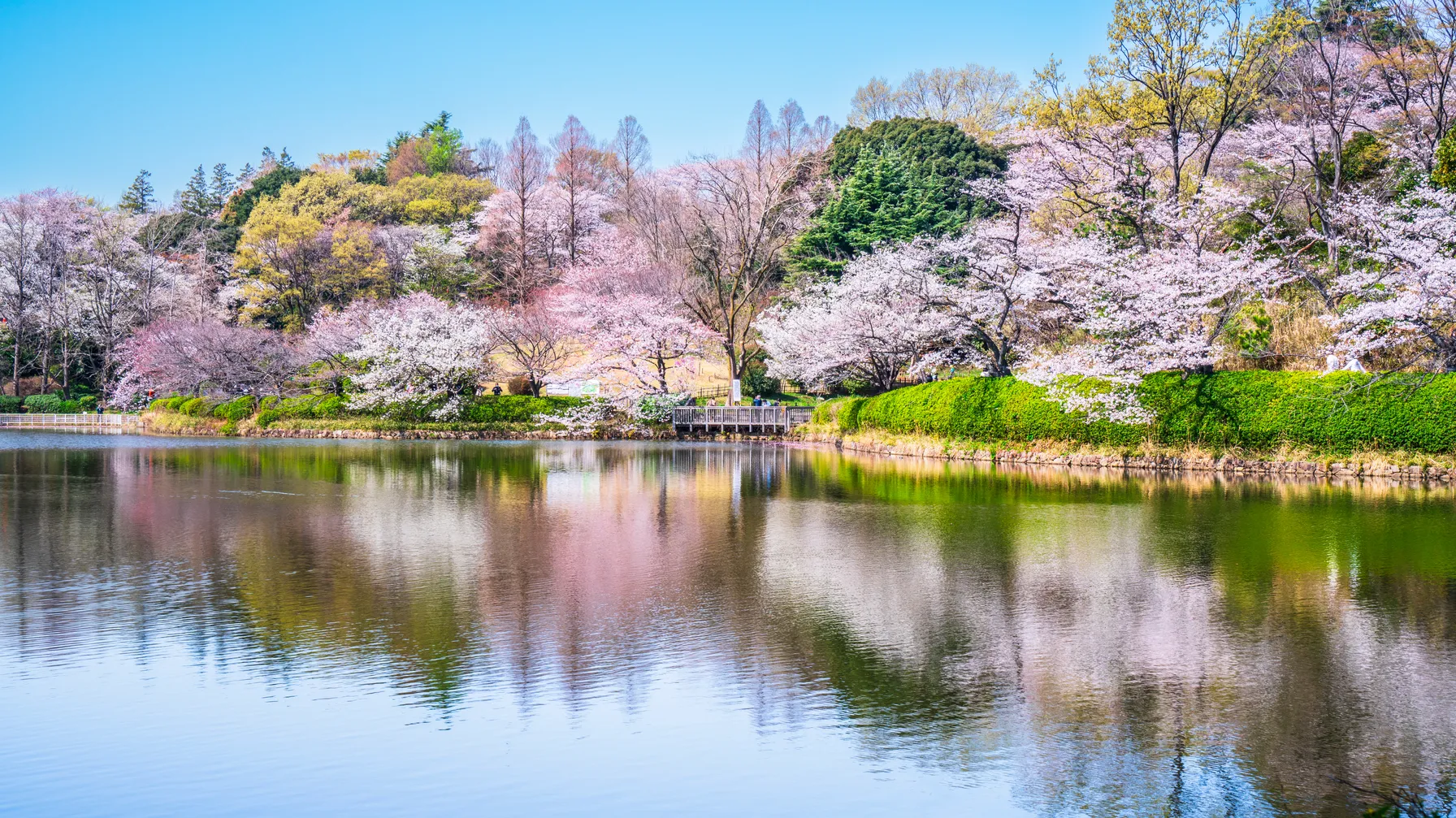
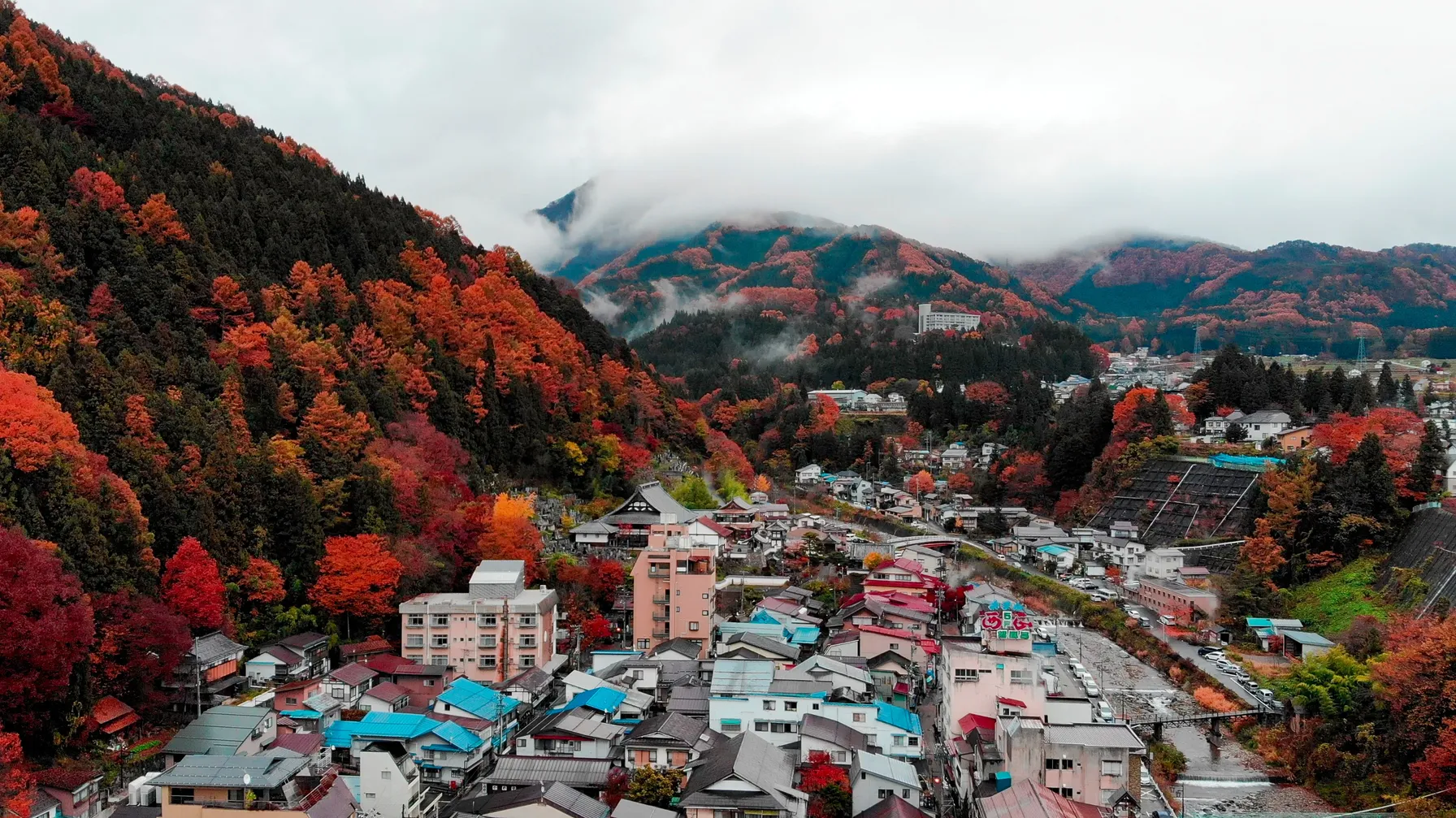
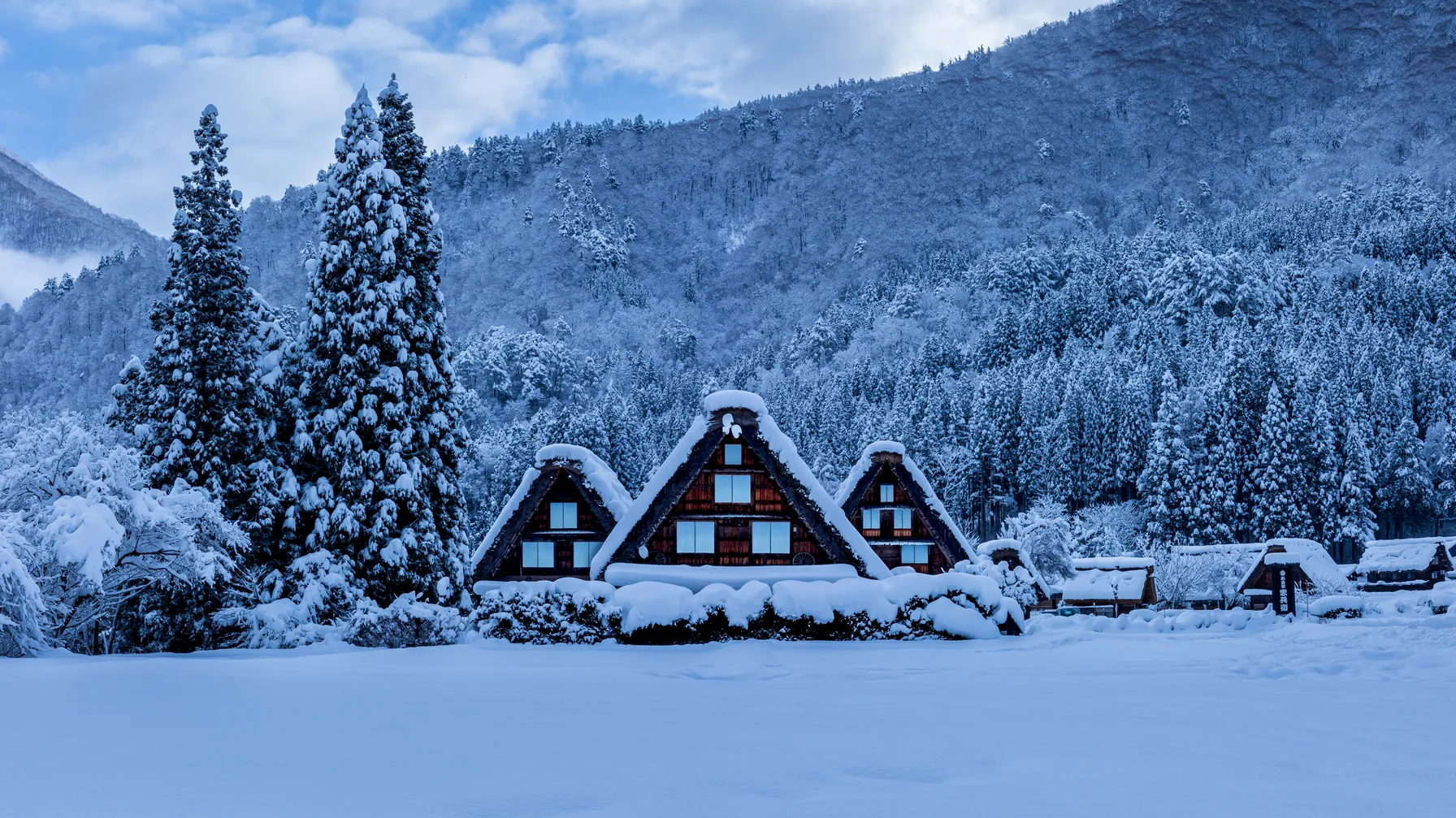
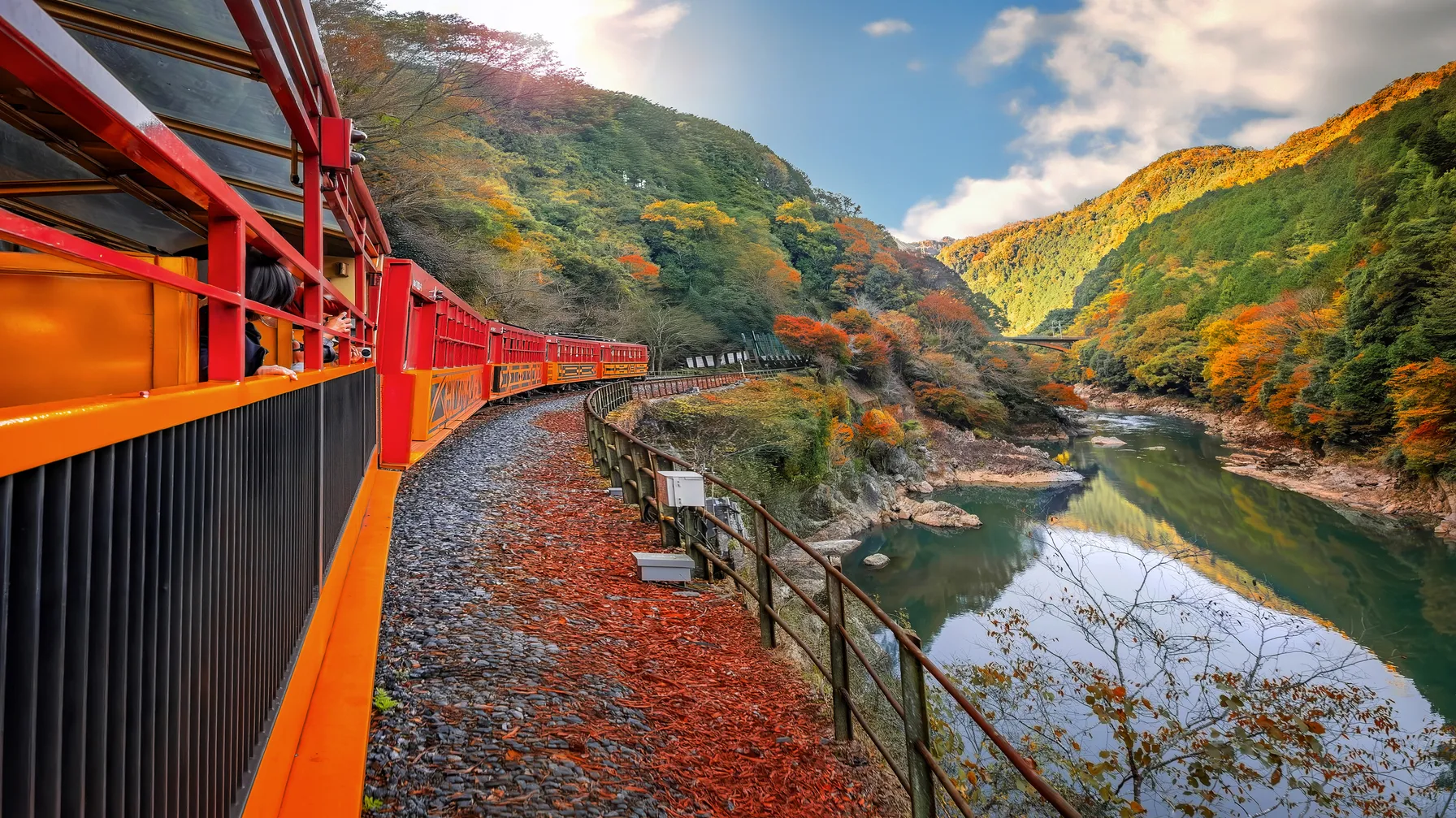
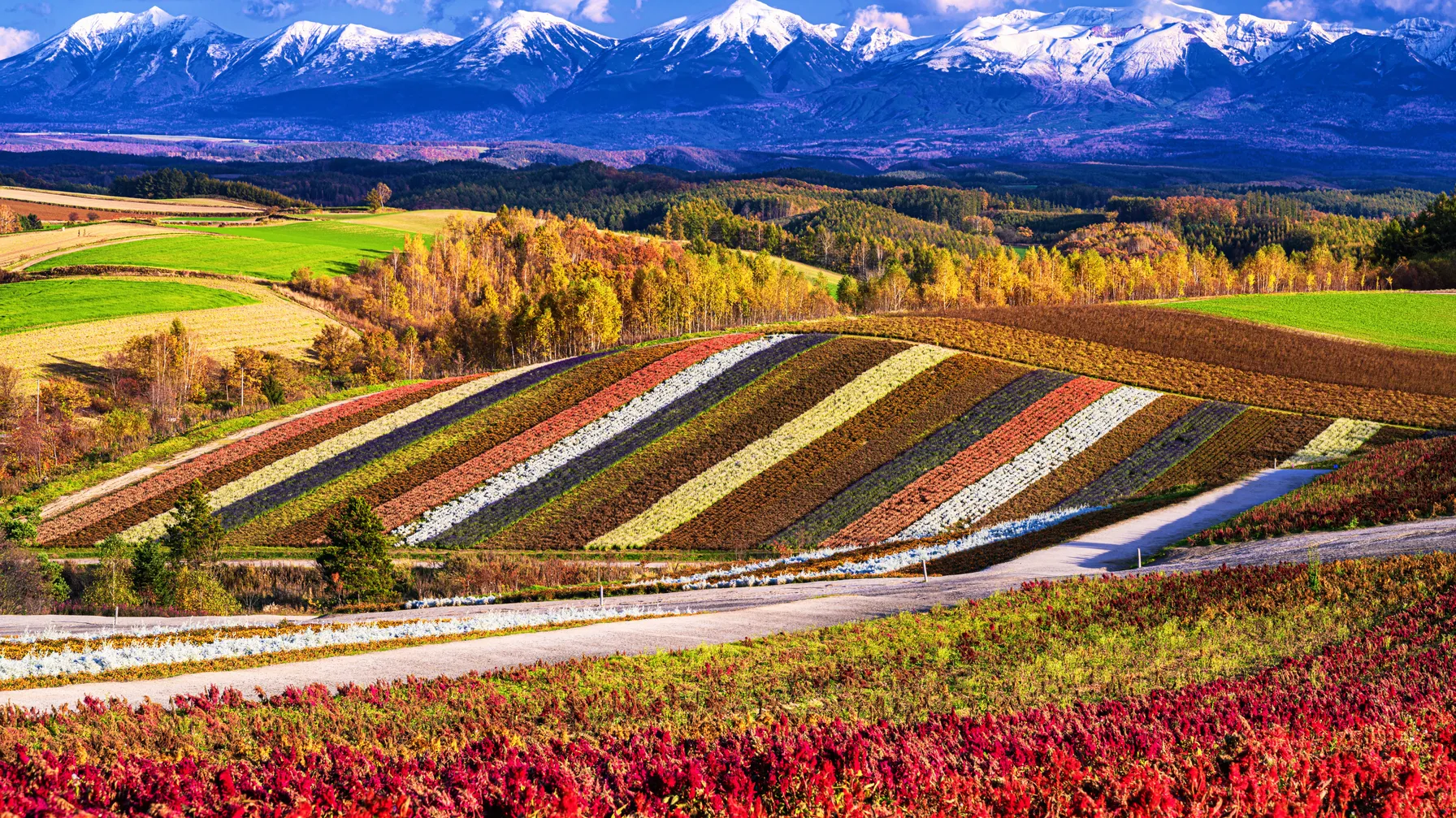
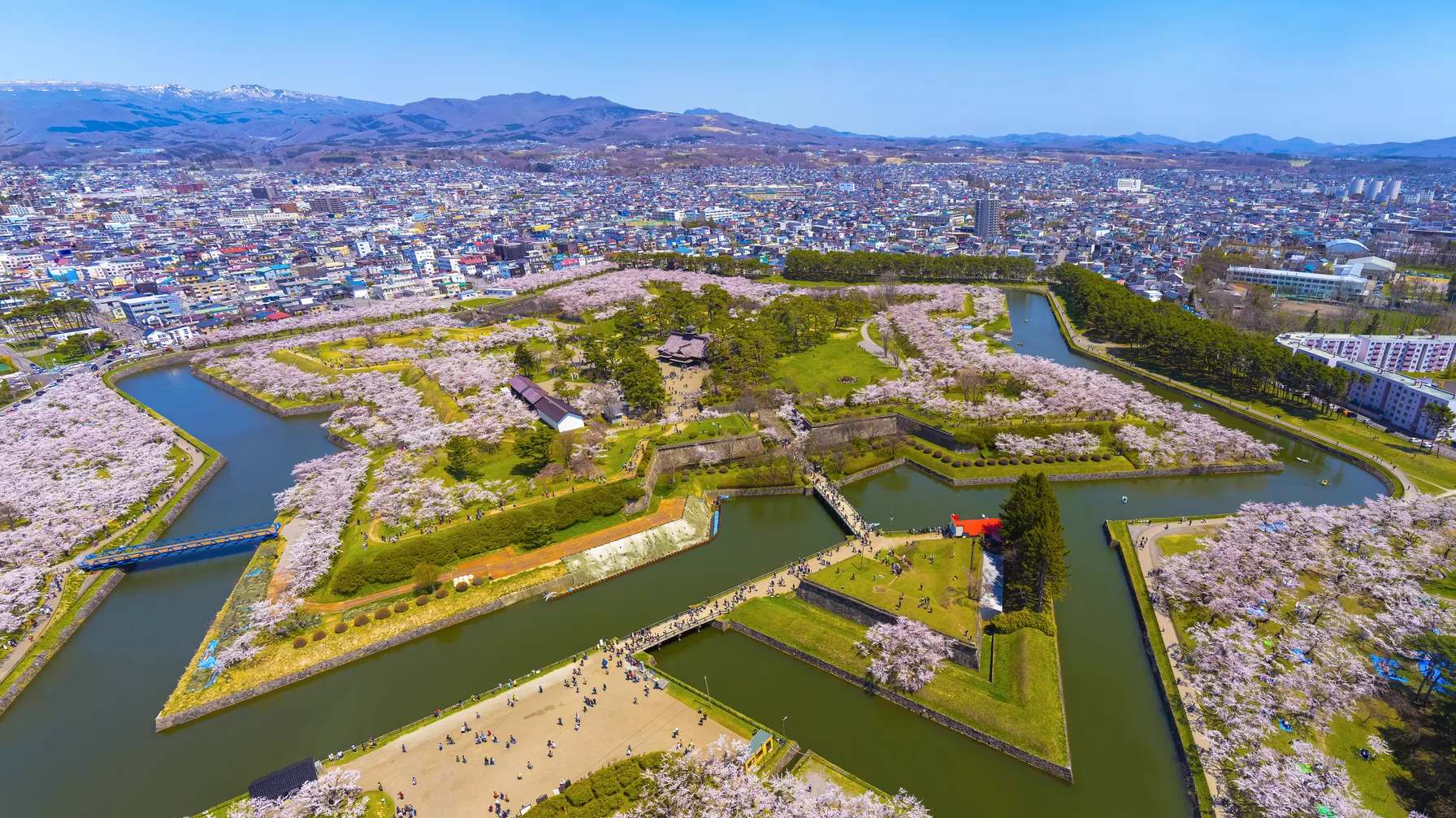
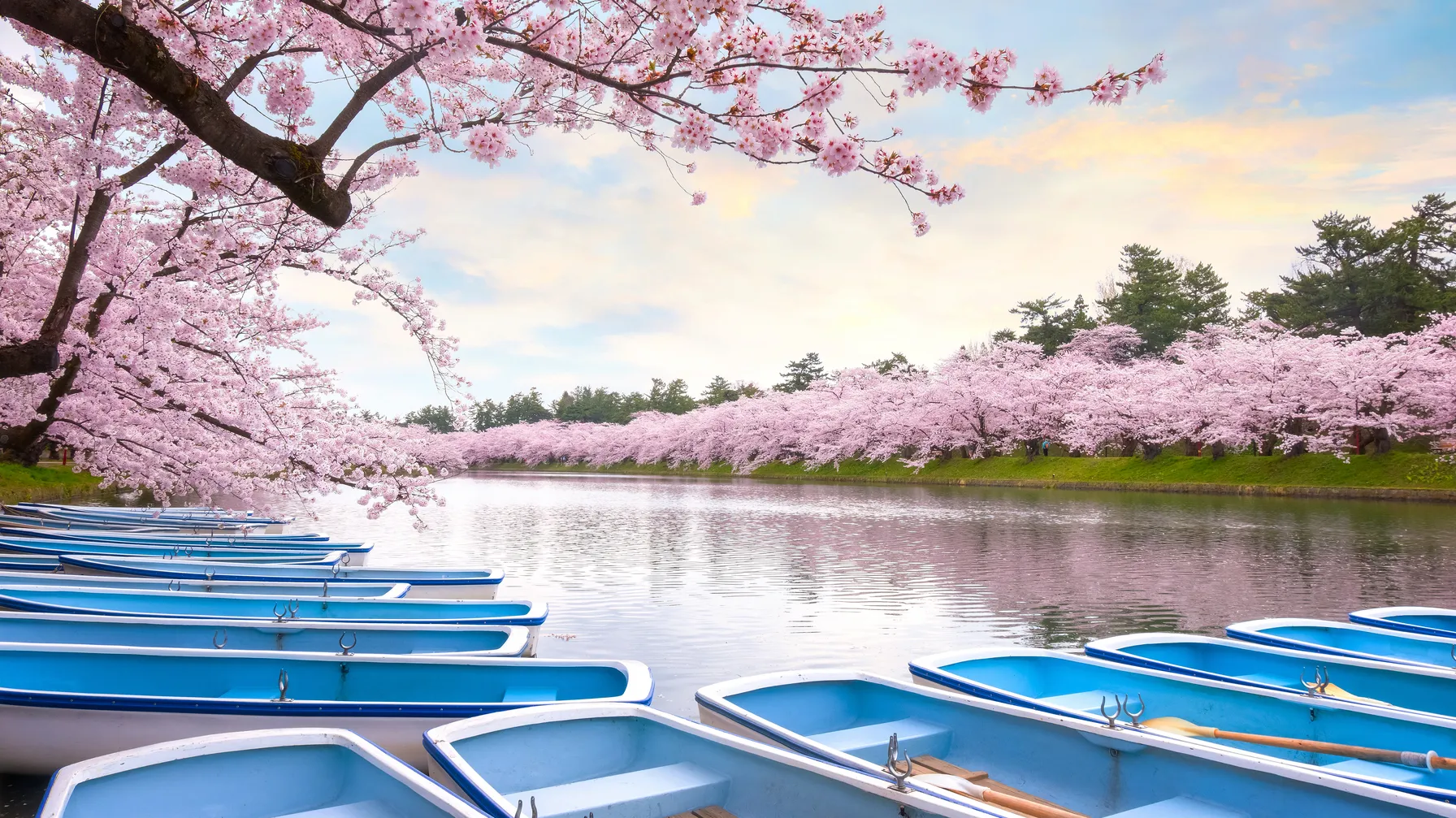
The Japanese reliefs offer a striking diversity of terrains. In the west, the Japanese Alps unfold an imposing mountain range, with peaks exceeding 3,000 meters. Further south, the Kii Peninsula is home to dense forests and natural hot springs, while the island of Shikoku features intimate pilgrimage trails, far from touristy hustle. From north to south, the landscapes change dramatically with the seasons: cherry blossoms in spring, fiery forests in autumn, and the pristine snows of Hokkaido in winter.
Trails suitable for all levels
Hiking in Japan is accessible to all profiles. Mount Takao, just outside Tokyo, offers eight marked routes, ideal for a first family approach. The Japanese Alps or the ascent of Mount Fuji are more suited to experienced hikers. Between these, many paths are suitable for families with children, particularly in national parks where the trails are well managed and secure.
What are the essential hikes during a trip to Japan?
Several routes leave a lasting impression on those who traverse them. Between sacred mountains, spiritual paths, and breathtaking views, here are the hiking essentials in Japan.
The ascent of Mount Fuji, a challenge at the top of the world
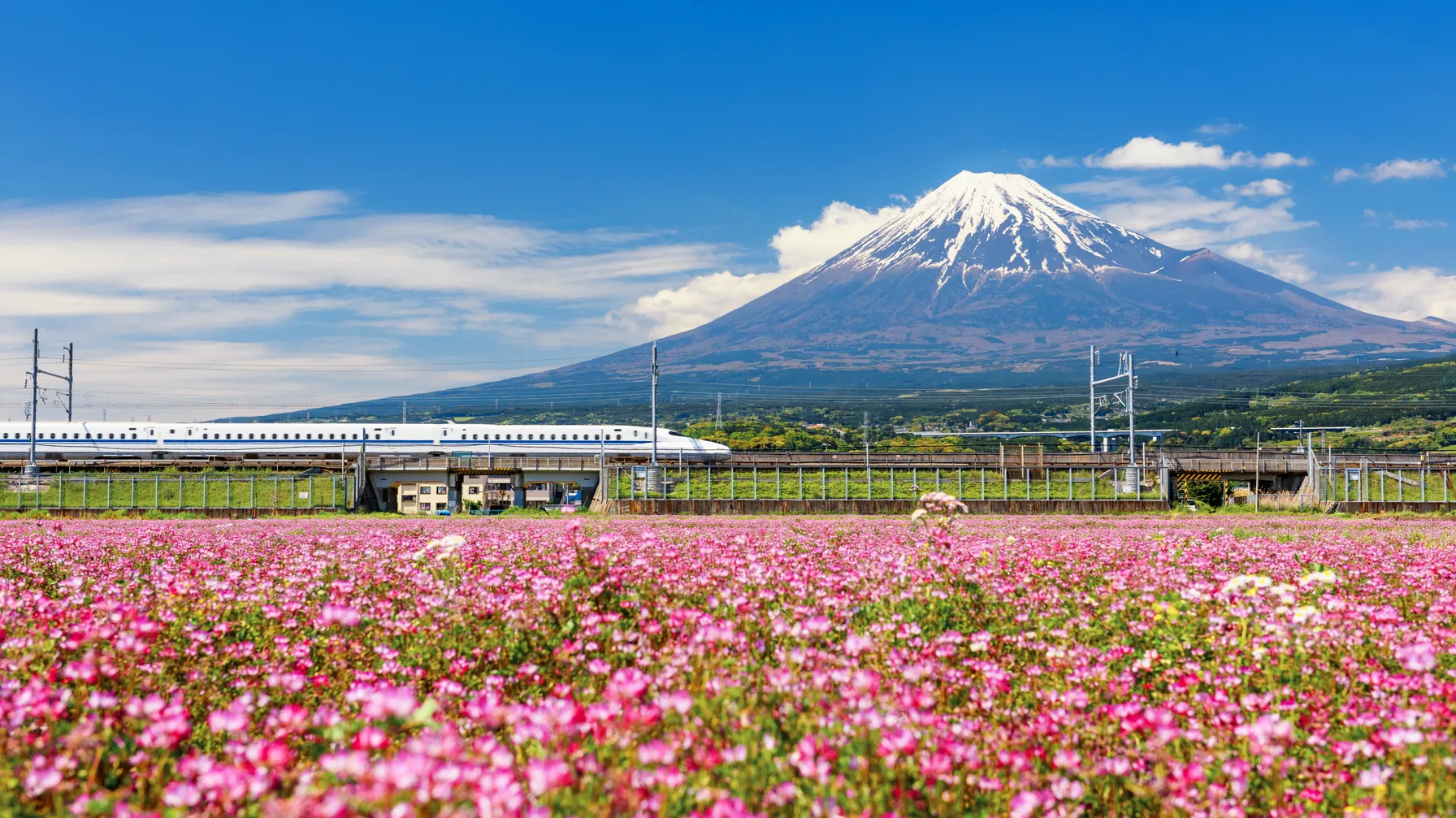
Rising to 3,776 meters, Mount Fuji is much more than just a volcano: it is a sacred mountain listed as a UNESCO World Heritage site. The official climbing season extends from early July to early September, and the Yoshida route remains the most popular. It takes about eight hours for the round trip from the 5th station. The reward is rare: a sunrise above the clouds from the country's most iconic viewpoint. This climb requires serious physical preparation and equipment adapted to sudden temperature changes.
The Kumano Kodo pilgrimage, between forest and spirituality
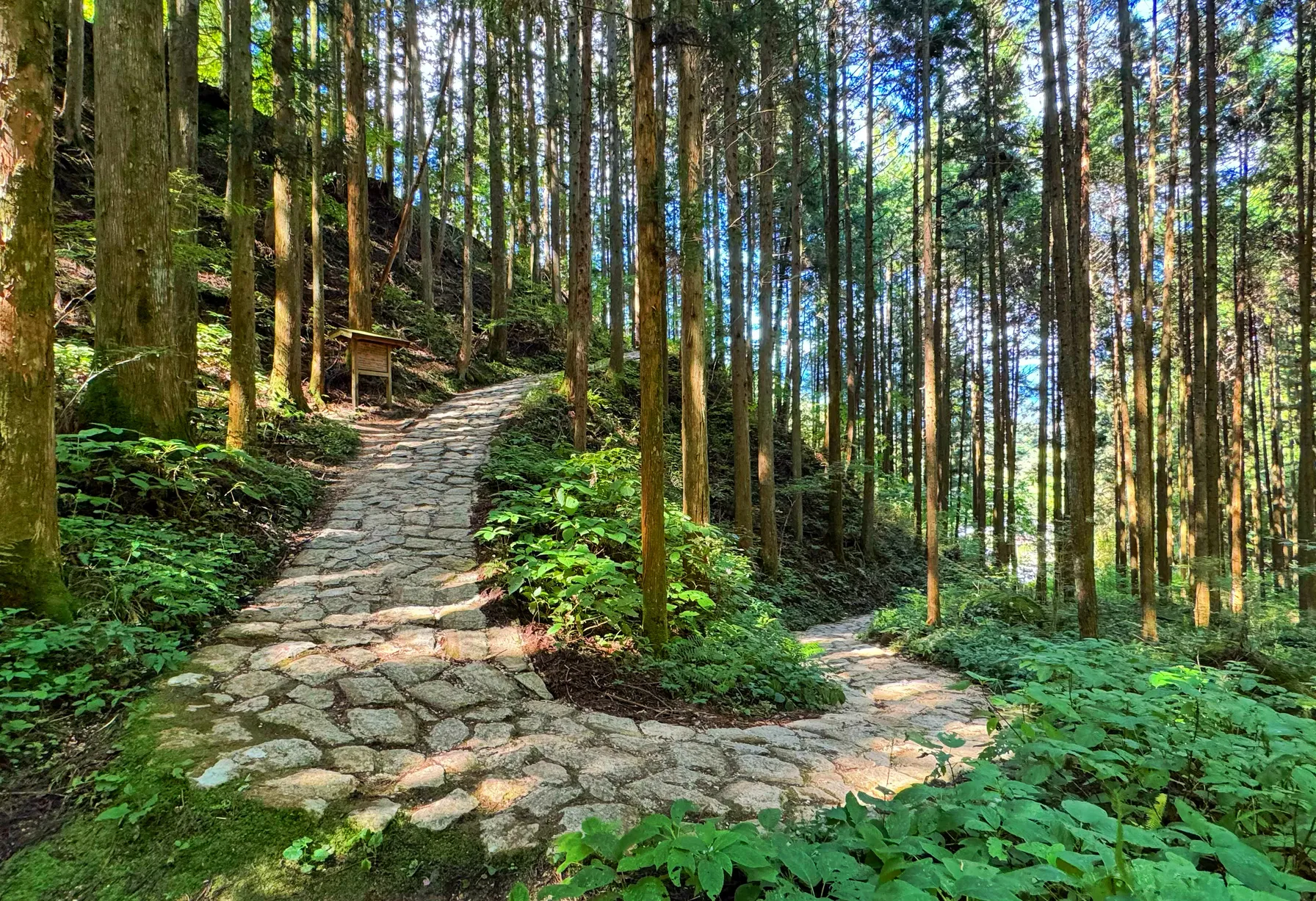
Also listed as a World Heritage site, the Kumano Kodo is one of the oldest pilgrimage routes in Asia. These trails cross the Kii Peninsula south of Osaka, linking three major Shinto shrines among the country's most revered. The traditional route is traveled in about five days, but shorter stages allow for capturing its essence without excessive commitment. The atmosphere on these trails is one of total intimacy: silence of the forests, morning fog, and villages passed at the slow pace of the Kumano pilgrimage.
Contact us to organize your custom trek in Japan.
The Japanese Alps and Mount Koya, for high-altitude enthusiasts
The Japanese Alps mountain range offers some of the country's most spectacular panoramas. Kamikochi Valley, accessible from April to November, is an ideal starting point to explore these exceptional peaks. Not far from there, Mount Koya is a sacred Buddhist mountain whose trails lead through temples and cypress forests bathed in a particular light. In Kyoto, the thousands of orange torii gates at Fushimi Inari offer an urban and mystical hike, perfect for finding some serenity away from cultural visits.
What is the best season to go hiking in Japan?
The Japanese climate varies greatly from north to south, which directly influences the conditions on the trails. The periods from March to May and from October to November are generally the most favored by hikers. Spring offers mild temperatures and cherry blossoms, autumn brings its coppery colors to the forests. Japan in winter has beautiful surprises in store for snow lovers, especially in Hokkaido or the Japanese Alps. The summer remains practicable, but more humid, with a risk of typhoons between August and September.
| Season | Period | Conditions | Ideal for |
|---|---|---|---|
| Spring | March to May | Mild, floral | Kumano Kodo, Mount Yoshino |
| Summer | June to September | Warm, humid | Mount Fuji climb (July-August) |
| Autumn | October to November | Ideal, colorful | Japanese Alps, Fushimi Inari |
| Winter | December to February | Cold, snowy | Hokkaido, spiritual hikes |
The smart move: to avoid crowds on the busiest trails, opt for weekdays, especially on Mount Fuji or the Kumano Kodo.
How to prepare for trekking in Japan under the best conditions?
A hiking-focused trip to Japan requires careful organization. Some essentials to anticipate before leaving:
- Waterproof shoes, suitable layers of clothing, and effective sun protection are essential on all trails;
- Shelter accommodations (yamagoya) must be booked in advance, especially on Mount Fuji during the peak season;
- On the trails of Hokkaido, a bear bell (kuma no suzu) is highly recommended due to the presence of brown bears.
Respecting the environment and local rules is a core value in Japan, especially around Shinto shrines and in national parks. To create a 100% personalized itinerary, suited to your level and desires, using a Vialala Travel Planner saves you time and provides peace of mind, along with 24/7 assistance throughout your stay.
Book your tailor-made trip to Japan and let every detail be taken care of.
Demandez votre devis Japan sur-mesure 100% gratuit
 4.8
4.8+3.000 travelers satisfied
Frequently asked questions
Is a visa required for hiking in Japan?
French, Belgian, and Swiss nationals do not need a visa to enter Japan for a tourist stay of less than 90 days. It is possible to complete the customs declaration online before departure via the Visit Japan Web service to facilitate immigration clearance.
Can you go solo hiking in Japan?
The vast majority of Japanese trails are well marked and accessible in complete autonomy. However, some routes, such as those on the Shiretoko Peninsula in Hokkaido, require the presence of a certified guide due to the wildlife in the area.
Is the Kumano Kodo accessible to families with children?
Certain sections of the Kumano Kodo, especially the Nakahechi route, offer stages of moderate difficulty, which are quite suitable for families. The villages crossed, the natural hot springs, and the unique atmosphere of the forests make it an enriching experience, even for young hikers.