Japan in April: the ideal time to discover the blooming archipelago?
What's the weather like in Japan in April?
The Japanese climate in April is characterized by pleasantly mild spring weather, marking the end of winter and the beginning of a favorable season for discovery. This period offers ideal weather conditions to explore the archipelago, with notable variations depending on the regions you choose to visit.
Temperatures and conditions by region
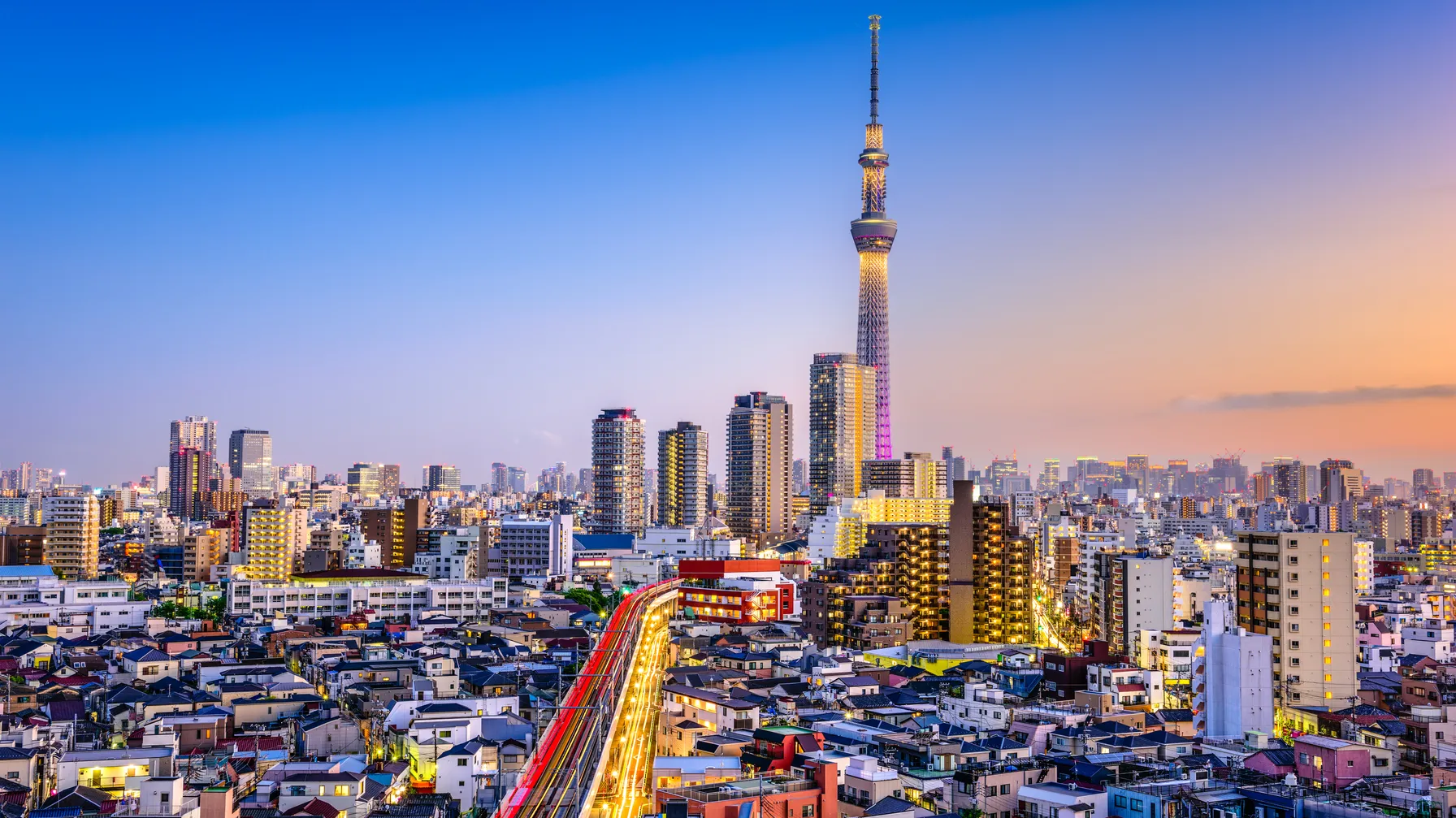
Temperatures in April vary considerably from the south to the north of the country, creating a remarkable climatic diversity. In Tokyo and the Kanto region, you will enjoy daytime highs between 18°C and 22°C, with nighttime lows around 10°C to 14°C. This mildness allows for comfortable exploration of the major cities without the stifling summer heat.
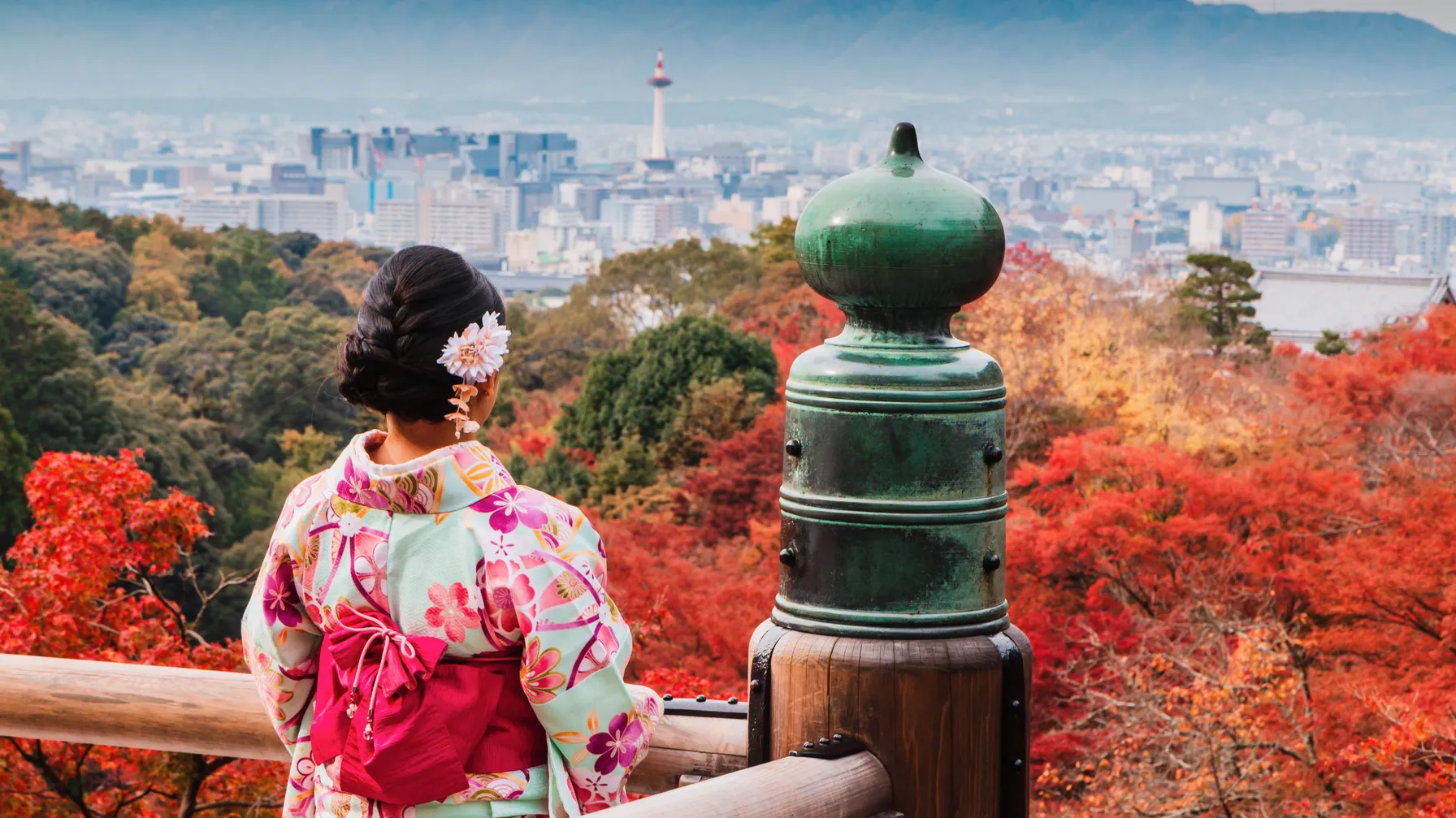
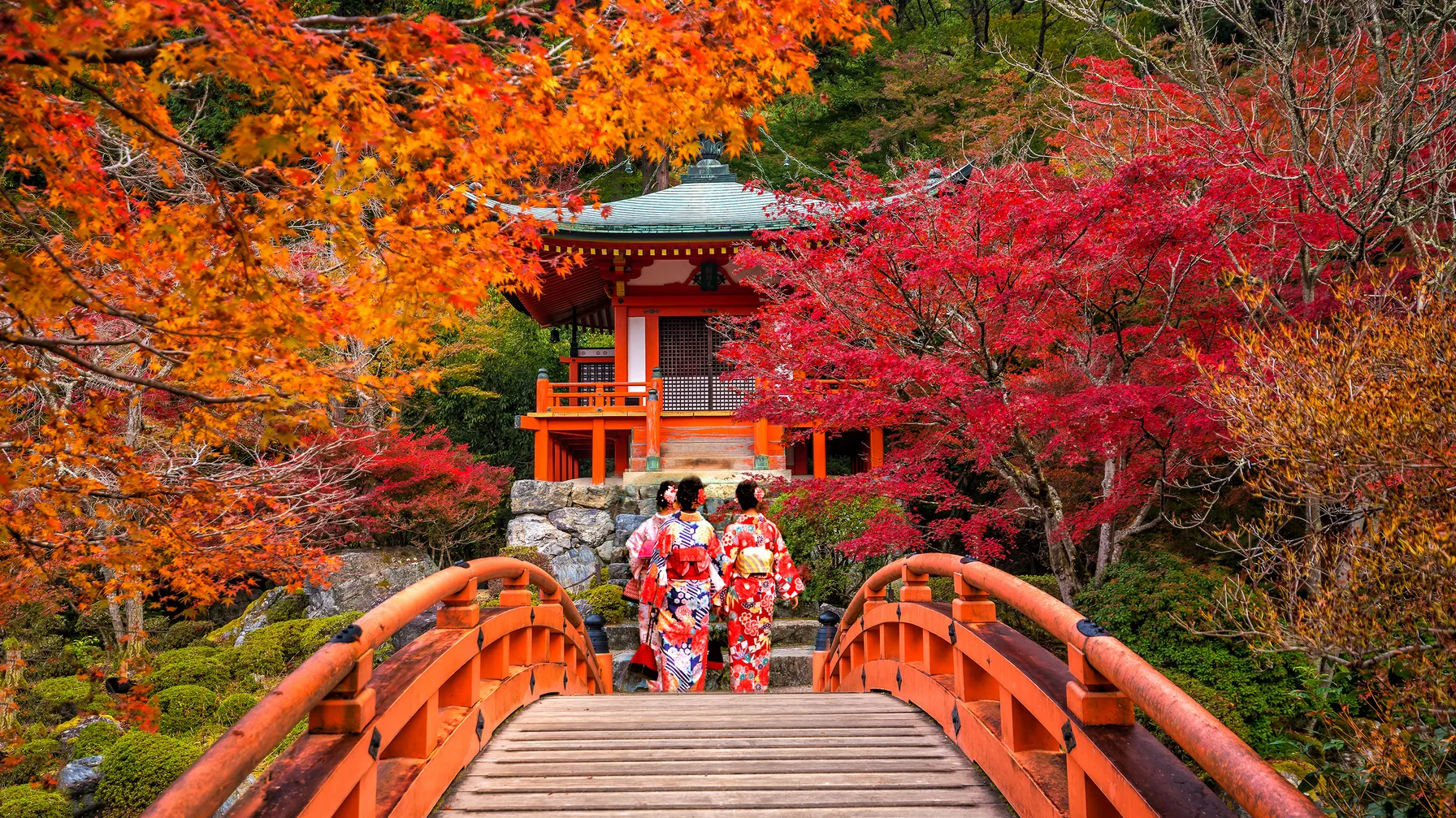
Kyoto and the Kansai region offer similar conditions, slightly warmer, with maximum temperatures up to 23°C. These conditions are perfect for wandering through traditional gardens and admiring temples and shrines in their verdant settings.
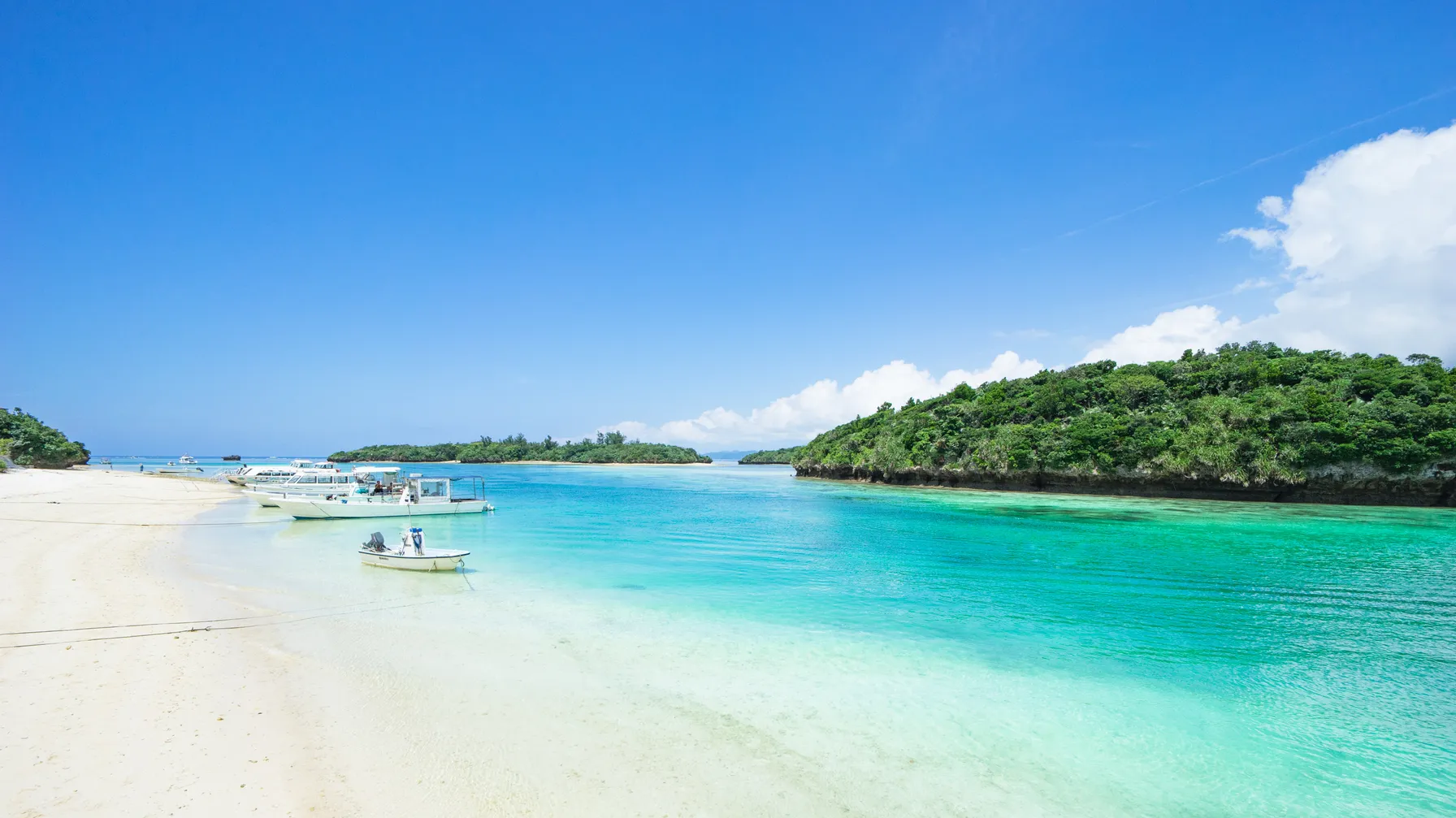
Further south, Osaka and the Kyushu region enjoy even milder temperatures, often 2°C to 3°C higher than in Tokyo. Okinawa, meanwhile, already experiences summer temperatures with highs approaching 25°C, accommodating early swimming.
Sunshine and Precipitation
Sunshine in April remains generous, with about 6 to 7 hours of sunlight per day in most regions. Precipitation remains moderate, significantly lower than that of the rainy season, which will start in June. This pre-monsoon period thus offers optimal conditions for outdoor activities and cultural visits.
The following table summarizes the weather conditions by region:
| Region | Max Temperature | Min Temperature | Precipitation | Sunlight |
|---|---|---|---|---|
| Tokyo | 19-22°C | 10-14°C | 120mm | 6h/day |
| Kyoto | 20-23°C | 9-13°C | 140mm | 6h/day |
| Osaka | 21-24°C | 11-15°C | 130mm | 7h/day |
| Hiroshima | 20-23°C | 10-14°C | 150mm | 6h/day |
| Sapporo | 12-16°C | 3-7°C | 60mm | 5h/day |
Why does April fascinate travelers so much?
This fascination for Japan in April can be explained by a unique conjunction of natural and cultural elements that transform the archipelago into a dream destination. The season reveals the country in its finest aspects, offering visitors an unparalleled sensory experience.
The magic of cherry blossom season
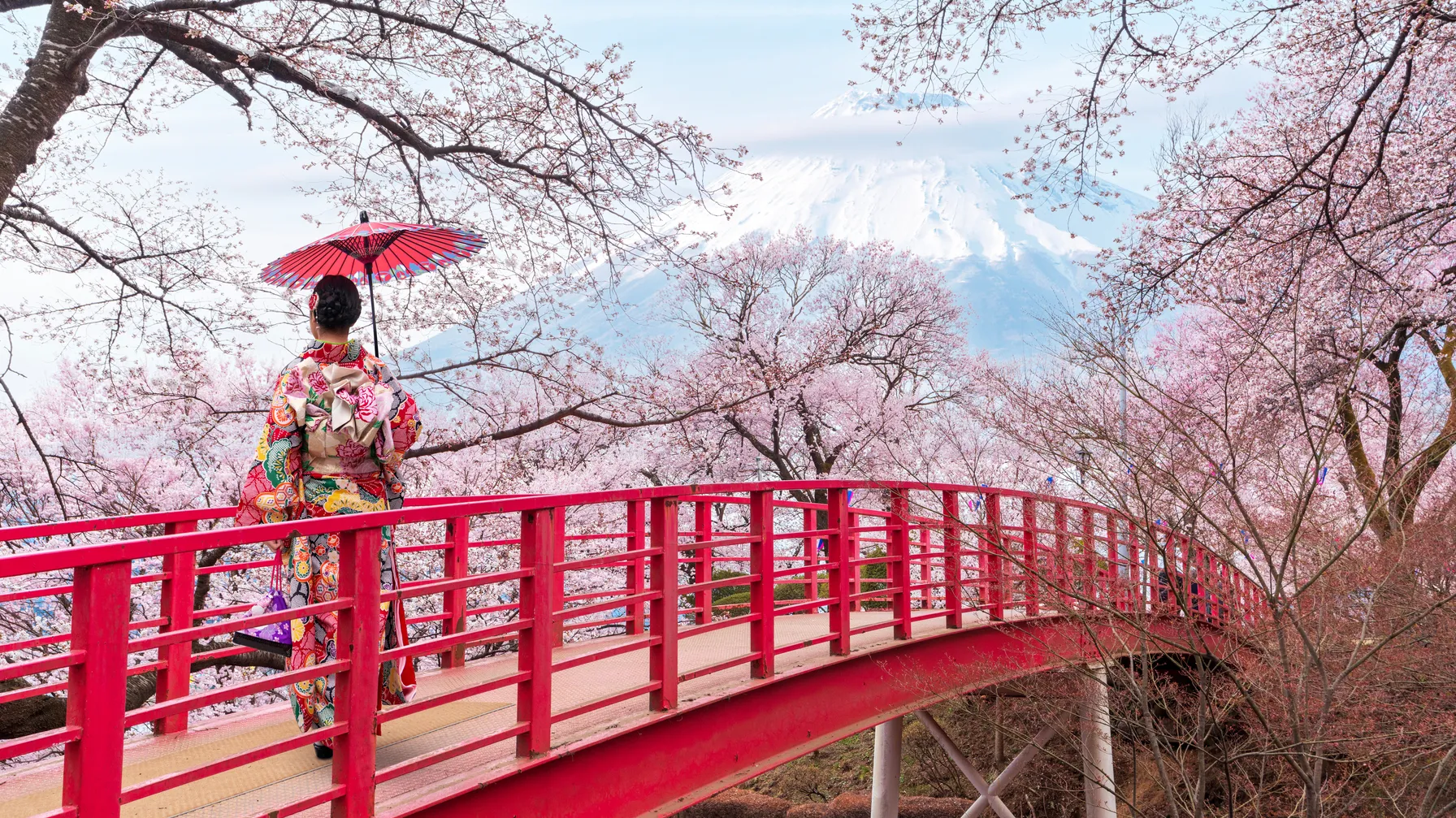
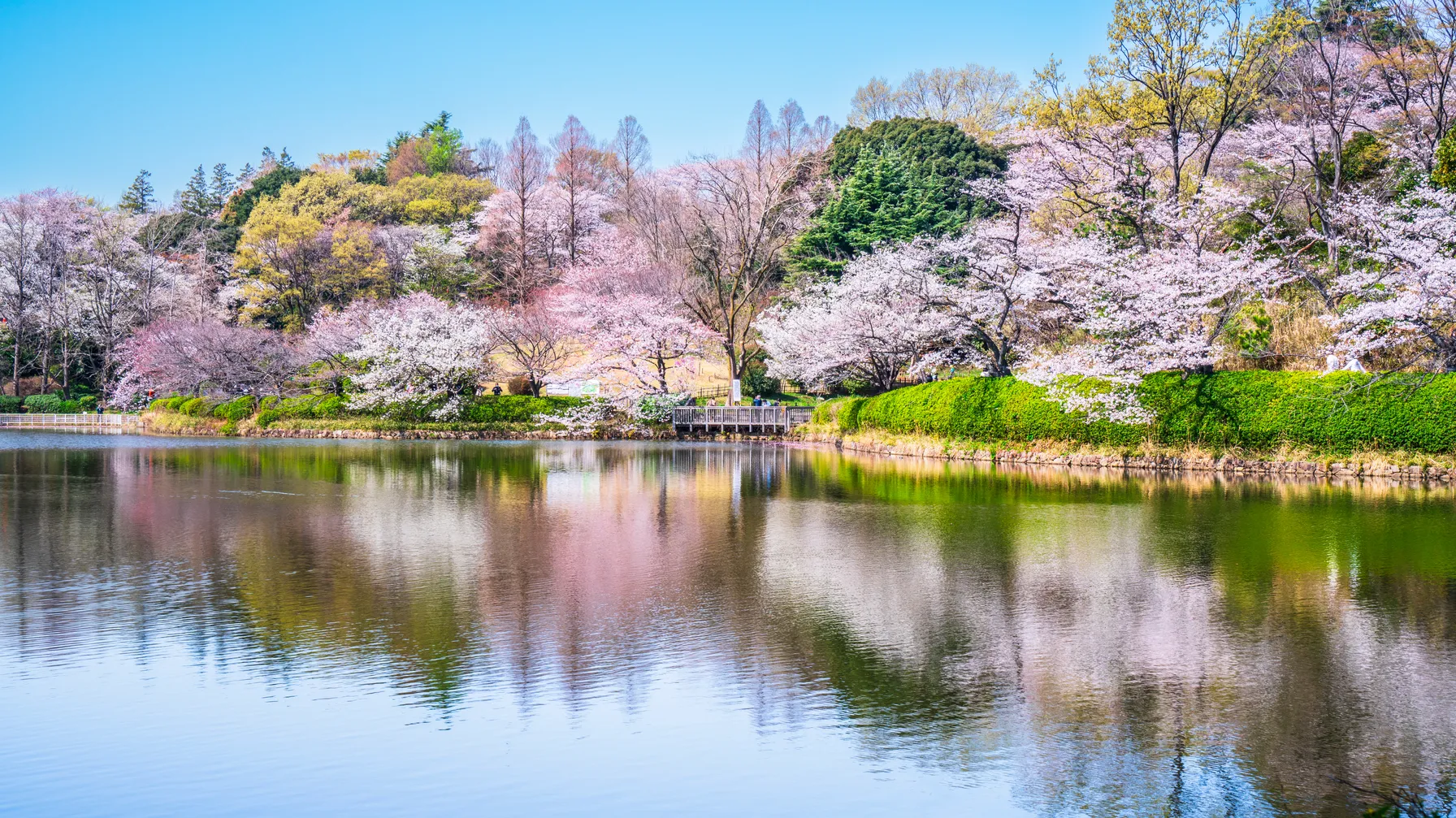
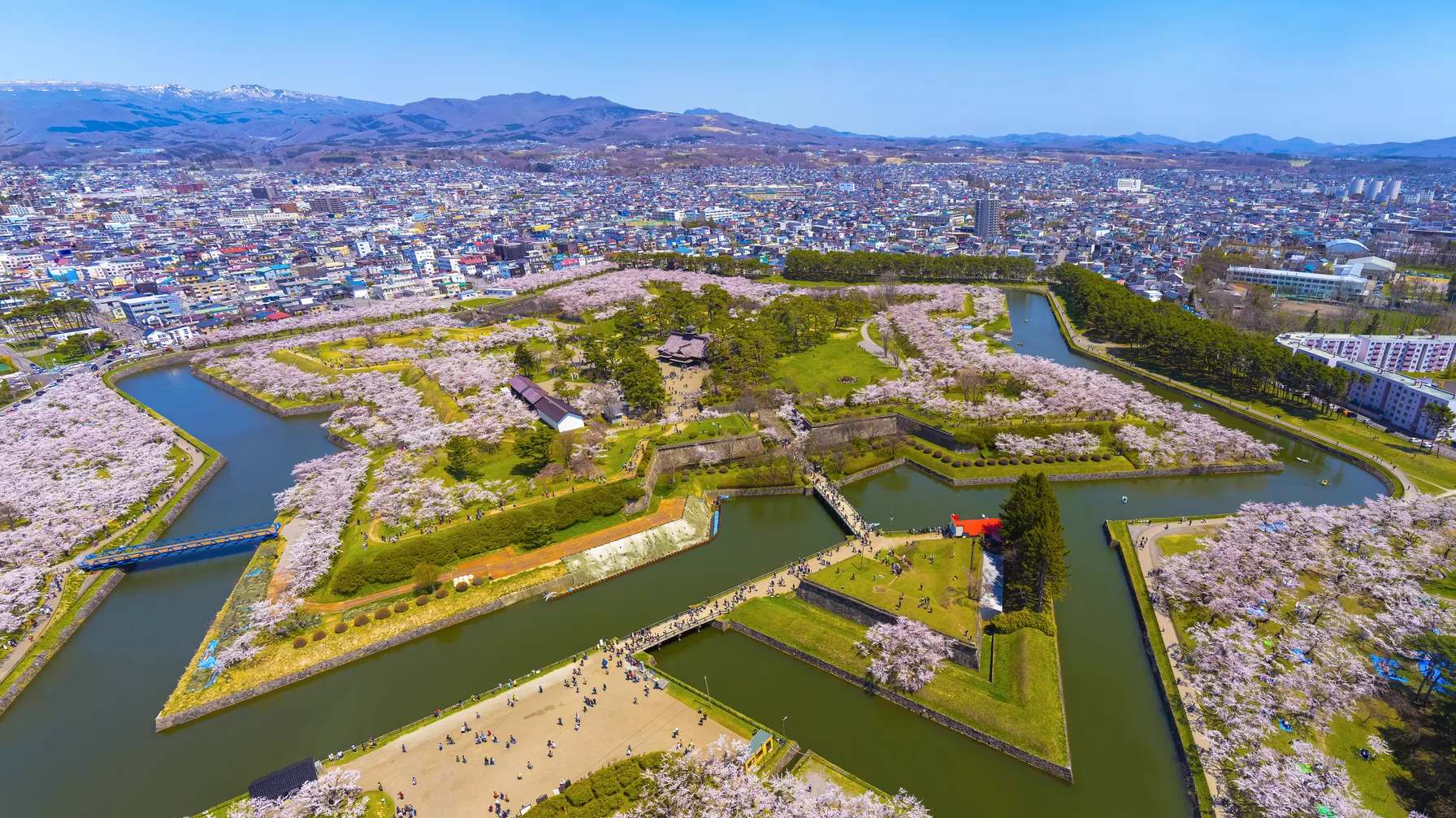
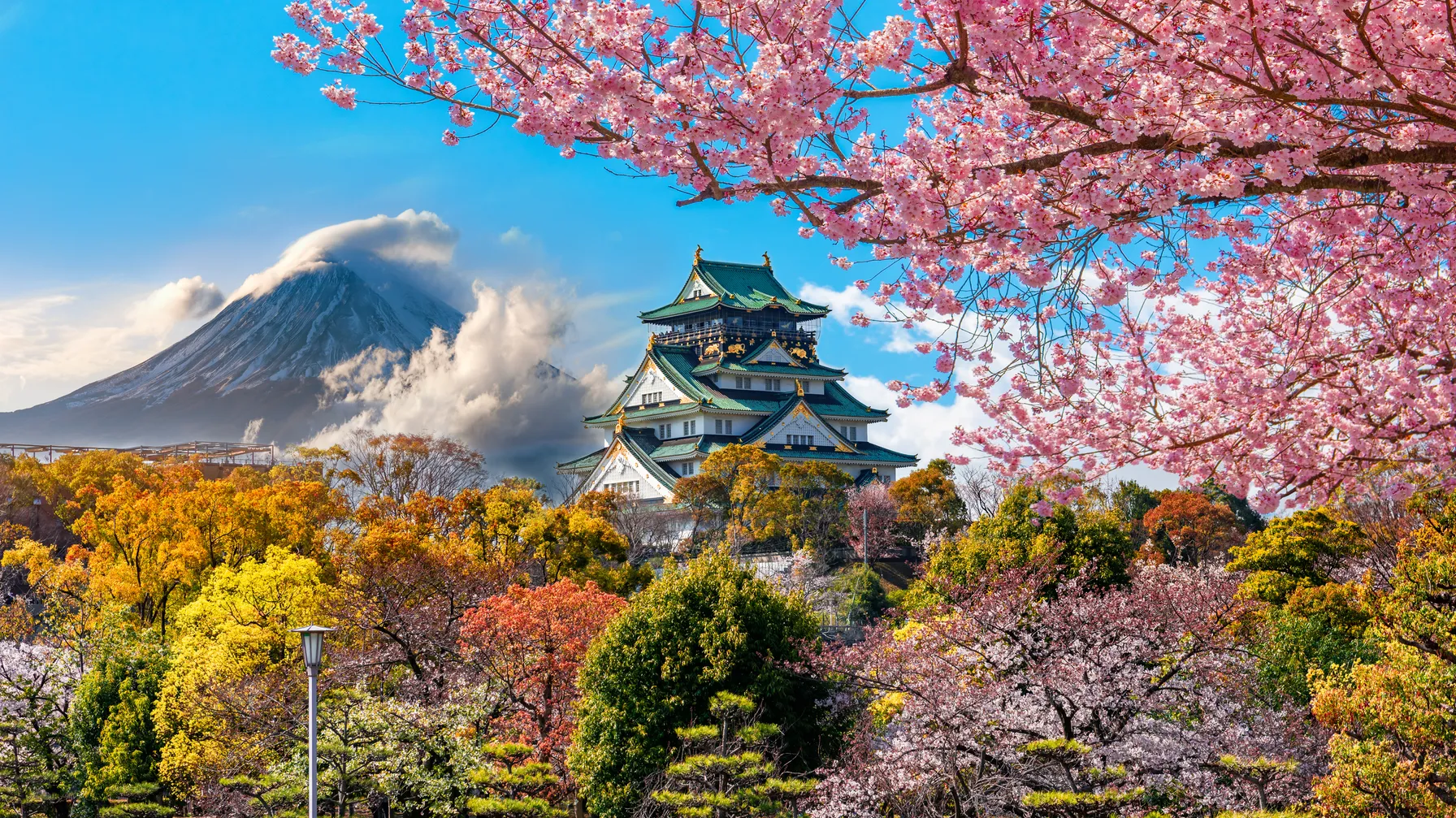
The blooming of cherry blossoms remains the most emblematic natural event of the Japanese spring. This period, called sakura, usually begins in late March in the south and progresses northward through May. Each region reveals its treasures: Ueno Park in Tokyo is adorned with thousands of pink flowers, while the Path of Philosophy in Kyoto becomes an enchanting floral tunnel.
The tradition of hanami, literally "watching flowers," transforms these moments into true collective celebrations. You can observe Japanese families organizing picnics under the blooming trees, creating a uniquely convivial atmosphere. Parks and gardens become natural theaters where aesthetic contemplation and culinary pleasure mingle.
The diversity of cherry tree species offers an extended spectacle. After the first sakura, the yaezakura with double flowers take over, followed by other varieties that extend the flowering season over several weeks.
Spring festivals and traditions
April also marks the Japanese calendar with its many matsuri and cultural events. The Takayama Spring Festival in the Japanese Alps rolls out its decorated floats in a striking mountainous setting. This festival combines ancestral tradition and natural beauty, offering an authentic glimpse into Japanese culture.
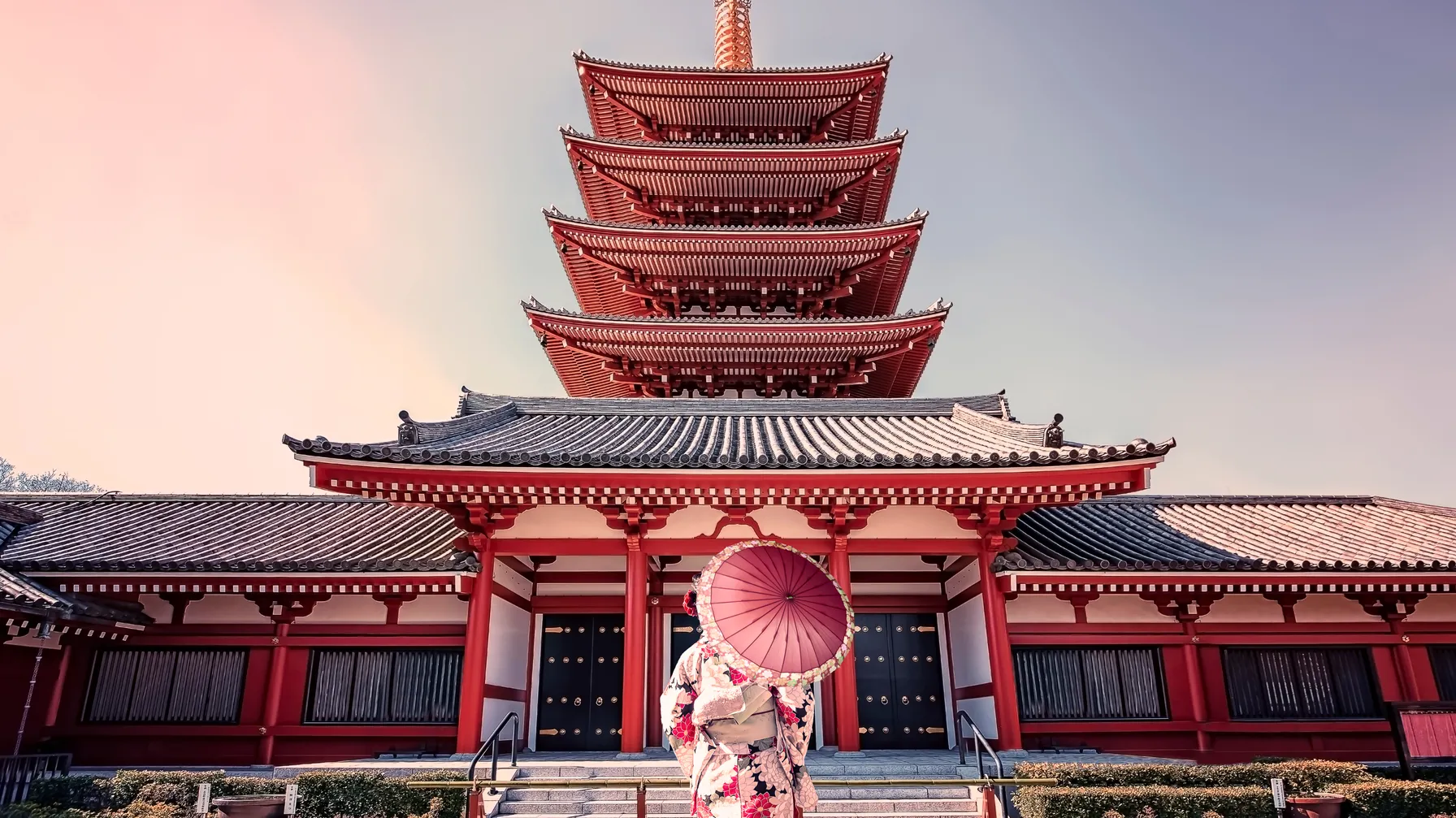
The Hana Matsuri, celebrated on April 8, honors the birth of Buddha in all the temples of the country. This spiritual celebration enriches your cultural discovery with its contemplative dimension and ancient rituals.
Botanical gardens also organize festivals dedicated to different blooms: wisterias, azaleas, tulips create successive colorful palettes that extend the natural spectacle well beyond the cherry trees alone.
Contact us for more information on the best times to enjoy Japanese festivals
The awakening of Japanese nature
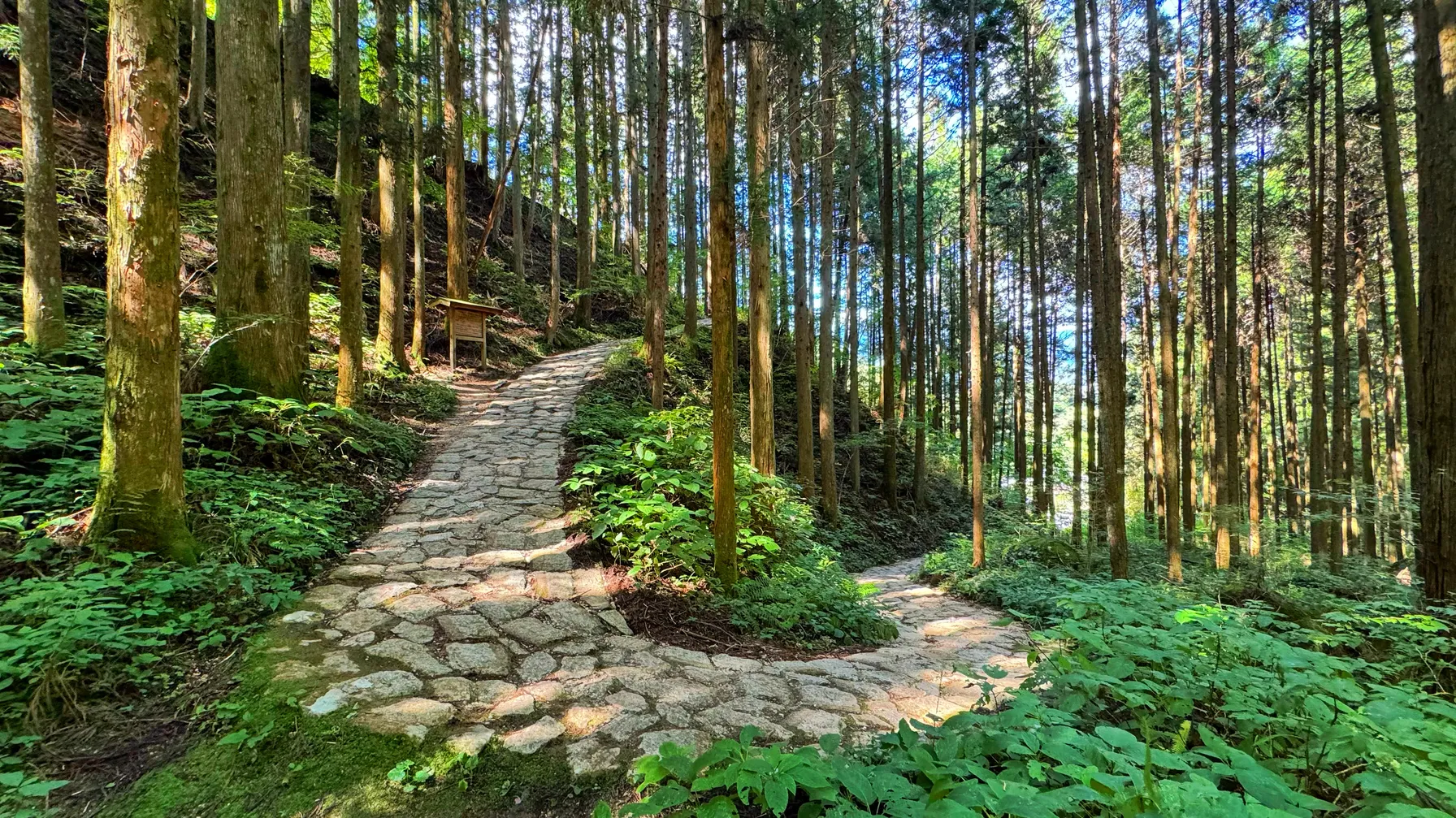
Beyond cherry trees, April reveals the complete rebirth of Japanese nature. Traditional gardens regain their colors after winter, mountains turn a tender green, and temperatures allow rediscovering outdoor hot springs.
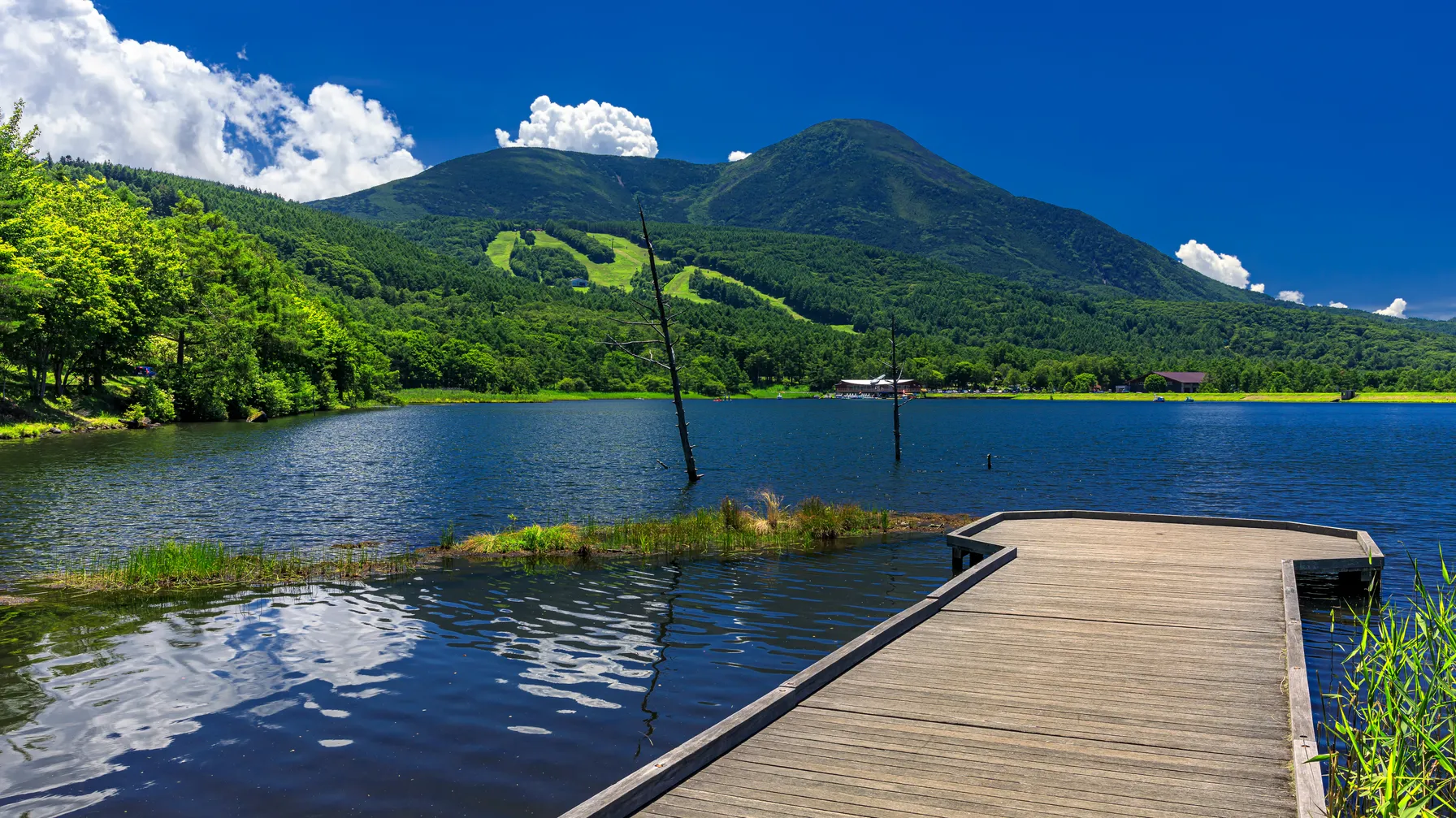
This season also marks the reopening of many natural sites closed during the winter. The Tateyama-Kurobe Alpine Route reveals its famous snow walls, creating a striking contrast with the spring vegetation of the valleys. Kamikochi, in the Japanese Alps, reopens its hiking trails, offering exceptional panoramas of still snowy peaks.
Demandez votre devis Japan sur-mesure 100% gratuit
 4.8
4.8+3.000 travelers satisfied
What are the advantages and challenges of traveling to Japan in April?
Traveling to Japan in April presents undeniable advantages, but also requires anticipating certain constraints to optimize your stay. This highly popular period reveals its two faces: one of incomparable beauty and one of sometimes discouraging crowds.
The undeniable benefits of this season
The main advantage lies in the exceptional climatic conditions. Mild temperatures allow an increase in activities: hiking in national parks, extended visits to temples and shrines, exploration of traditional neighborhoods without weather constraints. You can easily alternate between urban discoveries and nature escapes.
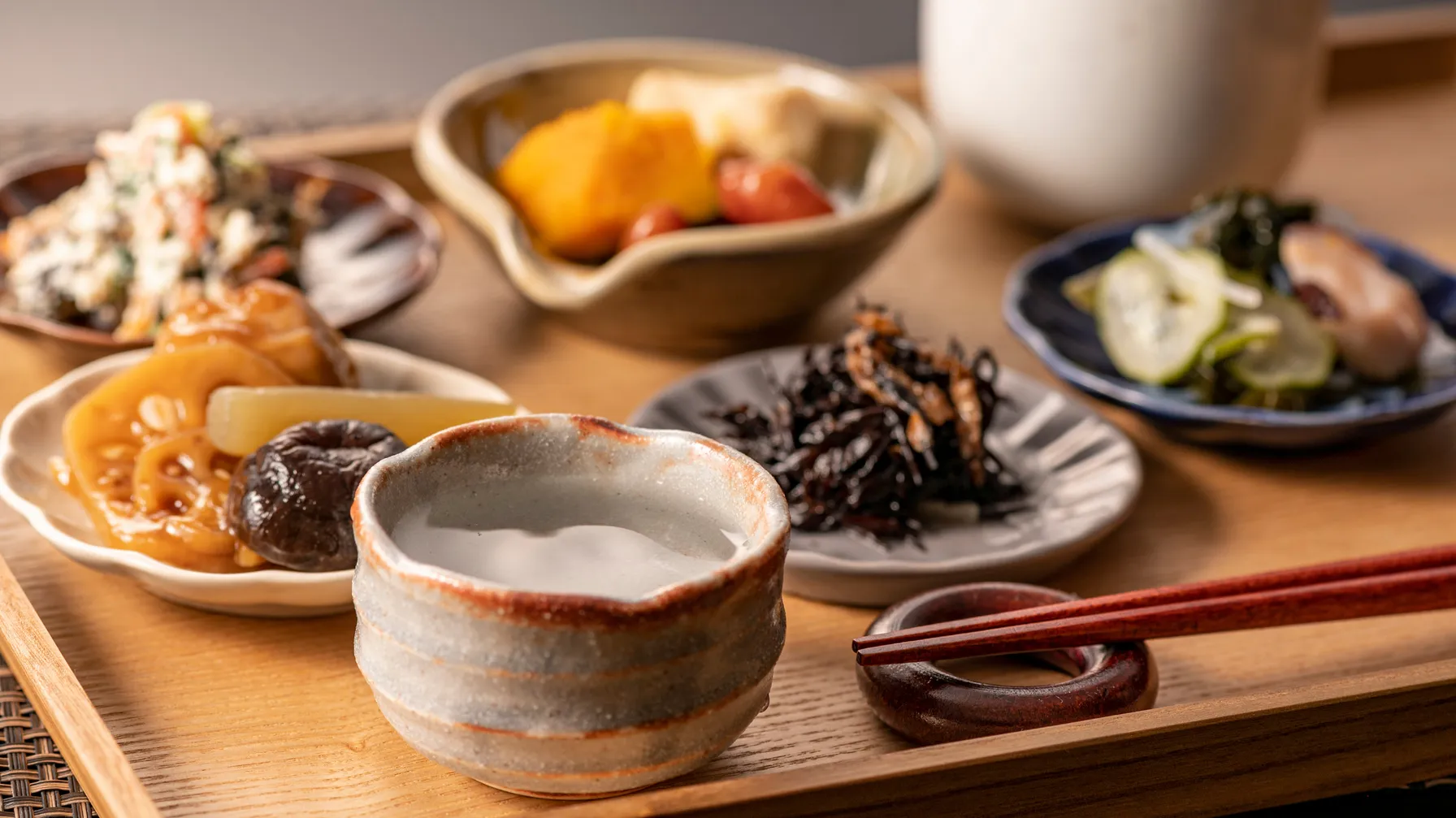
Japanese cuisine also renews itself in spring. Seasonal ingredients enrich the cuisine: bamboo shoots, spring vegetables, seasonal fish create unique flavors that you'll find only during this period. The tea ceremony takes a special dimension in the flowered gardens.
The photographic aspect is another major asset. The spring light enhances the landscapes, the contrasts between traditional architecture and blooming create exceptional visual compositions. Each temple, each garden, each street reveals its maximum aesthetic potential.
Challenges to anticipate
Tourist congestion represents the main challenge of a stay in Japan in April. Key sites experience significant pressure, especially on weekends. Parks famous for their cherry trees can sometimes become impracticable, turning peaceful contemplation into organized jostling.
Prices experience significant inflation during this high season. Accommodations can triple their prices, particularly in Kyoto and Tokyo. Bookings also become more complex: reputed restaurants, charming hotels, exclusive activities are booked full months in advance.
The blooming itself can hold surprises. Accurately predicting the blooming dates remains a delicate exercise, and you might arrive just before or after the peak in some regions. This uncertainty necessitates a certain flexibility in your planning.
How to succeed in your trip to Japan in April?
Maximizing your experience in Japan in April requires a strategic approach tailored to your traveler profile and specific expectations. This exceptional period demands meticulous preparation to turn constraints into opportunities and unleash the full potential of your discovery.
Advice depending on your traveler profile
For families with children, prioritize less frequented destinations at the start of your trip. The Tohoku region or certain prefectures like Fukui offer authentic experiences away from the crowds. Theme parks like those in Tokyo remain accessible with advanced booking. Integrate suitable activities: traditional workshops, interactive tours, playful gastronomic discoveries.
Couples seeking romance will find their bliss in private gardens and exclusive ryokans. Look for lesser-known nocturnal hanami spots: some temples offer intimate illuminations after closing to the public. Kaiseki dinners in confidential establishments create privileged moments.
Solo travelers can exploit the flexibility of their schedule to follow the blooming in real time. Mobile applications and specialized websites allow for daily adjustments of your destinations according to the state of the cherry trees. This nomadic approach often reveals the most beautiful surprises.
Our advice: book your main accommodations in advance, but keep 30% of your schedule flexible to seize opportunities.
Optimization strategies
Slightly shifting your dates can transform your experience. Arriving at the end of March allows you to experience the buildup of excitement preceding the bloom, while leaving at the beginning of May offers you the late blooms in the north in a more serene atmosphere.
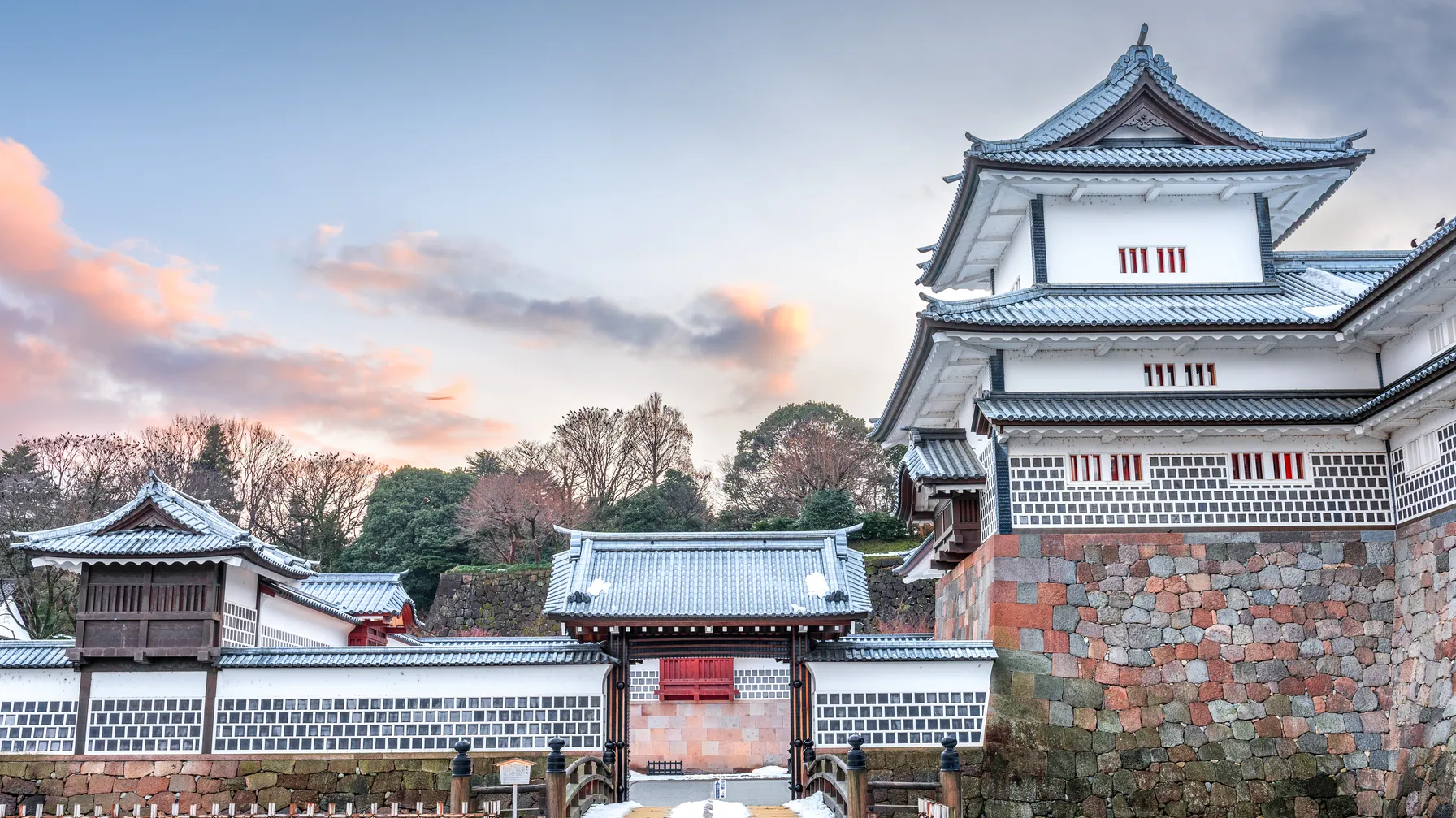
Exploring alternative regions is a rewarding strategy. While Tokyo and Kyoto are overwhelmed with crowds, the Japanese Alps reveal their springtime charms, Kanazawa unveils its secret gardens, and Takayama celebrates its traditions authentically.
Regarding activities, adopt the Japanese pace: rise early to enjoy iconic sites in morning serenity, explore less touristy neighborhoods in the middle of the day, and relish the evenings in traditional establishments.
Book your trip to Japan now
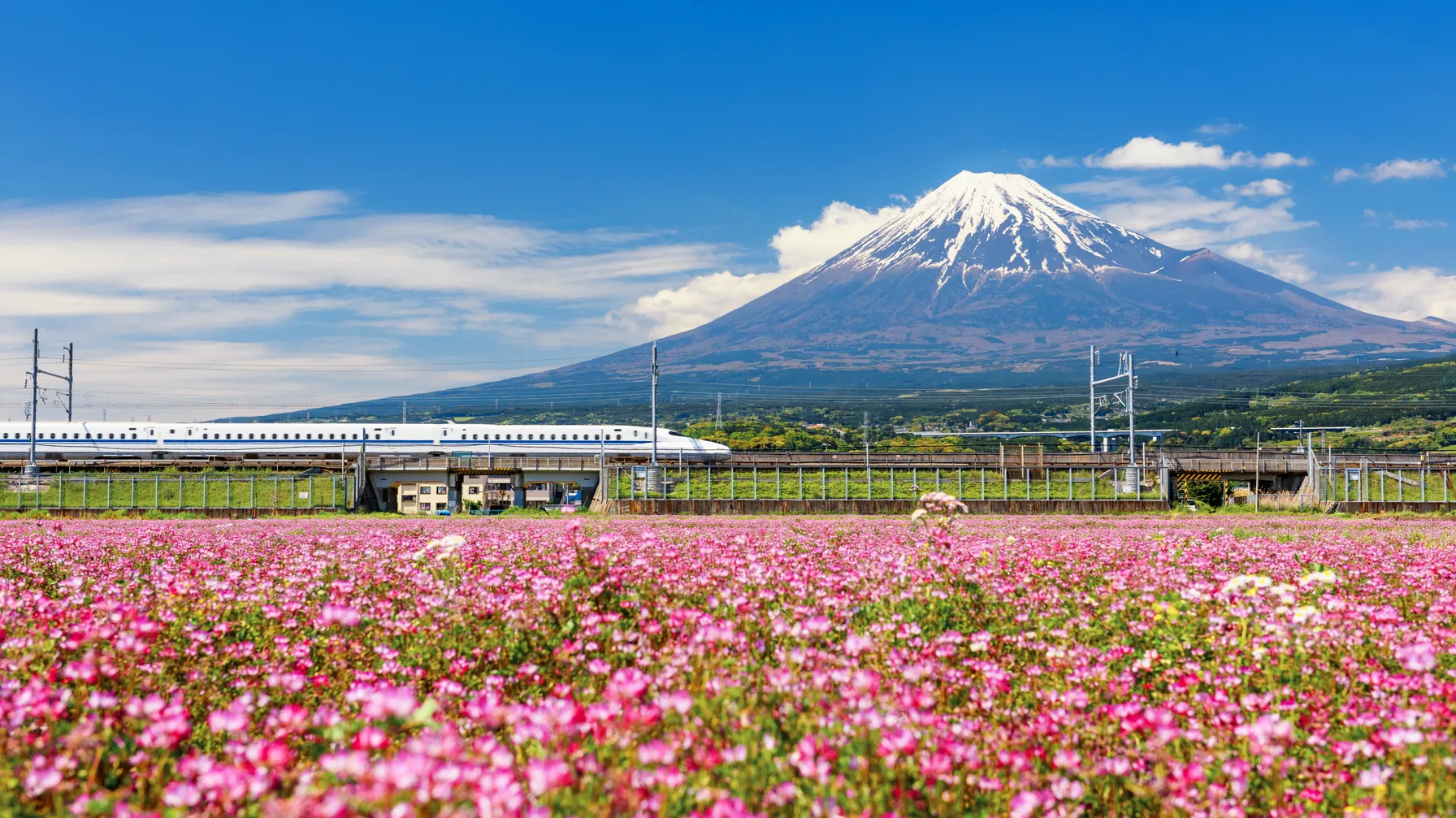
Transportation requires special attention. The Japan Rail Pass remains cost-effective despite the crowds, but book your seats on high-speed trains as soon as possible. Traveling first class on certain lines ensures comfort and punctuality.
The ideal time to visit Japan varies depending on your priorities. If cherry blossom season is your main goal, April is essential despite its challenges. For a more serene experience, consider May for the northern regions or October for the autumn colors, periods that offer an excellent balance between natural beauty and relative tranquility.
Preparing your trip to Japan in April requires anticipation and flexibility, but rewards with unforgettable memories. This destination then reveals all its charms: between ancient tradition and modernity, between contemplation and wonder, between logistical challenges and unparalleled aesthetic rewards.