Discovering Japan in January: a season of many facets
What weather can you expect in Japan in January?
Winter in Japan reveals the geographical diversity of the archipelago. Contrary to popular belief, the climate in January varies significantly depending on the regions you choose to explore, thus offering a range of weather experiences suited to all tastes.
Regional variations across the archipelago
The north of Japan, particularly Hokkaido and the Tohoku region, experiences a harsh winter with temperatures that can drop to -10°C. This climatic rigor turns these regions into real paradises for winter sports enthusiasts and for those who appreciate snowy landscapes. Sapporo, for example, records averages from -7°C to -1°C, creating perfect conditions to discover Japan under its white coat.
The major central cities, Tokyo and Kyoto, enjoy a milder climate. Tokyo has temperatures ranging from 2°C to 10°C, while Kyoto remains slightly cooler with 1°C to 9°C. These conditions make it comfortable to explore iconic places, especially since the sunshine remains generous despite the season.
The west of Japan, including Osaka and Hiroshima, offers milder temperatures, generally ranging between 4°C and 12°C. This winter clemency facilitates guided tours and cultural discoveries without the constraints of intense cold.
Temperatures and weather conditions
January is characterized by alternating sunny days and rainy or snowy intervals. The dry air of inland regions contrasts with the humidity of coastal areas, creating variable thermal sensations depending on your itinerary.
| Region | Min Temperature | Max Temperature | Precipitation | Sunshine |
|---|---|---|---|---|
| Hokkaido (Sapporo) | -7°C | -1°C | Frequent snow | 4h/day |
| Tokyo | 2°C | 10°C | Light rain | 6h/day |
| Kyoto | 1°C | 9°C | Occasional | 5h/day |
| Osaka | 3°C | 11°C | Rare | 5h/day |
| Okinawa | 16°C | 21°C | Moderate | 4h/day |
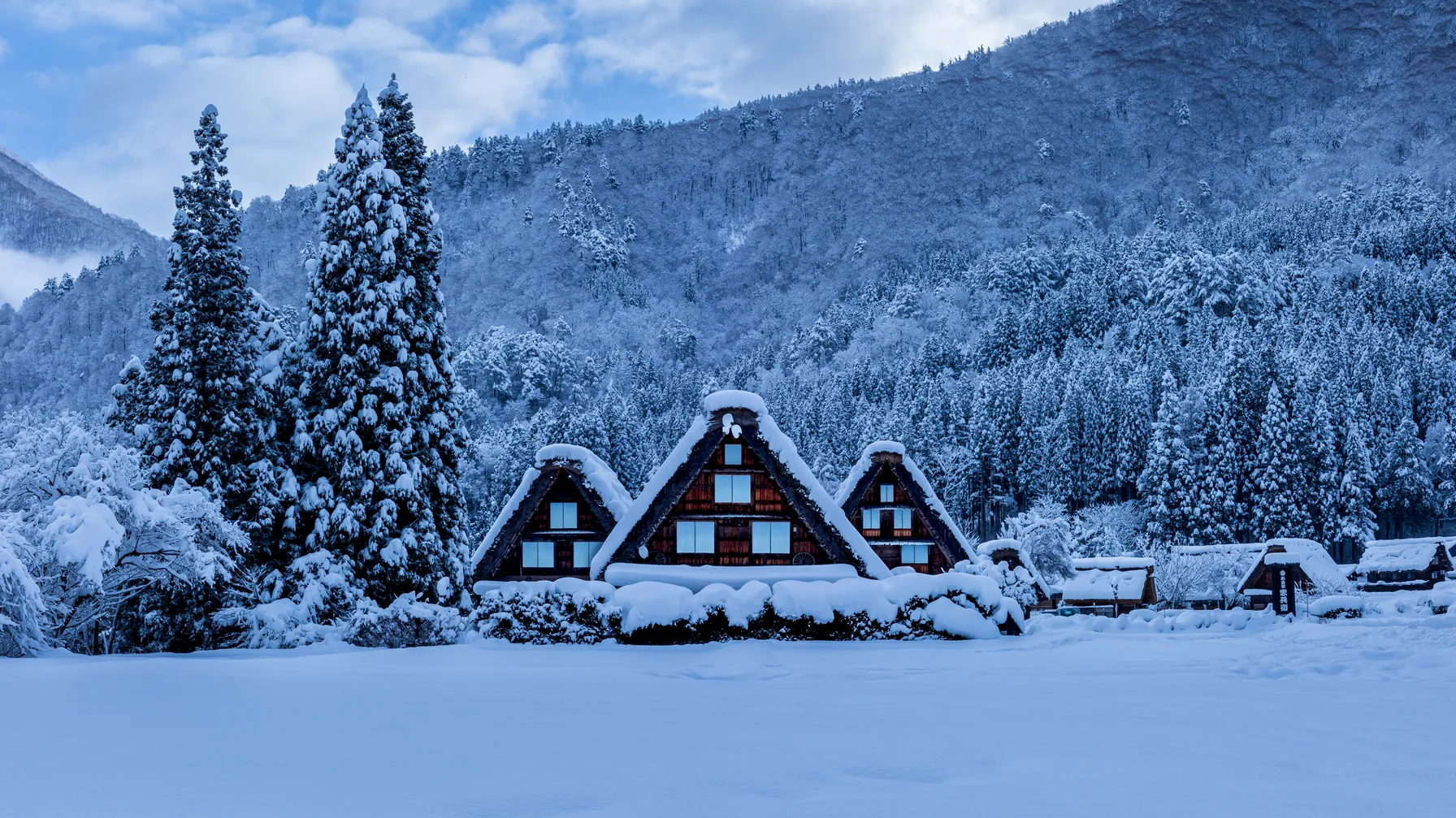
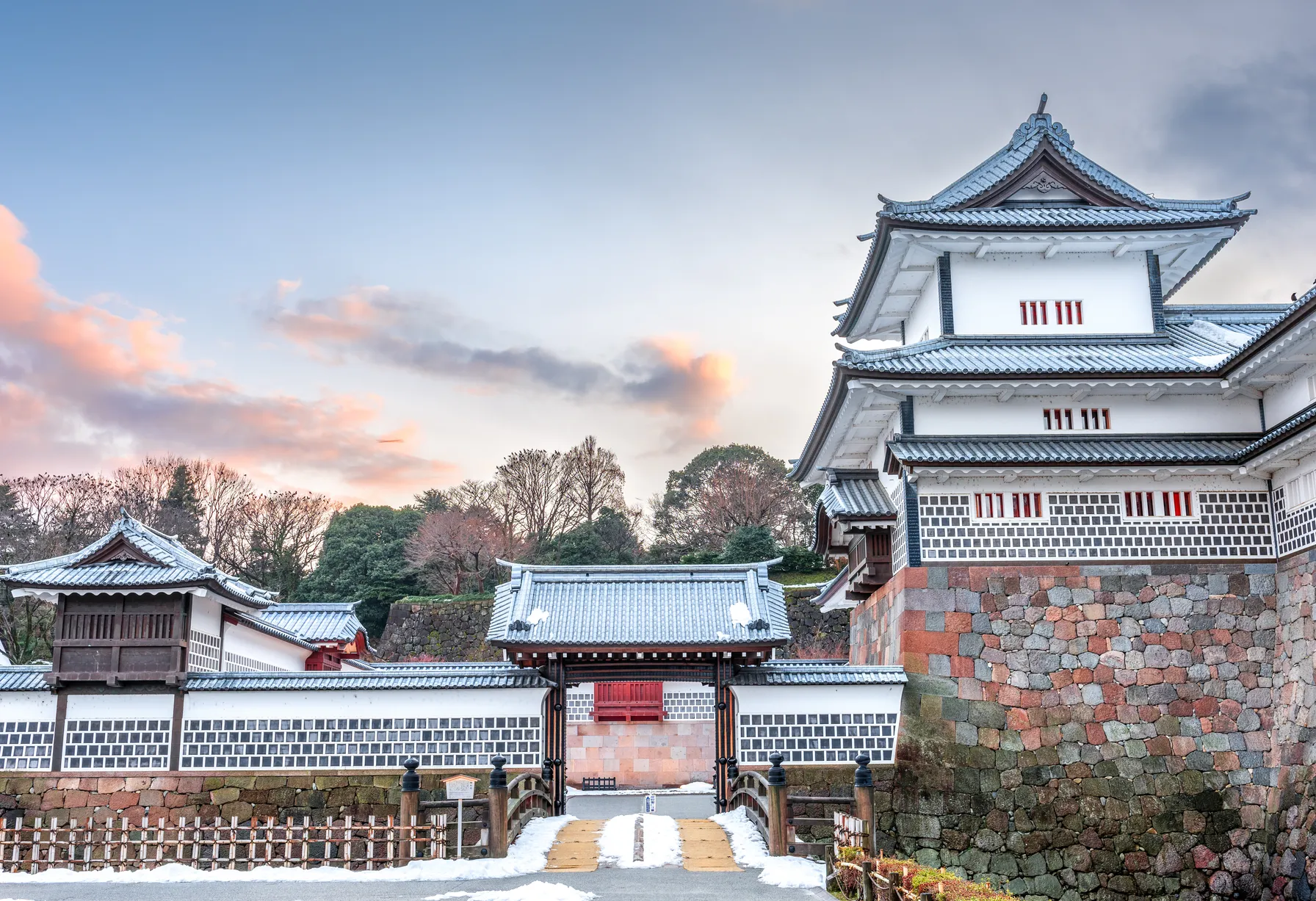
West winds sometimes bring snowfalls to the west coast of Honshu, creating stunningly beautiful landscapes in historic cities like Kyoto. These weather conditions transform temples and traditional gardens into enchanting scenes, particularly photogenic for capturing your memories.
Contact us for more information on the best regions to visit according to your weather preferences
Demandez votre devis Japan sur-mesure 100% gratuit
 4.8
4.8+3.000 travelers satisfied
What cultural experiences make January unique?
January in Japan coincides with the most sacred period of the Japanese calendar. This particular timing immerses you in the heart of ancestral traditions and allows you to experience exceptionally rare moments, hardly accessible to travelers in other seasons.
Japanese New Year traditions
The Japanese New Year, called Oshogatsu, is the major cultural event of January. This family celebration generally extends from January 1st to 7th and transforms the atmosphere of the country. Traditions of hatsumode, the first visit of the year to a temple or shrine, attract millions of Japanese to sacred places. Participating in this experience offers you an authentic glimpse into Japanese spirituality.
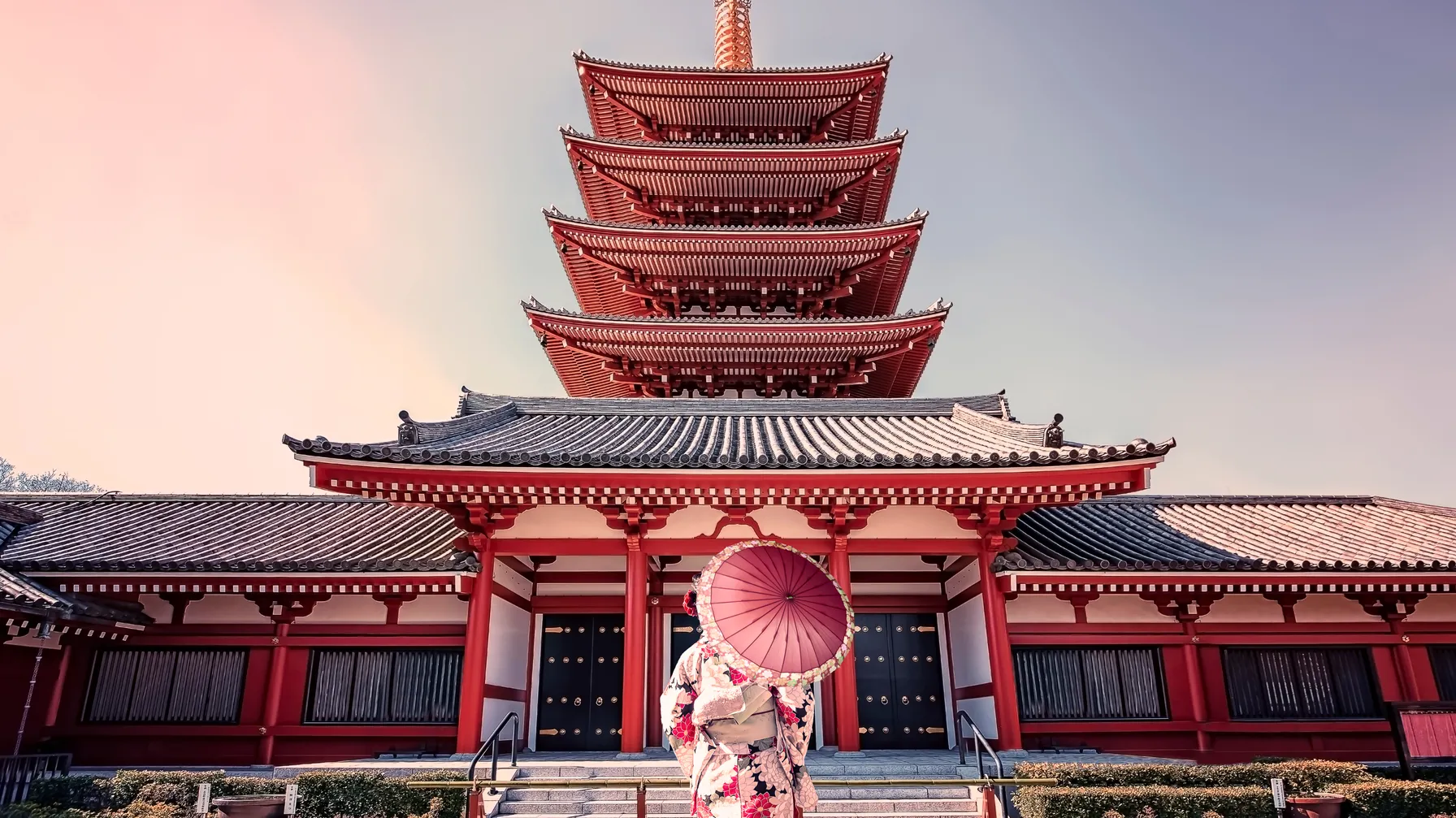
The temples of Tokyo, notably Sensoji in Asakusa and the Meiji Shrine, welcome fervent crowds coming to make their wishes for the new year. The festive atmosphere, punctuated by stands of traditional food and good-luck charms, creates a unique environment that you won't find at any other time of the year.
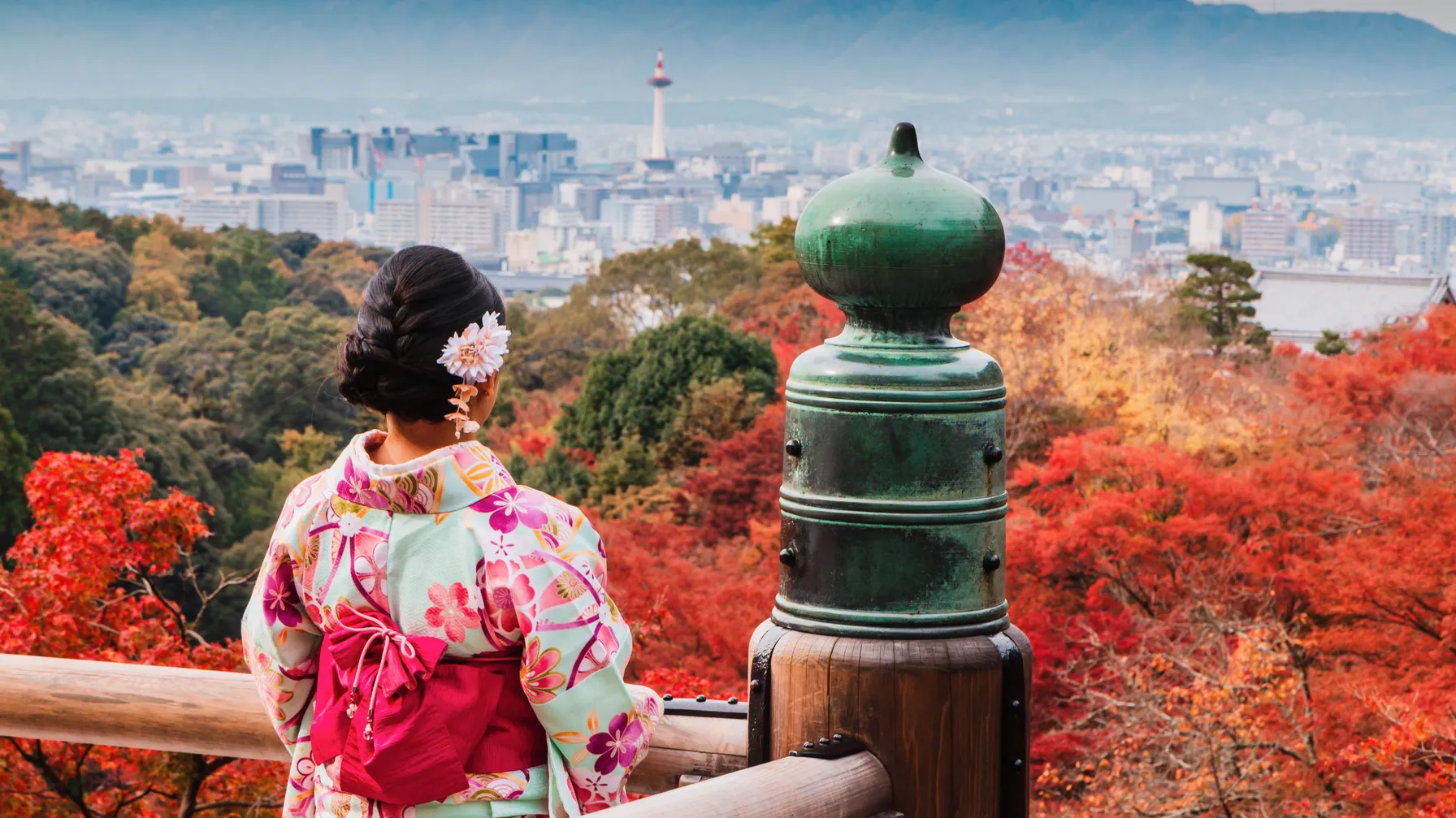
In Kyoto, shrines like Fushimi Inari and Kiyomizu-dera Temple take on a particular solemnity. Traditional ceremonies, accompanied by the sound of bronze bells, provide memorable moments of contemplation amid the winter landscapes.
Winter Festivals and Celebrations
The Seijin no Hi, a coming-of-age ceremony celebrated on the second Monday of January, lets you witness a unique colorful spectacle. Japanese youths turning twenty, dressed in magnificent kimonos for women and traditional suits for men, gather in city centers to mark their transition to adulthood.
The January sumo tournaments, organized at the Kokugikan in Tokyo, constitute another cultural highlight. This period offers the chance to appreciate this national sport in all its ritualistic and spectacular dimensions. The tournament atmosphere, accompanied by tastings of chanko-nabe, the traditional dish of the wrestlers, enriches your understanding of Japanese culture.
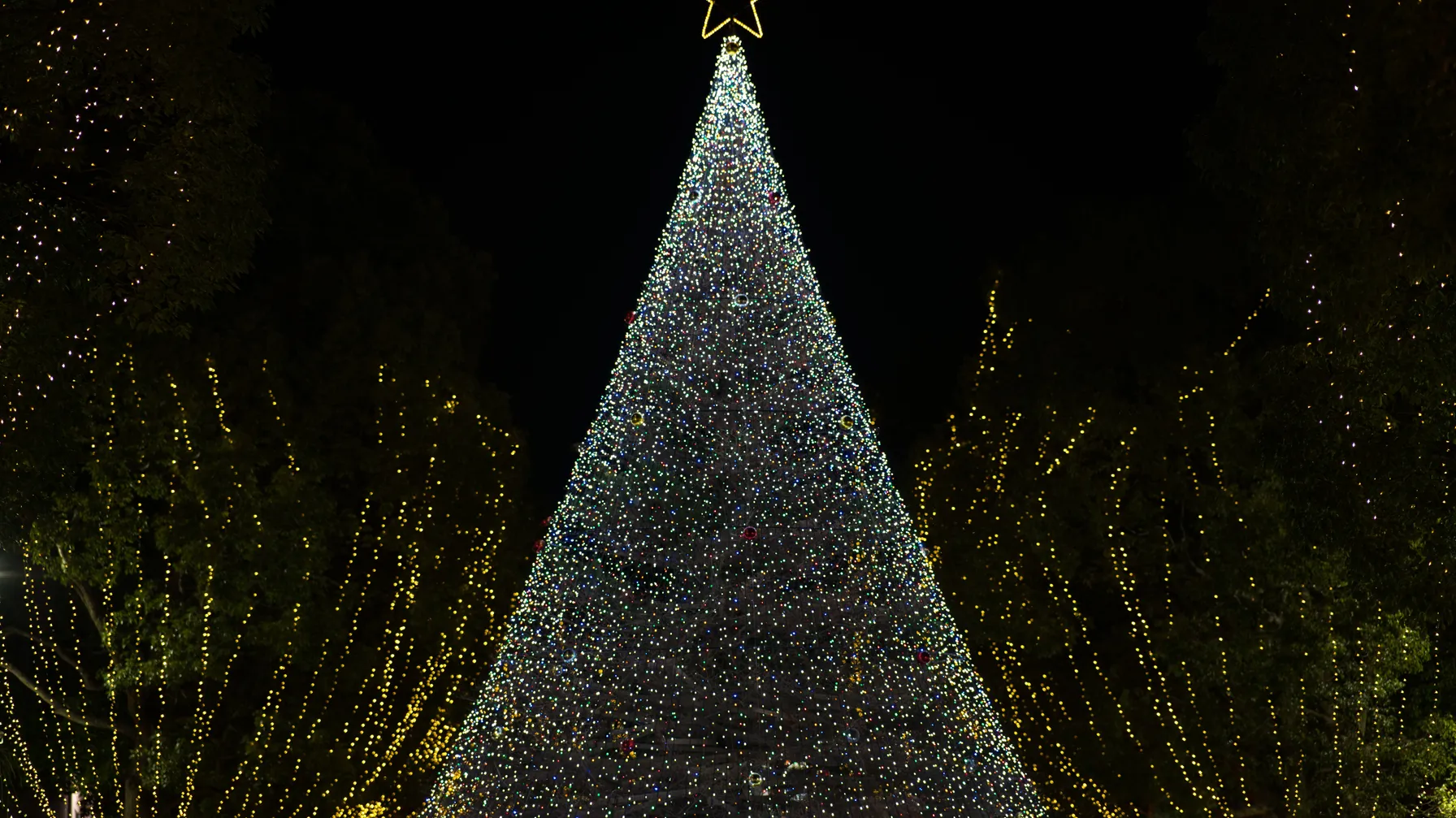
The winter illuminations, maintained until the end of January, adorn the major cities with a magical glow. Areas such as Marunouchi and Shinjuku in Tokyo, as well as the temples of Kyoto under the snow, create enchanting backdrops for your evening walks.
Book your trip to Japan in January now to experience these exceptional traditions
What activities to favor during your stay in January?
January reveals facets of Japan often unknown to travelers accustomed to milder seasons. This winter period opens access to unique experiences, from mountain sports to urban discoveries, including moments of absolute relaxation.
Winter Sports and Mountain Escapes
The Japanese Alps reach their full splendor in January. Ski resorts in Nagano, notably Hakuba and Shiga Kogen, offer exceptionally high-quality powder snow. These perfect conditions attract skiers from around the world and transform the center of Honshu into a premier winter playground.
Hokkaido is the ultimate destination for winter sports enthusiasts. Niseko and Rusutsu feature internationally renowned ski areas where abundant snow guarantees optimal conditions throughout the season. The light powder snow of Hokkaido, known as "japow" among aficionados, provides incomparable skiing sensations.
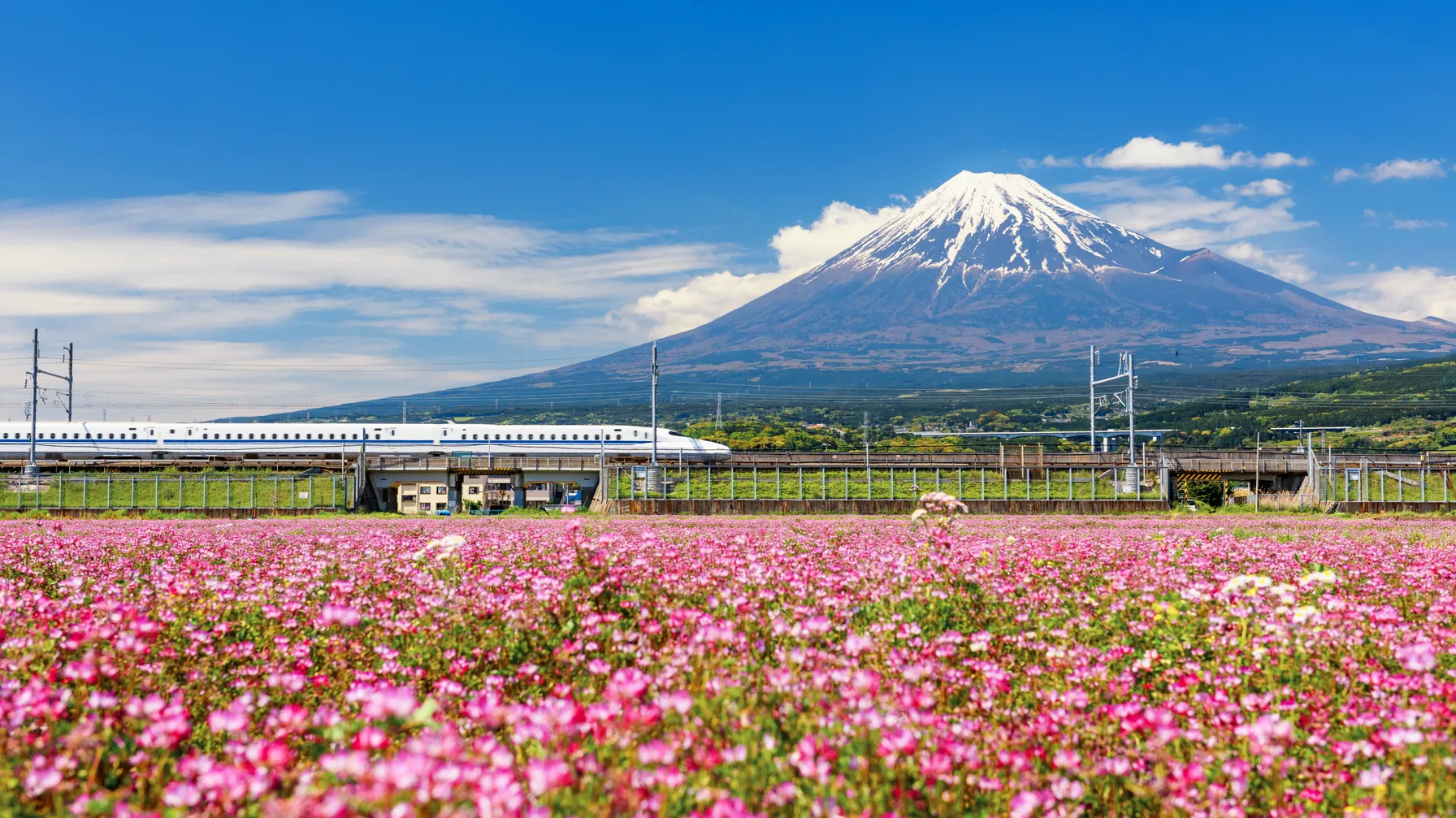
Beyond skiing, mountain hiking reveals spectacular landscapes. Mount Takao near Tokyo, accessible even in winter, offers breathtaking views of the snow-capped Mount Fuji. This day trip combines moderate physical effort with exceptional visual rewards.
Natural hot springs, known as onsen, are the quintessential winter activity. Bathing in these outdoor thermal waters while snow falls around you provides a unique sense of well-being. The Hakone region, the Beppu area, or Jigokudani, famous for its bathing monkeys, offer this authentically Japanese experience.
Urban discoveries and cultural visits
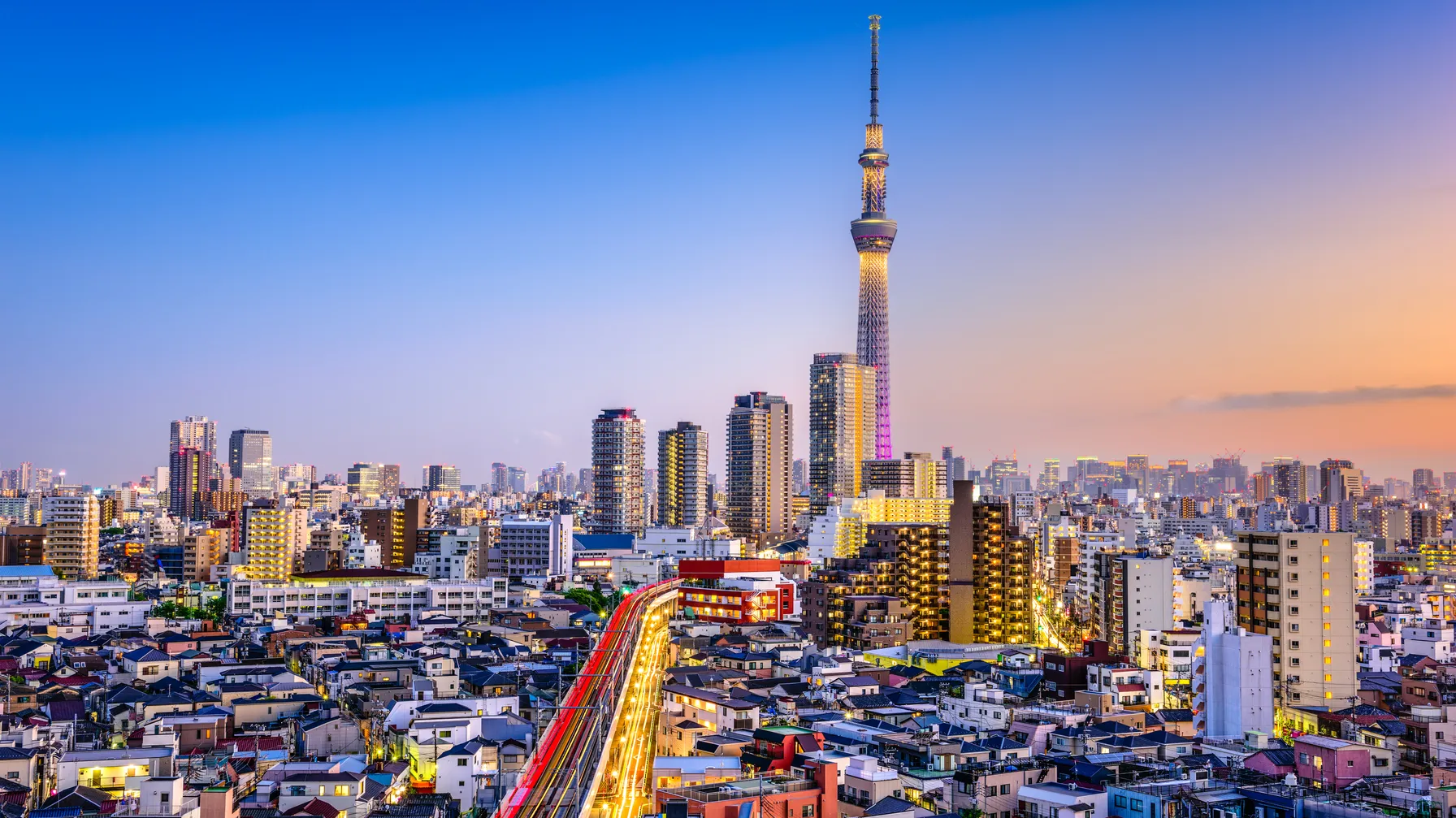
Japanese cities in January reveal a particular charm. Tokyo, rid of summer humidity and spring crowds, can be pleasantly walked around. Traditional neighborhoods of Asakusa and the imperial gardens offer rejuvenating walks, while Tokyo Sky Tree allows you to admire Mount Fuji in all its winter majesty.
Kyoto under snow transforms its ancient temples into picture-postcard settings. The Golden Pavilion of Kinkaku-ji, the bamboo groves of Arashiyama, and the Zen gardens of Ryoan-ji acquire a striking poetic dimension when the white blanket covers the imperial city.
Museums and galleries, ideal refuges during colder days, offer temporarily renewed exhibitions at the beginning of the year. The National Museum of Tokyo, the Kyoto Museum, and contemporary art galleries provide enriching cultural breaks.
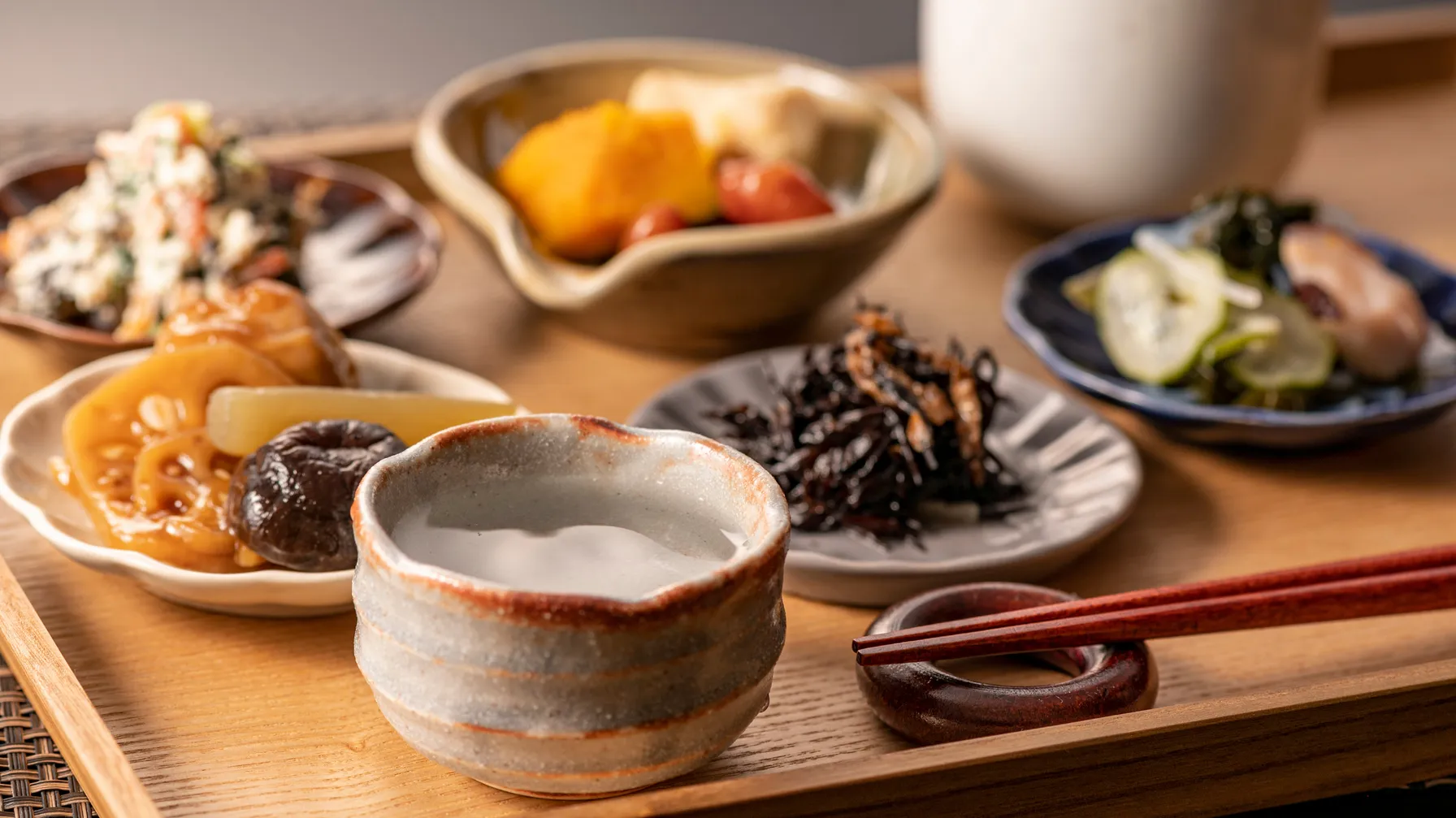
Winter cuisine deserves special attention during this period. Seasonal specialties, such as Hokkaido crabs, Hiroshima oysters, and hot, stewed dishes, warm up the atmosphere of traditional restaurants.
How to make your trip to Japan in January successful?
Traveling to Japan in January requires specific preparation to make the most of this unique season. Some practical advice and a good understanding of the specifics of this period will guarantee you a memorable stay.
Practical tips and preparation
Preparing your trip in January requires particular attention to your wardrobe. Temperature variations between regions demand a layered approach. A warm coat, light sweaters, thermal underwear, and waterproof shoes are the basis of suitable equipment. Don't forget thick socks, essential for visiting temples where you'll need to take off your shoes.
The New Year period, from December 29 to January 4, significantly influences the organization of your stay. Many businesses, family-owned restaurants, and minor attractions temporarily close. However, large chains, shopping centers, and major tourist sites continue their activities. Plan your visits accordingly and book your transportation in advance, as trains are highly crowded during this period.
Booking accommodations proves crucial, especially in ski resorts and popular tourist areas. The high demand for traditional ryokans with onsen requires anticipation of several months. This careful preparation avoids disappointments and ensures access to the most sought-after experiences.
For which travelers is January ideal?
January is perfectly suited for families seeking an authentic cultural experience. Children discover Japanese traditions in their natural context, participate in New Year celebrations, and learn winter sports under optimal conditions. Family ski resorts offer beginner courses and para-nordic activities for all ages.
Couples seeking romance find an exceptional setting in January. The snowy landscapes of Kyoto, mountain hot springs and the intimacy of traditional ryokans create an environment conducive to cherished moments. The winter illuminations in Tokyo add a magical dimension to romantic evenings.
Solo travelers appreciate the relative tranquility of this season. The lower crowds facilitate encounters with locals, especially during the community New Year celebrations. This period fosters cultural immersion and deepens the understanding of the Japanese lifestyle.
Mountain and winter sports enthusiasts discover an unknown Japan, where snow transforms the landscapes and opens up access to activities that are impossible the rest of the year. The quality of the Japanese powder and the diversity of ski areas satisfy all levels and expectations.
January also represents an advantageous period for those on a budget. Aside from the New Year period, airfare and hotel rates are generally lower than those in peak tourist seasons. This financial accessibility allows for considering a longer stay or choosing higher-tier services.
Contact us for more information on planning your trip to Japan in January