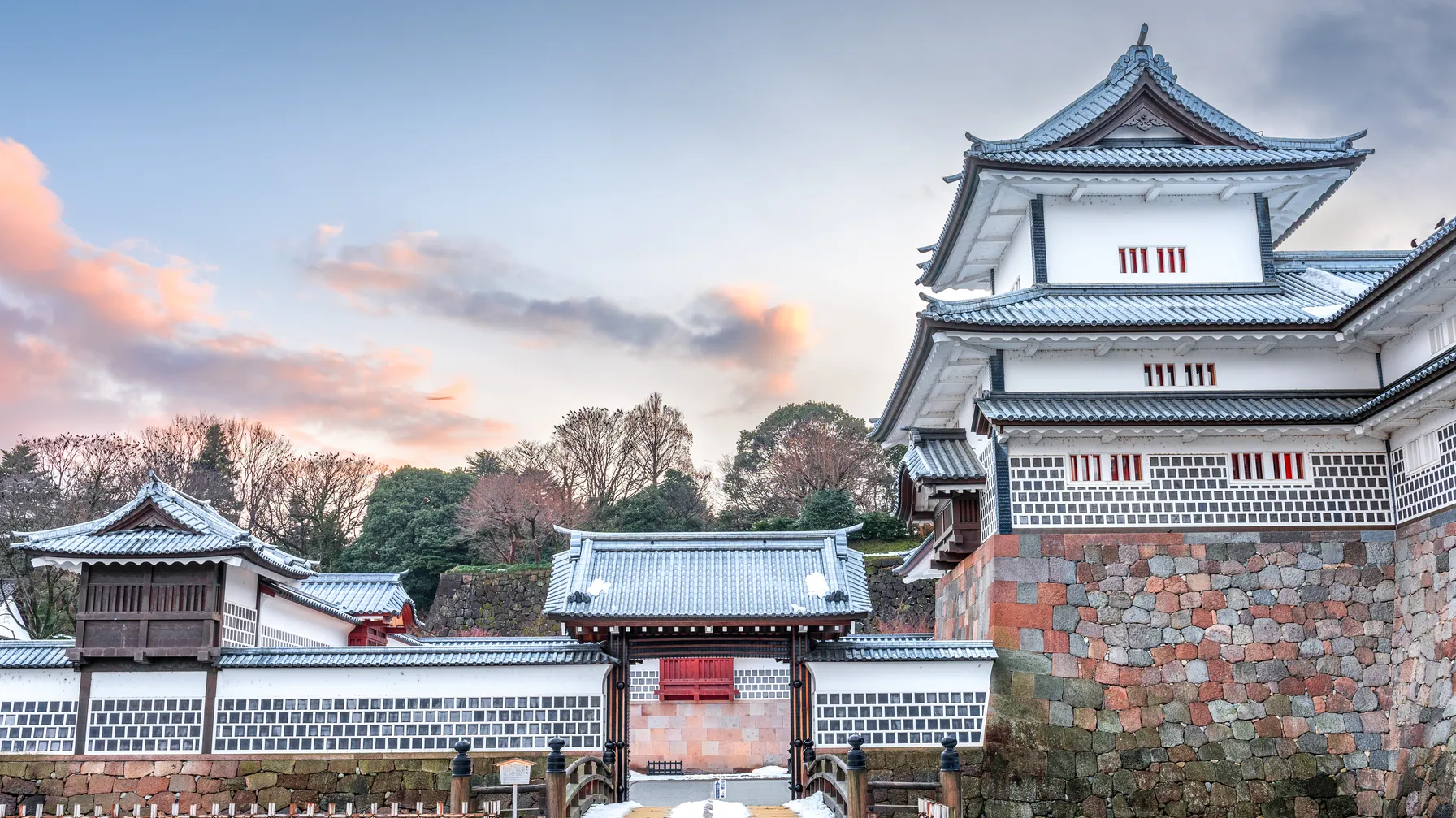
Going to Japan in March: the perfect time to discover the Japanese spring
What is the weather in Japan in March?
March in Japan marks the end of winter and the gradual arrival of spring, offering travelers a particularly attractive transitional period. This time allows you to enjoy milder weather while avoiding the intense summer heat.
Gentle temperatures across the archipelago
Average temperatures in March typically range from 5°C to 15°C depending on the region, marking a significant improvement over the previous months. In Tokyo, you can enjoy pleasant days with highs around 13°C, while mornings remain cool with lows around 3°C. This temperature range, characteristic of the Japanese spring, requires an adapted wardrobe to fully enjoy your exploration days.
Sunlight noticeably improves with about 5 to 6 hours of sunshine per day in major destinations. This renewed brightness beautifully illuminates urban and natural landscapes, creating perfect conditions for photography and walks. However, March remains a month of rainfall, with about 100 to 200 mm of rain depending on the region and about ten rainy days in the month.
Climatic variations across Japanese regions
Extending over more than 3000 kilometers from north to south, the Japanese archipelago experiences significantly varying weather conditions from one region to another. In the north, particularly in Sapporo on the island of Hokkaido, temperatures remain close to 0°C with still snow on the ground. This situation allows winter sports enthusiasts to enjoy the last weeks of skiing in excellent conditions, with fewer crowds on the slopes.
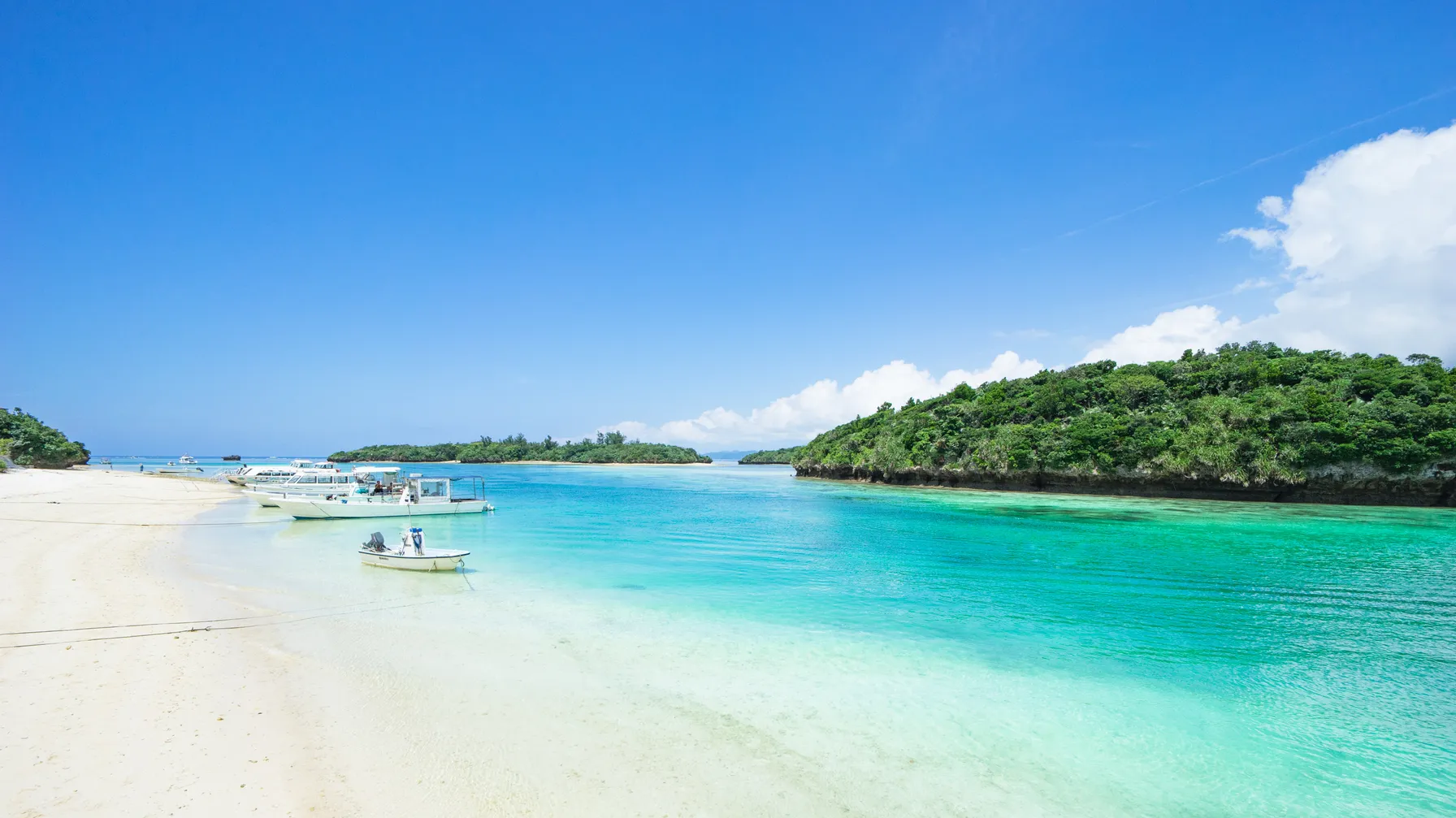
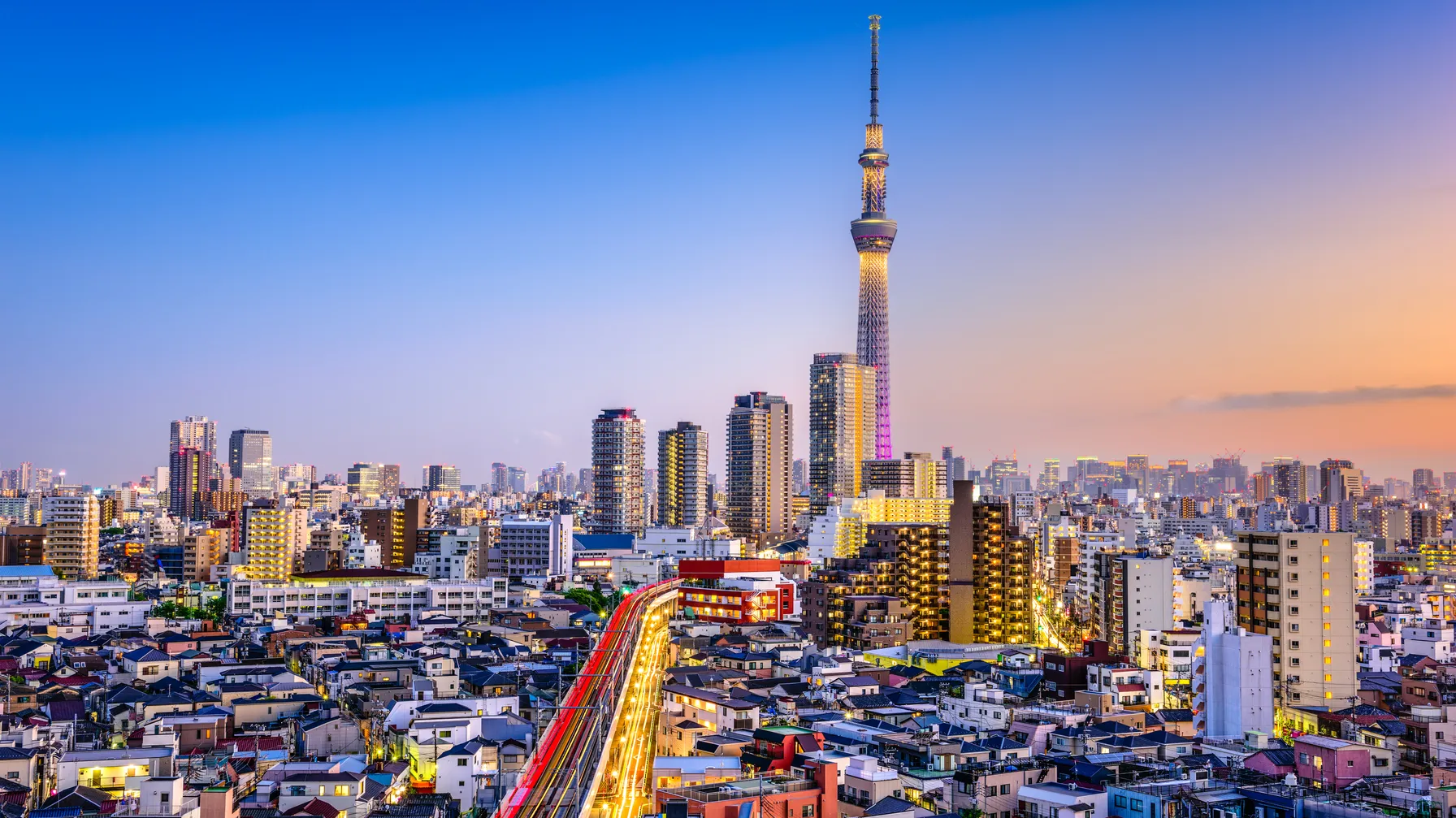
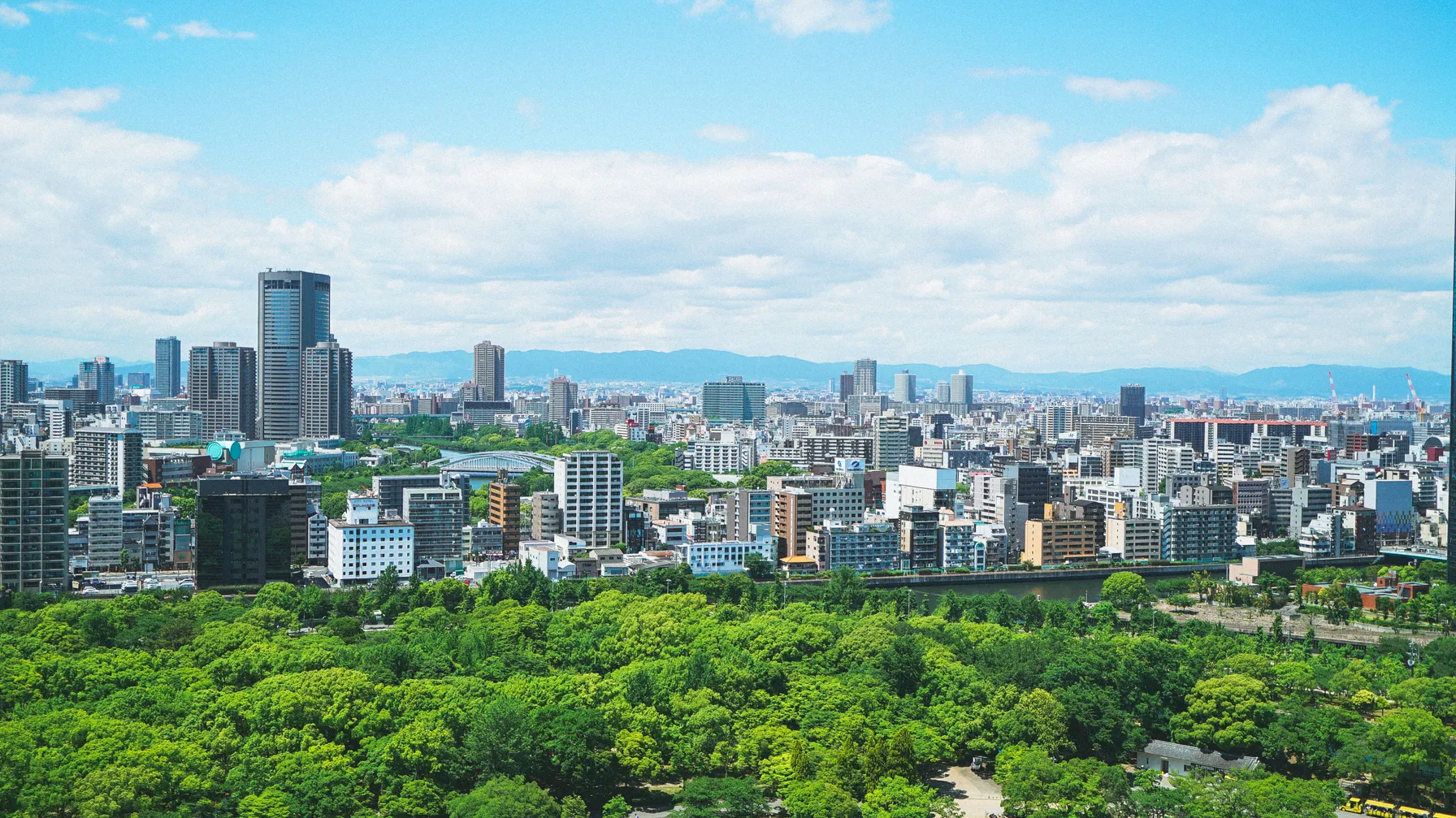
In the center of the country, the regions of Tokyo, Kyoto, and Osaka enjoy a temperate climate ideal for cultural discovery. Daytime temperatures allow for comfortable visits to temples and gardens, although a jacket is still necessary for the evenings. Further south, Fukuoka and the Okinawa islands experience milder temperatures, often exceeding 15°C, creating an almost summery atmosphere.
This climatic diversity is a major asset for travelers wishing to compose a varied itinerary, moving from the snowy landscapes of the north to the first signs of spring in the center, to the mild temperatures of the south.
Contact us to create your custom itinerary according to your weather preferences
Demandez votre devis Japan sur-mesure 100% gratuit
 4.8
4.8+3.000 travelers satisfied
What to see and do in Japan in March?
March offers a wealth of unique experiences, combining the last pleasures of winter with the first wonders of spring. This transitional period reveals Japan in a particularly authentic and moving light.
Witness the magic of the cherry blossoms
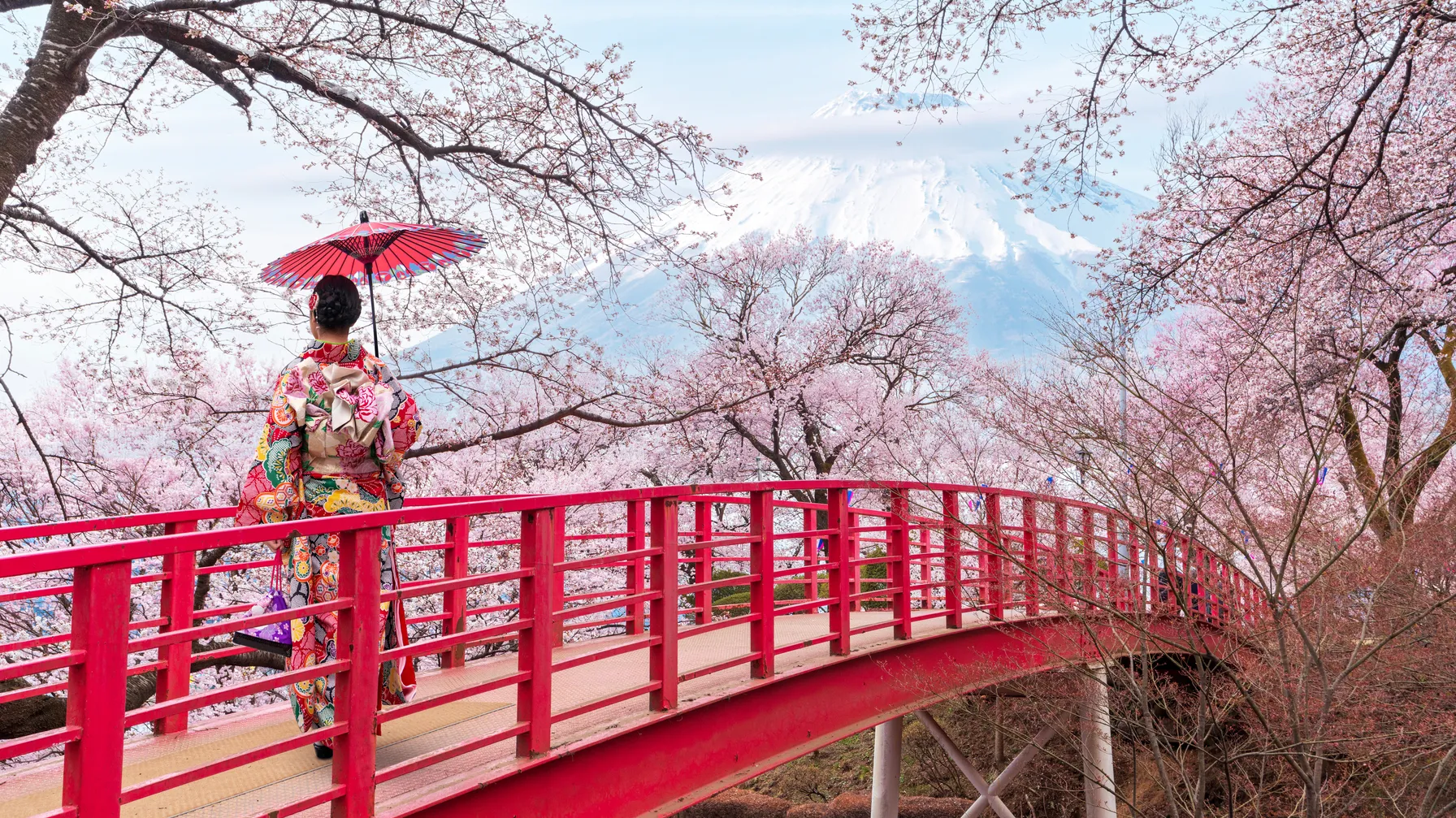
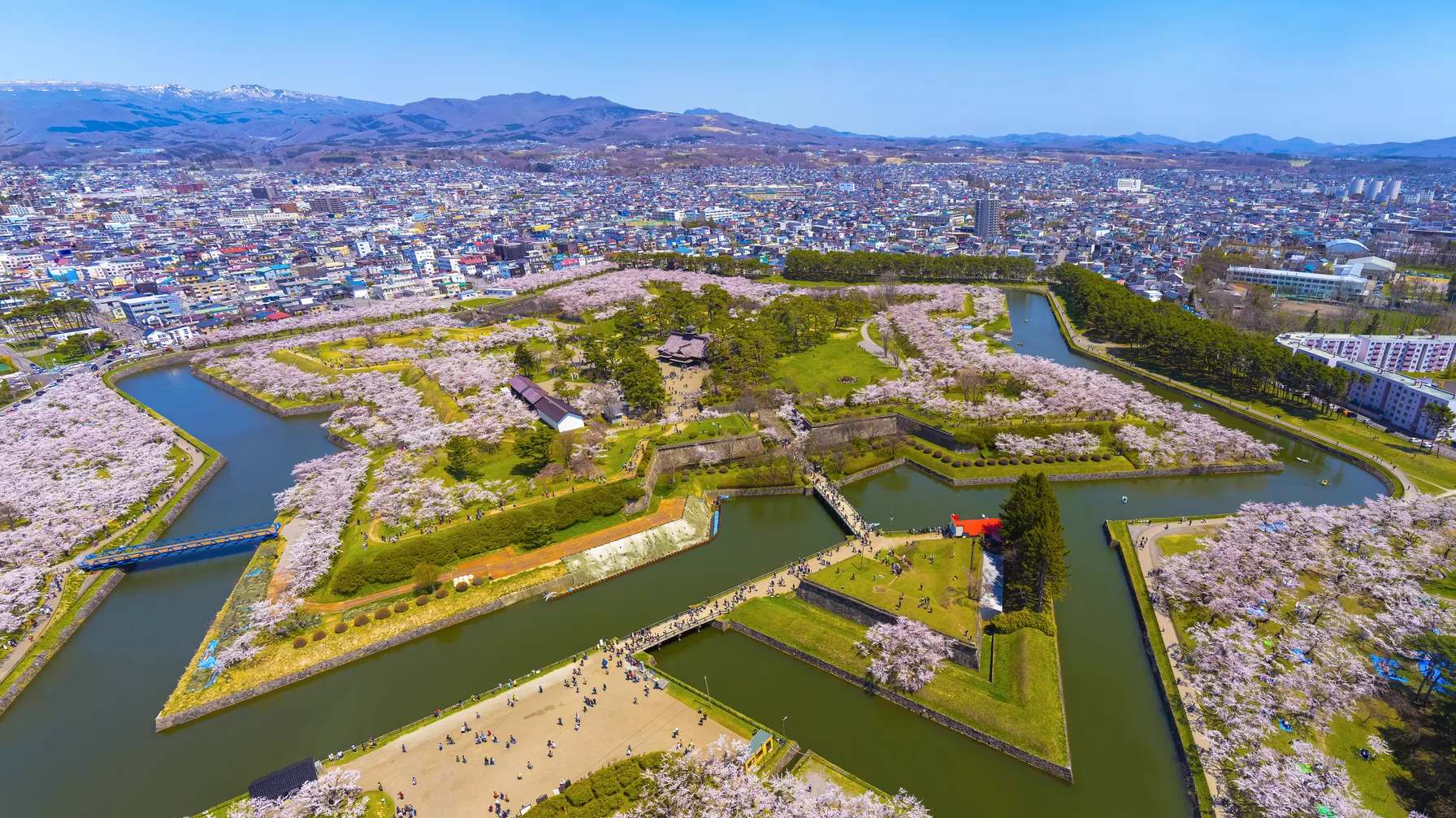
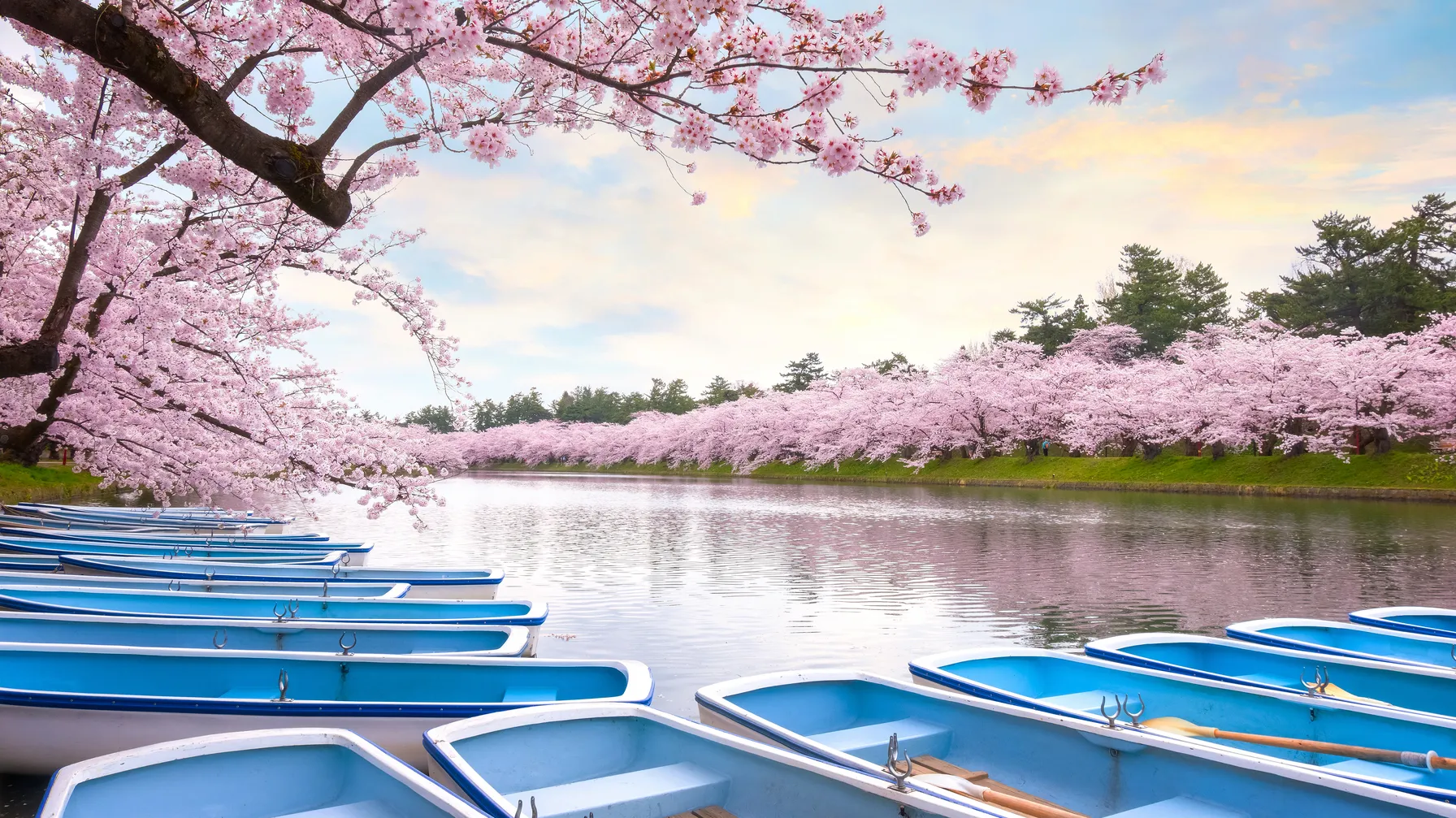
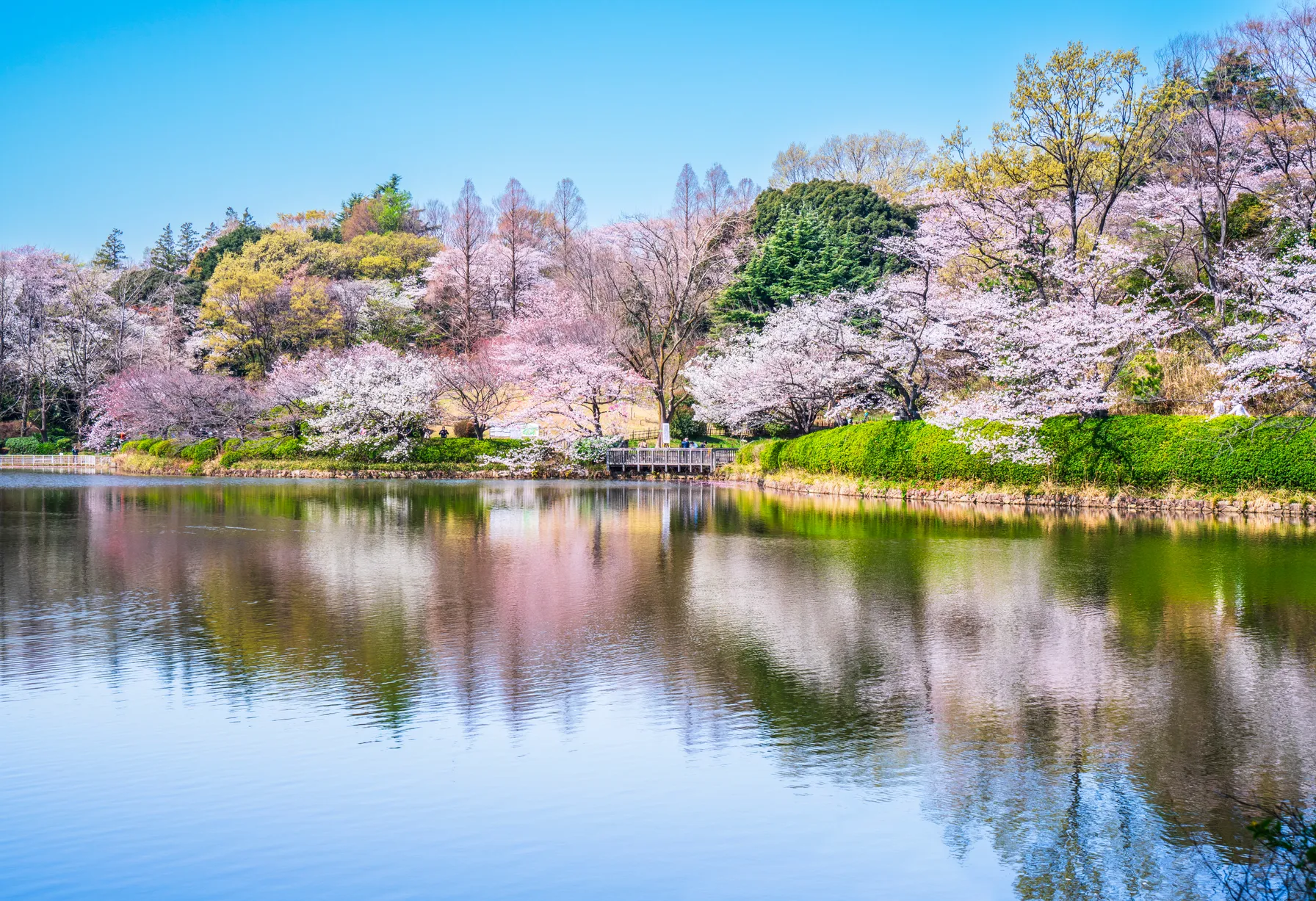
Late March traditionally marks the start of the cherry blossom season in the warmest regions of the archipelago. This eagerly awaited period transforms the country into a stunning natural spectacle. In Tokyo, the first sakura usually bloom around March 20th, creating a tangible excitement throughout the capital.
Iconic parks like Shinjuku Gyoen Garden and Ueno Park are adorned with pink and white hues, attracting locals and visitors for hanami, the ancient tradition of contemplating and celebrating cherry blossoms. The atmosphere during these moments of family and friendly sharing reveals a deeply human facet of Japanese culture.
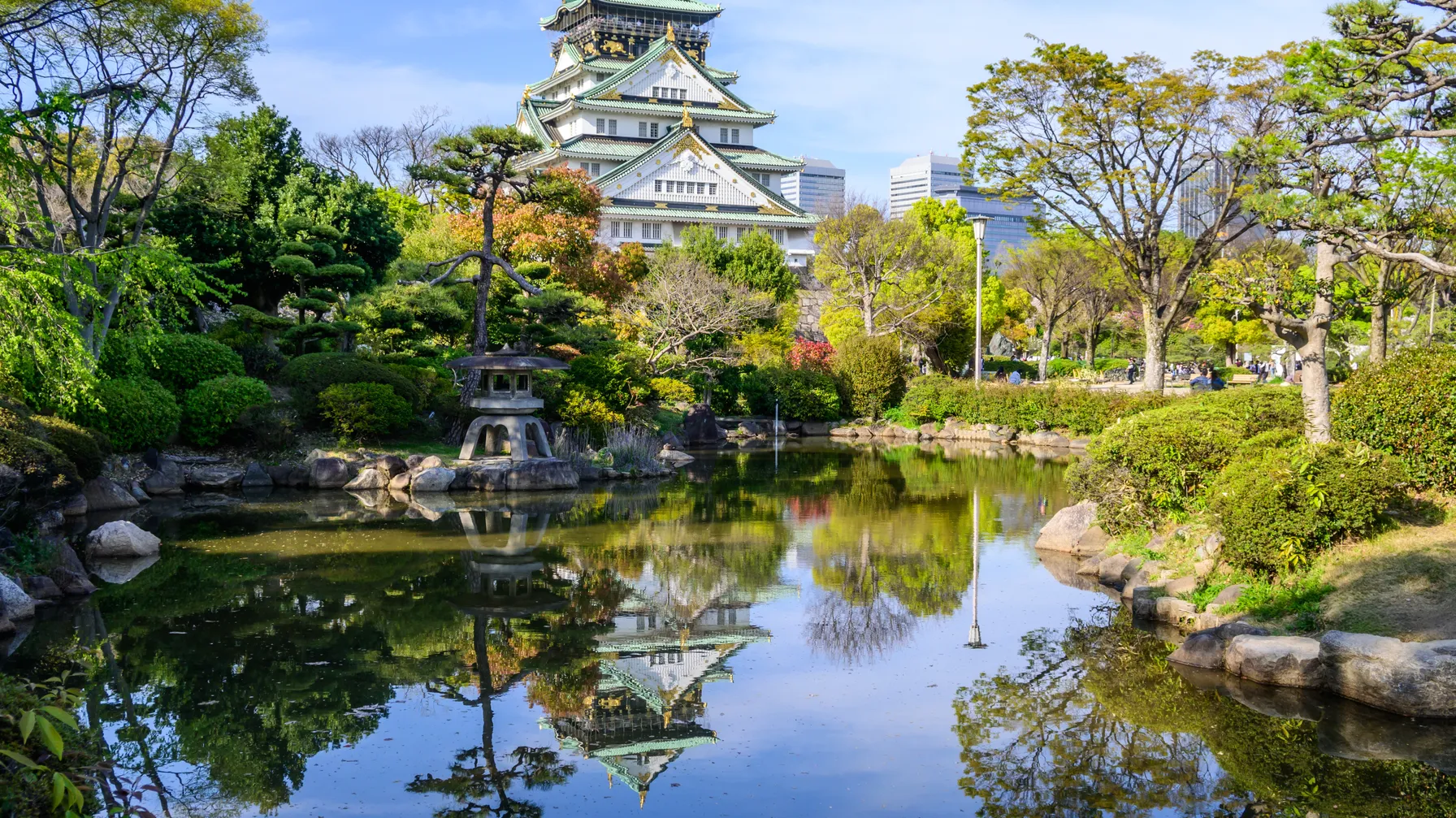
Kyoto, the ancient imperial capital, provides an exceptional setting to admire this flowering. The Heian Shrine and Maruyama Park are preferred locations where traditional architecture enhances the ephemeral beauty of the cherry blossoms. Each temple and garden reveals its own personality, creating scenes of unparalleled poetry.
Discover traditional festivals of the month
March marks the beginning of a series of traditional celebrations that punctuate the Japanese cultural calendar. On March 3rd, the Hinamatsuri, or Girls' Day, transforms homes, temples, and shrines into precious showcases where beautiful dolls representing the ancient imperial court are displayed. This age-old tradition gives travelers a touching glimpse into the importance placed on childhood in Japanese society.
On March 14, White Day responds to the Japanese Valentine's Day in a festive atmosphere where men give gifts to women. This contemporary custom illustrates the evolution of Japanese traditions and their adaptation to modern influences.
Traditional sport enthusiasts can attend the grand sumo tournament in Osaka, which takes place over two weeks. These ritualized fights, imbued with Shinto spirituality, are a fascinating display where physical strength and adherence to ancient codes are harmoniously blended.
In Nara, the ancient Nigatsu-do temple of the Todai-ji complex hosts the Omizutori festival from March 1st to 14th. The nocturnal processions of monks carrying huge flaming torches create a mystically intense atmosphere, peaking during the ceremony on March 12th.
Enjoy the last snows in the Japanese Alps
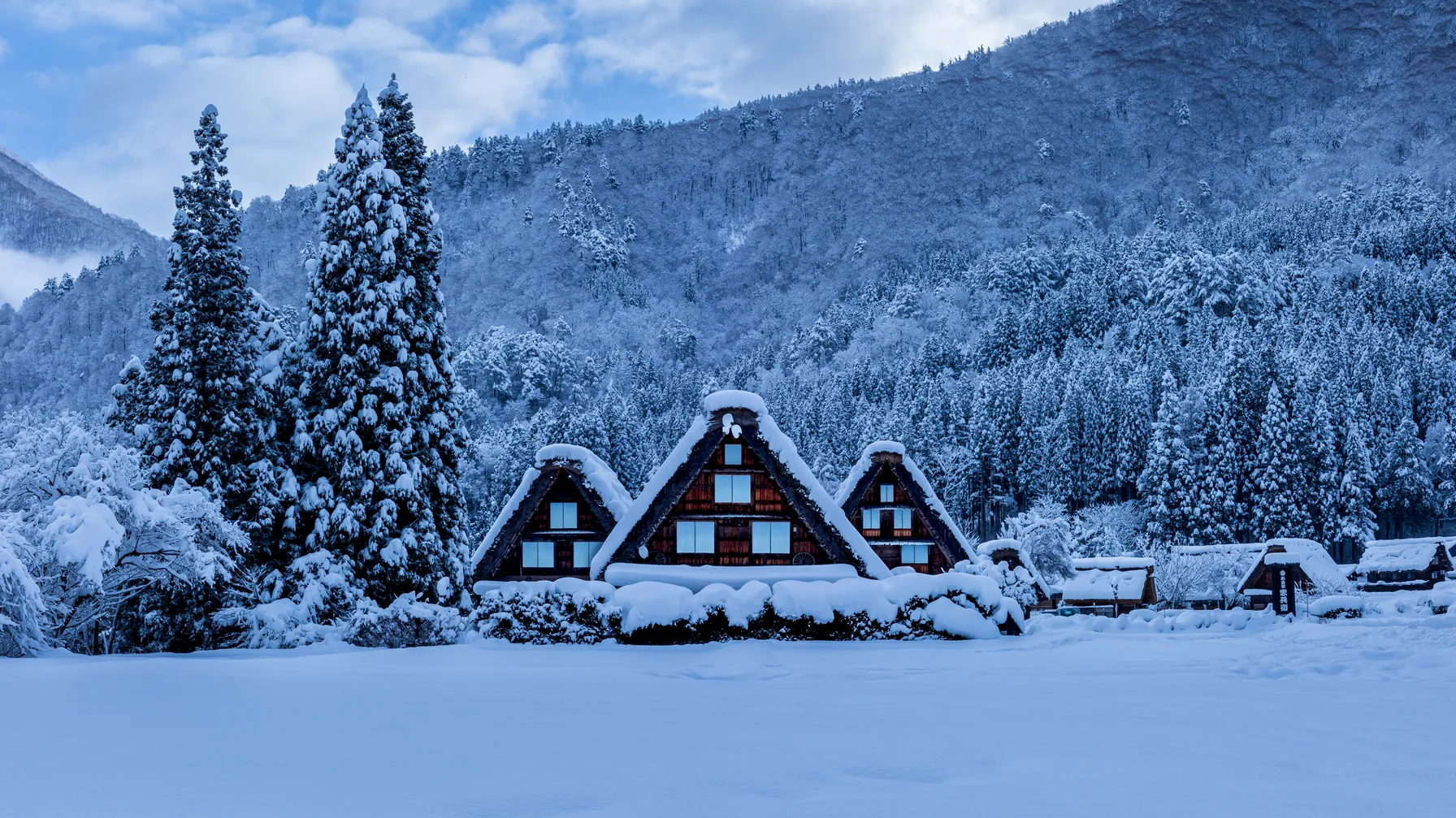
Contrary to popular belief, March still allows for full enjoyment of winter sports in certain regions of Japan. The resorts of the Japanese Alps and Hokkaido offer excellent snow conditions, often superior to those of previous months thanks to denser and more stable spring snow.
Niseko, on the island of Hokkaido, remains a favored destination for spring skiing. The exceptional quality of Japanese powder snow, combined with milder temperatures and generous sunshine, creates ideal conditions for winter sports. The slopes are also less crowded than in mid-winter, allowing for full enjoyment of the descents.
The natural hot springs, true treasures of Japanese heritage, take on a special dimension this season. Relaxing in an onsen while contemplating the last snowy landscapes provides a unique sensory experience, where the contrast between the heat of the thermal waters and the freshness of the spring air delivers an unparalleled sense of well-being.
Book your tailor-made trip to Japan in March now
How to properly prepare for your trip to Japan in March?
Meticulous preparation is essential to make the most of your stay in Japan in March, when climatic variability and increasing crowds require thoughtful organization.
Packing for a changing climate
The variability of March's weather requires a wardrobe adapted to the changing conditions you will encounter. The layering system proves to be the most effective strategy: anticipate a waterproof coat for spring showers, sweaters or cardigans for cool evenings, and lighter outfits for sunny days.
Footwear deserves special attention given potentially wet surfaces and long urban walks. A pair of waterproof, comfortable walking shoes is essential, ideally complemented by a second pair in case of prolonged bad weather.
Do not forget to bring:
- A compact or clear umbrella (easily available in Japan);
- A lightweight blanket for picnics under the cherry trees;
- A handy backpack to carry your purchases and snacks;
- Extra batteries and memory cards to capture the blooming.
Anticipate the crowds during cherry blossom season
The approach of cherry blossom season generates a significant increase in tourist attendance, particularly noticeable from the end of March. This growing popularity directly influences the prices of accommodations and the availability of restaurants in major tourist areas.
Booking your accommodation several weeks in advance becomes essential, especially in neighborhoods close to the most renowned hanami sites. Establishments offering views of cherry trees or located near famous parks quickly fill up and apply increased rates.
Planning your cultural visits also deserves special attention. The temples and gardens of Kyoto, already very popular in normal times, experience exceptional crowds during this period. Opting for morning or late afternoon visits helps avoid the crowds while enjoying ideal light for photography.
Contact us to organize your stay and avoid the inconveniences of crowding
Is March a good time to travel to Japan?
This question deserves a nuanced answer depending on your expectations and traveler profile, as March offers undeniable advantages but also some constraints to consider.
The benefits of a stay in Japan in March
March is a particularly favorable time to discover authentic Japan. The gradual awakening of spring creates a unique atmosphere where nature and culture harmoniously interact. You will have the chance to witness the first moments of the cherry blossoms, a magical time when the entire country mobilizes to celebrate the ephemeral beauty of nature.
This period also offers the advantage of more clement weather conditions than in winter, while avoiding the intense heat and stifling humidity of the summer. Temperatures allow for long days of discovery without the discomfort of seasonal extremes.
The cultural aspect takes on a special dimension in March with the many traditional festivals that punctuate the month. These authentic celebrations offer a privileged immersion into Japanese traditions, far from standardized tourist events.
For families, March has the advantage of coinciding with French school holidays, making travel planning easier. Children can thus discover the cultural richness of Japan under weather conditions favorable for exploration.
Other periods according to your travel expectations
If your priority concerns tranquility and favorable rates, the months of January and February offer an interesting alternative with less tourist attendance and more accessible prices. These periods are particularly suitable for winter sports enthusiasts and travelers seeking a more intimate atmosphere.
For an optimal experience of cherry blossom season without the constraints of high attendance, April in the more northern regions like the Japanese Alps or May in Hokkaido allows you to enjoy the cherry blossoms in a more serene setting.
Hiking enthusiasts and outdoor activity lovers will find ideal conditions in May and June with a stable climate and verdant landscapes. This period precedes the intense summer heat while offering a lush nature.
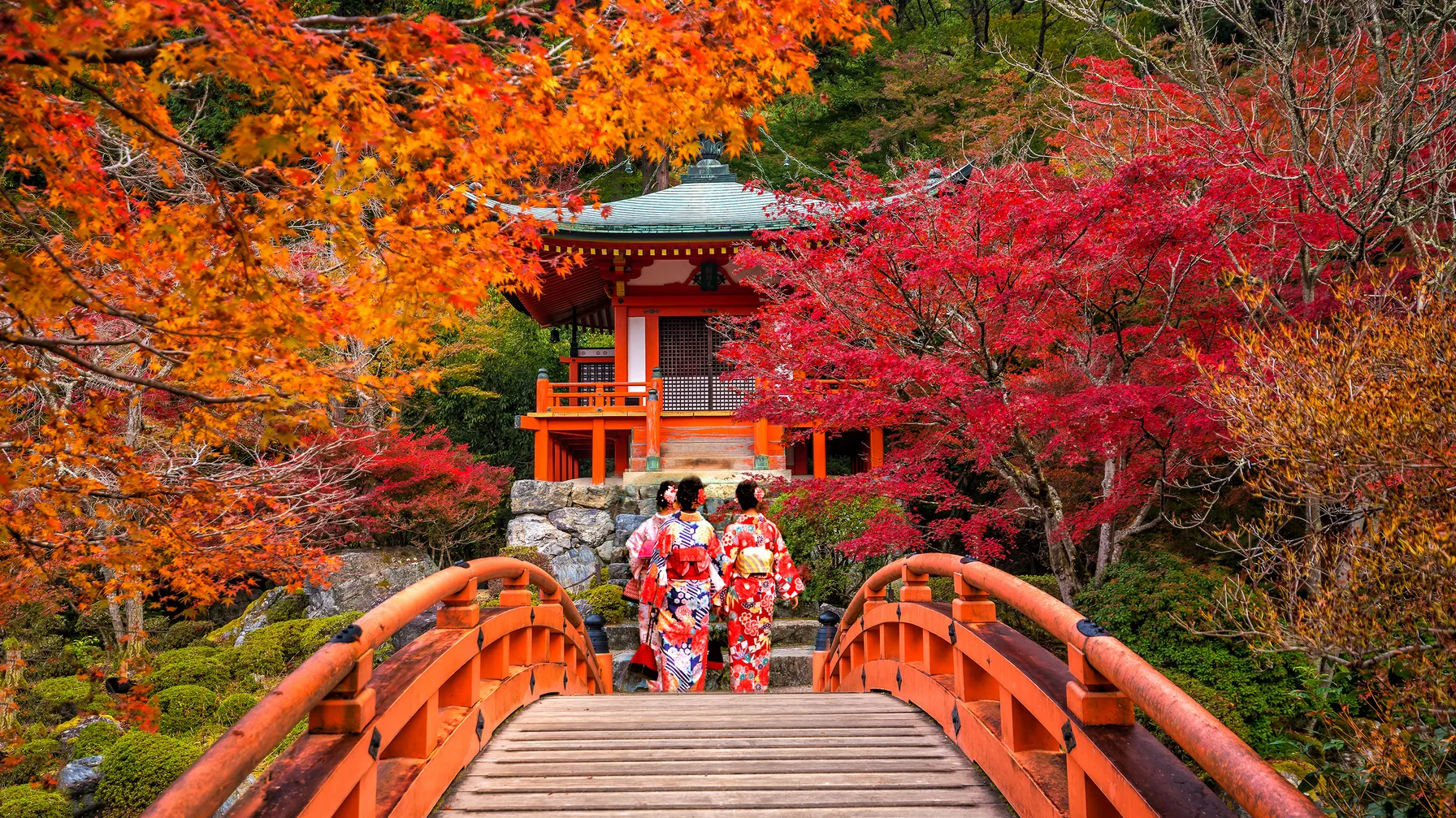
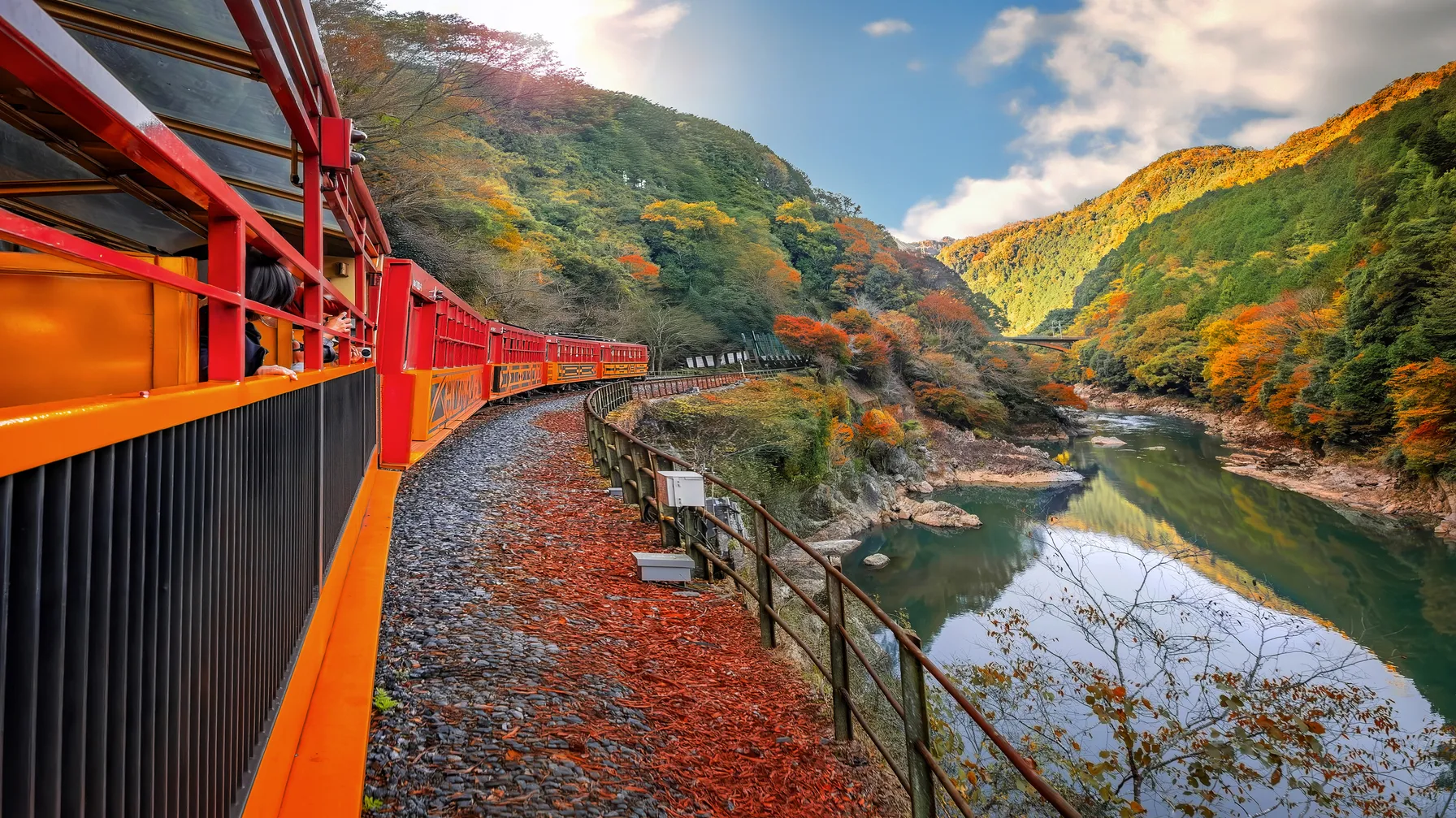
Autumn, from October to November, competes with spring for the beauty of the landscapes with the flamboyant colors of the maples. This season offers the advantage of a dry and stable climate, ideal for cultural discovery and outdoor activities.
Your choice will ultimately depend on your priorities: cultural authenticity and early cherry blossoms in March, tranquility and winter sports in the winter, or autumnal beauty and optimal climate at the end of the year. Each season reveals a different facet of Japan, a country with a thousand faces that is sure to charm you no matter the period chosen for your discovery.