Traveling to Japan in September: a complete guide for an authentic experience
What weather can you expect in Japan in September?
Understanding the Japanese climate during this transitional period is the key to a successful trip. September in Japan is characterized by constantly changing weather, offering varied conditions depending on the regions and weeks.
Temperatures and weather conditions by region
Temperatures in September generally range between 20°C and 30°C across most of the archipelago. Tokyo displays maximums around 27°C at the beginning of the month, while Osaka and Kyoto can reach 29°C. Humidity is still marked, especially during the first half, creating a muggy heat sensation reminiscent of the Japanese summer.
The north of Japan already offers a milder climate. Hokkaido enjoys cooler temperatures, with highs around 22°C, and the humidity becomes much more bearable. This region is an excellent alternative for travelers looking to escape the persistent heat of the center and south of the country.
The southern regions like Kyushu retain a pronounced summer character, with temperatures that can exceed 30°C and a high humidity level. Hiroshima and the coastal cities of Kansai also maintain warm and humid conditions, requiring appropriate clothing preparation.
| Region | Average Temperature | Humidity | Precipitation |
|---|---|---|---|
| Tokyo | 23-27°C | 70-80% | 180mm |
| Kyoto | 22-28°C | 75-85% | 160mm |
| Osaka | 24-29°C | 70-80% | 140mm |
| Hokkaido | 15-22°C | 60-70% | 120mm |
Understanding and Managing Typhoon Season
September traditionally marks the peak of the typhoon season in Japan, generally extending from May to October. While these weather phenomena are impressive, they should not discourage you from traveling during this period. On average, the archipelago experiences two to three typhoons per year, and their impact on your stay is generally limited to a few days.
Typhoons follow predictable paths, allowing Japanese authorities to anticipate their arrival accurately. Transport systems, remarkably efficient, adapt by temporarily suspending services as a precaution. This exemplary organization ensures your safety while minimizing inconveniences.
In the city, the impact of a typhoon often boils down to an indoor day, which you can use to explore shopping malls, museums, or covered districts. Japanese infrastructure, designed to withstand these events, ensures your comfort and safety.
The evolution of the climate over the month
The second half of September marks a significant climatic turning point. Temperatures begin to drop gradually, humidity significantly decreases, and evenings become cooler. This evolution creates more pleasant conditions for urban exploration and outdoor activities.
The days also get shorter, with sunset around 5:30 PM at the end of the month, versus 6:30 PM at the beginning of September. This gentle transition allows you to appreciate the magnificent golden lights of the nascent autumn, particularly photogenic in traditional gardens and historic temples.
Contact us for more information on the best times to travel
Demandez votre devis Japan sur-mesure 100% gratuit
 4.8
4.8+3.000 travelers satisfied
Japan's hidden treasures in September
This transition period reveals lesser-known facets of Japanese culture, away from the usual tourist frenzy. Your trip in September offers the opportunity to experience authentic encounters and discover ancient traditions in their most natural context.
Traditional festivals and must-see cultural events
September abounds with exceptional cultural events that reveal the deep soul of Japan. The Kishiwada Danjiri Festival near Osaka is one of the most striking spectacles in the archipelago. These massive floats, pulled at high speed through narrow streets, create an electrifying atmosphere where tradition and popular fervor blend harmoniously.
In Kyoto, the Kamigamo Shrine hosts the Karasu-zumo ceremony, a sumo tournament reserved for children that perpetuates ancient traditions. This unique event allows you to witness ritual gestures in their purest form, away from the commercialized major tournaments.
The Owara Kaze no Bon Festival in Toyama offers a strikingly beautiful spectacle. Hundreds of masked dancers move through traditional alleys to the sounds of enchanting melodies, creating a mystical atmosphere that transcends time. This rare experience immerses you in the most refined Japanese aesthetic.
The following events deserve your particular attention:
- Reitaisai at the Tsurugaoka Hachimangu Shrine in Kamakura, with its horseback archery demonstrations;
- Aizu Matsuri in Fukushima, reenacting historical samurai processions;
- International Manga Festival in Kyoto, celebrating contemporary pop culture.
Early autumn splendors and nature activities
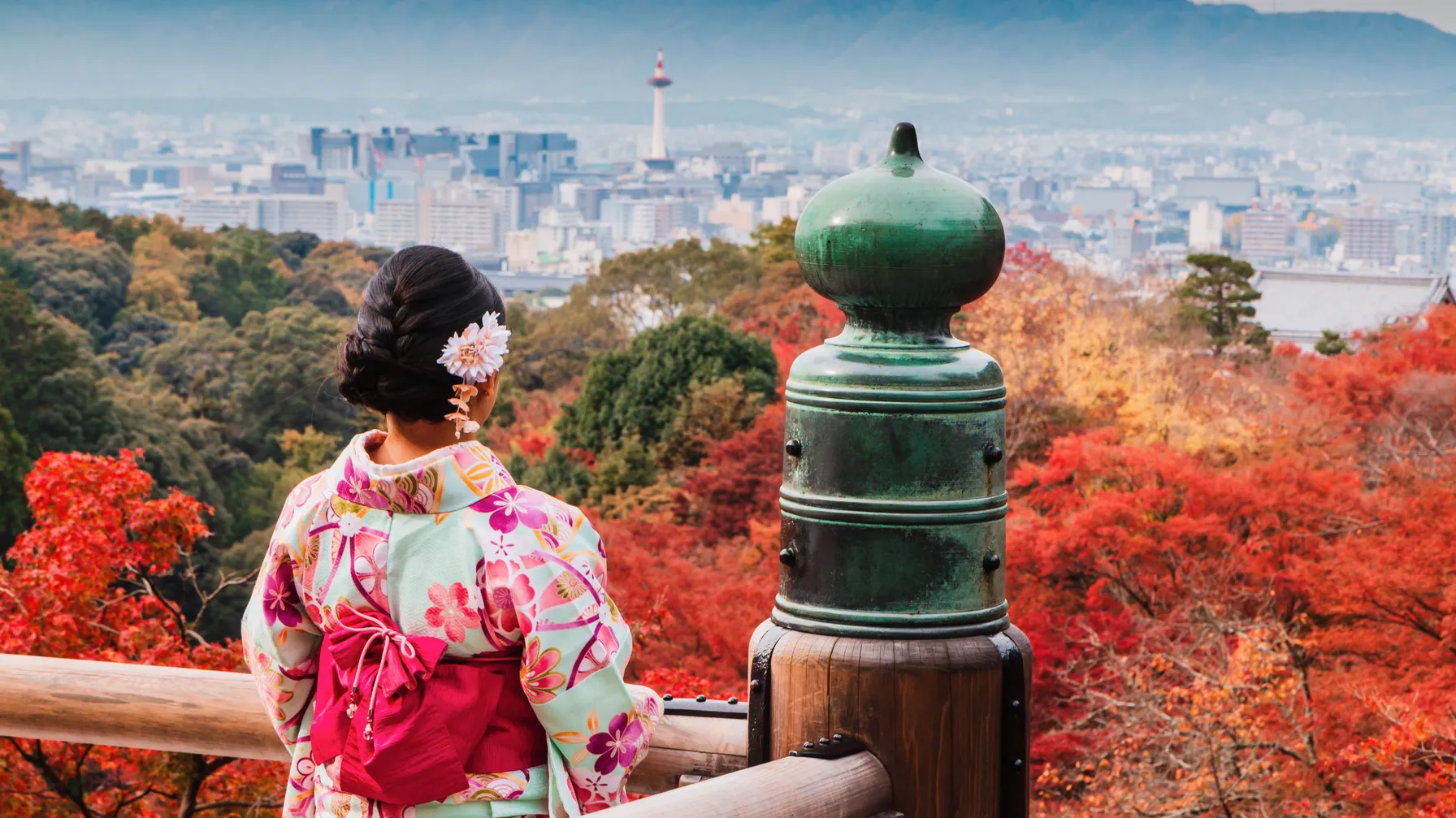
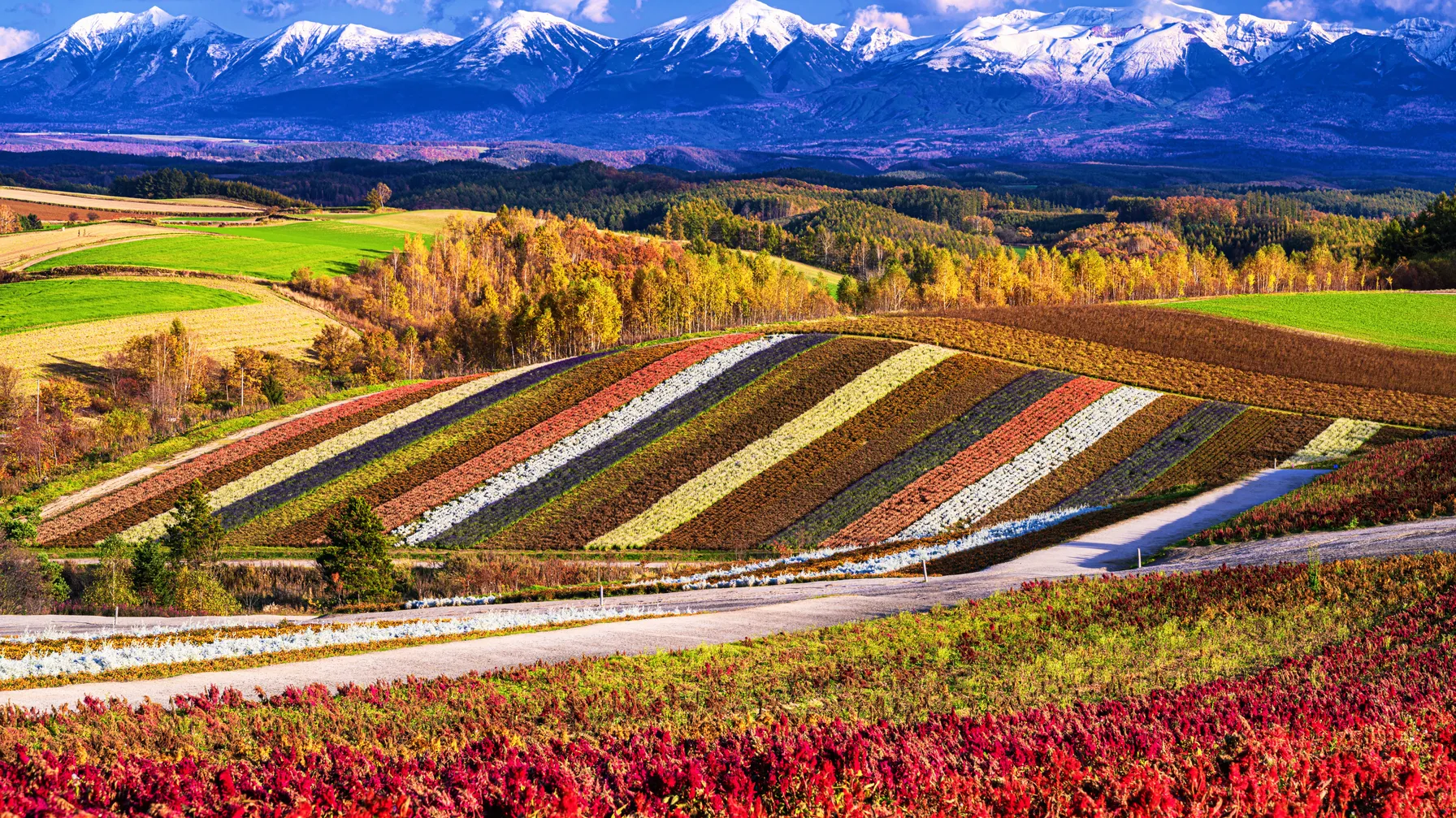
September tentatively inaugurates the koyo season, those autumnal colors that set Japanese landscapes ablaze. Hokkaido leads the way in the first week, especially in Daisetsuzan National Park where the maples begin their chromatic transformation.
Mount Fuji still welcomes you for its last ascents of the season, often offering ideal weather conditions with exceptional visibility. This unique spiritual experience allows you to admire the archipelago from its highest point, in a more serene atmosphere than during the busy summer season.
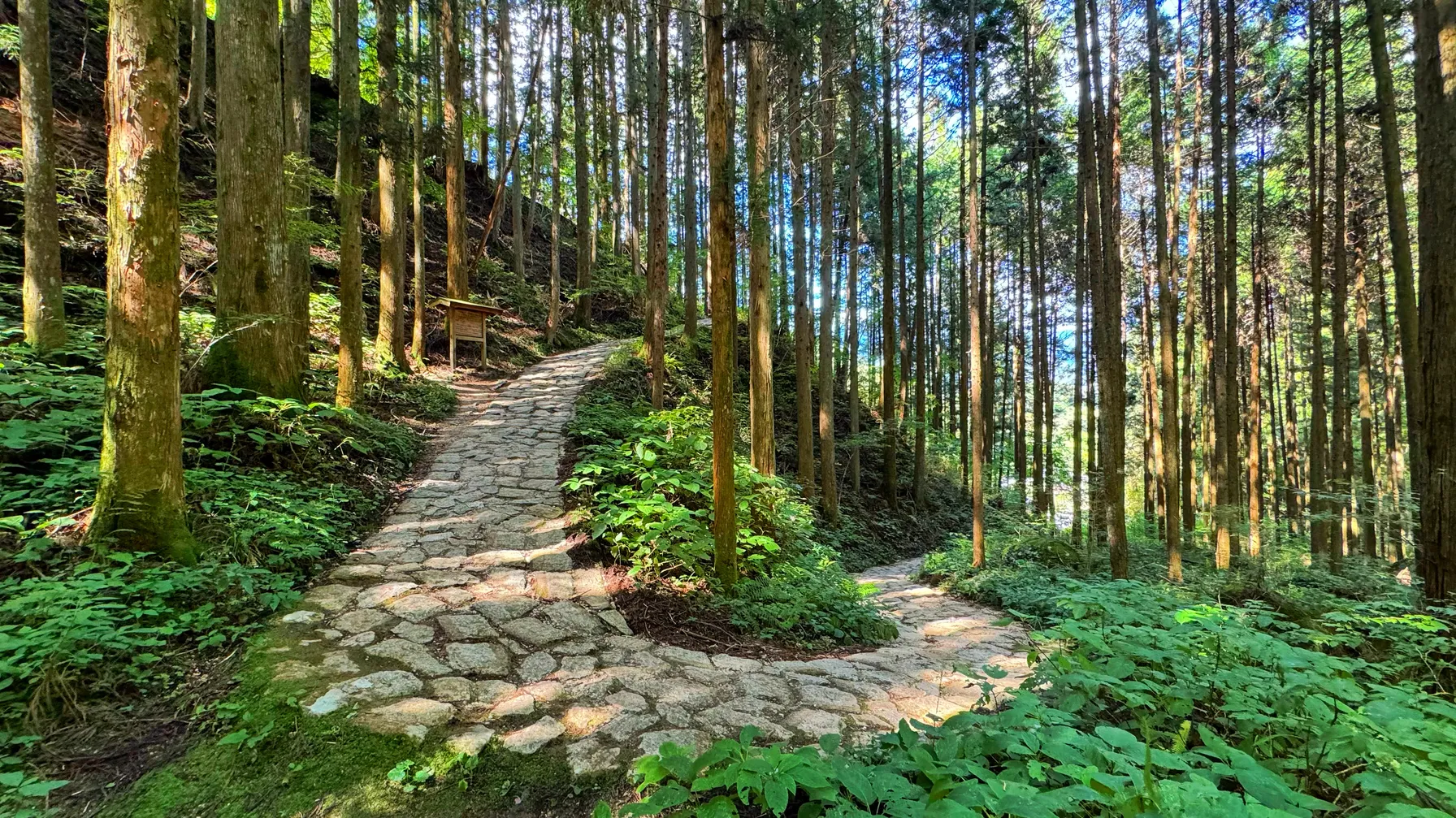
Hiking in the Japanese Alps reveals landscapes of striking beauty. The less frequented trails offer a rare intimacy with Japanese nature, punctuated by botanical discoveries and breathtaking panoramas. The first cool mornings create mystical atmospheres with the morning mists enveloping valleys and peaks.
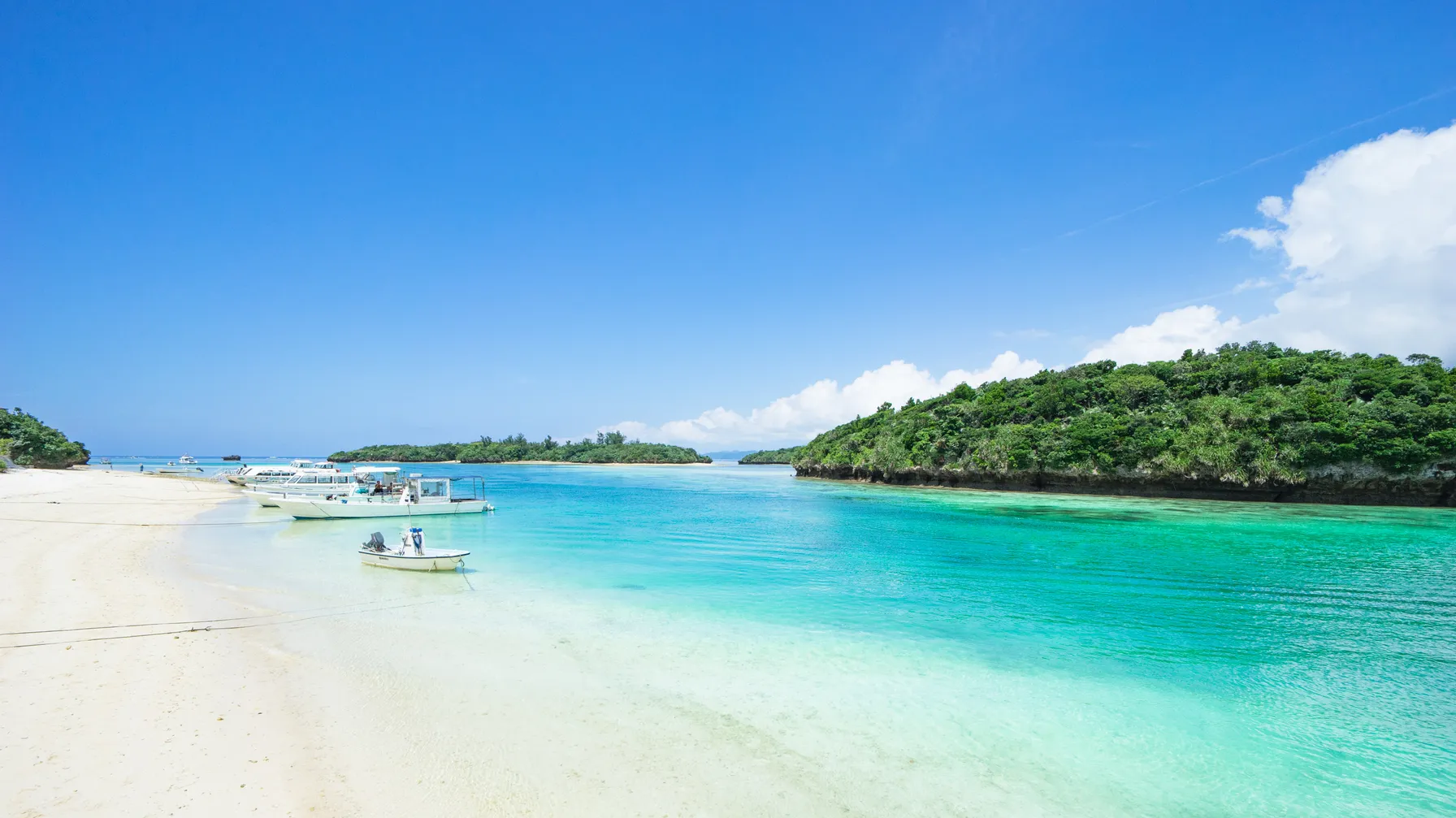
The Japanese coasts still maintain their summer appeal. The beaches of Okinawa and the Izu Peninsula enjoy reduced attendance while maintaining pleasant water temperatures. This period allows you to enjoy a preserved maritime environment, ideal for diving and water sports.
Traditional sports and authentic experiences
The September sumo tournament in Tokyo is one of the most authentic sporting events in the Japanese calendar. This major tournament takes place at the Ryogoku Kokugikan in an electrifying atmosphere, blending popular fervor and respect for age-old traditions. The experience surpasses mere sports spectacle to become a deep cultural immersion.
Japanese baseball is in full swing during this period, offering a modern and exciting alternative. The stadiums in Tokyo and Osaka pulse to the rhythm of organized cheers from fans, creating a unique atmosphere that reveals a contemporary side of Japanese culture.
Traditional martial arts also find their expression during this period. Demonstrations in temples and shrines allow you to observe the millennia-old transmission of these disciplines, in authentic settings imbued with spirituality.
Book your trip to Japan now
September in Japan: Who is this period suitable for?
This transition season appeals to specific travelers seeking an authentic Japanese experience off the beaten path. Understanding the nuances of this period allows you to optimize your stay according to your expectations and traveler profile.
Benefits of Traveling Off Tourist Season
September reveals a more accessible and authentic Japan. Tourist sites regain their natural serenity, allowing you to fully appreciate their beauty without the pressure of crowds. This relative tranquility transforms your experience, particularly in iconic places like the Fushimi Inari Temple in Kyoto or the gardens of the Imperial Palace in Tokyo.
Lodging becomes more affordable and available. Traditional ryokan, often fully booked during peak periods, offer their services with particular attention. This availability allows you to stay in exceptional establishments, benefiting from personalized service that honors Japanese hospitality.
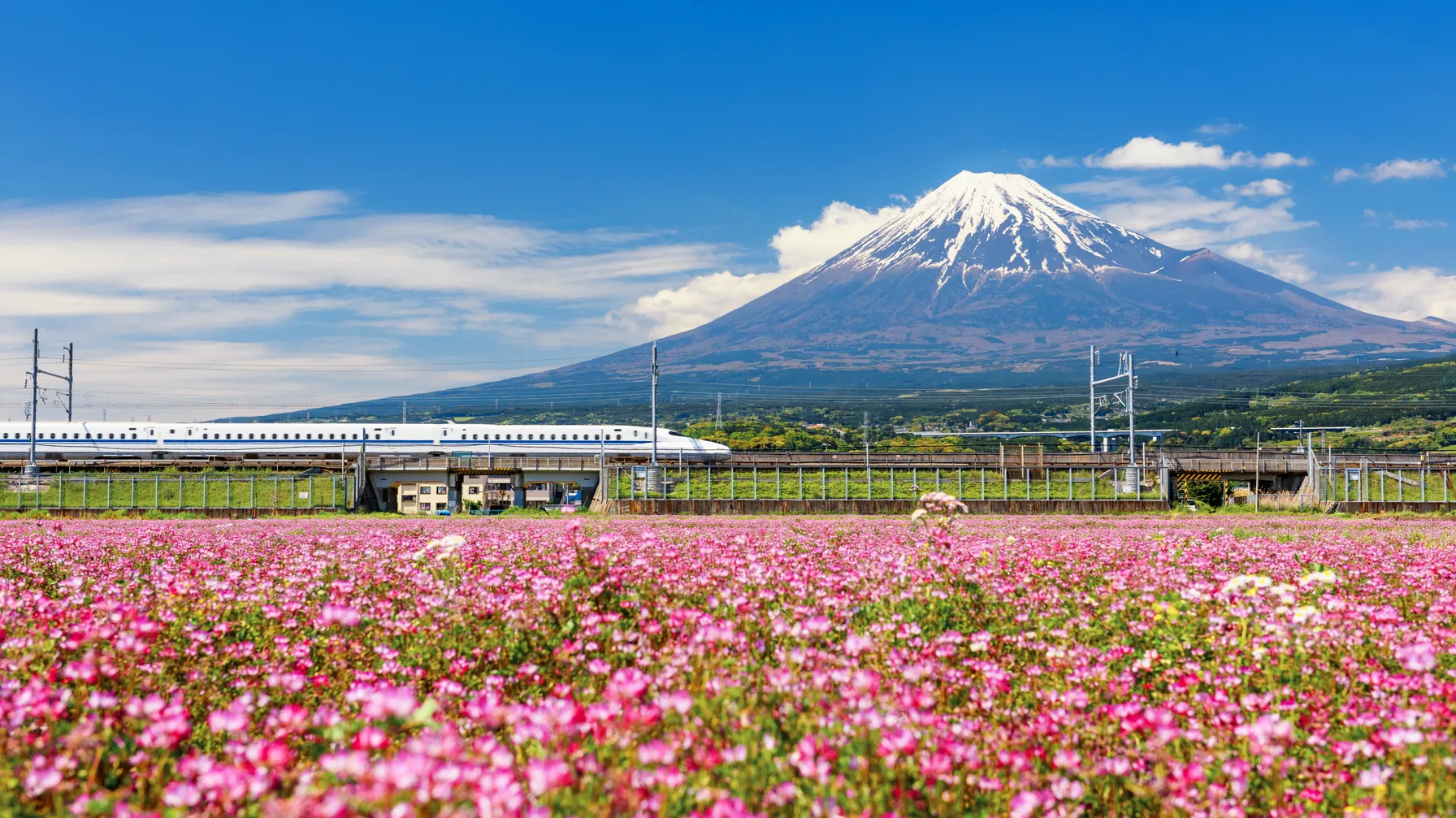
Transportation returns to its usual flow. The famous shinkansen operates without the saturation of peak periods, ensuring comfort and punctuality. This regained efficiency facilitates your travel between different cities in your itinerary, optimizing your discovery time.
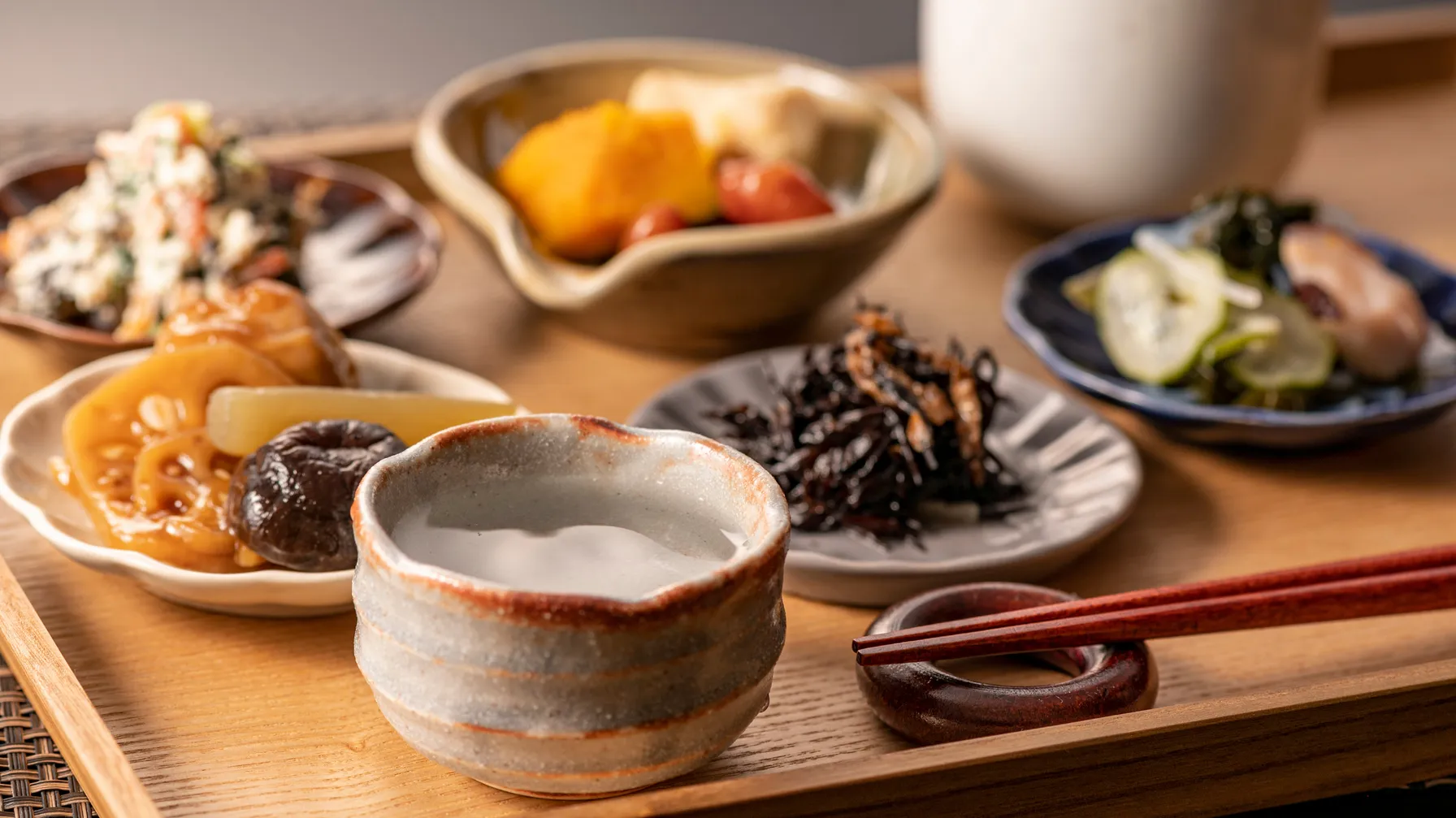
Local cuisine flourishes fully during this period. Restaurants offer their seasonal specialties without the rush of tourist seasons, allowing you to savor every detail of Japanese culinary art. Local markets abound with seasonal products, providing an authenticity that the busy periods can alter.
Practical Tips to Optimize Your Stay
Clothing preparation requires special attention. Plan for light clothing for still warm days, complemented by extra layers for cool evenings. A quality raincoat proves indispensable for occasional showers and a potential typhoon passage.
Flexibility is your best asset. Keep some leeway in your schedule to adapt to weather conditions. This flexibility allows you to fully enjoy unexpected opportunities while calmly managing weather constraints.
Travel insurance becomes particularly important during this period. Weather risks, although generally benign, can cause itinerary changes or flight delays. Adequate coverage ensures peace of mind and financial protection.
Here are the essential items to plan for:
- Breathable clothing and modular layers;
- Quality sun protection and umbrella;
- Comfortable, waterproof shoes;
- A complete first aid kit;
- Real-time weather and transport apps.
Alternatives if this period does not meet your expectations
If the climactic specifics of September don't suit your preferences, other periods offer equally enriching Japanese experiences. Late fall, from October to November, features ideal weather conditions with mild temperatures and generally clear skies.
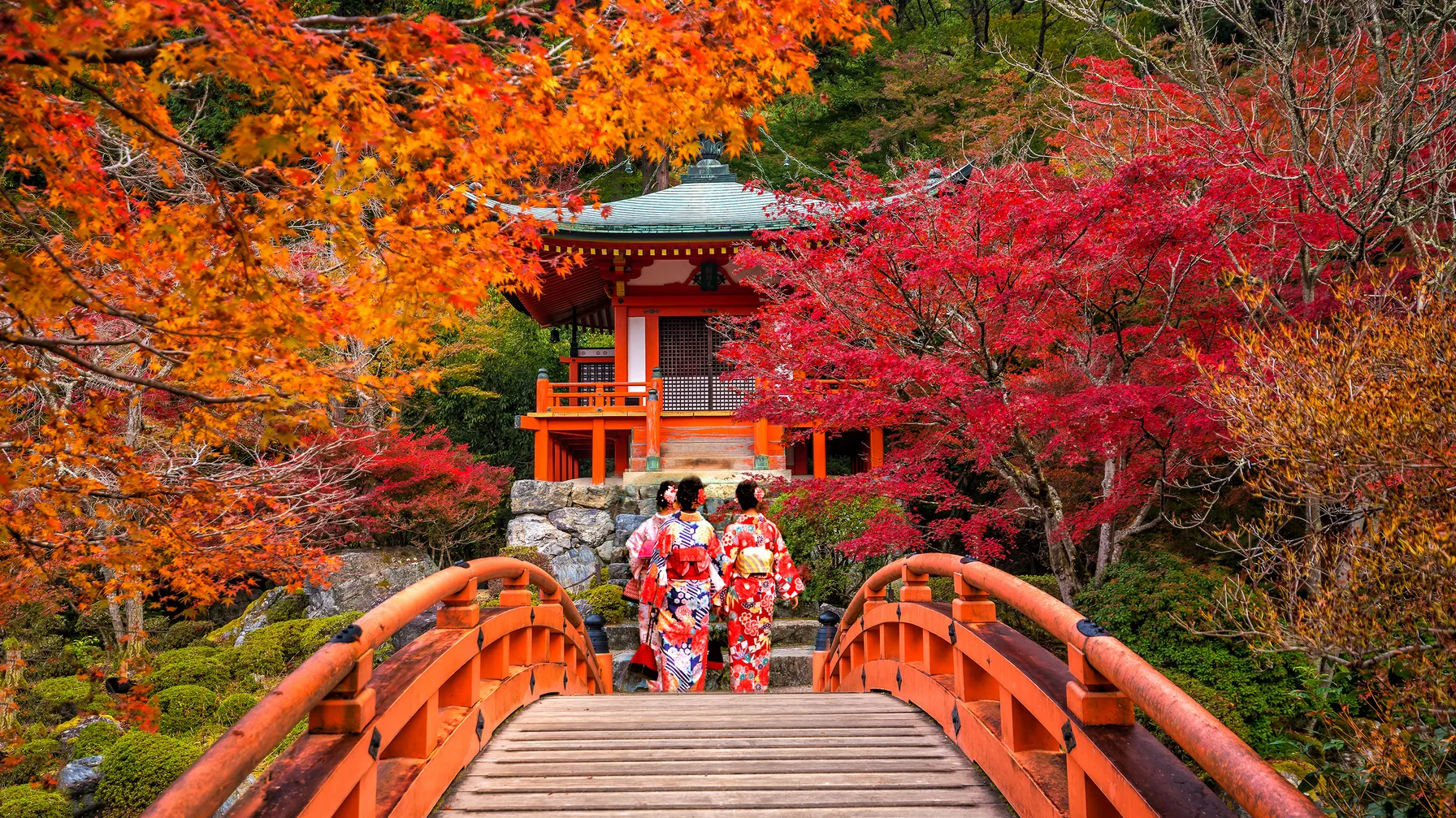
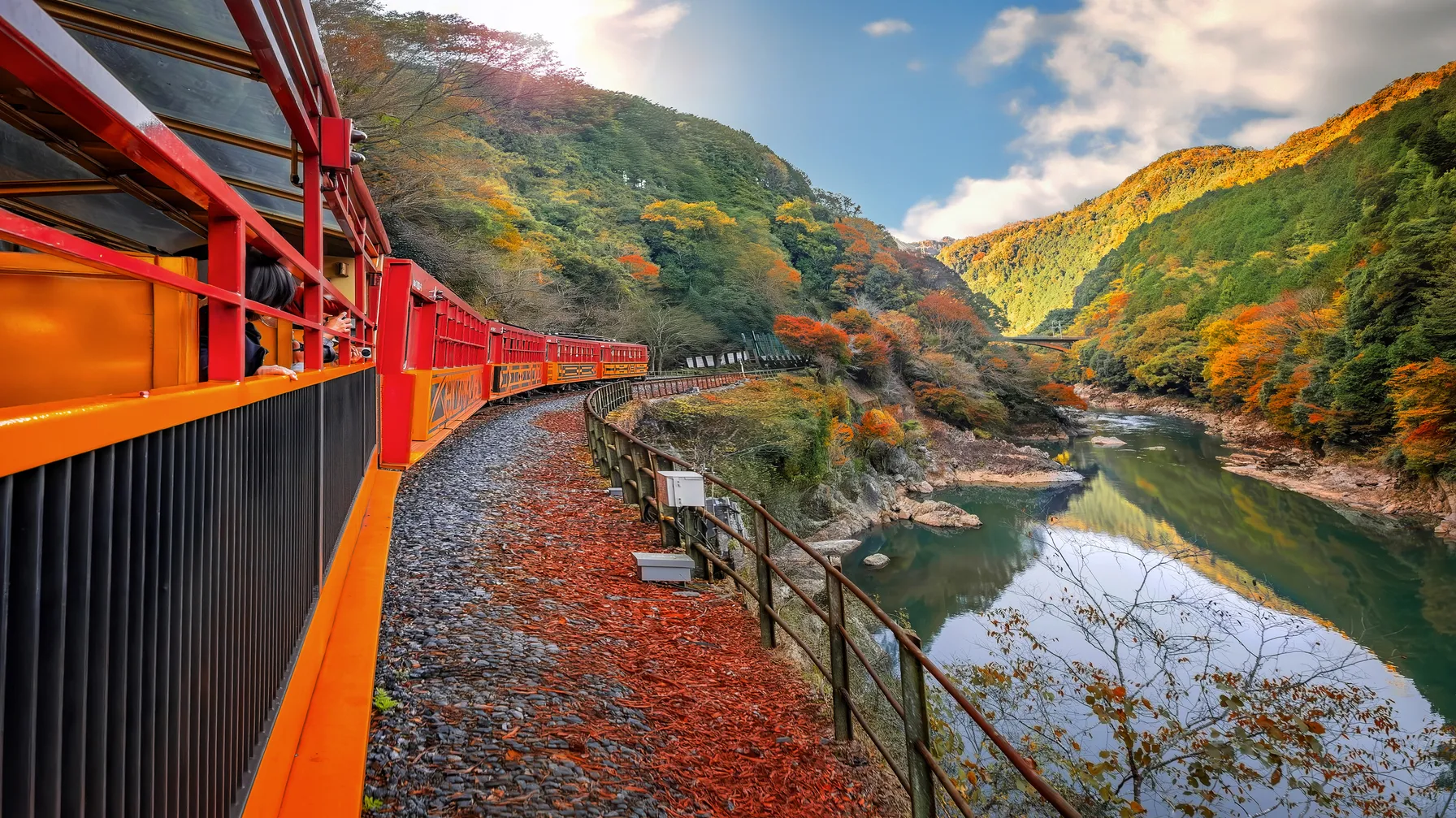
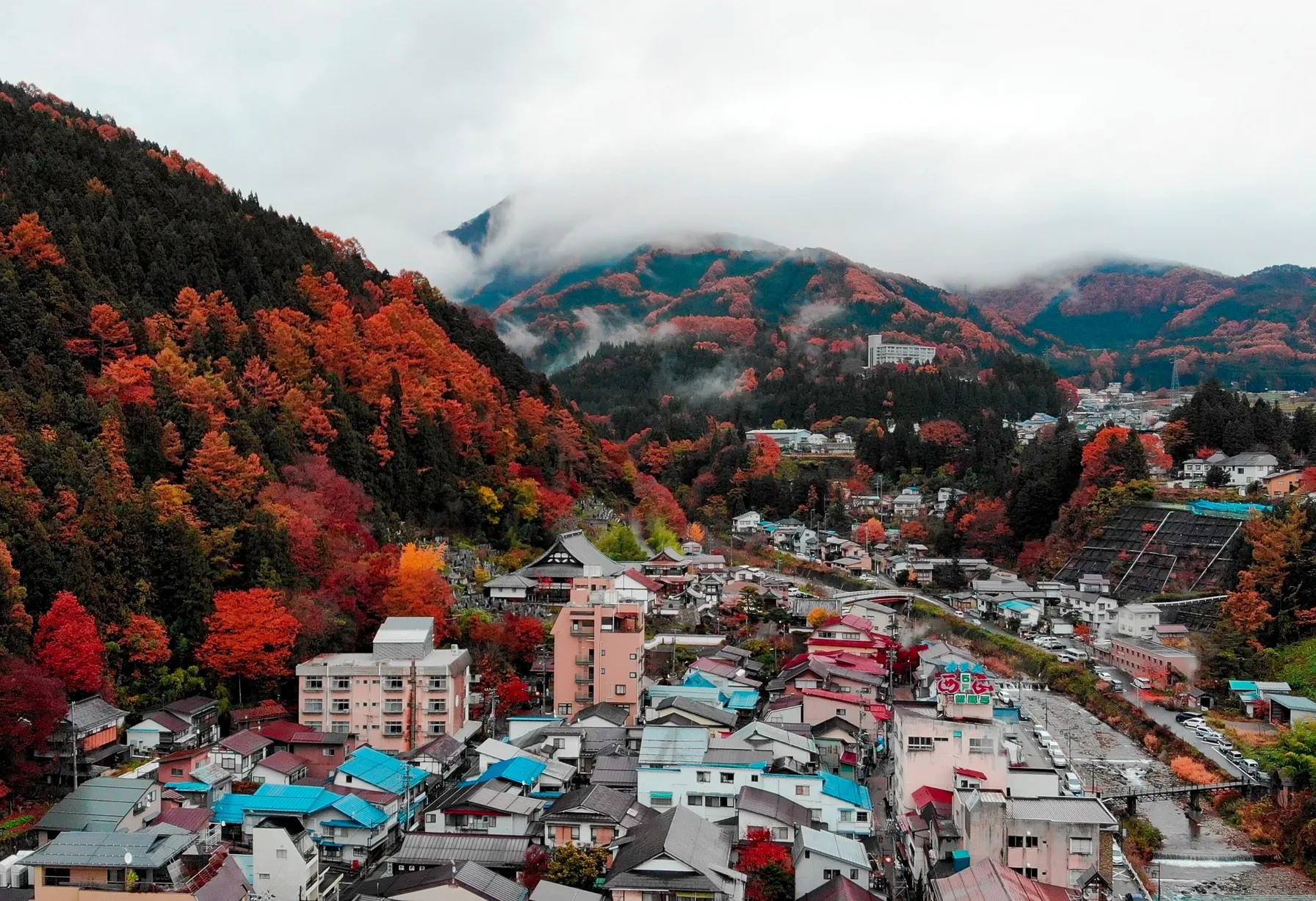
Late autumn reveals the splendors of koyo in all their magnificence. Japanese maple trees adorn the landscapes in red and gold, creating natural scenes of striking beauty. This period combines pleasant weather and exceptional natural spectacles, particularly appealing to photography and nature enthusiasts.
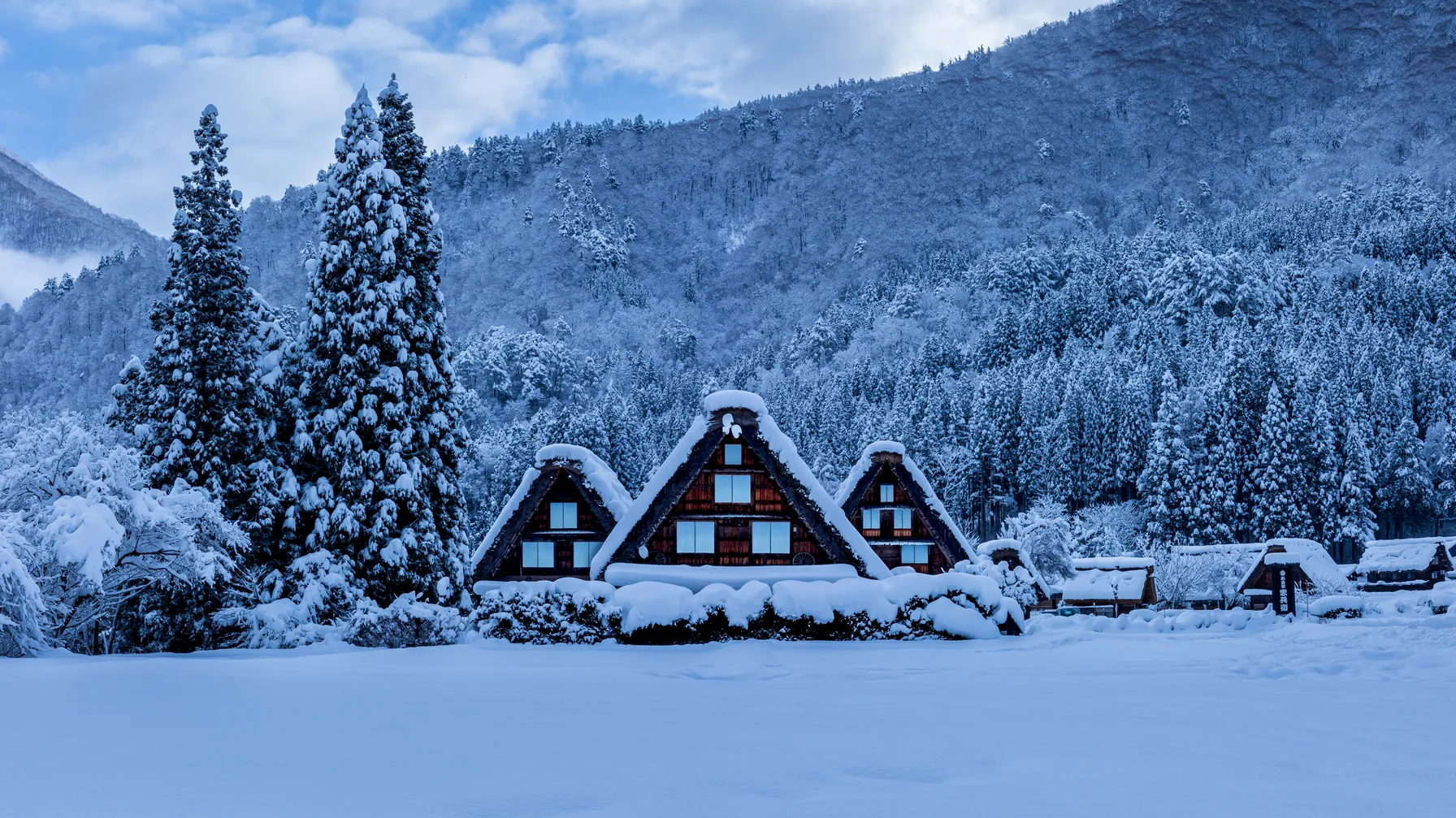
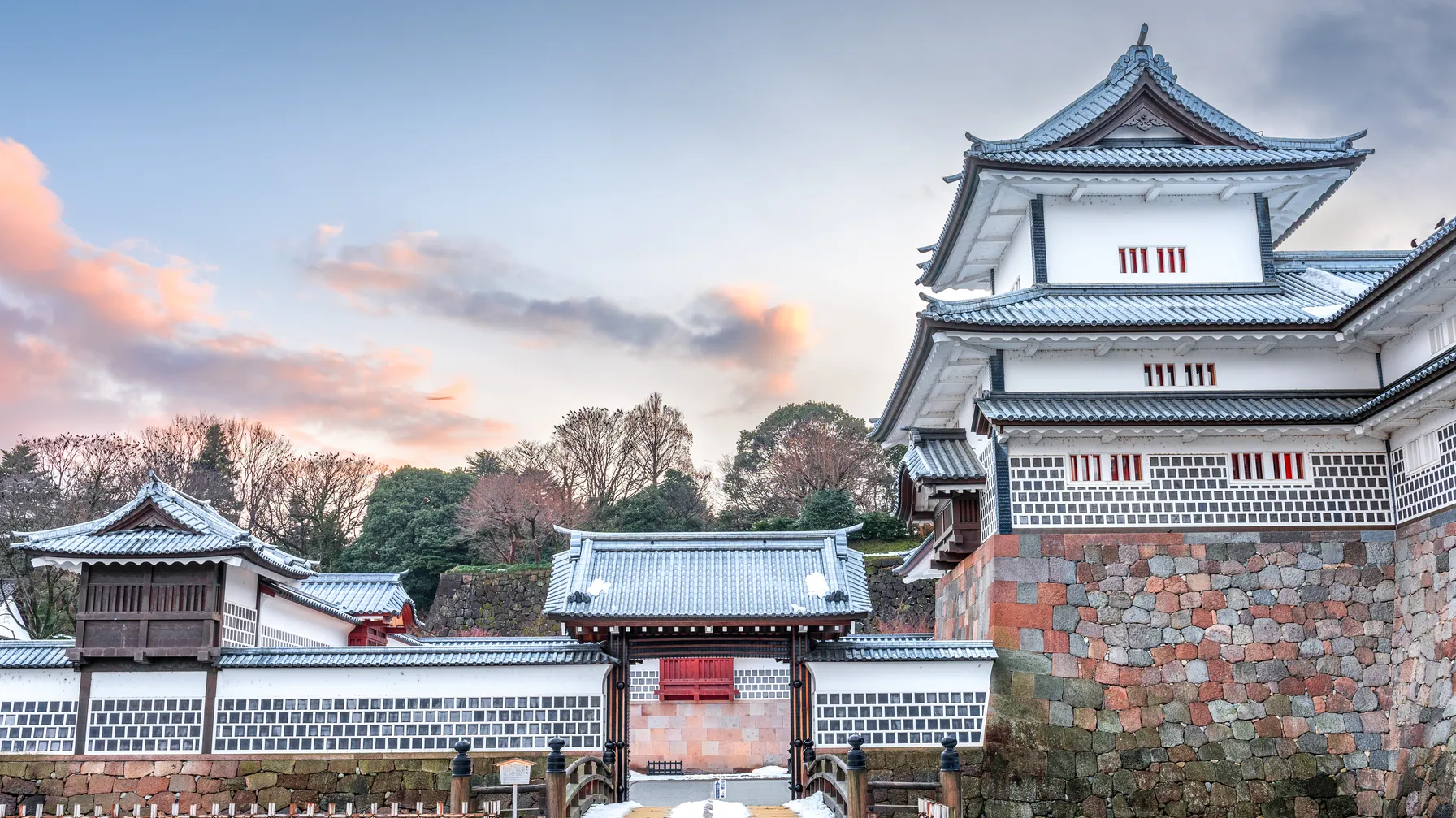
The Japanese winter, from December to February, caters to travelers seeking a unique experience. Snowy landscapes transform the archipelago into a magical setting, especially in mountainous regions. This season reveals a contemplative side of Japan, punctuated by the warmth of thermal baths and the intimacy of traditional ryokan.
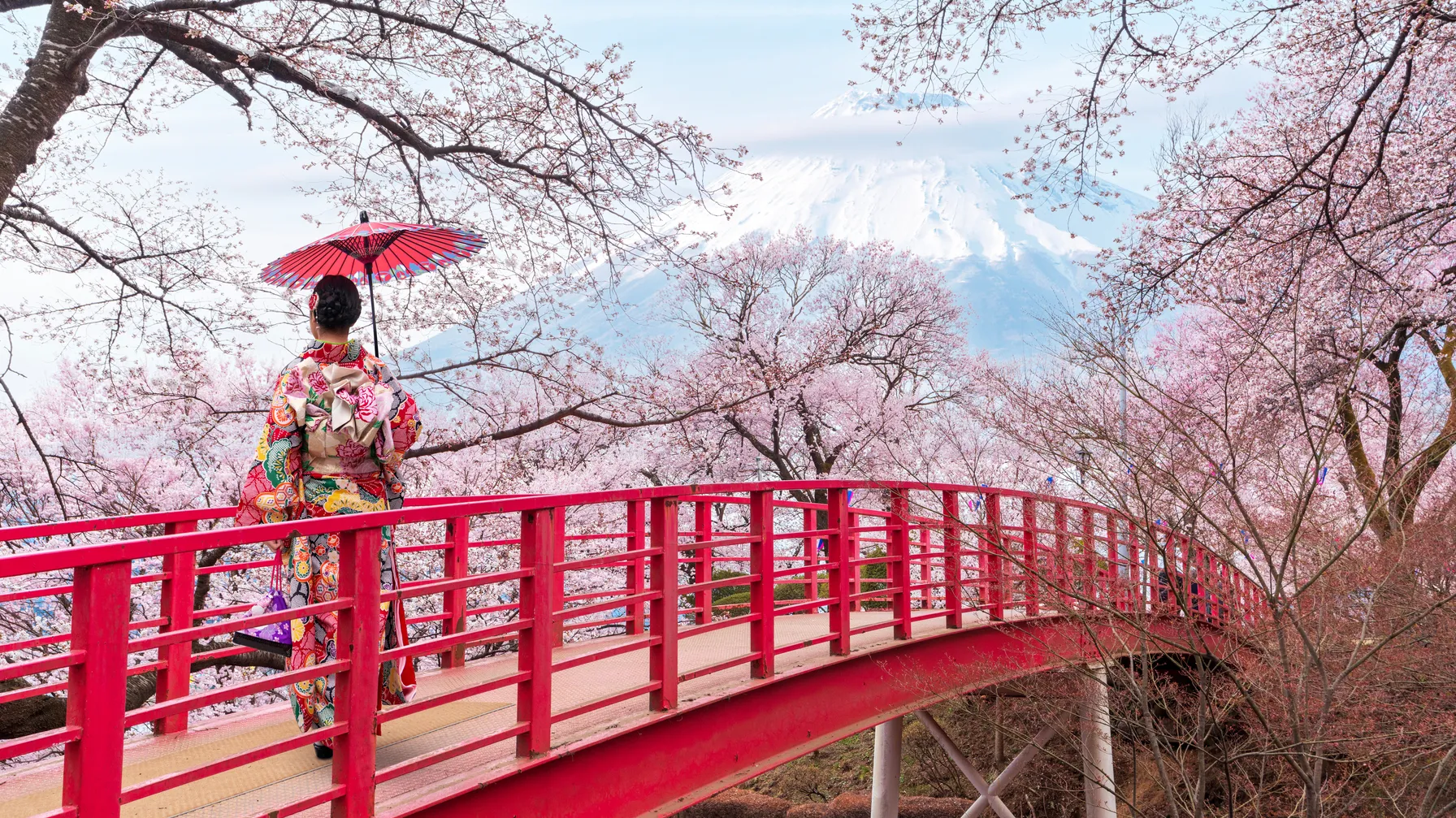
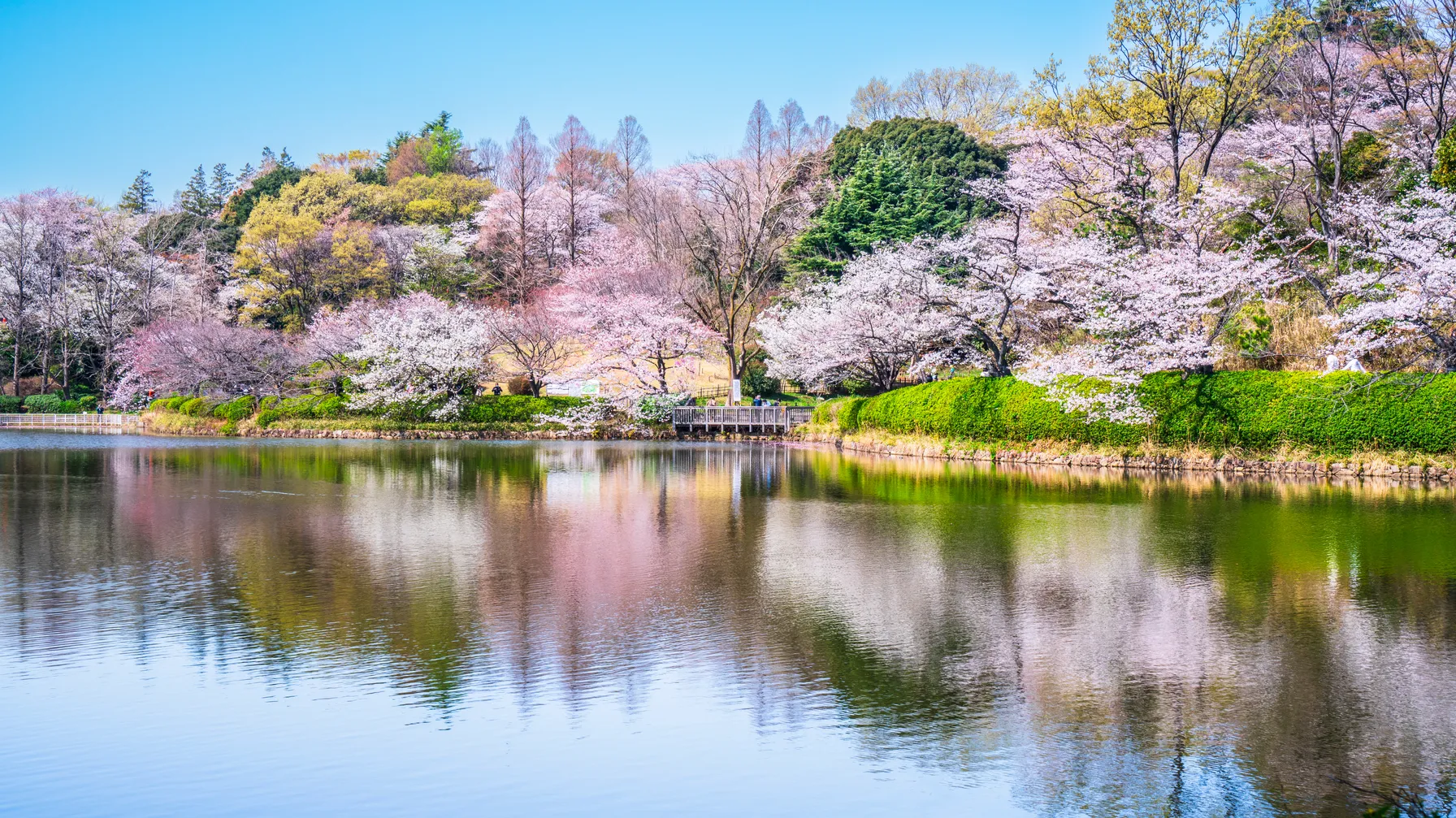
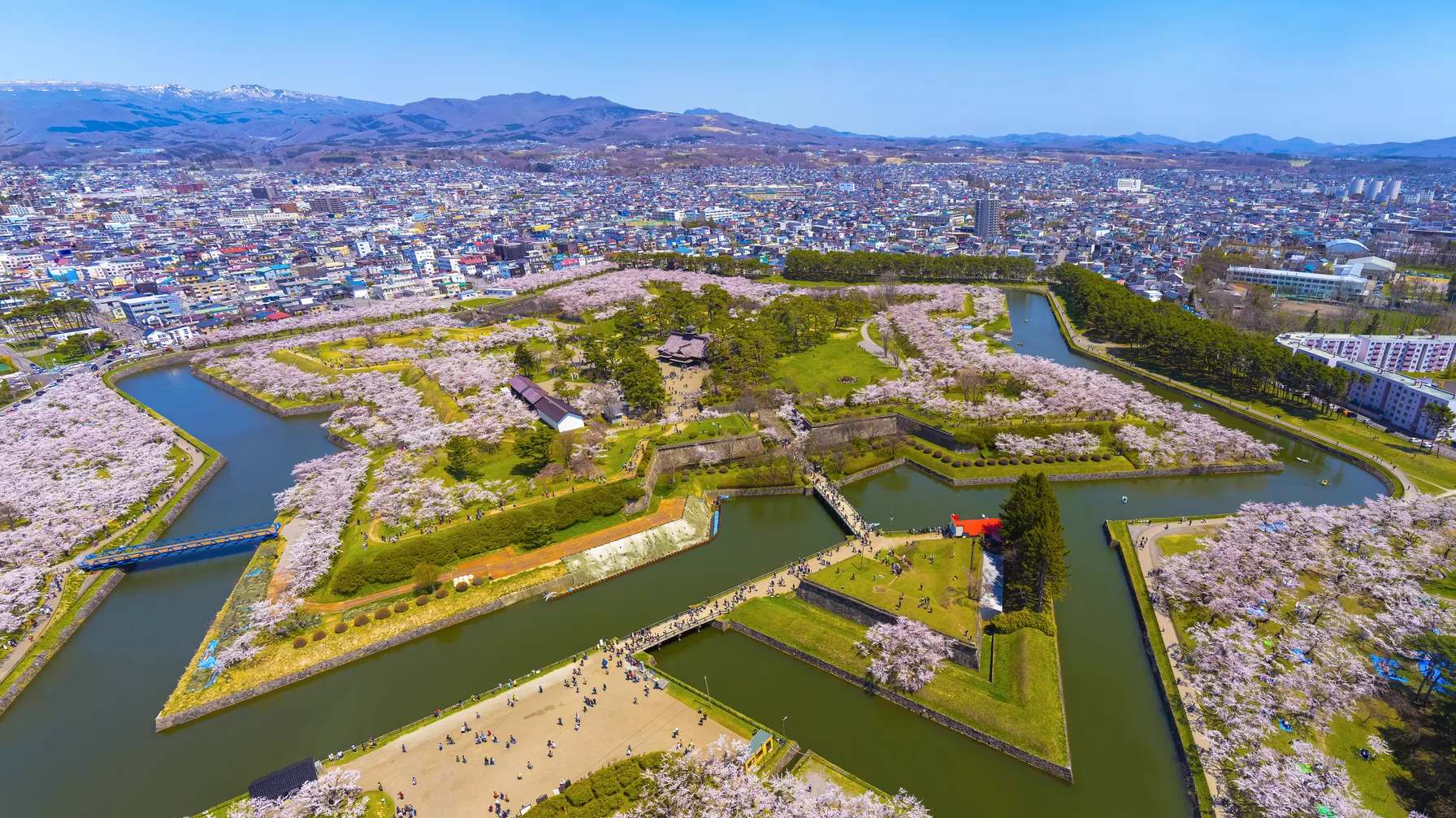
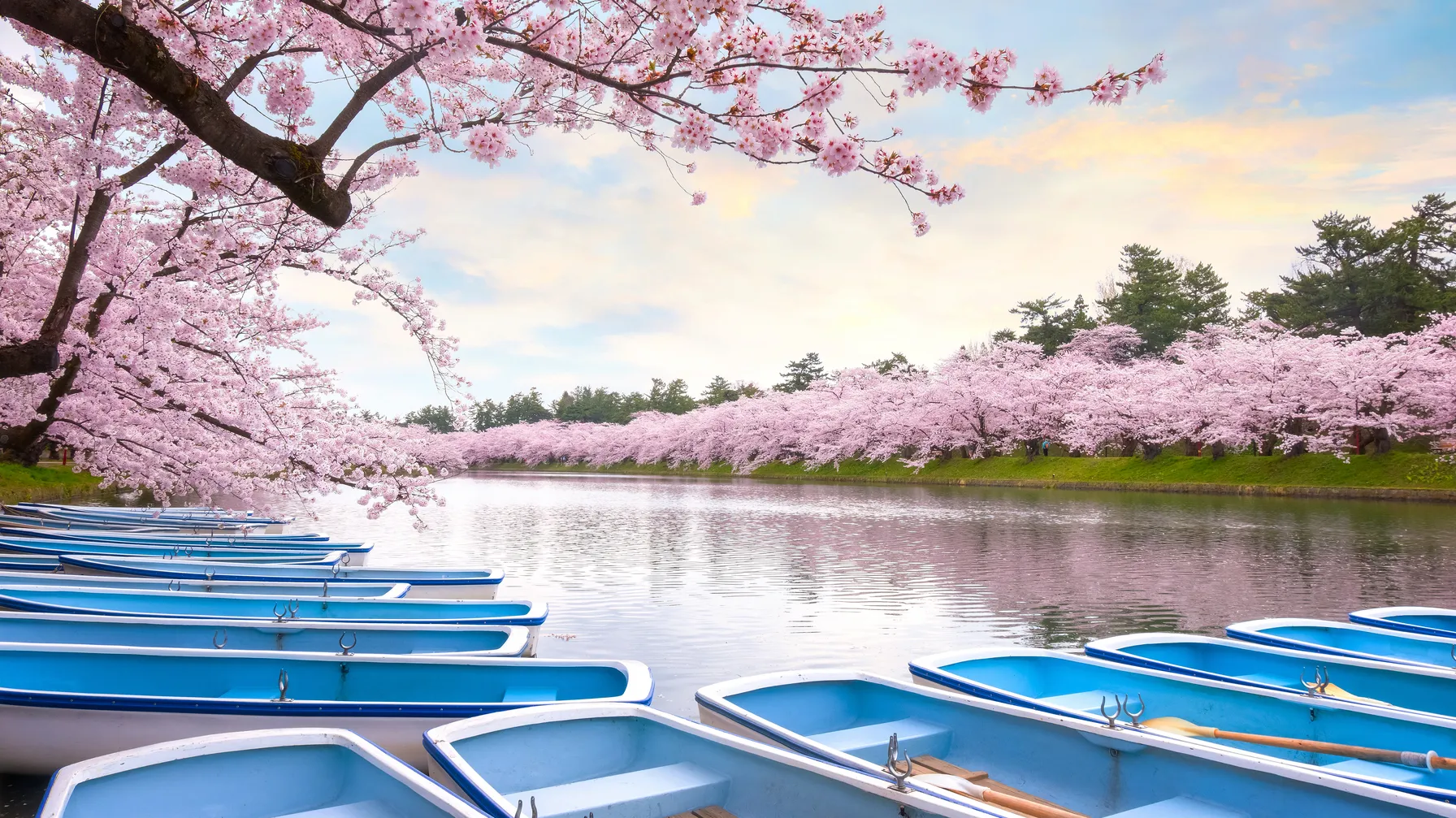
Spring remains the reference period to discover Japan in its floral splendor. Despite the tourist influx, the experience of cherry blossoms is a unique moment that justifies logistical constraints. This season particularly addresses travelers prioritizing the cultural and aesthetic aspects of their discovery.
Contact us for more information
Your stay in Japan in September promises an authentic experience, away from the beaten path. This transition period reveals the many facets of the Japanese archipelago, from ancient traditions to acknowledged modernity. Every detail of your journey will contribute to creating unforgettable memories, in a country where the art of living reaches peaks of excellence.