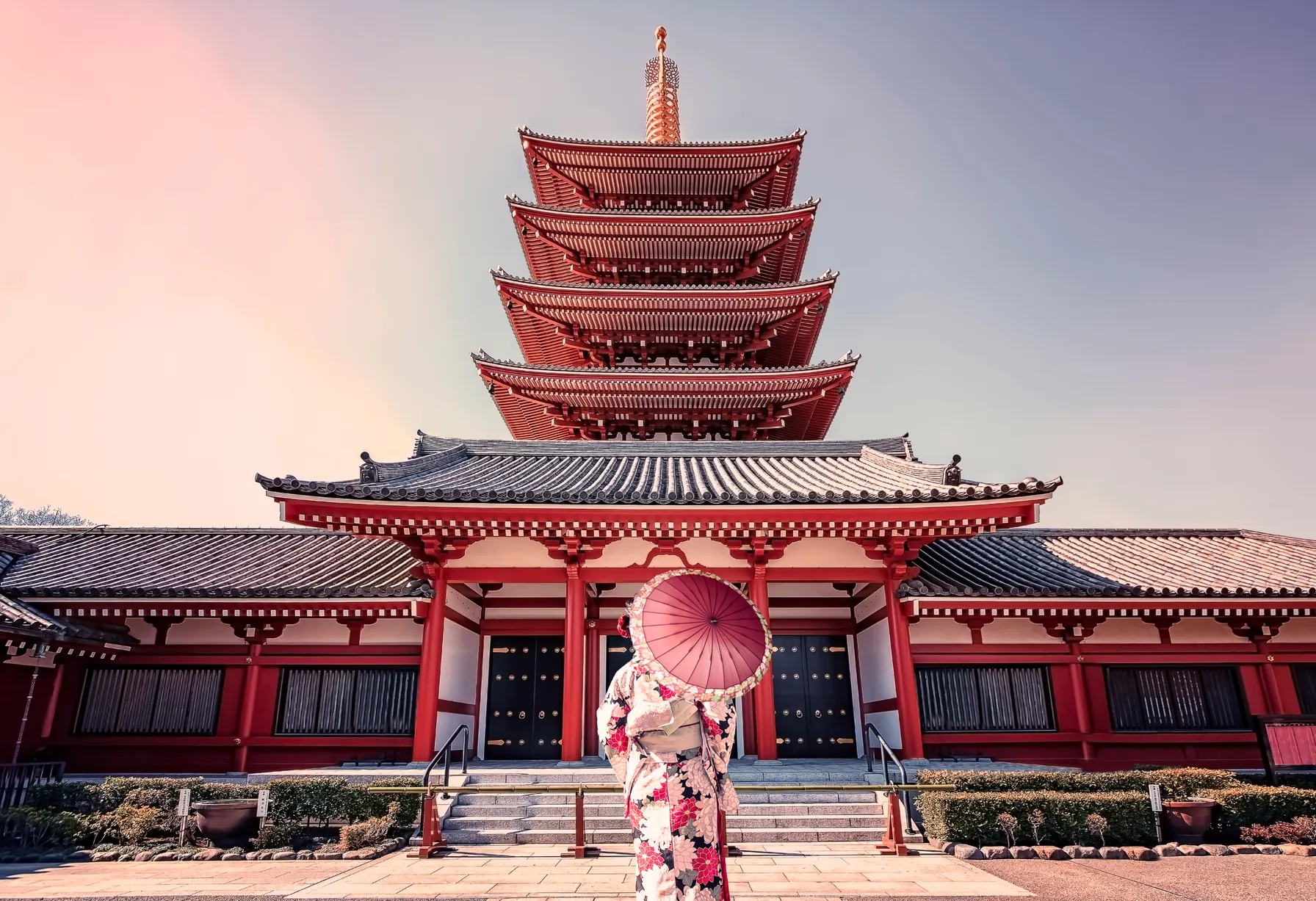
When to go to Japan: your guide to choosing the ideal time
When to go to Japan according to the seasons and climate?
Travel to Japan varies depending on the chosen period, each season offering unique experiences and specific climatic conditions. This seasonal diversity is one of the major riches of the destination, allowing you to customize your stay in Japan according to your preferences.
The Japanese spring: cherry blossom and spring mildness (March-May)
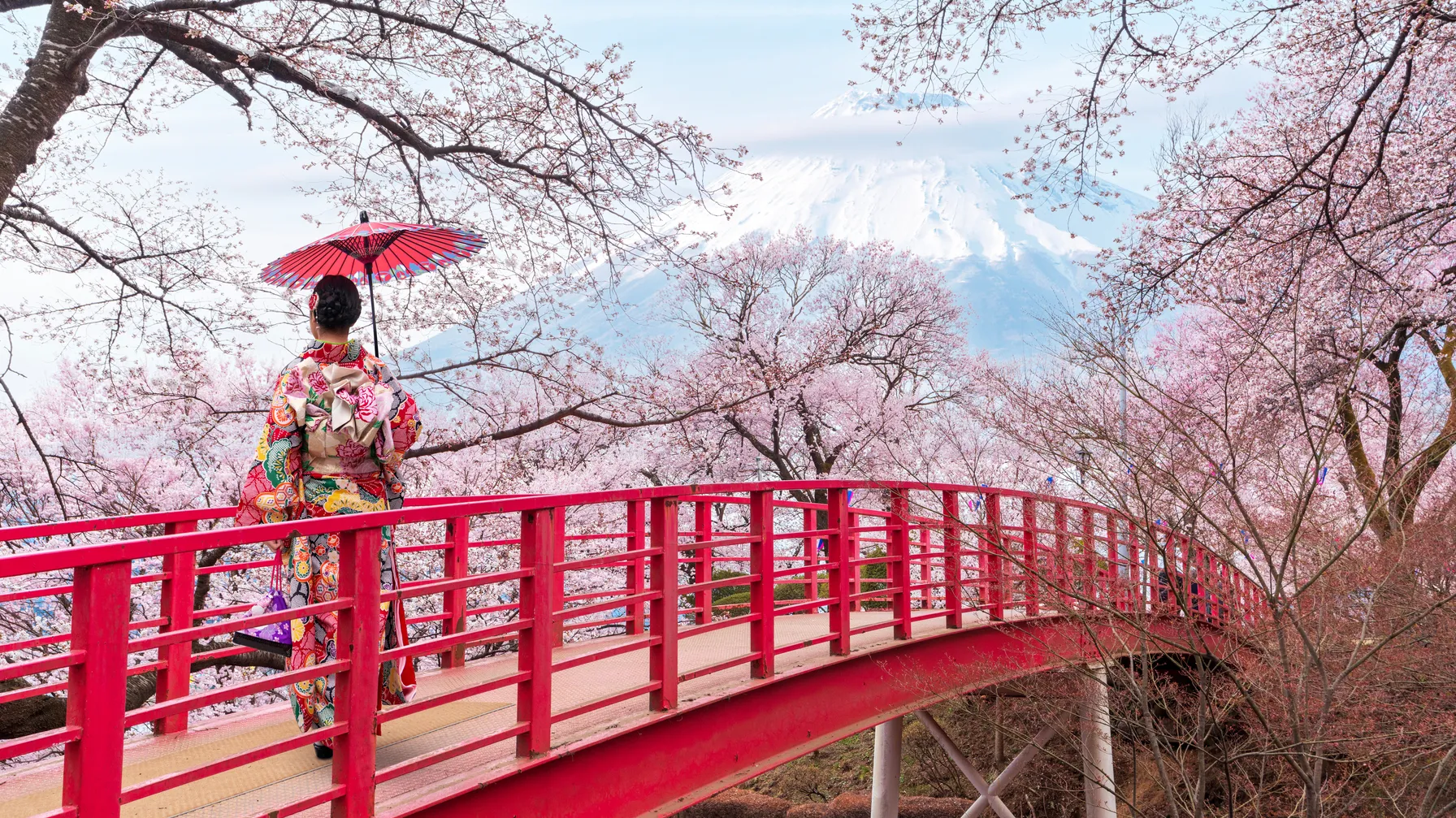
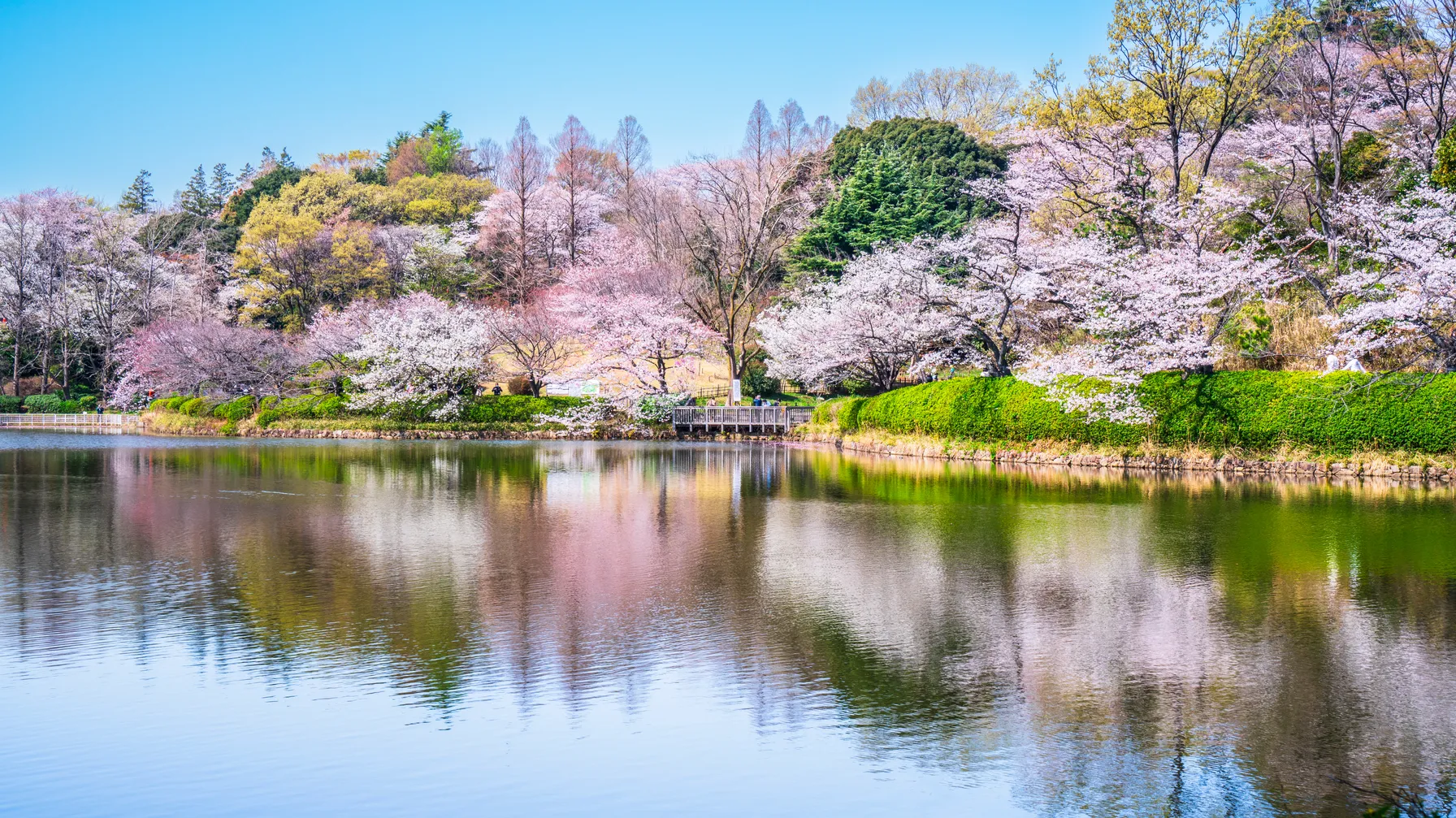
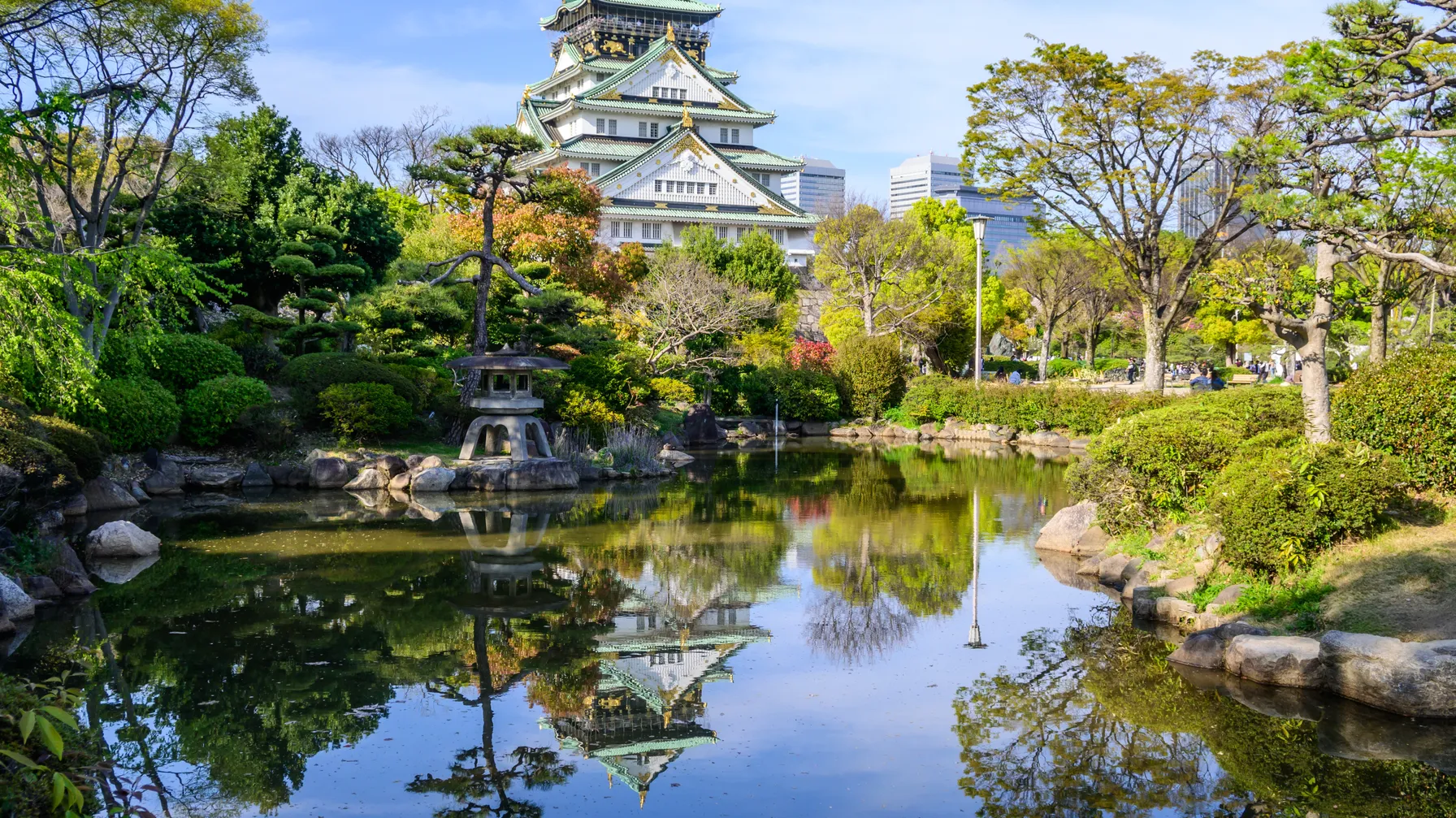
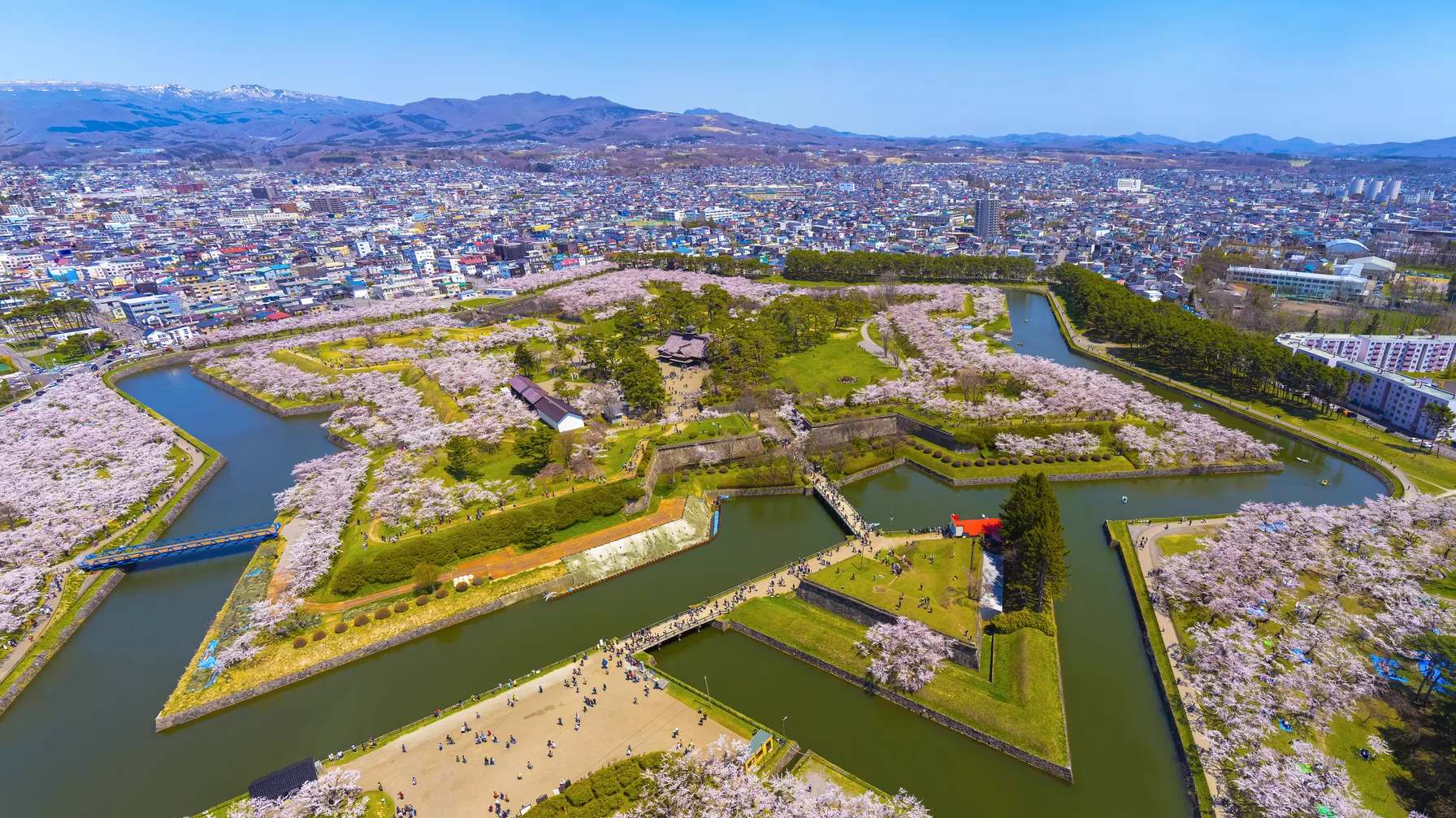
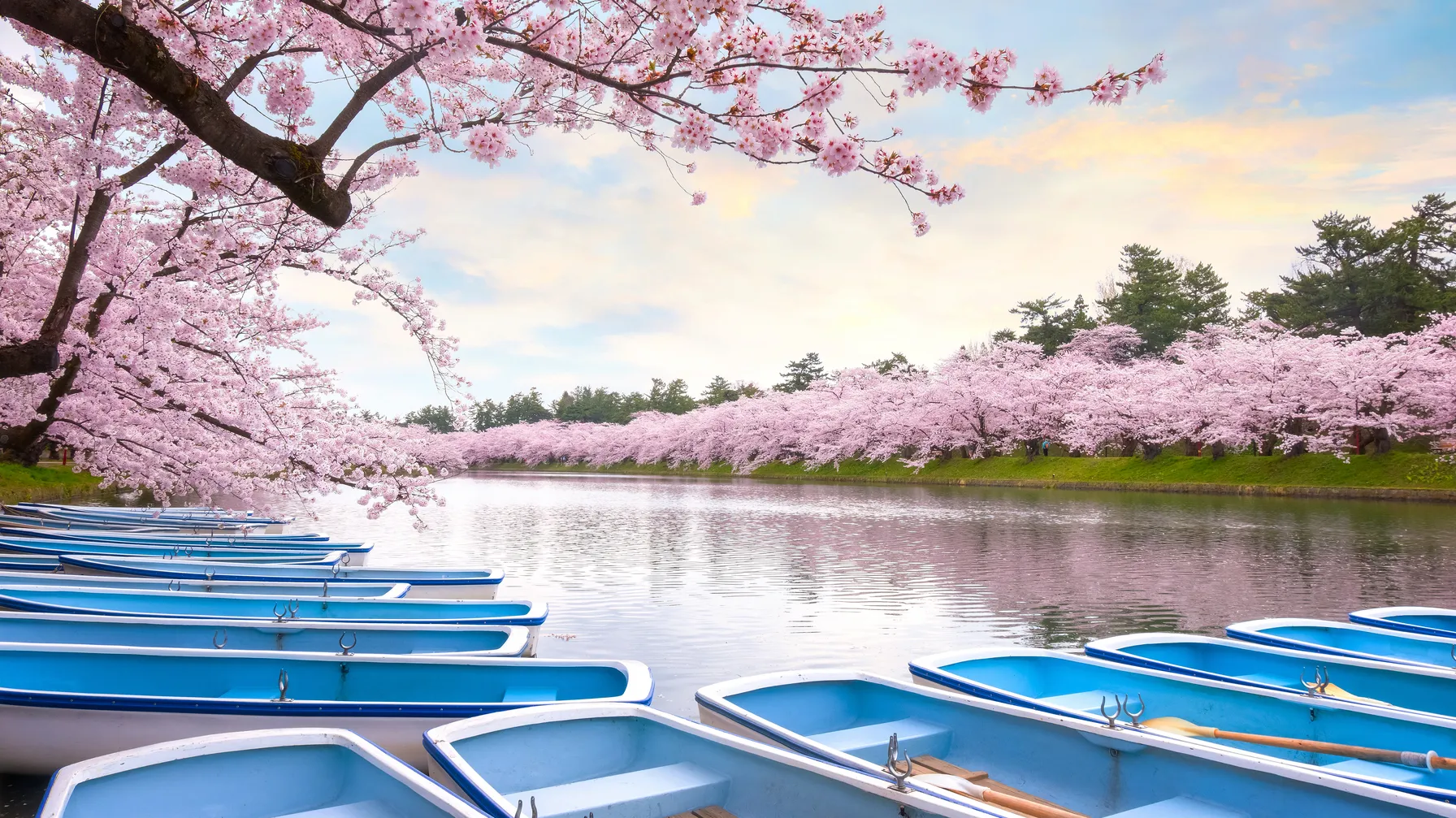
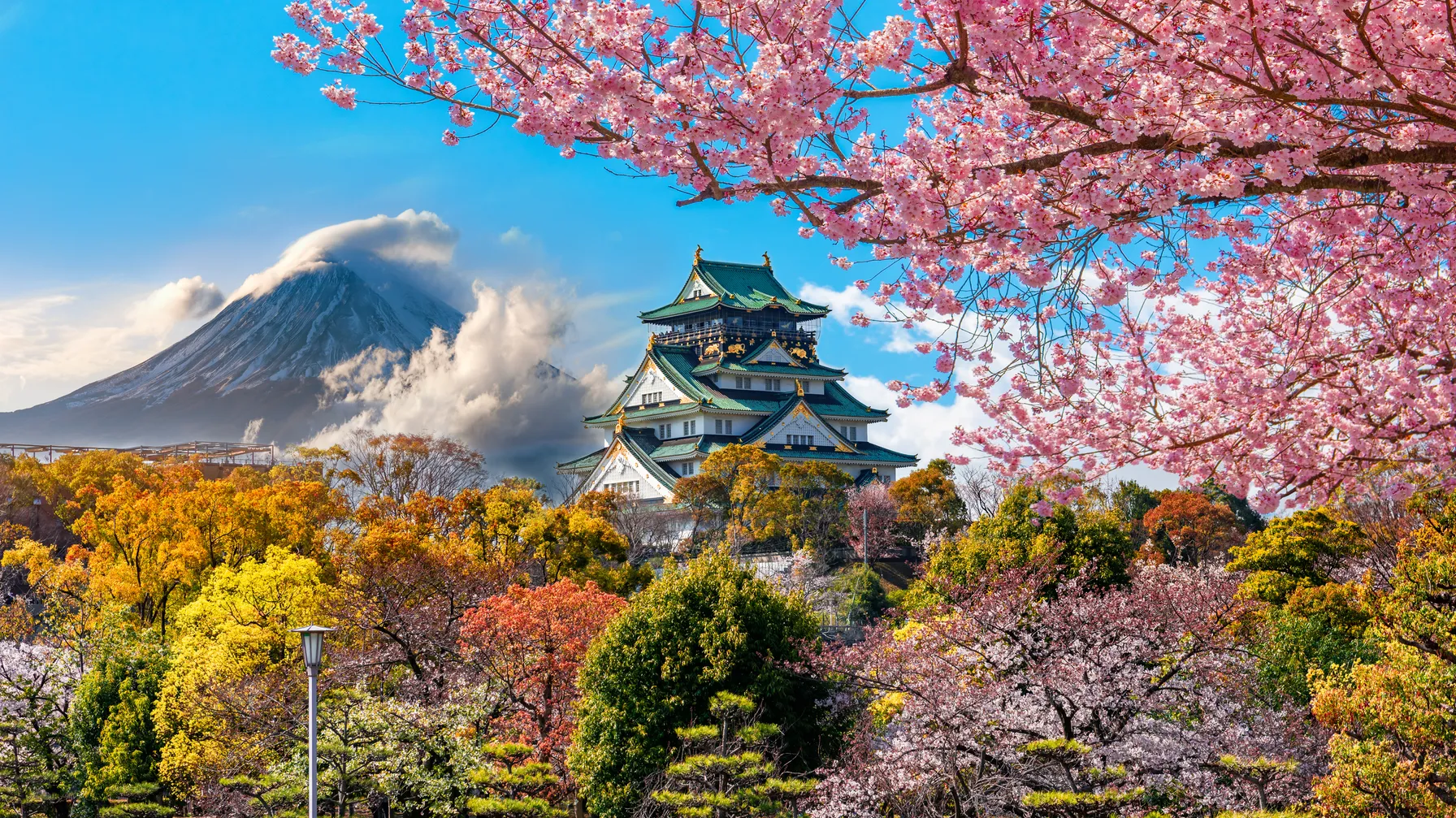
Spring is undeniably the best time to discover Japan in its most famous aspect. The cherry blossom, or hanami, transforms the country into a true natural work of art from late March to early May. This magical period begins in the south and gradually moves north, offering a renewed spectacle according to the regions.
The best climatic season particularly extends over the months of April and May, with temperatures fluctuating between 15°C and 23°C in central Japan. Precipitation remains moderate, allowing full enjoyment of outdoor activities and the discovery of temples in their floral garb.
However, this period to go to Japan presents some challenges: tourist traffic reaches its peak, especially during the Golden Week (end of April-beginning of May). The prices of accommodations soar, and reservations become crucial to ensure your tailored trip.
Did you know? The cherry blossoms last only about ten days in each region, creating a fleeting phenomenon of striking beauty that the Japanese have celebrated for centuries.
Summer in the Land of the Rising Sun: between festivals and rainy season (June-August)
Summer in Japan is characterized by two distinct phases that greatly influence the travel experience. The rainy season, concentrated between June and July, brings significant humidity and frequent rainfall in most regions, except for the island of Hokkaido which enjoys a drier climate.
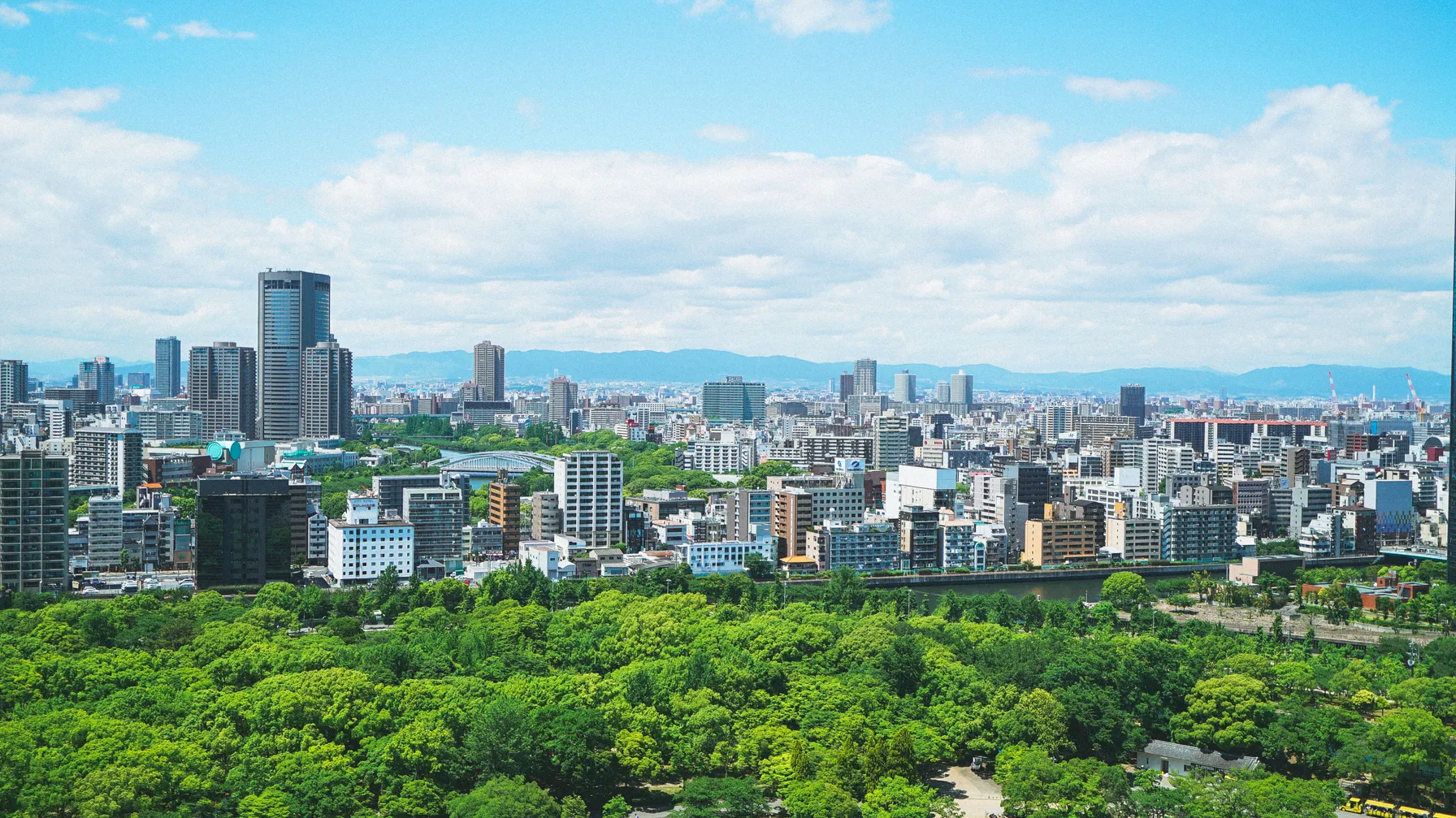
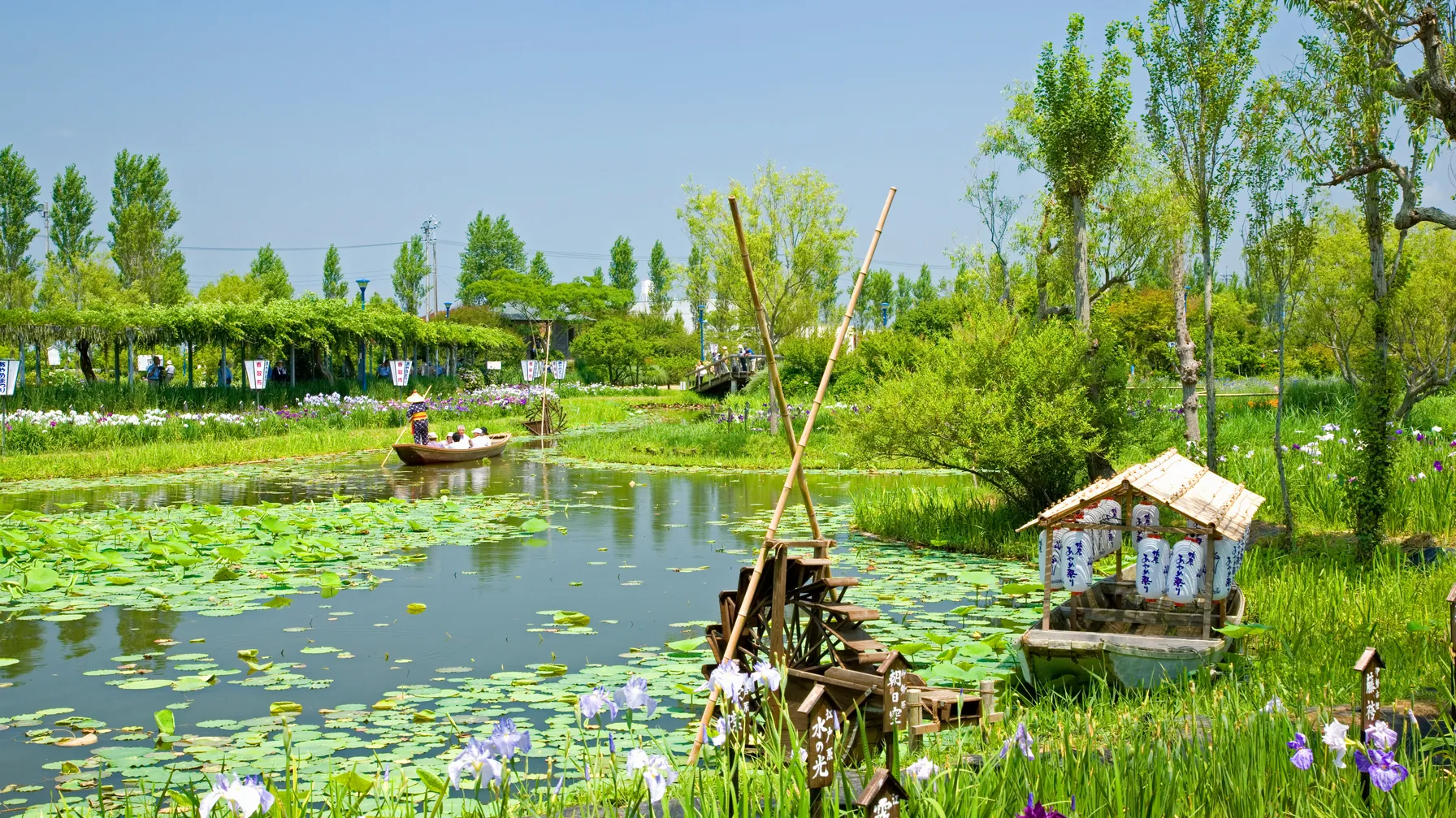
July and August then reveal a festive face of Japan, with a multitude of traditional festivals and spectacular fireworks lighting up the summer evenings. Temperatures climb between 25°C and 35°C, accompanied by a high humidity level that can make exploring the big cities challenging.
This period is particularly suitable for fans of Japanese pop culture and those wishing to discover the southern islands. Northern Japan then offers more temperate conditions, making this region a refreshing escape during the hottest months.
| Month | Temperatures Tokyo | Precipitations | Characteristics |
|---|---|---|---|
| June | 19°C - 26°C | 168mm | Start of the rainy season |
| July | 23°C - 30°C | 182mm | Summer festivals |
| August | 24°C - 31°C | 186mm | Fireworks, typhoon season |
Autumn in Japan: vibrant colors and temperate climate (September-November)
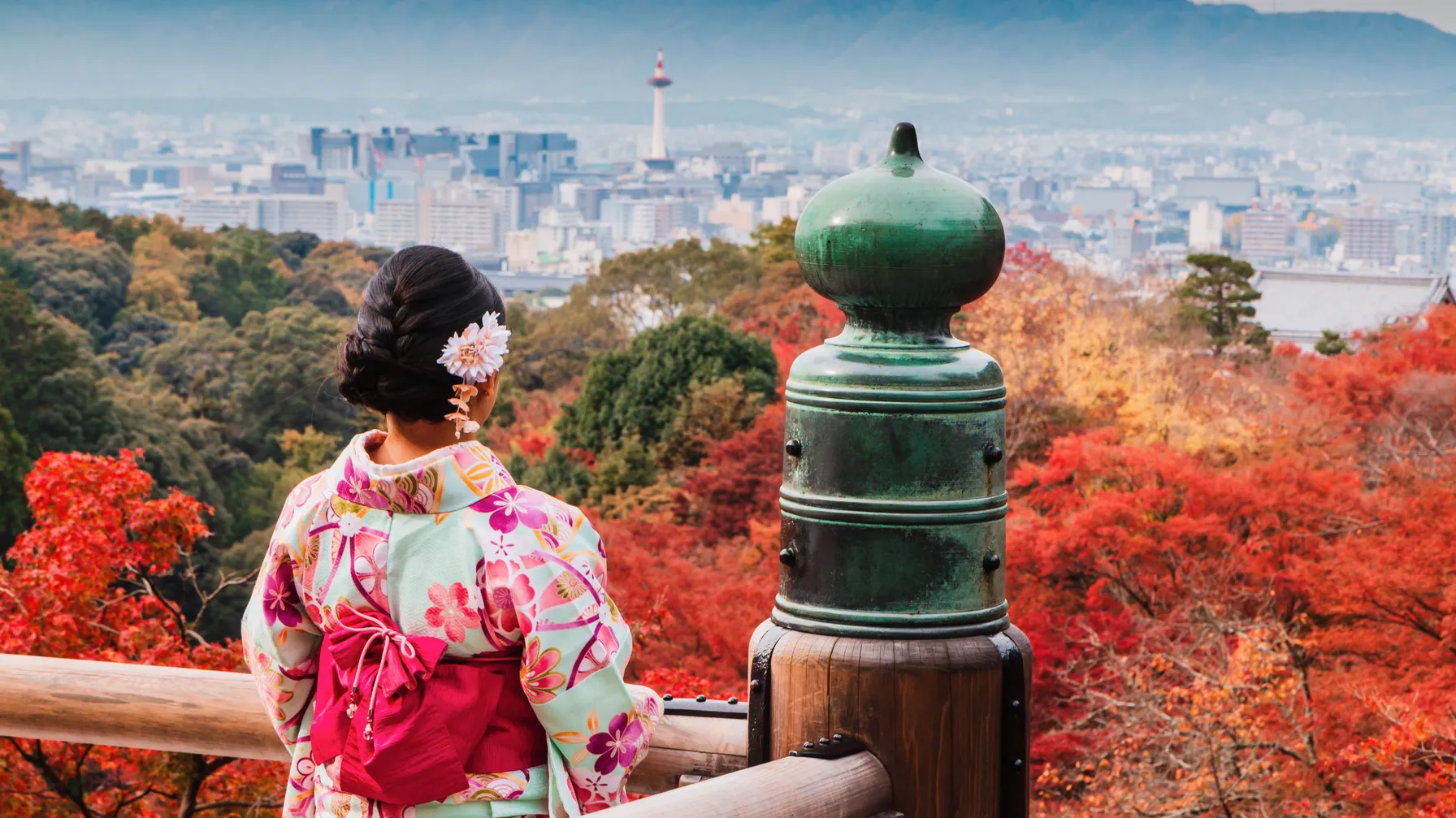
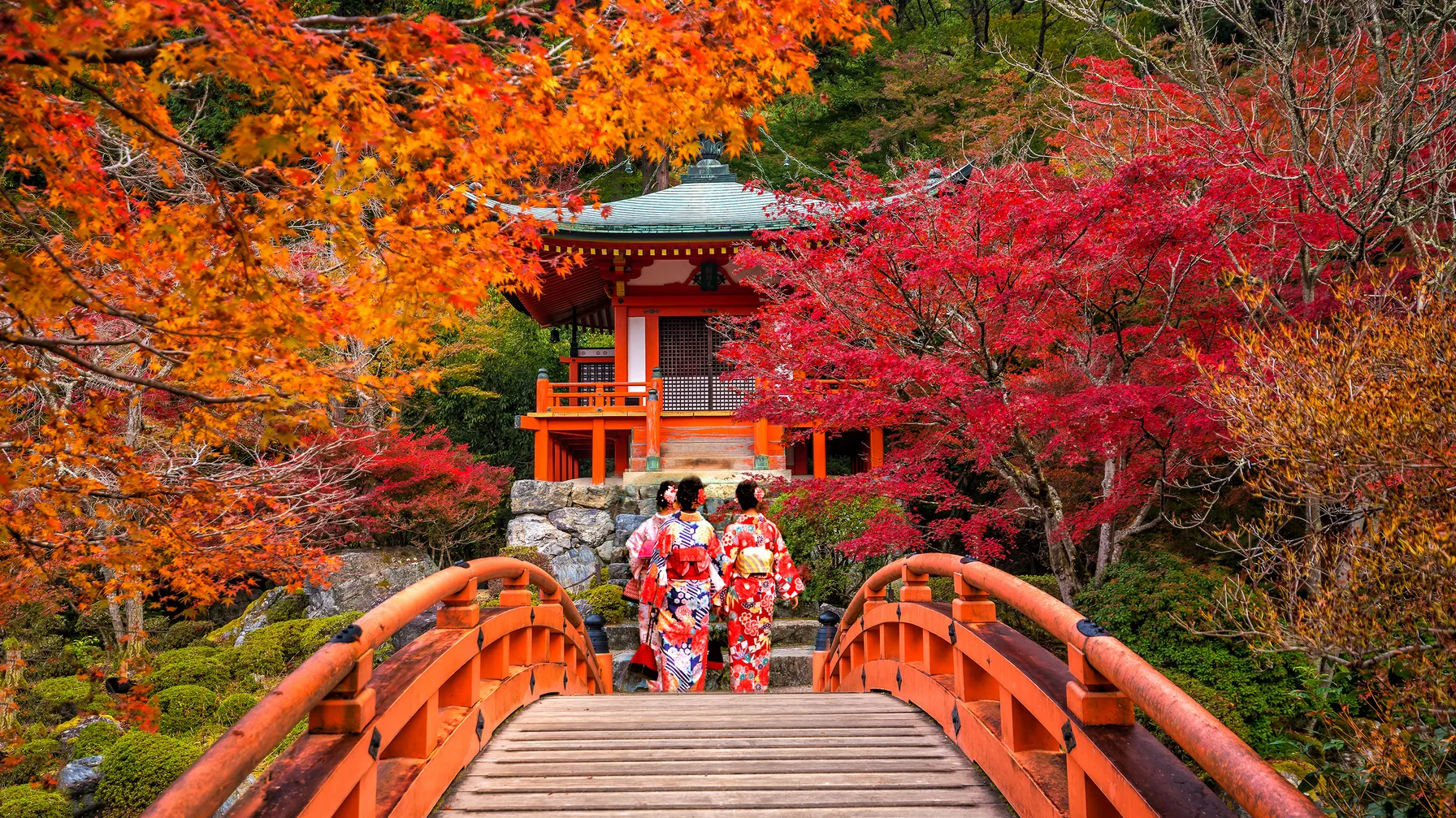
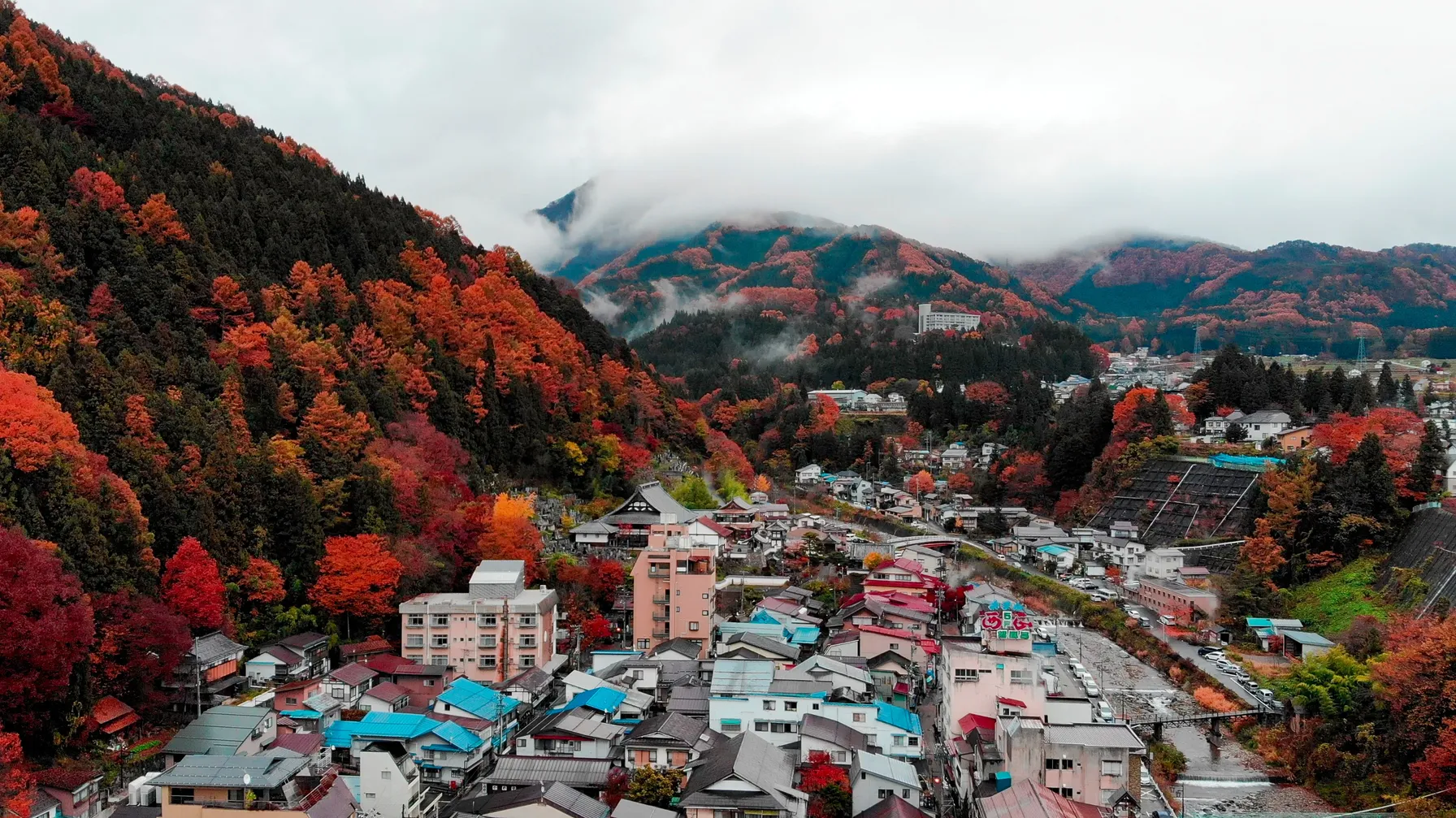
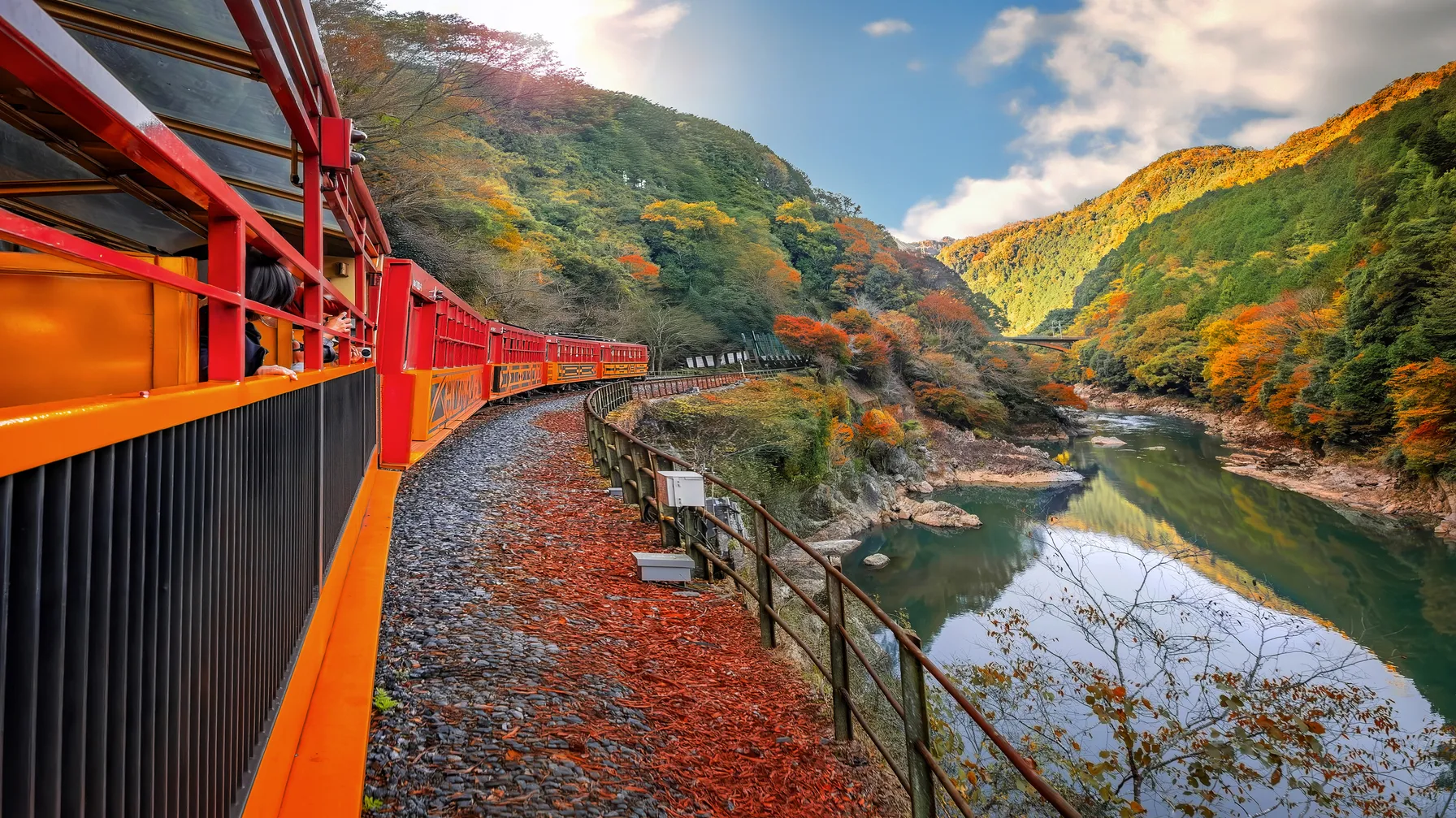
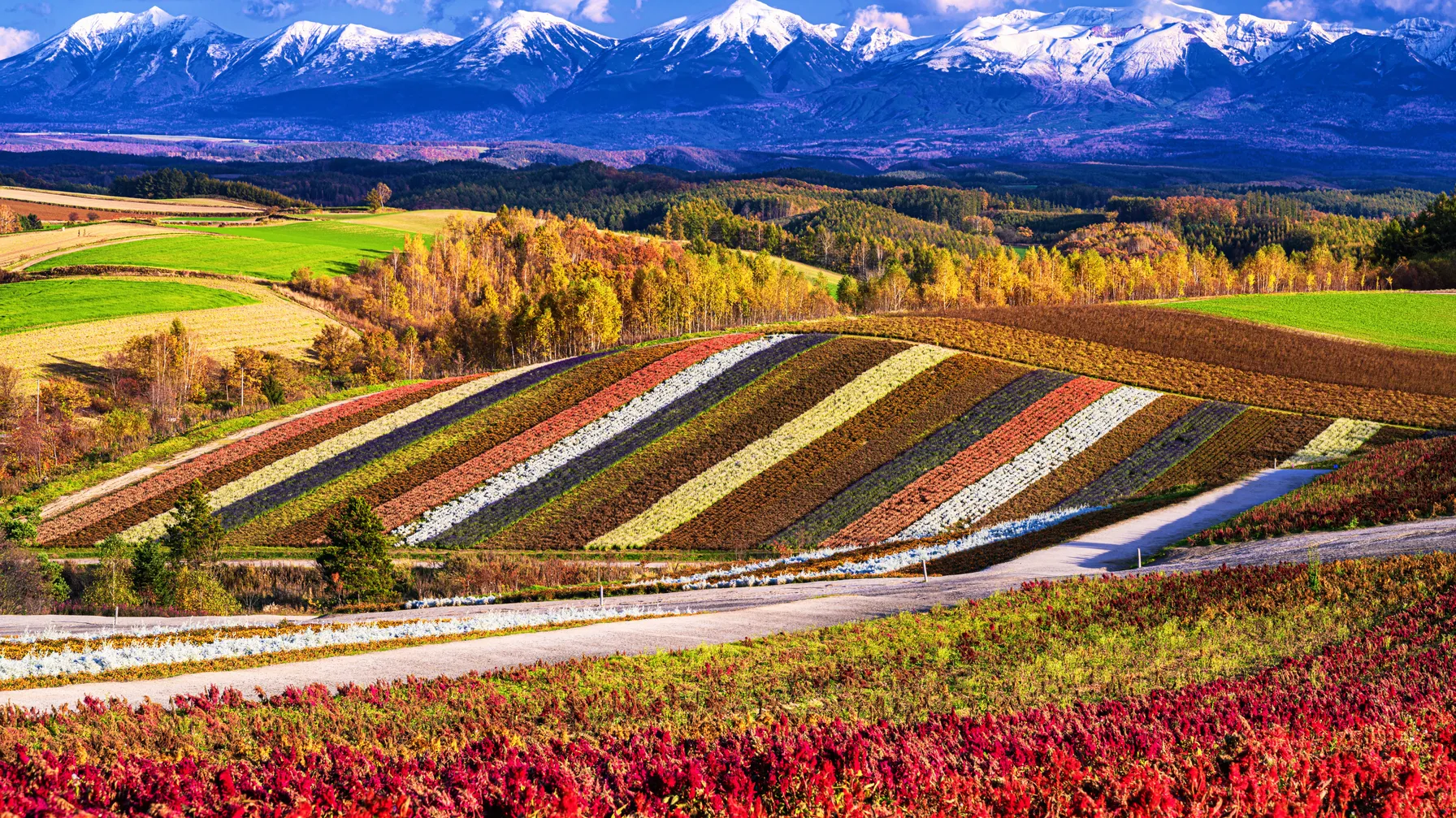
Autumn rivals spring as the best time to visit Japan. From September to November, the country is adorned with vibrant colors thanks to the foliage of the Japanese maples, creating breathtaking landscapes in parks, temples, and mountains.
The temperate climate of this season offers ideal conditions for discovering Japan: temperatures range between 10°C and 22°C, humidity decreases significantly, and rainfall remains limited. This period allows for full enjoyment of outdoor activities, from hiking in the Japanese Alps to contemplative walks in traditional gardens.
September and October also mark the end of the typhoon season, although some phenomena can still occur in early autumn. Tourist traffic, although present, remains more moderate than in spring, allowing for a more serene experience.
Contact us for more information on the best times to visit
The Japanese winter: snow, winter sports, and serenity (December-February)
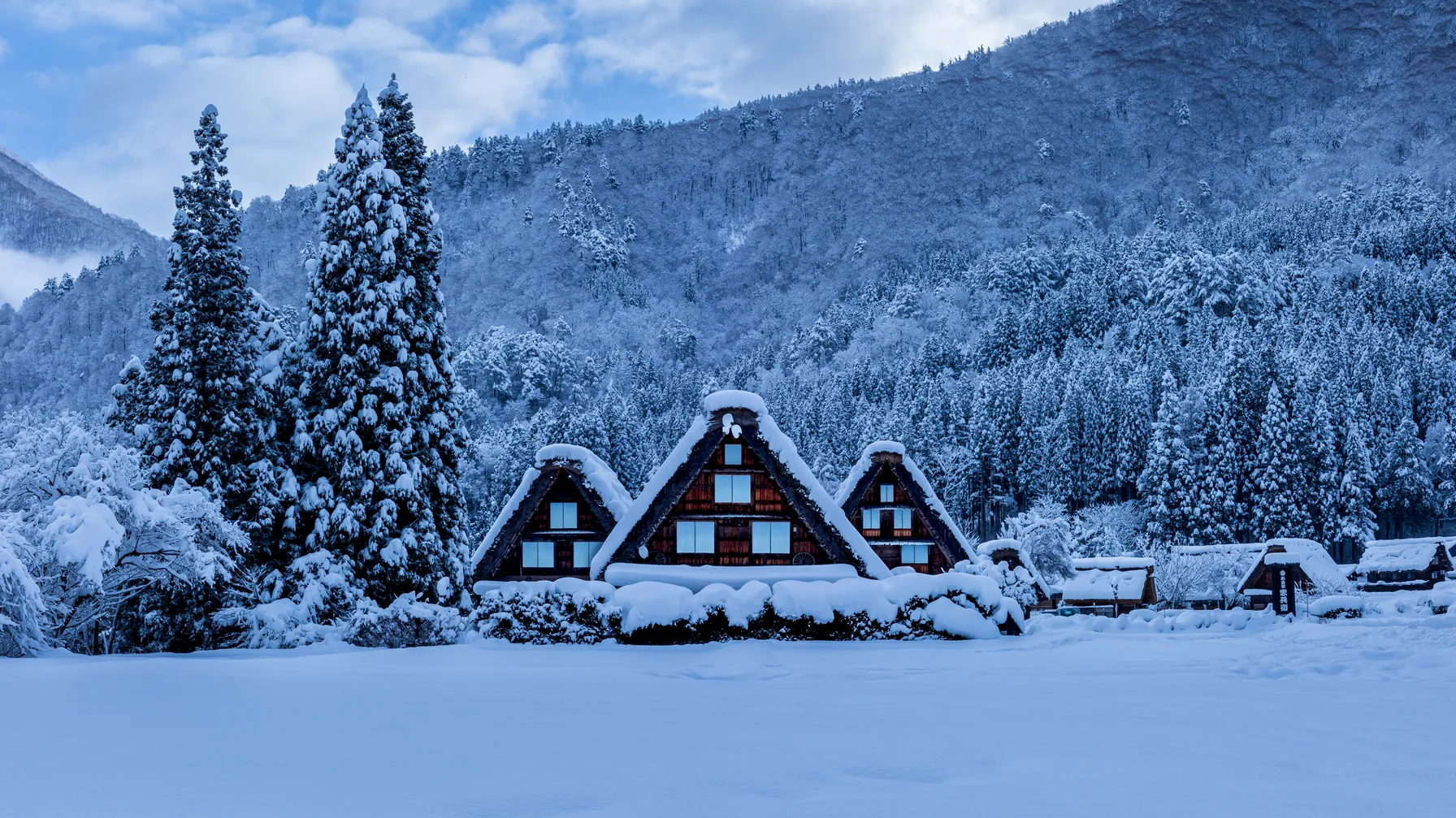
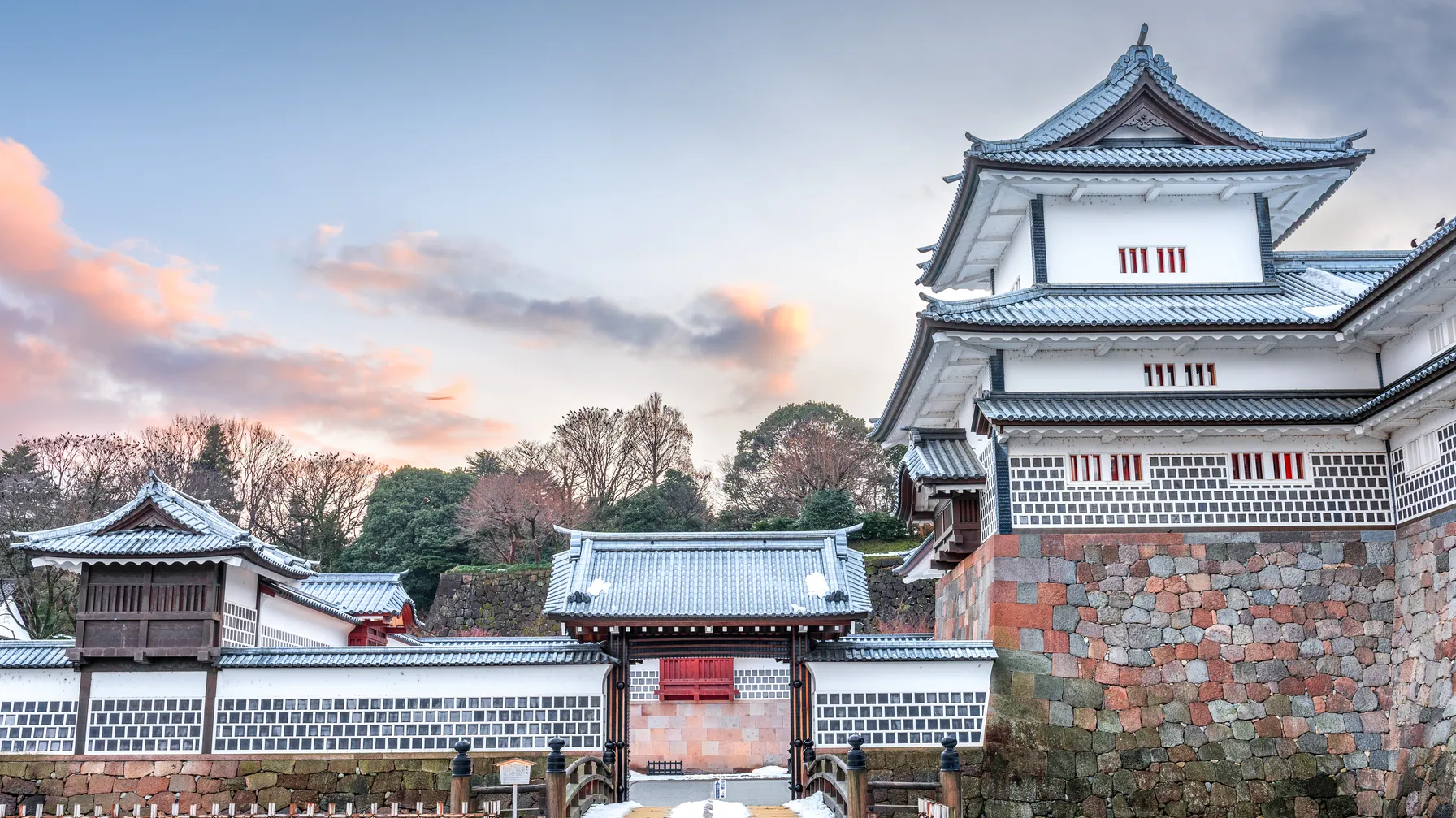
Winter in Japan reveals a contrasting landscape depending on the region. While the north and the Japanese Alps are covered in a snow blanket offering exceptional conditions for winter sports, the central and southern regions benefit from a dry climate with cool but bearable temperatures.
This season offers numerous advantages for a tour in Japan: tourist traffic reaches its minimum, rates become more affordable, and the clarity of the winter air provides clear views of Mount Fuji. The world-renowned ski resorts, particularly on the island of Hokkaido, attract powder enthusiasts in a preserved natural setting.
Temperatures vary considerably by region, from -10°C in the north to 10°C in the most southern areas. This climatic diversity allows you to tailor your trip according to your winter preferences.
Which period to choose according to your travel desires?
Choosing when to go to Japan largely depends on your expectations and the type of experience you are looking for. This personalized approach guarantees a trip perfectly suited to your desires.
For cultural immersion and authentic festivals
Lovers of traditional culture will find their joy at various times of the year. Spring offers the unique experience of hanami, a true Japanese social institution where families and friends gather to watch the cherry blossoms. This ancient tradition reveals a deep aspect of the Japanese soul.
The Japanese summer boasts an exceptional festival richness: the Gion Matsuri in Kyoto in July, local matsuri in each region, and the spectacular fireworks that light up the summer evenings. Despite the heat and humidity, this period immerses visitors in the cultural excitement of the country.
Autumn allows one to attend the harvest festivals and discover temples nestled among colorful foliage, creating a contemplative atmosphere conducive to meditation and spiritual discovery.
Our advice: avoid the Golden Week and the period of the Japanese New Year for a more authentic experience and more reasonable prices.
For lovers of nature and exceptional landscapes
The best time to visit Japan varies according to your landscape preferences. Photography enthusiasts and hikers will prefer autumn (September to November) to capture the fiery colors of Japanese forests and enjoy an ideal climate for exploration.
Spring naturally attracts visitors with the spectacle of cherry blossoms, but also with the rebirth of nature after winter. This season reveals landscapes of exceptional delicacy, especially in traditional gardens and preserved natural sites.
Winter transforms certain regions into true snowy postcards. The island of Hokkaido and the Japanese Alps offer majestic panoramas, while natural hot springs (onsen) provide a unique experience in this wintry setting.
Book your trip to Japan now
Demandez votre devis Japan sur-mesure 100% gratuit
 4.8
4.8+3.000 travelers satisfied
How to adapt your travel period according to the regions?
Japan's vast geography presents significant climatic variations from north to south, directly influencing the optimal choice of your travel period according to the preferred destinations.
Northern Japan and the island of Hokkaido
The island of Hokkaido has a unique climate that makes it a sought-after destination in both summer and winter. During the warm season, this northern region avoids the overwhelming heat and humidity of the rest of the country, offering pleasant temperatures and little rainfall during the rainy season.
Winter turns Hokkaido into a winter sports paradise, with exceptional snowfalls and globally recognized powder quality. Ski resorts like Niseko or Rusutsu attract enthusiasts to a preserved natural environment.
Spring arrives later than elsewhere, extending the ski season into April and delaying the cherry blossom bloom until May, thus offering a less frequented alternative to central Japan's hanami.
Central Japan and its must-sees
The central region, including Tokyo, Kyoto, and the Japanese Alps, concentrates most of the iconic sites and follows the typical climatic rhythm of four distinct seasons. This geographical area offers the widest diversity of experiences depending on the chosen period.
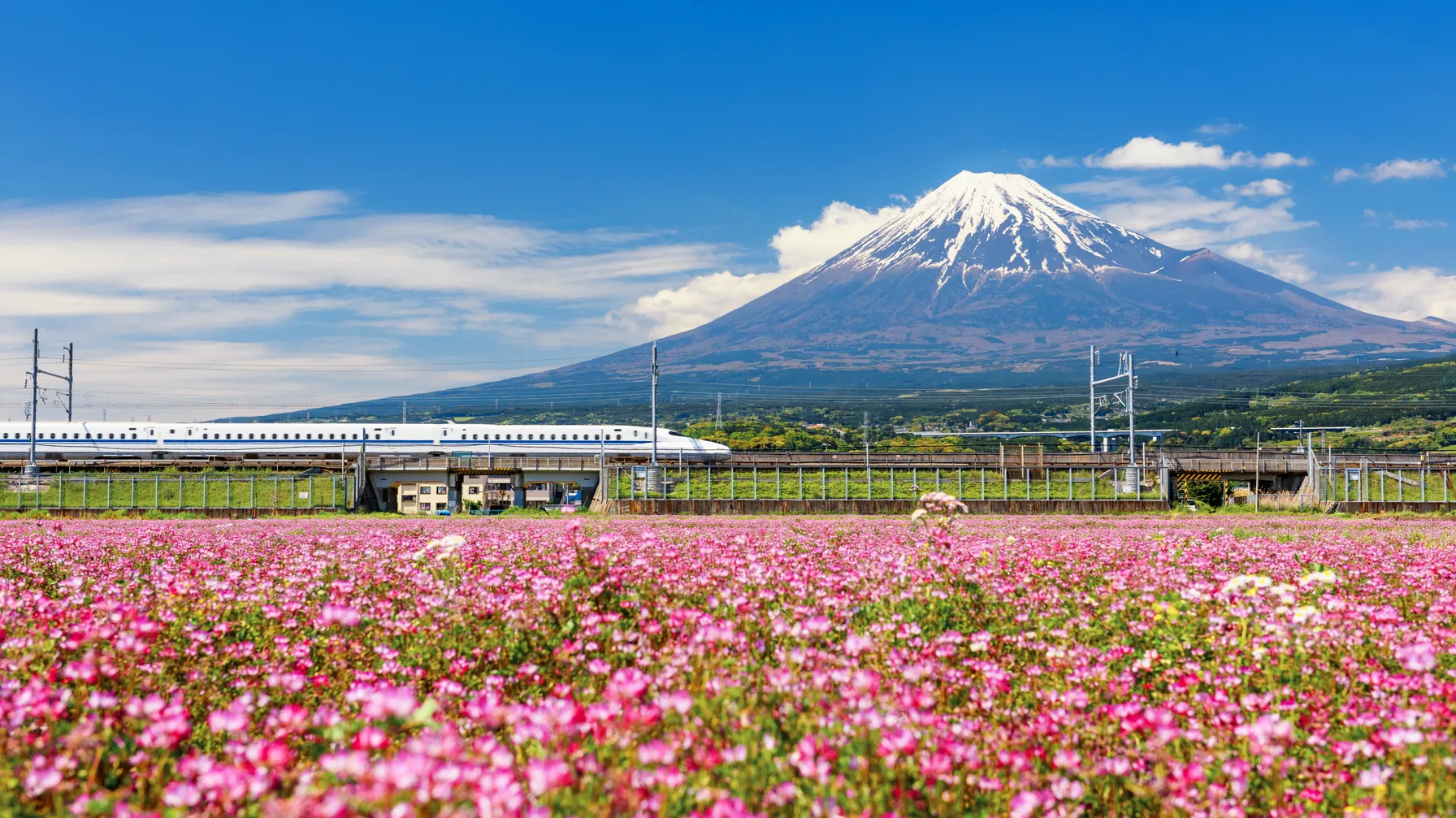
Mount Fuji, a symbol of the country, presents itself differently depending on the season: snow-covered in winter for spectacular views, open for climbing from July to September, or dressed in autumn colors for unforgettable snapshots.
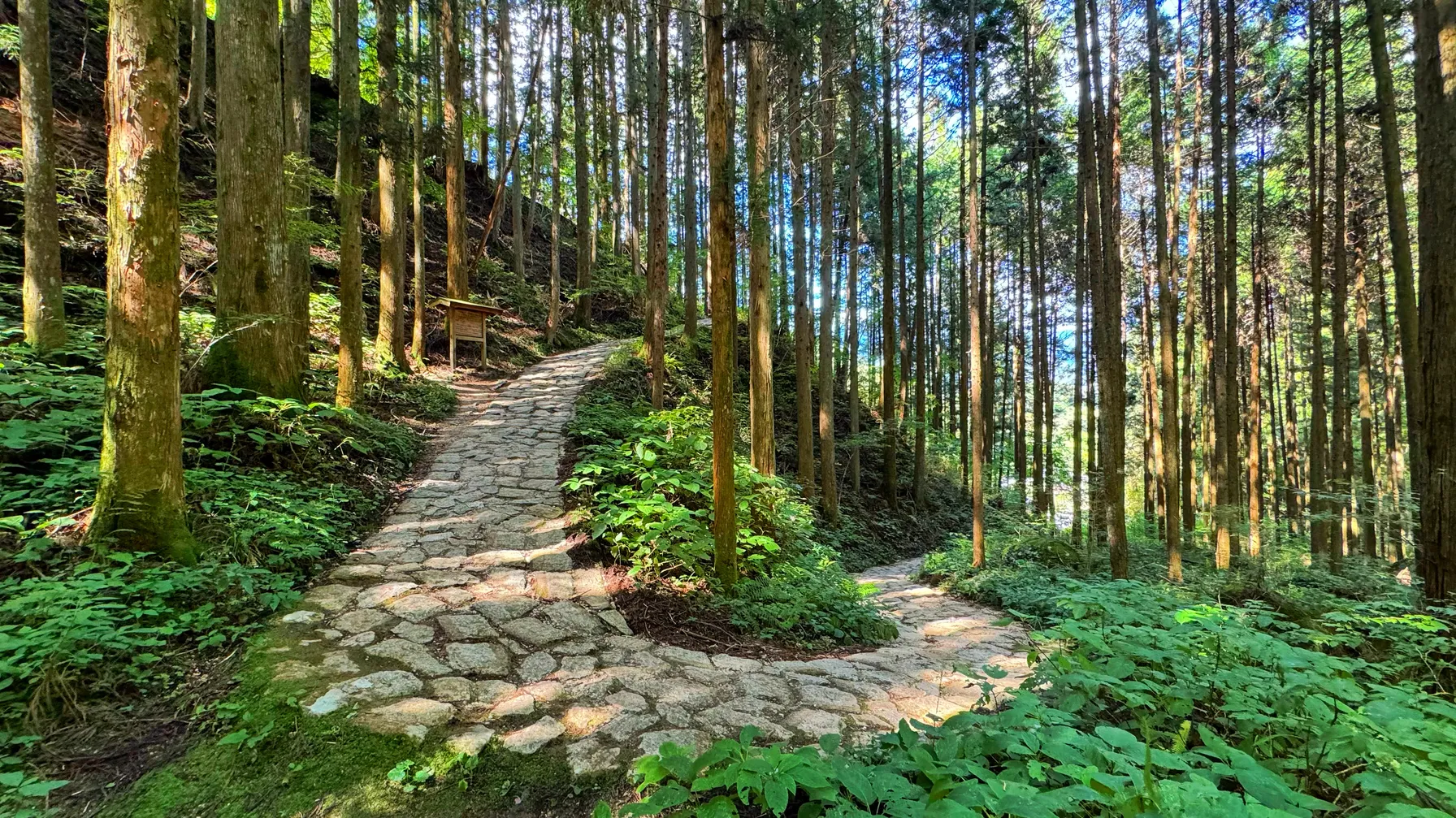
The Japanese Alps are an exceptional natural setting, offering summer coolness, flamboyant autumn colors, and renowned ski areas in winter. This diversity allows you to tailor your trip to your seasonal preferences.
The South and its islands with subtropical climates
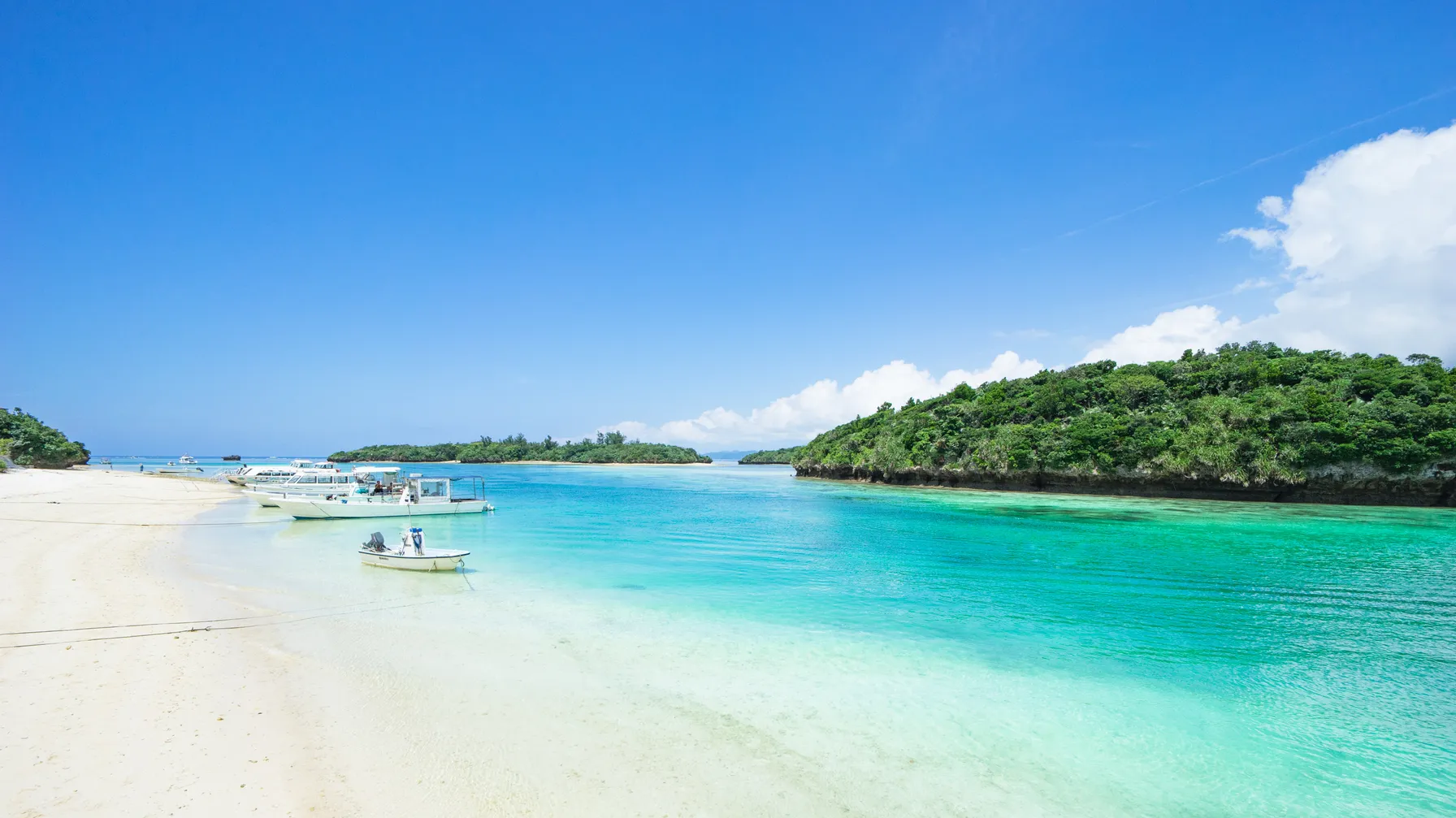
The southern regions and the subtropical islands of Okinawa enjoy a milder climate all year round, broadening travel possibilities according to your desires. These destinations are particularly suited for winter travel, offering an escape from the harsh climatic conditions of the north.
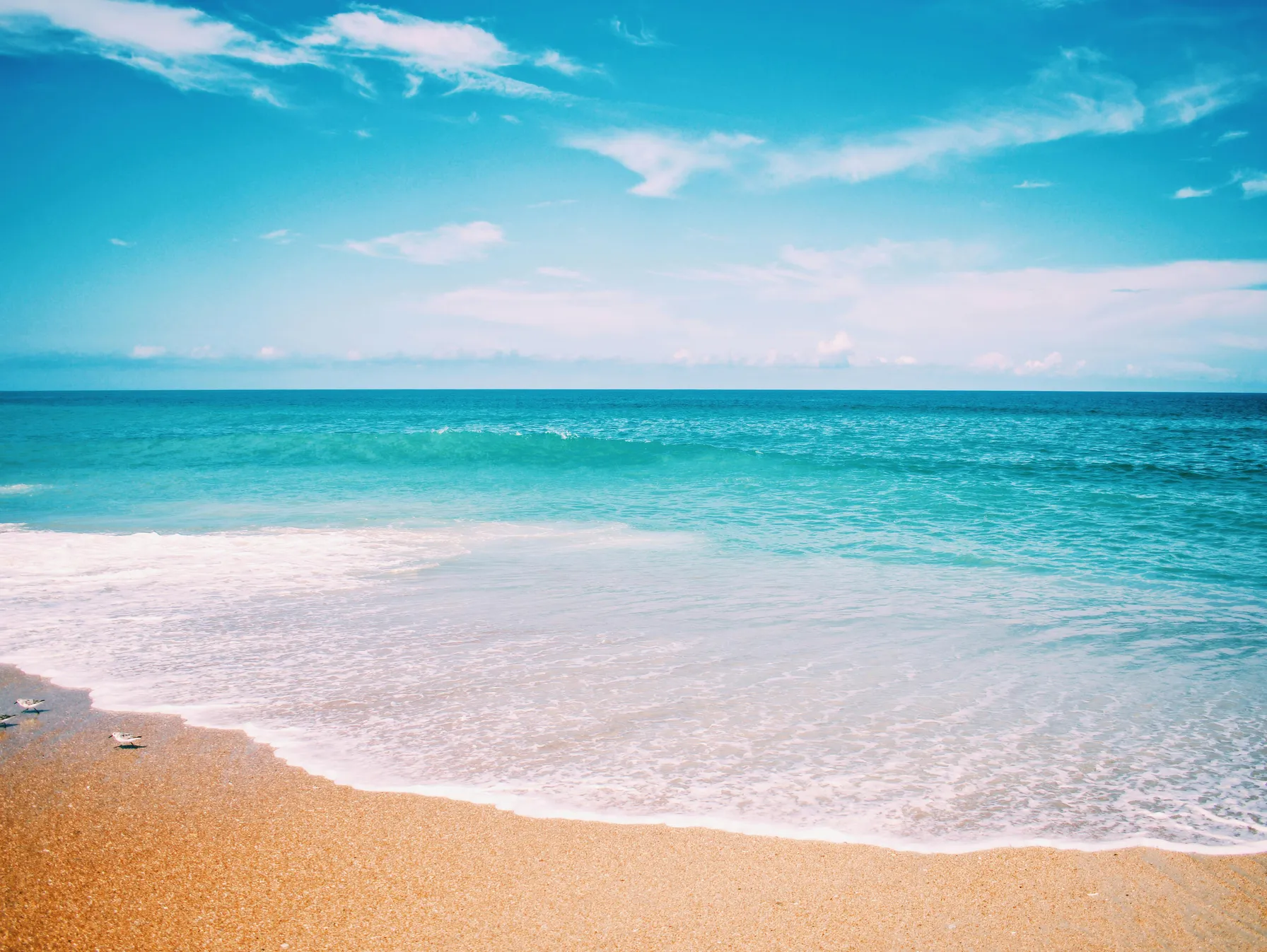
The dry season, from November to April, is the best time to explore these regions. Temperatures remain mild, precipitation is limited, and beach activities are possible, creating ideal conditions for a relaxing stay.
Summer in southern Japan can be challenging with high temperatures and significant humidity, but this period corresponds to the season of many local festivals and offers authentic cultural experiences.
The insider tip: plan a combined north-south circuit to take advantage of the climatic benefits of each region according to the chosen season.
| Region | Best period | Climatic particulars |
|---|---|---|
| Hokkaido | June-September, December-March | Cool summer, snowy winter |
| Center (Tokyo, Kyoto) | April-May, September-November | Four distinct seasons |
| South (Okinawa) | November-April | Subtropical climate |
This geographical and climatic diversity makes Japan a destination adaptable to all types of travelers and to all times of the year. Each region reveals its secrets according to the seasons, allowing to compose a perfectly personalized tailor-made trip based on your expectations and desires for discovery.
Contact us for more information