Vietnam in September: your ideal autumn getaway
What is the Vietnamese climate like in September?
The month of September reveals the full climatic diversity of the Vietnamese territory. This transition period allows you to enjoy varied weather conditions depending on the regions you explore.
The autumnal mildness of the North
The North of Vietnam enjoys a particularly pleasant climate in September. Temperatures range from 20°C in the early morning to 28°C during the day, creating ideal conditions for your discoveries. This relative mildness is due to the gradual end of the rainy season, which gives way to the first signs of Vietnamese autumn.
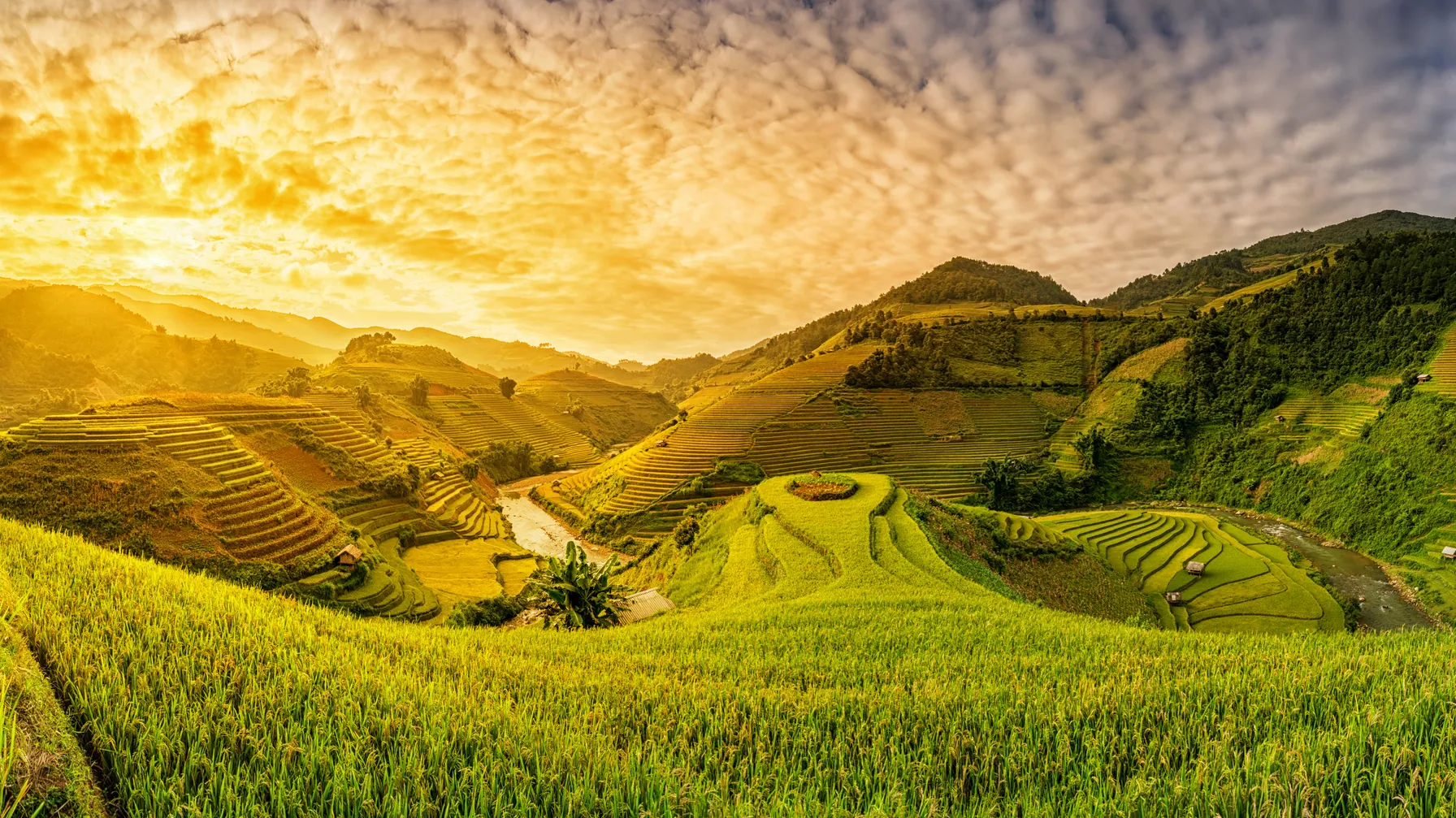
The humidity significantly decreases compared to the previous months, although a few short showers may still occur, mainly in the late afternoon. These precipitations are generally brief and refreshing, bringing a unique atmosphere to the mountainous landscapes. The Mu Cang Chai region then reveals its terraced rice fields in their golden attire, creating a natural spectacle of striking beauty.
The Climate Transition of the Center
The Central region of Vietnam experiences a more contrasting transition period in September. Historic cities like Hoi An and Da Nang still witness some instances of the rainy season, with temperatures maintained around 26°C to 30°C. This September weather in the central region invites you to adjust your schedule by focusing on cultural and heritage visits.
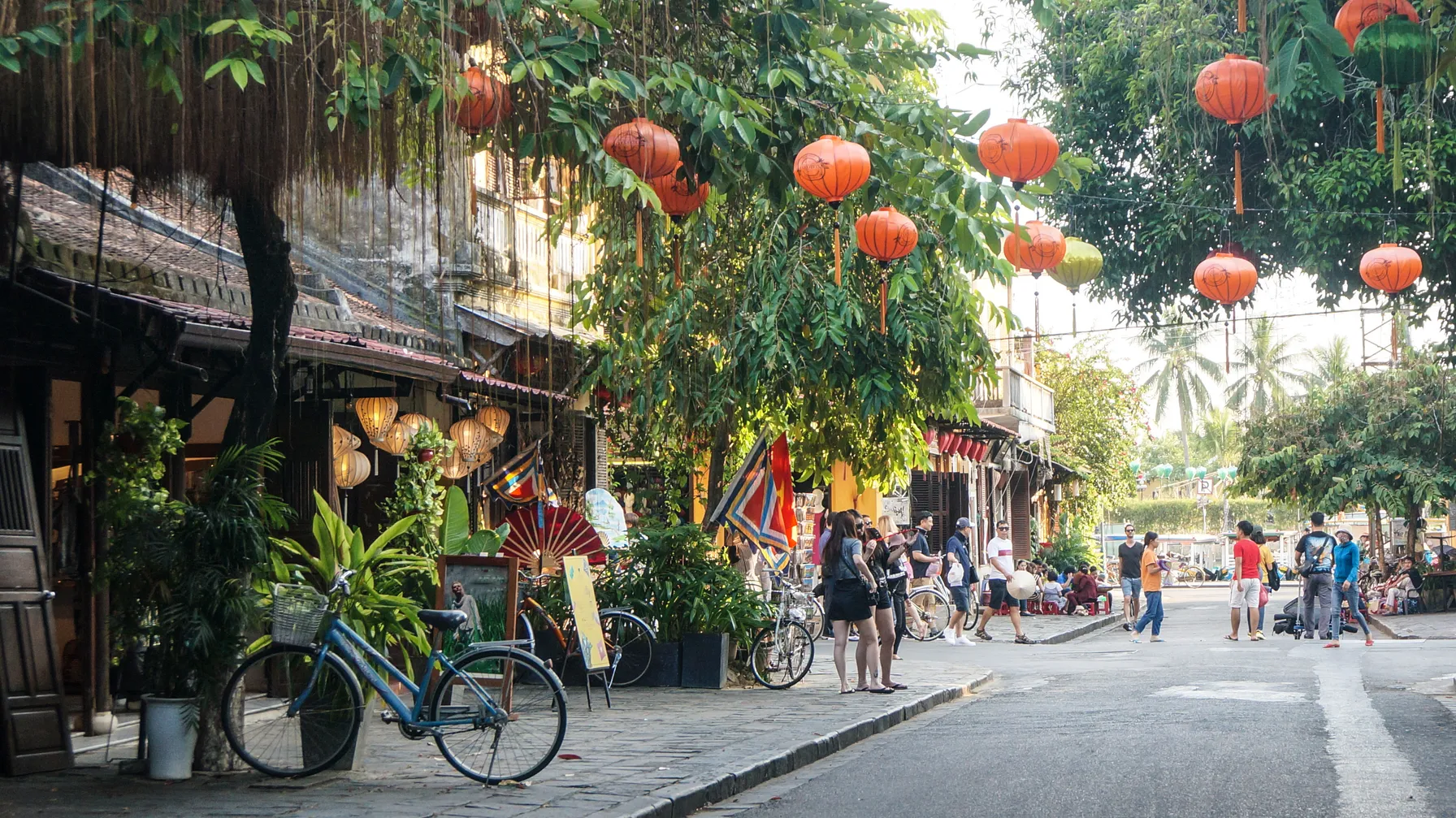
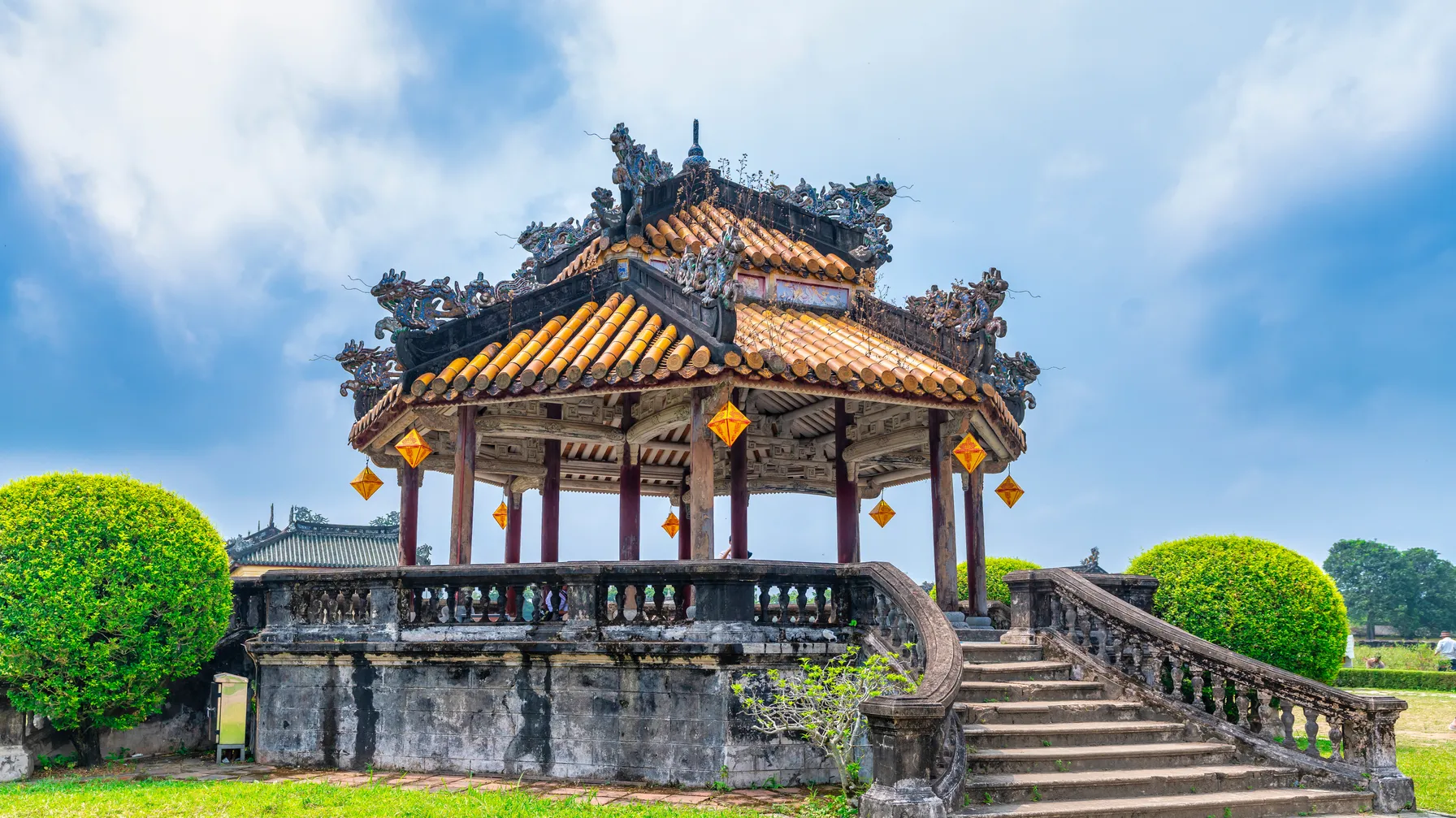
Precipitations may be more sustained than in the North, especially towards the end of the month, but they do not prevent the discovery of the architectural treasures of the region. The humidity-laden atmosphere actually adds a special ambiance to the alleys of Hoi An and the temples of Hue.
The Tropical Stability of the South
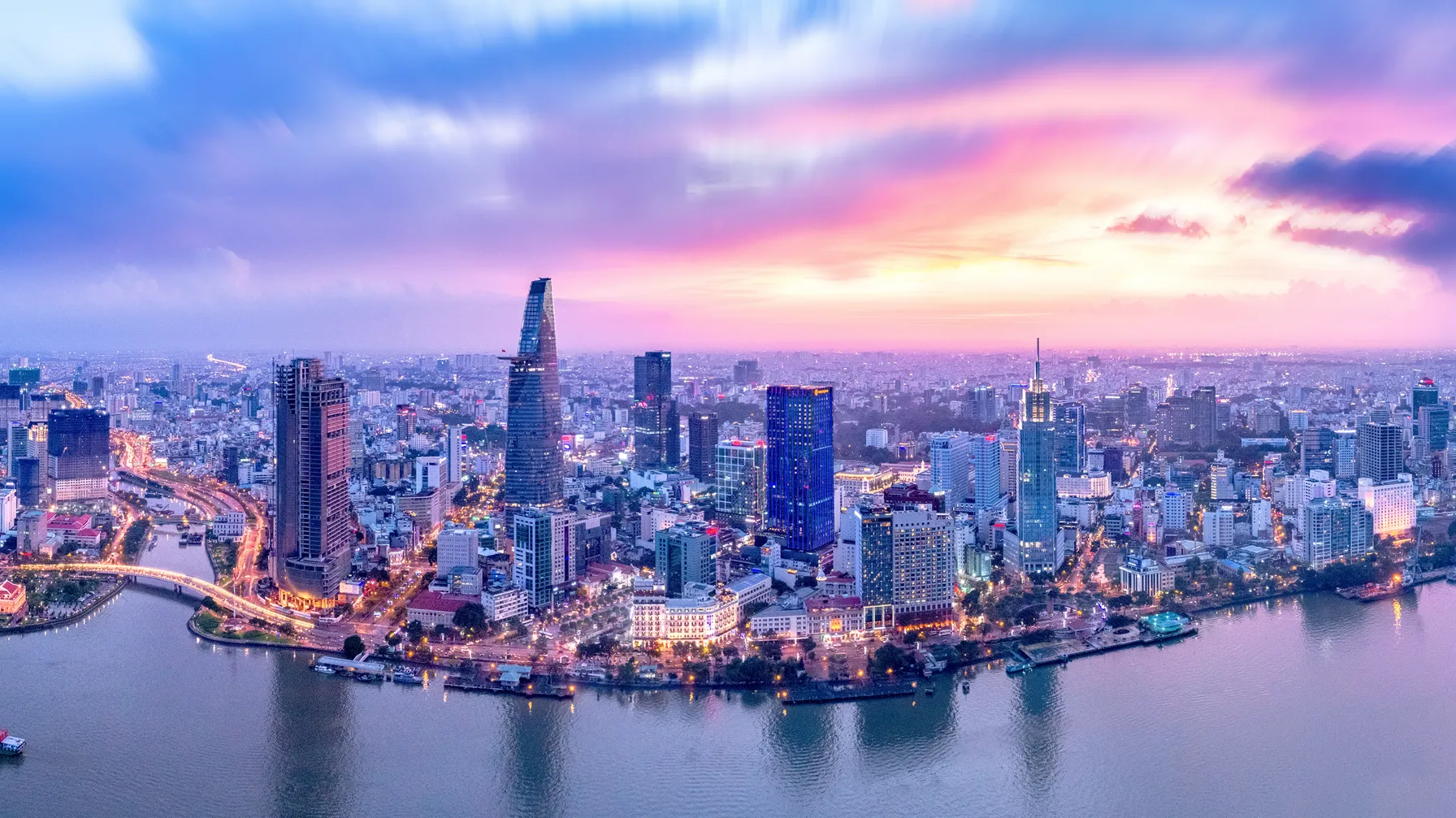
The South of Vietnam, with Ho Chi Minh City as the epicenter, enjoys a stable tropical climate. September temperatures range between 24°C and 32°C, with short but intense tropical showers, generally in the evening. This region benefits from generous sunshine that allows you to fully enjoy outdoor activities.
The Mekong Delta then goes through its natural flood season, transforming the landscapes into vast aquatic expanses where traditional floating markets navigate. This late rainy season in the South creates particularly favorable conditions for observing authentic rural life.
| Region | Average Temperature | Precipitations | Humidity |
|---|---|---|---|
| North | 20-28°C | Moderate | 70-80% |
| Center | 26-30°C | Significant | 80-85% |
| South | 24-32°C | Intense but short | 75-85% |
Contact us for more information on the best times to visit
Why does September reveal the true face of Vietnam?
This period offers you a unique perspective on Vietnamese authenticity, far from the usual tourist-beaten paths.
The authenticity of the low season
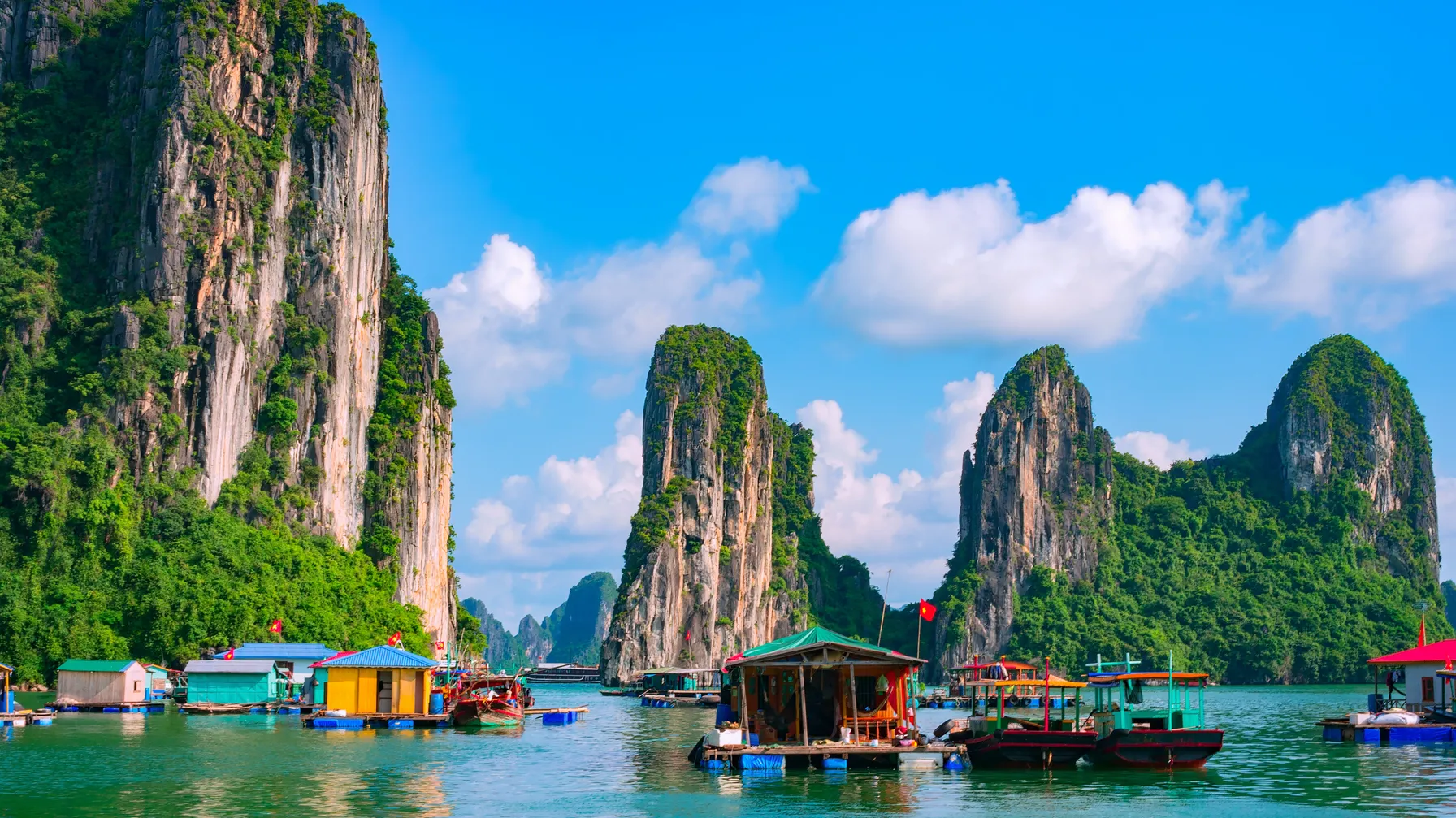
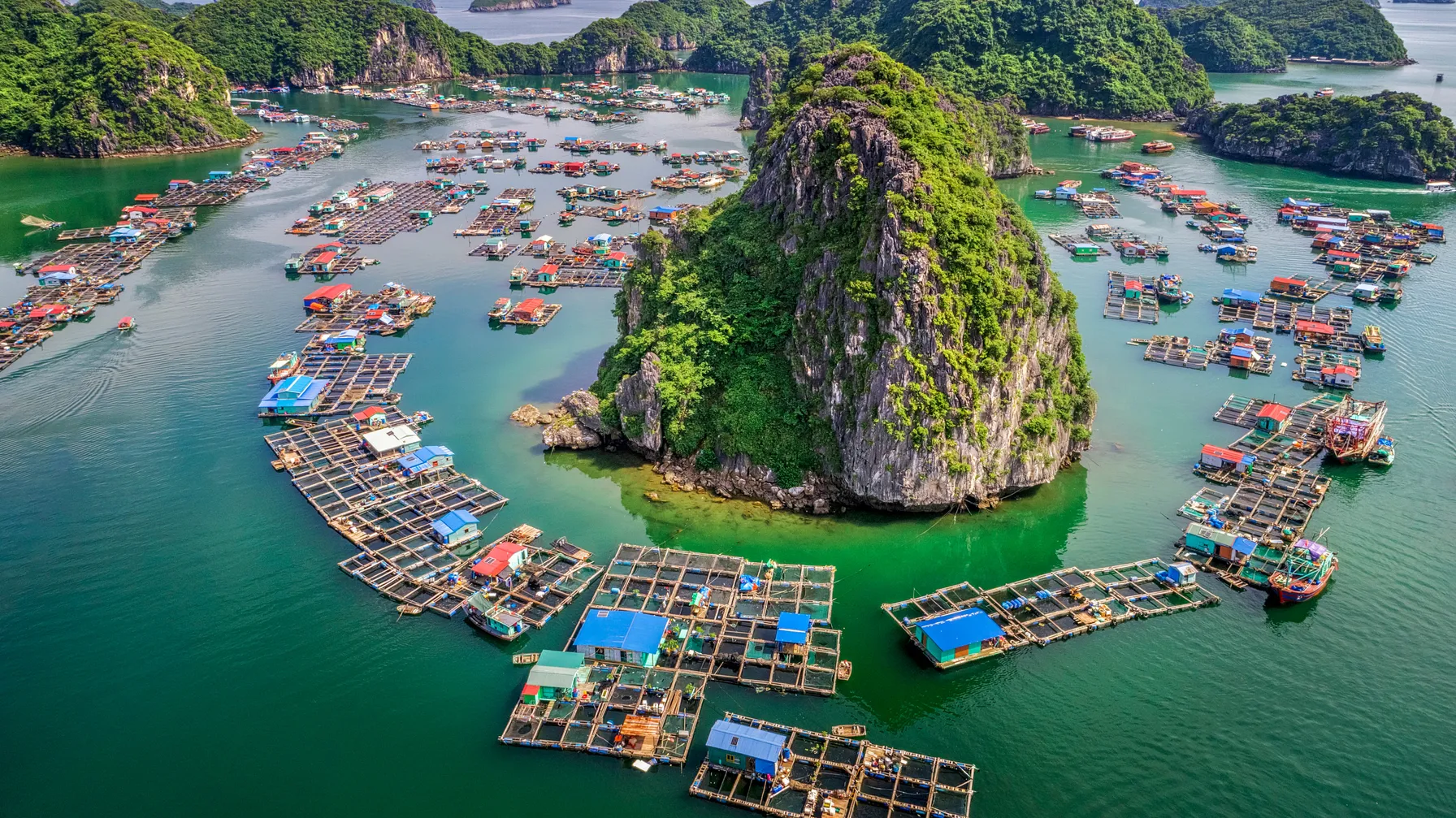
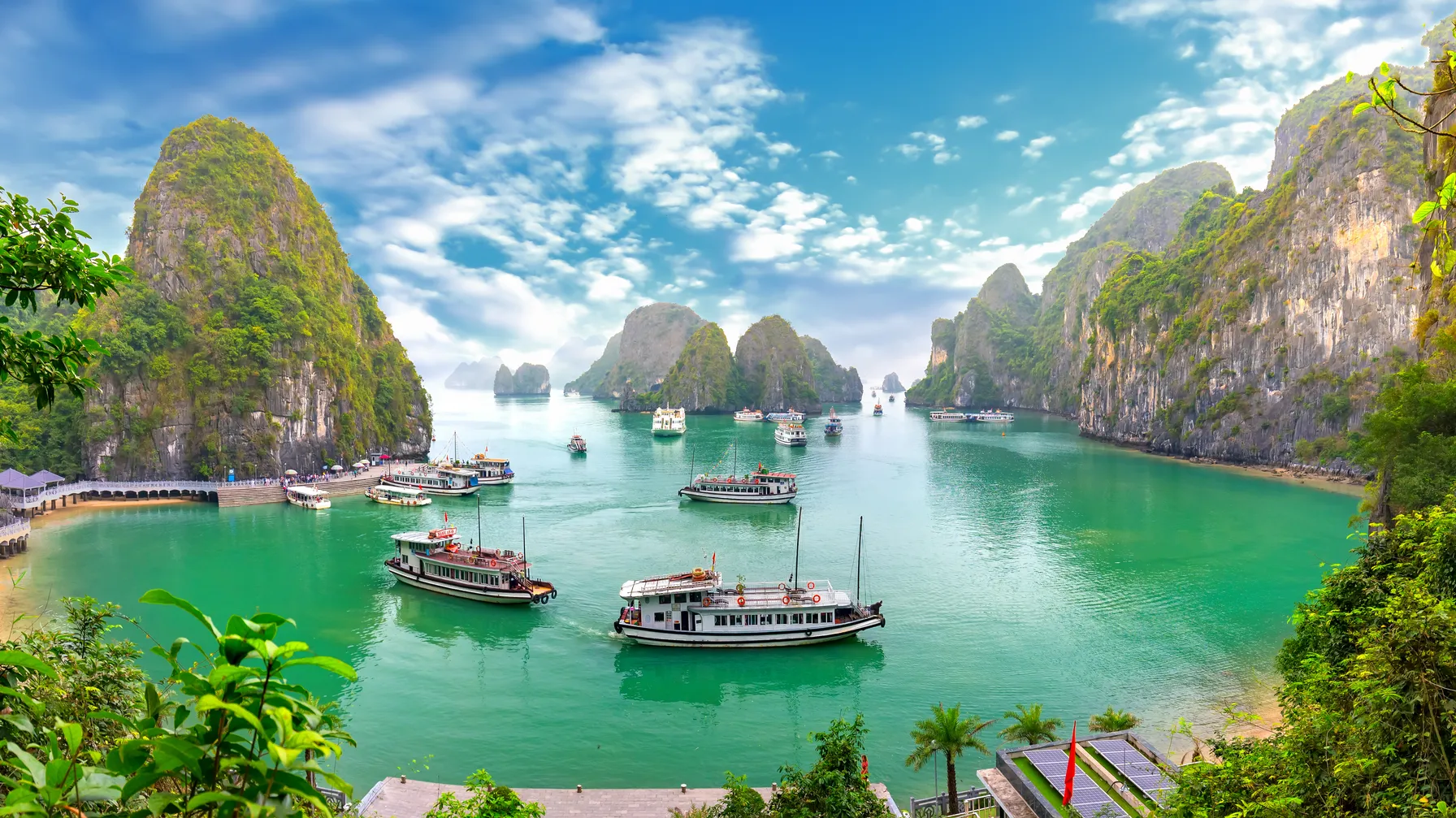
Traveling to Vietnam in September offers considerable benefits for travelers seeking authenticity. The significant decrease in tourist flow allows you to establish closer contacts with local populations and to discover a less standardized Vietnam. Iconic sites like Halong Bay regain their natural serenity, offering exceptional sailing conditions.
This period also guarantees more advantageous rates for your accommodation and activities. Hotels often offer preferential conditions, allowing you to access premium services at more affordable prices. Local guides are more available and can further personalize your excursions according to your interests.
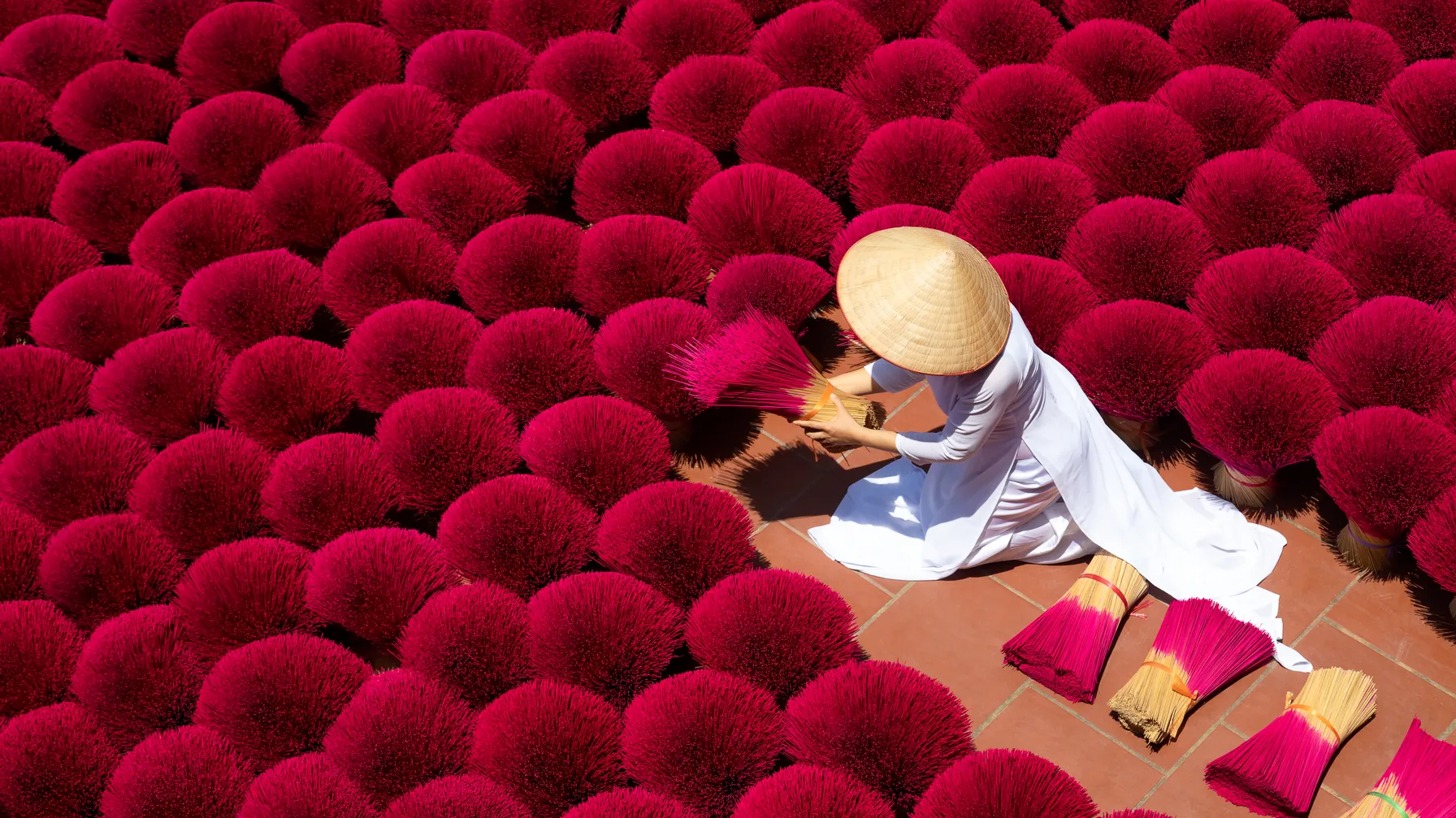
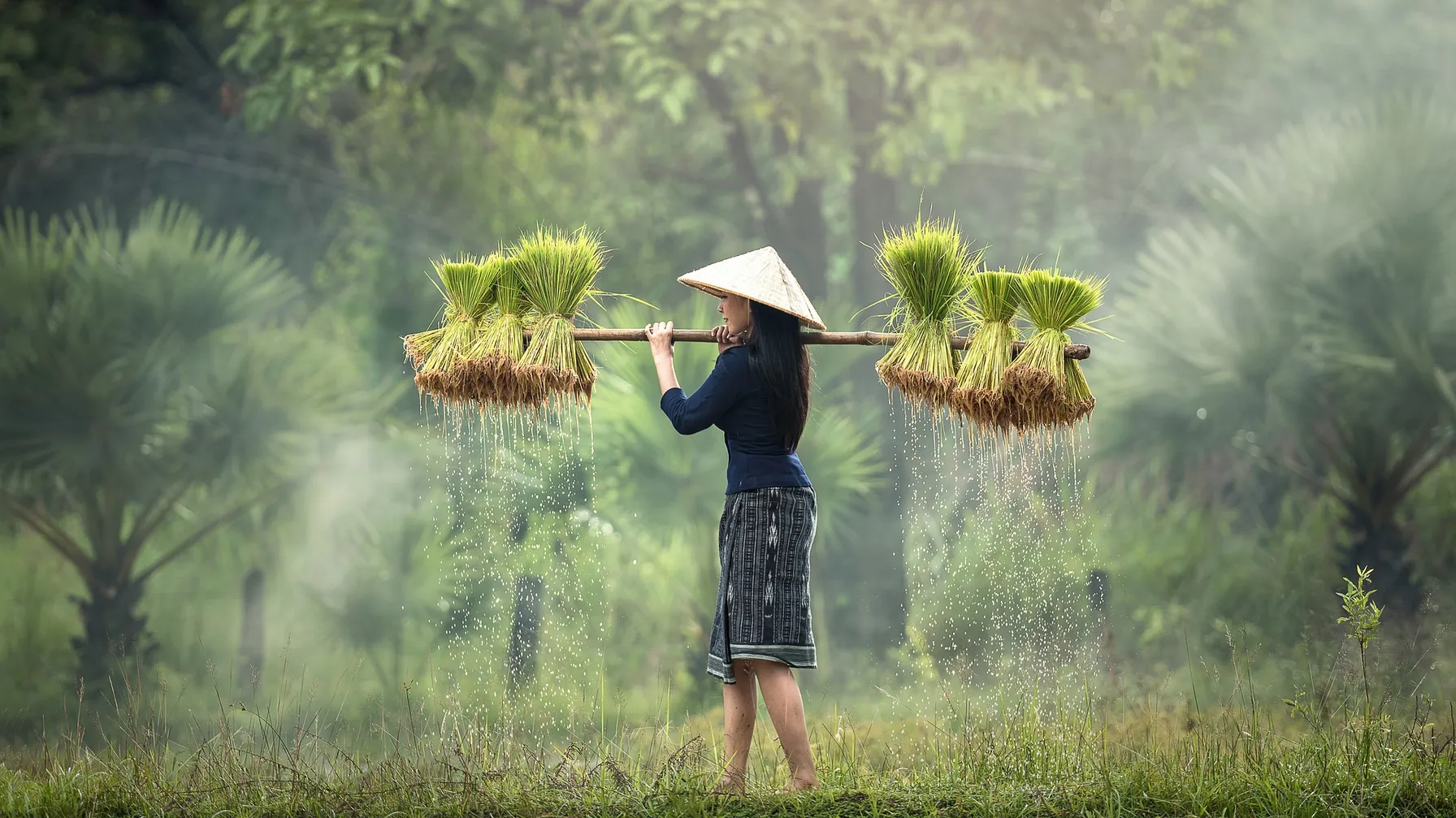
The local pace of life also resumes its rights after the more intense summer period. You can thus observe the ancestral agricultural traditions, notably the rice harvest which is in full swing in the mountainous regions of Northern Vietnam.
Traditional celebrations of the month
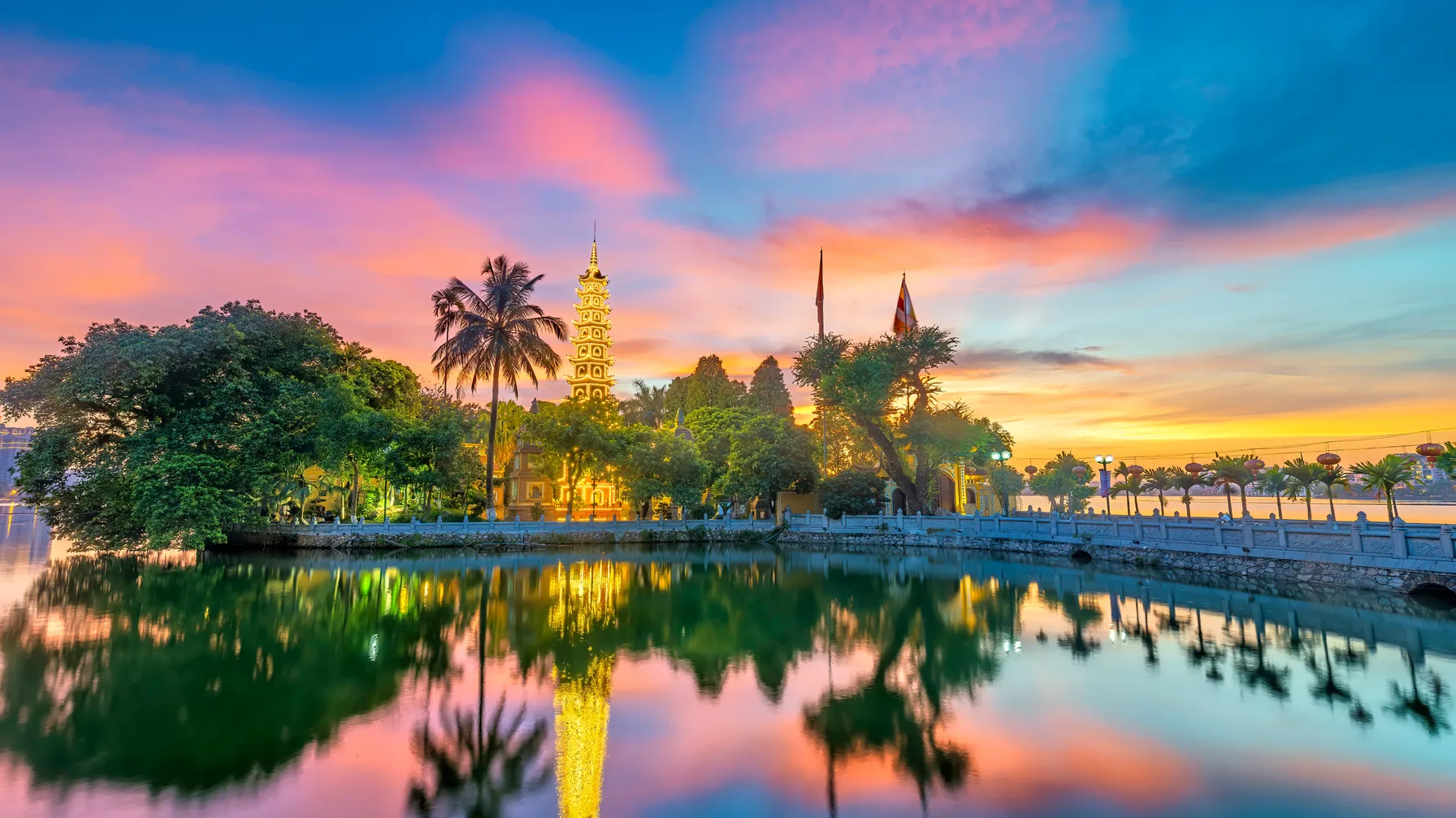
September marks a particularly rich festive calendar that greatly enriches your cultural experience. The National Day on September 2 commemorates the country's independence with celebrations throughout the territory. Hanoi dresses in its finest patriotic attire, offering spontaneous street performances and an authentic popular atmosphere.
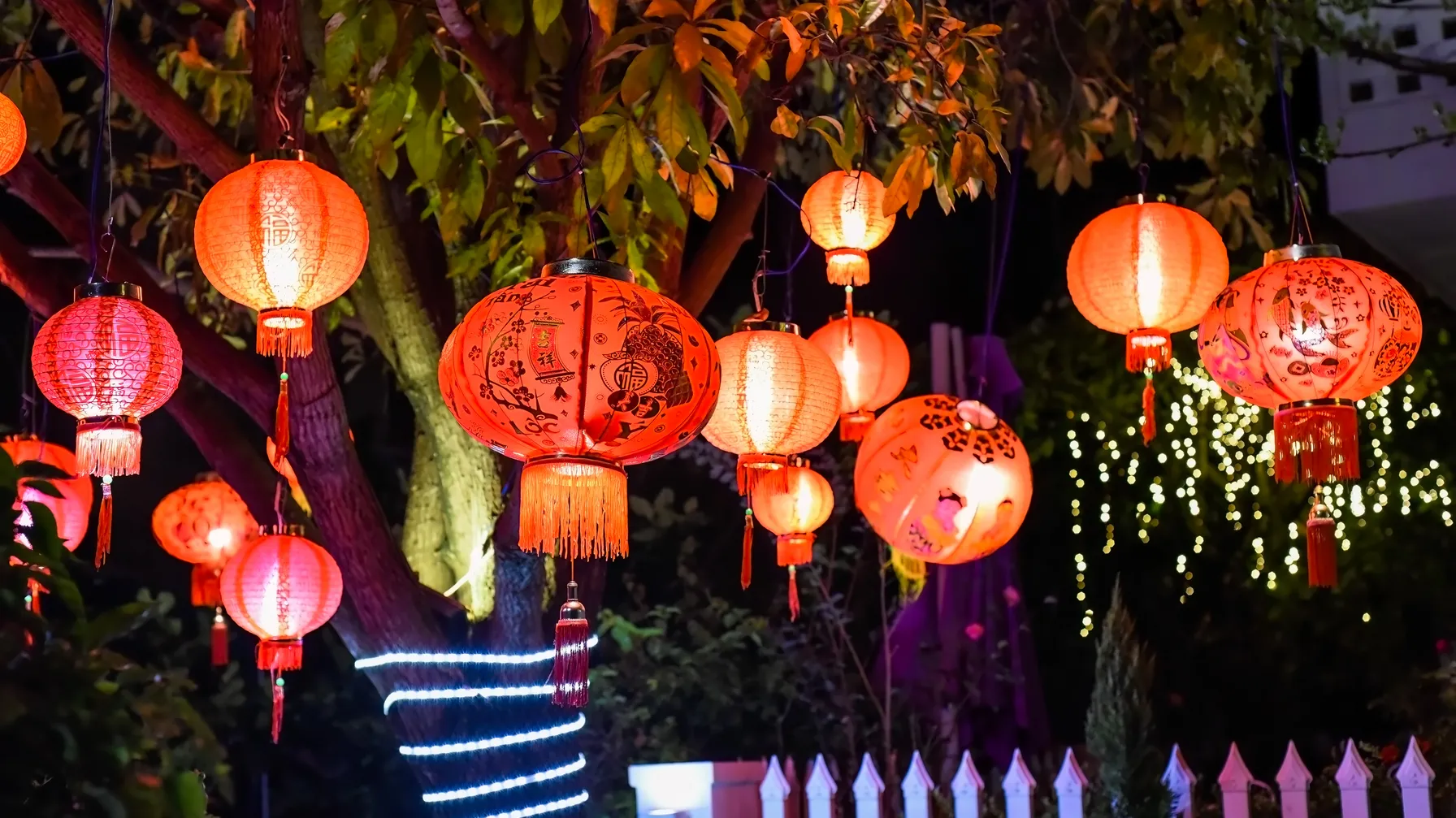
The preparation for the Mid-Autumn Festival, which traditionally takes place in September or early October according to the lunar calendar, transforms cities into true cultural theaters. Multicolored lanterns light up the alleyways, while traditional pastries scent the local markets. This family celebration allows you to observe the transmission of traditions between generations.
Rural regions also organize their own agricultural festivities related to the harvest, creating unique opportunities for immersion in traditional peasant culture.
Book your trip to Vietnam now
Demandez votre devis Vietnam sur-mesure 100% gratuit
 4.8
4.8+3.000 travelers satisfied
What key experiences to prioritize during your stay?
Traveling to Vietnam in September opens up a range of activities suitable for the specific weather conditions of this period.
The Wonders of the North in Autumn
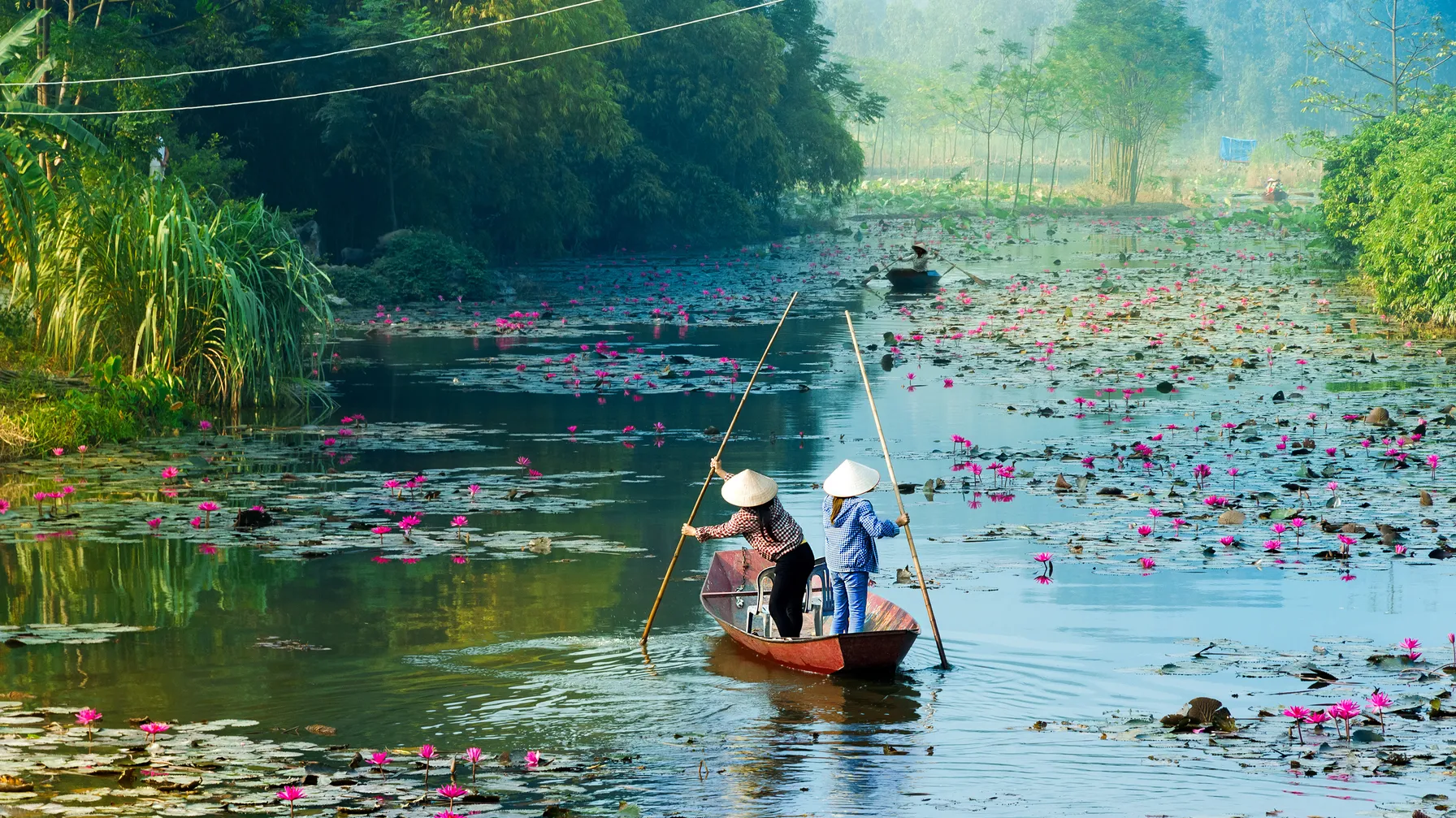
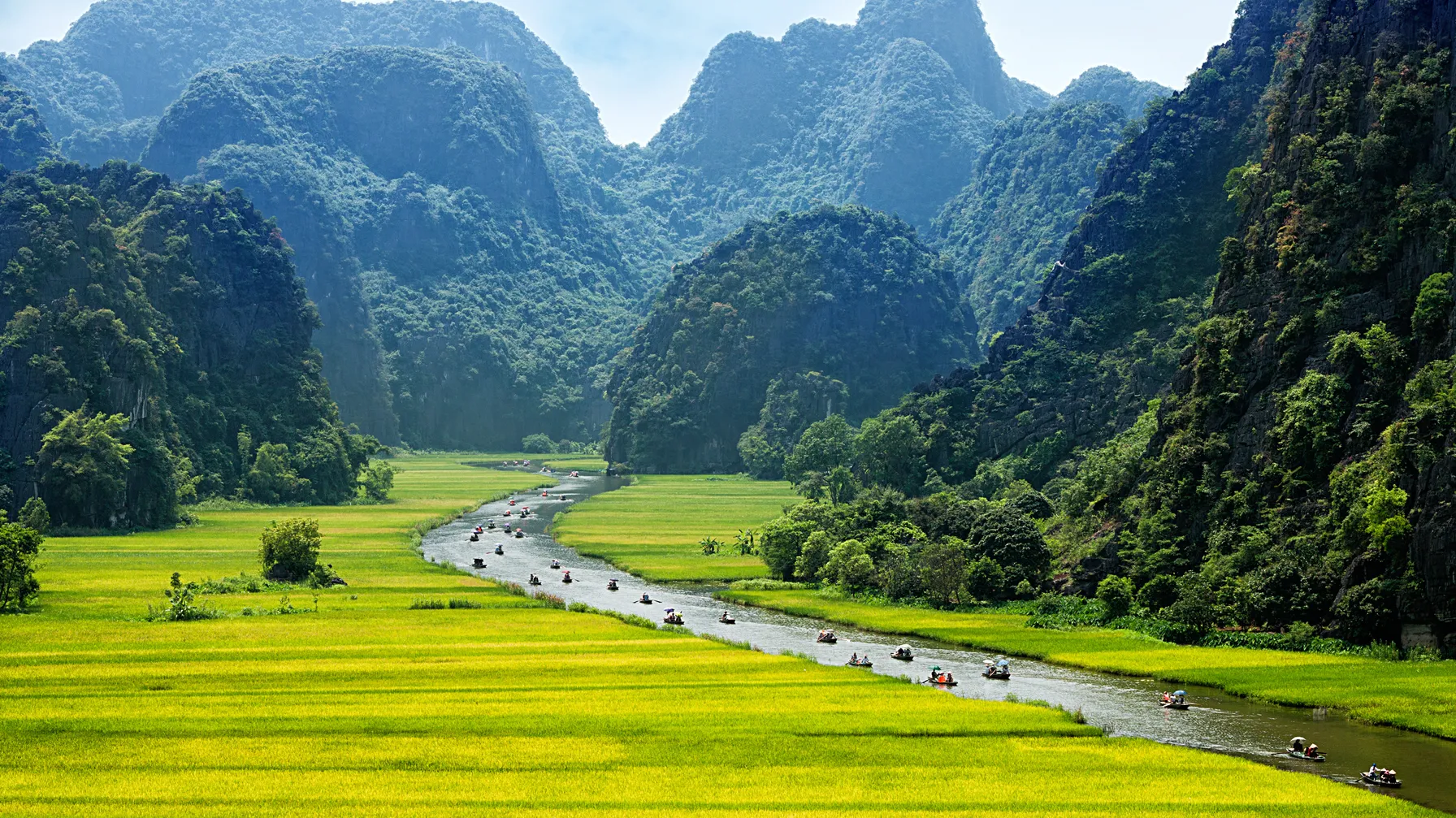
The North of Vietnam reveals its most flattering aspect in September. The Ninh Binh region, nicknamed the 'Halong Bay on land', enjoys optimal conditions for peaceful river cruising between limestone peaks. The mild temperatures make sampan excursions particularly enjoyable.
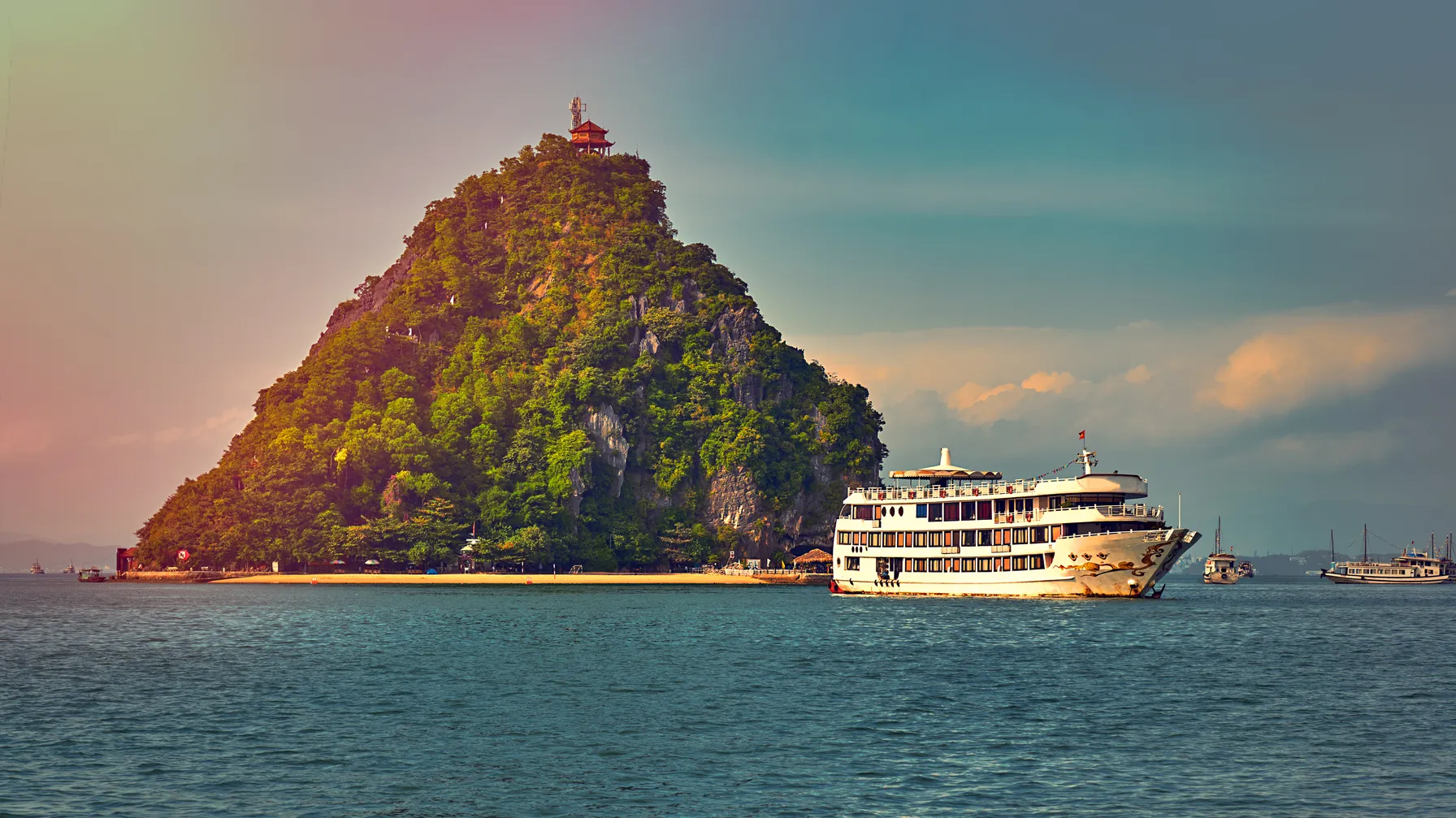
The famous Halong Bay regains its tranquility after the summer crowds, allowing you to fully enjoy cruises in a more intimate setting. The morning mists create mysterious atmospheres that enhance the iconic karst landscapes.
The mountainous regions reveal their most beautiful secrets: the terraced rice fields of Sapa are adorned with spectacular golden hues, while the hiking trails become passable after the heavy summer rains. This period coincides with the rice harvest, offering you privileged opportunities for exchanges with local ethnic communities.
Advice from our Travel Planners: Choose light but covering clothing to protect from occasional showers, and do not forget a compact raincoat for your outdoor excursions.
The Wealth of the Center and South
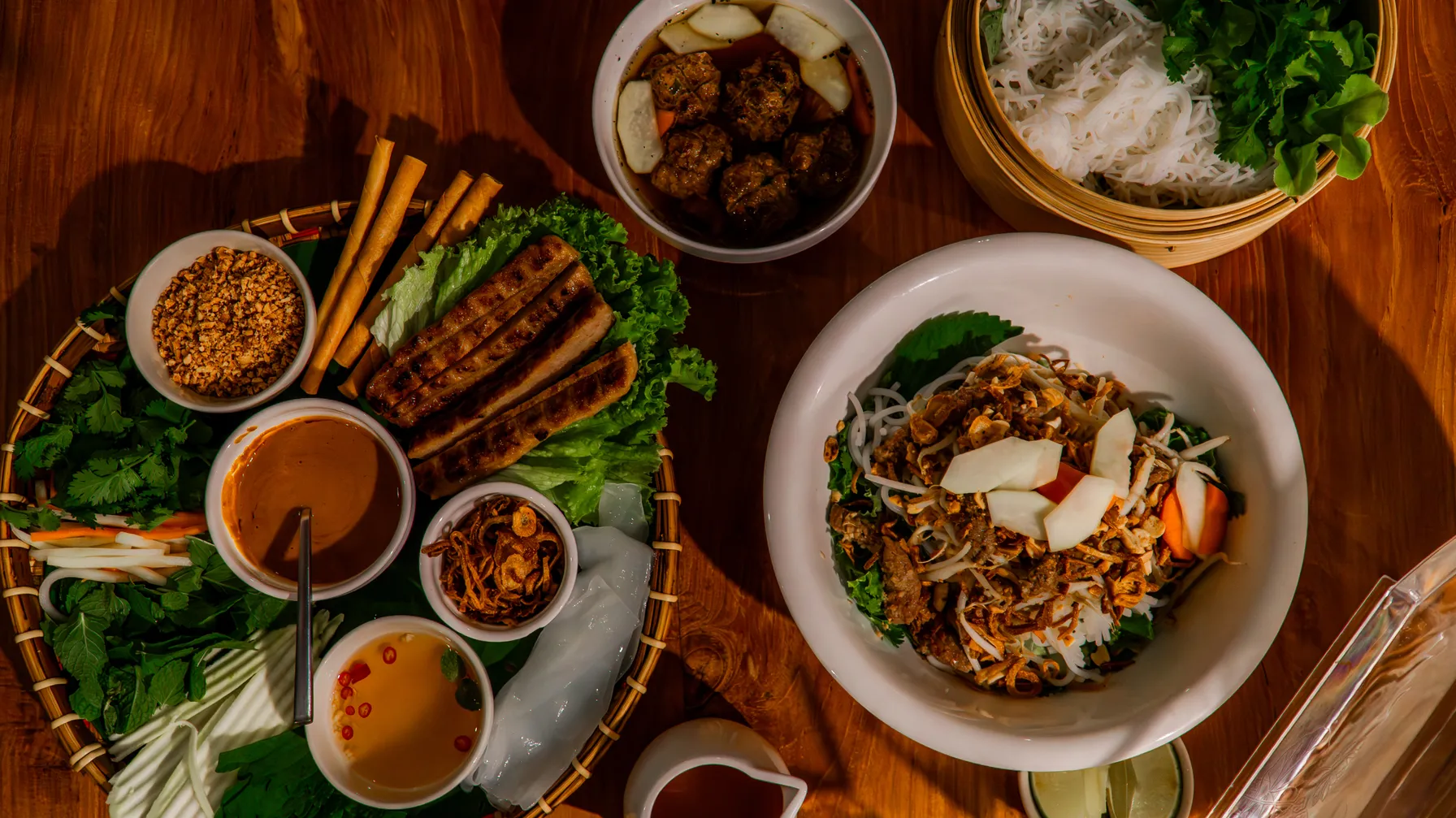
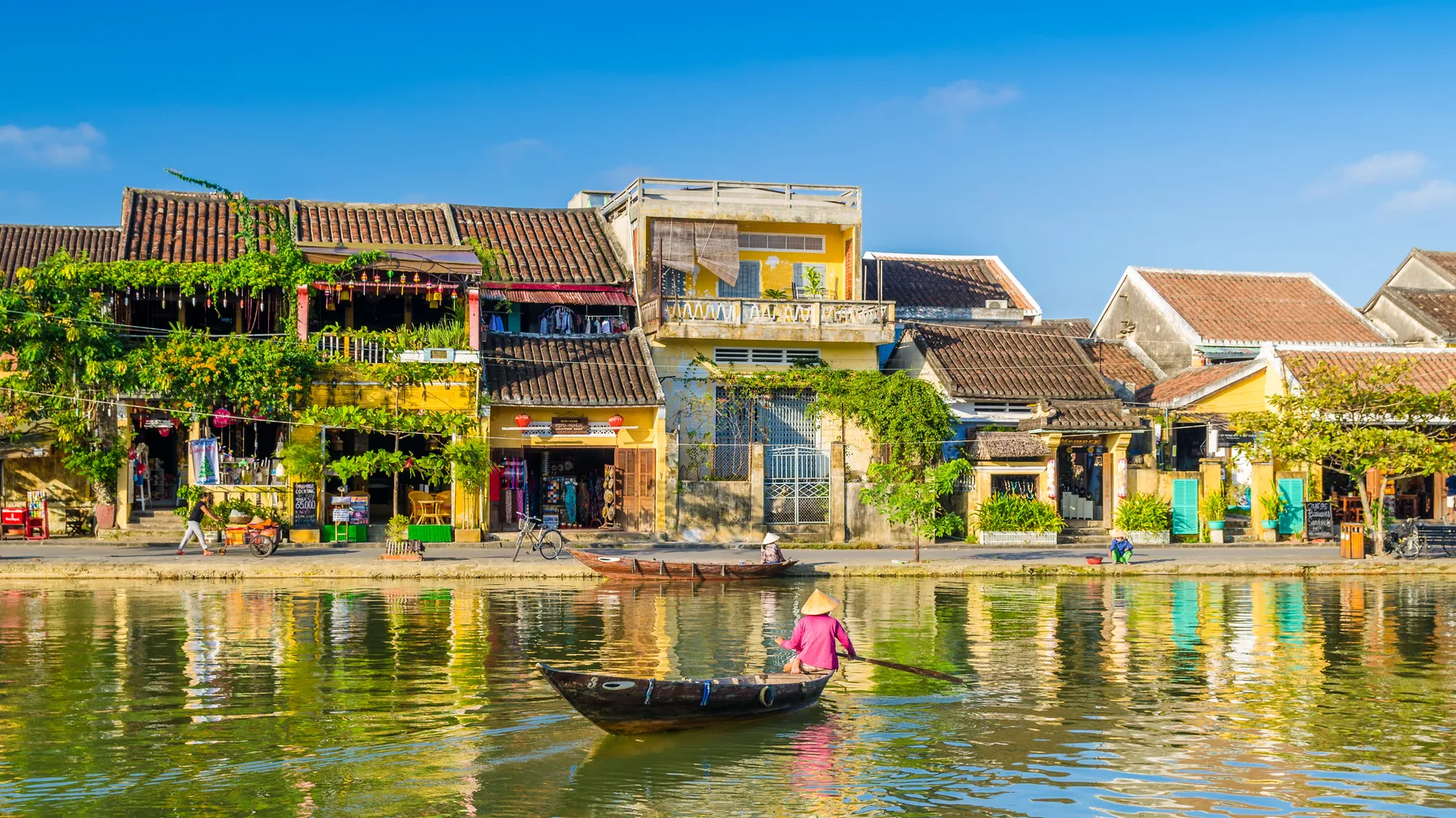
Central Vietnam, despite the rainy season, remains perfectly visitable in September. Hoi An reveals its special charm under the light rain, its colorful lanterns creating magical reflections on the wet cobblestones. This ancient merchant city is ideally explored on foot, taking the time to enjoy its refined cuisine sheltered from the passing weather.
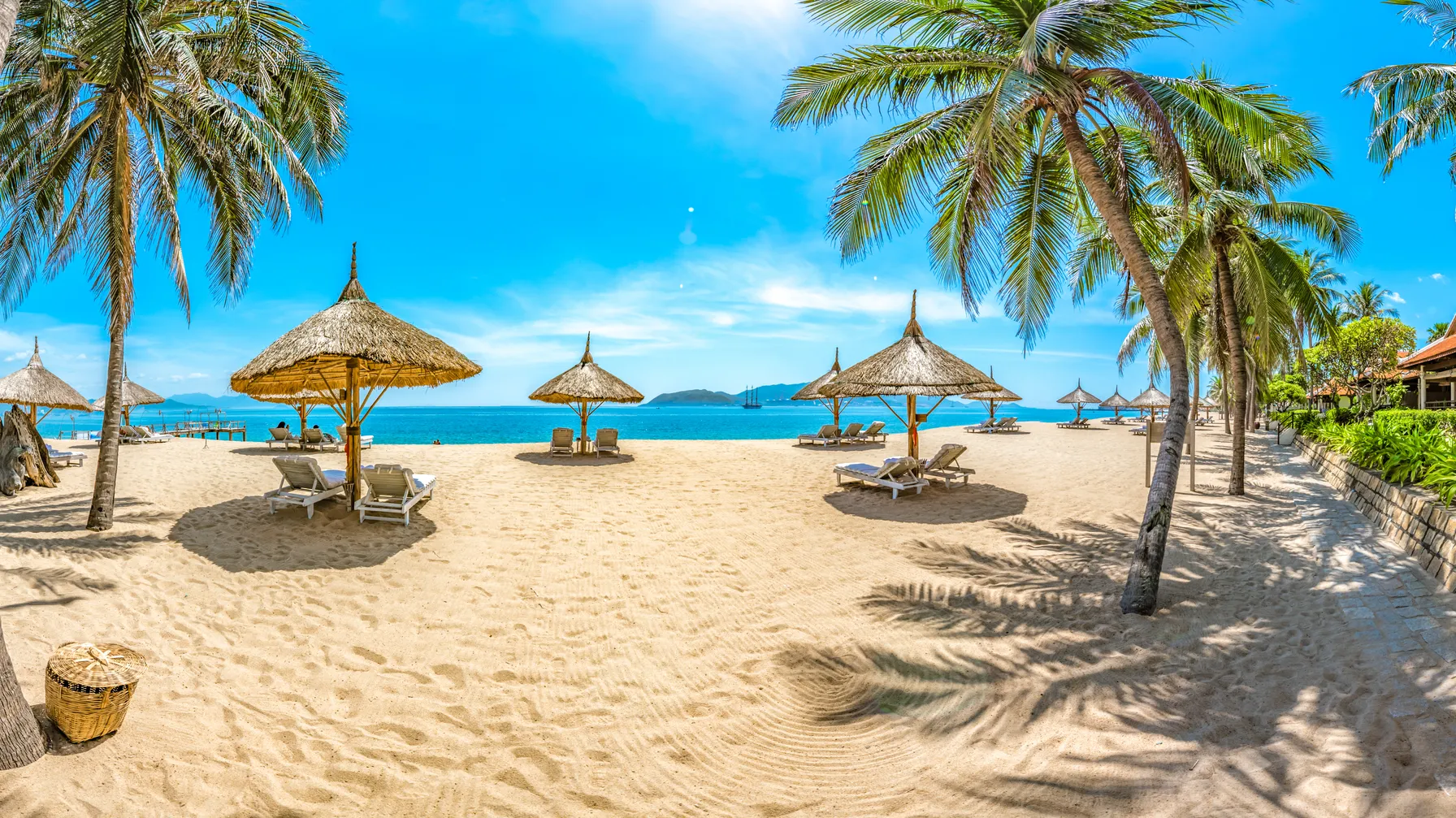
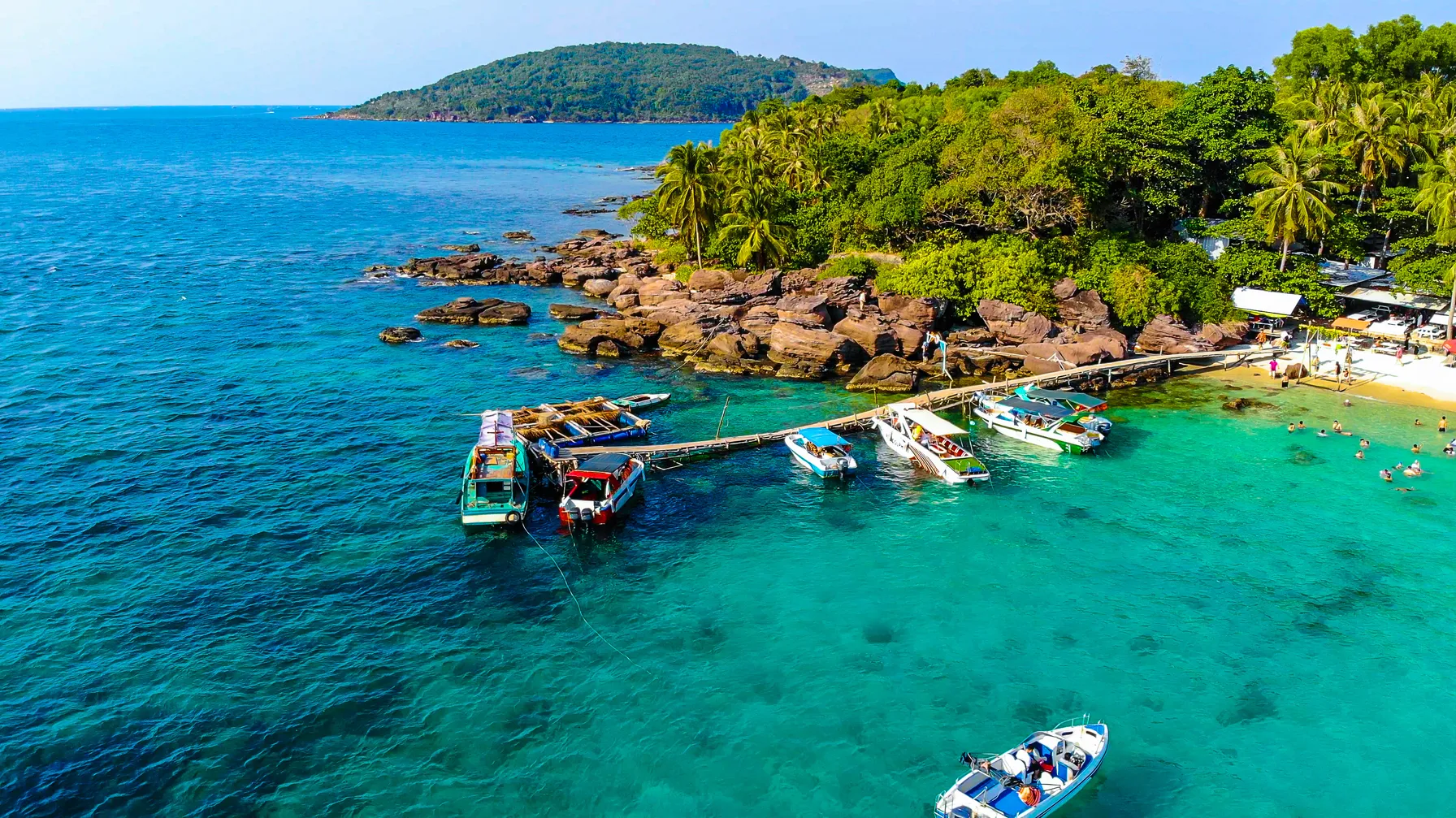
South Vietnam enjoys favorable weather conditions for water activities. Phu Quoc Island has a microclimate that limits the impact of the rainy season, allowing you to enjoy its paradisiacal beaches. The crystal-clear waters maintain an ideal temperature for swimming and scuba diving.
The Mekong Delta lives intensely its floating season in September. The floating markets are at their peak in a particularly authentic atmosphere. This period allows you to observe the remarkable adaptation of local populations to the natural cycles of flood and ebb.
Nha Trang, a renowned beach resort, experiences moderate attendance ensuring more privacy on its fine sandy beaches. Water activities are still feasible, with warm sea and favorable wind conditions.
Here are the must-do activities by region:
- Northern Vietnam: hiking in the golden rice fields, cruises on Halong Bay, exploration of ethnic minorities;
- Central: exploration of architectural heritage, local gastronomy, traditional craftsmanship;
- South: relaxing on tropical islands, navigating the delta, exploring the floating life.
Insider tip: take advantage of this period to venture off the beaten track and discover less known but equally fascinating destinations, like the central plateaus or the obscure islands of the South.
Contact us for more information
September thus reveals a Vietnam of many facets, where each region expresses its climatic and cultural personality. This transition period guarantees an authentic travel experience, paced by traditional celebrations and enhanced by exceptional natural landscapes. Your tailor-made trip can perfectly adapt to the specifics of this season, allowing you to discover the country under privileged conditions, far from the usual tourist influx.