15 days in Vietnam: the guide to planning your trip
Why is Vietnam such a must-visit travel destination?
Vietnam is one of those destinations that leave a lasting mark. Its exceptional geography draws striking contrasts, misty terraced rice fields in the north to the lush canals of the south, passing through the coasts and the central plains. Each stage of the journey reveals a different facet of the country, and that is precisely what makes a 15-day stay so rich.
A diversity of landscapes, from north to south
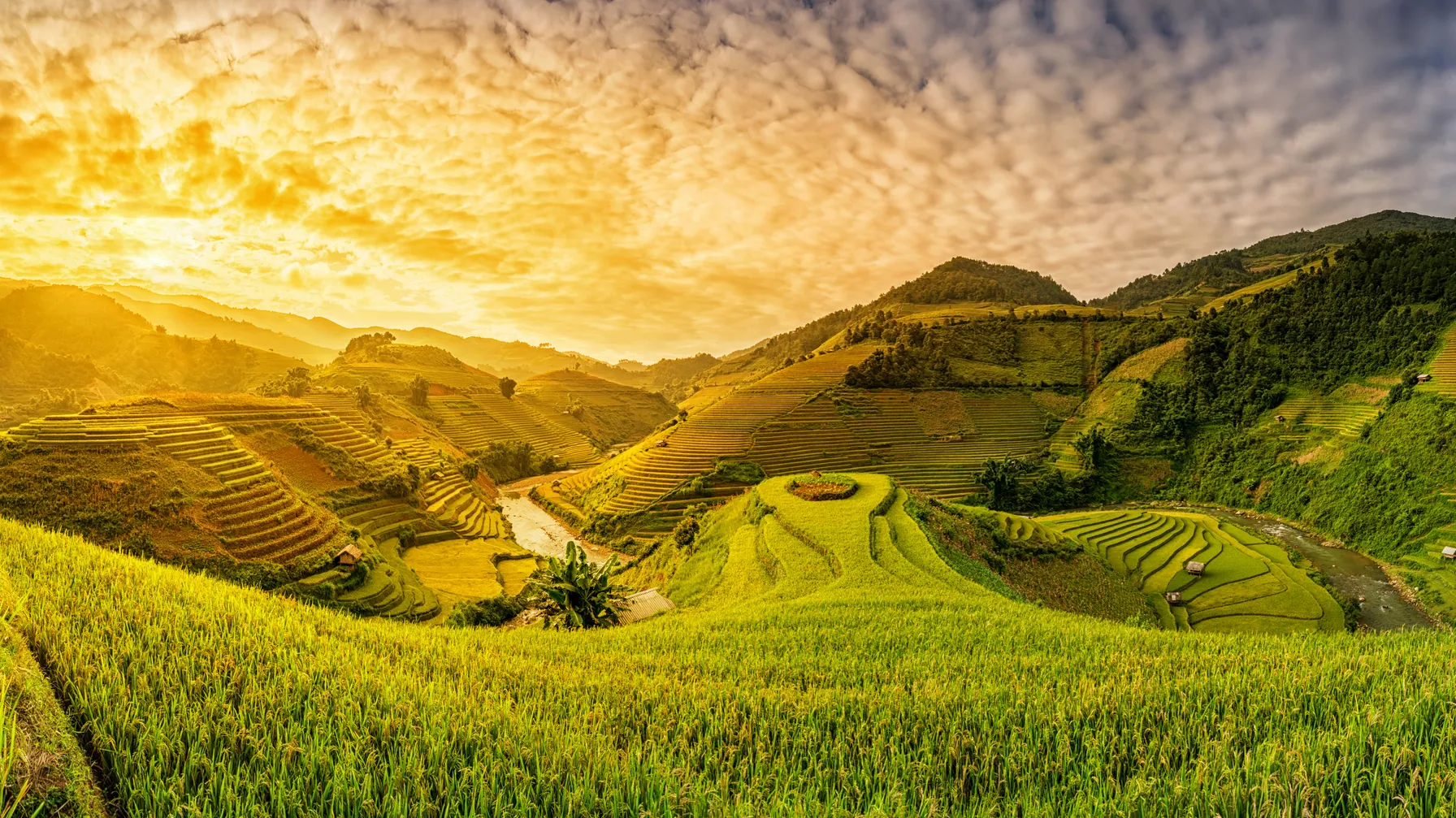
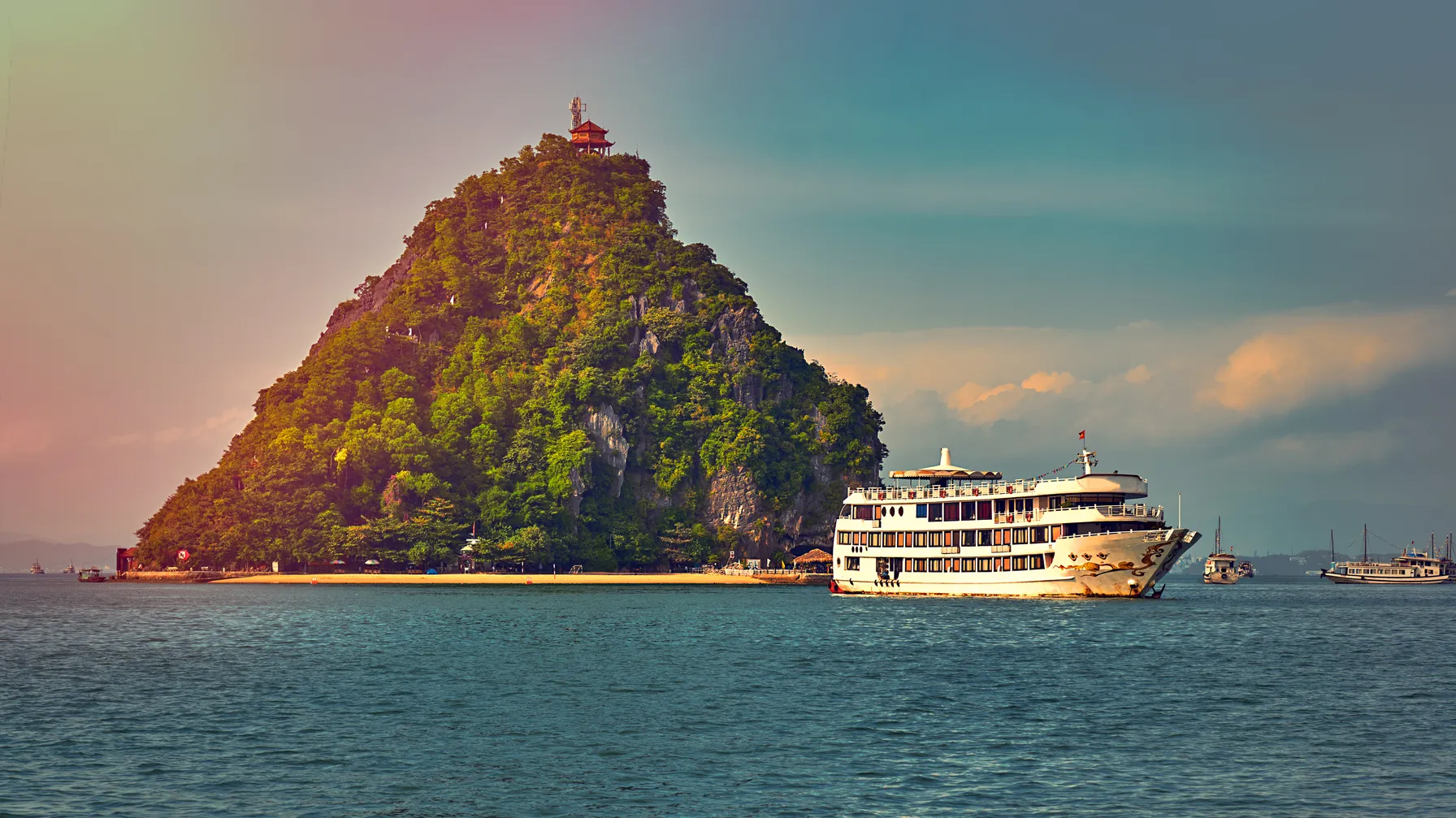
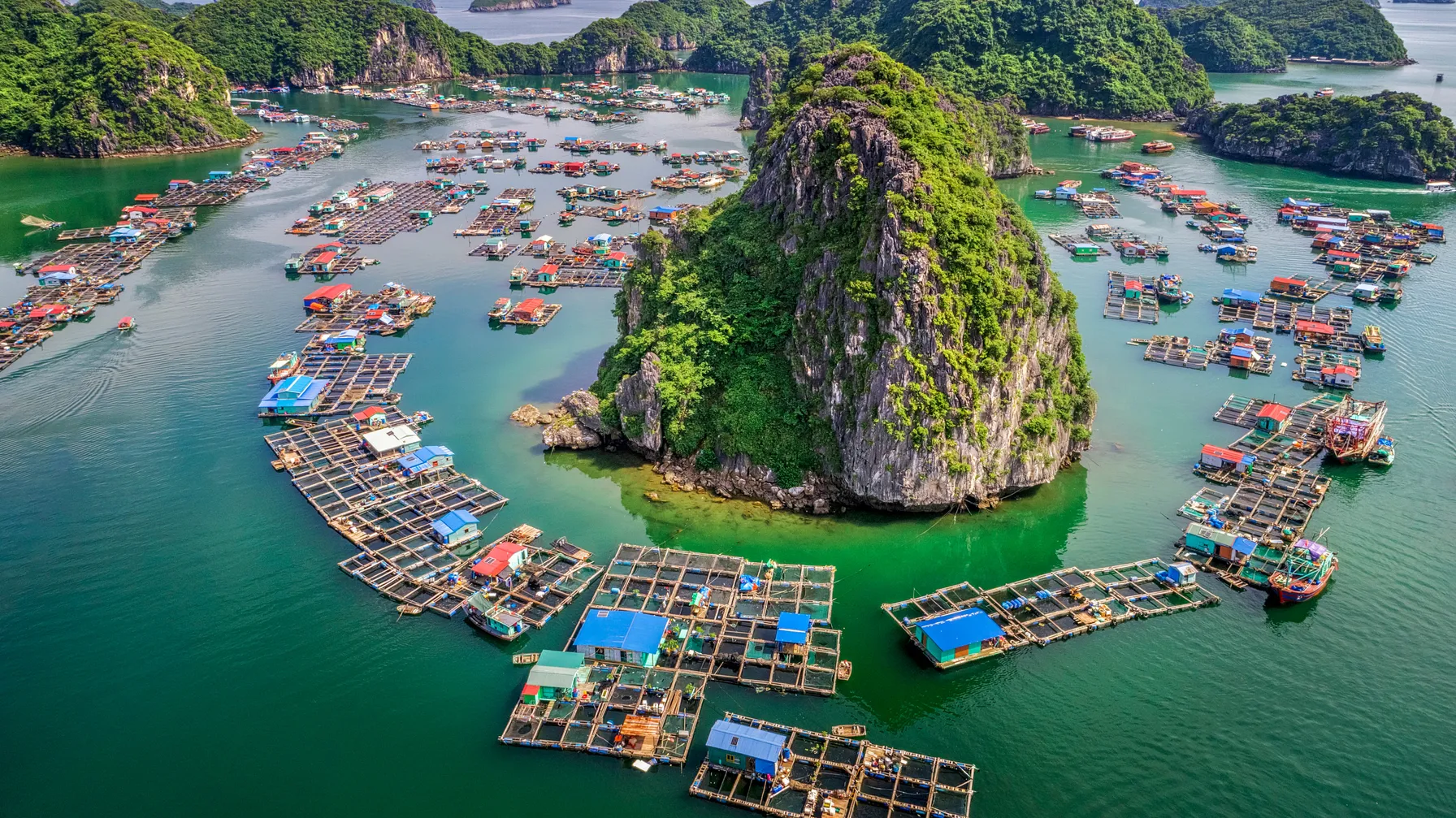
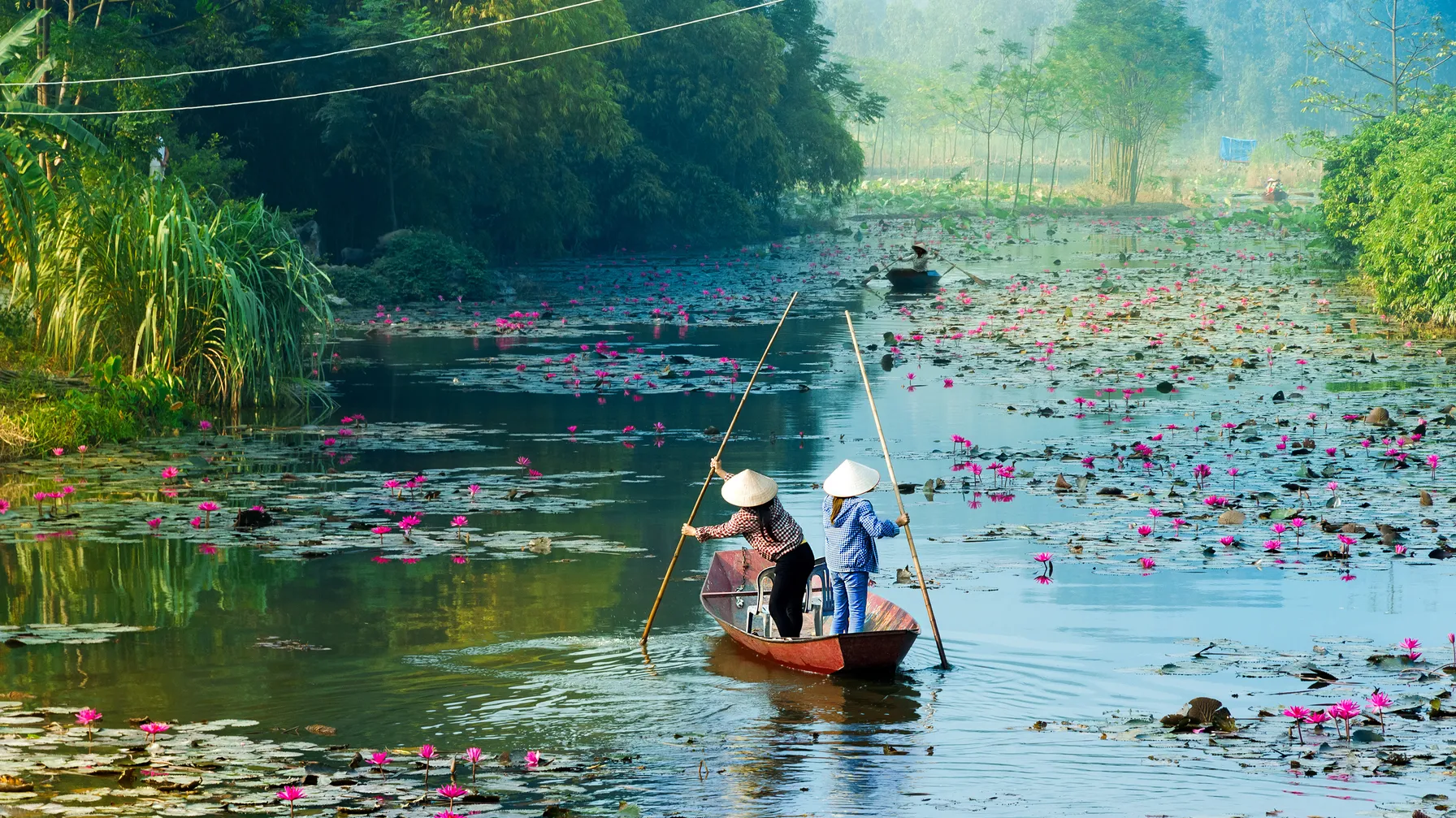
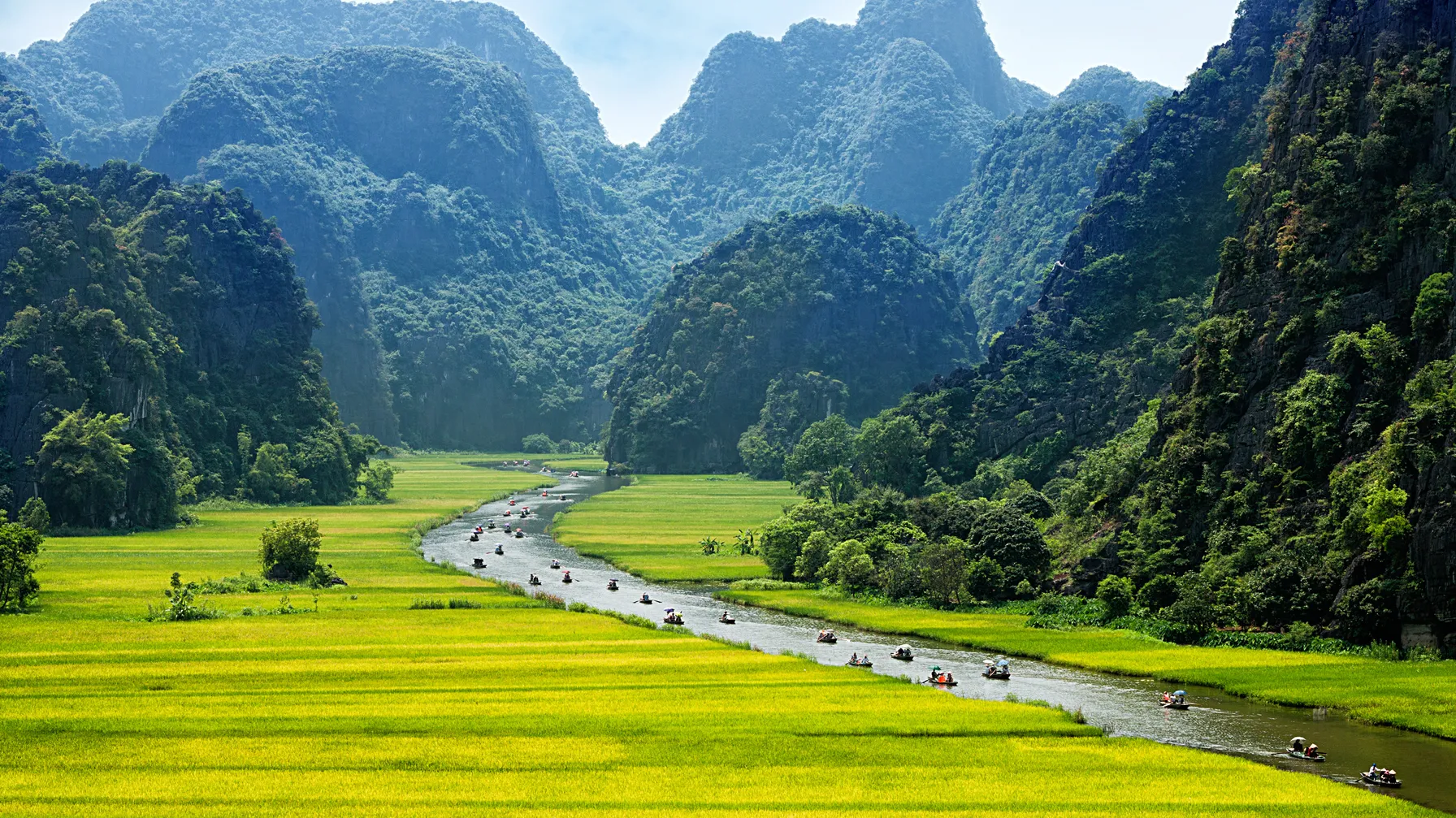
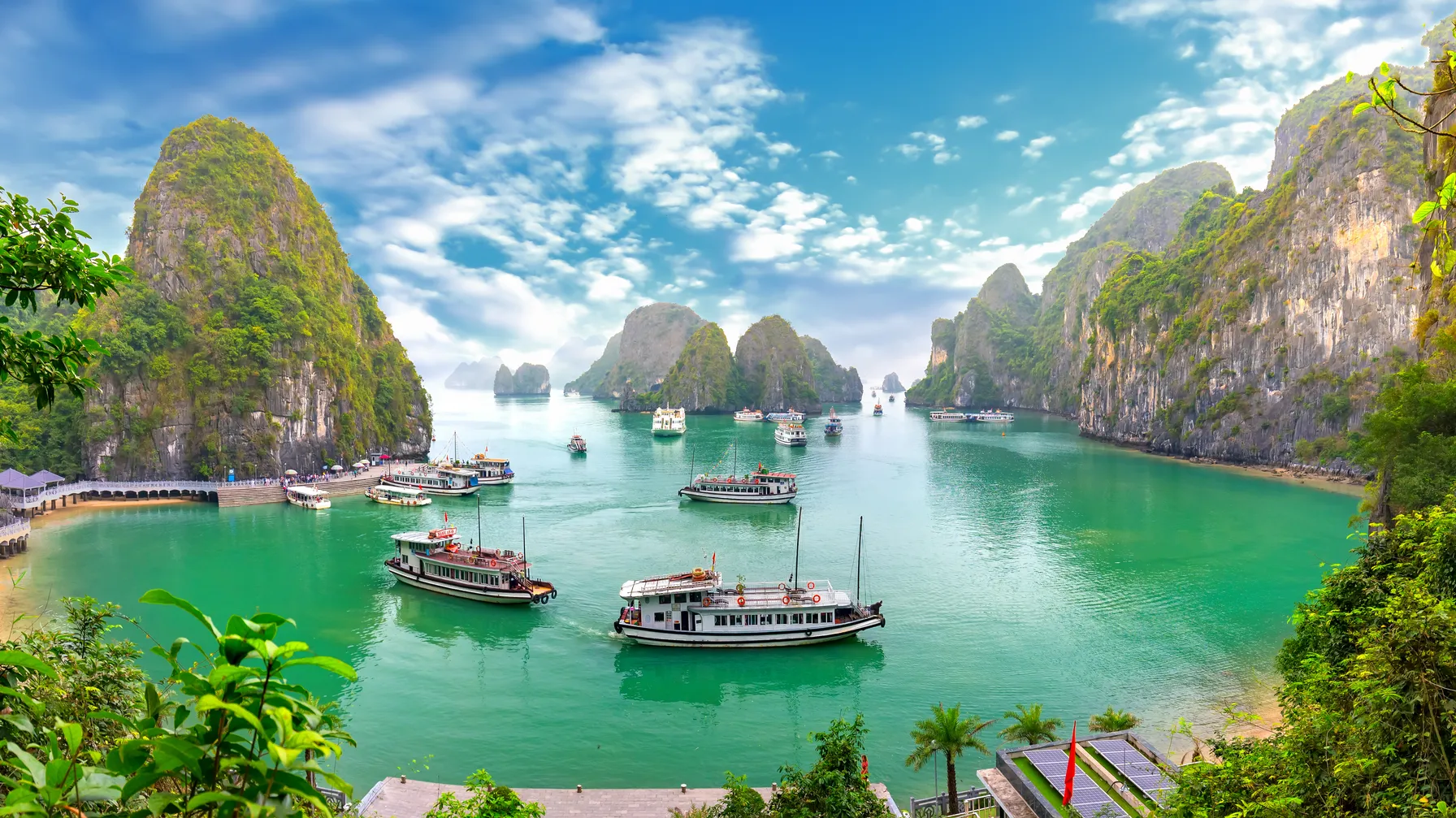
In northern Vietnam, the emerald waters of Ha Long Bay and its thousands of karst islands listed as UNESCO World Heritage Site compose one of the most spectacular panoramas in Asia. Inland, Ninh Binh and its Tam Coc site are well worth the detour: paddling a boat along the river amid the limestone karsts and rice terraces is to live a suspended experience outside time. This region, often nicknamed the 'Terrestrial Halong', offers a serenity that few places in the world can match. Further north still, the terraced rice fields of the mountains reveal, as the seasons go by, scenes of rare beauty, golden at harvest or a deep green at the start of summer.
A vibrant culture and gastronomy to explore
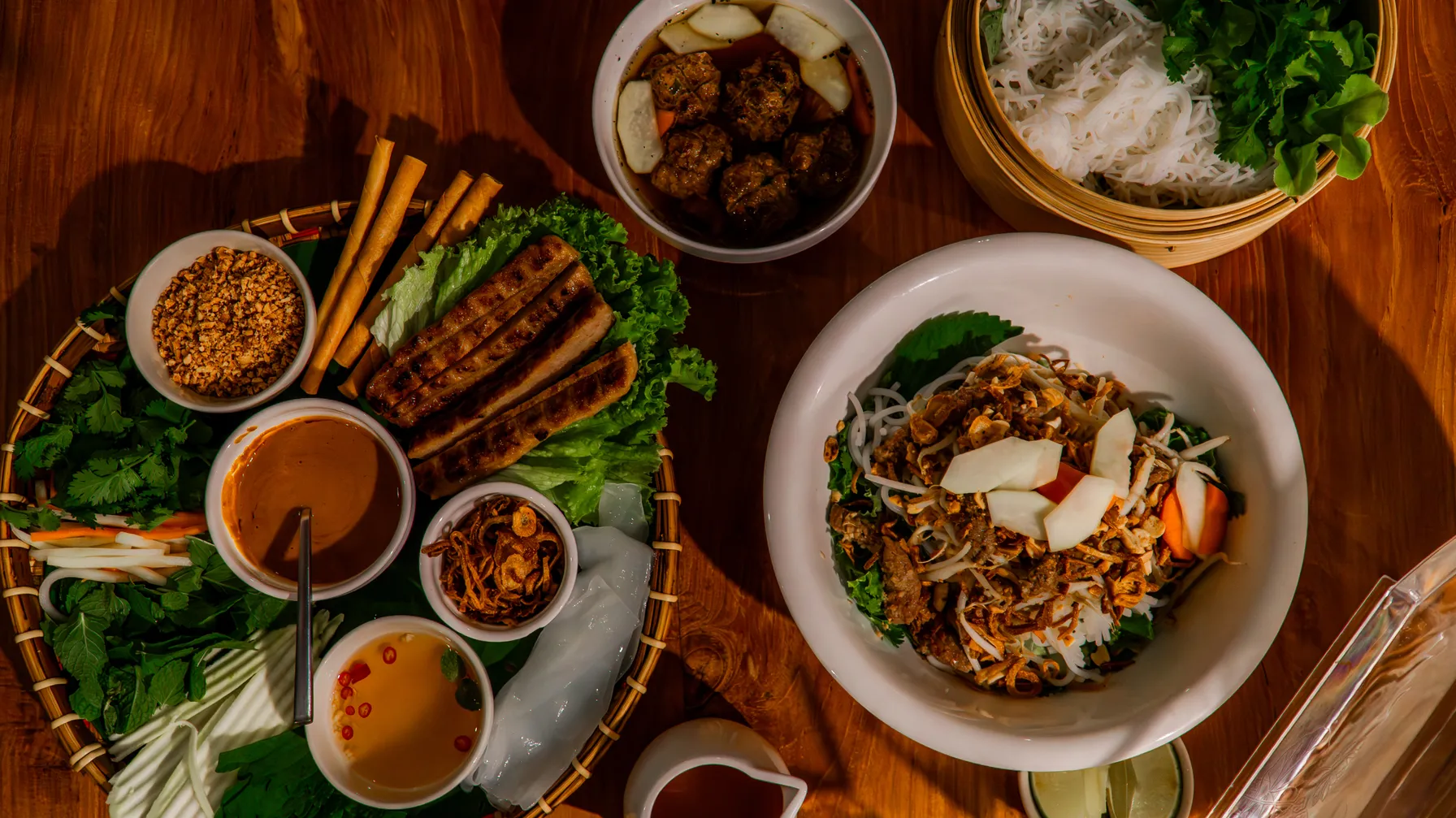
Vietnamese culture is the fruit of centuries of cross-influences, Chinese, French and local, which are read in the architecture of pagodas, the bustling markets and traditional festivities. Traveling to Vietnam is also, and perhaps above all, a culinary adventure. Pho served at dawn in street stalls, fresh spring rolls, crispy banh mi, or Hội An’s specialties like cao lầu: each region has its own flavors, and the local markets are a constant invitation to discovery.
What is the best time to enjoy your 15 days in Vietnam?
Vietnam can be visited all year round, but the choice of period truly influences the quality of the experience. Here is an overview of the major seasons to better guide your trip:
| Period | \nRecommended regions | \nWeather | \nWhat to remember | \n
|---|---|---|---|
| November to April | \nThroughout the country | \nDry, mild temperatures | \nBest window for a north-south circuit | \n
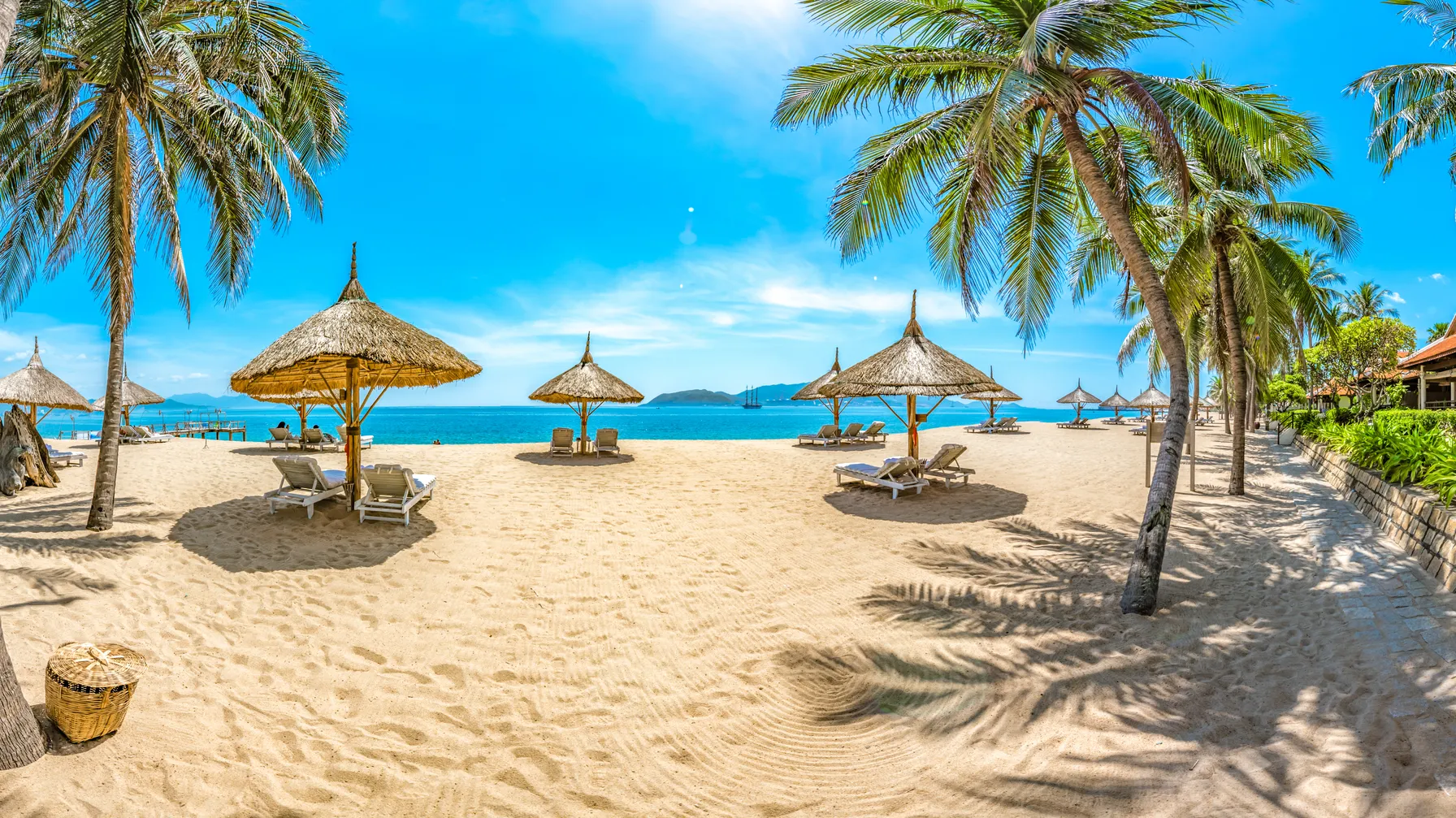
| May to August | \nCentral and southern | \nHot and sunny | \nIdeal for beaches and Hội An | \n
| June to September | \nNorthern Vietnam | \nlush greenery | \nTerraced rice fields at their best | \n
| October to December | \nAvoid the central region | \nHeavy rains | \nTyphoon season in the Central region | \n
The window from November to April remains the most favorable for a full north-to-south circuit. The weather is generally dry across the country and temperatures stay at comfortable levels, making both mountain hiking and visits to historical sites easier.
Contact us for more information on the best times to go.
What itinerary should you follow for two weeks in Vietnam?
A two-week trip to Vietnam naturally unfolds from north to south. This geographic progression allows you to grasp the country's diversity without a break in pace and to optimize travel times. The three major regions each offer their own identity, which would be a pity to neglect.
Hanoi and its surroundings, the historical heart of the north
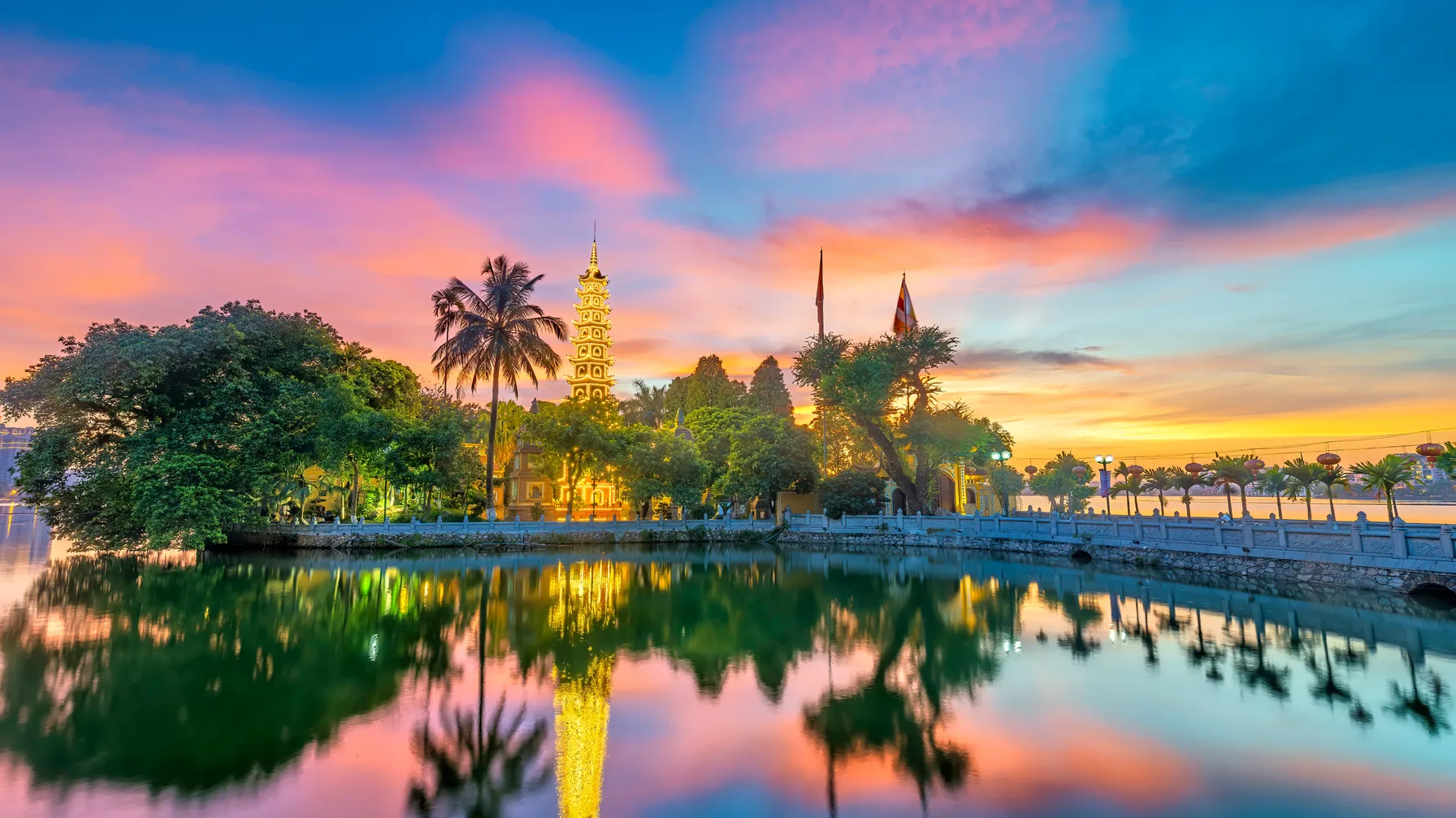
Travel often begins in Hanoi, the thousand-year-old capital whose Hoan Kiem Lake is its symbolic heart. The streets of the old quarter, with their colonial houses and lively markets, deserve at least two days of exploration. The surrounding areas offer memorable excursions: a boat ride in Tam Coc, a cruise on Lan Ha Bay adjacent to Halong Bay to escape the crowds, or a few days in the northern mountains of Vietnam to discover terraced rice fields and the villages of the local ethnic groups. To reach the center of the country, the night train between Hanoi and Hue remains a unique experience, one to be experienced at least once.
Hue and Hoi An, between the imperial city and the old town
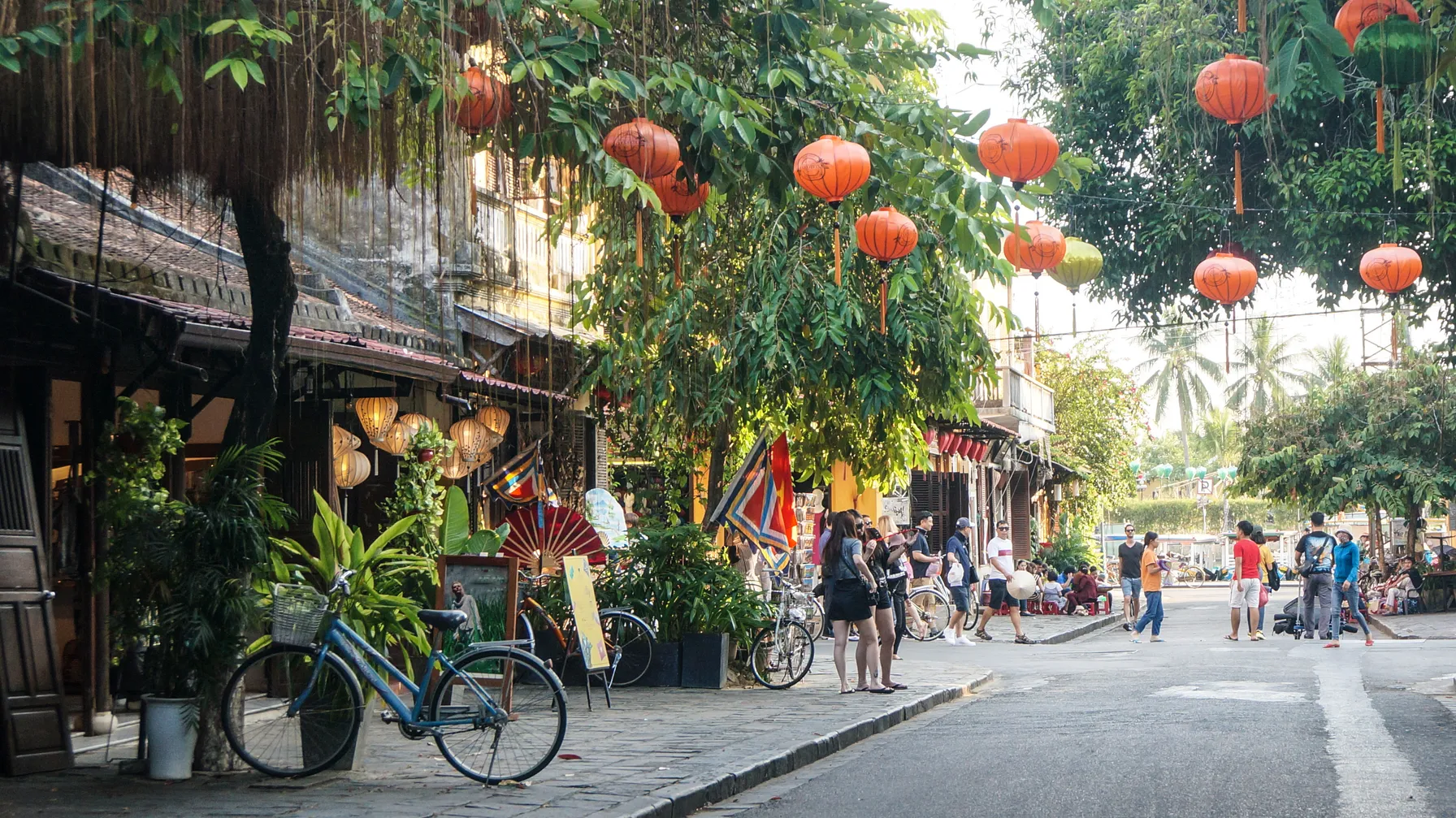
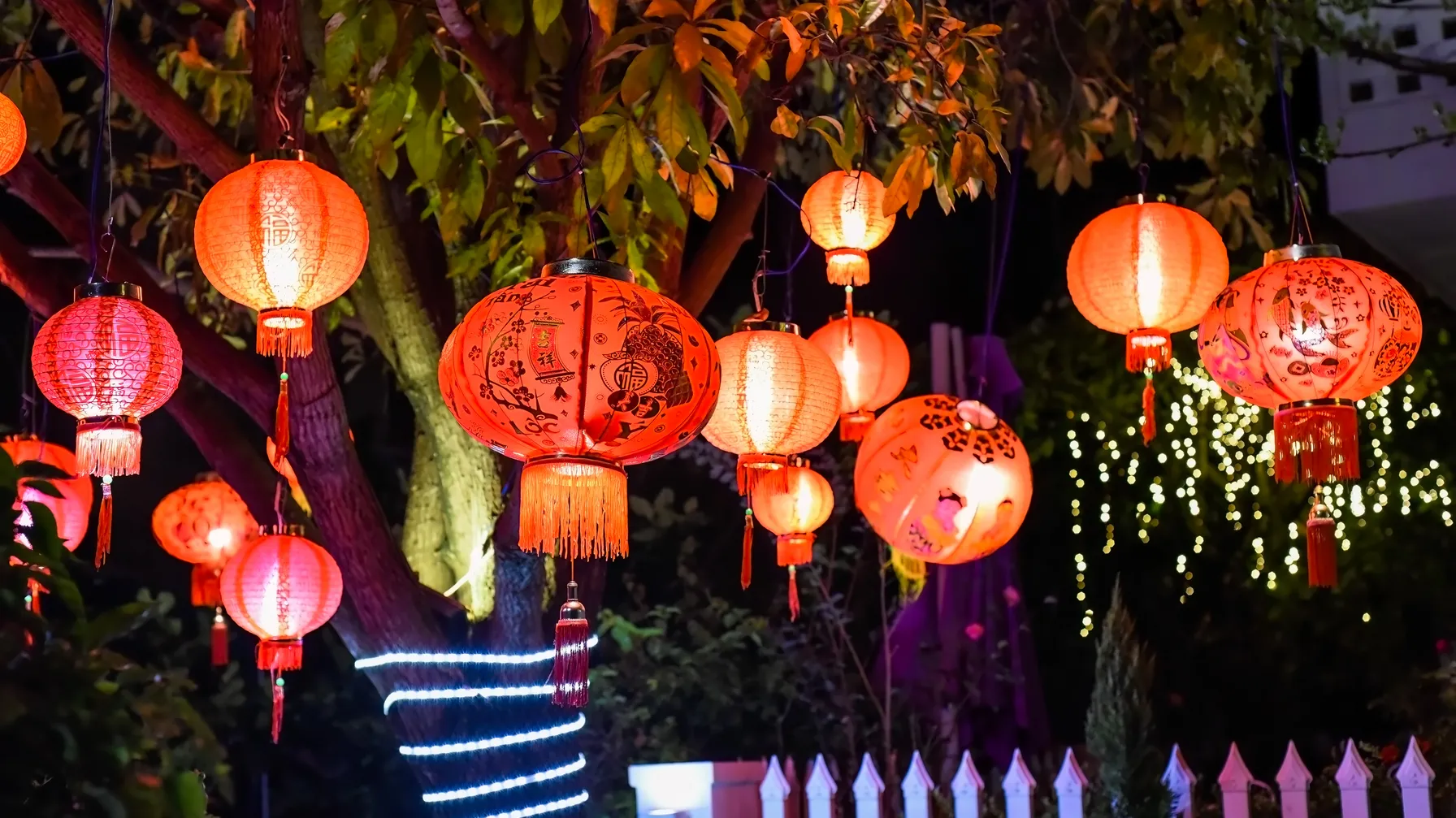
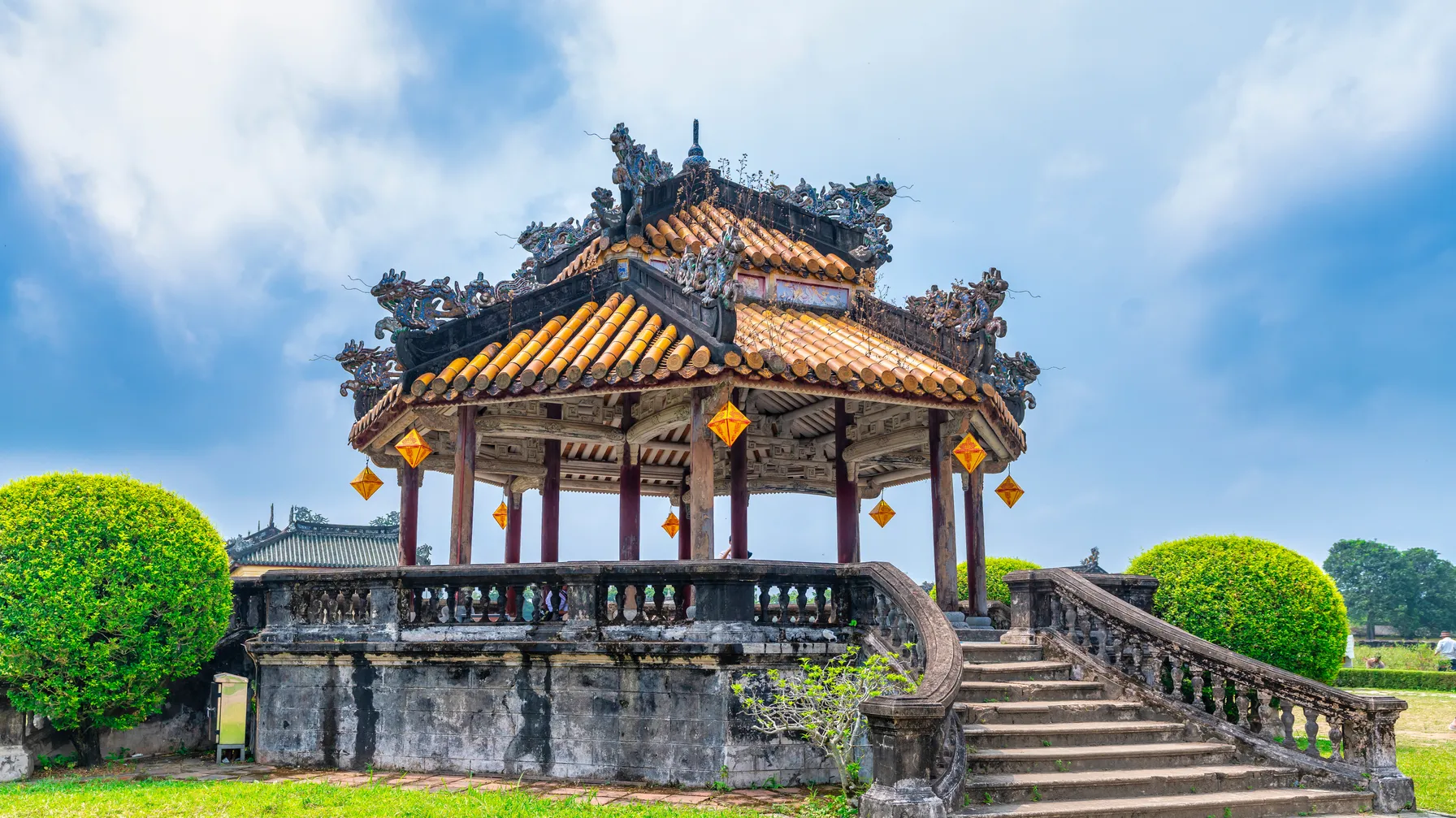
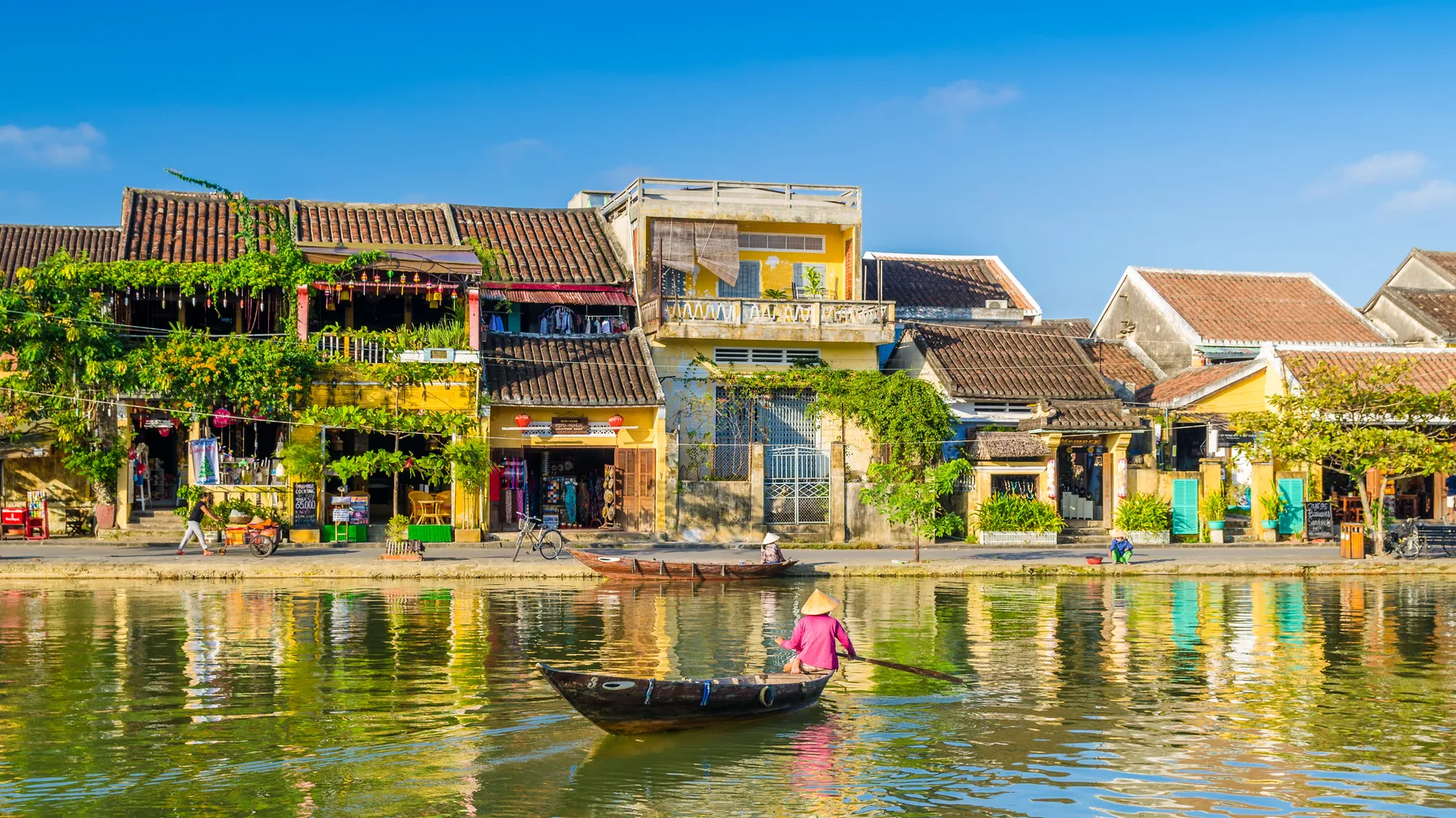
The center of Vietnam is an open-air history book. Hue, the former imperial city classified as a UNESCO World Heritage Site, concentrates palaces, tombs and the poetic Perfume River which invites a gentle dragon boat ride at sunset. The road to Hội An via the Cloud Pass is, in itself, a spectacle: the panorama over the sea and the green hills is breathtaking. The old town of Hội An, with its lanes illuminated by multicolored lanterns and its ochre facades, ranks among the most charming stops on any itinerary. A few kilometers away, An Bang Beach offers a well-deserved break by the water.
Ho Chi Minh City and the Mekong Delta
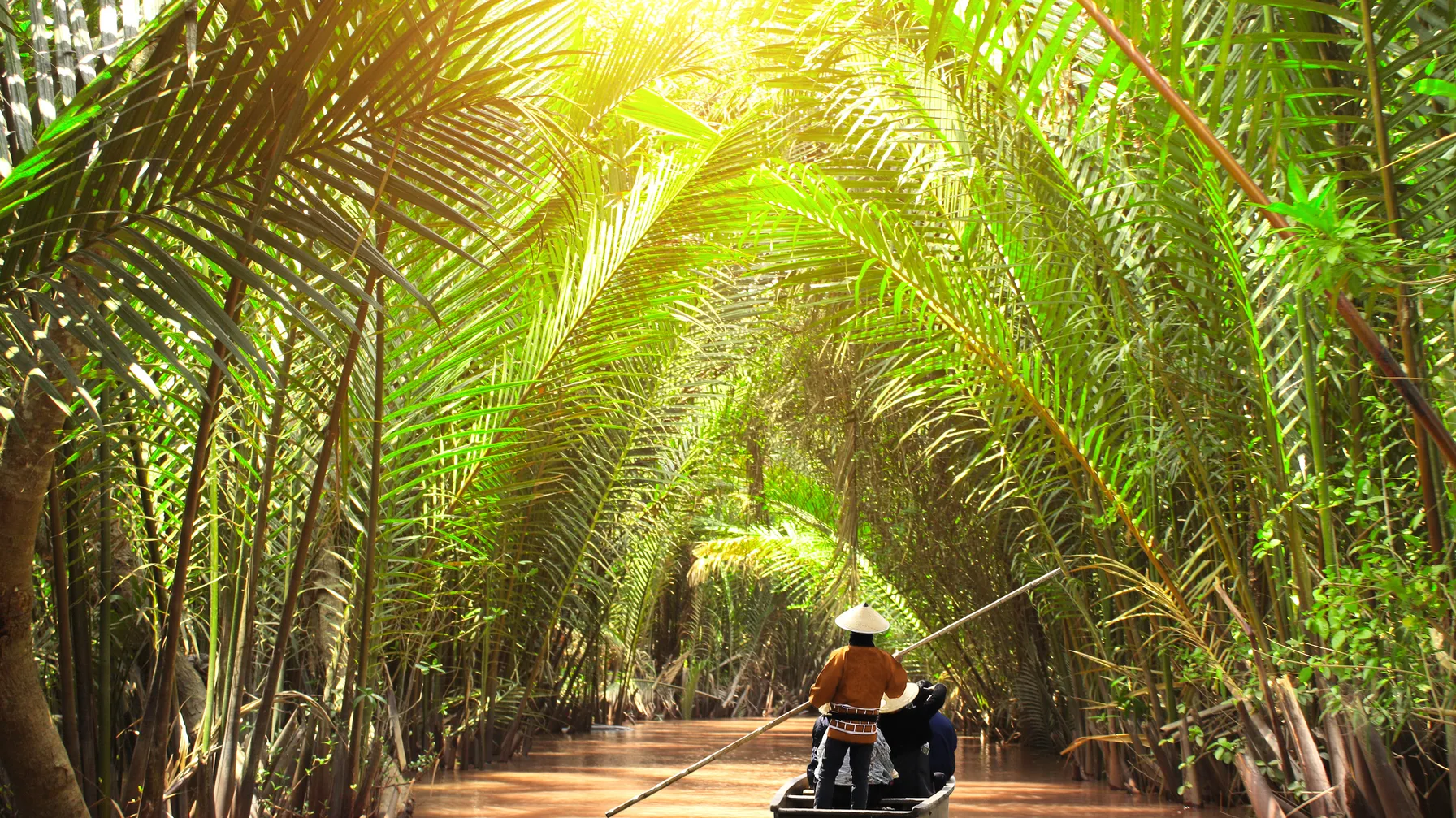
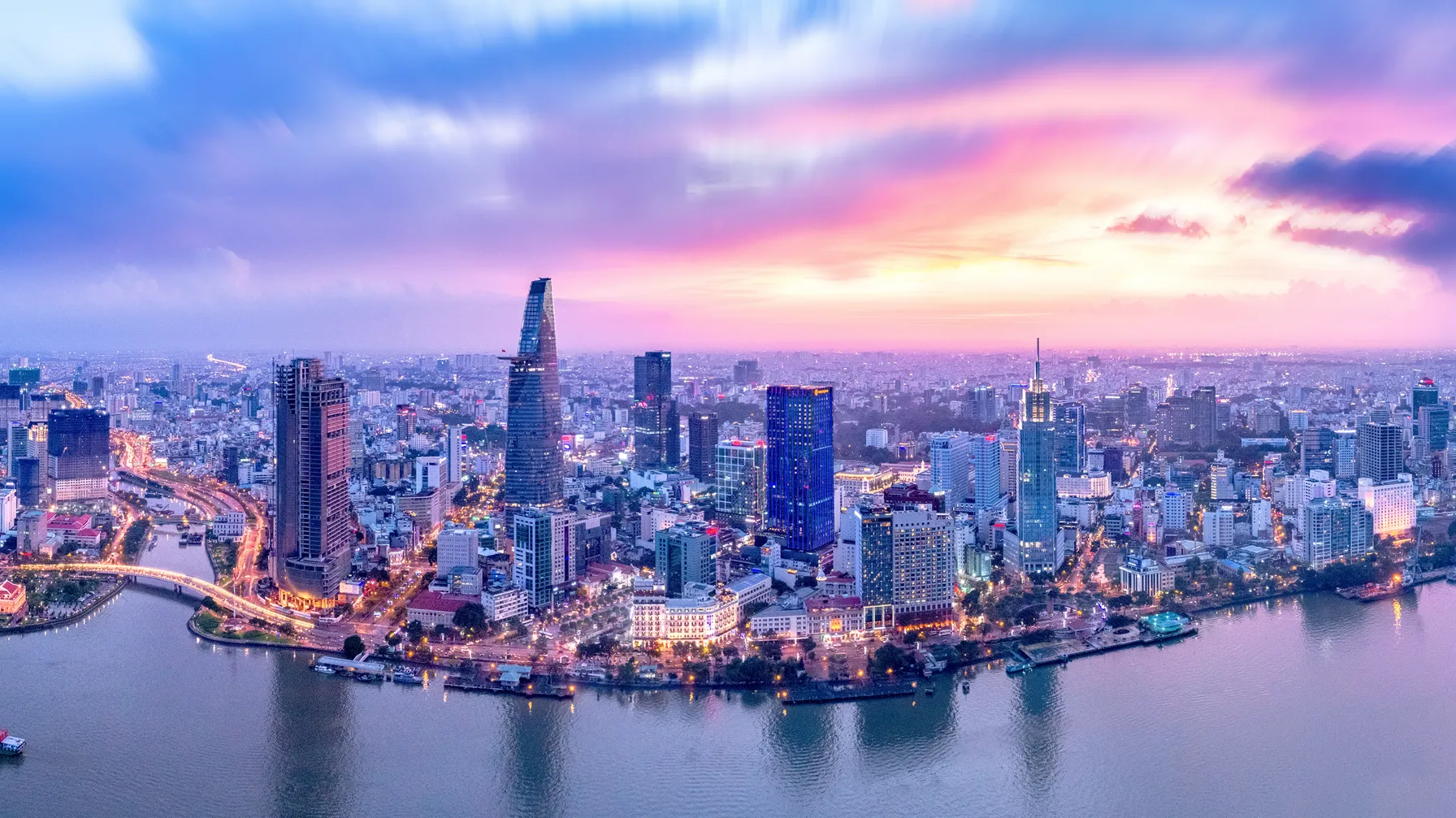
The final part of the trip dives into the bustle of the south. Ho Chi Minh City blends French colonial architecture with boundless energy and modernity. A few hours by road, the Mekong Delta reveals a unique aquatic world: winding canals, tropical orchards, family artisan workshops and the Cai Rang floating market in Can Tho, which comes alive at dawn for an authentic and moving scene of life.
Demandez votre devis Vietnam sur-mesure 100% gratuit
 4.8
4.8+3.000 travelers satisfied
What practical tips should you keep in mind before you depart?
Before you head off for your days in Vietnam, a few practical details are worth anticipating. French, Belgian and Swiss nationals benefit from a visa exemption for stays of less than 45 days, provided they present a passport valid for at least six months after the return date. The local currency is the Vietnamese dong (VND), with an indicative rate of about 27,000 VND per euro. Cash remains essential outside the big cities. For urban travel, the Grab app makes life easier at every step. For packing, the essentials come down to a few points:
- Lightweight and covering clothes, required for temple visits;
- Effective sun protection and anti-mosquito;
- A lightweight rain jacket to cope with occasional showers.
Book your trip to Vietnam now.