Hiking in Vietnam: the most beautiful trails to explore
What are the best regions for hiking in Vietnam?
The north of Vietnam concentrates the most spectacular landscapes and the most memorable experiences for hiking enthusiasts. Its misty mountains, deep valleys and ethnic villages accessible on foot make it a region apart. But beyond this iconic region, other destinations deserve particular attention.
The Northern Mountains, hikers' preferred terrain
Ha Giang Province, in the far north of the country, is considered one of the most beautiful regions for hiking in Vietnam. Its imposing karst landscapes, dizzying passes such as Ma Pi Leng, and valleys carved by centuries of erosion offer panoramas of rare intensity. It is a destination for those who wish to experience a deeply immersive Vietnamese journey, away from the usual tourist circuits.
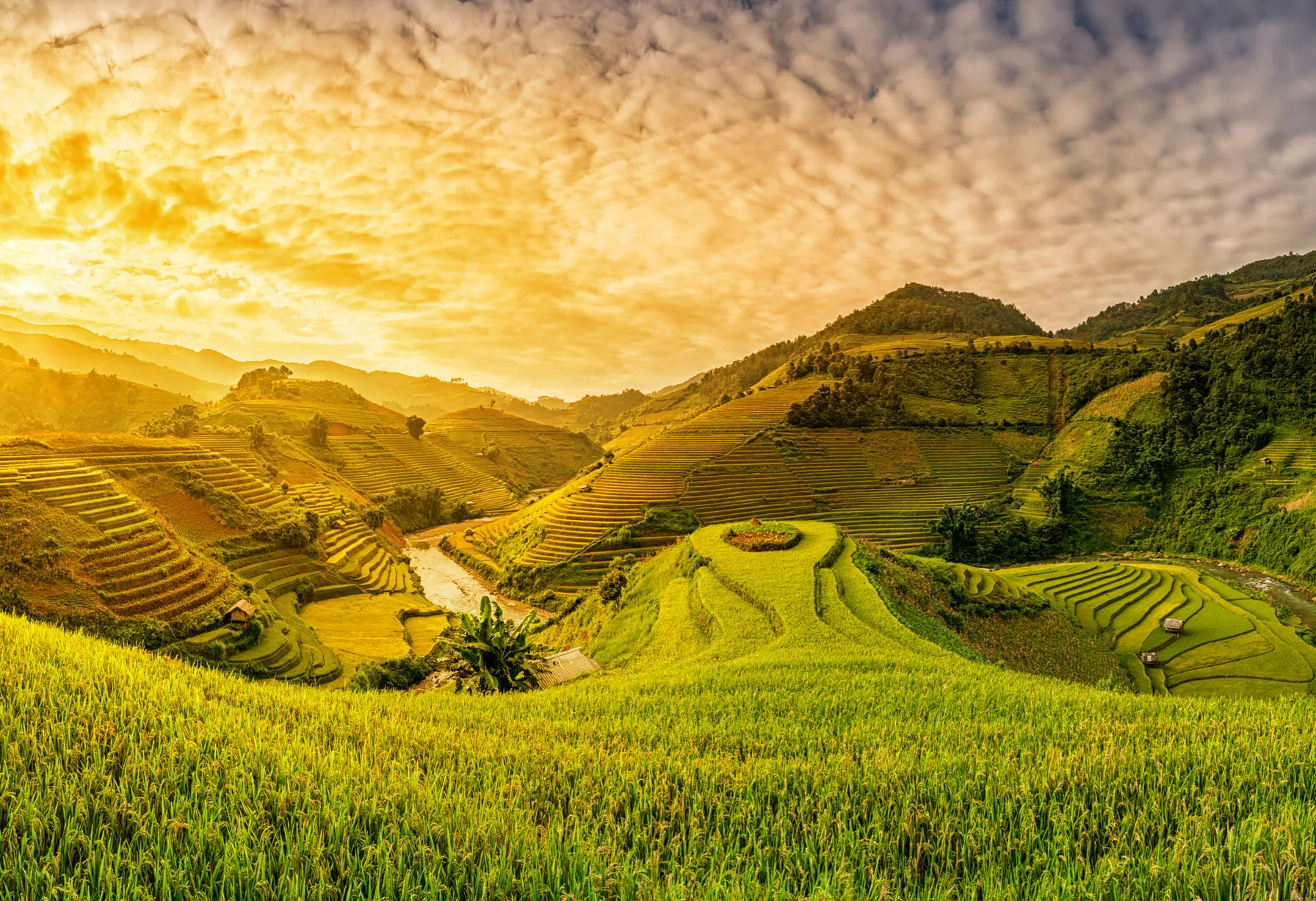
Nearby, Hoang Su Phi captivates with its golden rice terraces at harvest season, a natural spectacle among the most photogenic in Southeast Asia. Bac Ha, for its part, invites a gentler escape among meadows, ethnic markets lively on Sundays, and the Hmong Flowers villages accessible in a few hours of walking. Further east, Cao Bang holds a major surprise: the Ban Gioc waterfalls, reachable at the end of a hike in preserved karst scenery, are among the most impressive waterfalls on the continent.
For a first approach to the northern Vietnamese mountains, the Mai Chau valley provides an ideal introduction. The terrain there is flat, the rice field scenery ubiquitous, and homestay nights in Thai stilt houses remain among the most memorable moments of a Vietnam trip focused on walking.
Ninh Binh and Pu Luong Nature Reserve, two destinations not to be missed
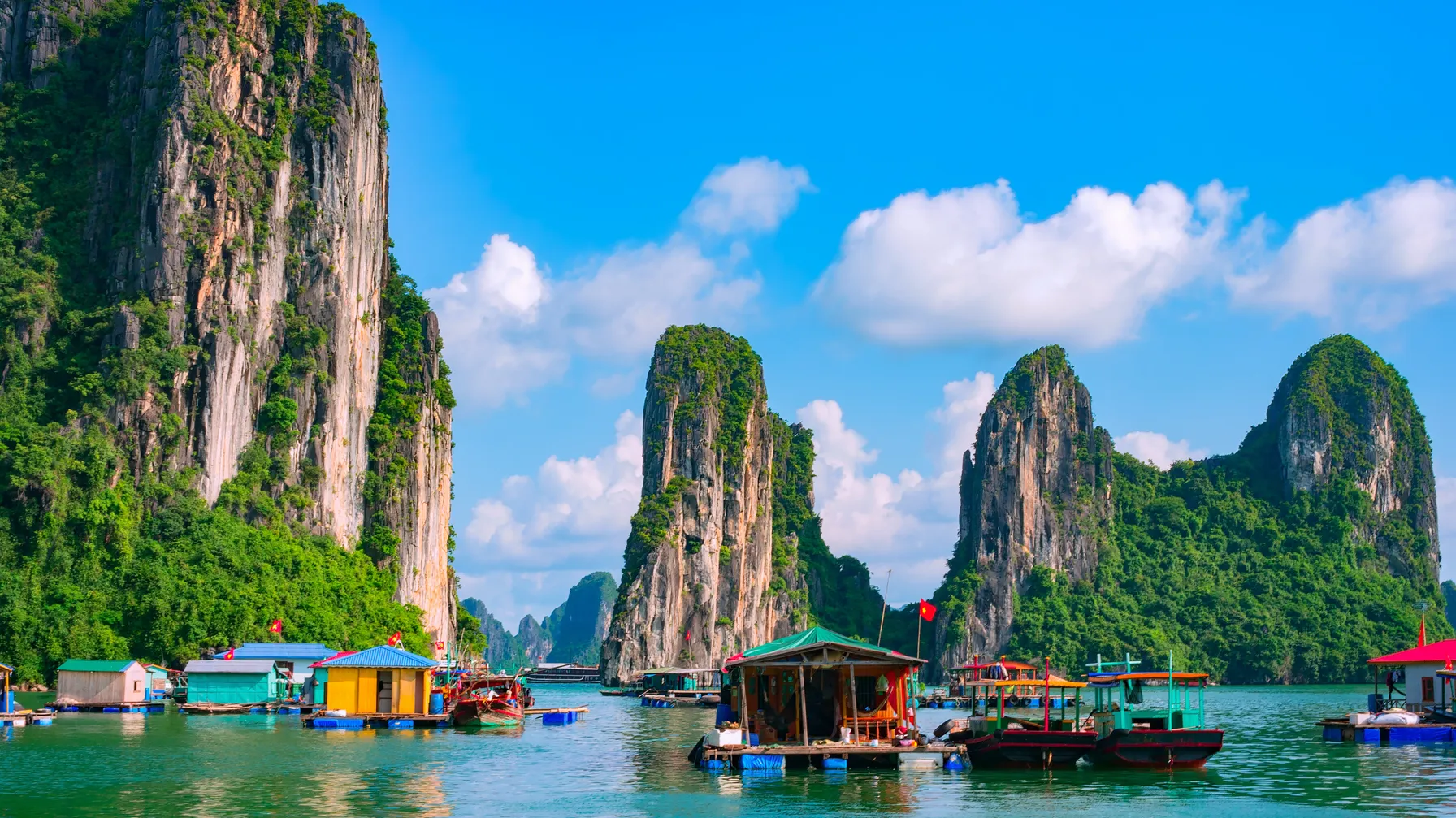
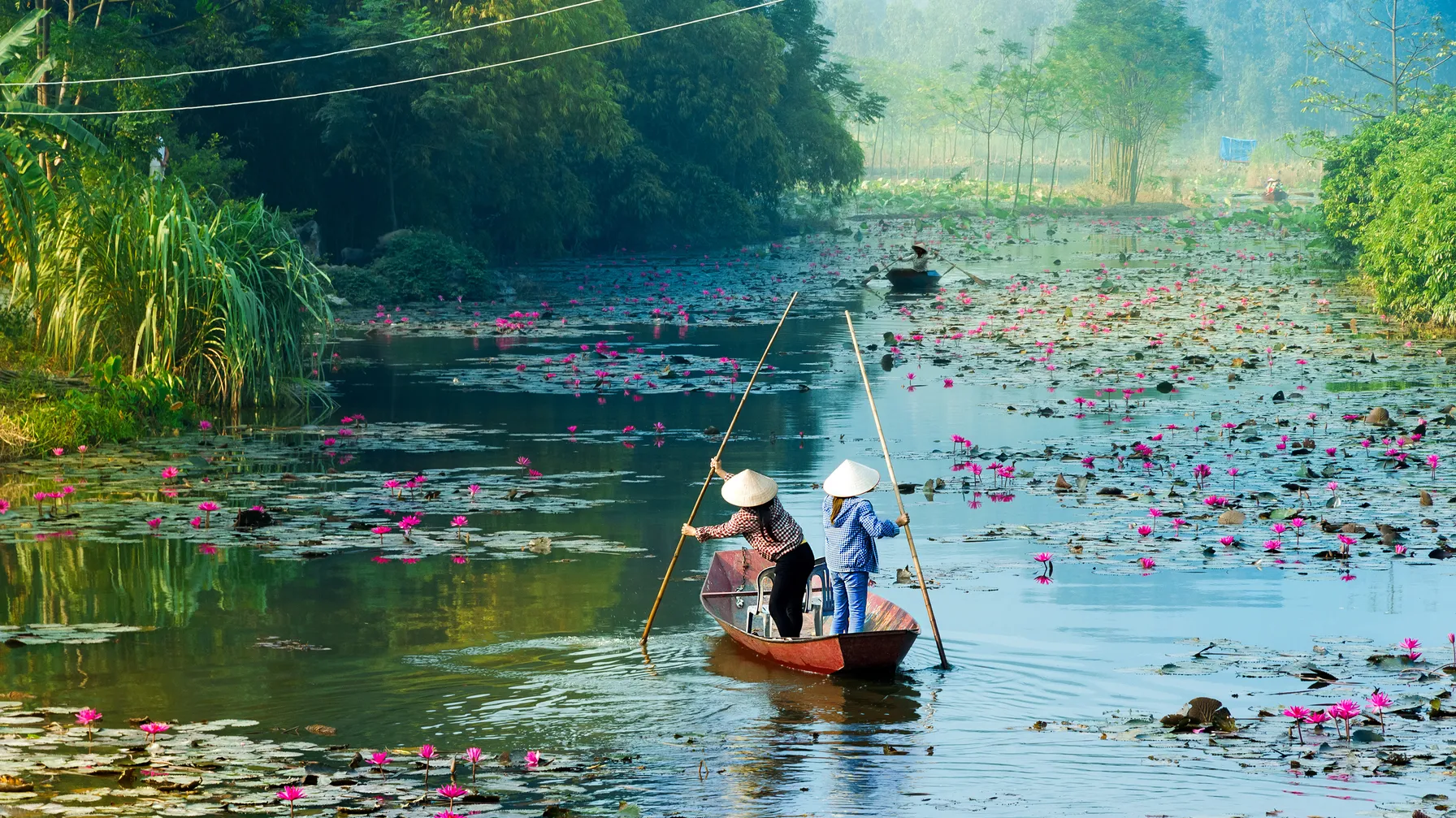
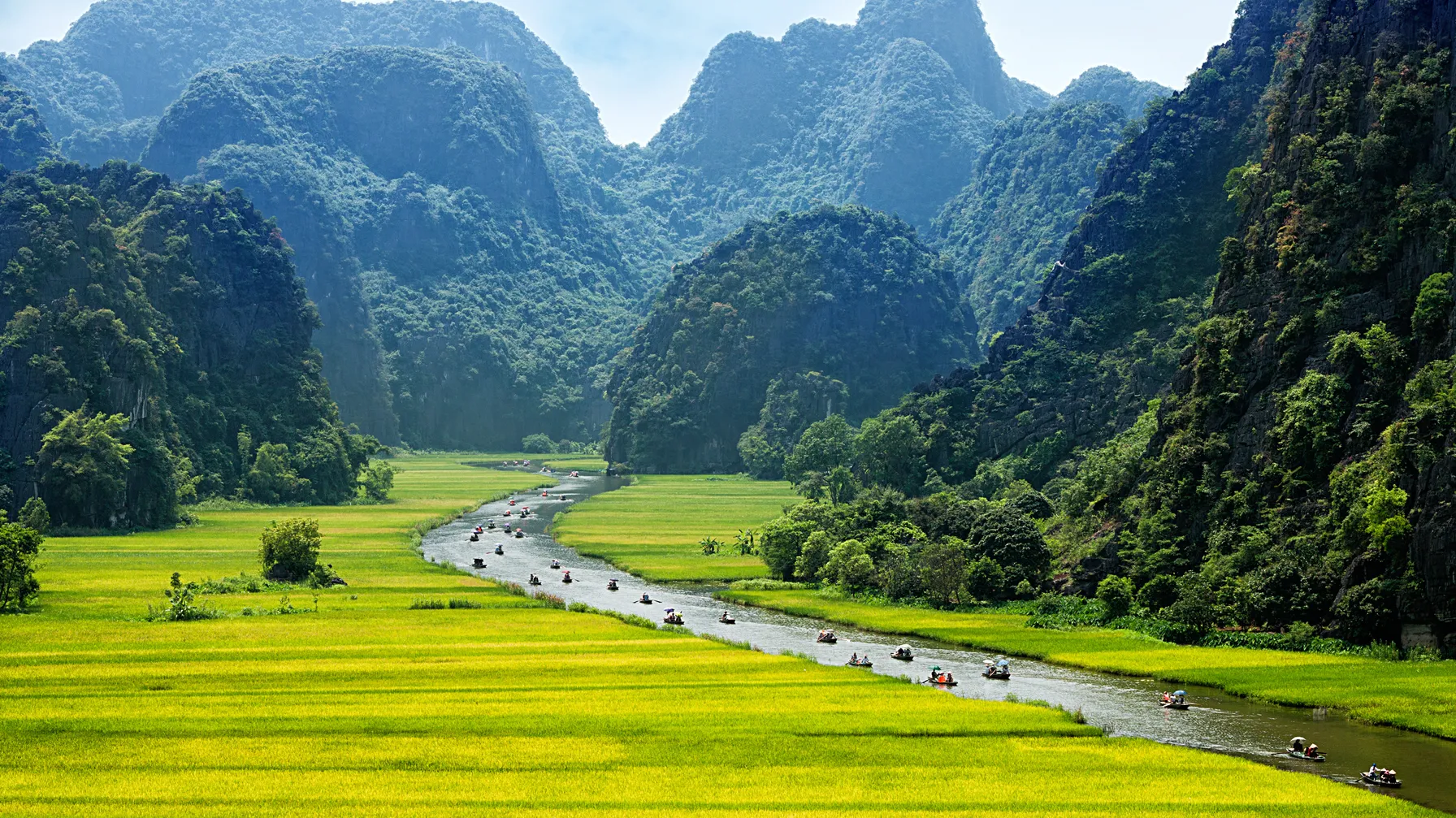
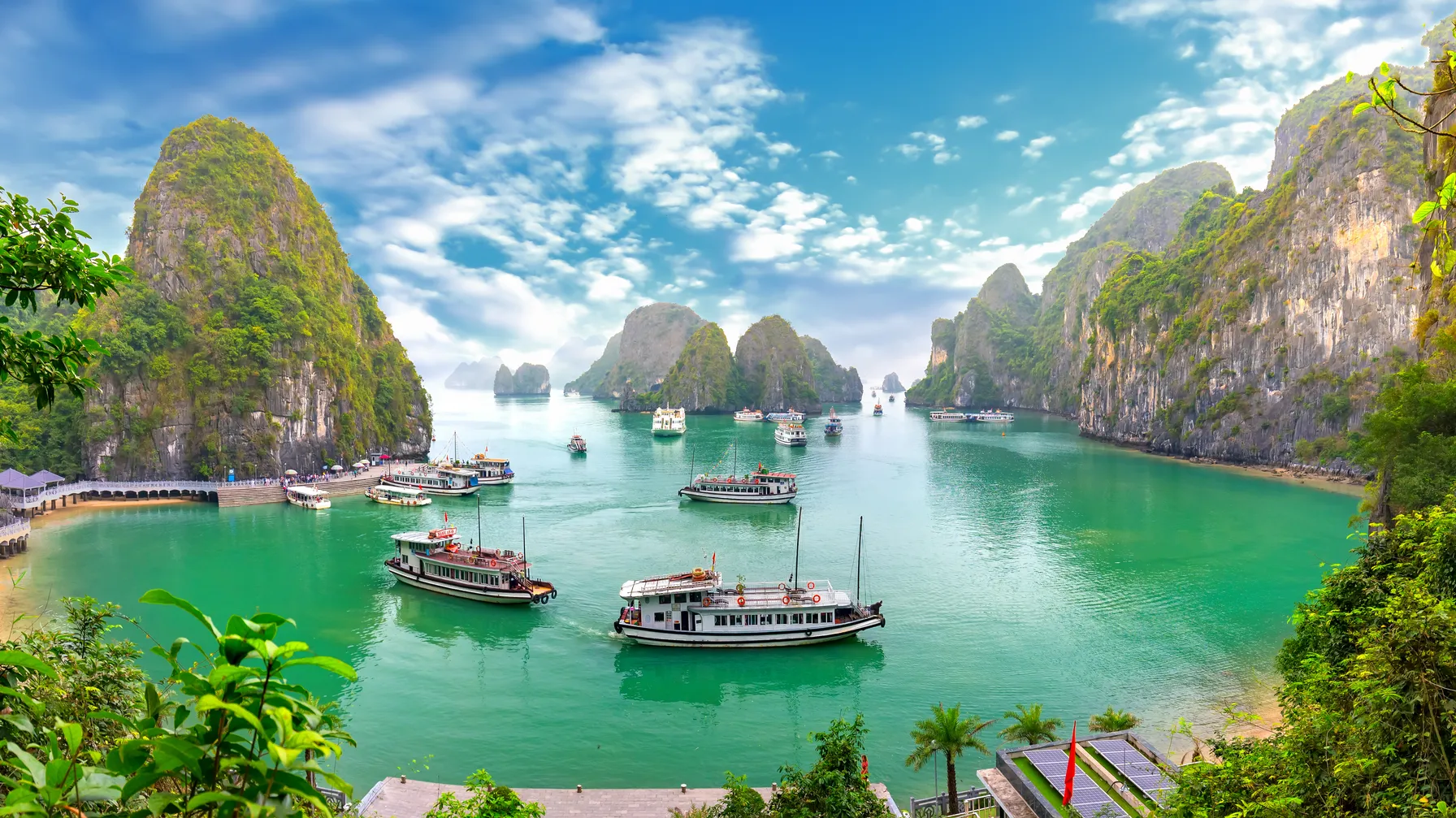
Just a few hours south of Hanoi, Ninh Binh reveals a landscape nicknamed the 'terrestrial Halong Bay'. The hiking trails wind between limestone karsts, flooded rice paddies and pagodas carved in rock. It is an accessible, visually striking landscape that is perfectly suited for families or travelers seeking a gentle immersion.
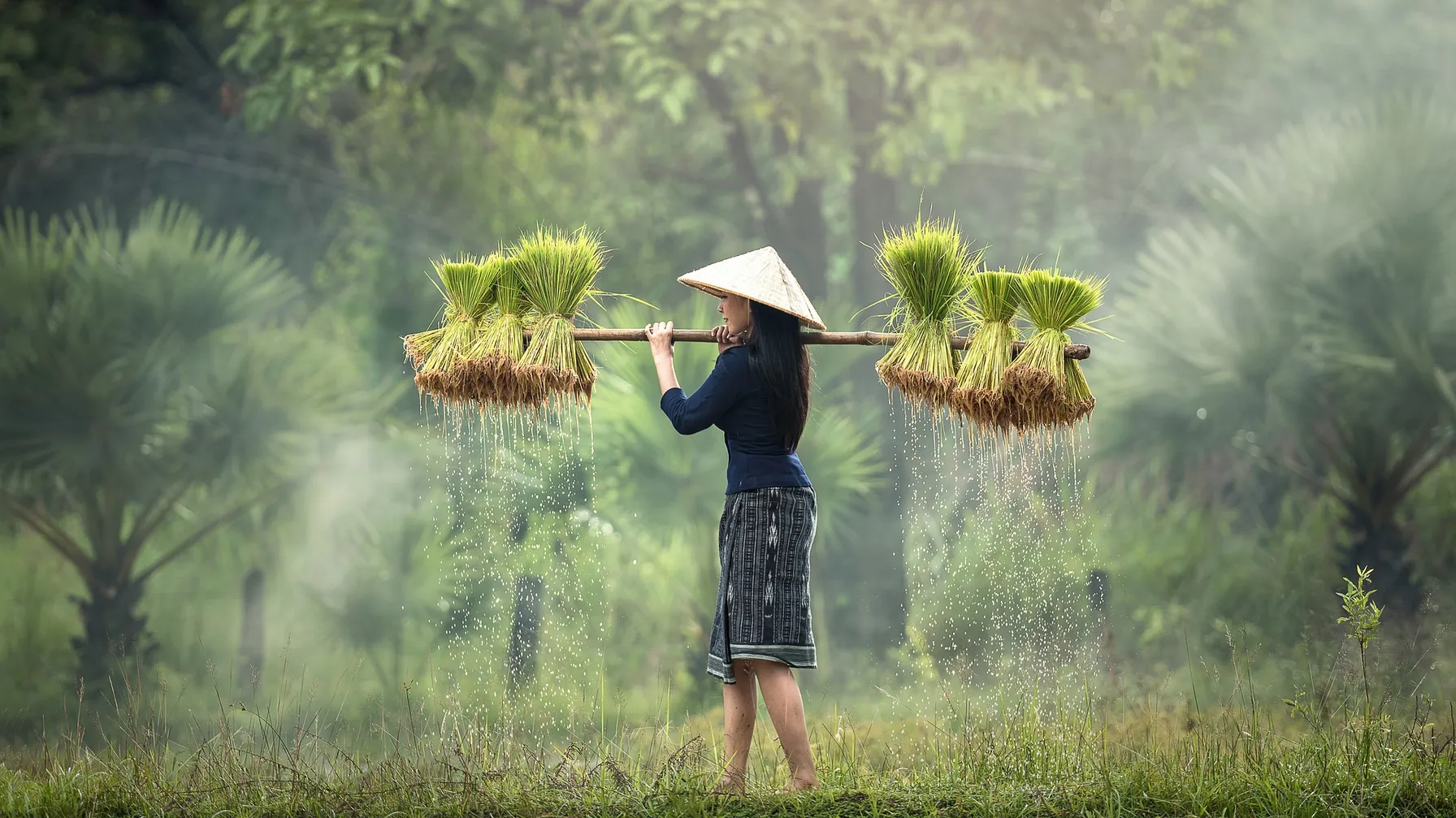
Not far away, Pu Luong Nature Reserve offers another facet of northern Vietnam: karst forests, hidden waterfalls, and ethnic villages accessible on foot after a few hours of hiking at altitude. The period of April, during rice planting, or October, during harvest, transforms this landscape into a tableau of stunning beauty.
Contact us to arrange your tailor-made trek in Vietnam.
How to choose your hike based on your profile?
Vietnam offers the rare advantage of providing trails suited to all levels of practice. From peaceful strolls for families to challenging climbs for seasoned hikers, there is an itinerary for every profile.
Family- and beginner-friendly itineraries
La vallée de Mai Chau propose des balades de deux à quatre heures sur terrain peu accidenté, idéales pour un premier voyage vietnam à pied. À Ninh Binh, la découverte des environs de Tam Coc s'effectue avec un dénivelé quasi nul, dans un cadre visuel exceptionnel. La réserve de Pu Luong offre également des demi-journées de randonnée accessibles, sans grande technicité, avec des hébergements chez l'habitant pour prolonger l'immersion.
<p>Demanding treks for experienced hikers</p>
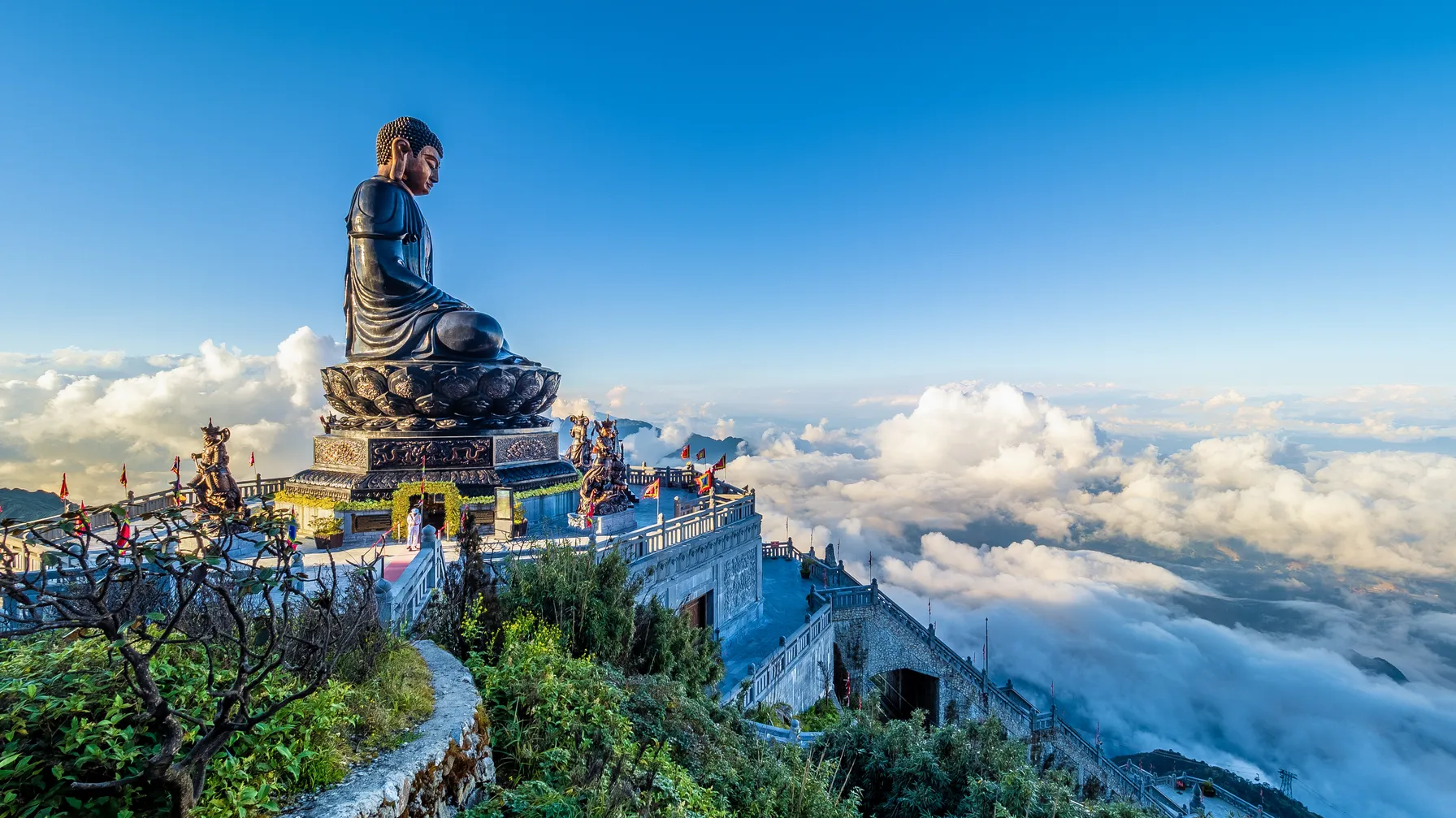
More experienced hikers will naturally turn to Ha Giang or Hoang Su Phi, where the elevation gains are substantial and the itineraries stretch over several days. The ascent of Fansipan, at 3,143 meters above sea level, represents the ultimate challenge of a hiking-focused trip in Vietnam. Multi-day treks in the Cao Bang region, with nights spent with locals in the heart of ethnic villages, are suitable for walkers wishing to stay away from the beaten paths.
In any case, organizing with a tailor-made trip allows you to adapt the itinerary to your level and your desires. A Travel Planner designs for you a fully personalized stay, from accommodation to hiking stages, with no compromise on the experience.
Book your trip to Vietnam now with the help of a Vialala expert.
Demandez votre devis Vietnam sur-mesure 100% gratuit
 4.8
4.8+3.000 travelers satisfied
When to go and how to prepare for your hike in Vietnam?
The climate in Vietnam varies significantly by region. Choosing the right time to depart is essential to enjoy every trail in the best conditions.
| Region | Best period | To avoid |
|---|---|---|
| Ha Giang, Hoang Su Phi | September to November | June to August (heavy rains) |
| Mai Chau, Bac Ha | October to April | July–August (monsoon) |
| Ninh Binh, Pu Luong | October to April | Summer (heat and humidity) |
| Cao Bang | March to October | Winter (cold at altitude) |
The rice harvest season, from September to October, transforms the rice terraces of northern Vietnam into a dazzling spectacle of rare beauty. It is also the ideal time to meet the ethnic minorities at the weekly markets of Bac Ha or Ha Giang.
Essential gear and reflexes on the terrain
A good preparation conditions the success of a hike in Vietnam. The northern trails, often muddy after rain, require suitable waterproof shoes. A 35 to 40-liter backpack with a rain cover, breathable clothing, and a warm layer for evenings at altitude are also essential.
The advice of our Travel Planners: hiring a local French-speaking guide greatly enriches the experience. These on-the-ground experts know the best itineraries, facilitate exchanges with local communities, and allow you to venture off the beaten path safely. During homestays, adopting a respectful attitude toward local customs is also essential to ensure that sharing is genuine on both sides.
Frequently asked questions
Do you need a visa to travel to Vietnam?
French, Belgian and Swiss nationals enjoy a visa exemption for stays not exceeding 45 days. Beyond that, an e-visa is available online via the official Vietnamese immigration portal, for stays up to 90 days.
Can you hike in Vietnam on your own, without a guide?
Some itineraries near major towns, such as those in Ninh Binh or Mai Chau, can be done independently. For more remote regions such as Ha Giang, Hoang Su Phi or Cao Bang, the accompaniment of a local guide is strongly recommended, both for safety on the ground and for the richness of encounters and cultural exchanges.
Are there any vaccines required for travel to Vietnam?
No vaccines are mandatory to enter Vietnam. However, it is recommended to be up to date with routine vaccinations and to consult a travel medicine specialist before departure to obtain personalized advice.
How to organize a Vietnam trip focused on family hiking?
A tailor-made trip is the most suitable solution for combining hiking and family comfort. It allows selecting itineraries accessible to children, planning appropriate accommodations, including homestay nights in stilt houses, and adjusting the pace of the stages according to age and everyone's abilities.