Vietnamese gastronomy: a culinary journey from north to south
What makes Vietnamese cuisine so unique?
Vietnamese cuisine is not just a collection of dishes: it is a true art of living, deeply rooted in the history and traditions of the country. Understanding its foundations is to begin to travel.
A cuisine shaped by centuries of influences
Vietnamese gastronomy draws its roots from an exceptional cultural heritage, marked by Chinese, French, Khmer and Indian influences. It has managed to absorb these contributions while preserving a distinct and affirmed identity. French colonization introduced, for example, bánh mì: this sandwich with a crispy baguette, filled with marinated meat, fresh herbs, and pickled vegetables, which has become one of the emblematic symbols of street food worldwide.
Vietnamese dishes rely on a few fundamental pillars: fish sauce (nuoc-mâm), rice in all its forms — from rice flour to rice vermicelli or rice noodles — as well as an abundance of aromatic herbs that bring freshness and complexity to every plate. Everything revolves around a balance principle rooted in the yin and yang philosophy: each dish seeks to harmonize hot and cold, sweet and salty, crunchy and tender. A refinement in which every detail counts distinguishes Vietnamese cuisine from all others.
From north to south, a mosaic of regional flavors
Vietnamese gastronomy varies across regions with very distinct characteristics. In the north, the cuisine is softer and more delicate, centered on long-simmered broths. The central region, marked by the heritage of the former imperial court, offers spicier and more elaborate dishes. The south of Vietnam, for its part, reveals Chinese and Thai influences: preparations there are sweeter, often enriched with coconut milk or coconut, and fresh herbs abound at every meal.
What are the must-try dishes to sample when traveling to Vietnam?
The richness of traditional Vietnamese dishes is such that it would be difficult to name them all. Here are, however, those that stand out as absolute musts, from one end of the country to the other.
The great classics of Hanoi and the north
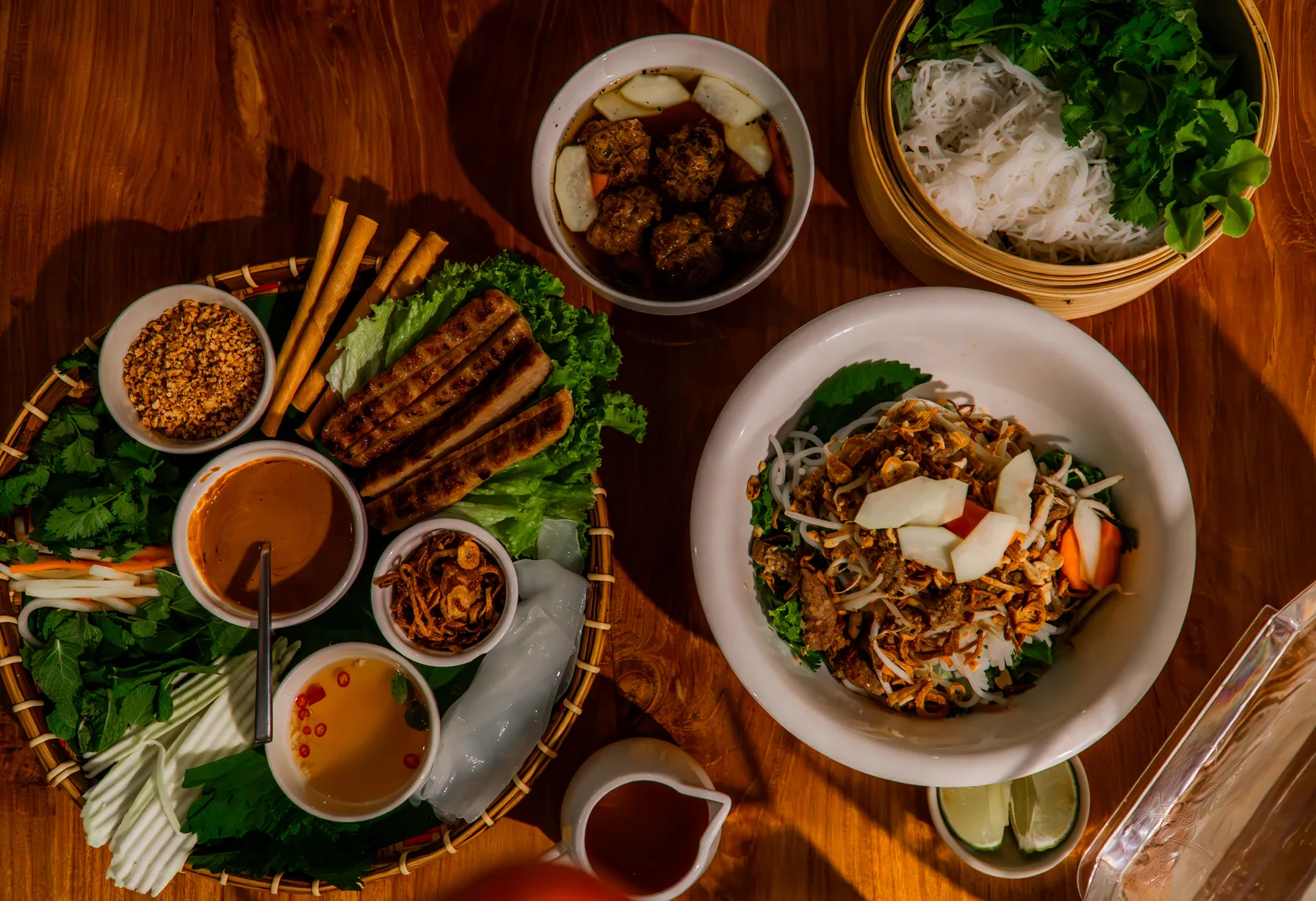
In Hanoi, Vietnamese gastronomy takes its finest forms. Pho — the national soup par excellence — is an invitation to travel in itself: a beef broth slowly simmered with ginger and star anise, served with rice noodles and a generous amount of fresh herbs. Bun cha is another institution of the capital: charcoal-grilled pork served with cold rice vermicelli, crunchy lettuce and a sweet-and-sour sauce flavored with nuoc-mâm.
Among the traditional dishes of the city, cha ca deserves special attention. This turmeric and dill-marinated fried fish, finished at the table on a stove, is one of the rarest and most memorable gastronomic experiences in the north. Served with rice vermicelli, aromatic herbs and fermented shrimp paste, it concentrates all the subtlety of northern cuisine.
Hoi An, the center and the south: more generous flavors
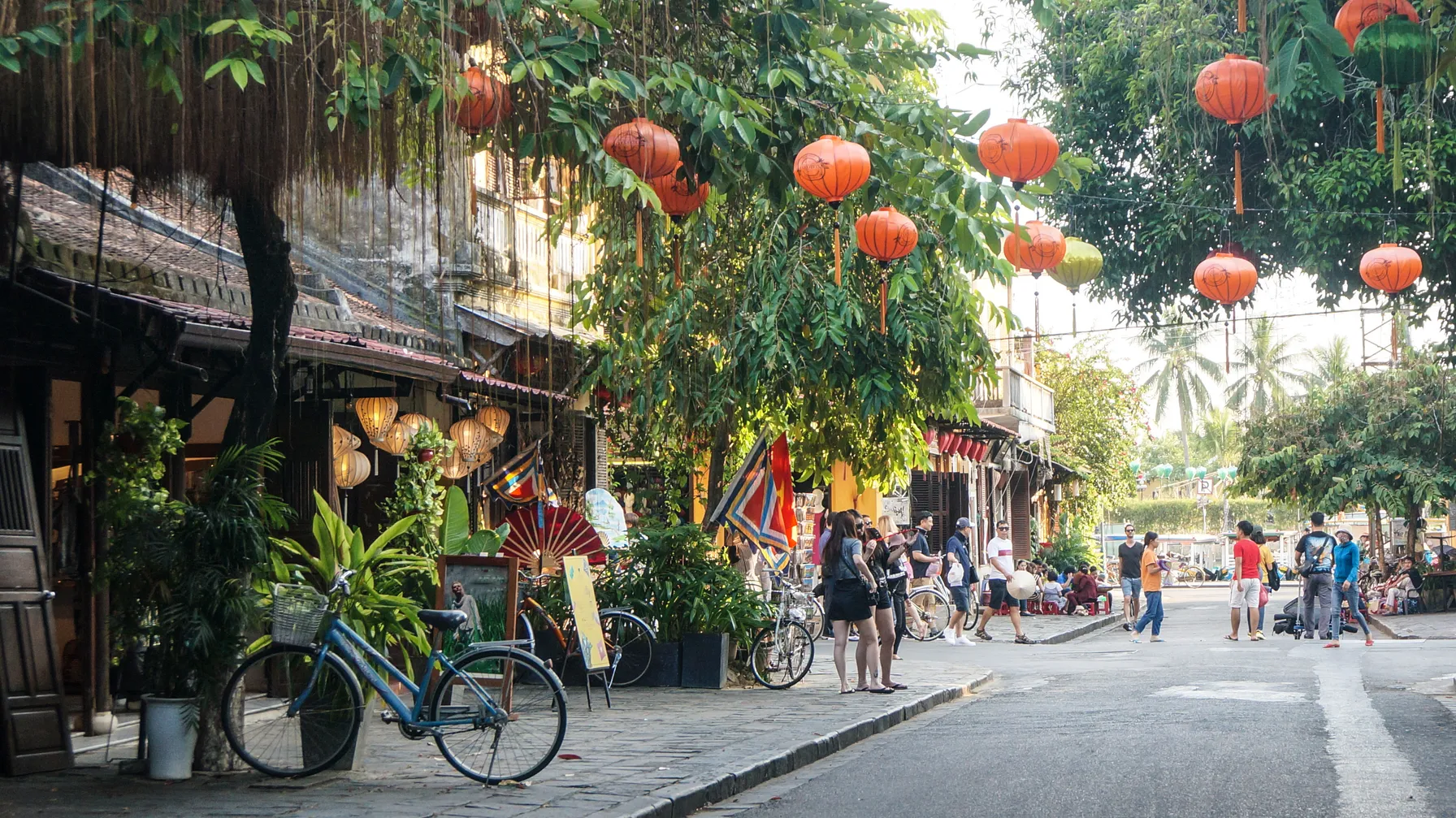
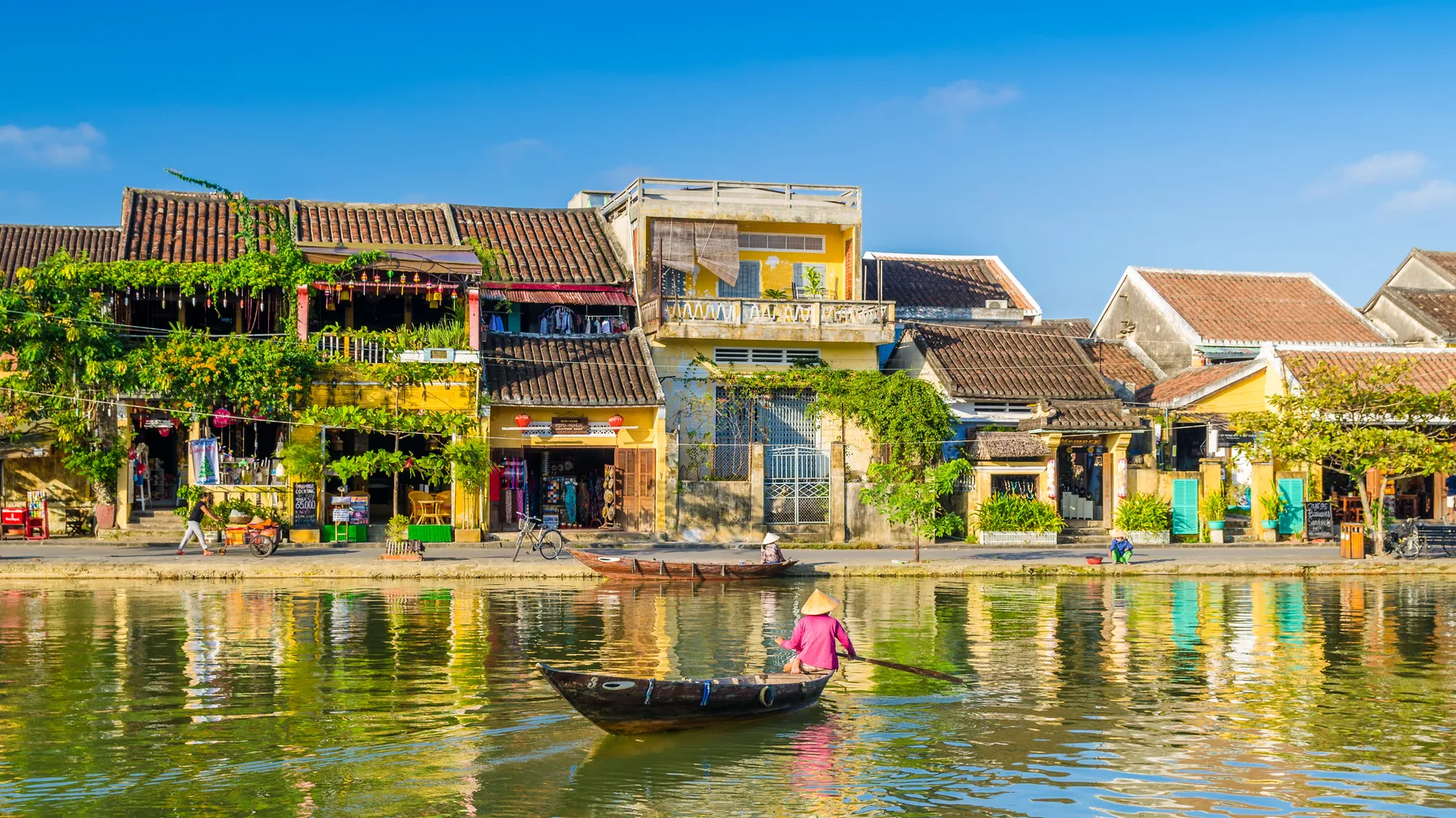
As you move toward the center and south of Vietnam, the palette of flavors becomes even richer. In Hoi An, spring rolls attract with their freshness: soft rice paper, shrimp, pork, aromatic herbs and rice vermicelli, all accompanied by a creamy peanut sauce. The bánh xèo, a crispy pancake made from rice flour, turmeric and coconut milk, filled with shrimp, bean sprouts and pork, is, for the south, a culinary symbol that you taste once and never forget.
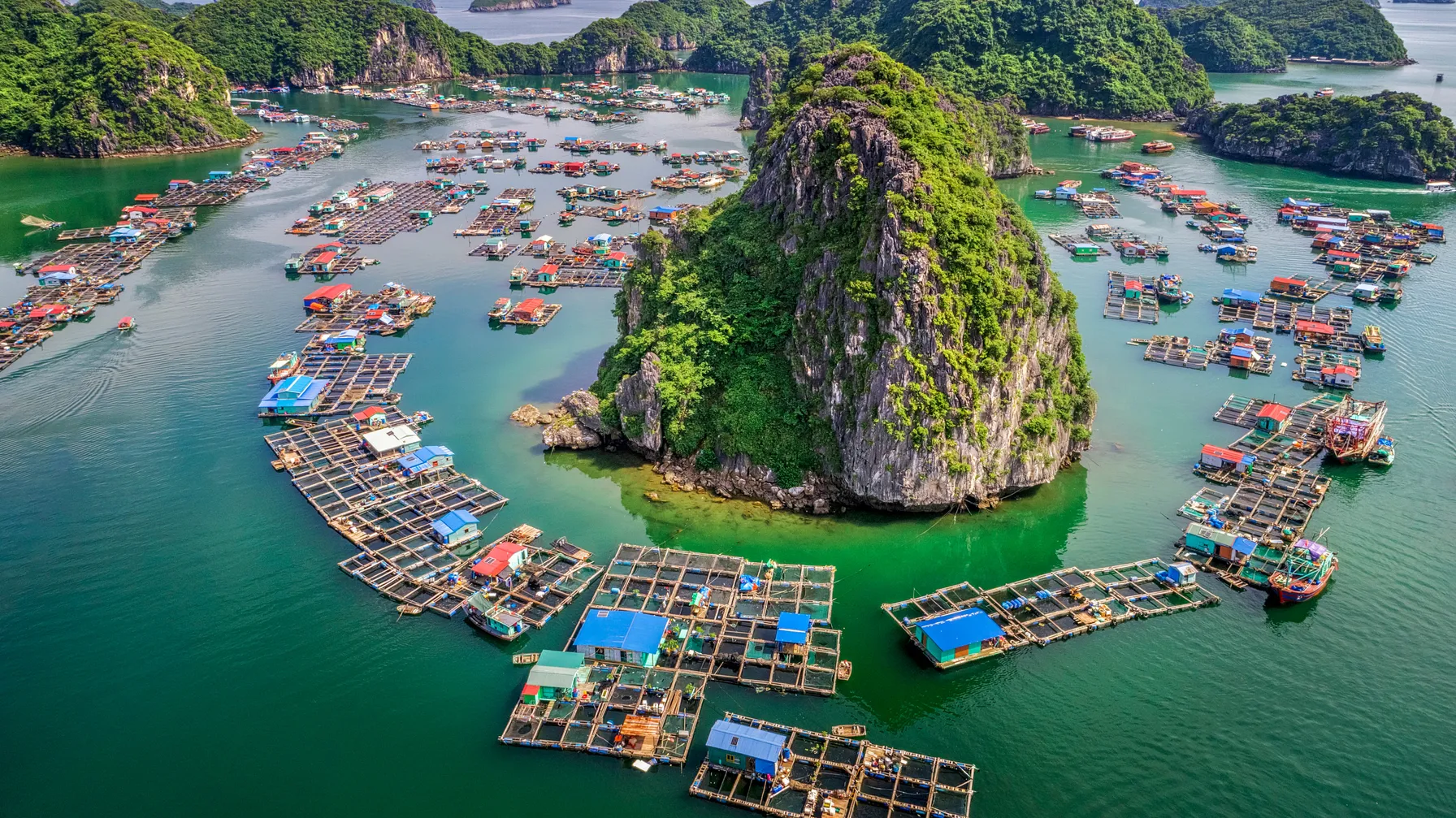
Seafood takes pride of place there, supported by a generous coastline. Further north, Halong Bay is also a gastronomic stop in its own right, where freshly caught crustaceans and fish are at the heart of every meal aboard traditional junks. A moment of life aboard, between exceptional scenery and briny flavors.
Contact us to arrange your tailor-made gastronomic trip to Vietnam.
How to have a memorable gastronomic experience in Vietnam?
Immersing oneself in Vietnamese gastronomy goes far beyond simple tasting. It is a way to understand the country, its people and its deepest traditions.
Markets, cooking classes, and moments of sharing
Experiencing Vietnamese gastronomy from within is above all about venturing into local markets. In Hanoi, Hoi An or Ho Chi Minh City, these vibrant spaces are the stage for an intense culinary life: colorful stalls, fresh aromatic herbs, street food stalls where locals and travelers mingle. It is there that it all begins, in the choice of ingredients and the discovery of terroir products.
Cooking classes, particularly well developed in Hoi An, enable you to begin learning ancestral techniques:
- Working with rice flour to make spring rolls or bánh xèo;
- Master the flavor balances characteristic of Vietnamese dishes;
- Prepare a pho broth according to traditional methods.
These moments of sharing with passionate local chefs are among the most precious memories of a culinary trip to Vietnam.
<p>When should you go to fully enjoy Vietnamese gastronomy?</p>
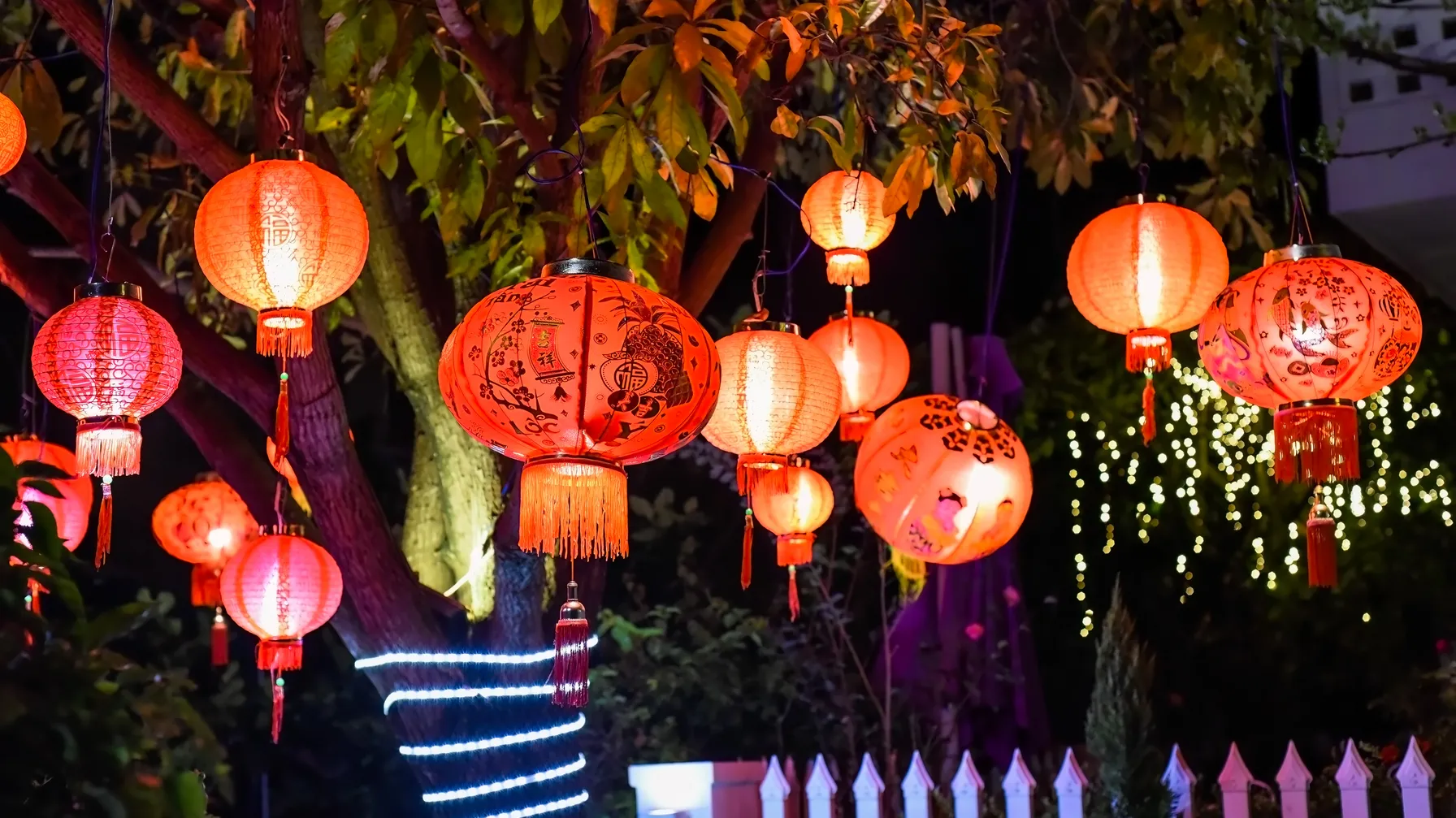
Did you know? Tet, the Vietnamese Lunar New Year celebrated between January and February, offers a unique immersion into the country's culinary traditions. Festive dishes, family preparations and lively markets compose an exceptional gastronomic panorama that is experienced only during this time of year.
| Period | Culinary events | Highlights |
|---|---|---|
| January – February | Tet (Lunar New Year) | Festive dishes, traditional markets |
| March – April | Dry season in the north | Fresh produce, gastronomic circuits |
| September – November | Festival season in Hoi An | Food tours, local tastings |
Pour s'accorder un peu de sérénité et profiter pleinement de chaque expérience, la période de mars à avril reste idéale, notamment pour explorer Hanoi, Hoi An et le sud du Vietnam dans des conditions climatiques optimales.
Réservez votre voyage gastronomique au Vietnam avec un Travel Planner Vialala.
Demandez votre devis Vietnam sur-mesure 100% gratuit
 4.8
4.8+3.000 travelers satisfied
Frequently asked questions
Is Vietnamese cuisine suitable for vegetarian travelers?
Yes, and much more than you might think. Vietnam has a long tradition of vegetarian cuisine, notably linked to Buddhism. Tomato-sautéed tofu, banana blossom salad, vegetarian versions of bun cha or spring rolls: the options are numerous and delicious, especially in temples and in specialty restaurants in the major cities.
Are there etiquette rules to know before sitting down to eat in Vietnam?
Some simple practices help you fit in naturally. Dishes are usually served at the same time and shared among diners, unlike Western traditions. Waiting for elders to start eating is a sign of respect that is appreciated. In street food settings, it is common to sit on small low stools by the roadside—a genuine, convivial experience to enjoy without hesitation.
What drinks should you try to complement the Vietnamese culinary experience?
Beyond the iconic Vietnamese coffee with condensed milk, the country offers a range of beverages to explore. Lotus tea is particularly refined, often served in Hanoi's tea houses. Nuoc mia, freshly pressed sugarcane juice, provides a welcome freshness on hot days. For beer lovers, bia hoi, a light craft beer served on the streets, is an essential part of local life.