Vietnam Guide: Your Travel Companion for an Unforgettable Adventure
What to discover during your trip to Vietnam?
Vietnam unfolds like an open book on Southeast Asia, offering a mosaic of experiences that satisfy all traveler profiles. This fascinating destination is divided into three distinct regions, each revealing its own highlights.
The treasures of the North: from Hanoi to Halong Bay
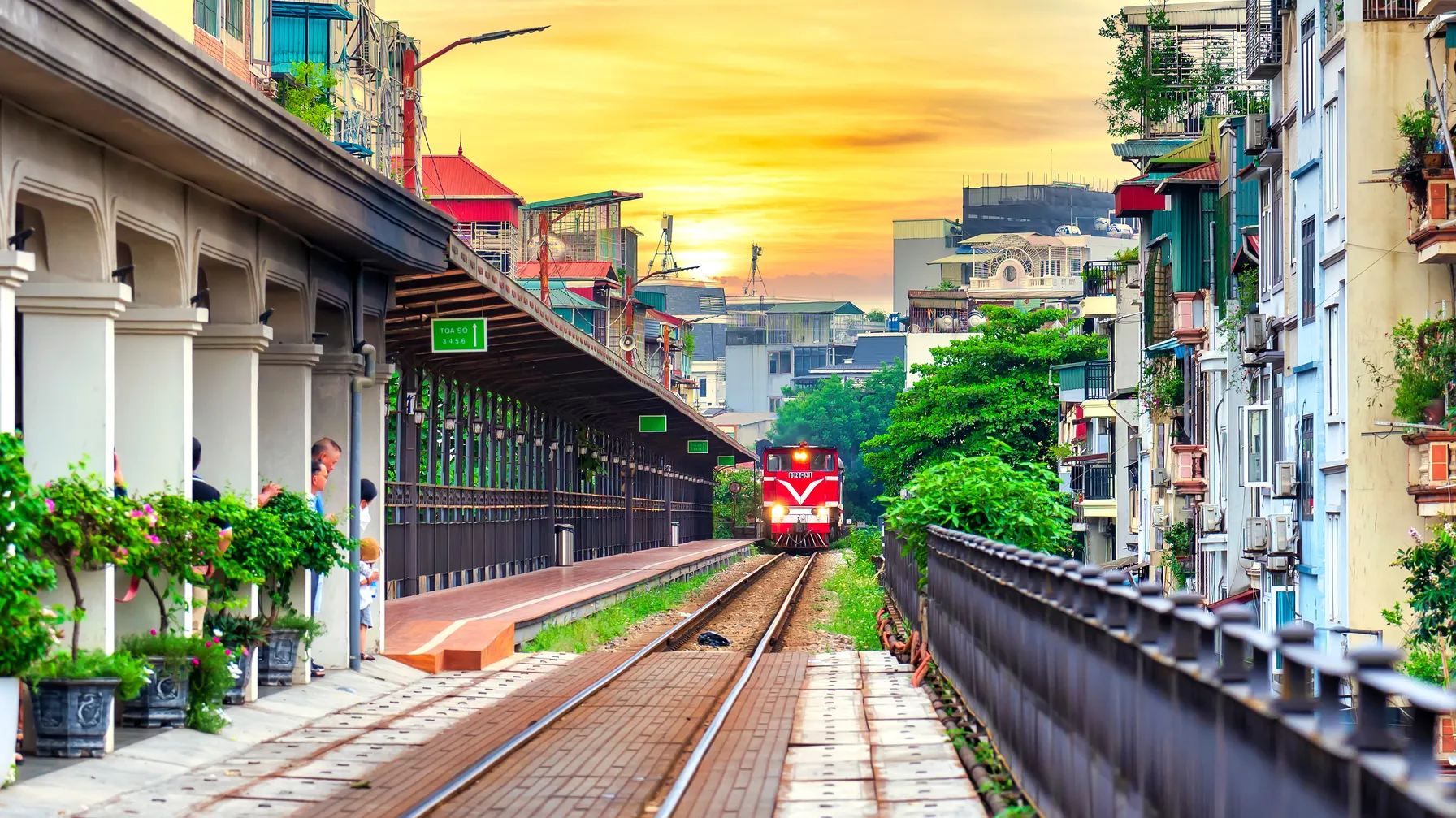
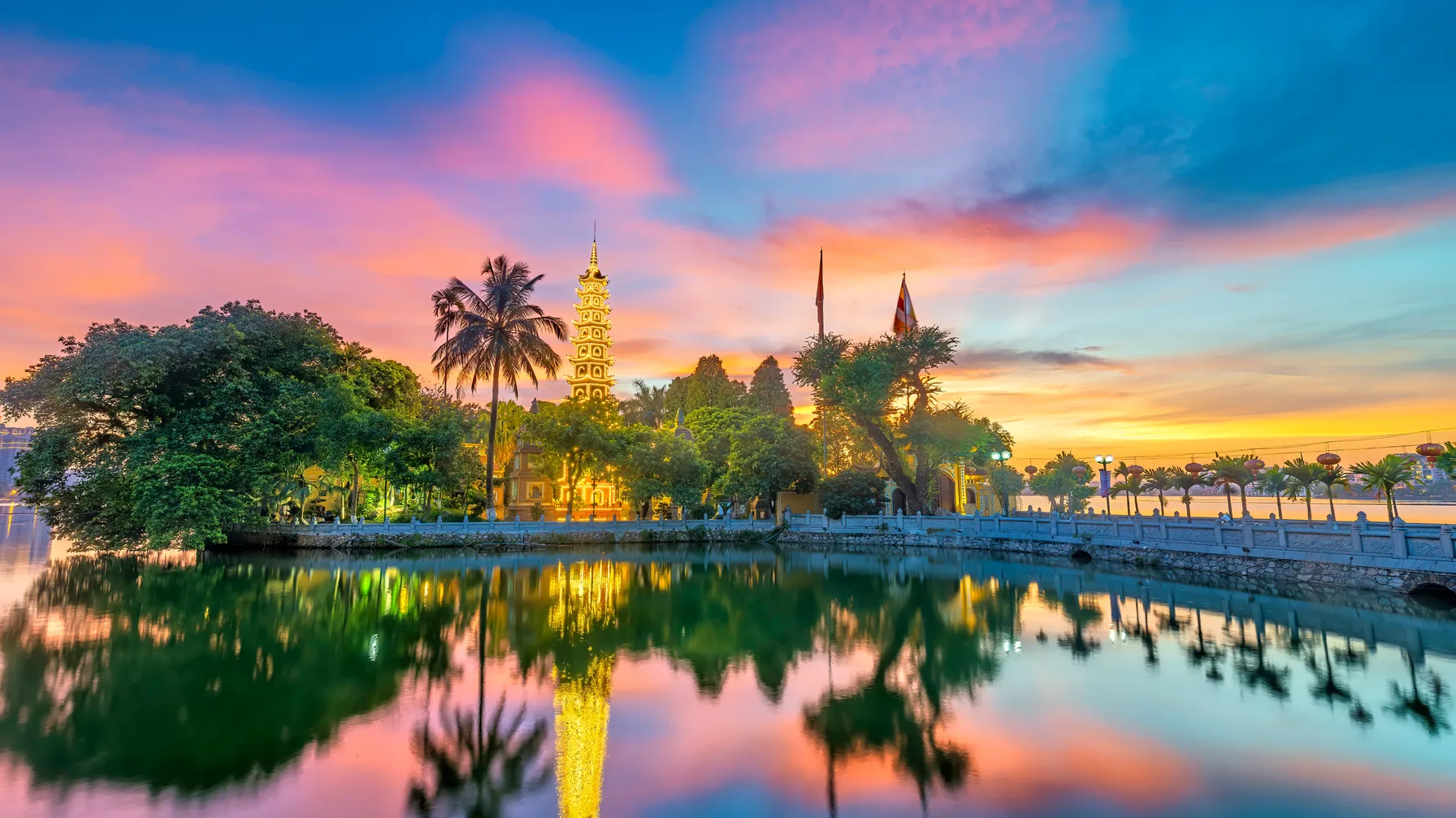
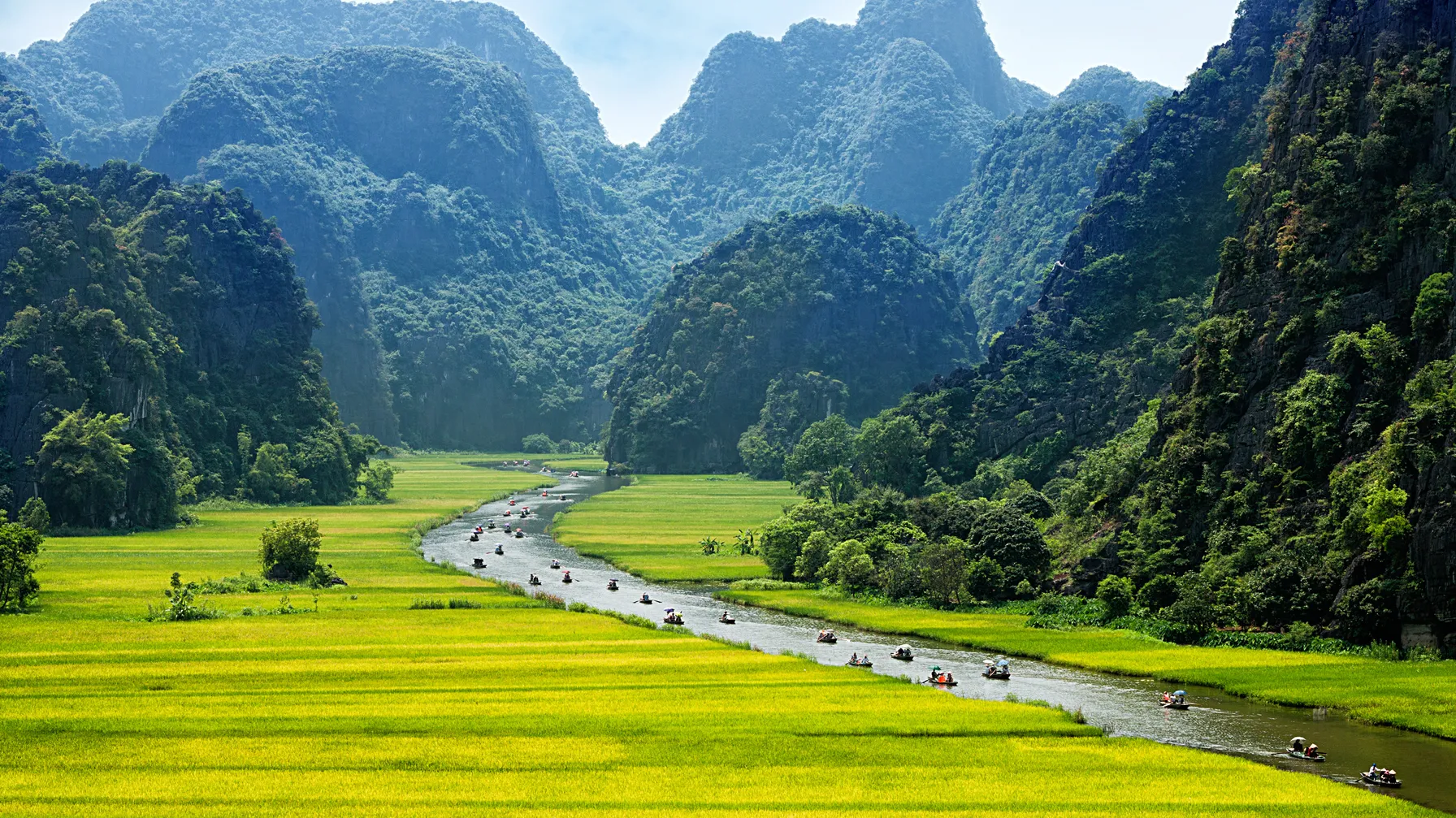
Hanoi, the millennial capital, welcomes you with its tree-lined boulevards of French influence and its traditional neighborhoods. The famous 36 guilds district reveals a maze of alleys where artisans and traders mix. This unique atmosphere creates a total immersion in authentic Vietnamese culture.
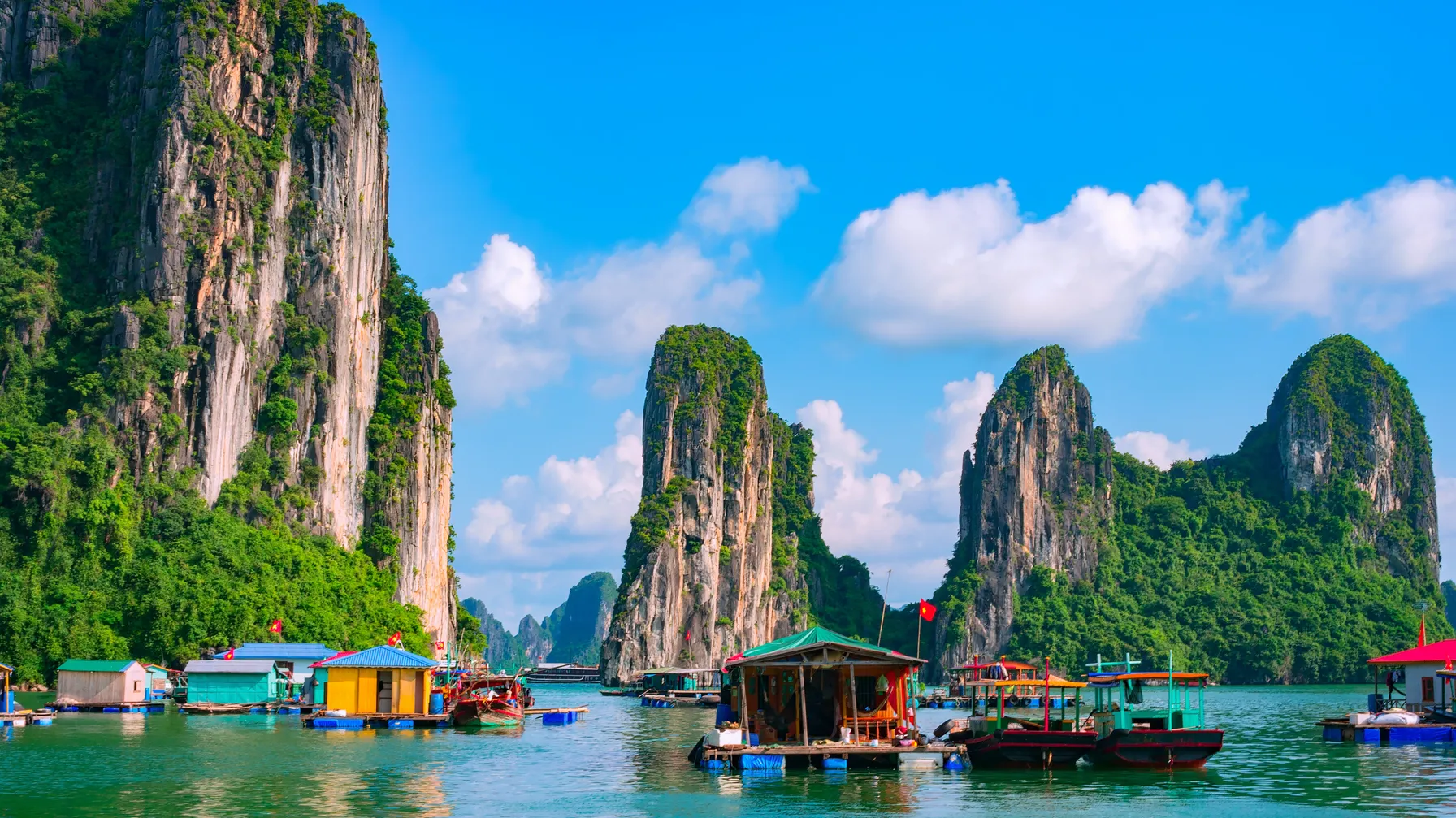
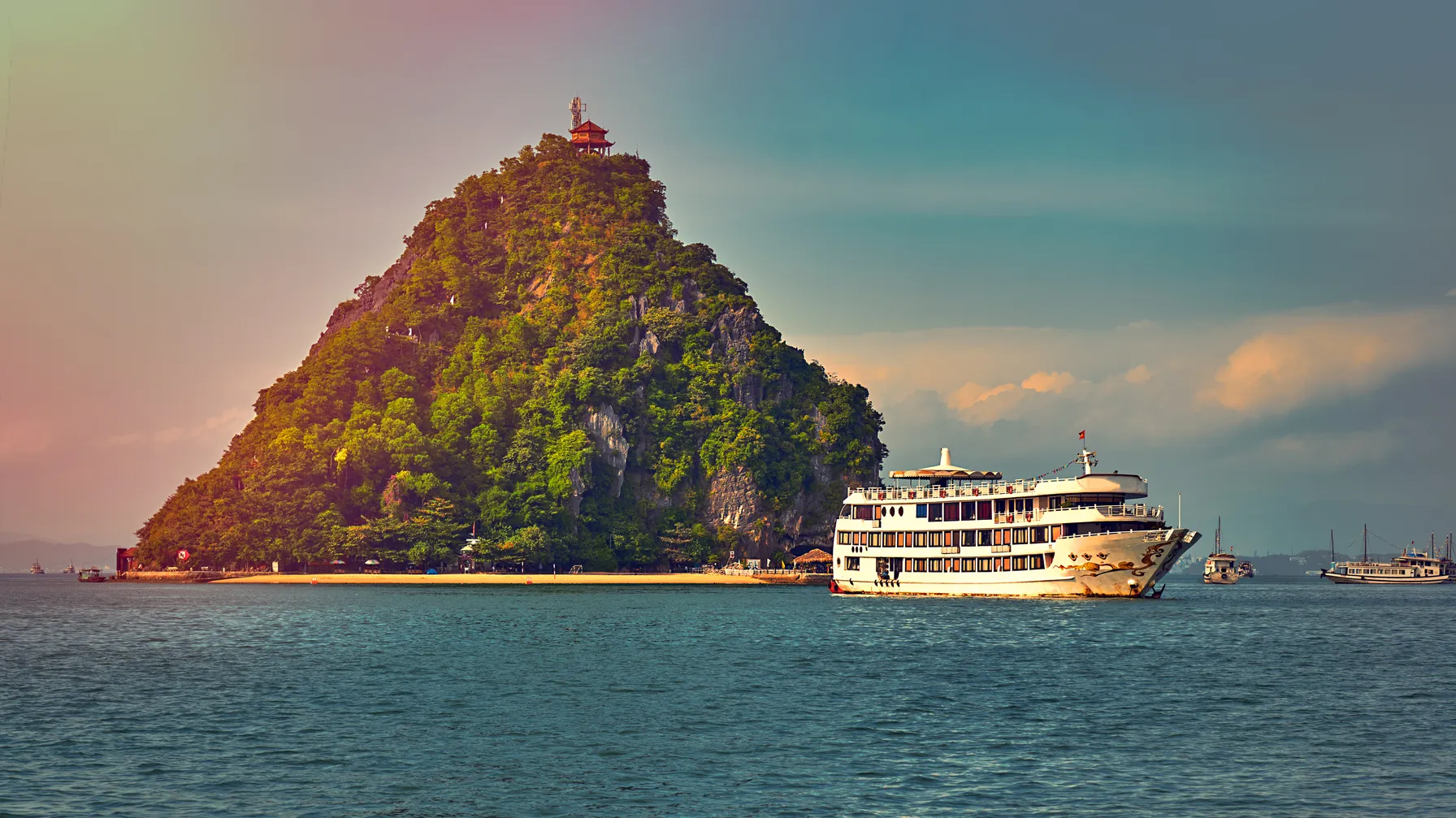
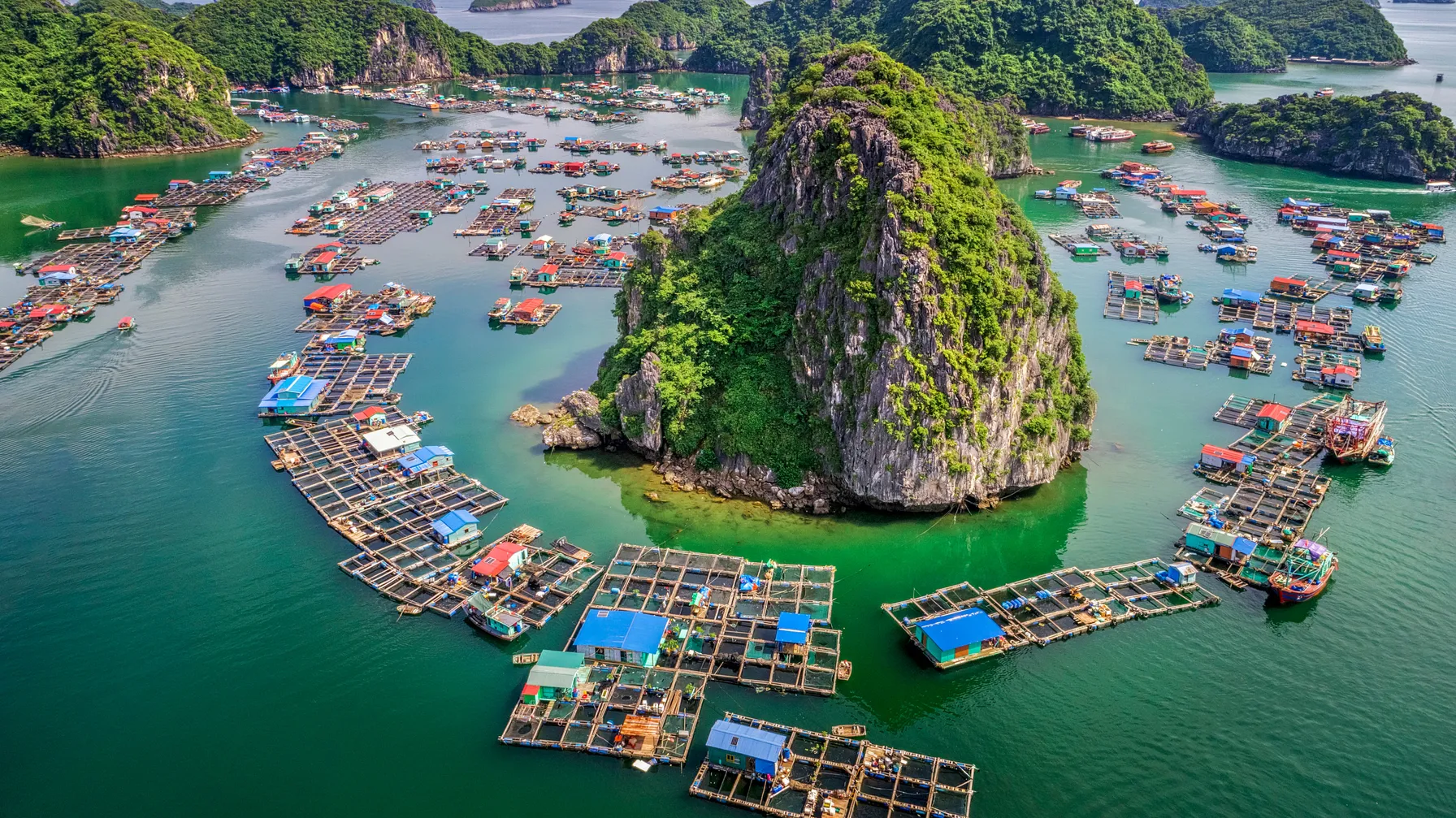
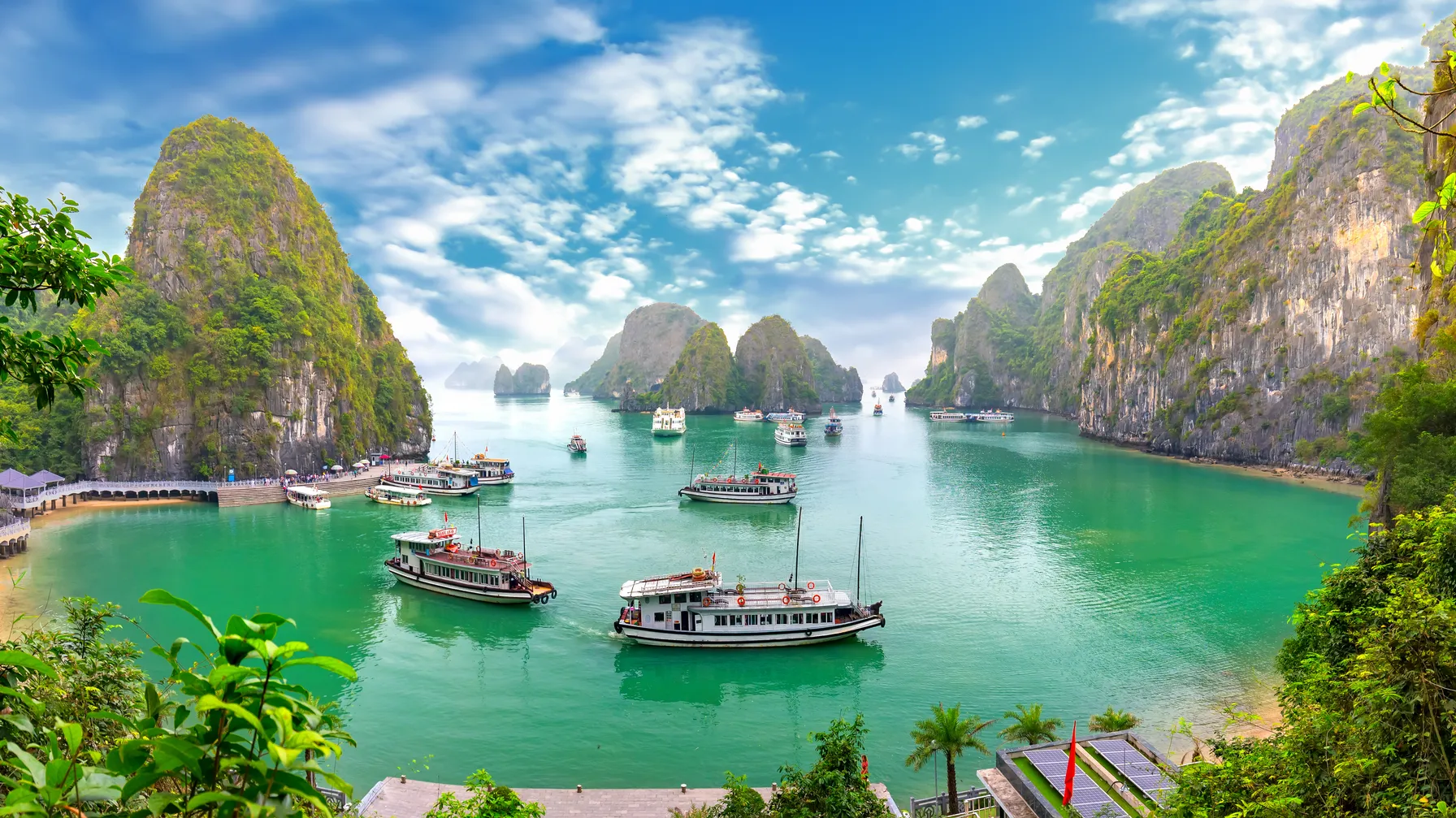
Halong Bay is a must-see of Northern Vietnam. Its limestone formations emerge from the waters like natural sculptures, creating a landscape of striking beauty. A night on a traditional junk turns this visit into an unforgettable shared moment. For a more intimate experience, Bai Tu Long Bay offers a less crowded but equally spectacular alternative.
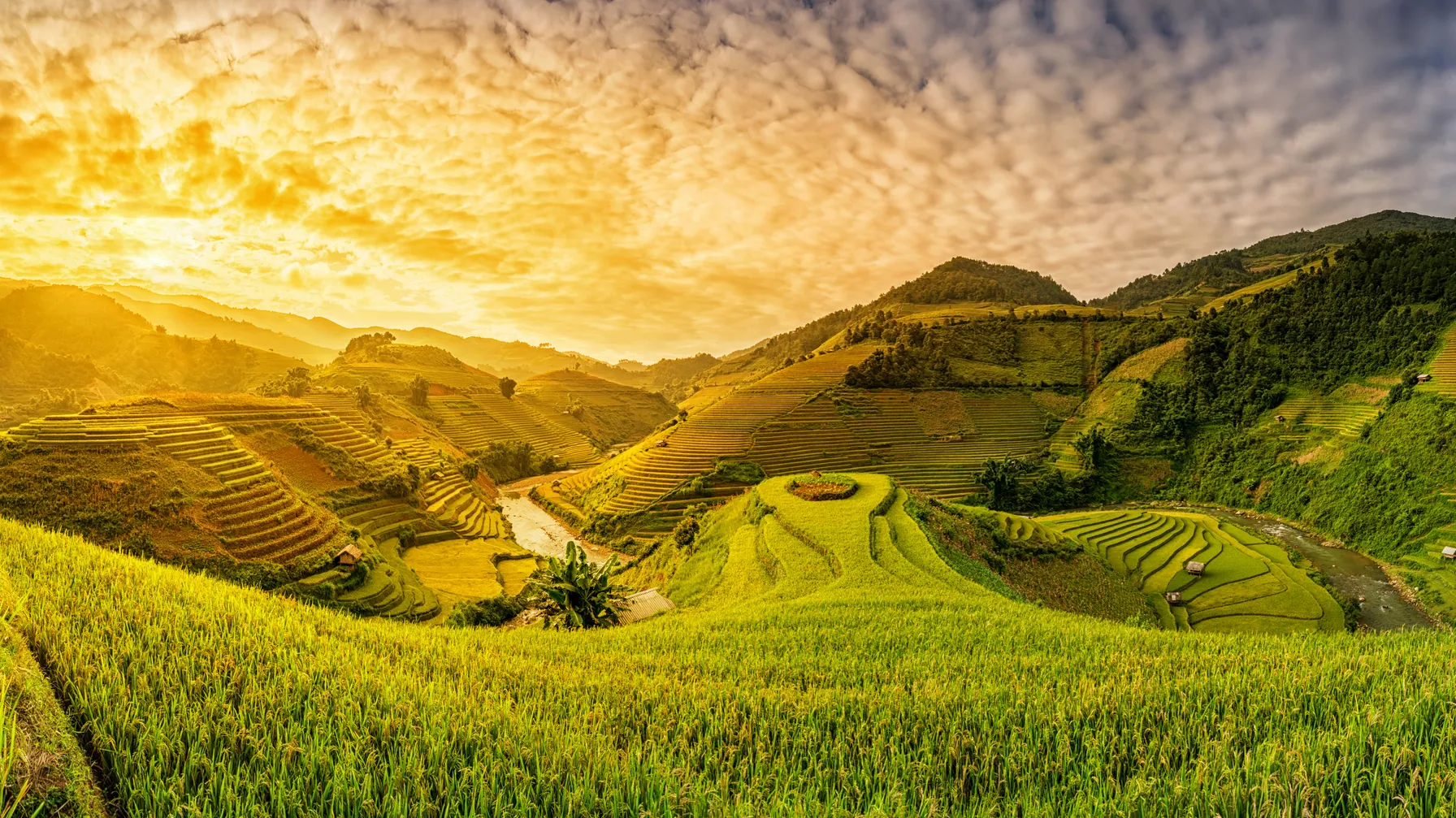
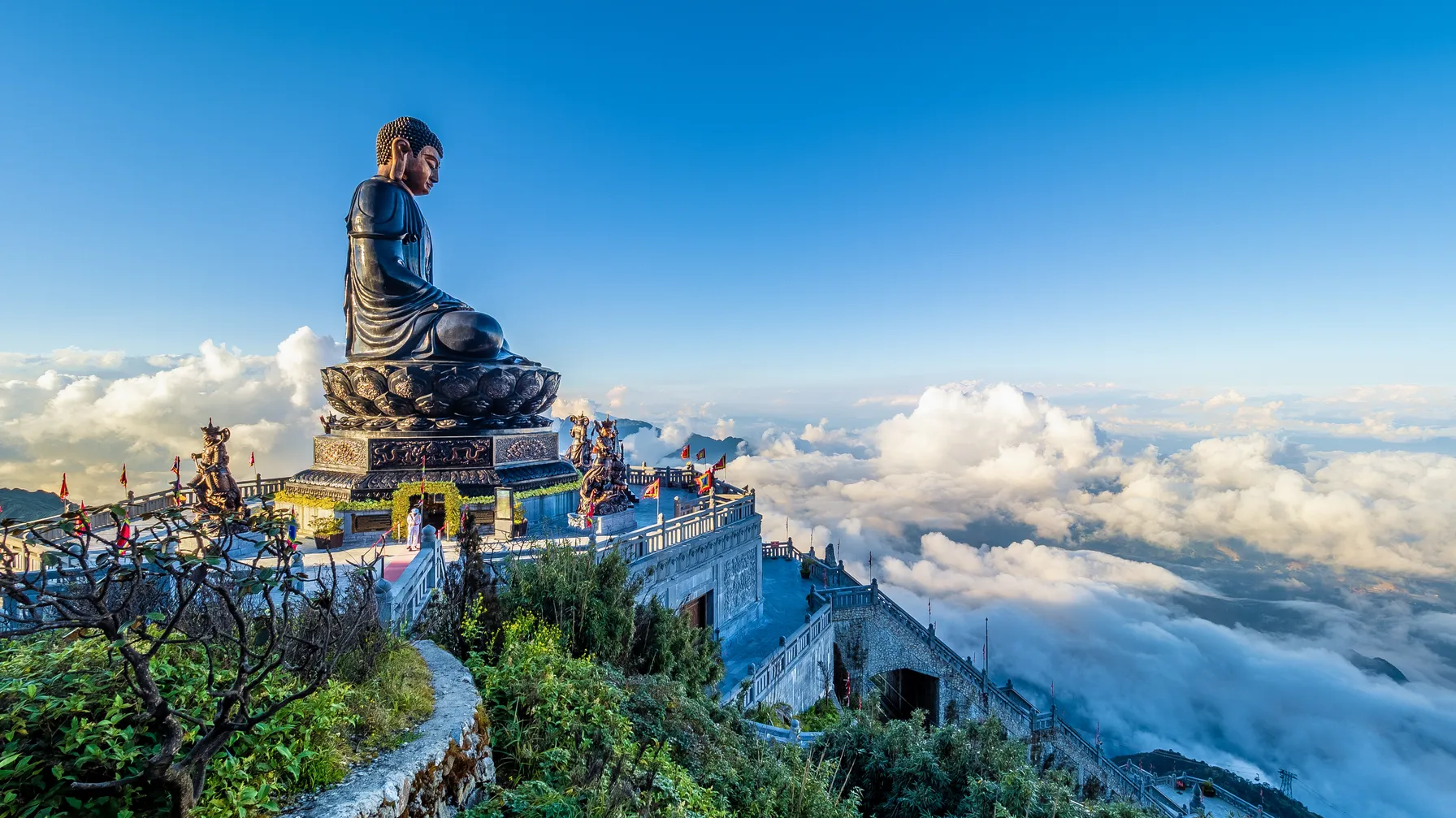
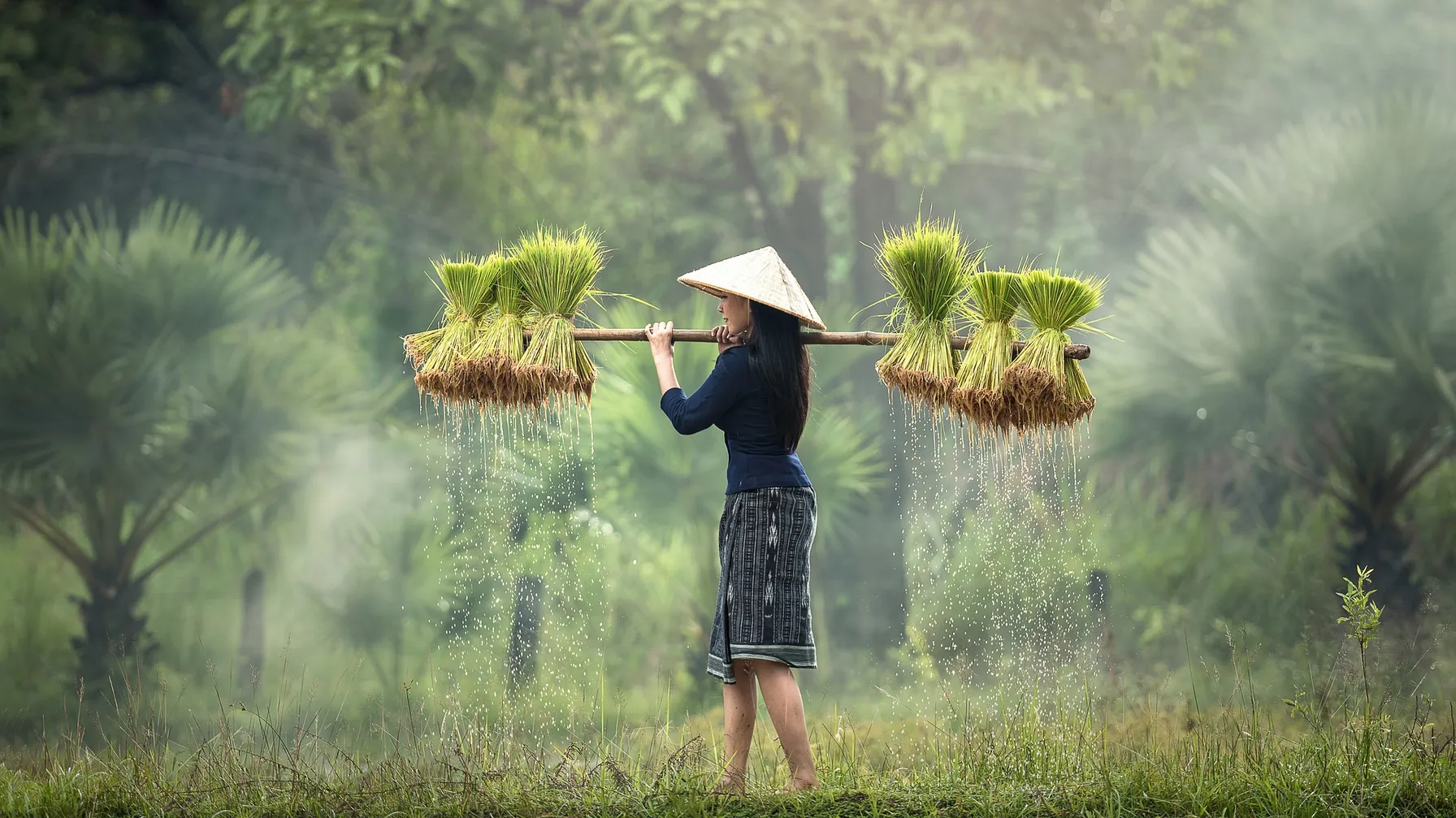
The northern mountains reveal other wonders. Sapa and its terraced rice fields offer breathtaking panoramas, while the villages of the Hmong and Dao ethnic groups offer authentic encounters with local traditions.
The Historic Center: Hue and Hoi An
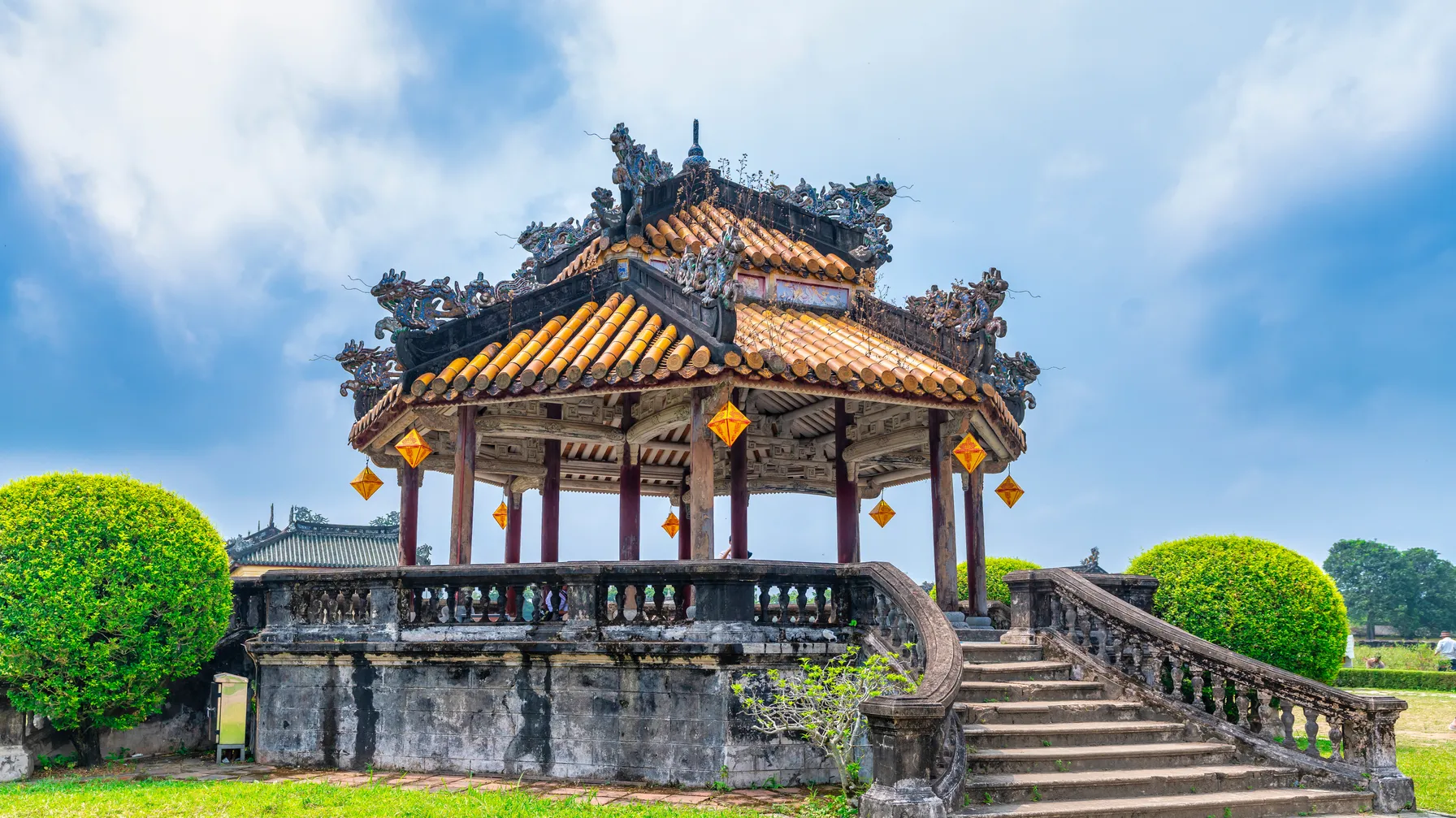
Central Vietnam is home to an exceptional historical heritage. Hue, the former imperial capital, unveils its palaces and royal tombs along the Perfume River. This city reflects the grandeur of the Nguyen dynasty and offers a fascinating dive into Vietnamese history.
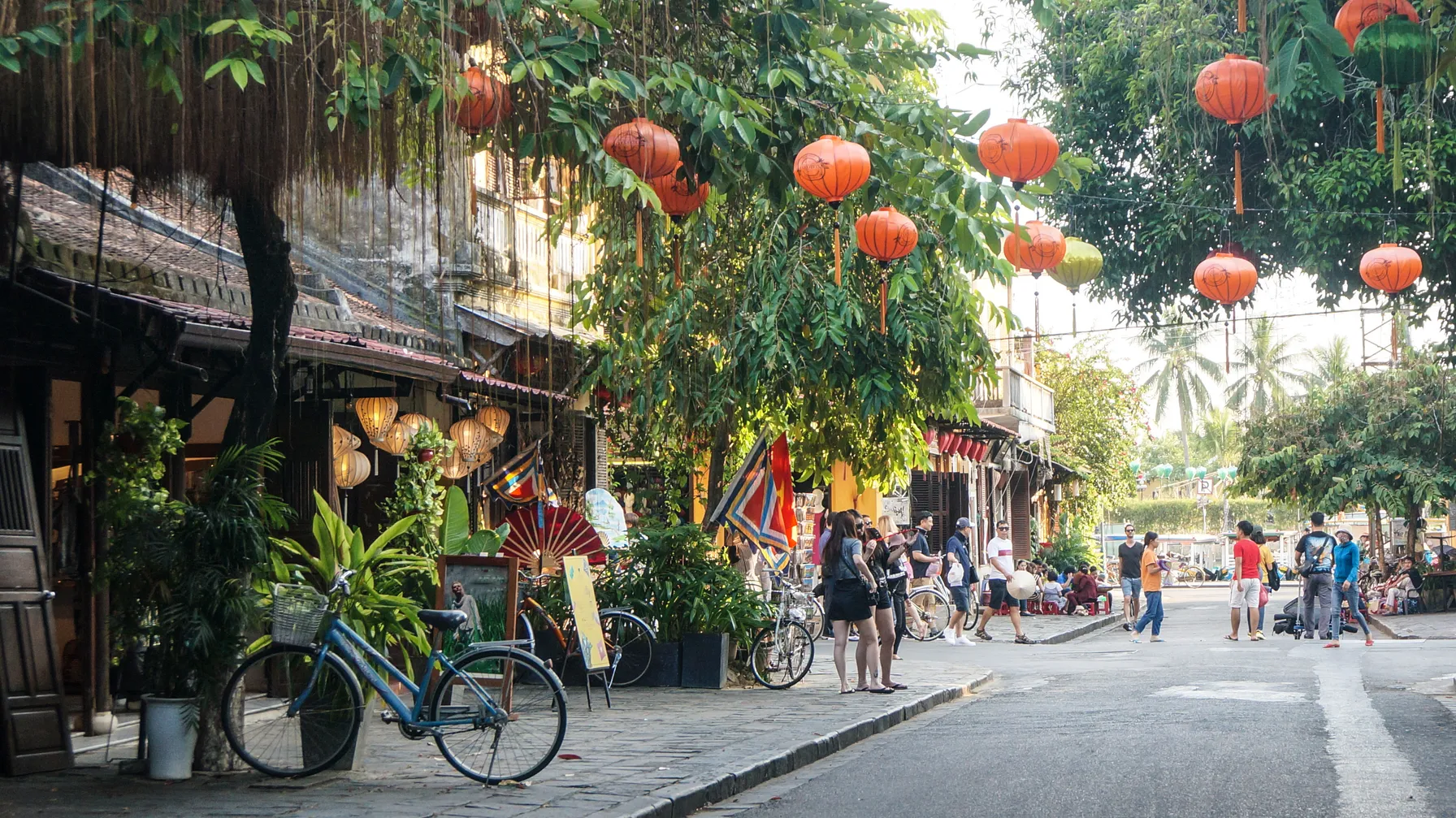
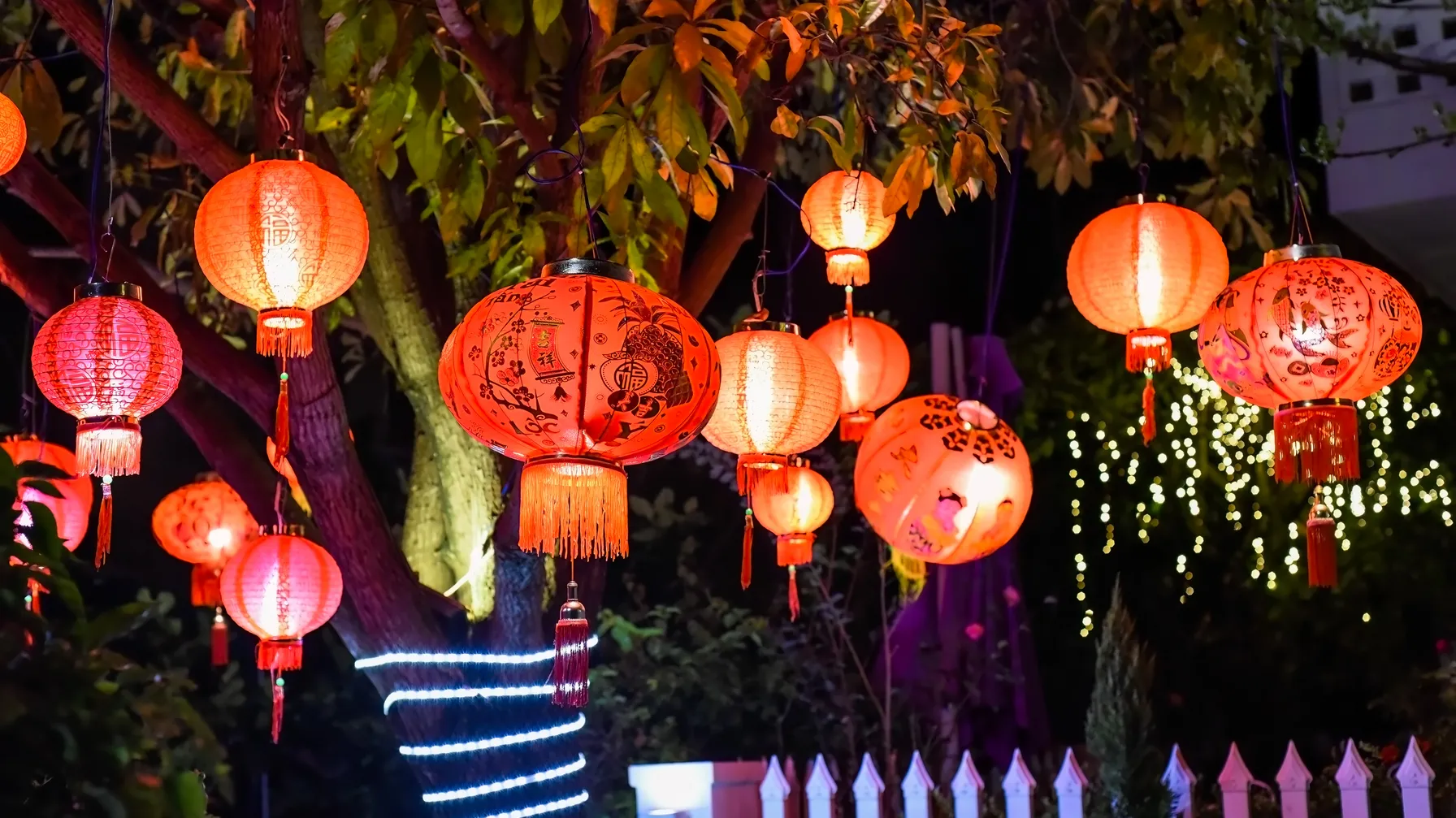
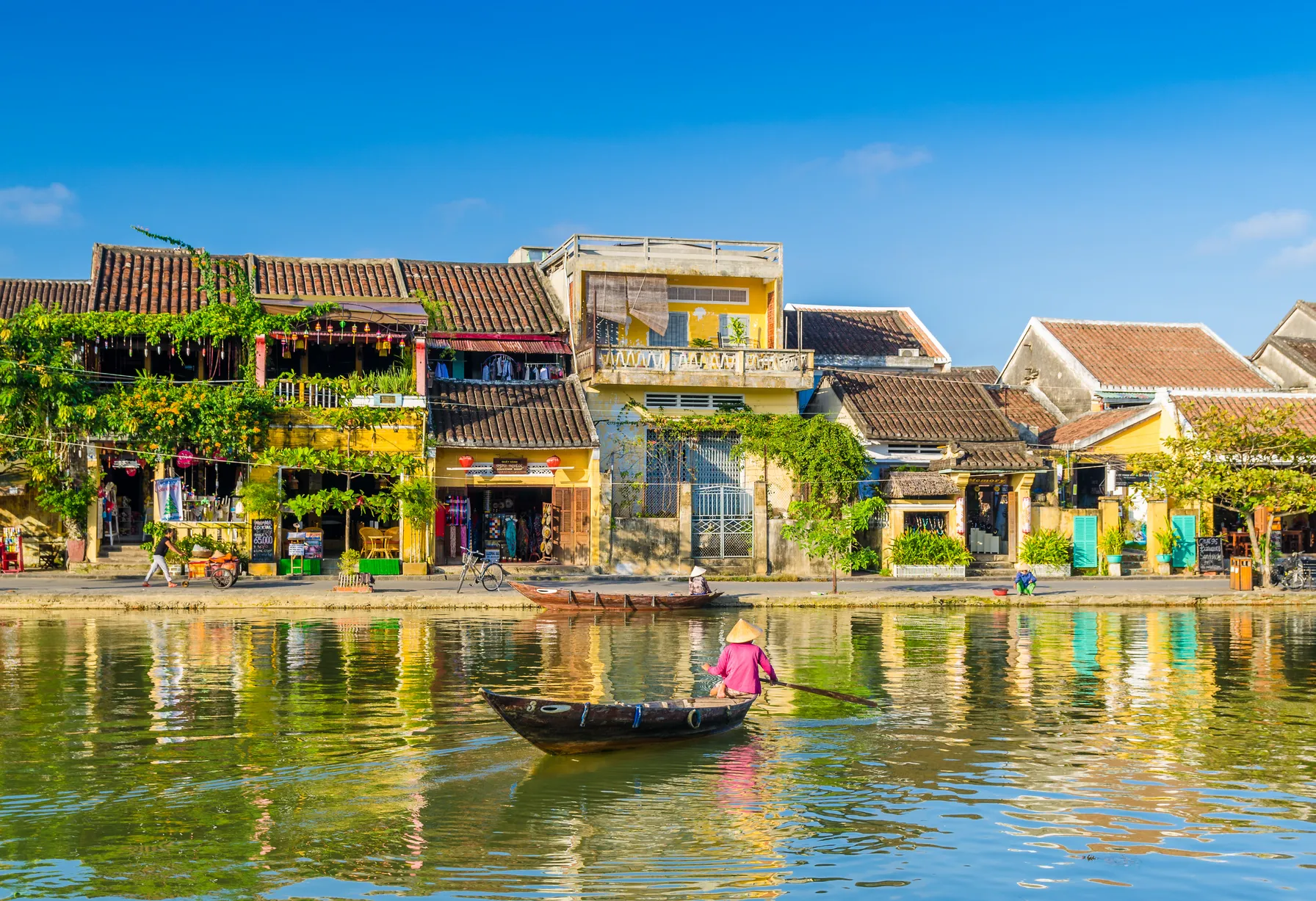
Hoi An charms with its preserved architecture and colorful lanterns lighting up the cobblestone alleys. This historic trading port combines Chinese, Japanese, and European influences. Renowned tailor shops and traditional cooking classes add an experiential dimension to your stay.
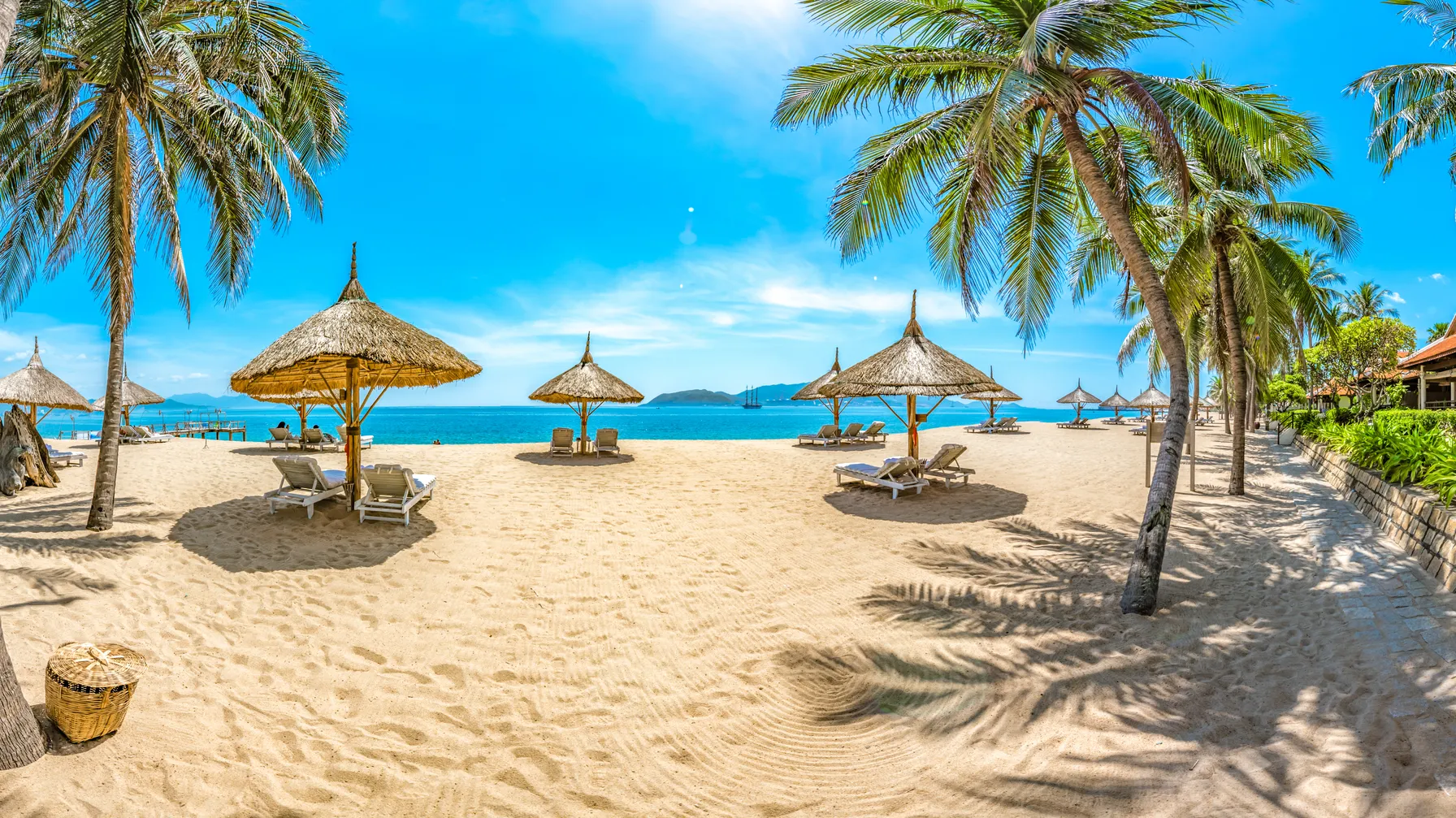
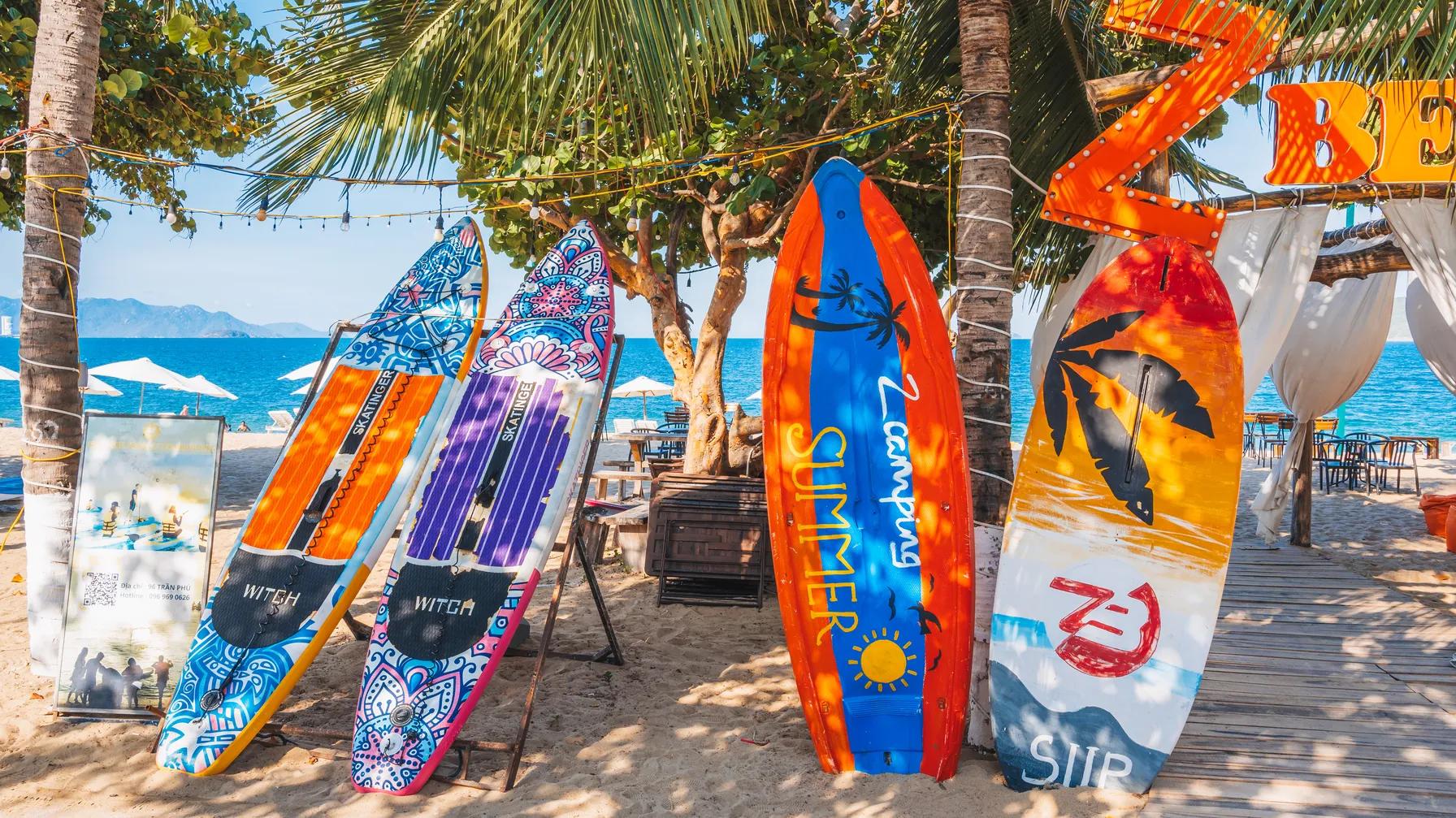
The central region also offers natural wonders such as the Phong Nha caves, a world heritage site, and the beautiful beaches of Danang and Nha Trang for moments of relaxation by the water.
The Dynamic South: from Ho Chi Minh City to the Mekong Delta
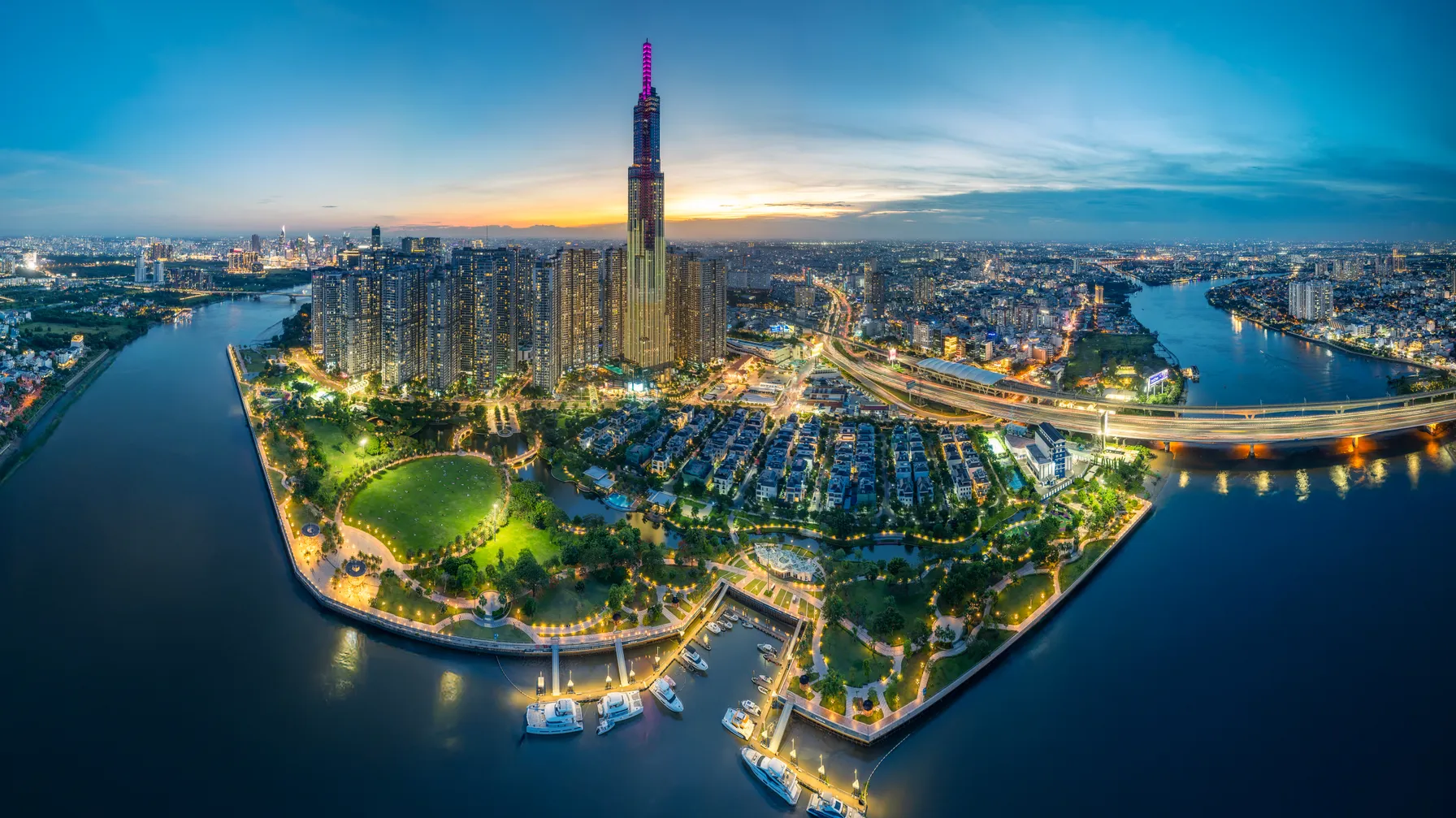
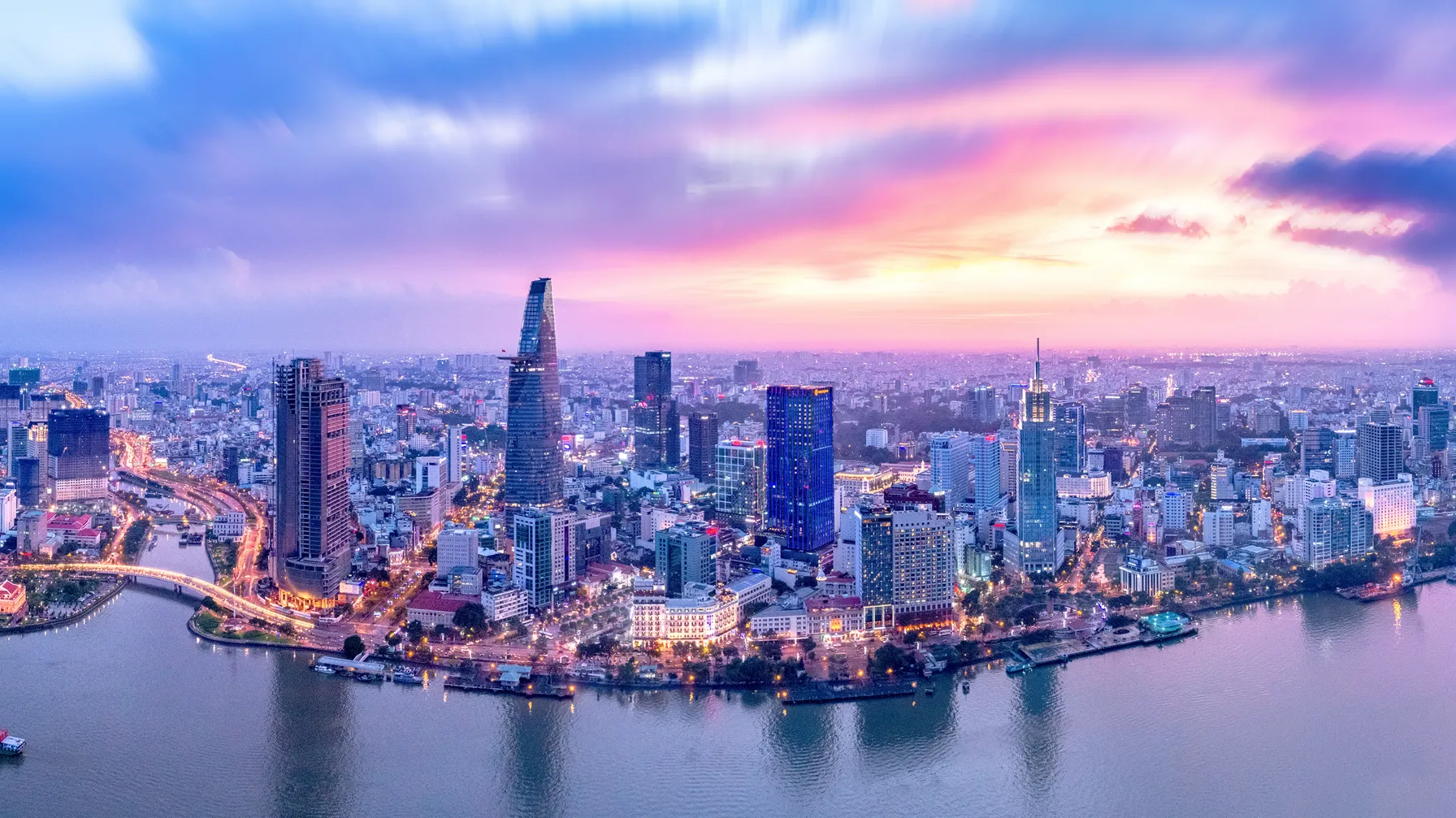
Ho Chi Minh City, formerly Saigon, pulses with energy as modern skyscrapers stand alongside colonial architecture. This dynamic metropolis offers an exceptional culinary scene and a lively nightlife. The Ben Thanh and Binh Tay markets offer a total immersion into the Vietnamese way of life.
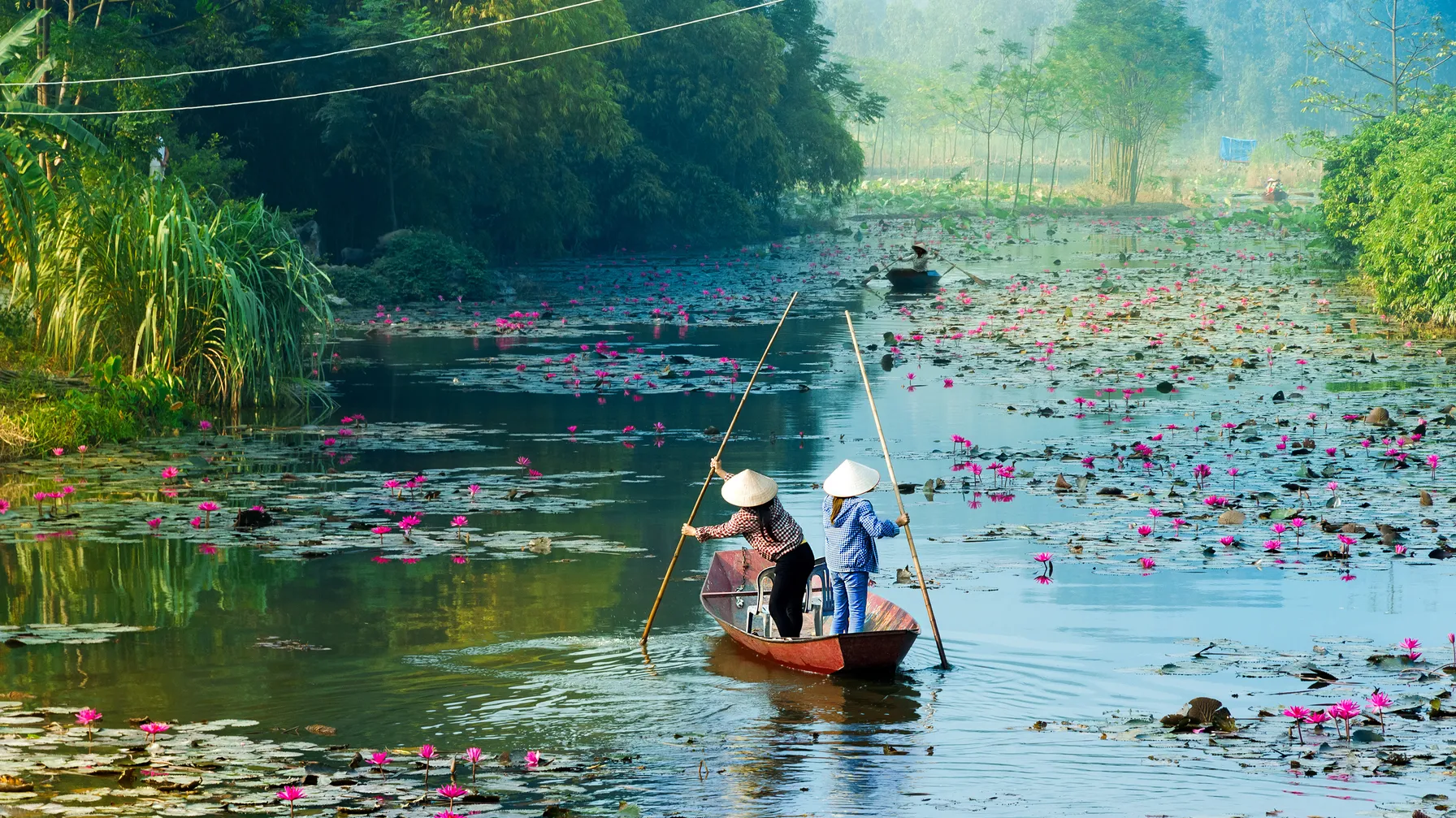
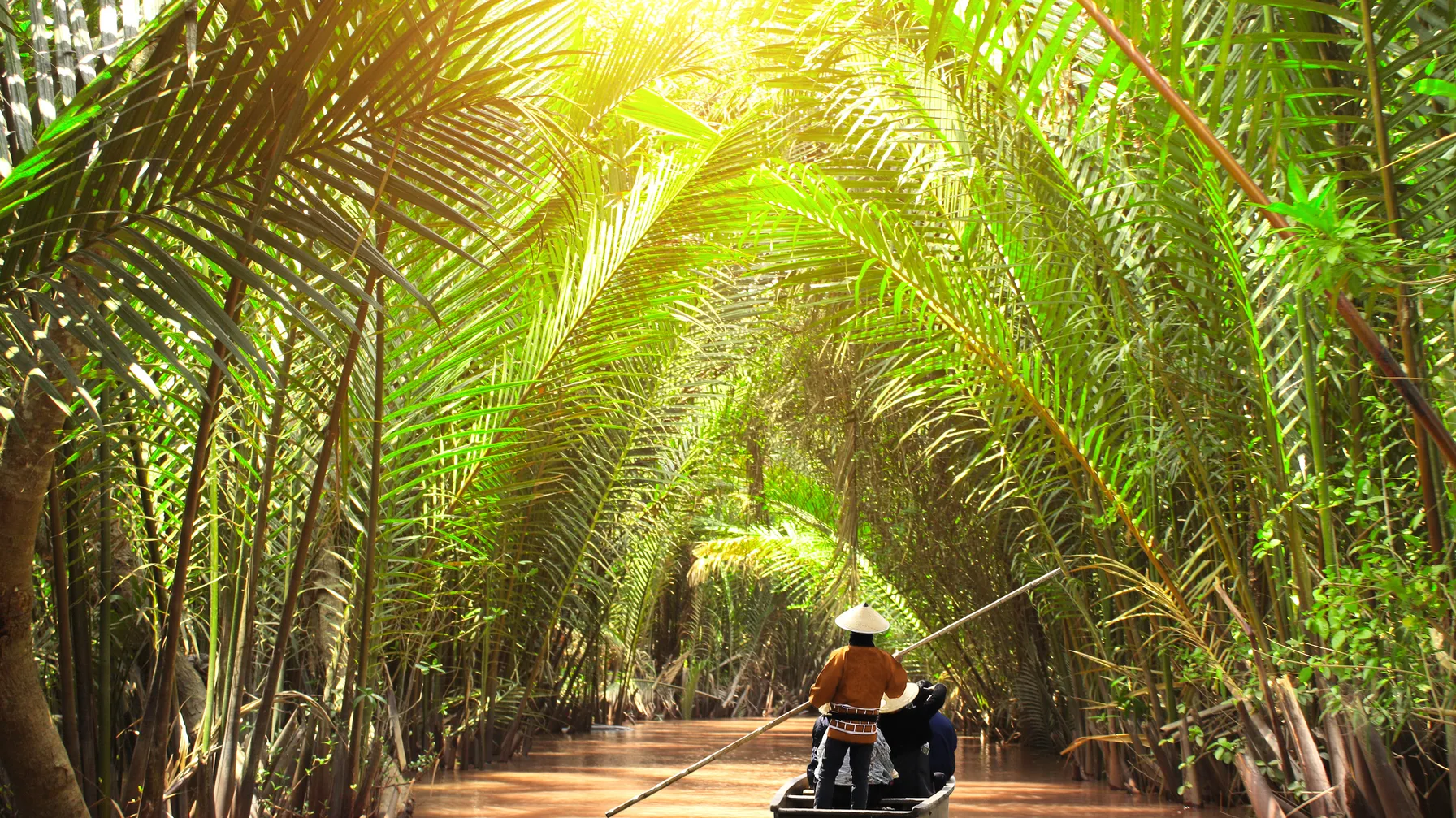
The Mekong Delta reveals an authentic Vietnam where life is organized around the canals. The floating markets of Can Tho and the tropical orchards create unique experiences. This region allows you to understand the importance of the nourishing river in local culture.
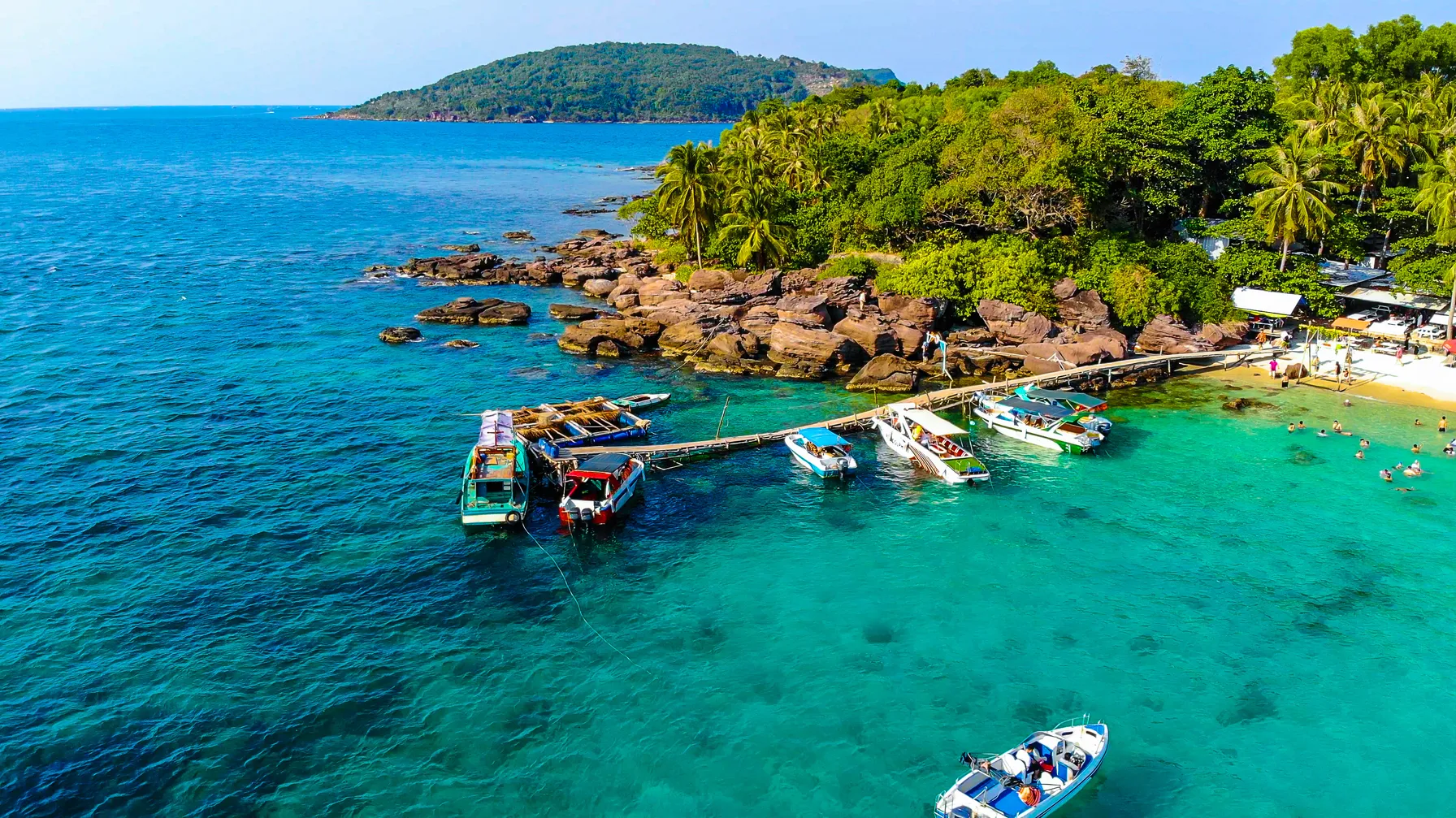
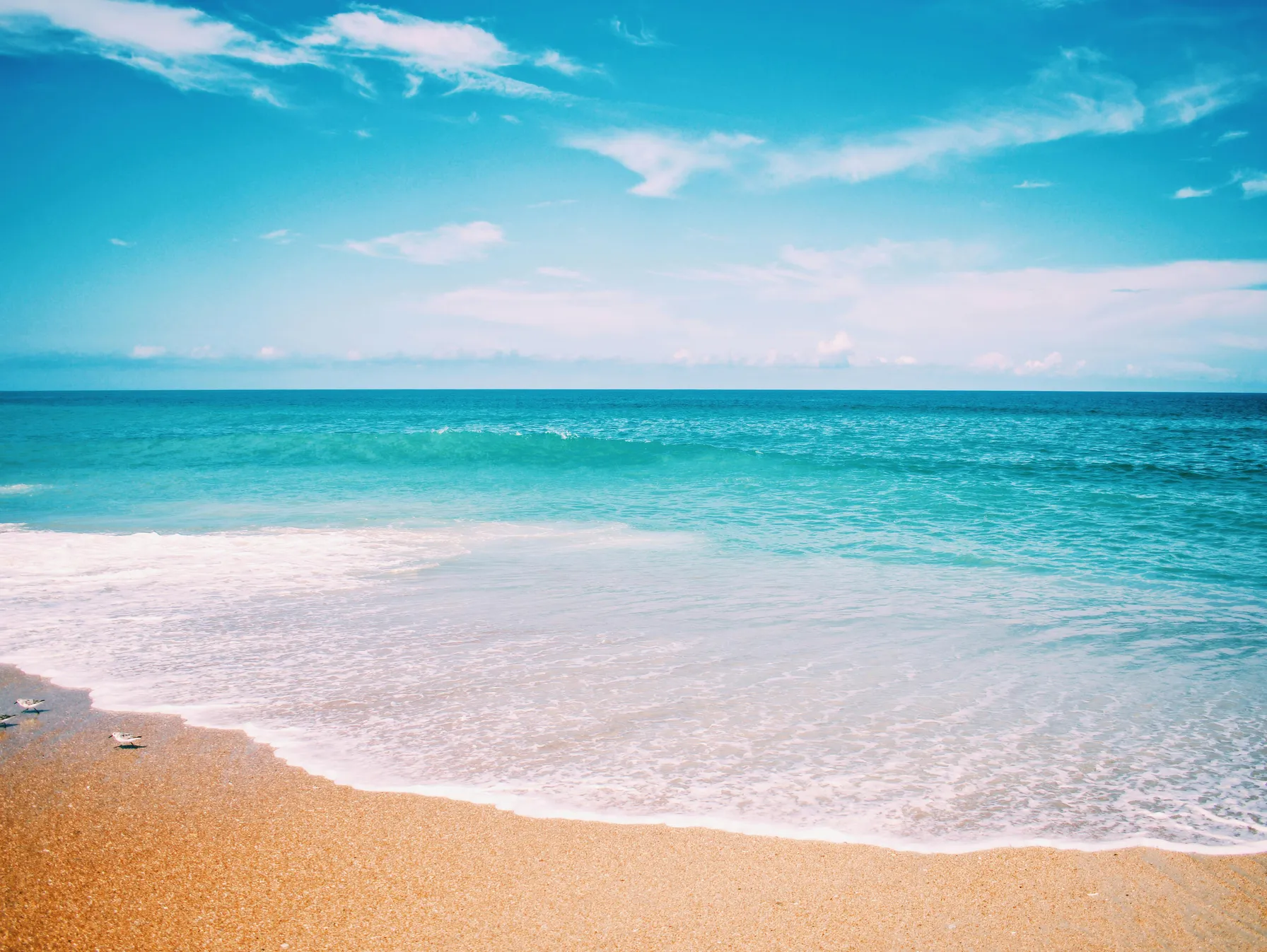
Phu Quoc Island perfectly complements a trip to South Vietnam. Its white sandy beaches and crystal-clear waters provide an idyllic setting to relax after exploring the mainland.
When to go to Vietnam according to your preferences?
The climatic diversity of Vietnam allows travel throughout the year, each season revealing particular attractions according to your expectations.
The dry season, an ideal time to explore
From October to April, Vietnam enjoys optimal weather conditions to discover the whole country. Temperatures range between 20°C and 30°C with generous sunshine and little rain. This period is perfectly suited for families wanting to explore cultural sites and enjoy outdoor activities.
Northern Vietnam displays cooler temperatures from December to February, ideal for mountain hiking. The South maintains a pleasant warmth, perfect for alternating cultural visits and relaxation on the beaches.
Our advice: plan your trip between November and March to enjoy the best conditions in all regions.
Practical tips to prepare well for your stay
The period from May to September corresponds to the rainy season, particularly pronounced in the South and Central. However, these tropical showers, often short and intense, do not spoil the experience. This season reveals a verdant Vietnam with less tourist influx.
Photography enthusiasts appreciate this period for capturing the lush landscapes. Accommodation prices are generally more favorable, allowing you to optimize your travel budget.
| Region | Best period | Temperatures | Features |
|---|---|---|---|
| North | Oct-Apr | 15-25°C | Ideal for Halong and Sapa |
| Center | Feb-Apr, Sep-Oct | 20-28°C | Avoid Oct-Jan (rainy) |
| South | Nov-Mar | 25-30°C | Perfect dry season |
How to organize your tailor-made trip to Vietnam?
Traveling to Vietnam requires some preparation to fully enjoy this exceptional destination.
Essential formalities and advice
French nationals benefit from a visa waiver for stays of less than 45 days. For longer stays, an electronic visa can be easily obtained online. Your passport must be valid for at least 6 months after the date of entry.
The local currency, the Vietnamese dong (VND), is easily exchanged at banks and currency exchange offices. Credit cards are accepted in most tourist establishments. However, plan on having cash for small shops and local markets.
The time difference of 6 hours in winter and 5 hours in summer makes adapting easier. Direct flights from Paris last about 11 hours, a reasonable duration to reach this distant destination.
Regarding health, no vaccine is mandatory, but vaccinations against hepatitis A and B, typhoid, and Japanese encephalitis are recommended. A complete pharmacy kit with mosquito repellent is essential.
Demandez votre devis Vietnam sur-mesure 100% gratuit
 4.8
4.8+3.000 travelers satisfied
Must-try culinary experiences
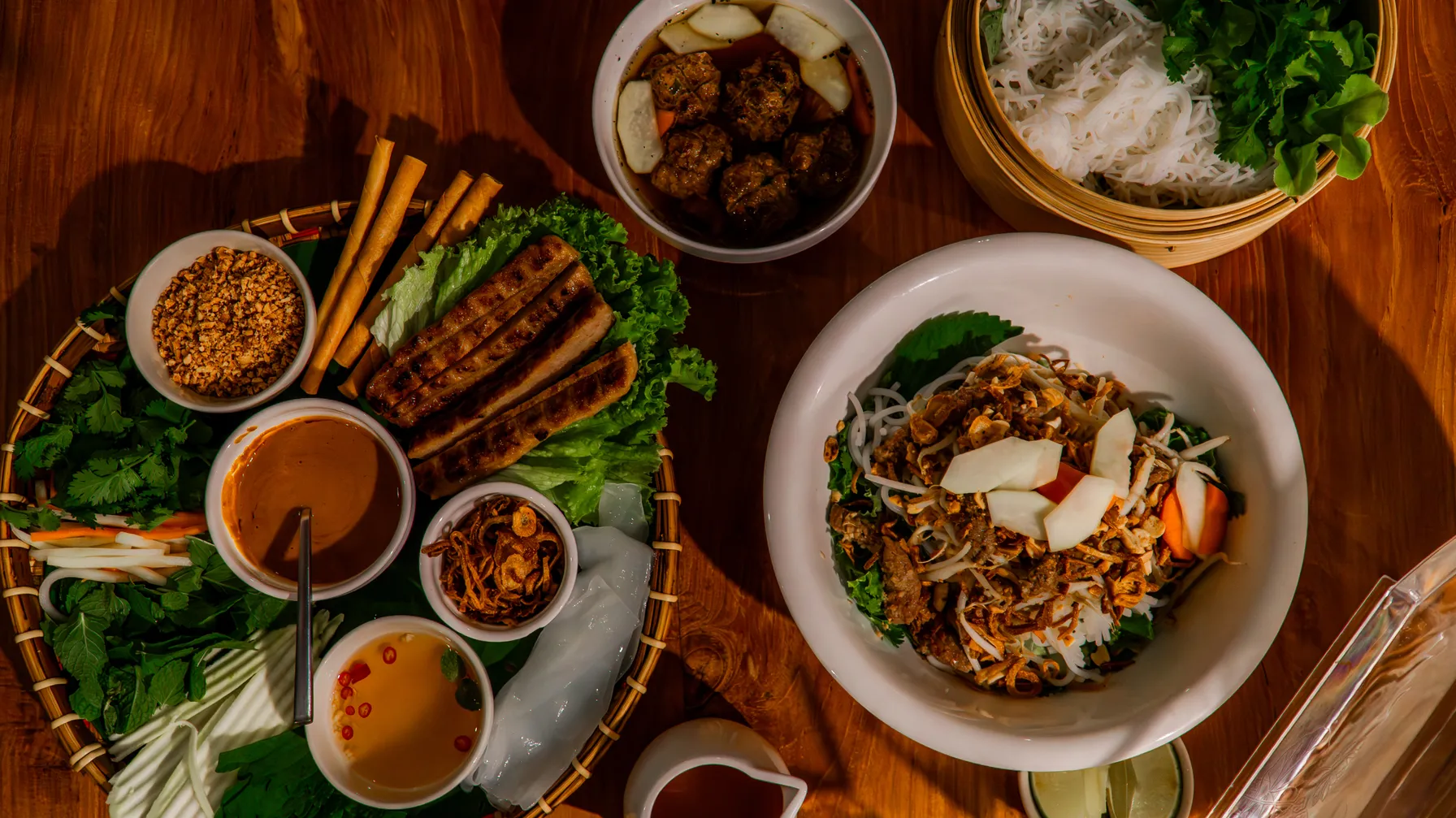
Vietnamese cuisine represents one of the greatest pleasures of the journey. Each region develops its specialties: pho in the North, spicy dishes in the South, and refined cuisine from the Central region in Hue.
Local markets offer an authentic immersion into Vietnamese culinary arts. Taste the banh mi, an iconic sandwich blending French and Vietnamese influences, or enjoy a steaming pho in a street stall. Cooking classes teach the secrets of this subtle and fragrant cuisine.
Tips from our Travel Planners: do not hesitate to explore regional specialties such as cao lau in Hoi An or fresh spring rolls served with nuoc mam sauce.
Did you know? Vietnamese coffee, often served with sweetened condensed milk, competes with the world's best coffee productions. Tasting it in the plantations of the Central Highlands complements your culinary discovery perfectly.
Whether you opt for a journey from north to south or prefer to focus on a specific region, Vietnam promises exceptional discoveries. References like the Guide du Routard Vietnam, Lonely Planet, or Petit Futé Notebook support your preparation, but nothing replaces the expertise of a tailor-made trip suited to your personal expectations.