When to go to Vietnam: your complete guide to choosing the best time
Why does the weather vary so much between the regions of Vietnam?
Vietnam is characterized by an exceptional geography that creates distinct micro-climates according to regions. This climatic diversity is explained by the extent of the territory and the varied geographical influences, from the Chinese border to the warm waters of the Gulf of Thailand.
The north of Vietnam and its four contrasting seasons
The north of Vietnam experiences a subtropical climate with four distinct seasons, particularly visible around Hanoi and in the northwestern mountains. Winter, from December to February, brings average temperatures between 15 and 20°C, with sometimes drops to 5°C in mountainous regions. This cool and dry period can surprise travelers expecting a constantly tropical climate.
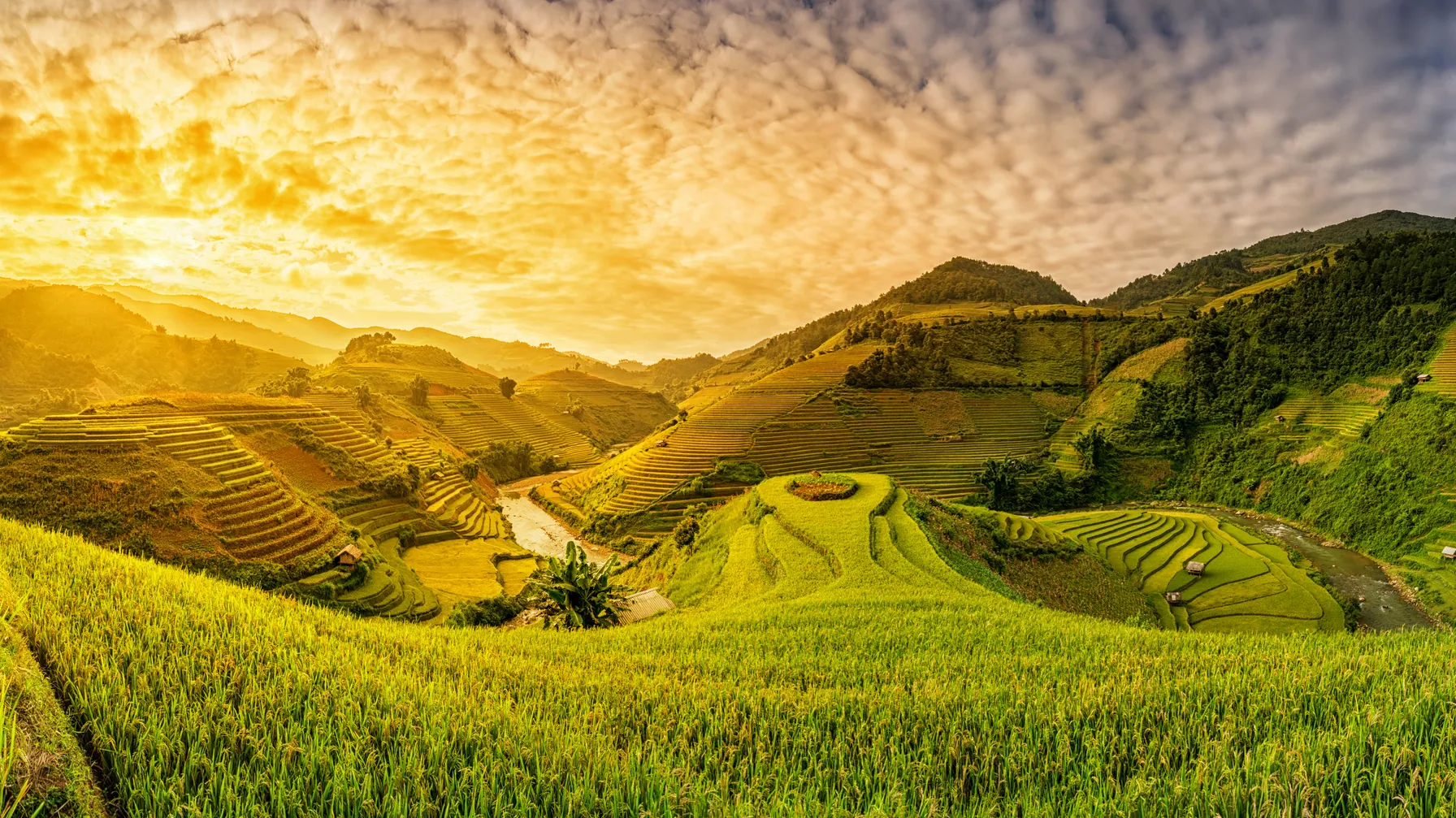
Spring, from March to May, reveals the north of Vietnam at its best. Temperatures gradually rise, fluctuating between 20 and 28°C, while humidity remains bearable. It is during this period that the terraced rice fields of Sapa are adorned with their silvery reflections, creating a striking visual spectacle.
Summer, from June to August, radically transforms the atmosphere with temperatures soaring to 35°C, accompanied by significant humidity and frequent rains. The wet season intensifies, making some mountain roads more difficult to access.
Autumn, from September to November, probably offers the most pleasant conditions to visit Northern Vietnam. Temperatures drop to comfortable levels between 22 and 28°C, while the rains gradually become less frequent.
Central Vietnam, a transitional climate zone
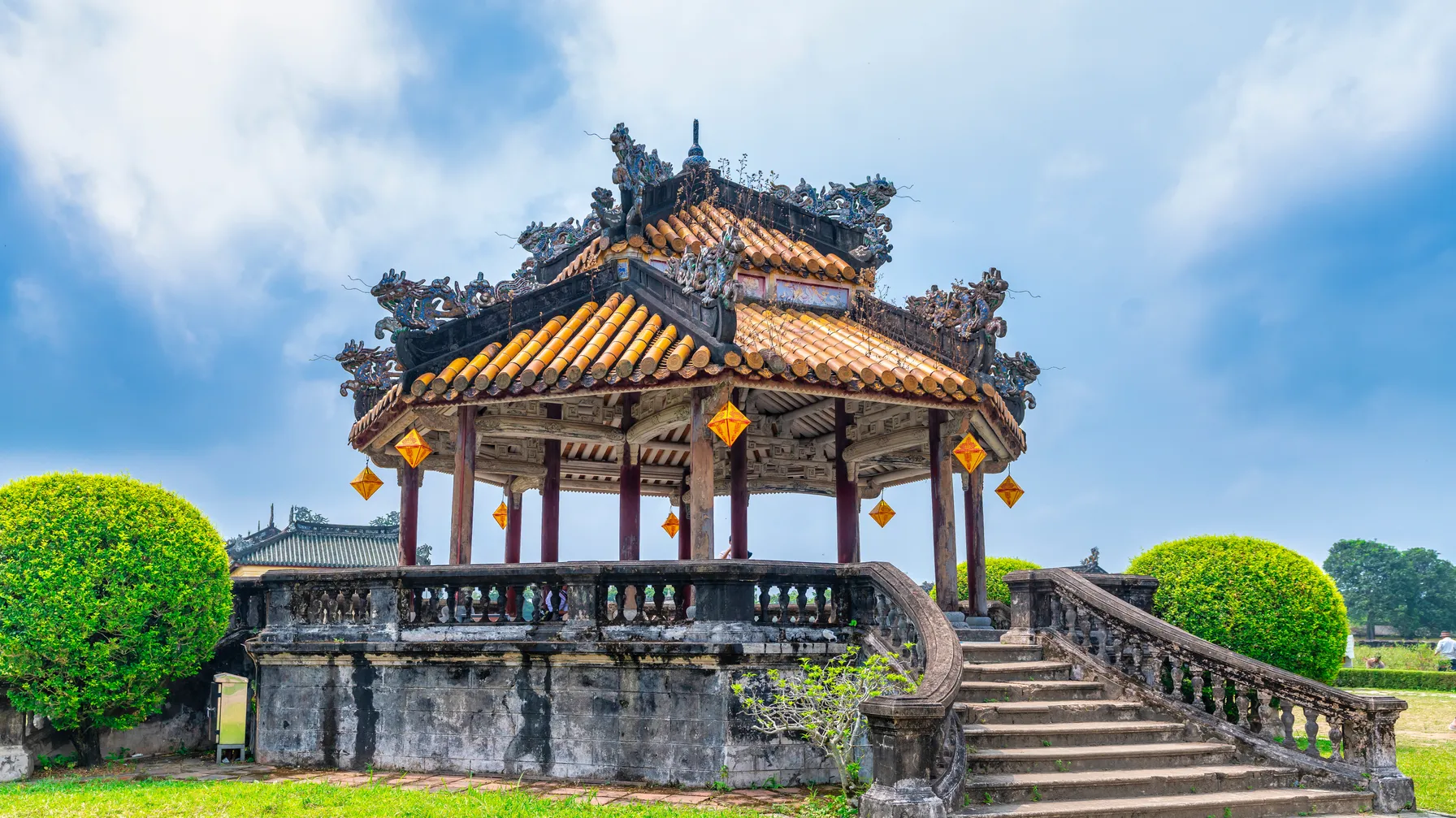
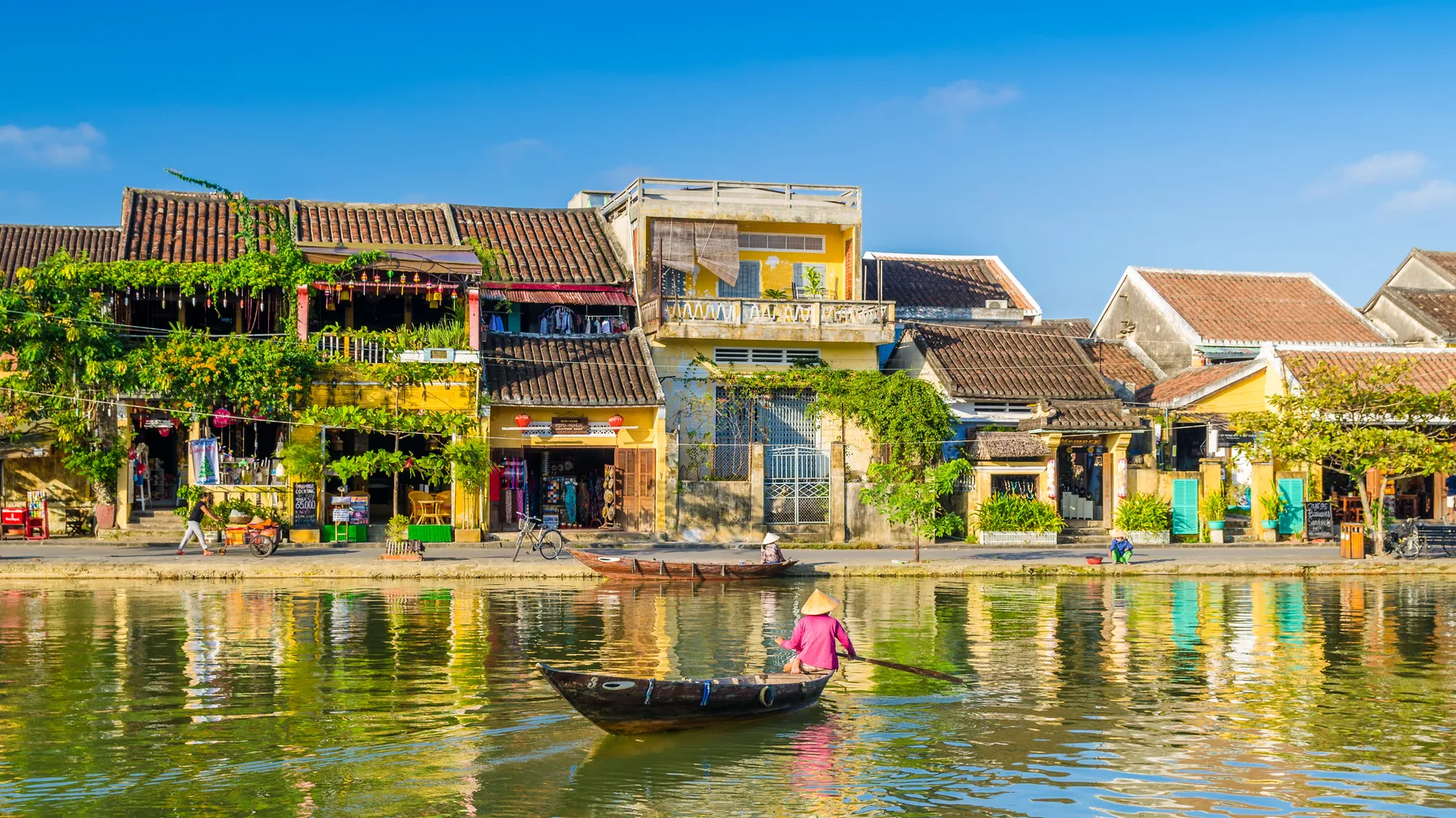
Central Vietnam, including destinations such as Da Nang, Hoi An, and Hue, presents an intermediate climate that combines influences from the north and south. This region primarily experiences two seasons, but with particular nuances that deserve special attention.
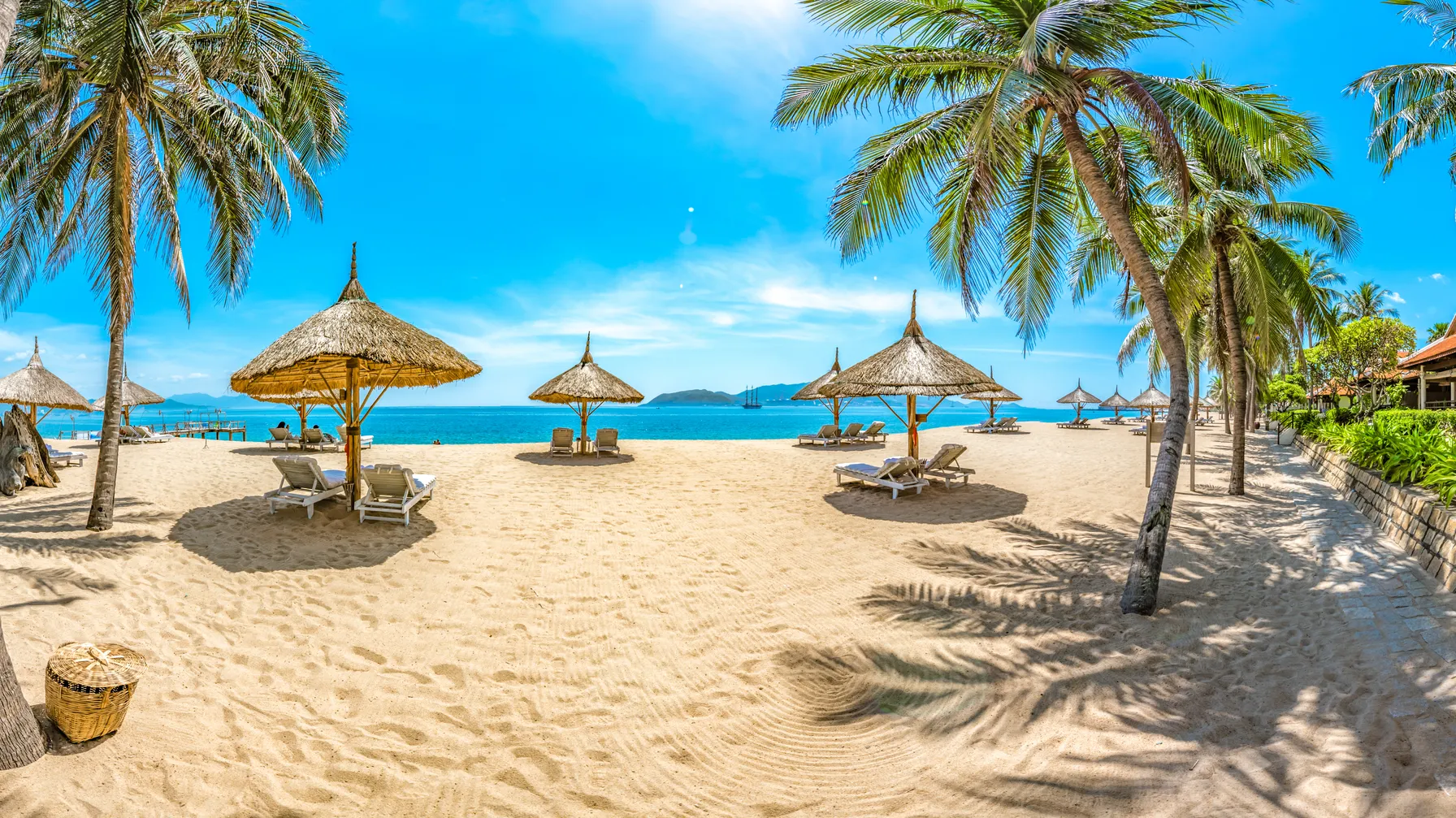
The period from February to July generally represents the best time to discover central Vietnam. Temperatures range between 25 and 30°C, with a reasonable humidity level and limited precipitation. The beaches of the central coast then offer ideal conditions for swimming, with sea temperatures remaining constant around 26-27°C.
A unique feature of the central region is its offset rainy season, which runs from September to December rather than May to October as elsewhere. This period coincides with the possible passage of typhoons, particularly between October and November, which can cause temporary flooding along the coast.
Southern Vietnam and its stable tropical climate
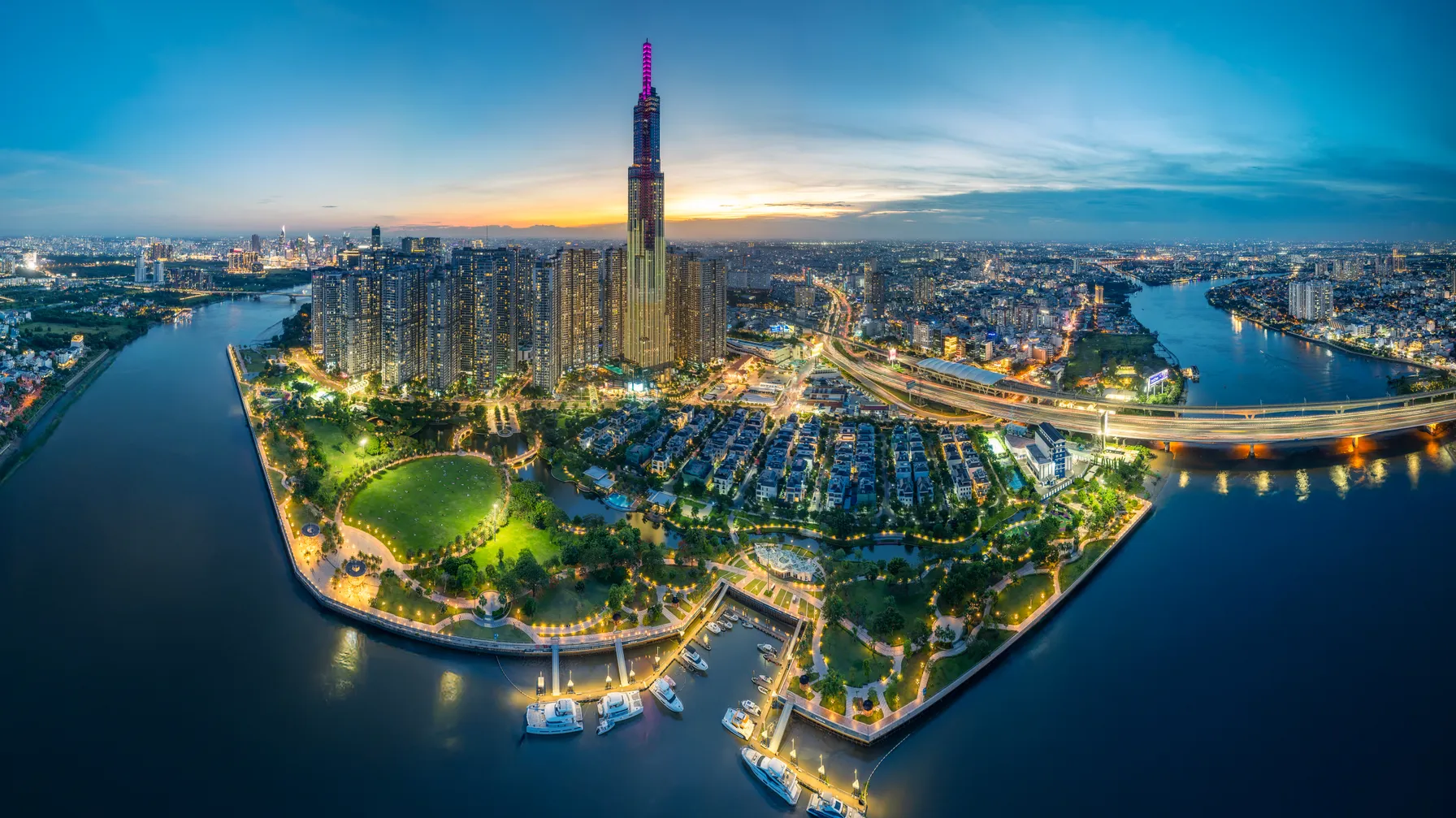
Southern Vietnam, centered around Ho Chi Minh City and extending to the Mekong Delta and Phu Quoc Island, benefits from a remarkably stable tropical climate. Average temperatures vary little throughout the year, remaining between 26 and 32°C, creating a predictable climate ideal for planning a customized trip.
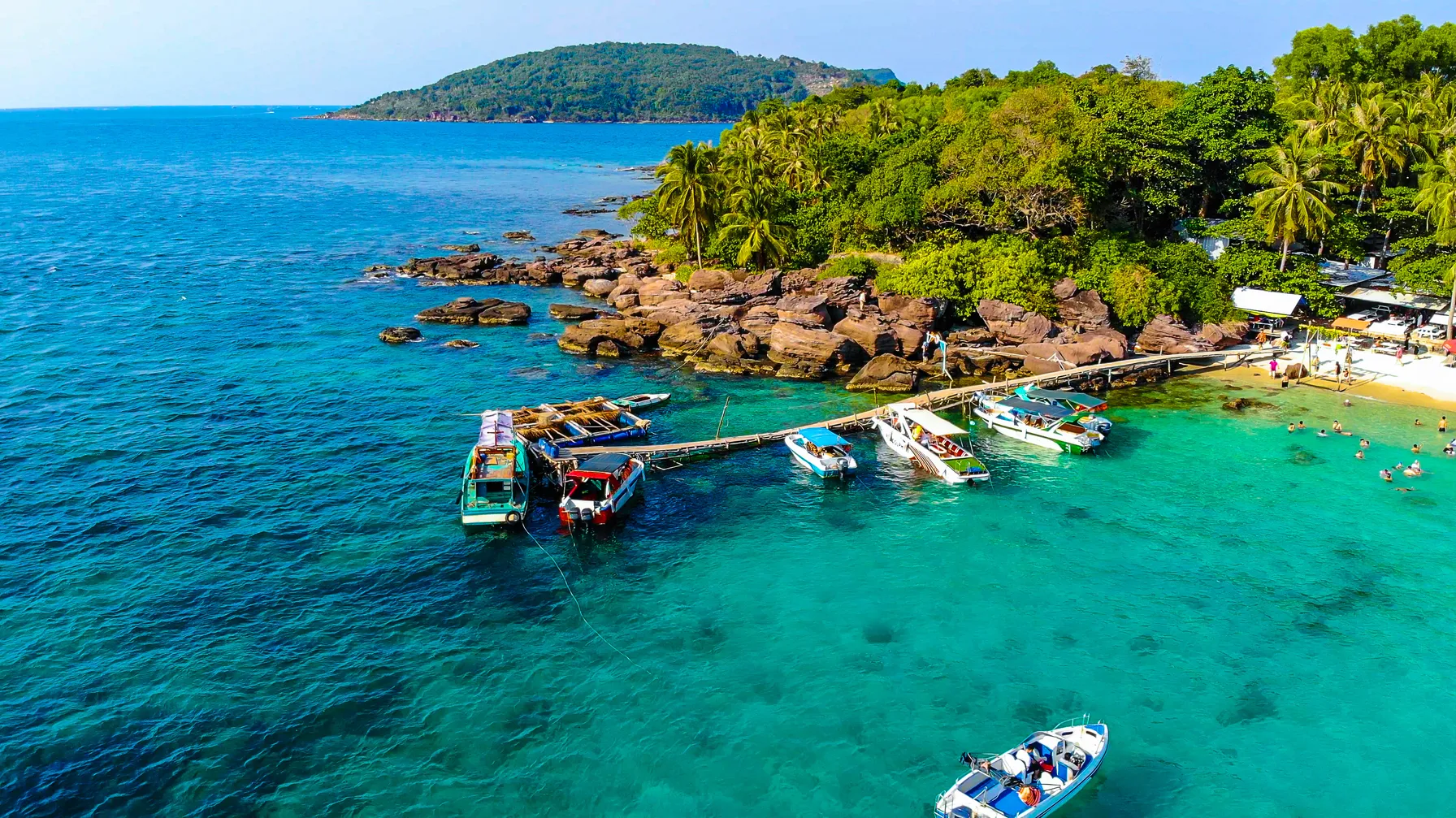
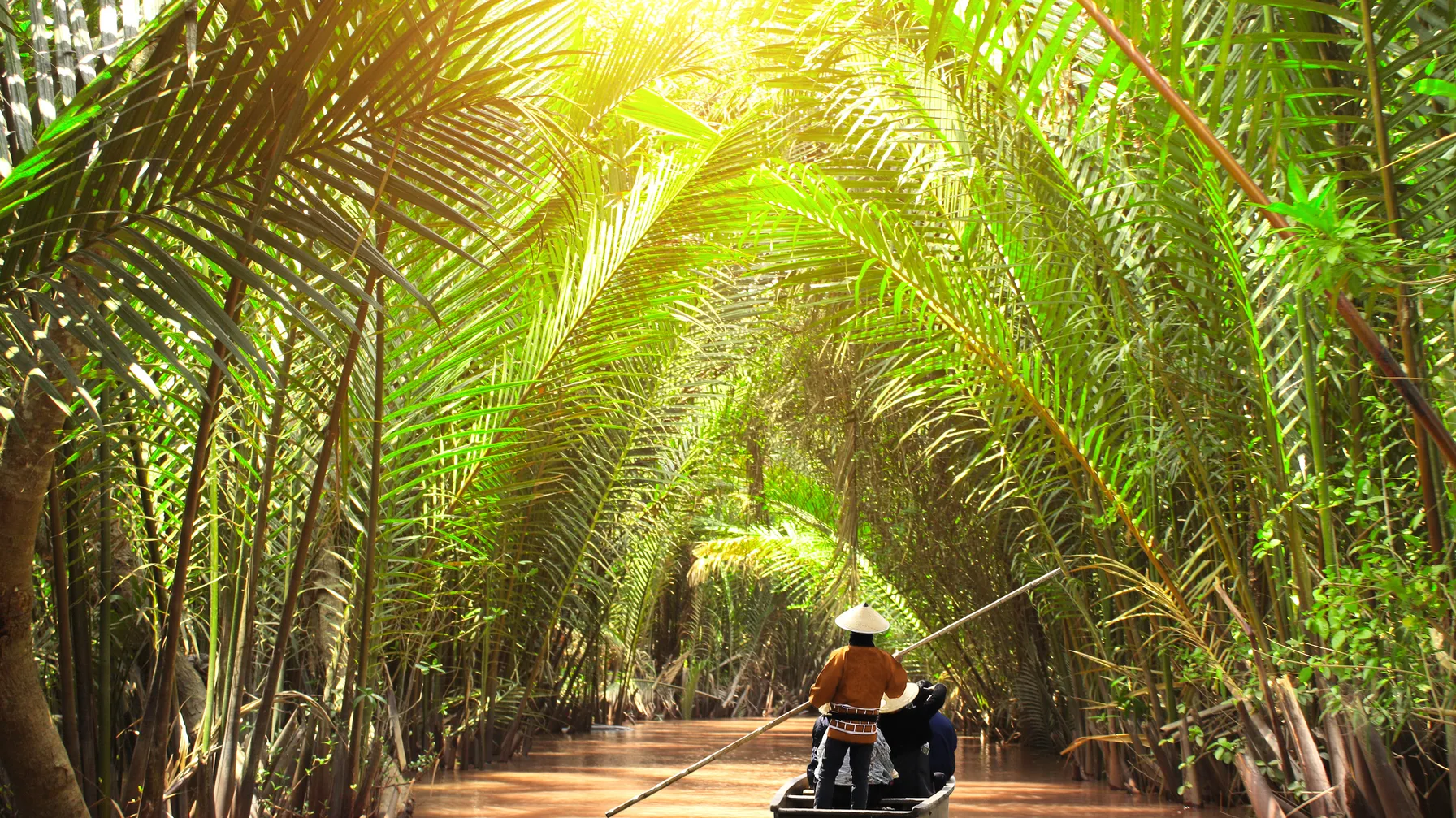
This region truly knows only two distinct seasons: the dry season from November to April and the rainy season from May to October. During the dry season, generous sunshine and an almost complete absence of rainfall create perfect conditions to explore the floating markets of the Mekong Delta or relax on the paradisiacal beaches of Phu Quoc.
The wet season brings its share of tropical showers, generally short but intense, often concentrated in the late afternoon or evening. Contrary to popular belief, this period does not make it impossible to discover southern Vietnam, as the rains give way to beautiful clear skies.
Contact us for more information on the best times to travel
Demandez votre devis Vietnam sur-mesure 100% gratuit
 4.8
4.8+3.000 travelers satisfied
Which period to choose according to your travel desires?
Traveling to Vietnam requires careful consideration of your travel priorities, as the best time varies significantly depending on the regions and your preferred activities.
Dry season versus rainy season: pros and cons
The dry season, generally lasting from November to April, represents the most popular time to visit Vietnam. This period offers optimal weather conditions in most regions, with ample sunshine and minimal rainfall. Temperatures remain pleasant, especially in the north where the air cools down, while the south retains its characteristic warmth without the oppressive humidity of the monsoon.
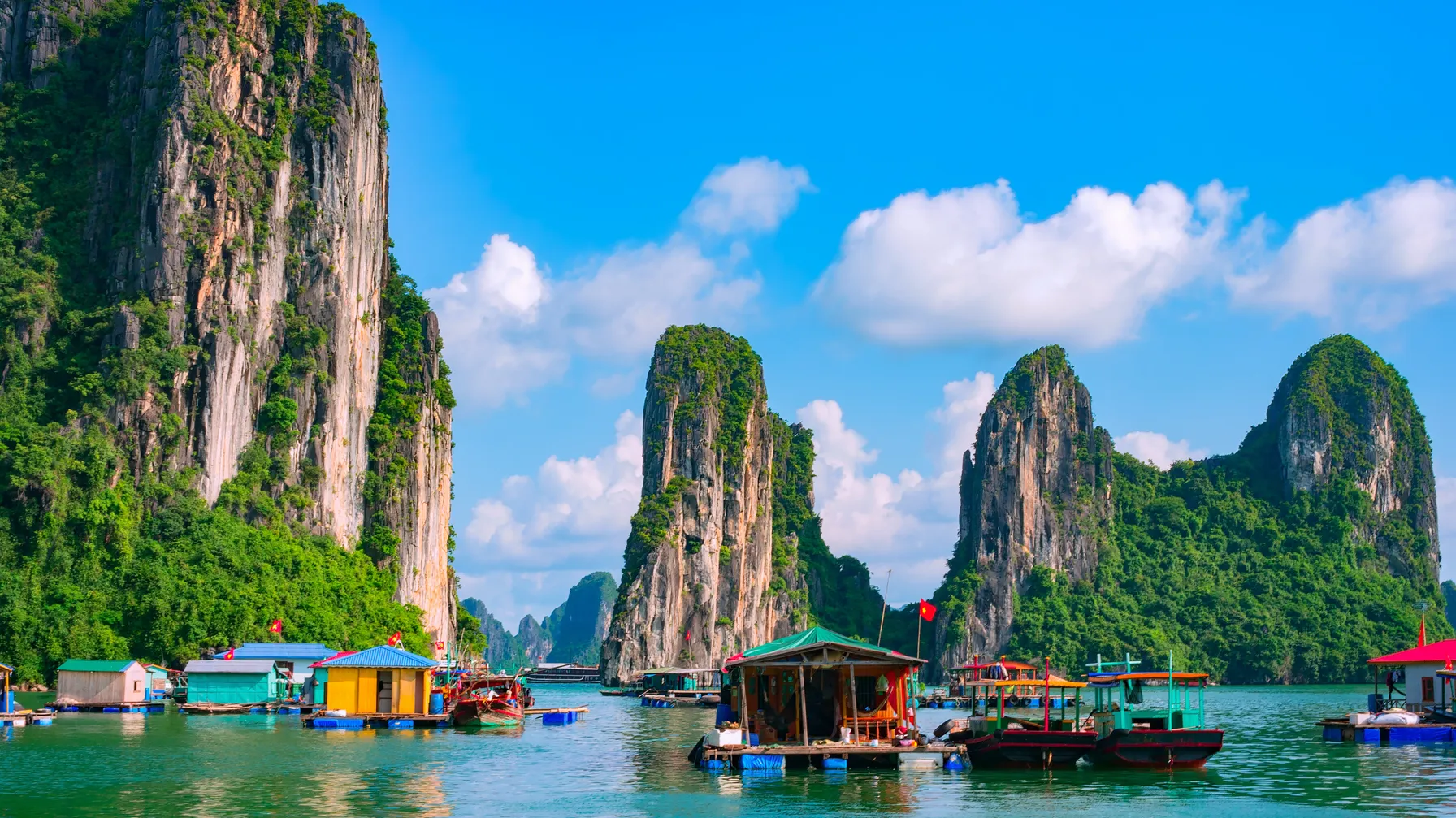
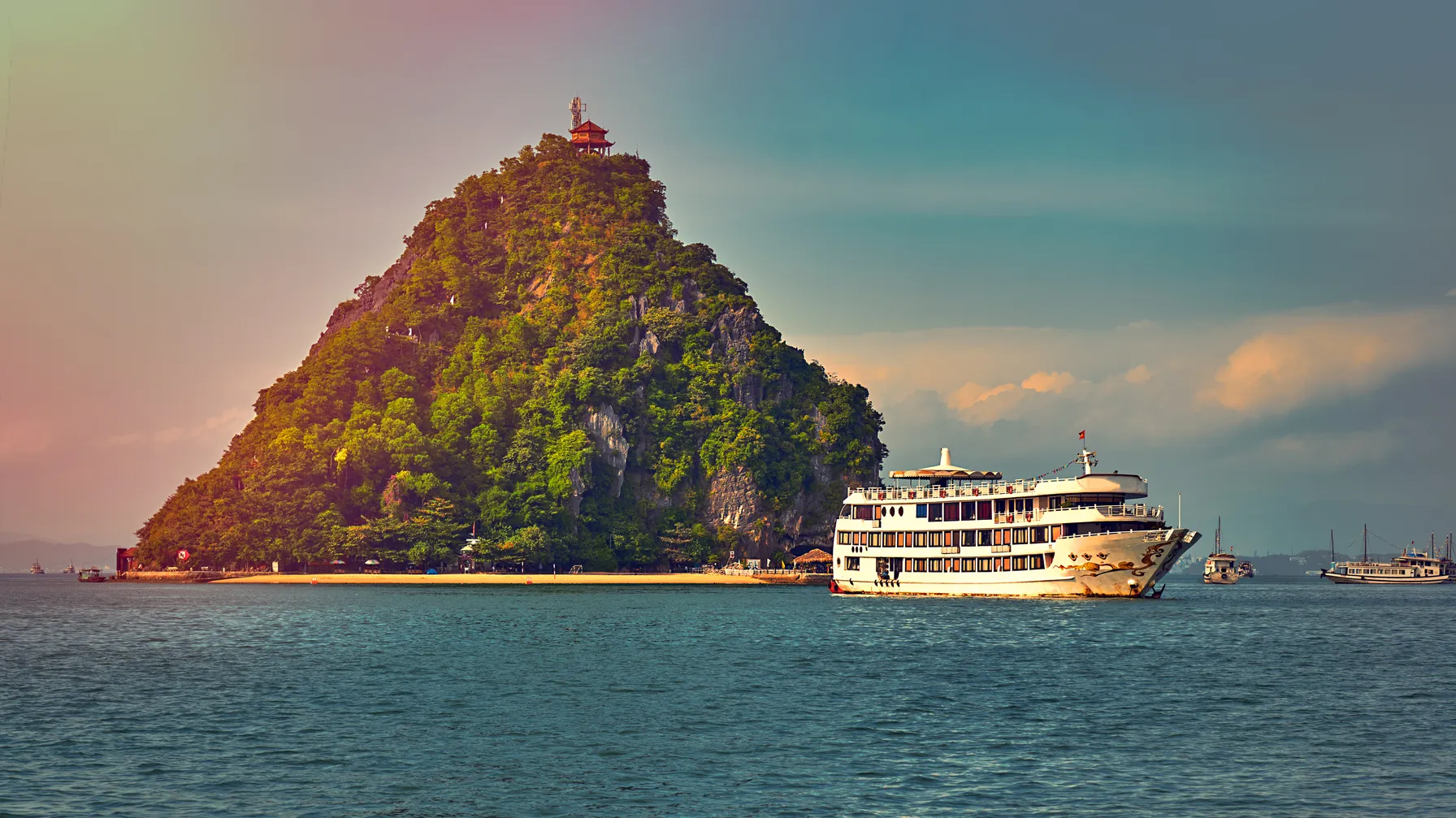
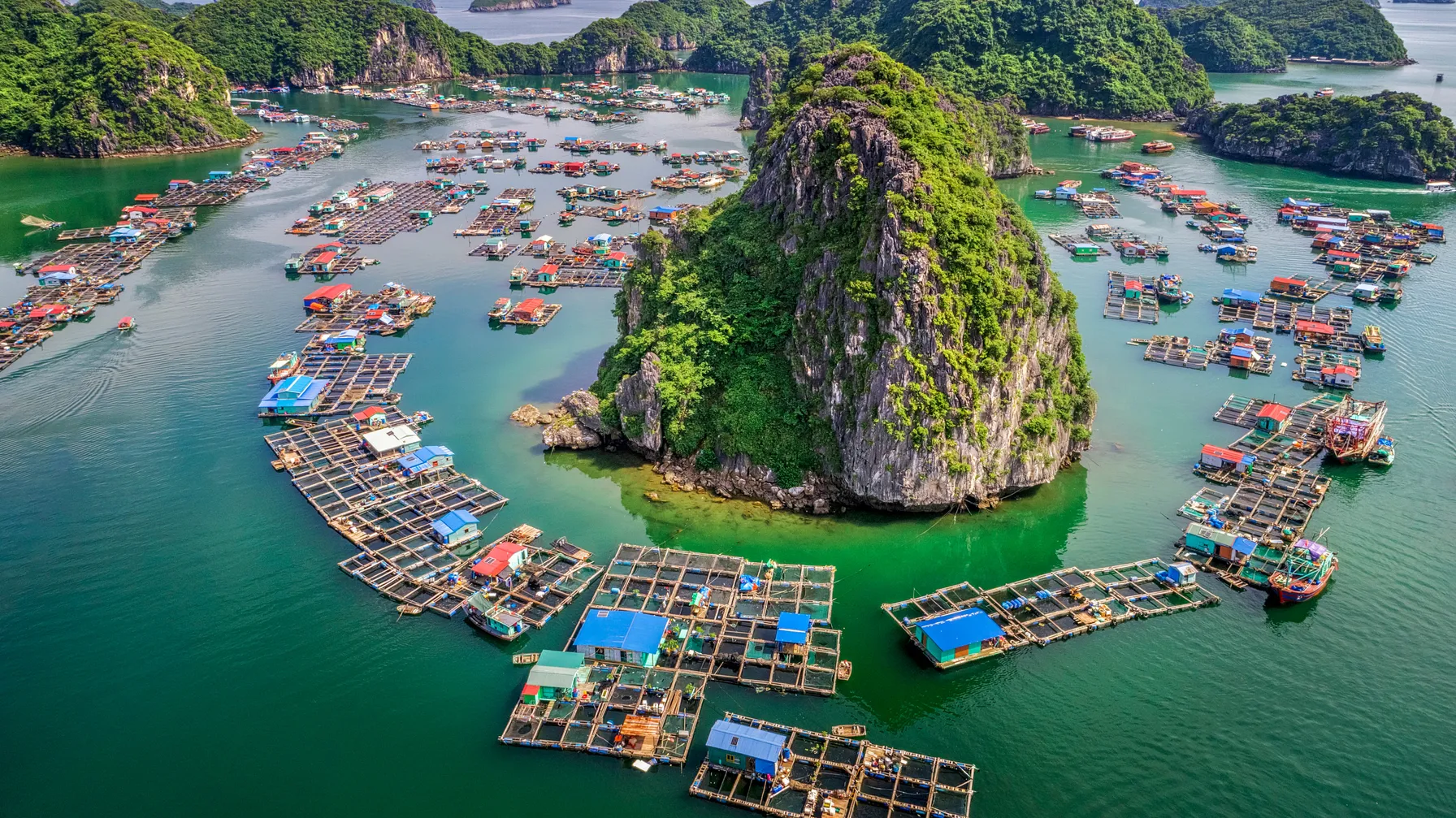
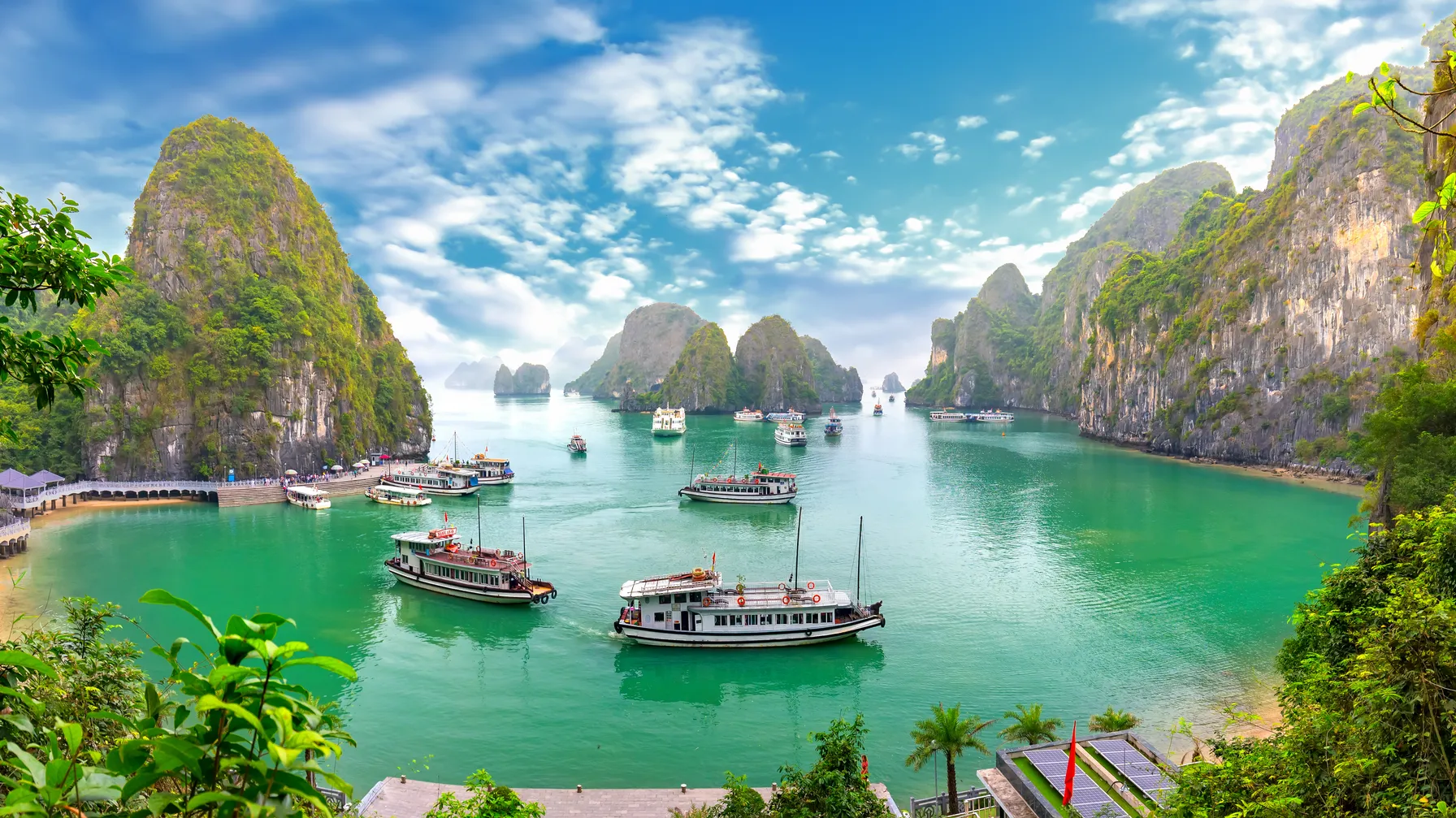
However, this period also has some disadvantages to consider. The high tourist season results in significant crowding at iconic sites like Halong Bay, and accommodation rates reach their peaks. Additionally, the vegetation, less lush than during the monsoon, might appear less spectacular to lovers of tropical landscapes.
The rainy season, from May to October depending on the region, offers a different perspective of Vietnam. The landscapes are dressed in intense green, the terraced rice fields reveal their full splendor, and the authenticity of encounters intensifies with fewer tourists. The rains, often predictable and short, generally do not prevent visits and activities.
This period however requires appropriate preparation and flexibility in planning. Some mountain roads may become difficult, and the sailing conditions in Halong Bay might be less favorable.
The best windows by activity and region
For a comprehensive discovery of Vietnam from north to south, the period from November to March offers the best compromise. These months allow for comfortable exploration of all regions, from the temples of Hanoi to the beaches of Nha Trang, and the charms of Hoi An.
Trekking and mountain adventure enthusiasts will prefer October and November, as well as March and April. These periods offer ideal conditions in the northwest mountains, with mild temperatures and generally stable weather for hiking around Sapa.
For beach lovers and water sports enthusiasts, the period varies depending on the destination. Nha Trang reveals its potential from January to September, with calm seas and optimal sunshine. Phu Quoc, in particular, shines from November to March, offering spectacular sunsets and crystal-clear waters.
Travelers seeking authentic cultural experiences will find their happiness all year round, by adapting their itinerary according to the regions. The cool and dry period of the northern winter allows fully appreciating the unique atmosphere of mountain markets and traditional villages.
Book your trip to Vietnam now
When to experience authentic moments in Vietnam?
Vietnam offers unique experiences according to the seasons, particularly linked to the agricultural cycles and cultural celebrations that rhythm local life.
The magical calendar of terraced rice fields
The terraced rice fields in northern Vietnam, true masterpieces sculpted into the mountains, reveal different faces depending on the time of year. Understanding this cycle allows you to optimize your trip to witness the most striking spectacles.
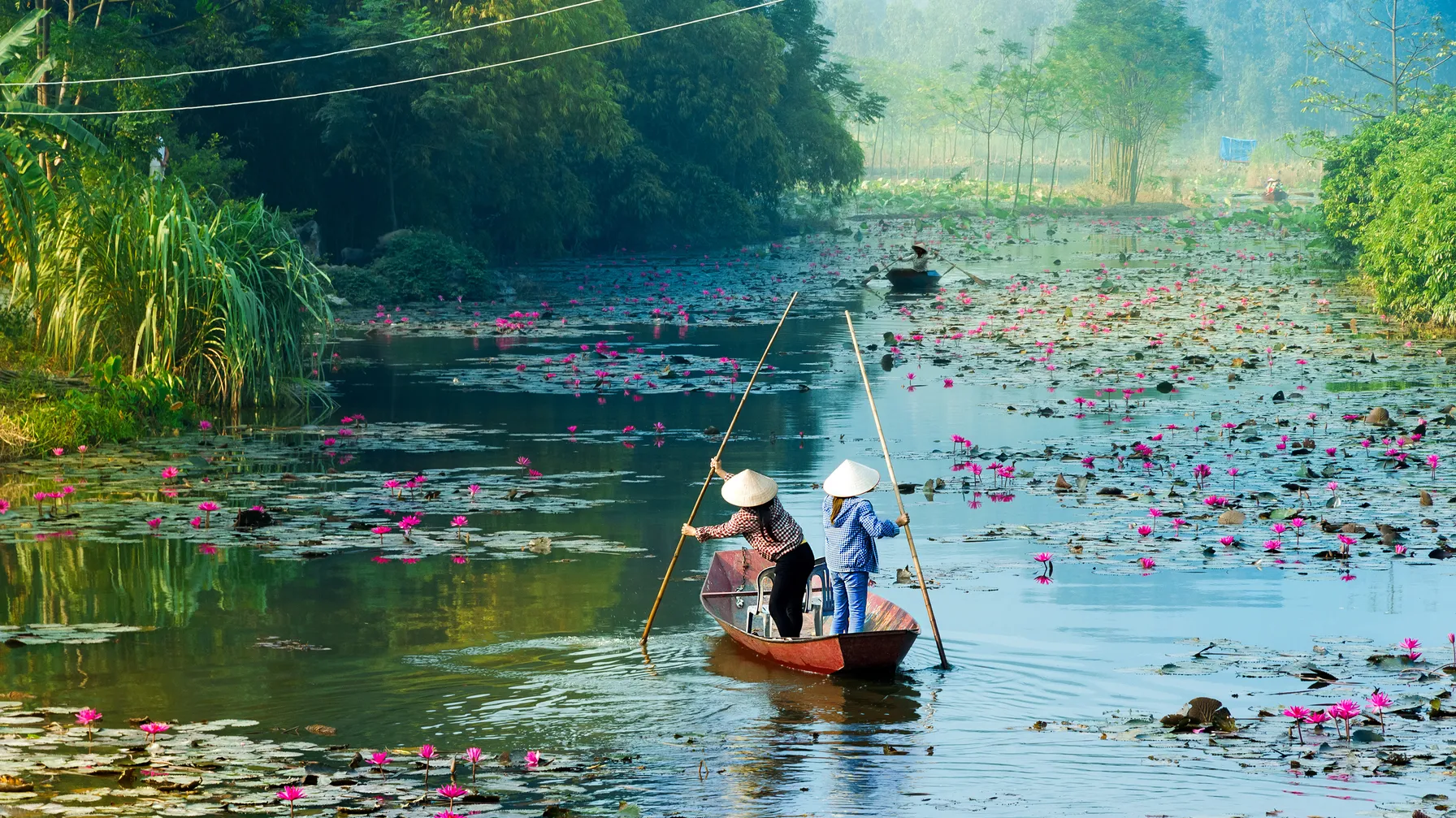
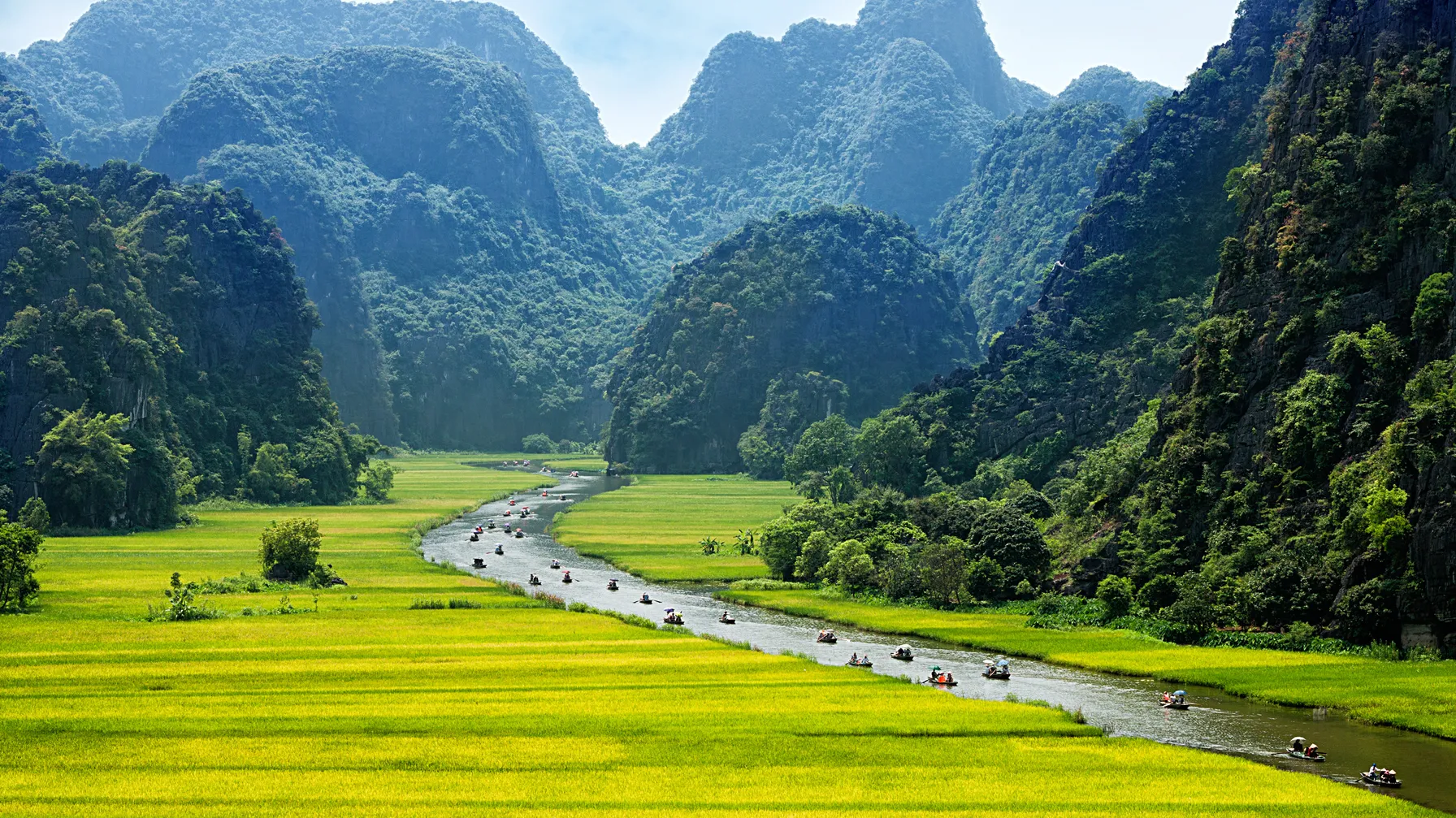
From late April to mid-June, the rice fields transform into giant mirrors reflecting the sky. This "water mirror season" offers exceptional photographic opportunities, especially early in the morning when the golden light reflects off the flooded terraces. It's a period of rare intimacy with the landscapes, where each detail reveals the perfection of ancestral agricultural engineering.
The period from June to August unveils the rice fields in their most intense green attire. The young rice creates an undulating emerald carpet that contrasts strikingly with the misty mountains. This green season coincides with the wet season, but the showers, often brief, do not detract from the beauty of the spectacle.
September and October mark the visual peak with the "golden season". The ripe ears turn the terraces into golden waves, creating breathtakingly beautiful panoramas. This period coincides with the harvests, allowing for observations of the traditional labor of local farmers and experiencing moments of authentic sharing.
Essential festivals and cultural events
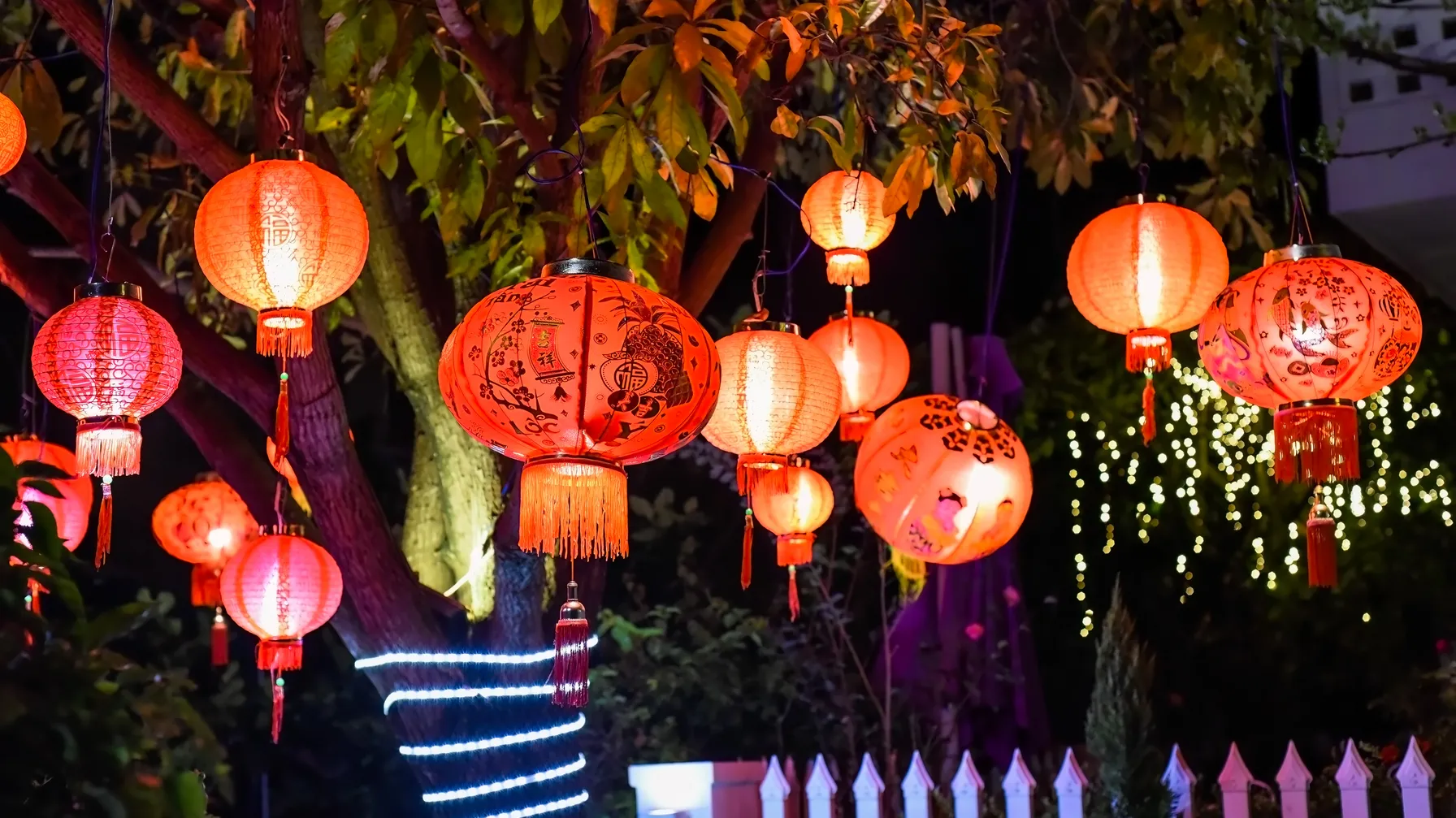
The Vietnamese calendar is full of celebrations that greatly enrich the travel experience. Têt, the Vietnamese New Year, is the country's major cultural event. Generally falling between late January and mid-February, this period completely transforms the atmosphere. Cities are adorned with festive decorations, families gather, and the cultural effervescence reaches its peak.
Traveling during Tết requires meticulous preparation, as transport is overloaded and many services close. However, this period offers an unmatched cultural immersion, allowing an understanding of the Vietnamese soul in its most authentic dimension.
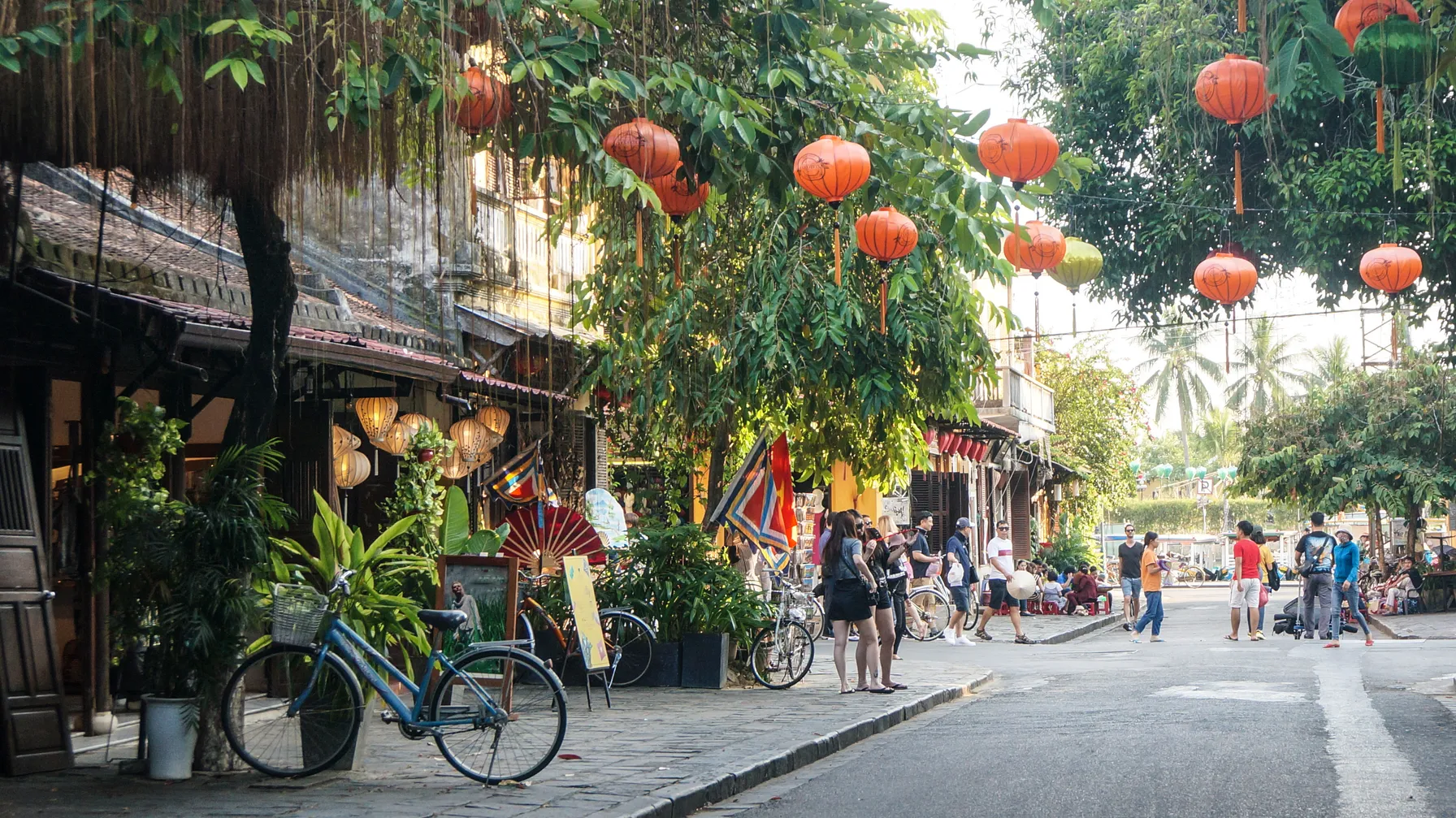
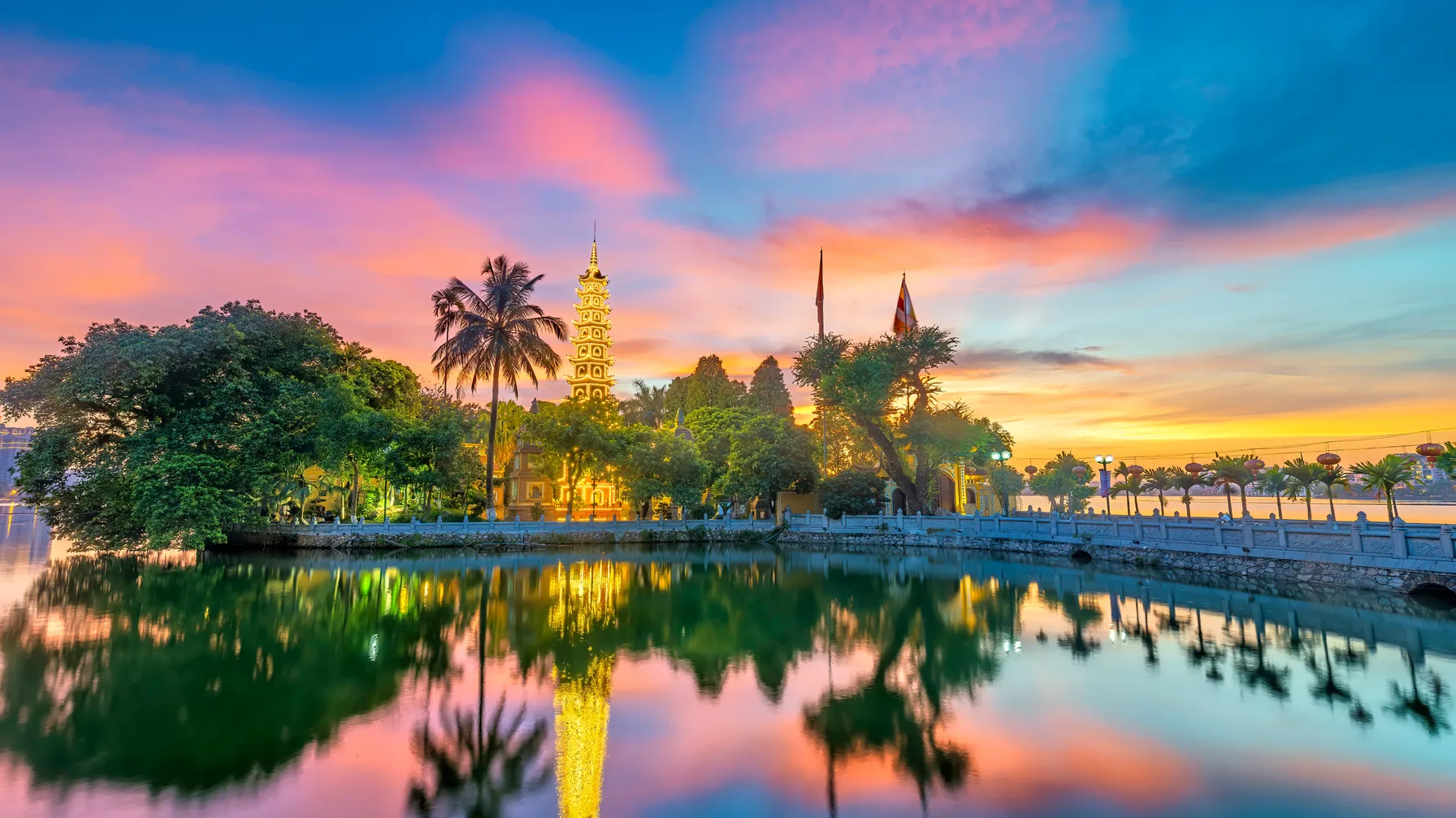
The Mid-Autumn Festival, celebrated in September or October according to the lunar calendar, creates a particularly magical atmosphere visible in historic cities like Hoi An. Colorful lanterns light up the streets, while families gather to share traditional mooncakes.
For enthusiasts of culture and spirituality, spring pilgrimages to temples and pagodas provide unique experiences. From February to April, faithful visitors flock to sacred sites, creating an atmosphere of particularly moving devotion.
Our commitment to you is demonstrated through special attention to the natural and cultural cycles of Vietnam. Every detail of your custom-made journey can be adapted to coincide with these privileged moments, allowing you to experience unique appointments with authentic Vietnamese life.
Contact us for more information