Vietnam in July: Complete Guide to Planning Your Tailored Trip
What weather will you find in Vietnam in July?
The Vietnamese climate in July is characterized by diversity across regions of this country stretching from north to south over more than 2,000 kilometers. This summer period coincides with the rainy season in most of the territory, creating particular conditions that deserve a nuanced approach according to your preferred destinations.
Northern Vietnam: between tropical heat and refreshing showers
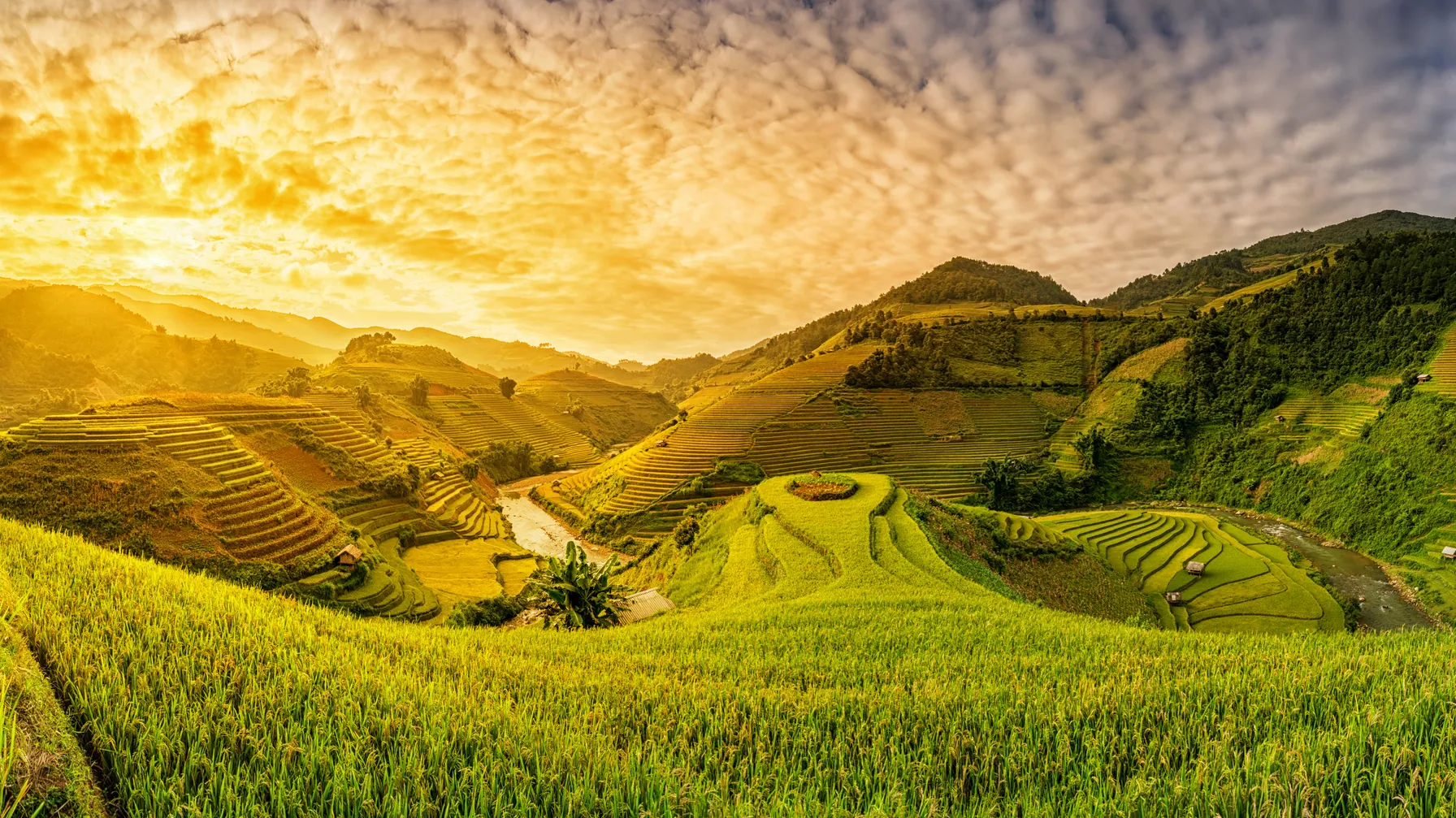
In Northern Vietnam, July brings average temperatures ranging from 27°C to 34°C, with high humidity characteristic of the season. Mountainous provinces such as Ha Giang, Mu Cang Chai, or the Mai Chau region benefit from a milder microclimate, with cooler temperatures and stunning green terraced rice paddies.
Tropical showers, often intense but brief, generally occur in the late afternoon or evening. These rains dramatically transform the landscapes: the rice fields take on silver reflections, the air clears, and the mountains reveal lush vegetation. Pu Luong, for example, offers exceptional panoramas for photography and hiking enthusiasts during this period.
Central Vietnam: favorable conditions for exploration
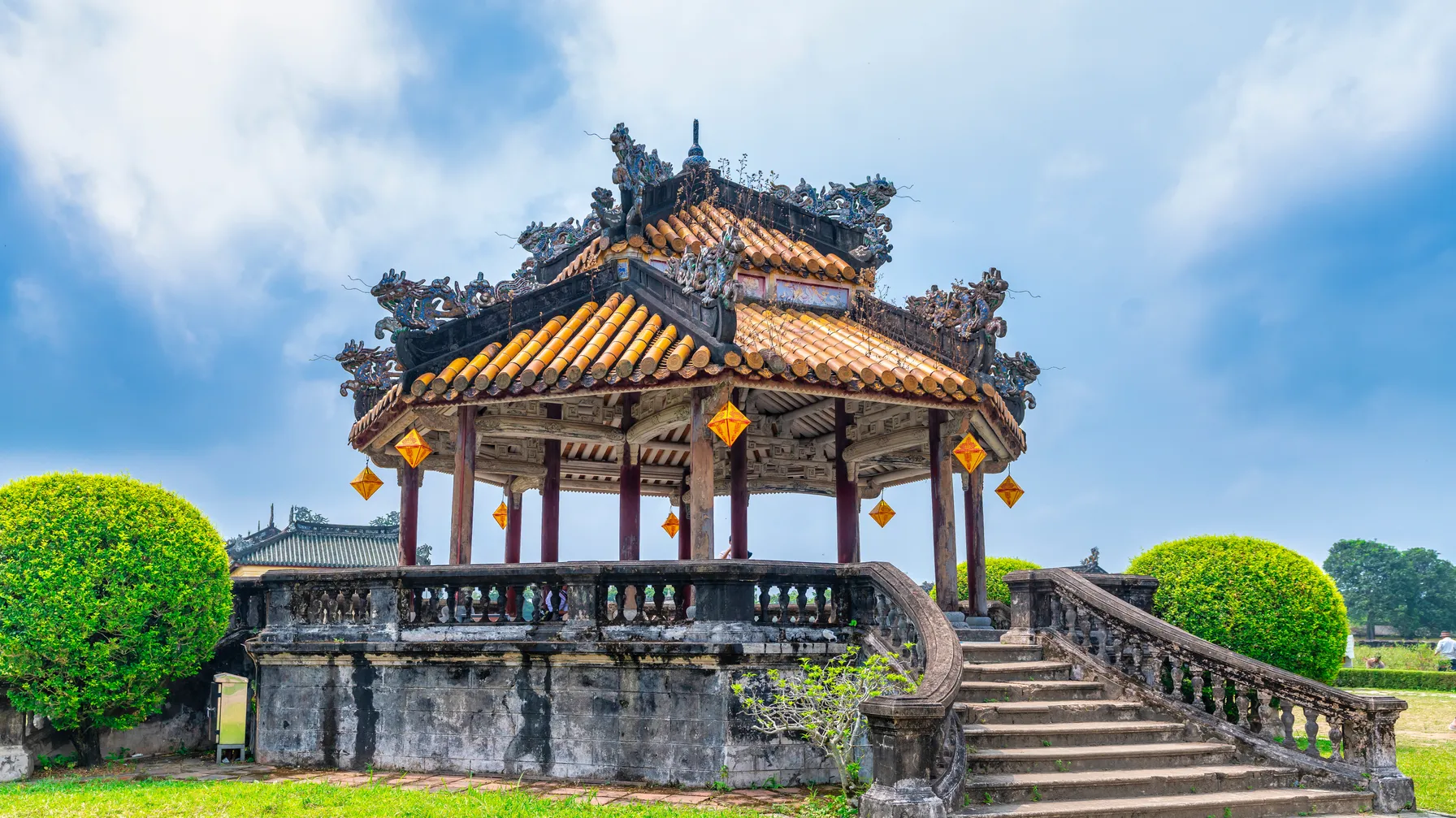
Central Vietnam features particularly favorable weather conditions in July. This region, home to world heritage jewels such as Hoi An and the Imperial City of Hue, largely escapes the heavy monsoon rains.
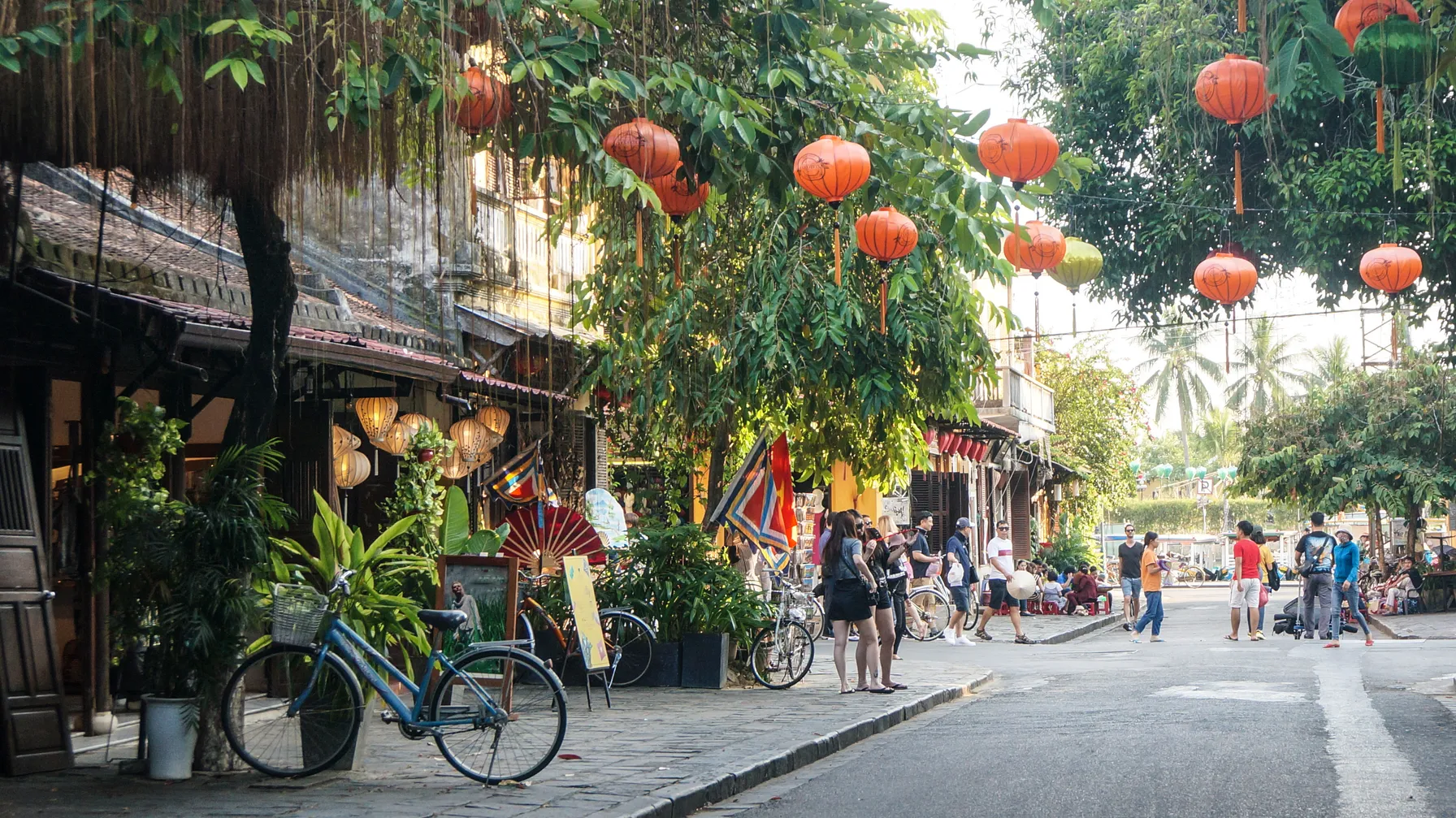
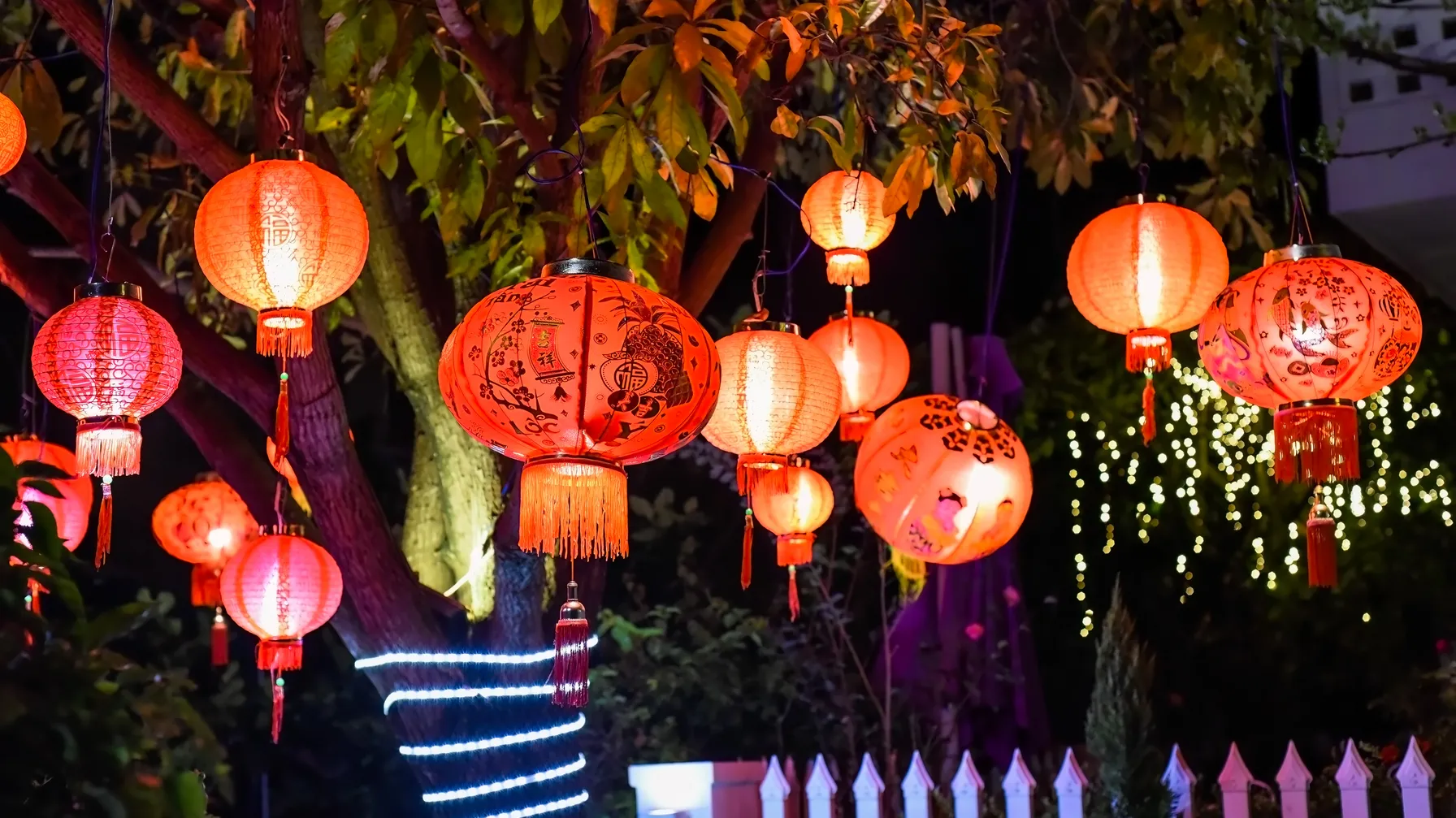
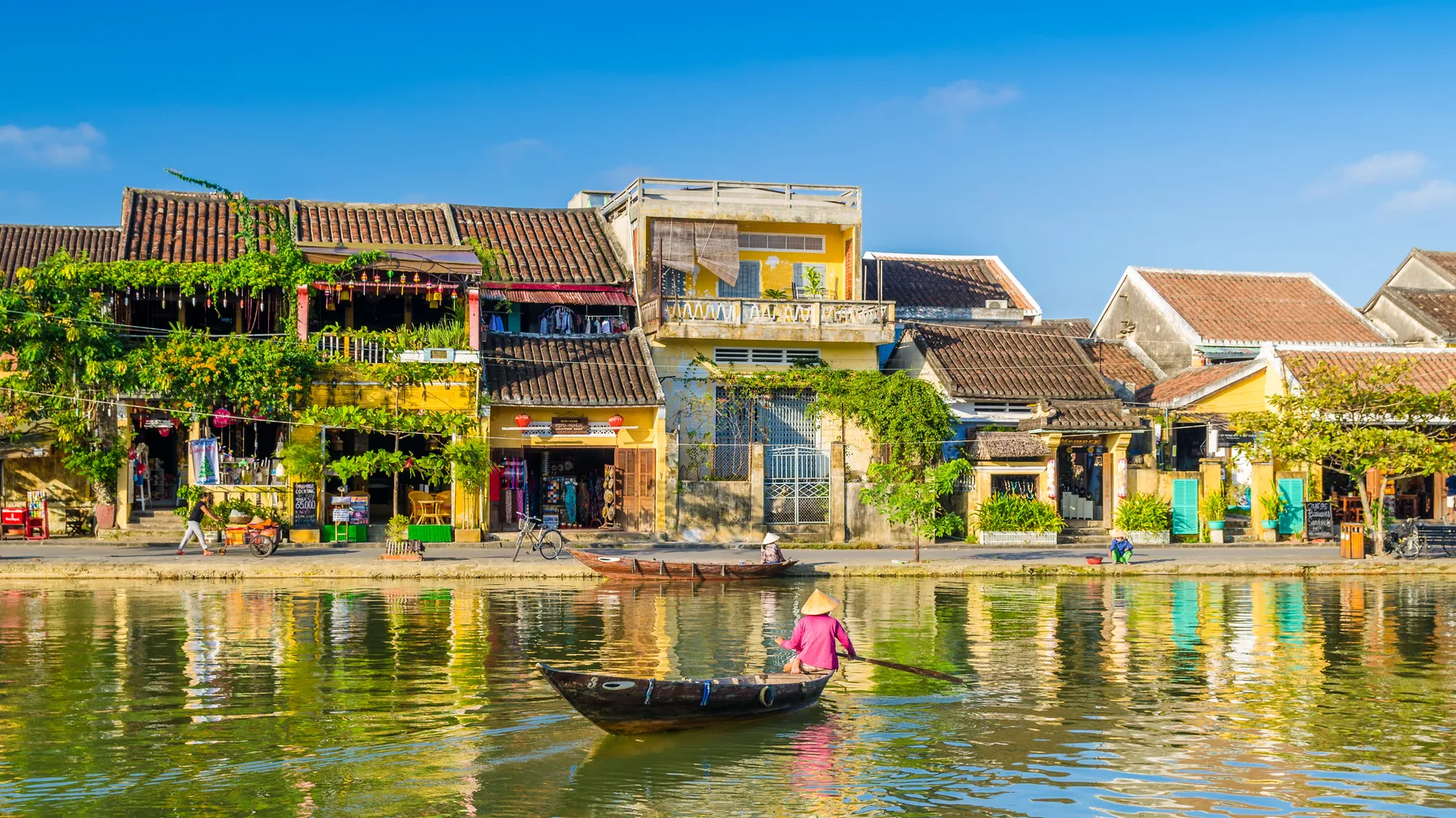
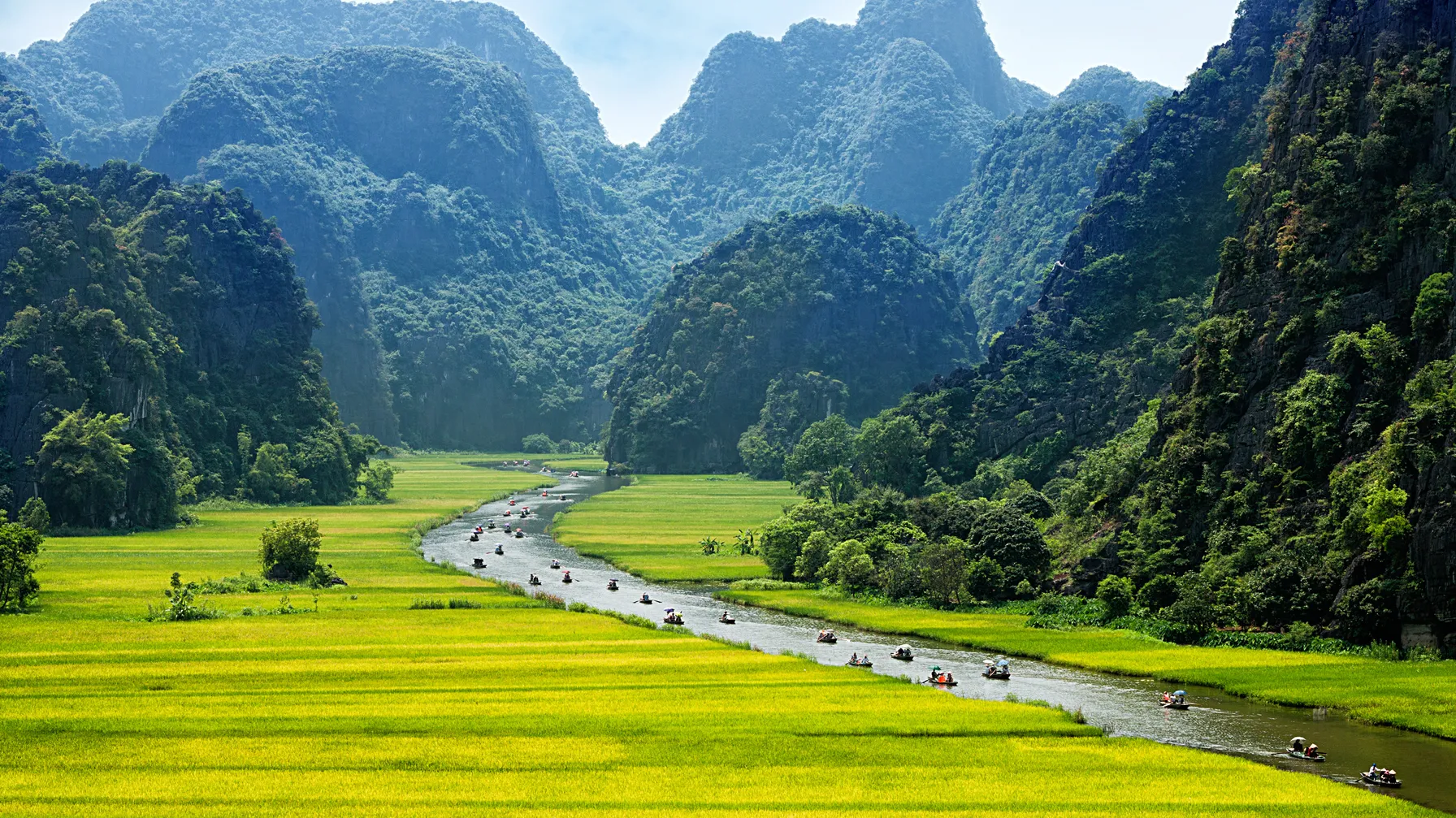
Temperatures, ranging from 26°C to 35°C, remain comfortable for cultural exploration and outdoor activities. Hoi An, with its preserved charm and colorful lanterns, enjoys generous sunlight interspersed with a few short showers. Ninh Binh, known as "the terrestrial Halong Bay", reveals its splendor with karst formations reflecting in calm waters.
South Vietnam: intense but manageable rainy season
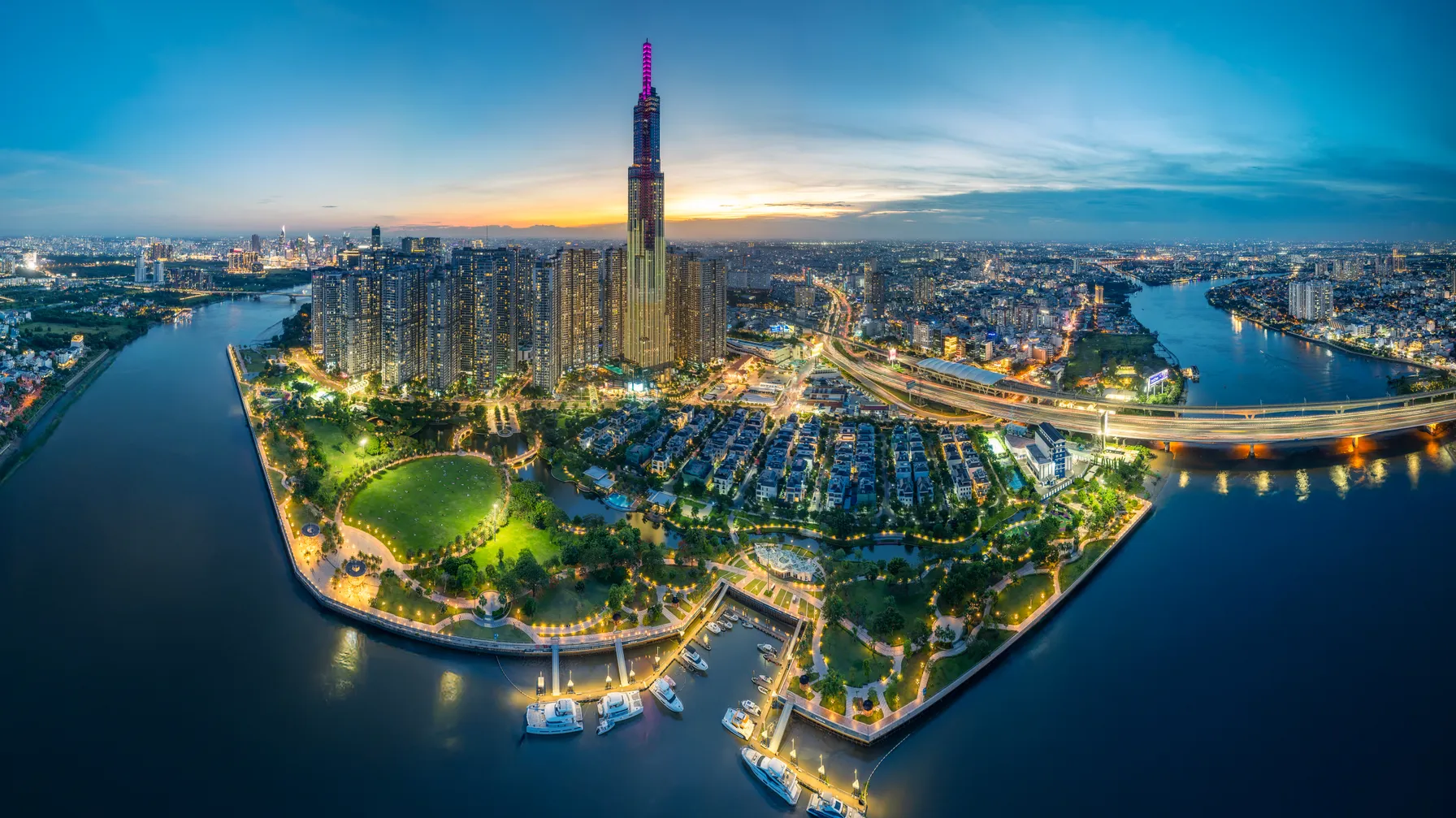
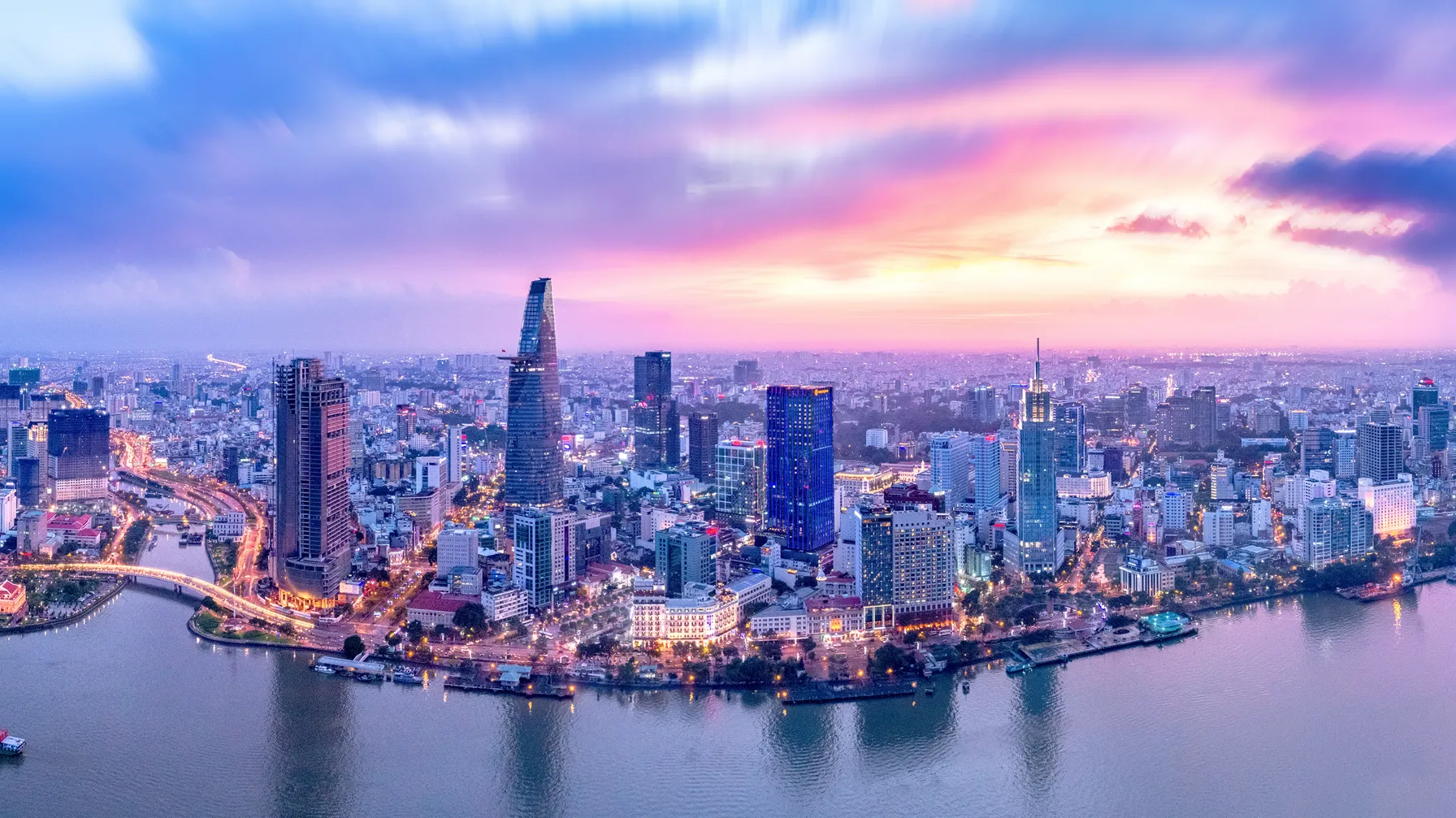
The southern part of the country experiences its most pronounced rainy season in July. Ho Chi Minh City and its region record significant rainfall, often concentrated late in the day. However, this intense rain should not discourage you: tropical rains clean the atmosphere and bring welcome coolness after the hot hours of the day.
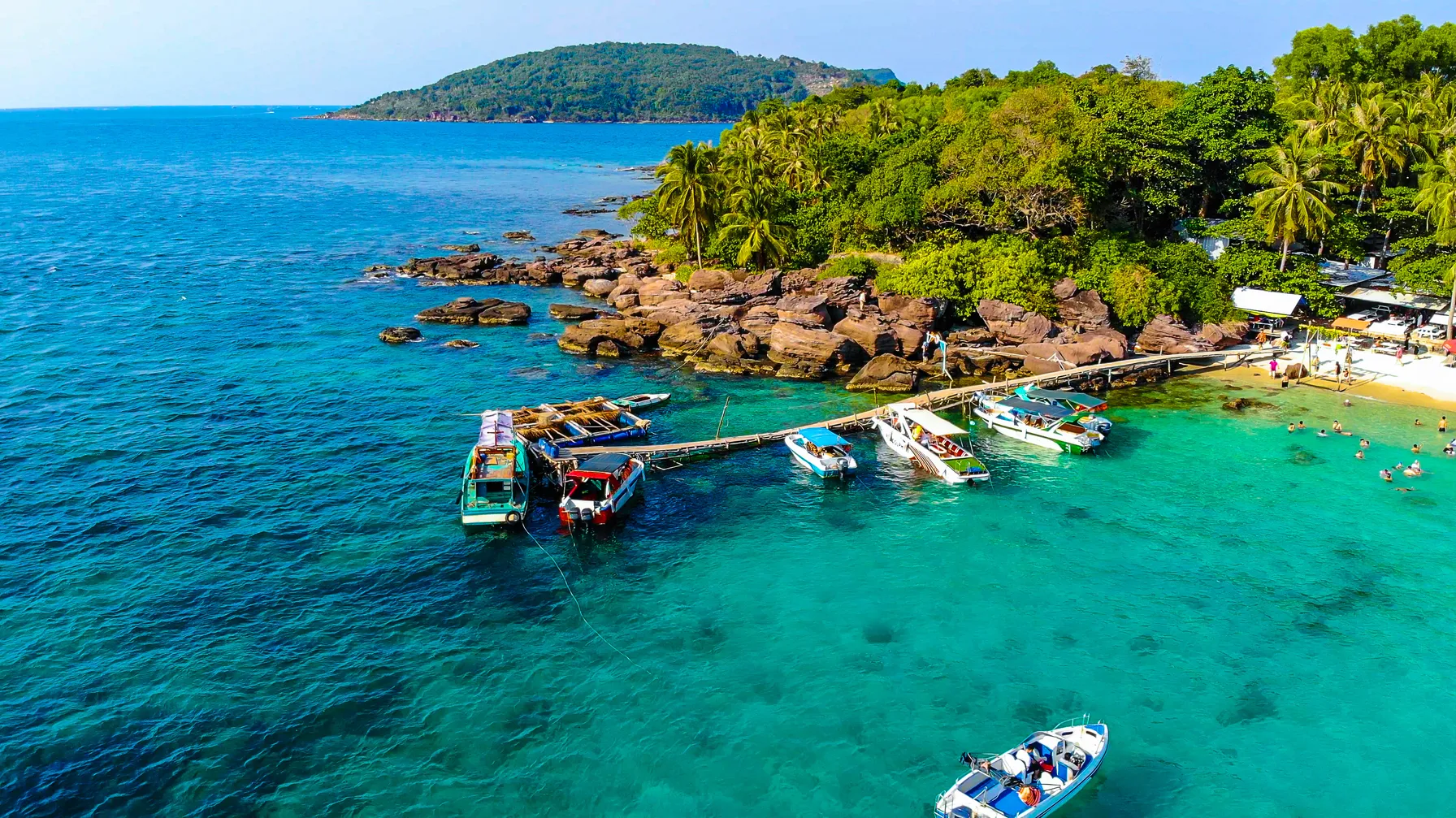
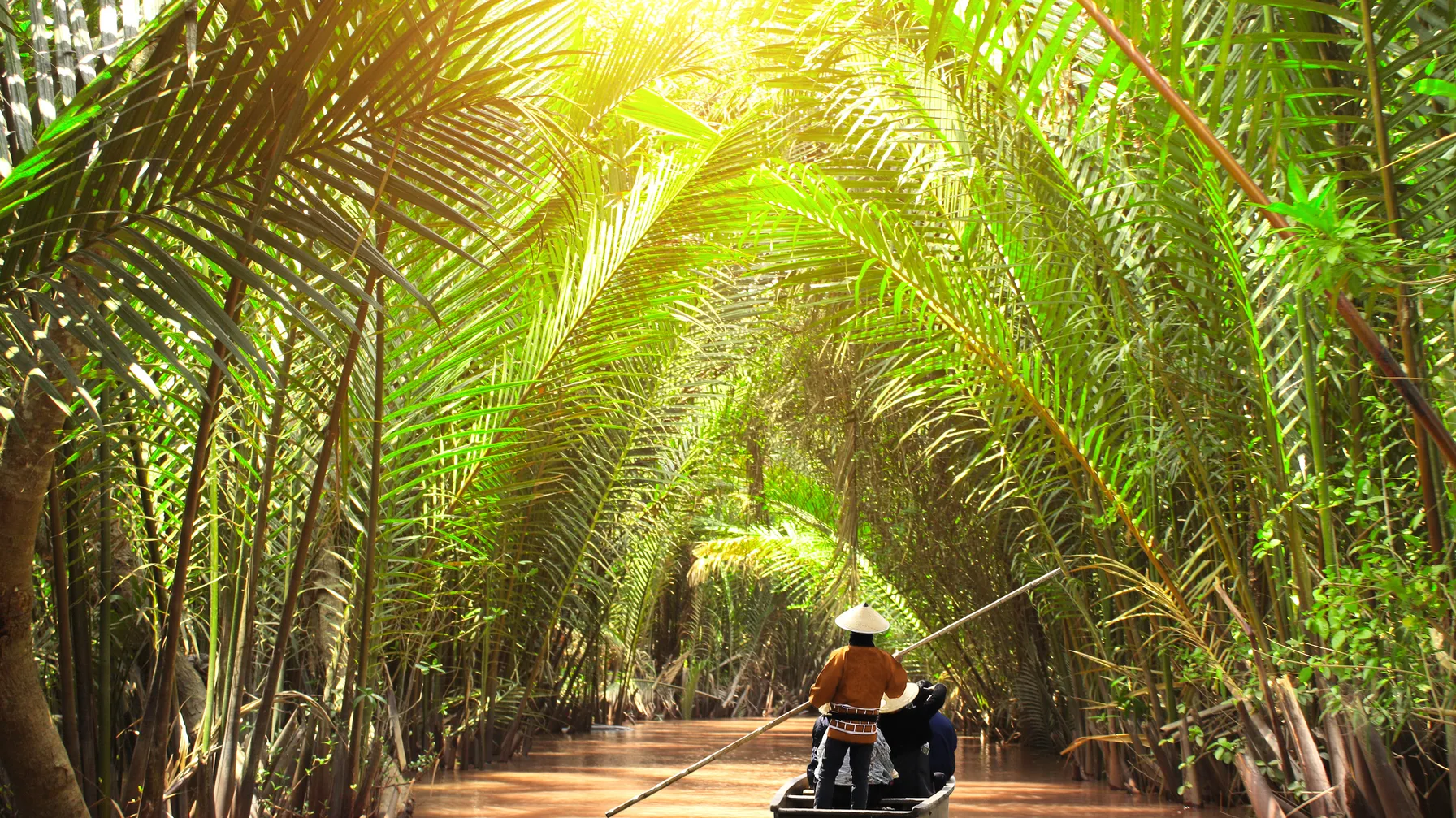
The Mekong Delta transforms into a true aquatic garden, where channels burst with life and floating markets take on an even more authentic dimension. Phu Quoc and the southern islands present unpredictable weather, alternating between generous sunshine and tropical showers, creating ideal conditions to discover these island paradises in a different light.
| Region | Average Temperatures | Precipitations | General Conditions |
|---|---|---|---|
| North (Hanoi, Ha Giang) | 27°C - 34°C | Medium to High | Humid heat, end-of-day showers |
| Center (Hoi An, Ninh Binh) | 26°C - 35°C | Low to Medium | Favorable conditions, dominant sun |
| South (Ho Chi Minh, Delta) | 25°C - 32°C | High | Intense but short rains |
Contact us for more information on the best times to visit
Demandez votre devis Vietnam sur-mesure 100% gratuit
 4.8
4.8+3.000 travelers satisfied
What destinations to prioritize for your stay in Vietnam in July?
Traveling to Vietnam in July requires a judicious selection of regions according to your interests and tolerance for tropical conditions. Each region reveals its particular strengths during this summer period.
The Wonders of the North: Rice Fields and Mountains
Northern Vietnam in July offers striking natural beauty spectacles. The terraced rice fields of Ha Giang and Mu Cang Chai reach their aesthetic peak: bright green, they create perfect geometric mosaics blending into the mountainous reliefs. This period corresponds to when the rice plants are at their optimal development, offering these postcard landscapes sought after by all travelers.
Mai Chau reveals its authenticity with its local ethnic villages nestled in the heart of lush valleys. The White Thai communities welcome you into their stilt houses, sharing their preserved traditional way of life. Misty mornings add a mystical dimension to these mountainous landscapes.
The Pu Luong region, less frequented, unveils hiking trails winding between giant bamboos and refreshing waterfalls. The ambient humidity promotes lush vegetation which transforms each excursion into a botanical immersion.
The Central Region: Heritage and Beaches
The central region of Vietnam is full of world heritage treasures particularly pleasant to explore in July. Hoi An, with its cobblestone streets and preserved architecture, benefits from mild weather conditions. The artisans' workshops, colorful markets, and night walks under the lanterns take on a magical dimension when short showers refresh the atmosphere.
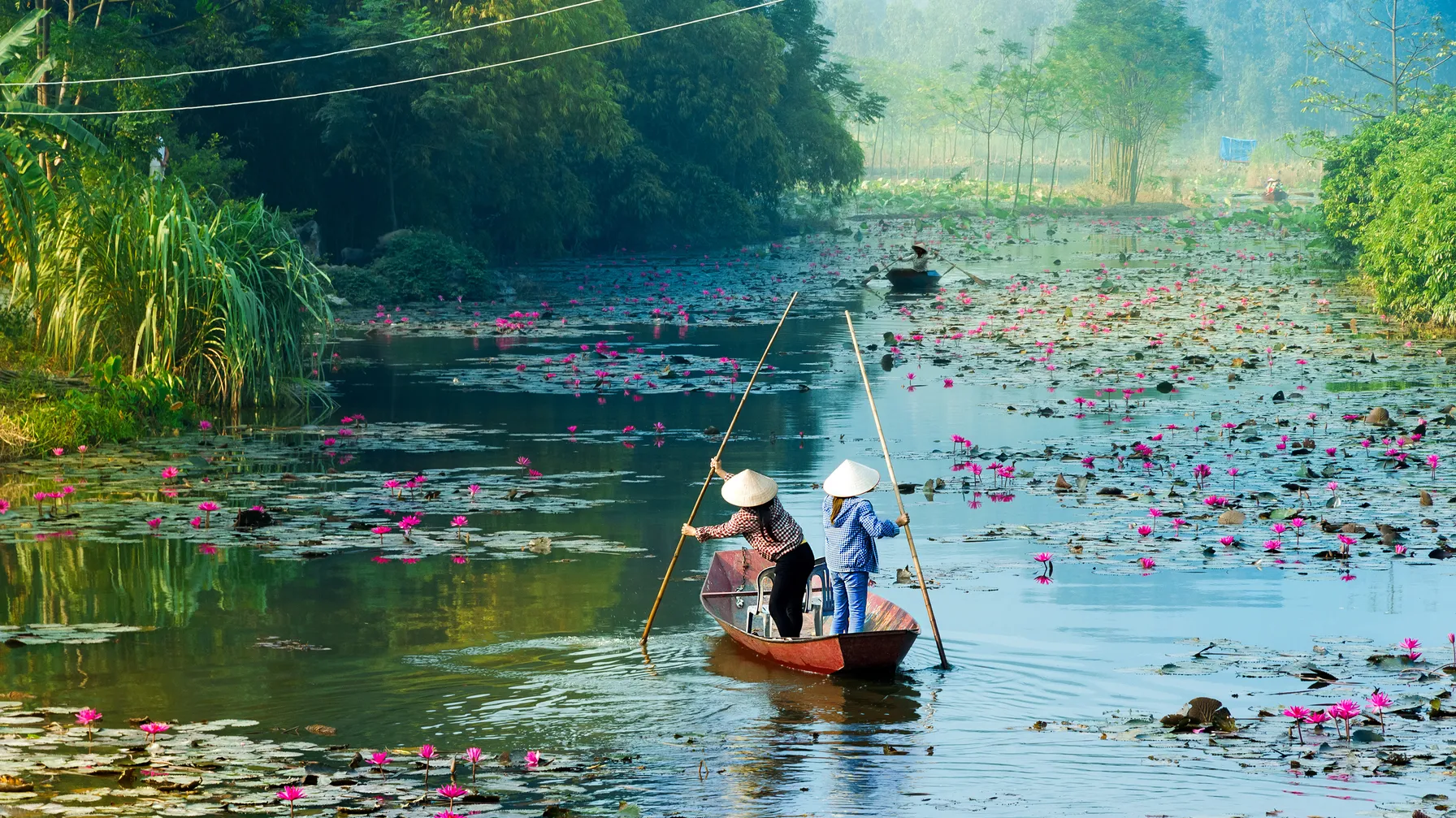
Ninh Binh stands out as a refined alternative to Halong Bay. Traditional boat excursions through the caves of Tam Coc and Trang An reveal spectacular karst landscapes, enhanced by the verdant vegetation of the rainy season. The temples and pagodas of this region offer appreciated spiritual retreats during the hottest hours.
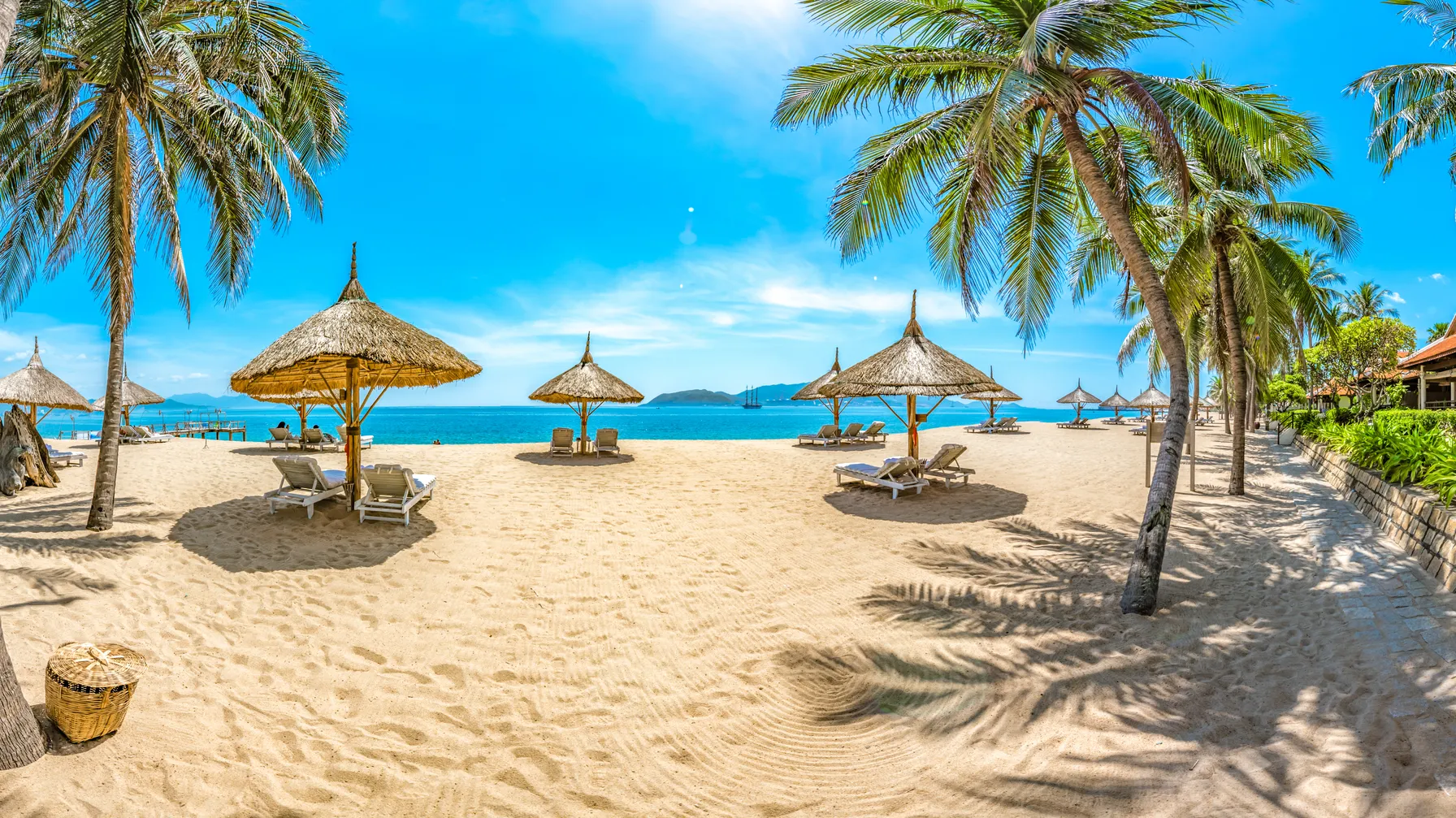
Nha Trang and its preserved bay offer favorable conditions for beach lovers and water sports enthusiasts. The resort benefits from a microclimate with less rainfall than other coastal regions in the South.
The Authentic South: Delta and Islands
The Mekong Delta reveals all its authenticity during the rainy season. Floods enrich the lands, orchards overflow with tropical fruits, and floating markets bustle with a particular effervescence. Can Tho, the capital of this watery region, immerses you in a preserved rural Vietnam where life still follows natural cycles.
Da Lat, situated at an altitude of 1,500 meters, offers a refreshing temperate climate with temperatures ranging between 16°C and 22°C. This "city of eternal spring" is a welcome escape from the tropical heat, with its floral gardens and coffee plantations.
Book your trip to Vietnam now
How to fully enjoy your trip to Vietnam in July?
The success of a trip to Vietnam in July depends on adapting to the tropical climate and choosing activities suitable for this particular season.
Cultural and heritage experiences
The Vietnamese World Heritage sites take on a special dimension in July. The Imperial City of Hue, with its royal tombs and fortified citadel, is best discovered in the morning when morning mist still envelops the monuments. Museums and temples provide a welcome air-conditioned refuge during the hot hours.
The artisan workshops in Hoi An reveal their secrets in a more intimate atmosphere: making colorful lanterns, traditional cooking classes, or an introduction to Vietnamese calligraphy. These indoor activities adapt perfectly to the climate while immersing you in the local culture.
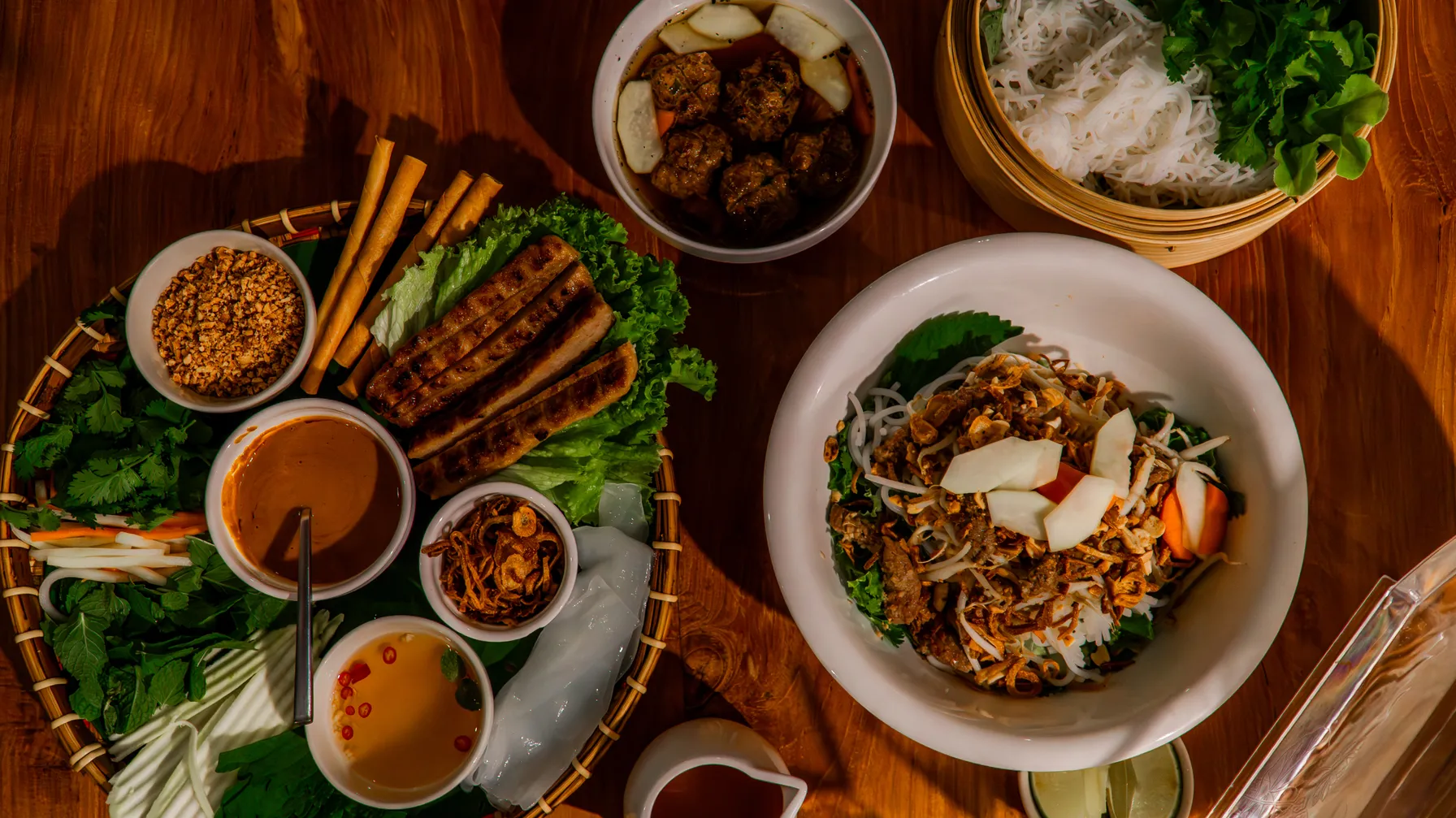
The night markets take on a festive dimension in July. The bustle of illuminated stalls, the scents of spices and simmering dishes create a unique sensory atmosphere, enhanced by the coolness brought by the evening showers.
Natural and landscape adventures
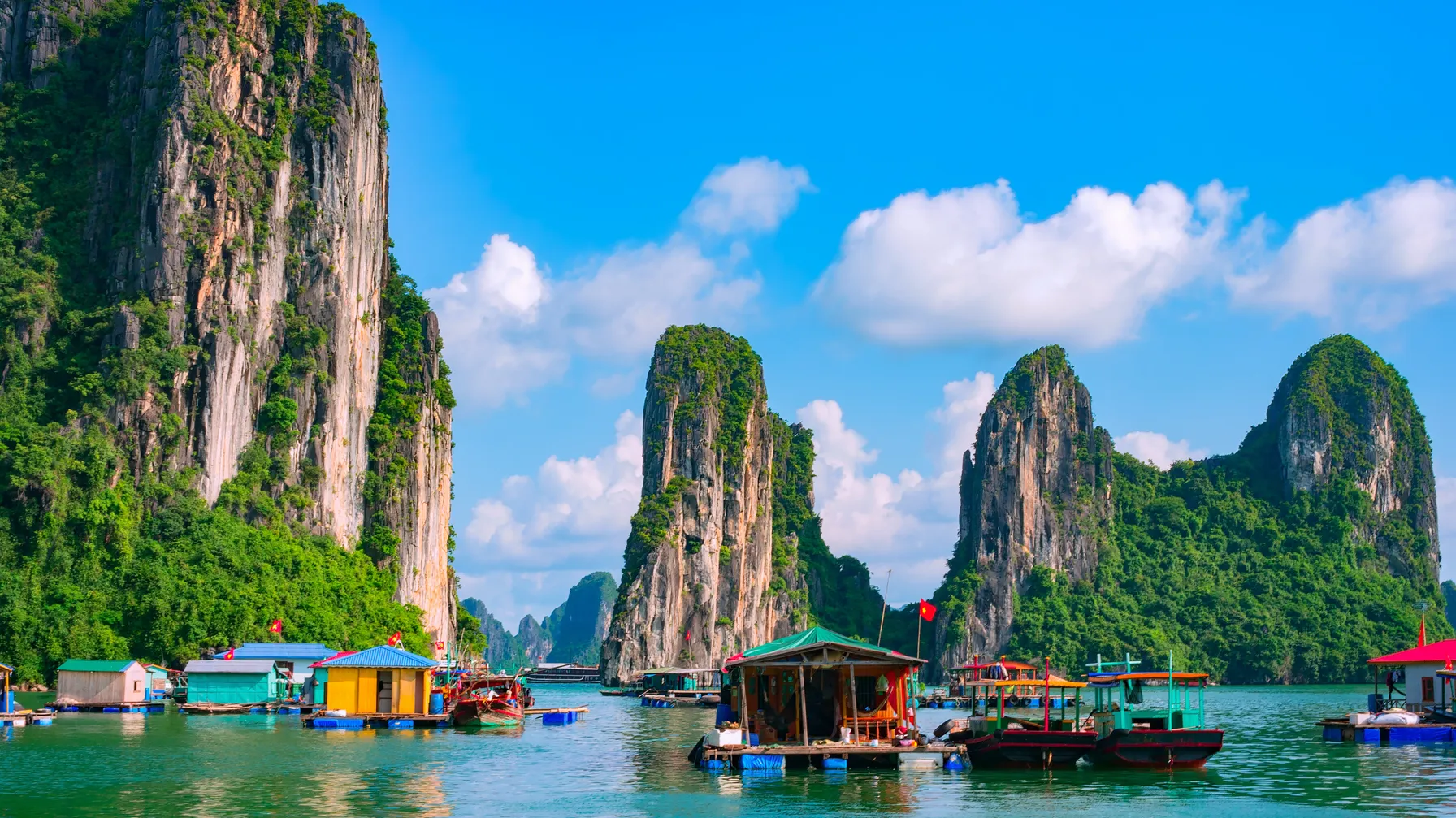
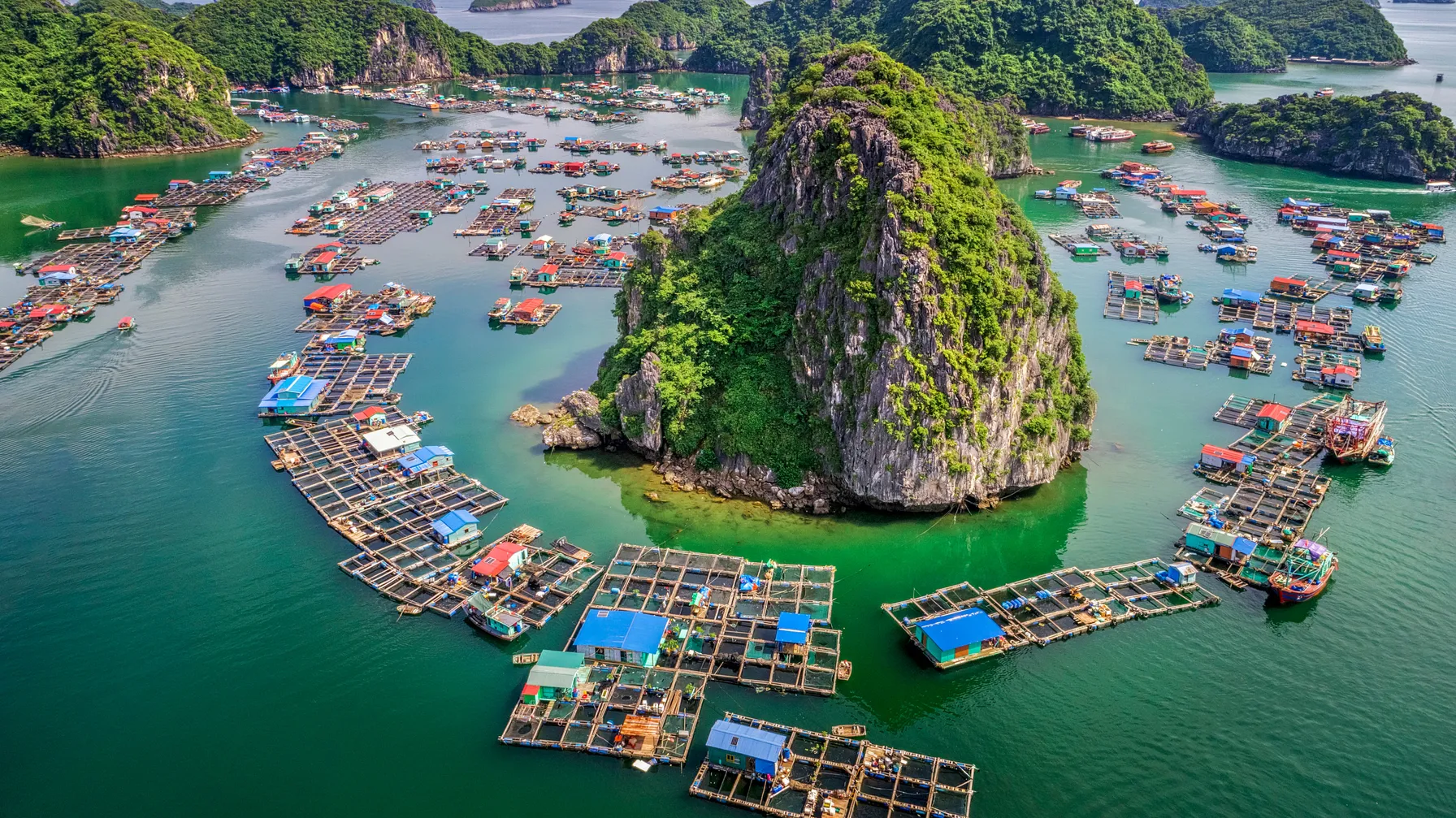
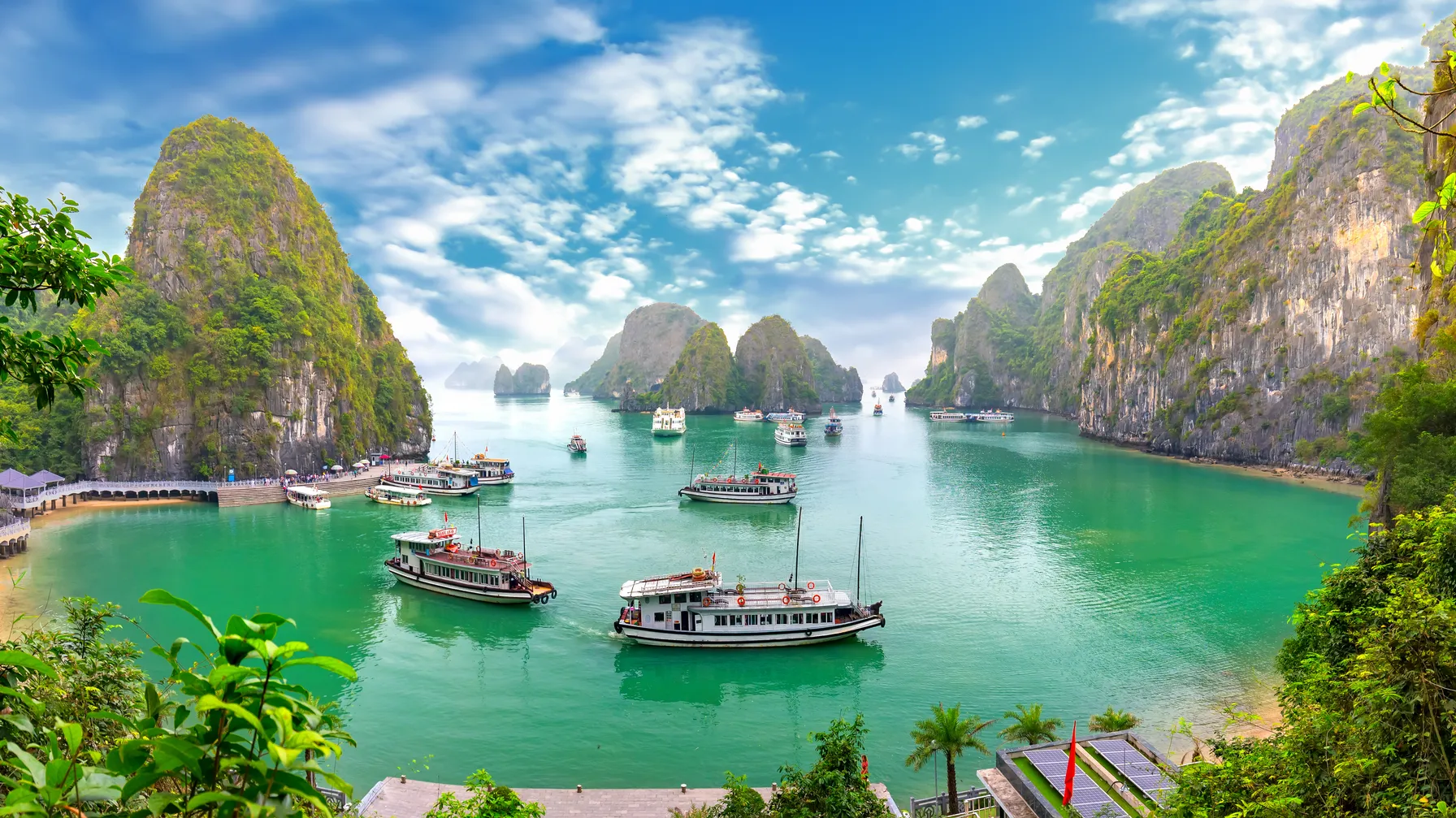
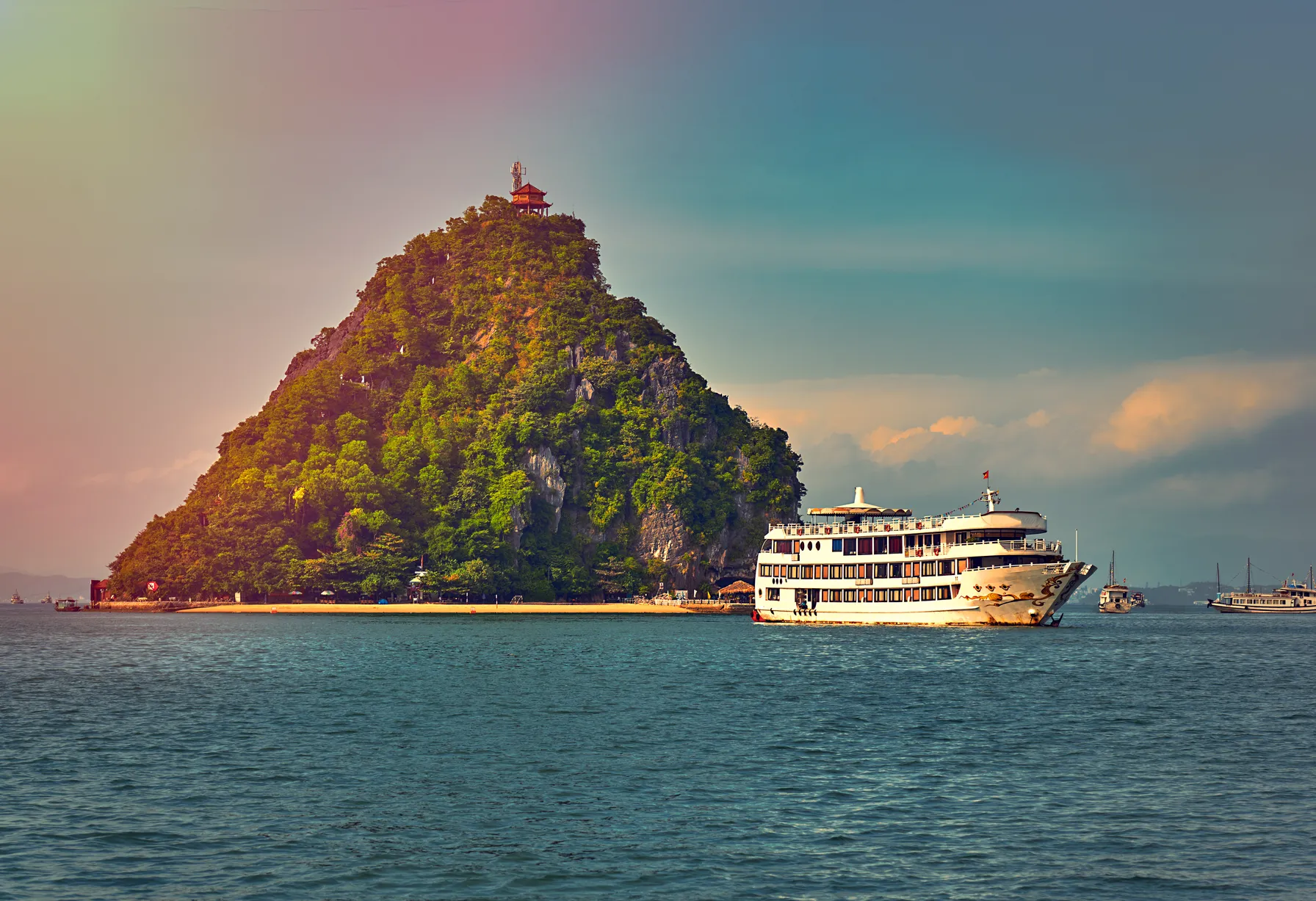
Halong Bay reveals unexpected facets in July. The karst formations are adorned with verdant vegetation, the caves offer refreshing natural refuges, and cruises on traditional junks benefit from a mystical atmosphere when morning mists envelop the islets.
The central country's national parks, like Phong Nha-Ke Bang, reveal their underground wonders. Exploring these ancient caves is an ideal activity during rainy weather, immersing you in a fascinating geological world with a constant temperature.
Authentic encounters with local communities
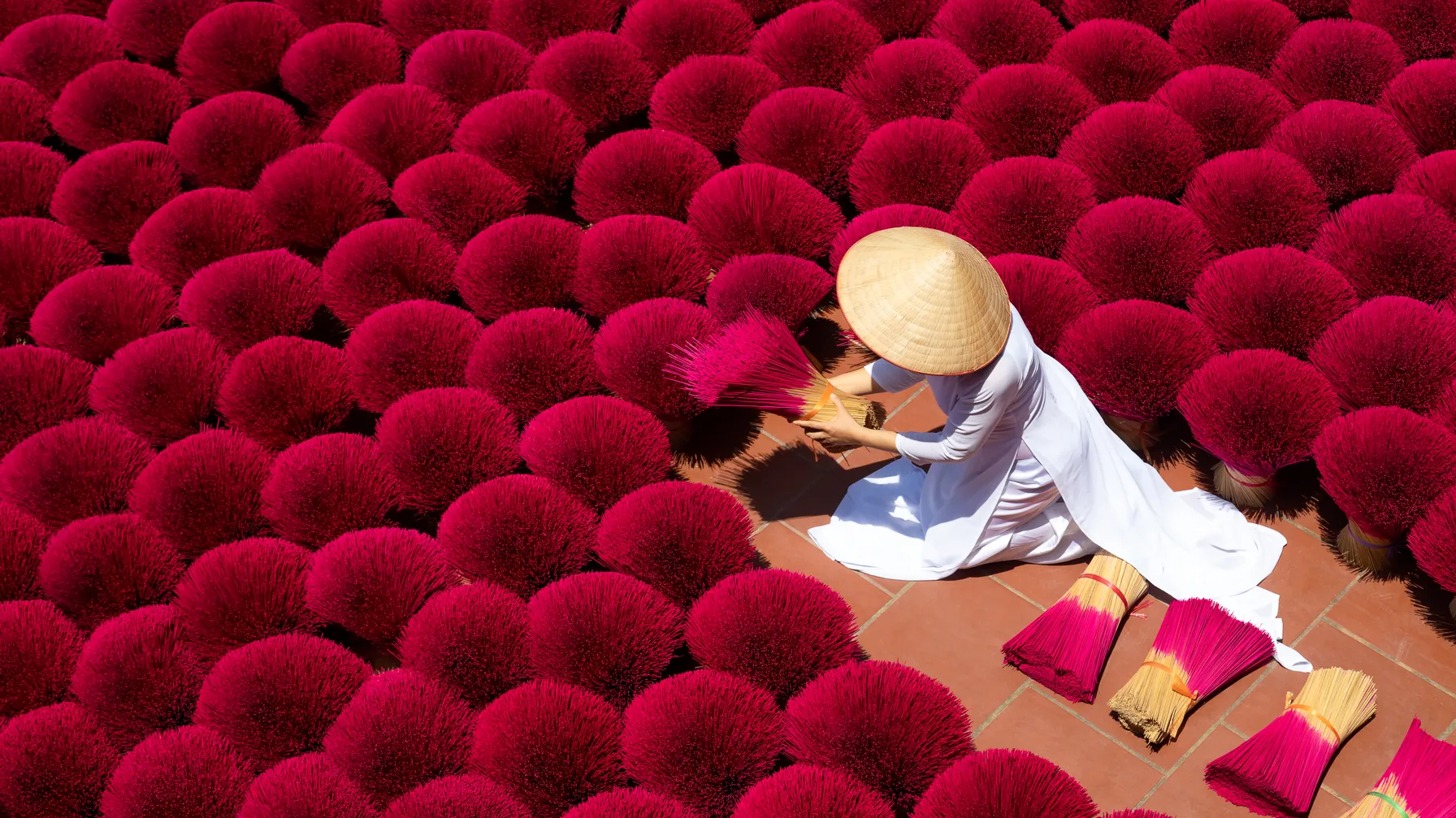
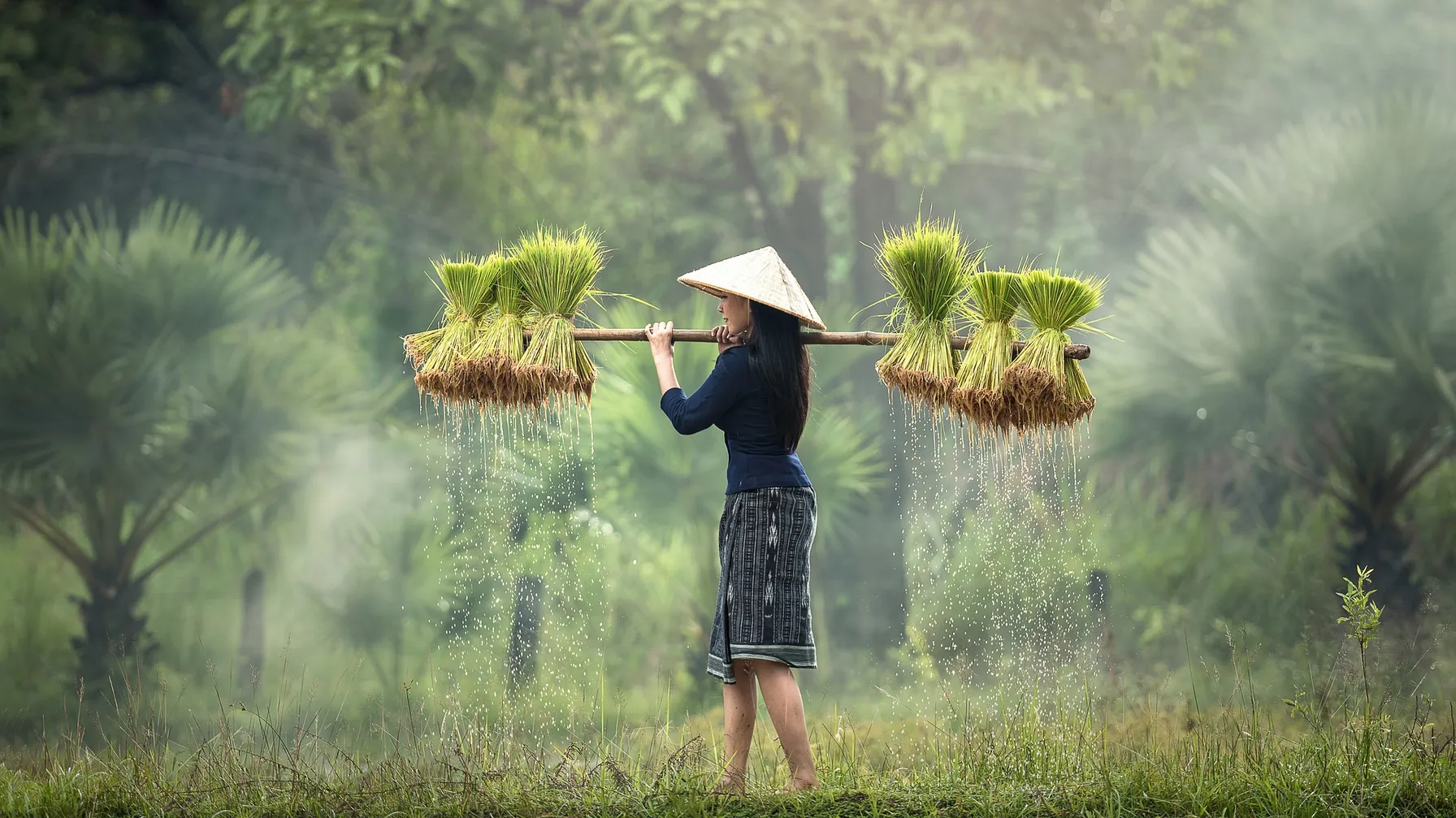
July fosters authentic encounters with rural populations. In the mountain villages of the North, agricultural activities are in full swing: participating in harvests, discovering rice cultivation techniques or sharing family meals in traditional houses.
The communities of the Mekong Delta welcome you for immersive experiences: navigating secondary channels, visiting fruit gardens or learning traditional fishing. These moments of exchange take on a special flavor when tropical showers punctuate the day, creating a natural complicity with your hosts.
Contact us for more information
Does Vietnam in July match your travel expectations?
Going to Vietnam in July is particularly suitable for certain types of travelers and sought-after experiences.
This period is ideal for families seeking authenticity and a change of scenery. Vietnam with family during this season offers unique learning opportunities: observing agricultural cycles, discovering tropical biodiversity, or immersing in traditional lifestyles. Children particularly enjoy the short tropical showers that punctuate days of exploration.
Travelers passionate about photography find exceptional lighting conditions in July. The contrasts between dramatic skies and lush vegetation create unique atmospheres. The terraced rice fields from the north to the south of the country offer striking visual compositions, particularly at sunrise and sunset.
Enthusiasts of deep cultural experiences benefit from this less touristy period to establish privileged contacts with local populations. The authenticity of the exchanges is enhanced, far from the tourist flows of the high dry season.
However, if you exclusively favor beach activities and constant sunshine, other periods may better meet your expectations. The months from November to March offer drier conditions and milder temperatures, particularly suited for beach-oriented stays and intensive hiking.
Our advice: July reveals an authentic and contrasting Vietnam, ideal for a tailor-made journey focused on cultural discovery and immersion in exceptional tropical landscapes. Appropriate clothing precautions (light clothing, light raincoat) and flexible planning of activities transform climatic constraints into assets for a unique travel experience.
This customized travel approach allows you to perfectly tailor your itinerary to the weather conditions and your interests, ensuring a successful stay even during this particular season. The expertise of local guides proves invaluable to optimize each day according to the current conditions and reveal the most authentic facets of this fascinating country.