Culture in Vietnam: history, heritage and traditions to discover.
What makes Vietnamese culture so distinctive?
Vietnamese culture cannot be reduced to a few symbols. It is the product of a long dialogue between multiple influences, diverse peoples, and a tenacious will to preserve its own identity in the face of centuries and conquests.
An identity preserved through centuries of influences
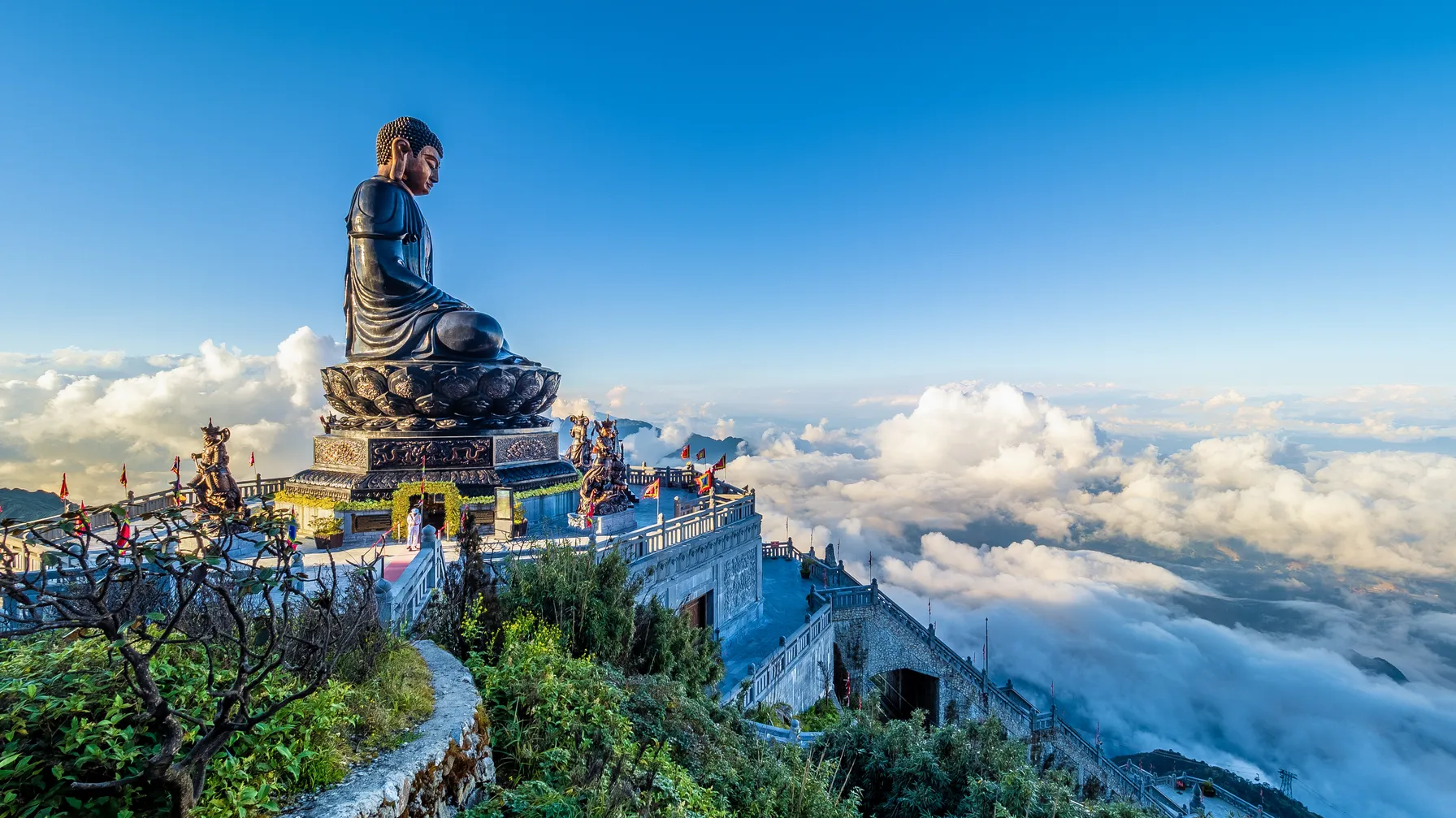
During more than a millennium of Chinese presence, Vietnam absorbed elements of Confucianism, Taoism, and Buddhism, without ever allowing itself to be fully assimilated. The language, the arts, the architecture, and rituals still bear the imprint of these exchanges, as well as a deep cultural resistance. More recently, French presence has left its mark in Hanoi's colonial architecture, in the baguette that became the famous bánh mì, or in the diffusion of Catholicism. What Vietnamese culture has managed to do with brio is to integrate these external contributions without losing its own soul.
54 ethnic groups, a living mosaic
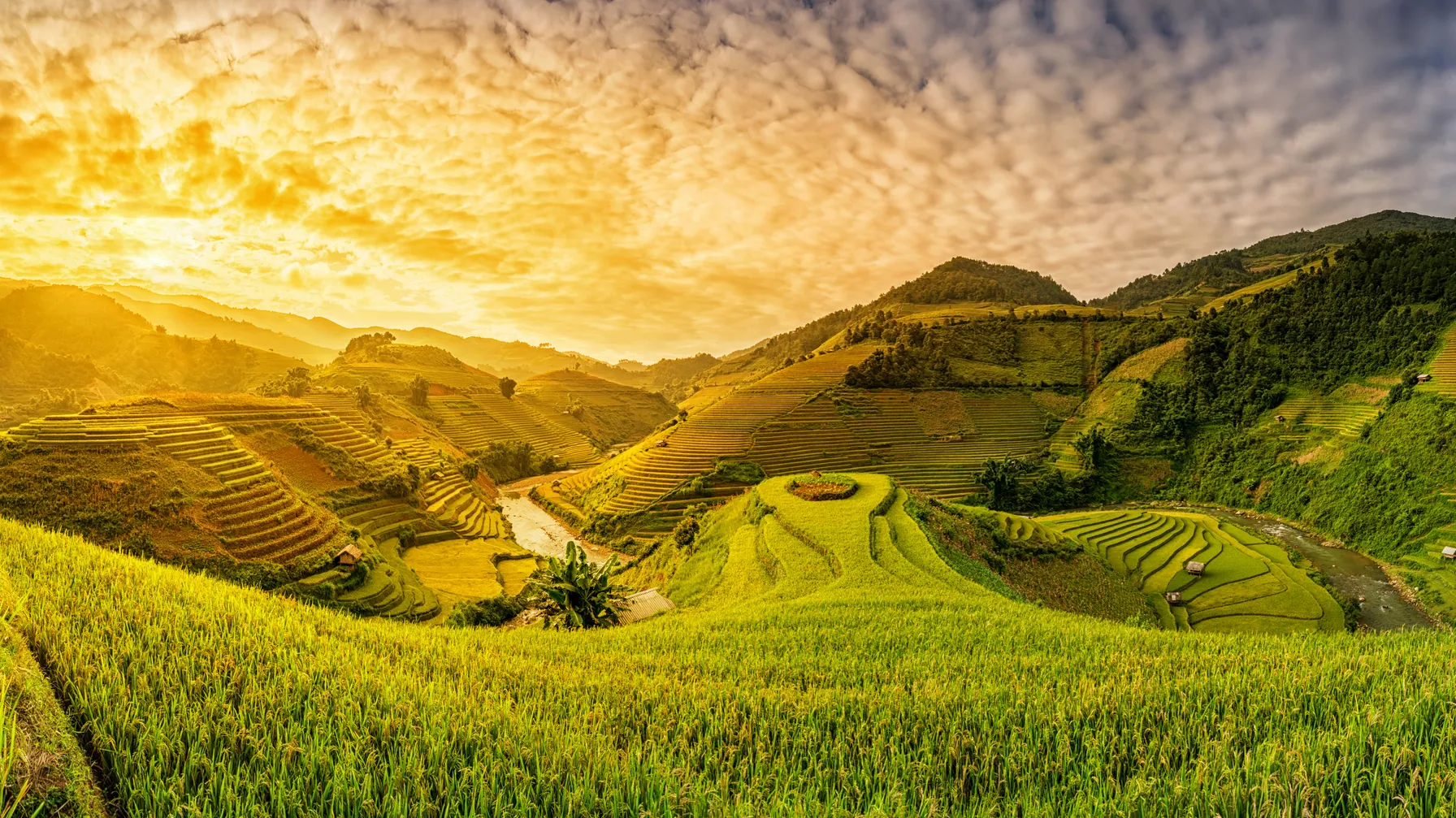
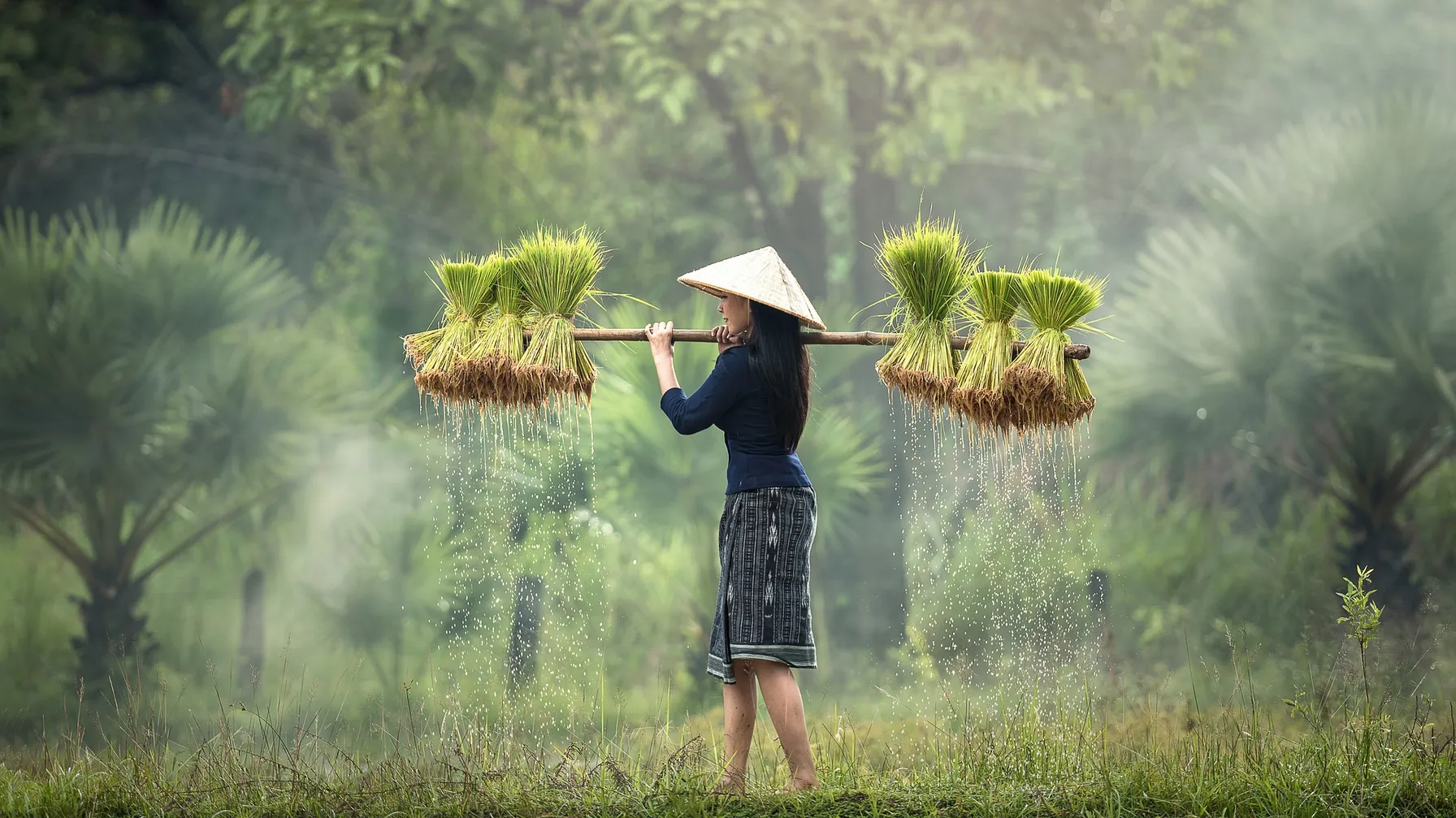
The Kinh people account for about 86% of the population, but it is the diversity of the other 53 ethnic groups that gives the country all its cultural depth. In the northern mountains of Vietnam, the Hmong, the Dao, and the Thai perpetuate unique textile know-how and ancestral rituals transmitted orally. On a Vietnamese journey, the encounter with these communities — during a Sunday market in Bắc Hà or in a remote village in the Sapa region — often ranks among the most memorable experiences.
What cultural heritage to discover during your trip to Vietnam?
From the coast to the rice plains and through the inland highlands, Vietnam reveals a richness of cultural heritage for those who take the time to discover it.
Iconic sites between the sea and ancient stone ruins
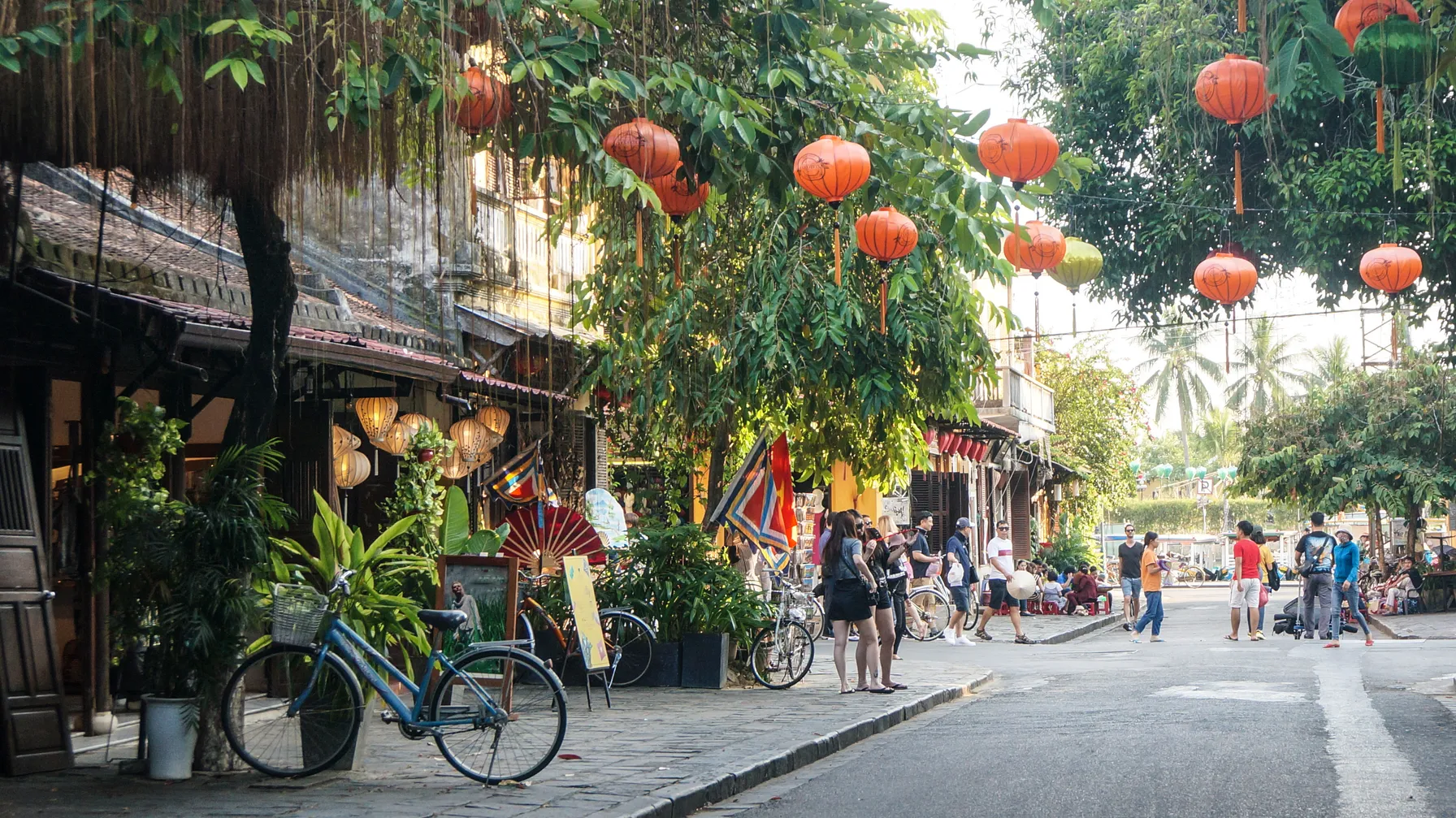
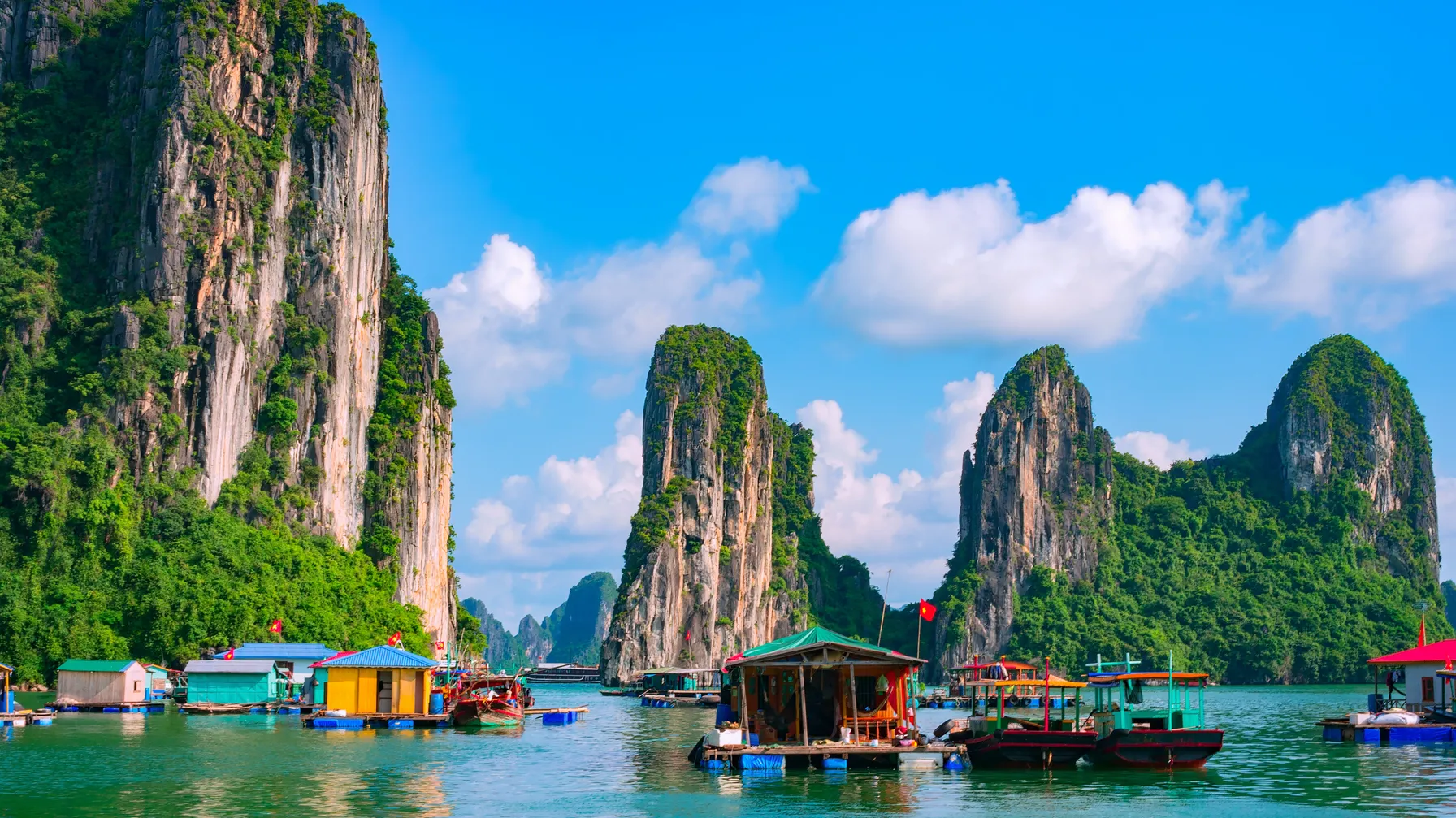
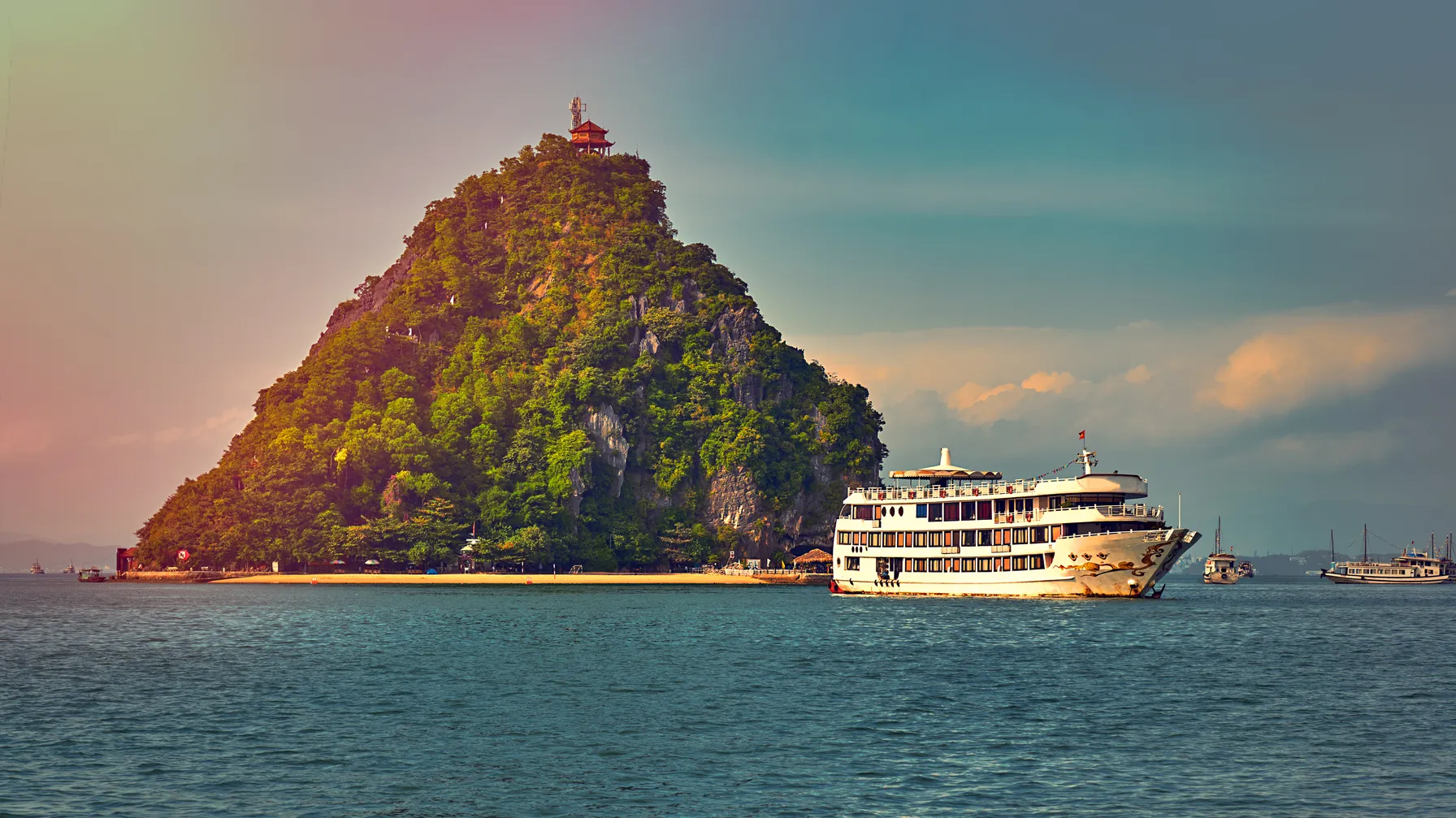
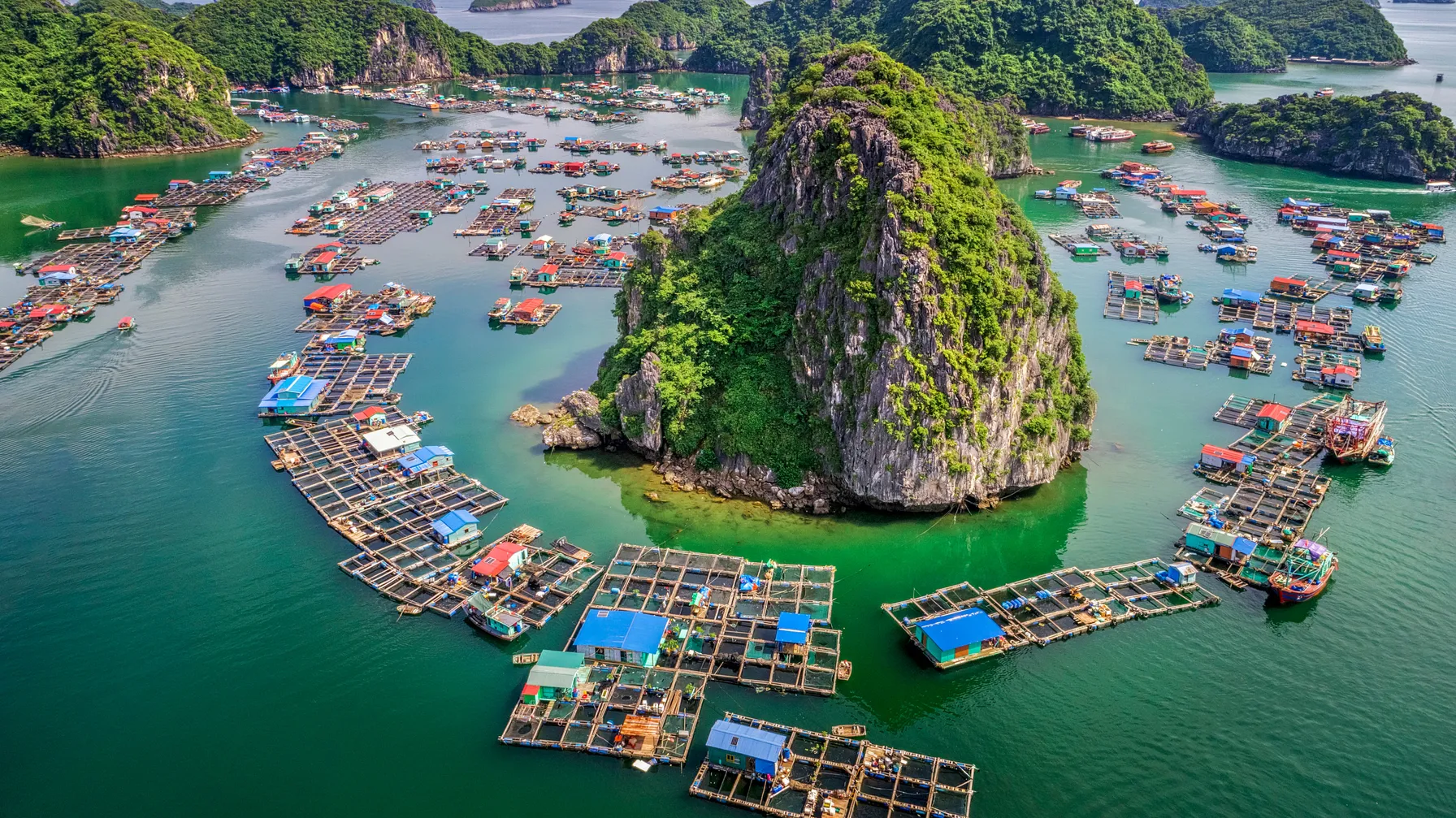
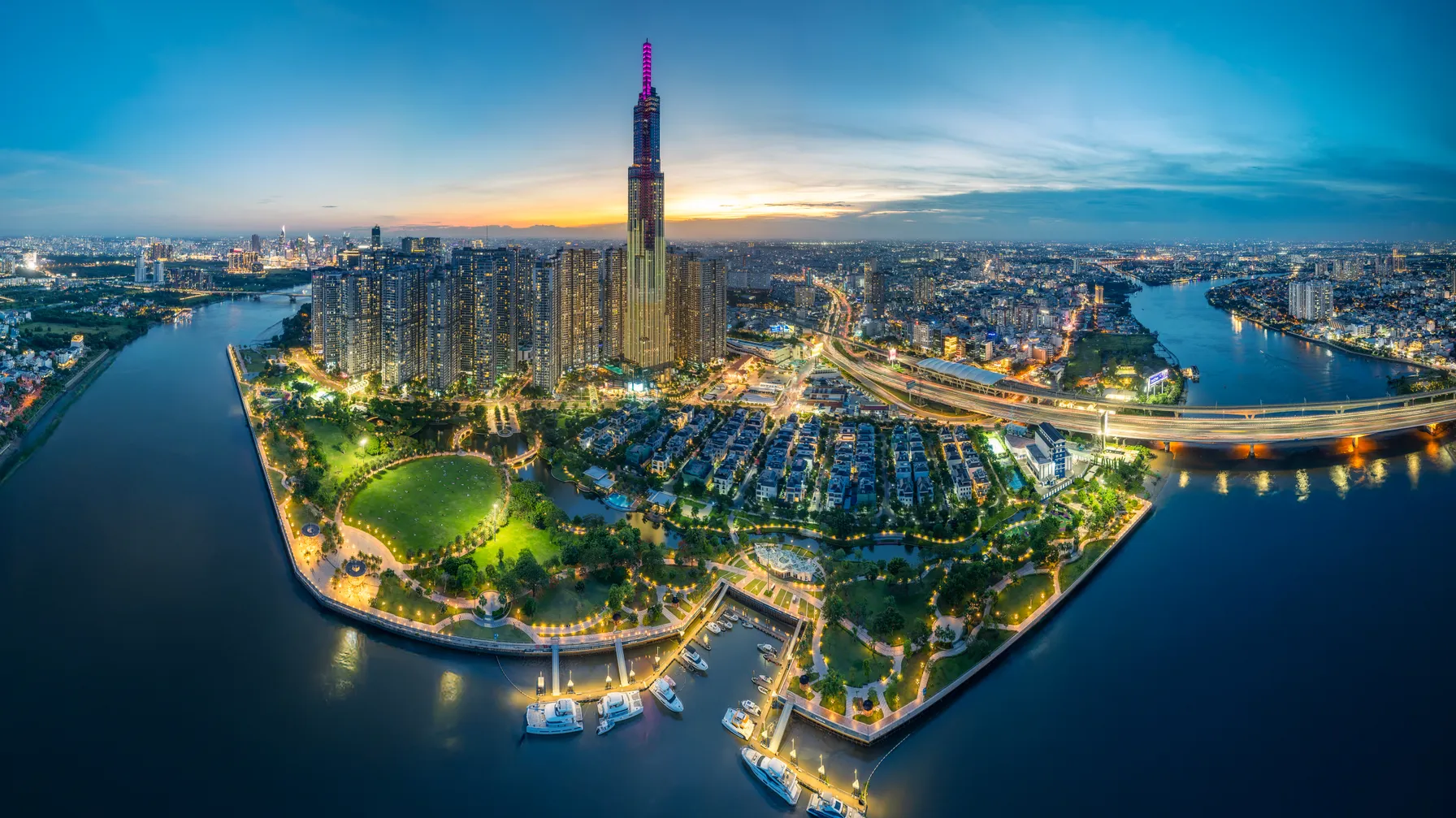
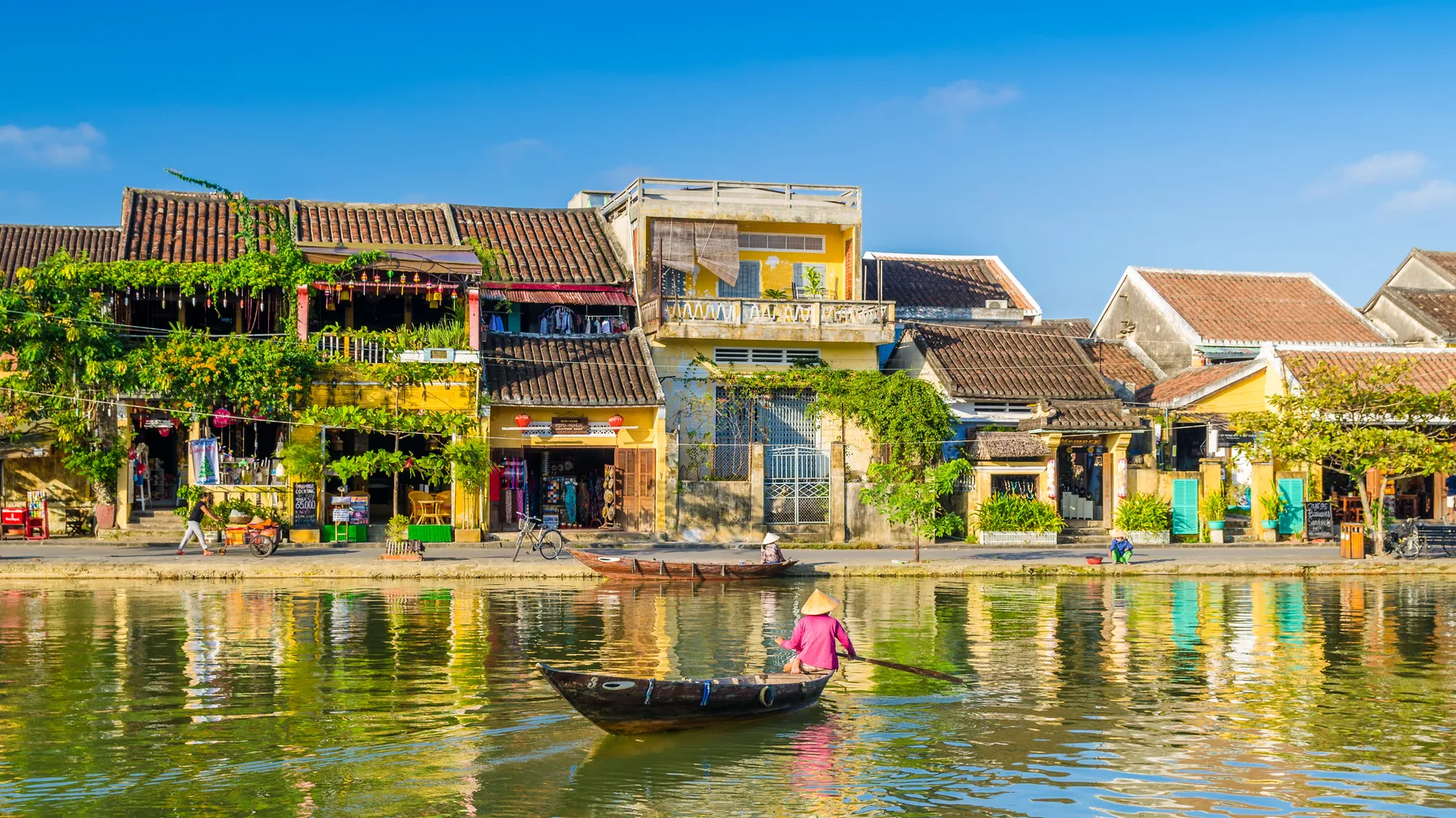
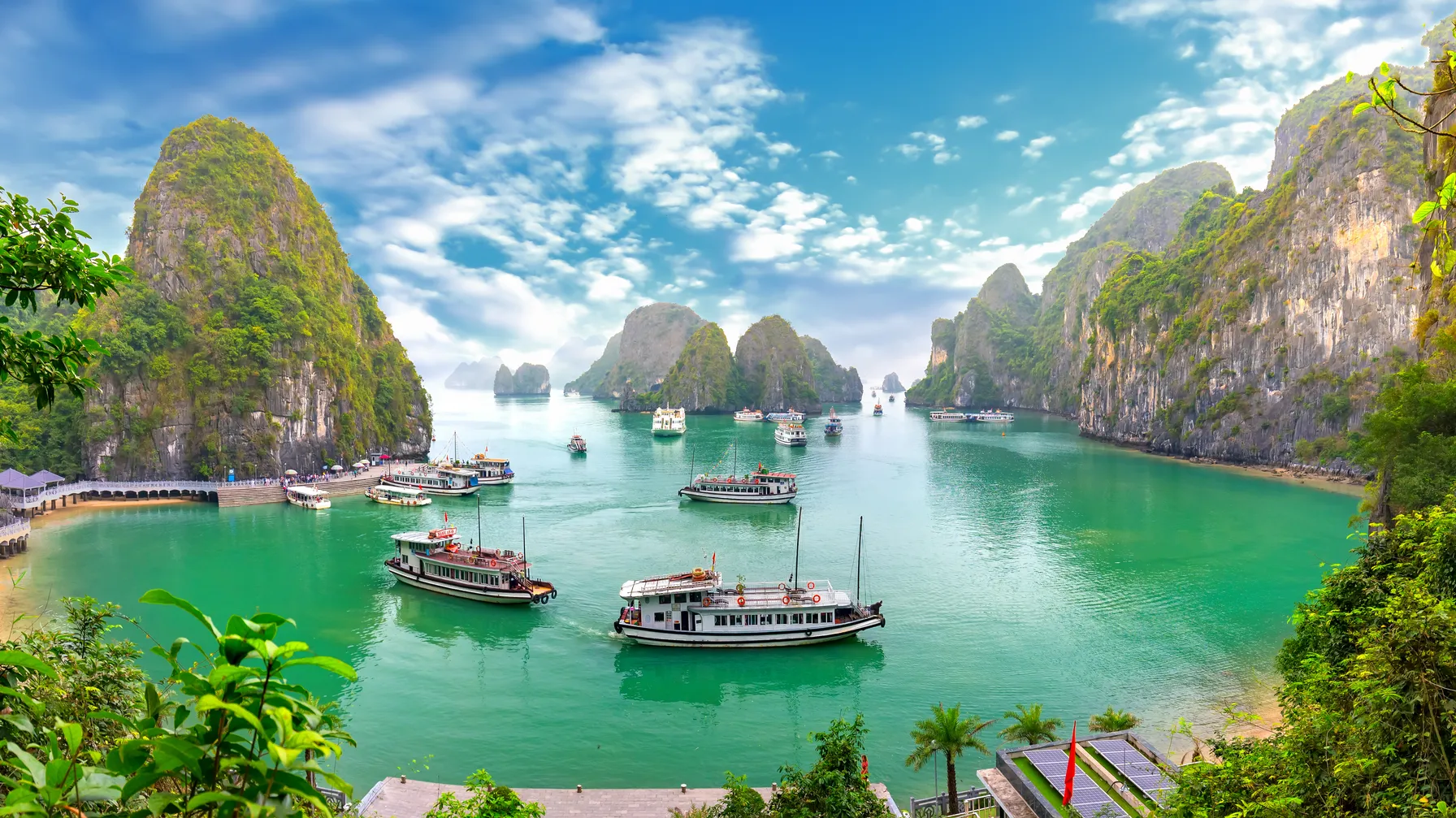
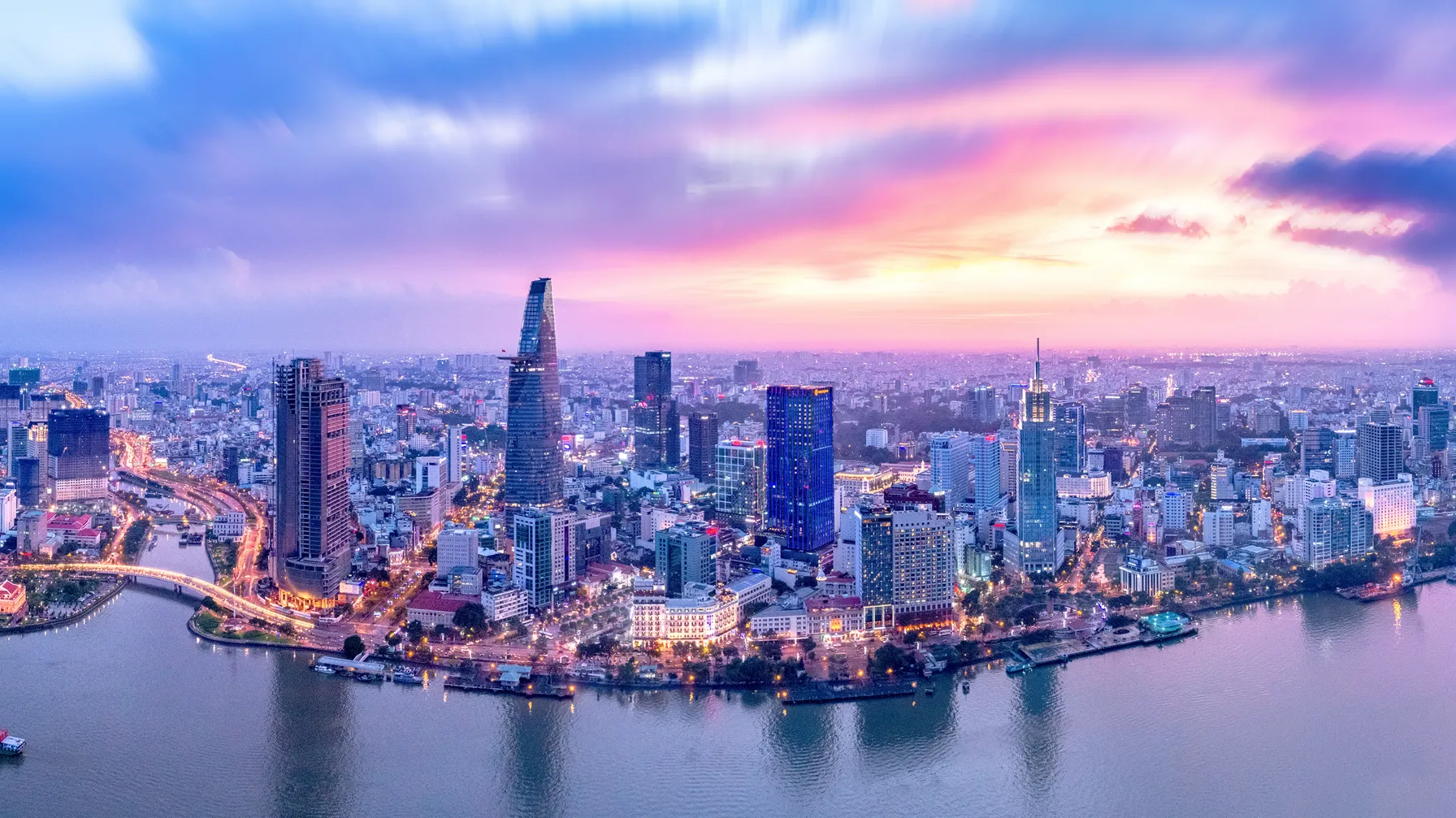
Ha Long Bay, inscribed on UNESCO's World Heritage List, is arguably the country’s most iconic image. Its 1,600 karst islands rise from an emerald sea in an almost unreal calm. But Vietnamese culture does not stop at this natural spectacle. Hoi An, an ancient trading city in central Vietnam, concentrates one of Southeast Asia's best-preserved colonial architectures, with its mercantile houses, covered bridges, and multicolored lanterns. At the other end of the country, Ho Chi Minh City embodies the dynamic modernity of a country undergoing transformation, while housing essential museums to understand Vietnamese contemporary history.
The most remarkable heritage sites to include in your itinerary:
- The Old Quarter of Hanoi and the Temple of Literature;
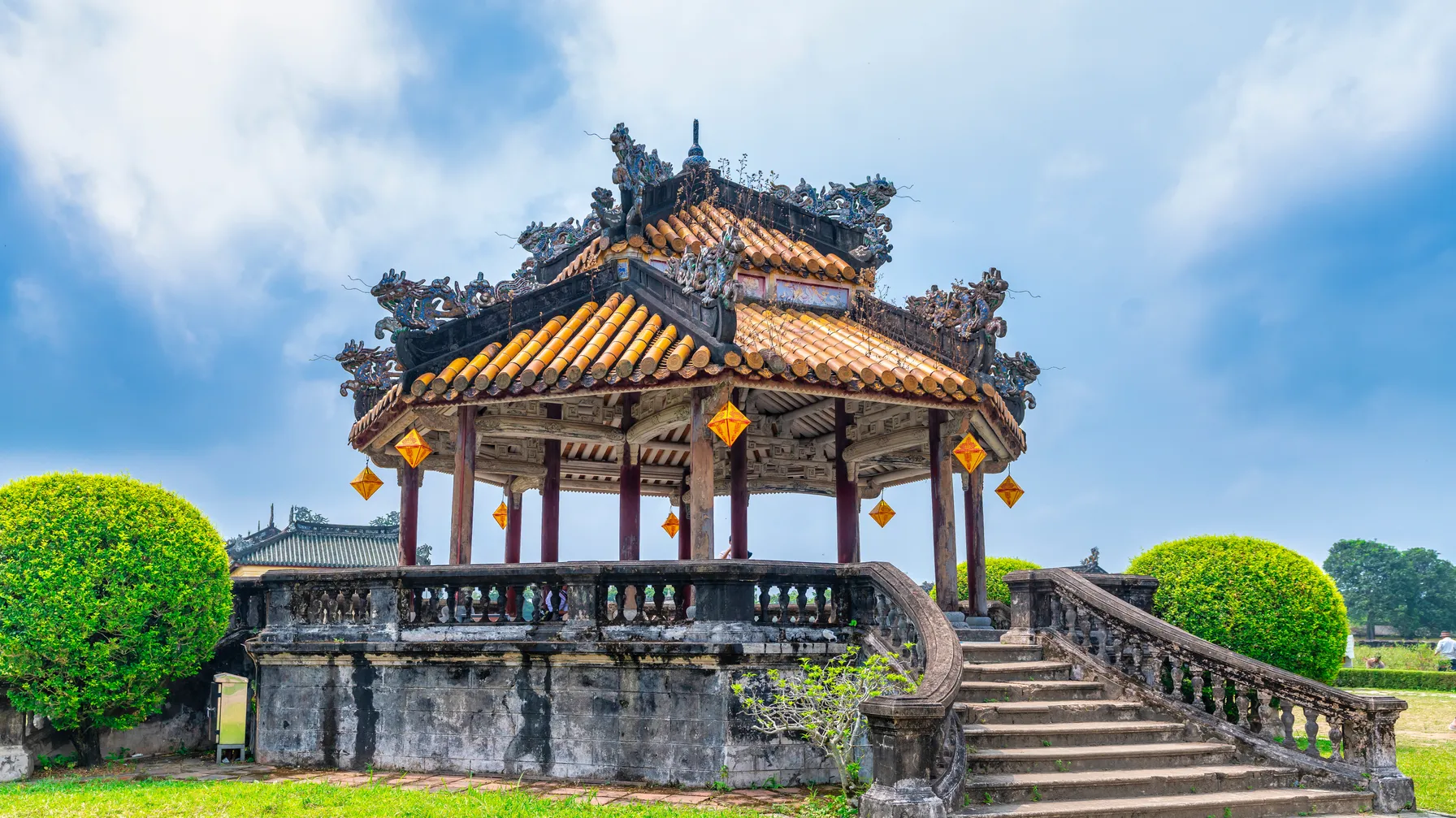
- The Imperial City of Hue and its royal tombs;
- The My Son Sanctuary, vestige of the Cham civilization;
- The ancient town of Hoi An and its mercantile houses.
Living traditions and intangible heritage
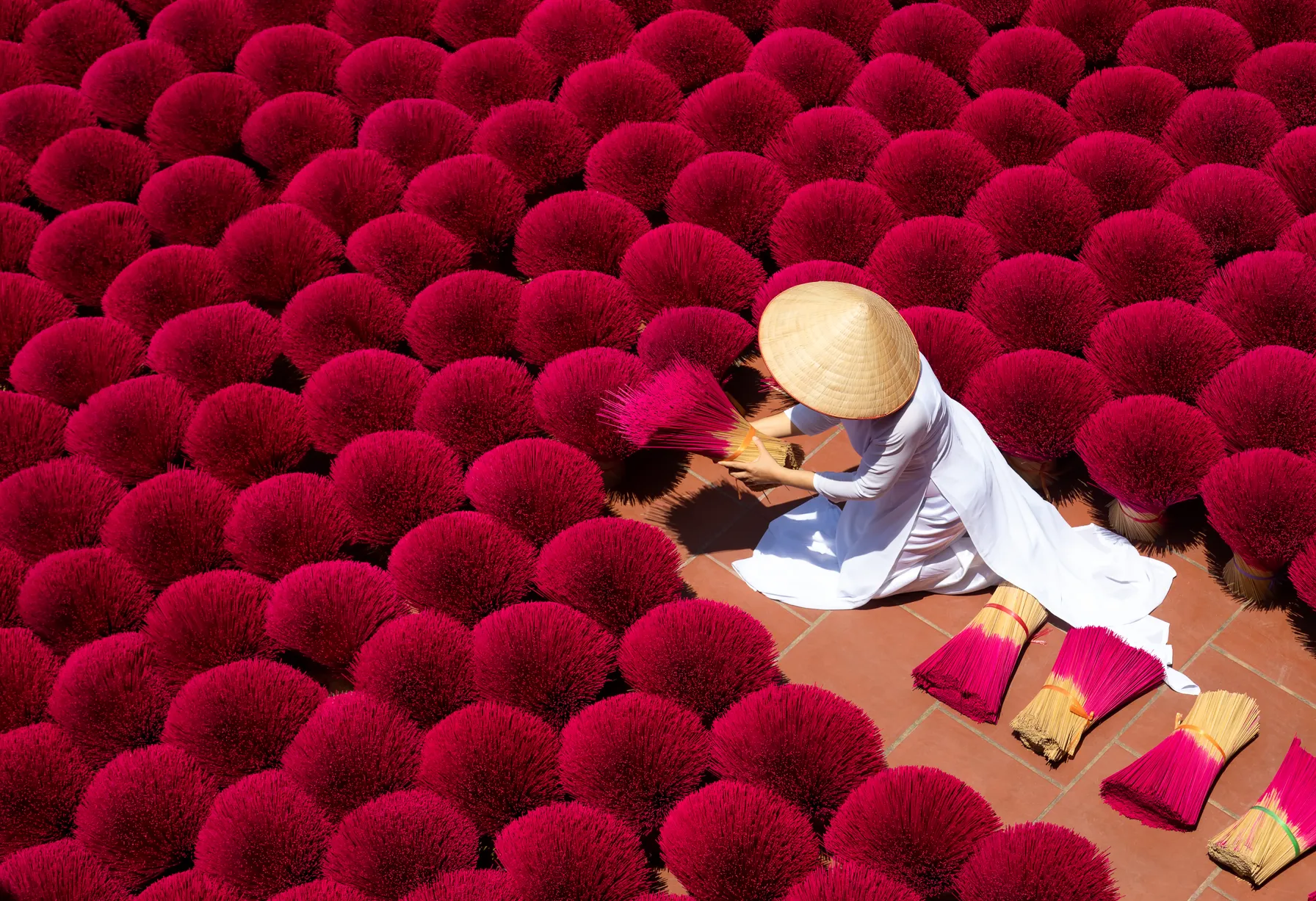
Beyond stones and monuments, the richness of culture in Vietnam lies in what is transmitted invisibly. The worship of ancestors, practiced in almost every household in the country, testifies to a deep bond between the living and their dead. The water puppetry theater, born under the Ly Dynasty in the 11th century, is a form of artistic expression unique in the world. The court music of Hue, the Quan Ho songs of Bac Ninh, and several rituals of the minorities are on UNESCO's intangible cultural heritage list. Attending a performance or taking part in a ceremony is to touch something authentic and rare.
Book your trip to Vietnam now and let passionate local experts guide you.
How to build a culture and heritage itinerary in Vietnam?
A culture-focused trip to Vietnam benefits from being structured along a north-south axis, dedicating to each region the time needed to grasp its nuances.
From north to south, the major cultural milestones
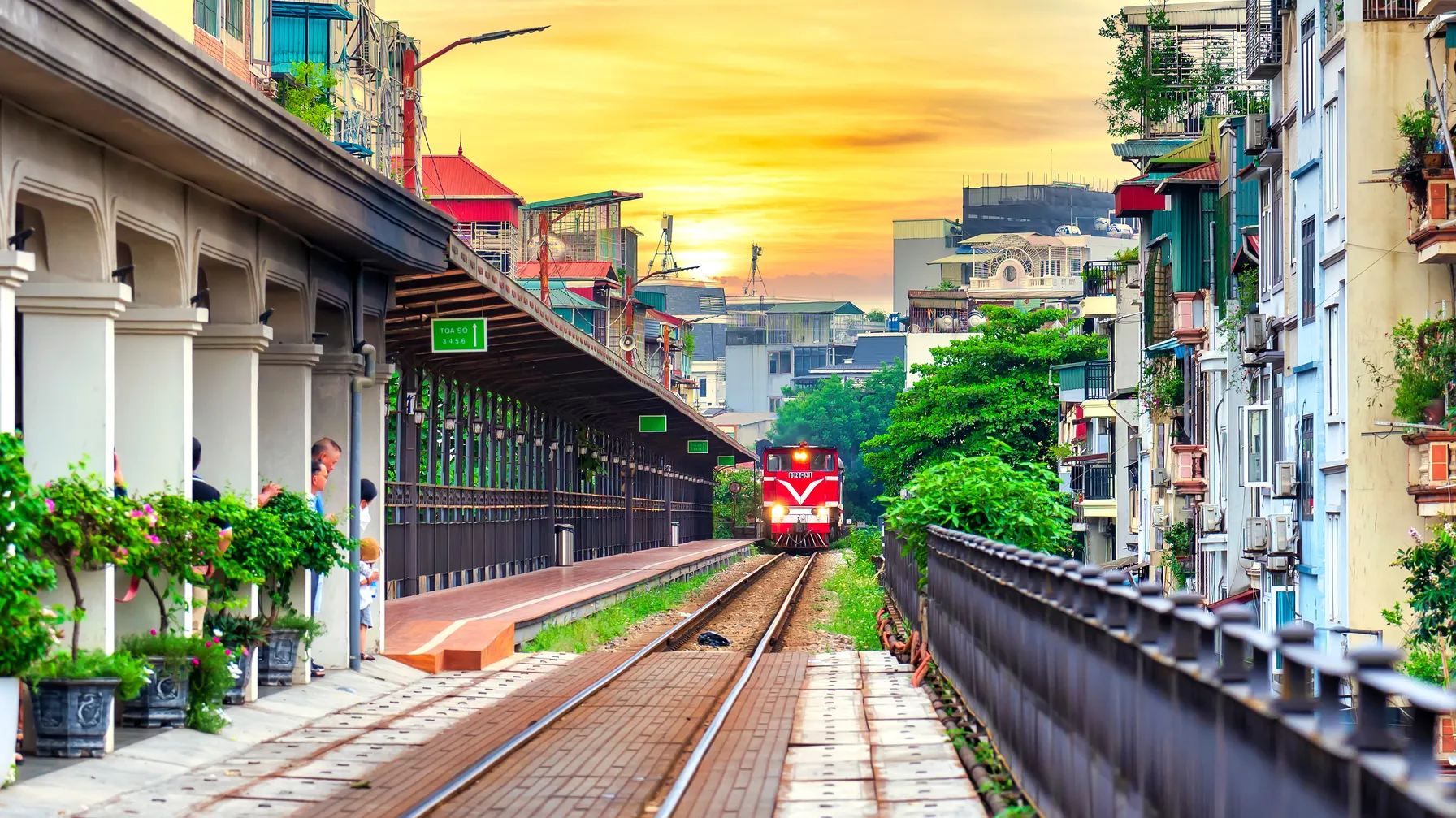
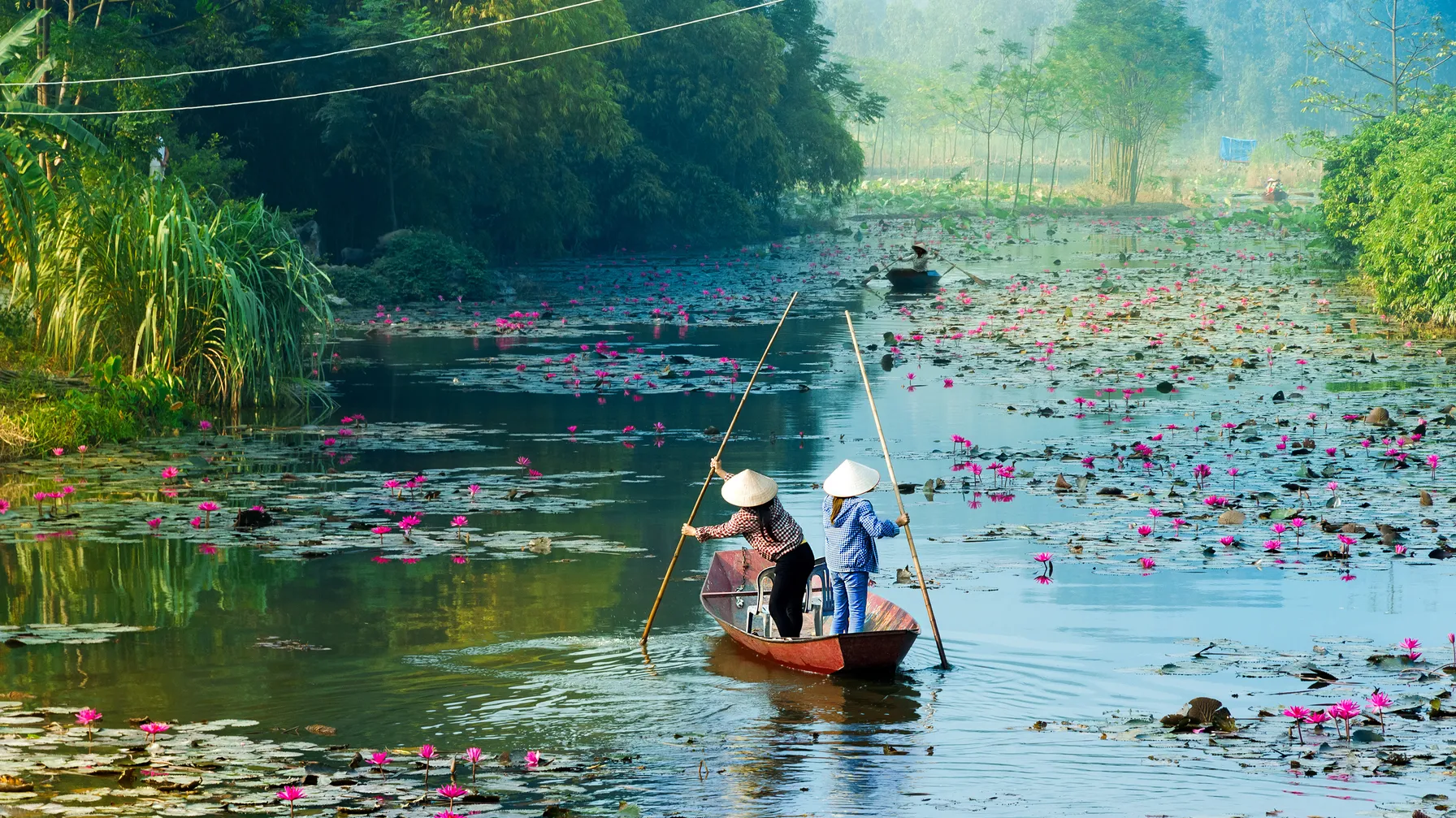
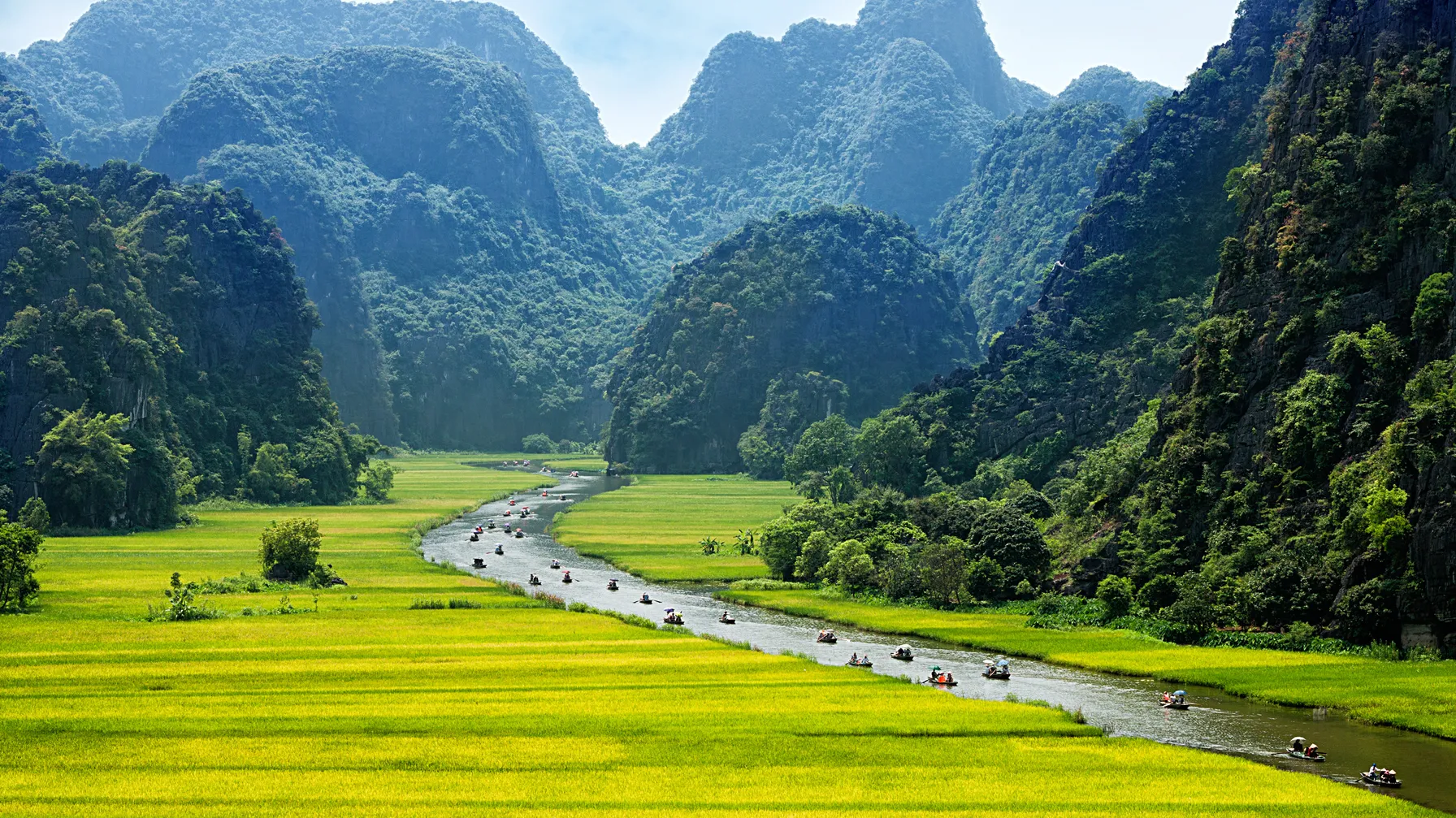
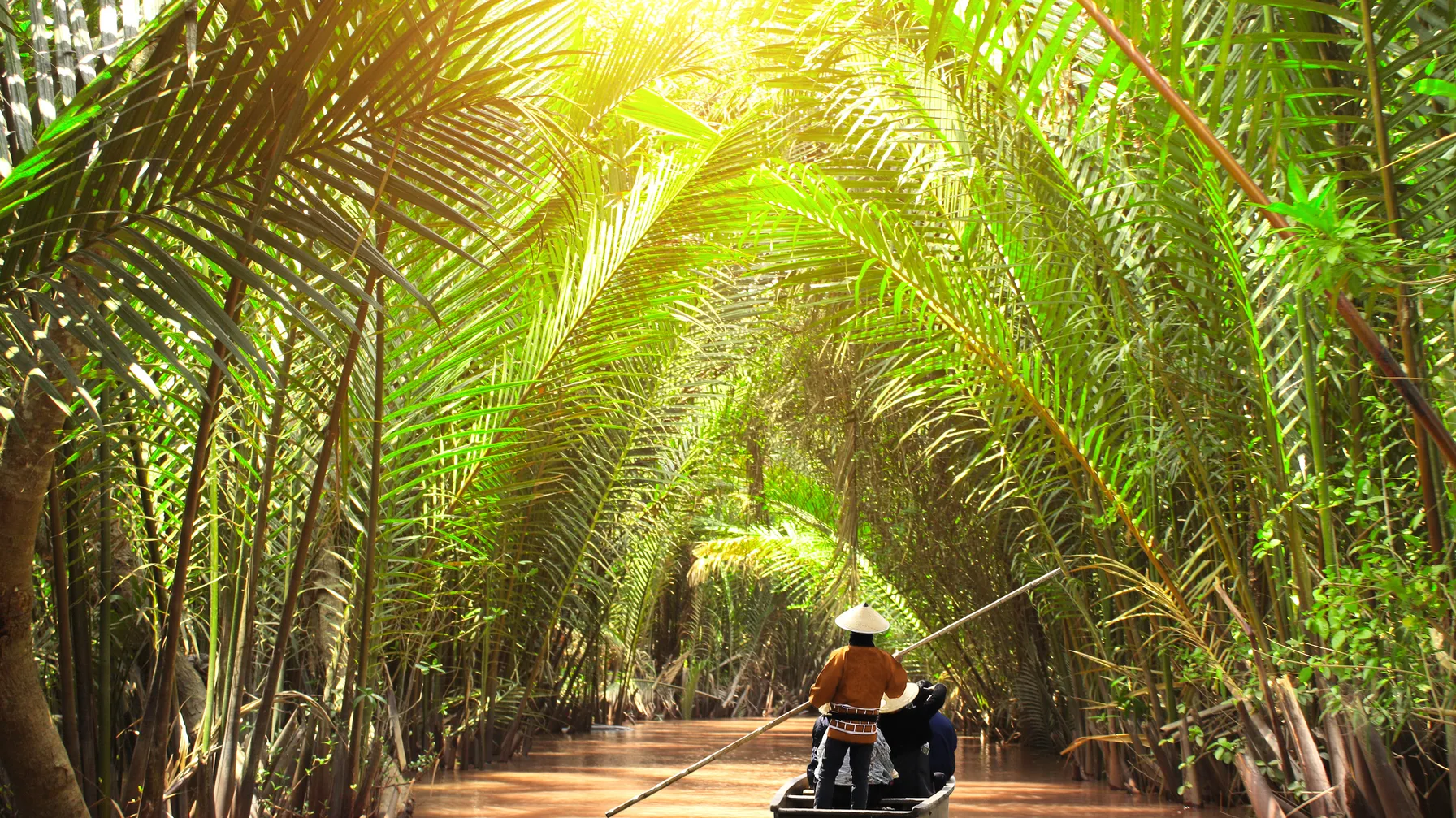
North Vietnam offers an ideal starting point with Hanoi, whose Old Quarter and the Temple of Literature deserve at least two days. The Ninh Binh region, often nicknamed the 'terrestrial Halong Bay', adds a natural and spiritual dimension indispensable to the experience. Moving south toward the center, Hue and its imperial palaces plunge into the history of the royal dynasties. The south of Vietnam then opens onto the Mekong Delta, where rural life unfolds at the pace of the canals and floating markets. Plan for at least 12 to 15 days to do justice to this richness.
Our Travel Planners' advice: a tailor-made luxury trip gives access to experiences not found in traditional guides — a Vietnamese cuisine tasting hosted in a local home, a pottery workshop in Hoi An, or a night in a hilltop village in the northern mountains.
Festivals and events to anticipate by season
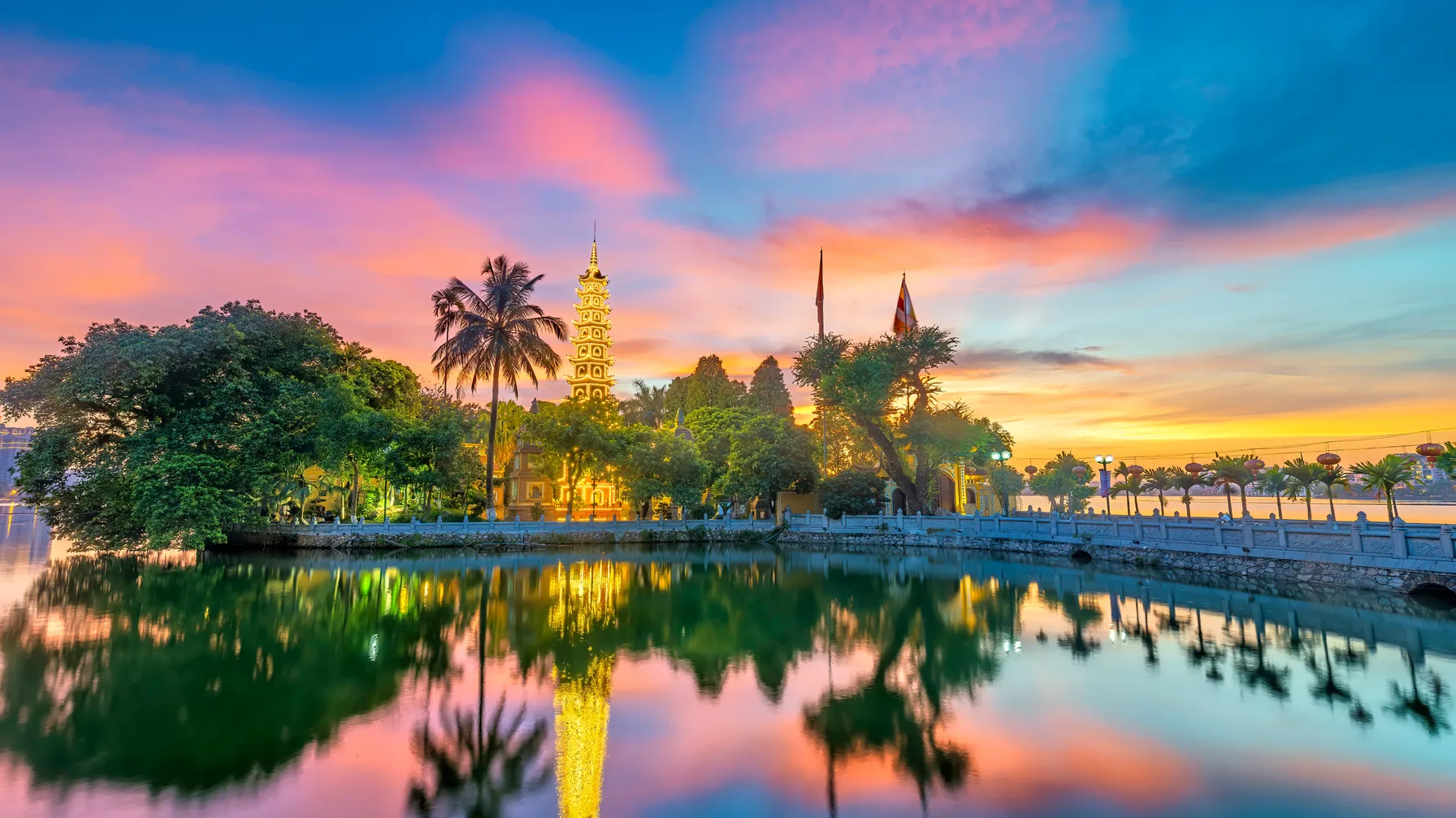
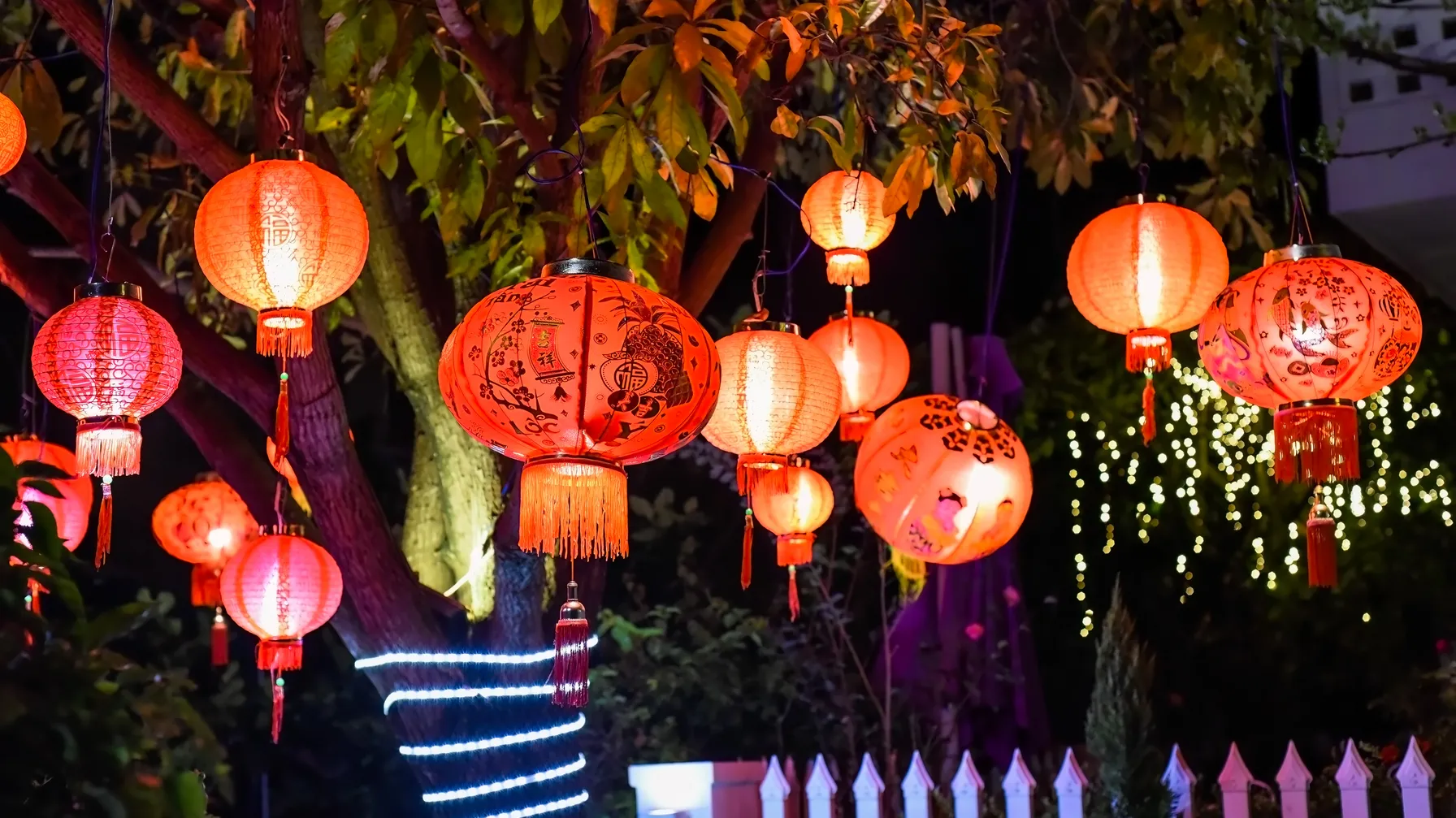
The Tết, the Vietnamese Lunar New Year, is the most important festival on the calendar. Celebrated between late January and mid-February depending on the year, it transforms towns and countryside into a spectacle of flowers, lanterns, and family reunions. It is an unforgettable experience, provided you prepare for it: many shops close for several days. Other events are also worth a detour, such as the Lantern Festival in Hoi An on every full moon, weekend ethnic markets in Bắc Hà, or Buddhist ceremonies in the pagodas of Hanoi.
Contact us for more information on organizing your tailor-made trip to Vietnam.
Demandez votre devis Vietnam sur-mesure 100% gratuit
 4.8
4.8+3.000 travelers satisfied
<p>What practical guidelines for fully experiencing Vietnamese culture?</p>
A few cultural keys greatly facilitate the quality of exchanges and the depth of discoveries once there.
<p>Social codes and respect for traditions</p>
The respect for elders is a fundamental value, directly inherited from Confucianism. In temples and pagodas, it is advised to dress modestly and to remove one's shoes at the entrance. The concept of "face" — avoiding putting someone in a position of public embarrassment — guides a large part of social interactions. Maintaining a calm and polite tone, even in case of disagreement, is always welcome.
<p>Plan your stay with care</p>
For the most frequented sites, such as Ha Long Bay or the temples of Hue, advance reservations are highly recommended, especially in peak season (November to April). Using a Travel Planner can save you valuable time and help design a trip that truly matches your expectations, with every detail thought out for you.
Contact us to design your luxury trip to Vietnam, imagined in every detail according to your wishes.
Frequently asked questions
Does Vietnamese cuisine reflect the country's cultural diversity?
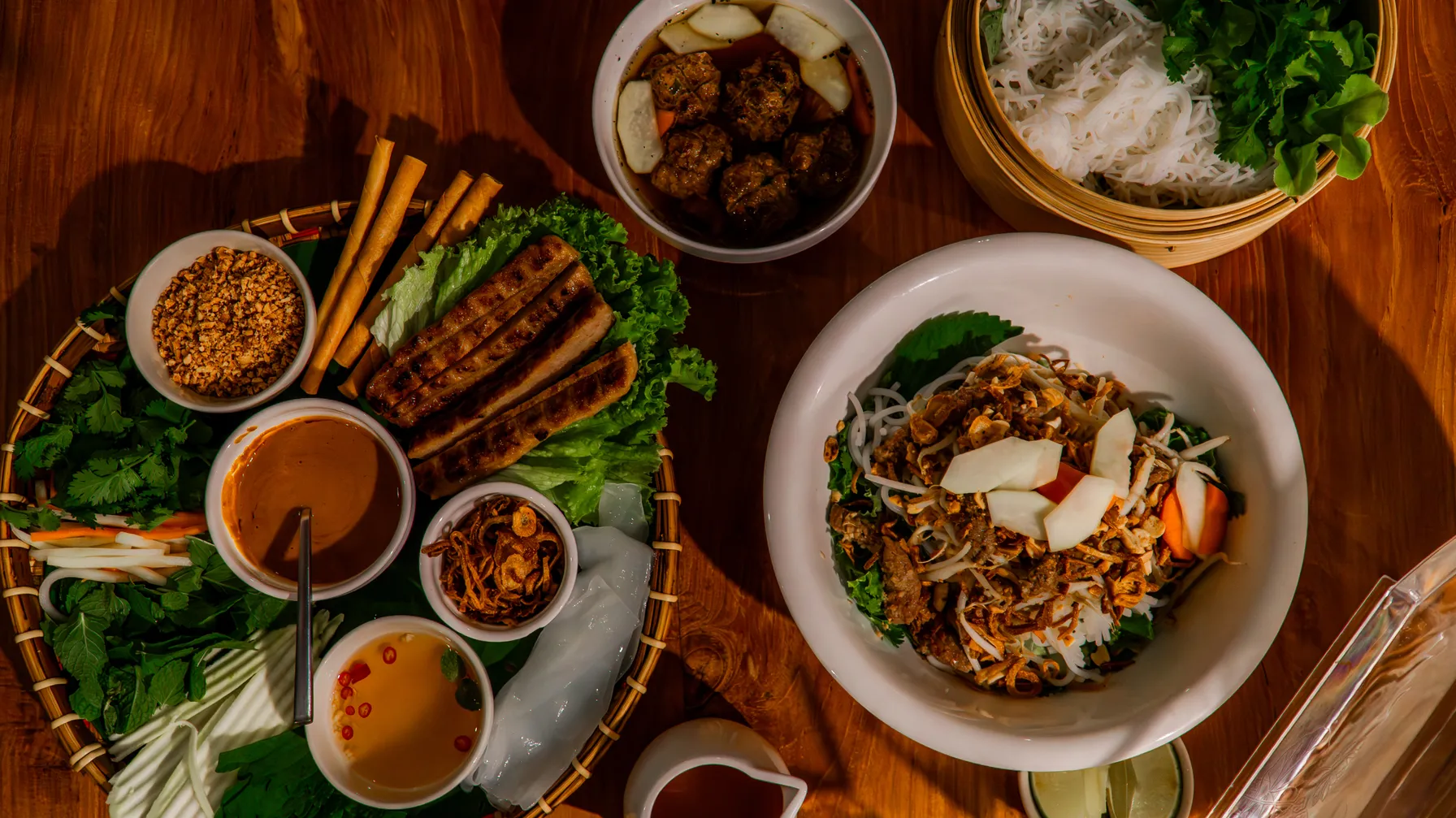
Vietnamese cuisine is a true mirror of regional identity. From northern Vietnam's pho, influenced by centuries of exchanges with China, to the spicier flavors of the central region, to the tropical abundance of southern Vietnam, each dish bears the imprint of a particular geography and history. Fresh herbs, nuoc mam, and cooking techniques passed down from generation to generation make it far more than gastronomy: a living heritage.
Is it possible to visit ethnic minority villages in Vietnam responsibly?
Yes, provided you rely on recognized local organizers who work directly with the communities involved. Favor homestays or tours that contribute to the local economy. This approach, at the heart of a well-designed tailor-made trip, guarantees authentic and respectful exchanges.
Is Vietnam a family-friendly destination for discovering local culture?
Absolutely. Between water puppet performances, cooking workshops, visits to artisanal villages, and natural sites such as Ha Long Bay, culture in Vietnam offers a multitude of accessible and enriching experiences for families. A well-thought-out itinerary, adapted to everyone's pace, makes this trip particularly memorable.