Why choose Tanzania for your safari in Africa?
Tanzania naturally emerges as one of the most sought-after destinations for a safari in Africa. This East African country is home to an exceptional concentration of natural parks and reserves, offering landscapes of striking diversity across more than 945,000 km².
Exceptional National Parks
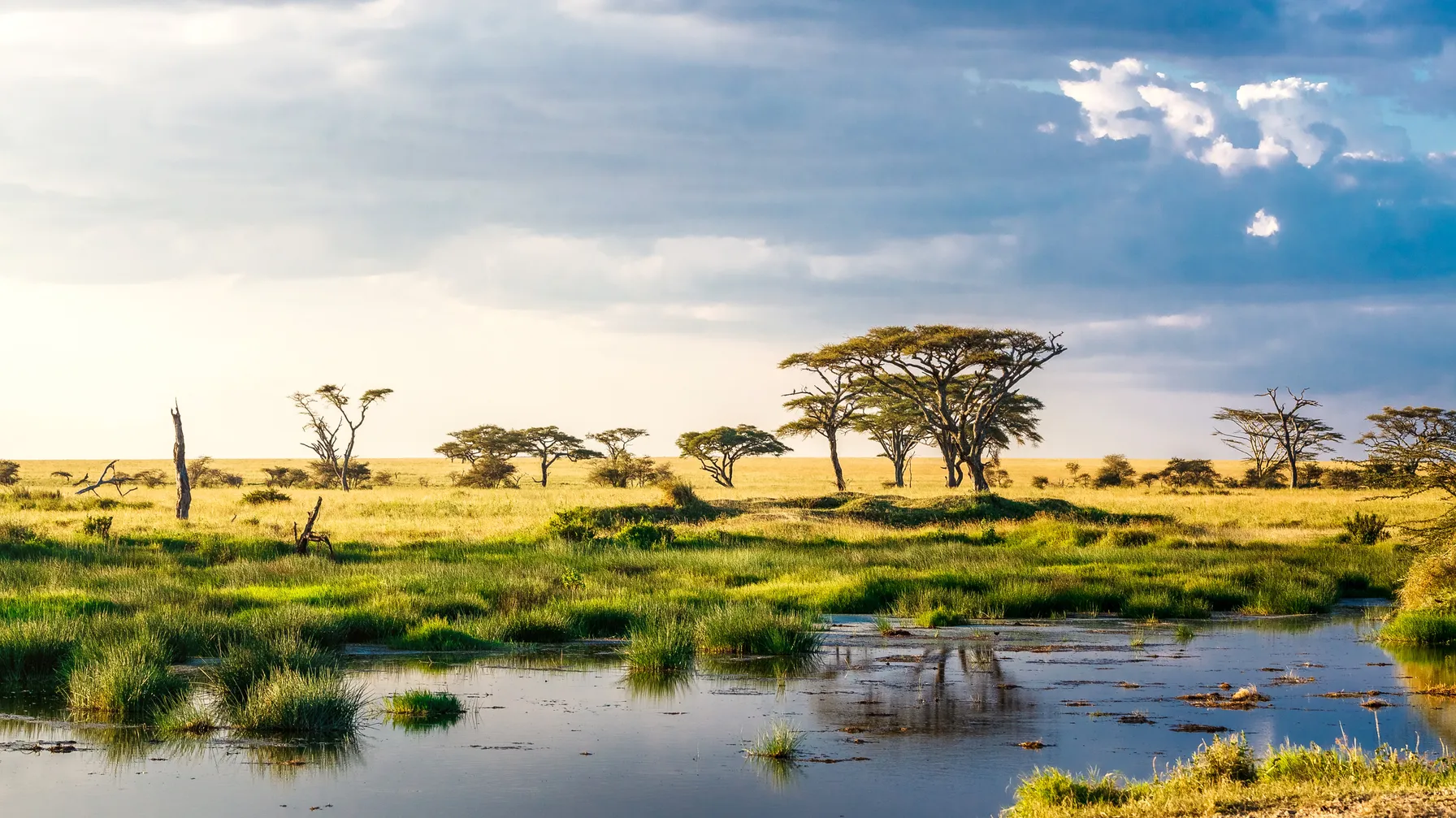
Your journey in Tanzania will take you through unique ecosystems, from the vast plains of the Serengeti to the volcanic craters of Ngorongoro. The northern parks are the pulsating heart of safari tourism, containing a remarkable biodiversity within a relatively compact area. The Serengeti National Park covers 14,750 km², an area equivalent to Northern Ireland.
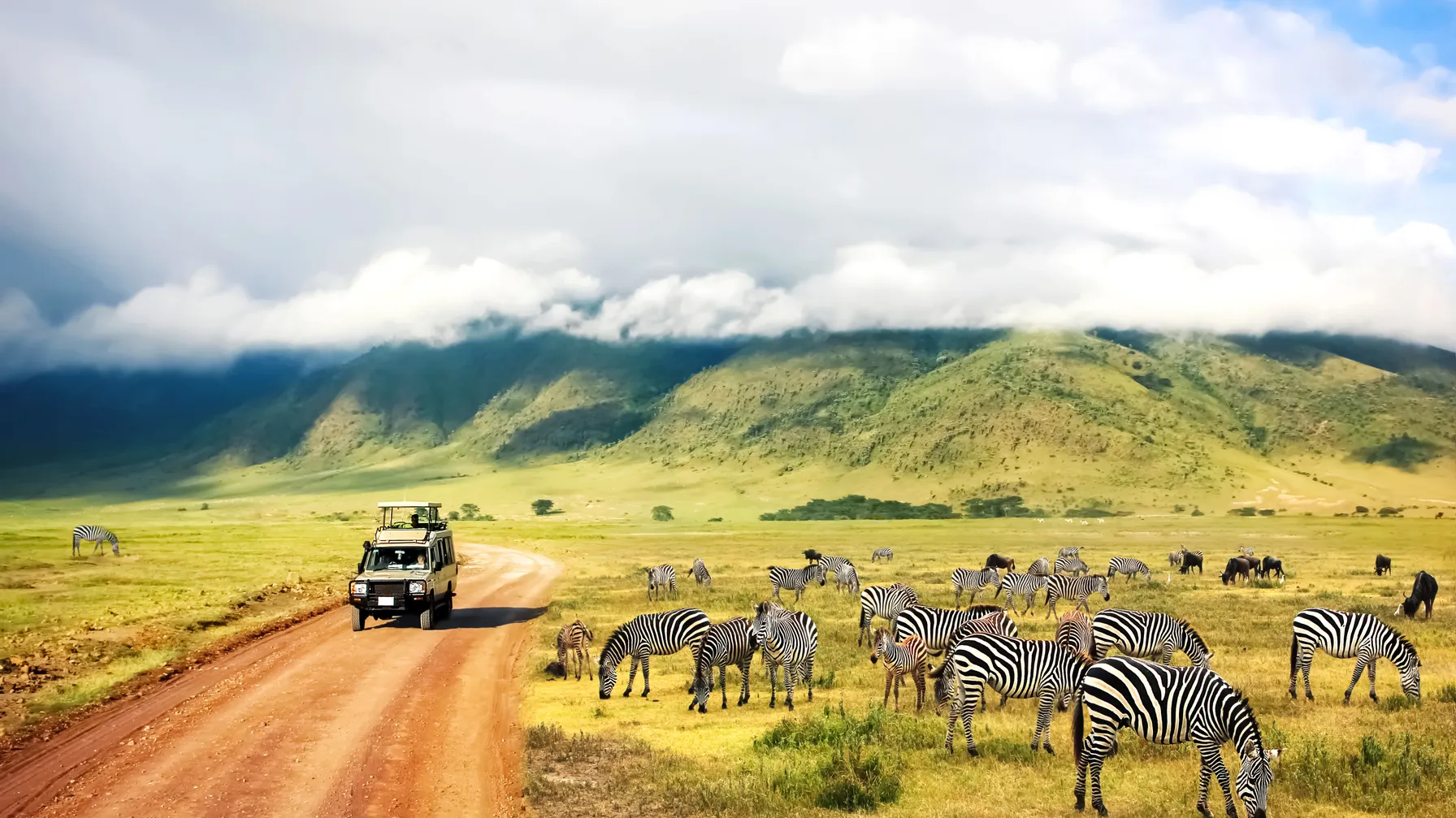
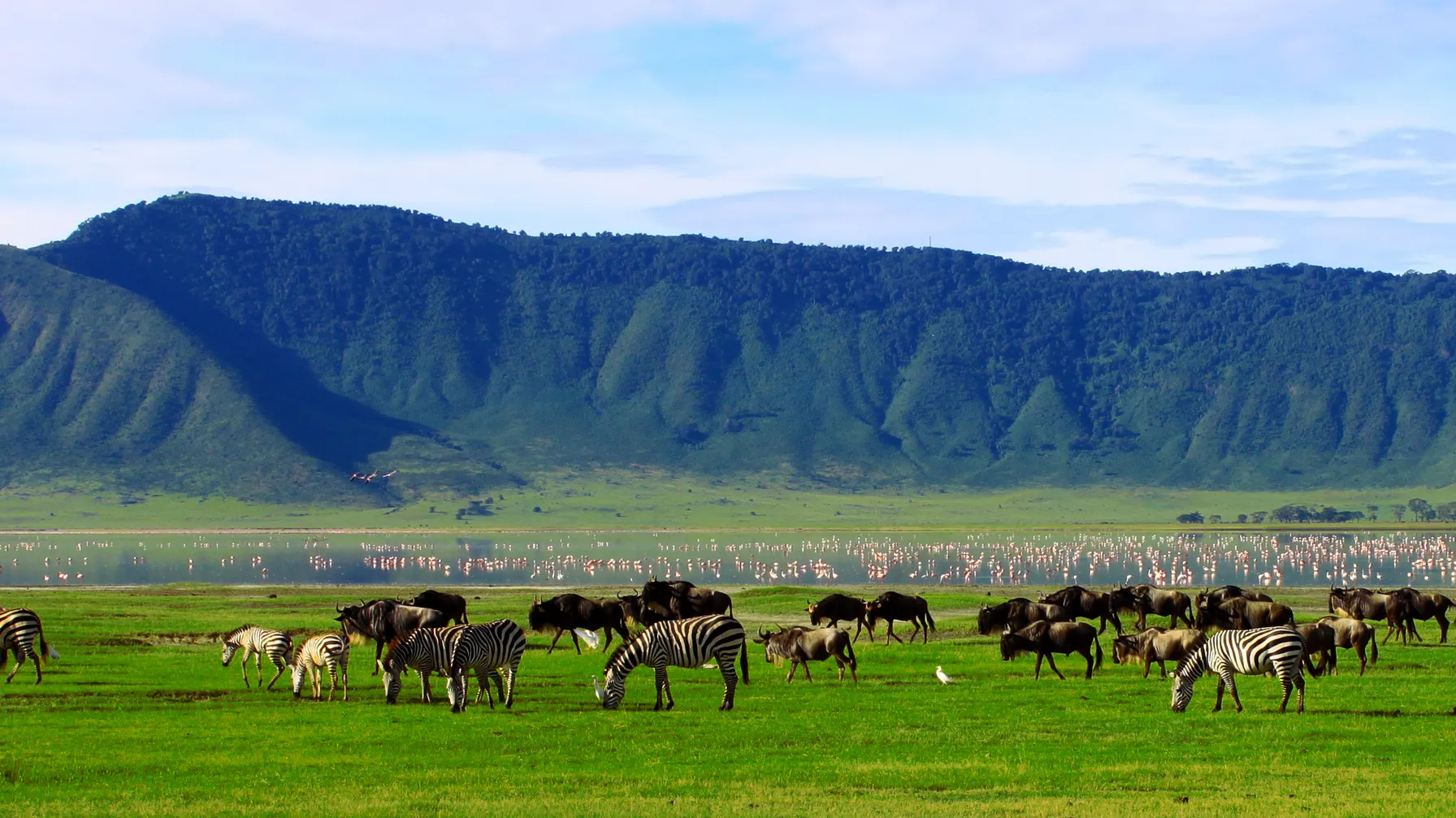
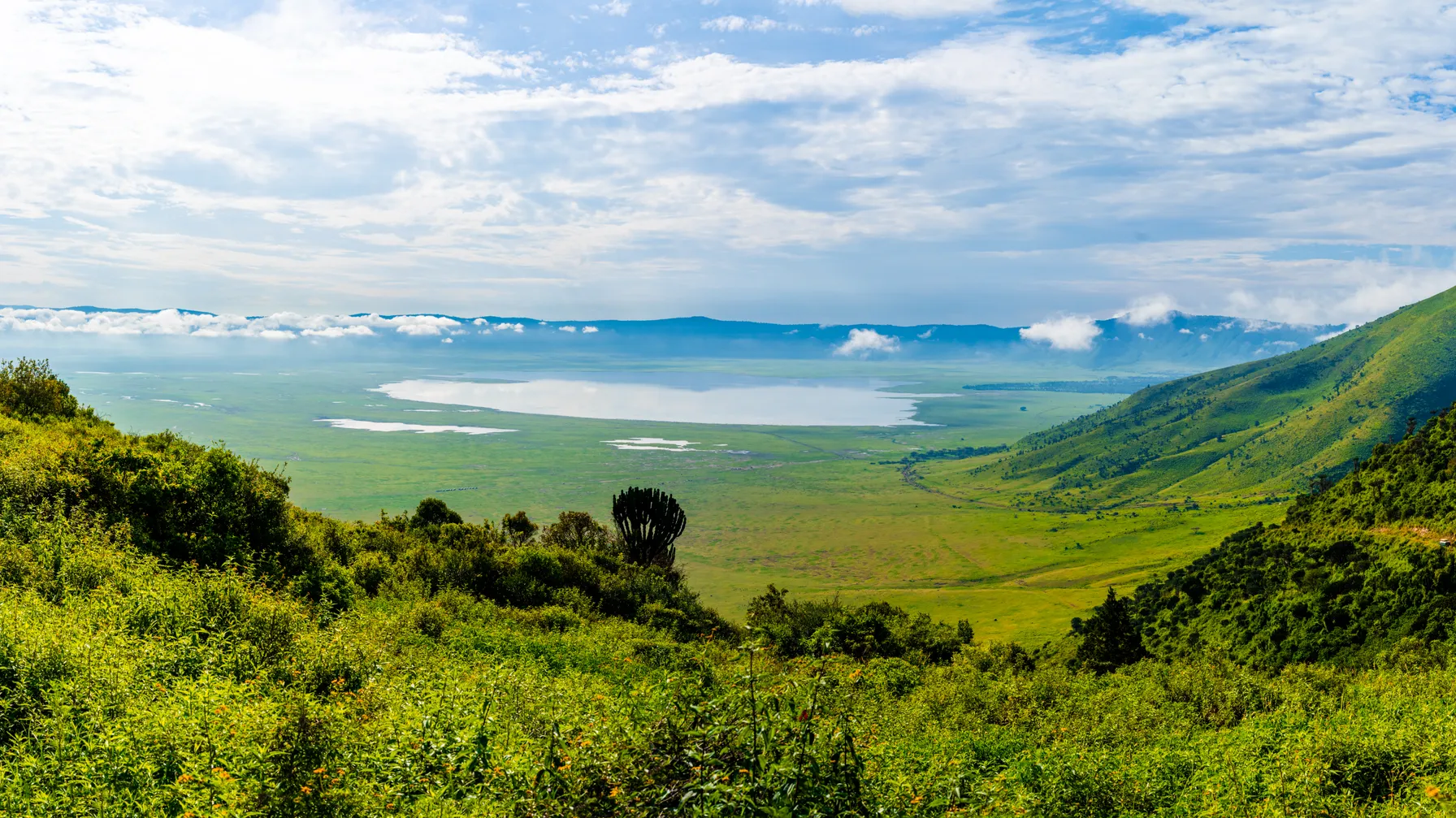
These protected areas have benefited from stringent management for decades. The Ngorongoro Crater, a UNESCO World Heritage site since 1979, forms a caldera 20 kilometers in diameter where more than 25,000 large mammals coexist. This exceptional concentration makes each game drive a richly observational experience.
An Incomparable Wildlife
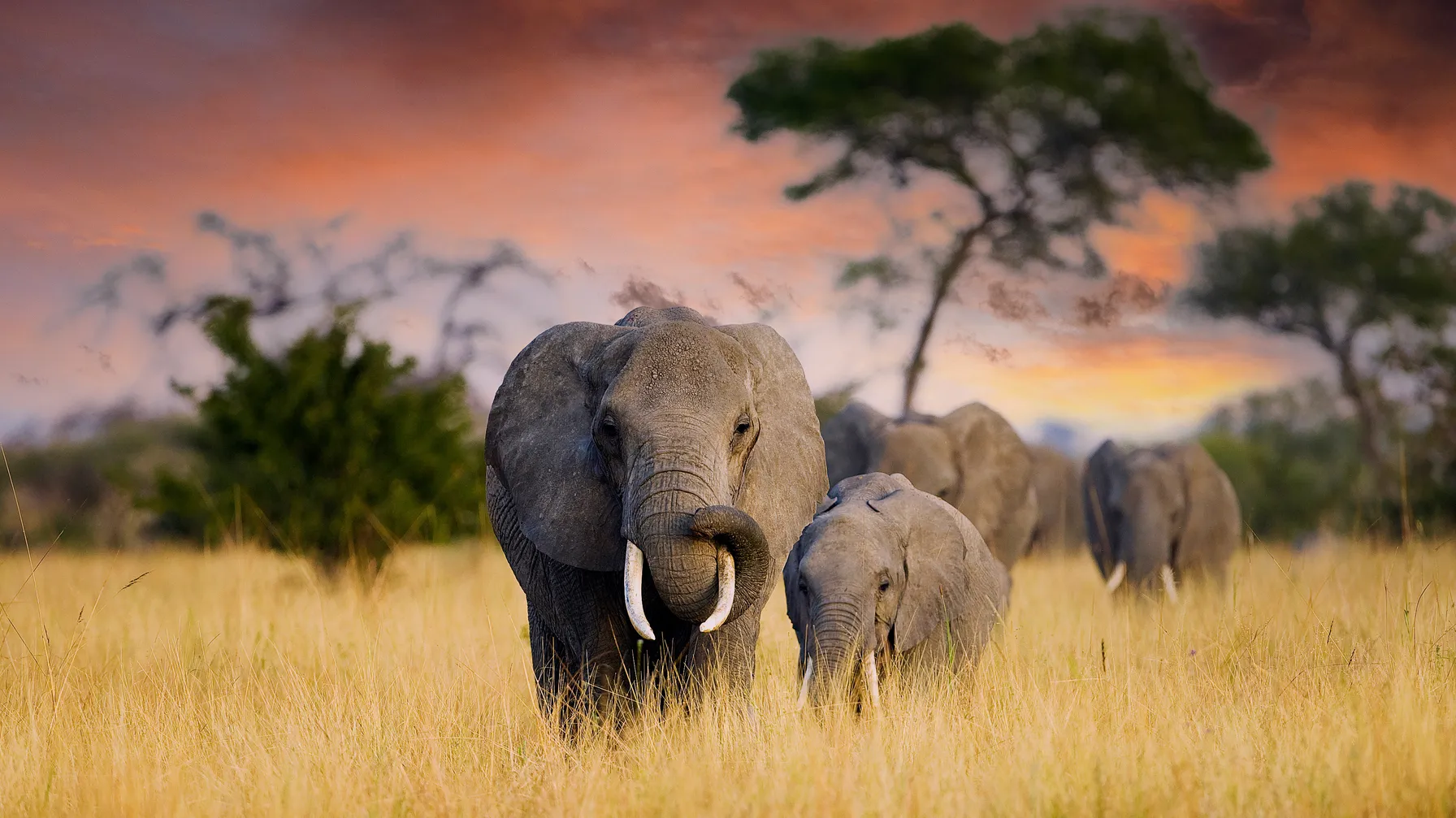
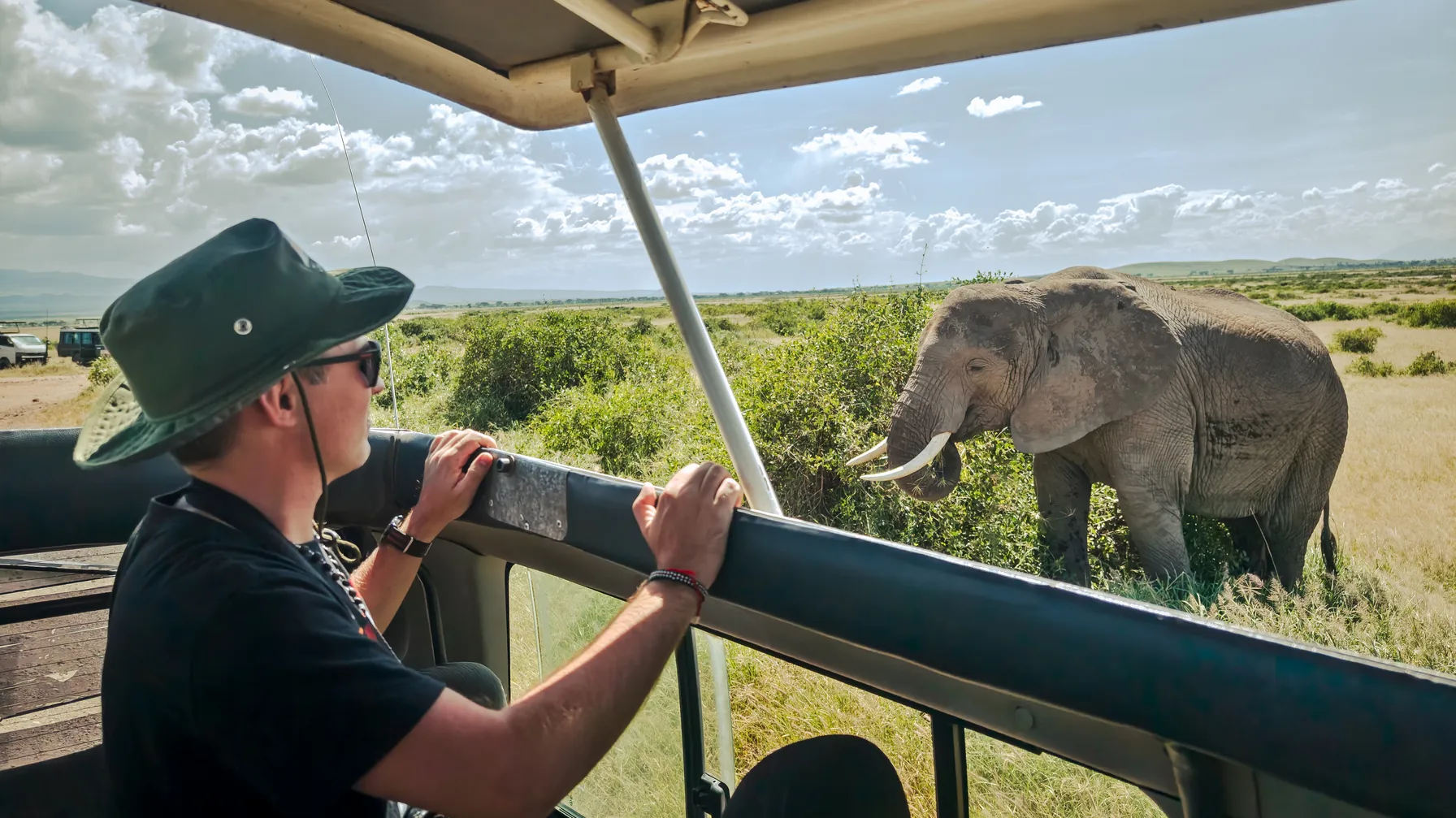
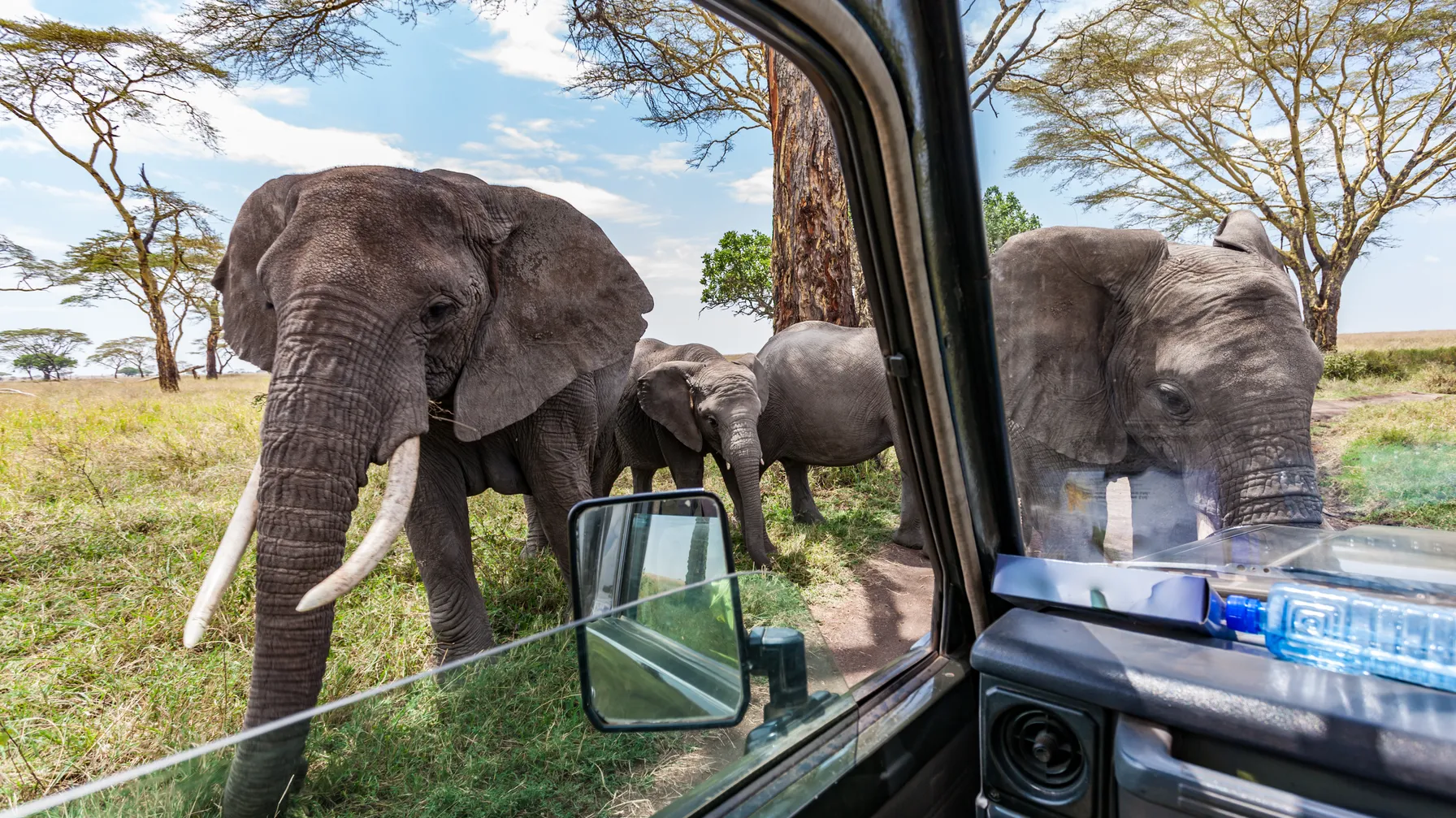
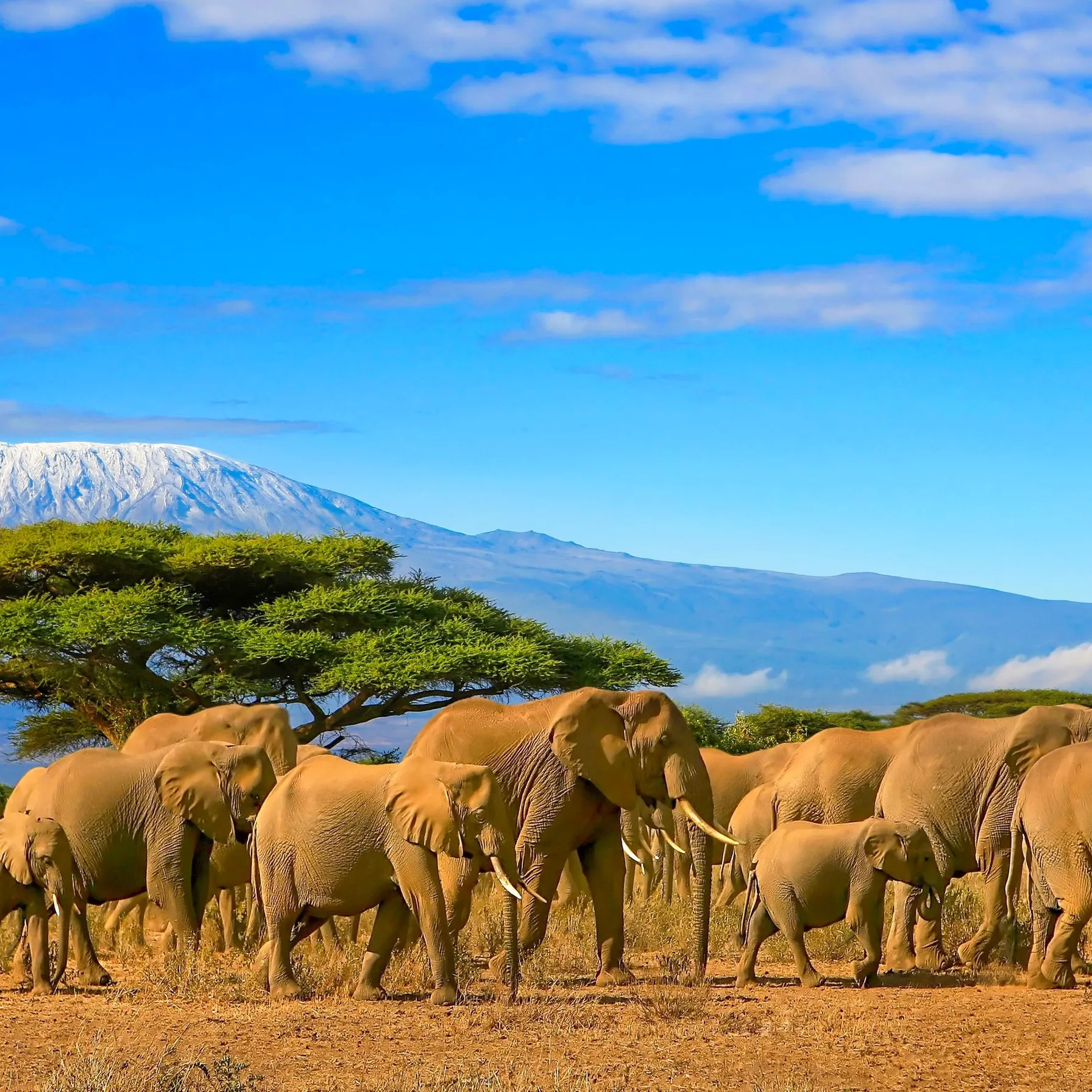
Going to Tanzania offers the possibility to observe the Big Five in their natural habitat. Lions, leopards, elephants, black rhinos, and buffalo roam freely in these vast territories. Beyond these iconic species, you will discover extraordinarily rich fauna: more than 430 species of mammals and 1,100 species of birds inhabit the country.
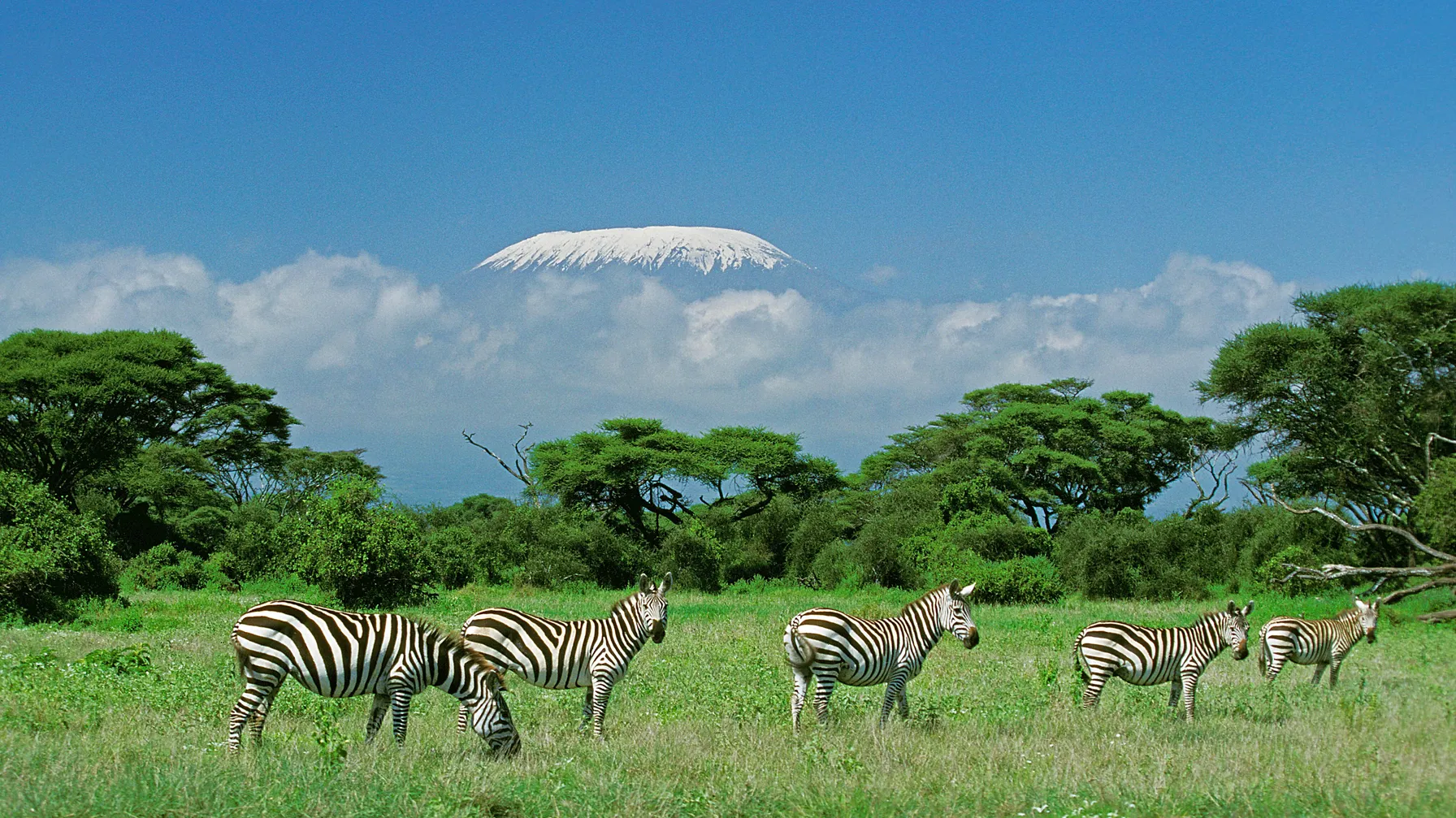
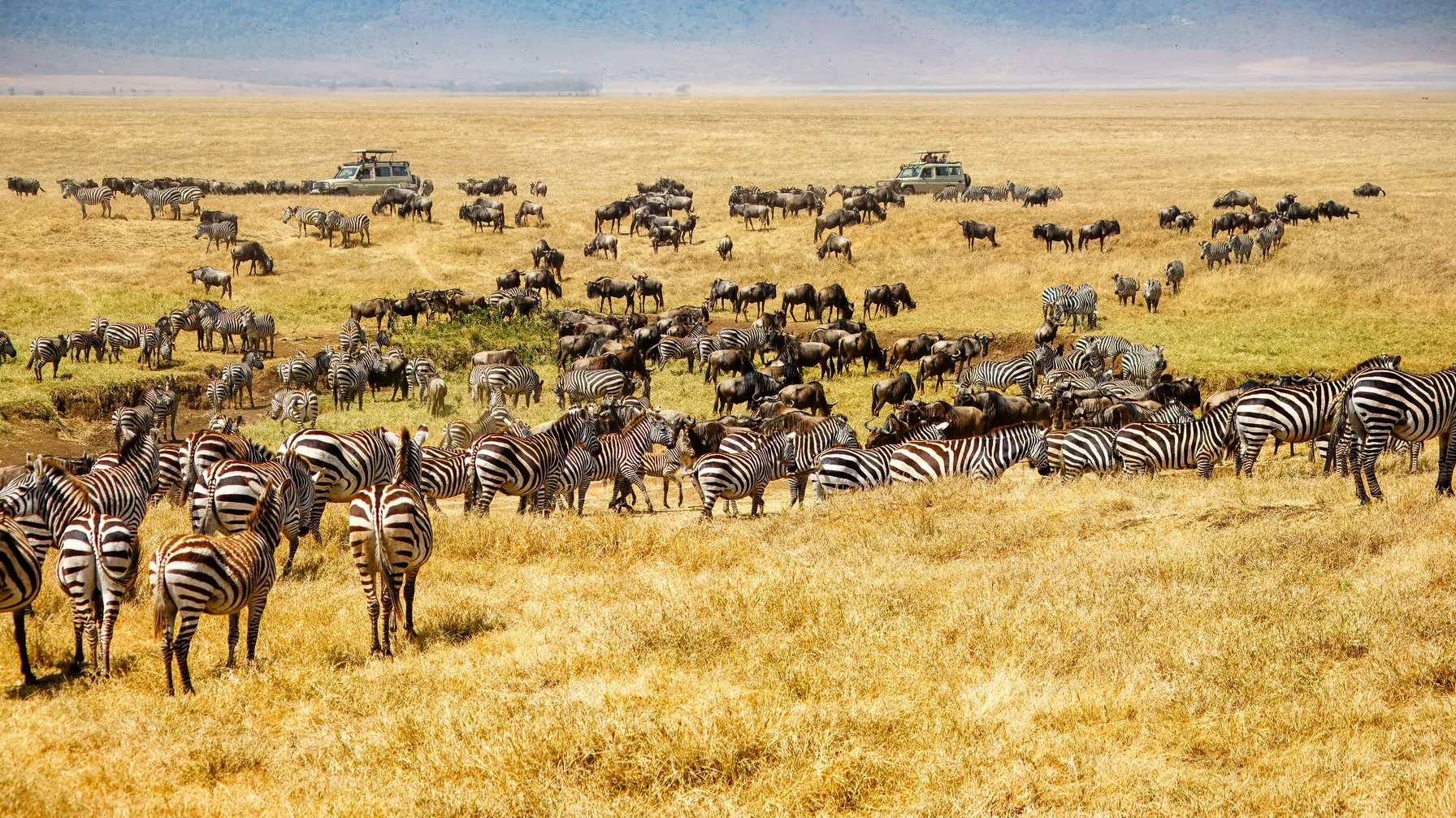
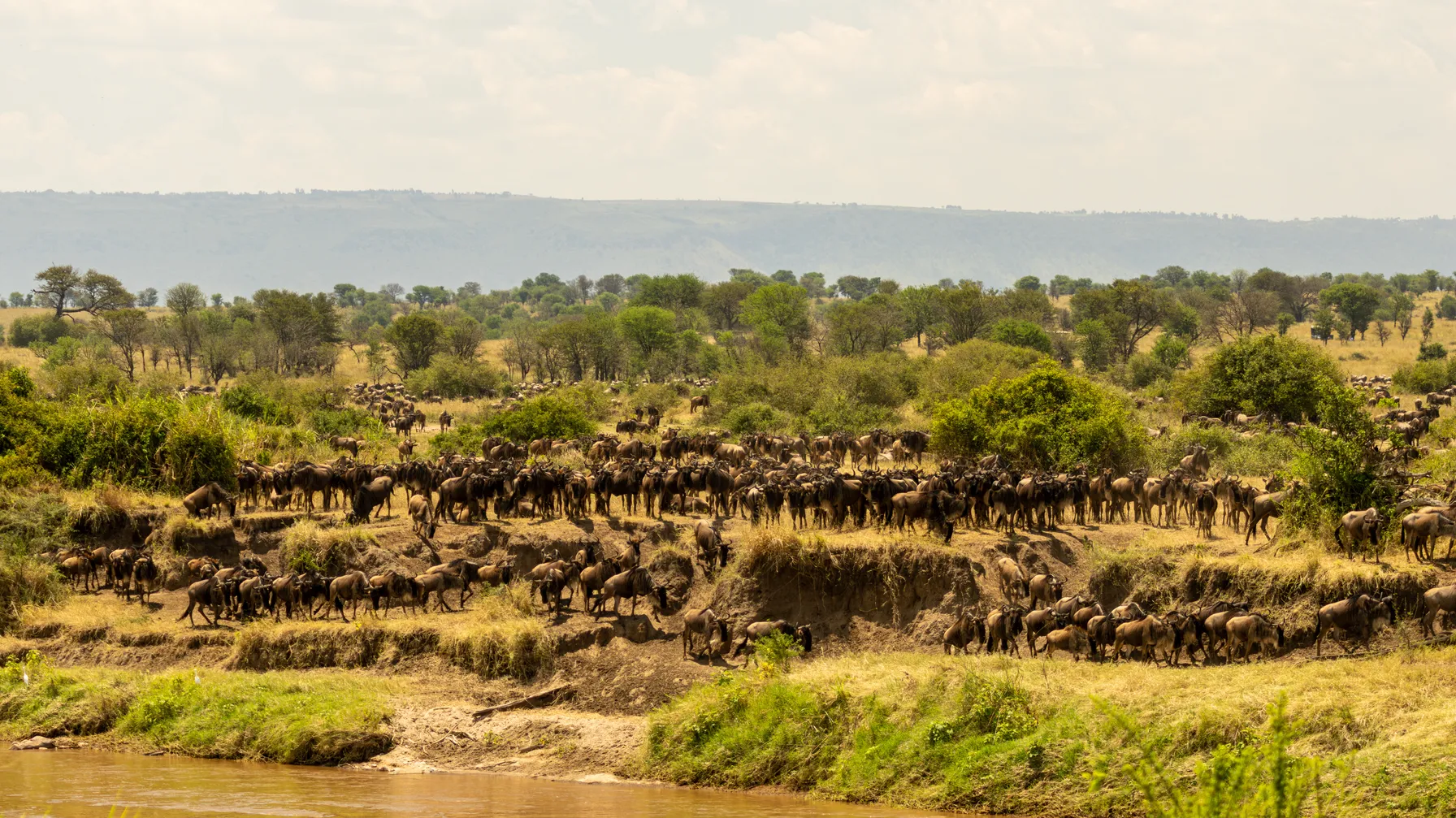
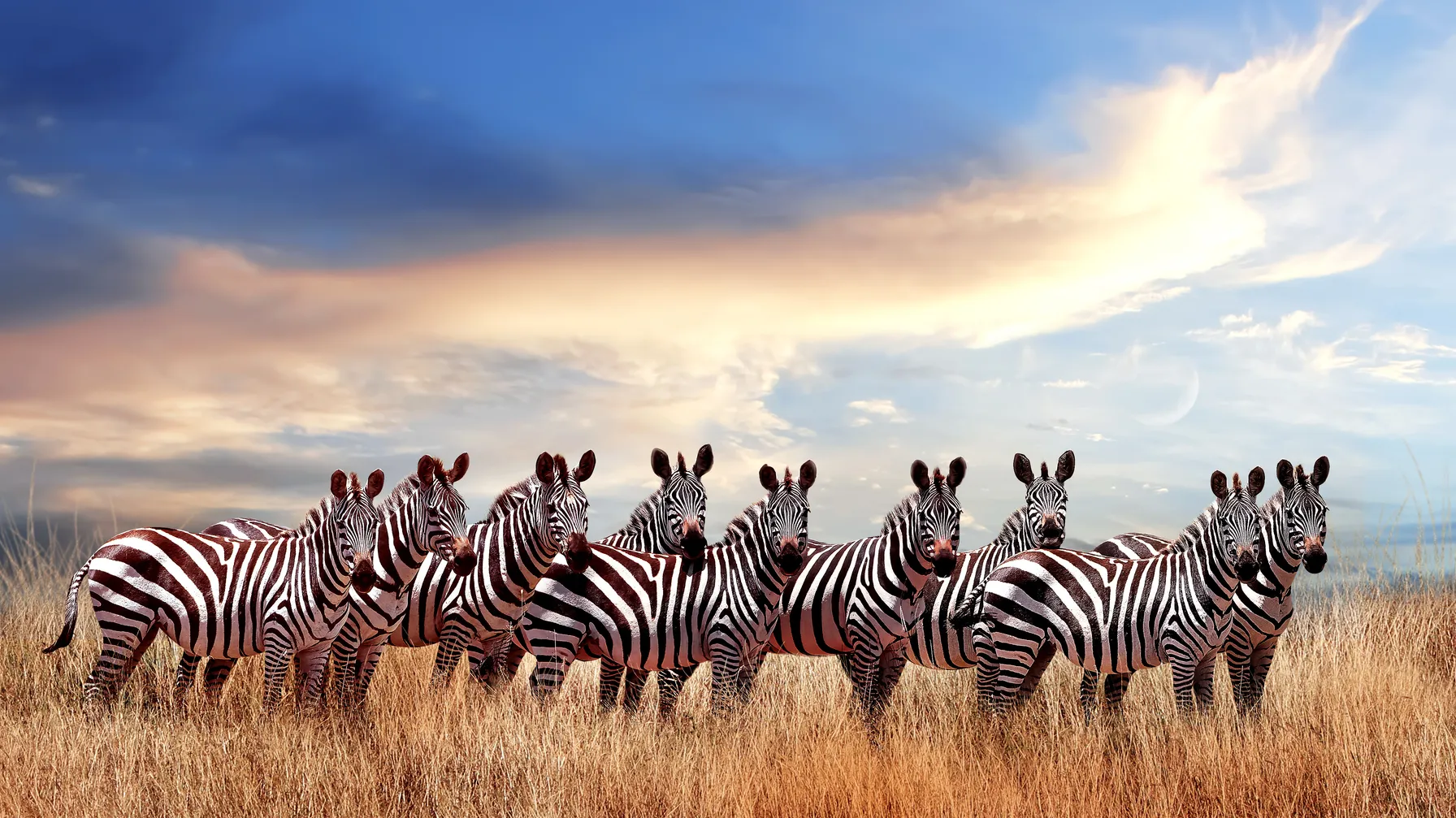
The Great Migration is one of the most magnificent natural spectacles on the planet. Each year, nearly 1.5 million wildebeests, accompanied by 200,000 zebras and 300,000 Thomson's gazelles, traverse a 3,000-kilometer circuit between Tanzania and Kenya. This cyclical phenomenon, driven by the seasons, offers scenes of striking dramatic intensity.
Which parks to discover during your safari trip in Tanzania?
Your tour in Tanzania will allow you to explore national parks with distinct features, each offering unique wildlife observation experiences.
The Serengeti and the Great Migration
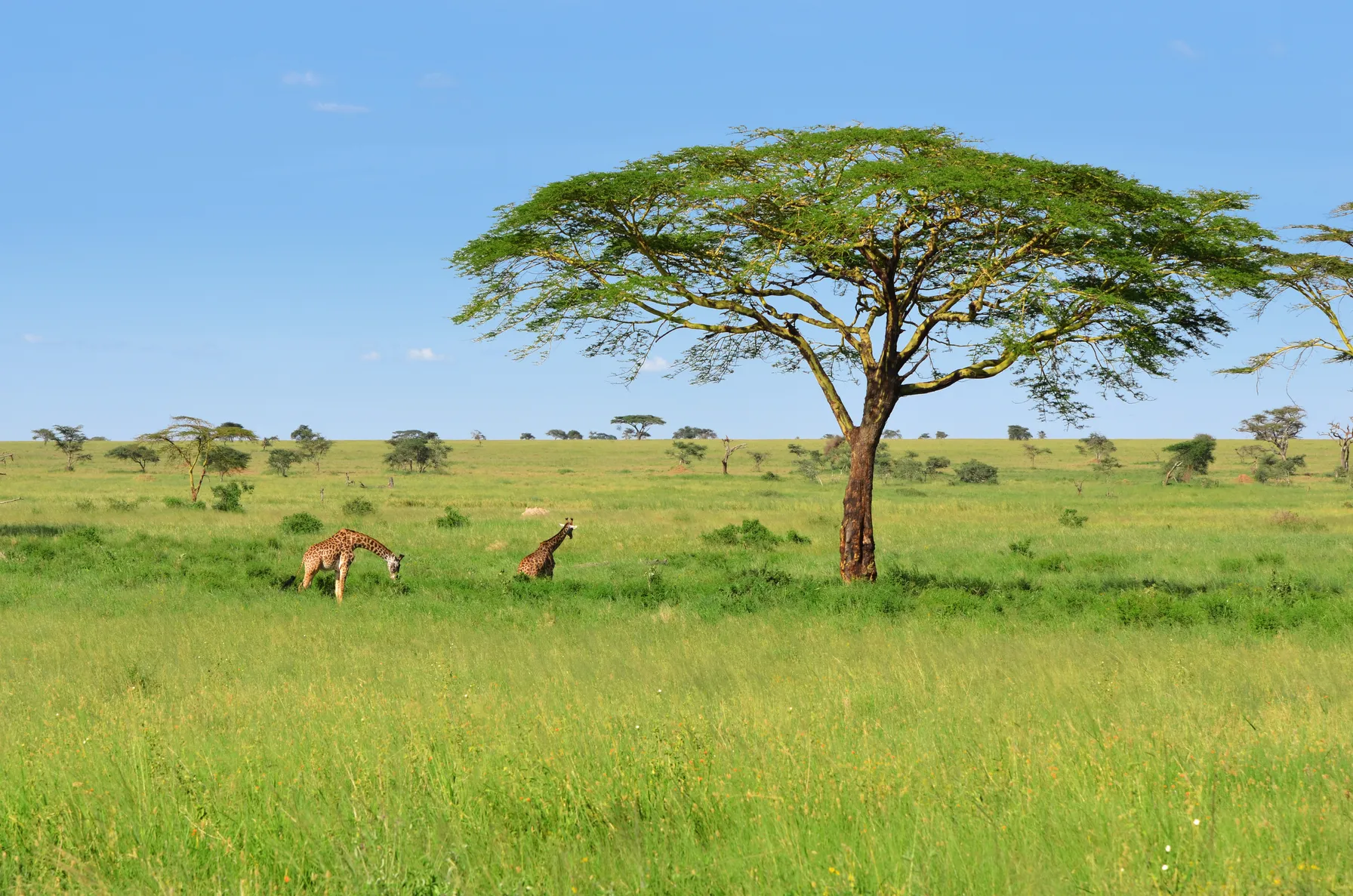
The Serengeti National Park remains essential for any safari in Tanzania. This vast savannah, whose name means "endless plain" in Maasai language, hosts the Great Migration from December to March in its southern part. During this period, the green plains become the stage for thousands of births, transforming the landscape into a vast open-air nursery.
From June to October, the herds move north, crossing the Mara River in spectacular scenes where crocodiles and predators lurk. This cyclical migration deeply influences the Serengeti's ecosystem, creating exceptional observation opportunities throughout the year.
The Ngorongoro Crater
The Ngorongoro Crater forms a unique ecosystem, a true African Noah's Ark. This volcanic caldera, formed 2.5 million years ago, harbors a remarkable density of animals over its 264 km². You can easily observe the Big Five here, notably the critically endangered black rhinos.
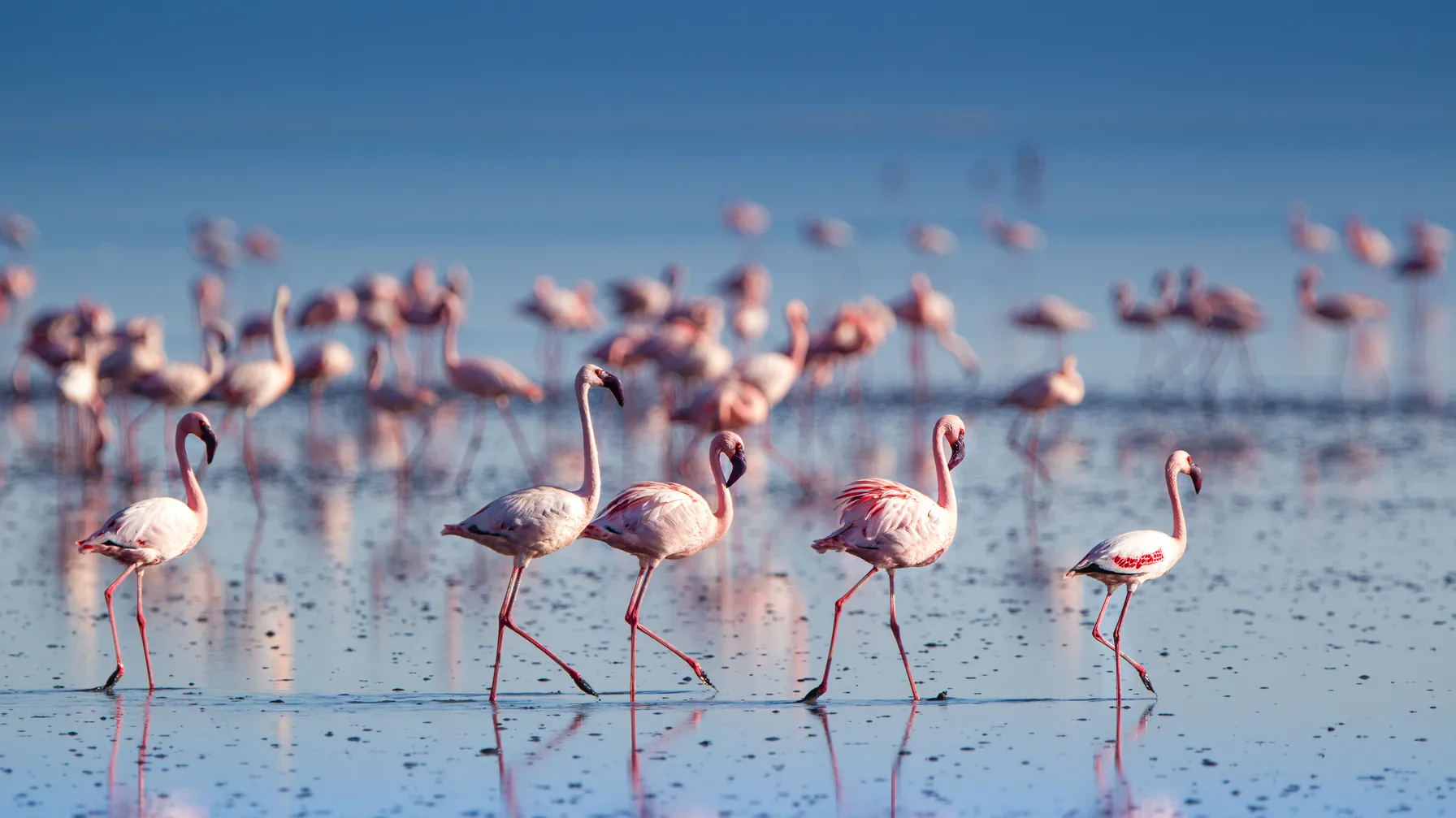
The seasonal lake at the center of the crater attracts thousands of flamingos, creating a strikingly beautiful scene. The perennial grasslands feed large herds of zebras, wildebeests, and gazelles, closely followed by predators.
Other Gems of the Northern Parks
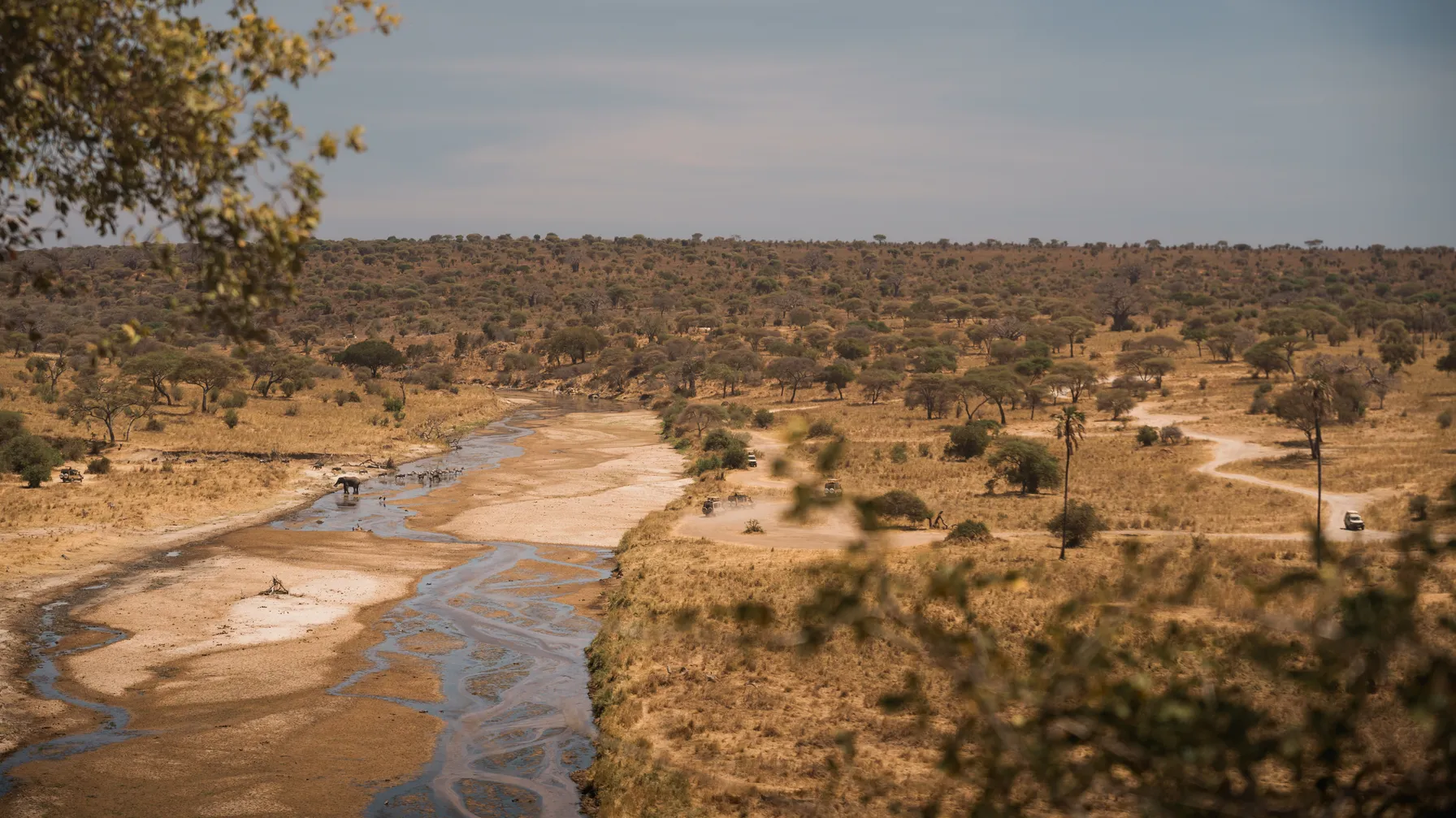
The Tarangire National Park is distinguished by its centuries-old baobabs and one of the largest elephant populations in East Africa. During the dry season, from June to October, more than 3,000 elephants converge towards the Tarangire River, offering unforgettable observation scenes.
Lake Manyara surprises with its diversity of habitats concentrated over 330 km². Its tree-climbing lions, a rare phenomenon in Africa, have intrigued scientists for decades. The lake also attracts an exceptional avifauna with over 400 species of birds recorded.
Further north, Lake Natron offers a unique lunar landscape. This saline lake, rich in sodium carbonate, serves as the main breeding site for East Africa's lesser flamingos. Between June and November, more than a million of these birds come to nest.
How to organize your tailor-made safari stay in Tanzania?
Planning a trip to Tanzania requires meticulous planning to optimize your observation opportunities and comfort during the stay.
Choosing the Right Season
Tanzania enjoys a tropical climate tempered by altitude. Two main seasons dictate the year: the dry season and the rainy season. Understanding these climatic cycles will allow you to make optimal observations in Tanzania according to your interests.
| Period |
Climate |
Advantages |
Disadvantages |
| December to March |
Hot dry season |
Births, greenery, fewer tourists |
High temperatures |
| June to October |
Cool dry season |
Optimal conditions, Great Migration north |
High tourist presence |
| April-May |
Rainy season |
Lush landscapes, attractive rates |
Difficult tracks, scattered animals |
The period from June to October remains the most popular for a safari in Tanzania. Favorable climatic conditions and the animal concentration around water points guarantee excellent observations. However, this popularity results in significant tourist presence and higher rates.
Customizing Your Itinerary
Our Travel Planners design your trip tailored to your aspirations and constraints. A 7-day safari allows you to discover the essential northern parks, while a 10 to 14-day stay offers a more comprehensive immersion.
Accommodation significantly influenc...