Tanzania in March: discover this destination during the rainy season
What climate awaits you in Tanzania in March?
March immerses Tanzania in the heart of its great rainy season, creating particular climate conditions that you must anticipate to plan your customized trip. < / p>
Temperatures and Rainfall: What You Need to Know
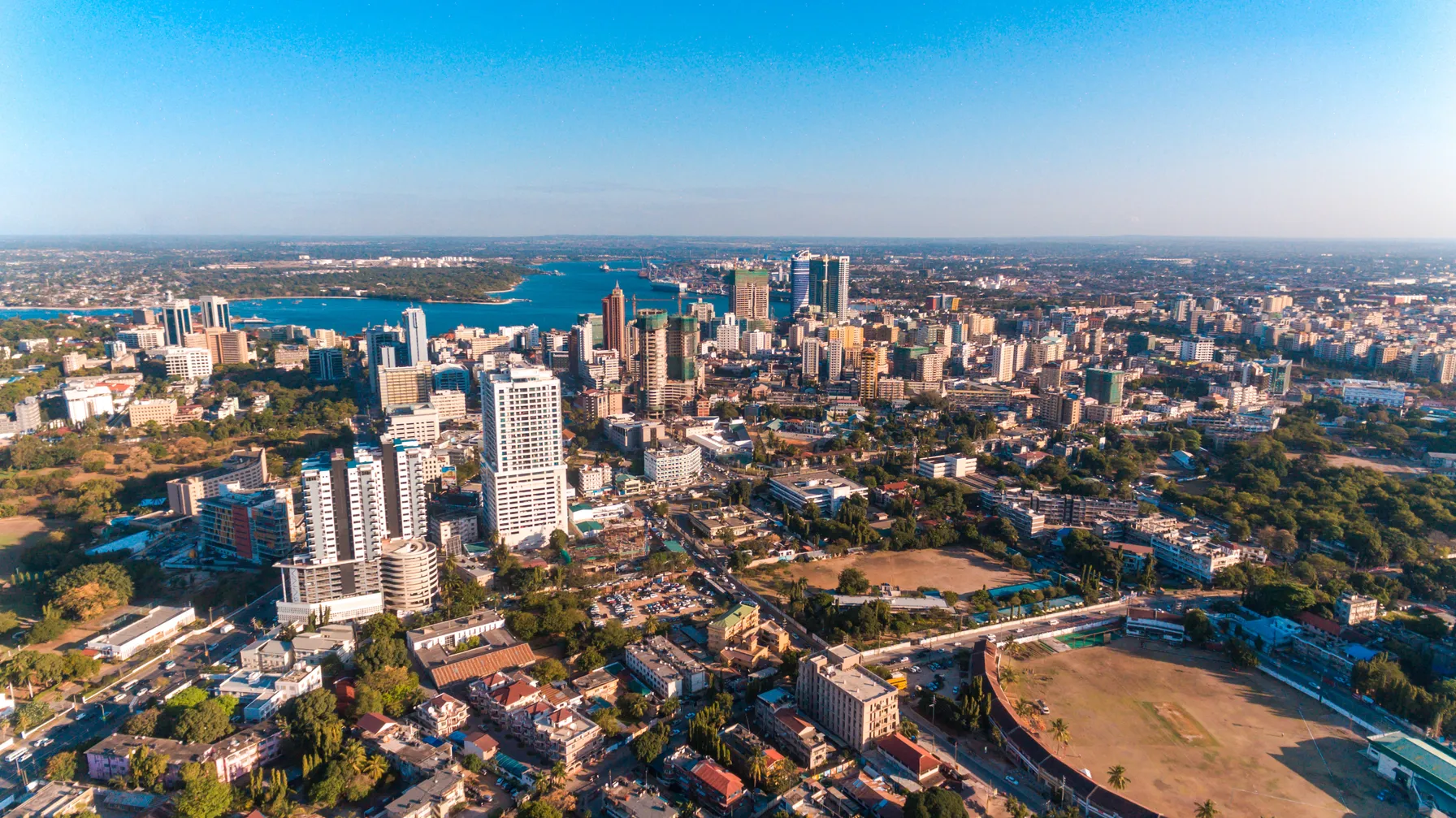
In Tanzania, March is characterized by a humid tropical climate with high temperatures and heavy rainfall. Daytime temperatures reach highs between 30 and 32°C on the coast, while the nights remain warm with lows around 24 to 25°C. This persistent heat is accompanied by a particularly high humidity level, often exceeding 80%, which can create a feeling of discomfort for some travelers. < / p>
The precipitation reaches its peak during this period, with monthly accumulations that can exceed 130 mm in coastal areas like Dar es Salaam. These rains typically occur as intense but relatively short tropical showers, often in the late afternoon or evening. Despite these rainy episodes, you will still enjoy 6 to 7 hours of sunshine daily, allowing for many sunny moments. < / p>
Contact our travel specialists to customize your stay according to weather conditions.
Climate variations according to regions
Tanzanian geography significantly influences the weather conditions you will encounter depending on your itinerary. In high-altitude regions like the Ngorongoro Crater or the northern highlands, temperatures are milder with maximums of 25 to 27°C during the day and minimums that can drop to 15°C at night. This nighttime coolness might even surprise you if you have not planned appropriate clothing.
The coast and the Zanzibar archipelago are fully influenced by the equatorial climate, with consistently high temperatures and stifling humidity. The northern parks like the Serengeti experience intermediate conditions, while the southern parks benefit from a slightly drier microclimate, making safaris more comfortable.
Here's an overview of the climate conditions by region in March:
| Region | Min Temp (°C) | Max Temp (°C) | Precipitation (mm) | Humidity (%) |
|---|---|---|---|---|
| Dar es Salaam | 24 | 32 | 130 | 85 |
| Arusha | 15 | 28 | 80 | 70 |
| Serengeti | 18 | 29 | 90 | 75 |
| Zanzibar | 25 | 32 | 120 | 80 |
| Ngorongoro | 12 | 25 | 70 | 75 |
Why choose Tanzania in March despite the rainy season?
Although March is not among the traditionally recommended best times to travel to Tanzania, this month has particular advantages that will appeal to travelers seeking authentic experiences.
The great wildebeest migration: an exceptional natural spectacle
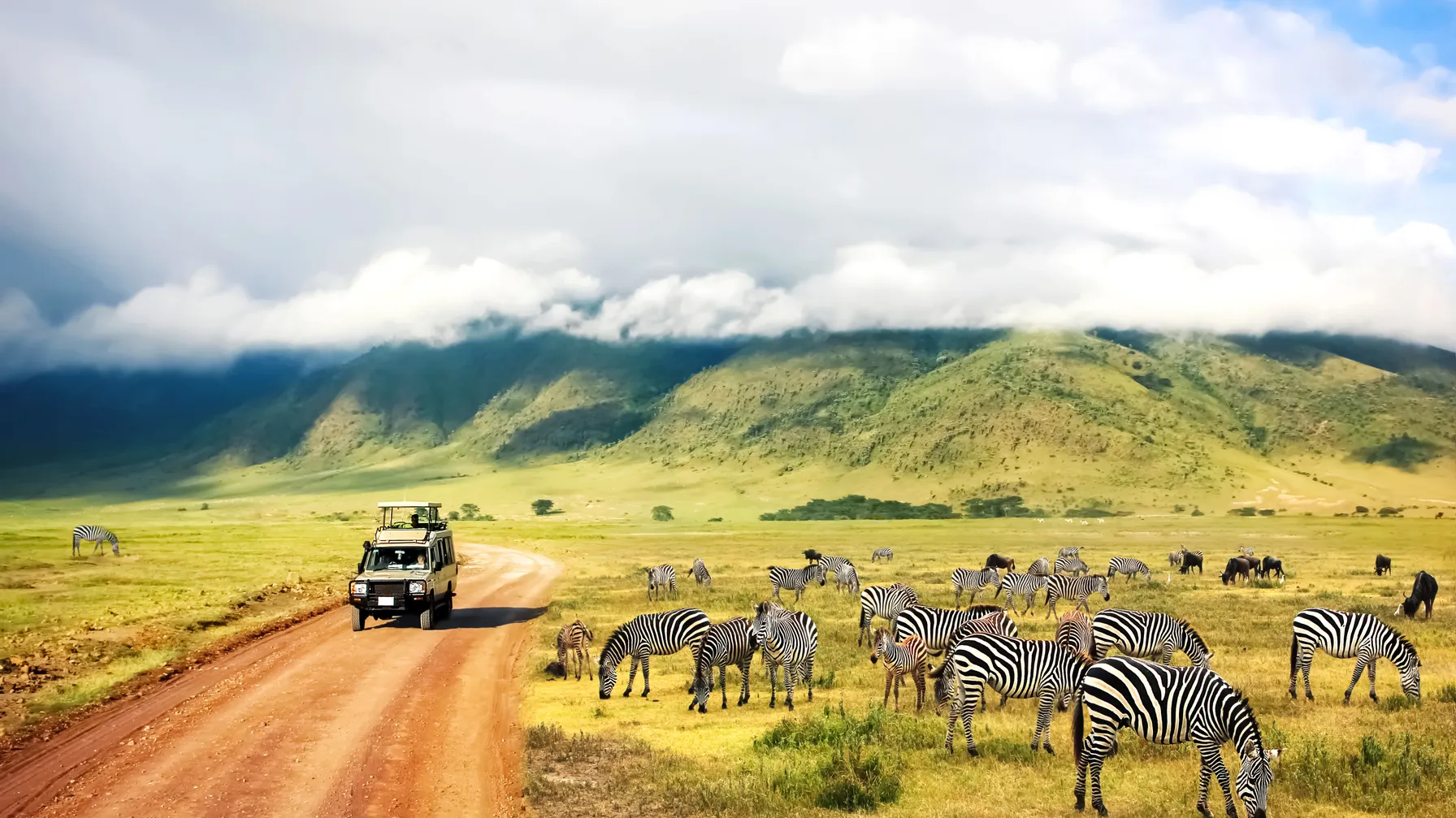
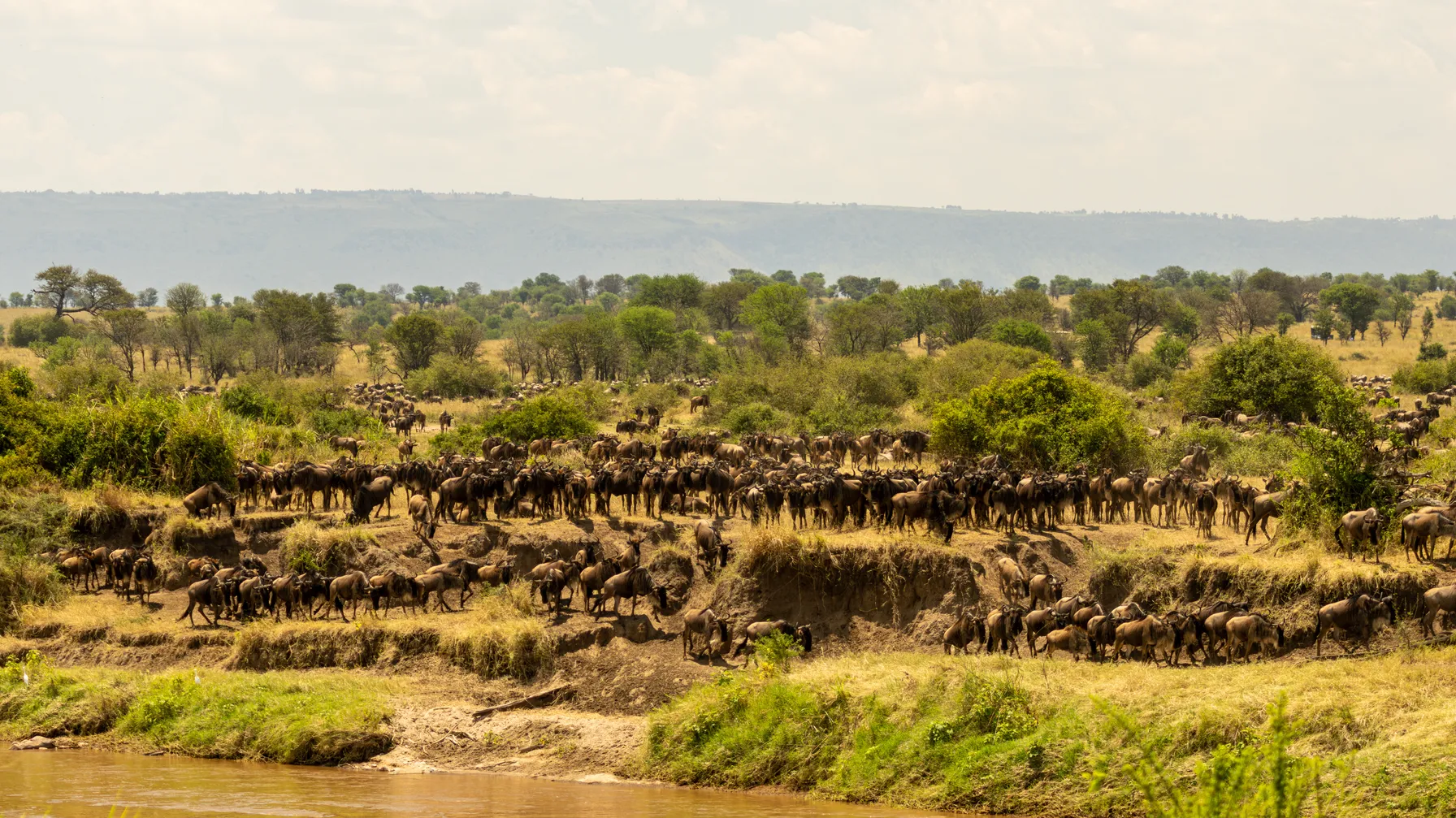
March provides a unique opportunity to witness one of the most spectacular phenomena in the animal kingdom: the calving period of the wildebeest migration. In the southern part of the Serengeti National Park and the Ndutu area, hundreds of thousands of females give birth to their young, creating a striking spectacle. This exceptional concentration of animals naturally attracts numerous predators, offering unforgettable hunting scenes for wildlife photography enthusiasts.
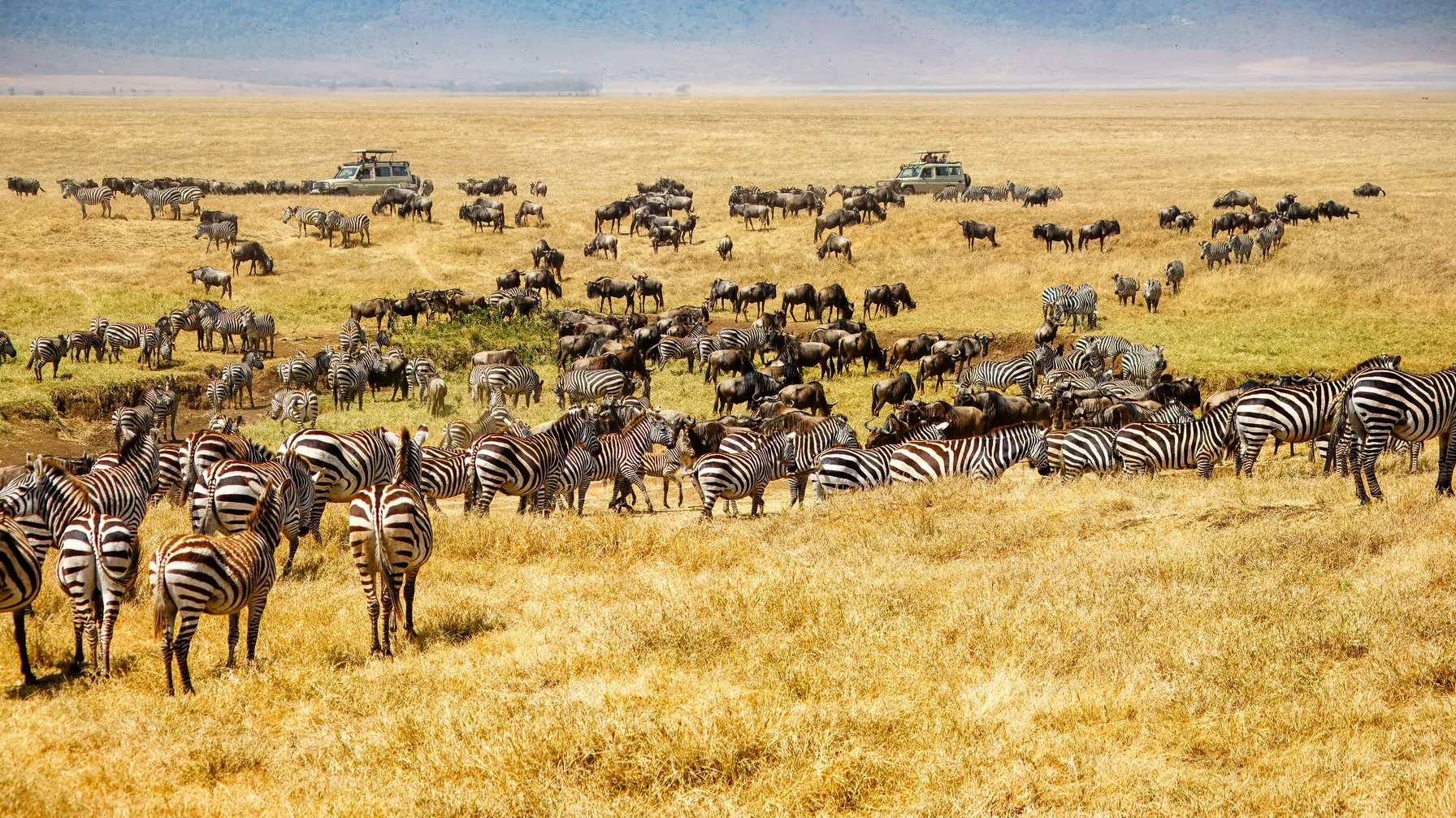
The particular conditions of this season also transform the behavior of the wildlife. Animals gather near permanent water points, making them easier to observe during your safaris. This natural concentration greatly compensates for the few inconveniences related to climatic conditions.
Advantageous rates and less crowding
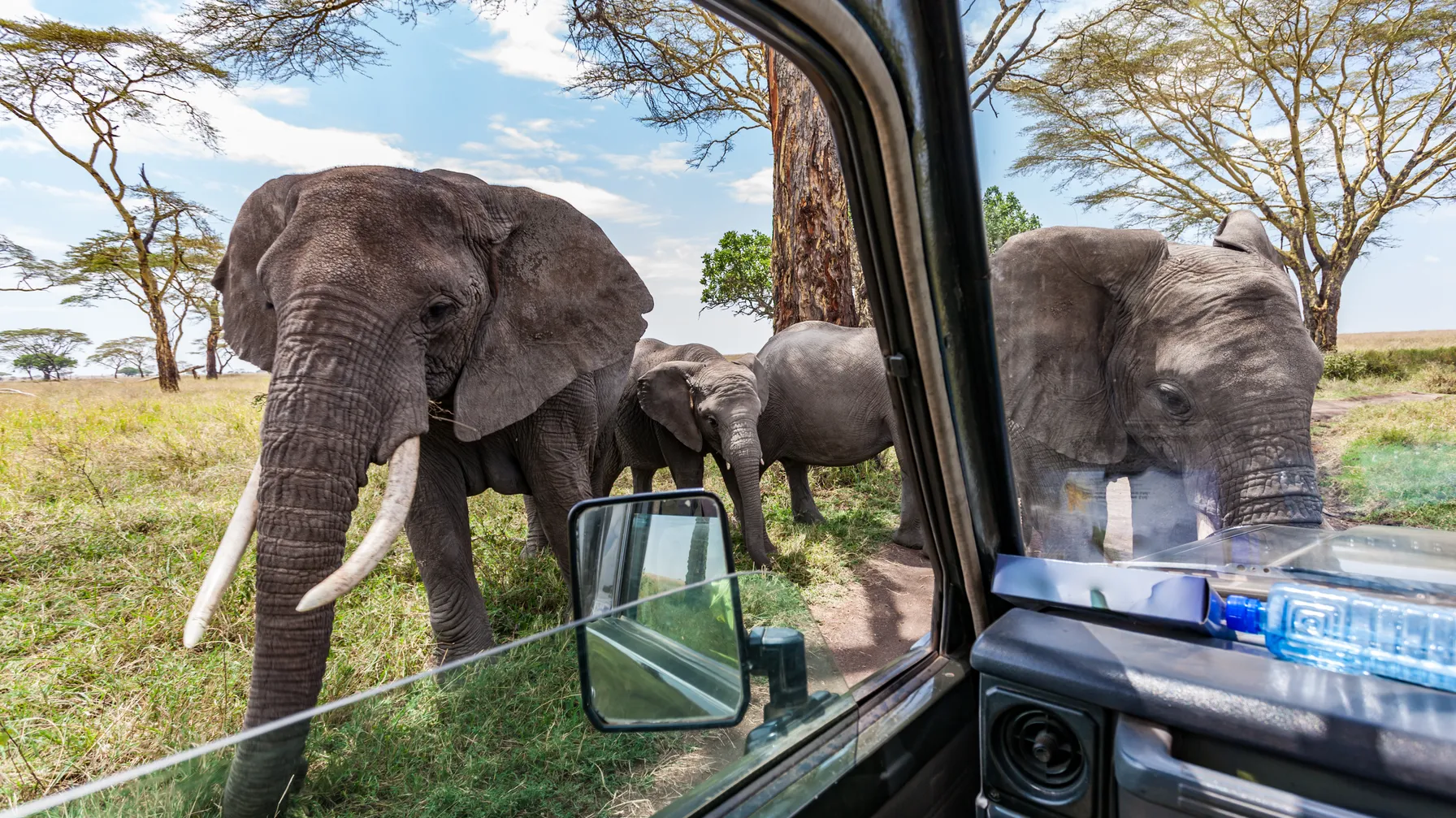
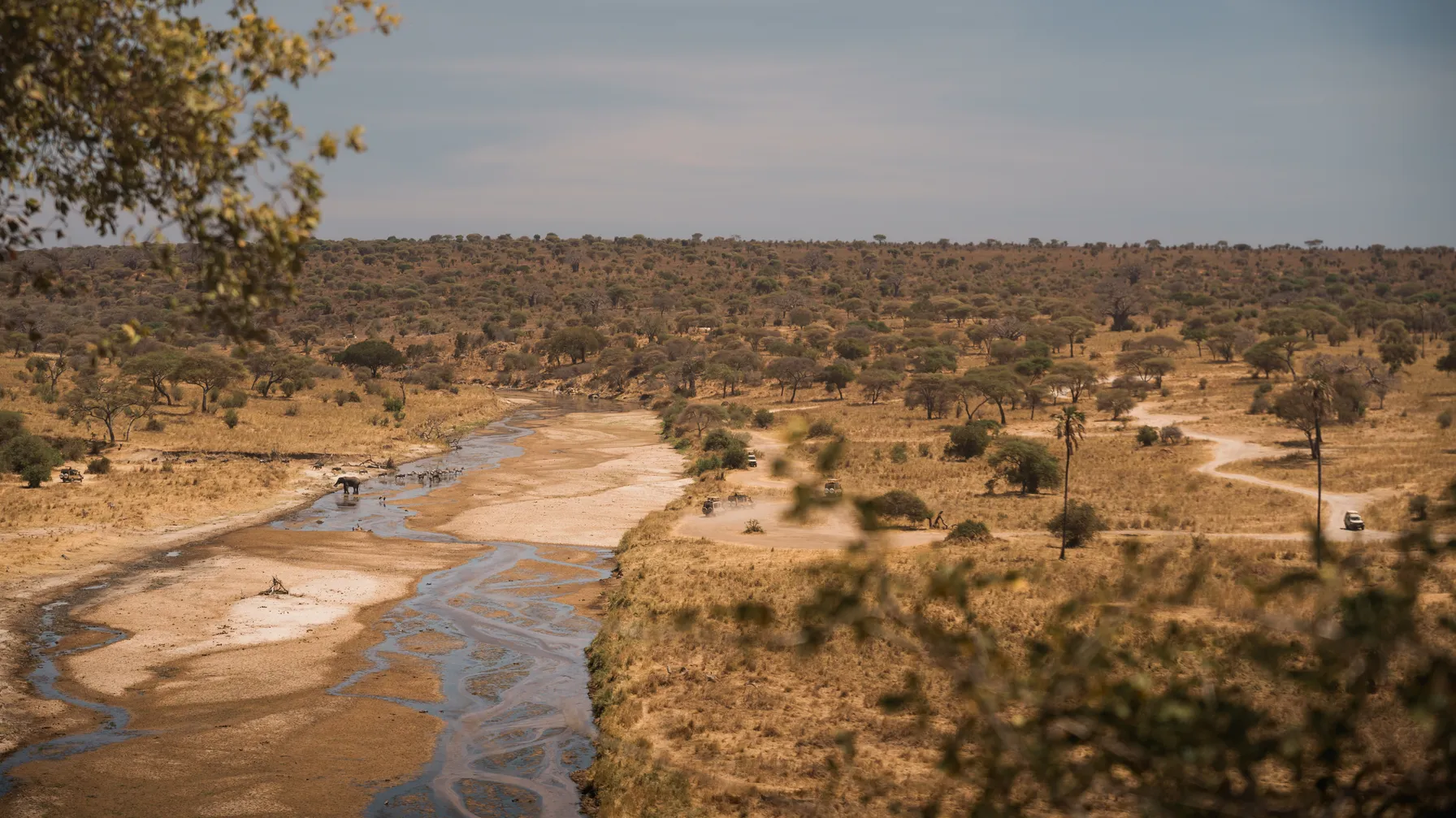
Traveling to Tanzania during the low tourist season offers significant economic advantages. Accommodations offer reduced rates that can represent up to 30% savings compared to the high season. This period also allows you to enjoy a more intimate experience in the national parks, with far fewer safari vehicles and a rare tranquility for observing wildlife.
This reduced influx is particularly appreciated at iconic sites like the Ngorongoro crater, often saturated during the two dry seasons. Your guides can thus take more time to share their knowledge and tailor the itinerary according to your specific interests.
Request a personalized quote to take advantage of the low season rates.
Demandez votre devis United Republic Of Tanzania sur-mesure 100% gratuit
 4.8
4.8+3.000 travelers satisfied
A lush and verdant nature
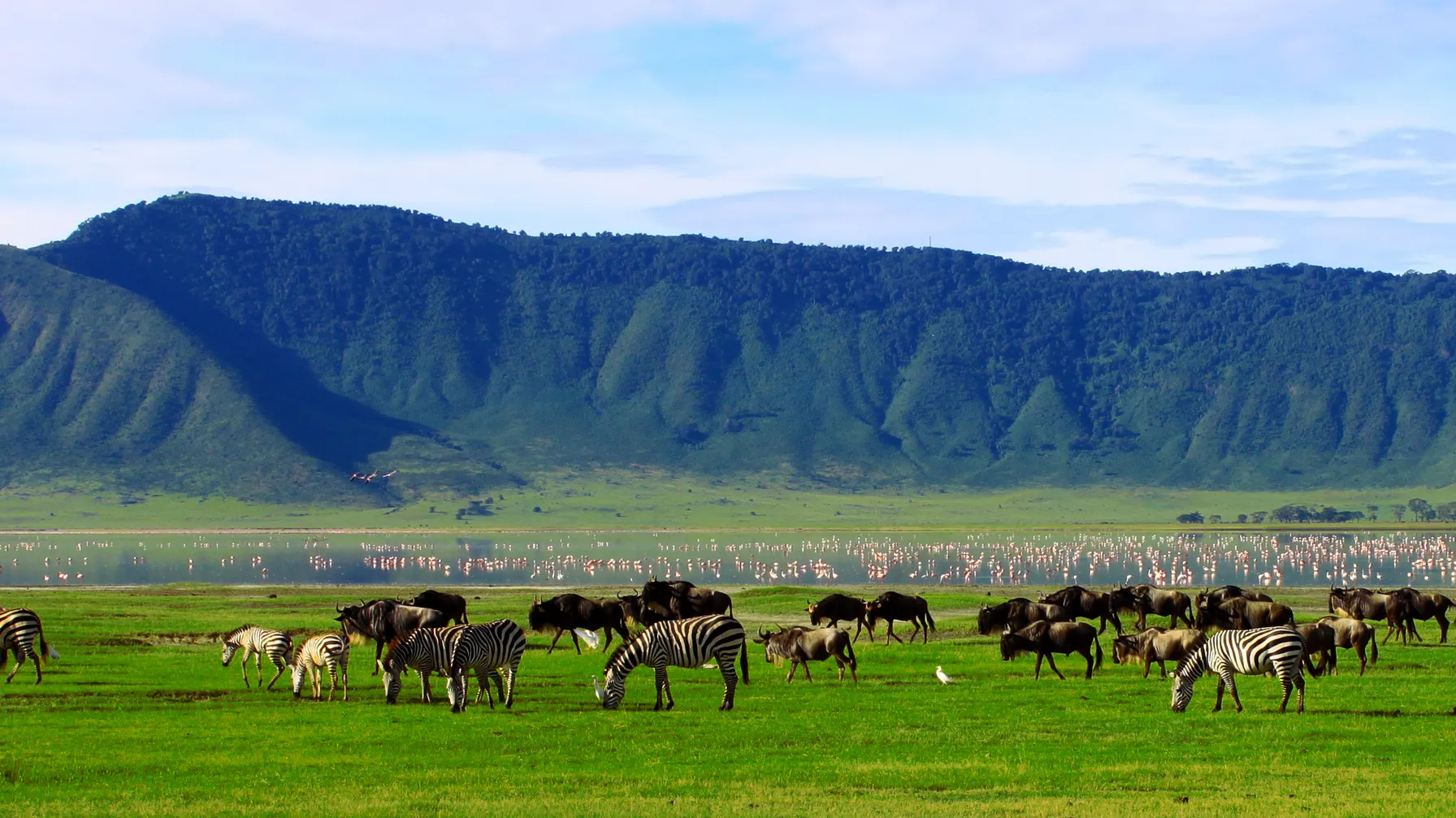
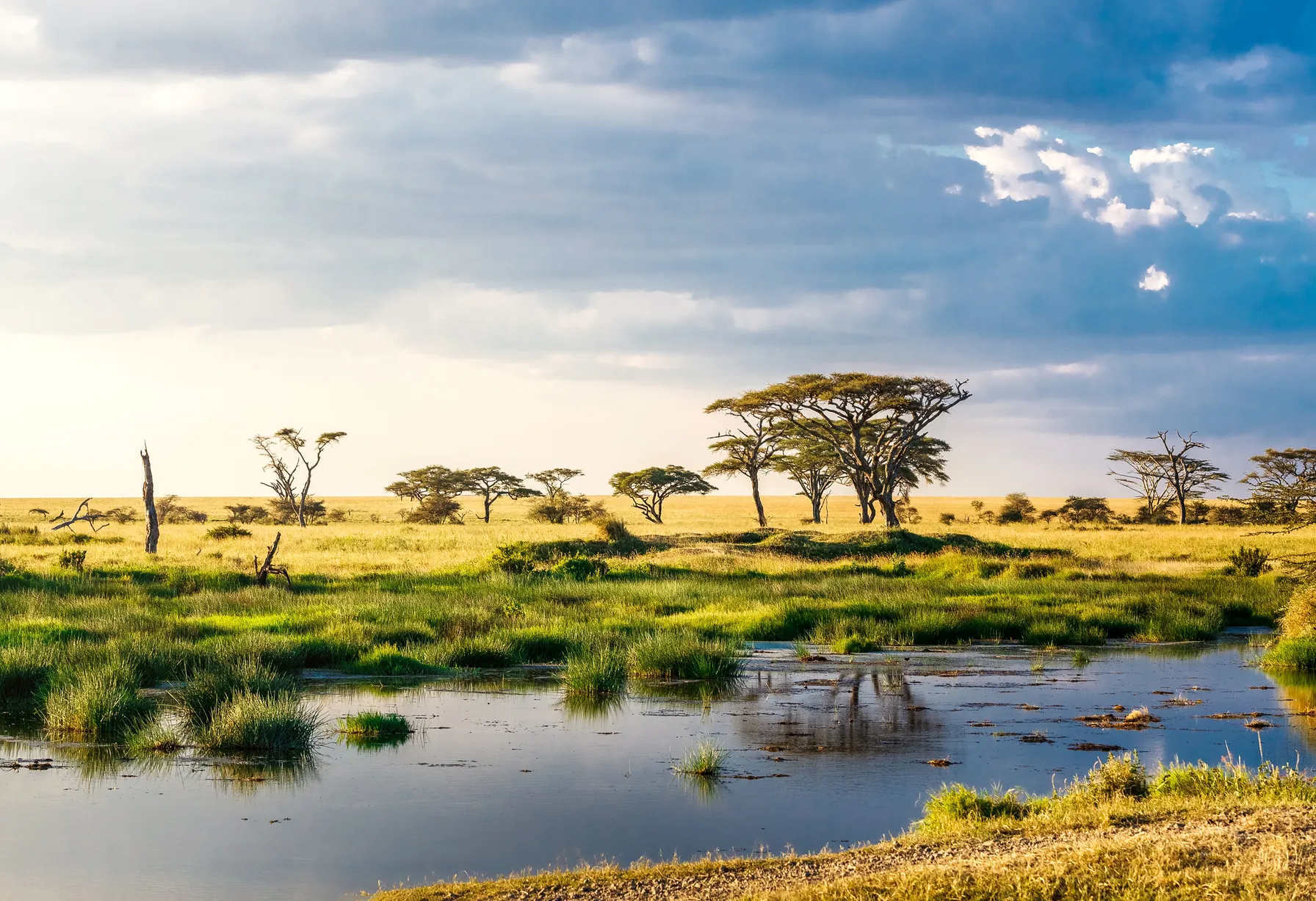
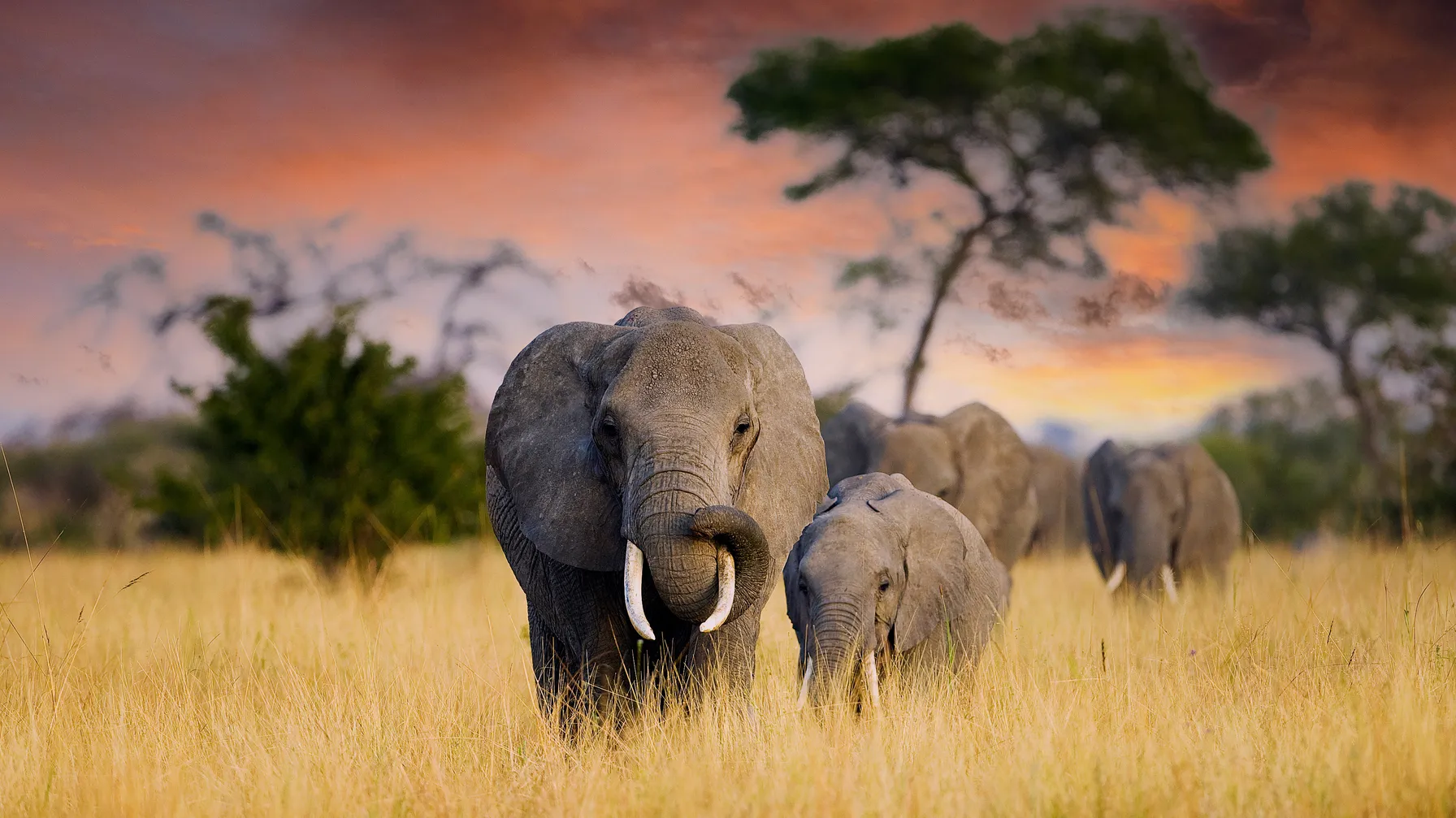
The rainy season in Tanzania dramatically transforms the landscapes, creating a unique atmosphere you won't find at any other time of the year. The vegetation bursts with vitality, acacias are adorned with lush foliage, and the usually arid plains are covered with a brilliant green grassy carpet. This metamorphosis offers exceptional photographic conditions, with striking contrasts between the dramatic sky and fertile land.
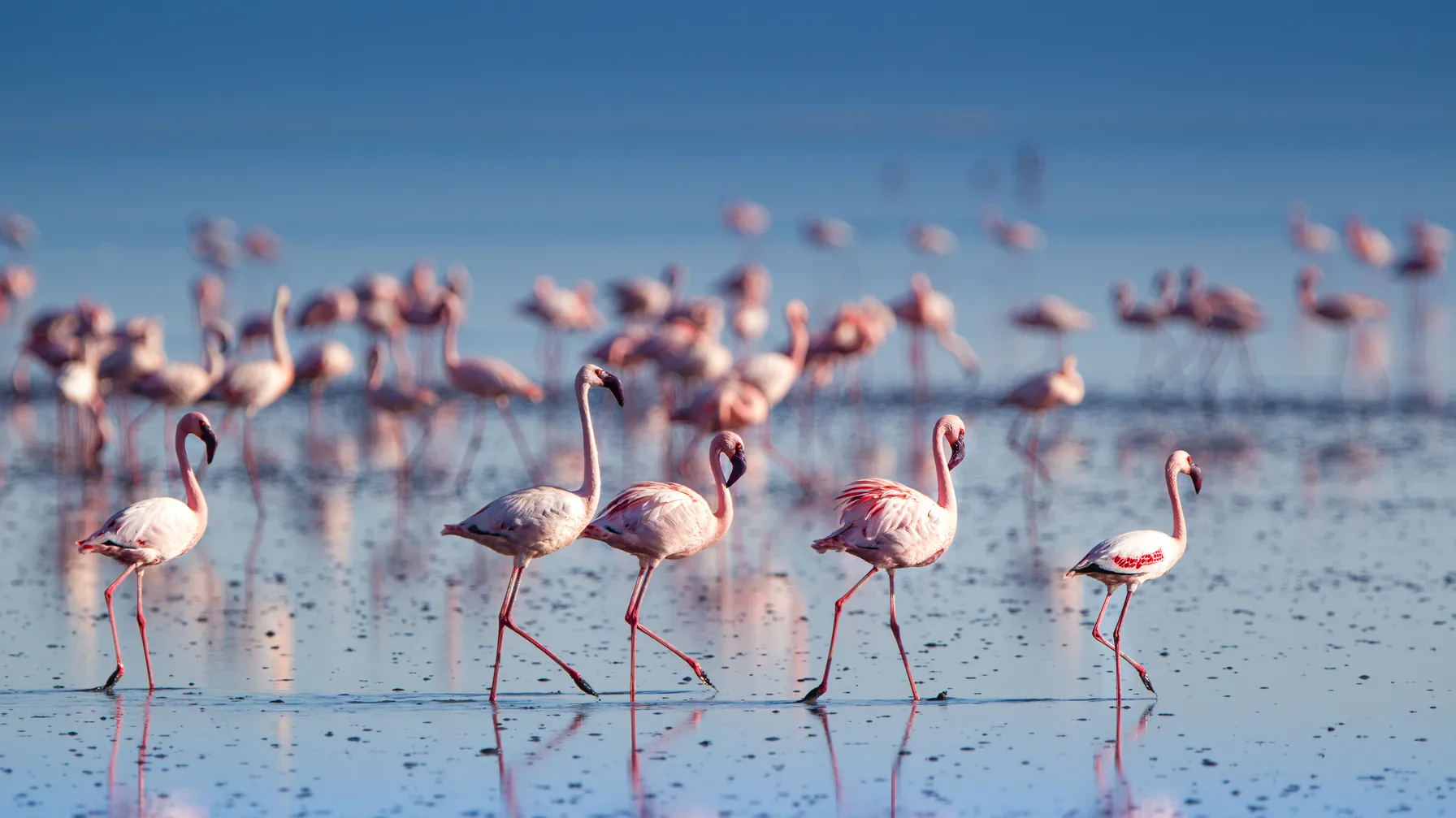
Waterfalls regain their power, temporary lakes fill up and attract a spectacular migratory bird population. Over 500 bird species take advantage of this abundance to nest, creating a true ornithological festival for enthusiasts.
What activities to prioritize during your stay in March?
Adapting your activity program to the climatic specifics of March will allow you to make the most of your trip to Tanzania, despite the challenges posed by the rainy season.
Safaris and wildlife watching adapted to the season
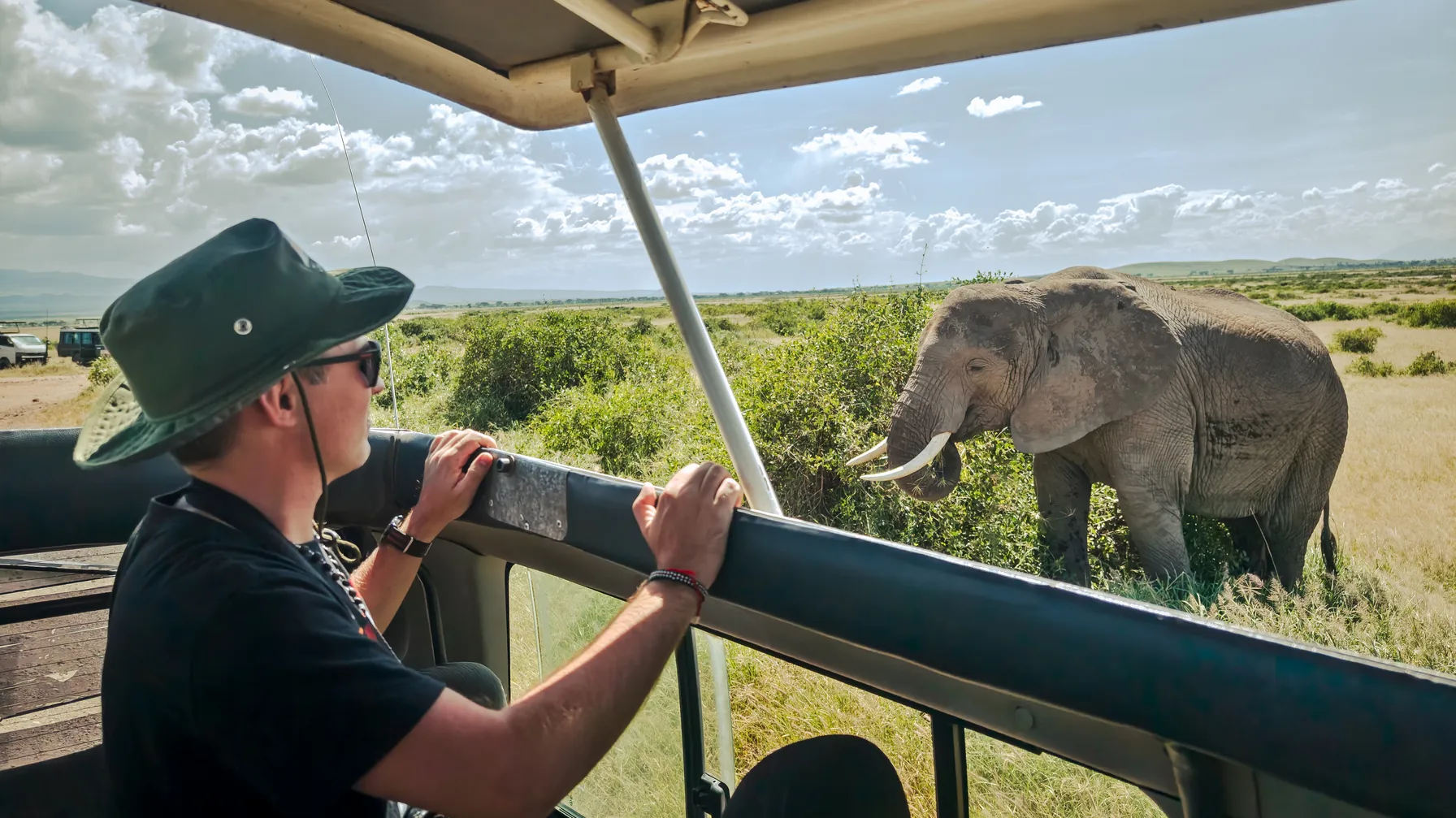
A safari in Tanzania during March requires a different but equally rewarding approach. Mornings generally offer the best conditions, with a often clear sky and still bearable temperatures. Schedule your outings early to maximize your observation chances and avoid the afternoon showers.
Experienced guides know how to adapt the routes according to the weather conditions, favoring areas less exposed to bad weather and sectors where wildlife naturally concentrates. This flexibility is an integral part of the experience and often allows the discovery of unknown aspects of the national parks.
Exploring iconic national parks
The Serengeti National Park reveals a particular facet in March, with its vast green expanses contrasting with the usual image of the golden plains. The Ndutu area becomes the stage for the wildebeest migration, offering exceptional observation opportunities despite the challenging weather conditions.
The Ngorongoro Crater benefits from a milder microclimate thanks to its altitude, making descents into the caldera particularly pleasant in the morning. Less frequented parks like Tarangire or the southern parks also offer excellent alternatives, with reduced tourist density allowing for a more authentic immersion.
Create your tailor-made trip with our expert advisers to optimize your itinerary.
Zanzibar between tropical showers and sunny moments
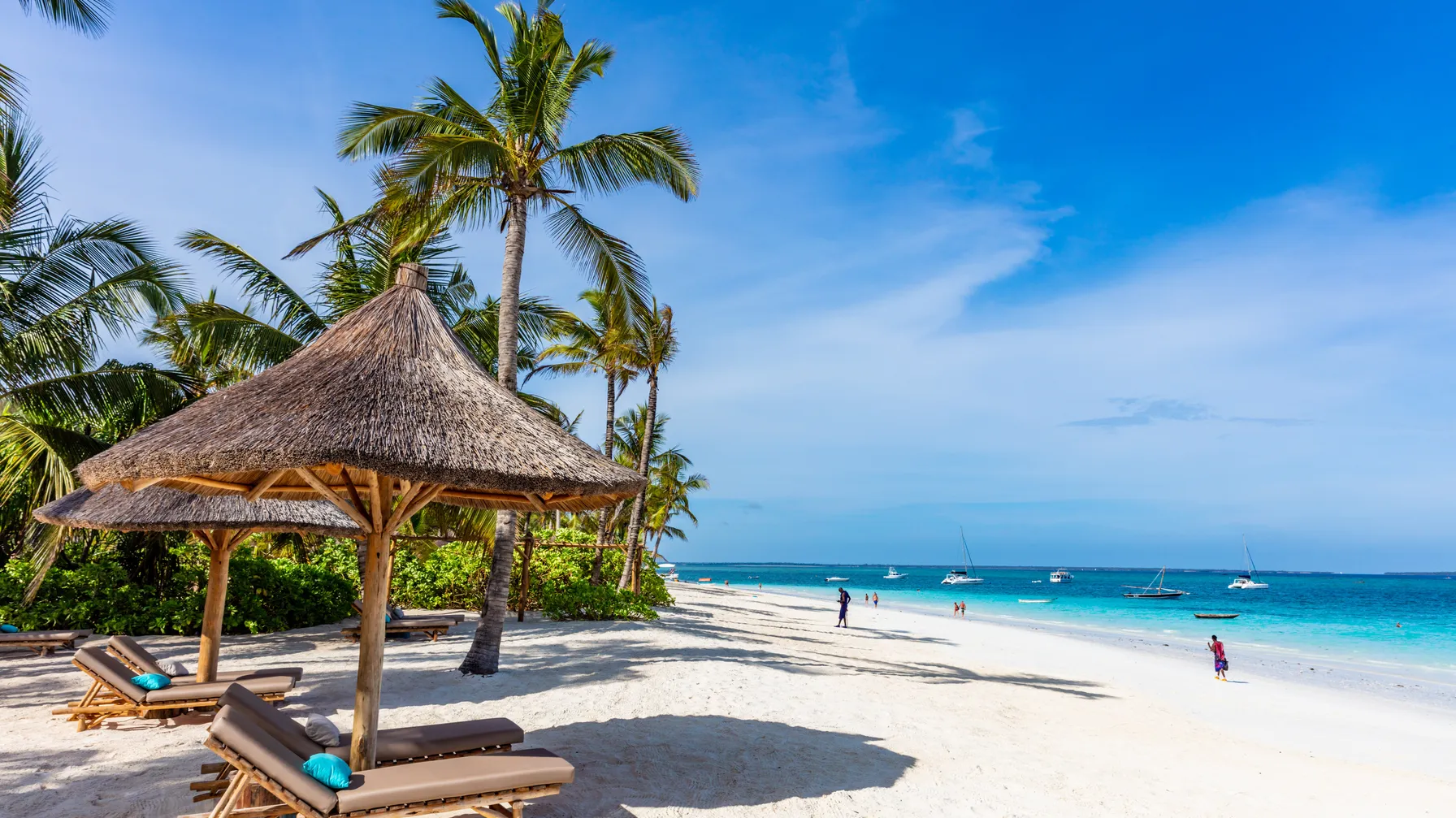
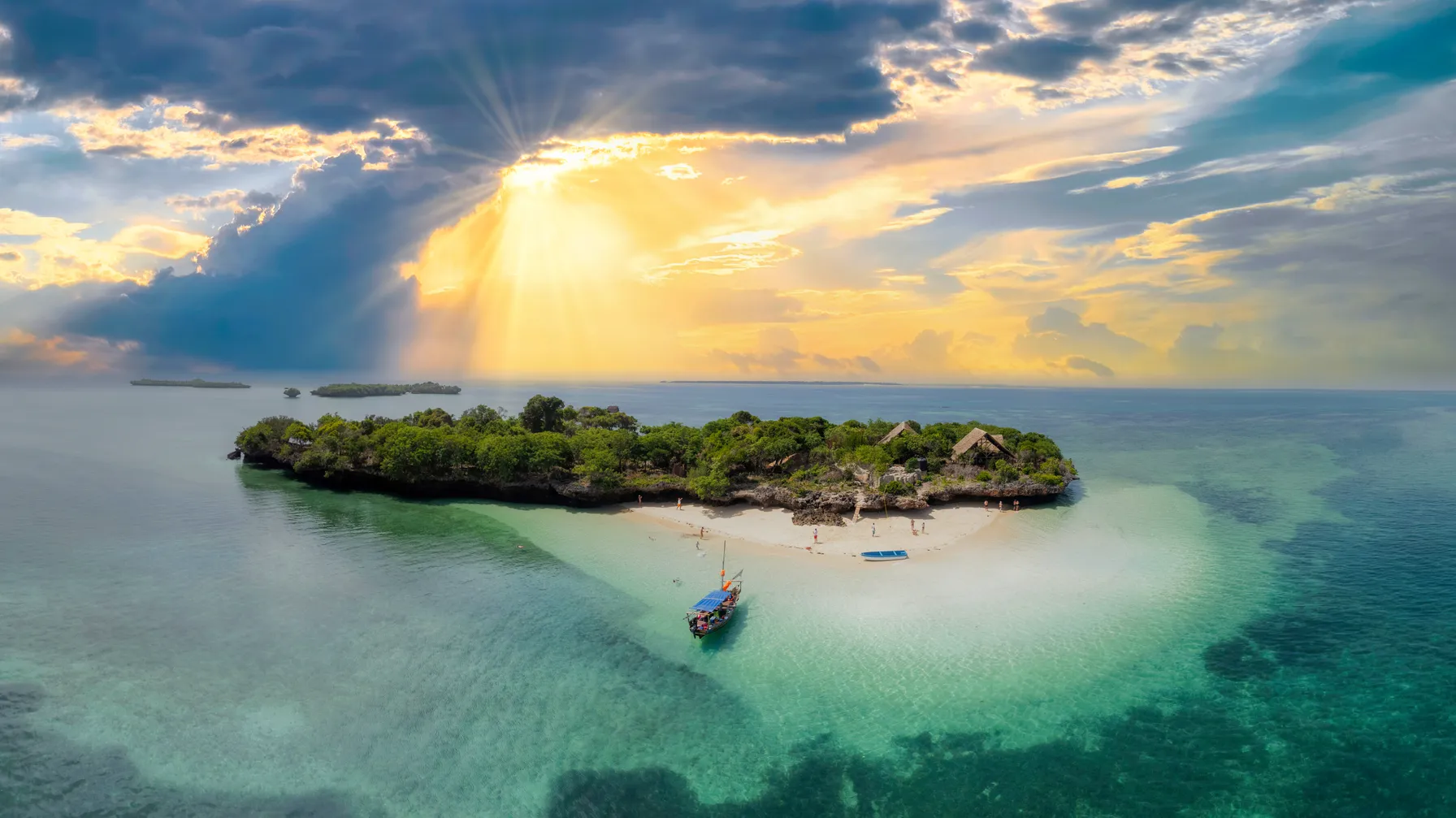
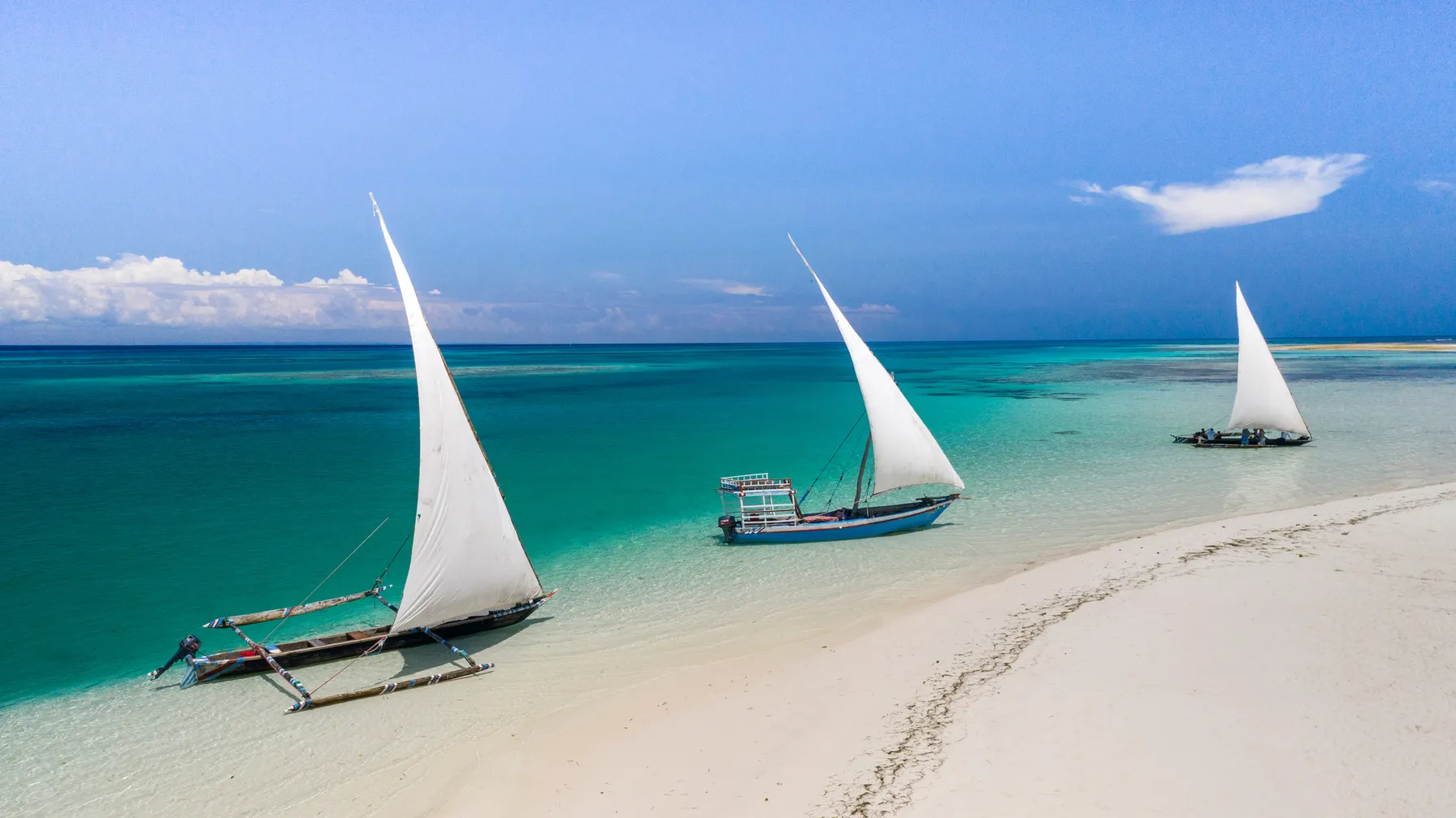
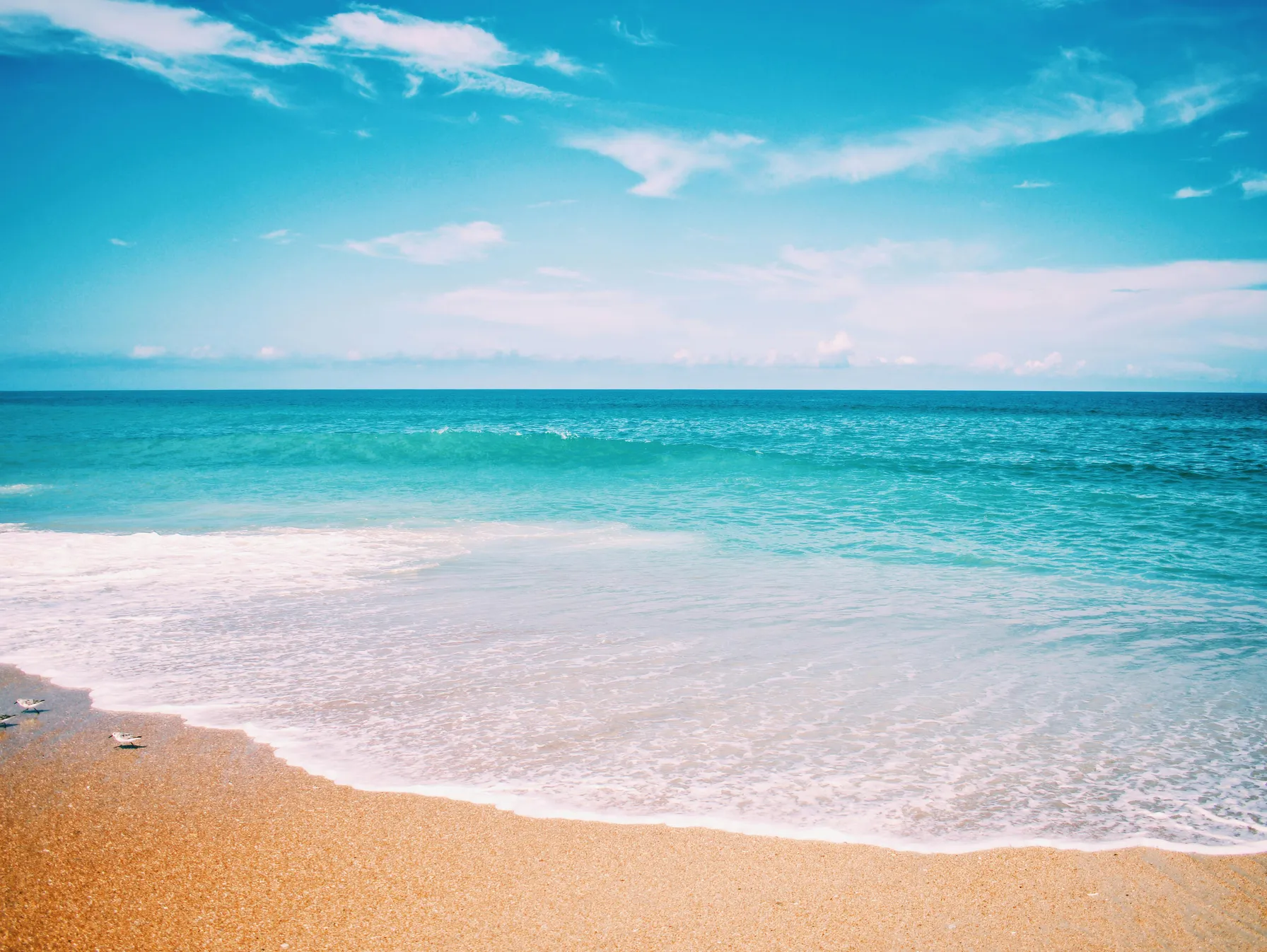
The Zanzibar Archipelago in March alternates between tropical showers and sunny spells, creating a particular atmosphere appreciated by travelers seeking authenticity. Mornings are often ideal for water activities, with calm sea and excellent conditions for diving visibility.
Afternoons can be dedicated to the cultural discovery of Stone Town or visits to the spice plantations, these activities being less dependent on weather conditions. This alternation allows for a variety of pleasures while naturally adapting to the tropical rhythm of the island.
Our tips to optimize your travel in March
Successfully managing your stay in Tanzania in March requires specific preparation to leverage the benefits of this season while minimizing the climate drawbacks.
Essential gear to cope with the humidity
Your wardrobe should prioritize light, breathable, and quick-drying clothes. Opt for technical materials that wick moisture and absolutely avoid cotton, which retains water and dries poorly. Plan for multiple layers to adjust to temperature variations, especially significant between coastal areas and highlands.
Rain protection gear is essential: a poncho or light waterproof jacket, protection for your electronic devices, and waterproof bags for your sensitive items. Waterproof hiking shoes or quality sandals will ease your movements on the muddy terrains of the national parks.
Choosing the right regions according to your expectations
If your priority is witnessing the wildebeest migration, focus your itinerary on the southern Serengeti and the Ndutu area. For more comfortable safaris despite the weather in Tanzania, favor high-altitude parks like the Ngorongoro Crater or explore the less frequented parks of the Southern circuit.
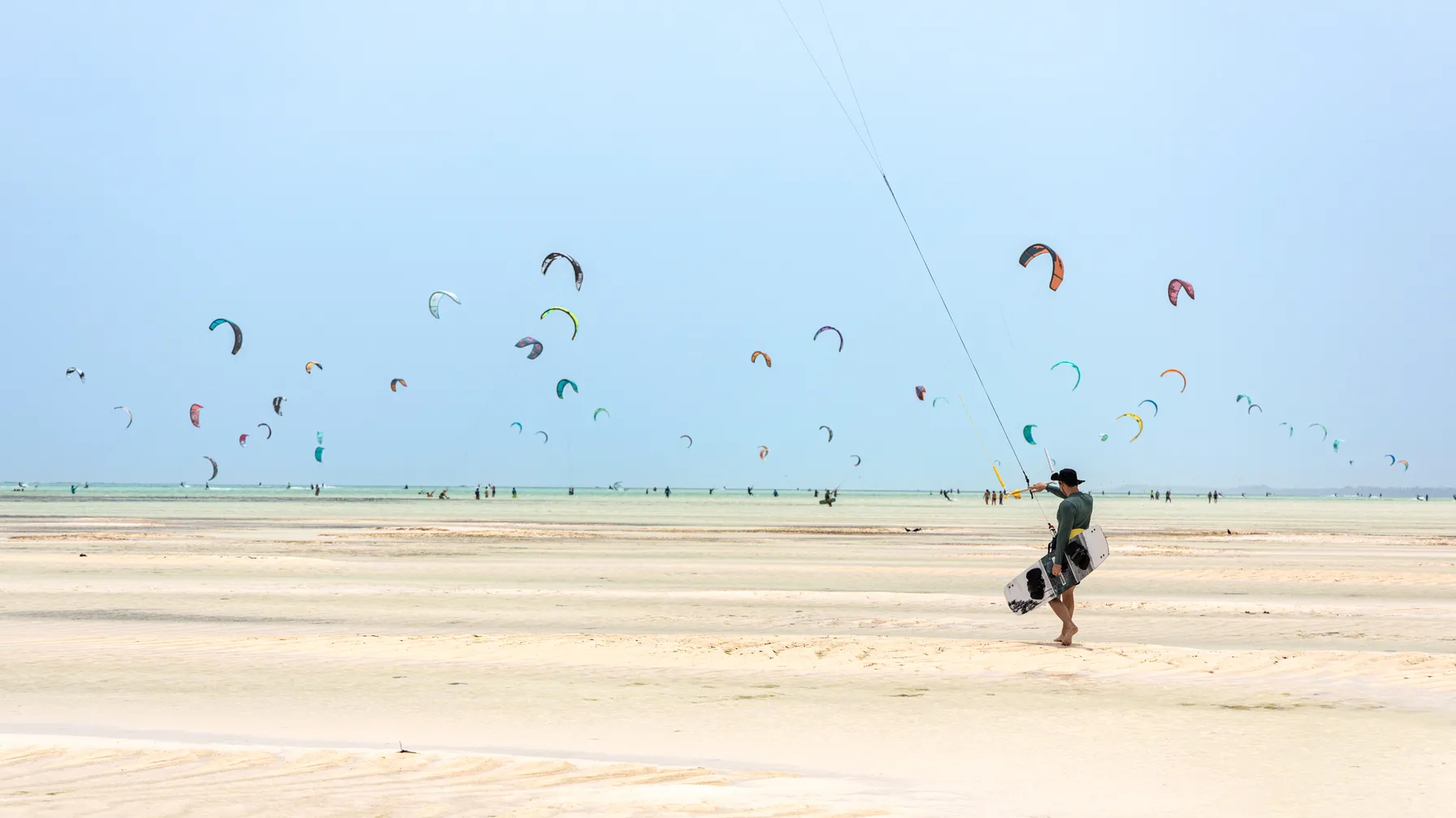
Beach lovers will find their paradise in Zanzibar by planning flexible activities and making the most of clear spells for water sports. This adaptive approach allows maximizing relaxation moments despite the climatic constraints of March and April.
When to prefer other times
If you have difficulty coping with humid heat or if your trip focuses exclusively on safaris, the months from June to October offer the best time to travel to Tanzania. This dry season provides optimal conditions for wildlife observation and climbing Kilimanjaro.
For families with young children or honeymooners seeking maximum comfort, December to February provide an excellent alternative, enjoying a milder climate while avoiding the crowds of the high season. These tailored travel tips will help you choose the best time suited to your specific expectations.
Traveling to Tanzania in March is a bold choice that rewards travelers willing to adapt to the whims of the tropical nature. This unique period reveals an authentic and lesser-known side of this iconic destination, between the spectacle of the migration, advantageous rates, and landscapes transformed by the beneficial rains.