When to go to Tanzania: complete guide to choosing your ideal period
Which season to discover Tanzania?
Traveling to Tanzania places you at the heart of a country where seasons dictate natural spectacles. The climate in Tanzania is characterized by alternation between dry and wet periods, each offering unique experiences for your stay in Tanzania.
Great dry season: the excellence of safaris
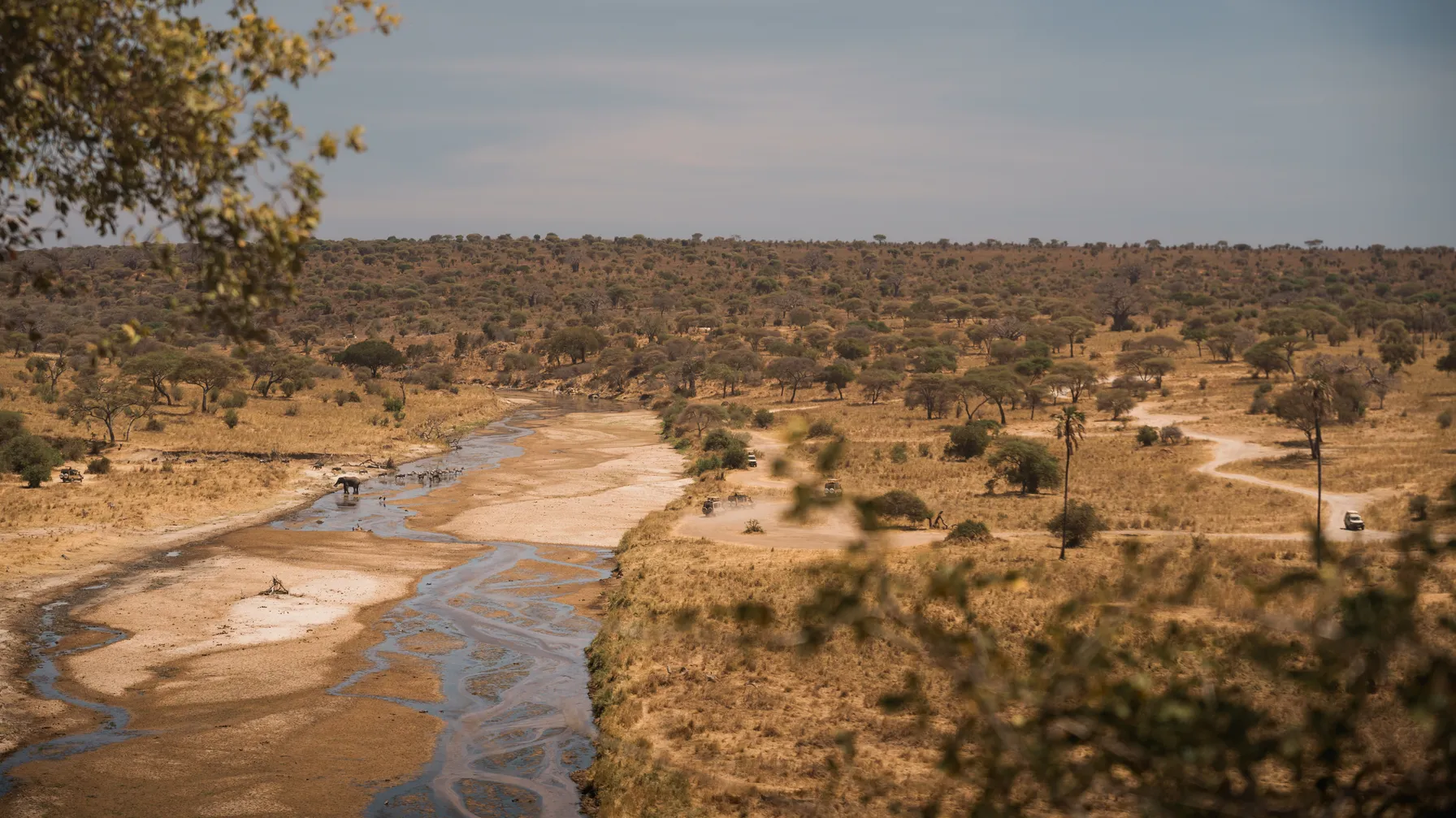
The period from June to October constitutes the best time for most travelers wishing to discover Tanzania. This great dry season transforms the landscapes into natural theaters where wildlife concentrates around water points. Temperatures range from 20°C at night to 28°C during the day, creating ideal conditions for animal observation.
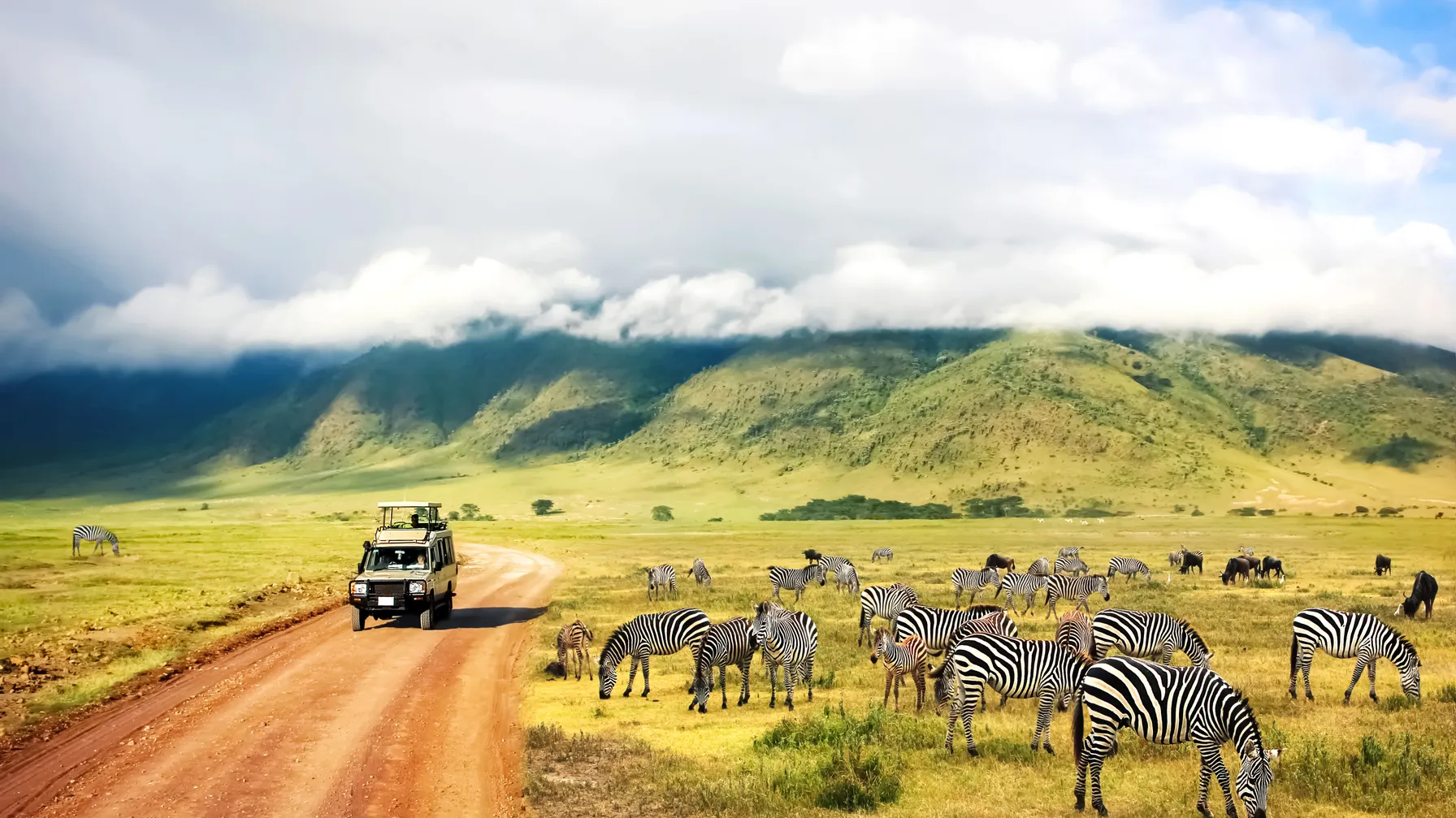
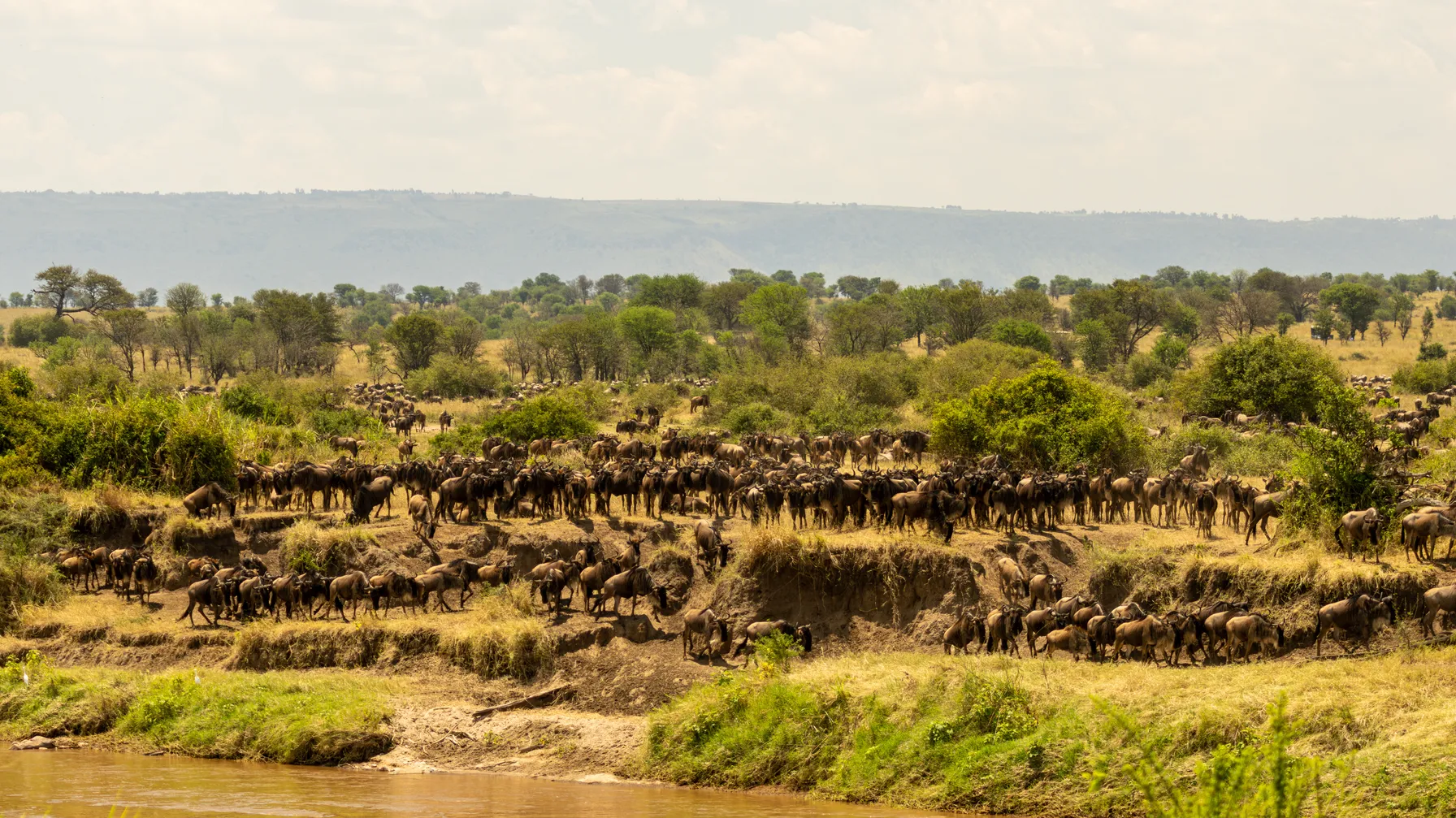
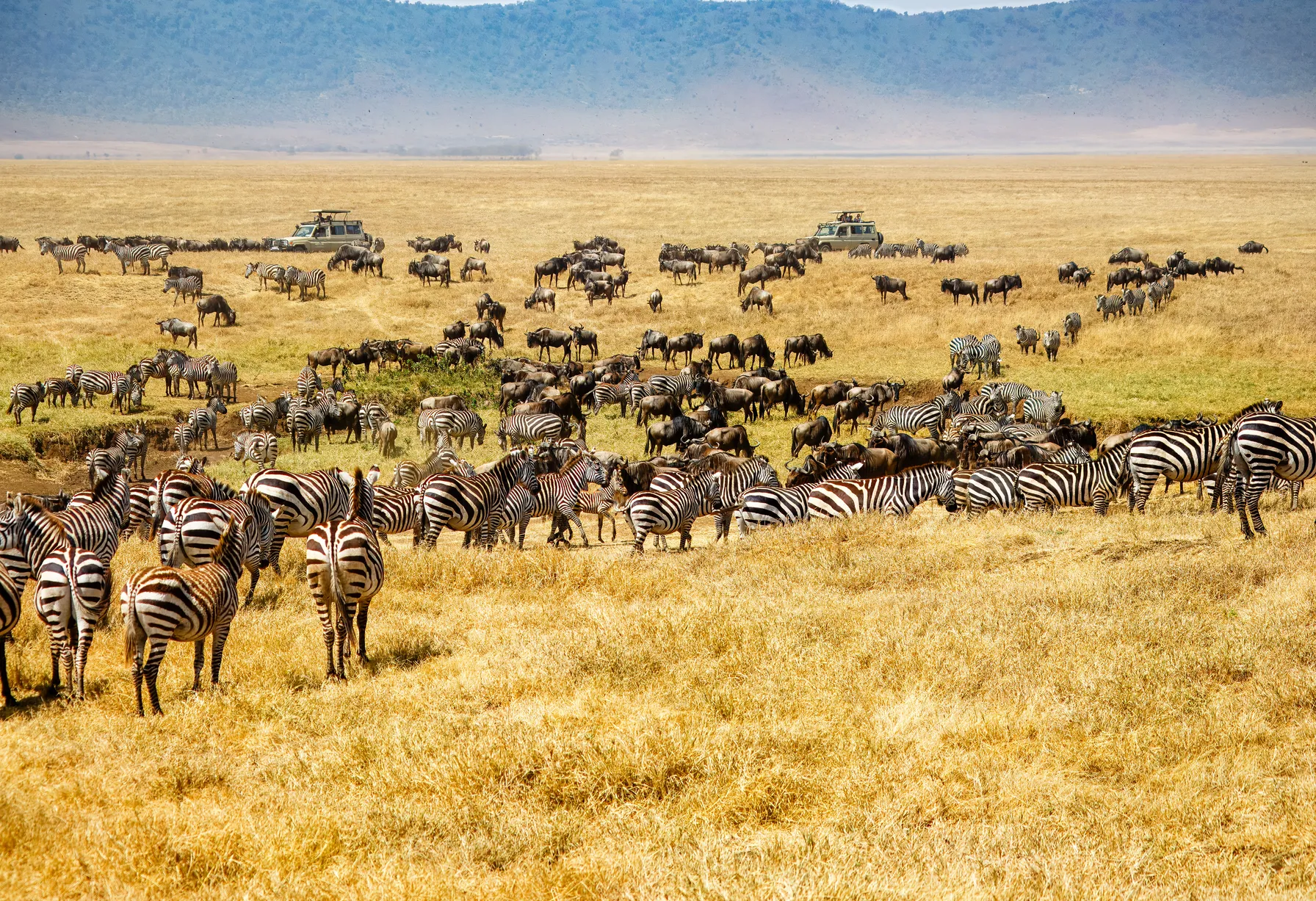
During these months, the great migration is in full swing in the northern parks. July and August mark the peak of this extraordinary phenomenon, when over two million herbivores cross the rivers between the Serengeti and the Masai Mara. The spectacle of wildebeests crossing the turbulent waters remains etched in everyone's memory.
This high season nonetheless presents some constraints: tourist attendance peaks, particularly in the Ngorongoro Crater, and rates reflect this strong demand. Booking several months in advance becomes essential to secure the best accommodations.
Book your safari in Tanzania now for the dry season
Short dry season: the intimacy of births
The period from December to February offers a remarkable alternative for visiting Tanzania. These months correspond to the short dry season, characterized by higher temperatures but generous sunshine. January and February reveal a particularly moving spectacle: the birthing season in the Serengeti plains.
This period transforms the savannahs into giant nurseries where thousands of young wildebeests, zebras, and gazelles take their first steps. Observing these privileged moments, in a more intimate atmosphere than during the high season, creates unforgettable memories. Predators, attracted by this abundance of vulnerable prey, also offer spectacular hunting scenes.
The climate remains favorable for outdoor activities, with daytime temperatures reaching 30°C on the coast and 25°C in the highlands. This period is perfectly suitable for families looking to avoid the crowds of the high season while enjoying excellent weather conditions.
Rainy seasons: the rebirth of landscapes
The periods from March to May and November to December correspond to the Tanzanian rainy seasons. Contrary to popular belief, these months are not just continuous precipitation. The rains generally occur in the afternoon in the form of intense but brief tropical showers, leaving sunny mornings.
March to May constitutes the great rainy season, radically transforming the landscapes. Vegetation bursts into greenery, flowers bloom, and migratory birds flock in, creating a colorful and vibrant display. This period reveals a different, wilder, and more authentic Tanzania, where nature reclaims its rights.
November and December mark the little rainy season, milder and sporadic. These months offer an excellent compromise for discovering the country with fewer tourists and favorable rates, all while retaining good observation conditions in most national parks.
Contact us for more information on the best times to travel
What climate awaits you in different regions?
Tanzania has a remarkably diverse climate, influenced by altitude, proximity to the ocean, and geographical location. This regional variety determines the weather conditions you will encounter depending on your itinerary.
The parks of the north and their microclimates
The northern national parks, including the Serengeti, Ngorongoro Crater, and Tarangire, enjoy a tropical climate moderated by altitude. This region, situated between 1000 and 2000 meters in altitude, has considerable thermal variations between day and night.
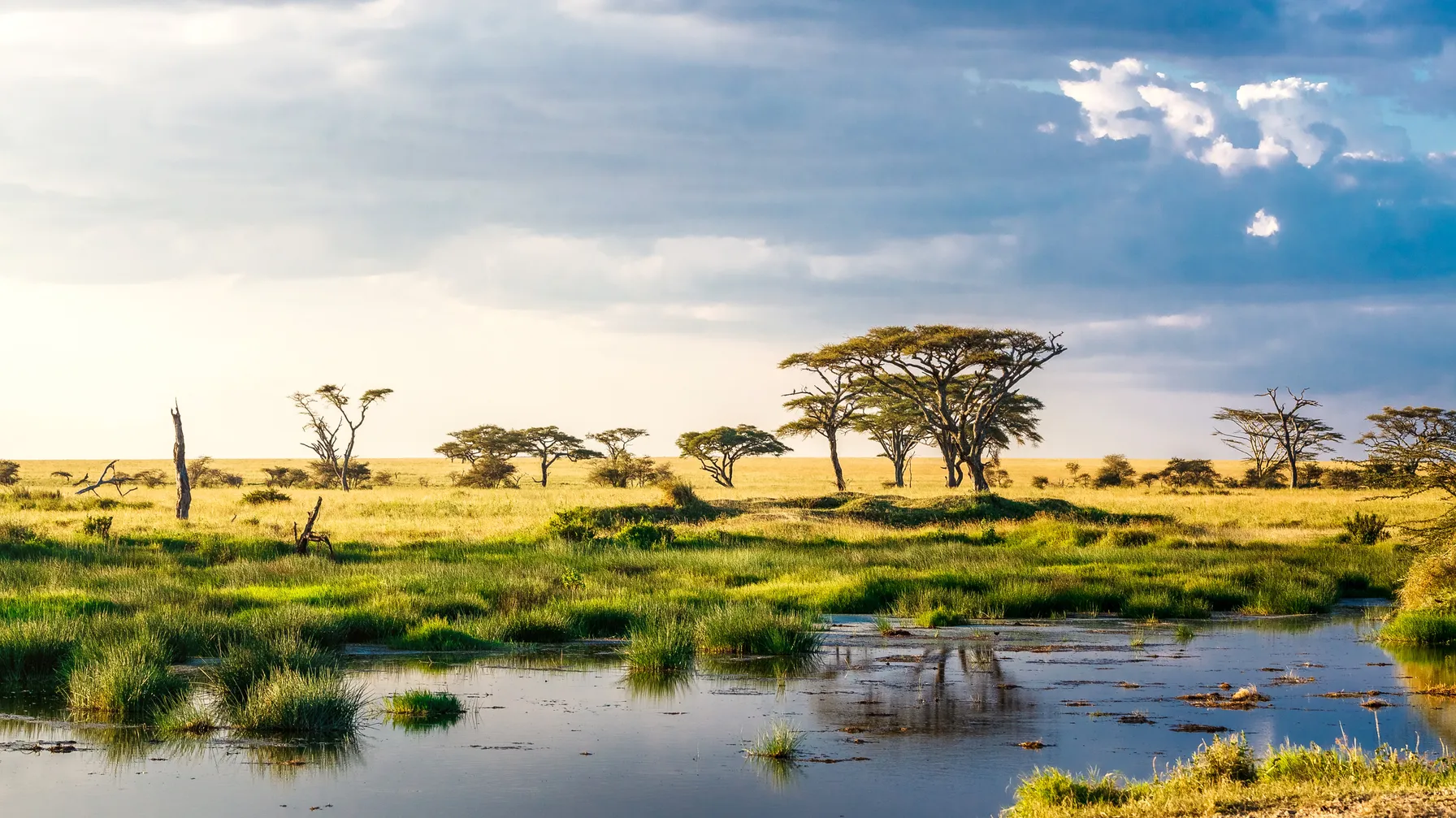
The Serengeti National Park, a jewel of Tanzania, experiences two distinct rainy seasons. The precipitation from November to December is moderate, while that from March to May is more intense. These variations directly influence the movements of the wildlife and observation strategies.
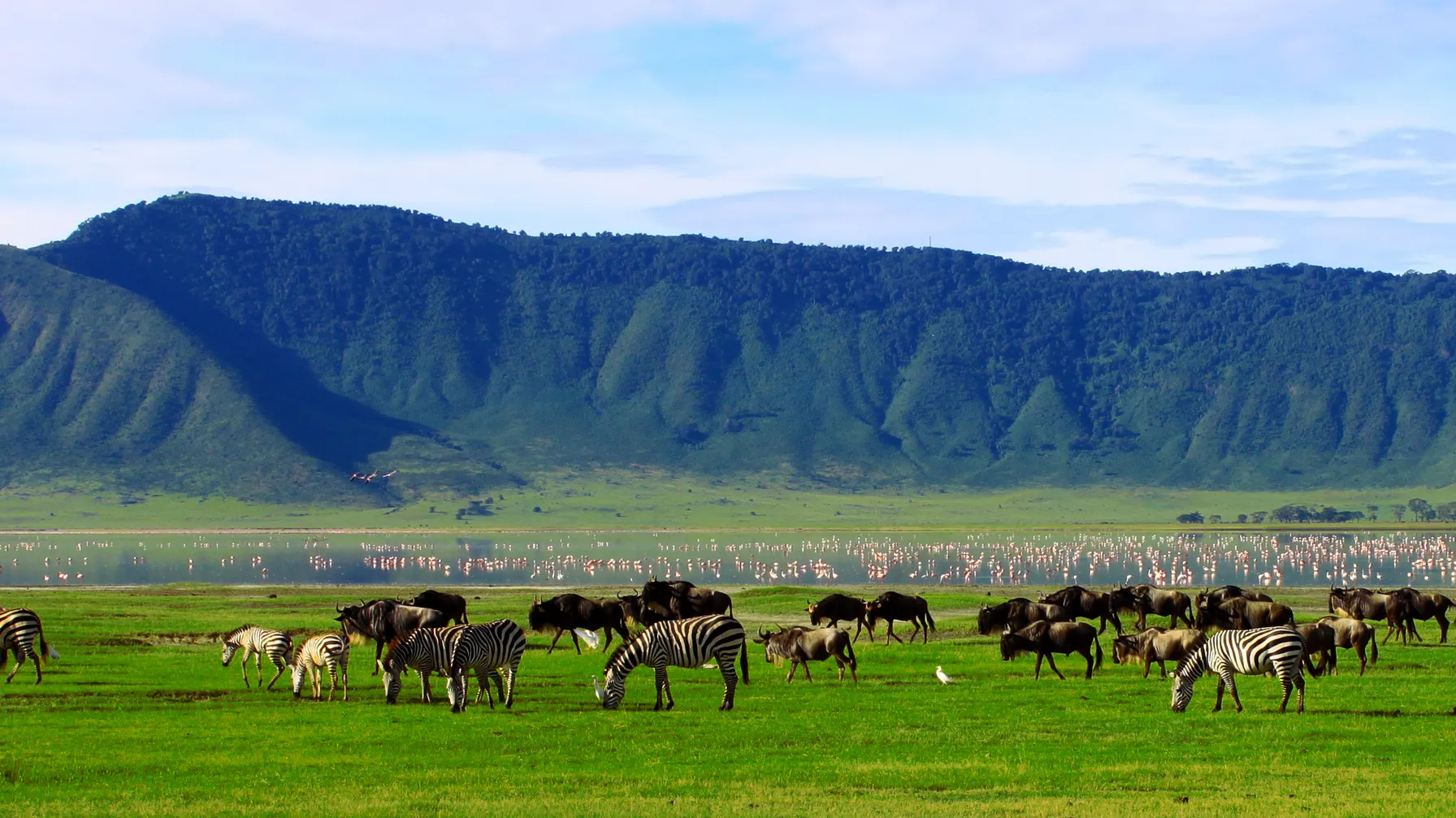
The Ngorongoro Crater, nicknamed "the Garden of Eden", features a unique microclimate. Temperatures can drop drastically at night, especially from June to September, necessitating warm clothing. This unique caldera hosts an exceptional density of animals all year round, making every safari in Tanzania an unforgettable experience.
Zanzibar and the coast: between sun and monsoon
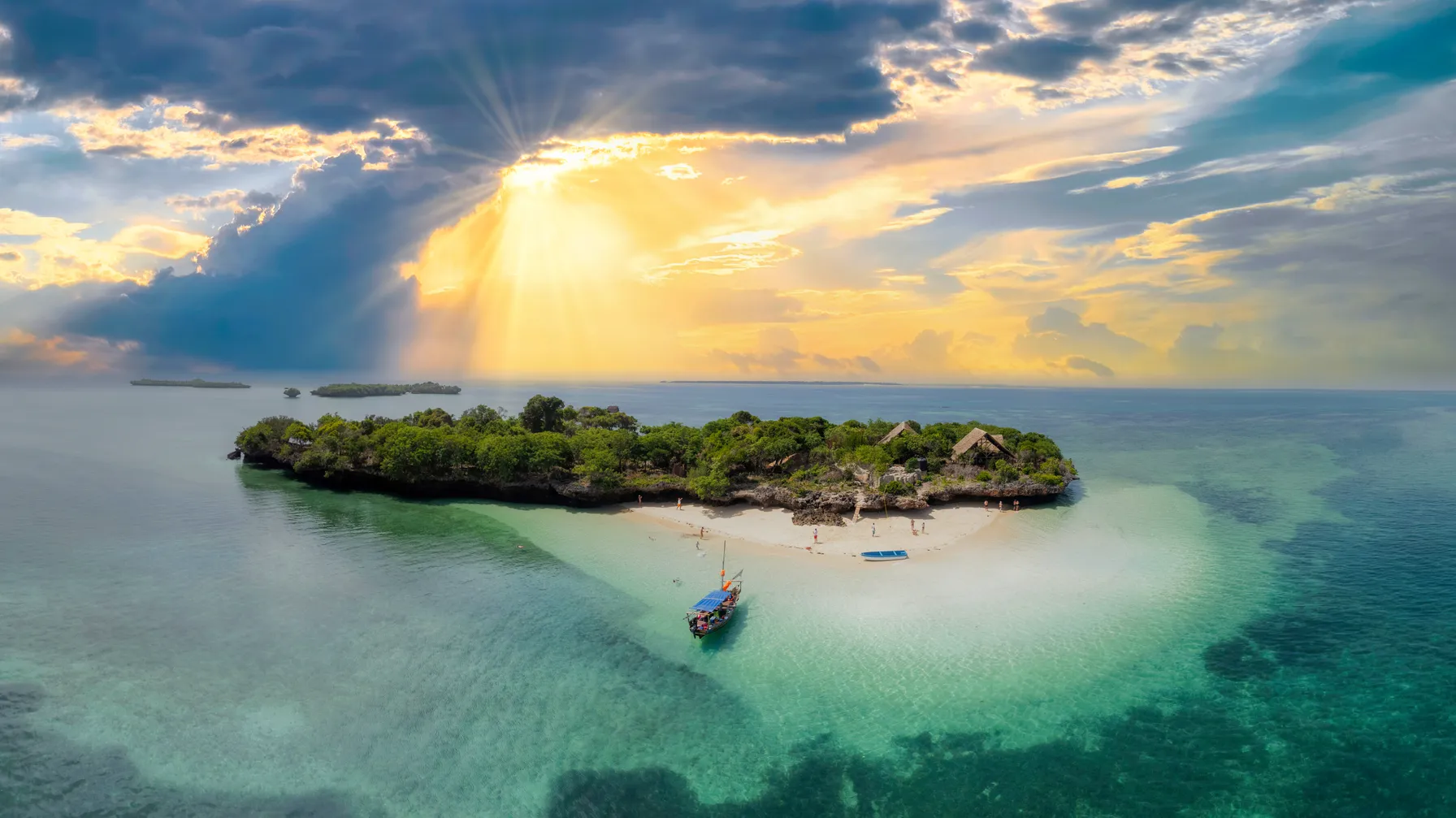
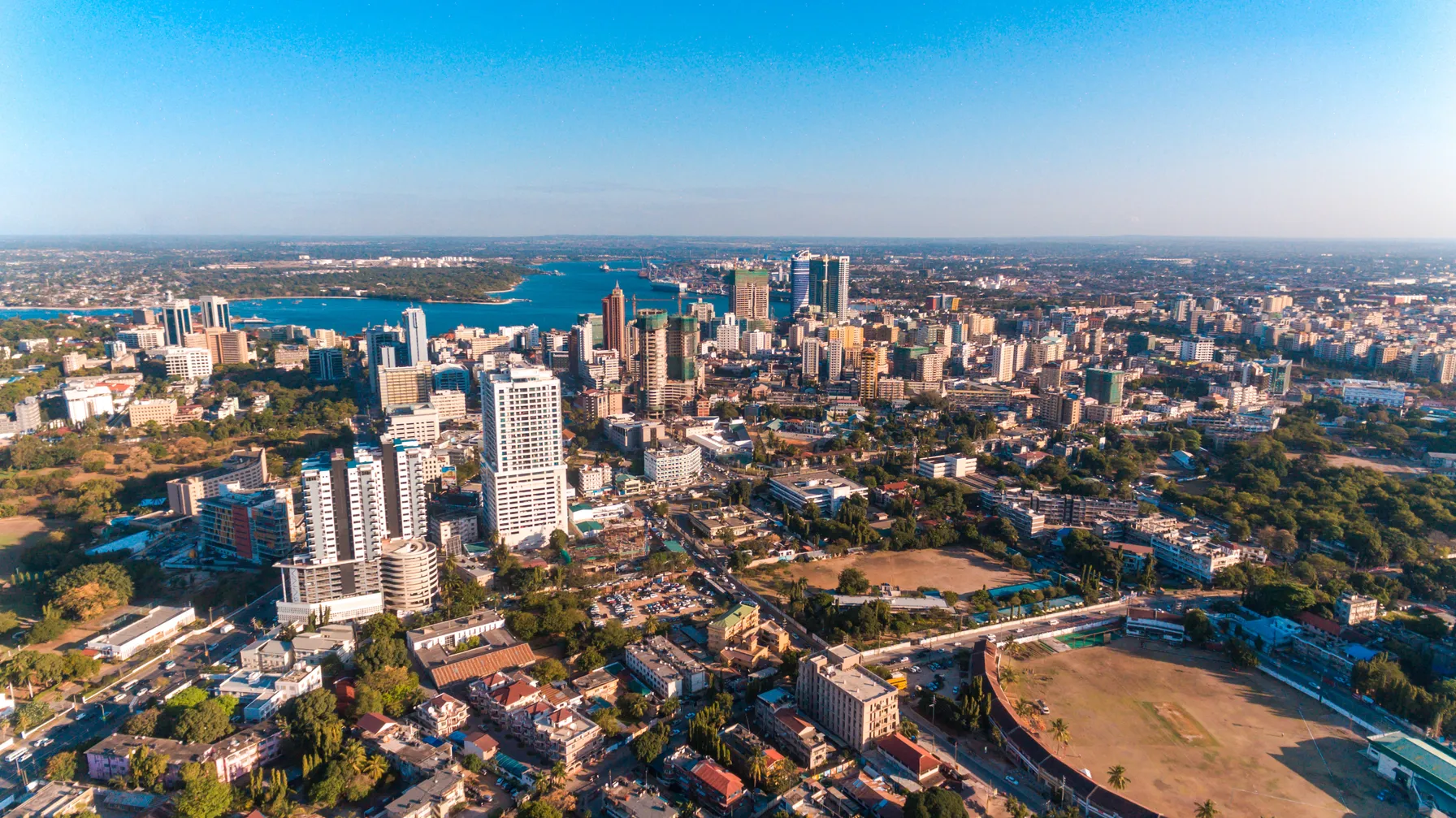
The Tanzanian coast and the Zanzibar archipelago enjoy a humid equatorial climate influenced by the Indian Ocean. Temperatures remain high throughout the year, ranging between 25°C and 32°C, with sometimes significant humidity.
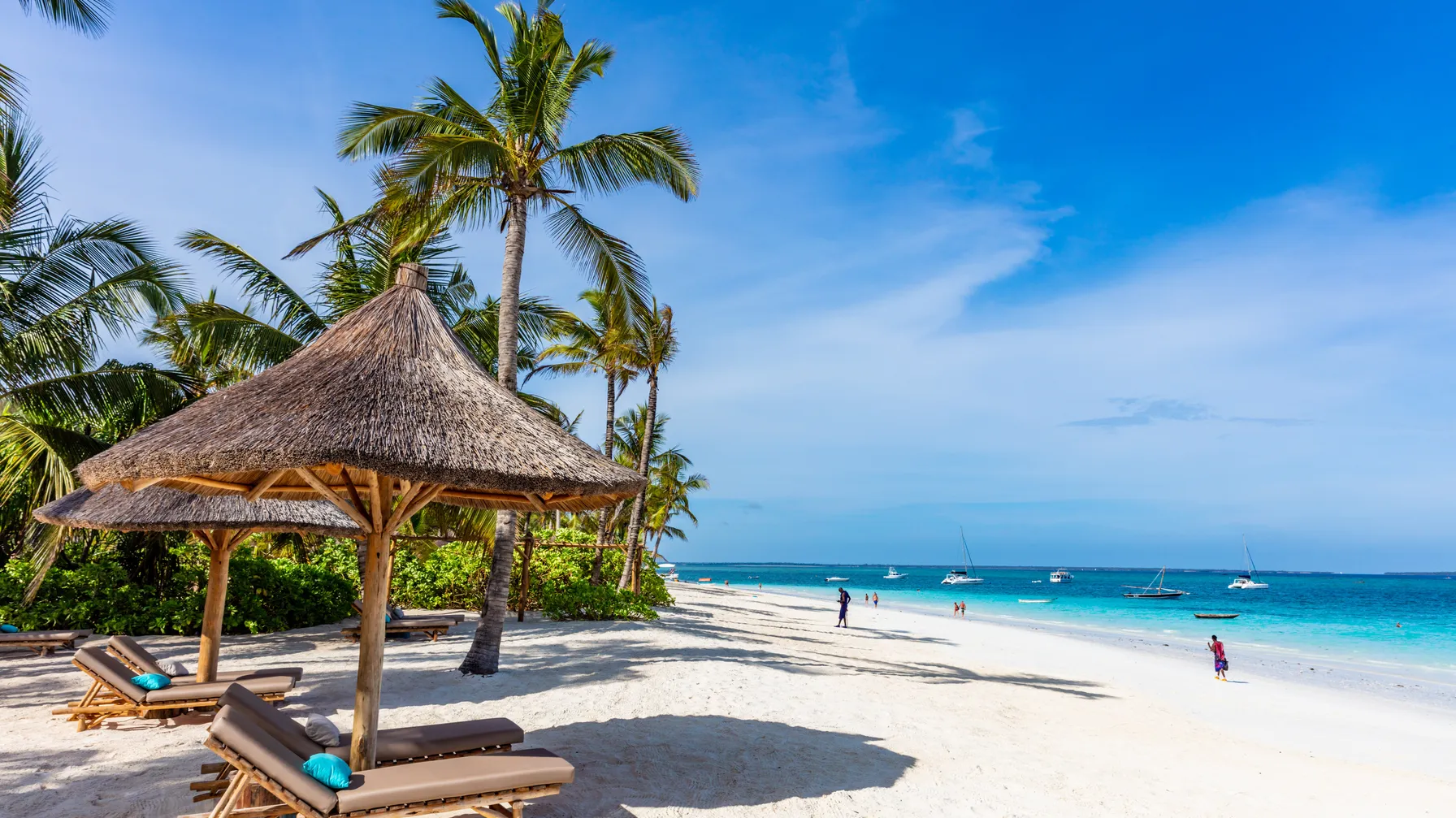
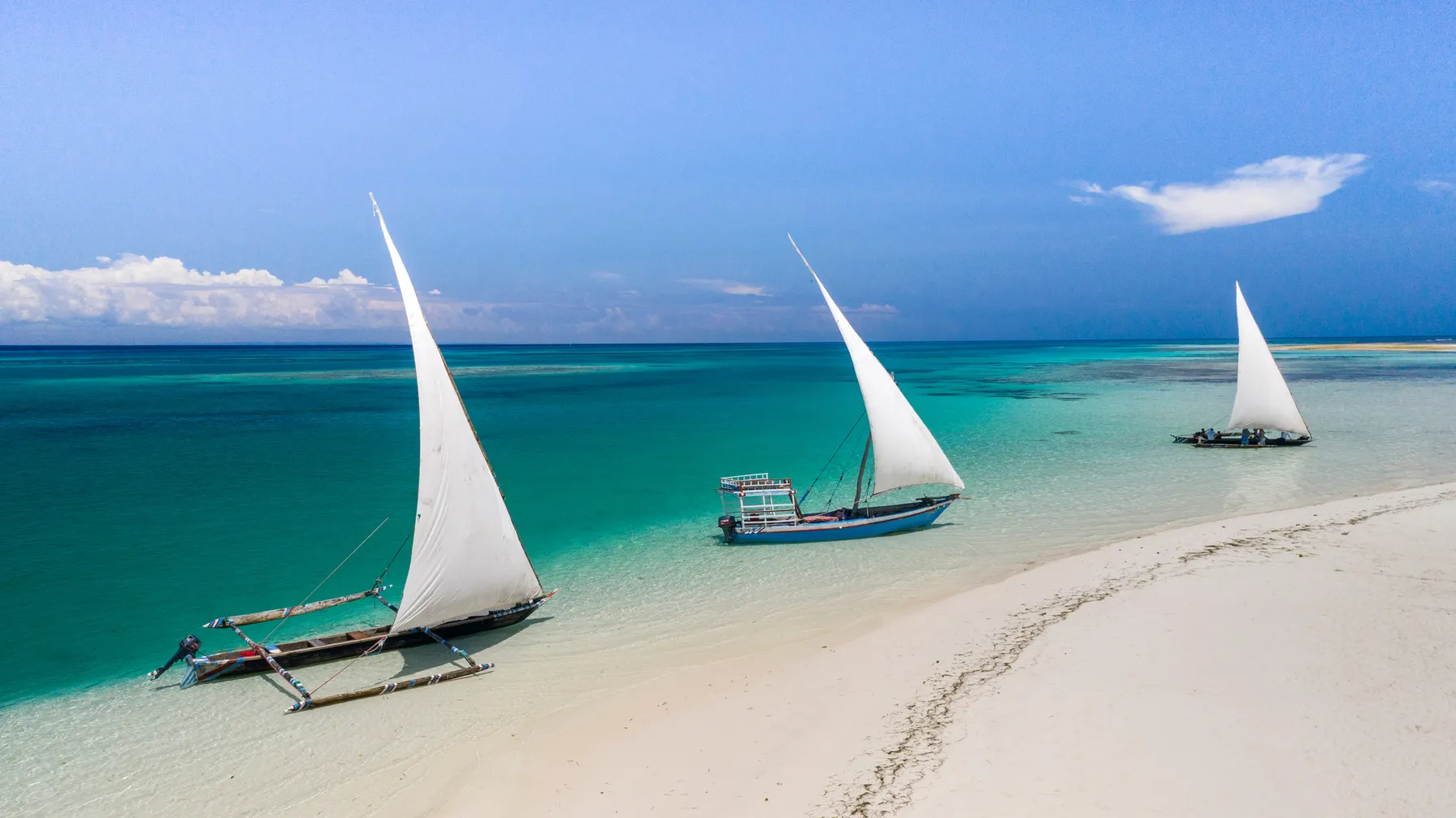
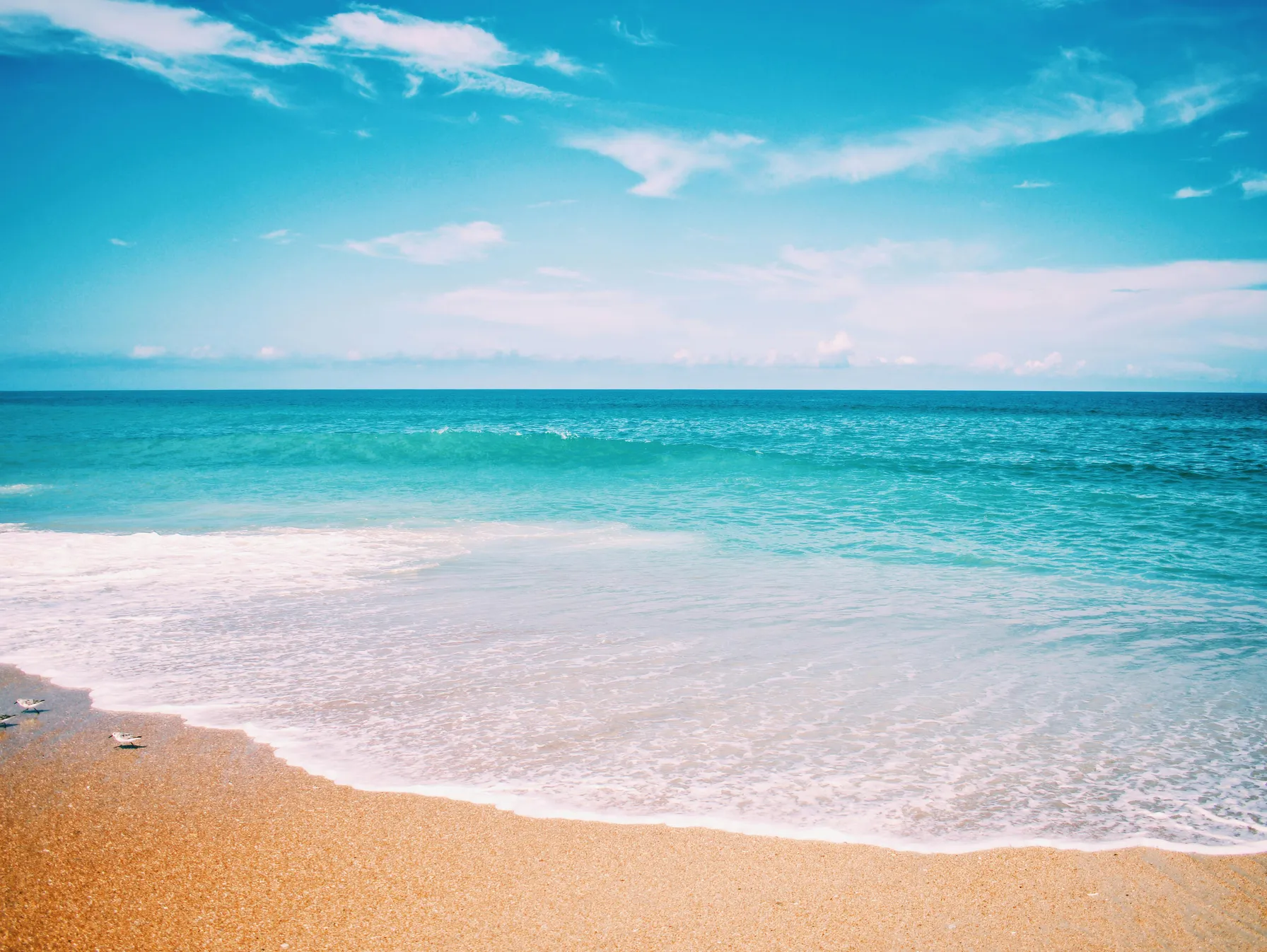
Traveling to Zanzibar reveals two distinct climatic faces. The period from June to September offers ideal conditions with temperatures moderated by monsoon winds and less humidity. These months are the best time to enjoy the white sand beaches and crystal-clear waters.
Stone Town, a UNESCO World Heritage site, is pleasantly visitable throughout the year. However, April and May are the rainiest months, which can complicate travel and outdoor activities. The dry season remains favored for exploring this fascinating historic city and its historically rich alleys.
The highlands: altitude freshness
The high-altitude regions, including Arusha and the foothills of Kilimanjaro, enjoy a particularly pleasant tempered tropical climate. These areas offer a striking contrast to the coastal heat, with nighttime temperatures dropping to as low as 10°C in the dry season.
This altitude coolness creates favorable climatic conditions for coffee cultivation and other tropical plantations. Visitors particularly appreciate this thermal gentleness after the hot days spent on safari in the plains.
How to plan according to your travel priorities?
Each type of trip requires a specific approach to the Tanzanian calendar. Adapting your departure time to your main expectations optimizes your experience and satisfaction.
Safaris and wildlife viewing
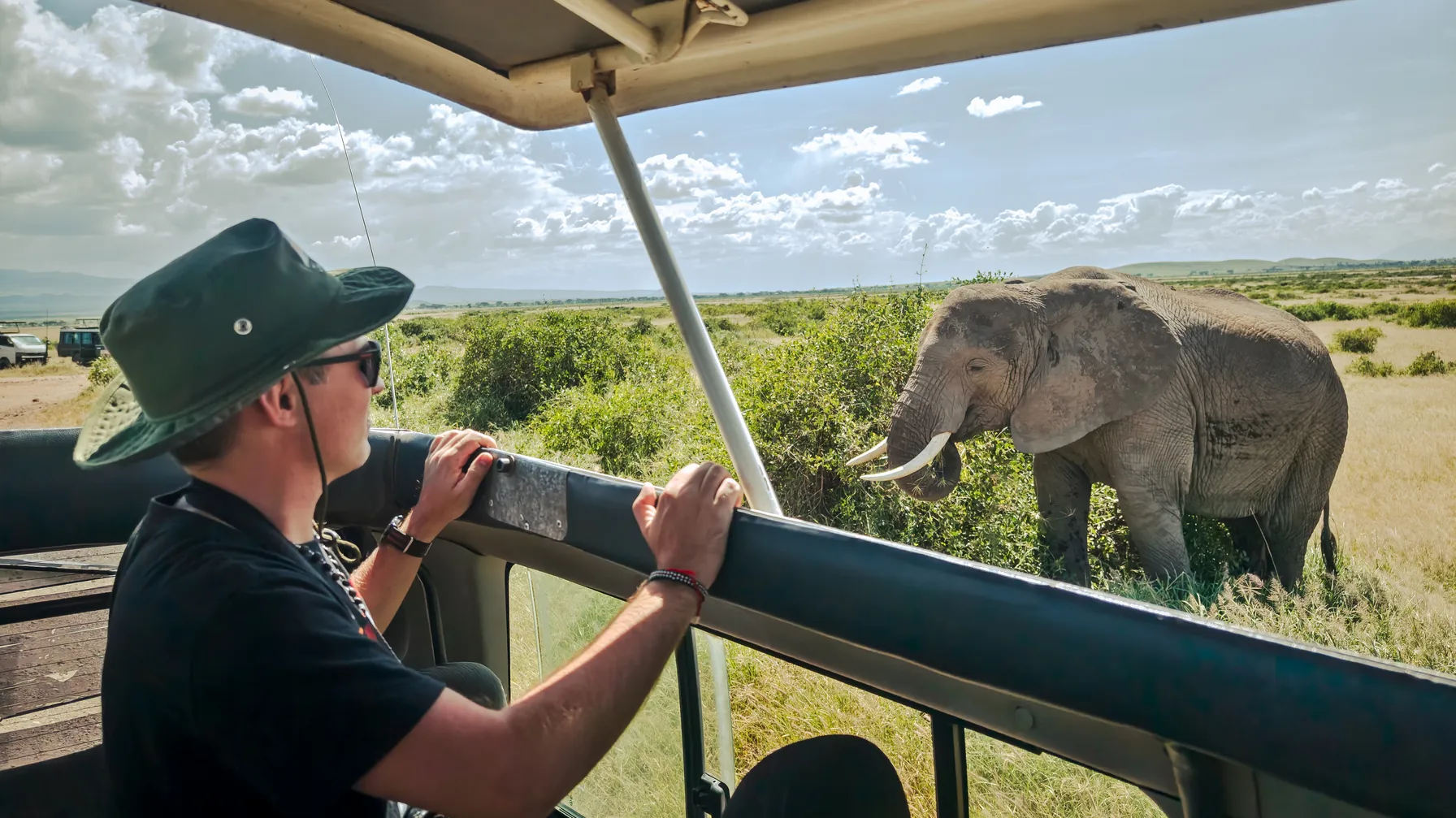
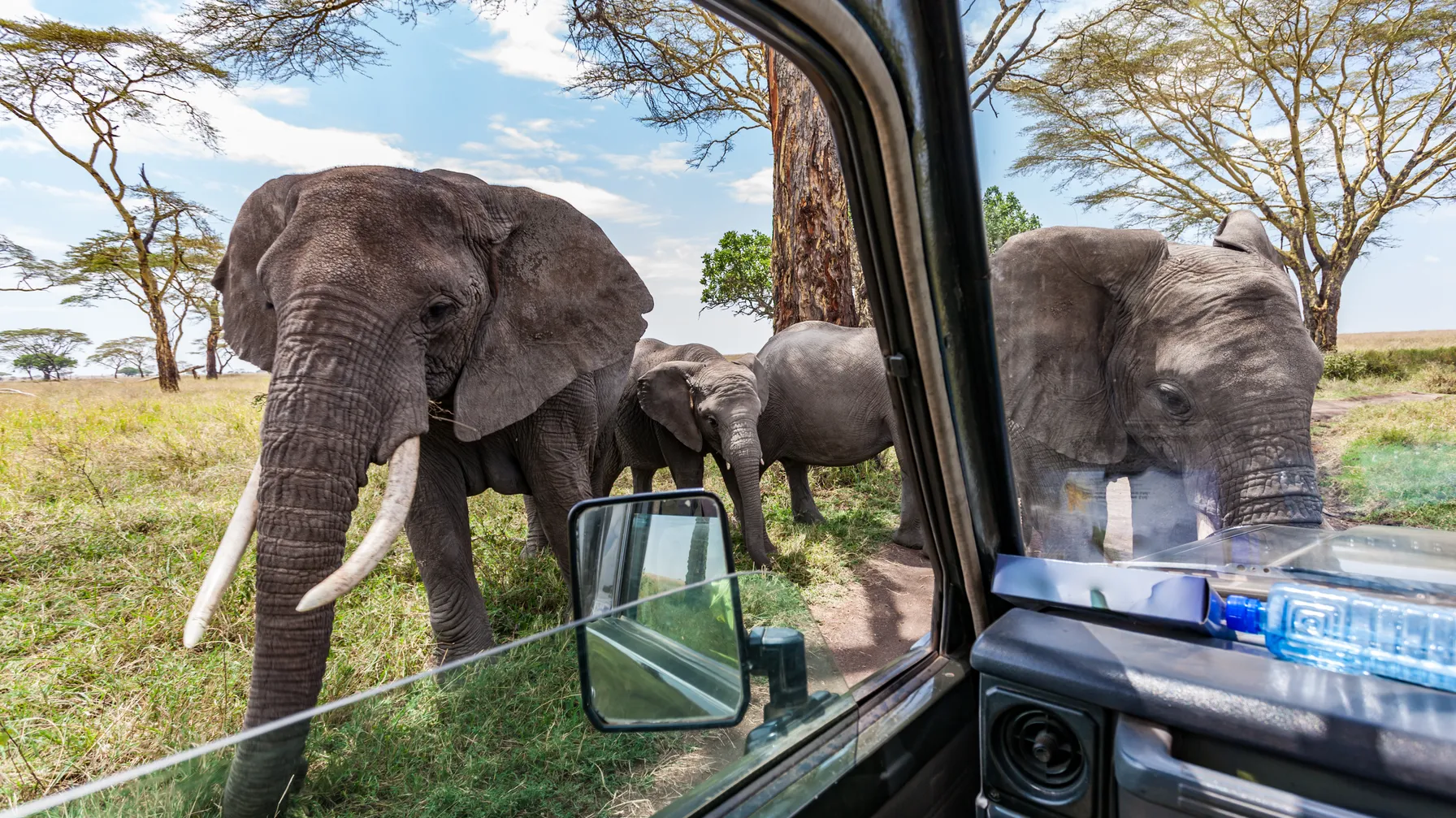
For an exceptional safari in Tanzania, prefer the main dry season from June to October. This period concentrates the animals around water points, facilitating their observation. Less dense vegetation improves visibility, while the absence of rains ensures the accessibility of tracks.
The great migration is one of the most striking natural spectacles in the world. Planning your trip between July and September puts you in the front row of this extraordinary procession. Each month reveals different stages: river crossings, massive gatherings, predator-prey interactions.
The months of January and February offer a remarkable alternative with the birthing season. This less frequented period allows observation of maternal behaviors and the first steps of young animals in a more intimate atmosphere.
Book your safari in Tanzania now
Beach stays and relaxation
The beaches of Tanzania and Zanzibar welcome visitors year-round, but certain times are more conducive to beach relaxation. The dry season, especially from June to September, offers optimal conditions with moderate temperatures and little rainfall.
Diving and snorkeling enthusiasts find their paradise during these months when underwater visibility is at its best. The coral reefs then reveal all their splendor in crystal clear waters bathed in sunlight.
If possible, avoid the months of April and May on the coast, a period of intense rains that can disrupt aquatic activities. Nevertheless, even during these months, mornings often remain sunny, allowing partial enjoyment of beach pleasures.
Adventures and Hikes
Climbing Kilimanjaro and other high-altitude adventures require meticulous planning according to the weather conditions. The best windows open during the dry season, mainly from June to October, when rainfall is minimal and visibility is maximal.
The short dry season in January and February is also a favorable period for trekking, with the advantage of slightly milder temperatures. These months avoid the high season crowds while maintaining excellent climbing conditions.
Planning your tailor-made trip to Tanzania with these recommendations guarantees an optimal experience, regardless of the chosen season. Each period reveals its own wonders, transforming your discovery of Tanzania into an unforgettable adventure tailored to your personal expectations.
Demandez votre devis United Republic Of Tanzania sur-mesure 100% gratuit
 4.8
4.8+3.000 travelers satisfied