Tanzania in July: the ideal time for your dream safari
Why is July the perfect time to go to Tanzania?
Choosing to go to Tanzania in the heart of the dry season guarantees an exceptional travel experience. This ideal period combines undeniable climatic advantages with unique natural phenomena that transform your stay into an unforgettable adventure.
A dry climate and exceptional weather conditions
July marks one of the most favorable times to discover Tanzania. The dry season is in full swing, offering sunny days with generous sunlight of about 8 hours per day. Temperatures remain particularly pleasant, ranging from 15°C in the highlands to 29°C on the coast, creating perfect conditions for all your outdoor activities.
This period is characterized by an almost lack of precipitation, with less than 30 mm of rain in most regions. Humidity significantly decreases compared to the previous months, making the heat more bearable even in the coastal areas. These stable weather conditions greatly facilitate travel between different national parks and optimize your exploration days.
The nights remain cool and pleasant, especially in high-altitude regions such as around the Ngorongoro crater where temperatures can drop to 10°C. This thermal amplitude offers perfect mornings for setting out to discover the wildlife, when the animals are most active near water points.
The great migration, an unforgettable natural spectacle
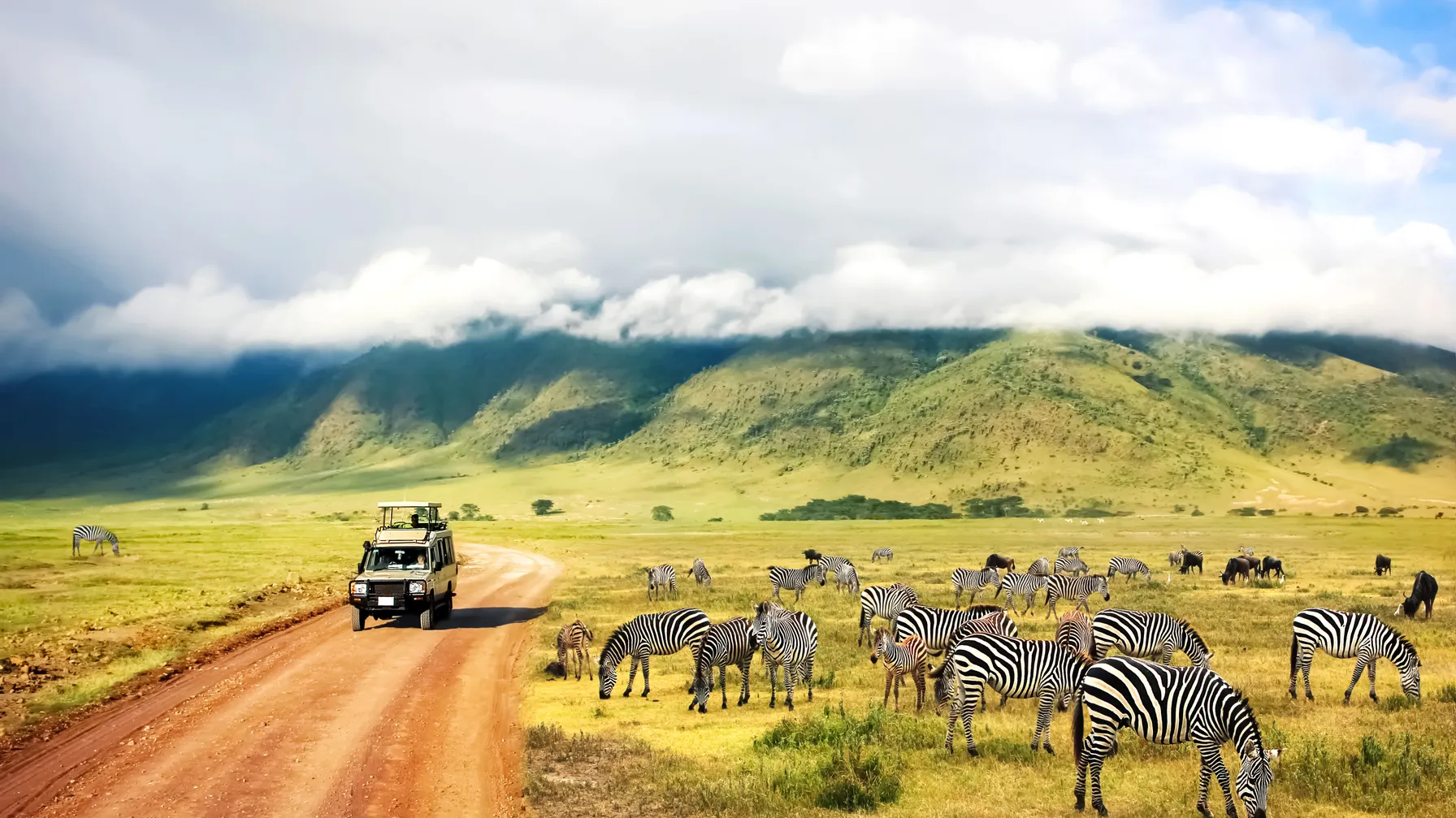
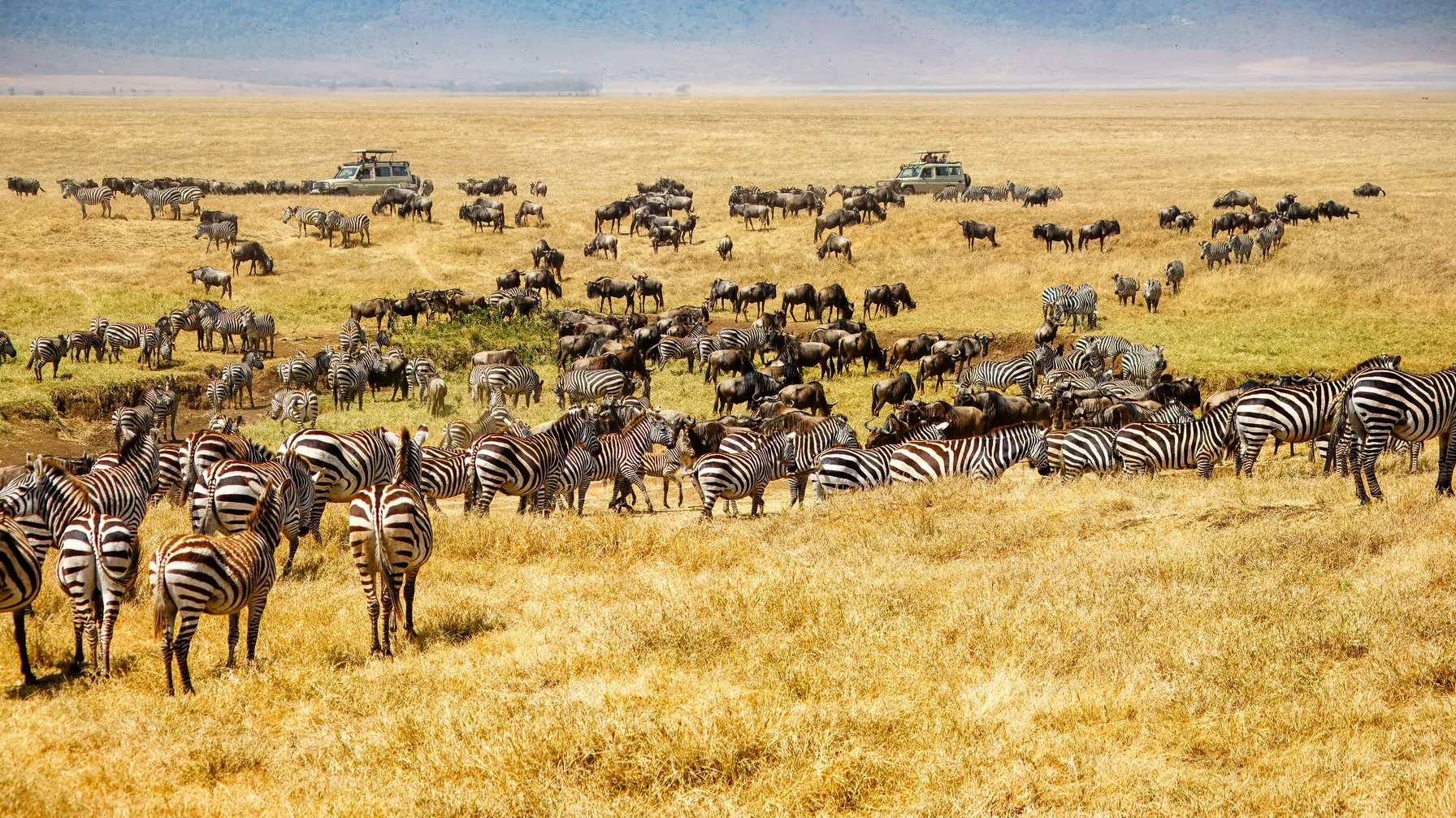
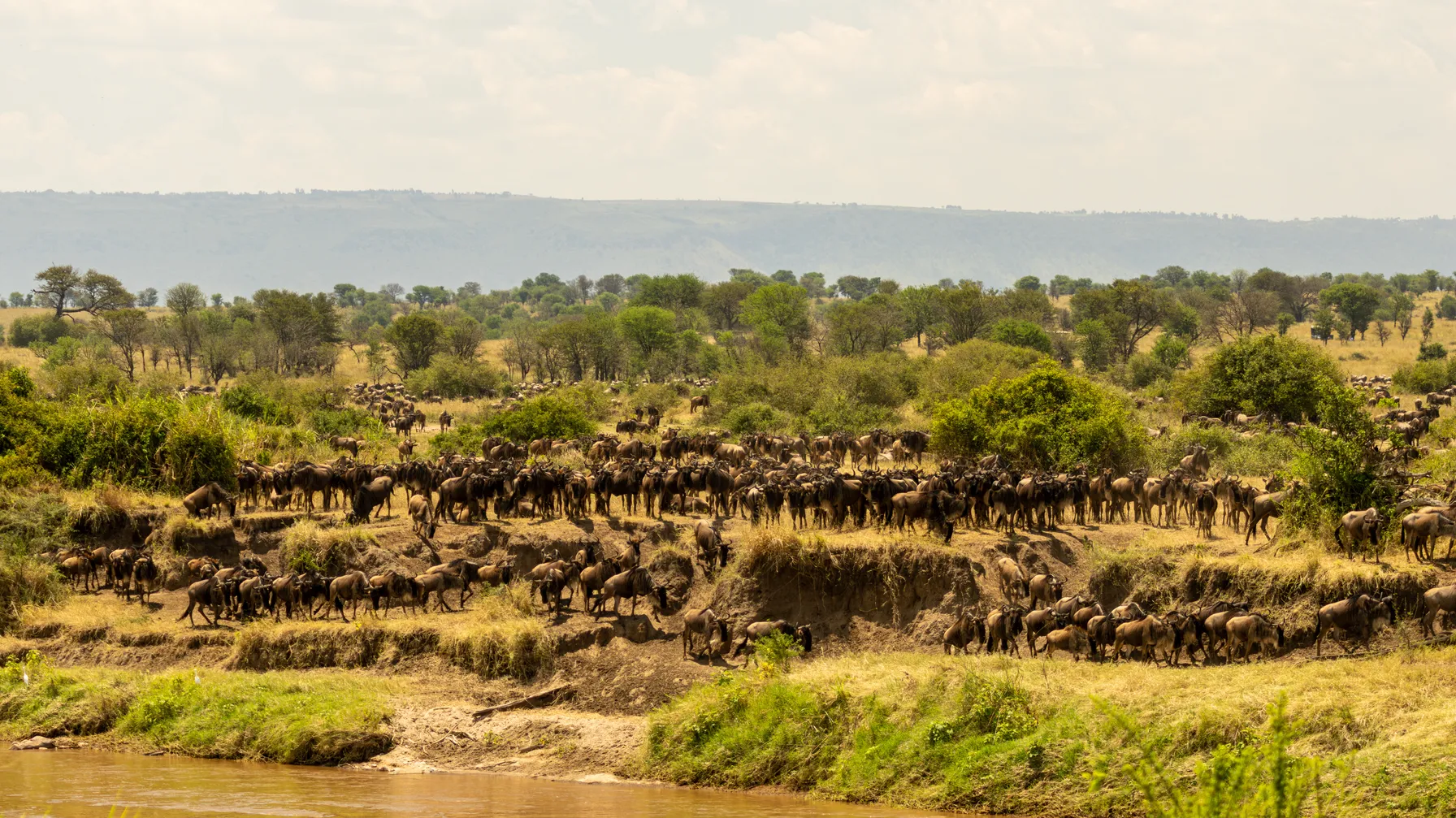
July places you in the front row of one of the planet's most spectacular phenomena: the great migration of wildebeests and zebras in the Serengeti National Park. During this period, nearly two million herbivores cross the Mara River, offering scenes of striking dramatic intensity.
This migratory movement reaches its climax between July and August, transforming the plains of the Serengeti into a magnificent natural theater. The herds, closely followed by predators, create an exceptional dynamic that you can observe during your daily safaris. Lions, leopards, and crocodiles take advantage of this abundance, multiplying the opportunities for privileged observations.
The concentration of animals around rivers and the last remaining permanent water points greatly facilitates encounters during your safari outings. This remarkable density of wildlife makes July a better time to photograph and observe the Big Five in their natural environment.
Book your trip to Tanzania now to experience the great migration
What to discover in Tanzania during the month of July?
Your trip to Tanzania during this privileged period opens the doors to diversified experiences, from legendary safaris to high-altitude adventures, to the paradisiacal beaches of the Indian Ocean.
The northern national parks, sanctuaries of wildlife
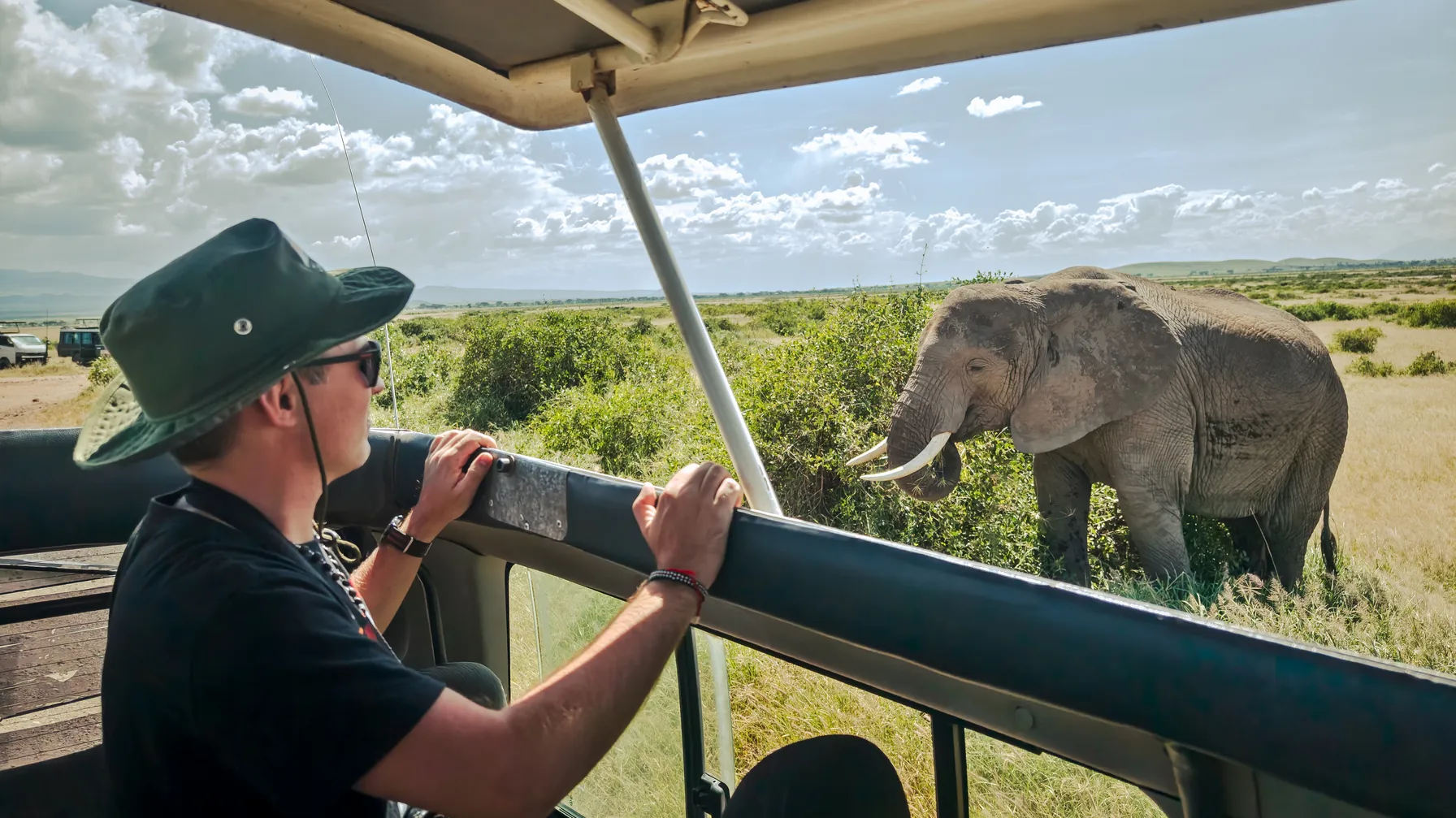
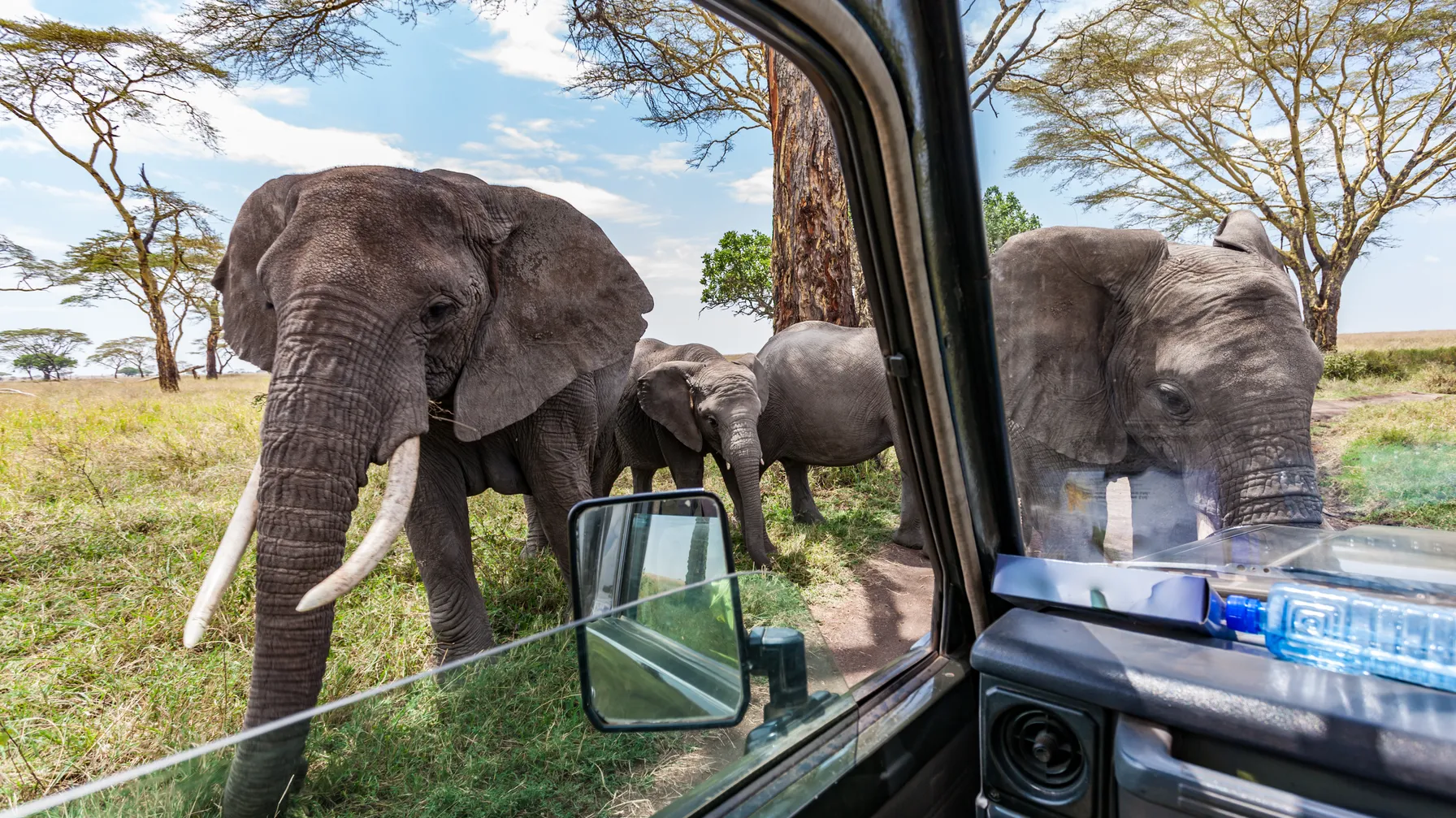
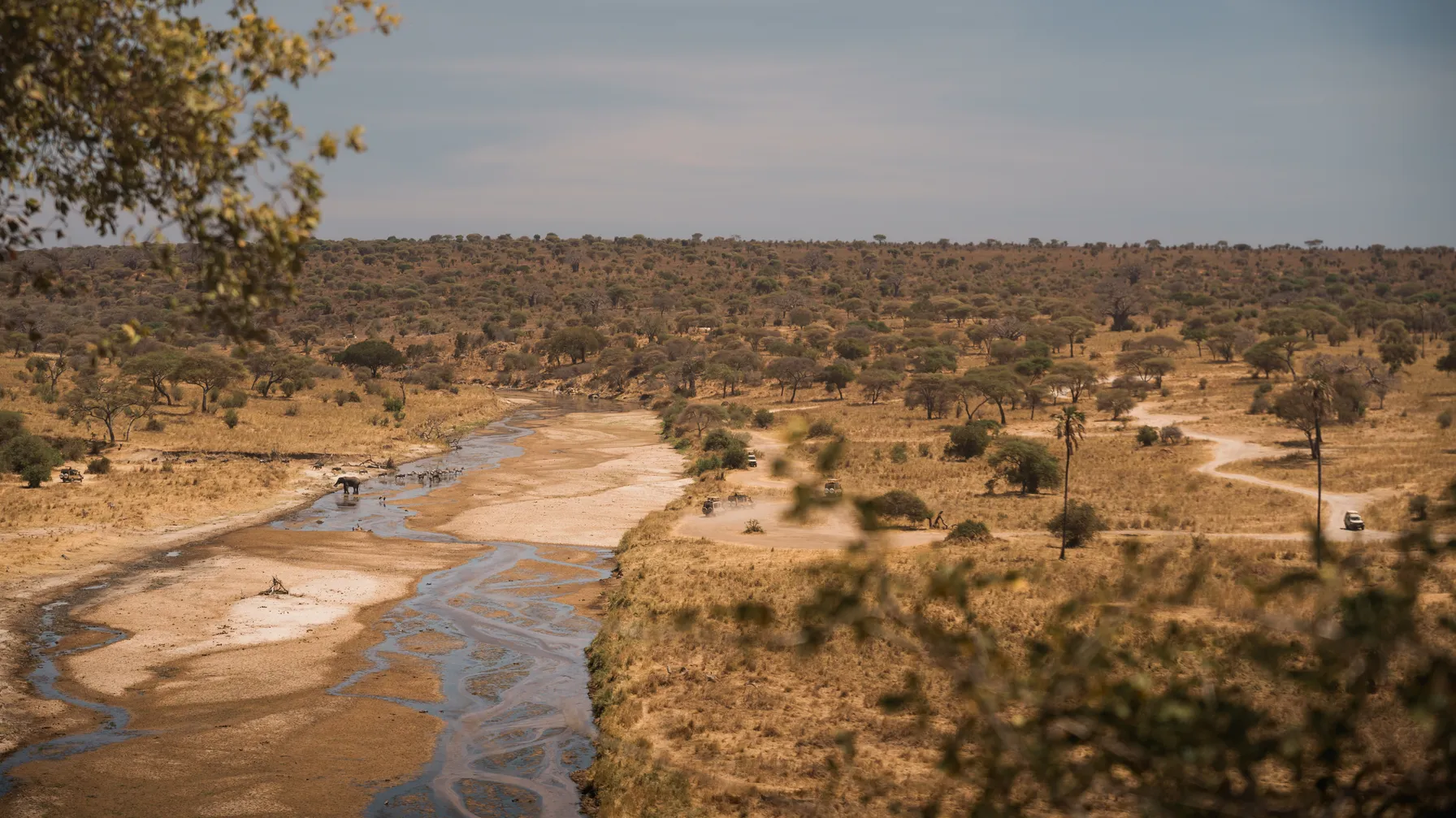
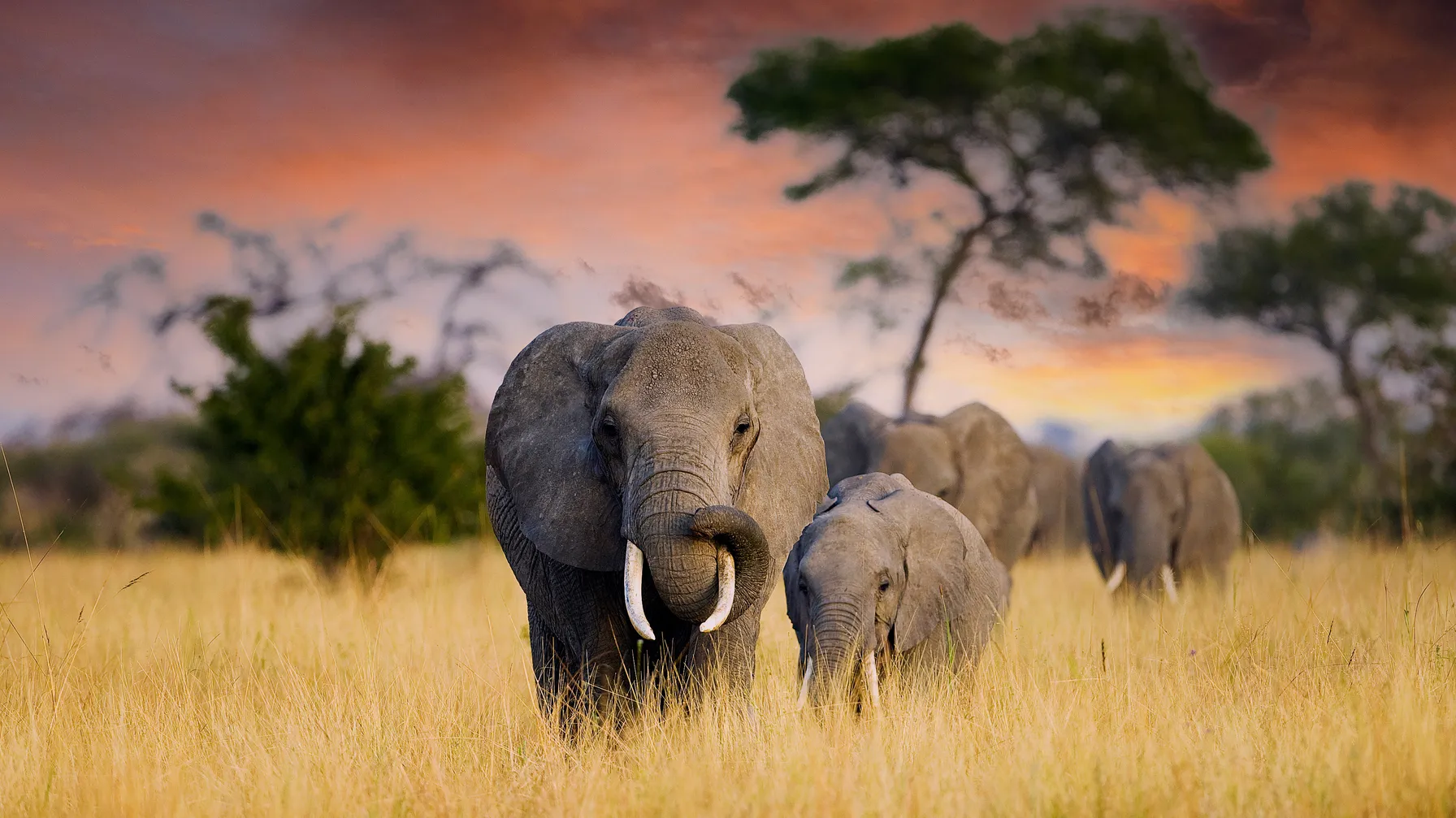
The parks of the north are the beating heart of your stay in Tanzania. Tarangire National Park welcomes you with its century-old baobabs and herds of elephants, particularly concentrated near the Tarangire River during the dry season. This exceptional concentration guarantees privileged observations in a setting with magnificent landscapes.
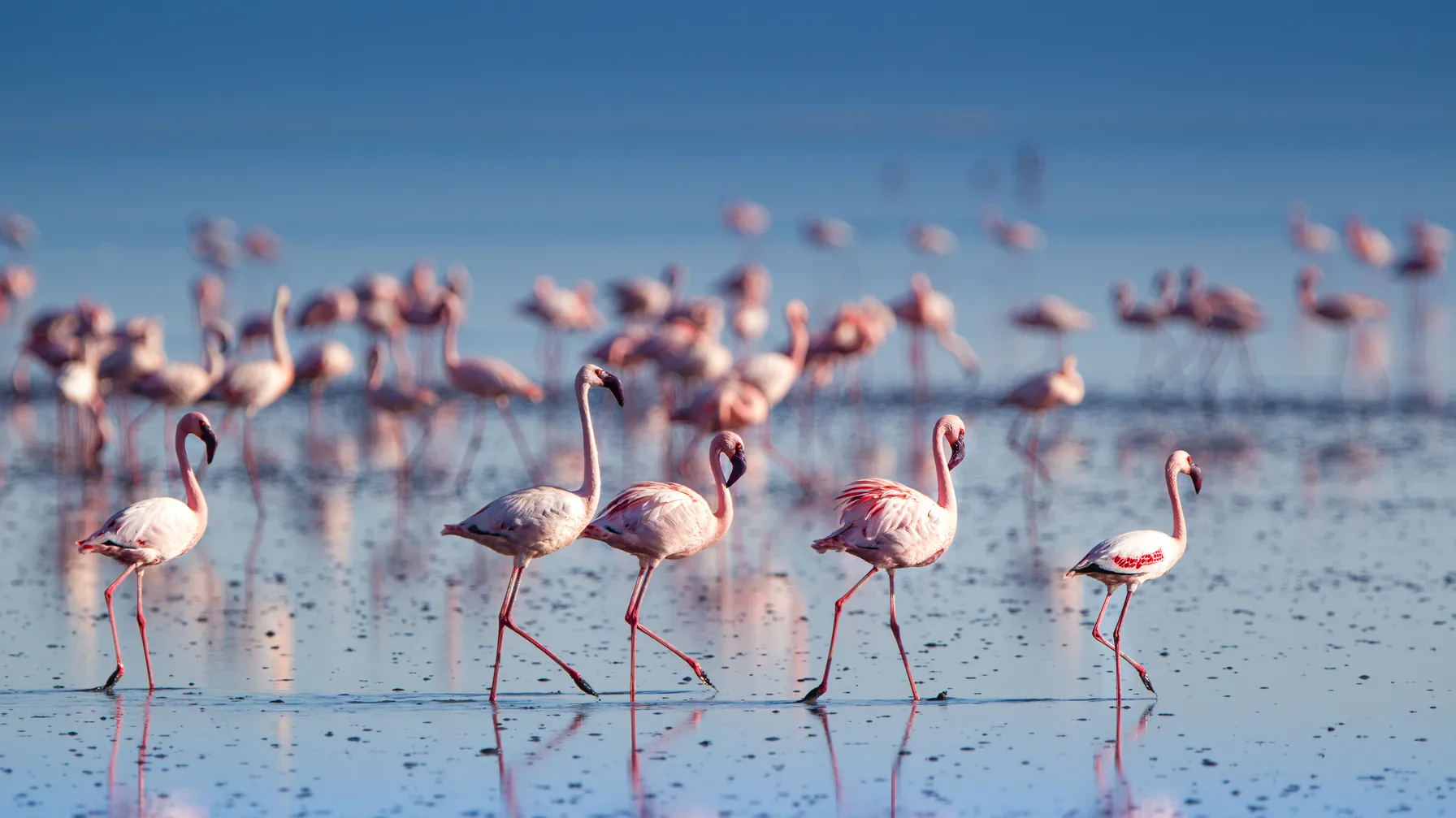
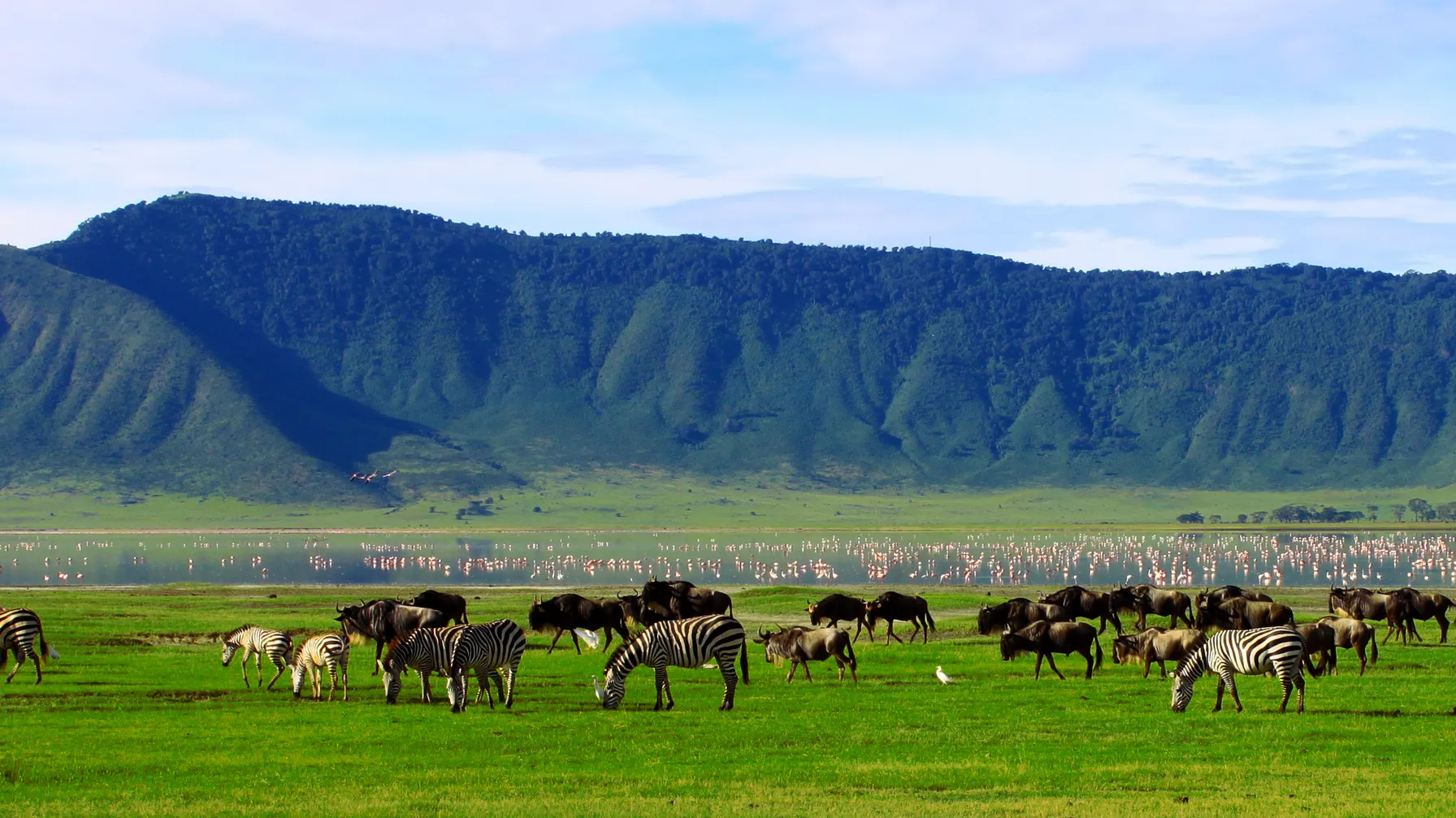
The Ngorongoro Crater, a real African Noah's Ark, reveals all its splendor in July. This unique caldera in the world hosts an extraordinary density of wildlife over its 300 square kilometers. Black rhinos, black-maned lions, and pink flamingos compose a natural tableau of incomparable richness. The absence of precipitation facilitates access to tracks and optimizes your chances of exceptional observations.
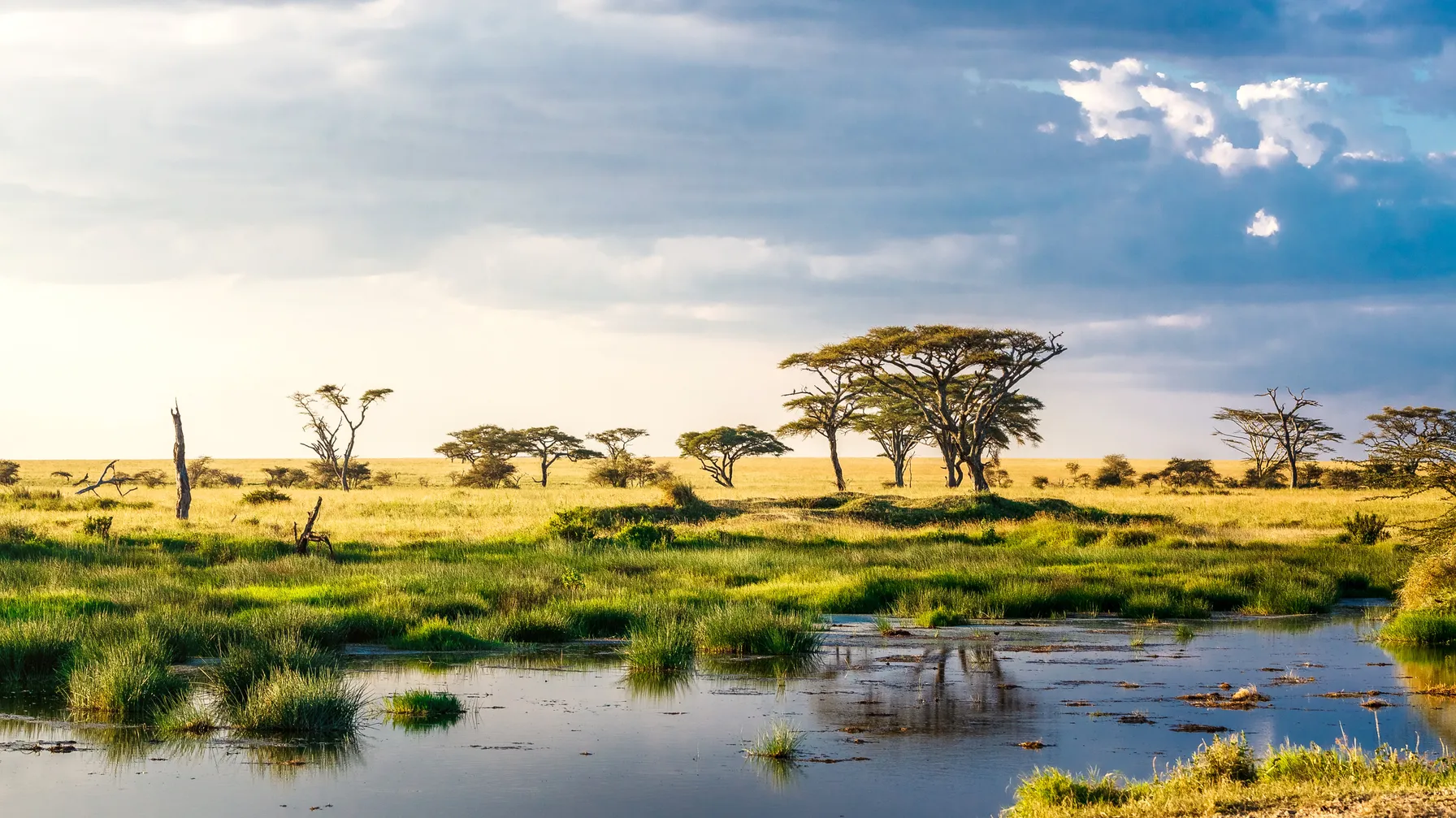
The Serengeti unfolds its endless plains under a sky of azure, offering breathtaking panoramas. Beyond the great migration, this national park reveals remarkable biodiversity with more than 500 species of birds and permanent fauna adapted to these vast expanses. The big cats find optimal hunting conditions, multiplying your opportunities to witness authentic wildlife scenes.
Kilimanjaro and high-altitude adventures
Climbing Kilimanjaro in July finds particularly favorable conditions. The dry season limits weather risks and offers exceptional visibility of the surrounding landscapes. The cooler temperatures at higher altitudes make the physical effort more bearable, while the absence of rain secures mountain trails.
This period allows you to evolve in optimal conditions through the different ecosystems of Africa's rooftop. From the savannas at the base to the eternal snows of the Uhuru summit, each stage reveals grandiose panoramas under a clear sky. Meteorological stability significantly increases your chances of reaching the summit and fully enjoying this unique experience.
The Usambara Mountains and Mount Meru also provide excellent alternatives for your high-altitude adventures. These less frequented massifs offer you rare intimacy and authentic encounters with local populations, perfectly complementing your discovery of Tanzania.
Zanzibar and its dream beaches
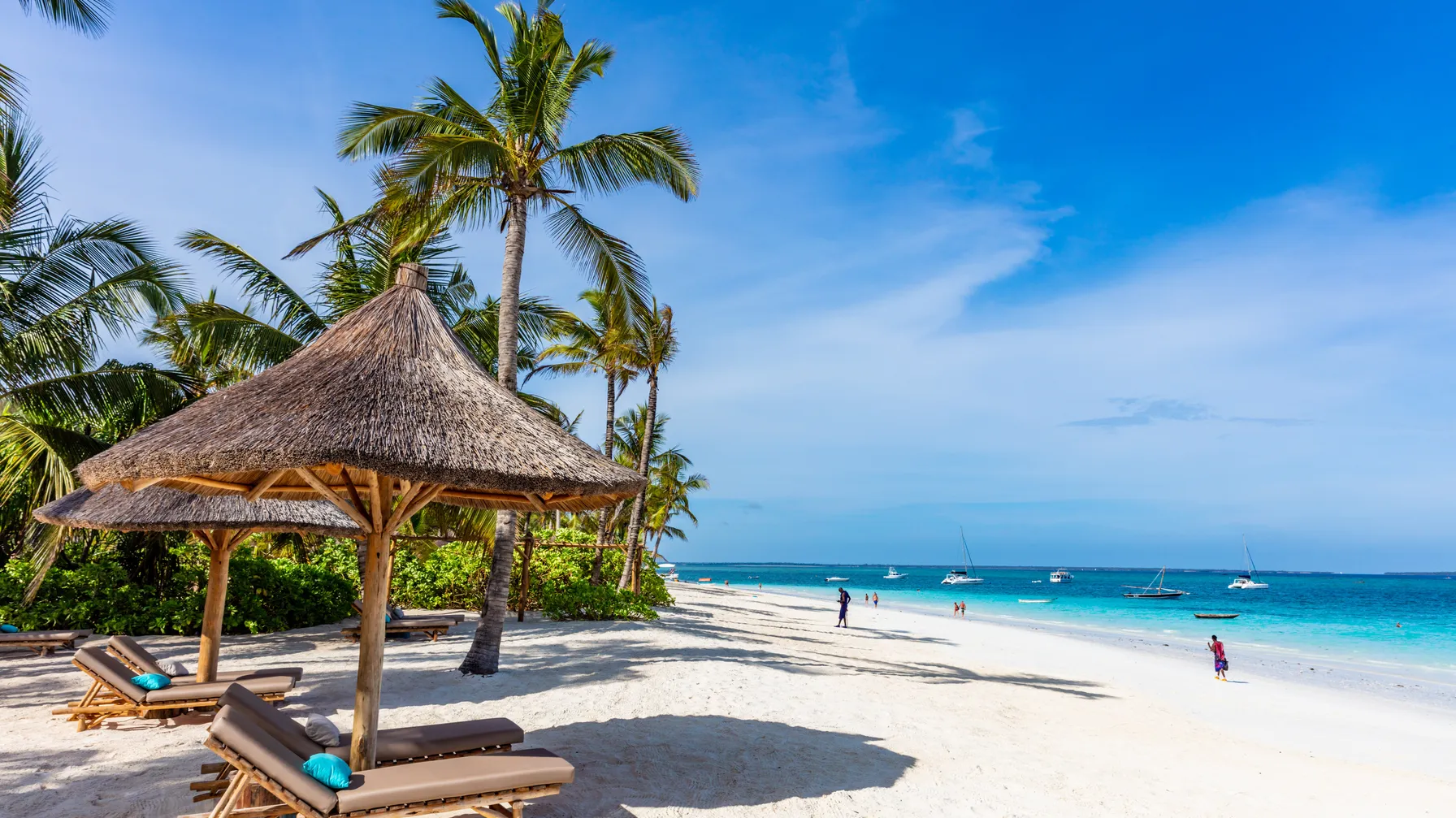
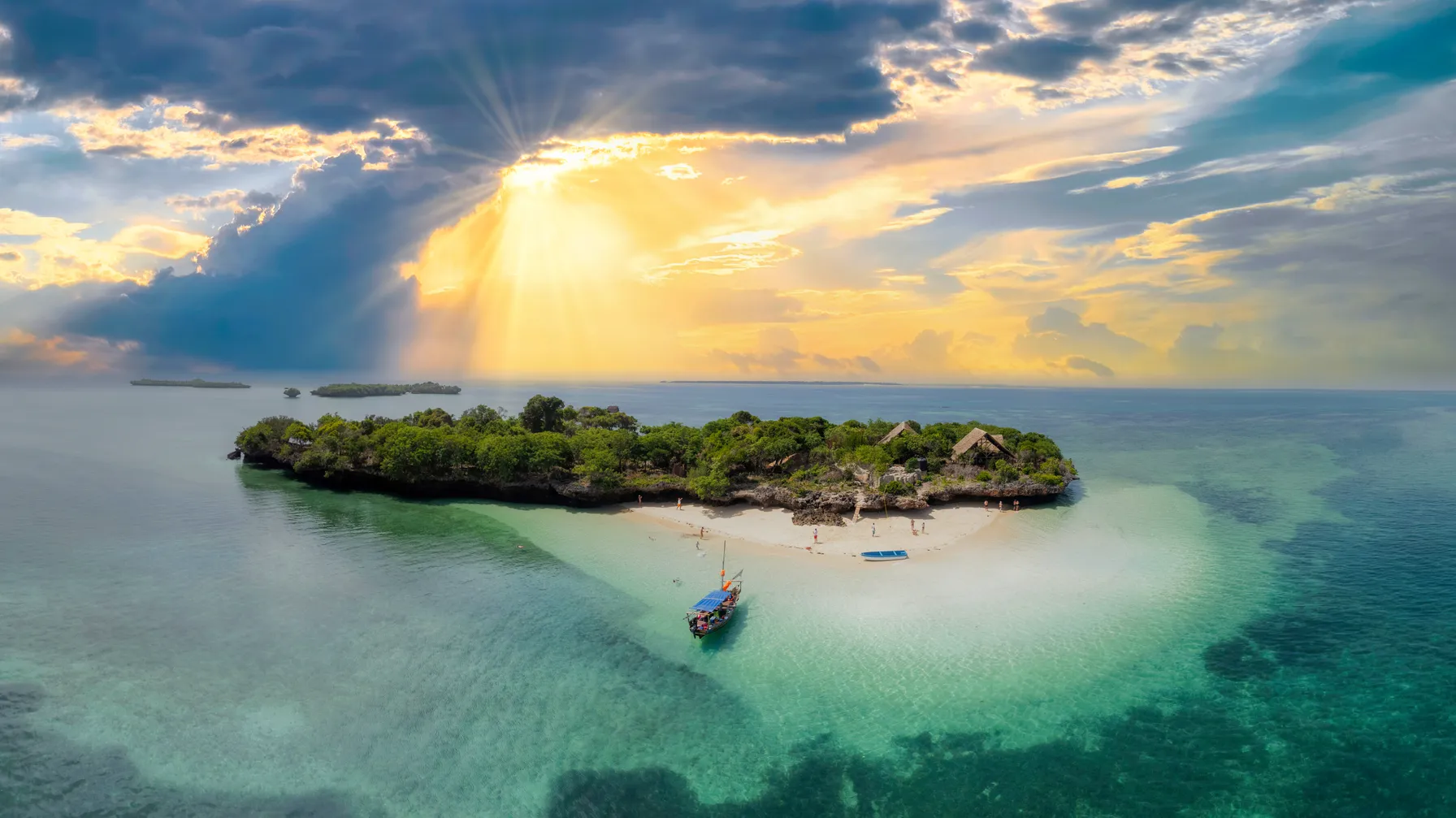
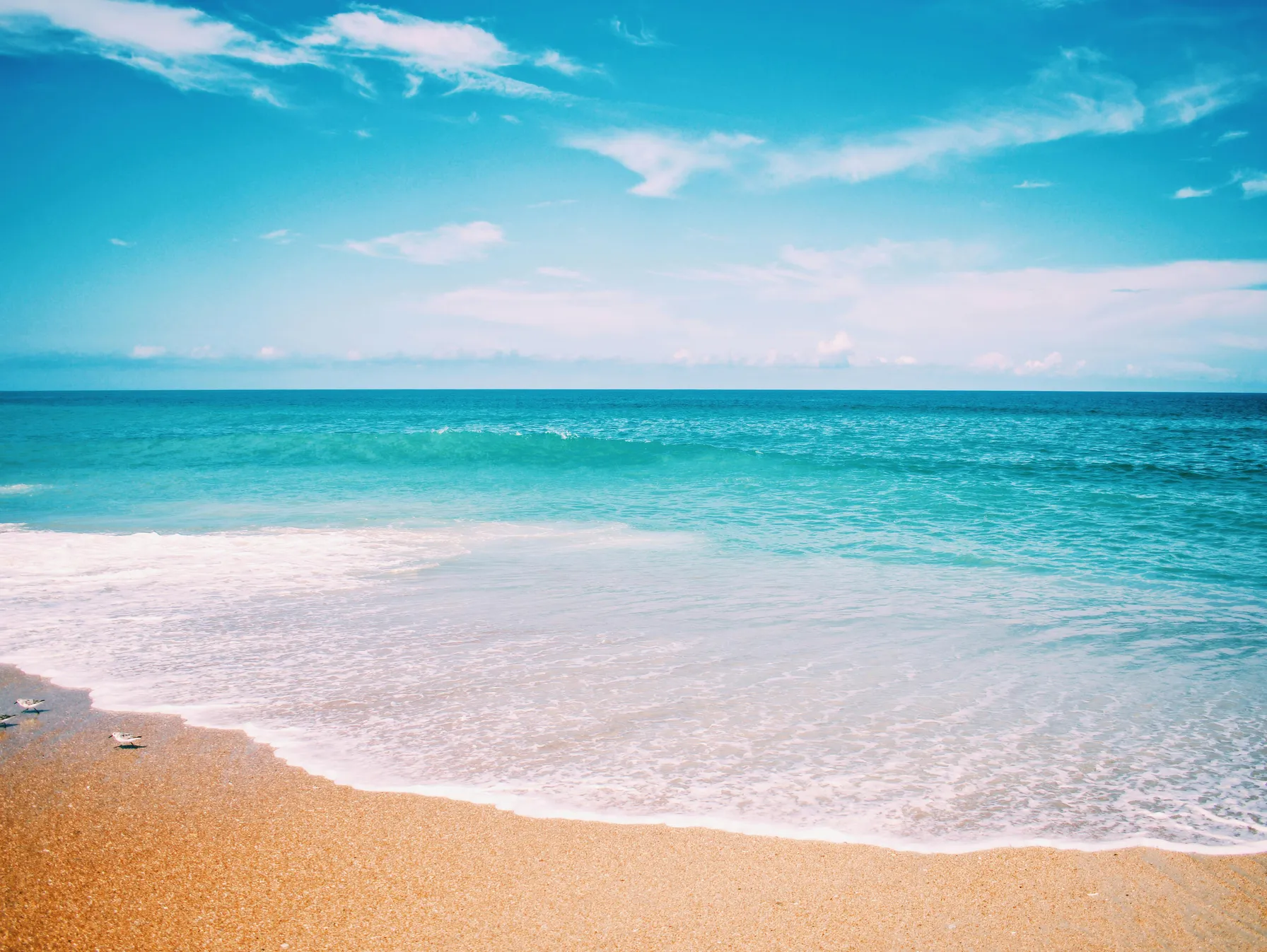
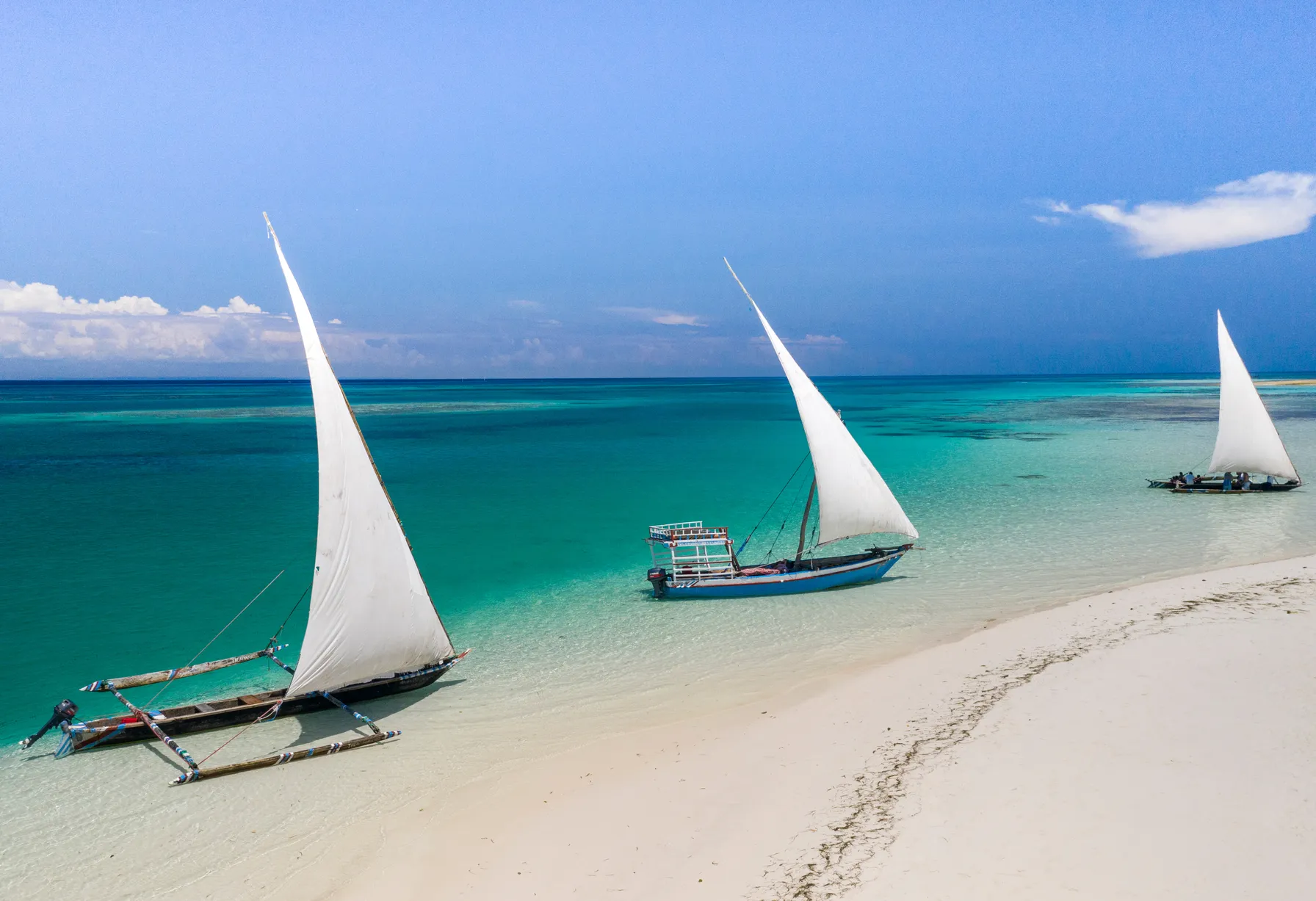
After the intensity of your safaris, Zanzibar's beaches welcome you into a cocoon of tropical serenity. July marks an ideal period to enjoy these turquoise lagoons and immaculate white sandy stretches. The water temperatures are around 26°C, perfect for swimming and water activities.
Stone Town, a gem of architectural and world heritage, reveals all its splendor under the July sun. This ancient spice city transports you into a fascinating cultural mix, between Arab, Persian, and African influences. The mild temperatures encourage exploration of its labyrinthine streets and colorful markets.
The conditions in July also prove perfect for scuba diving around the archipelago. The exceptional visibility and calm waters allow you to explore the coral reefs in optimal conditions. Dolphins, sea turtles, and tropical fish populate these crystal-clear waters, offering unique moments of sharing with marine life.
Contact us for more information about our custom tours in Tanzania
How to optimize your stay in Tanzania in July?
Successfully planning your trip to Tanzania during this peak time requires careful preparation, particularly because of the high tourist season that characterizes this month.
Anticipating the high tourist season
July corresponds to the high season in Tanzania, a period during which tourist inflow reaches its maximum. This popularity, justified by exceptional conditions, requires strict planning of your stay in Tanzania. The best lodges and tented camps are fully booked several months in advance, making early reservation essential to guarantee the quality of your accommodation.
The increased demand during July and August also leads to a rise in prices for both accommodations and activities. However, this period ensures high-quality services and attentive care, perfectly suited to the demands of a tailor-made journey. Our advice: plan your family trip or honeymoon at least six months in advance to benefit from the best options.
The significant attendance of national parks may require a tailored strategy to optimize your safaris. Prefer morning and late afternoon outings, times when the wildlife is more active and the crowds are smaller. This approach guarantees high-quality sightings in a more intimate atmosphere.
Practical tips for a successful trip
Your wardrobe should adapt to the temperature variations characteristic of July in Tanzania. Favor light and breathable clothing during the day, complemented by extra layers for cooler evenings, especially in high altitudes areas. Neutral colors are still recommended for safaris, while a hat and sunglasses are essential against the intensity of the tropical sun.
Sun protection needs special attention during this sunny period. A high SPF sunscreen, applied regularly, effectively protects your skin from the intensity of UV rays at high altitudes and in the tropics. Remember that altitude amplifies sun exposure, making this precaution even more crucial during your mountain adventures.
To have an optimal safari, equip yourself with quality binoculars and a camera with a telephoto lens. The dry season makes it easier to approach animals near permanent water points, multiplying exceptional photographic opportunities. An experienced local guide will maximize your chances of privileged observations thanks to their in-depth knowledge of wildlife habits.
The choice of your itinerary should consider your priorities: a family vacation prioritizing safety and comfort, a honeymoon seeking intimacy and romance, or a solo adventure focused on authenticity and discovery. Each approach requires a custom design to perfectly meet your specific expectations.
The period from June to October is overall the optimal tourist season, but July stands out for the intensity of its natural experiences. This ideal time fully justifies travel advice recommending careful planning to turn your discovery of Tanzania into unforgettable memories.
Contact us for more information on the best times to travel
Demandez votre devis United Republic Of Tanzania sur-mesure 100% gratuit
 4.8
4.8+3.000 travelers satisfied