Tanzania in February: discover East Africa under the sun
What climate awaits you in Tanzania during the month of February?
Traveling to Tanzania in February immerses you in a particularly favorable tropical atmosphere. This period marks the ideal transition between the end of the short rains and the onset of a dry and sunny climate across the territory.
Ideal temperatures for adventure
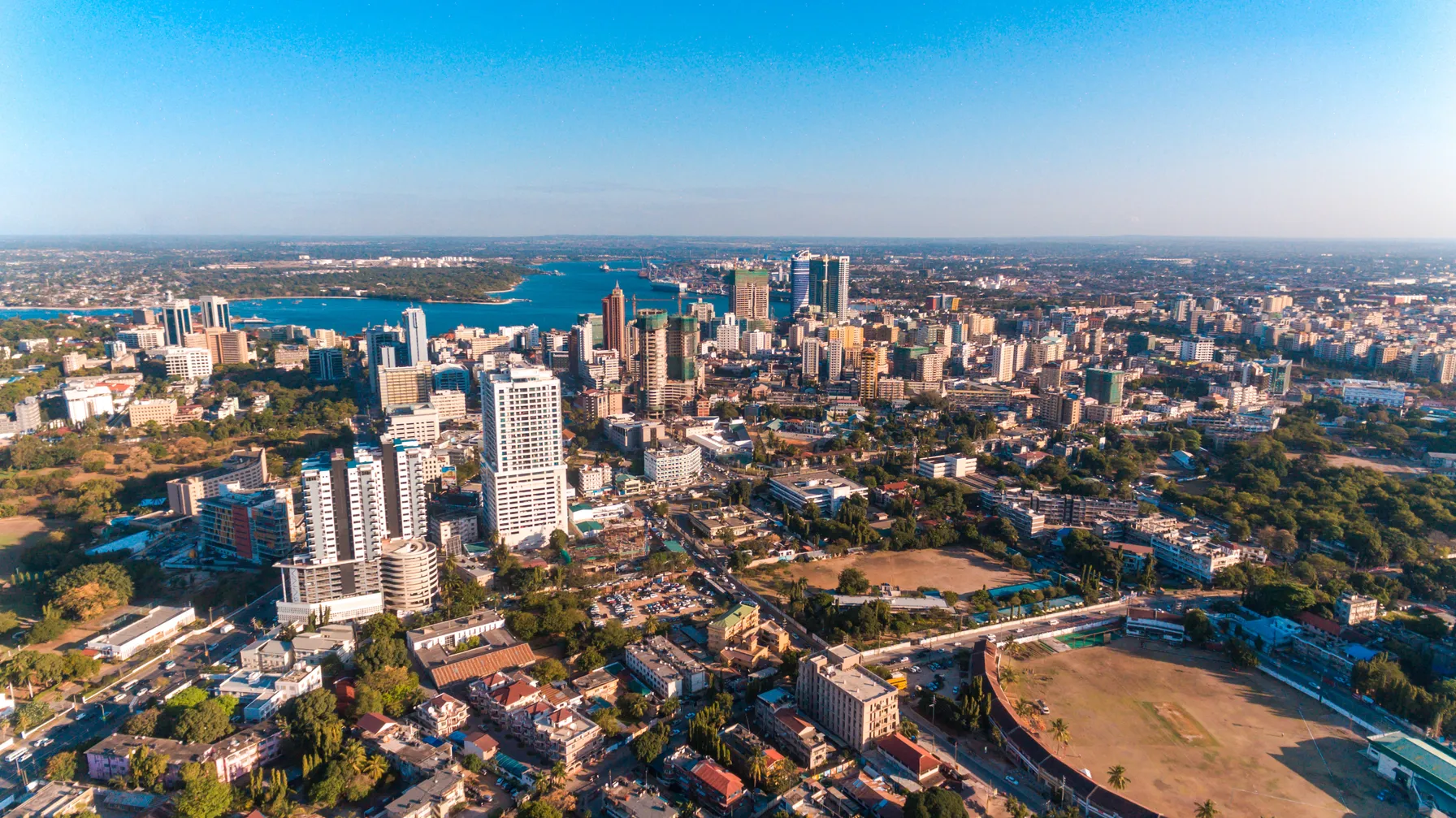
During the season, temperatures harmoniously vary according to the regions you explore. On the coast and in the Zanzibar archipelago, you enjoy warm days with highs around 32°C, while nights remain pleasant at about 24°C. This consistent warmth makes water activities and exploring Stone Town particularly enjoyable.
Inland, especially in high-altitude areas like around Kilimanjaro National Park, temperatures are milder. You enjoy sunny days peaking at 29°C and cool evenings dropping to 16°C, creating perfect conditions for morning safaris and wildlife observation.
| Region | Minimum Temperature | Maximum Temperature | Precipitation |
|---|---|---|---|
| Coast (Dar es-Salaam) | 24°C | 32°C | 65 mm |
| North (Arusha) | 16°C | 29°C | 45 mm |
| Zanzibar | 25°C | 32°C | 70 mm |
Between dry season and verdant landscapes
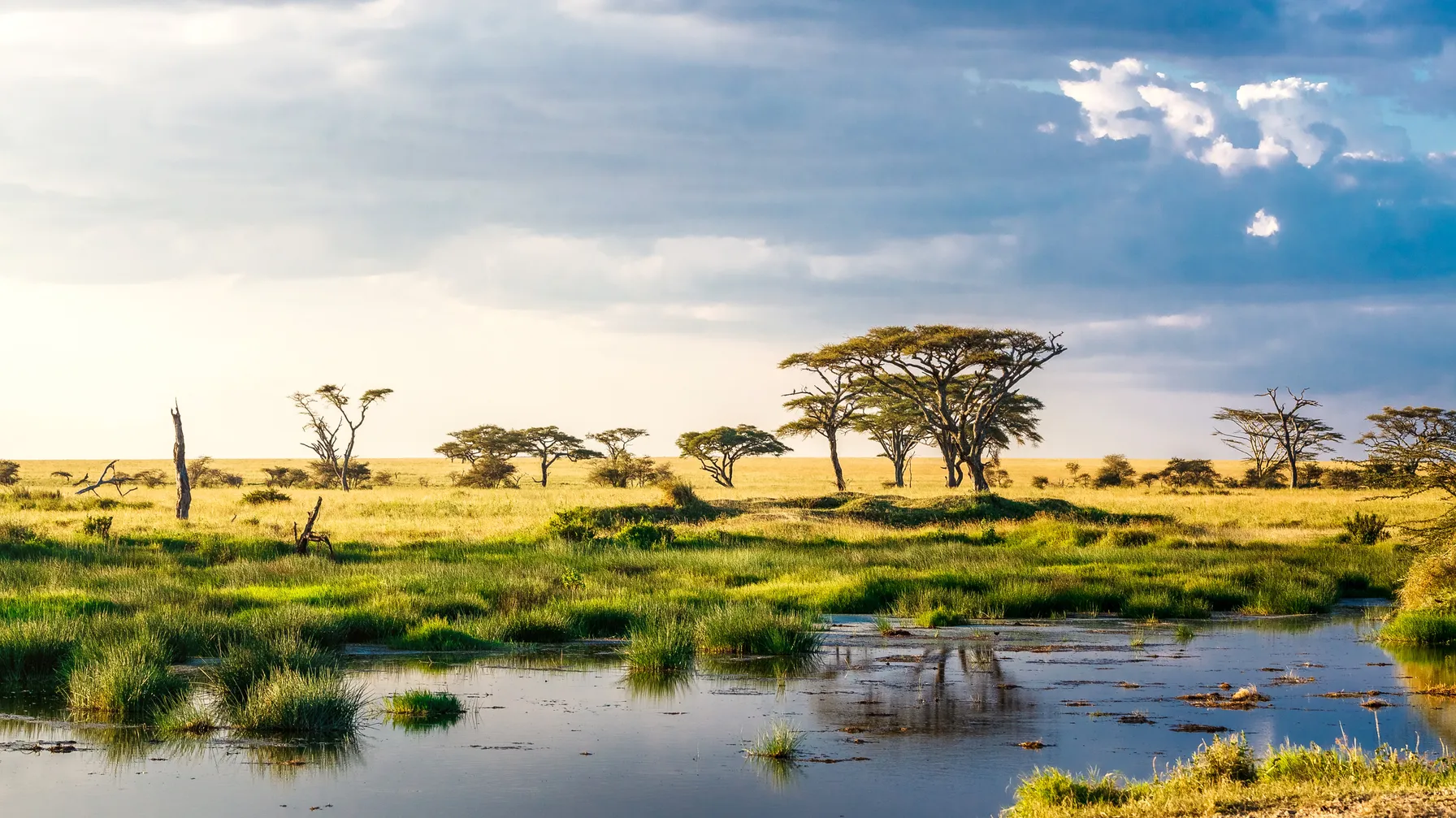
February offers you the best of both climatic worlds. After the short rainy season ends, the vegetation remains lush and the landscapes keep their vibrant colors. This persistent greenery contrasts beautifully with the characteristic blue skies of the emerging dry season.
Generous sunshine, with nearly 8 hours of sunlight per day, illuminates the national parks and facilitates wildlife observation. The occasional sporadic showers, generally short and in the late afternoon, refresh the atmosphere without disrupting your activities. This weather in Tanzania during January and February creates a unique ambiance, where nature reveals all its splendor.
Contact us for more information on the best times to visit
Why does February turn your safari into a unique experience?
Experiencing Tanzania during this prime period guarantees exceptional wildlife encounters. Favorable climatic conditions and natural cycles combine to create a striking spectacle in all the national parks of the country.
The great migration and the birthing season
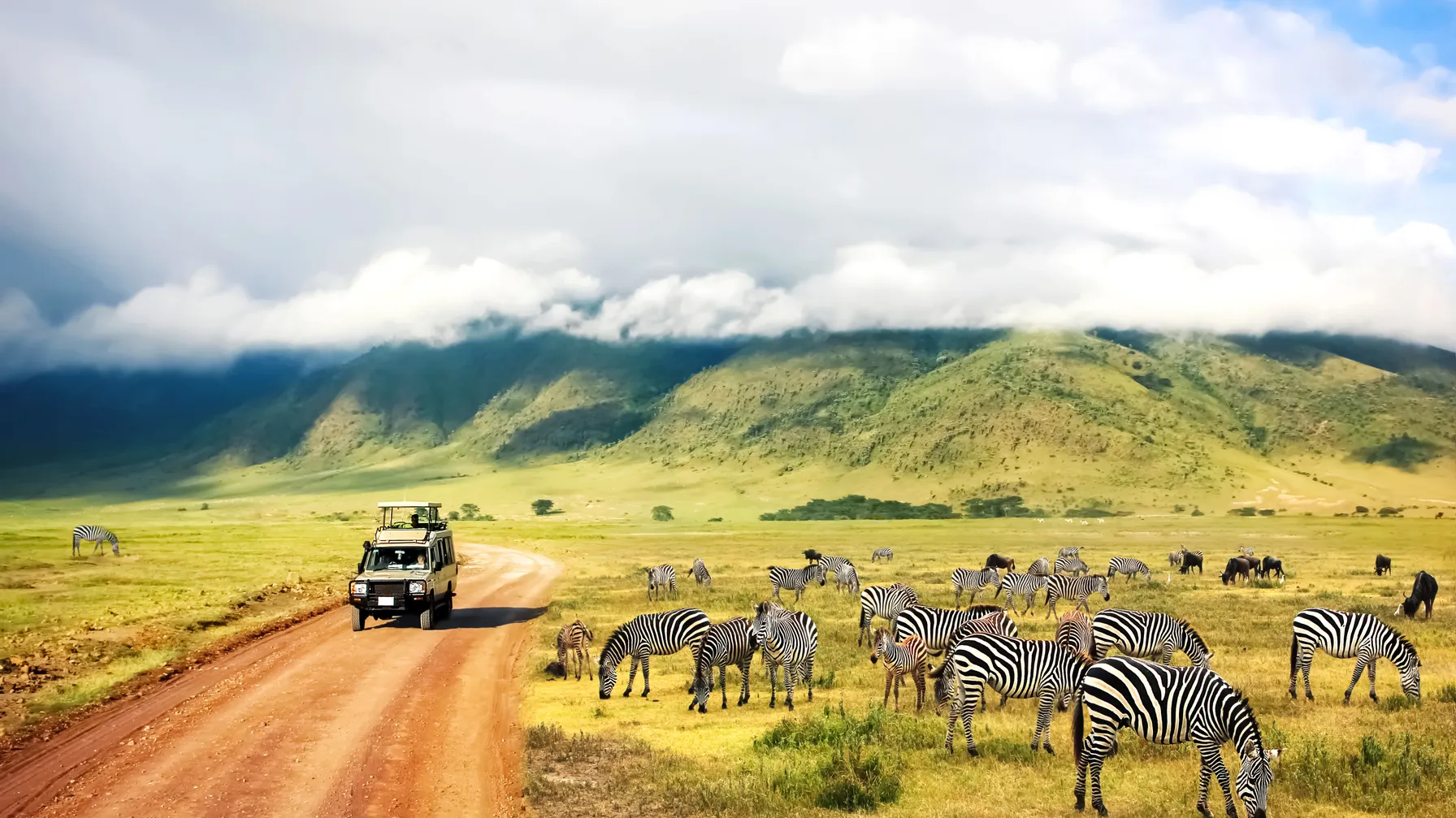
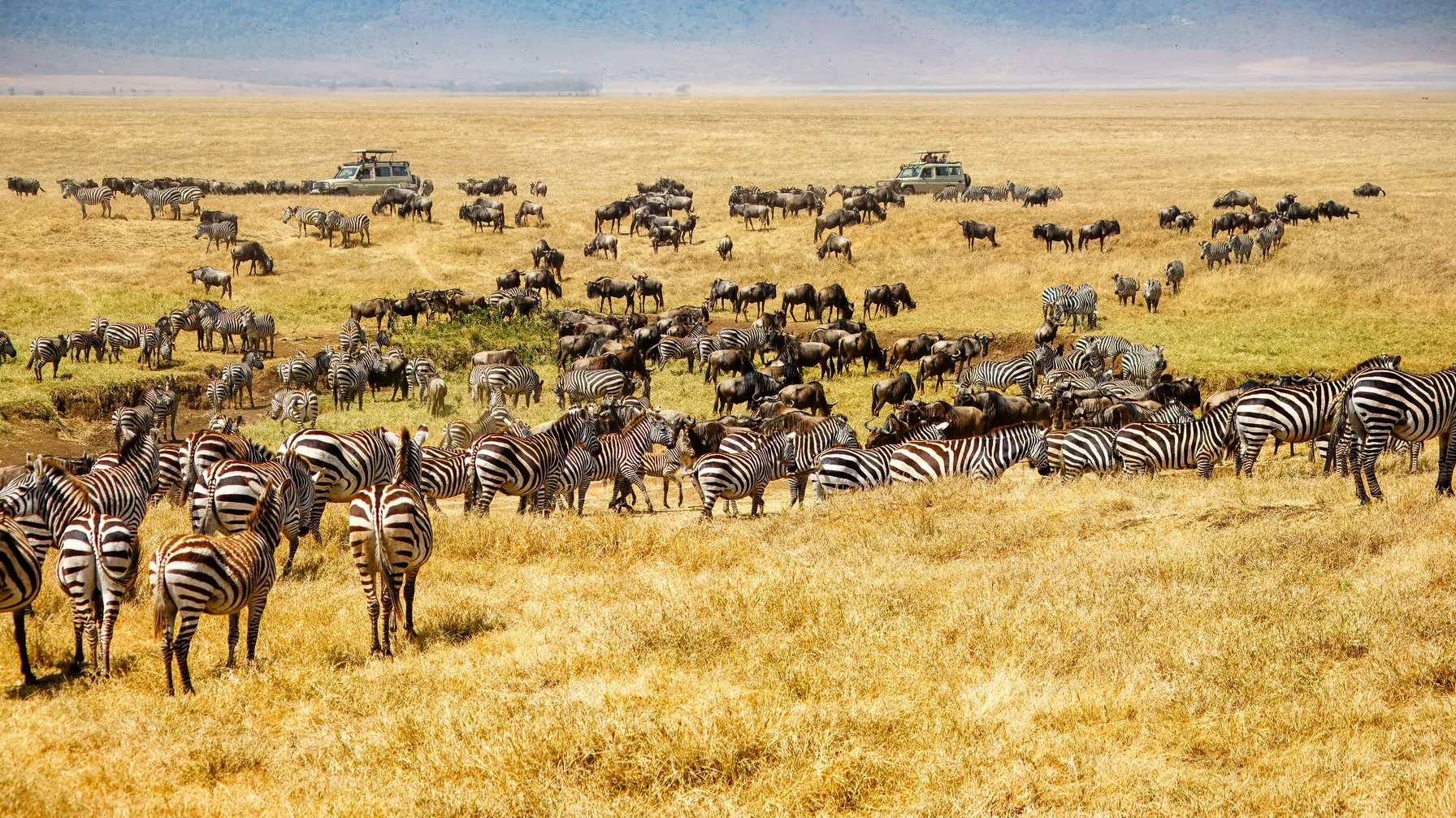
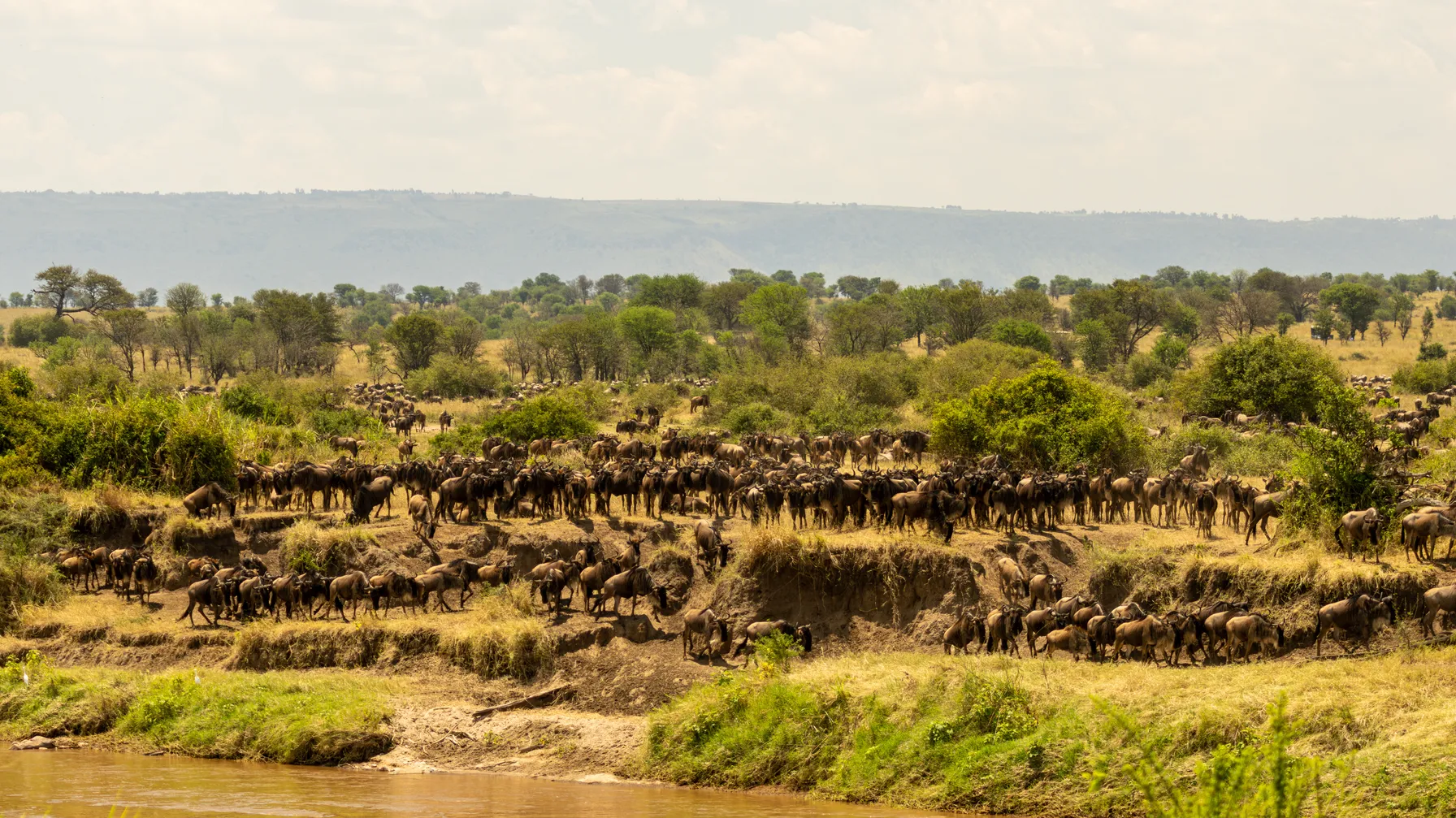
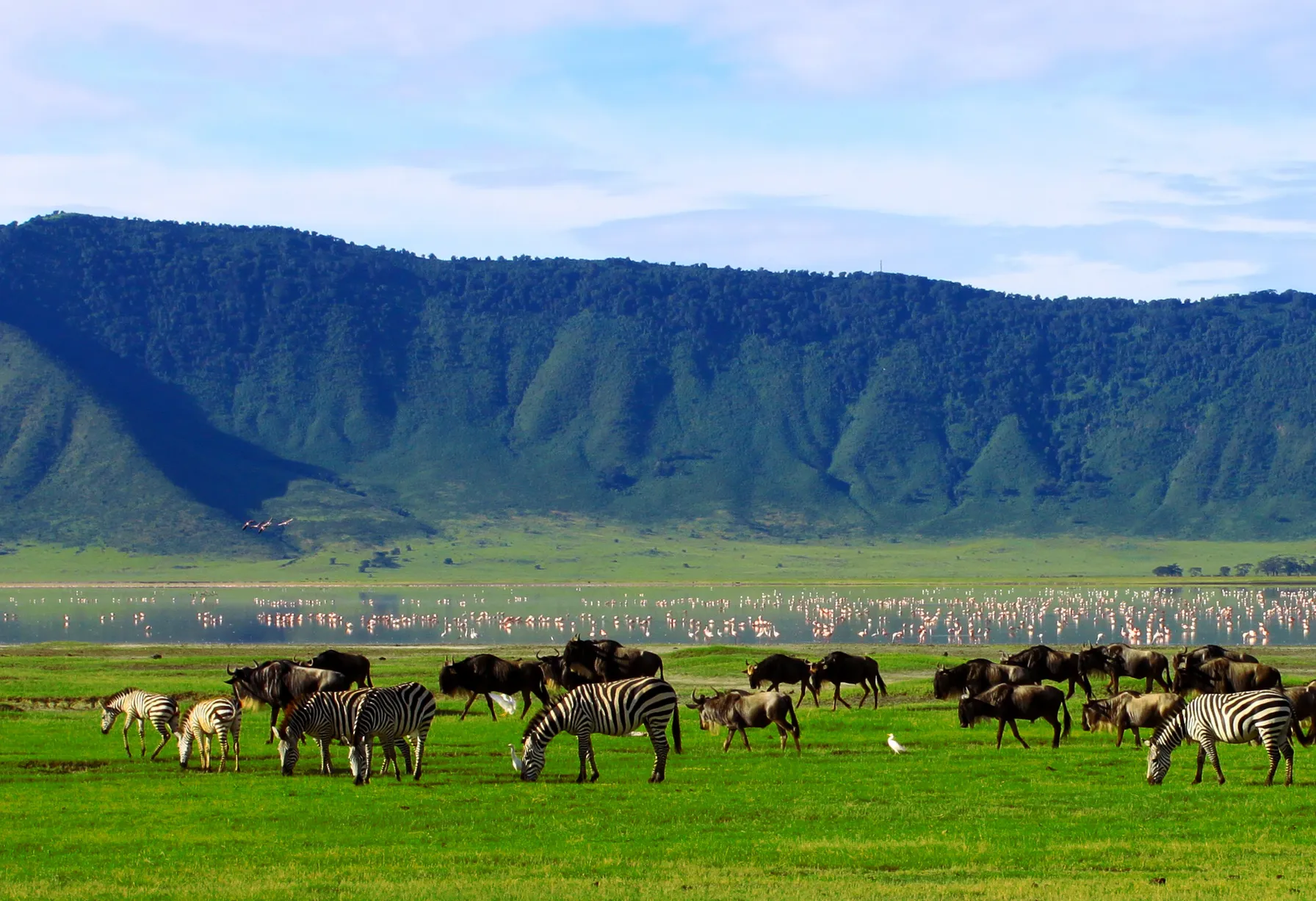
The month of February coincides with one of the most extraordinary natural phenomena in the world. In the plains of Serengeti National Park, particularly in the Ndutu area, you witness the birthing period of the great migration. Over 500,000 wildebeests give birth to their young, creating a poignant and fascinating spectacle.
This massive concentration of herbivores naturally attracts predators. Lions, leopards, cheetahs, and hyenas intensify their activity, offering travelers privileged observation opportunities. The interactions between prey and predators become particularly intense, transforming each safari in Tanzania into a thrilling adventure.
Exceptionally active wildlife in the national parks
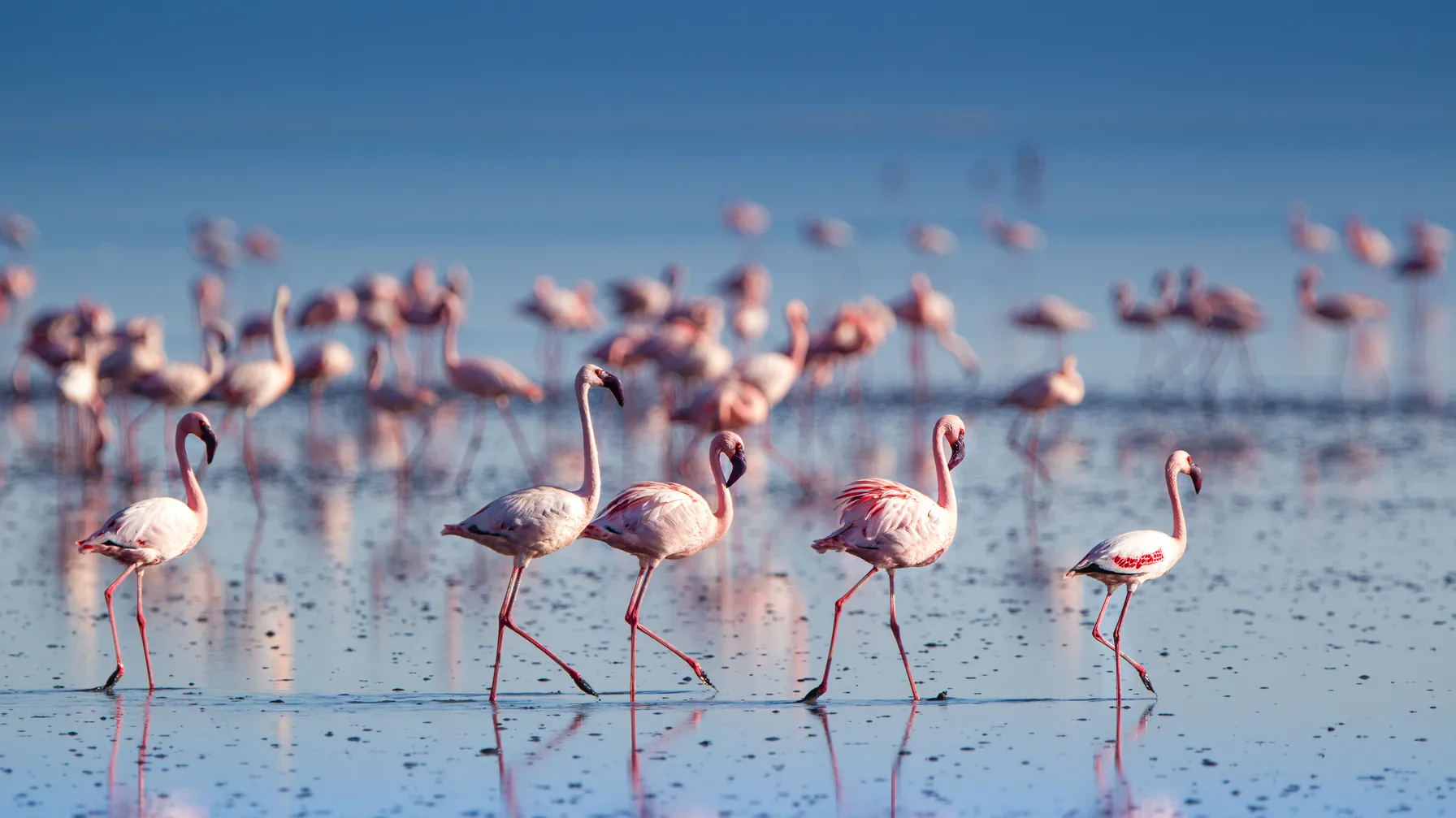
Beyond the Serengeti, other gems reveal their secrets. The Ngorongoro Crater, a true African Noah's Ark, contains a remarkable density of animals. Pink flamingos populate the alkaline lakes, creating stunning pink and white vistas against the volcanic backdrop.
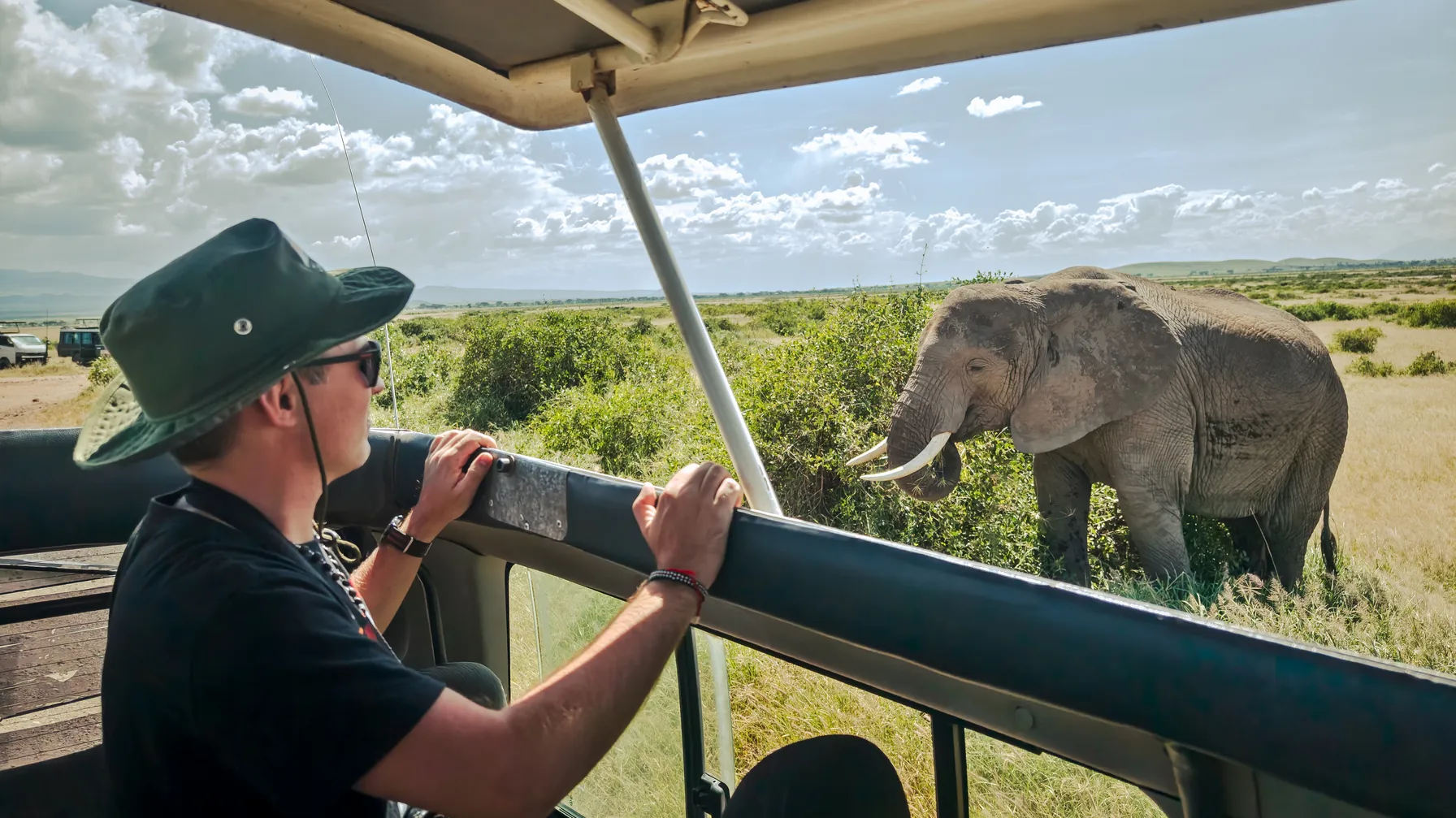
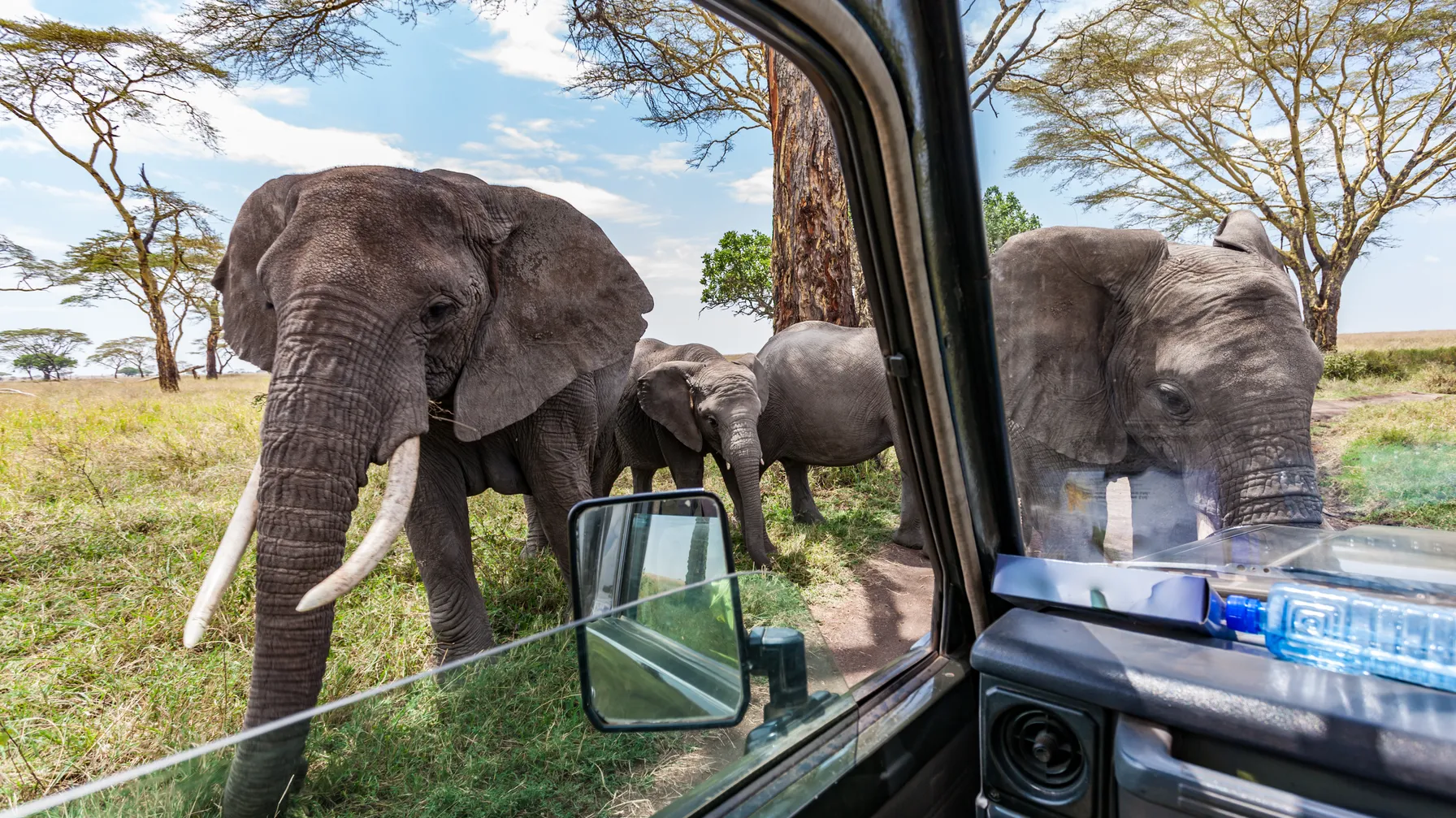
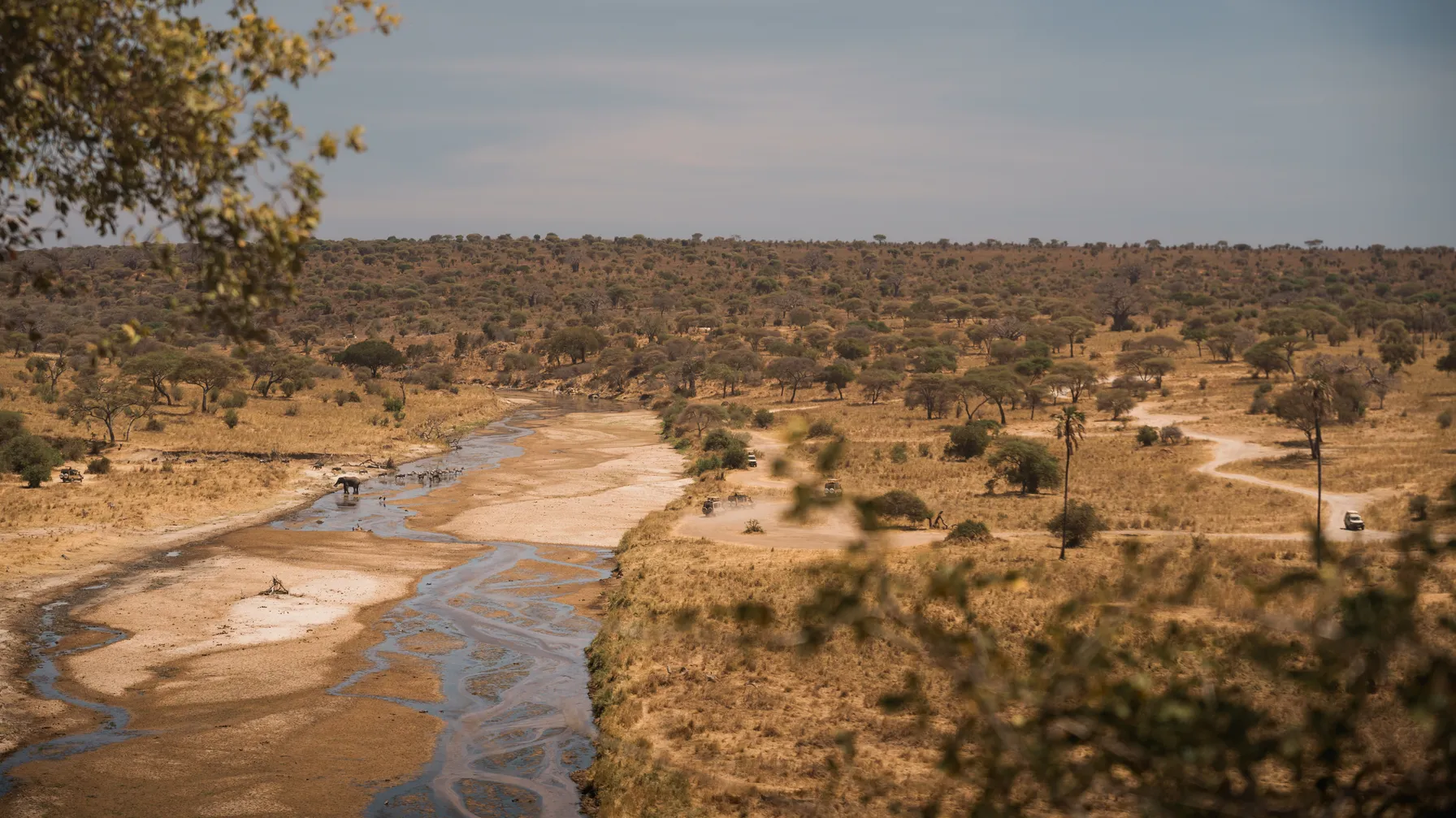
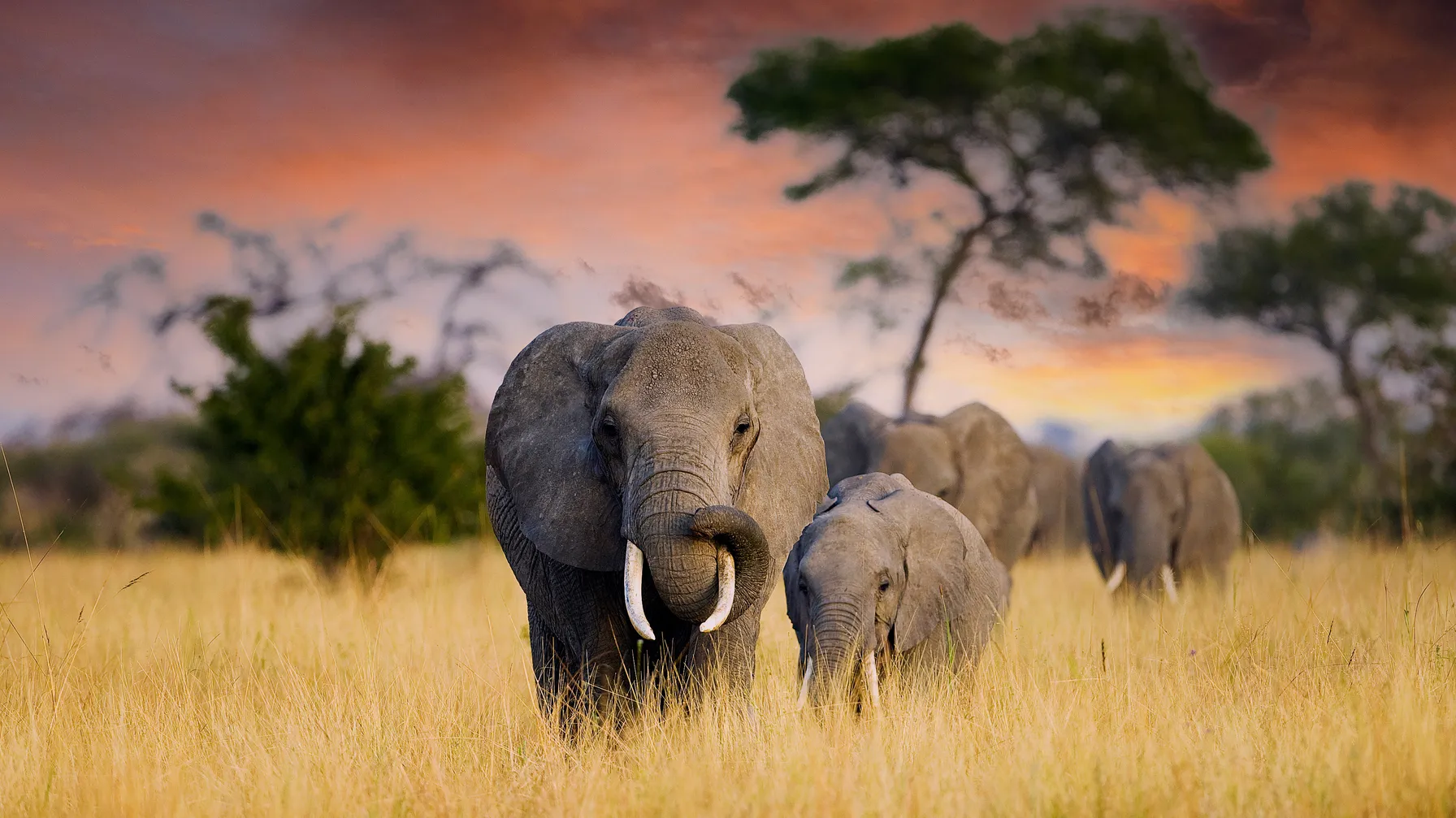
Tarangire National Park surprises you with its gatherings of elephants around the last permanent water points. These peaceful giants coexist with ancient baobabs and diverse antelopes, composing scenes of striking beauty. Further south, Ruaha National Park offers an off-the-beaten-path alternative, where lions and leopards roam in a preserved wild nature.
The birdlife also reaches its peak during this period. European migratory birds join the resident species, bringing ornithological diversity to its maximum. Tarangire becomes a paradise for enthusiasts, with over 500 observable species.
Book your trip to Tanzania now
What activities to prioritize during your February vacation?
This exceptional period offers you a range of incomparable experiences. Each region reveals its strengths under this favorable tropical climate, allowing you to tailor a perfectly suited journey to your aspirations.
Climbing Mount Kilimanjaro under a clear sky
Climbing the roof of Africa in February finds optimal conditions. The dry season that sets in ensures exceptional visibility and passable trails. Moderate temperatures at the base facilitate progressive acclimatization, while starry nights offer unforgettable celestial shows.
Kilimanjaro National Park enjoys reduced attendance compared to the high season months. This relative calm allows for a more intimate experience with the mythical mountain. Local guides, less in demand, can provide personalized attention to each group, optimizing the chances of a successful ascent.
The Zanzibar archipelago: islands with perfect climate
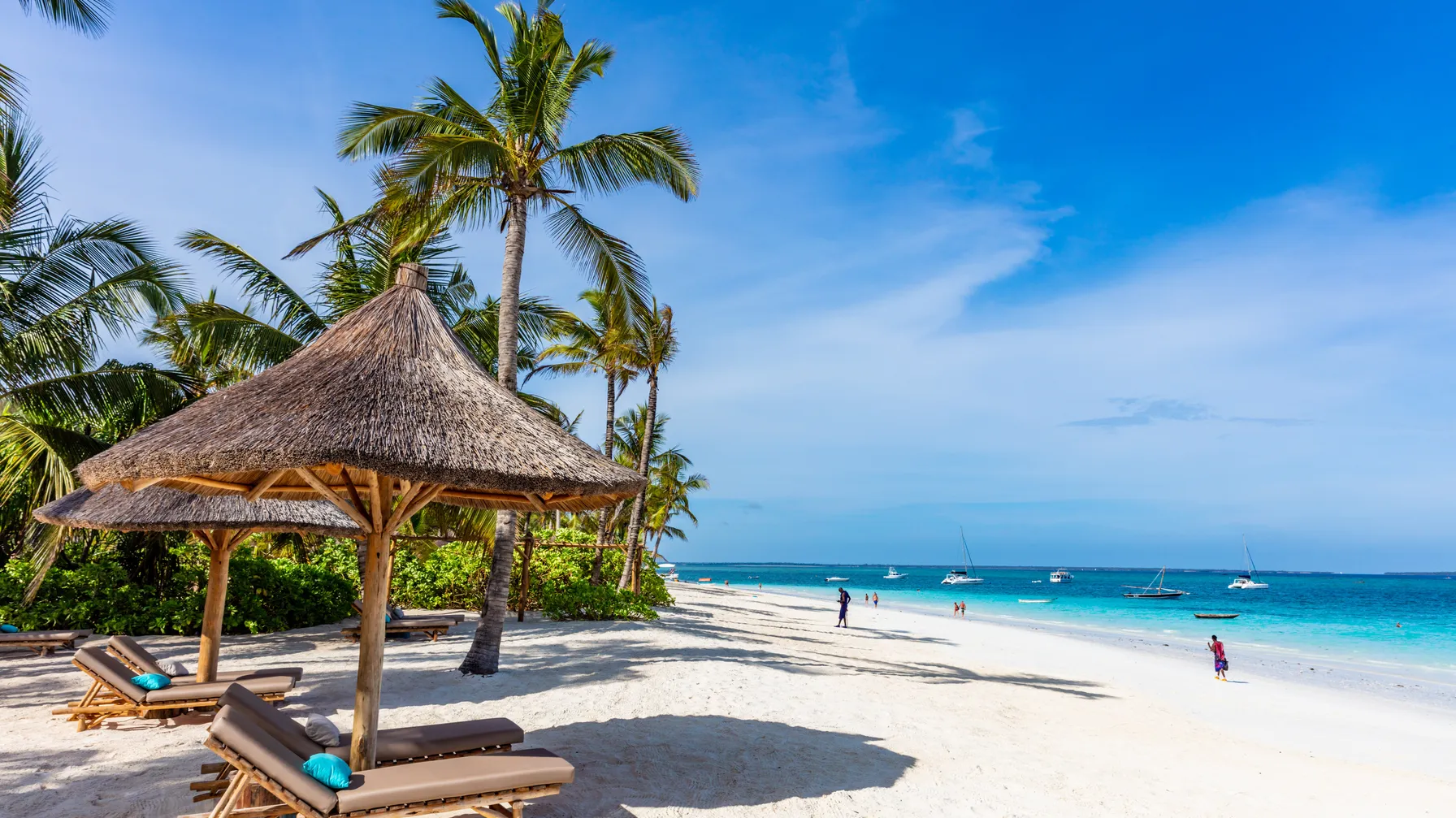
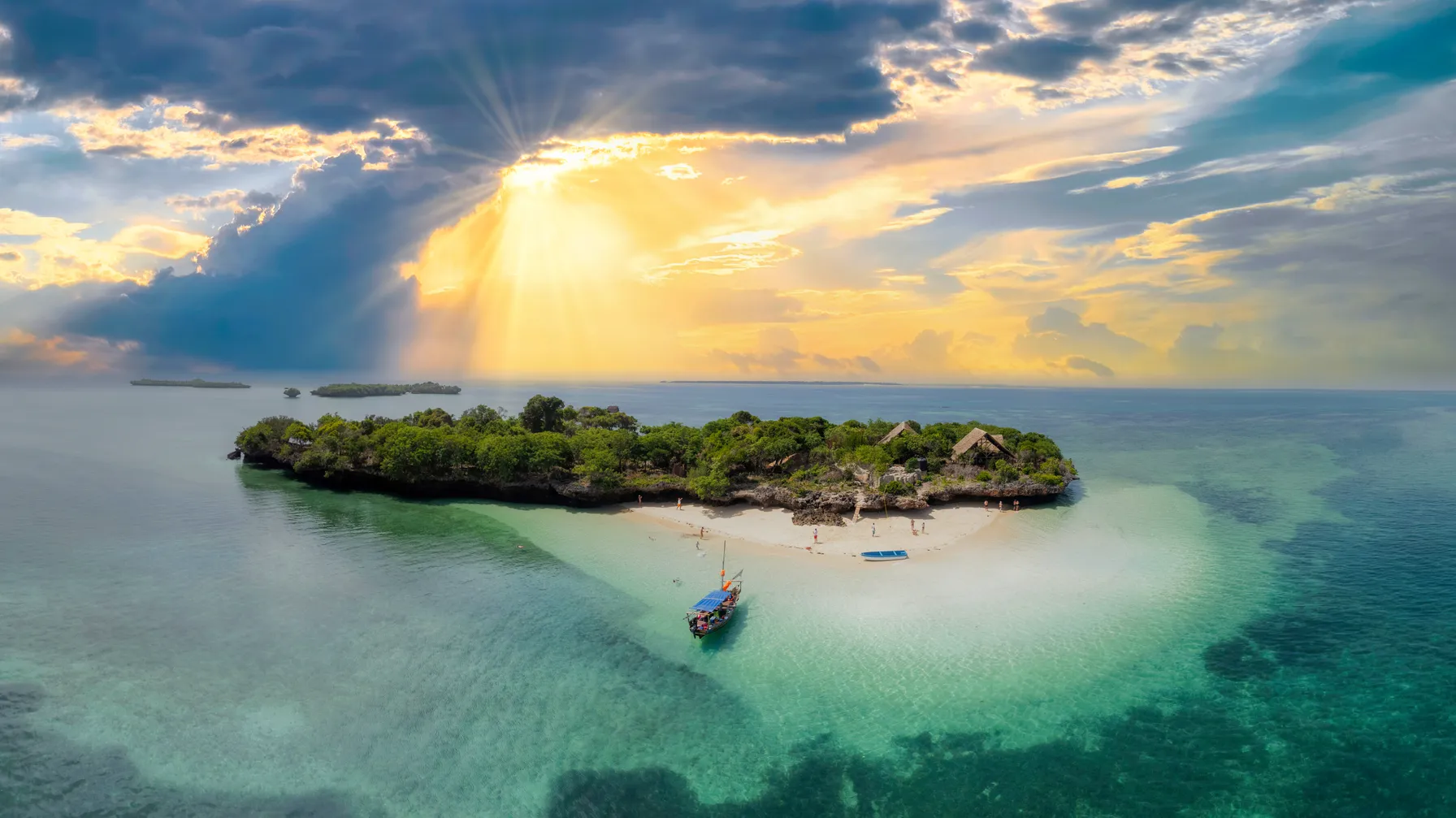
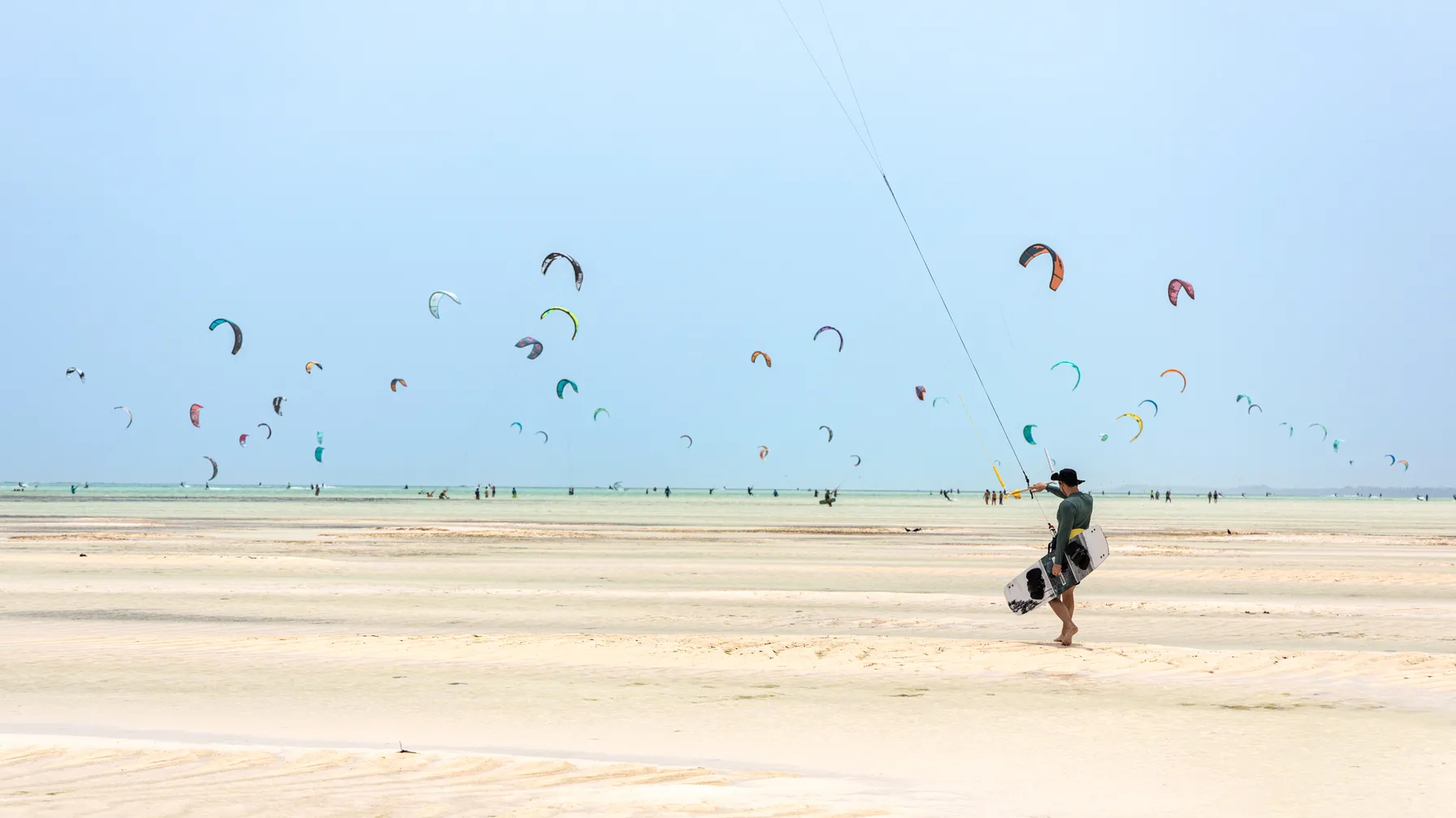
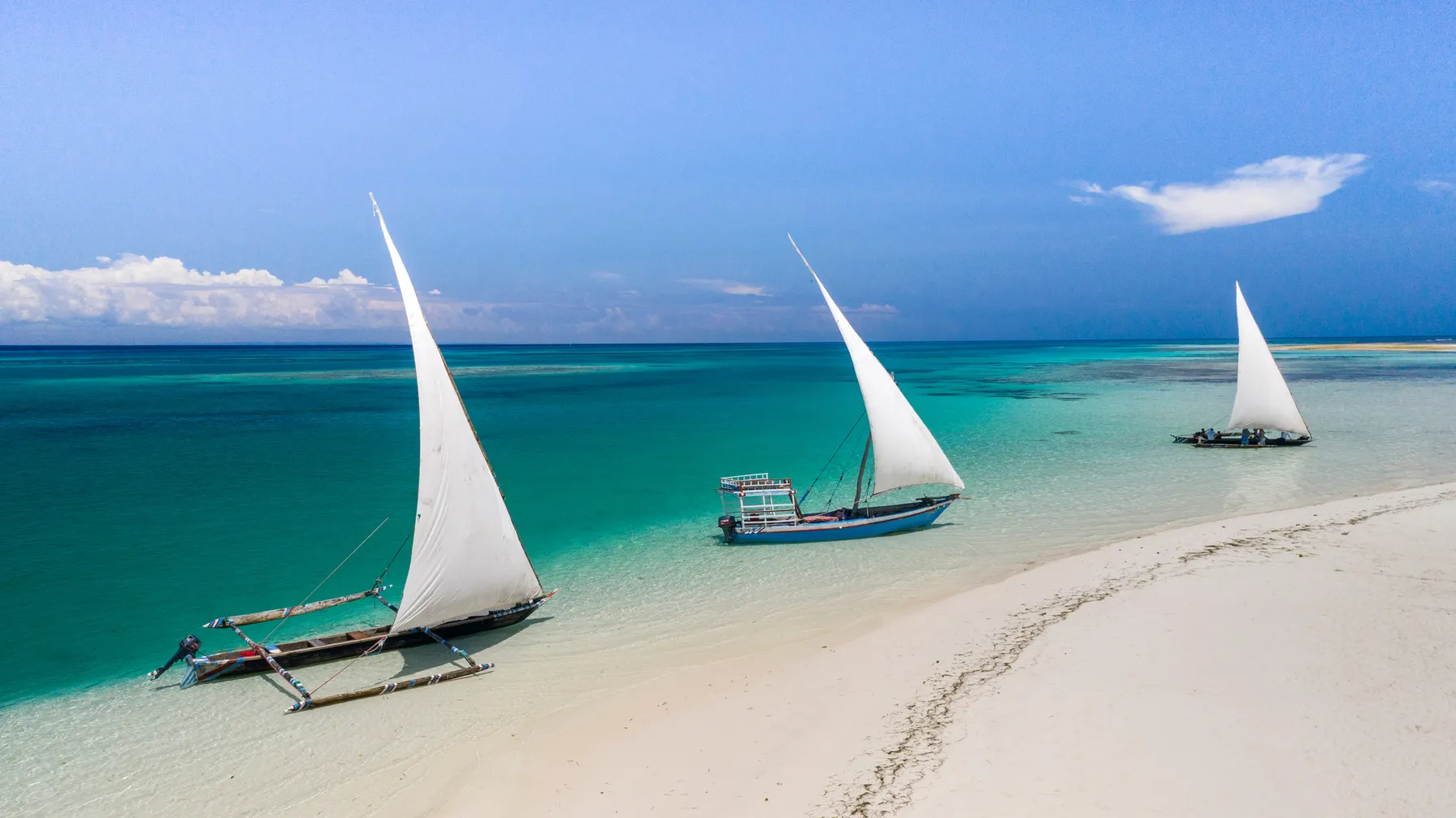
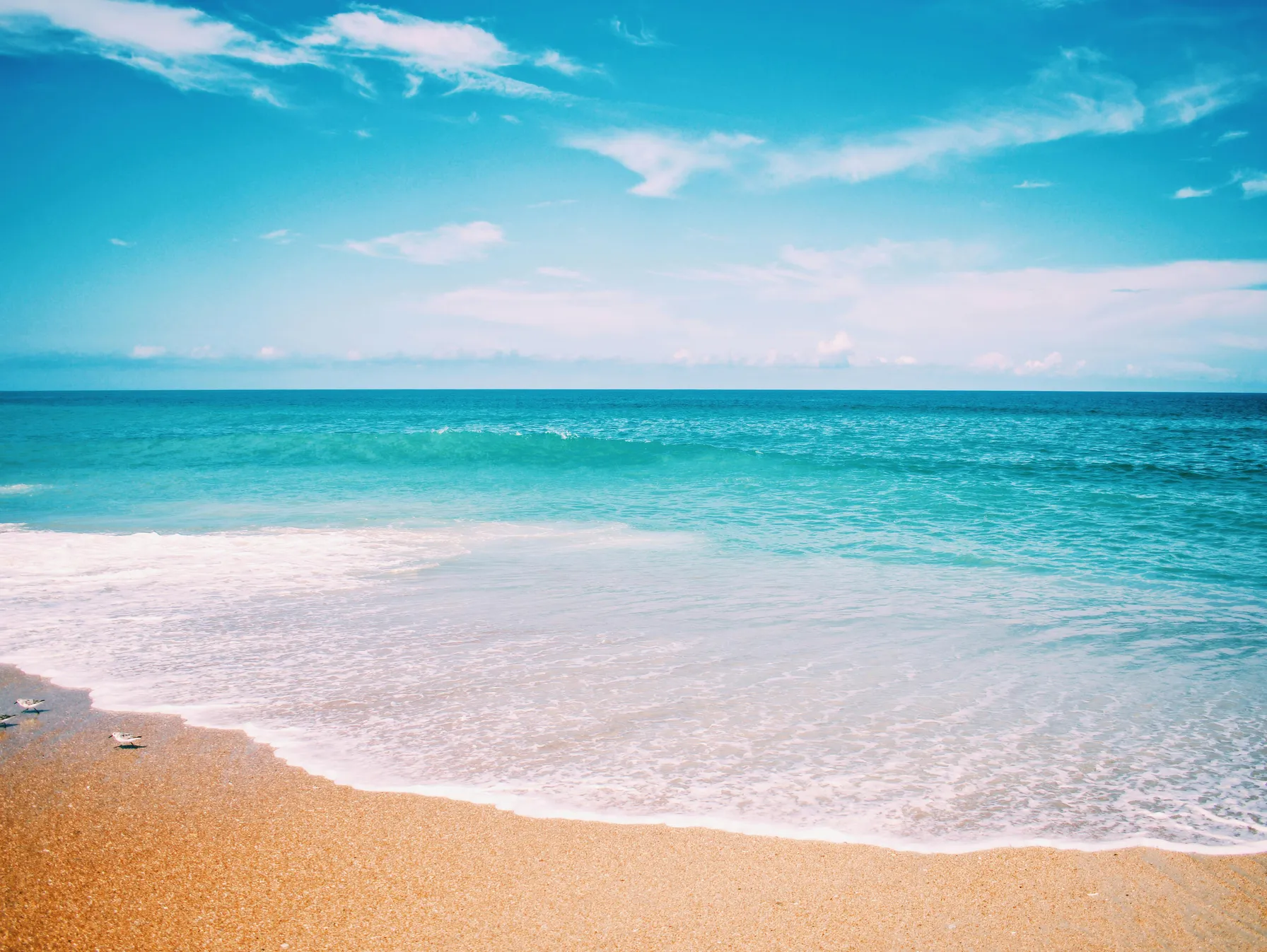
The Zanzibar archipelago reveals its full potential during these sunny weeks. The temperatures of the Indian Ocean, maintained around 29°C, invite to diving and water activities. Steady trade winds naturally cool the atmosphere, making even the hottest days bearable.
Stone Town, the historical gem of the archipelago, is best discovered under this dry climate. The shaded alleys, fragrant spice markets, and terraces facing the ocean create an enchanting setting for your cultural explorations. The island of Pemba, more wild, offers deserted beaches and preserved sea beds for those who cherish tranquility.
Cultural discoveries and authentic experiences
Visiting Tanzania in February allows you to explore the country's cultural richness in optimal conditions. The Maasai communities organize their traditional ceremonies during this favorable period, offering respectful visitors moments of genuine exchange.
Local markets are full of seasonal tropical fruits: juicy mangoes, sweet pineapples, and fragrant passion fruits. This culinary abundance, combined with the dry climate, facilitates gastronomic discovery and picnics in the great outdoors. Fishing villages on the coast reveal their age-old traditions, between building traditional dhows and preparing nets.
Contact us for more information
How to optimize your tailor-made trip in February?
Carefully preparing your family vacation or your getaway during this period guarantees a memorable experience. Some savvy travel tips maximize your comfort and pleasure in discovering Tanzania.
Practical tips for a successful experience
The right equipment greatly facilitates your stay. Opt for light and breathable cotton or linen clothing for the days, complemented by a light jacket for the cooler evenings at altitude. A wide-brimmed hat and high-quality sunglasses effectively protect you from the intense sun of East Africa.
For safaris, choose neutral colors that do not disturb the wildlife. Closed and comfortable shoes are essential for walking in national parks. Don't forget a light raincoat for the rare tropical showers and high sunscreen to protect your skin.
In terms of health, consult your doctor before departure regarding recommended vaccinations and malaria prophylaxis suited to your itinerary. An effective mosquito repellent usefully completes your travel kit, particularly for coastal and lake regions.
Advantages and alternatives for traveling to Tanzania
February offers the undeniable economic advantage of the low tourist season. Accommodations offer attractive rates, and availability remains excellent even for the most sought-after lodges. This period therefore allows for high-end services at controlled costs.
If you prefer even lower attendance, consider November as an interesting alternative. This month enjoys a similar climate while preceding the influx of end-of-year vacationers. For animal migration enthusiasts, June to September offer the spectacle of river crossings, but with significantly higher crowds and prices.
Families with school-aged children find February a rare opportunity to discover East Africa during winter holidays, enjoying a total change of scenery under the tropical sun. This period also allows avoiding the summer crowds while benefiting from pleasant weather throughout the Tanzanian territory.
February thus stands out as a favored window to discover Tanzania in all its diversity. Between exceptional safaris, legendary climbs, and beach relaxation, this period offers the perfect balance between optimal conditions and tranquility. Your tailor-made trip can thus incorporate all the must-sees of the country while preserving this precious intimacy with African nature.
Demandez votre devis United Republic Of Tanzania sur-mesure 100% gratuit
 4.8
4.8+3.000 travelers satisfied