Hiking in Tanzania: the most beautiful treks to discover
What are the must-do hikes in Tanzania?
Hiking in Tanzania means choosing to cross unique ecosystems, from volcanic slopes to ancient valleys, always guided by a sense of rare freedom. The abundance of available itineraries makes every journey in Tanzania profoundly distinctive.
The ascent of Kilimanjaro, Africa's roof within reach.
With its 5,895 meters of altitude, Kilimanjaro is much more than a mountain: it's the experience of a lifetime. The ascent of Kilimanjaro requires no mountaineering skills, but demands good physical condition and serious preparation. In a few days, one crosses five distinct ecological zones before reaching Uhuru Peak, the snow-capped summit overlooking the Tanzanian national parks.
Among the possible routes, the Machame route stands out as one of the most popular, for its beauty and its excellent acclimatization profile over 6 to 7 days. It is suitable for hikers accustomed to high altitude, capable of handling long daily elevation gains. For those who wish to maximize their chances of success and enjoy a bit more serenity, itineraries of 8 to 9 days offer a slower pace and landscapes just as breathtaking.
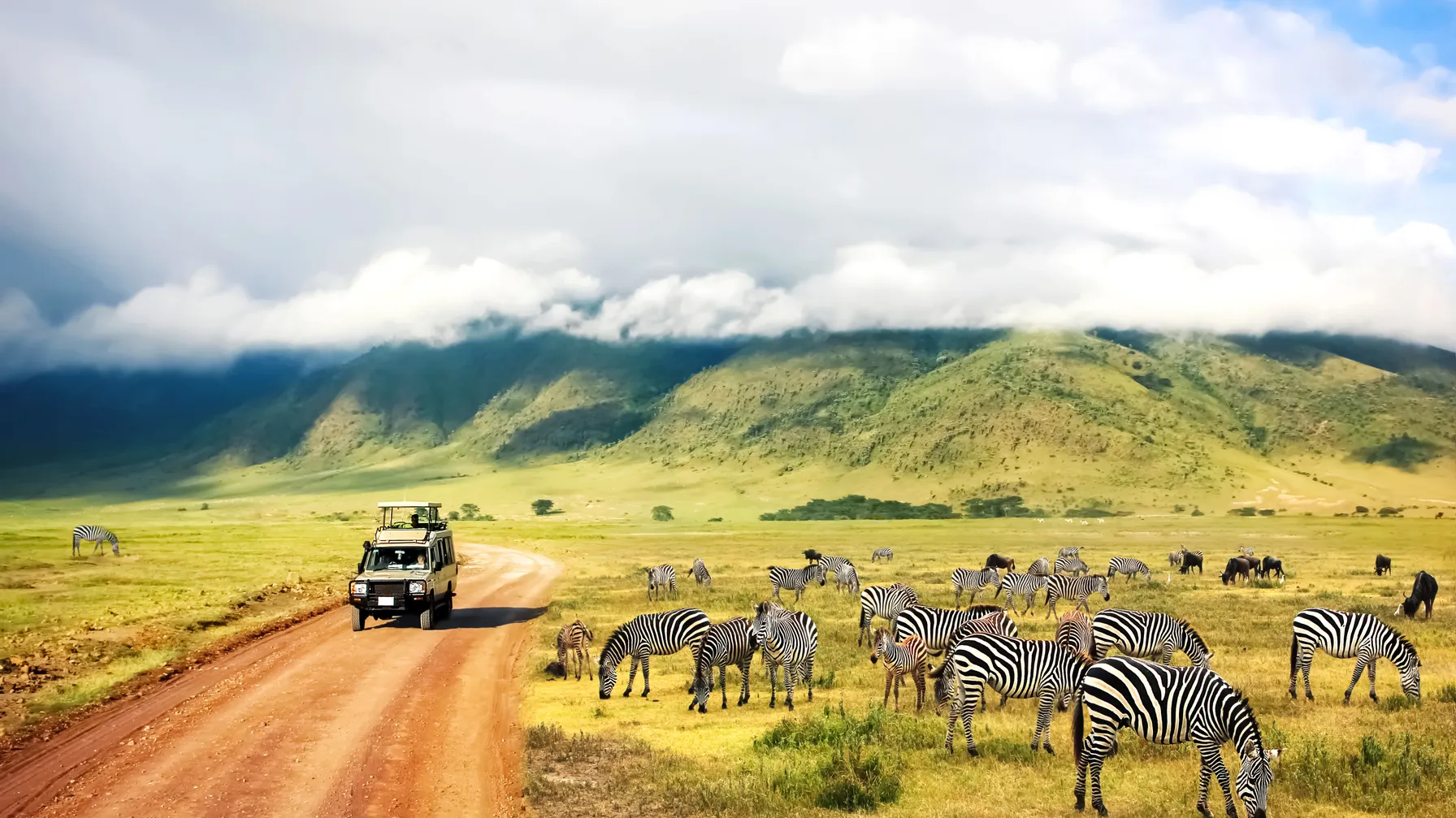
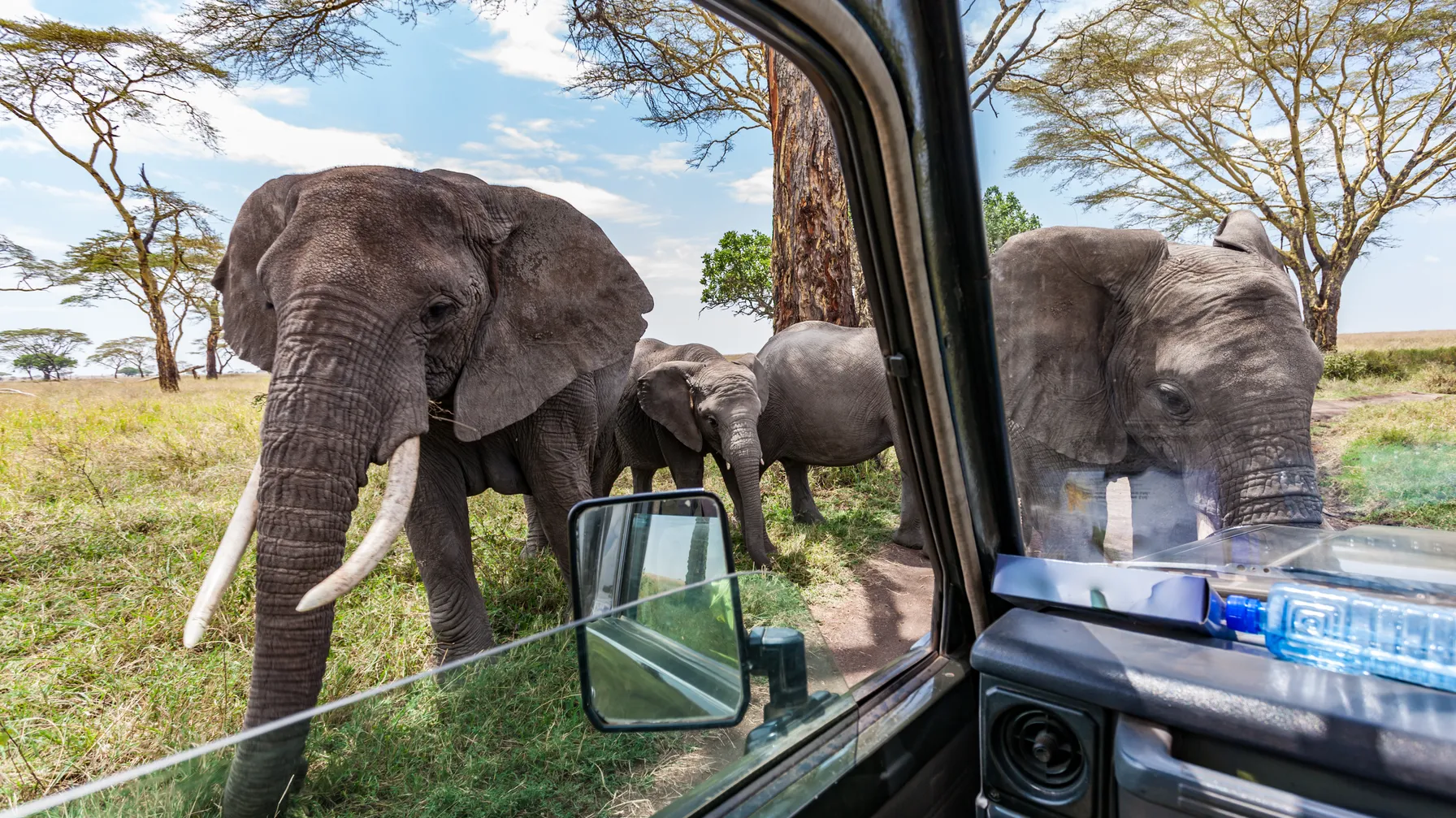
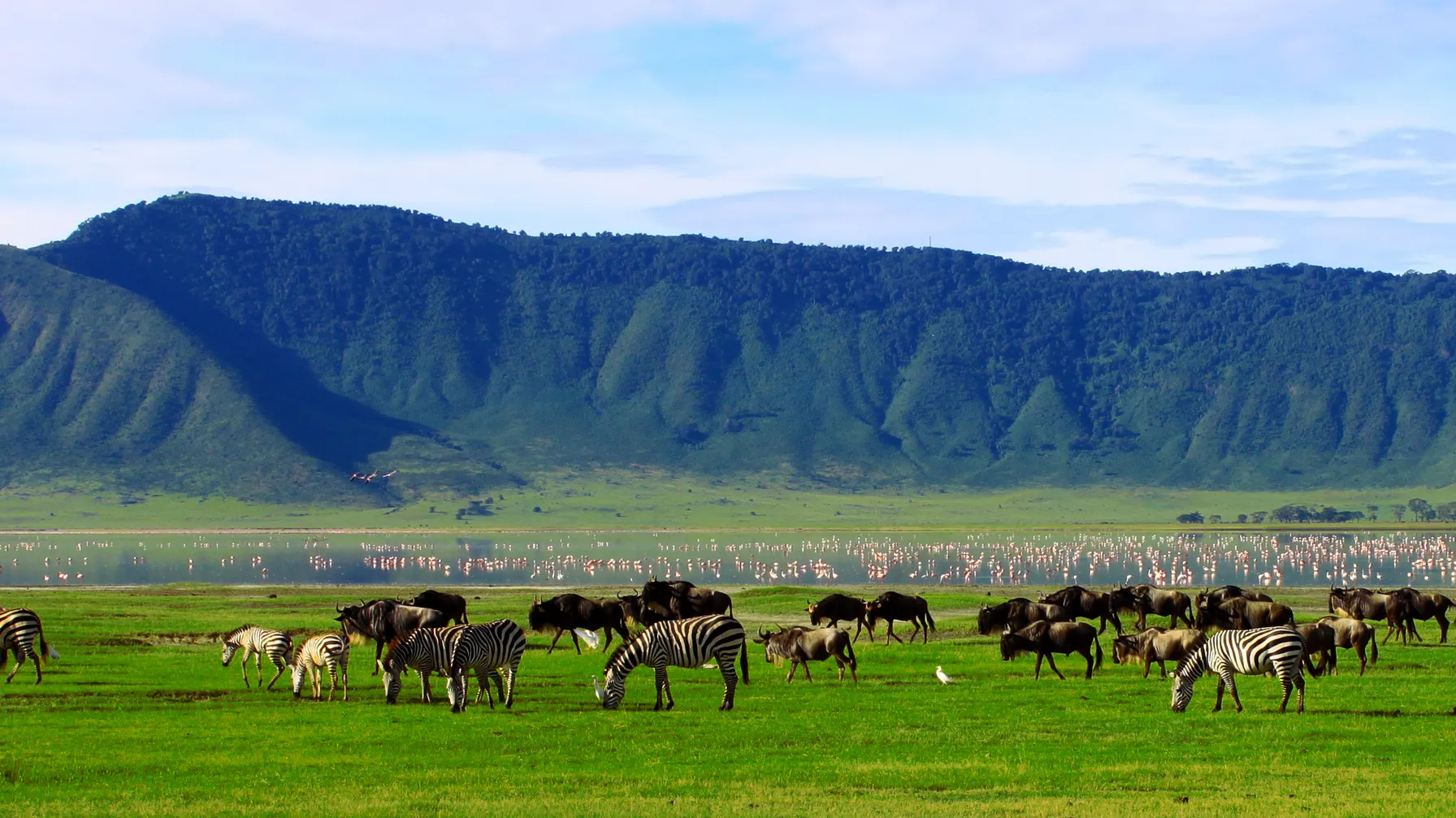
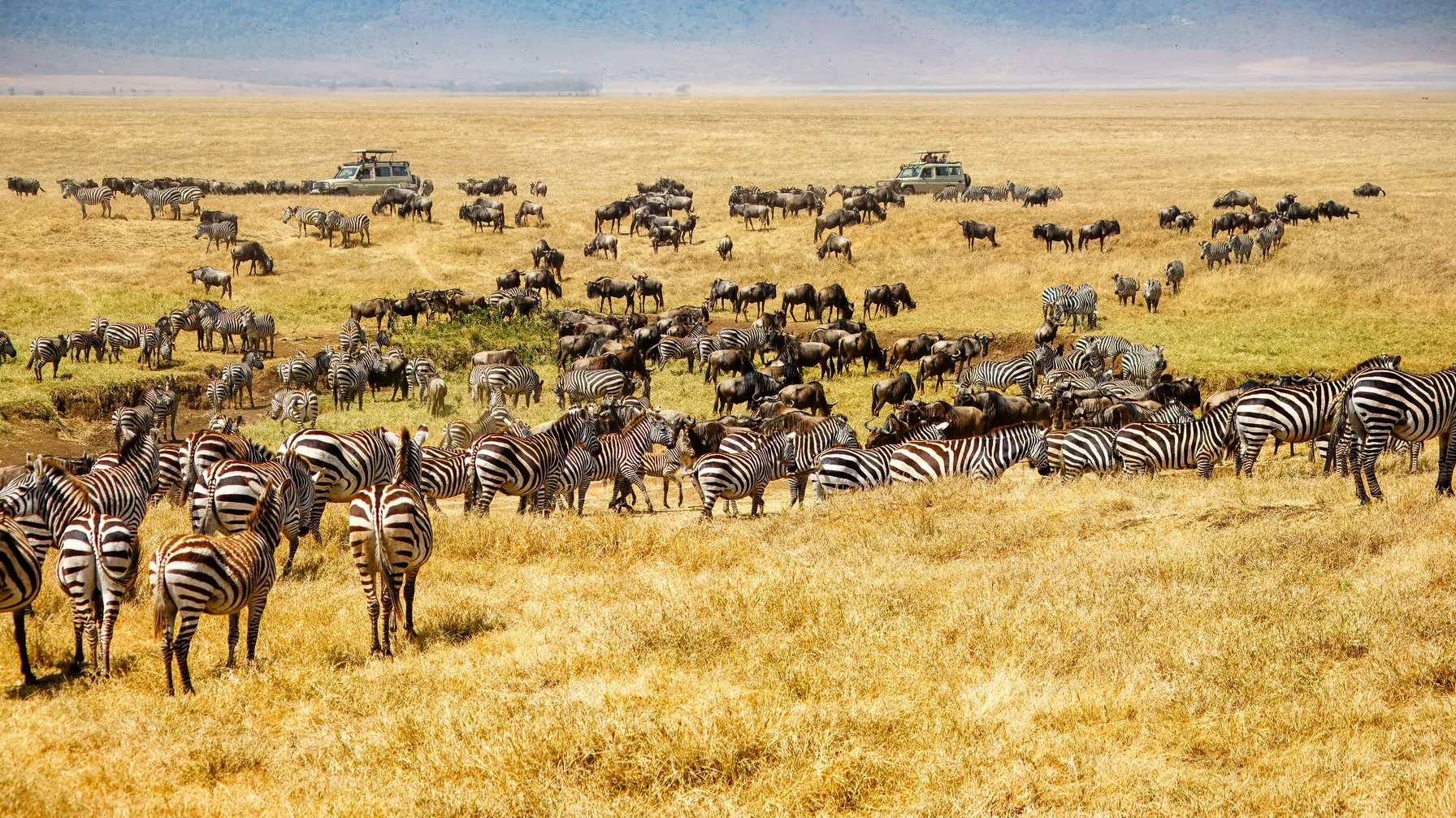
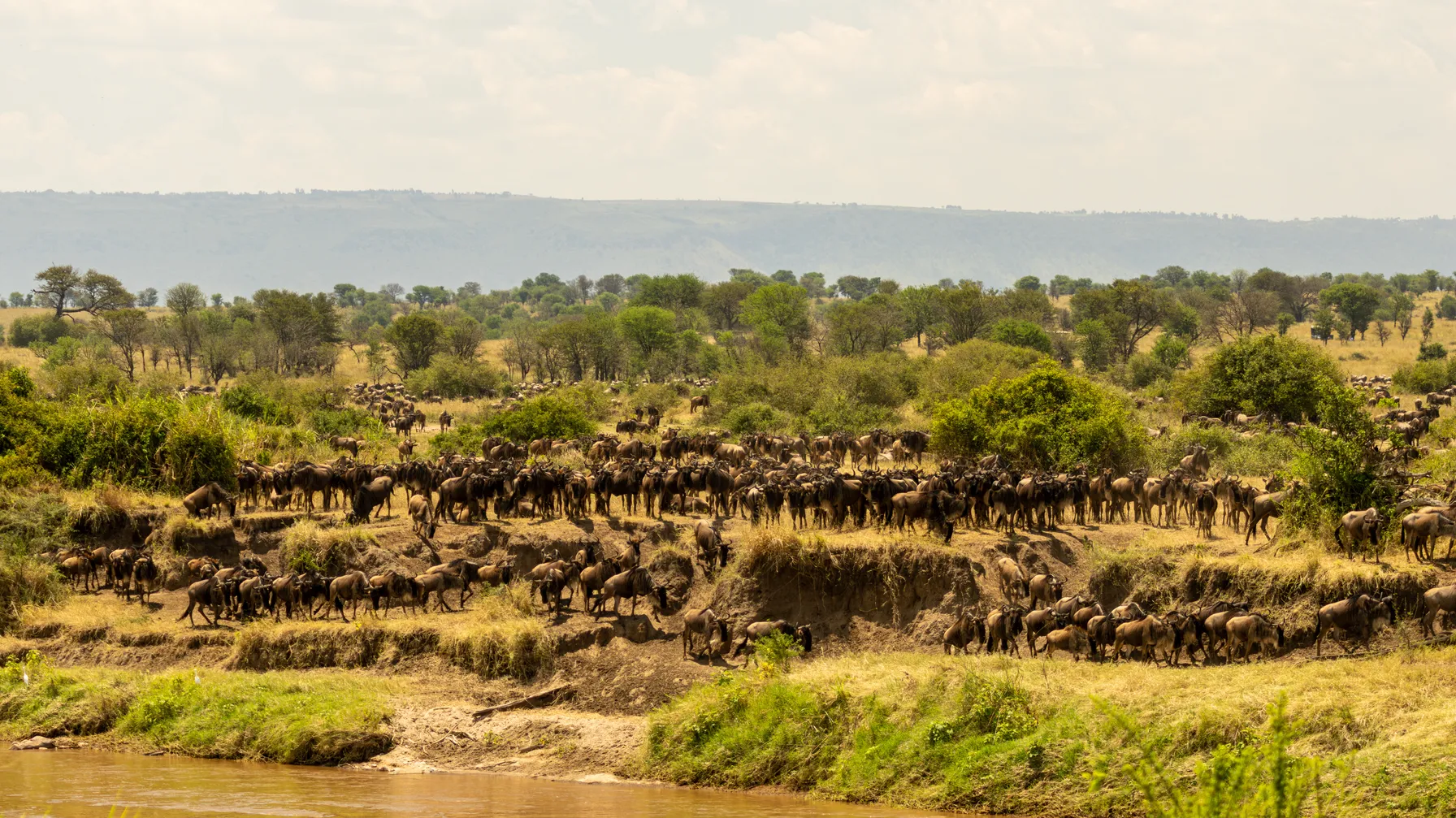
The smart plan: combining the trek in Tanzania with an excursion into the Ngorongoro Crater or an expedition to the Serengeti for the great migration. This combination of hiking and safari, tailor-made with a Travel Planner, turns a sporty stay into an exceptional journey.
Contact us for more information on organizing your Kilimanjaro ascent.
Mount Meru, Lake Natron and the Rift Valley: between volcanoes and Maasai culture
Under the shadow of Kilimanjaro, Mount Meru deserves special attention. Standing at 4,566 meters in Arusha National Park, its 3- to 4-day ascent offers remarkable wild scenery, punctuated by giraffes, buffaloes and colobus monkeys. It is also one of the best acclimatization stops before attempting Kilimanjaro, and a hike in its own right, intense and memorable.
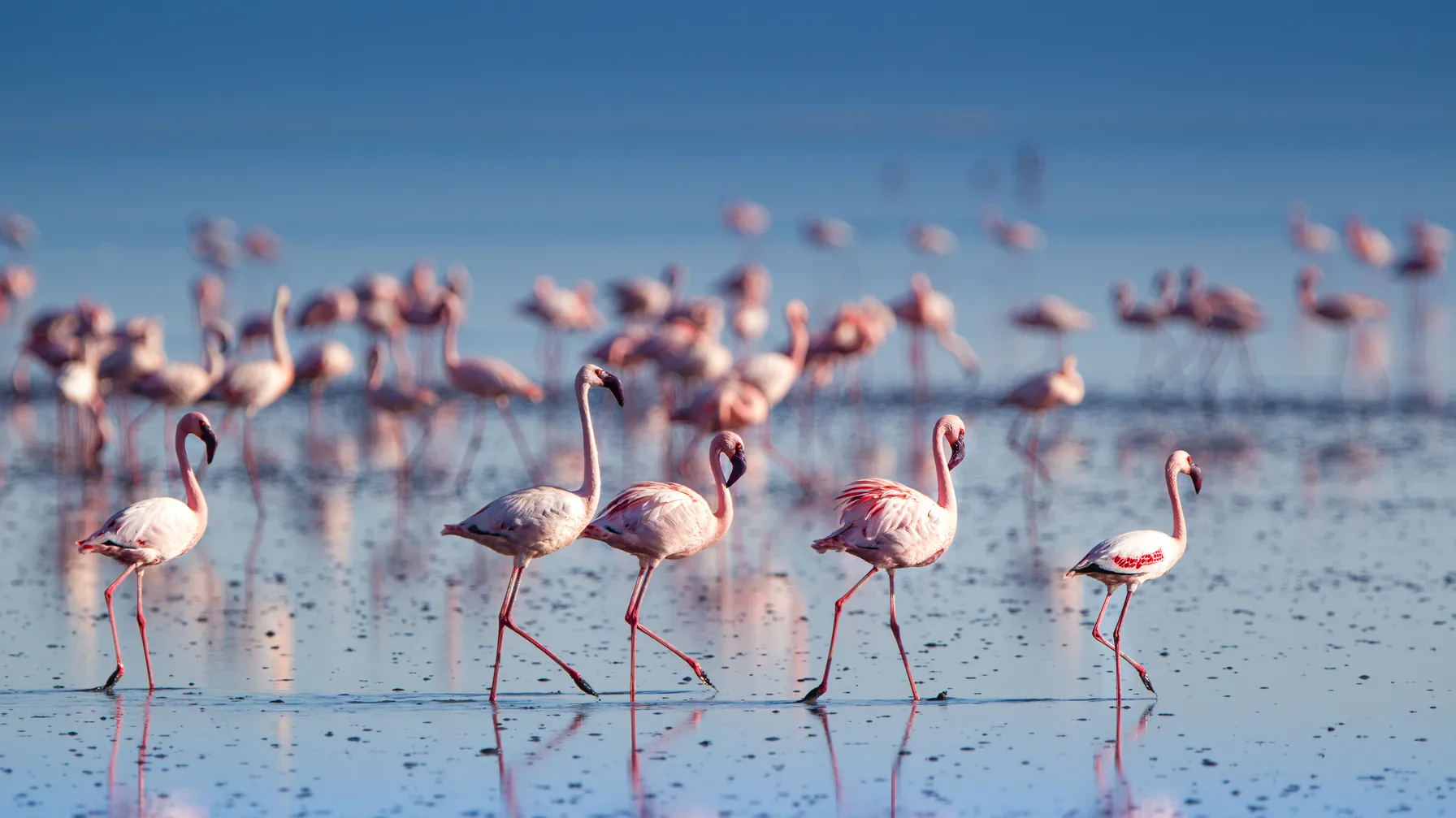
Further north, the Rift Valley reveals another face of hiking in Tanzania. Along the shore of Lake Natron, between waters tinged pink by the little flamingos and flows of black lava from Ol Doinyo Lengai — an active volcano revered by the Maasai —, every step takes on a dimension that is both geological and cultural. A Maasai local guide accompanies hikers for authentic moments of sharing, in the heart of a borderland territory at the edge of the world.
Lake Manyara, accessible from Arusha, completes this panorama with its red cliffs, its tropical forest, and its iconic wildlife, ideal for a gentle hike before tackling more challenging itineraries.
What is the best time to hike in Tanzania?
The timing you choose affects both the technical success of a trek and the overall quality of the experience. In Tanzania, two dry seasons frame the year and define the best windows for going hiking.
| Period | \nConditions | \nIdeal for | \n
|---|---|---|
| January to March | \nShort dry season, clear skies | \nClimbing Kilimanjaro, Lake Manyara | \n
| June to October | \nLong dry season | \nAll treks, safaris, the great migration | \n
| November to December | \nLight rains | \nLess crowded, lush greenery | \n
| April to May | \nRainy season | \nNot recommended for high altitude | \n
The period from June to October represents the best time to hike in Tanzania. The trails are passable, temperatures are pleasant, and visibility from the summits is often exceptional. It is also the ideal window to observe the Big Five in the national parks and to witness the spectacle of the great migration.
Our tip: if your goal is to reach Uhuru Peak, favor the months January to March or July to September for optimal conditions at high altitude.
Book your trip to Tanzania now.
How to organise your trek in Tanzania according to your profile?
The charm of hiking in Tanzania also lies in the diversity of its itineraries, accessible to very different profiles, from the seasoned hiker to families seeking shared adventure.
For seasoned hikers: challenges that live up to your ambitions
The Kilimanjaro ascent via the Machame route or a longer itinerary, the crossing of Mount Meru, or night trekking on the slopes of Ol Doinyo Lengaï: the challenging options are plentiful. These treks require solid physical conditioning, good altitude management, and advanced physical preparation spanning several weeks.
For families and intermediate travelers: landscapes that are accessible and memorable
The Usambara Mountains, in the northeast of the country, offer moderately challenging trails through tropical forests, Shambaa villages, and panoramic viewpoints. These cultural hikes, which connect villages and coffee plantations, are perfectly suited for families and intermediate travelers wishing to immerse themselves in deep Tanzania without altitude constraints.
What essentials should you plan for a successful trek in Tanzania ?
Good preparation ensures a Tanzanian trek that is both safe and fully enjoyable. Here are the essentials to bring:
- \n
- Ankle-height hiking boots with a grippy sole; \n
- Layered clothing to manage significant temperature swings, especially at high altitude; \n
- A sleeping bag suitable for cold mountain nights; \n
- Sun protection, UV sunglasses, and a headlamp; \n
- Sufficient water, or a filtration system for long stages. \n
Logistically, a local guide is mandatory for the Kilimandjaro ascent and recommended for most protected areas. Leaving the organization of your trek to local experts allows you to fully enjoy the experience, without having to handle administrative details, permits, or camping logistics. Every detail — choice of itineraries, accommodations, pace of progression — can be tailored to your profile, your wishes, and the time you have available.
Contact us for more information on preparing for your Tanzania hike.
Demandez votre devis United Republic Of Tanzania sur-mesure 100% gratuit
 4.8
4.8+3.000 travelers satisfied
Frequently asked questions
Do you need a visa to enter Tanzania and hike in the national parks?
Yes, a visa is mandatory for French, Belgian and Swiss nationals. It can be obtained online via the Tanzanian government website before departure, or upon arrival at international airports. Its cost is about 50 USD. A passport valid for at least 6 months after the date of entry into the country is also required. Entry fees for national parks are charged separately, depending on the zones crossed.
Can you hike in Tanzania independently, without a guide?
For mountain hikes such as the Kilimanjaro ascent or Mount Meru, the presence of a certified guide is mandatory. In conservation areas like Ngorongoro or certain parts of the national parks, an armed ranger invariably accompanies hikers for safety reasons related to wildlife. Even for less regulated itineraries, hiring a local guide greatly enriches the experience and secures the route.
What duration should be planned for a trip focused on hiking in Tanzania?
Everything depends on the itineraries planned. For a Kilimanjaro ascent alone, plan a minimum of 10 days including transfers and recovery days. A stay combining Mount Meru, cultural hikes and a safari in the national parks ideally requires 14 to 17 days. To fully enjoy each stage, a tailor-made trip built with a Travel Planner lets you adjust the pace according to your level and your desires.