Tanzania in November: Your Guide to Travel at the Best Time
What weather can you expect in Tanzania in November?
Understanding the climate in Tanzania during November allows you to optimize your stay and fully enjoy this unique time of the year.
Demandez votre devis United Republic Of Tanzania sur-mesure 100% gratuit
 4.8
4.8+3.000 travelers satisfied
Tropical Climate and Regional Temperatures
Tanzania in November benefits from a particularly mild tropical climate. Temperatures generally range between 22°C and 31°C depending on the region, offering ideal conditions for exploring the country. In northern parks like Ngorongoro Crater, mornings can be cool with temperatures around 16°C, while afternoons comfortably reach 28°C.
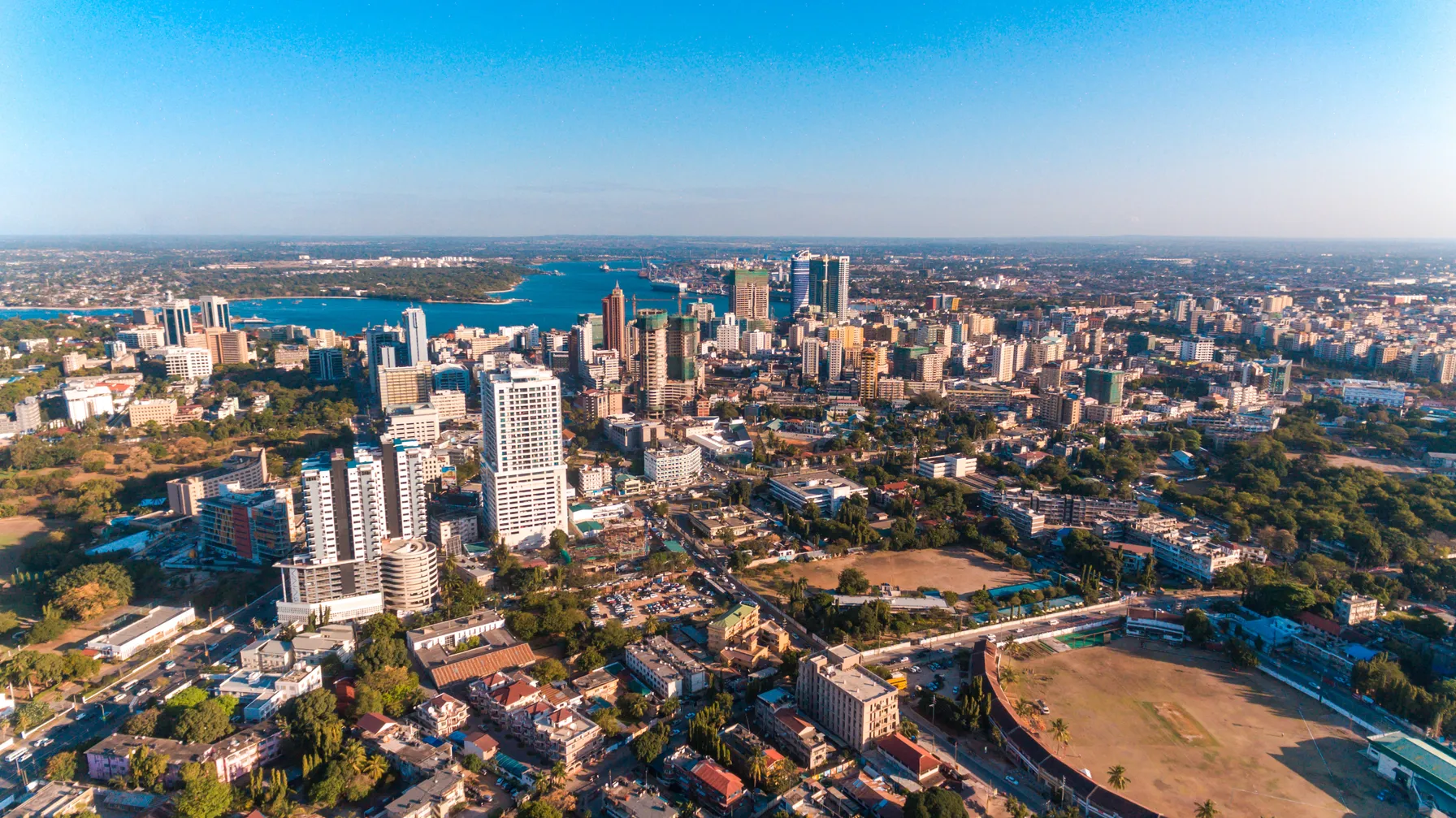
The coastal region, including Dar es Salaam and Zanzibar, features a warmer and more humid climate with average temperatures of 23°C to 31°C. The interior of the country offers more temperate conditions, particularly pleasant for extended safaris. These climatic variations according to altitude and proximity to the Indian Ocean enrich the experience of your trip to Tanzania.
The minor rainy season explained
November marks what locals call the "minor rainy season," distinctly different from the major season that spans from March to May. These rains in Tanzania are characterized by brief showers, often in the late afternoon or evening, leaving room for sunny days perfect for your activities.
Contrary to popular belief, this wet season does not hinder your exploration plans. The precipitation, generally between 70 and 100 mm for the entire month, refreshes the atmosphere without compromising your safaris in Tanzania. Nature gradually awakens, creating a striking contrast to the previous dry season.
Weather conditions by national parks
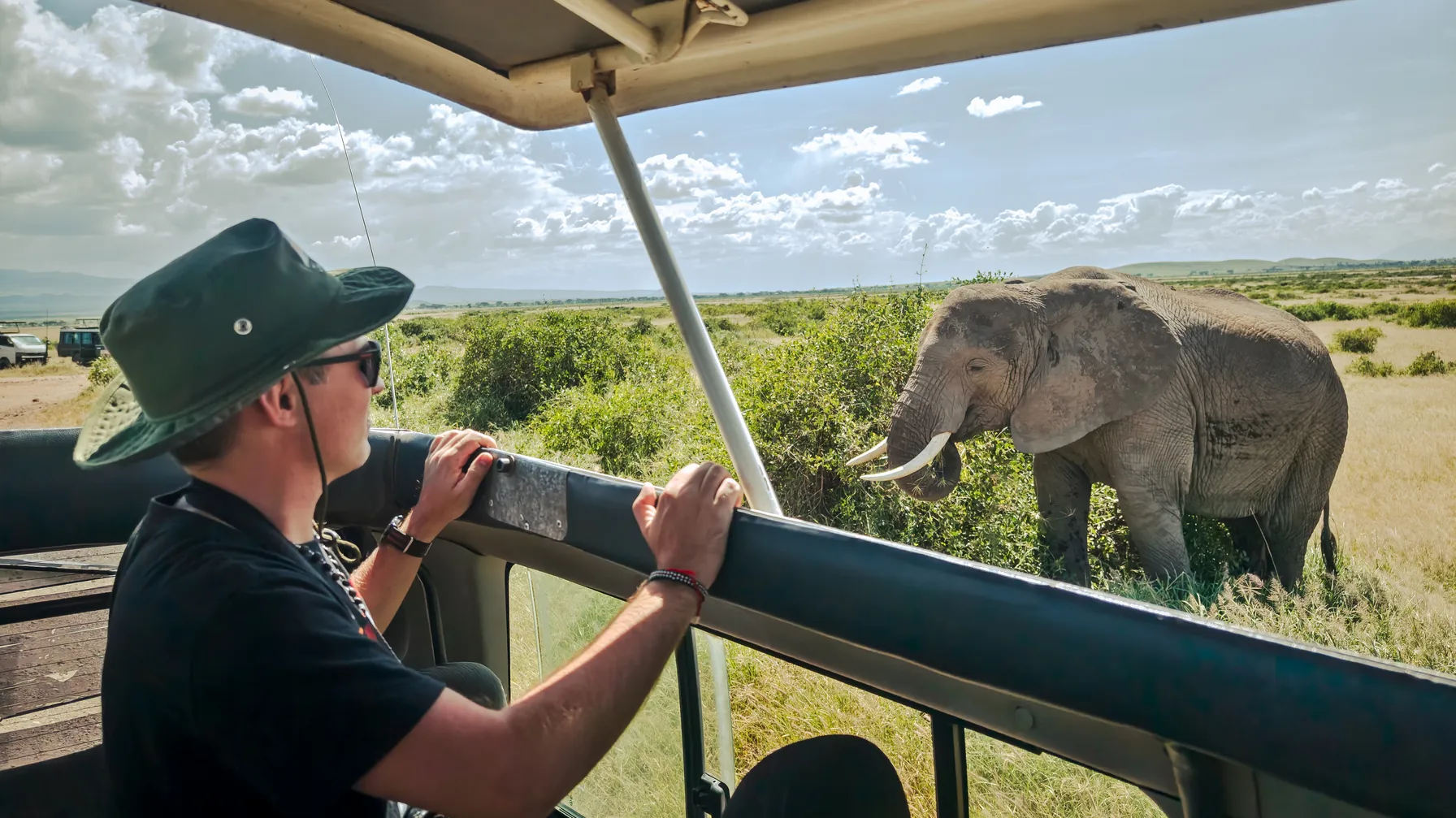
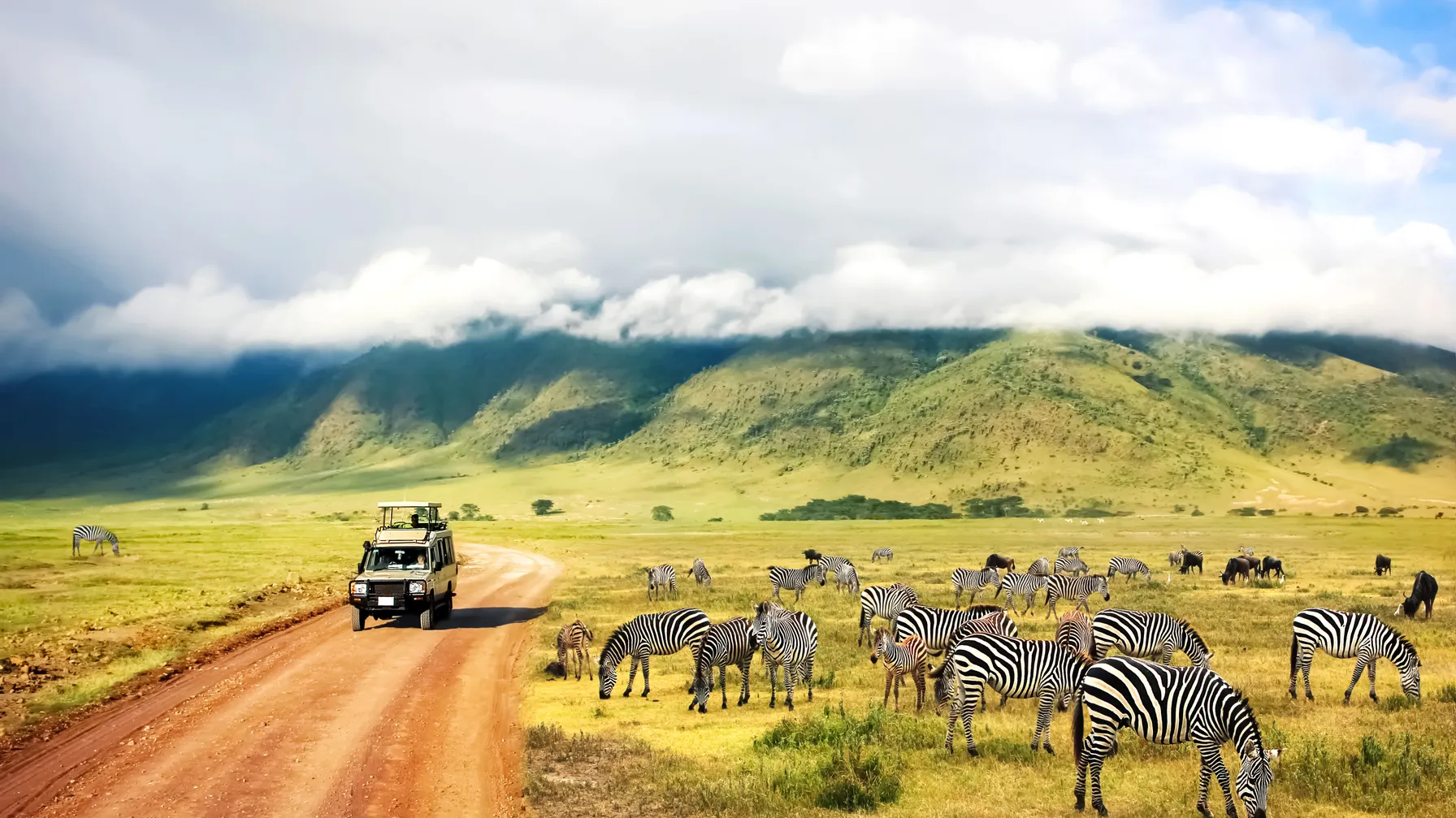
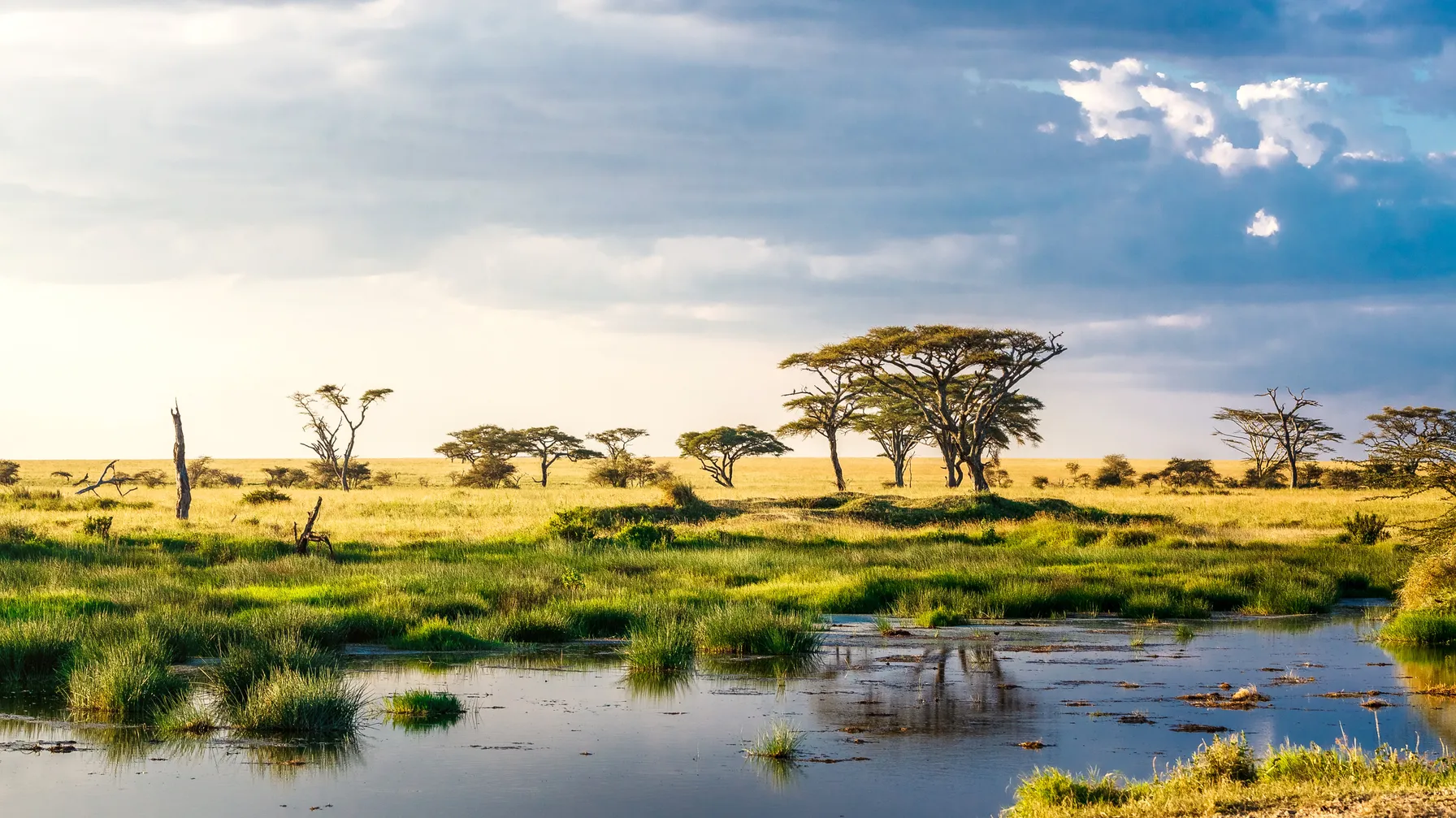
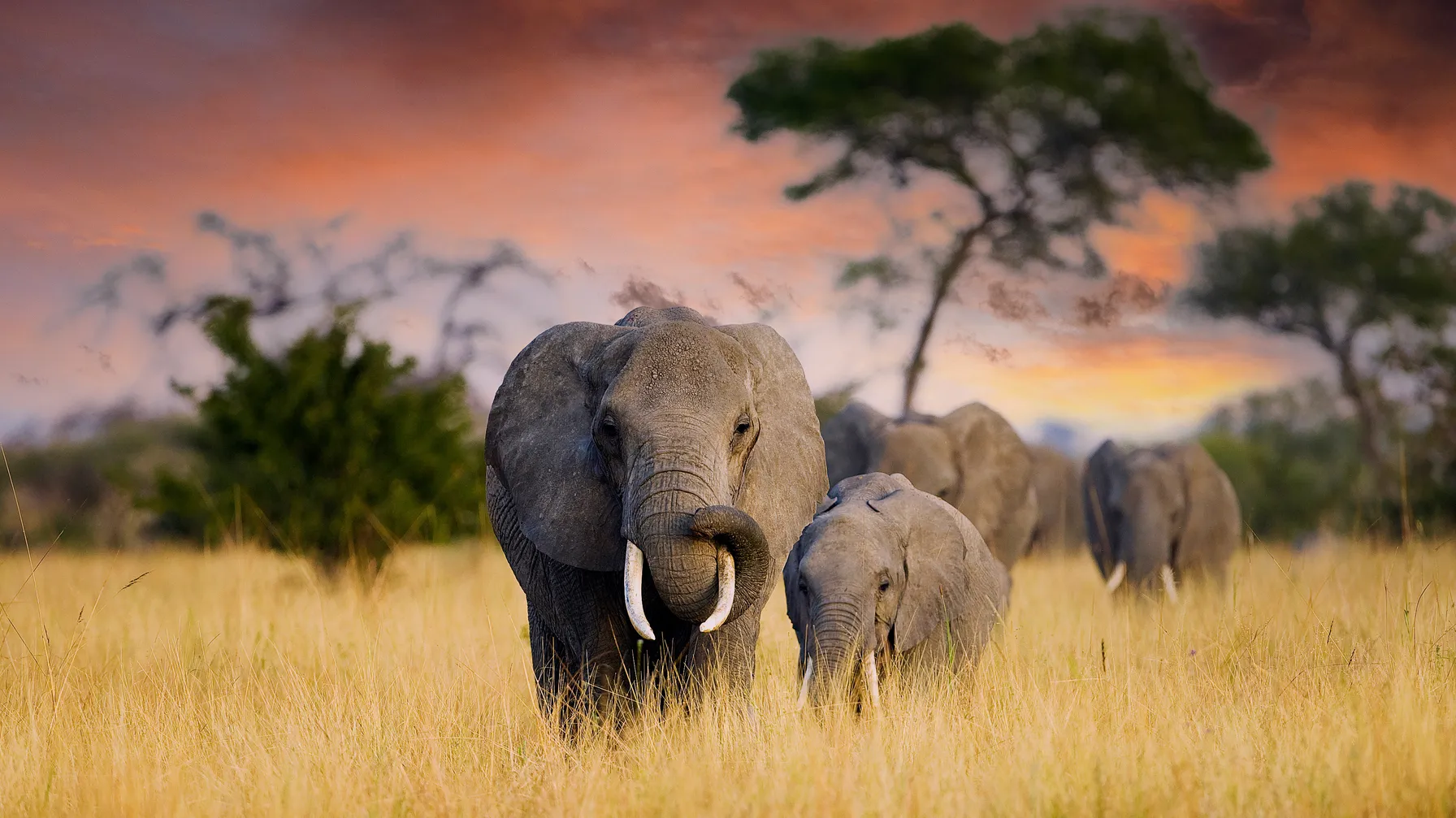
Each national park has its own climatic peculiarities in November. Serengeti National Park enjoys generous sunshine with sporadic showers that revitalize the savannah. Water points gradually fill up, attracting diverse fauna and facilitating wildlife observation.
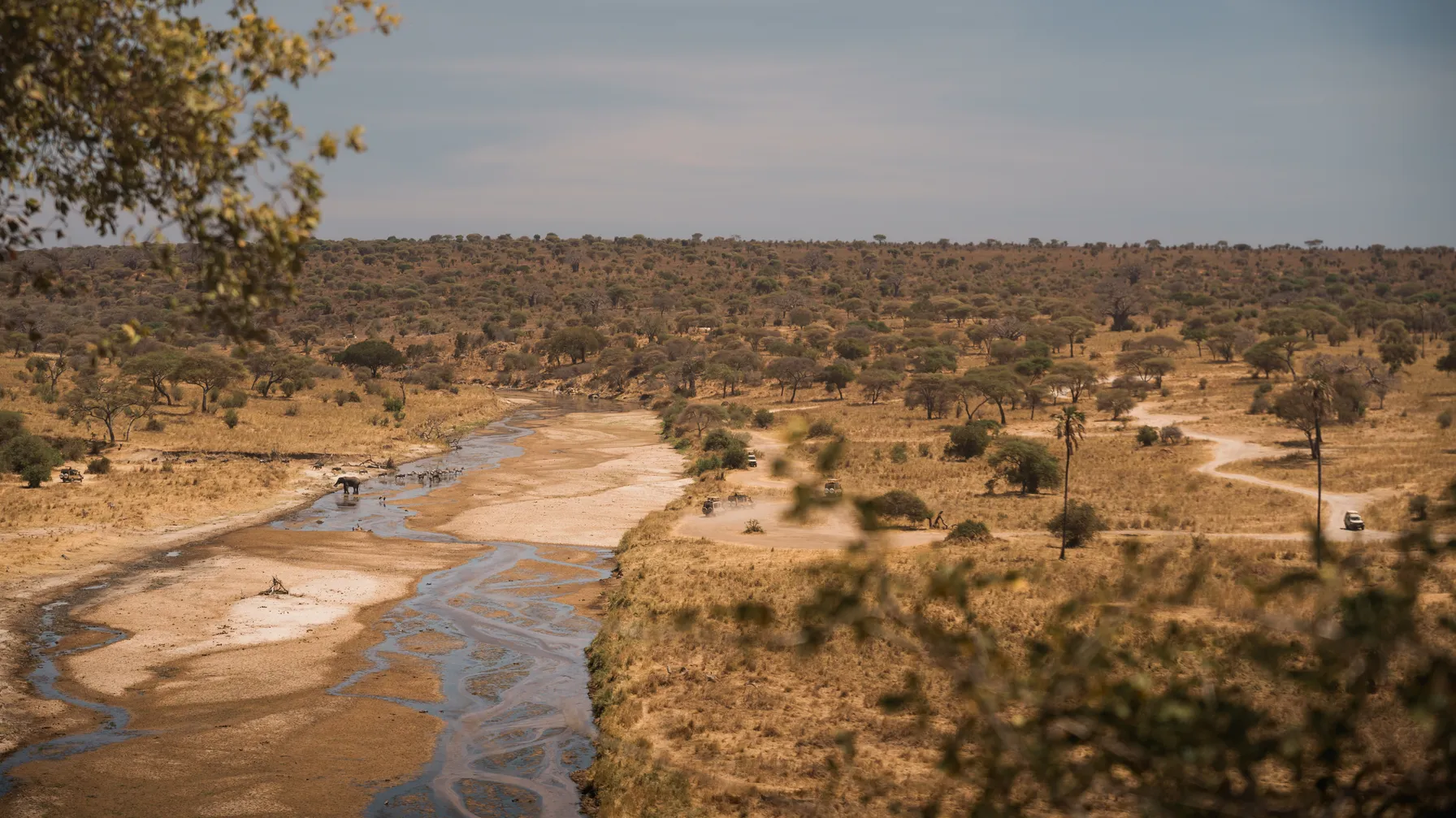
Tarangire National Park undergoes a spectacular transformation: the ancient baobabs are adorned with tender green foliage, while the Tarangire River returns to its usual flow. In the southern parks, conditions remain mostly dry at the beginning of the month, offering excellent photographic opportunities before the arrival of the first rains.
Contact us for more information on the best times to visit
Why does November reveal an authentic Tanzania?
This transitional period between the dry season and the rainy season offers unique advantages that few travelers are aware of.
The privileges of the low season
Traveling to Tanzania in November ensures a more exclusive and intimate experience. The tourist influx significantly decreases compared to the high season months, allowing you to enjoy the major parks under privileged conditions. Your guides can give you special attention, sharing their in-depth knowledge of the local fauna and flora.
This off-peak period also translates into more attractive rates at lodges and bush camps. Luxury accommodations often offer substantial discounts, allowing you to access premium services for your honeymoon or family trip. Increased availability also makes last-minute bookings easier and offers more flexibility in organizing your stay in Tanzania.
The great migration in motion
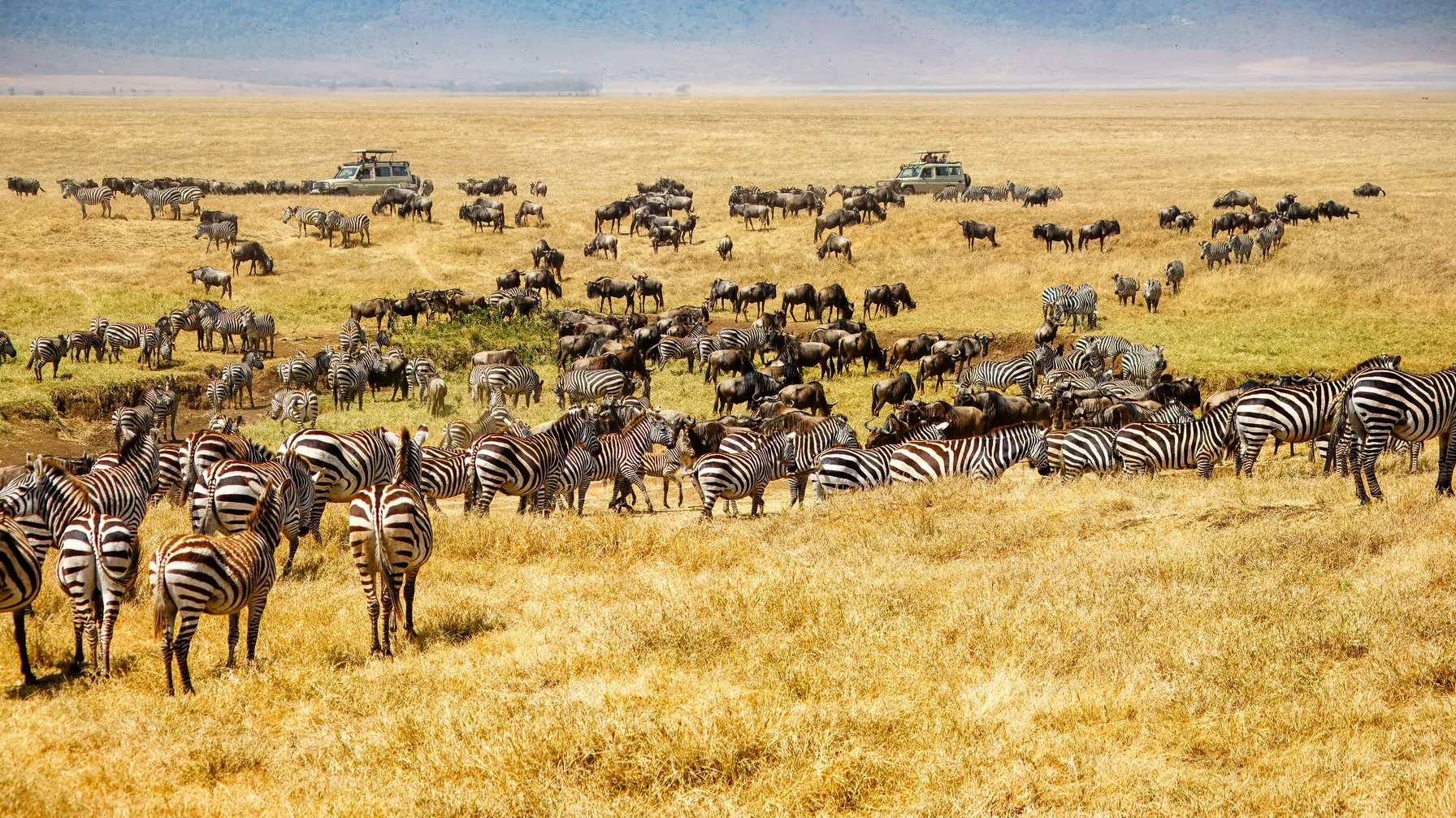
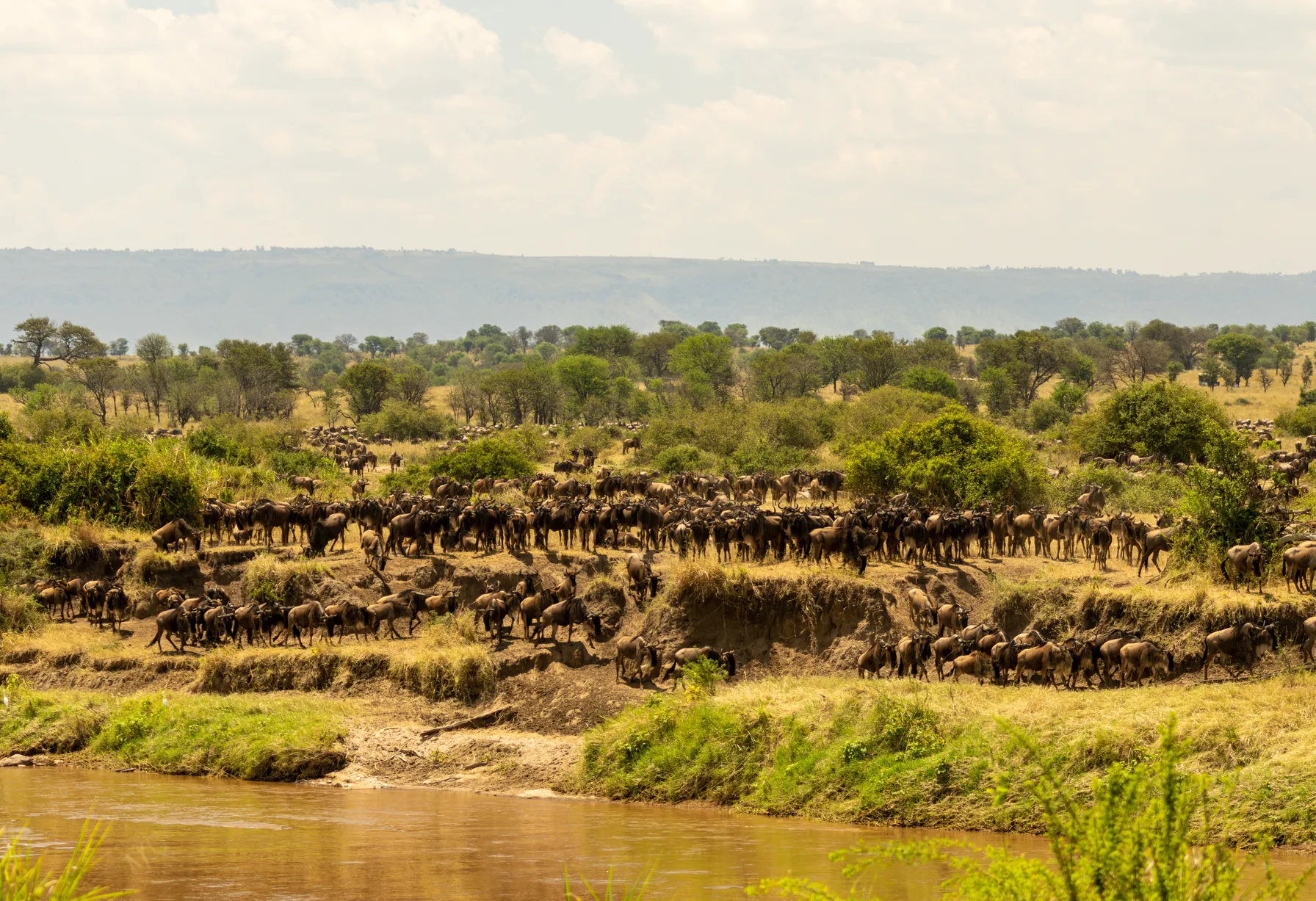
The month of November coincides with a fascinating time of the wildebeest migration. After spending the dry season in Kenya's Maasai Mara, the immense herds begin their return to the plains of the Serengeti. This spectacular movement naturally attracts predators, creating exceptional observation opportunities.
Lions, leopards, and cheetahs closely follow this migration, offering memorable hunting scenes in a uniquely verdant setting. This transitional period allows for the observation of specific animal behaviors, particularly survival strategies adapted to the early seasonal changes. Your safari in Tanzania then takes on a particularly authentic and poignant dimension.
A nature transformed by rains
The November rains literally transform the Tanzanian landscapes. The dusty savannah of the dry season gives way to expanses of tender, vibrant green grass. This rapid transformation creates striking photographic contrasts and completely renews the aesthetic of your safaris.
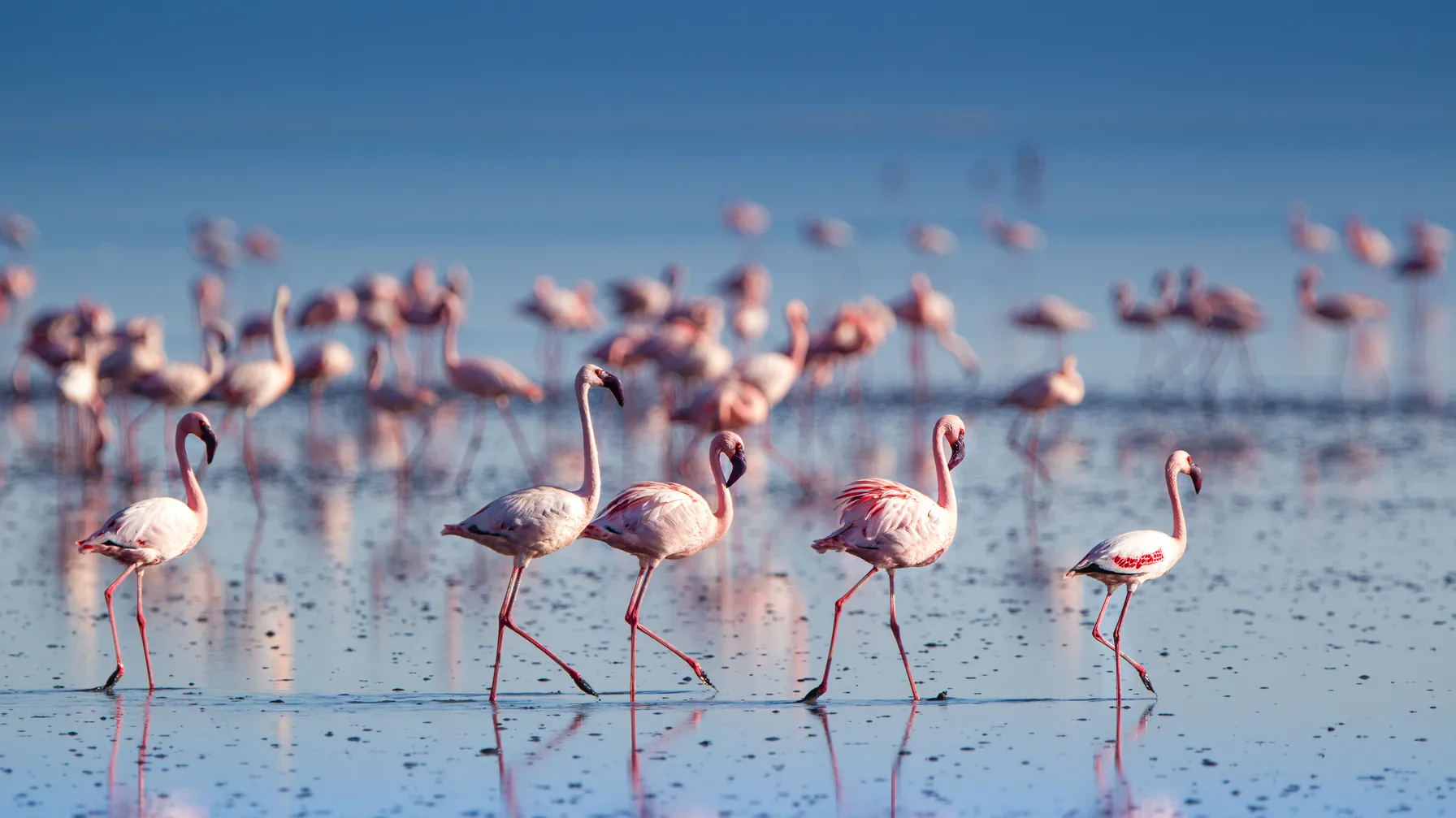
The avifauna particularly benefits from this natural rebirth. European and Asian migratory birds join the resident species, turning Tanzania into a true ornithological paradise. This avian diversity greatly enriches your observations, whether you are a novice or a confirmed enthusiast.
Book your trip to Tanzania now
What experiences to live during your stay in November?
The richness of possible activities in November makes this period a particularly wise choice to discover all the facets of Tanzania.
Safari in the great northern parks
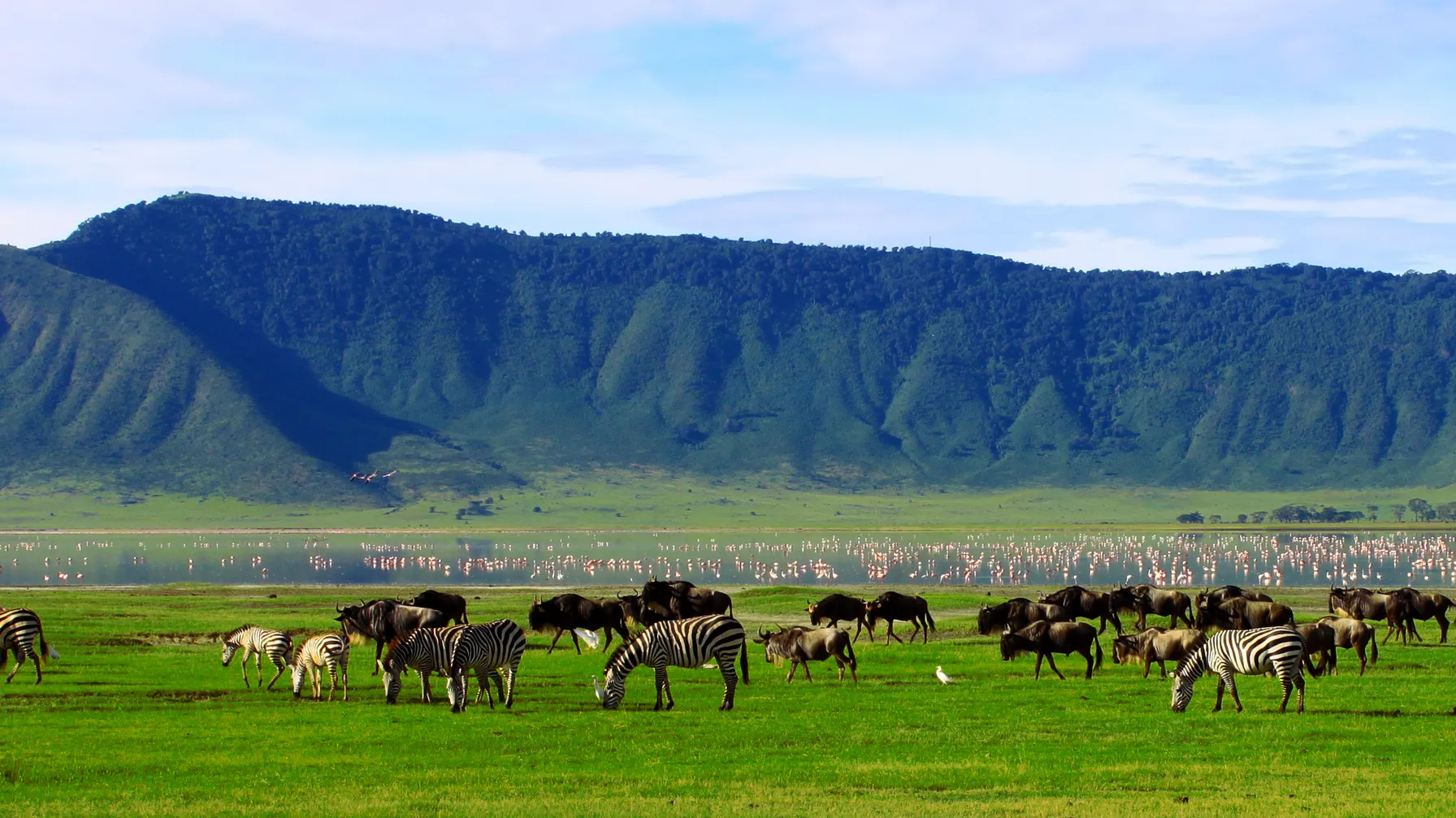
The national parks of the northern circuit offer optimal viewing conditions in November. The Ngorongoro Crater, a true African Noah's Ark, features a remarkable concentration of animals in an exceptionally verdant setting. The morning mists rising from the bottom of the crater create a unique mystical atmosphere.
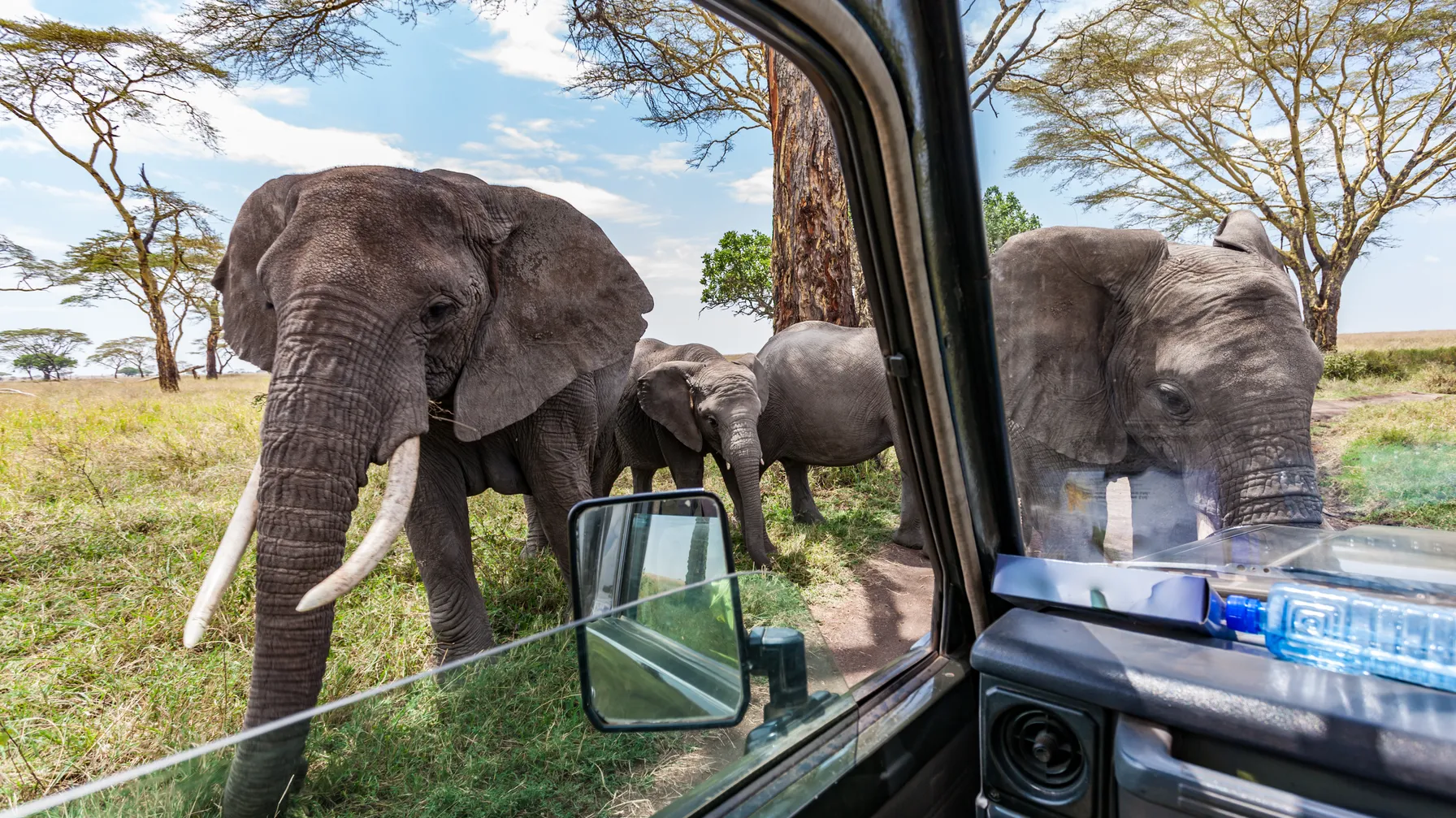
The Serengeti reveals its particular splendor with the gradual return of the great migration. The central plains regain their characteristic bustle, while the wooded areas offer excellent opportunities to observe leopards. This period also allows exploring less frequented areas of the park, revealing preserved landscapes and wildlife less accustomed to human presence.
Your personalized travel guide can direct you to the most promising areas according to current weather conditions, maximizing your chances of memorable sightings.
Beach extension in Zanzibar after your continental adventure
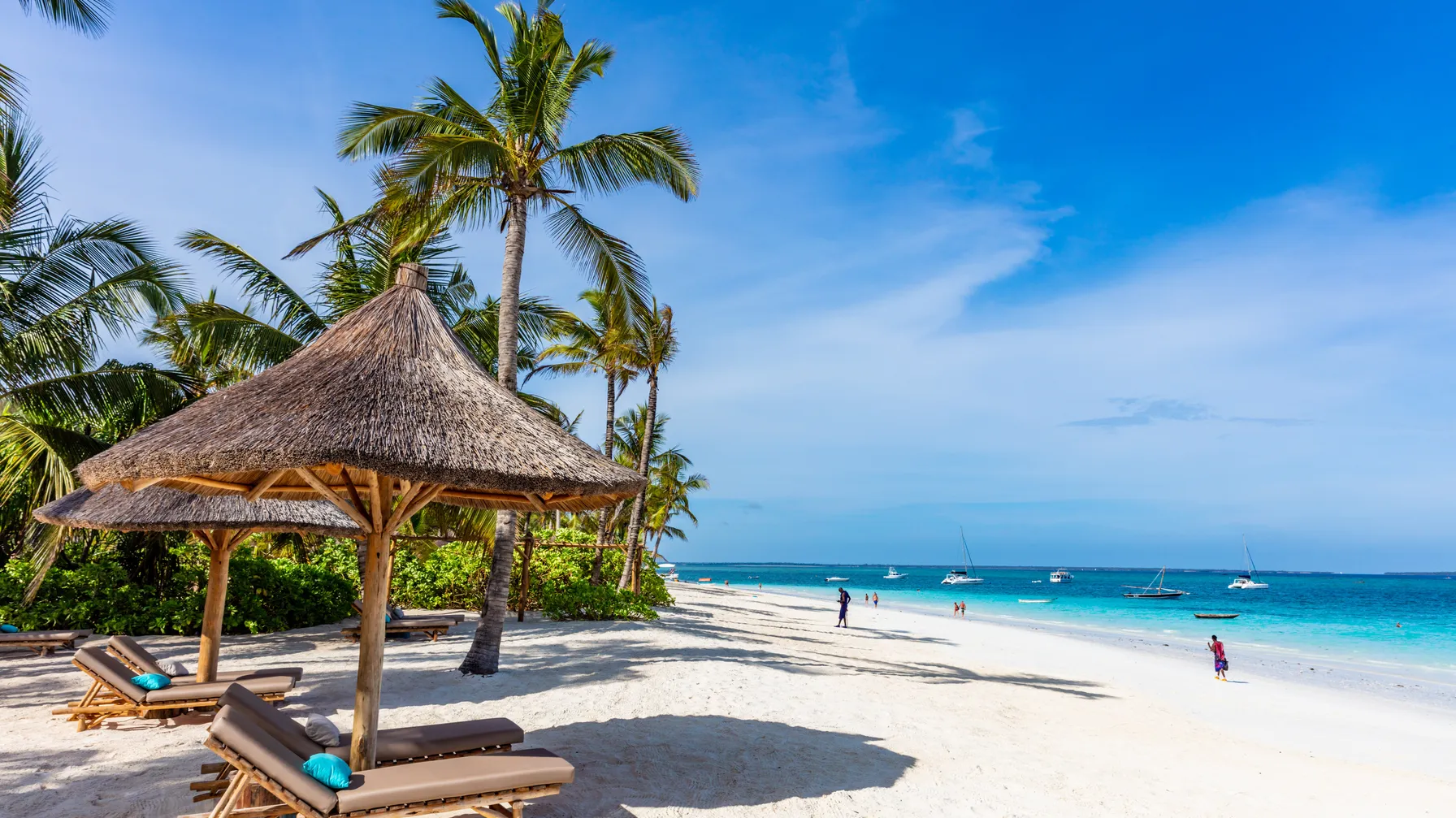
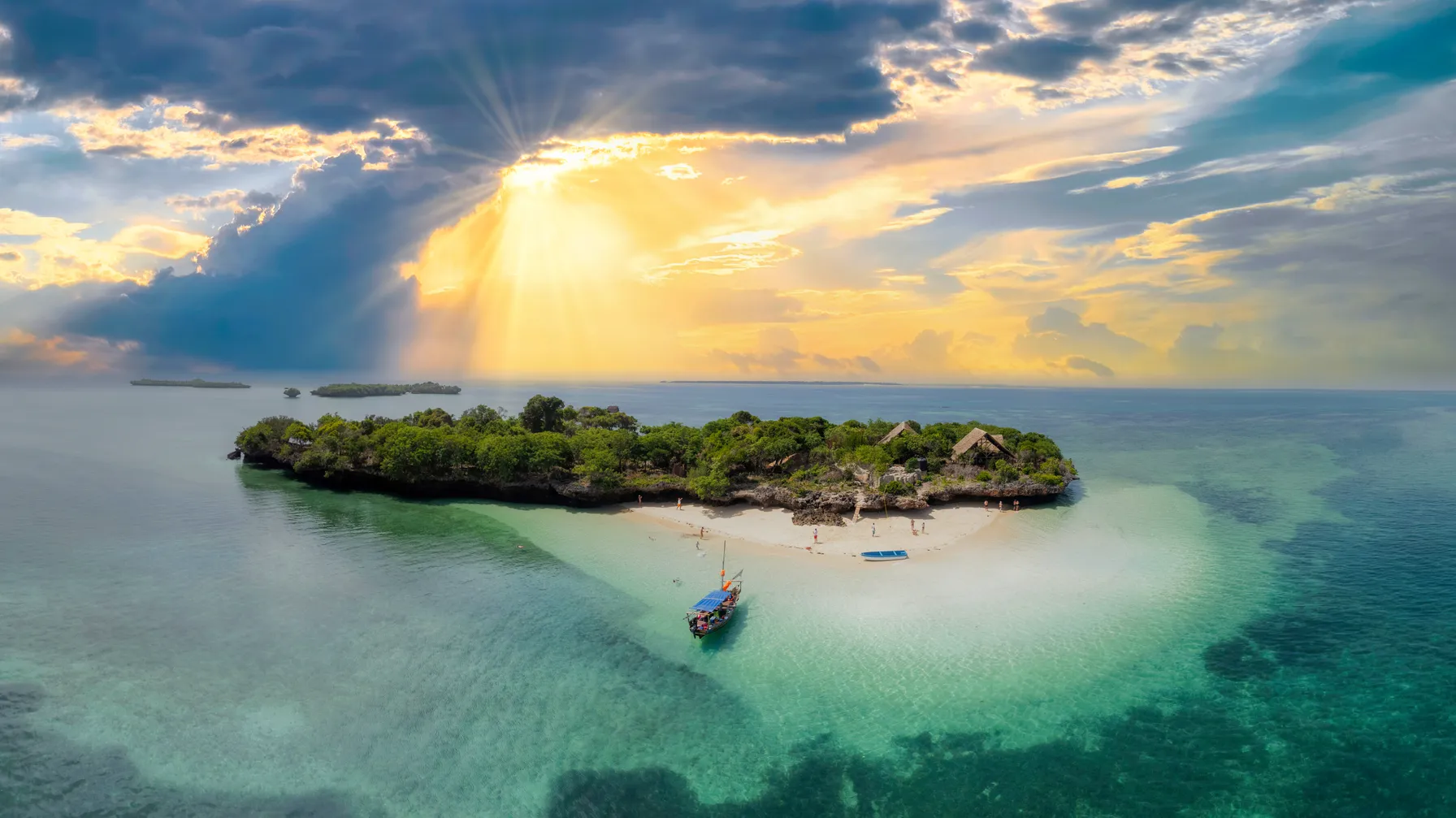
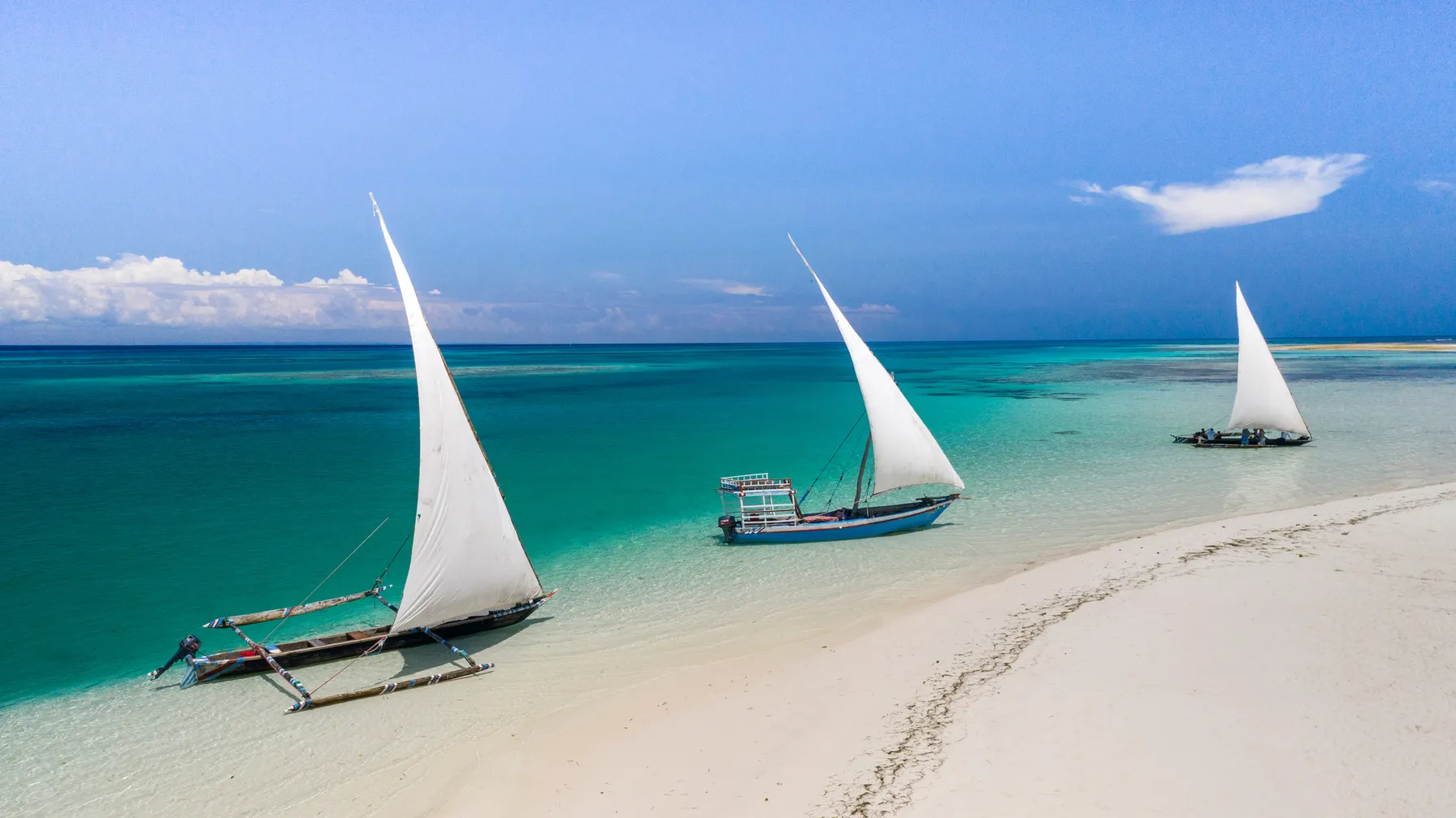
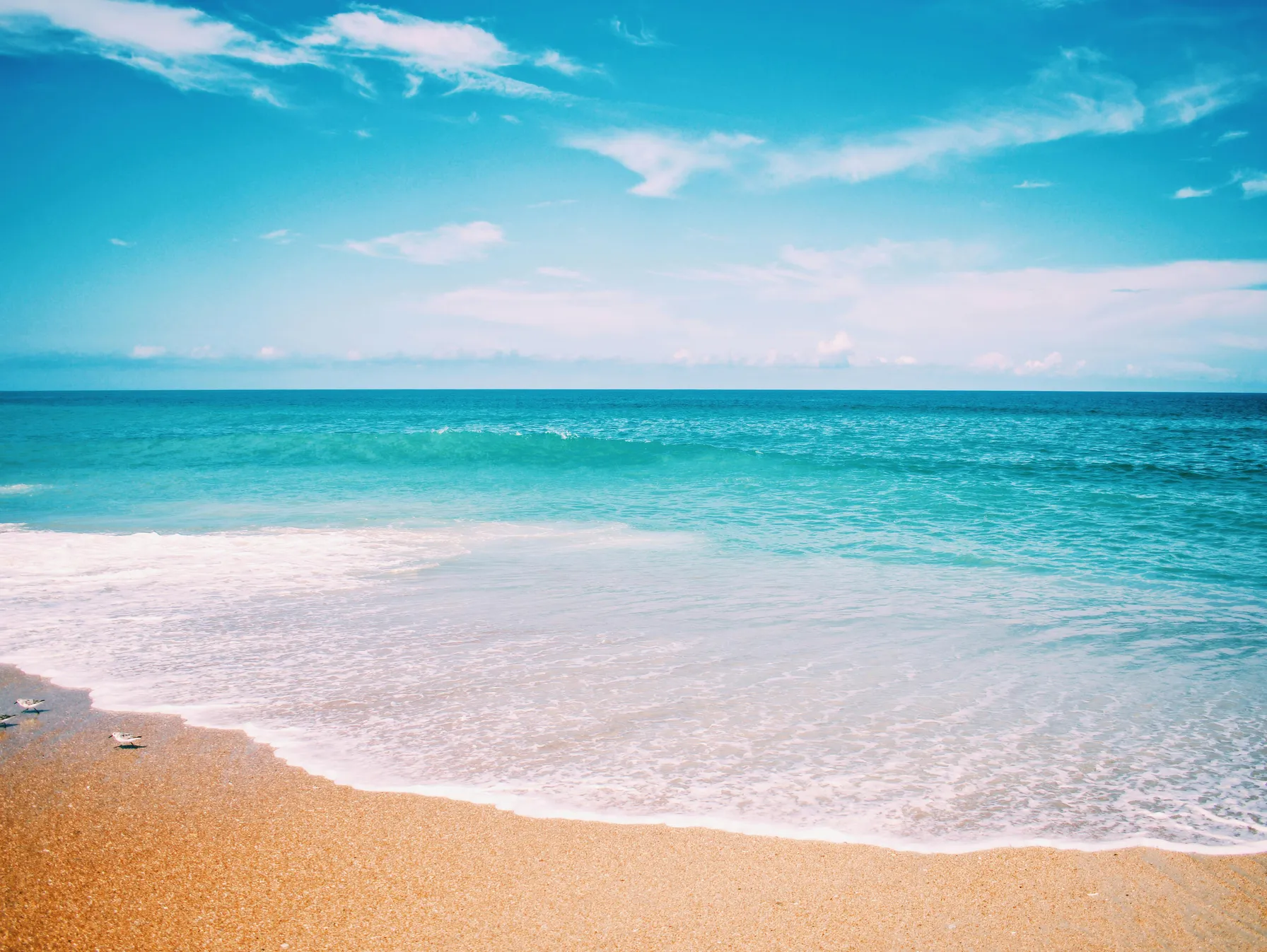
November is also an excellent time to visit Zanzibar. The archipelago enjoys a warm and humid climate, with sea temperatures ideal for swimming and diving. The white sand beaches regain their tranquility after the peak of the dry season.
Stone Town reveals its charm under the changing skies of November. The historical alleyways of the old town are adorned with special reflections during the occasional showers, creating a uniquely romantic ambiance. The spice markets emit their scents more intensely under the effect of the ambient humidity.
This safari-beach relaxation combination finds its perfect balance in November, allowing you to decompress after the intensity of the safaris in a preserved paradise setting.
Hiking and climbing in favorable conditions
While climbing Kilimanjaro remains technically possible, November offers excellent alternatives for trekking enthusiasts. The less frequented mountains of the eastern arc present ideal weather conditions with lush vegetation revived by the early rains.
Cultural hikes in Maasai villages take on a special dimension in November. The local communities are actively preparing for the agricultural season, offering authentic insights into ancestral traditions. These encounters greatly enrich your understanding of Tanzanian culture.
Contact us for more information
How to optimize your trip in November?
Making the most of your stay requires preparation tailored to the specifics of this period.
Tariff and logistical advantages
The low tourist season in November translates into significant financial benefits. Lodges and camps generally offer discounts of 25 to 50% compared to high season rates, allowing you to access premium accommodations for an optimized budget. This period also offers more flexibility in choosing dates and itineraries.
International flights to Tanzania often offer more attractive rates in November, a quiet period for African tourism. This substantial savings can be reinvested in exclusive experiences such as hot air balloon flights or luxury camps in private reserves.
November is the best time to negotiate tailored services, allowing you to customize your trip according to your specific preferences, whether you prioritize adventure, comfort or cultural discovery.
Equipment suited to the conditions
Your gear should adapt to the climatic peculiarities of November and December. Opt for lightweight but covering clothing to protect yourself from the sun and insects, which become more active with the return of humidity. A light waterproof jacket is essential for occasional showers.
Waterproof walking shoes make it easier to move around on sometimes muddy grounds of campsites and hiking trails. A wide-brimmed hat and sunglasses remain essential, as the tropical sun retains all its intensity despite intermittent cloud cover.
Do not forget your photographic equipment: the bright contrasts of November offer exceptional opportunities but require protection against the ambient humidity.
Preferred traveler profiles
November is particularly suitable for travelers looking for an authentic experience away from the beaten path. Honeymooning couples will appreciate the intimacy of less frequented lodges and the romantic beauty of lush landscapes. Families with children will benefit from favorable rates and personalized attention from guides.
Wildlife photographers find in November exceptional lighting conditions and active wildlife in renewed settings. This period allows capturing Tanzania from a different perspective, far from the classic images of the dry season.
Month by month, November presents itself as a smart alternative to discover the true soul of Tanzania in favorable conditions that only seasoned travelers can appreciate at their true value.