Why choose Kamakura for your customized stay in Japan?
Just an hour train ride south of Tokyo, Kamakura is one of the most captivating destinations for an authentic trip to Japan. This ancient medieval capital, nestled between wooded hills and the Pacific Ocean, offers a striking contrast to the bustle of Tokyo. Our Travel Planners specializing in Japanese culture assist you in creating a Tokyo stay enriched with a customized getaway to Kamakura.
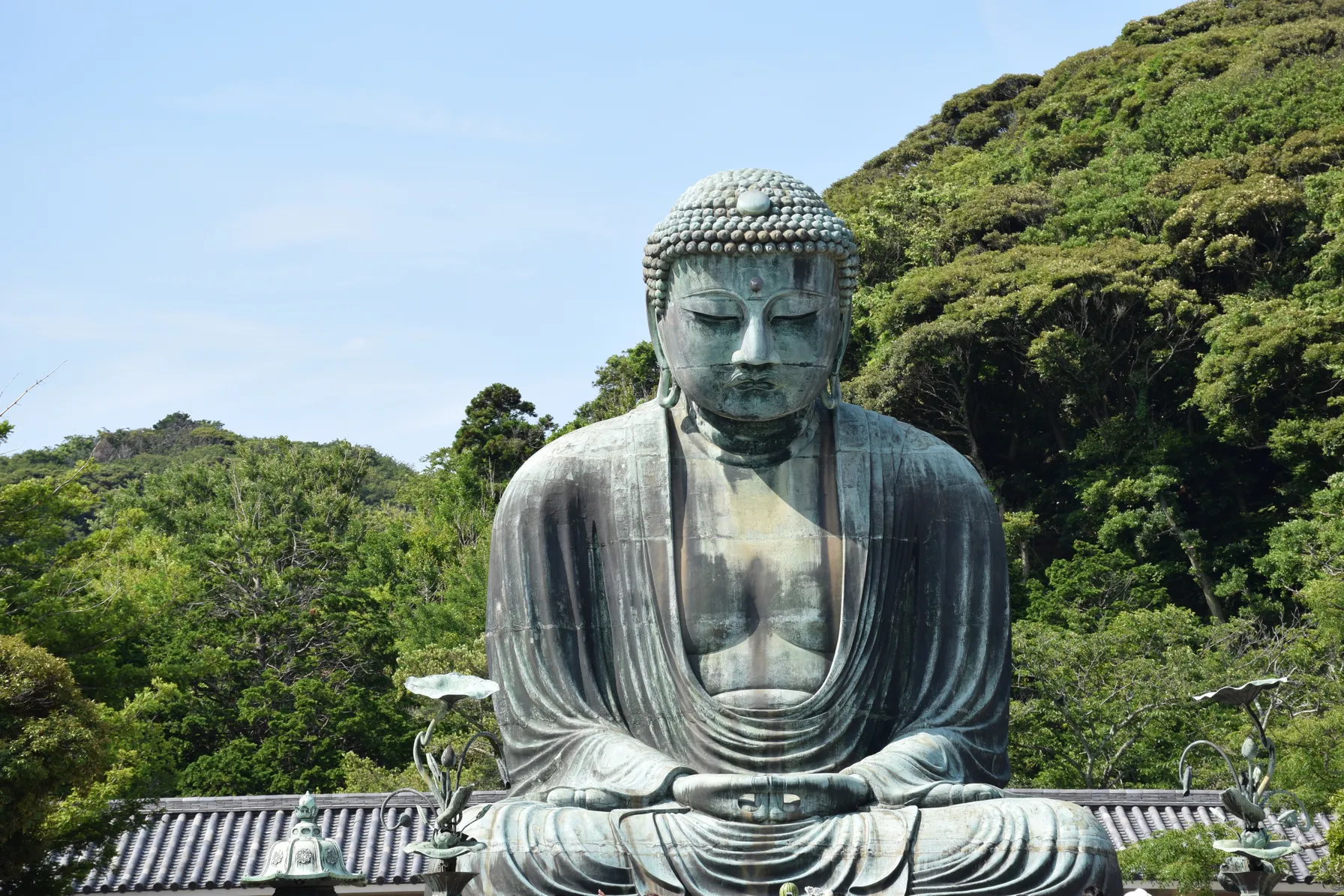
The main appeal of this historic city lies in its exceptional heritage. The famous Great Buddha, a 13-meter-high bronze statue, bears witness to eight centuries of Buddhist history. This majestic work, which has survived tsunamis and earthquakes, symbolizes the resilience of Japanese spirituality. Around this iconic monument, more than 80 temples and shrines are scattered across the city, creating a true open-air museum.
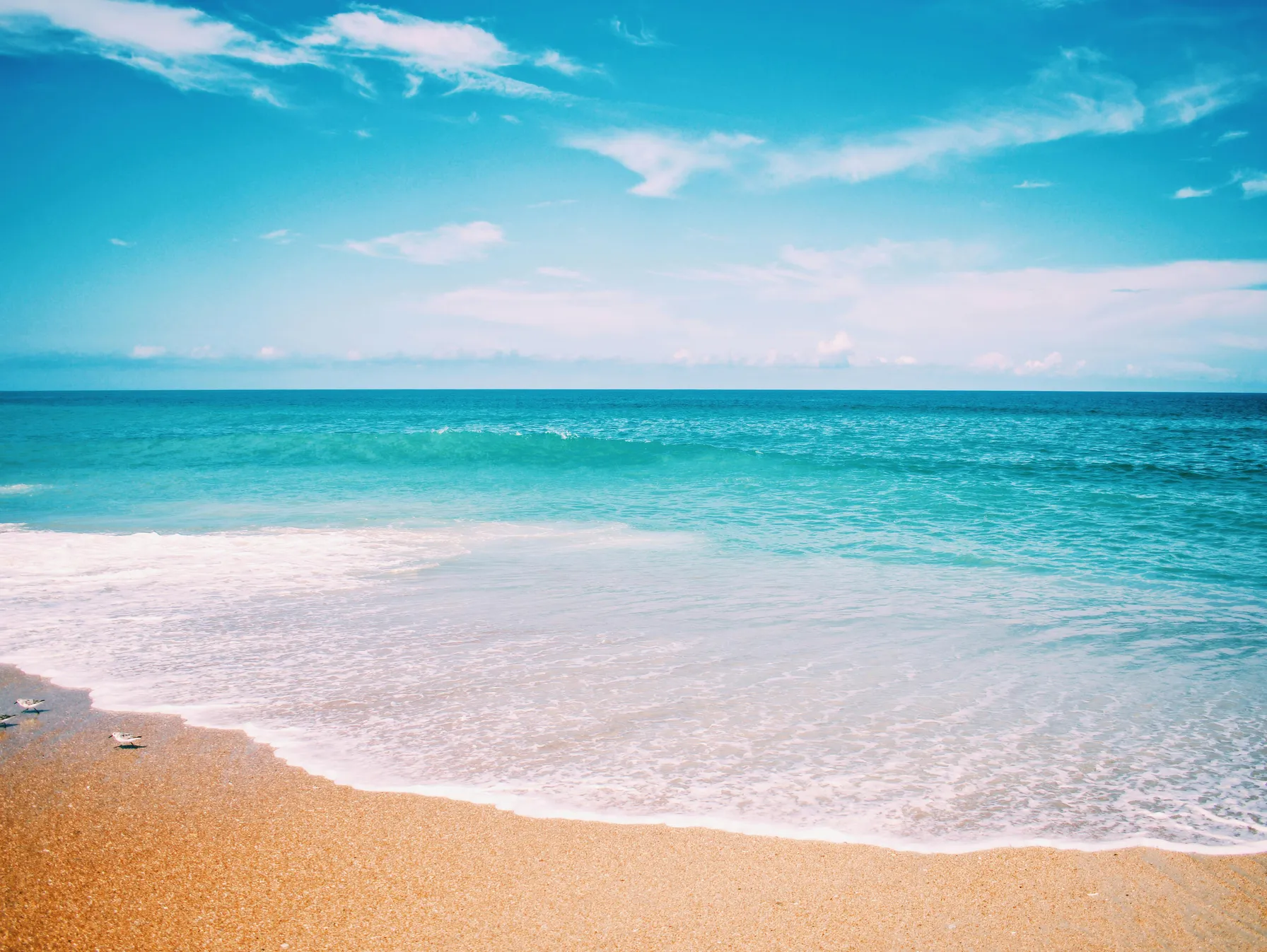
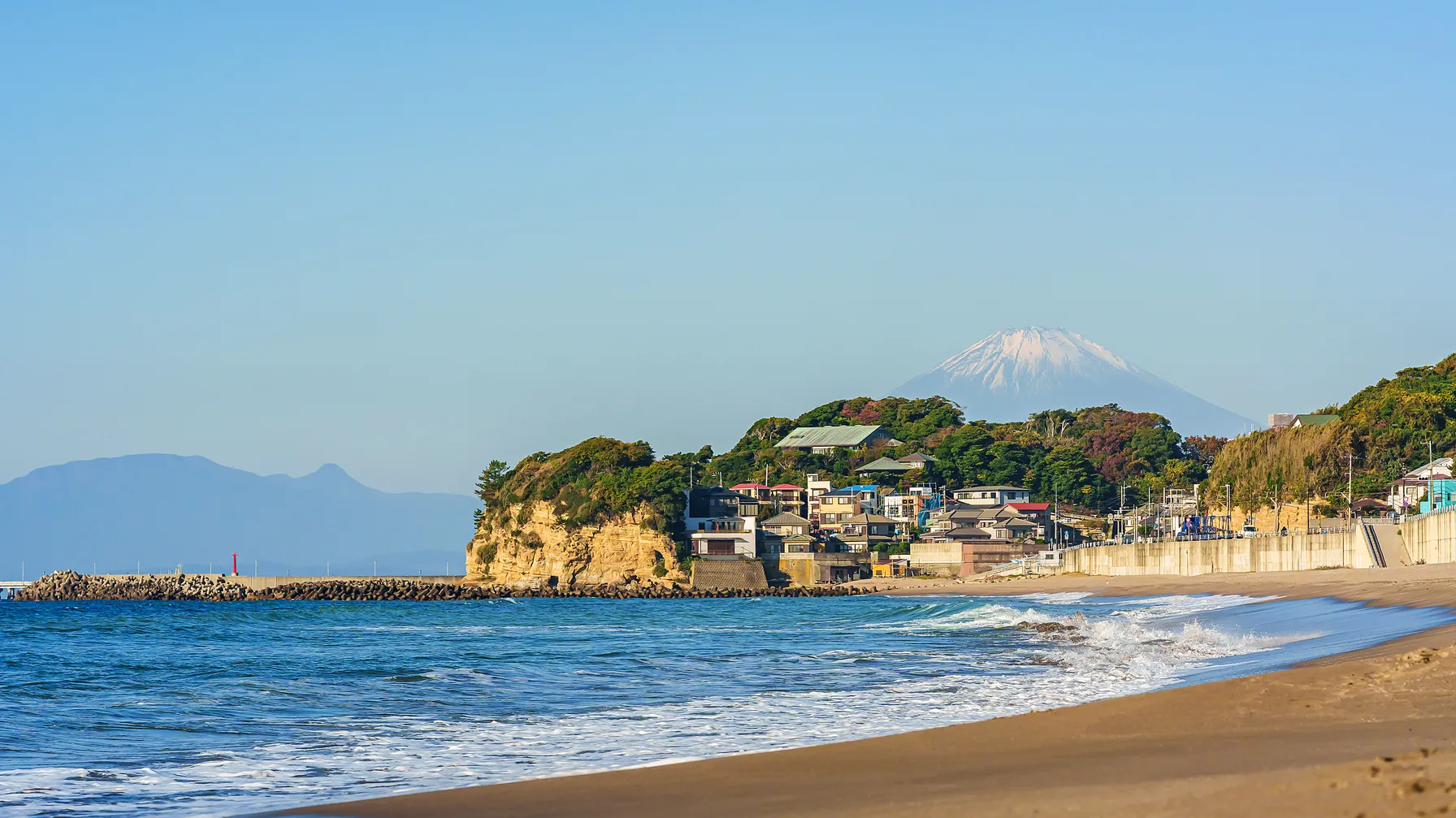
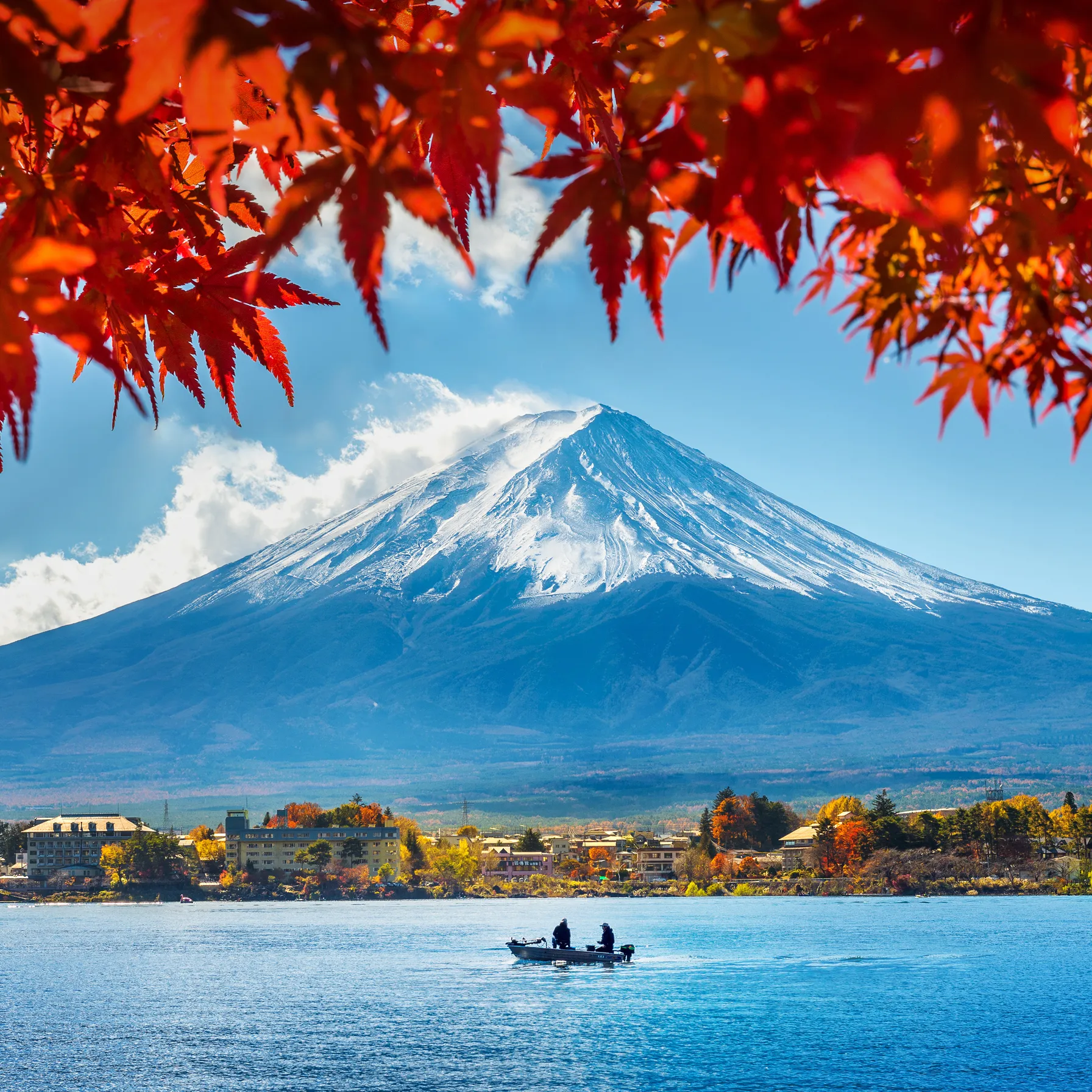
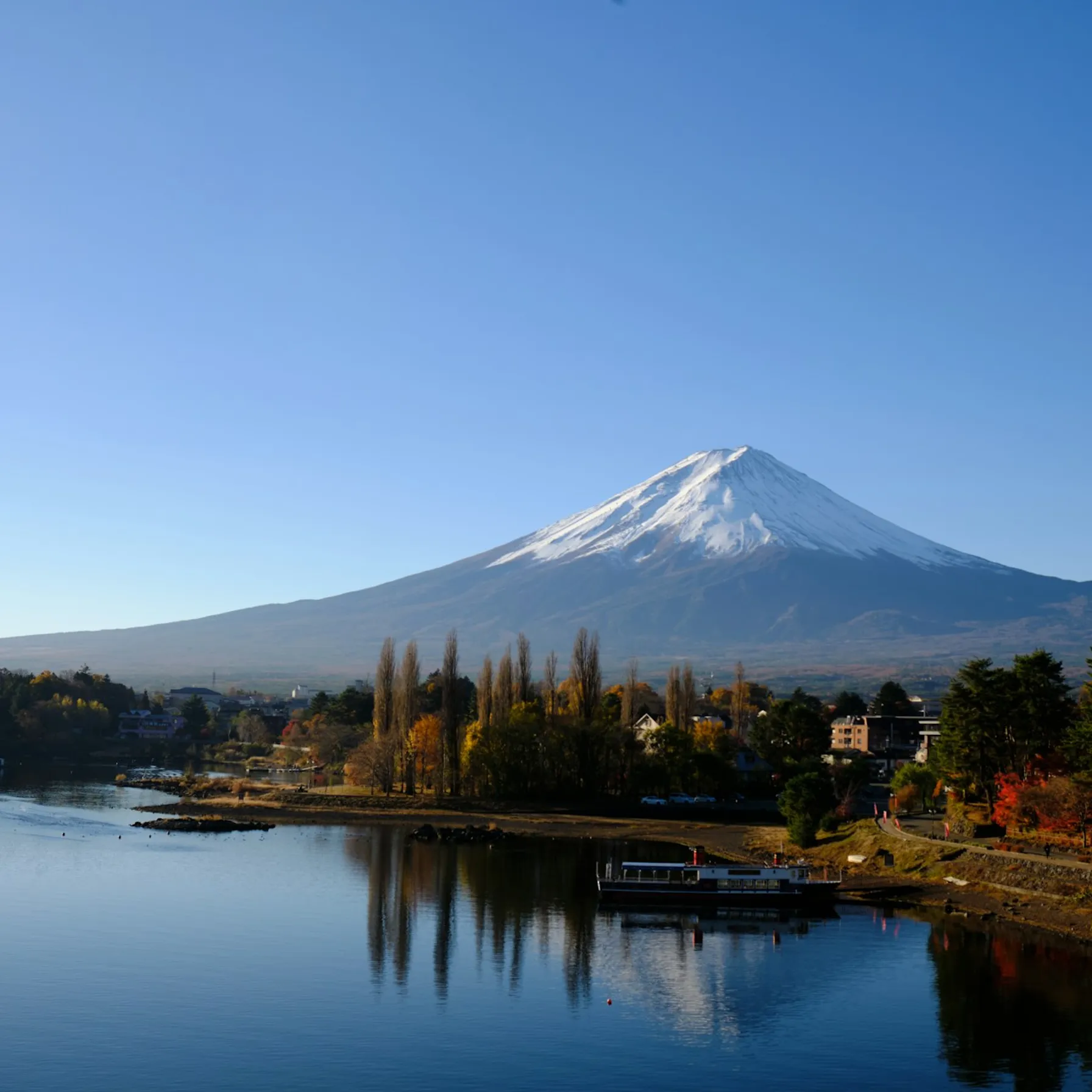
Kamakura's unique geographical position also makes it a sought-after seaside destination. The beaches of Yuigahama and Shichirigahama stretch along the Sagami Bay, offering spectacular views of Mount Fuji in clear weather. This duality between spirituality and seaside relaxation significantly enriches your personalized trip to Kamakura.
Our local experts design tailored itineraries that reveal the hidden facets of this millennial city. Whether you are traveling in a small group, with family, or as a couple, Kamakura adapts to all traveler profiles thanks to its diversity of experiences.
What to discover during your customized trip to Kamakura?
The cultural and natural richness of Kamakura requires a personalized approach to capture its essence. Our Travel Planners develop thematic routes according to your interests.
The Great Buddha and the iconic temples
The Kamakura Buddha, located in the Kotoku-in temple, is undoubtedly the gem of your guided tour. This bronze statue, cast in 1252, impresses with its serenity and stature. Unlike many Buddhist representations housed in halls, this work has been standing outdoors since the 15th century, after a tsunami destroyed the building that sheltered it.
The Hase-dera temple, perched on a hill, houses a 9-meter high statue of Kannon with eleven faces carved from a single camphor tree trunk. Its terraced gardens offer a panoramic view of the Sagami Bay and are a particularly photogenic green setting during the hydrangea bloom in June.
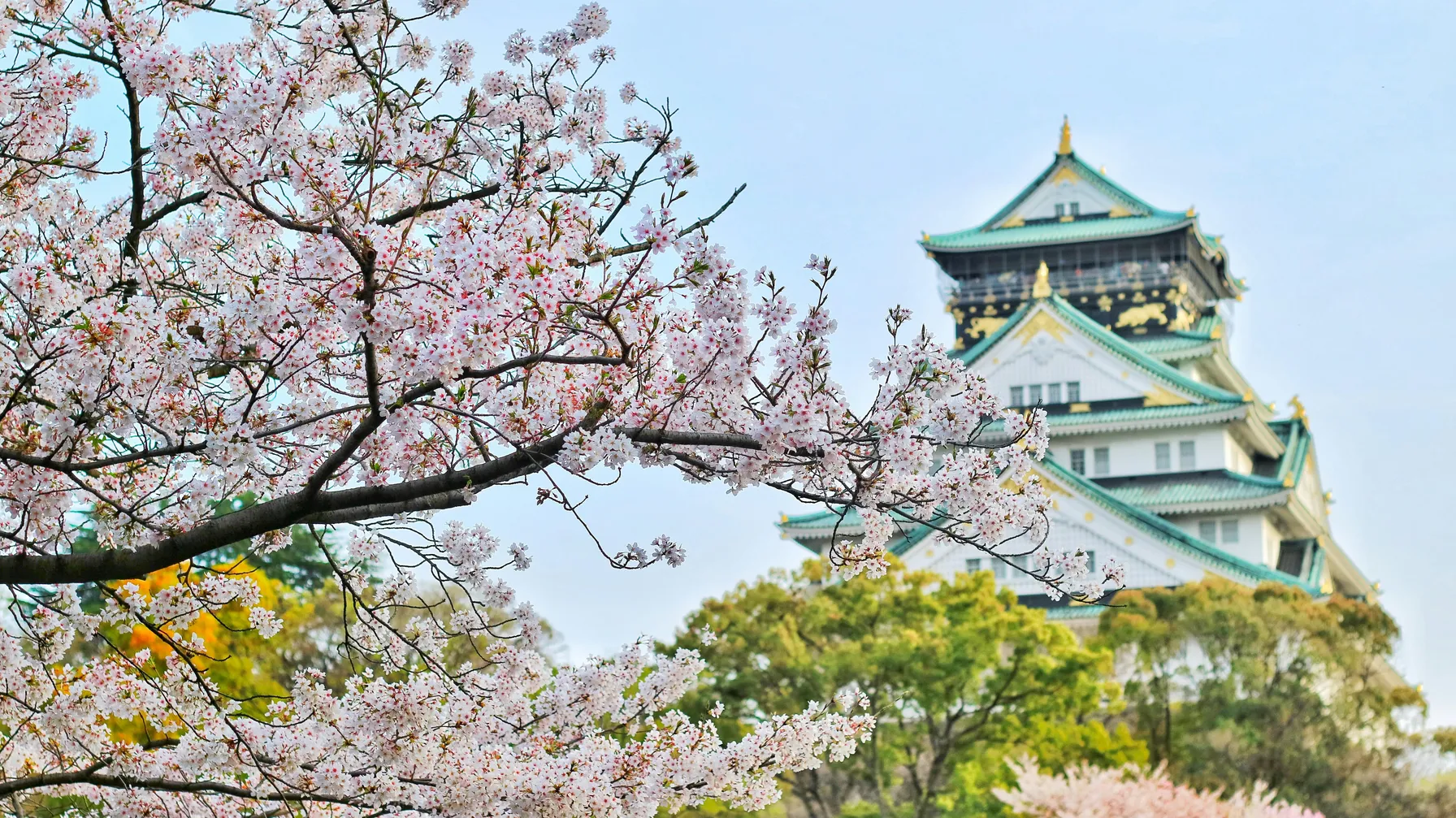
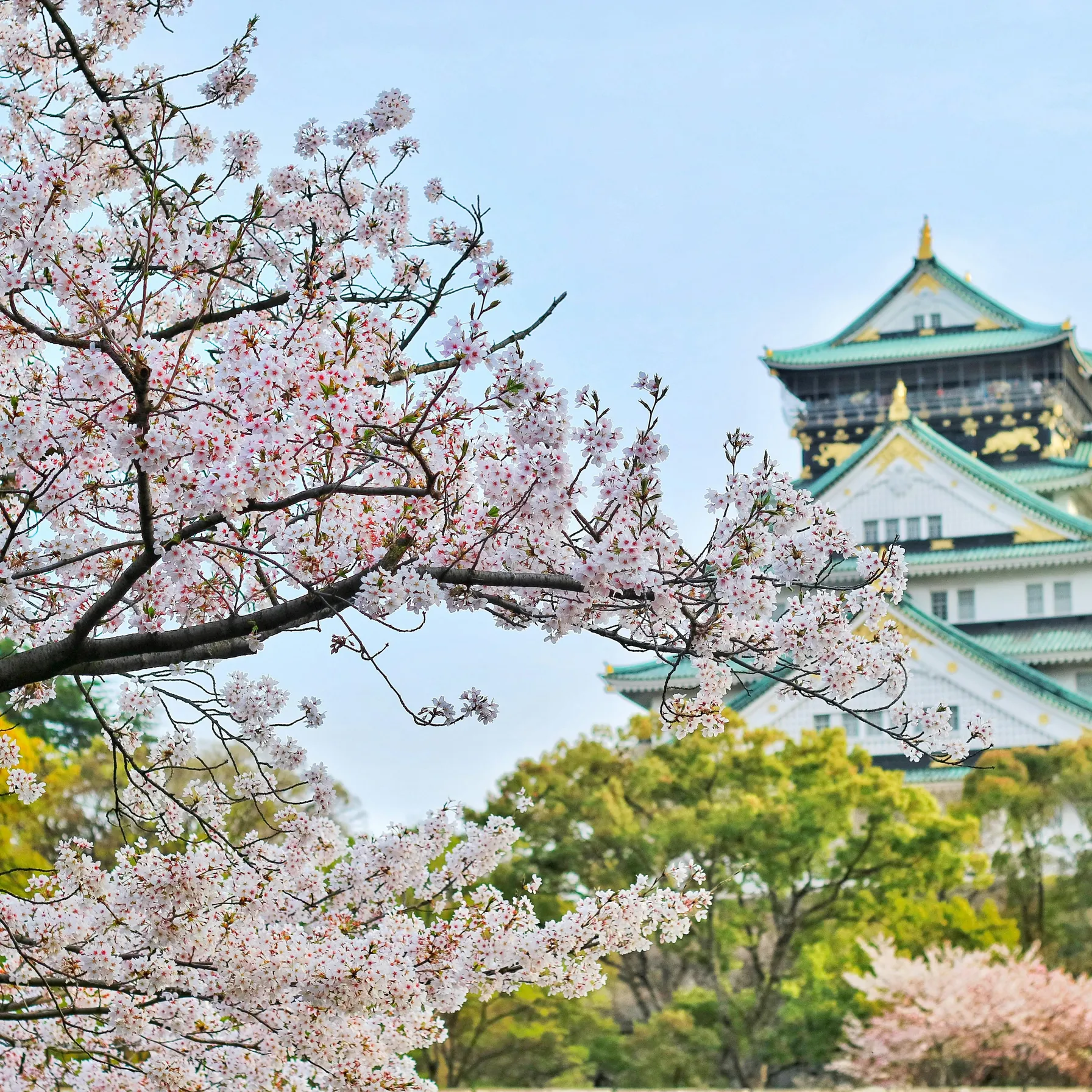
The Tsurugaoka Hachimangū shrine, dedicated to the god of war Hachiman, protector of samurais, dominates the city from a hill. Its main avenue, lined with centuries-old cherry trees, becomes magical during the spring hanami. This sacred site, founded in 1063, reflects Kamakura's political and military importance in medieval times.
The legacy of the samurais and the ancient capital
Between 1185 and 1333, Kamakura was the seat of the first Japanese shogunate, marking the advent of the samurai's military power. This period, called the Kamakura era, revolutionized the country's political organization and gave birth to a refined warrior culture.
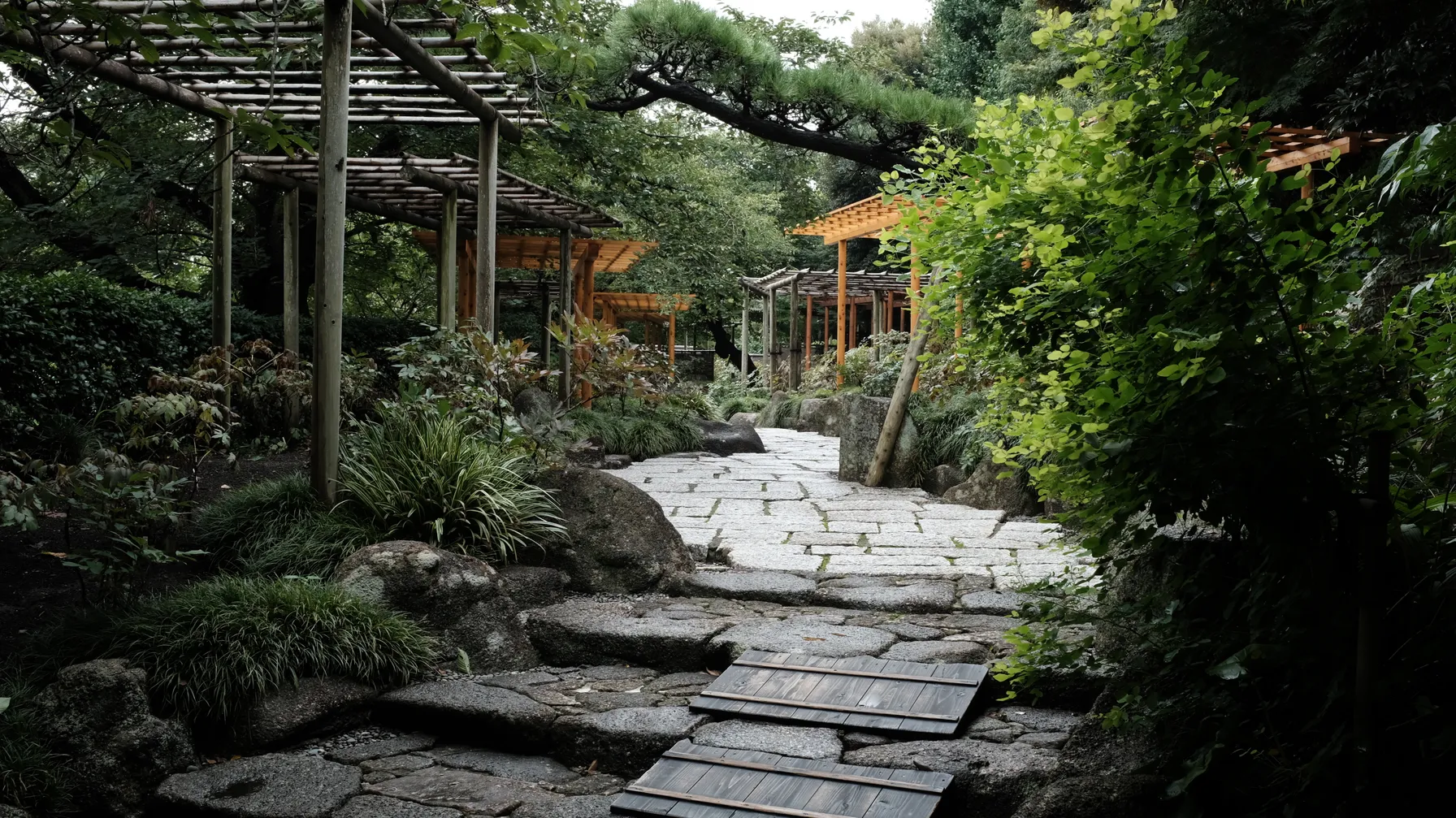
The Kenchō-ji temple, founded in 1253, remains the oldest Zen monastery in Japan. Its dry gardens, wooden pavilions, and monumental Sanmon gate embody Zen aesthetics in their purest form. Visiting this religious complex, guided by our specialized guides, allows understanding the influence of Zen Buddhism on the Japanese way of life.
Hiking trails winding through the surrounding hills reveal secret temples nestled in the bamboo forest. These pilgrimage paths, known as the "Kamakura Alps," offer exceptional panoramas and a total immersion into Japanese nature.
The beaches and Sagami Bay
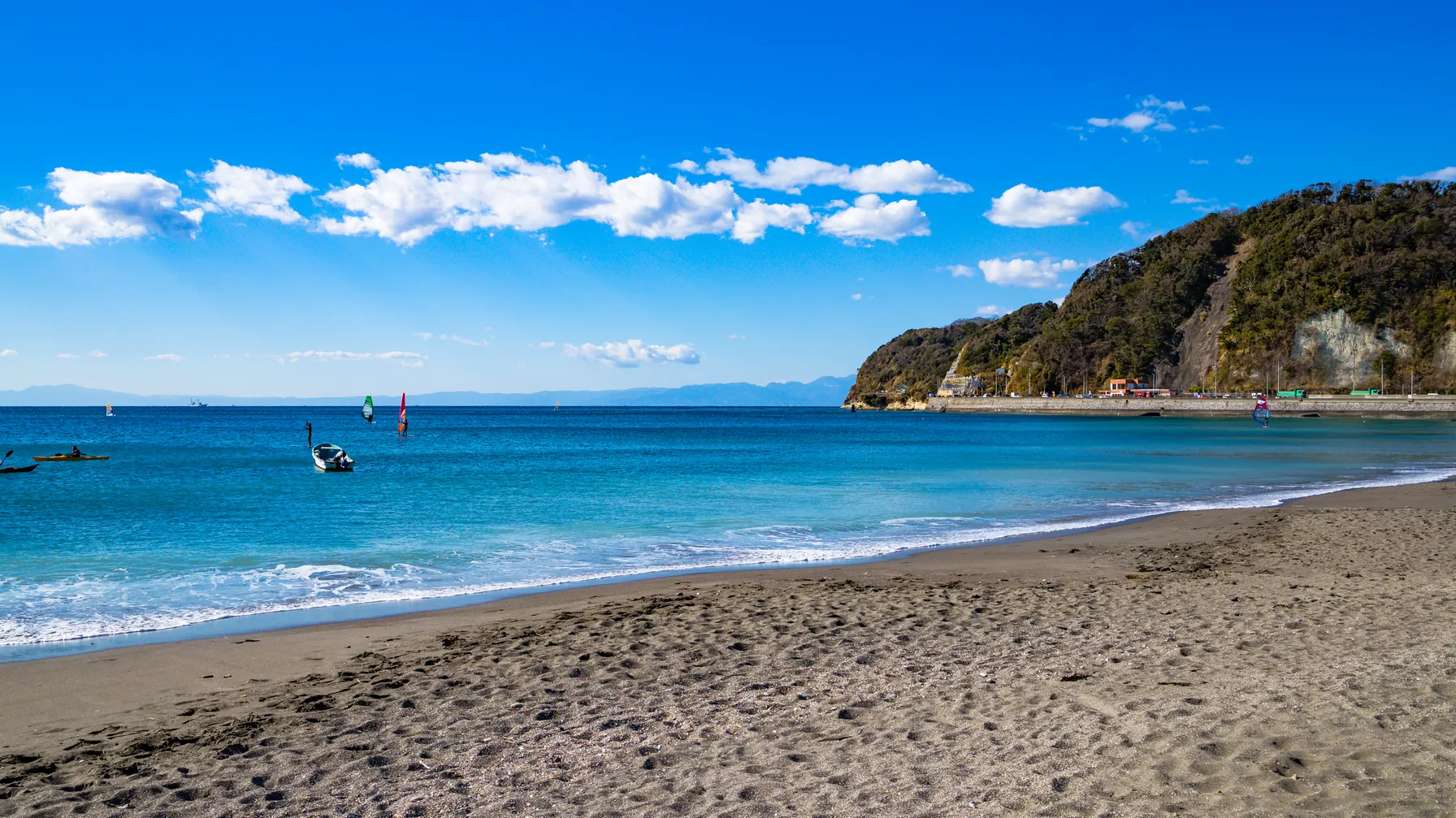
The seaside front of Kamakura transforms this historical destination into a beach resort favored by Tokyoites. Yuigahama Beach, stretching 900 meters long, attracts surfers and swimmers during the summer season. Its volcanic gray sand and "beach houses" create a uniquely relaxed atmosphere in Japan.
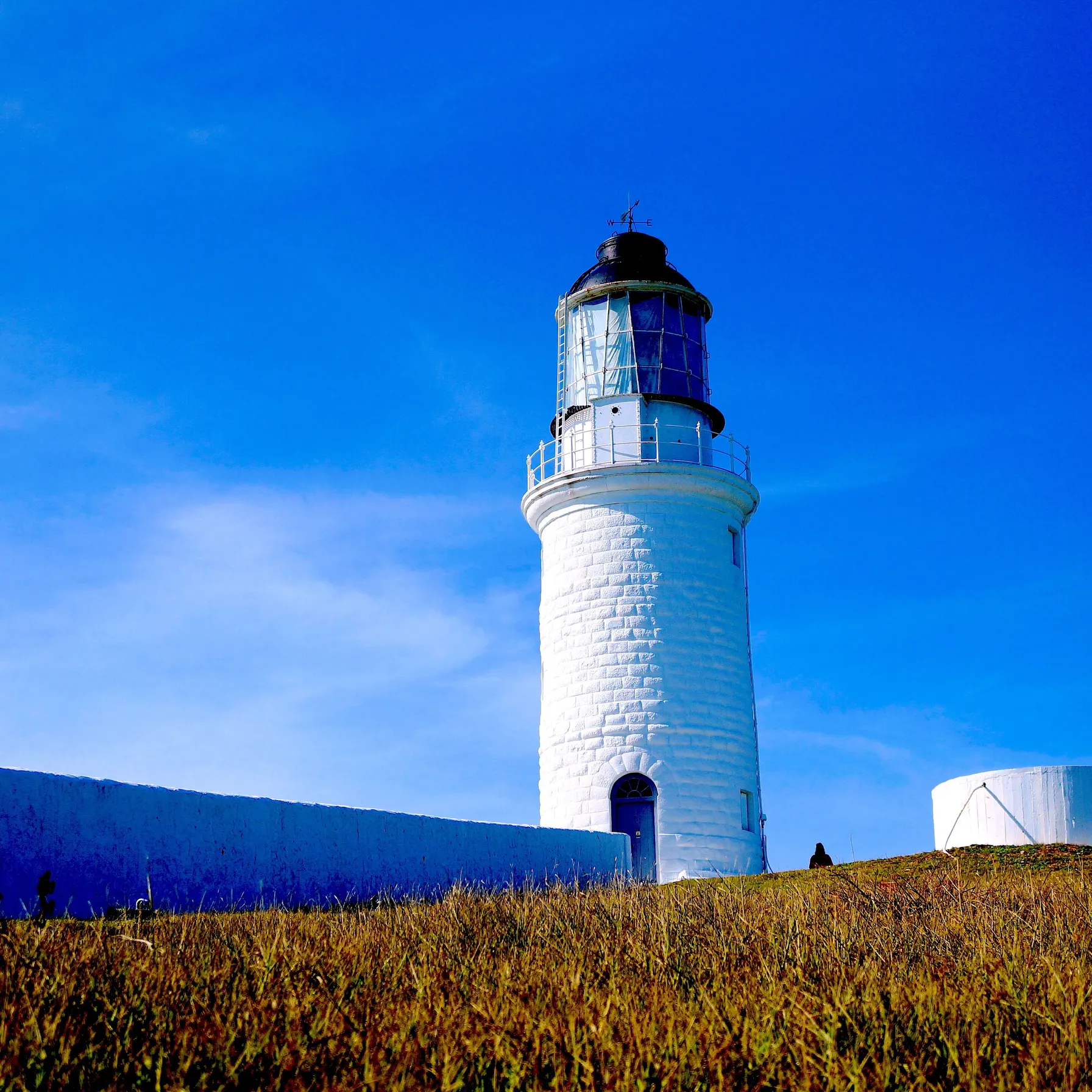
Enoshima Island, connected to the coast by a 600-meter bridge, perfectly complements a trip to Kamakura. This sacred island, dedicated to the goddess Benten, houses mysterious caves and the Samuel Cocking botanical garden. The Sea Candle lighthouse offers breathtaking views of Mount Fuji and Sagami Bay.
The little Enoshima Electric Railway, nicknamed "Enoden," connects Kamakura to Fujisawa by crossing bucolic landscapes. This scenic journey, in operation since 1902, is an authentic experience cherished by photographers and lovers of Japanese pop culture.
How to organize your customized trip to Kamakura?
Organizing a tailored stay in Kamakura requires careful planning to optimize your time and discoveries. Our Travel Planners assist you in every step of this preparation.
When to go and how long to plan for
Kamakura's temperate climate allows for year-round visits, each season offering its specific attractions:
| Season |
Advantages |
Disadvantages |
Recommended Duration |
| Spring (March-May) |
Cherry blossoms, mild temperatures |
Significant attendance |
1-2 days |
| Summer (June-August) |
Beaches, festivals, hydrangeas |
Heat, humidity, crowds |
2-3 days |
| Autumn (September-November) |
Colorful foliage, stable weather |
Possible typhoons |
1-2 days |
| Winter (December-February) |
Fewer tourists, clear skies |
Cool temperatures |
1 day |
One full day is enough to explore Kamakura's essential sites within a broader trip to Japan. However, art and spirituality enthusiasts might enjoy a two to three days stay to explore secondary temples and experience the beach atmosphere.
How to get to Kamakura from Tokyo
Kamakura's accessibility from the capital is one of its major assets. Travelers have several options:
-
The JR Tokaido line connects Tokyo Station to Kamakura in 57 minutes for 556 yen. This direct connection, included in the Japan Rail Pass, represents the most economical option for holders of this railway pass.
-
The Odakyu line, departing from Shinjuku, serves Fujisawa in 50 minutes, then requires a change to the Enoshima line to reach Kamakura. This slightly longer route passes through typical residential neighborhoods.
-
Our Travel Planners recommend purchasing the "Kamakura-Enoshima Pass" for a full day. This pass, valid on all local lines, includes discounts on entrance fees to the main temples and facilitates movement between sites.
-
The regional rail pass "Odakyu Enoshima-Kamakura Freepass" offers an interesting alternative to also explore Enoshima and the Japanese Alps of Hakone during an extended tailor-made trip.
For a family trip to Japan, our experts suggest planning regular breaks and adapting the itinerary to the pace of children. The beaches of Kamakura thus provide an excellent compromise between cultural discovery and relaxation.
Vialala assists you in creating a personalized travel guide, integrating Kamakura into a broader tour discovering the wonders of Kansai, the traditions of Osaka, or the landscapes of Mount Fuji. Our local Travel Planners know the secrets of each destination and tailor each itinerary to your desires and constraints.