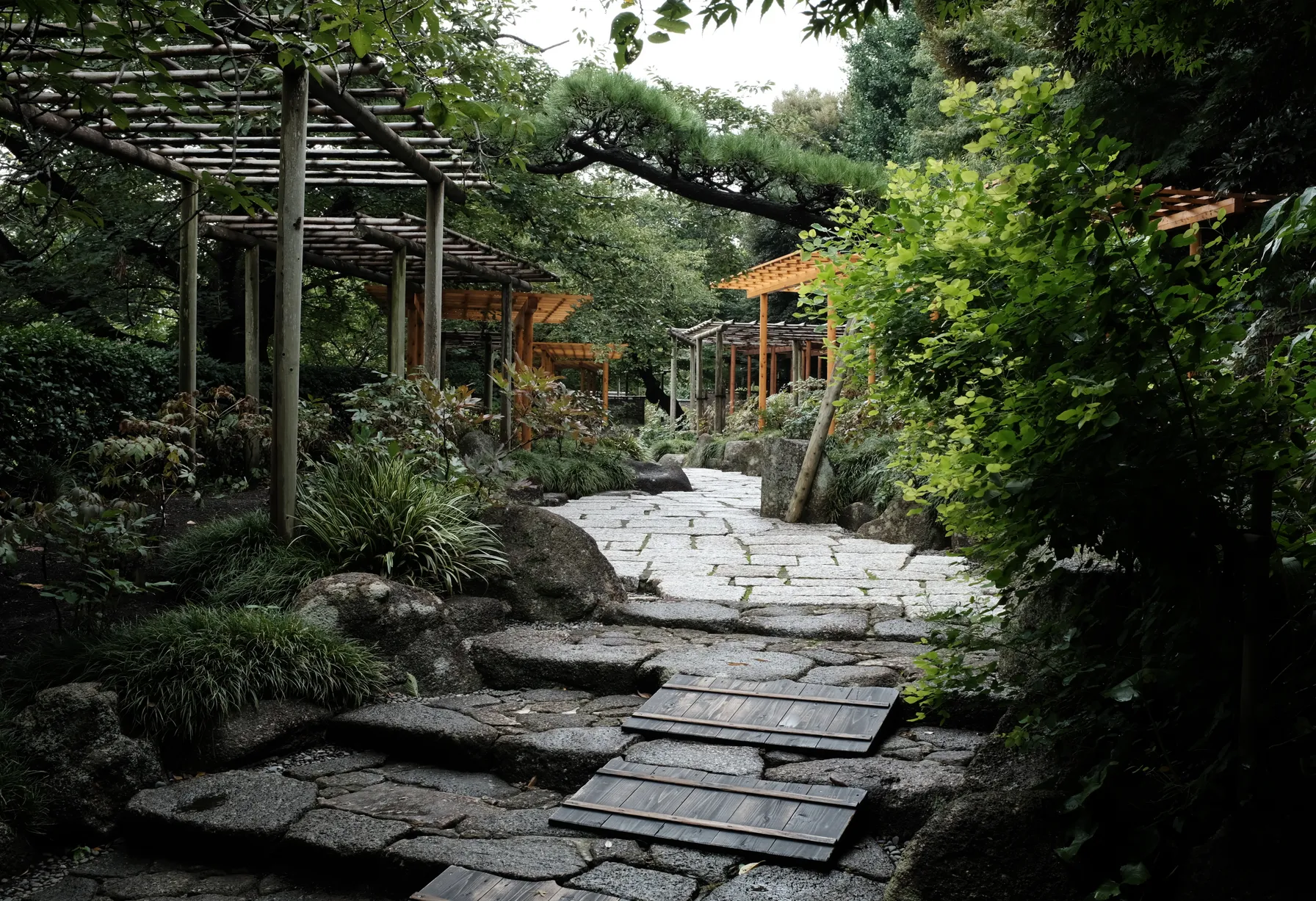
Hiking in Kamakura: Exploring the Former Shogunal Capital on Foot
Why is Kamakura an ideal destination for hiking?
Coastal in the south and forested in the north, Kamakura offers a rare topography that invites exploration on foot. Its verdant hills form a natural setting crossed by three main circuits, accessible to various profiles.
Forested hills between sea and history
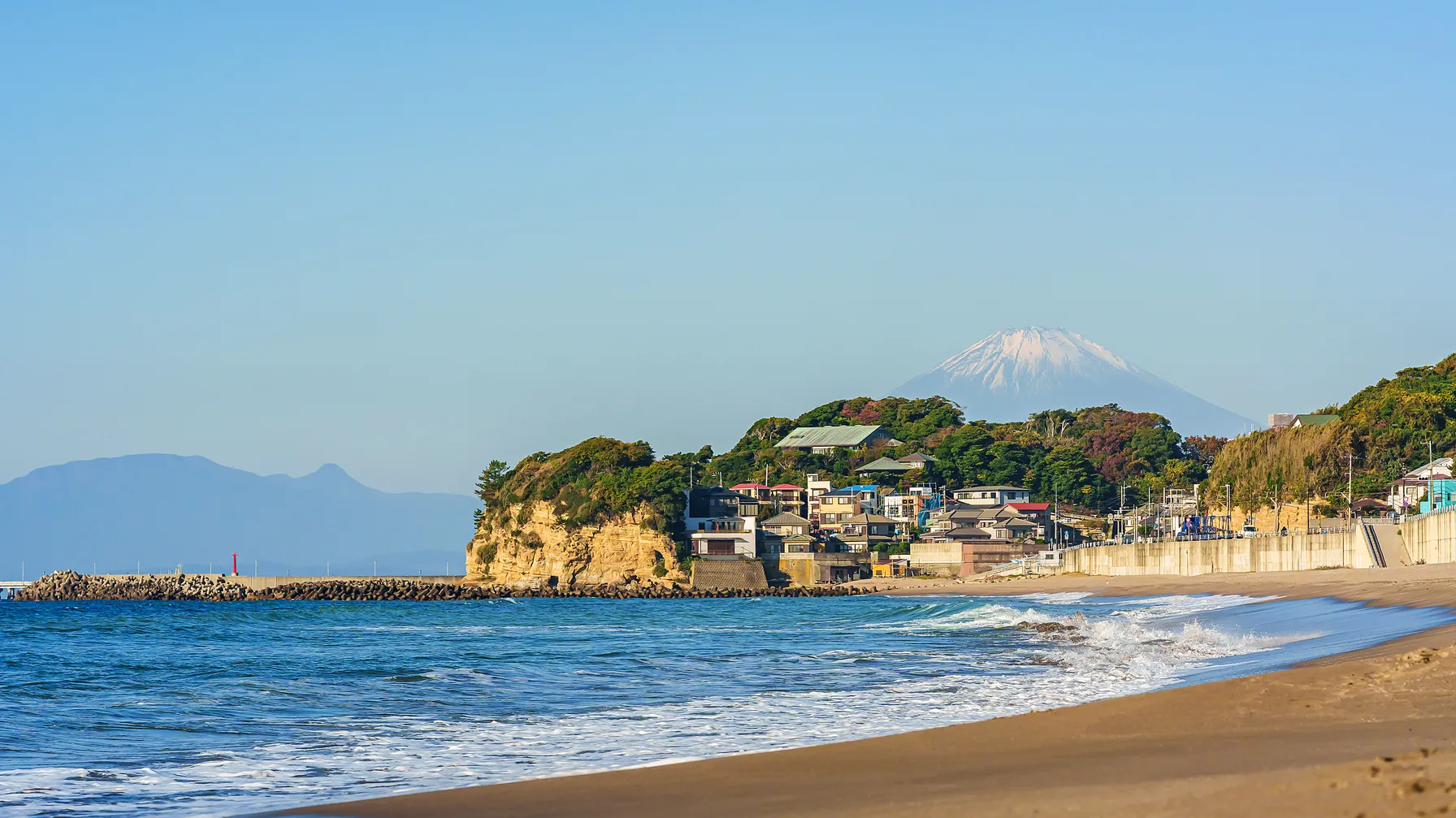
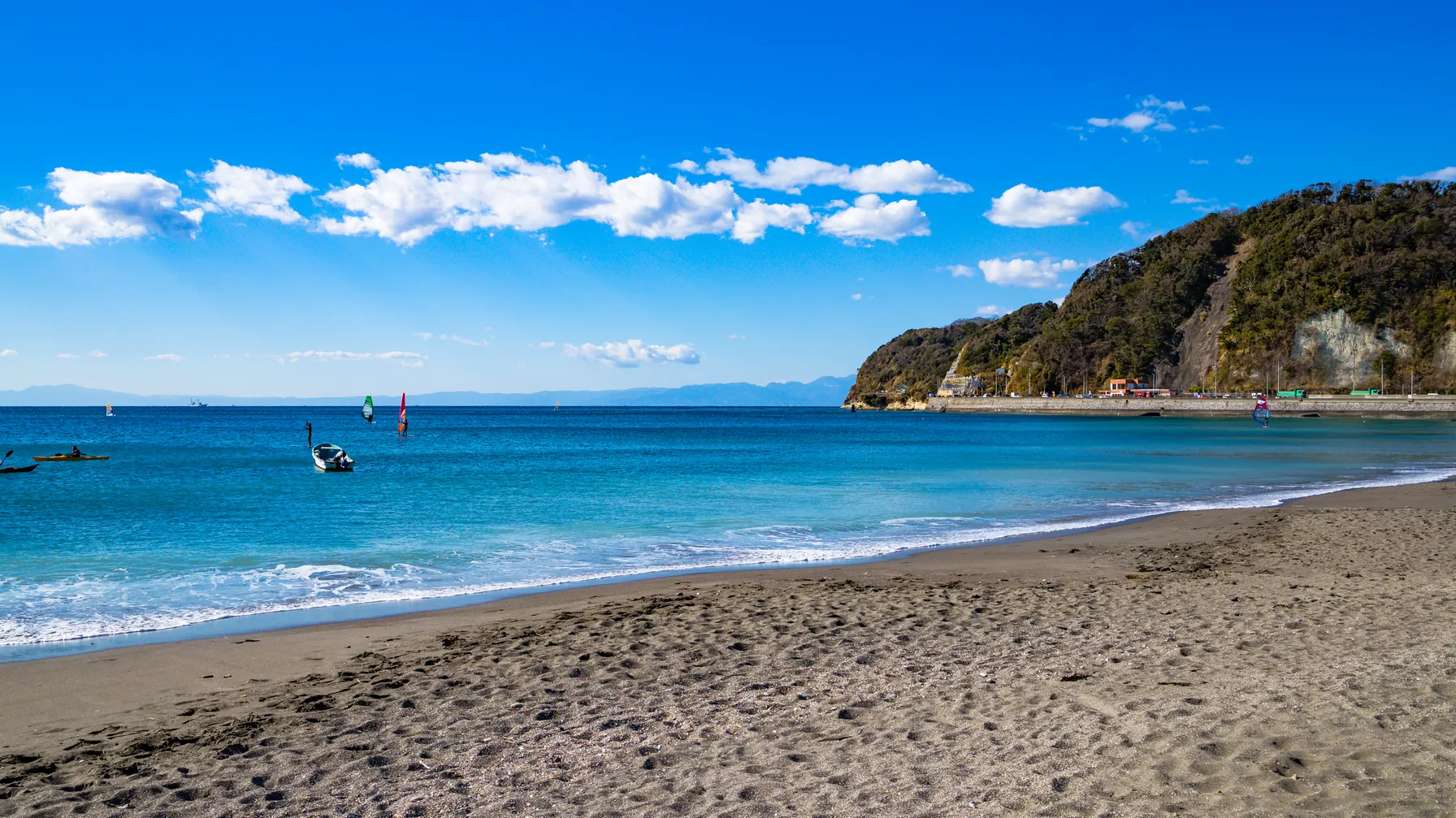
Kanagawa Prefecture holds here a great geographical surprise. On the sea side, Kamakura opens up to the peaceful Sagami Bay. On the land side, the wooded heights shelter hiking paths that wind through Japanese cedars and bamboo. The elevation remains moderate on most hiking trails, making it an accessible destination for families as well as more experienced hikers. Far from the crowd concentrated around the main commercial arteries, here one finds a bit of serenity and space.
Historical sites around every corner
What really sets hiking in Kamakura apart is the cultural richness that punctuates the routes. At every turn, a Buddhist temple, a Shinto shrine, or an ancient Yagura tomb appears in the vegetation. Genjiyama Park, arranged to commemorate the arrival of Minamoto no Yoritomo in 1185, and the great Zen temples like Kencho-ji or Jufuku-ji naturally punctuate the routes. Each step tells a fragment of the ancient capital.
What are the must-visit hiking trails in Kamakura?
Kamakura features three main circuits, each with its own identity. Here is a summary to help you choose according to your desires and your level:
| Trail | Distance | Duration | Difficulty | Highlight |
|---|---|---|---|---|
| Daibutsu Hiking Trail | 2.5 – 3.4 km | 1h – 1h30 | Moderate | Great Buddha, shaded forest |
| Tenen Trail | 7.9 km | 2h – 2h30 | Moderate | Large Zen temples, view of Mount Fuji |
| Gionyama Hike | ~2 km | 30 min | Easy | Hidden shrines, mystical atmosphere |
The Daibutsu Hiking Trail, between temples and big Buddha
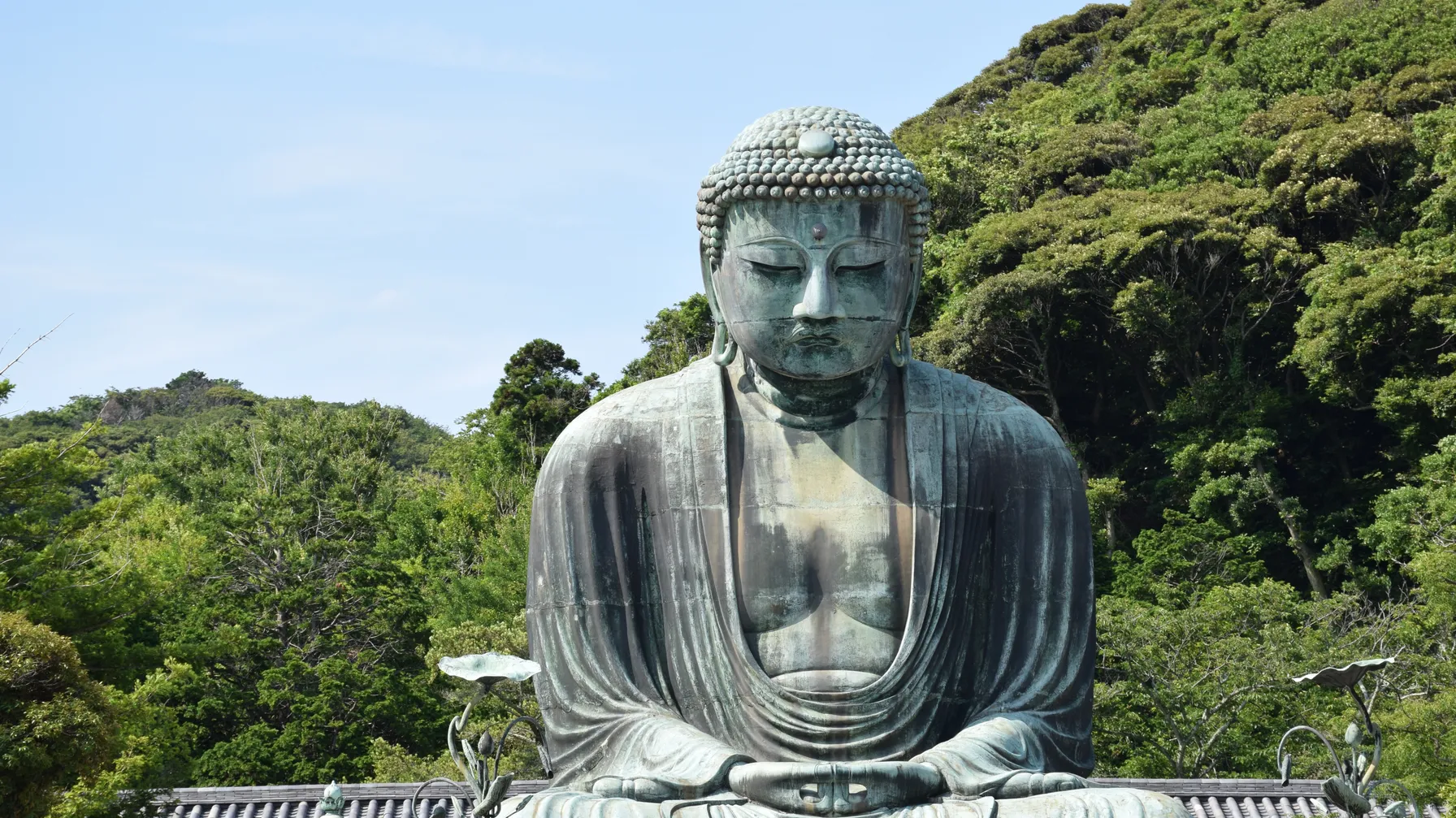
The Daibutsu Hiking Trail is arguably the most iconic trail. It connects Kita-Kamakura station, an ideal starting point, to Kotoku-in temple, known for its large bronze Buddha made in 1252. On this marked course of 2.5 to 3.4 km, practicable in 1 to 1.5 hours, it crosses a shaded forest, it runs alongside the Kuzuharaoka-jinja shrine and it offers clear views of the city roofs and the beaches of the Shonan coast. A few stairs and rooty passages punctuate the path, but nothing insurmountable for walkers in good physical condition.
The Tenen Trail, immersion in the great Zen temples
For a longer and more wild experience, the Tenen hiking trail is essential. This 7.9 km hiking trail connects Kencho-ji temple, the oldest Zen temple in Kamakura, to the peaceful Zuisen-ji temple and its gardens. The journey starts at the Hansobo shrine, where a view of the sea and, on clear days, of Mount Fuji, immediately rewards the effort. Count 2 to 2.5 hours for this moderately difficult trip, suitable for families whose children are accustomed to walking. Our Travel Planners advise: combine this trail with a visit to the gardens and parks of the Zuisen-ji temple at the end of the route.
Contact us to organize your tailor-made hike in Kamakura.
Demandez votre devis Kamakura sur-mesure 100% gratuit
 4.8
4.8+3.000 travelers satisfied
When to go and how to properly prepare for hiking in Kamakura?
Choosing the right season and preparing well makes all the difference for fully enjoying hiking trails in Kamakura.
The best seasons for exploring the trails
Spring remains the ideal season, with the cherry blossoms transforming the surroundings of Genjiyama Park and the temples into living paintings. Autumn offers beautiful colors and mild temperatures, perfect for hiking. Summer is doable but hot and humid, with mosquitoes to be expected. In winter, the trails remain accessible but can be slippery after the rains. Note: following heavy rainfall, some hiking paths should be avoided for safety reasons.
| Season | Period | Temperature | Conditions |
|---|---|---|---|
| Spring | March – May | 10 – 20°C | Ideal, cherry blossoms |
| Summer | June – August | 25 – 35°C | Humid, mosquitoes |
| Autumn | Sept. – Nov. | 15 – 25°C | Pleasant, autumnal colors |
| Winter | Dec. – Feb. | 3 – 12°C | Cool, paths sometimes slippery |
Equipment and practical advice
To hike in Kamakura with peace of mind, a few essentials should be planned:
- Proven hiking shoes, essential for rocky and rooty passages;
- A water bottle and a snack for journeys longer than an hour;
- An anti-mosquito repellent during the summer period;
- A mapping application like Google Maps, which references the main hiking trails with names in English.
From Kamakura Station or Kita-Kamakura Station, the trailheads are easily accessible by train from Tokyo. Regarding regulations, the temples and shrines along the routes generally require an admission fee. Respecting the environment and being discreet in places of worship are part of the local common sense.
Book your trip to Japan with Vialala and go hiking in Kamakura under the best conditions.
Frequently asked questions
Is hiking in Kamakura accessible to children?
Yes, most of the hiking trails in Kamakura are suitable for families with children who are accustomed to walking. The Daibutsu Hiking Trail, with its 2.5 km and moderate elevation change, is particularly suitable. However, it is recommended to ensure each child wears suitable hiking shoes and to avoid overly hot days in summer.
Is it necessary to speak Japanese to hike in Kamakura?
No, it is not essential. Directional signs on the main hiking trails are written in Japanese, English, and sometimes Korean. Google Maps also works very well for navigating the hiking trails, and temples and shrines often have multilingual information available.
Can you combine hiking and visiting historical sites in Kamakura in one day?
Yes, and it is one of the great advantages of Kamakura. In half a day, the Daibutsu Hiking Trail links several temples and shrines while enjoying nature. For a full day, the Tenen trail offers a more in-depth immersion among major Zen temples, gardens, and panoramic viewpoints.