Surfing in Kamakura: Experience the Japanese Waves Near Tokyo
Why is Kamakura an exceptional surf destination?
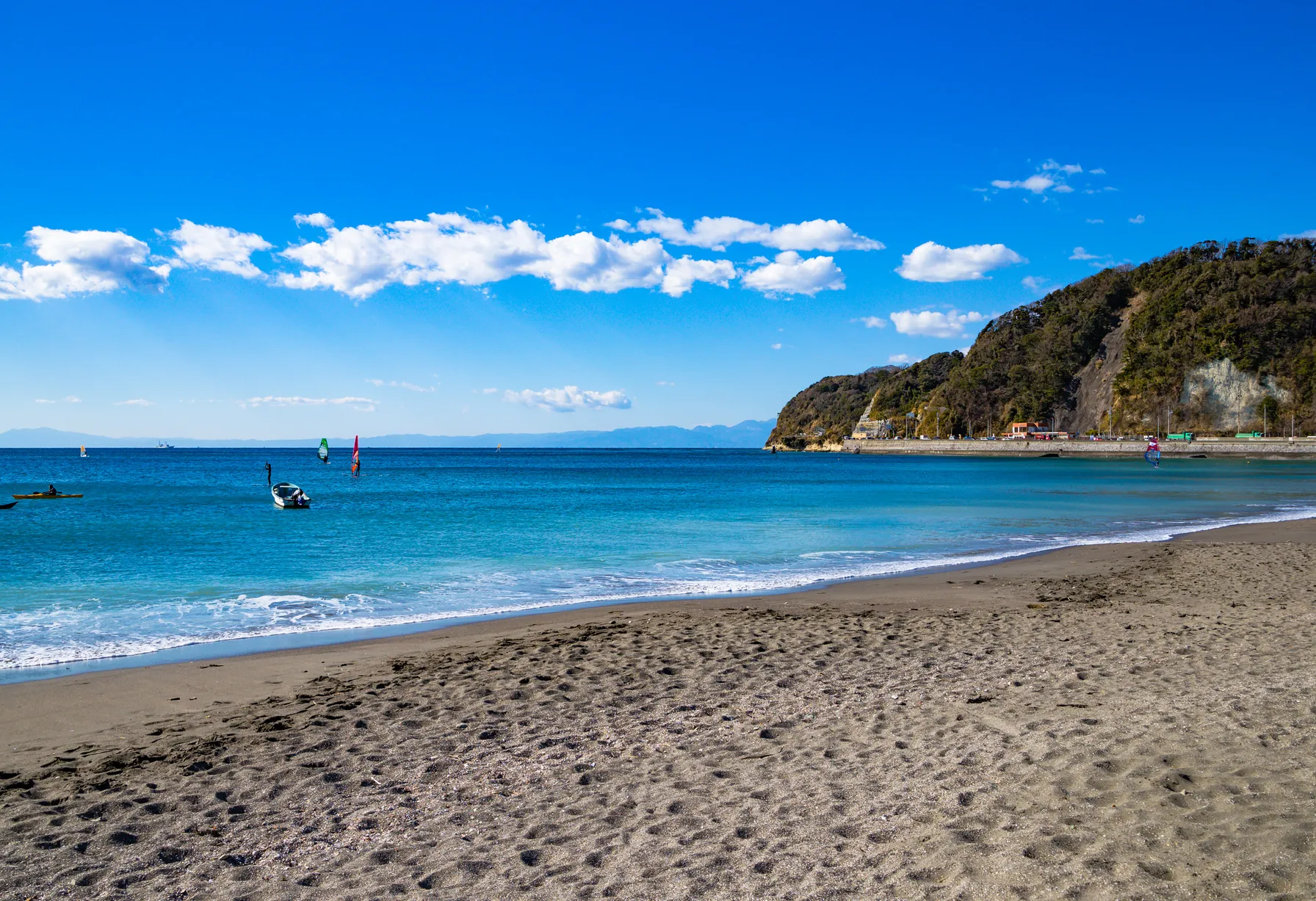
Kamakura occupies a privileged position on the Shonan coast, offering surf enthusiasts a rare experience that transcends mere surfing. This destination exceptionally combines water sports, cultural immersion, and breathtaking landscapes.
Proximity to Tokyo and remarkable accessibility
One of the major advantages of Kamakura is its proximity to the Japanese capital. From Shibuya station, you can reach the surf spots in just 45 minutes by train, while it takes only an hour from Tokyo station. This remarkable accessibility allows you to organize surf sessions even during a short stay in the metropolis.
Japanese public transport, known for its punctuality and efficiency, greatly facilitates your travel. The JR Tokaido line takes you directly to this destination favored by Tokyoite surfers, who do not hesitate to take their boards at dawn for a few hours on the water before heading to their offices.
Unique panoramas on Mount Fuji
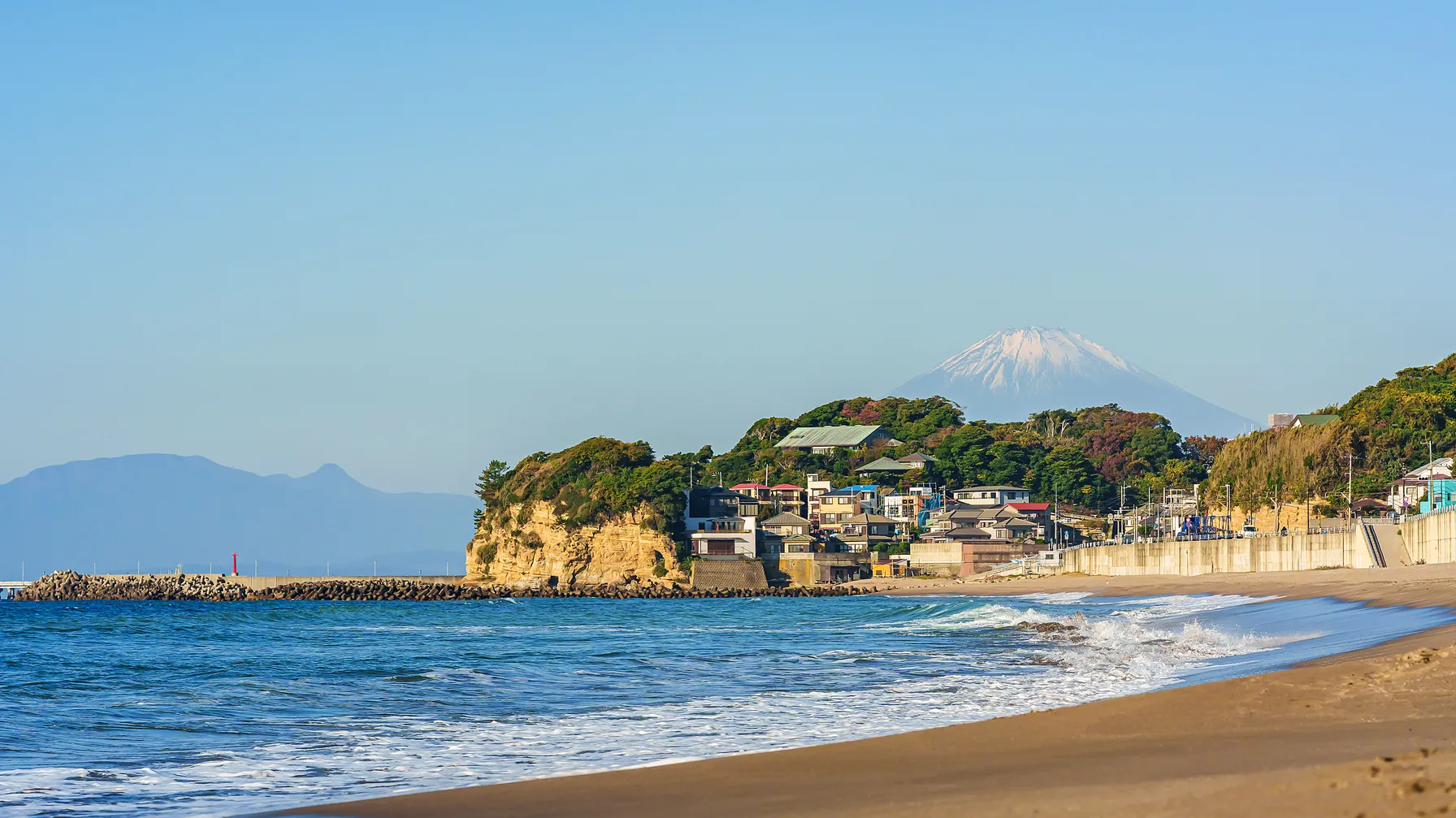
The ocean at Kamakura offers exceptional visual perspectives, especially during the winter months when Mount Fuji reveals its majestic snow-capped silhouette. Imagine yourself on your board, waiting for the perfect wave, with the iconic Japanese volcano tinted purple at sunrise in the background.
Kamakura Kaihin Park at Inamuragasaki is an ideal observation point to admire this natural spectacle. Photographers from around the world come to capture these magical moments when the morning mist gives way to the first rays illuminating the sacred summit.
Alliance of surfing and historical heritage
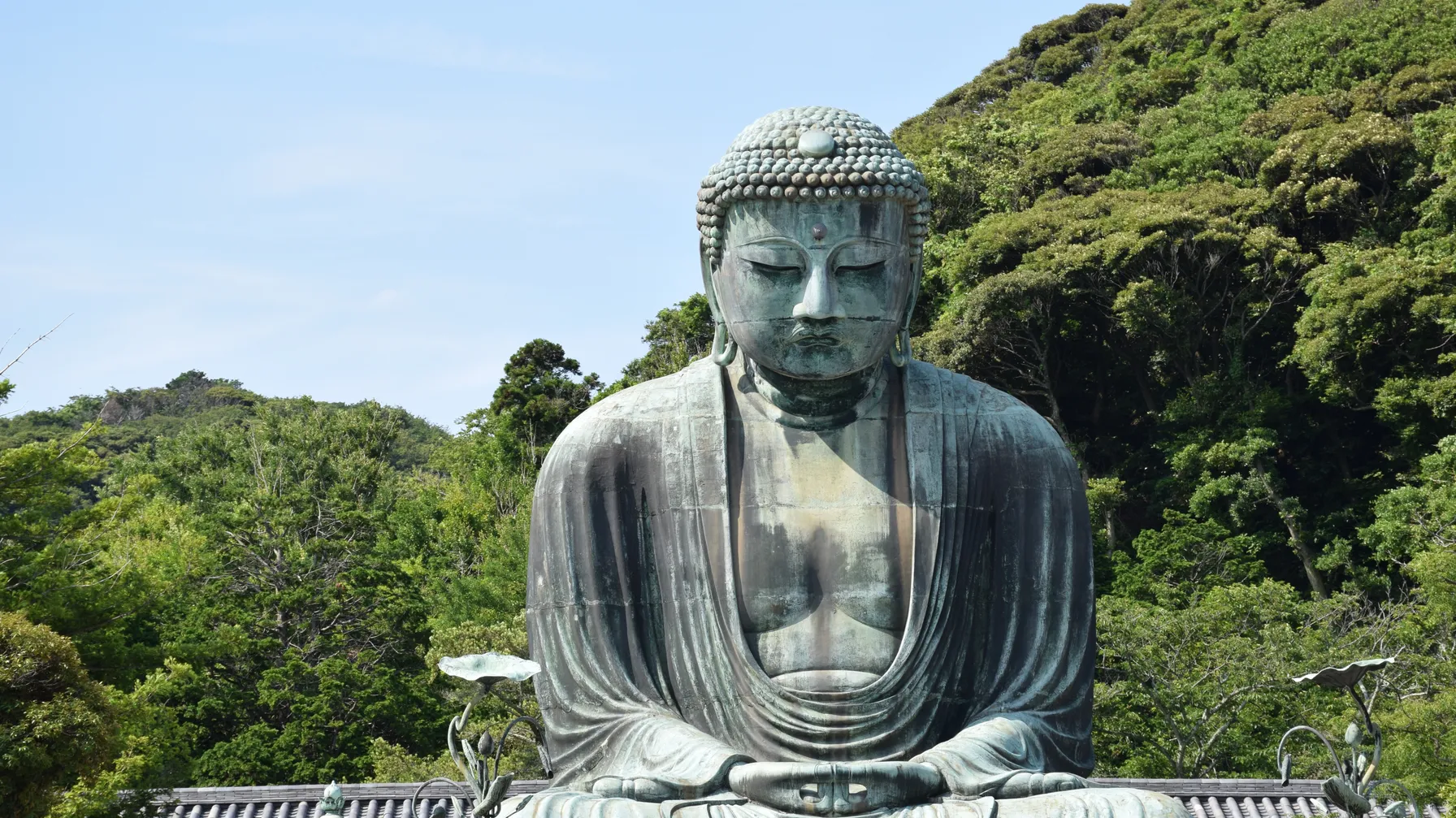
Unlike other international surfing destinations, Kamakura allows you to combine your passion for the waves with the exploration of a millennia-old cultural heritage. This former capital of the Kamakura shogunate (1185-1333) is home to many historical temples and shrines just steps away from the beaches.
The Tsurugaoka Hachiman-gû shrine, a true symbol of the city, still perpetuates ancient traditions today. The priests notably perform purification rituals in the waters of Yuigahama, testifying to the deep spiritual connection between this community and the ocean.
Book your trip to Kamakura now
Demandez votre devis Kamakura sur-mesure 100% gratuit
 4.8
4.8+3.000 travelers satisfied
What are the must-visit surf spots in Kamakura?
The coast of Kamakura offers several distinct surf spots, each with unique features that appeal to different surfer profiles. These exposed beach breaks benefit from varying conditions depending on the season and swell directions.
Zaimokuza, the iconic beach break
Zaimokuza Beach is the beating heart of surfing in Kamakura. This versatile spot welcomes both beginner and experienced surfers in a particularly pleasant setting. The waves break over a sandy bottom offering decent lefts and rights, especially appreciated when the conditions align.
The southeast exposure of this spot makes it sensitive to Pacific swells, generating interesting sessions especially during the summer and autumn months. The gradual depth of the water facilitates learning for novices, while experienced surfers find their joy on more consistent days.
The facilities developed around this beach include several renowned surf schools and equipment rental services. The Good Morning Zaimokuza Inn, located facing the beach, is an ideal base for surfers wanting to optimize their morning sessions.
Yuigahama and its consistent waves
Yuigahama is distinguished by its relative regularity and friendly atmosphere. This historic spot, where priests from the Tsurugaoka Hachiman-gû shrine perform their ritual ablutions, offers appreciable surfing conditions throughout the year.
The configuration of this beach generates generally smaller but more consistent waves than other spots in the region. This characteristic makes it a privileged playground for learning and technical improvement. Local surfers particularly enjoy the morning sessions, taking advantage of less crowded water and often optimal conditions.
The proximity of Kamakura's historic center adds a unique cultural dimension to your sessions. After a few hours on the water, you can easily reach the iconic temples or savor local specialties in traditional restaurants.
Inamuragasaki for experienced surfers
Inamuragasaki offers a higher level of challenge, mainly attracting experienced surfers in search of more intense thrills. This rocky spot produces more powerful and technical waves, particularly during the large winter swells from the North Pacific.
The preserved natural environment of Inamuragasaki offers a wilder and more authentic surfing experience. The protruding rocks require precise knowledge of the seabed and tides, making this spot suitable only for experienced practitioners who have mastered their technique.
The panoramas from this point on the coast are among the most spectacular in the region. The unobstructed view of Enoshima and Mount Fuji rewards the efforts of surfers who brave the sometimes challenging conditions of this exceptional spot.
Contact us for more information on the best times to go
When to go surfing in Kamakura?
Timing is crucial to optimize your surfing experience in Kanagawa Prefecture. Oceanic and weather conditions vary significantly with the seasons, directly influencing the quality of your sessions.
Optimal conditions according to the seasons
The Japanese summer, from June to August, offers the most accessible conditions for discovering surfing in Kamakura. Water temperatures reach their peak at around 24-26°C, allowing for comfortable sessions in a light wetsuit. The summer swells, generally smaller and more regular, are perfect for beginners and families.
Autumn, particularly September and October, is often the preferred period for experienced surfers. Pacific typhoons generate more consistent swells, creating higher quality waves. The water temperature remains pleasant while the summer crowds disperse, offering less crowded spots.
Winter presents a different but no less attractive face. Although the water temperature drops to around 12-15°C, necessitating a full wetsuit, the unobstructed views of Mount Fuji largely compensate for this constraint. The winter swells can produce powerful waves, particularly appreciated at the Inamuragasaki spot.
Understanding local surf forecasts
Surf forecasts in Kamakura require careful reading of the conditions specific to this region. The ideal swell direction comes from the south, creating well-formed waves across the spots. North offshore winds ensure optimal surface conditions, smoothing the face of the waves for quality surfing.
The wave period directly influences their power and regularity. Long swells, with periods over 10 seconds, generally produce better conditions than short and choppy swells. Experienced surfers particularly monitor these parameters through specialized sites to plan their sessions.
Tides also play a crucial role in wave quality. Kamakura works well at all tides, but some spots reveal their optimal potential at mid-tide rising or falling. This variability allows you to adjust your schedule to maximize your chances of surfing in the best possible conditions.
| Season | Water Temperature | Wetsuit | Wave Quality | Crowd |
|---|---|---|---|---|
| Summer | 24-26°C | Shorty 2mm | Small\/regular | High |
| Autumn | 18-22°C | Long 3mm | Good\/consistent | Moderate |
| Winter | 12-15°C | Full 4mm | Variable\/powerful | Low |
| Spring | 15-18°C | Long 3mm | Average\/irregular | Moderate |
How to organize your surf trip to Kamakura?
Organizing a surf trip to Kamakura requires careful preparation to fully enjoy this unique experience. Between equipment rental, accommodation choice, and premium services, several options are available to customize your adventure according to your preferences.
Equipment and schools for all levels
Several specialized establishments located immediately near the surf spots offer board rentals and classes adapted to all levels. Okuda Style Surfing, located near Zaimokuza Beach, enjoys an excellent reputation for its personalized services and quality equipment. The local instructors thoroughly understand the subtleties of Kamakura's spots and adapt their advice to the day's conditions.
For surfers wanting to explore the neighboring beaches of Enoshima, Hale Surf School offers complete packages including equipment and professional supervision. This school focuses on safety and technical progression, ensuring an enriching experience even for absolute beginners.
Independent surfers will find at Mariner, near Shirahama, or at Baguse in Tatadohama, a wide range of boards suited to local conditions. These professionals intimately know the characteristics of each spot and wisely guide your choices according to your level and weather forecasts.
Premium accommodation and services
Accommodation is particularly important to optimize your surfing sessions. The Good Morning Zaimokuza hostel, directly facing the main beach, allows you to check the conditions in real-time and hit the water within minutes of waking up. This proximity is especially valuable during dawn sessions, often the most quality ones.
Comfort enthusiasts will appreciate the premium hotels in Kamakura that offer services suitable for athletes: equipment rinsing and drying areas, energetic breakfasts, and a specialized concierge for organizing water activities.
Zushi Marina, located very close by, offers high-end services for travelers wanting to combine surfing and sailing. This modern facility provides premium lodging options with direct access to water activities and panoramic views of Sagami Bay.
For an authentically Japanese experience, some traditional ryokans in Kamakura now offer packages specially designed for surfers, combining historical charm with modern services. These establishments allow you to experience Japanese hospitality while staying close to surf spots.
Contact us for more information
Frequently asked questions
Is surfing in Kamakura suitable for children and families?
Absolutely, Kamakura is an ideal family destination for learning to surf. Zaimokuza Beach offers safe conditions with sandy bottoms and generally moderate waves. Several schools offer courses specifically adapted for children, with equipment sized for them and enhanced supervision. Parents particularly appreciate the proximity of facilities (restaurants, toilets, showers) and the possibility of combining surfing and cultural visits in the same day.
Can you surf in Kamakura without speaking Japanese?
The language barrier is not a major obstacle for surfing in Kamakura. Many instructors and equipment renters speak English, especially in establishments frequented by an international clientele. Modern translation apps greatly facilitate interactions, and the universal gestures of surfing allow for effective communication on the water. The local surfing community is generally welcoming and patient with foreign visitors.
What is the difference between surfing in Kamakura and in Enoshima?
Although geographically close, Kamakura and Enoshima offer distinct surfing experiences. Kamakura favors cultural authenticity with its historical temples and more traditional atmosphere, while Enoshima features a more modern and festive character. Kamakura's spots generally produce more technical waves over varied bottoms, whereas Enoshima offers more predictable conditions for beginners. The choice depends on your preferences between deep cultural immersion or a contemporary seaside resort atmosphere.