Why choose a 15-day roadtrip in Cambodia?
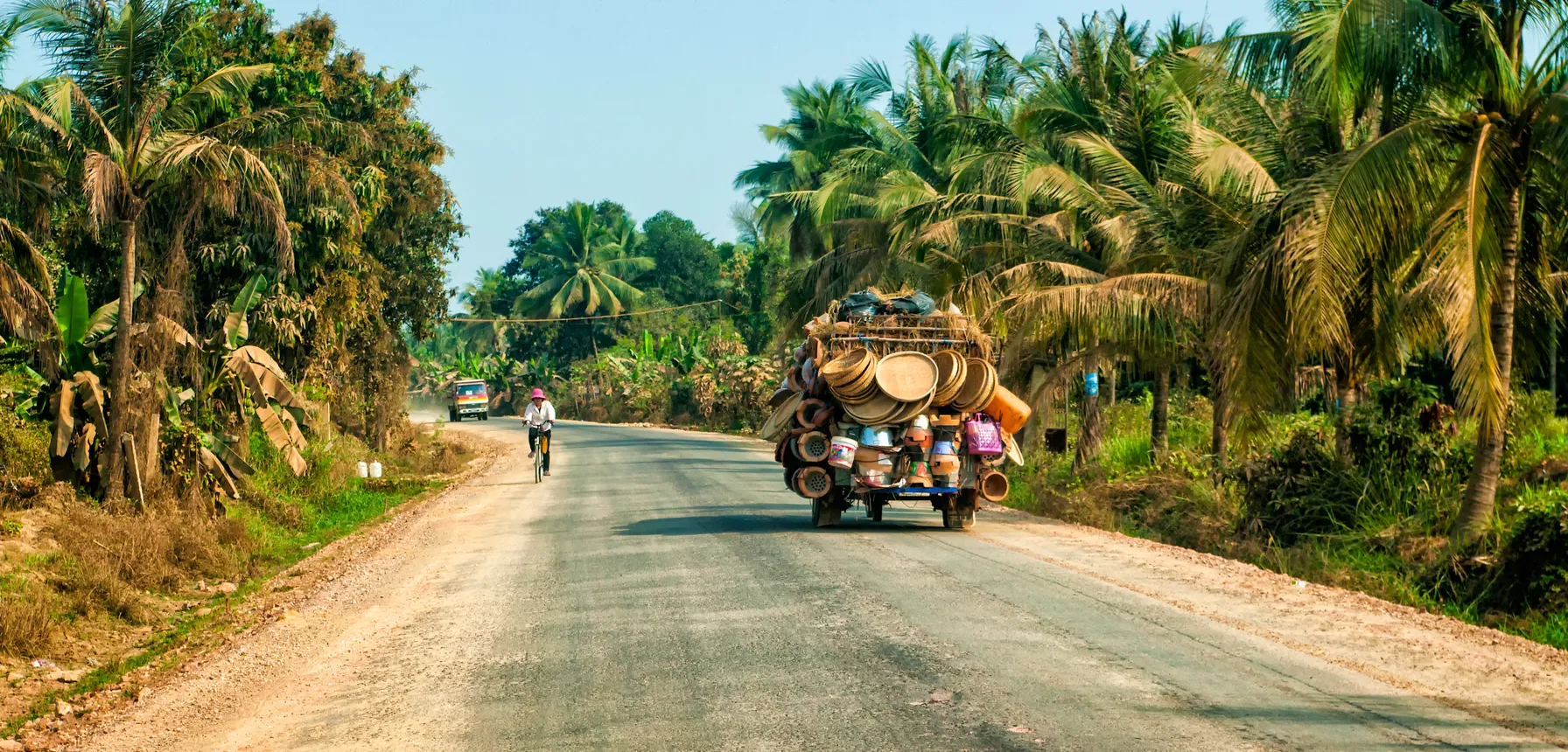
A two-week trip in Cambodia offers the perfect opportunity to discover the multiple facets of this Southeast Asian kingdom. Between ancient heritage and tropical landscapes, your roadtrip in Cambodia will reveal unexpected treasures that will forever mark your travel memories.
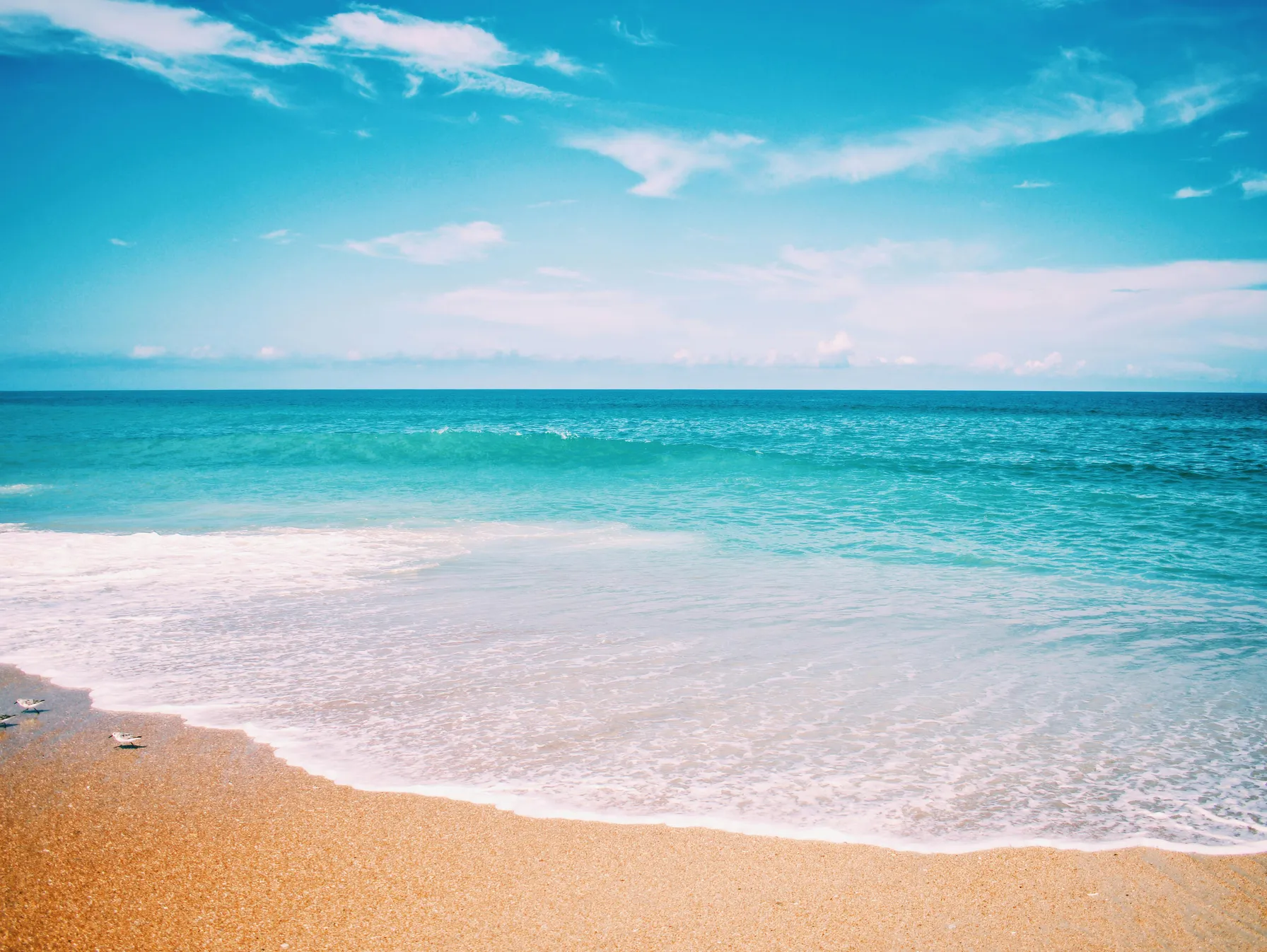
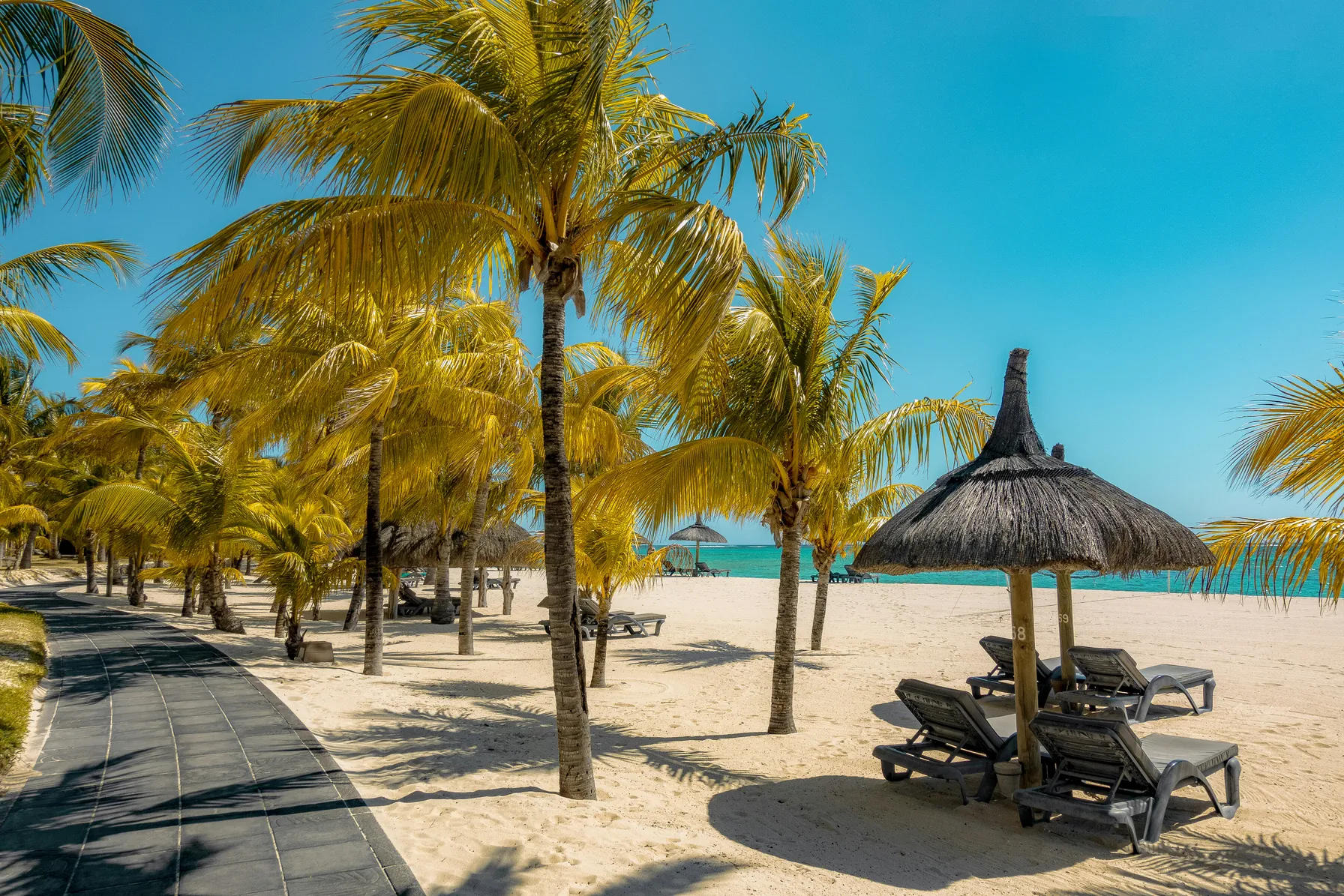
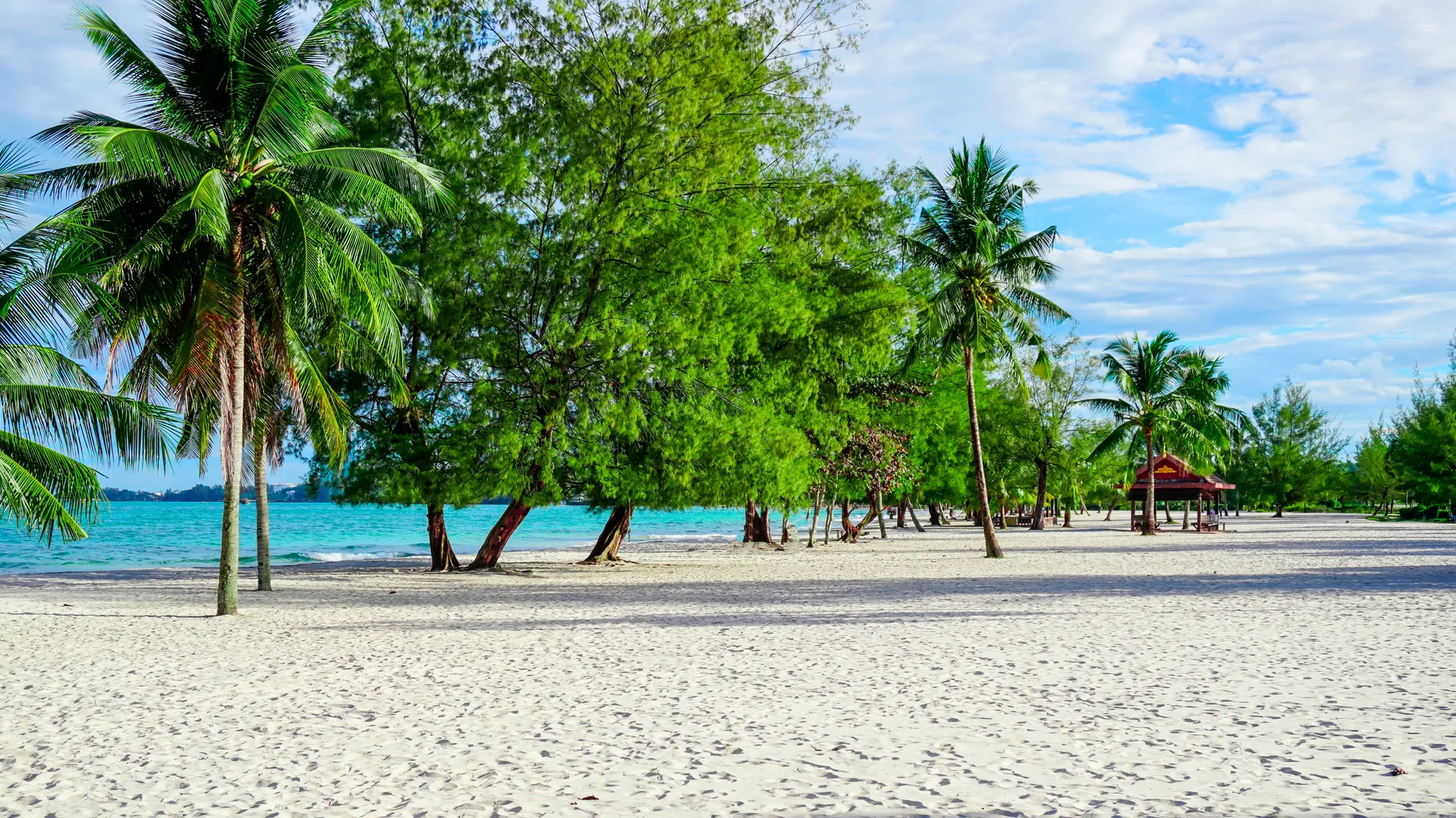
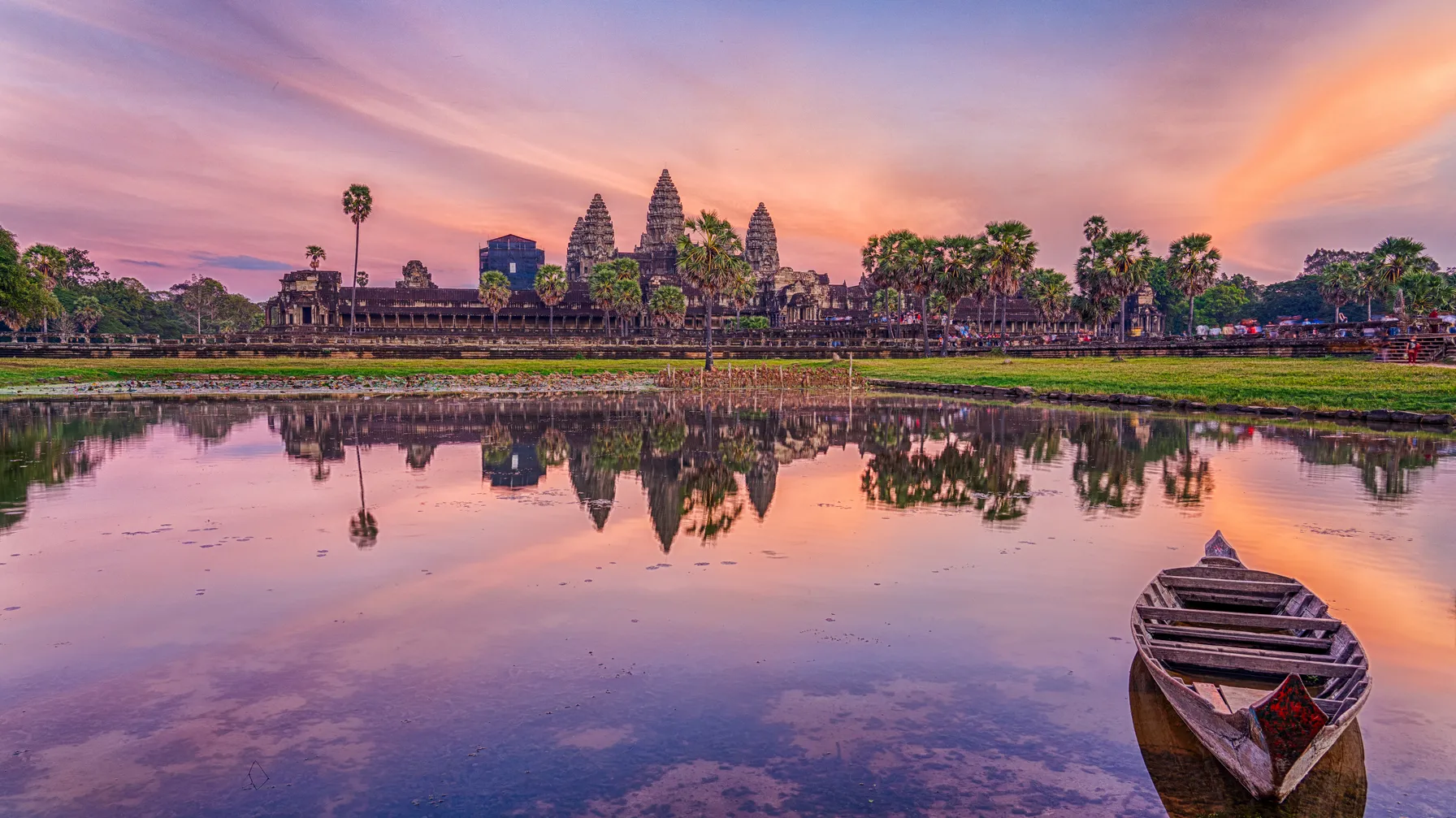
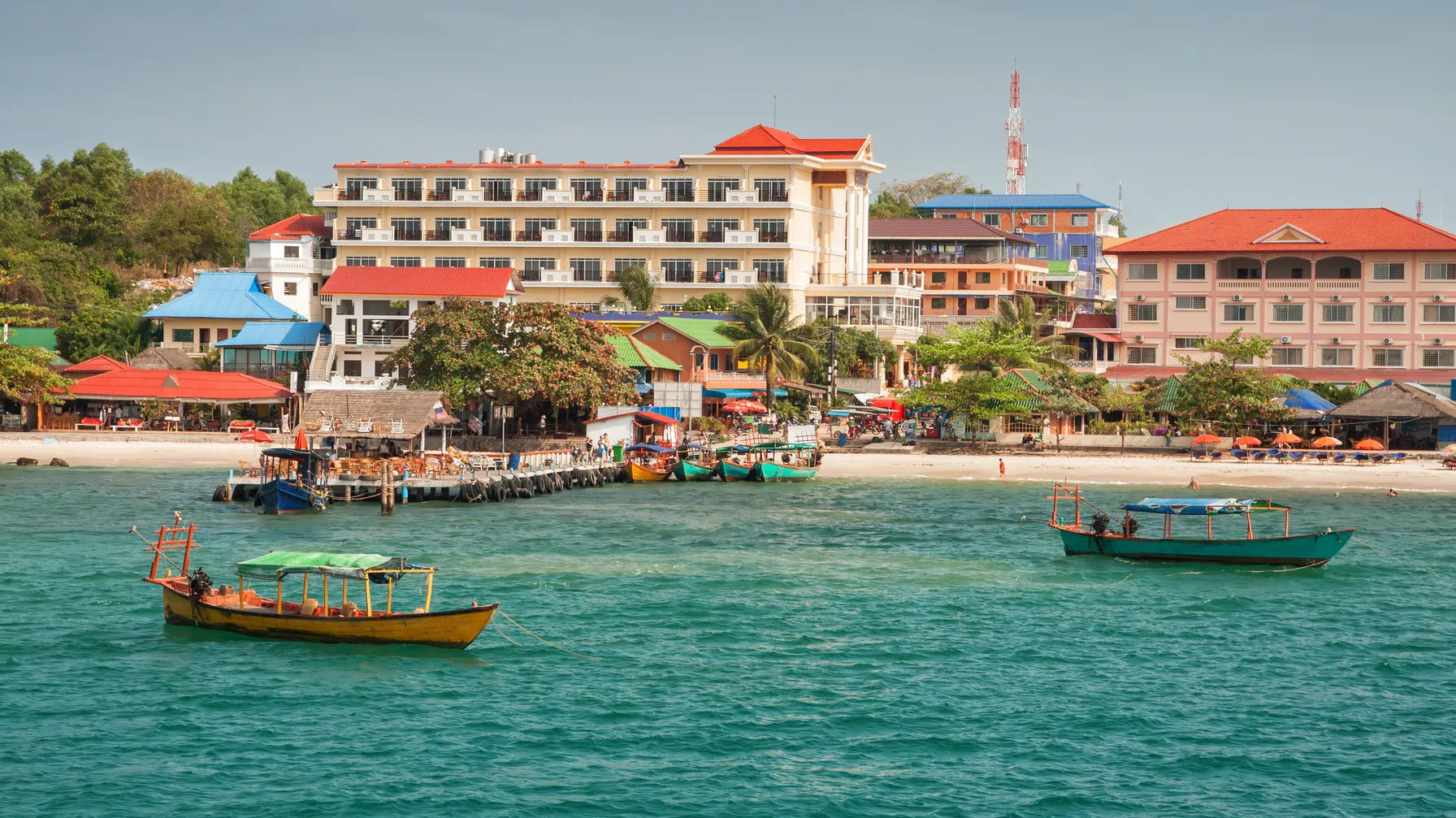
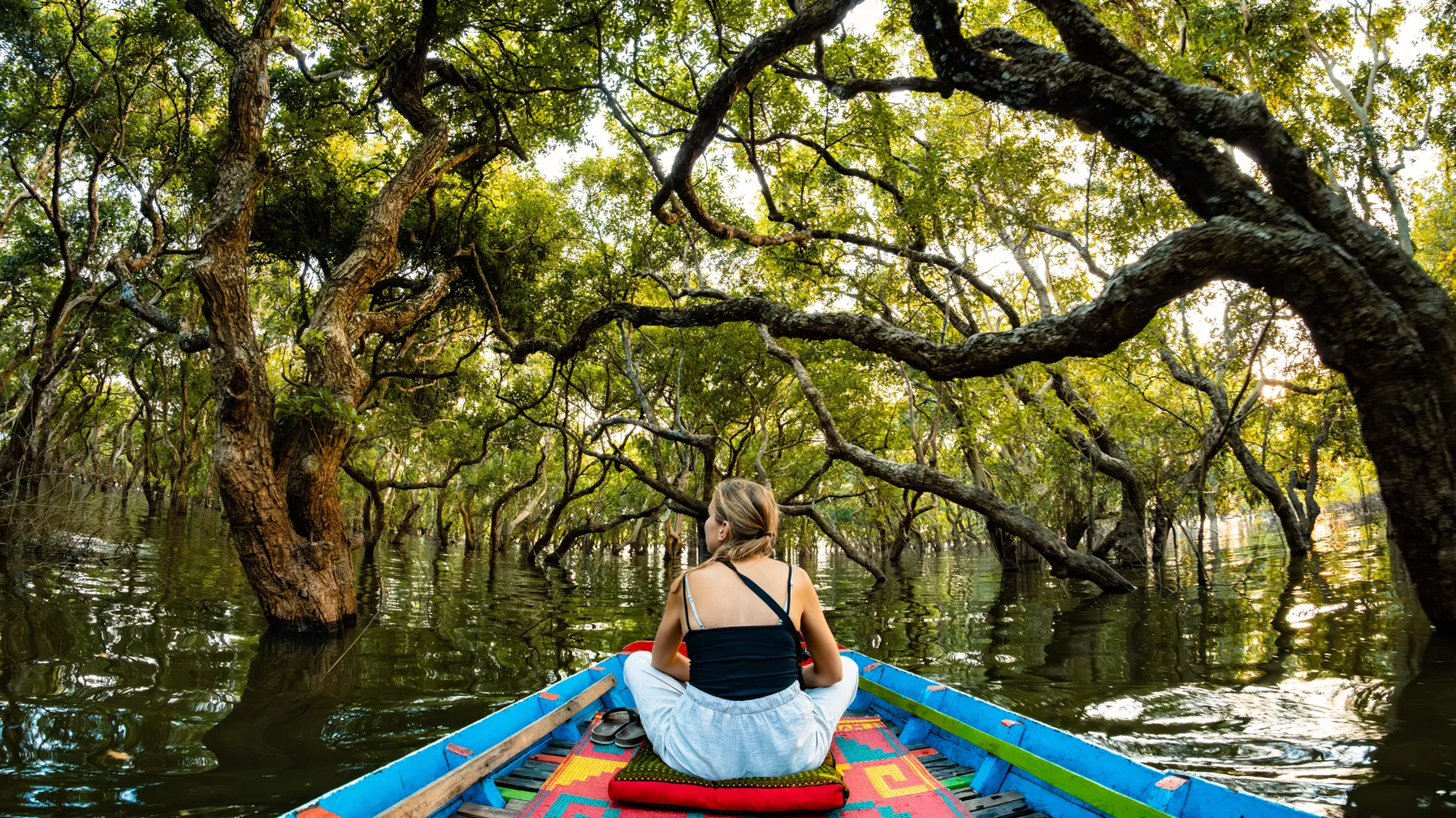
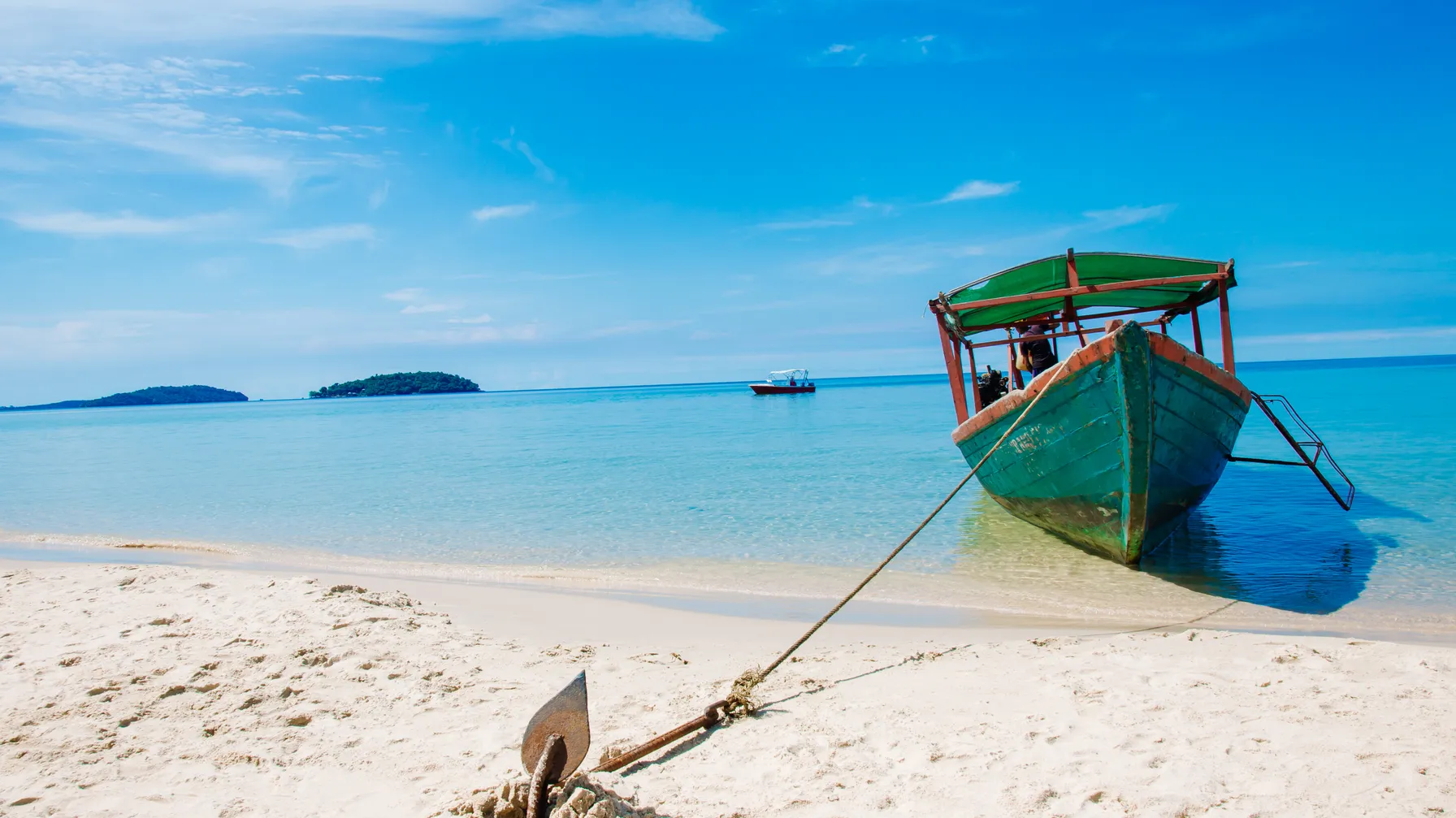
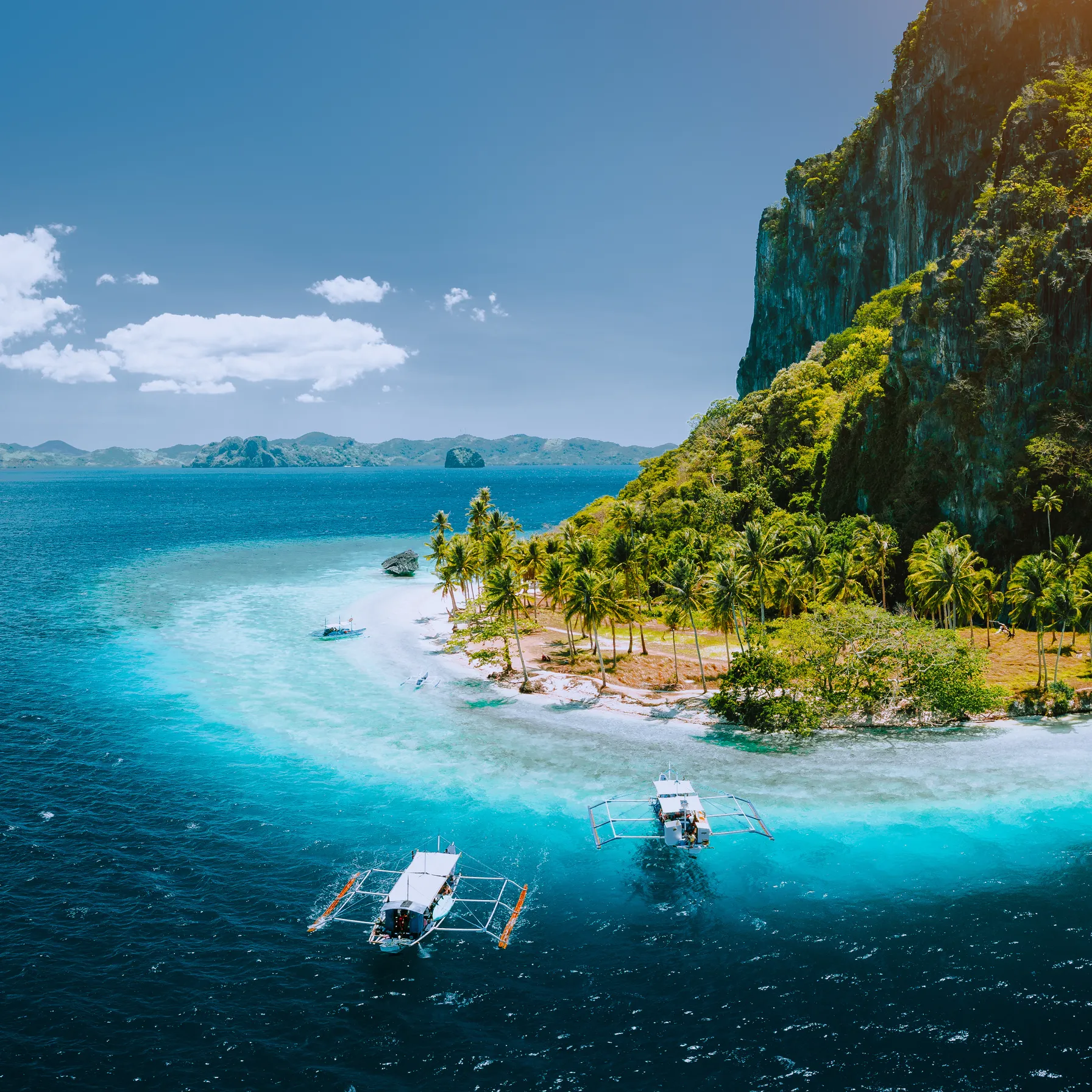
This ideal duration allows exploring essential sites without rushing while keeping time for spontaneous discoveries. You will be able to visit Angkor temples at sunrise, navigate Tonlé Sap to meet floating villages, savor street food in Phnom Penh's markets, and relax on the white sand beaches of Koh Rong.
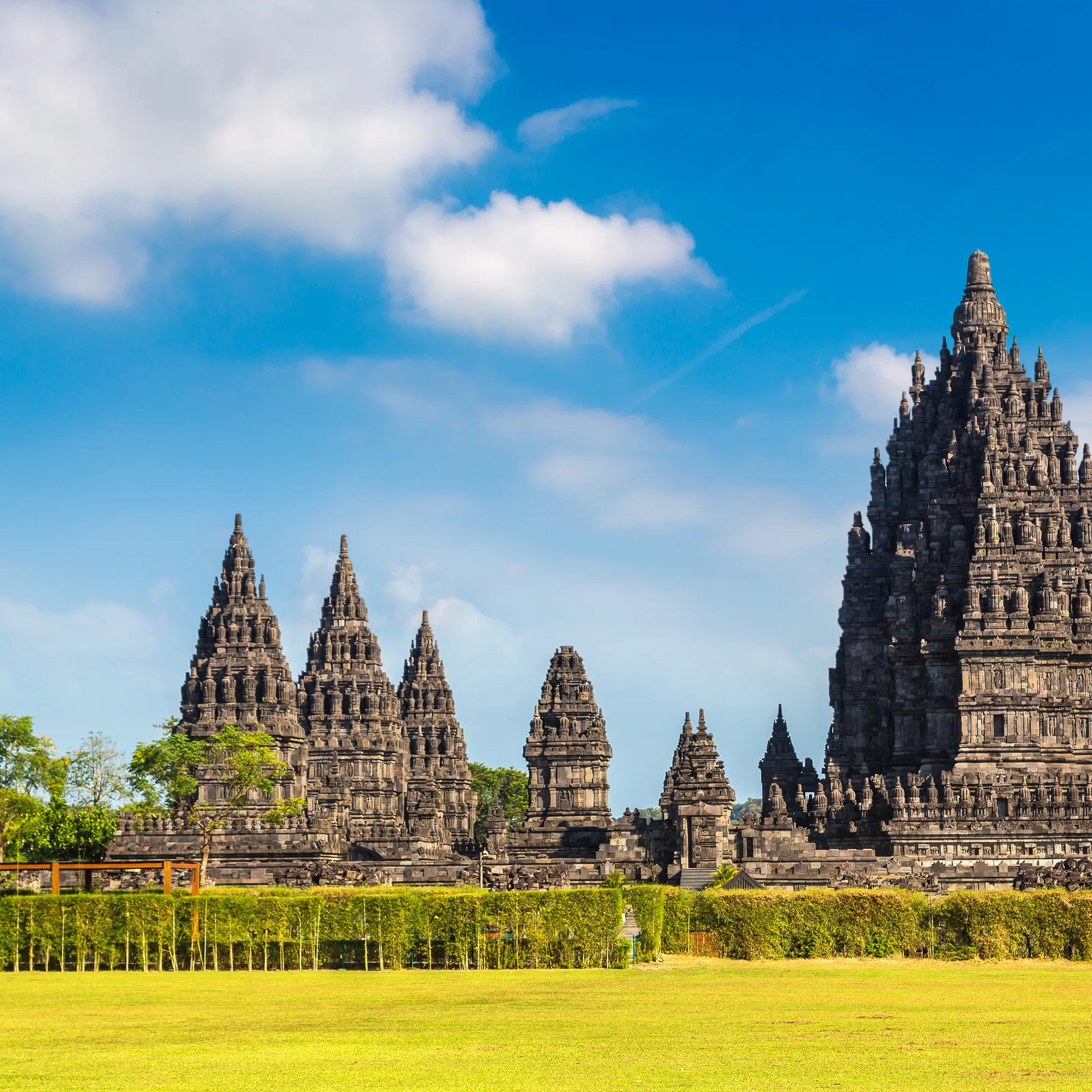
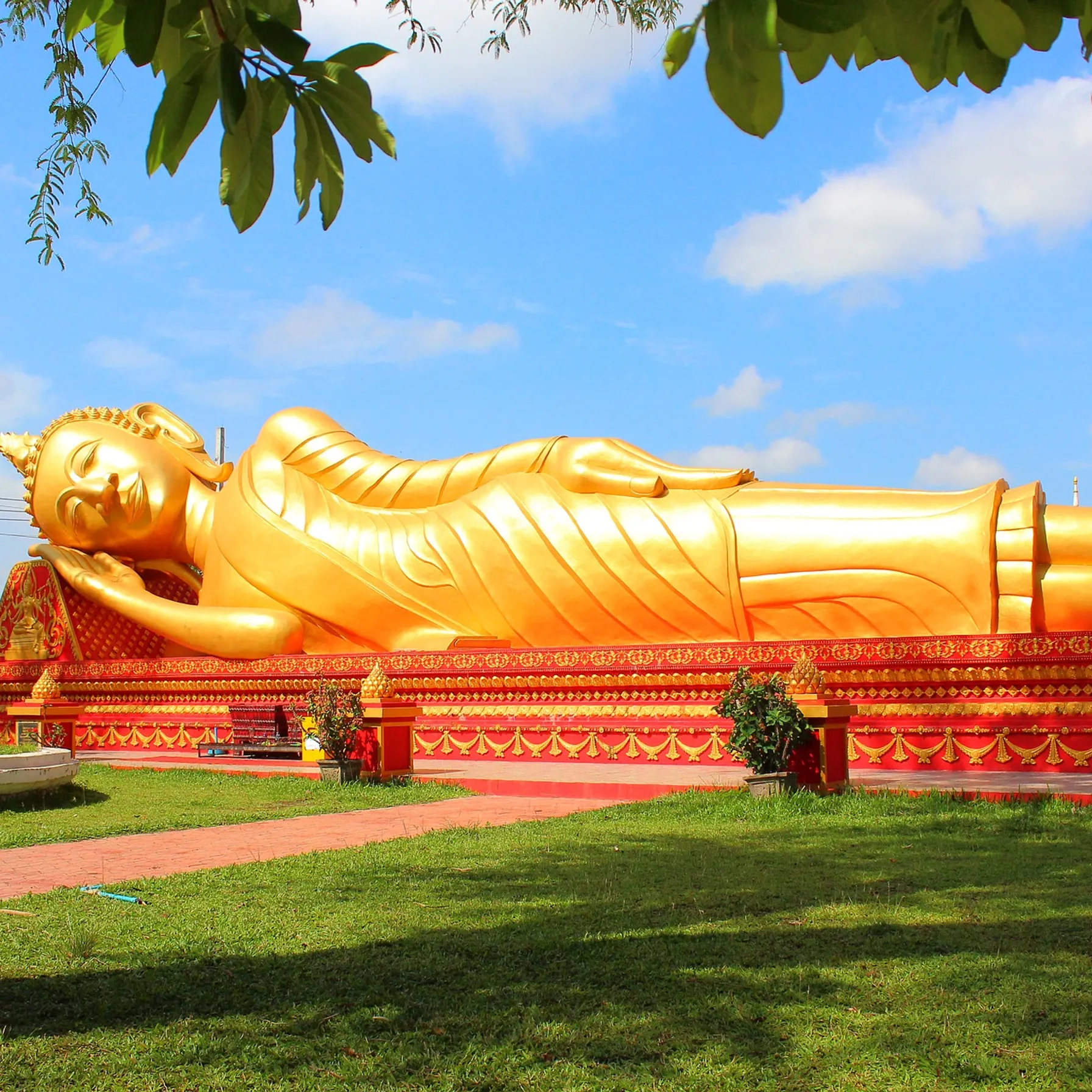
The cultural richness of Cambodia unfolds gradually: the legacy of the Khmer empire still echoes in each Buddhist temple, while Cambodian modernity is expressed in its dynamic cities. Your trip in Cambodia will take you through centuries, from the splendors of Angkor Wat to more recent testimonials of the country's history.
The best period to undertake this roadtrip is from November to March, during the dry season, when temperatures remain pleasant and the roads are passable. This period ensures optimal conditions for visiting Cambodia and fully enjoying each step of your itinerary.
Your personalized itinerary for two weeks in Cambodia
Our Travel Planners have designed this itinerary in Cambodia to let you discover the essence of this fascinating country. Each stage has been planned to create a perfect balance between cultural discoveries, authentic encounters, and relaxation moments.
Phnom Penh and the treasures of the capital (3 days)
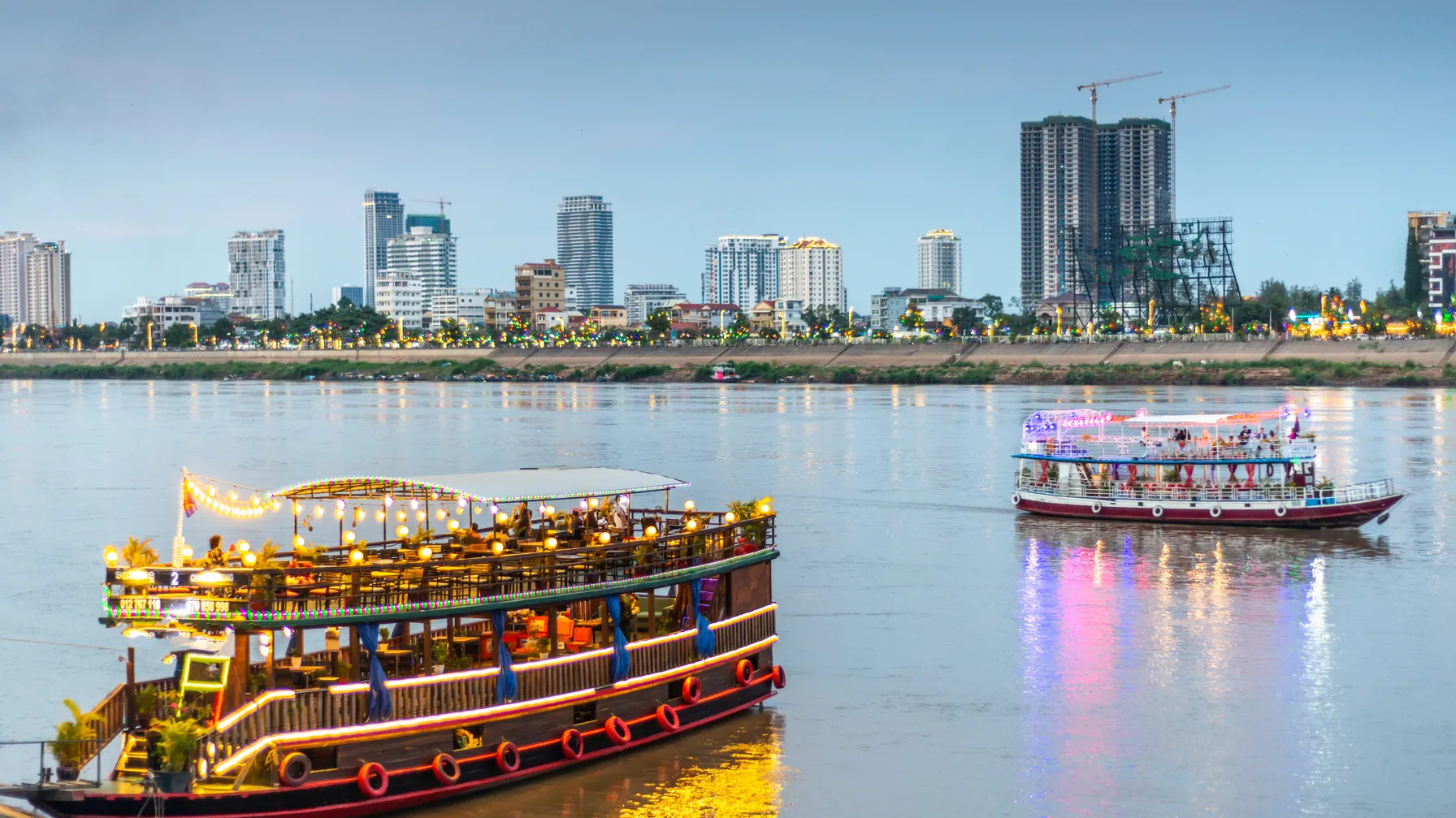
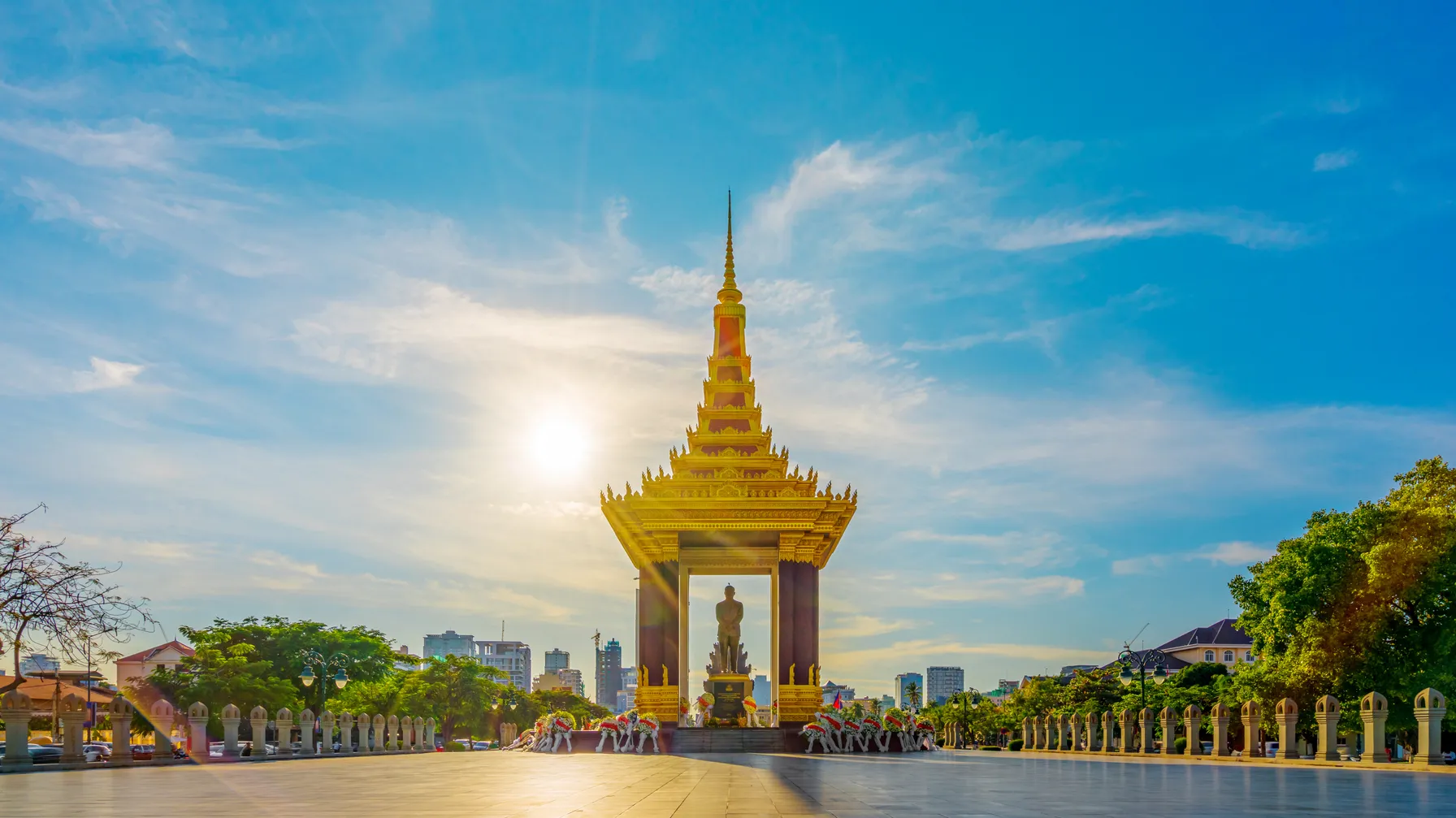
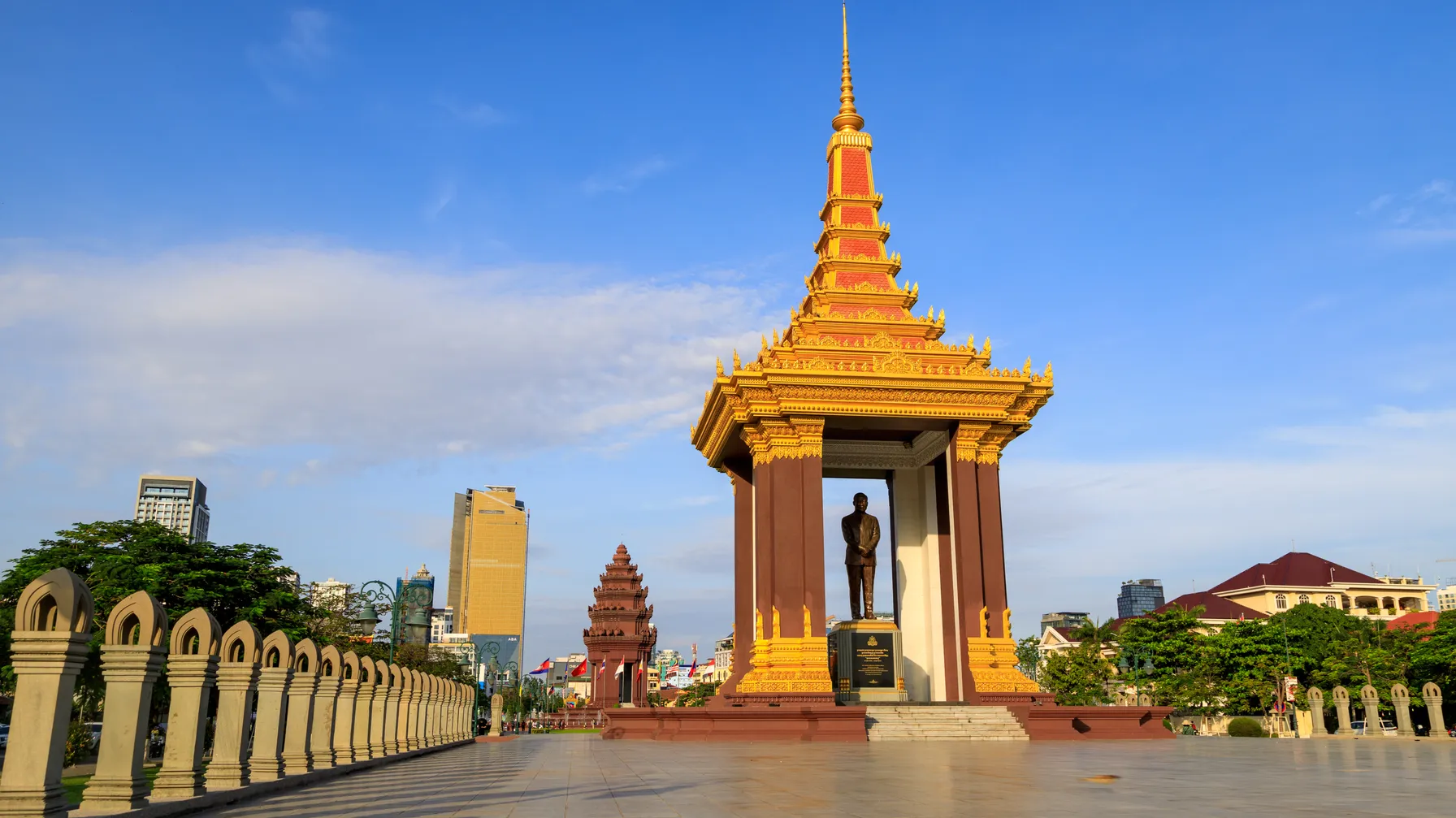
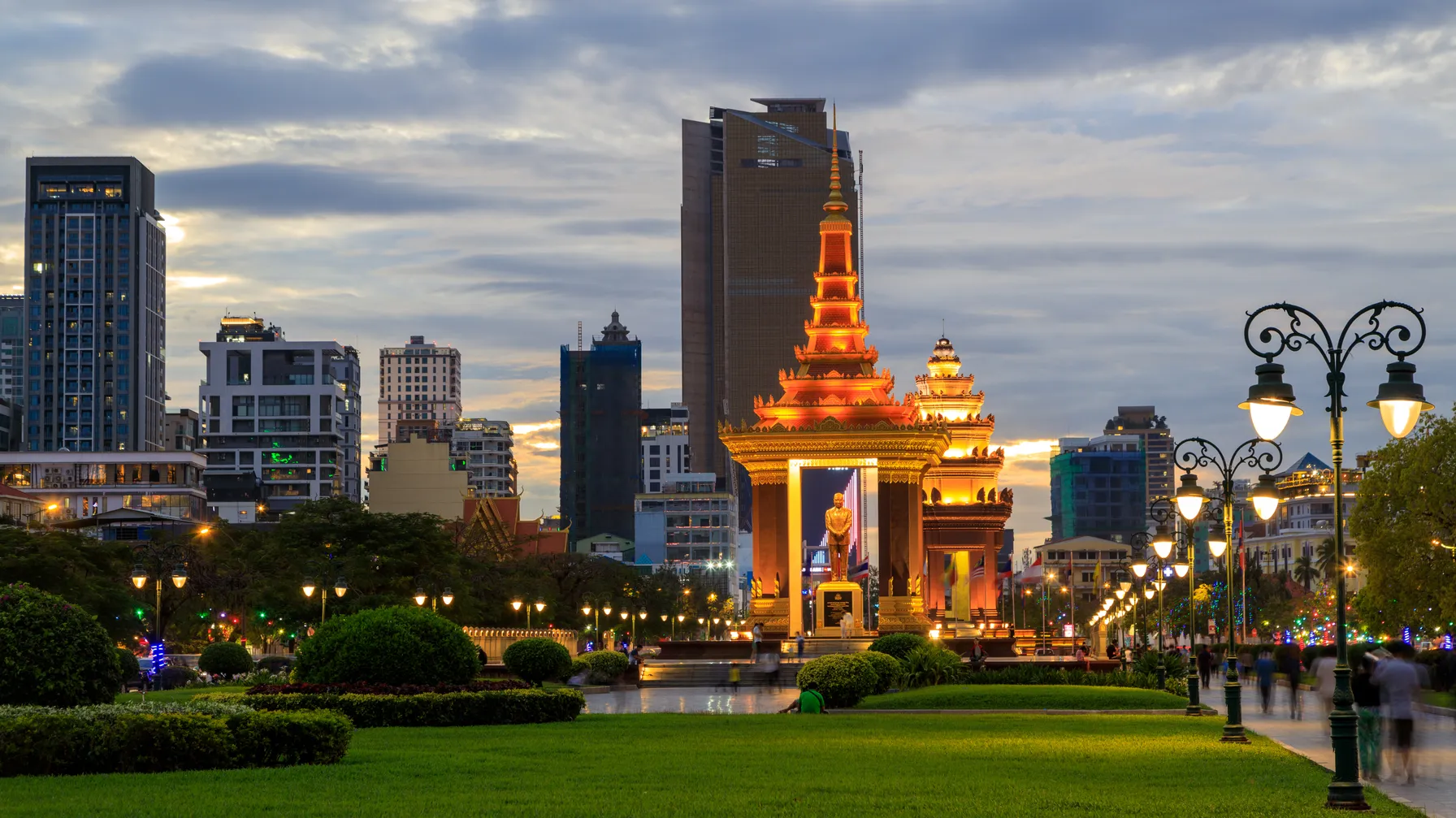
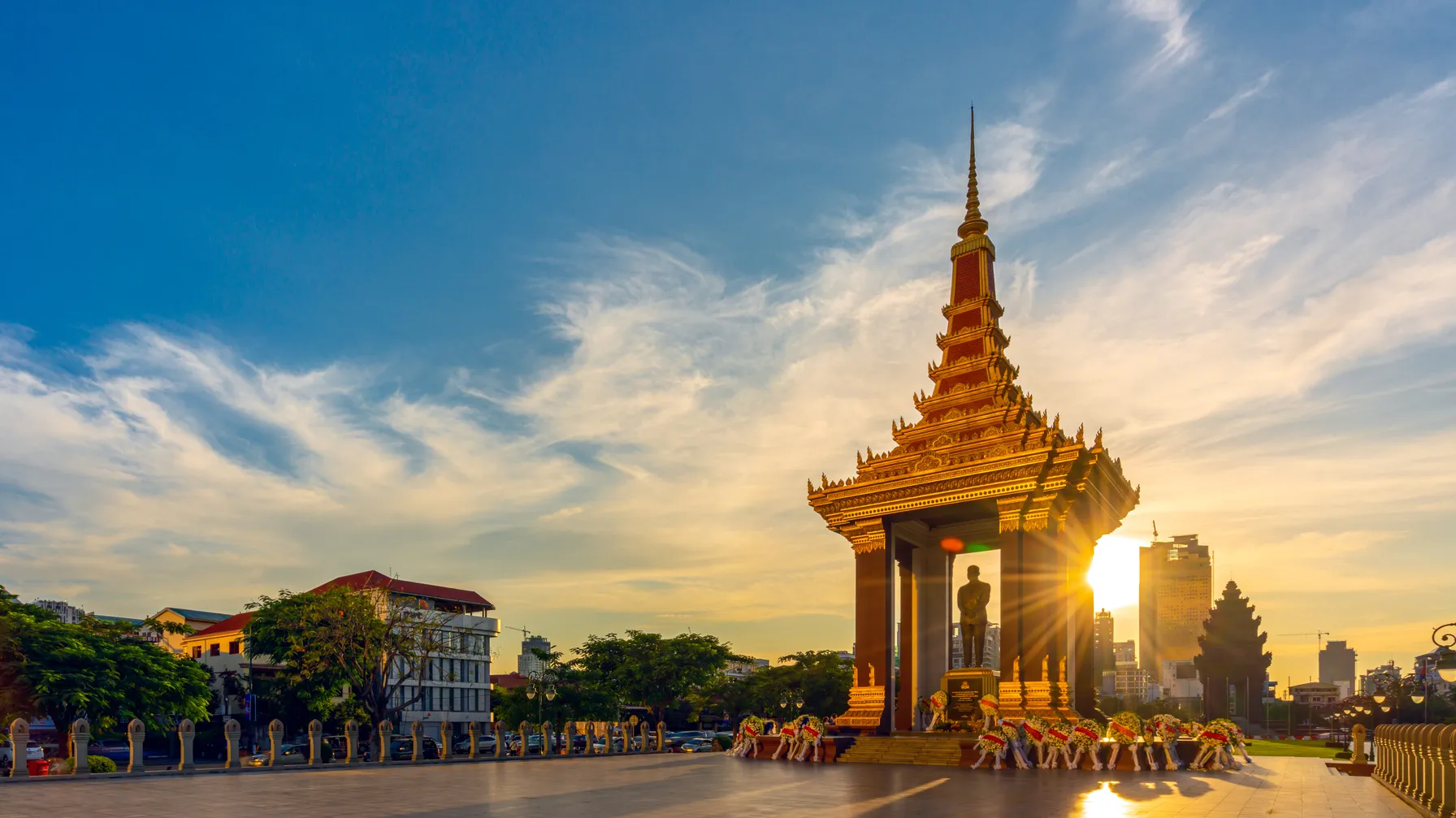
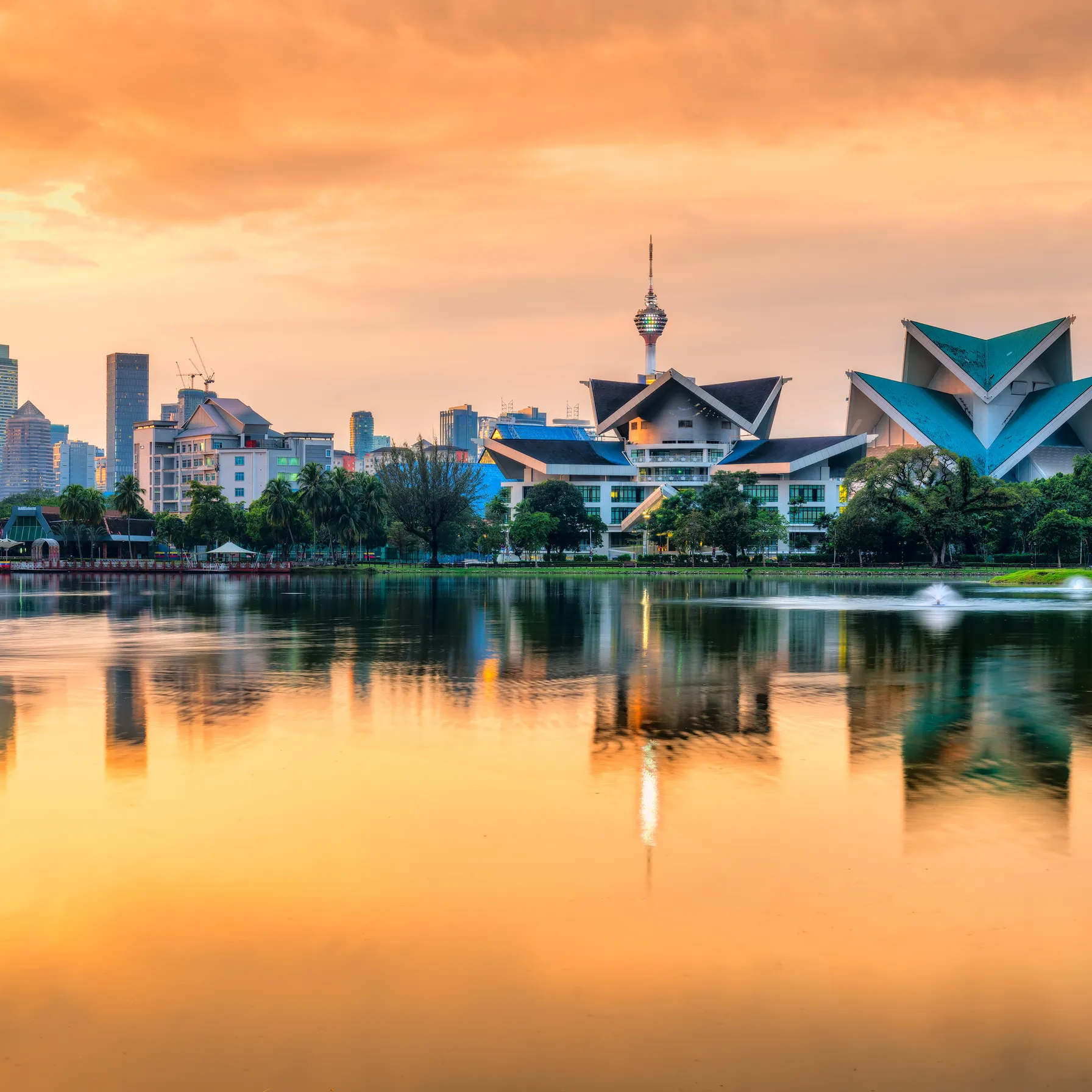
Your roadtrip starts in the capital of Cambodia, a metropolis of 2.2 million inhabitants where tradition and modernity mix. Phnom Penh welcomes you with its shady boulevards, colorful markets, and preserved colonial architecture.
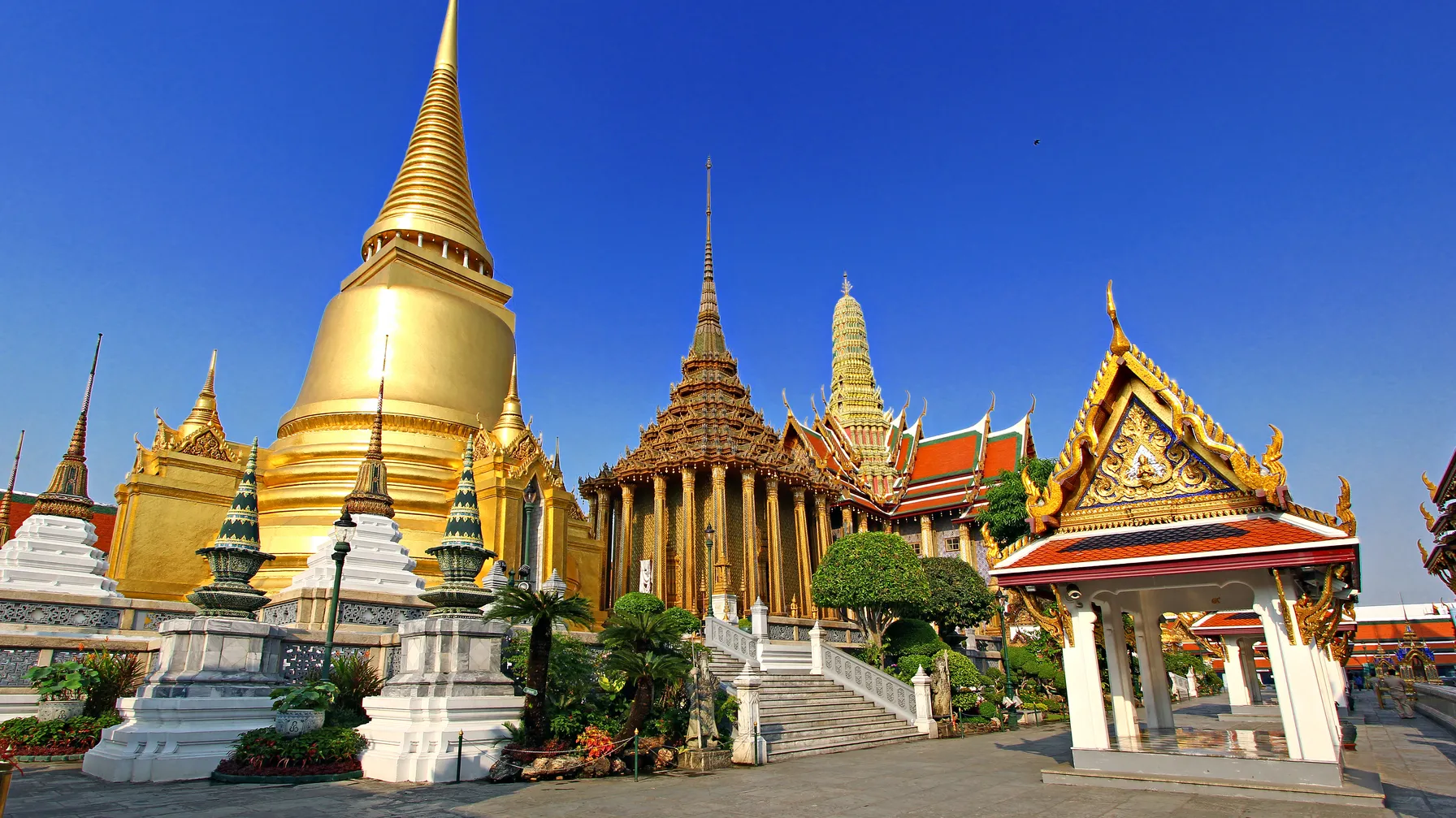
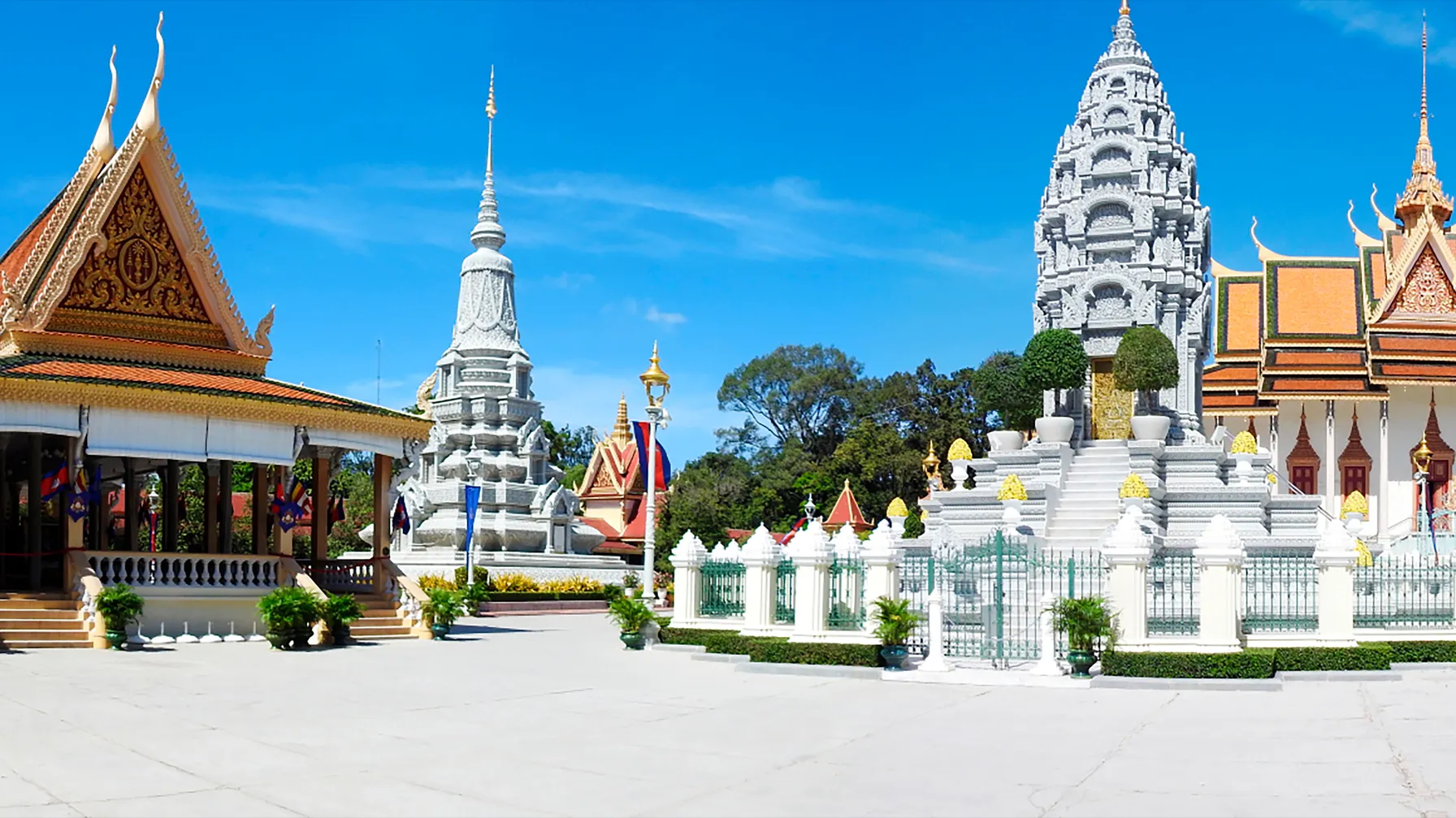
The Royal Palace is your first immersion in traditional Khmer art. Its golden roofs and the Silver Pagoda, adorned with 5,000 silver tiles, reflect the artistic richness of Cambodia. Your visit continues at the National Museum, a true showcase housing the finest collection of Khmer art in the world, with pieces dating from the Angkor period.
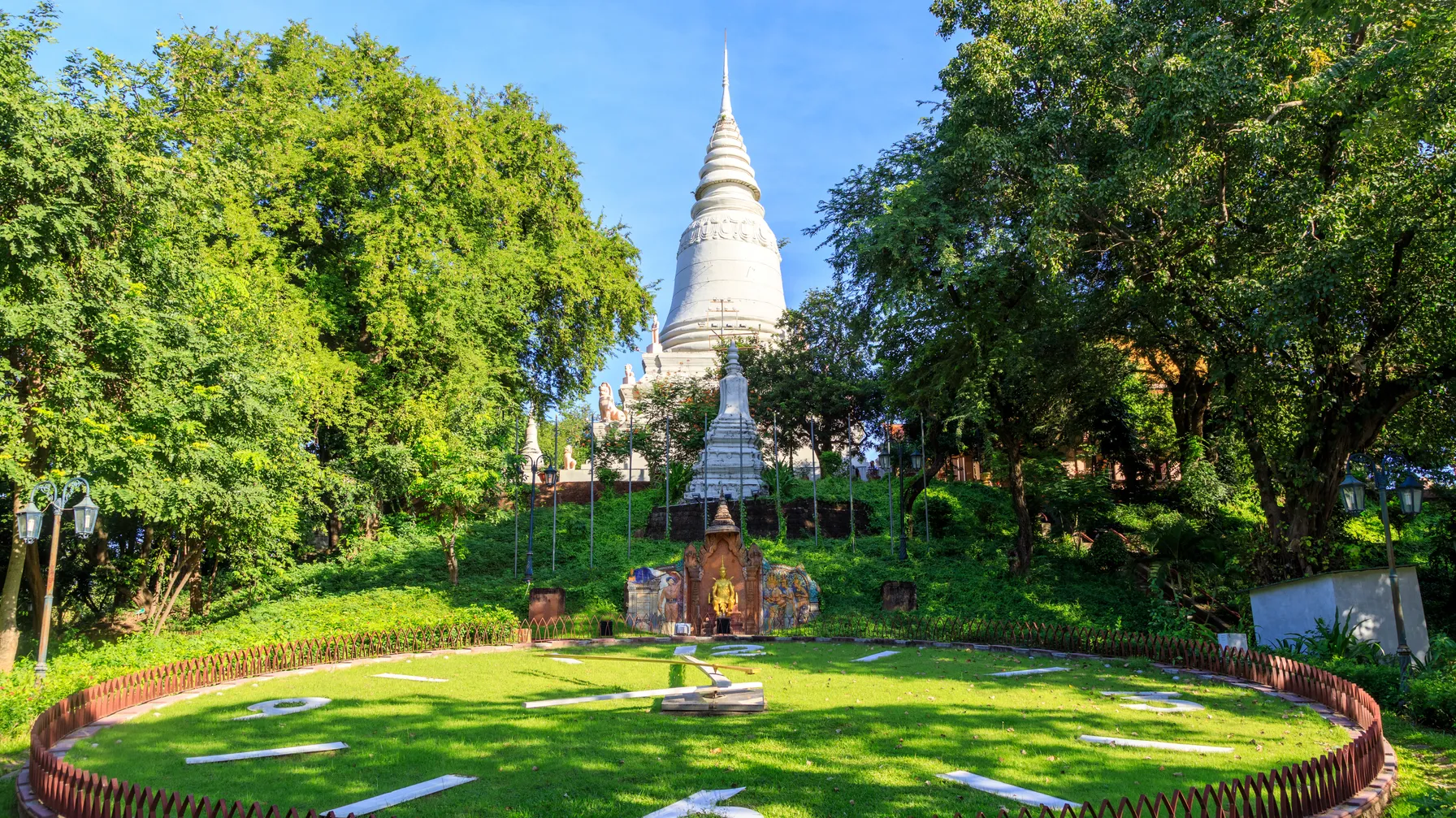
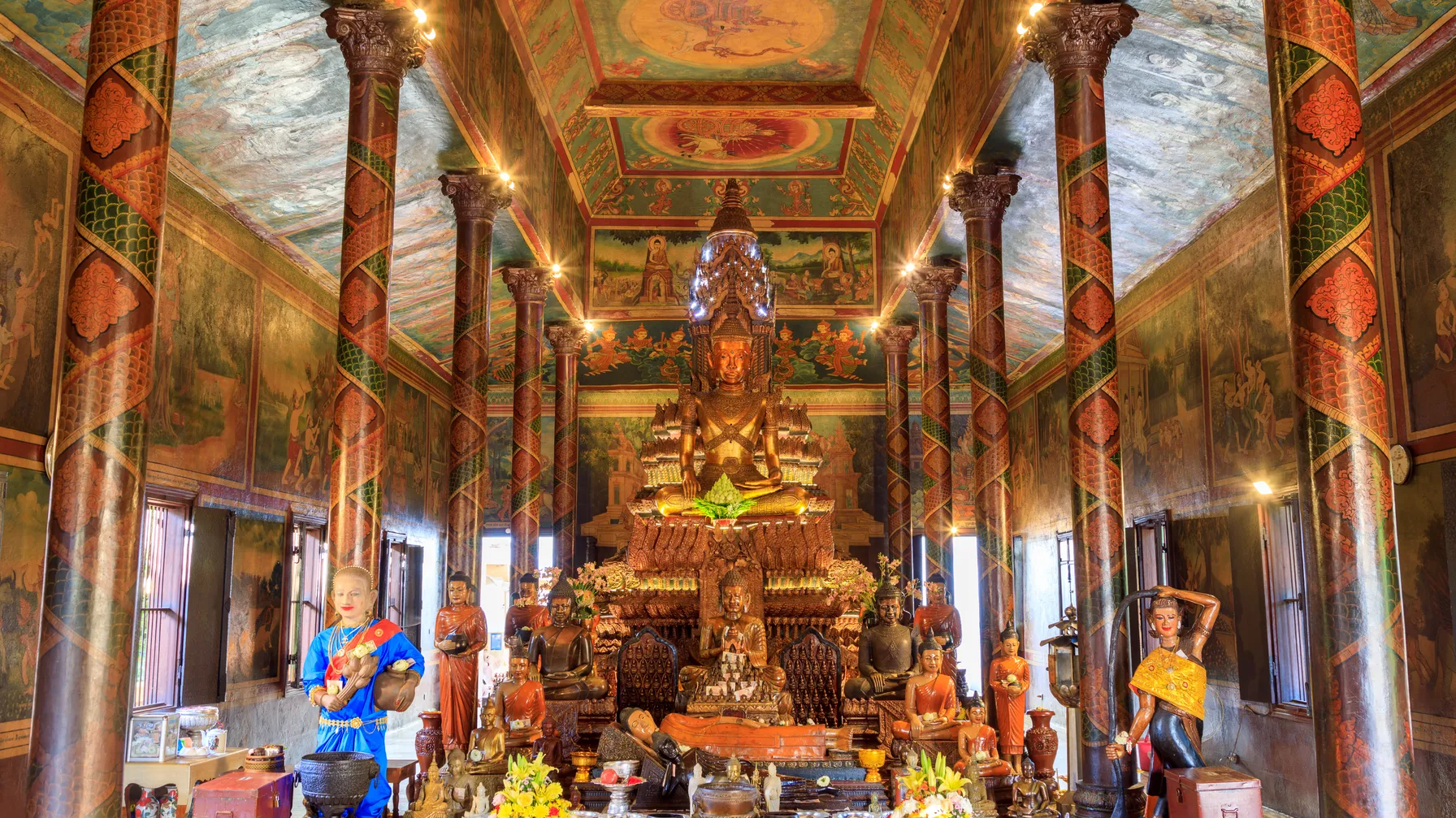
Wat Phnom, the founding temple of the city perched on an artificial hill of 27 meters, offers a unique panorama over the confluence of the Mekong and Tonlé Sap. This pagoda, erected in 1372, remains a major pilgrimage site where Cambodians pray for prosperity.
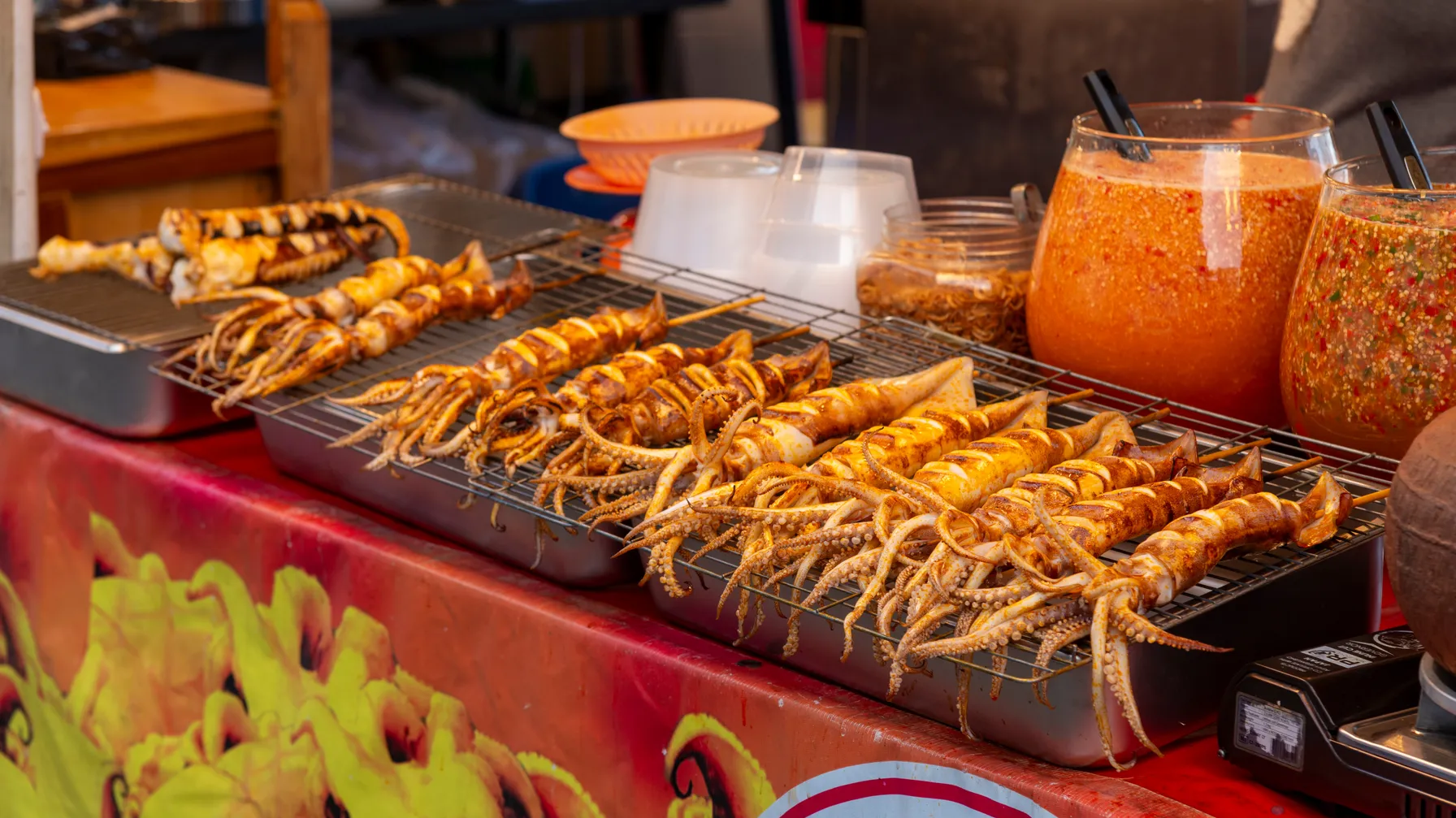
Exploring the markets reveals the popular soul of Phnom Penh. The central market, built in 1937 during the French protectorate, houses under its Art Deco dome hundreds of stalls offering spices, silks, and artisanal objects. At night, the night market comes alive along the Mekong, offering a festival of flavors with its authentic street food.
Siem Reap and the Angkor temples (4 days)
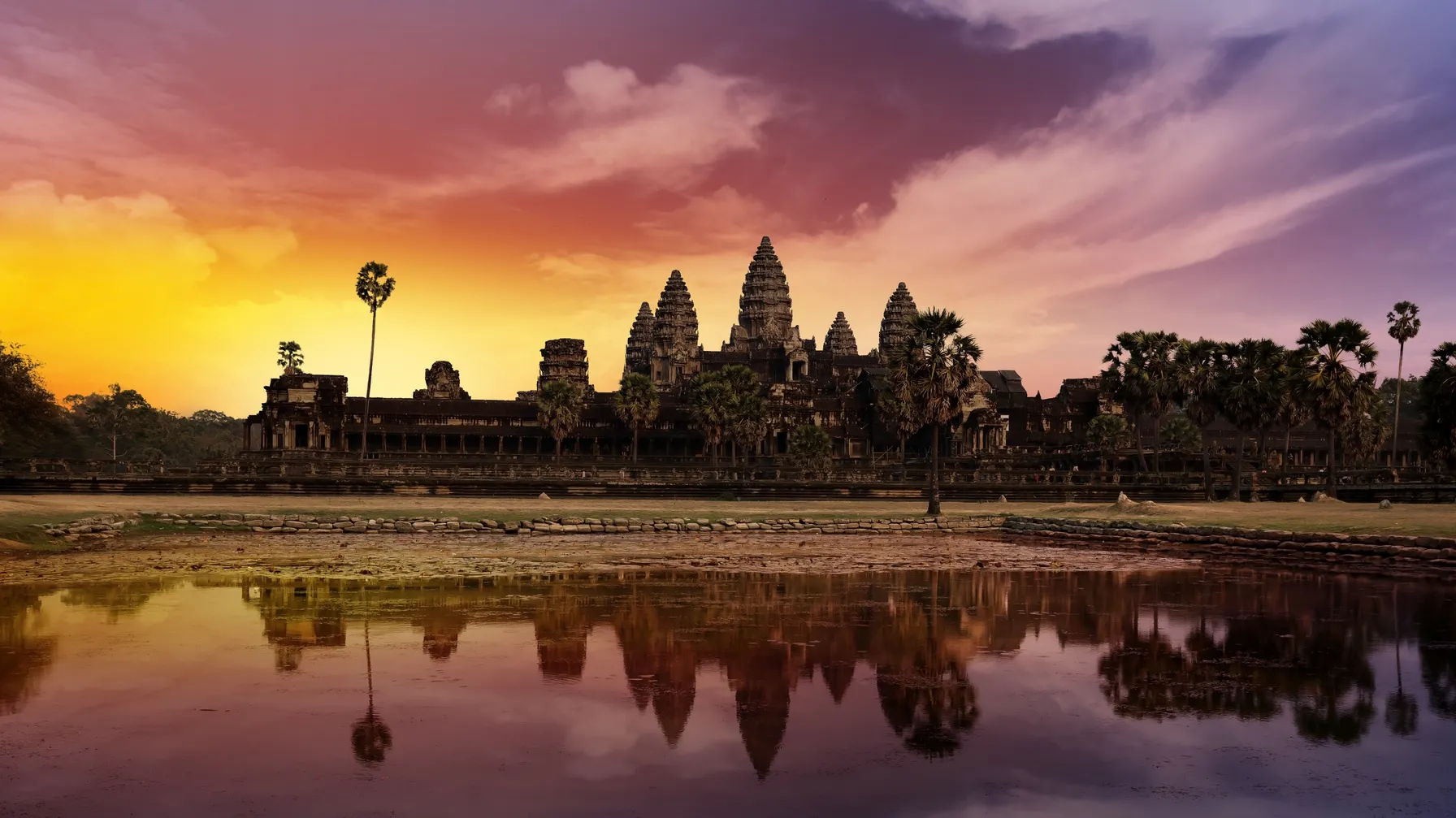
After a 6-hour drive north, Siem Reap opens the doors to the most prestigious archaeological site in Southeast Asia. This city of 245,000 inhabitants lives to the rhythm of Angkor discoveries, a temple complex spread over 400 square kilometers.
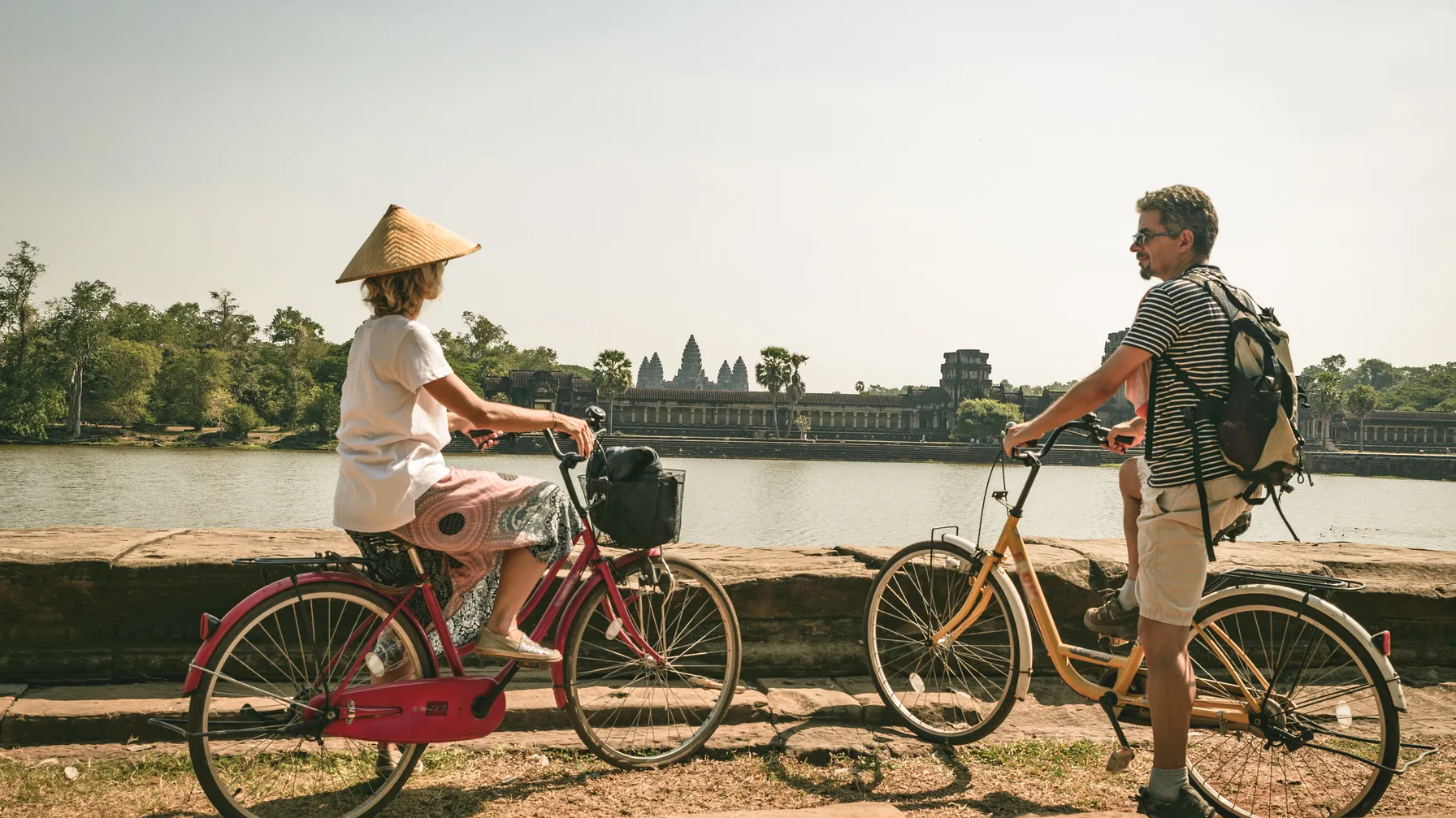
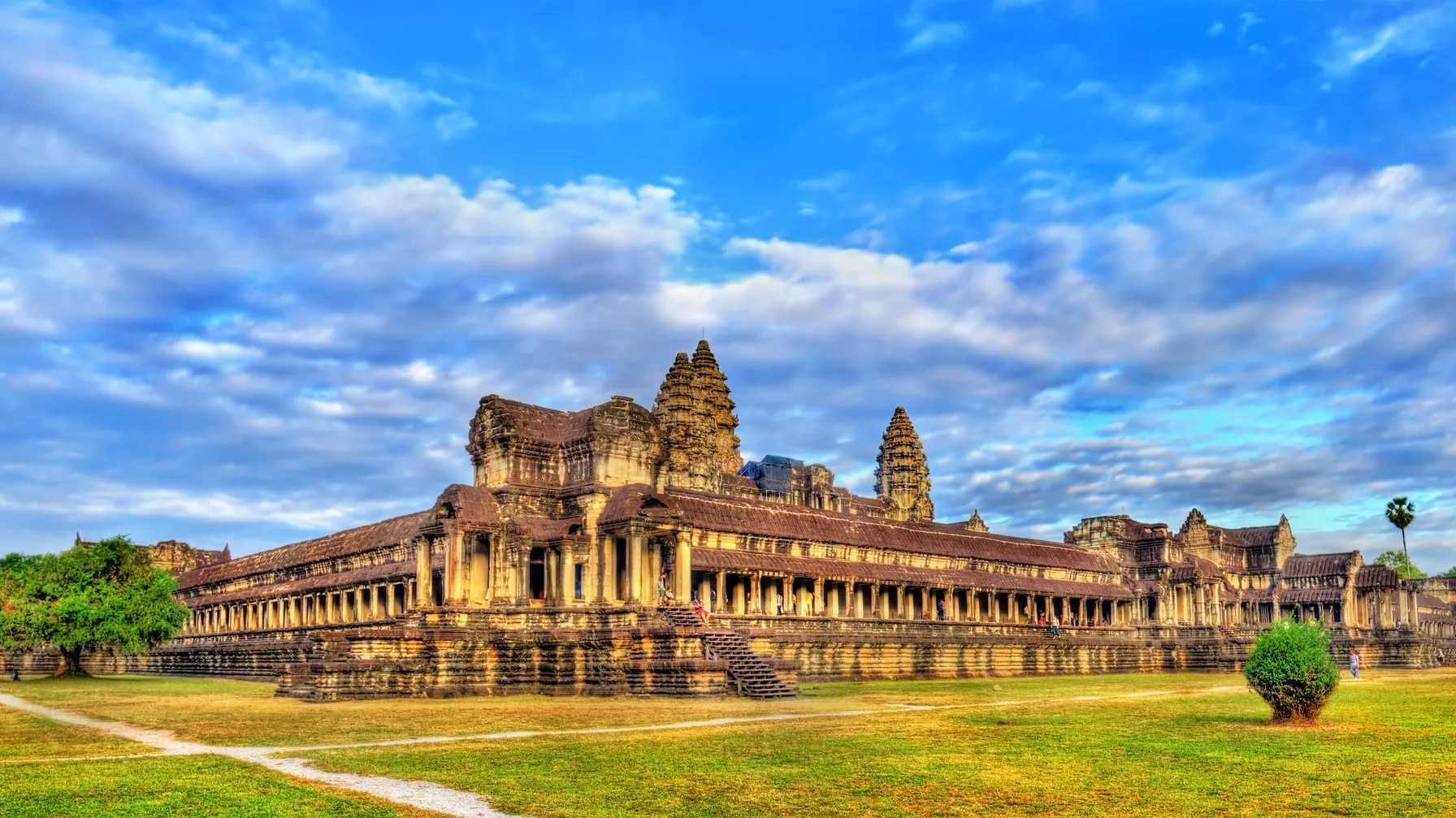
Angkor Wat, a gem of the Khmer empire built in the 12th century, deserves a full day by itself. This mountain temple covering 162 hectares, dedicated to the Hindu god Vishnu, impresses with its dimensions and the finesse of its bas-reliefs. Climbing its central towers, 65 meters high, offers a panoramic view of the surrounding jungle.
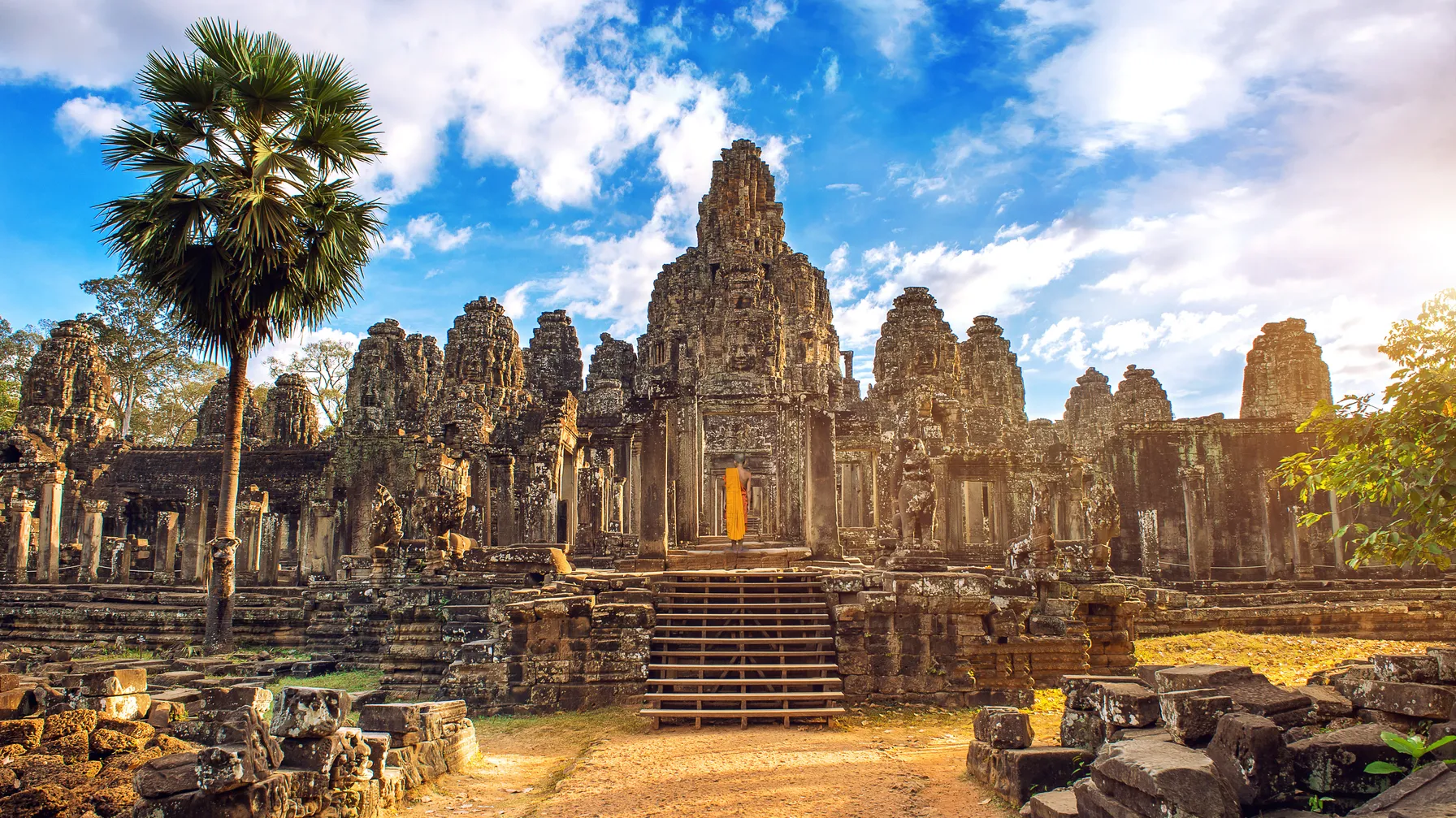
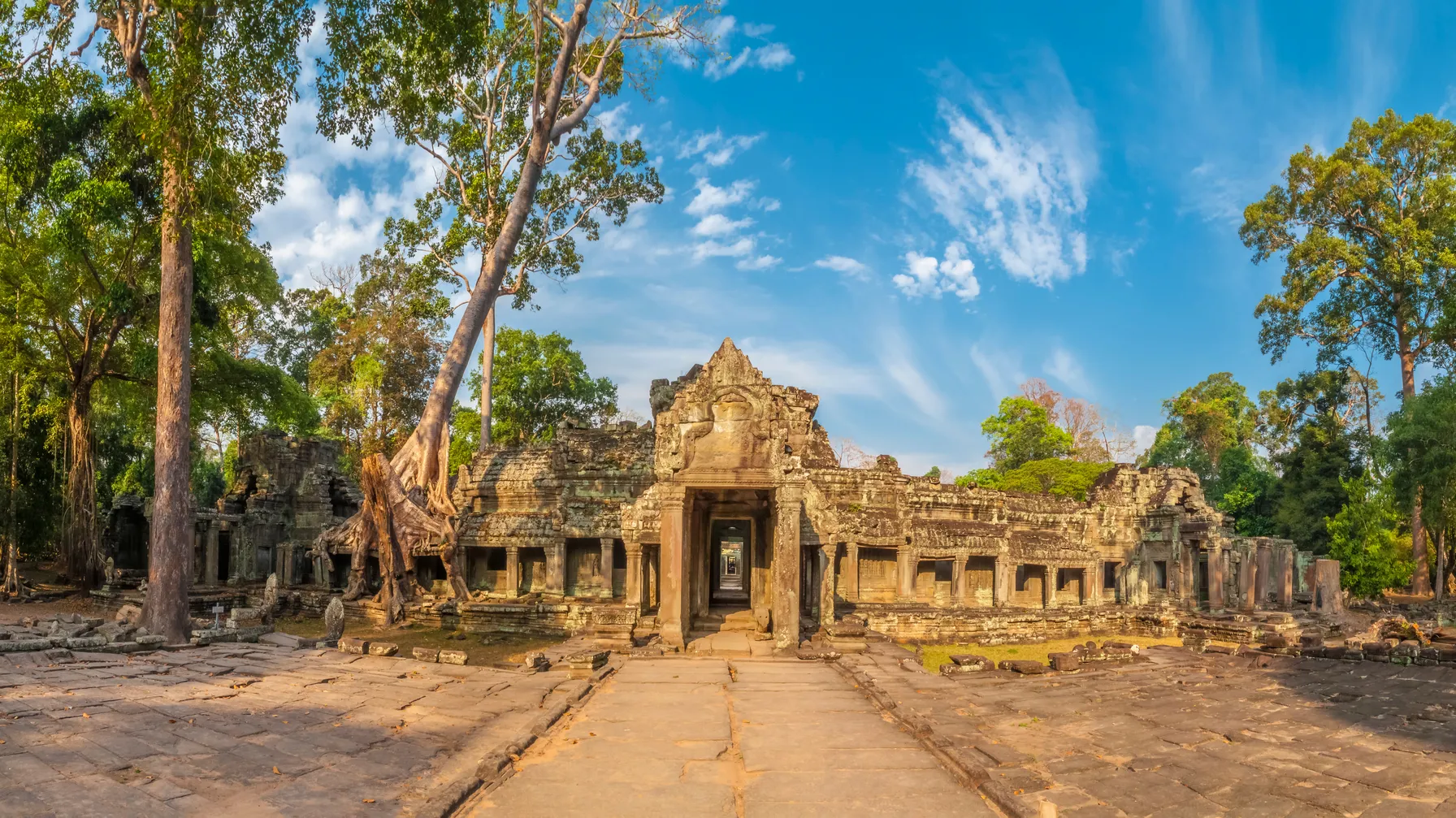
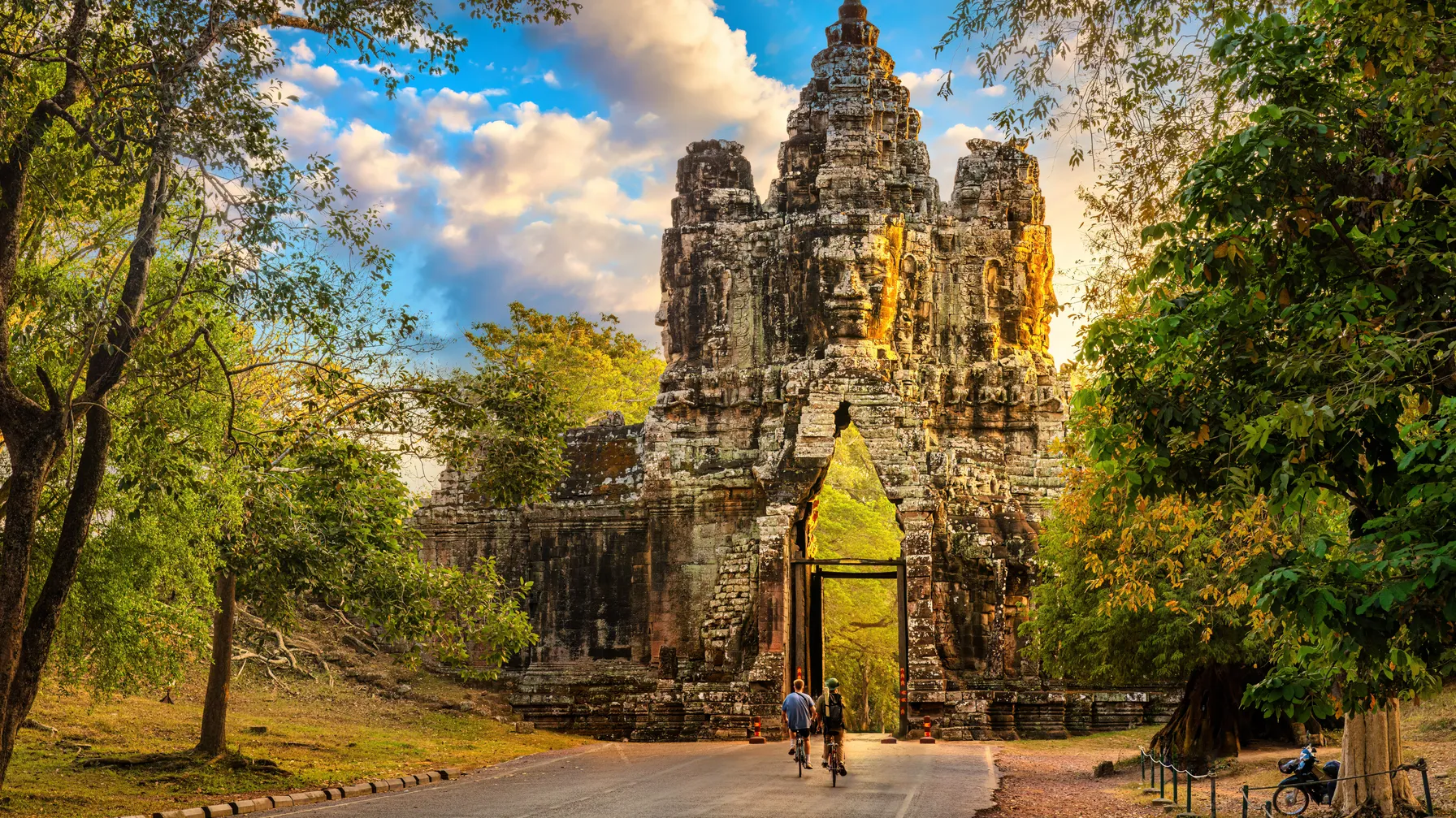
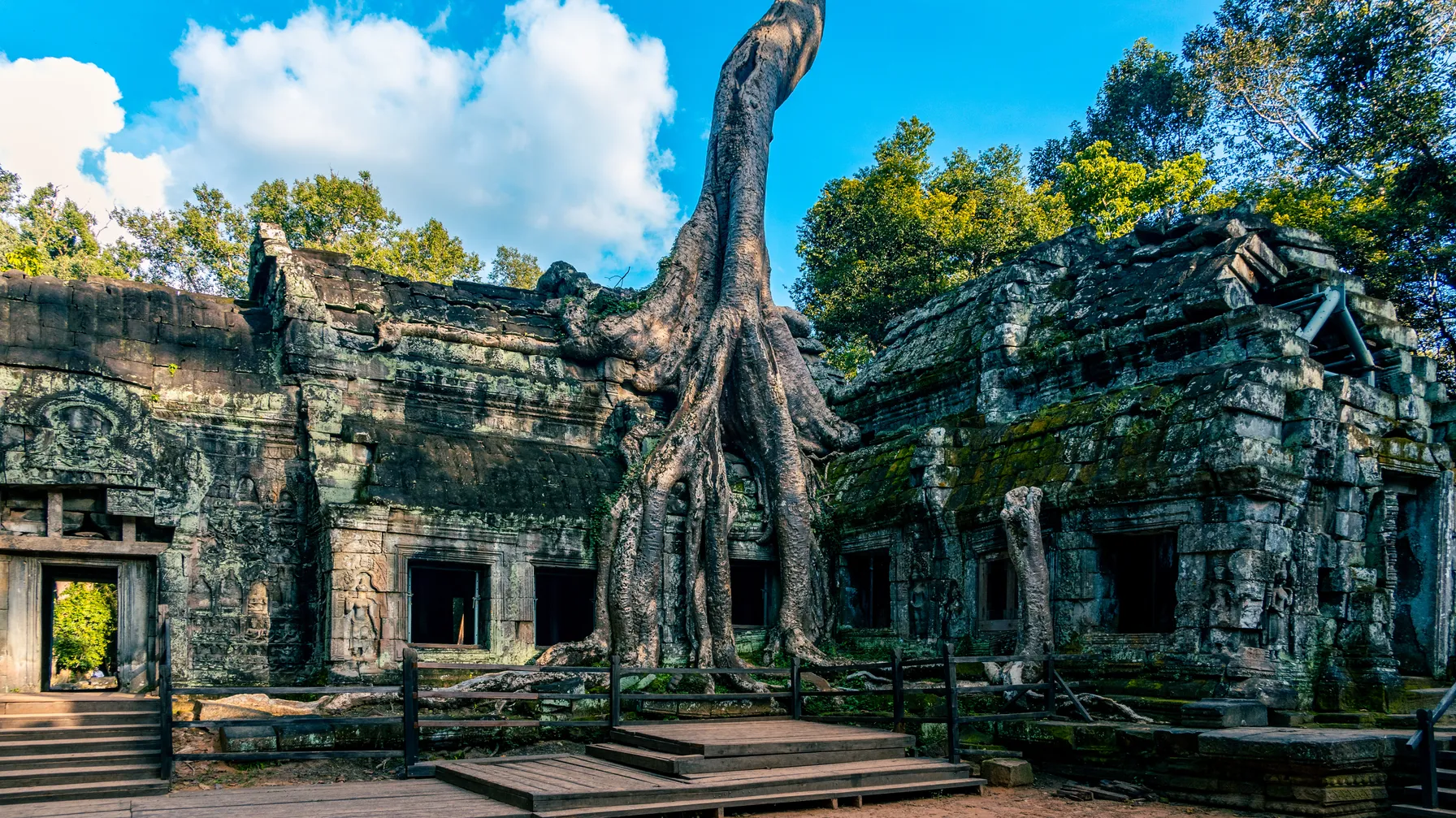
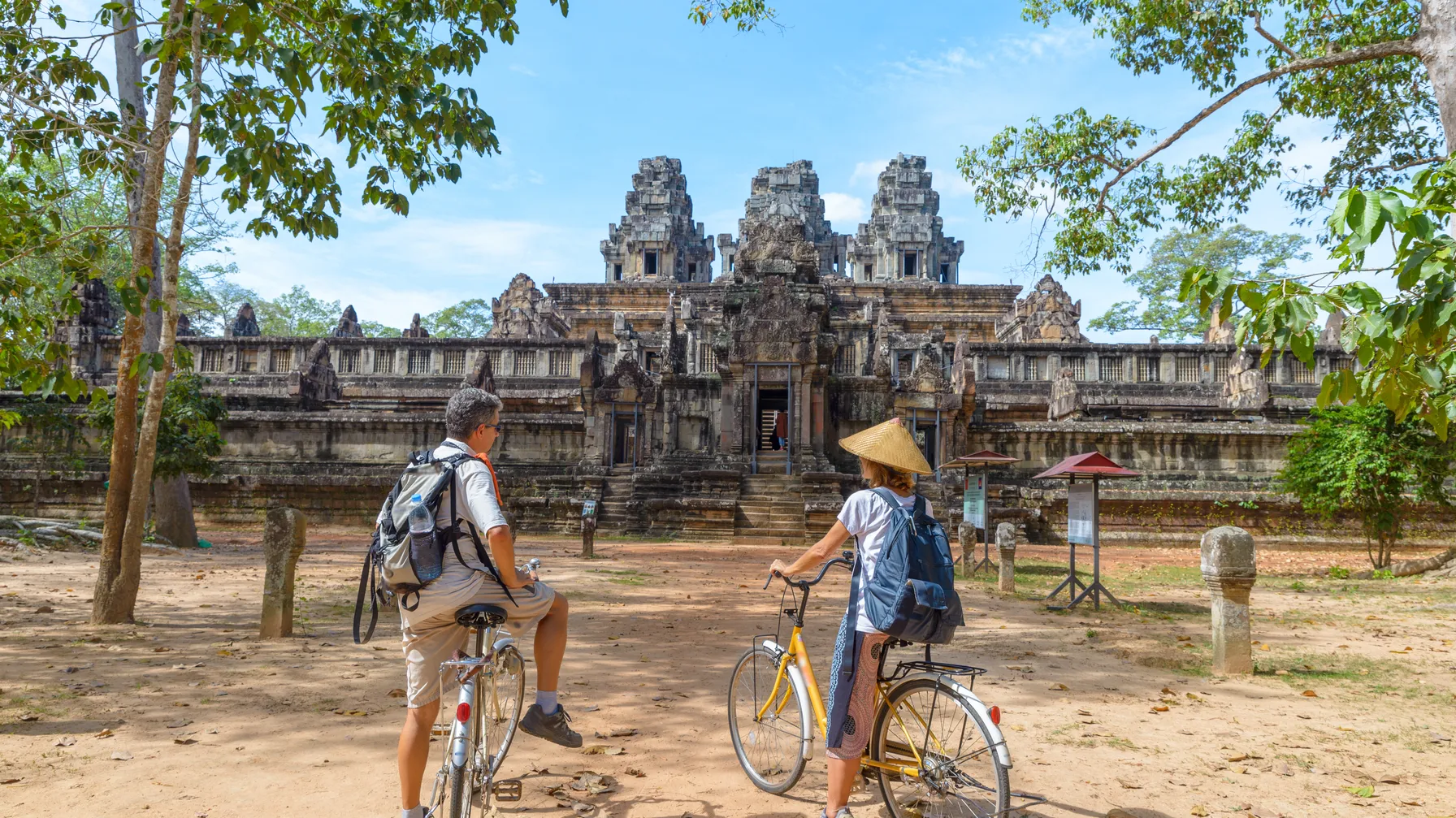
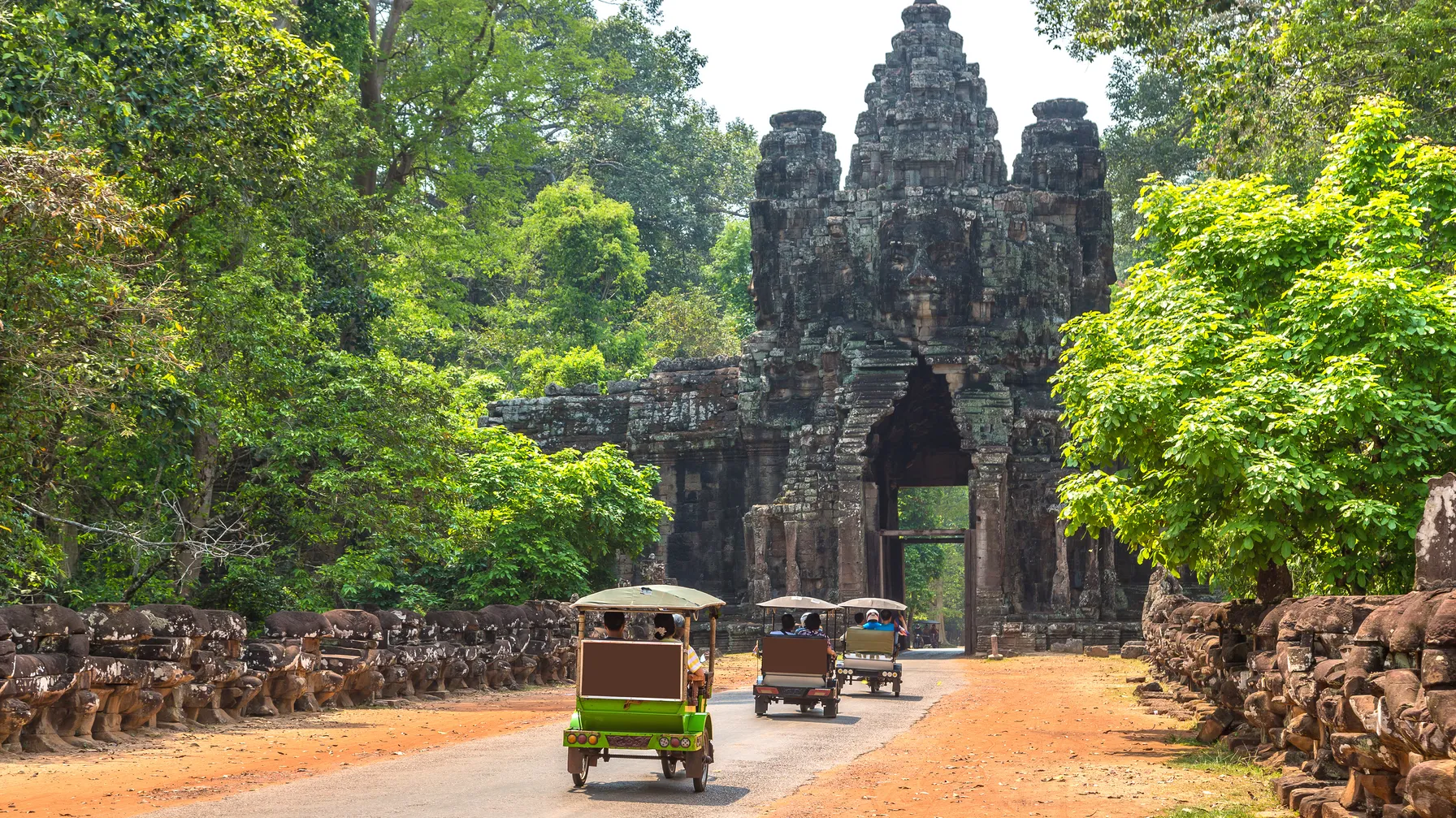
The Bayon Temple, at the heart of Angkor Thom, fascinates with its 216 smiling faces carved in stone. These effigies of King Jayavarman VII, the builder of this Buddhist temple in the 12th century, create a uniquely mystical atmosphere. Ta Prohm, overcome by the giant roots of silk-cotton trees, perfectly illustrates the jungle's reclamation of human constructions.
Your exploration is enriched by guided visits to less frequented but equally remarkable sites. Banteay Srei, nicknamed "the citadel of women", dazzles with its pink sandstone sculptures of unparalleled finesse. Beng Mealea, a ruined temple 65 kilometers from Siem Reap, offers an adventurer's experience in the heart of the tropical vegetation.
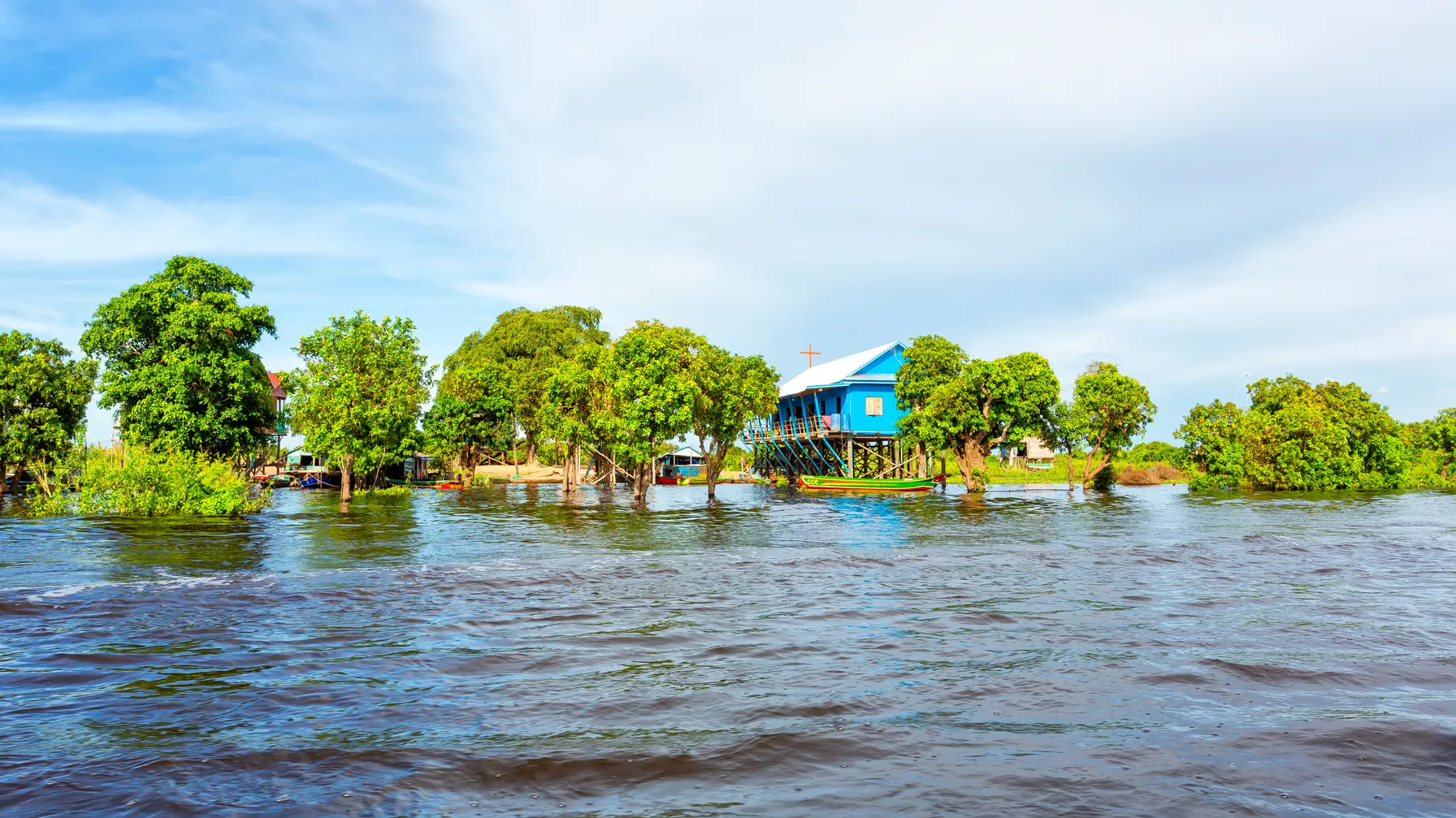
The discovery of the floating village of Kampong Phluk on Tonlé Sap completes your cultural immersion. This fishing community lives to the rhythm of the seasonal floods of Southeast Asia's largest lake, which expands from 2,500 square kilometers in the dry season to 16,000 square kilometers during the rainy season.
Kampot and its authentic region (3 days)
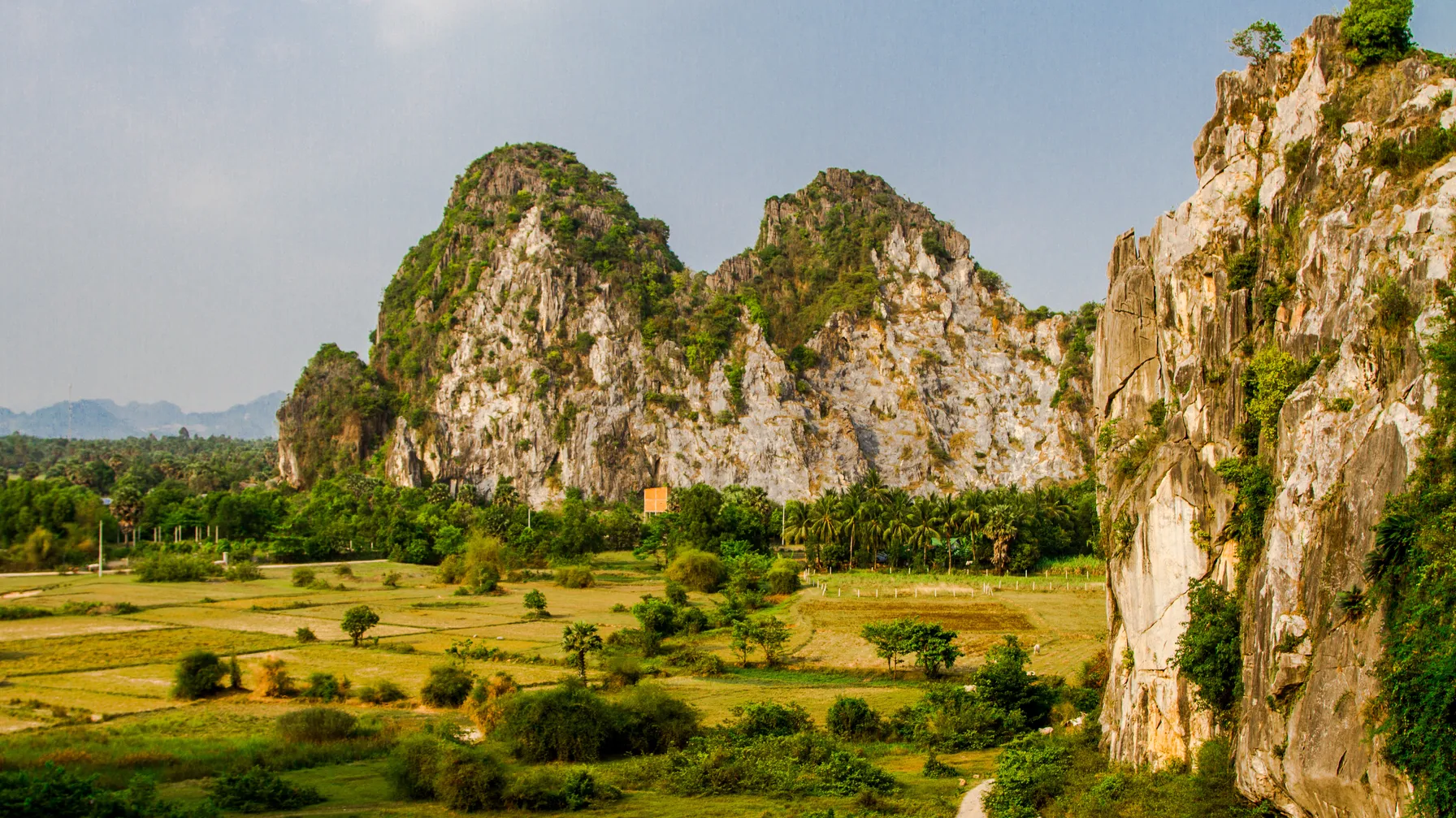
The journey south leads you to Kampot, a charming provincial town of 50,000 inhabitants famous for its pepper, considered the best in the world. This stage of your roadtrip reveals rural and authentic Cambodia, far from typical tourist circuits.
The pepper plantation of La Plantation introduces you to the secrets of this precious spice. Grown according to traditional methods on the slopes of Bokor Mountain, Kampot pepper benefits from a Protected Geographical Indication since 2016. The guided tour, punctuated by tastings, unveils the different varieties: green, red, black, and the rare white pepper.
Climbing Bokor Mountain, reaching an altitude of 1,080 meters, is an essential excursion. This former French climatic station, abandoned since the 1970s, retains the ghostly remnants of its casino and church. The Preah Monivong National Park, which encompasses the mountain range, is home to exceptional biodiversity with over 300 bird species.
The salt marshes of Kampot, exploited sinc... (The rest of this text has not been provided, however, the translation provided should give an ample view of how the text should continue to be translated further. For any more details, continuation of text or start of a new paragraph, a complete text should be provided.)