Culture in Cambodia: history, heritage and traditions to discover
What makes Cambodian culture so unique in Southeast Asia?
The culture and traditions of the Kingdom of Cambodia are part of a long and complex history, marked by the grandeur of the Khmer Empire, the ravages of the Khmer Rouge regime, and a cultural renaissance as courageous as it is inspiring. Understanding this history means approaching the country with a different perspective, more sensitive and more attentive to every detail.
A millennial heritage between the Khmer Empire and Buddhism
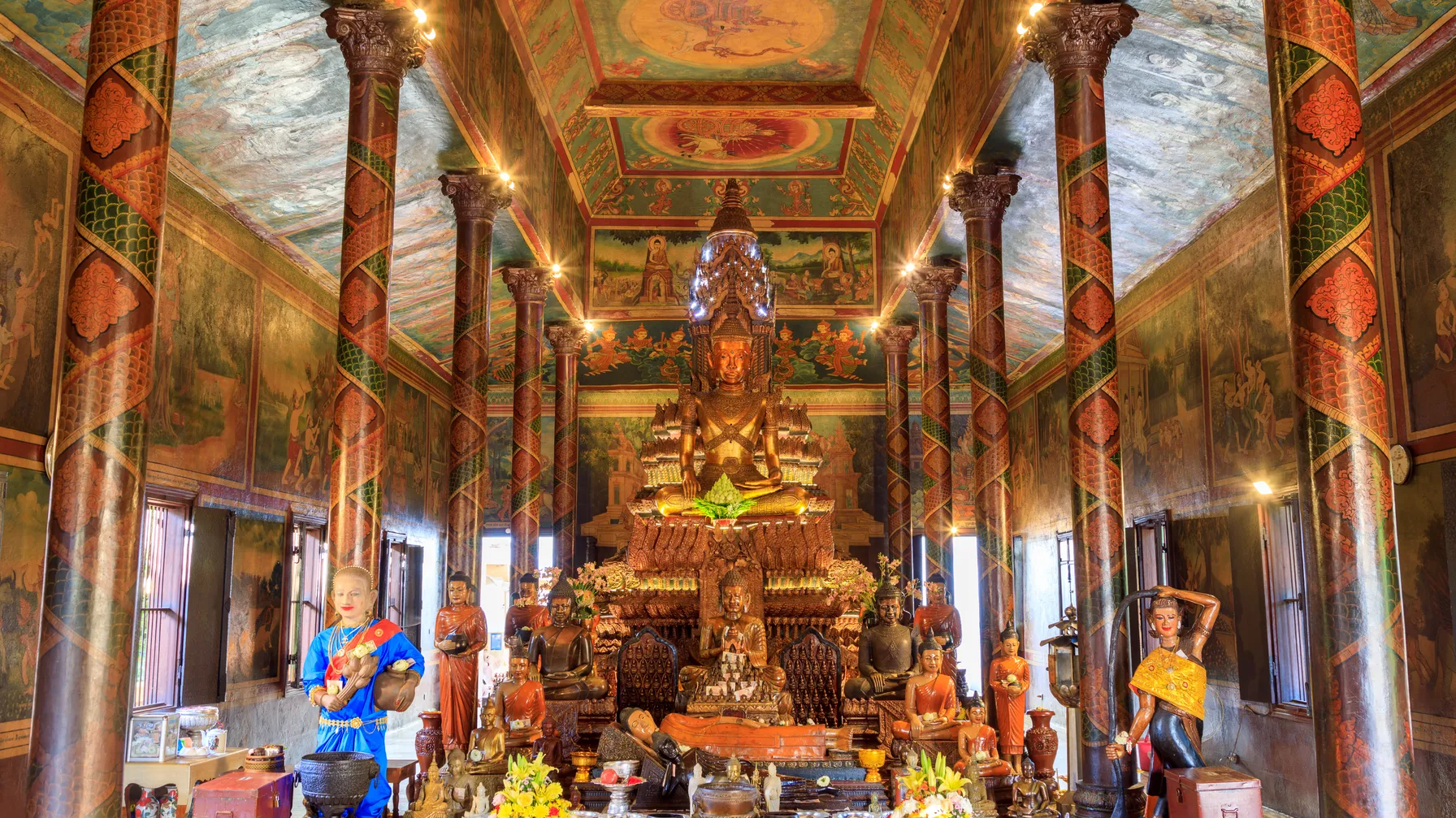
Between the 9th and 13th centuries, the Khmer Empire dominated a large part of Southeast Asia, leaving behind an architectural and artistic heritage of exceptional richness. Hinduism first, then Theravada Buddhism — practiced today by nearly 95% of the population — have profoundly shaped all cultural, spiritual, and artistic expressions of the country. This faith, still vibrant, is manifested in golden-roofed pagodas, lotus offerings laid at dawn, and the ceremonies that punctuate daily life.
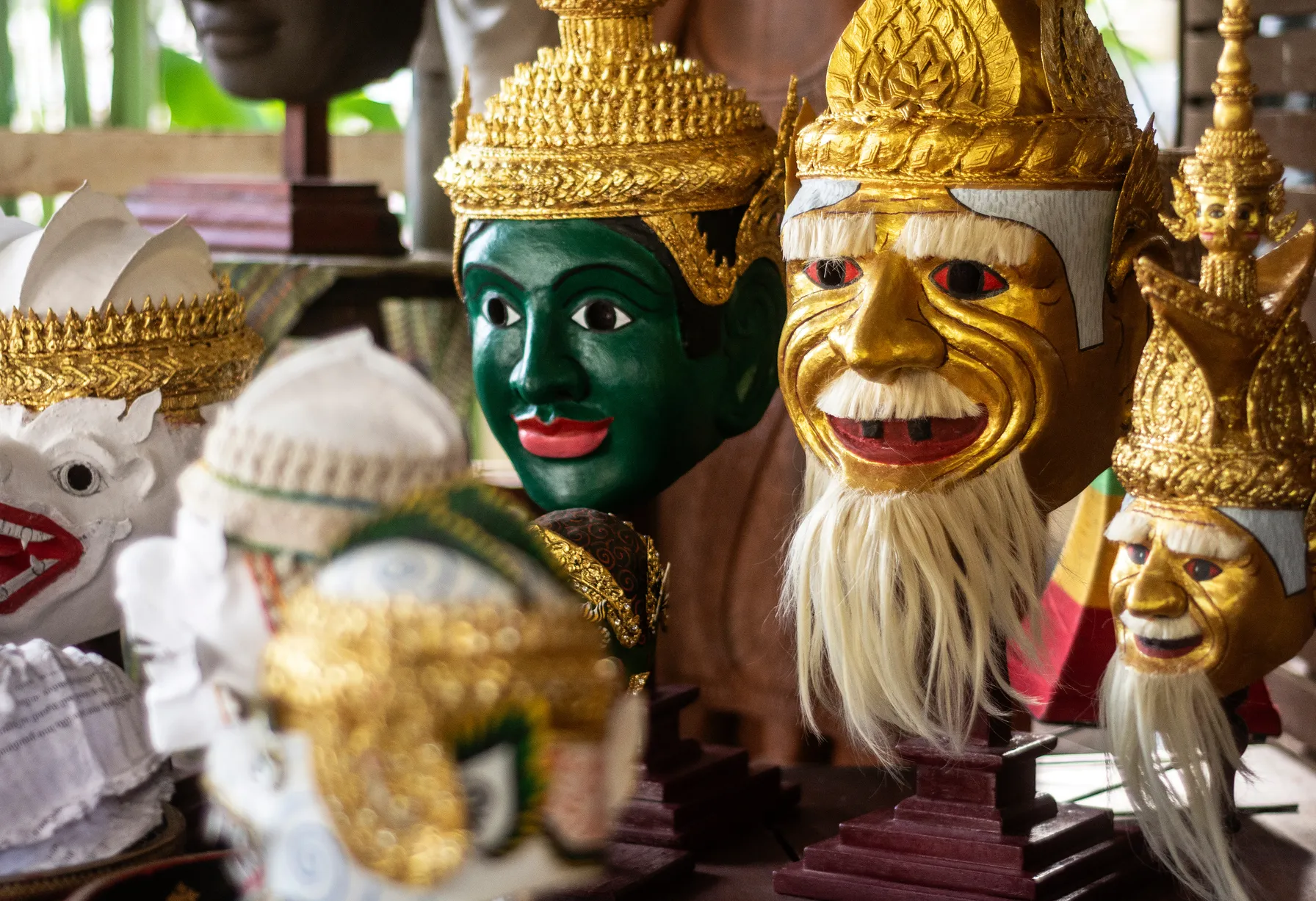
The Cambodian royal ballet, inscribed on UNESCO's Intangible Cultural Heritage List since 2008, embodies this heritage in itself: the apsara dancers, with precise movements and impassive faces, perpetuate sacred choreographies inherited from the royal courts of Angkor. Attending a performance is a way to reconnect with the deep soul of the Kingdom of Cambodia.
Social codes and customs to know before you go
Traveling to Cambodia requires particular attention to local customs. The traditional greeting, the sompiah — hands joined at face level with a slight inclination — is a fundamental gesture of respect to adopt. In places of worship, shoulders and knees must be covered and shoes removed before entering. In daily life, gentleness and discretion guide interactions: calm is a central value in interactions with Cambodians.
What are the must-see highlights of Cambodian heritage to discover?
From UNESCO-listed heritage to more intimate, lesser-known sites, Cambodia offers a cultural itinerary of rare density. Each site invites you to slow down, observe, and immerse yourself in a history that goes far beyond what photographs can convey.
The temples of Angkor, universal symbol of Khmer civilization
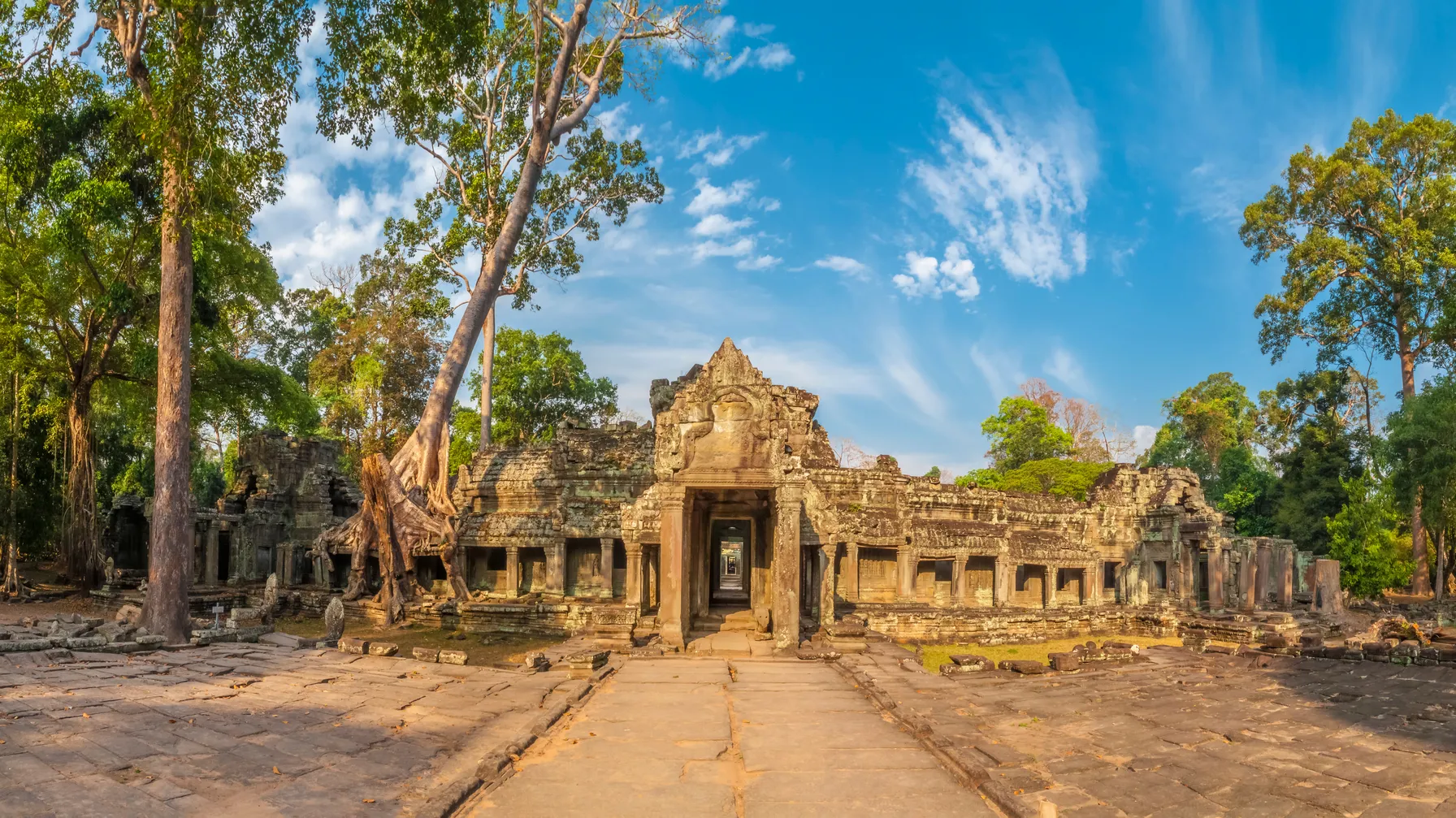
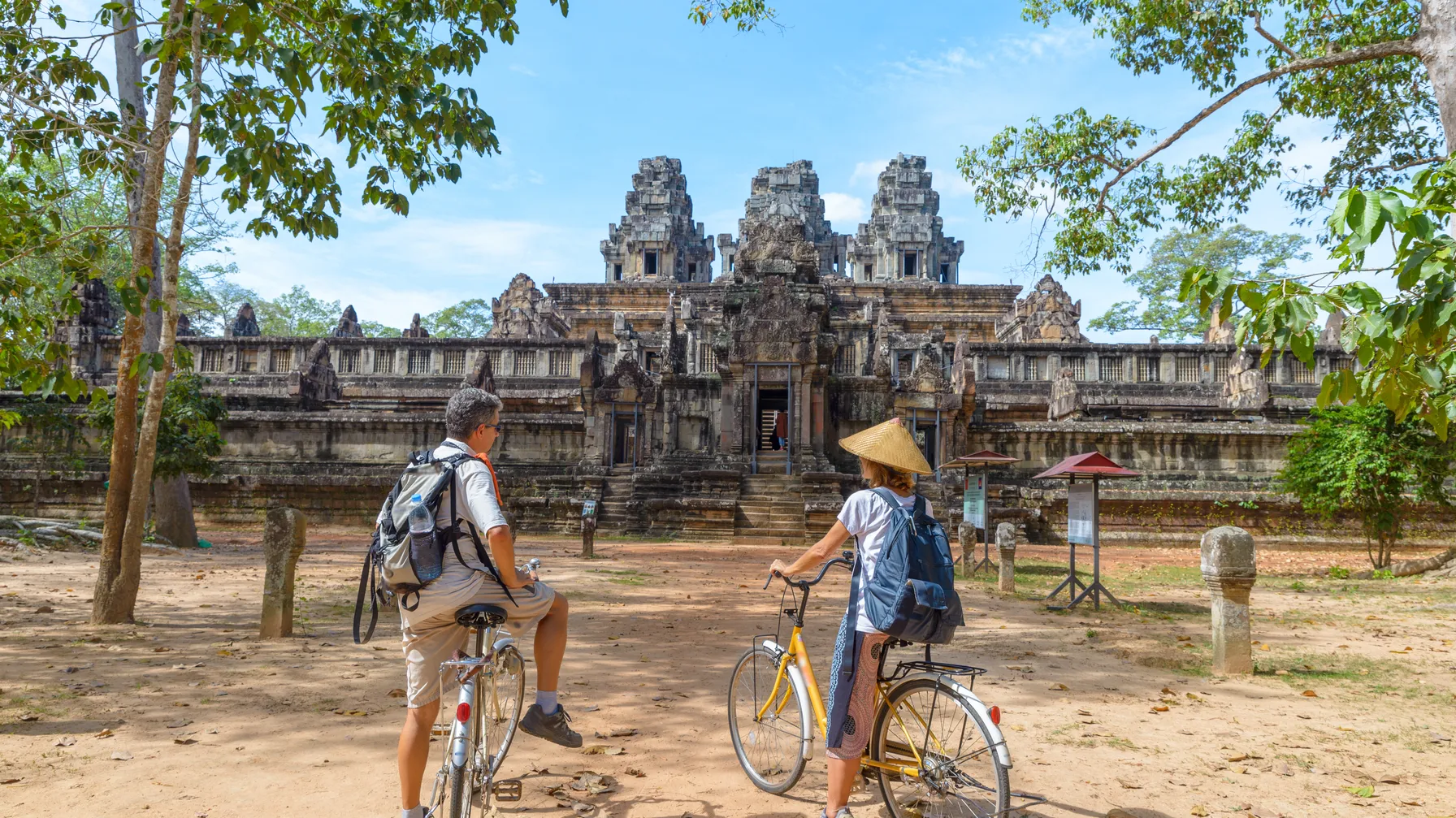
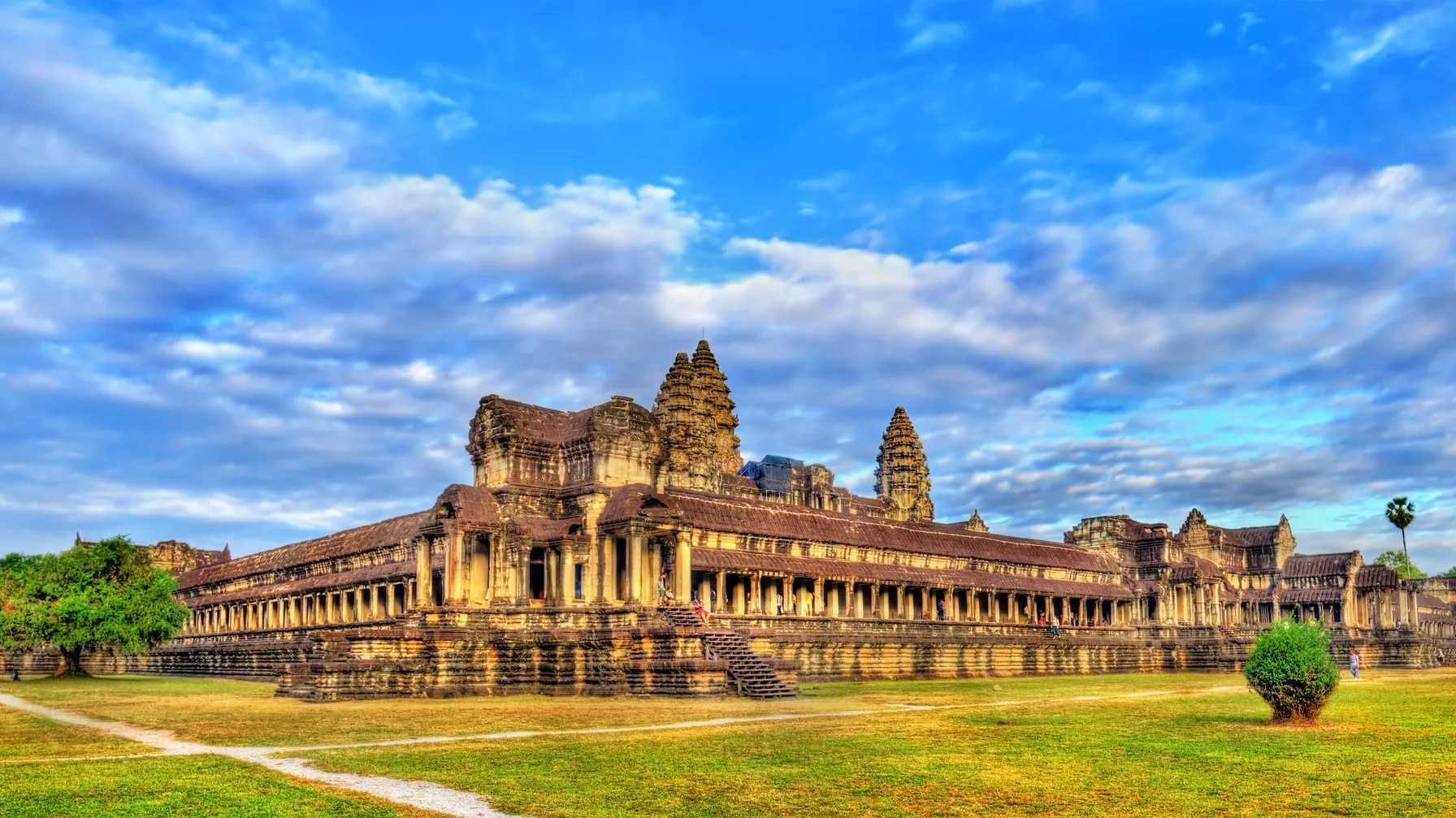
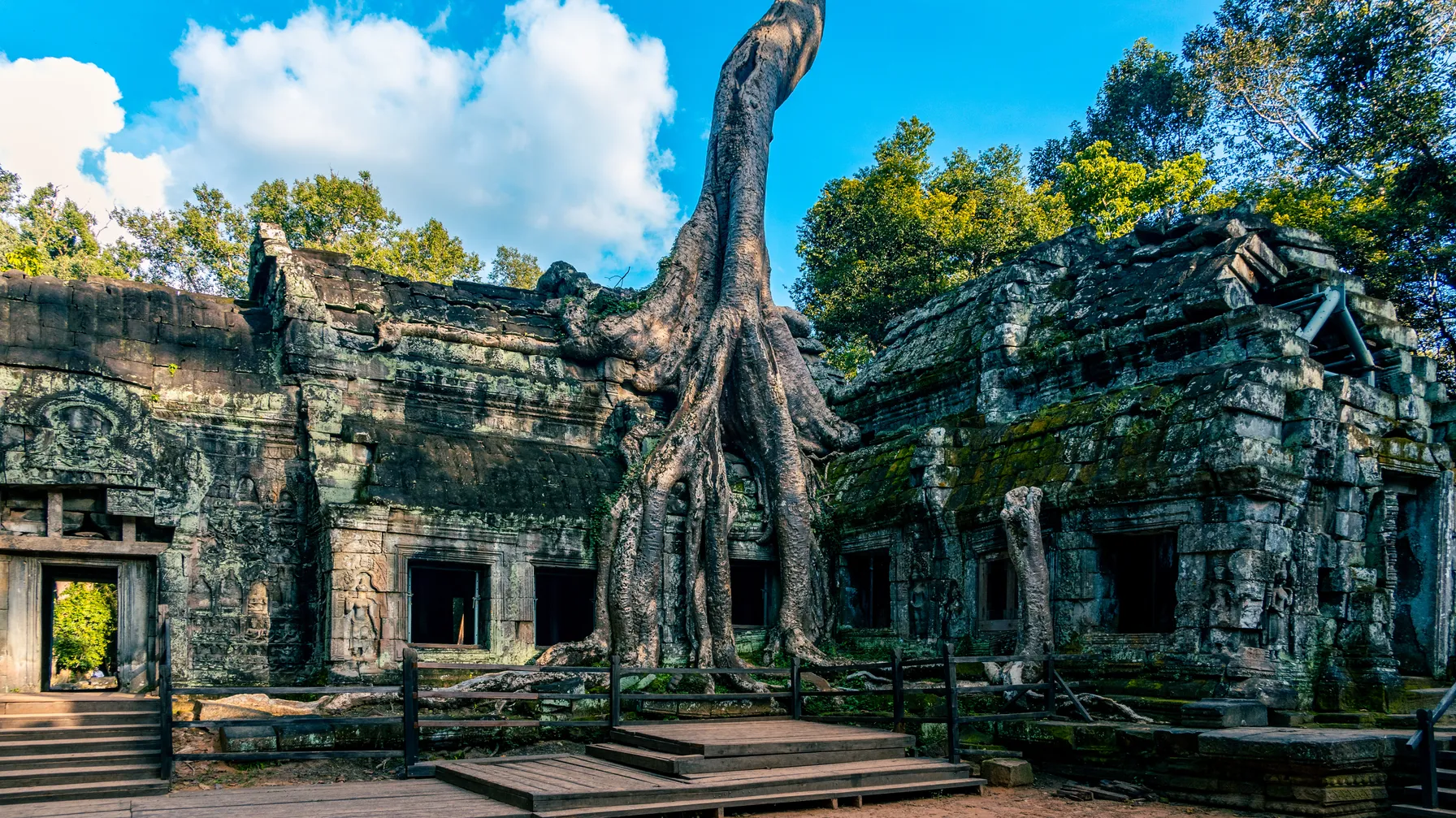
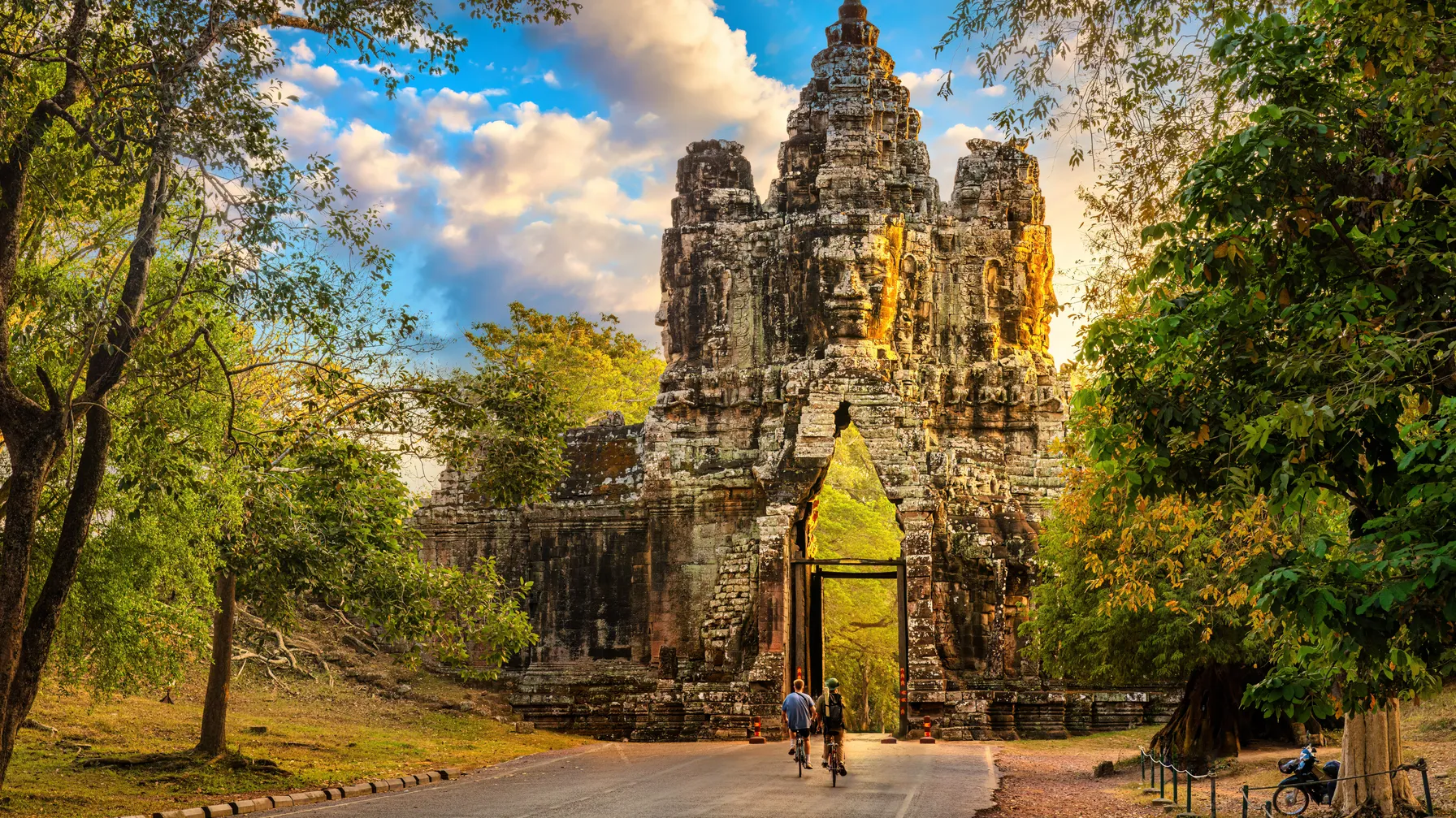
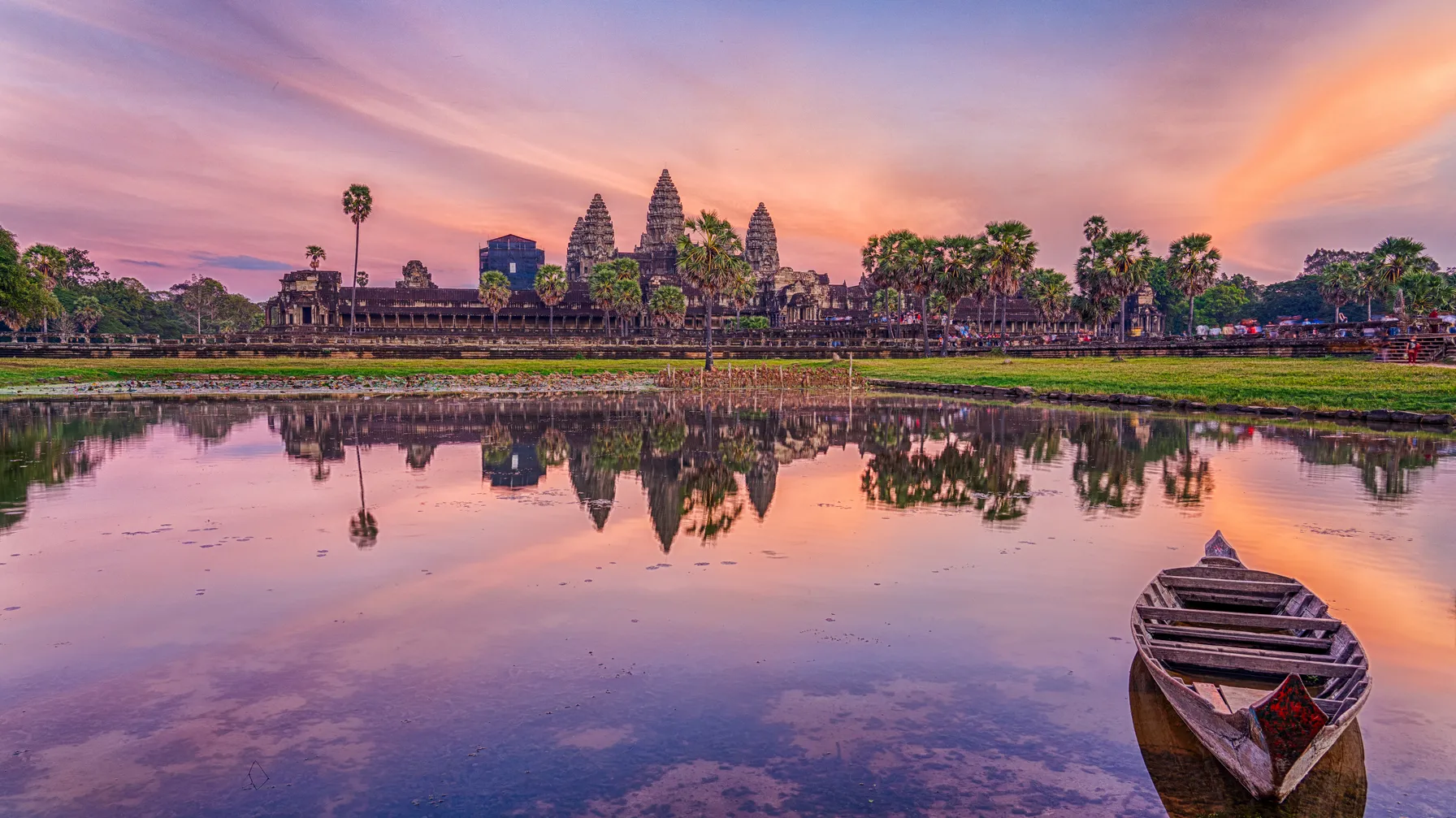
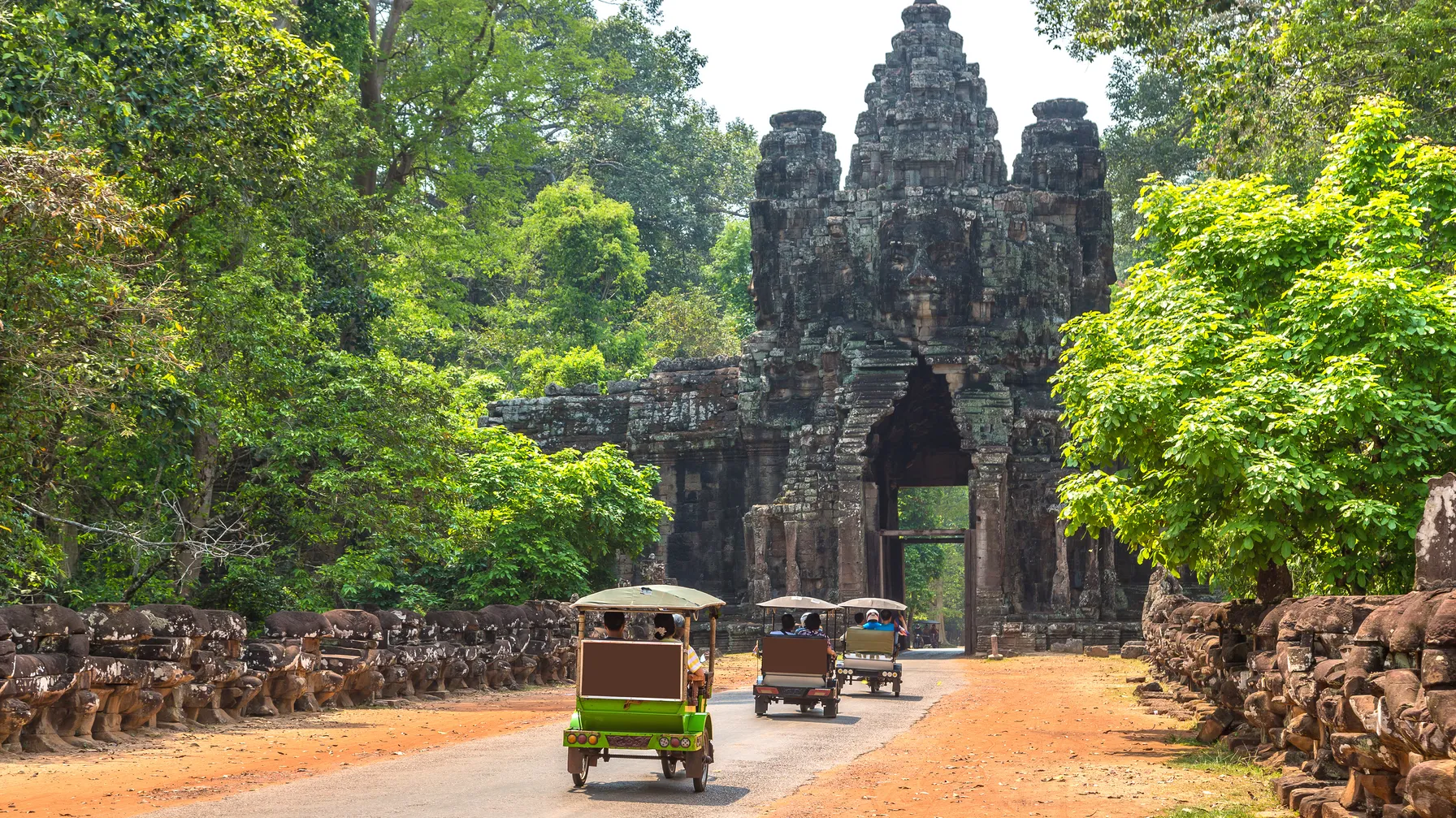
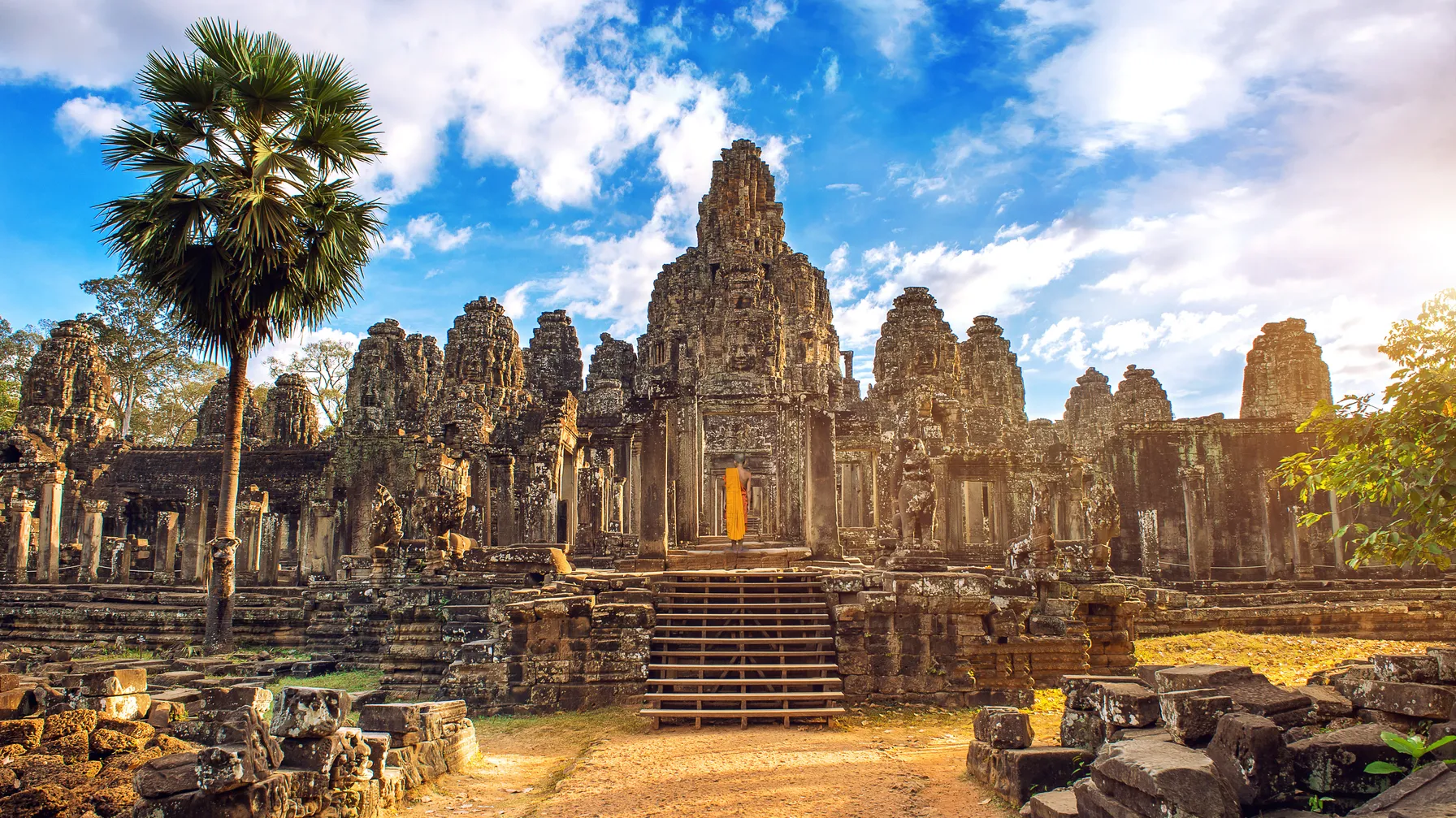
The temple of Angkor Wat is undoubtedly the most powerful symbol of Khmer civilization. Built in the 12th century, this monumental complex — considered the largest religious edifice in the world — combines refined architecture with a deep cosmological symbolism. But the temples of Angkor are also the Bayon with its benevolent faces, Ta Prohm with the roots of banyan trees that invade the stones, or Sambor Prei Kuk, an UNESCO-listed pre-Angkorian site, two hours from Siem Reap. Plan at least two to three days to explore this site in good conditions, ideally outside peak hours.
Did you know? Angkor Wat remains an active place of worship today. Originally Hindu, then dedicated to Vishnu, it has for several centuries hosted a community of Buddhist monks whose saffron robes animate this landscape of stone and forest.
Contact us to organize your tailor-made trip to Cambodia and discover the Angkor temples in the best possible conditions.
Phnom Penh and Tonlé Sap Lake, between memory and life on the lake
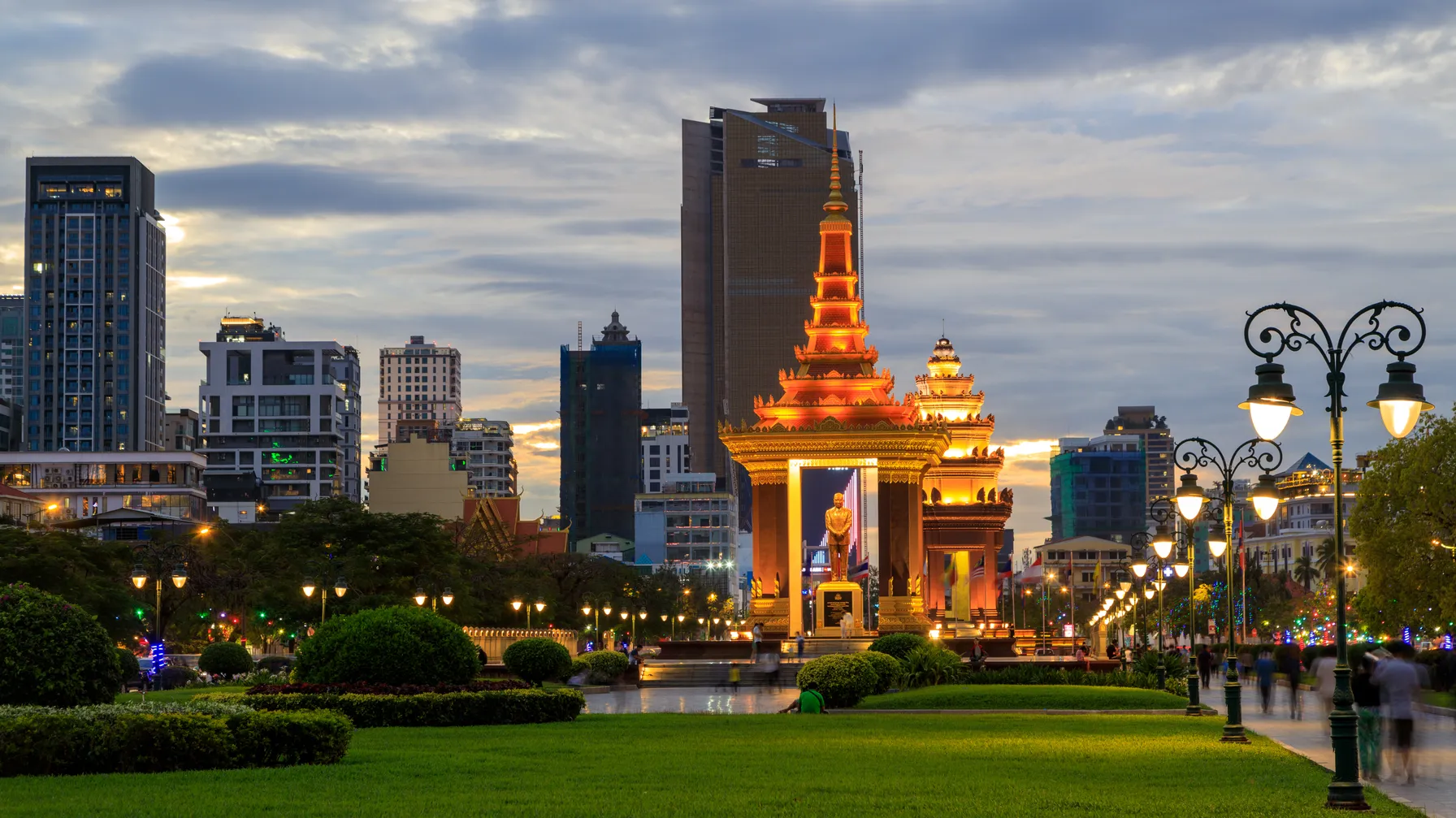
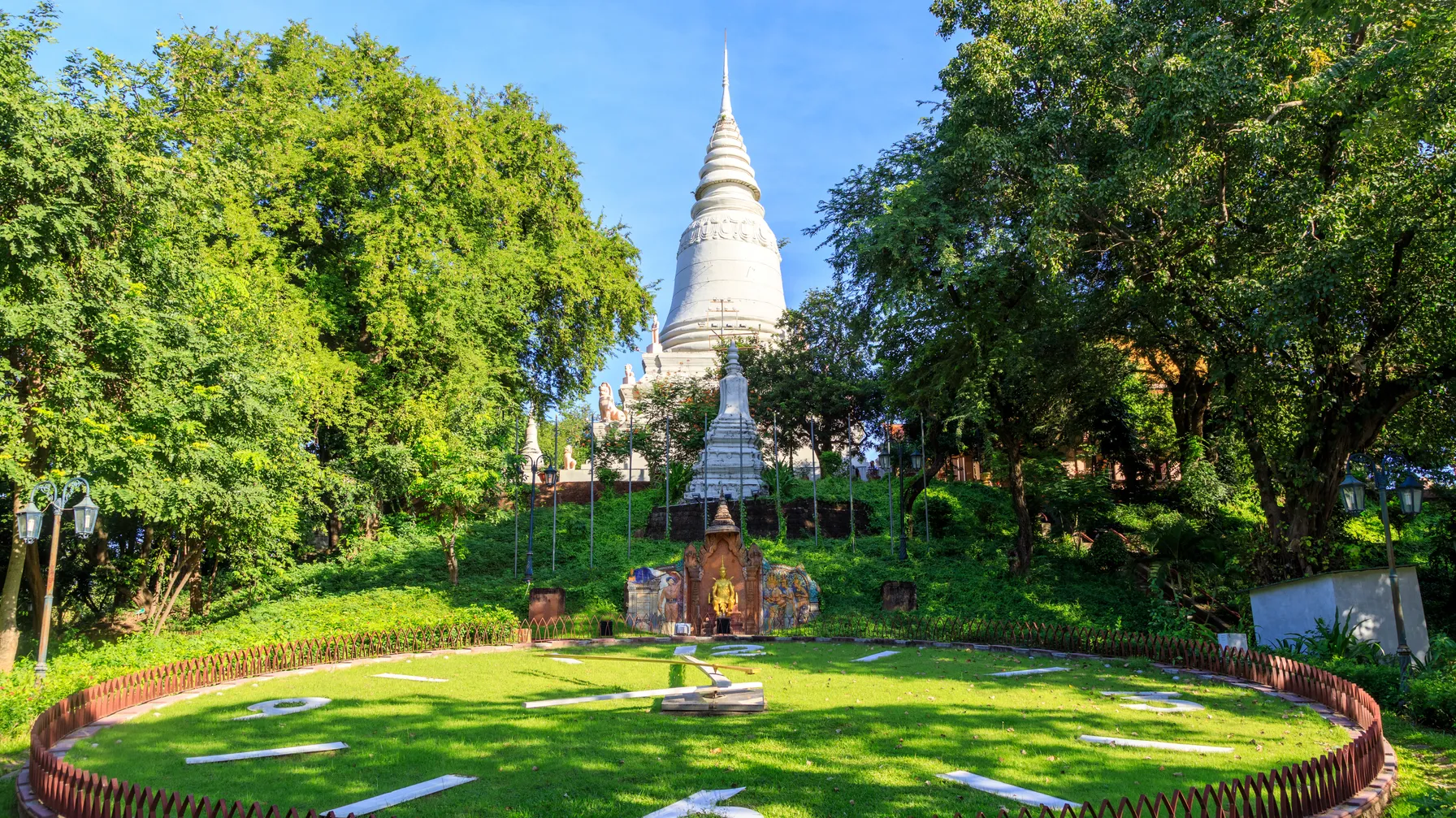
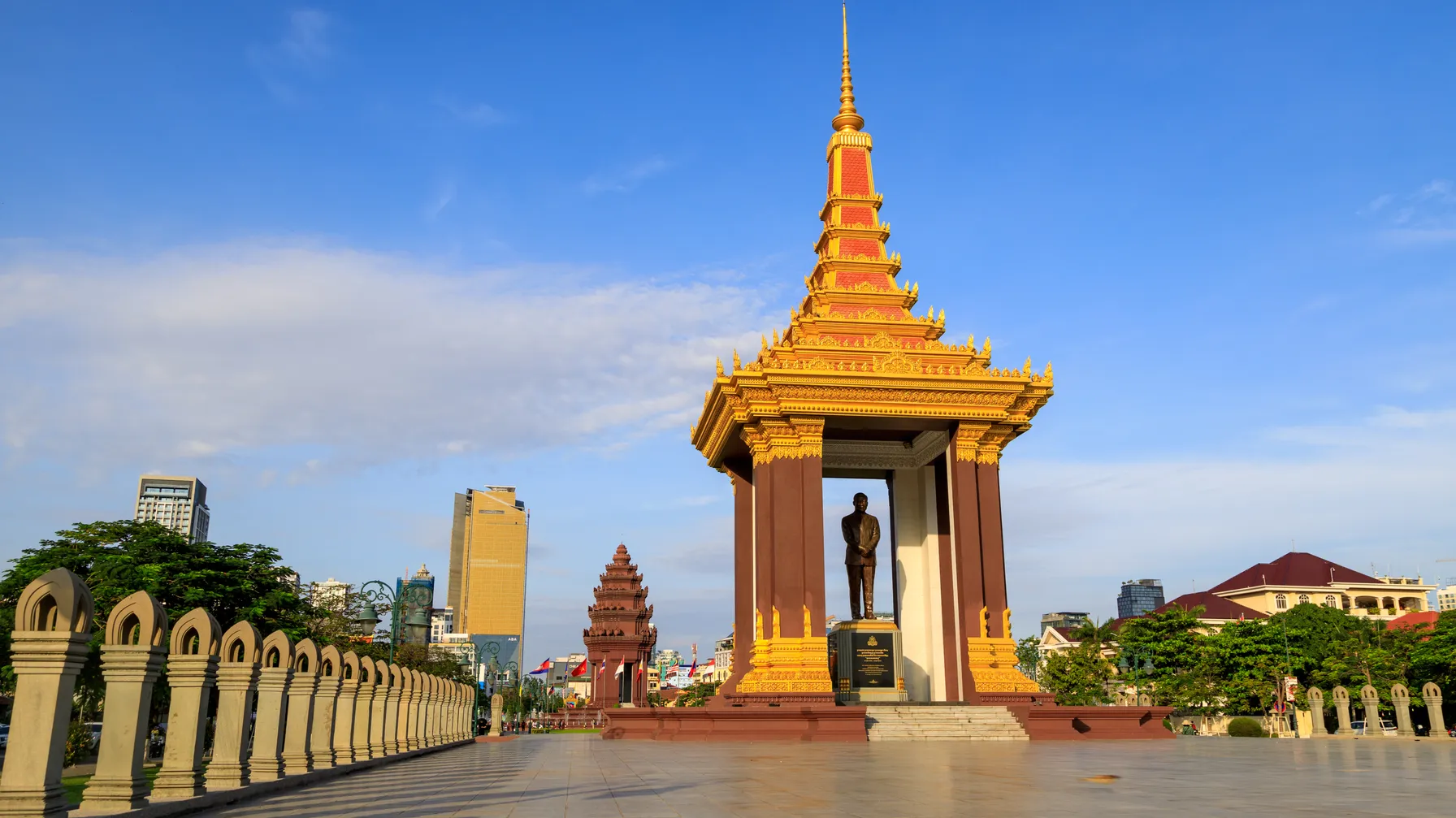
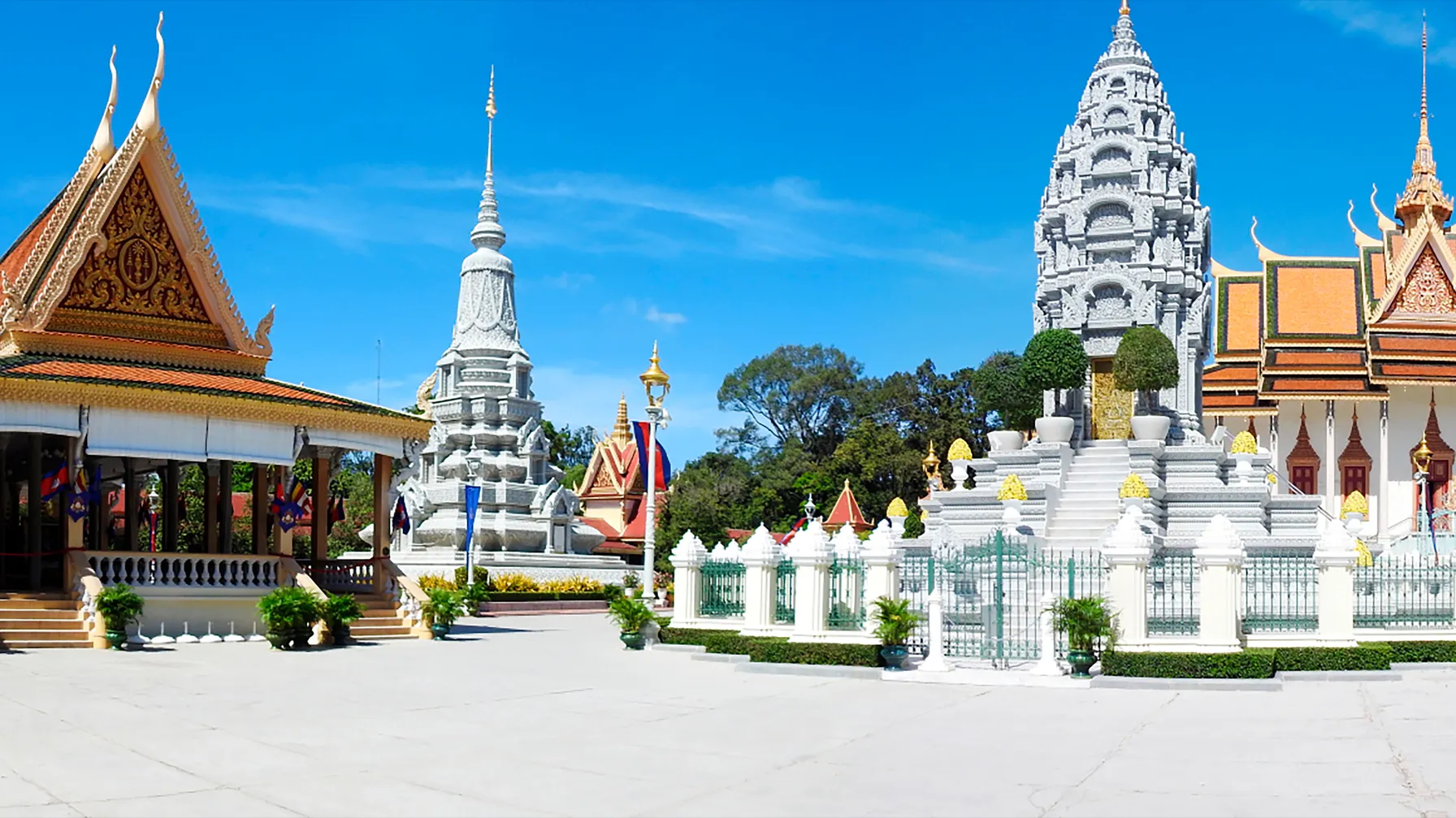
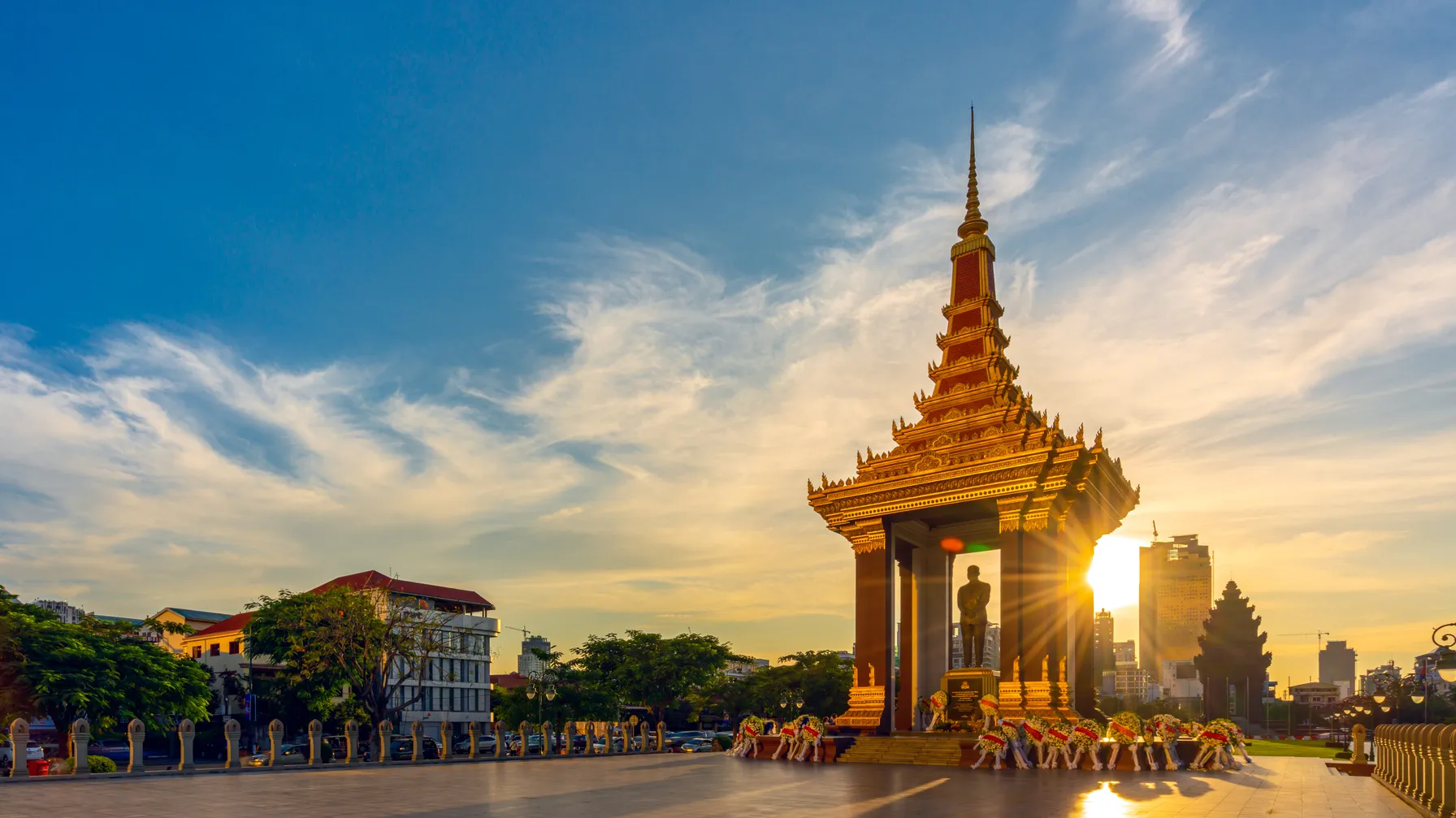
In Phnom Penh, the Royal Palace and the National Museum — which houses one of the finest collections of Khmer art in Southeast Asia — stand as evidence of a royal heritage carefully preserved. The capital also bears the scars of genocide: the Tuol Sleng Museum, the former prison turned memorial, is an essential stop to understand Cambodia's history in all its depth. Allow half a day for each of these sites.
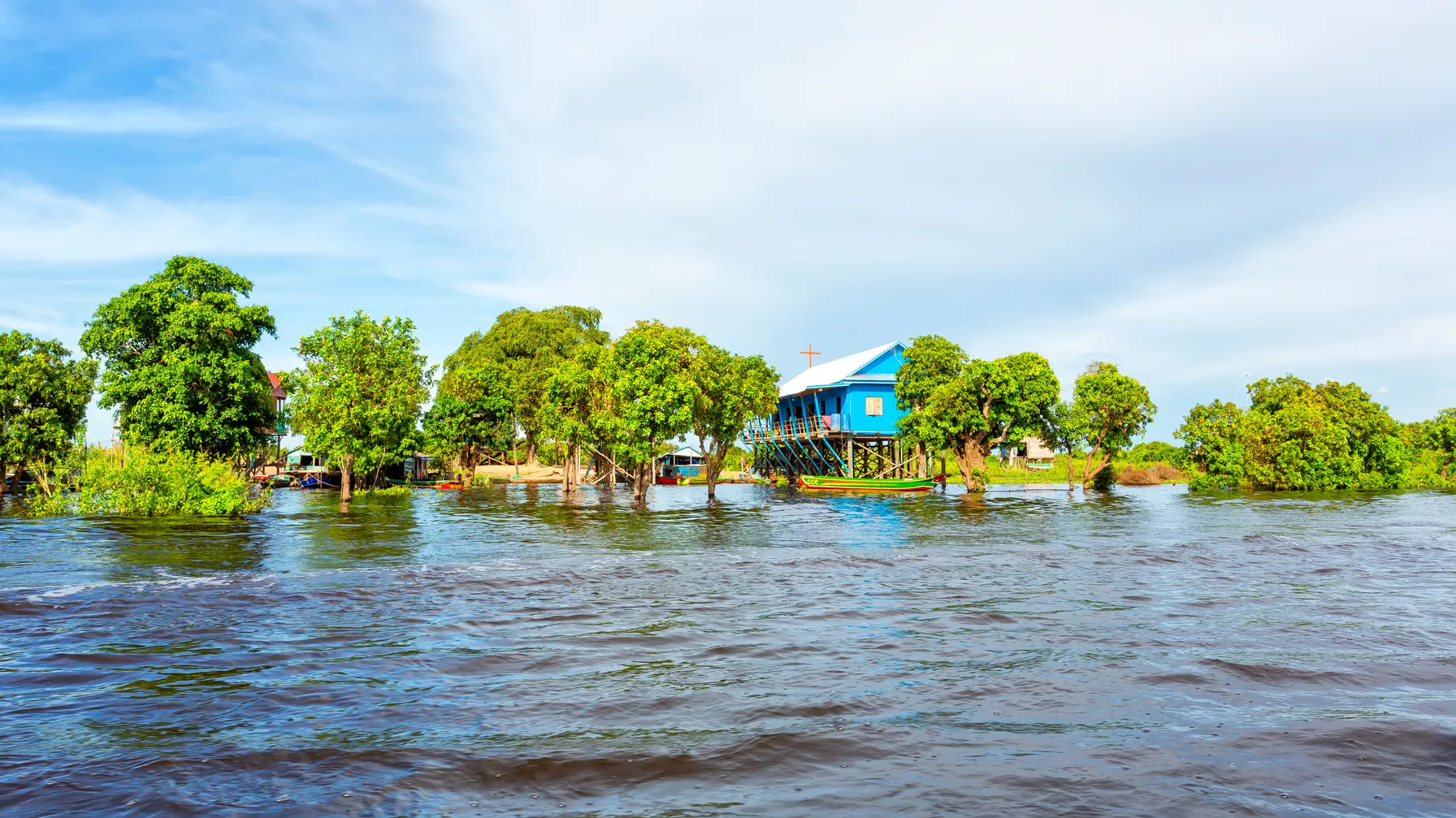
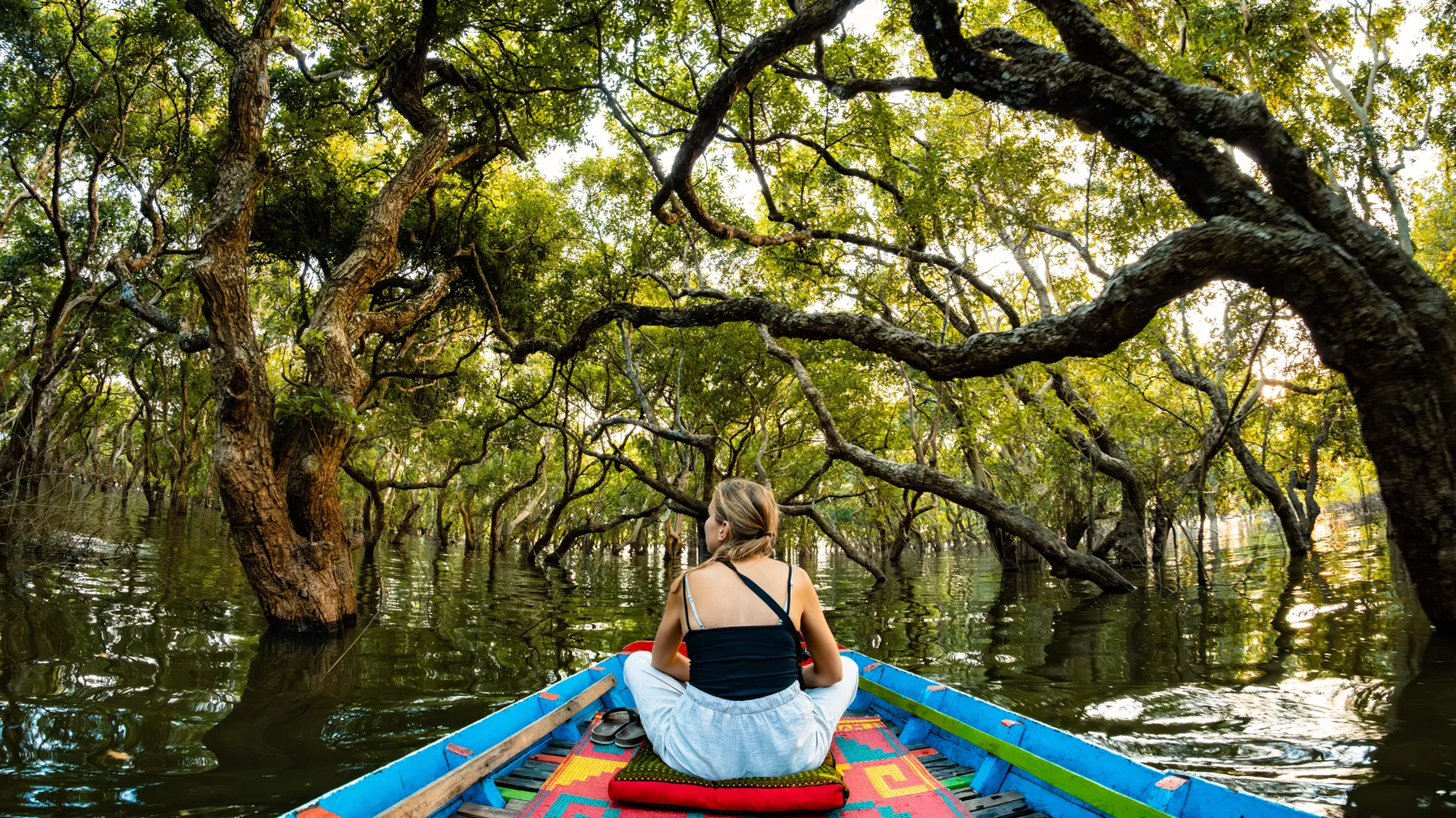
Beyond the capital, Tonlé Sap Lake opens a unique window into the country's on-the-water life. The floating villages along its shores — the lake is the largest in Southeast Asia during the rainy season — provide an authentic encounter with fishermen and their traditions. Take a moment of serenity on these calm waters at sunrise, a memory that is hard to forget.
How can you immerse yourself in the festivals and traditions during a trip to Cambodia?
Beyond monuments and museums, Cambodian culture is fully experienced in its festivals, flavors, and markets. These moments are often what travelers remember for the longest.
Festivals, cuisine and crafts, cultural events not to be missed
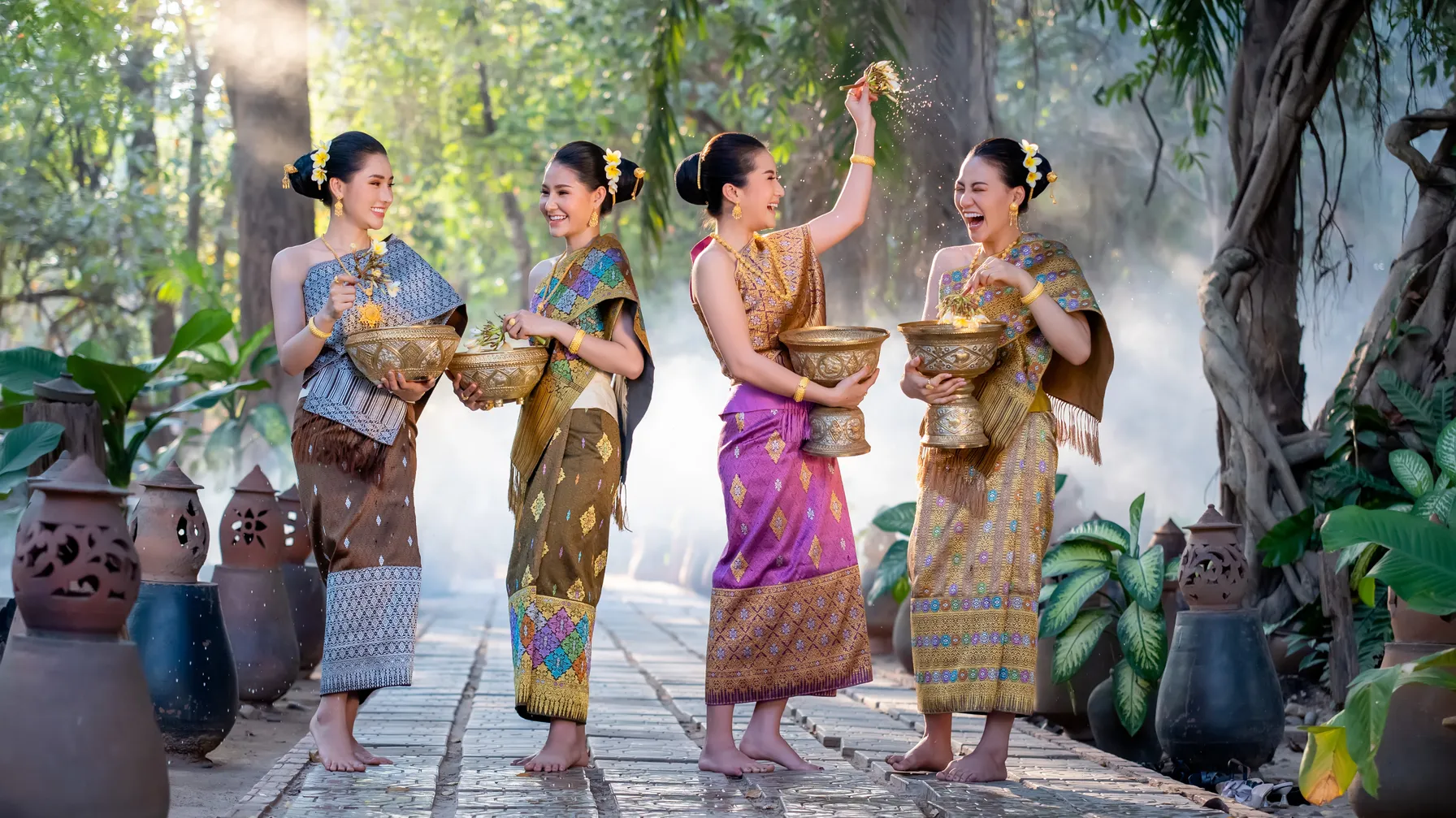
The Cambodian cultural calendar is punctuated by must-see celebrations. The Khmer New Year (Chaul Chnam Thmey), which takes place each year in April, is the country's most anticipated festival: dances, temple offerings, and street festivities animate the towns for three days. In November, the Water Festival (Bon Om Tuk) celebrates the reversal of the Tonlé Sap's flow with spectacular boat races in Phnom Penh, in a vibrant and lively atmosphere.
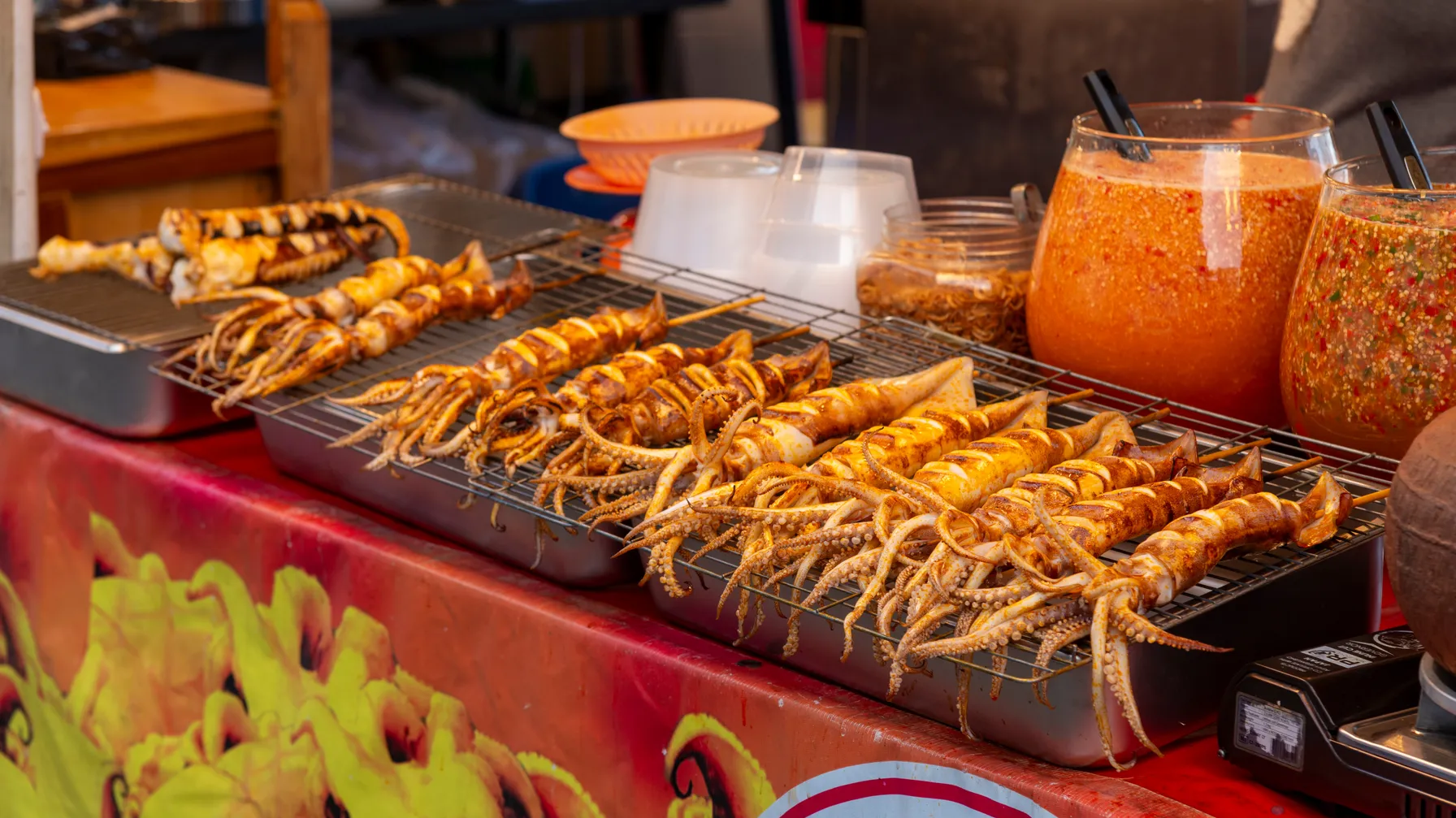
Cambodian cuisine is also a precious gateway to the local culture. Based on rice, fresh herbs, and fish from the Tonlé Sap, it is distinguished by its finesse and creativity. Among the dishes not to be missed:
- \n
- amok, coconut milk-poached fish steamed in a banana leaf; \n
- lok lak, marinated beef stir-fry served with rice and a citrus sauce; \n
- Kep crab with Kampot pepper, a true treasure of Cambodian terroir. \n
Craftsmanship also deserves special attention. The krama, a checkered cotton or silk scarf worn daily by Cambodians, has become a Khmer clothing icon. Prefer purchases directly from local artisans, particularly in Siem Reap and Phnom Penh, to support ancestral know-how in full revival.
Tips from our Travel Planners: to experience Cambodian culture up close, opt for a tailor-made trip that includes guided tours off the beaten path, meetings with artisans, and free time to explore at your own pace.
Book your trip to Cambodia now and tailor a cultural immersion to your preferences.
Demandez votre devis Cambodia sur-mesure 100% gratuit
 4.8
4.8+3.000 travelers satisfied
Frequently asked questions
What is the official language of Cambodia, and can you be understood in French?
The official language is Khmer. People who experienced the French protectorate still often speak our language, but English has become the common language of communication, especially in tourist areas such as Siem Reap and Phnom Penh. Some knowledge of Khmer, such as the sompiah accompanied by a « Choum Reap Sor » (formal greeting), is always greatly appreciated by the locals.
What is the best time to go to Cambodia and enjoy local festivities?
The dry season, from November to April, is ideal for visiting Cambodia in good weather. If you wish to attend local festivities, the month of November hosts the Water Festival in Phnom Penh, while April marks the Khmer New Year, one of the country's most festive celebrations.
Should you book Angkor temple visits in advance?
Purchasing the Angkor site entrance pass can be done on-site or online via the official APSARA Authority site. It is advisable to anticipate it to avoid queues, especially in peak season. For guided tours, a prior reservation is recommended to ensure the services of an expert guide who will truly enrich your discovery of Khmer heritage.