When to go to Cambodia: your guide to choosing the ideal time
What is the best season to discover Cambodia?
Cambodia enjoys a tropical climate marked by two distinct seasons that significantly influence the travel conditions and tourist experience.
The dry season, the favored time for your trip to Cambodia
The dry season extends from November to April and is undeniably the best time to visit Cambodia. During these months, the tropical climate shows its most welcoming face with pleasant temperatures ranging between 25°C and 32°C. The annual precipitation reaches its minimum, offering ideal conditions to explore every corner of this fascinating destination.
November marks the beginning of this blessed period when humidity gradually decreases after the monsoon rains. The landscapes still retain their lush greenery from the previous season, while the roads become passable again and tourist sites are perfectly accessible. This gentle transition allows for enjoying an authentic Cambodia, less frequented than in the peak high season.
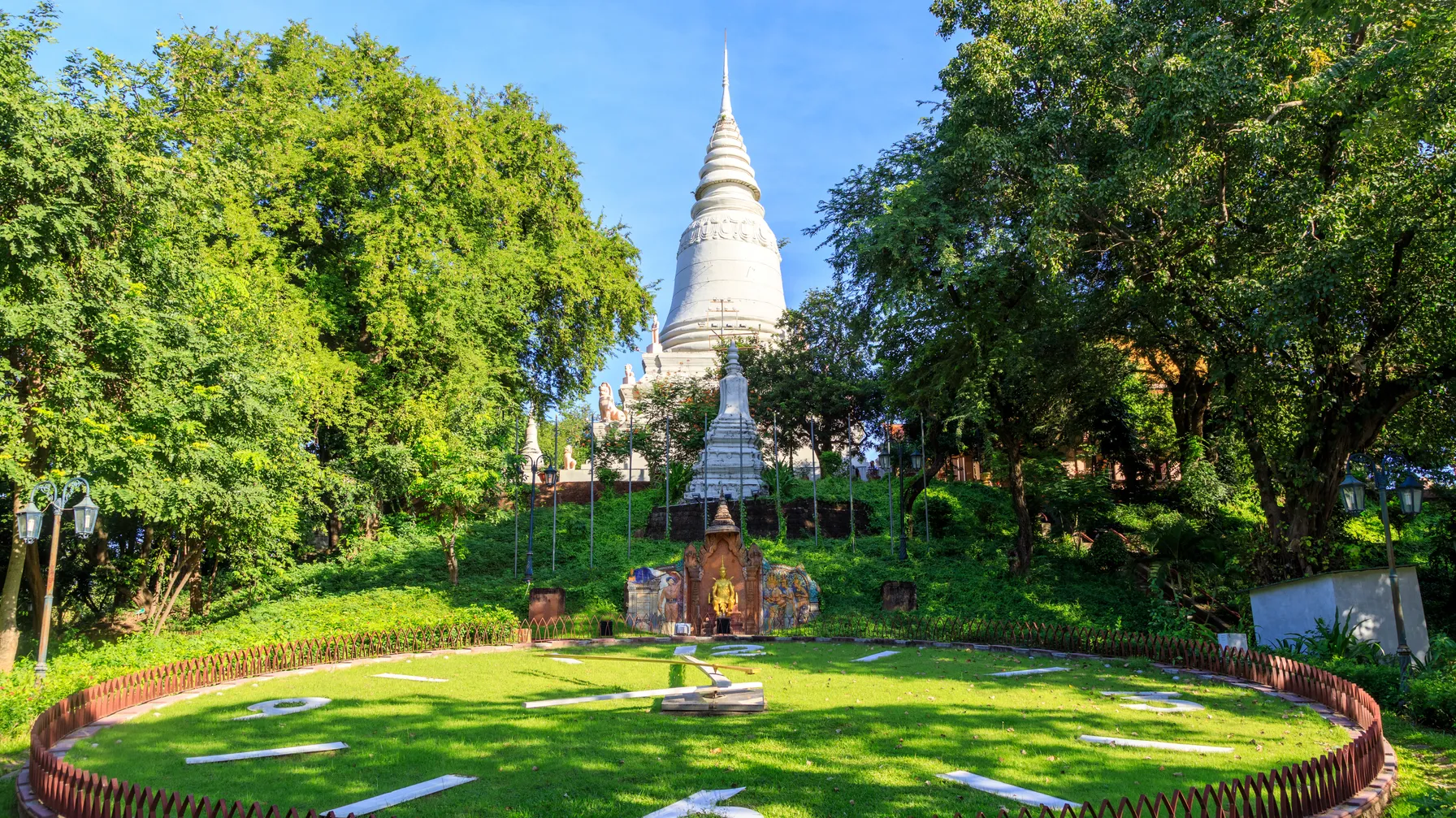
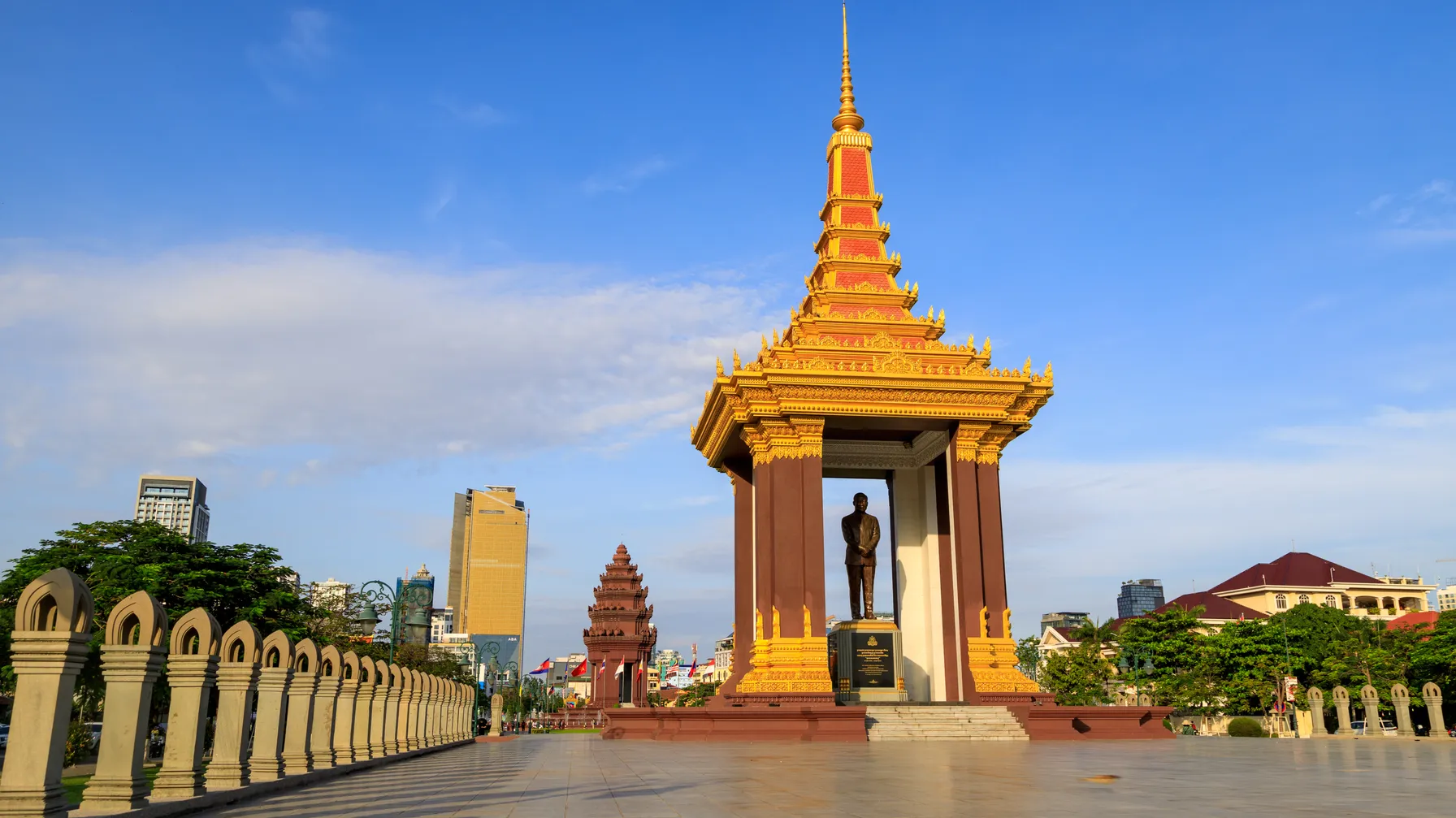
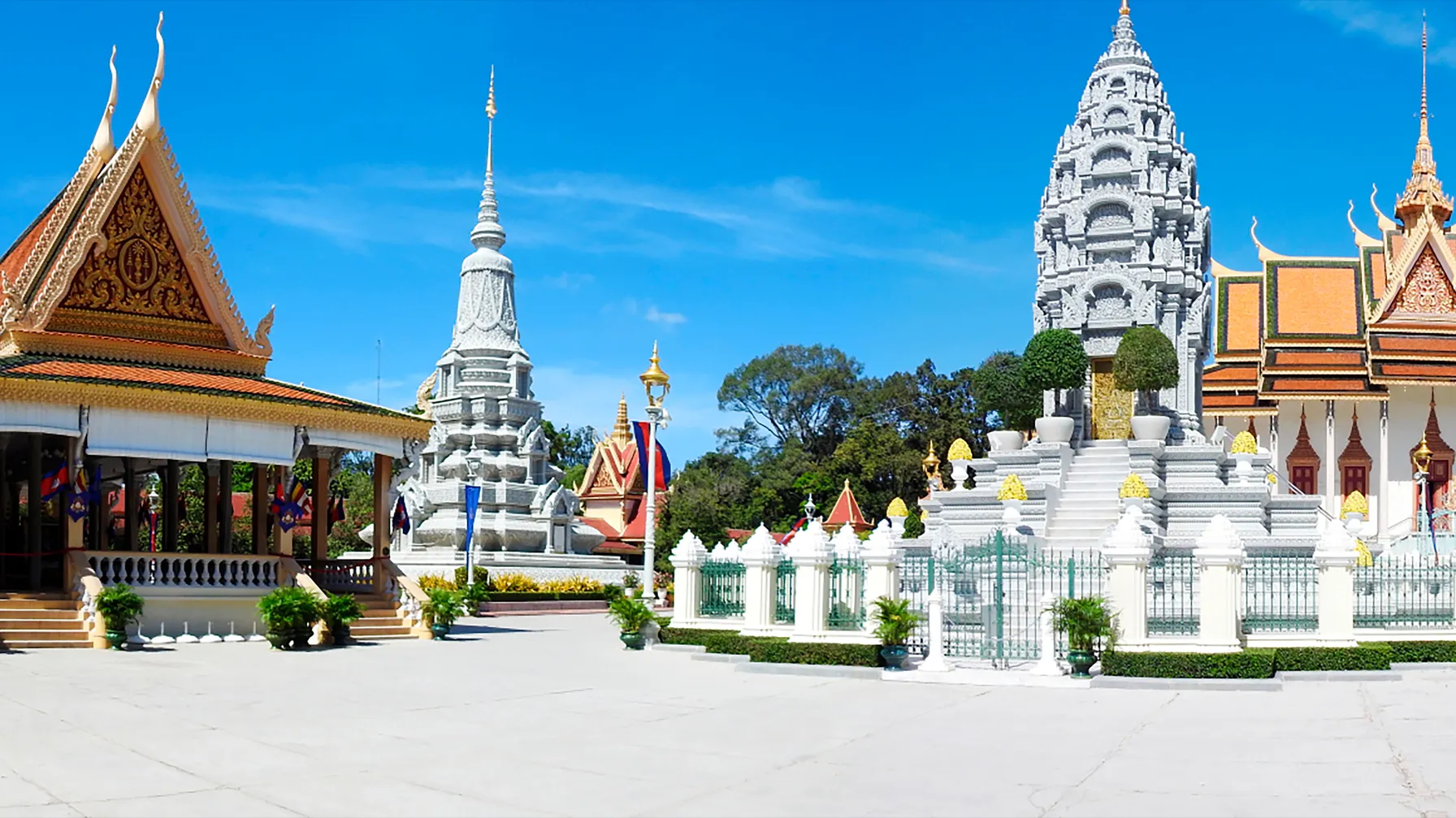
The generous sunshine during this period, with about 8 to 9 hours of daily sunlight, greatly facilitates your cultural visits and outdoor excursions. Siem Reap and its surroundings particularly benefit from these optimal conditions, allowing for exploration of the Angkor temples in remarkable comfort. Phnom Penh also offers perfect weather conditions for discovering its museums, palaces, and lively markets.
Contact us for more information on the best times to travel
December and January: exceptional months for traveling
Among all the dry season months, December and January stand out as the ideal time to travel to Cambodia. These months offer the perfect balance between relative coolness and optimal sunlight. Nighttime temperatures pleasantly drop to around 22-24°C, providing a welcome relief after sunny days.
January and February mark the heart of the peak tourist season, a period when weather conditions reach perfection. Humidity remains moderate, precipitation is almost non-existent, and daytime temperatures generally do not exceed 30-31°C. These exceptional conditions allow for full days of sightseeing without suffering from the overwhelming heat.
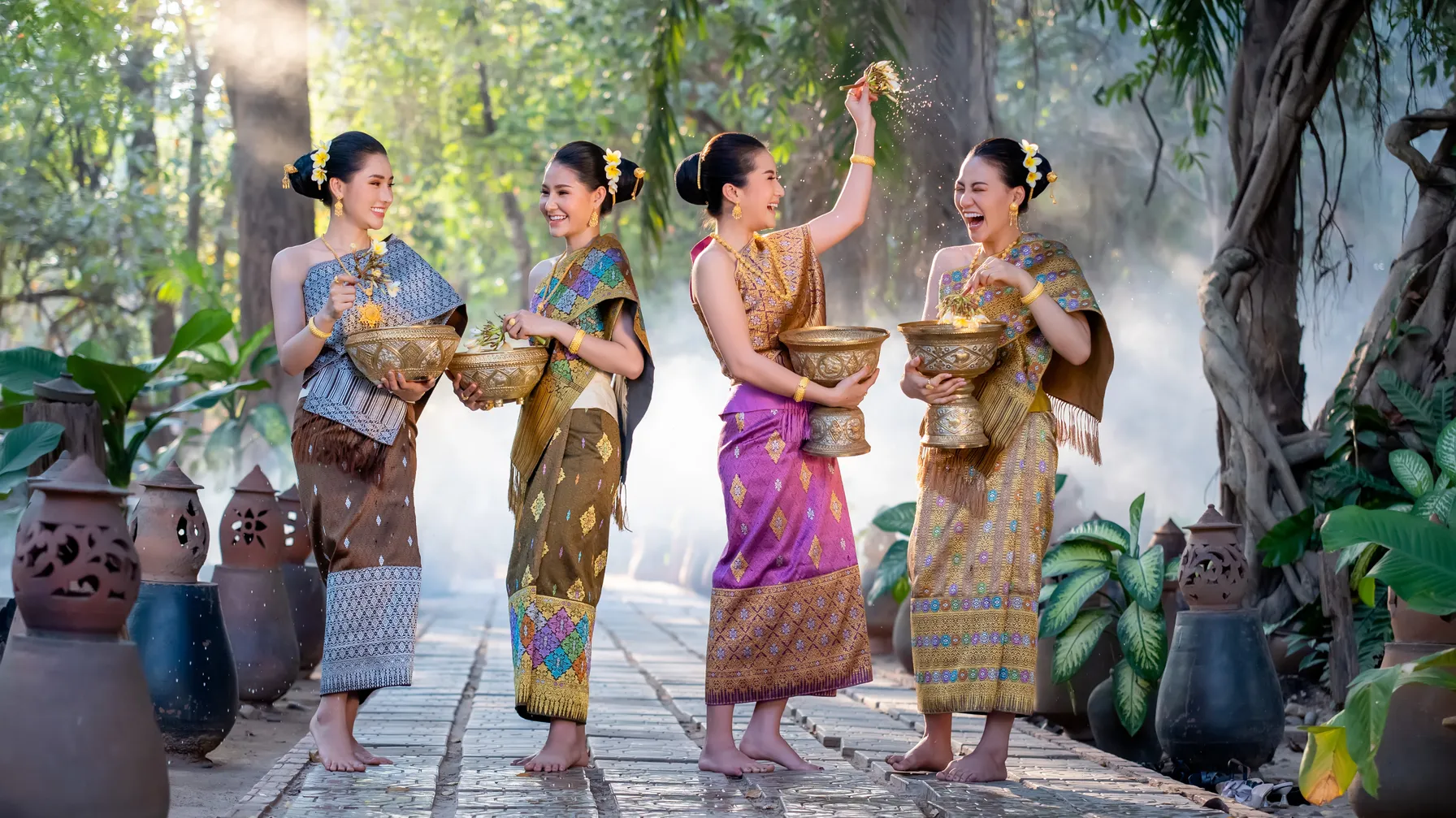
The Khmer New Year, celebrated in April according to the traditional calendar, contrasts with the December-January period when the country regains its peaceful rhythm after the end-of-year festivities. This period offers you a unique opportunity to discover Cambodia in a more intimate atmosphere, conducive to authentic encounters with the local populations.
Our advice: favor these months for a tailor-made trip including physical activities such as exploring Angkor Wat at sunrise or discovering the Cardamom Mountains.
Should you avoid the rainy season to visit Cambodia?
The wet season raises many questions among travelers, but merits a nuanced analysis to understand its real implications on your stay.
Understanding the tropical climate and monsoon
The rainy season, which lasts from May to October, radically transforms the face of Cambodia. This period corresponds to the arrival of the southwest monsoon, which brings significant but generally predictable rainfall. Contrary to popular belief, this season does not necessarily mean continuous rain, and traveling to Cambodia remains possible with some adjustments.
The hot and humid climate of this period is characterized by high temperatures, often ranging between 26°C and 36°C, accompanied by a significant humidity level. Rainfall generally concentrates in the late afternoon or evening, in the form of intense but relatively short showers. This regularity allows for organizing your morning activities without major constraints.
May marks the start of this season with sporadic first rains, while June to September represent the core of the monsoon with more frequent rainfall. October gradually signals a return to drier conditions, heralding the transition to the high season.
The two seasons of Cambodia directly influence the country's ecosystem, notably the famous phenomenon of the Tonlé Sap, which reverses its course during the monsoon, creating the largest freshwater lake in Southeast Asia.
The Unsuspected Benefits of the Wet Season
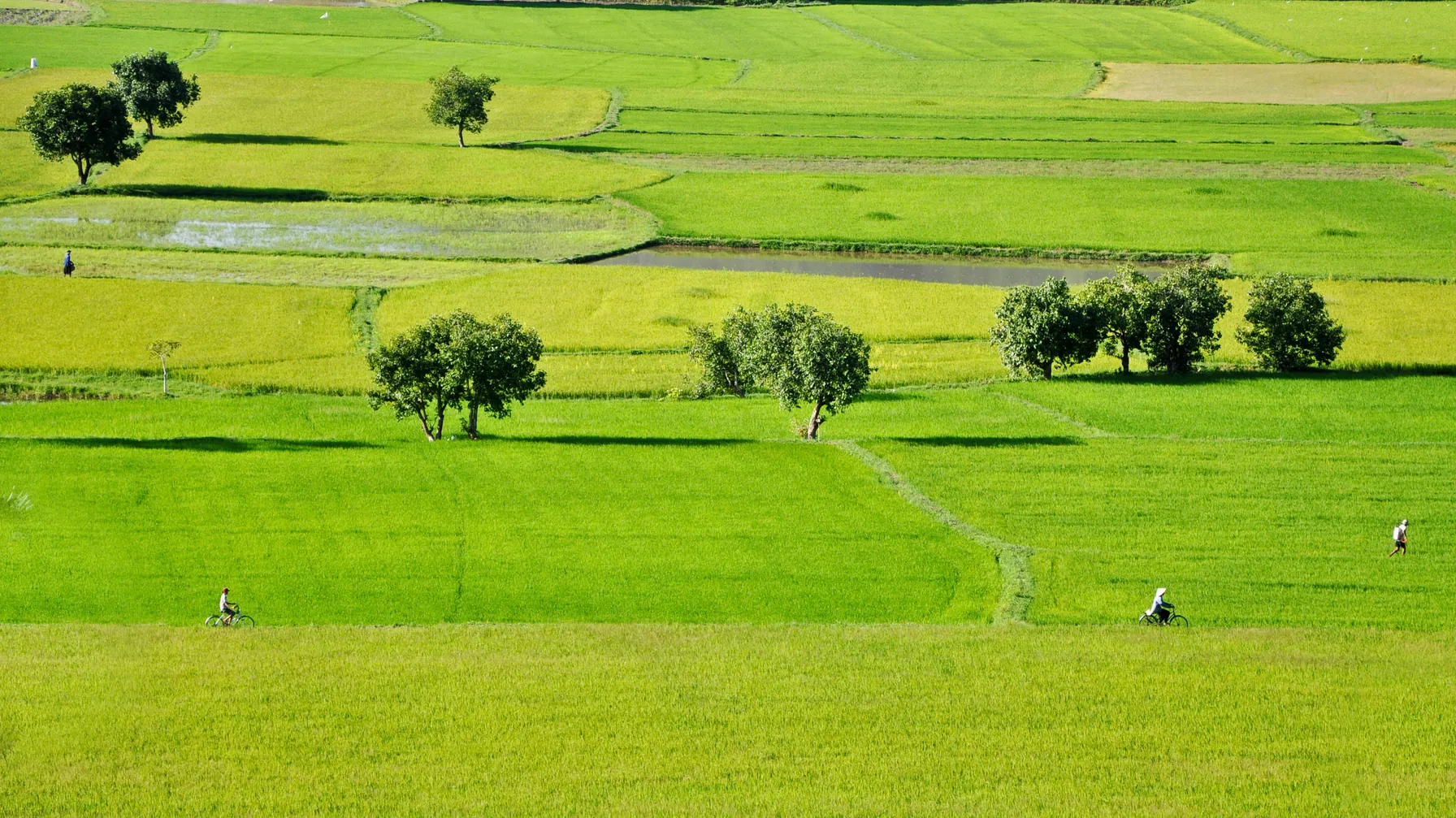
Discovering Cambodia during the rainy season reveals lesser-known aspects of this fascinating kingdom. The landscapes are adorned with a vibrant green, the rice fields offer their finest golden reflections, and the Cambodian nature expresses its lushness. This period also corresponds to the low tourist season, allowing you to enjoy the major sites in rare intimacy.
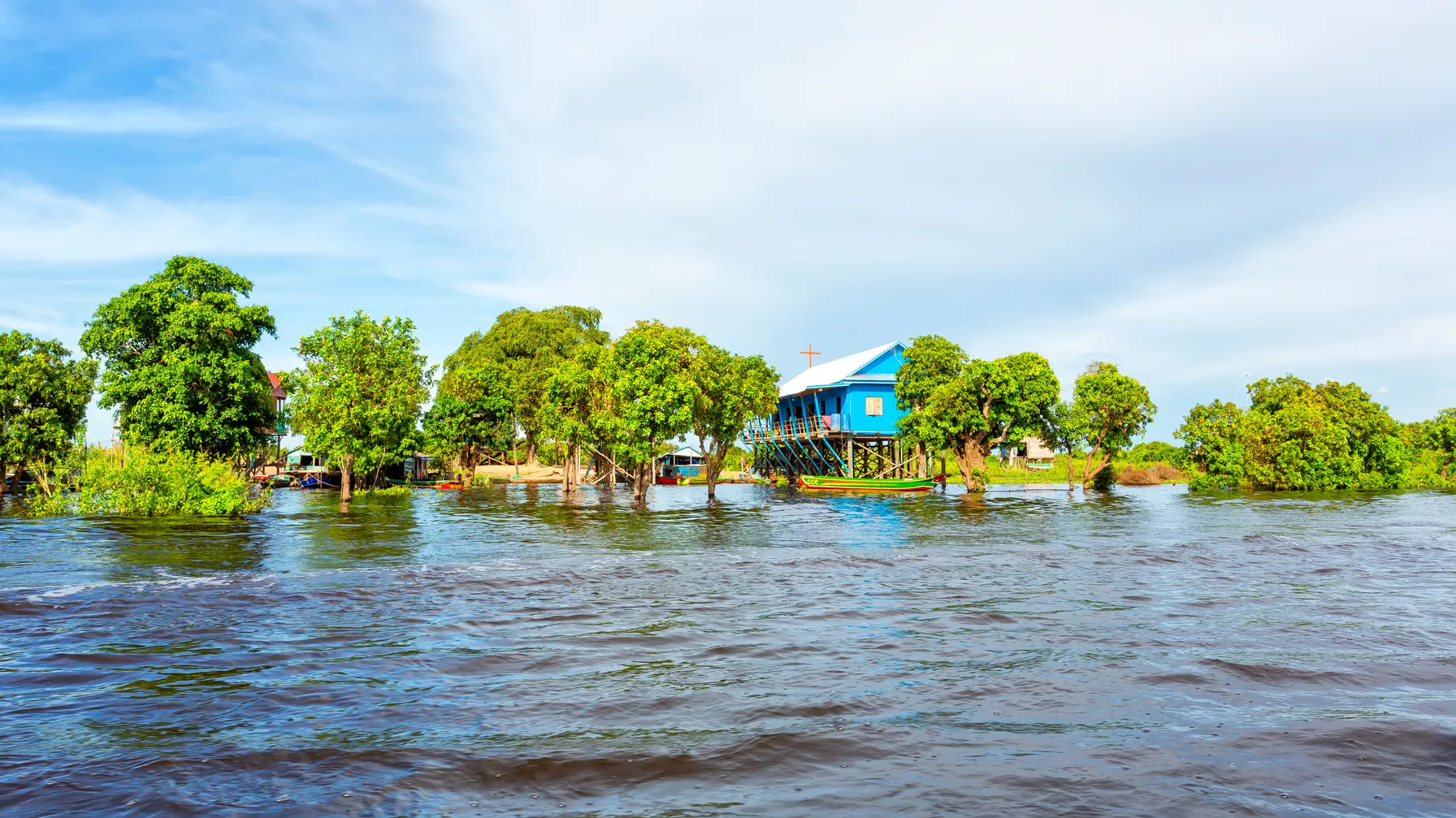
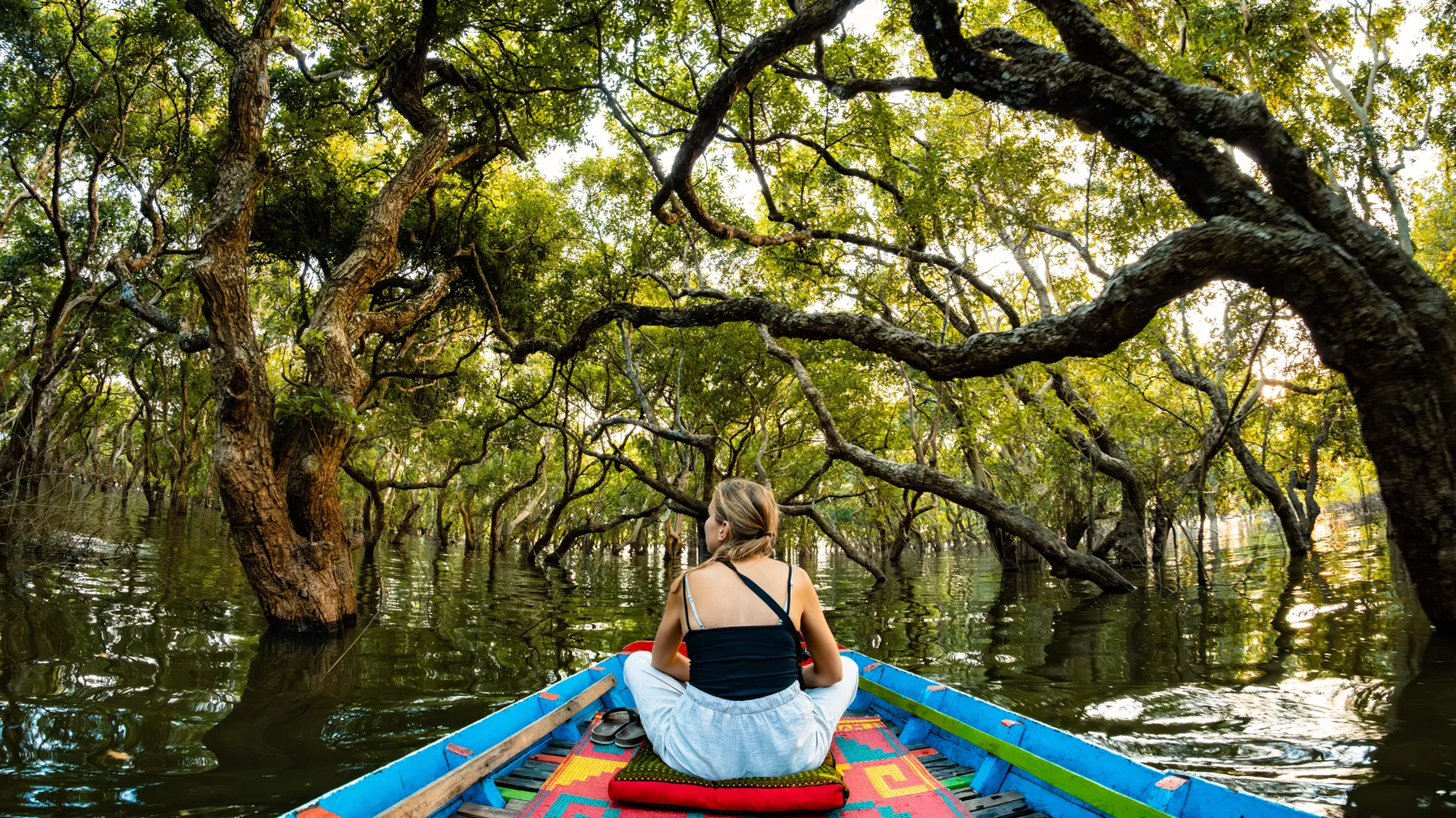
The floating villages of the Tonlé Sap reach their maximum splendor during this period. The lake, quintupling its surface area, offers an exceptional natural spectacle where fishing communities evolve in an extended aquatic environment. This unique experience alone justifies considering a trip during the monsoon.
The economic aspect also represents a significant advantage. Air and ground fares decrease noticeably, accommodations offer more advantageous conditions, and reduced congestion makes it easier to negotiate your services on-site.
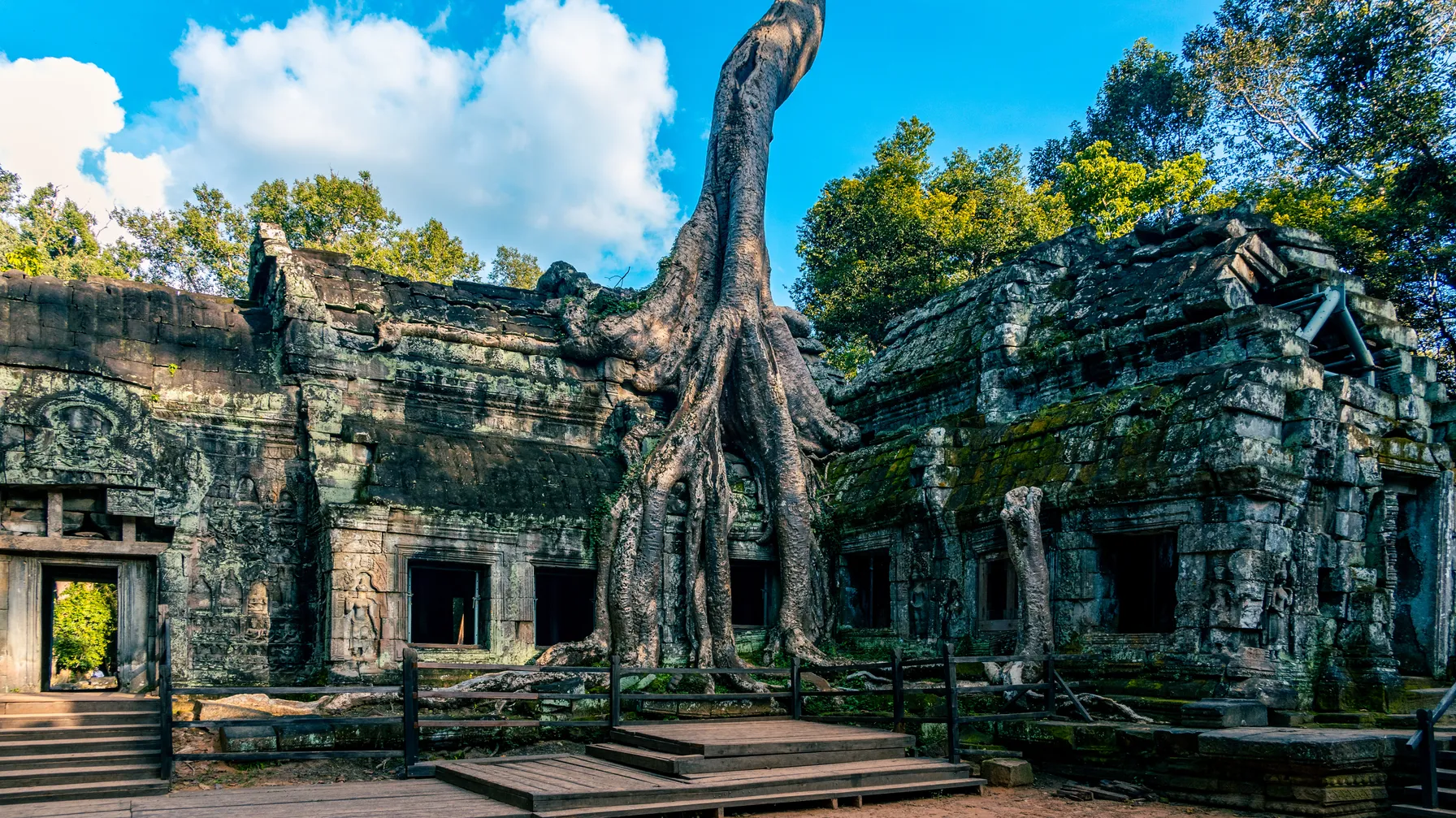
Did you know? The temples of Angkor gain in mystery during this period. The centuries-old stones, washed by the rains, reveal their original hues, while the tropical vegetation reclaims its rights over the Khmer architecture, creating exceptional photographic atmospheres.
Book your trip to Cambodia now
How to tailor your trip according to your desires?
Once the climatic characteristics are understood, the art of traveling in Cambodia lies in tailoring your stay to your priority interests and your traveler profile.
Angkor Temples and Heritage: What Timing to Choose
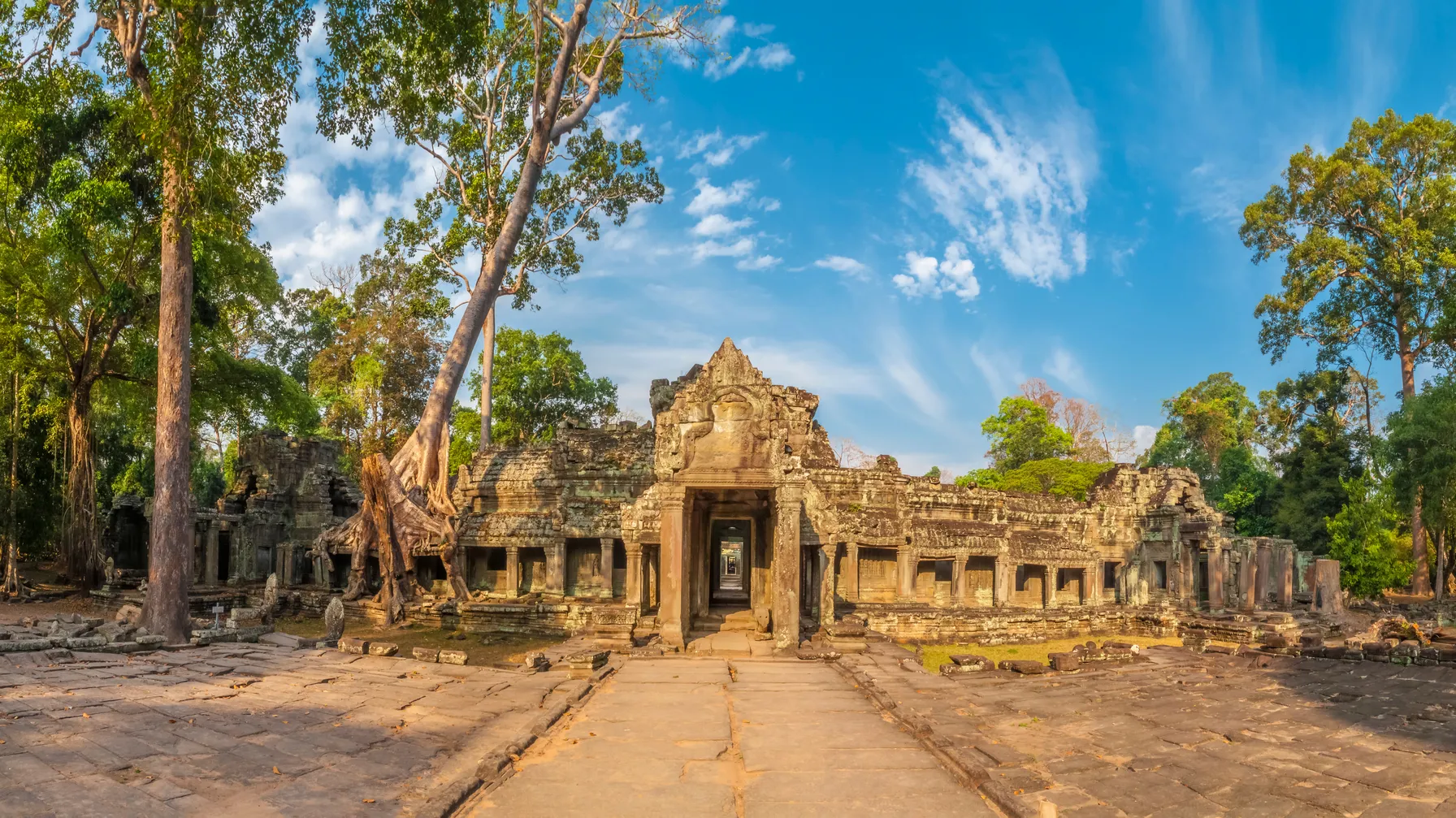
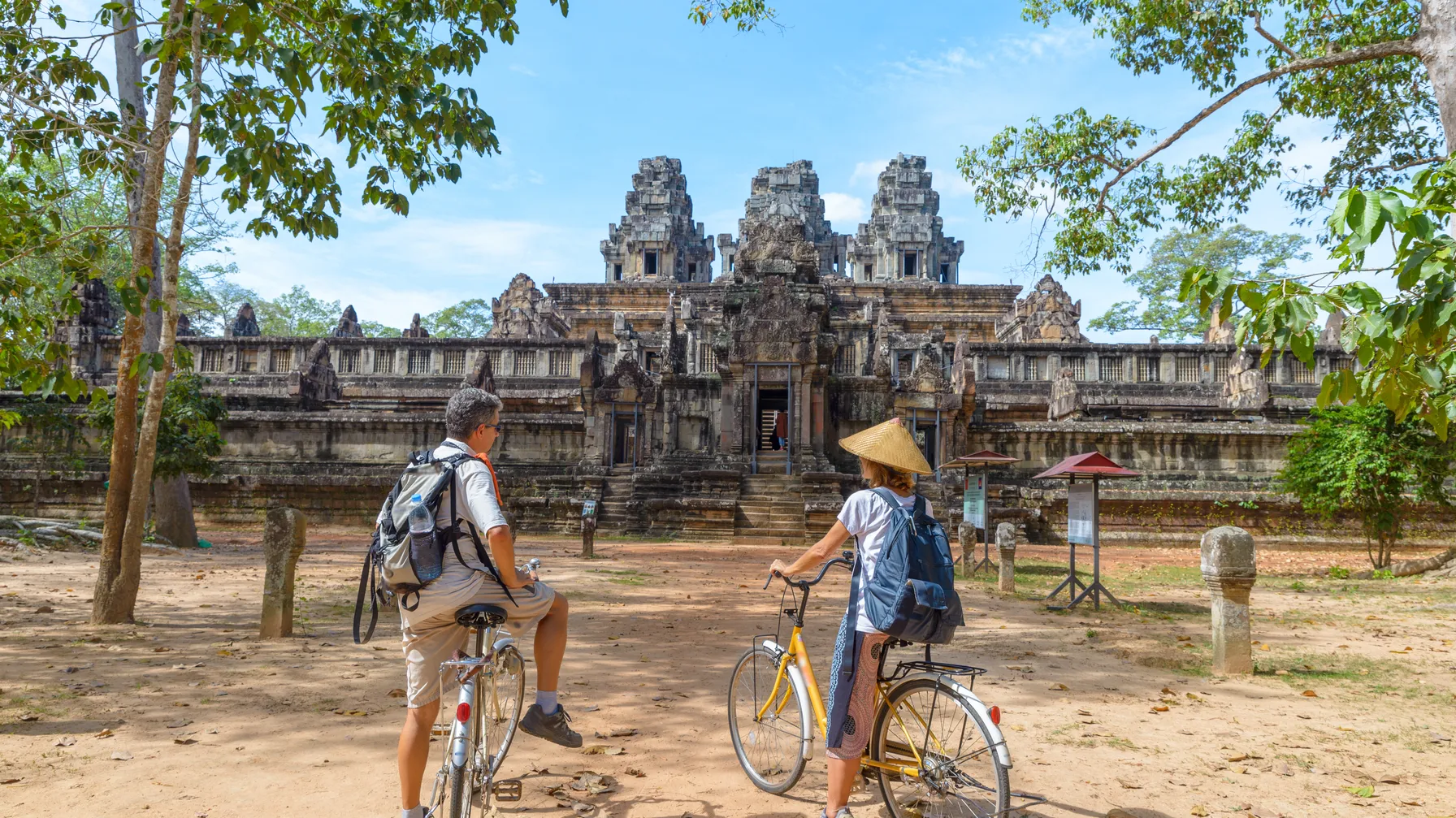
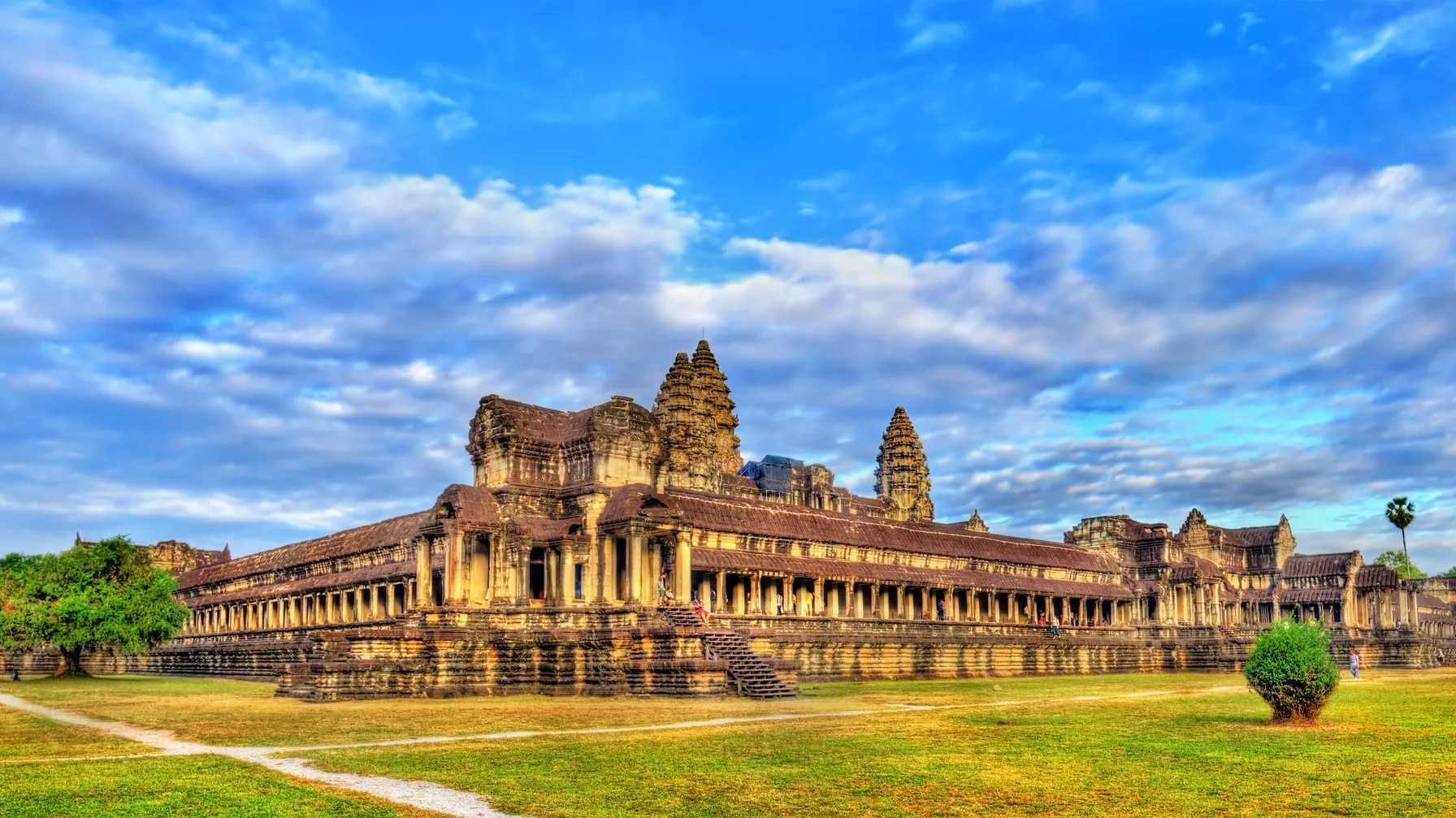
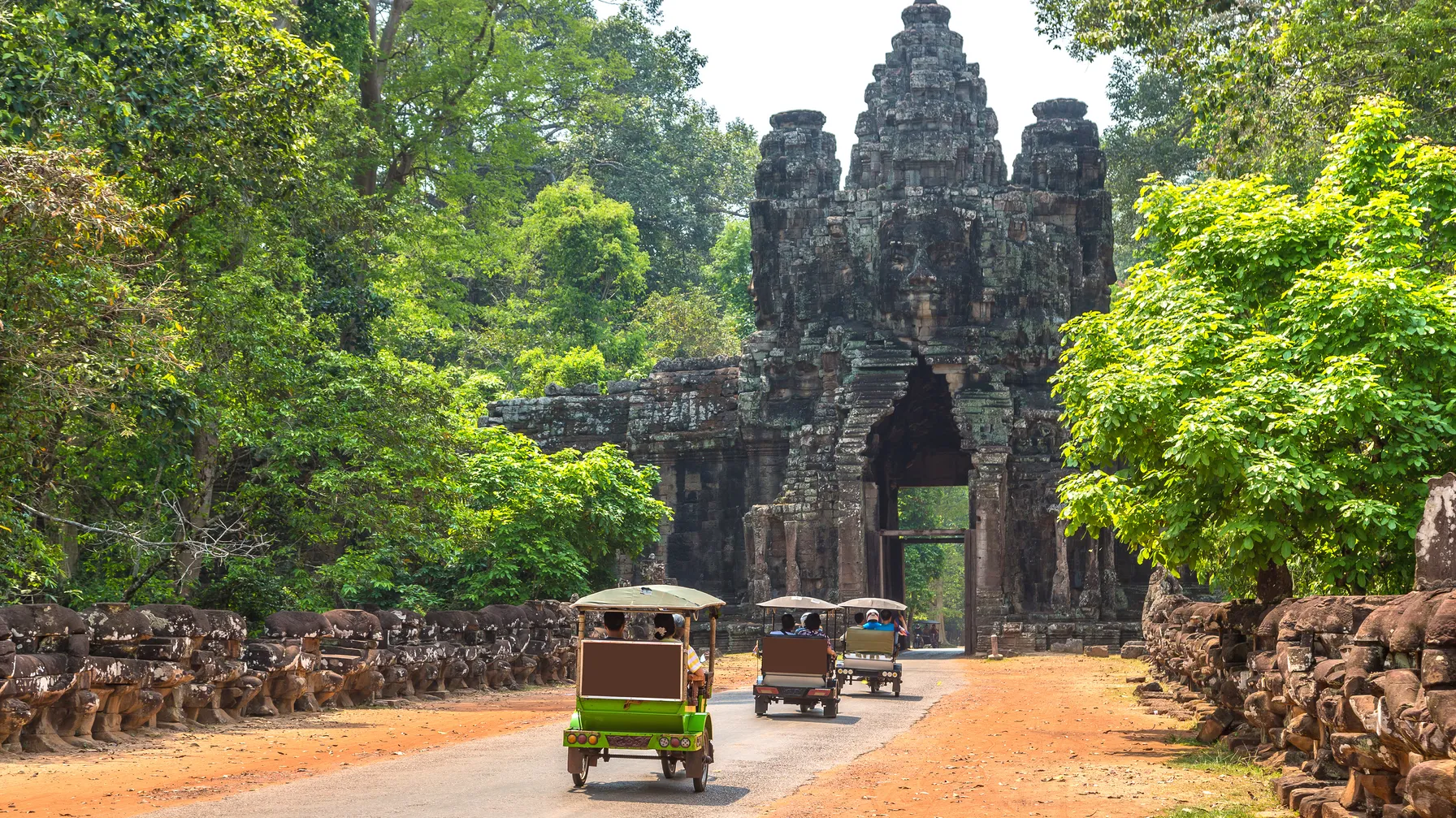
Visiting the temples of Angkor, a must-see gem of your trip to Cambodia, deserves special attention when choosing your travel period. November to March is the optimal time window to explore this UNESCO world heritage site under exceptional conditions.
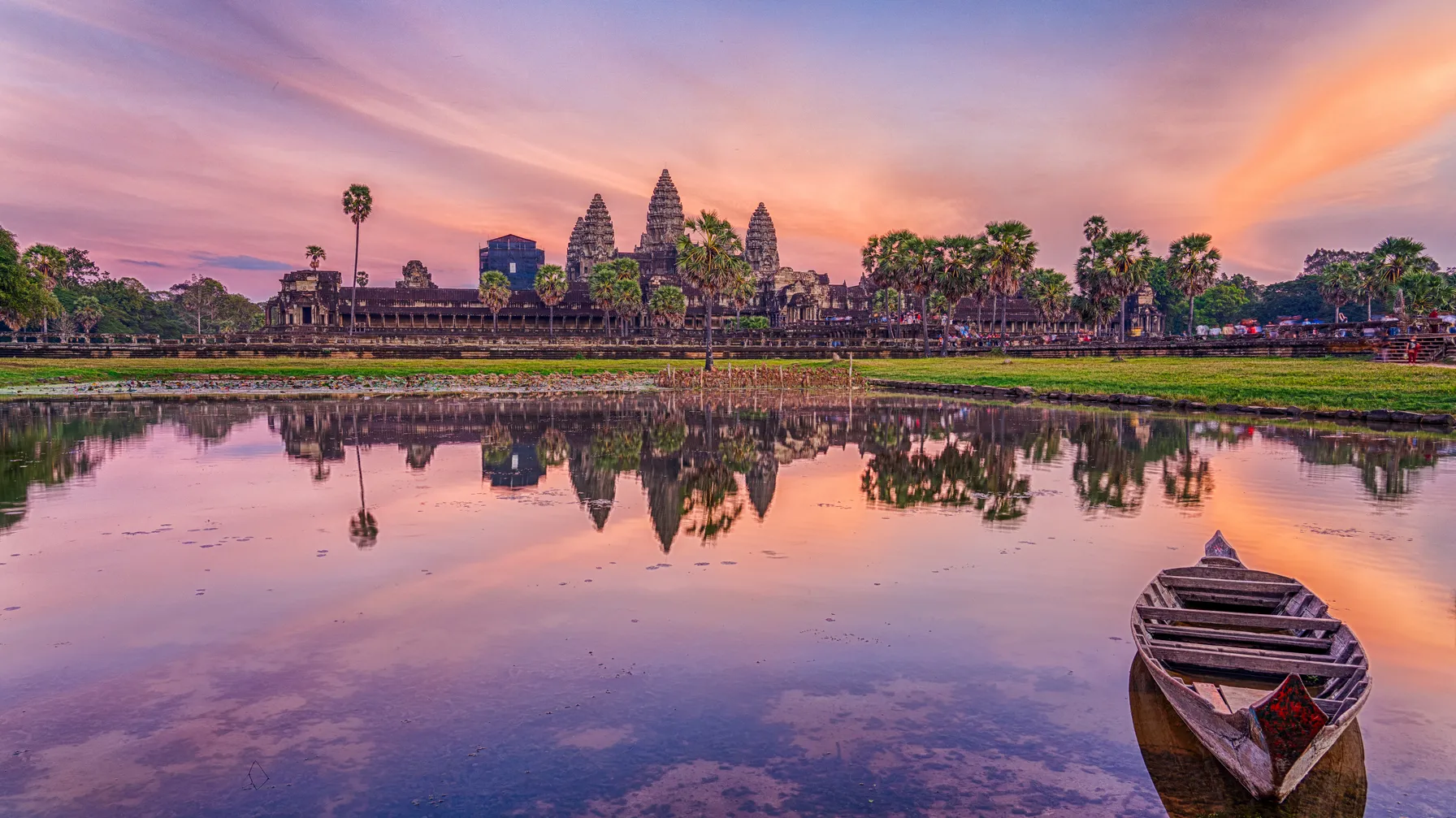
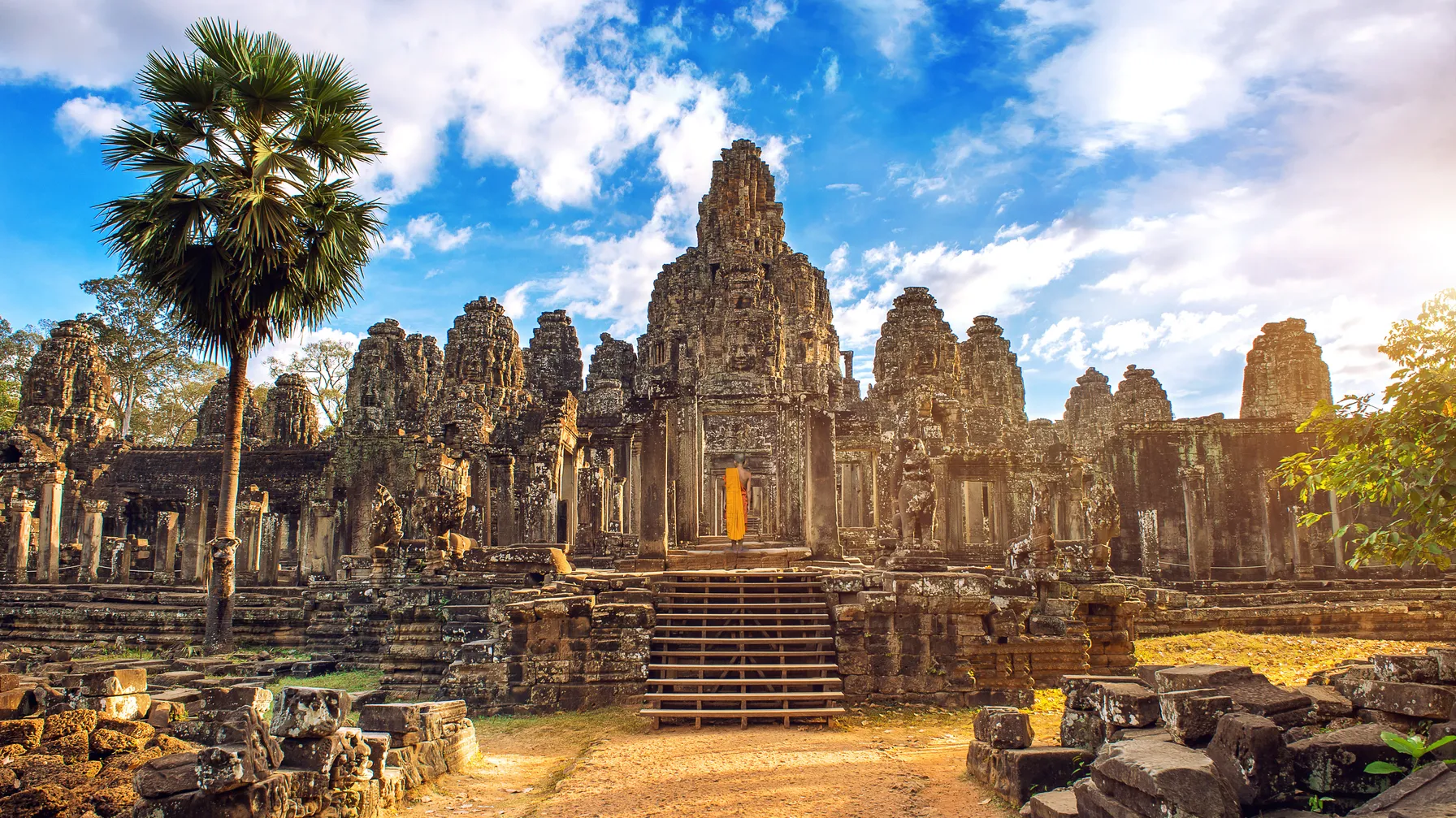
Angkor Wat reveals its full majesty during the dry season's sunrises, when the morning humidity quickly dissipates under the first rays. The mild temperatures allow for spending whole days exploring the hundreds of temples scattered around the Siem Reap region, without suffering from the fatigue caused by excessive heat.
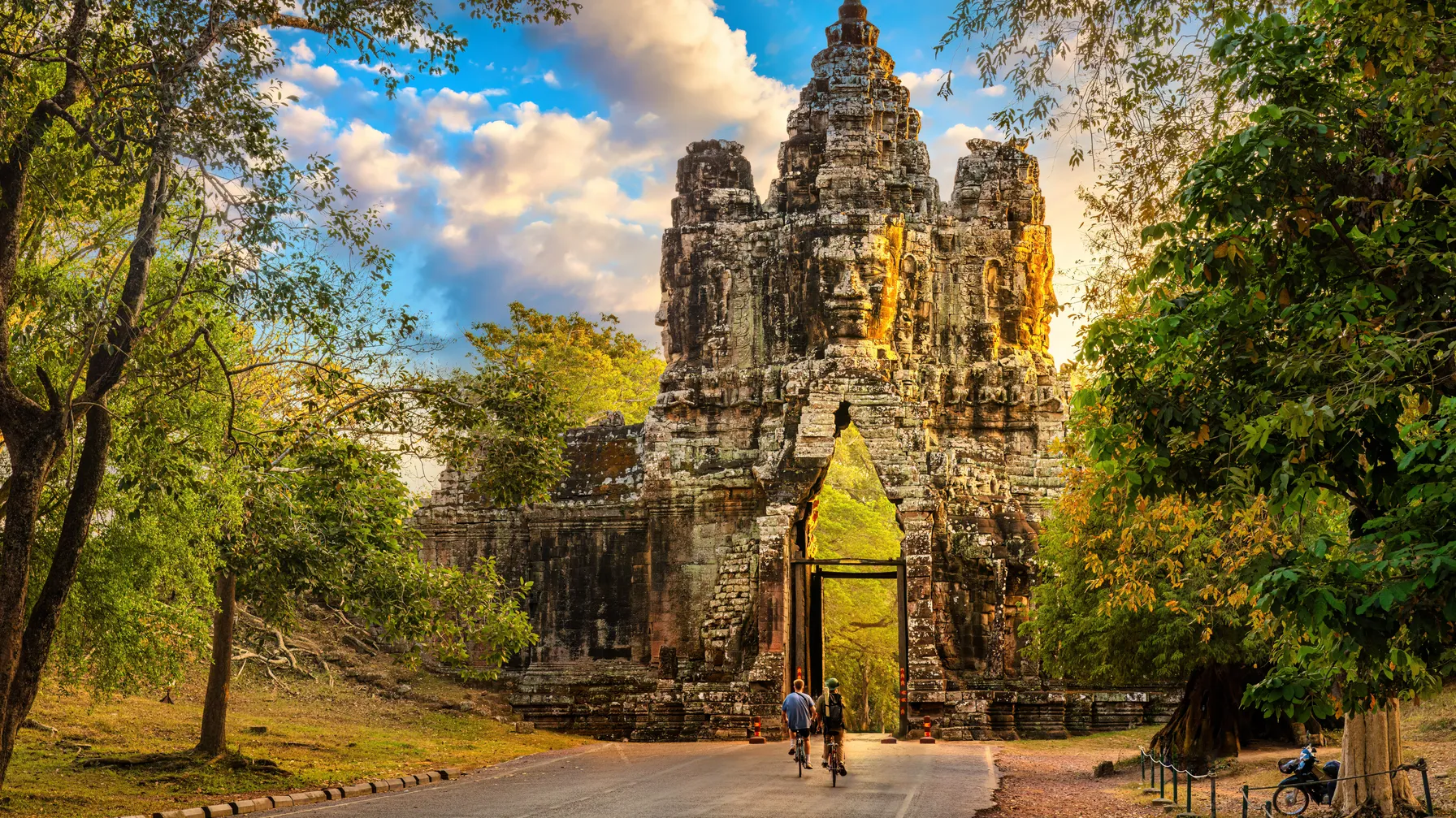
From November to April, the pathways of the archaeological complex remain navigable, facilitating movement between Ta Prohm, Bayon, and other Angkorian wonders. This period also allows full appreciation of the architectural details and bas-reliefs without the constraints of sudden showers.
The advice of our Travel Planners: schedule your Angkor visits very early in the morning or late in the afternoon, even in the dry season, to avoid large crowds and enjoy the best photographic light. Customized travel allows for optimizing these privileged slots.
Nature and Floating Villages: An Experience Depending on the Season
Exploring Cambodian nature and particularly the floating villages offers radically different experiences depending on the time of your visit. These seasonal variations greatly enrich your understanding of the country's unique ecosystem.
During the dry season, Tonlé Sap returns to its reduced size, concentrating the aquatic fauna and facilitating bird watching. This period also reveals the traditional fishing techniques of the local communities, adapted to low waters. Access to the villages becomes easier, allowing authentic encounters with the families of fishermen.
Conversely, the rainy season completely transforms this region into a vast navigable lake where stilt houses make perfect sense. The boating experience then becomes truly immersive, offering a unique perspective on human adaptation to natural cycles. This period coincides with the fish abundance, a crucial time for the local economy.
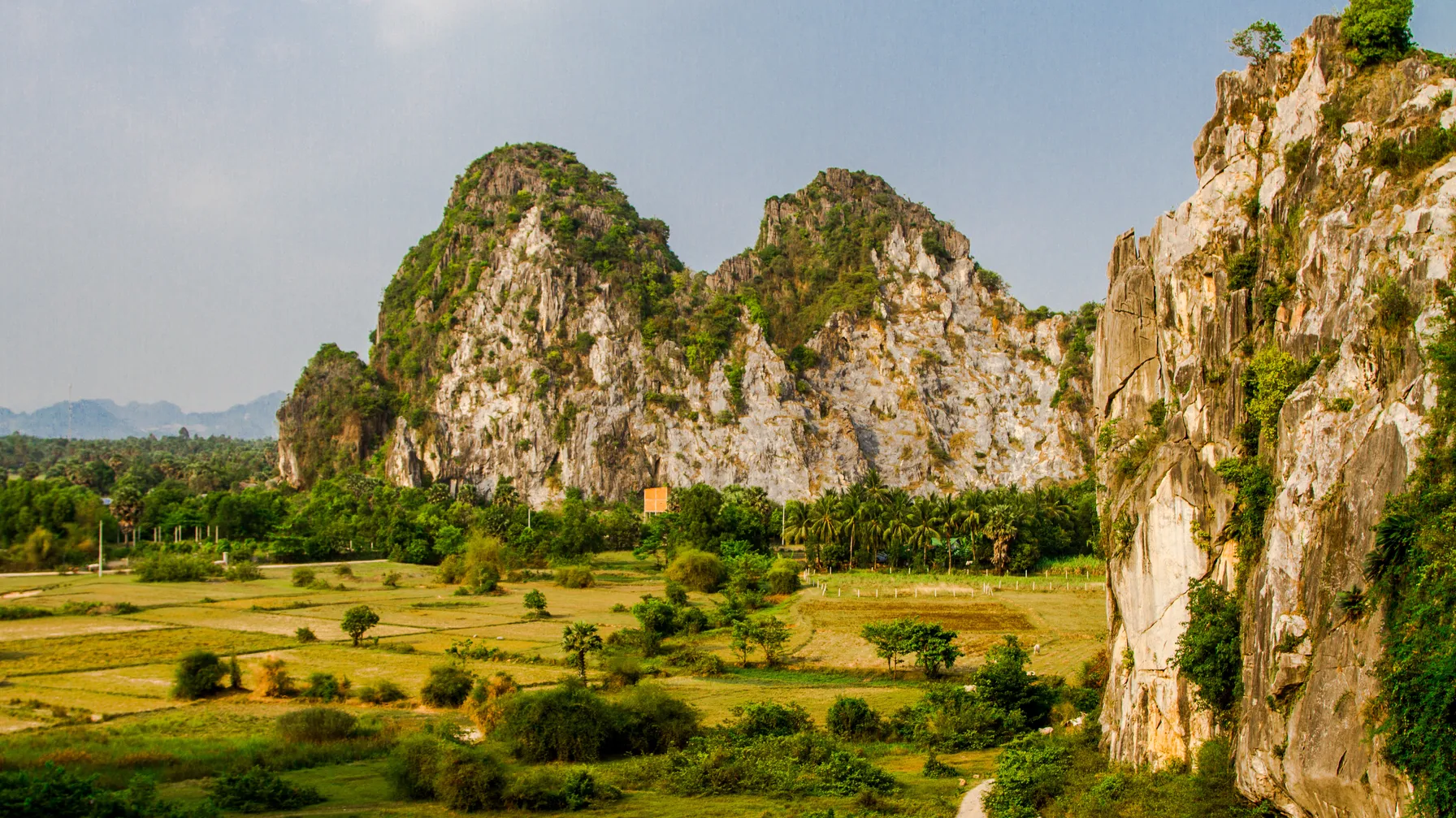
The tropical forest of the Cardamom Mountains also expresses its beauty differently according to the seasons. The dry season facilitates trekking and wildlife observation, while the monsoon reveals the power of tropical vegetation and the peak activity of biodiversity.
Contact us for more information
Demandez votre devis Cambodia sur-mesure 100% gratuit
 4.8
4.8+3.000 travelers satisfied
What advice should you follow to organize your stay?
Planning a trip to Cambodia requires a strategic approach that takes into account seasonal specifics to optimize your experience.
Budget and crowd management: customize your trip to optimize
Organizing a trip to Cambodia requires taking into account seasonal variations in crowd sizes and costs to optimize your budget while preserving the quality of your experience.
The period from November to March logically corresponds to the high tourist season. This increased footfall translates into higher hotel rates, especially in Siem Reap and Phnom Penh, as well as significant attendance at major sites. However, this period also guarantees the maximum availability of tourist services and direct international flights.
The shoulder season, corresponding to the months of April, May, and October, offers an interesting compromise. Weather conditions remain acceptable, especially in October which benefits from the transition to the dry season, while rates begin to decrease and the crowds diminish noticeably.
Insider tip: May and October often reveal surprising weather conditions, with prolonged sunny periods between rainy episodes. These months allow for an excellent value-for-money while avoiding the crowds of the high season.
The rainy season, from June to September, offers the most advantageous rates and maximum authenticity. Travelers seeking cultural immersion and willing to adapt their schedule to the weather conditions will discover a more intimate and economically accessible Cambodia.
Preparations and equipment according to the season
Your material preparation must absolutely adapt to the chosen period to ensure comfort and safety throughout your trip to Cambodia.
For the dry season, opt for lightweight clothing made of cotton or linen, enhanced sun protection (cream, hat, sunglasses), and comfortable closed shoes for long temple visits. The evenings can be cool, especially in December and January, so consider bringing a light long-sleeved garment.
Traveling during the rainy season requires specific equipment: quick-drying clothing, compact rain poncho or waterproof jacket, waterproof shoes or closed sandals, and airtight protection for your electronic devices. A compact umbrella can be useful for urban outings.
Regardless of the season, certain items remain essential: effective anti-mosquito repellent, a first aid kit adapted for tropical climates, and clothing respectful of local dress codes for temple visits.
Our commitment to you: we take care to advise you precisely according to the period and activities of your custom travel, so that every detail contributes to the success of your discovery of Cambodia. This particular attention guarantees an optimal experience, regardless of the weather conditions encountered.