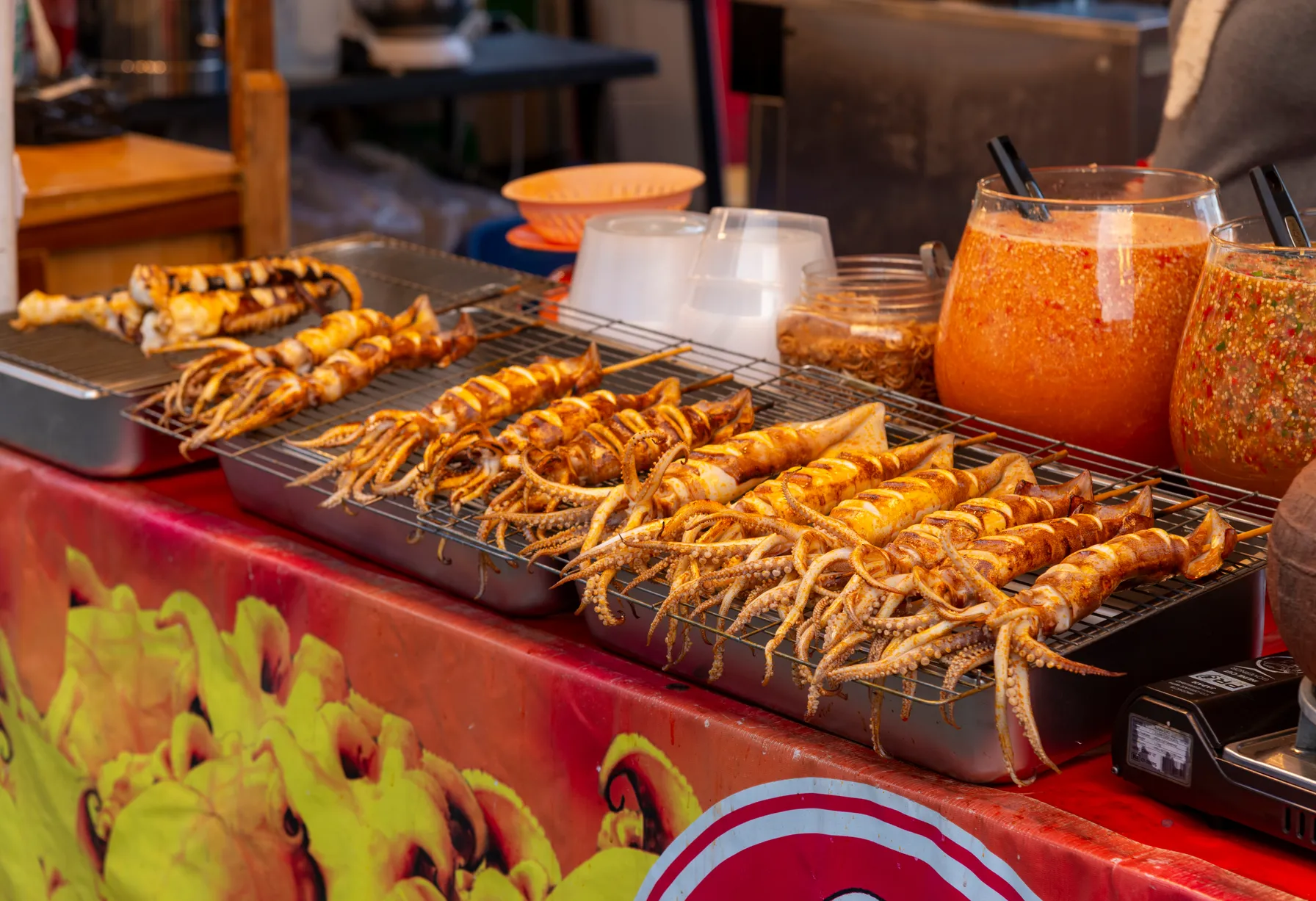
Gastronomy in Cambodia: the essential flavors of Khmer cuisine
What makes Cambodian cuisine so unique in Southeast Asia?
Cambodian cuisine occupies a special place in the regional gastronomic landscape. Neither Thai nor Vietnamese, it carries its own identity, built at the crossroads of traditions coming from very different horizons. To understand it, one must go back to the very foundations of Cambodian culture.
A cuisine forged by centuries of cross-cultural influences
La cuisine cambodgienne a su absorber les apports de la Chine, de l'Inde, du Vietnam et même de la France, sans jamais renoncer à son caractère singulier. La pâte de curry khmère, appelée kroeung, en est l'illustration parfaite : préparée exclusivement à partir d'ingrédients frais — citronnelle, galanga, feuilles de citron kaffir, échalotes et piments — elle se distingue nettement des currys indiens élaborés à partir d'épices sèches. Le poisson fermenté, sous forme de prahok, constitue quant à lui un condiment fondateur de la table khmère. Souvent surnommé le "fromage du Cambodge", il apporte une profondeur aromatique unique à une grande partie des plats traditionnels. C'est ce dialogue entre tradition locale et influences extérieures qui donne à la gastronomie cambodgienne toute sa richesse.
Exceptional ingredients at the heart of every dish
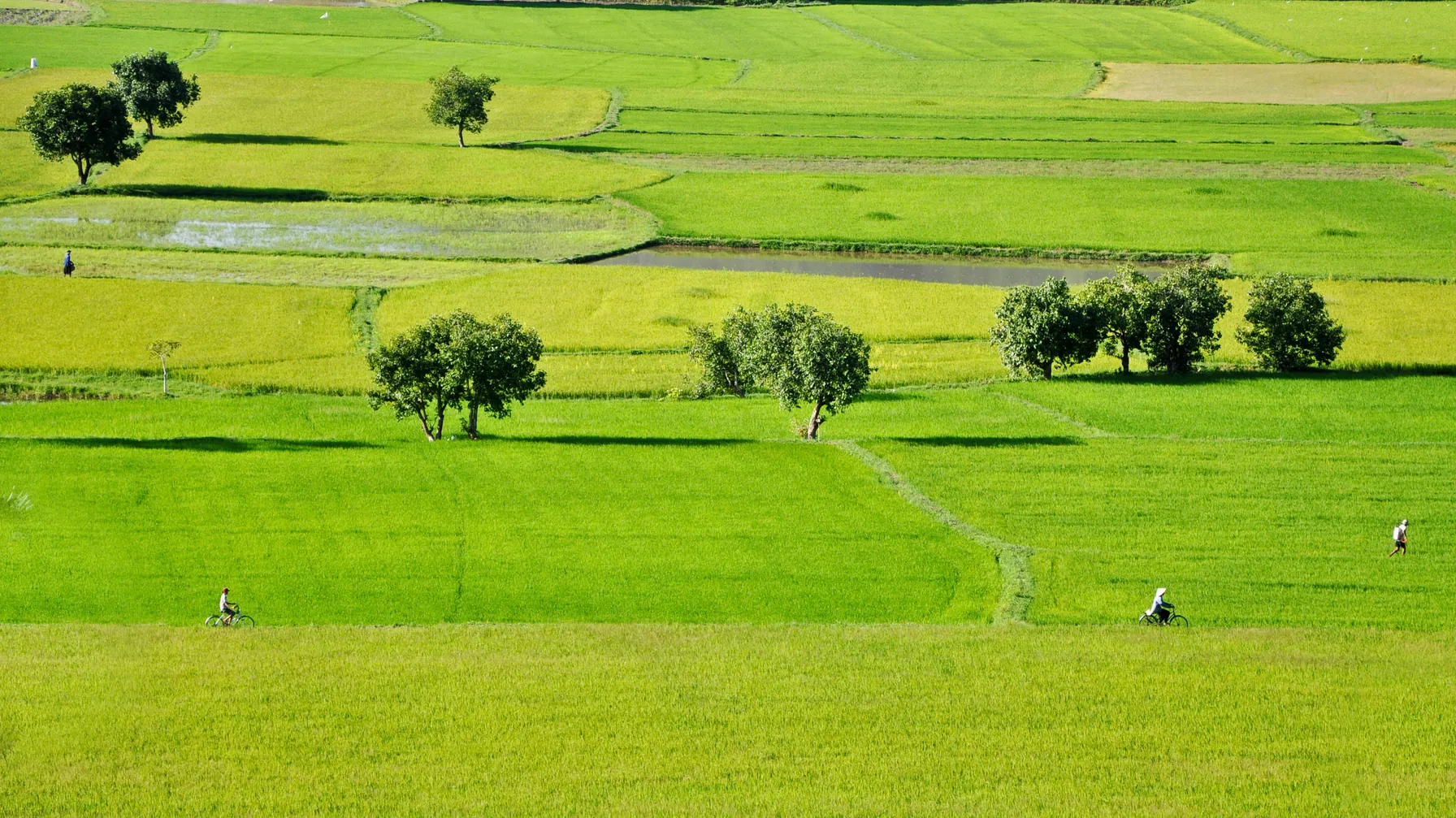
A trip to Cambodia also reveals products of exceptional quality. Kampot pepper, globally renowned, appears as freshly harvested green pepper or black pepper with complex notes, and enhances both seafood and marinated beef. Palm sugar, extracted from sugar palms that dot the Cambodian landscape, brings a natural sweetness to slow-cooked dishes. Coconut and coconut milk, omnipresent, flavor soups, curries and desserts. Fresh vegetables and aromatic herbs — Thai basil, coriander, mint — complete a generous palette where every detail is designed for balance of flavors.

Demandez votre devis Cambodia sur-mesure 100% gratuit
 4.8
4.8+3.000 travelers satisfied
What are the must-try dishes to taste while traveling in Cambodia?
Khmer cuisine rests on a balance between festive dishes, street food, and everyday recipes. Here is a selection of must-try dishes to discover.
- \n
- L'amok trei: steamed fish mousse cooked in a banana leaf, with coconut milk and kroeung — the national dish par excellence ; \n
- Lok lak: marinated beef stir-fried in a wok, served on a bed of lettuce with a lime sauce and Kampot pepper, often accompanied by a fried egg ; \n
- Kuy Teav: rice noodle soup in fragrant pork broth, garnished with fresh herbs and shrimp — a Cambodian breakfast ritual ; \n
- Bai Sach Chrouk: pork marinated in coconut milk, slowly grilled over embers and served with white rice and pickled vegetables, to start the day right ; \n
- La plea sach ko: raw beef salad — or sach ko — marinated in lime juice, lemongrass and fresh herbs, tangy and fragrant to taste ; \n
- Green pepper crab: a specialty of the Cambodian coasts, particularly near Kep and Kampot, where seafood meets the brightness of freshly harvested green pepper. \n
The best tip: to sample kuy teav in the best conditions, go early in the morning to neighborhood stalls in Phnom Penh — that's where Cambodian families gather before starting their day.
<p>How to have a memorable culinary experience in Cambodia?</p>
Discovering Cambodian gastronomy hinges as much on the dishes as on how you discover them. Markets, cooking classes and local addresses are gateways to a vibrant and generous culinary culture.
Local markets, food tours and daily culinary life
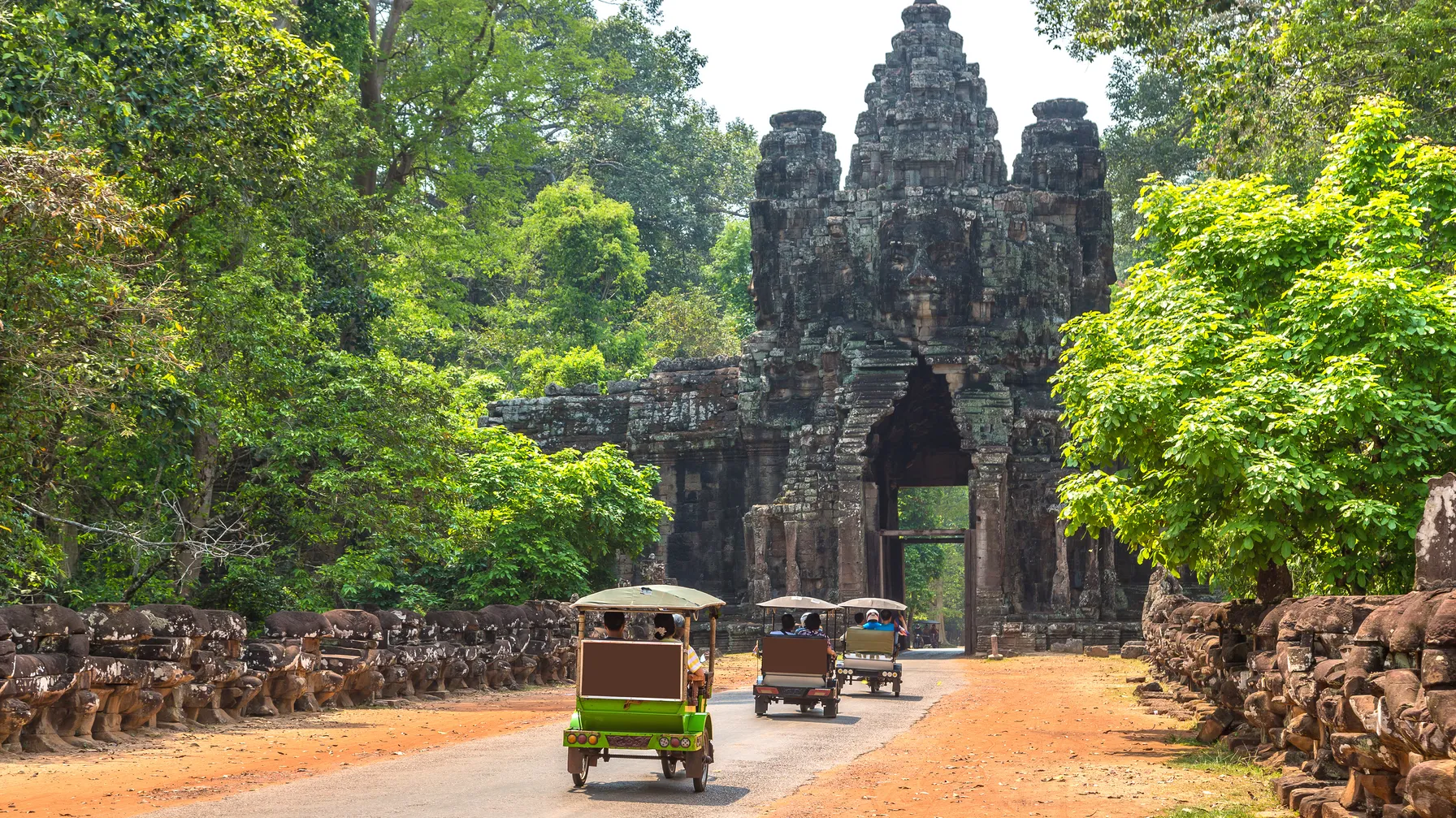
The markets are the beating heart of Cambodian gastronomy. In Phnom Penh, stalls teem with dried fish, aromatic herbs, spices and tropical fruits in a vibrant and authentic atmosphere. In Siem Reap, tuk-tuk food tours at dusk let you wander the lively alleys and stop at carefully selected addresses to taste local specialties. Tonlé Sap, the country’s true aquatic lung, supplies freshwater fish to a large part of the national gastronomy — a natural wealth that is found in every samlor, every amok, every daily dish.
Did you know? The rainy season, from May to October, is when Tonlé Sap reaches its maximal volume, offering an abundance of freshwater fish and tropical fruits particularly generous on the plates.
Cooking classes, gourmet addresses and practical tips
Participating in a Khmer cooking class is one of the most enriching experiences there is. In Siem Reap as in Phnom Penh, local chefs offer hands-on workshops, often preceded by a market visit, to learn how to prepare amok, lok lak or kuy teav. For travelers seeking an exceptional table, some restaurants in the capital serve tasting menus that reinterpret Khmer cuisine with remarkable standards. In Kampot, sharing a riverfront meal around a green pepper crab is a rare moment of sharing, brought close to the terroir.
The tips from our Travel Planners: always flag your allergies in advance, as fish sauce, peanuts and shellfish are ubiquitous in Cambodian cuisine. If in doubt, don't hesitate to specify your needs directly in the kitchen.
Book your trip to Cambodia now and craft your tailor-made culinary itinerary.
Frequently asked questions
What typical drinks accompany Cambodian meals?
Khmer meals are often accompanied by hot green tea, fresh coconut water, or teukolok, a fruity shake prepared with milk, crushed ice and seasonal fruits such as mango or banana. The local Angkor and Cambodia beers, light and refreshing, pair very well with spicy or grilled dishes.
Is Cambodian cuisine suitable for vegetarian travelers?
Yes, with a few adjustments. Many dishes in Cambodian cuisine can be prepared without meat: rice noodle soups, coconut milk curries, fresh vegetable salads, or desserts made with palm sugar and coconut. Restaurants welcoming international travelers typically offer these alternatives upon request.
Are there culinary festivals to discover in Cambodia?
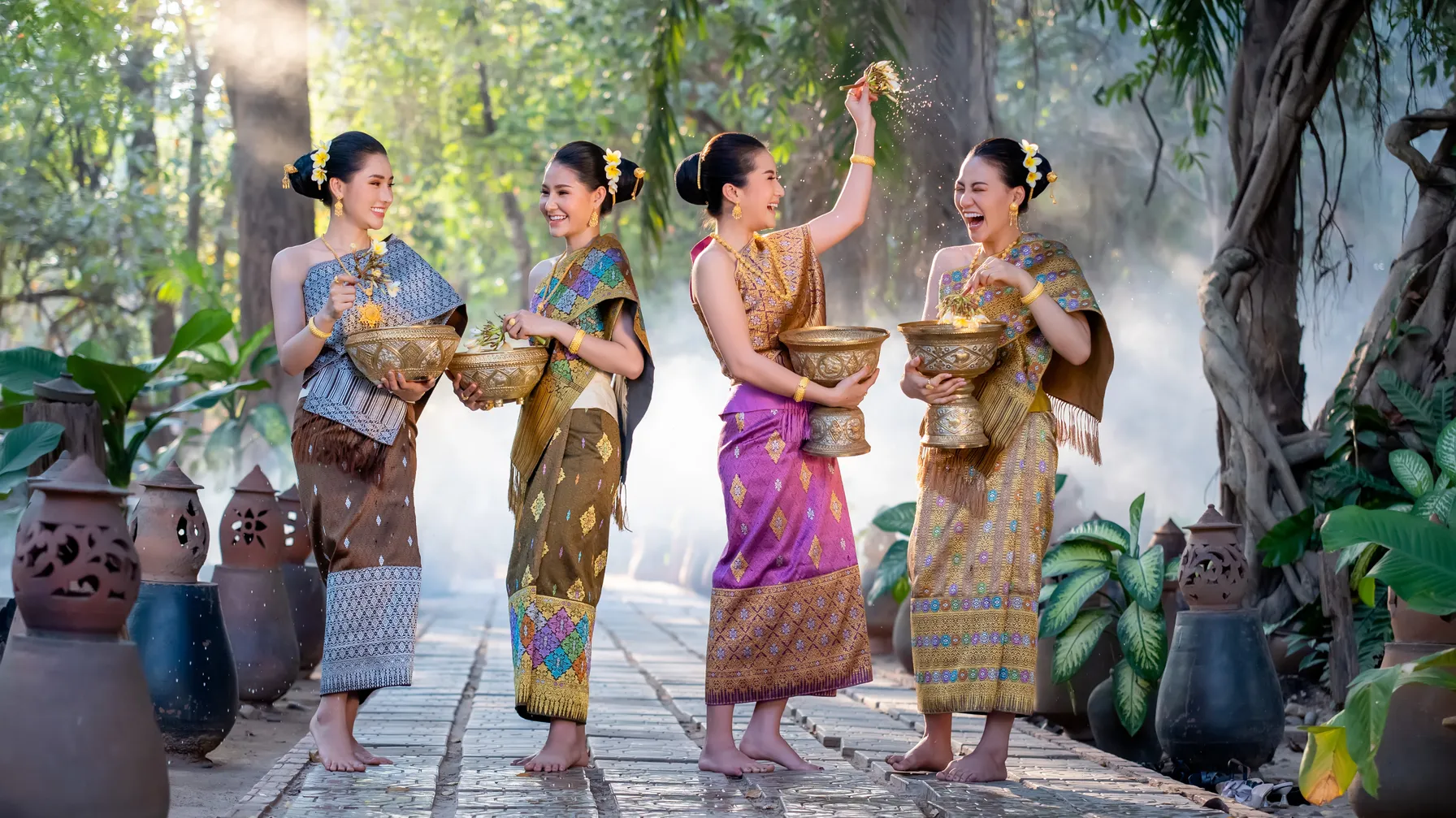
Several traditional Cambodian celebrations are inseparable from the local gastronomy. Pchum Ben, the ancestors' day celebrated in September or October, leads to the preparation of very specific ritual dishes. Khmer New Year, in April, is also an opportunity to taste sweet specialties based on glutinous rice, coconut milk and seasonal fruits — an invitation to explore Cambodian gastronomy from a festive and authentic angle.