10 days in Cambodia: the guide to an unforgettable trip
Why is Cambodia a must-see destination in Southeast Asia?
Cambodia occupies a special place in the panorama of Southeast Asia. Caught between Thailand, Laos and Vietnam, this small kingdom offers a density of experiences remarkable for its size. World Heritage-listed temples, living lakes, preserved islands, bustling markets: each stop holds a surprise.
Between exceptional heritage and diversity of landscapes
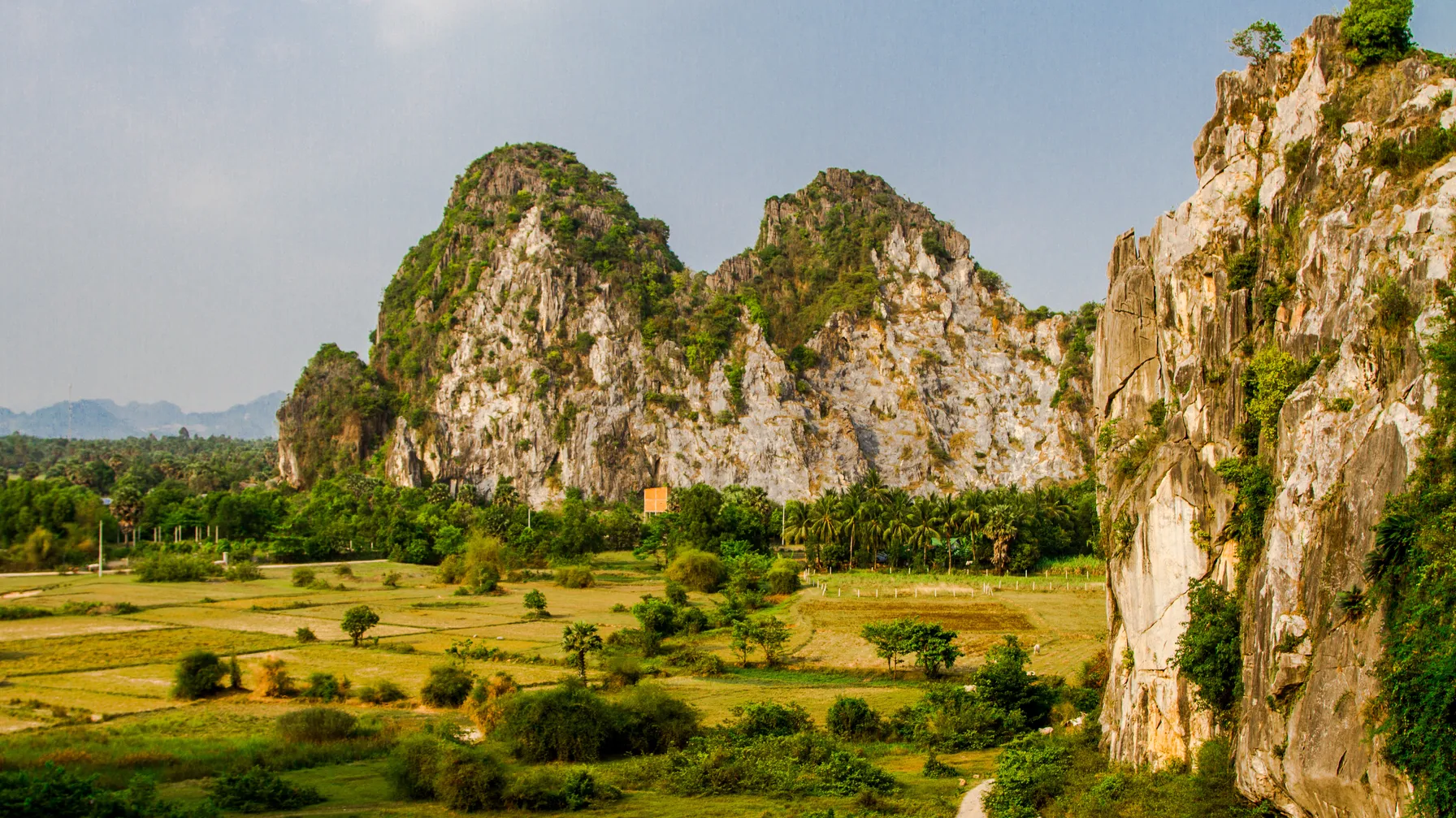
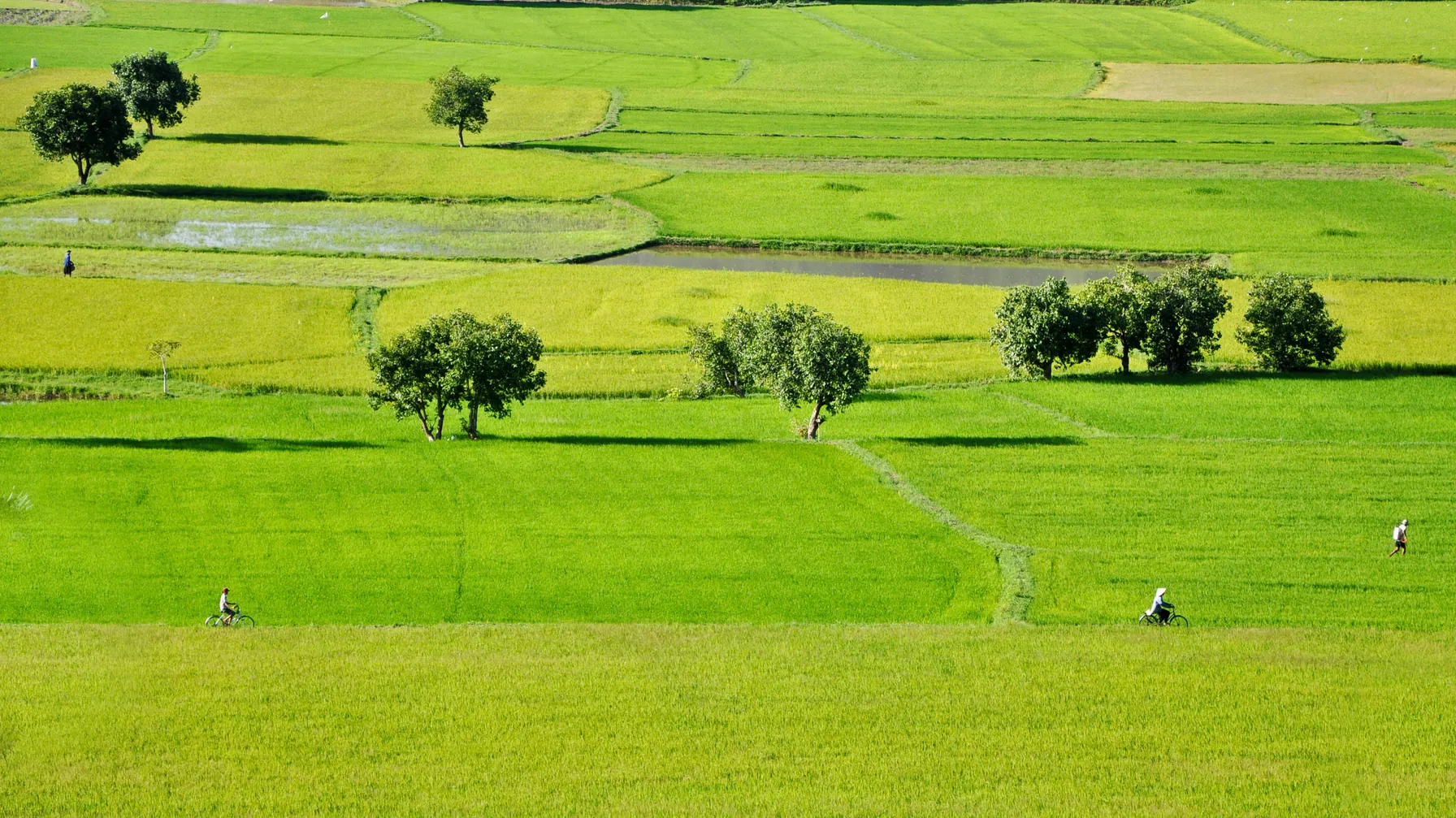
Cambodia's global renown comes from the temples of Angkor, legacy of a Khmer empire at its height between the 9th and 15th centuries. But reducing a trip to Cambodia to its monuments alone would miss the essence. The countryside unfolds its rice paddies as far as the eye can see, the Mekong shapes the daily life of riverbank villages, and the forests of the south still shelter spaces truly preserved. It is this plurality that makes it an ideal destination for travelers seeking a high-end and authentic stay at the same time.
A 10-day stay for a comprehensive overview.
Ten days represent the ideal duration for traveling to Cambodia without rushing. This pace allows you to devote two to three days to Phnom Penh, three days to Siem Reap for the temples, one day on Lake Tonlé Sap, and to finish on the beaches of Koh Rong. A tailor-made trip lets you adjust each step according to your wishes, whether you travel with family, as a couple, or solo.
Book your trip to Cambodia now
<p>What is the best time to travel to Cambodia?</p>
Cambodia experiences two main seasons that directly influence travel comfort and experience. The dry season, from November to April, is generally considered the most pleasant time to visit the country. Temperatures are high but bearable, the sky remains clear and the roads are accessible. The rainy season, from May to October, brings lush vegetation and a calmer atmosphere, but some areas can be difficult to access.
| Month | Temperatures | Sunshine | Rainfall |
|---|---|---|---|
| November – January | 22°C – 31°C | Excellent | Very low |
| February – April | 24°C – 35°C | Very good | Low |
| May – June | 24°C – 33°C | Variable | Moderate |
| July – October | 24°C – 32°C | Cloudy | Heavy |
The smart plan: if you want to visit Angkor Wat at sunrise with a golden light on the towers, favor the period from December to February. To enjoy Koh Rong's beaches in optimal conditions, lean more toward the months of March and April.
<p>What to see and do in 10 days in Cambodia?</p>
Cambodia unfolds in stages, each bringing a different hue to the stay. The country’s wealth lies precisely in this ability to move, within a few hours’ drive, from a vibrant capital to millennia-old ruins or to a turquoise coastline.
<p>Phnom Penh, a capital between memory and modernity</p>
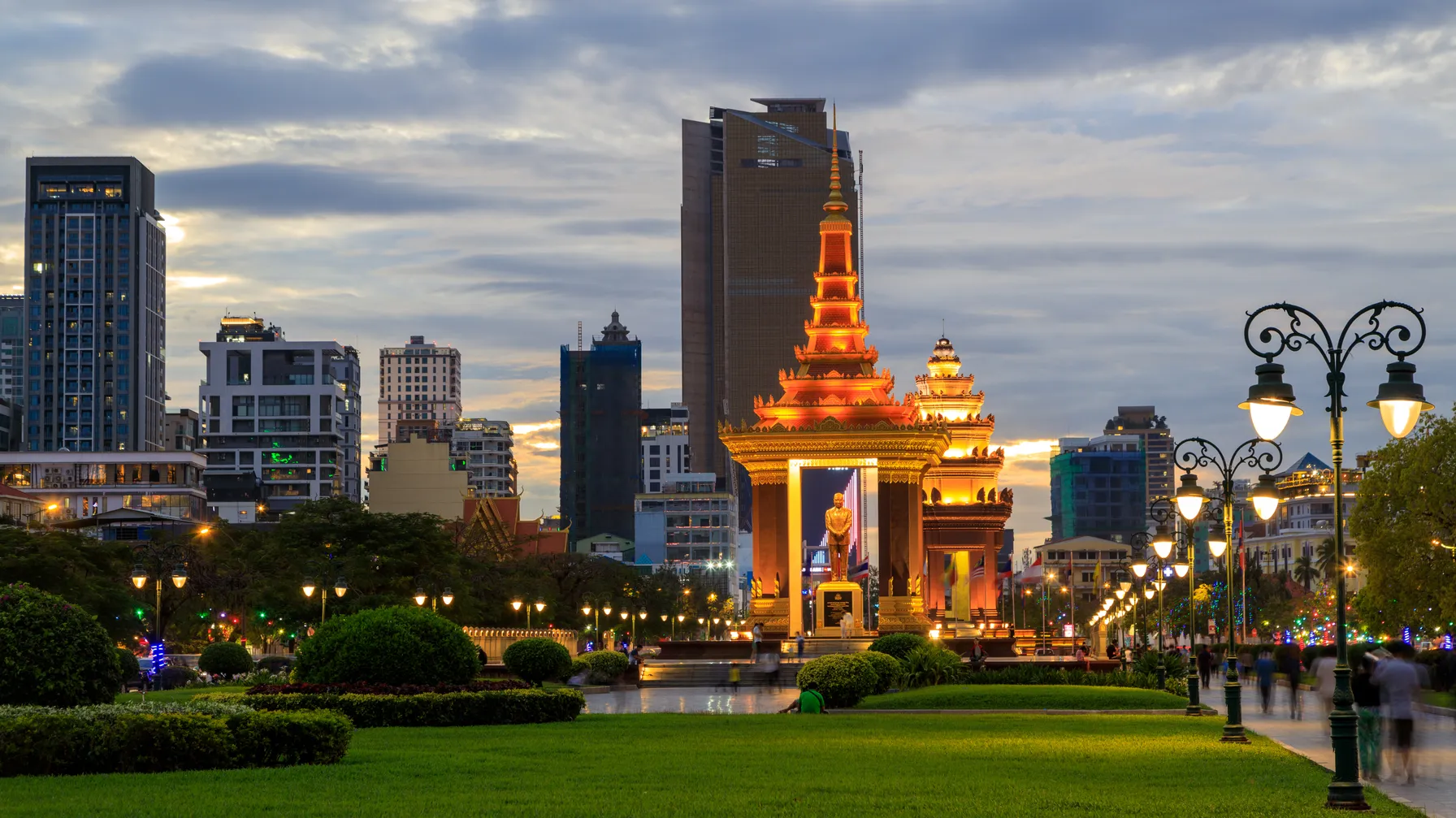
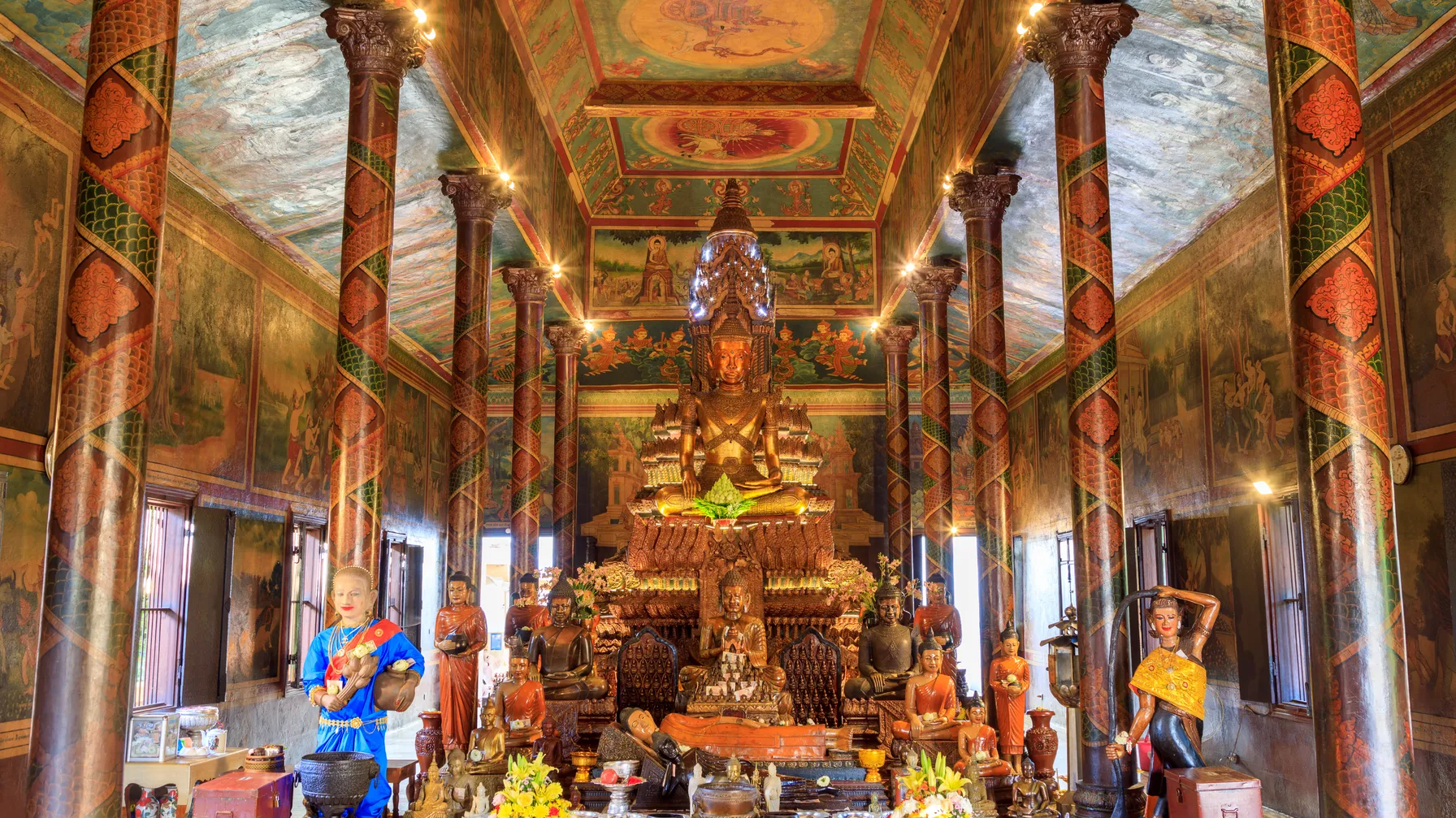
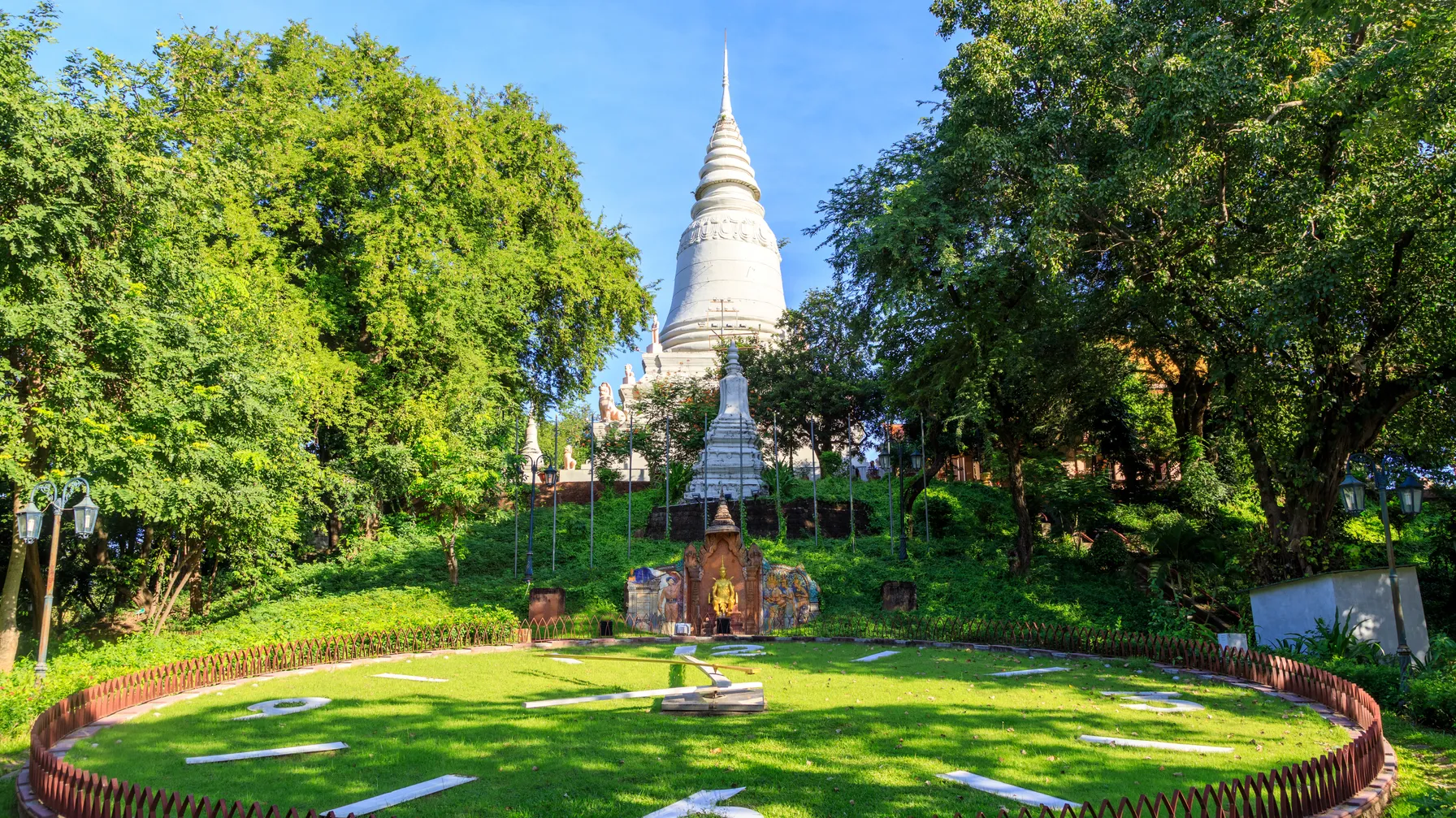
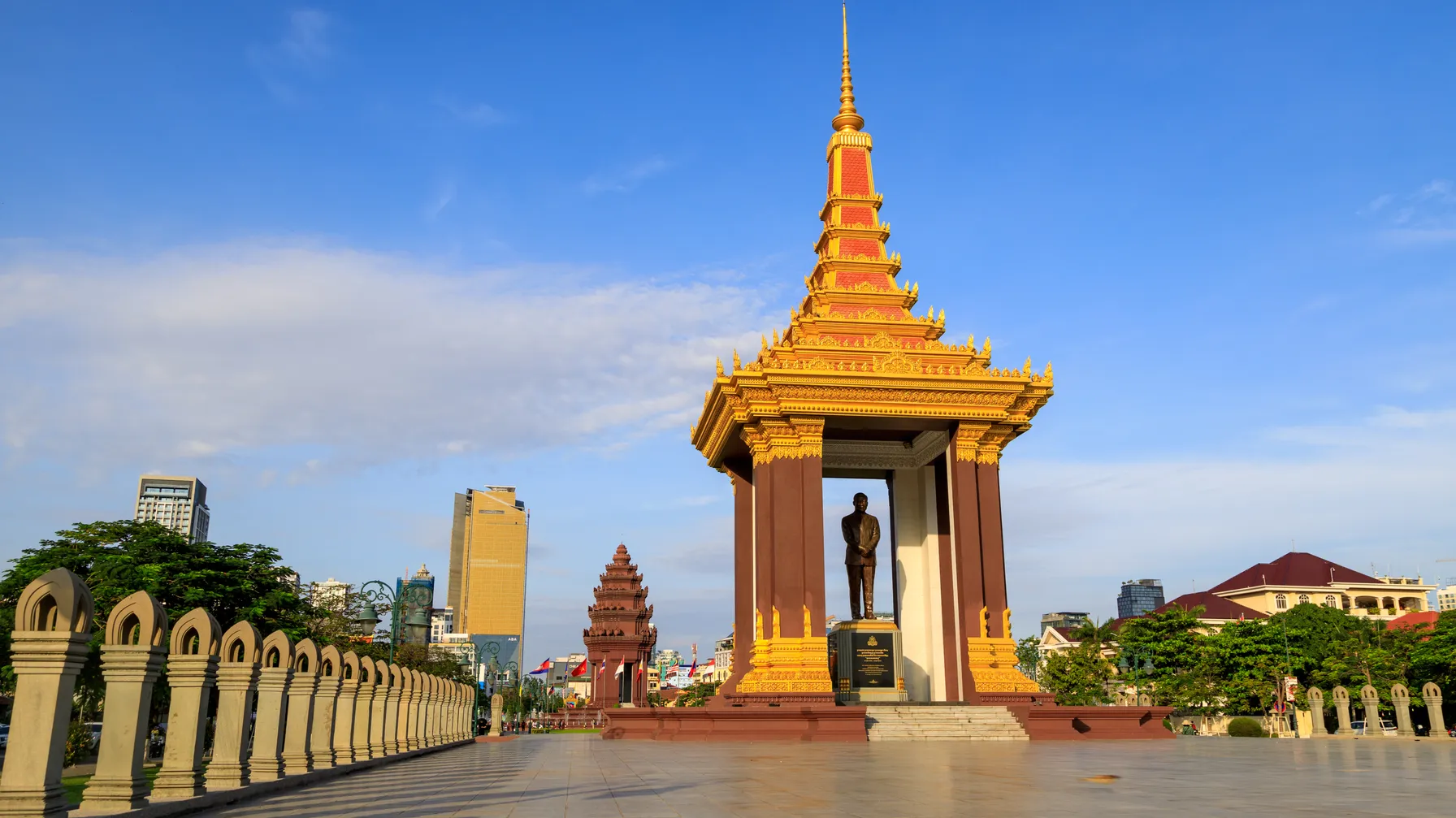
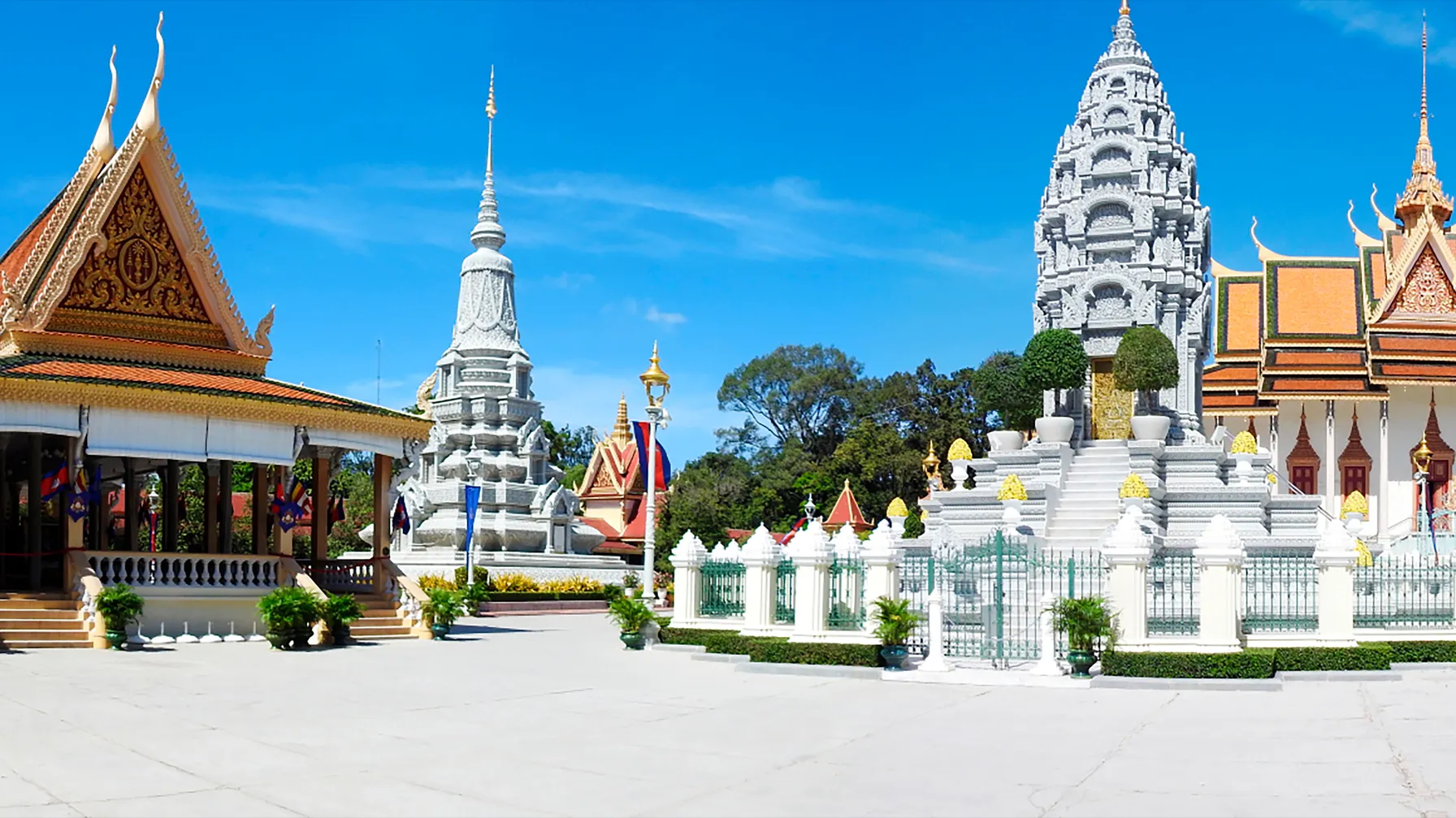
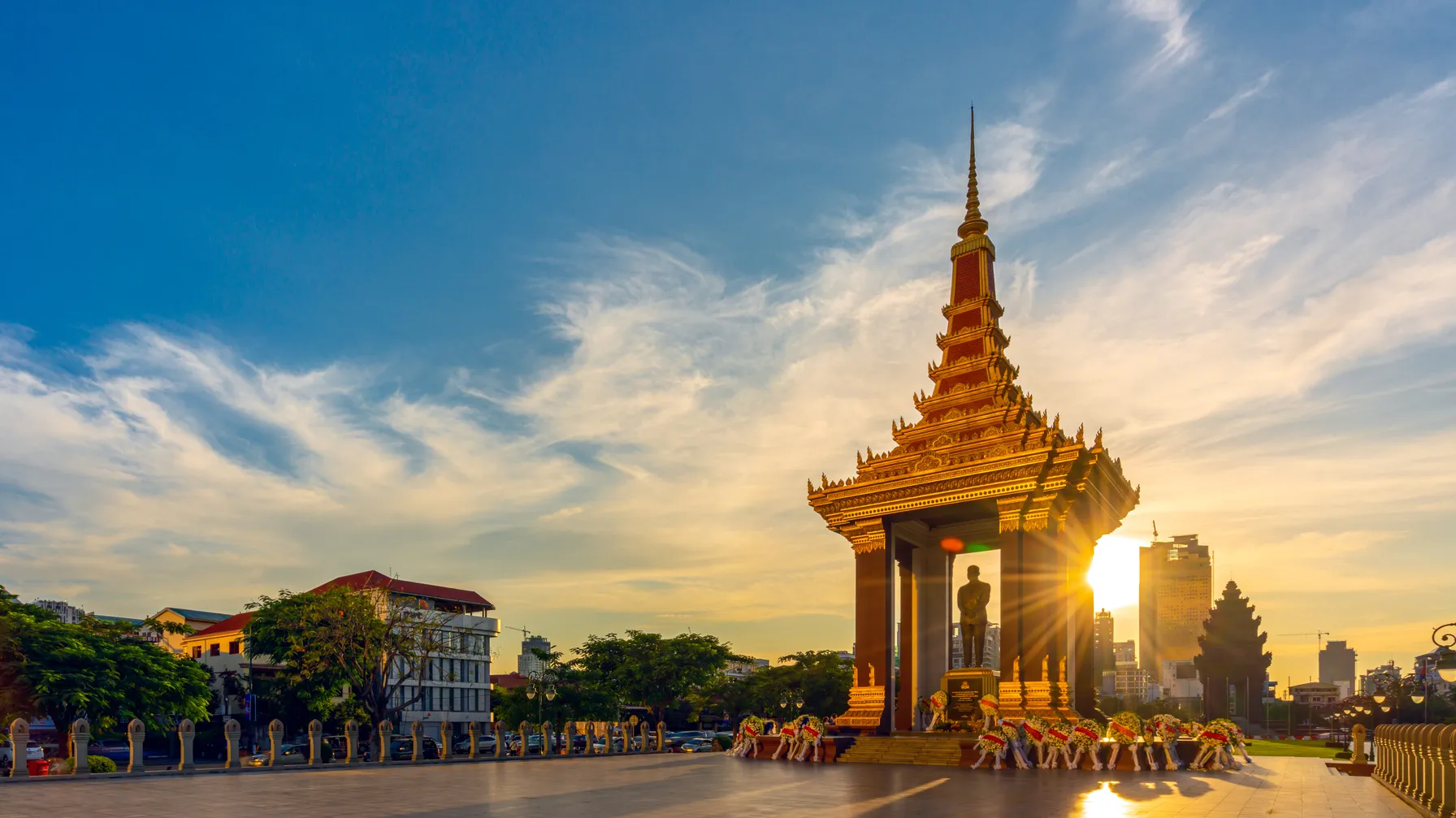
The Cambodian capital can be enjoyed in two to three days. The Royal Palace and the Silver Pagoda offer a fascinating first glimpse of traditional Khmer art. The banks of the Mekong invite a stroll in the late afternoon, when the light rests on the city’s golden roofs. Phnom Penh also bears a painful history—the Khmer Rouge—which memorial museums allow us to approach with respect and depth. In the evening, the lively streets of the city center offer a panorama of local gastronomy, with fish amok and Khmer curry at the top of dishes to discover.
Siem Reap and the temples of Angkor, the heart of the journey
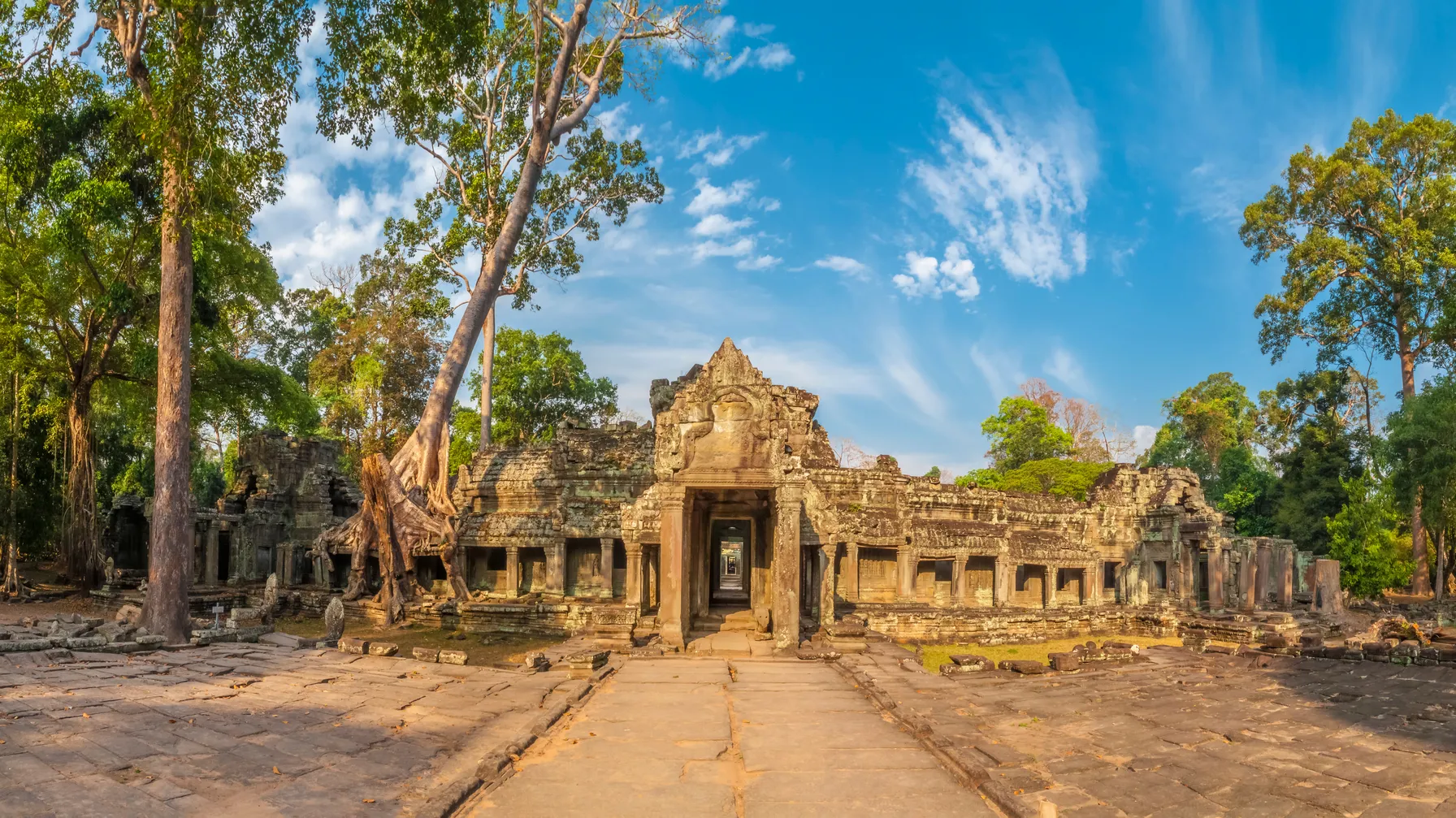
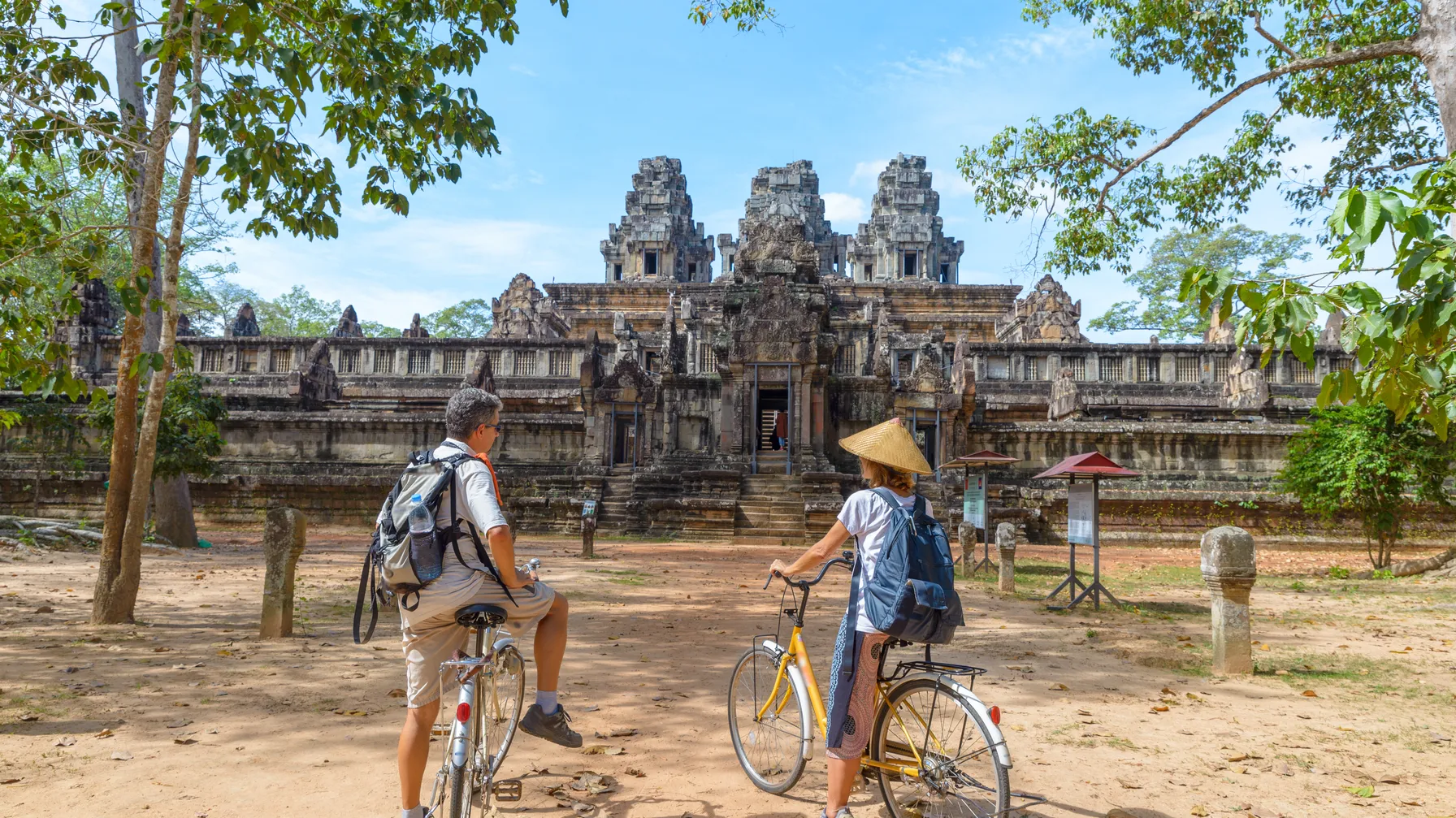
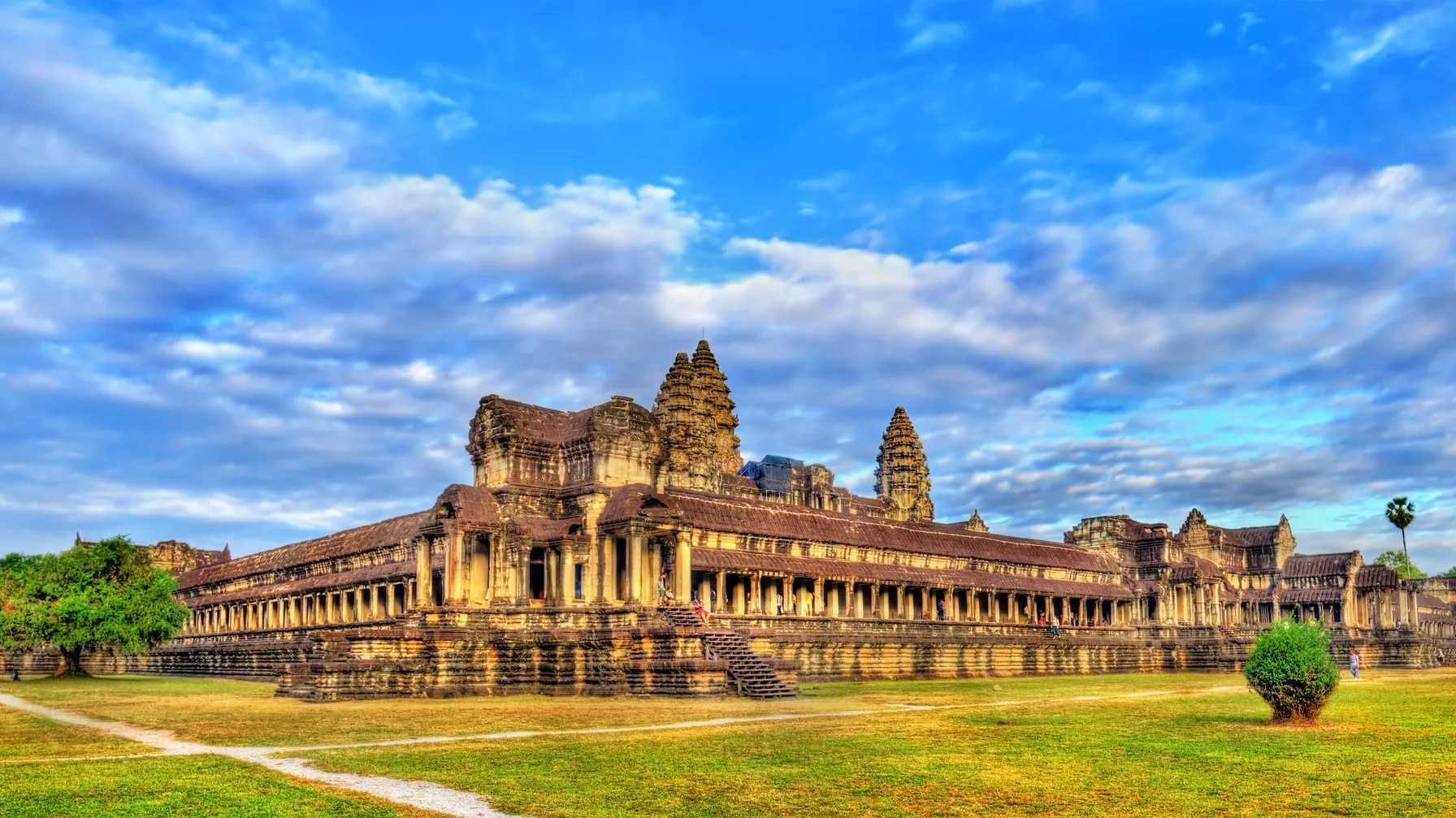
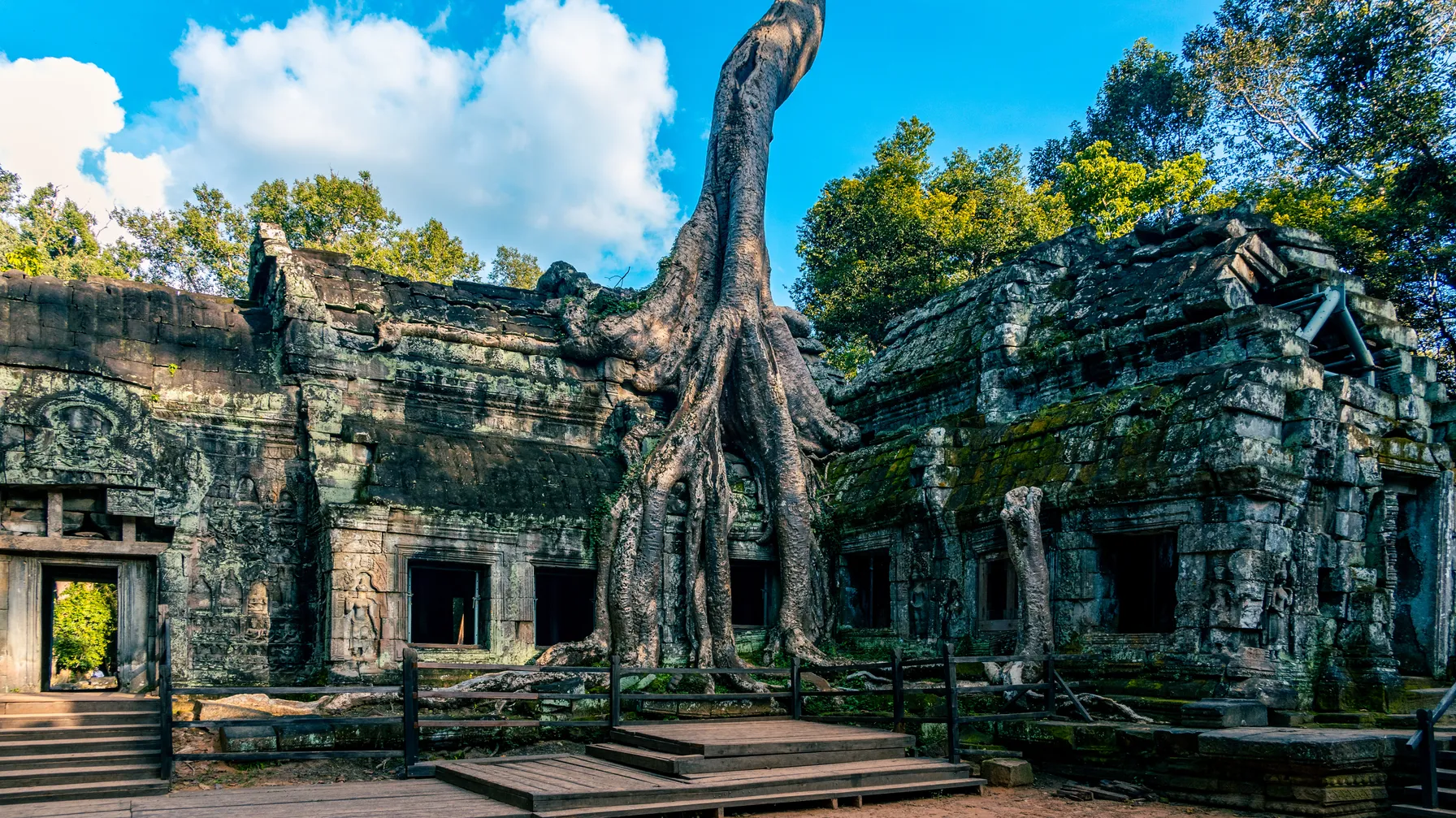
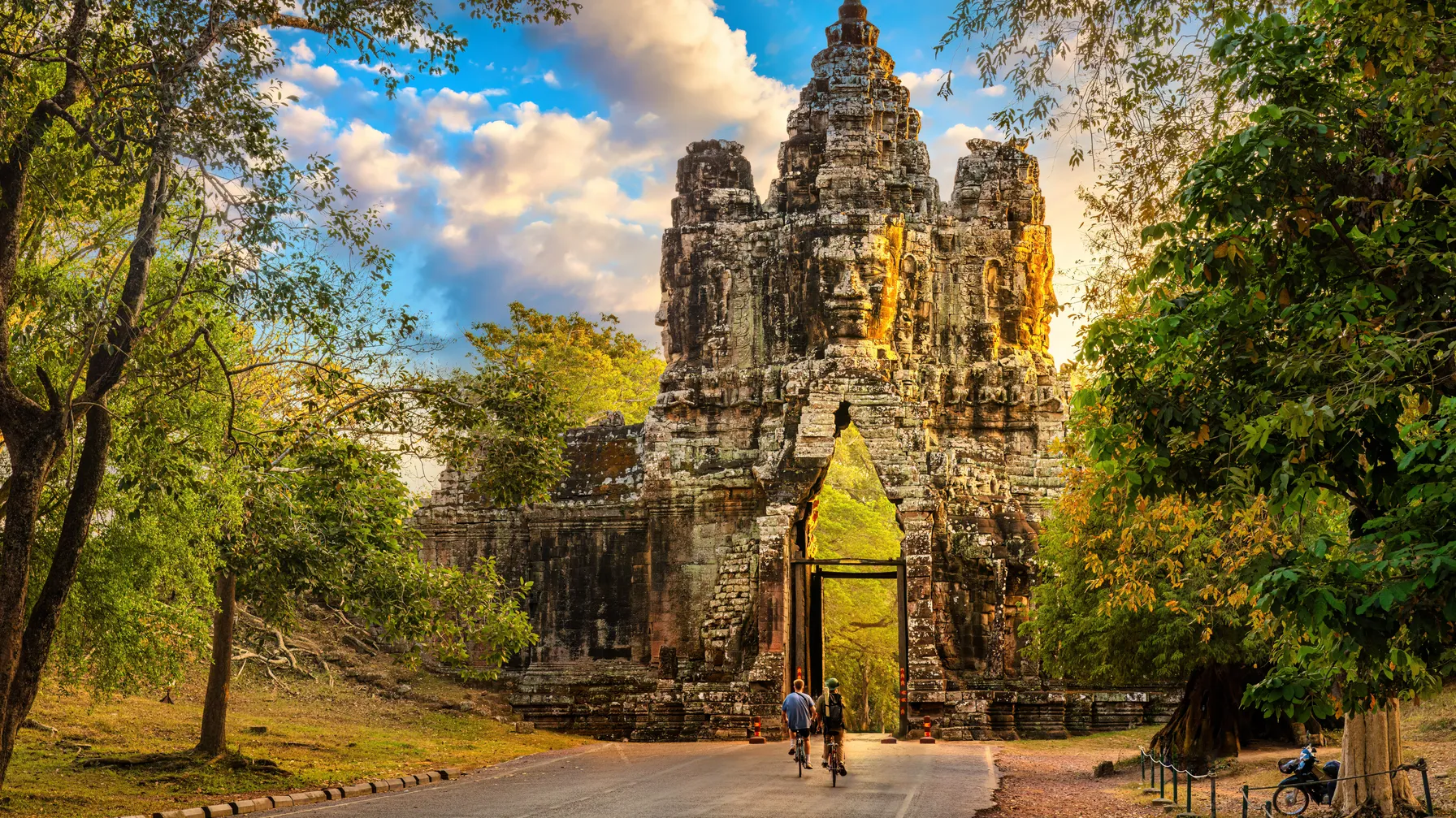
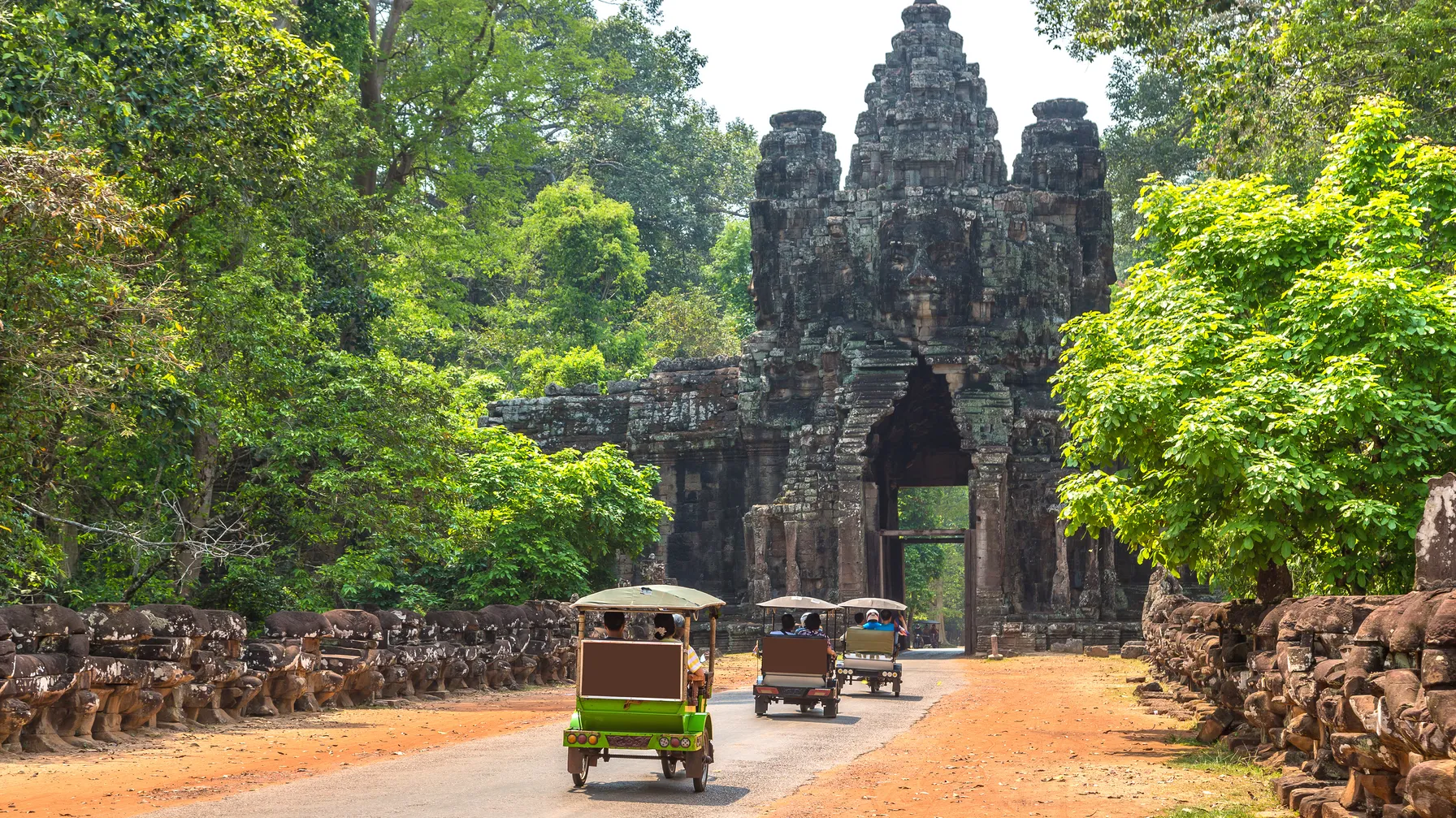
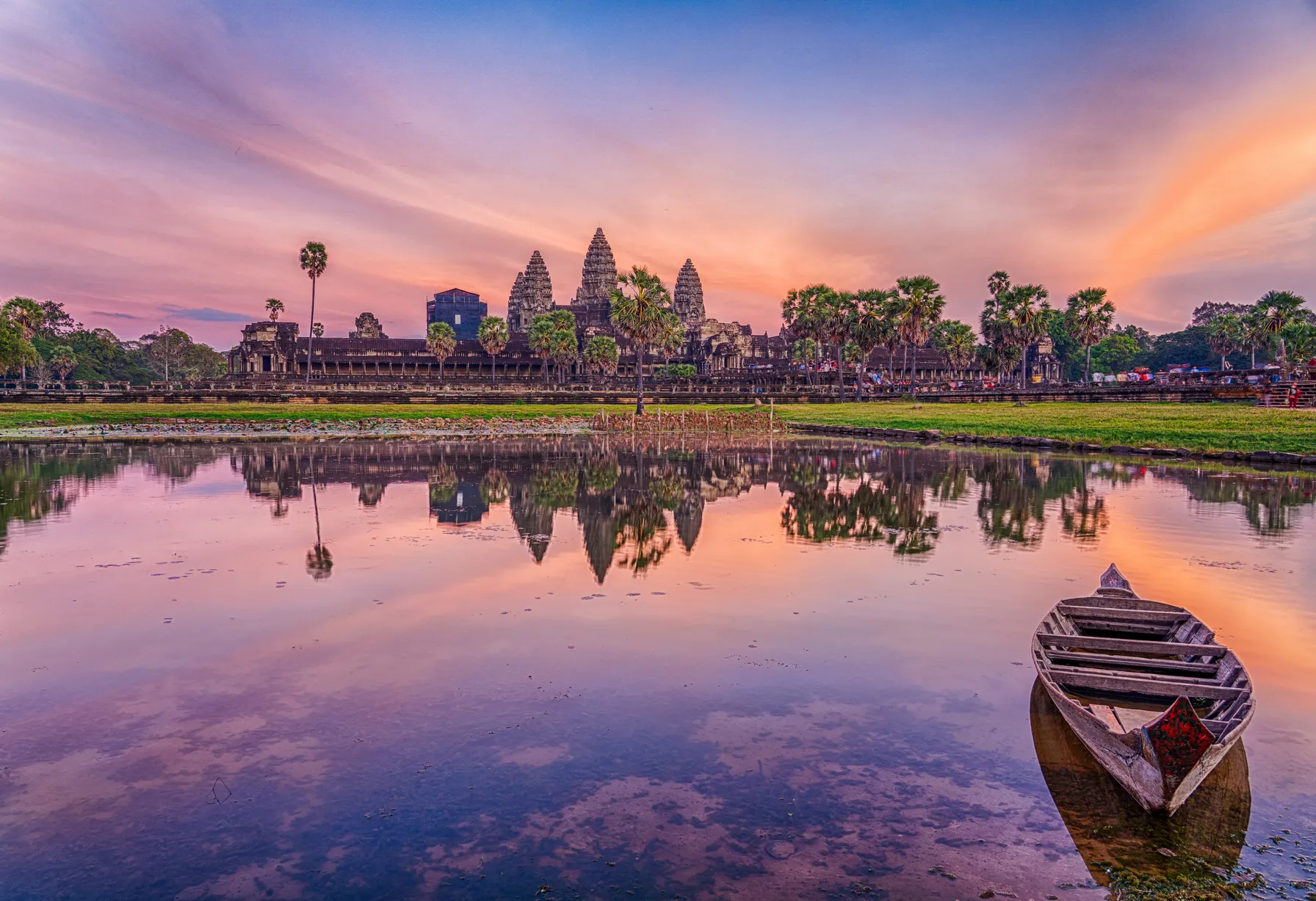
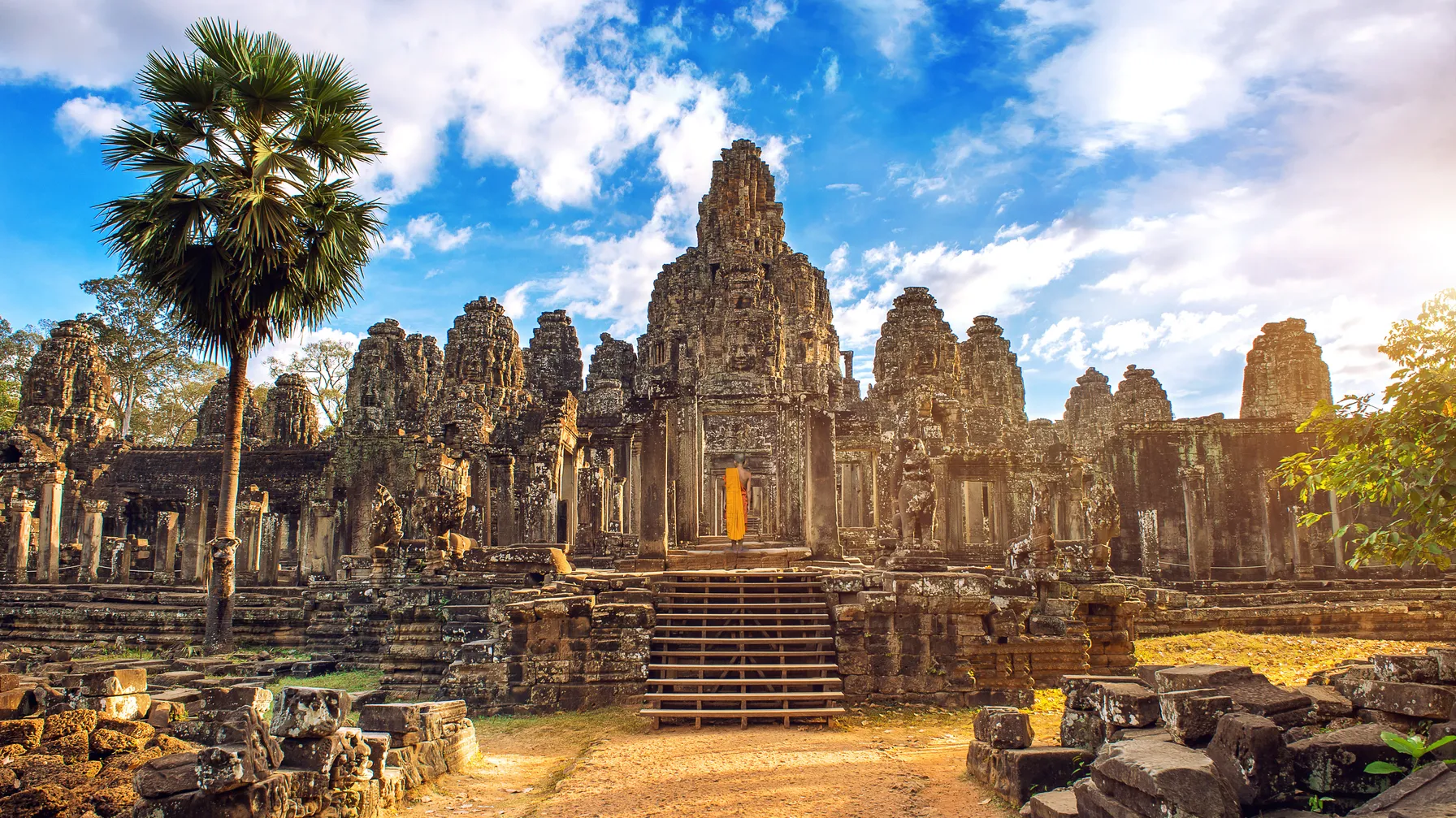
No trip to Cambodia would be complete without several days in Siem Reap. It is from this city that one accesses the Angkor site, a vast archaeological complex inscribed on UNESCO's World Heritage List. Angkor Wat, whose reflection in the basin is best observed at dawn, is the most emblematic monument. Angkor Thom and its Bayon temple, with its countless stone faces, impress with its symbolic density. More intimate and rare, Banteay Srei stands out for the extraordinary finesse of its pink sandstone sculptures. For Pre Rup, sunsets over the plain provide a moment of unique contemplation.
Our advice: spend at least two full days at the temples to avoid rushing through them and to allow yourself a little serenity between the sites.
From Tonlé Sap to the beaches of Koh Rong
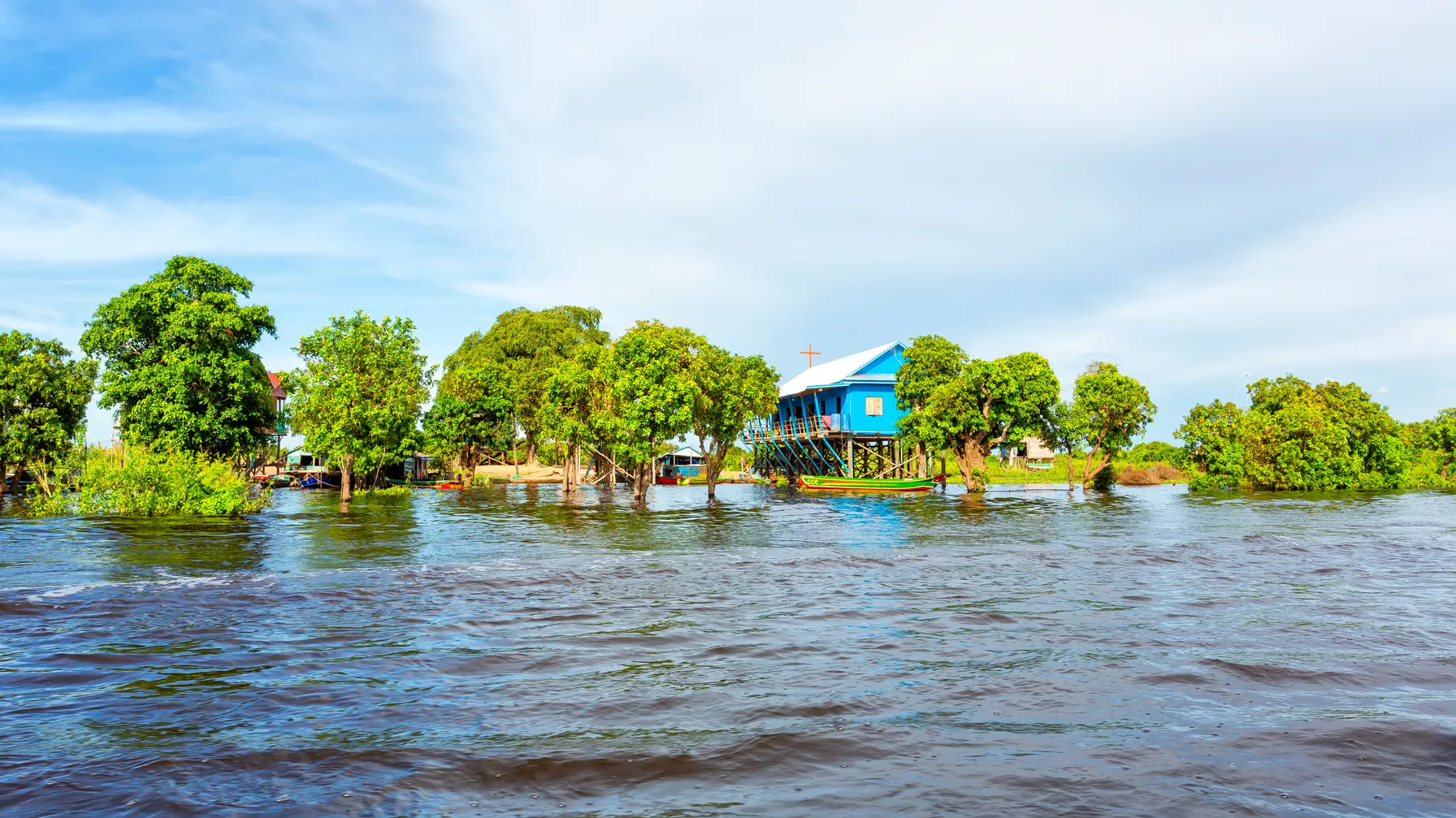
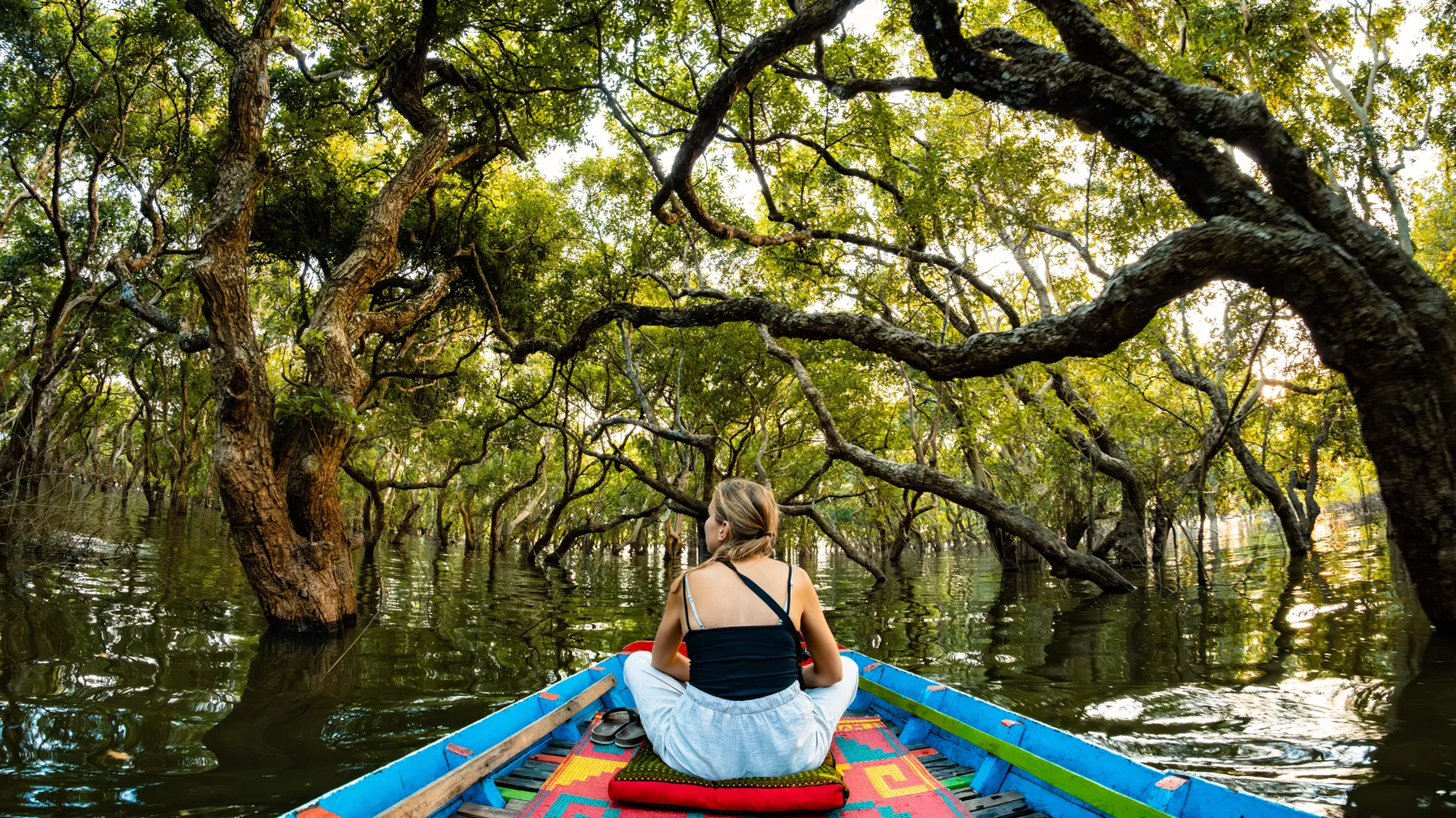
About thirty kilometers from Siem Reap, Tonlé Sap Lake is one of Southeast Asia's most unique ecosystems. A visit to a floating village, such as Kampong Phluk, allows you to observe a life entirely organized around water, between fishermen, schools and floating markets. It is a powerful human experience, far from the most frequented trails.
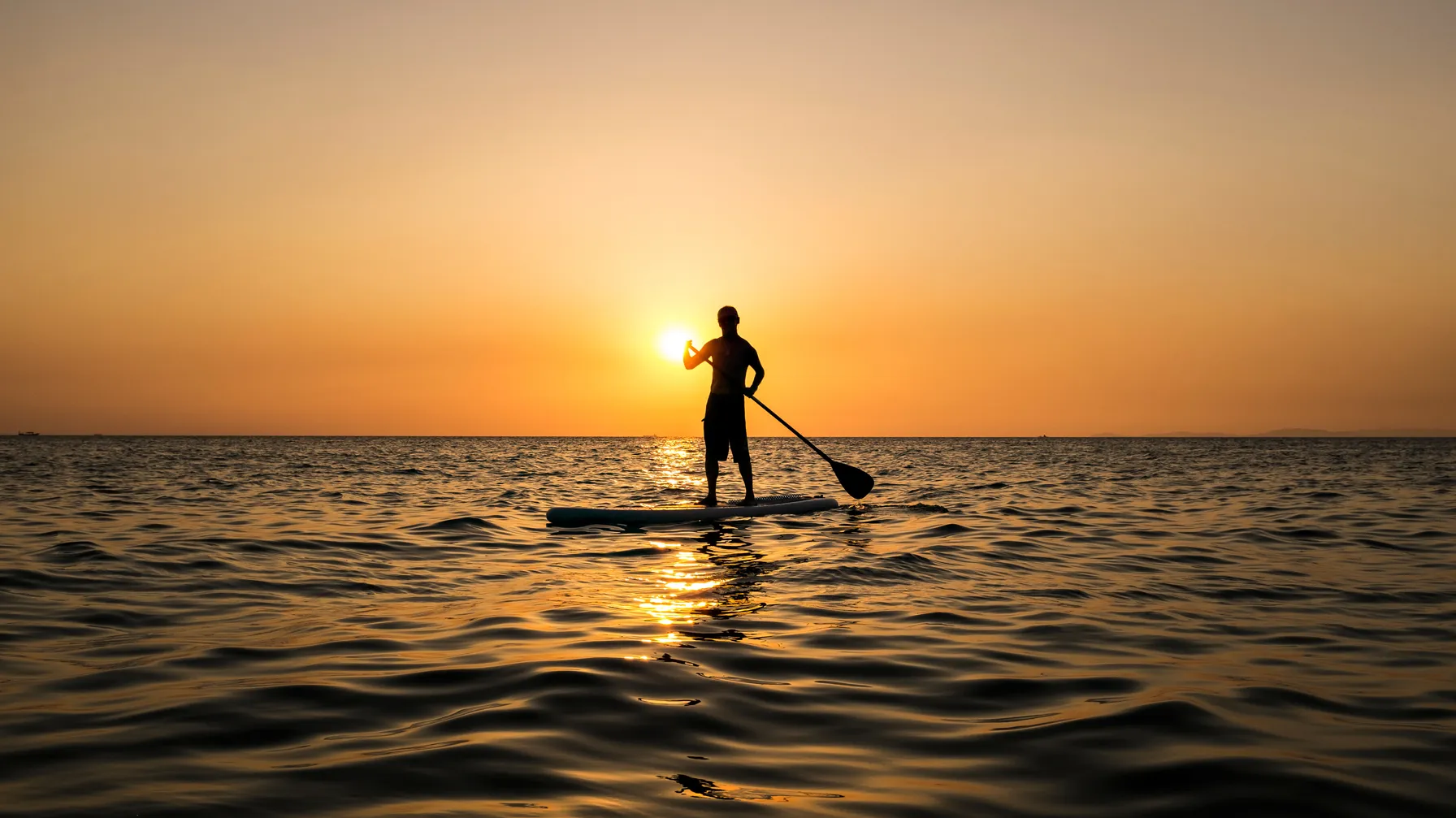
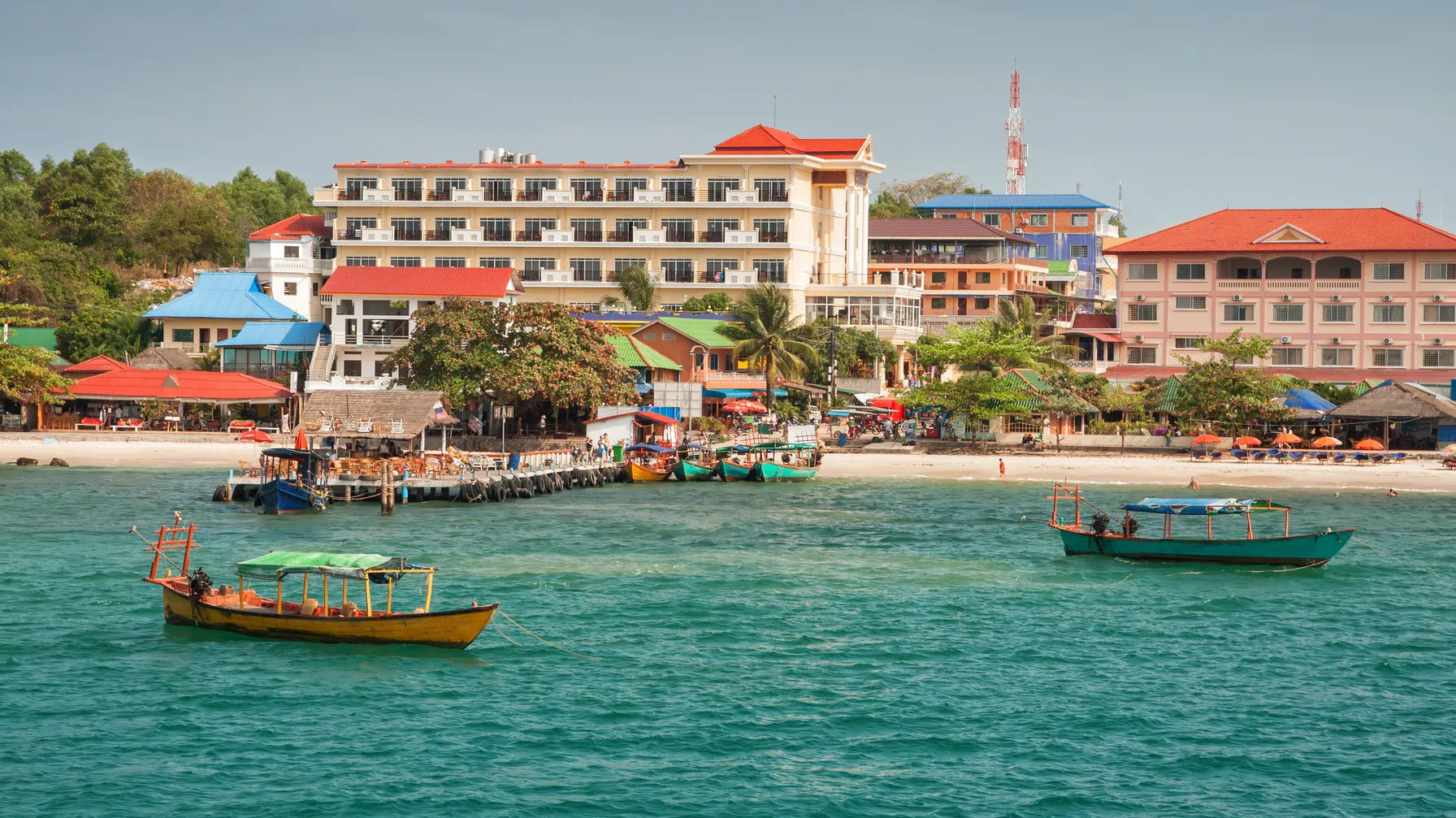
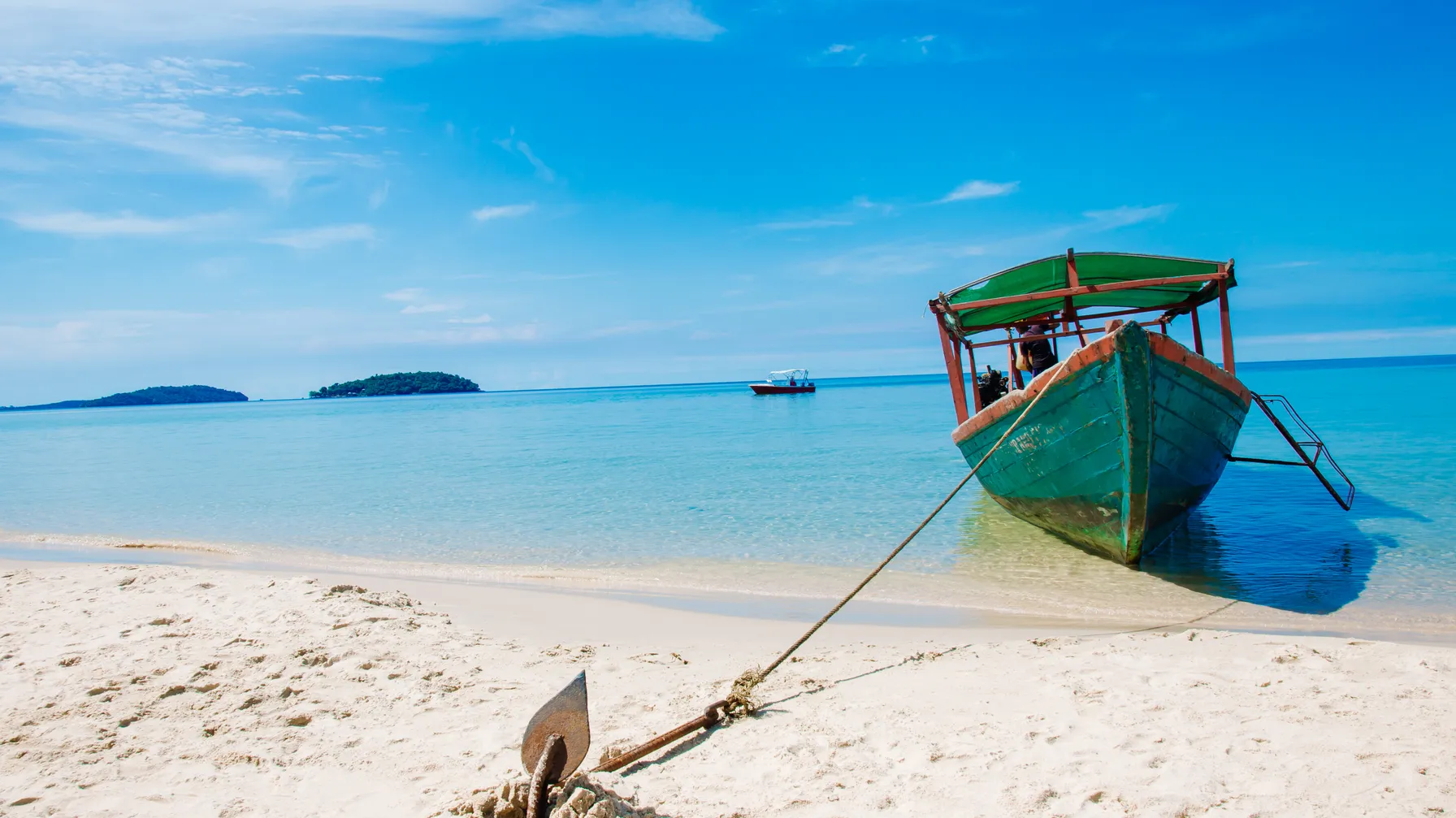
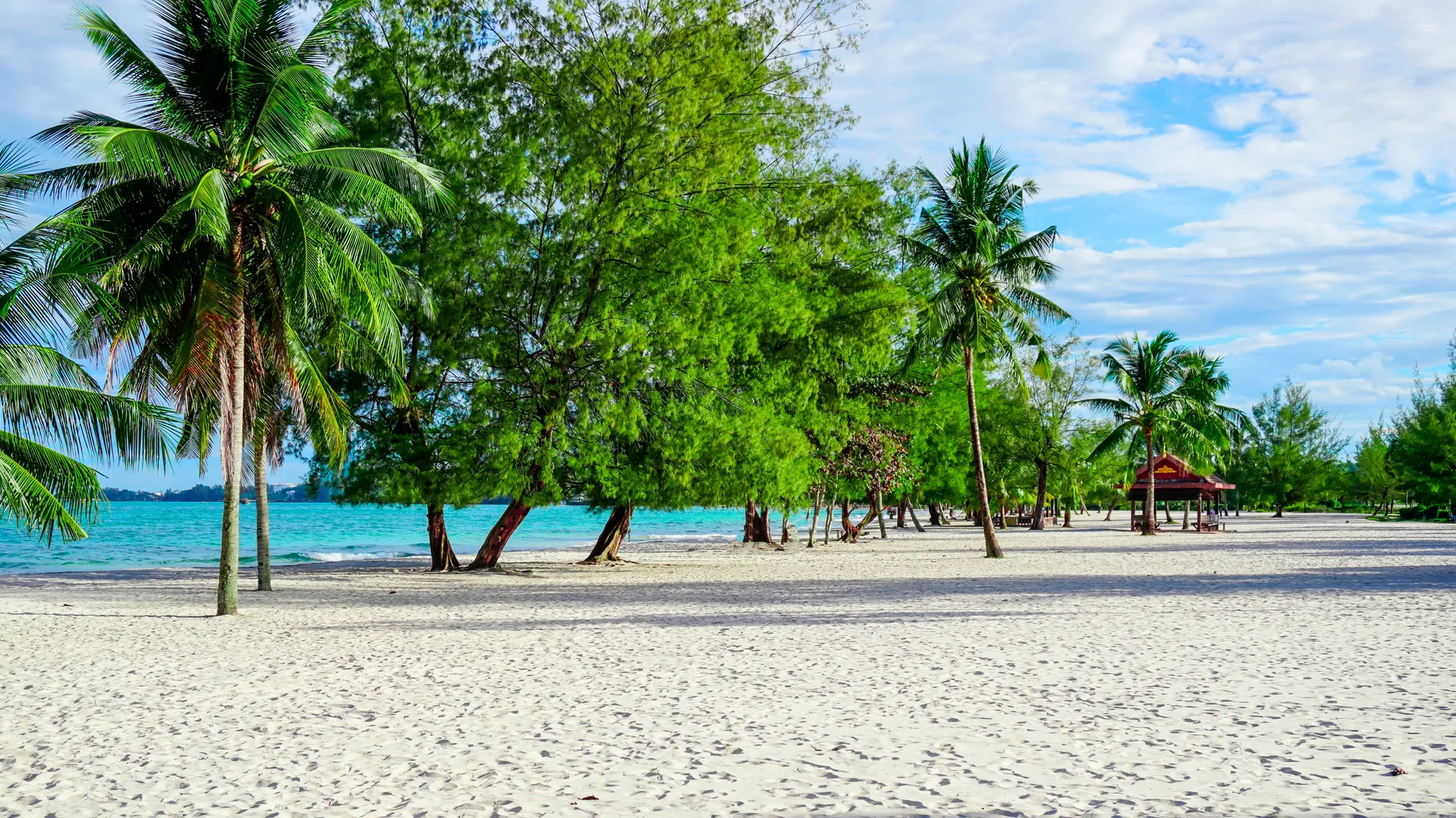
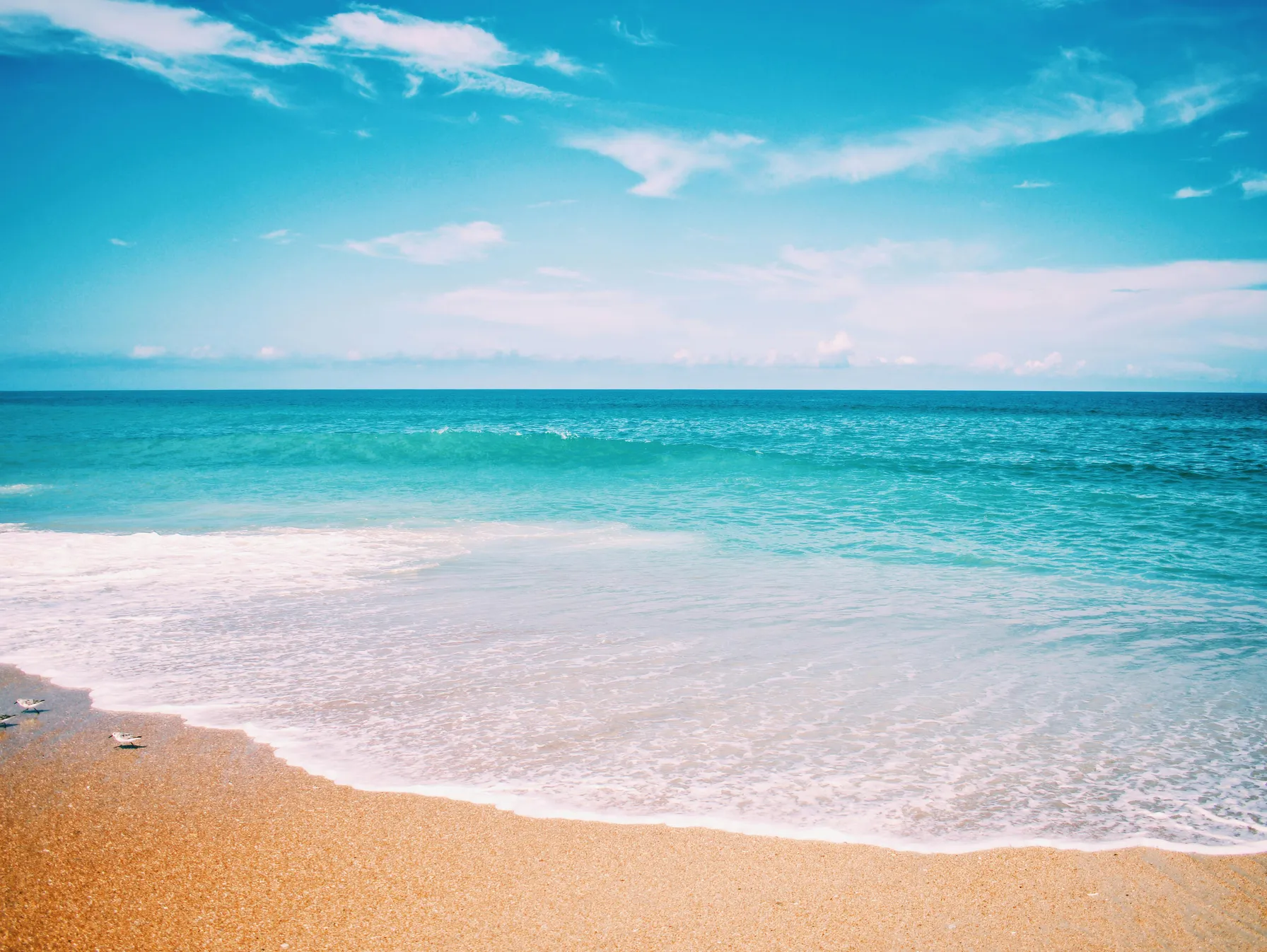
To conclude this 10-day stay in Cambodia, a stop at Koh Rong Island is a must. Its white sandy beaches and waters of an intense blue offer a perfect transition between cultural discoveries and pure relaxation. A tailor-made trip allows you to extend your stay there according to your wishes.
Contact us for more information on the best times to travel
Demandez votre devis Cambodia sur-mesure 100% gratuit
 4.8
4.8+3.000 travelers satisfied
What practical tips should you keep in mind before traveling to Cambodia?
Before packing your bags, a few essential details can help you set off with peace of mind and fully enjoy every moment.
Formalities, currency and getting around
French nationals need a visa to enter Cambodia. It is possible to apply online via the official e-visa (three to five days), on arrival at the airport or at the embassy in Paris. The passport must be valid for at least six months after the return date. The local currency is the Cambodian riel, but the US dollar is widely accepted in tourist areas and accommodations. For intercity travel, private bus companies offer comfortable services, and the tuk-tuk remains the preferred solution for getting around in the city.
Here are the essential items to pack in your suitcase:
- High SPF sunscreen and mosquito repellent;
- Lightweight but covering clothing for temple visits;
- Comfortable shoes for long walks at the sites;
- A universal adapter and liquids in small quantities.
Gastronomy and traditions to discover
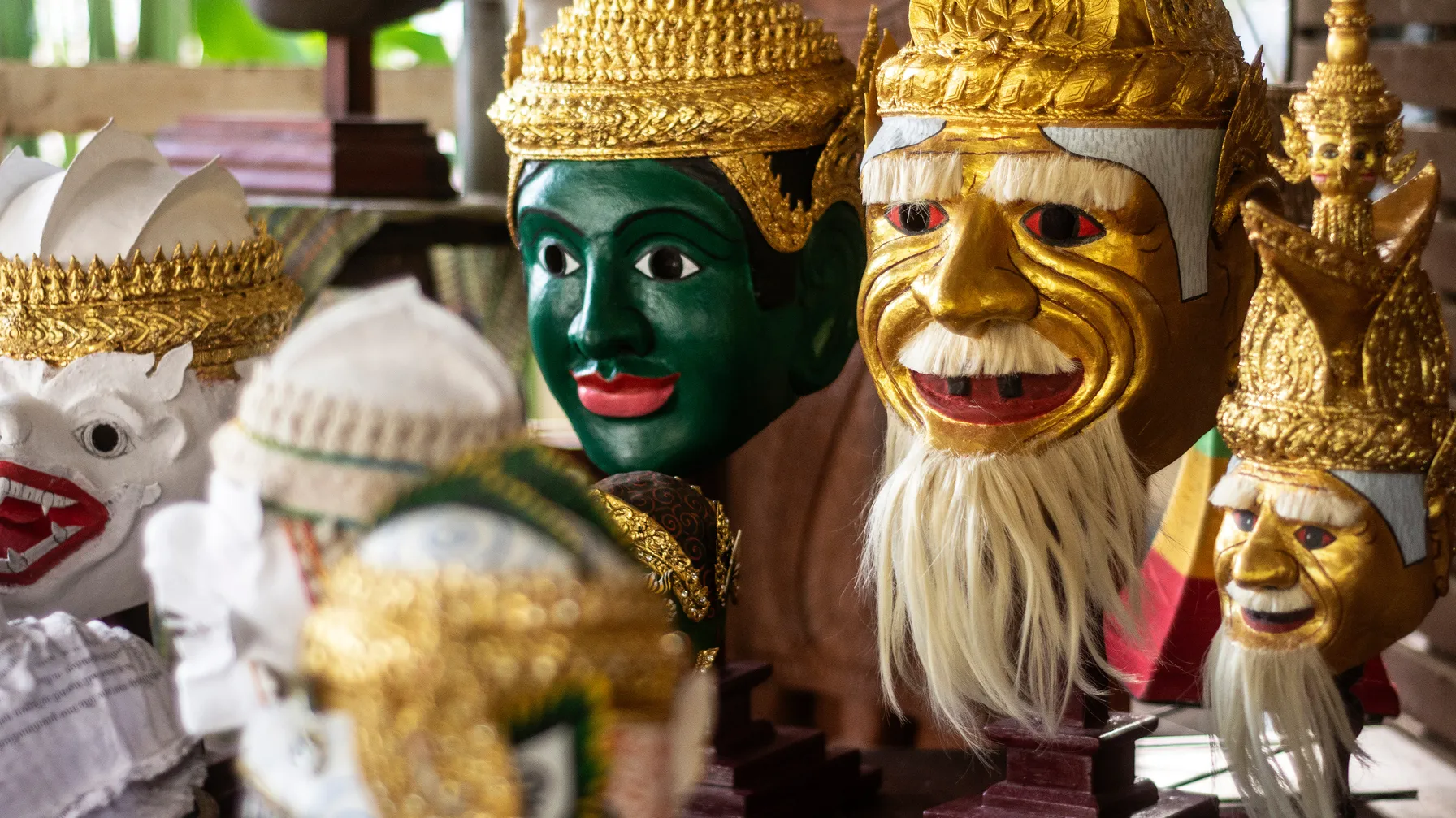
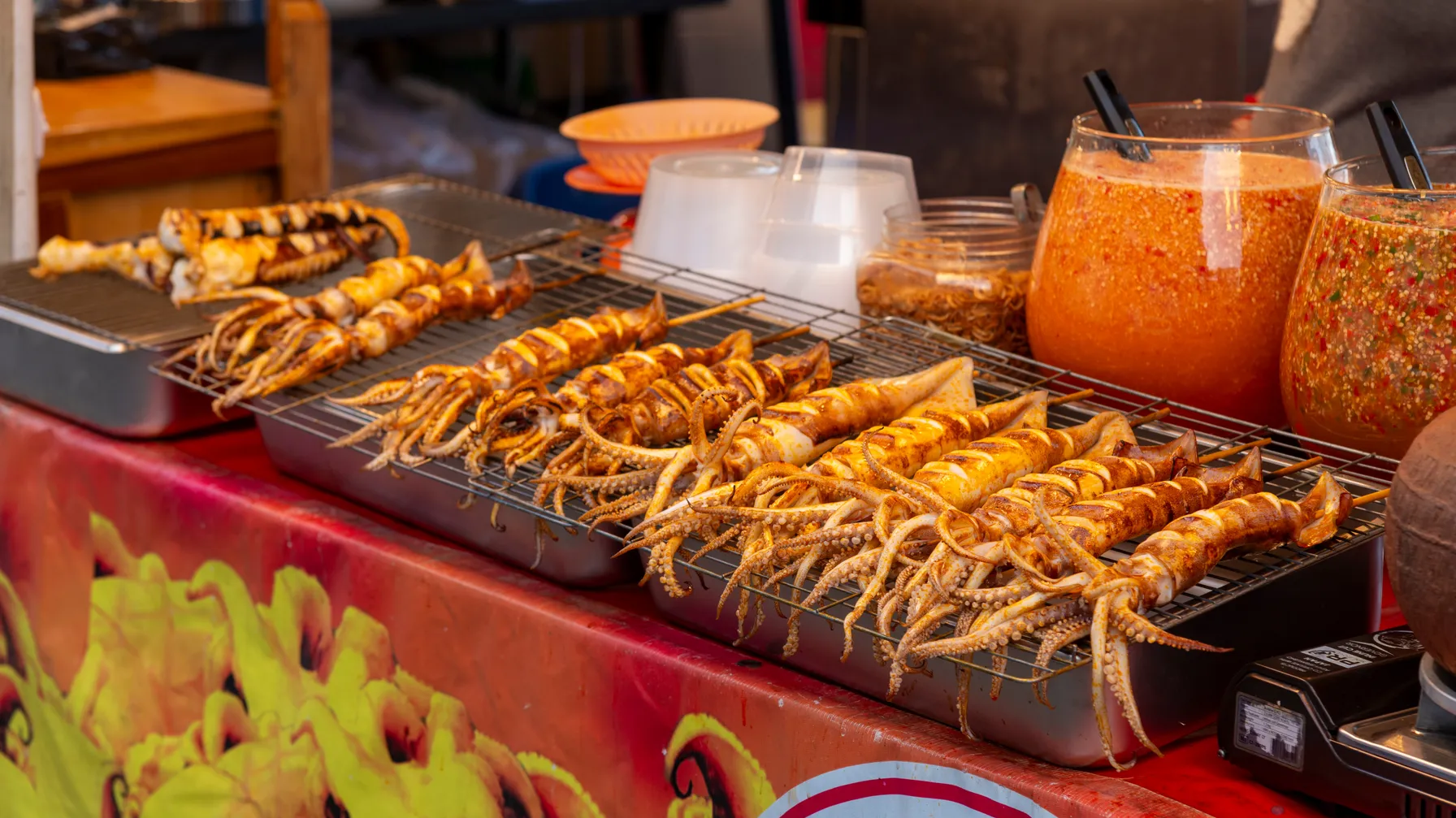
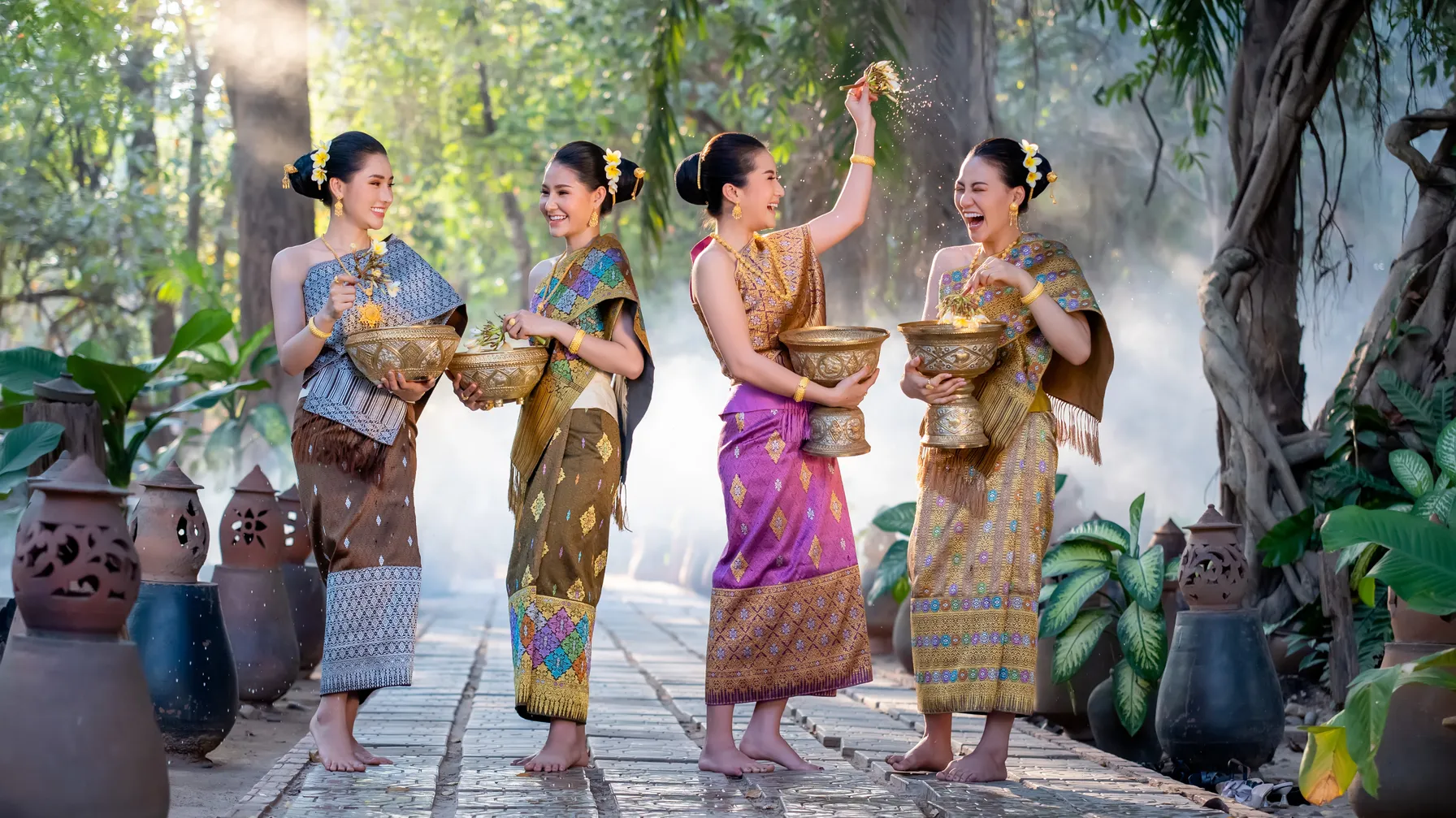
Cambodian cuisine deserves special attention. Amok, a mild curry with coconut milk steamed in a banana leaf, is among the country’s most representative dishes. The night markets in Siem Reap and Phnom Penh are essential places to sample local flavors in an authentic atmosphere. Culturally, respecting Buddhist traditions is essential: clothing that covers the shoulders and knees is indispensable for visiting temples. Did you know? The apsara dance, inscribed on UNESCO's intangible heritage, represents one of the most refined forms of artistic expression in Cambodia. A live performance not to be missed during your stay.
Contact us for more information about your tailor-made trip to Cambodia