15 days in Cambodia: the guide to a tailor-made trip.
Why is Cambodia emerging as a must-visit destination?
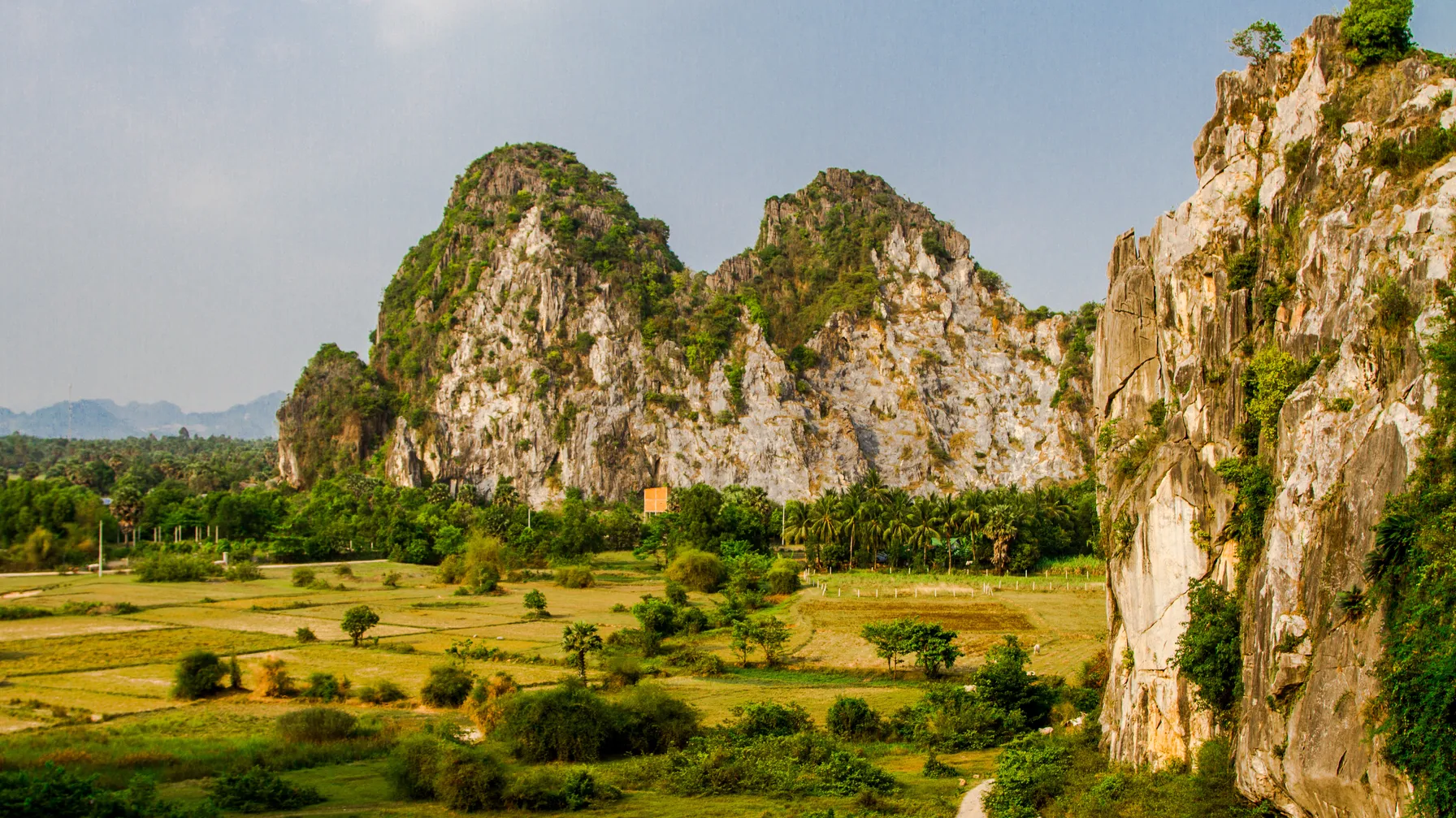
Cambodia is not just a destination: it is a full-fledged experience. From north to south, the country offers a diversity of landscapes and atmospheres that satisfy all kinds of travelers, from culture enthusiasts to nature lovers, including those seeking the seclusion of a preserved island.
Millennia-old temples and white-sand beaches
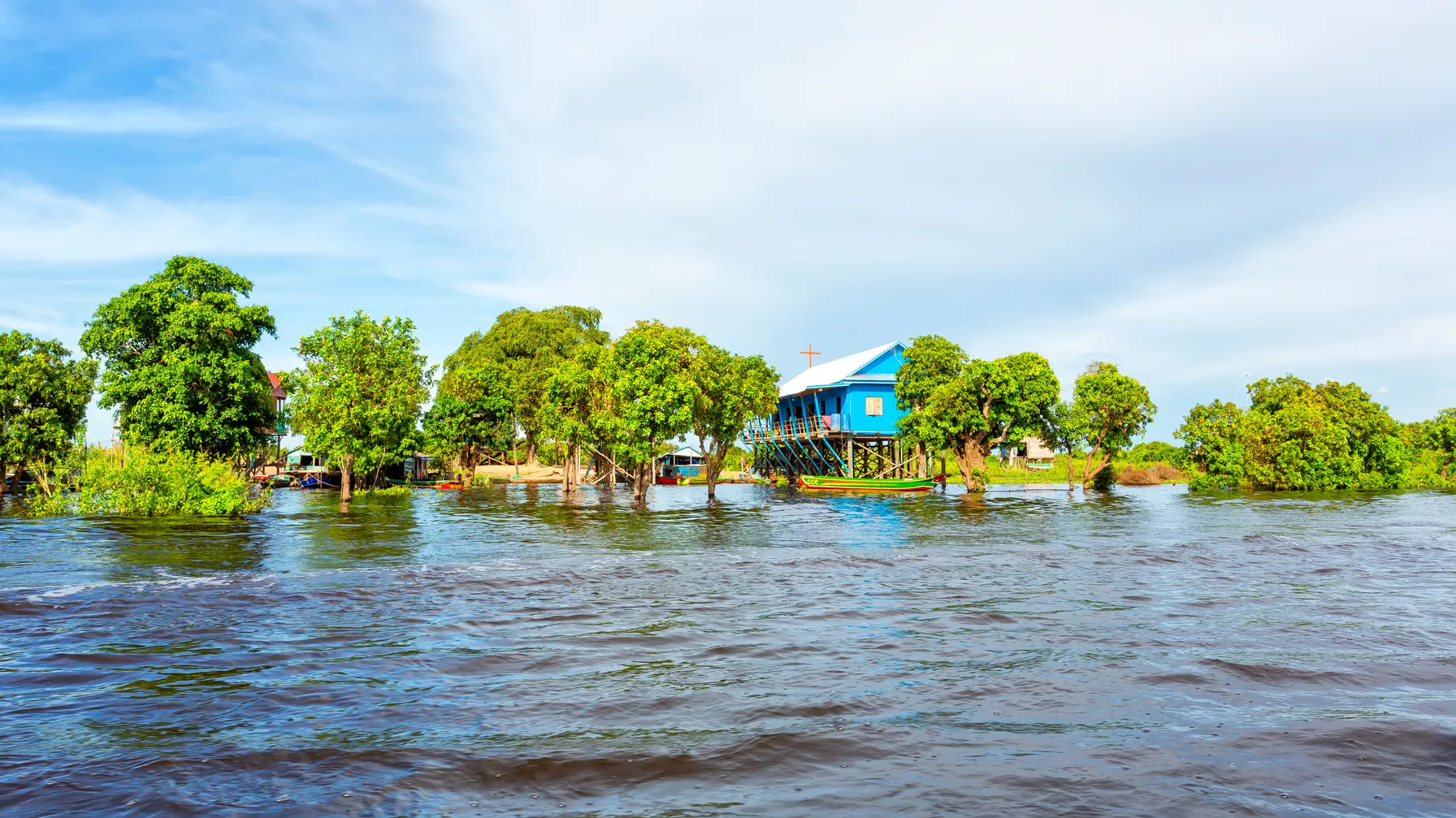
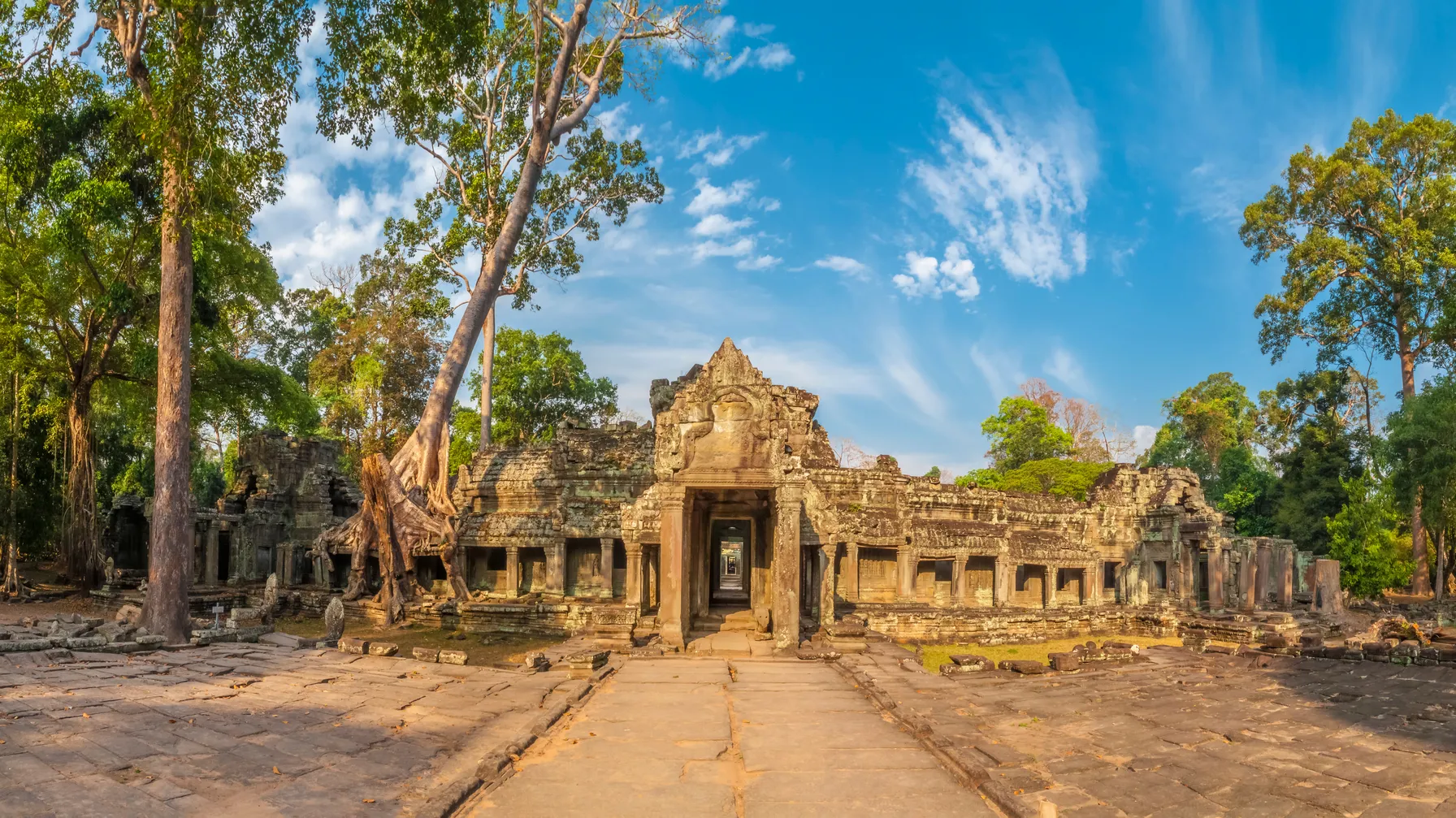
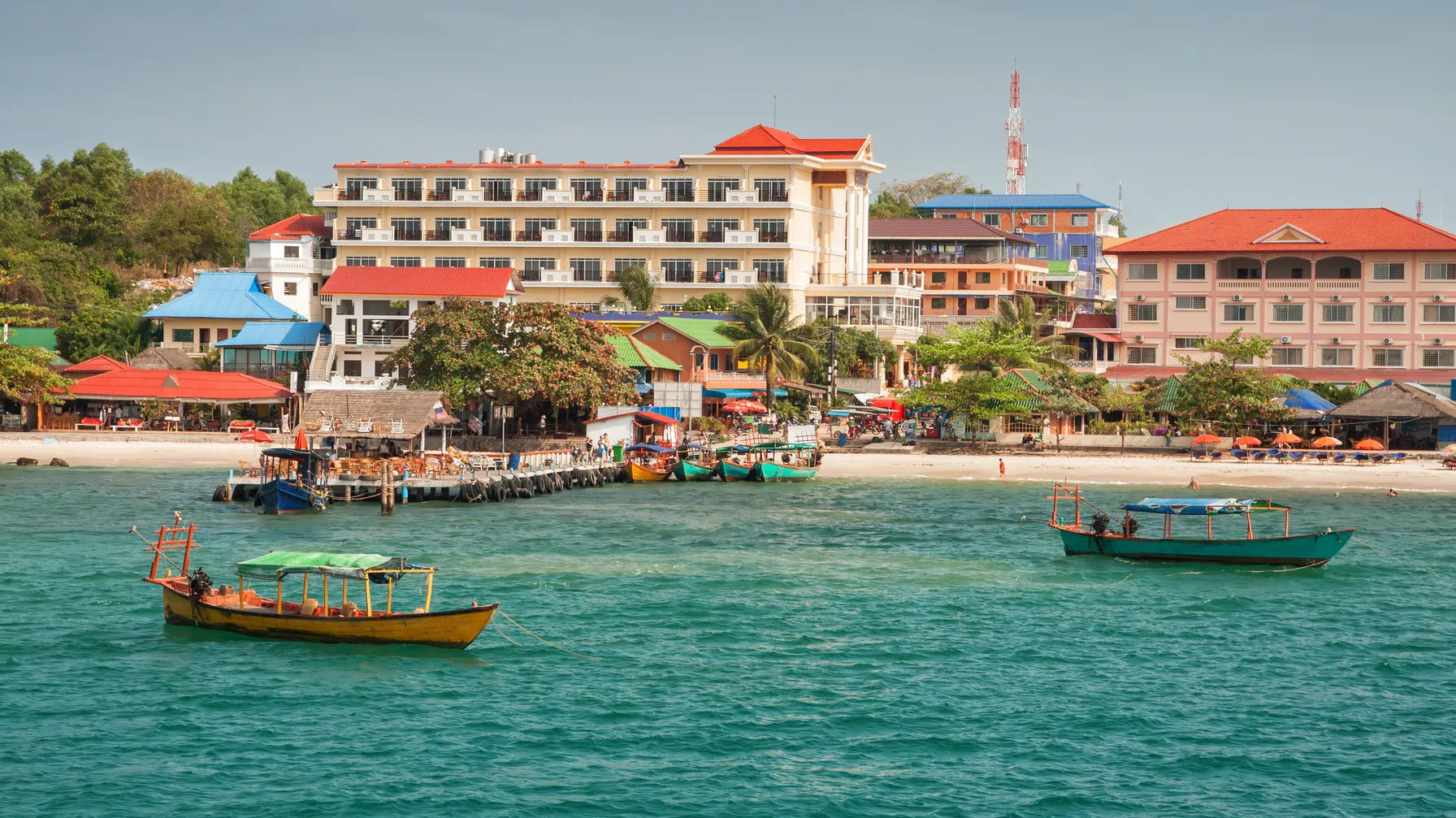
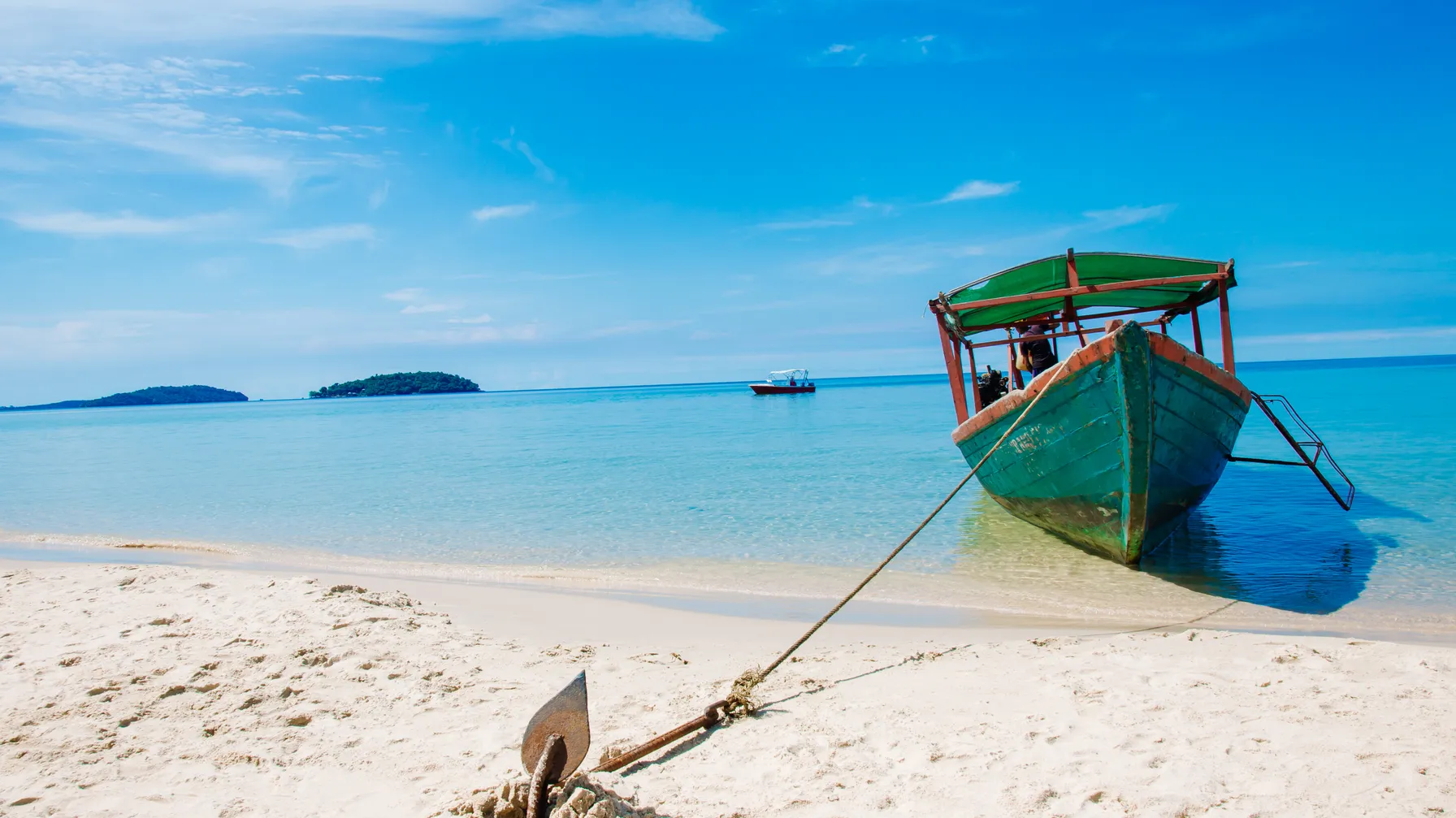
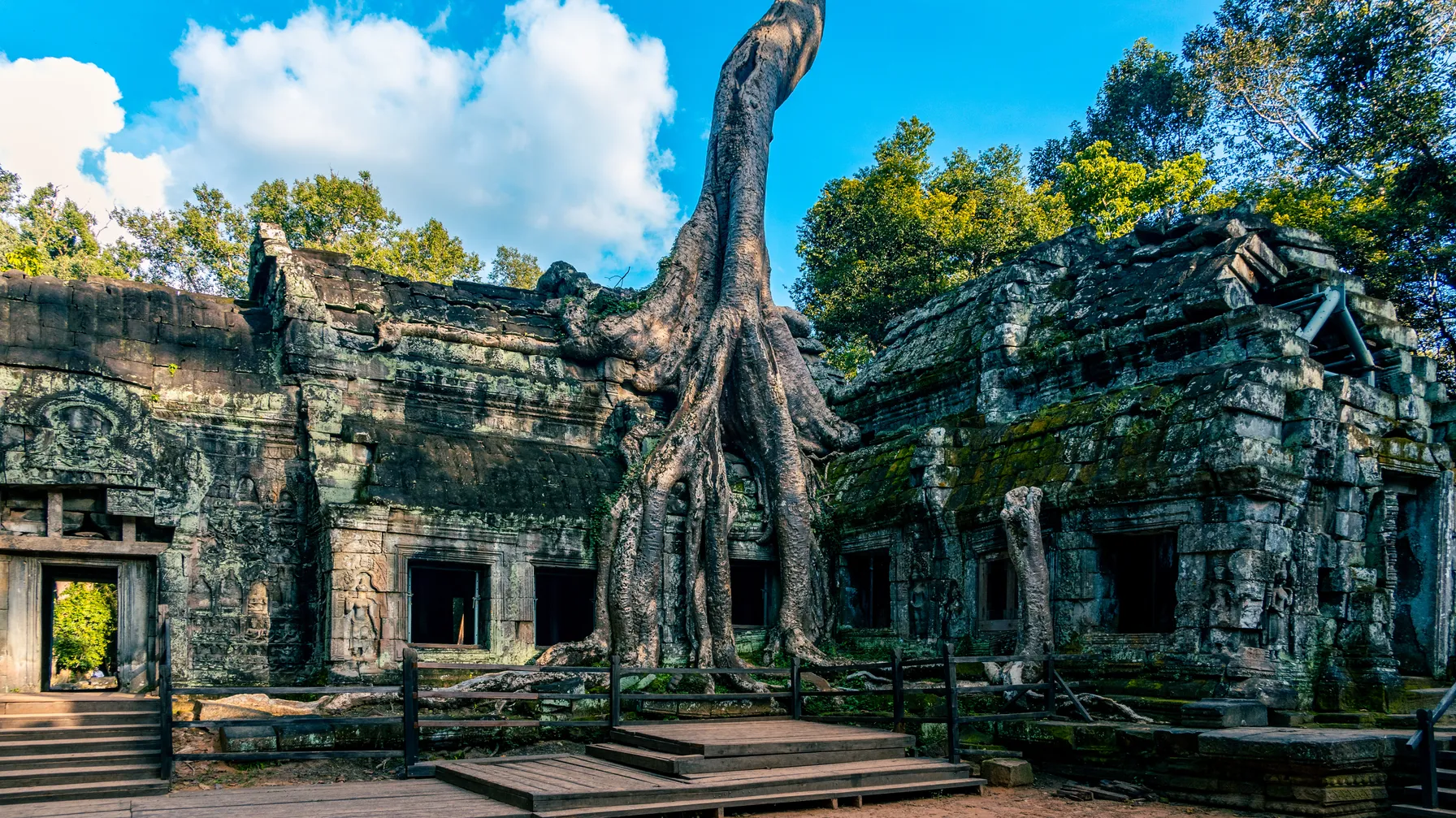
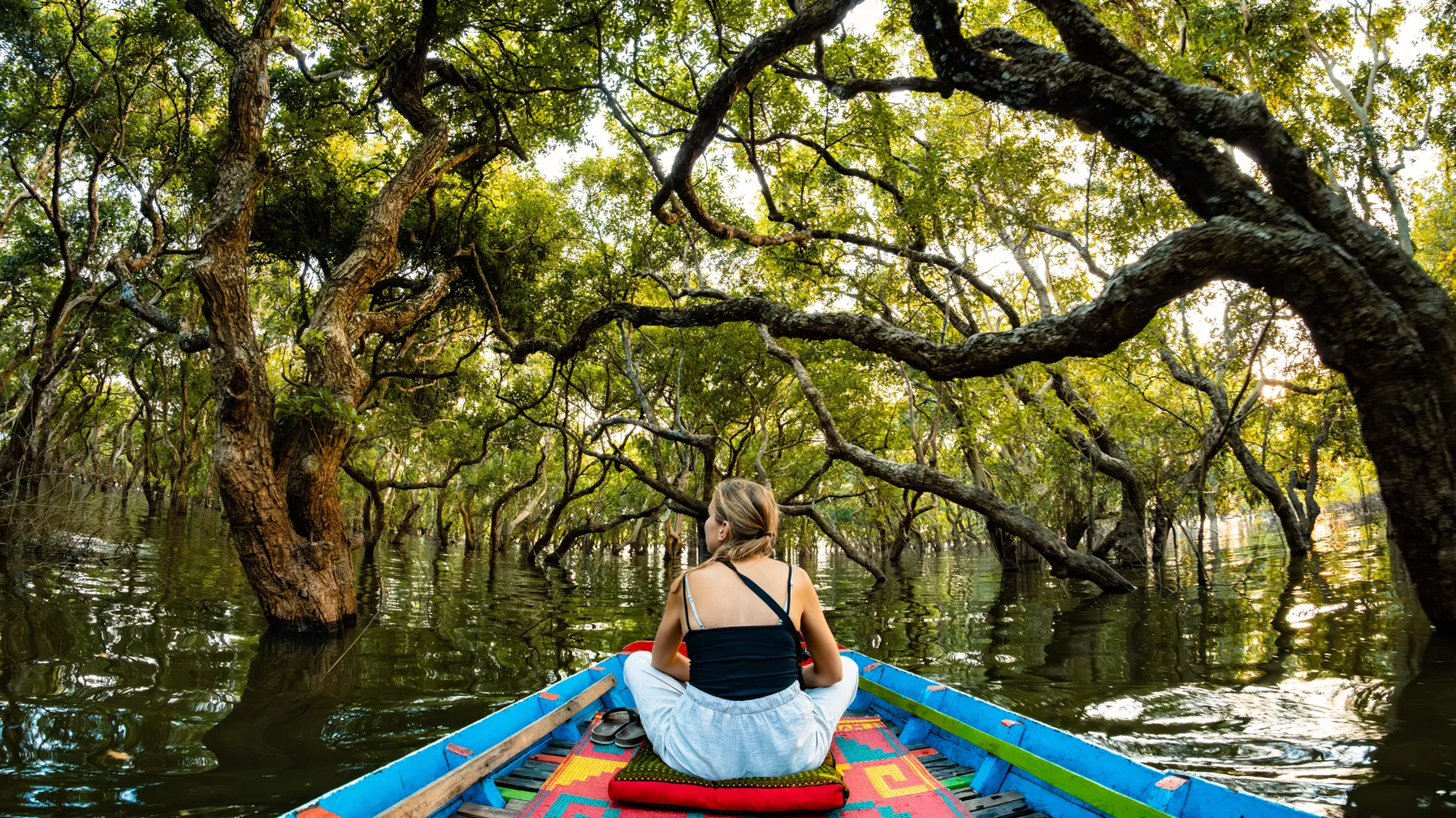
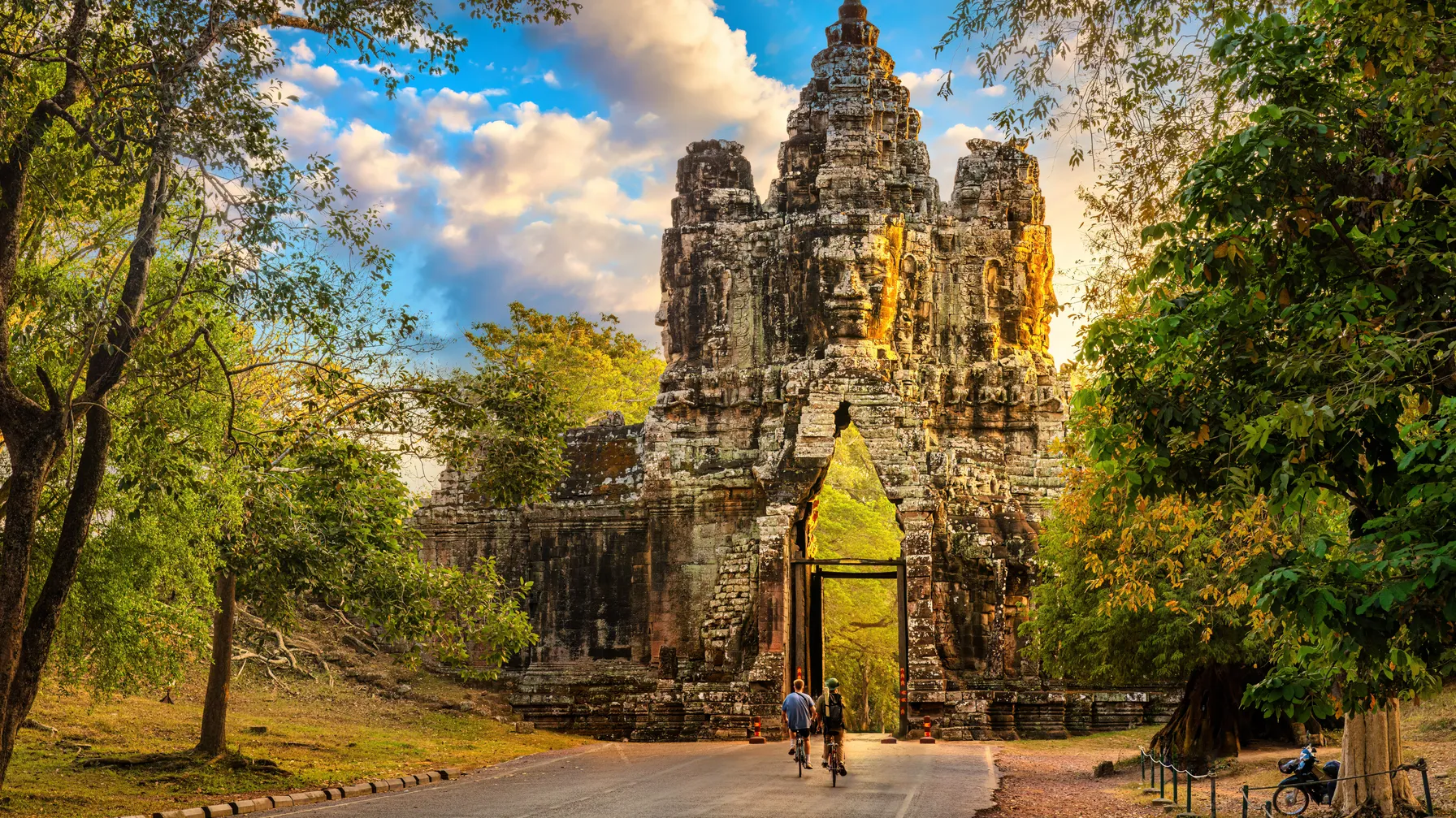
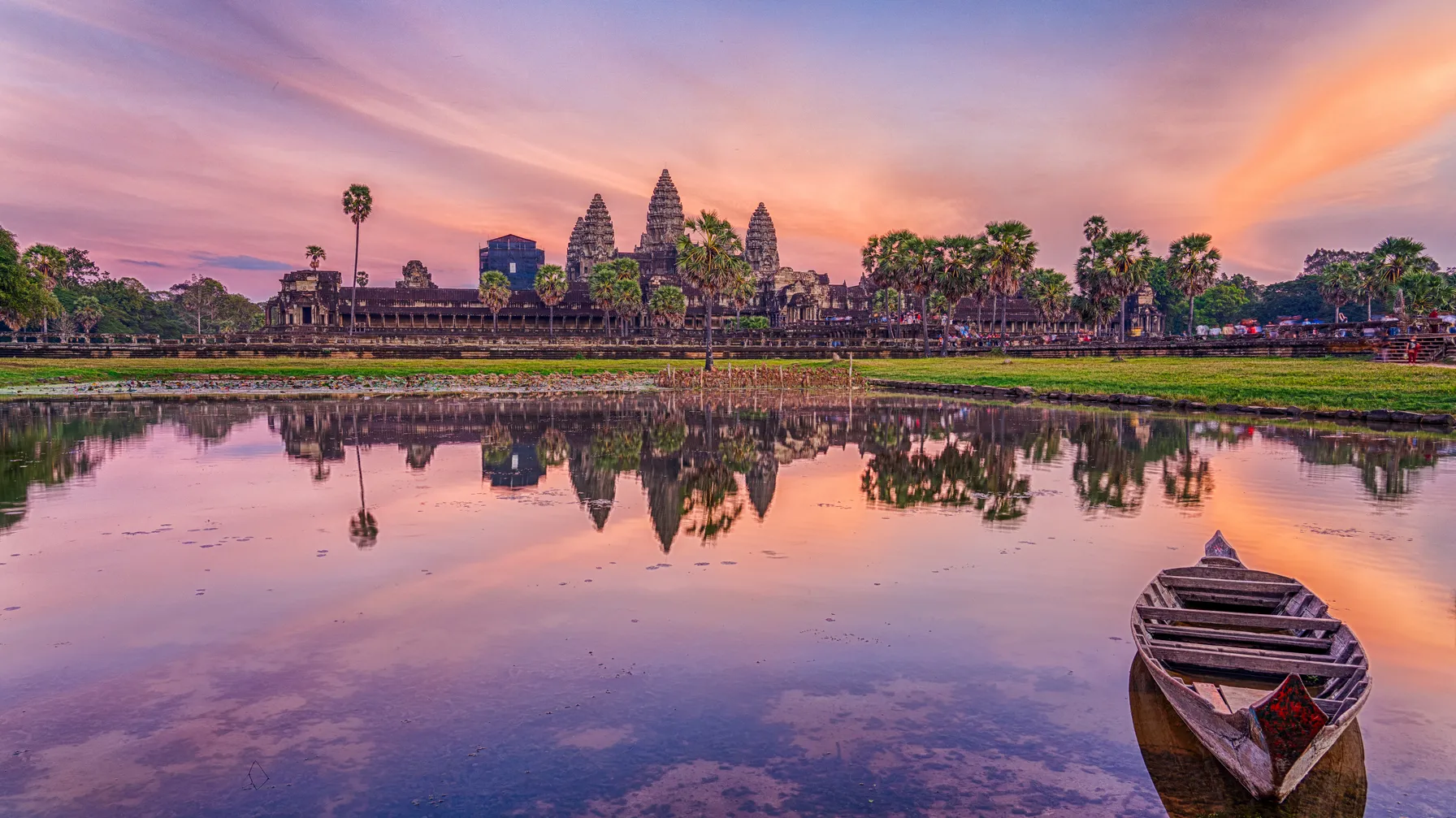
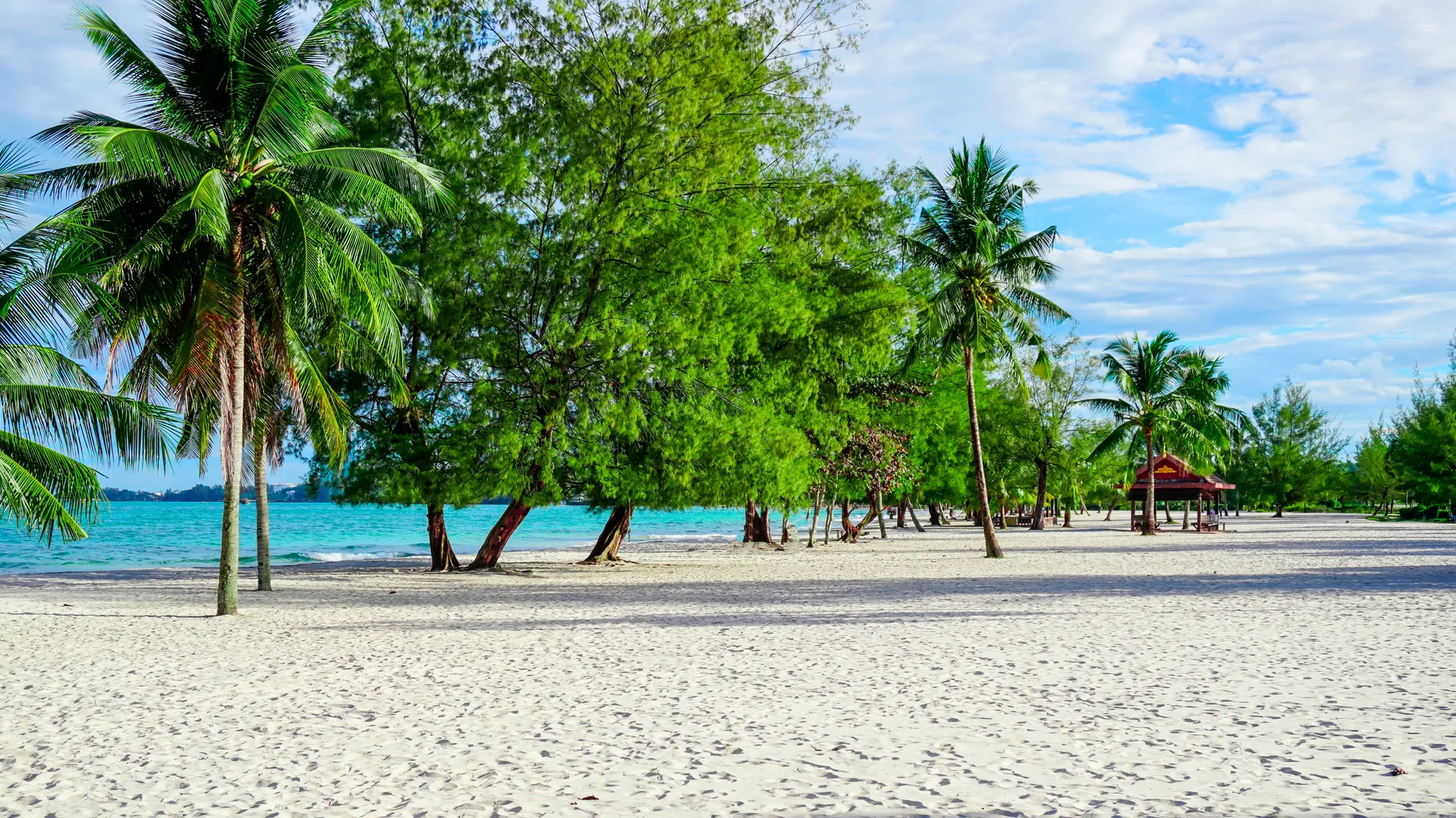
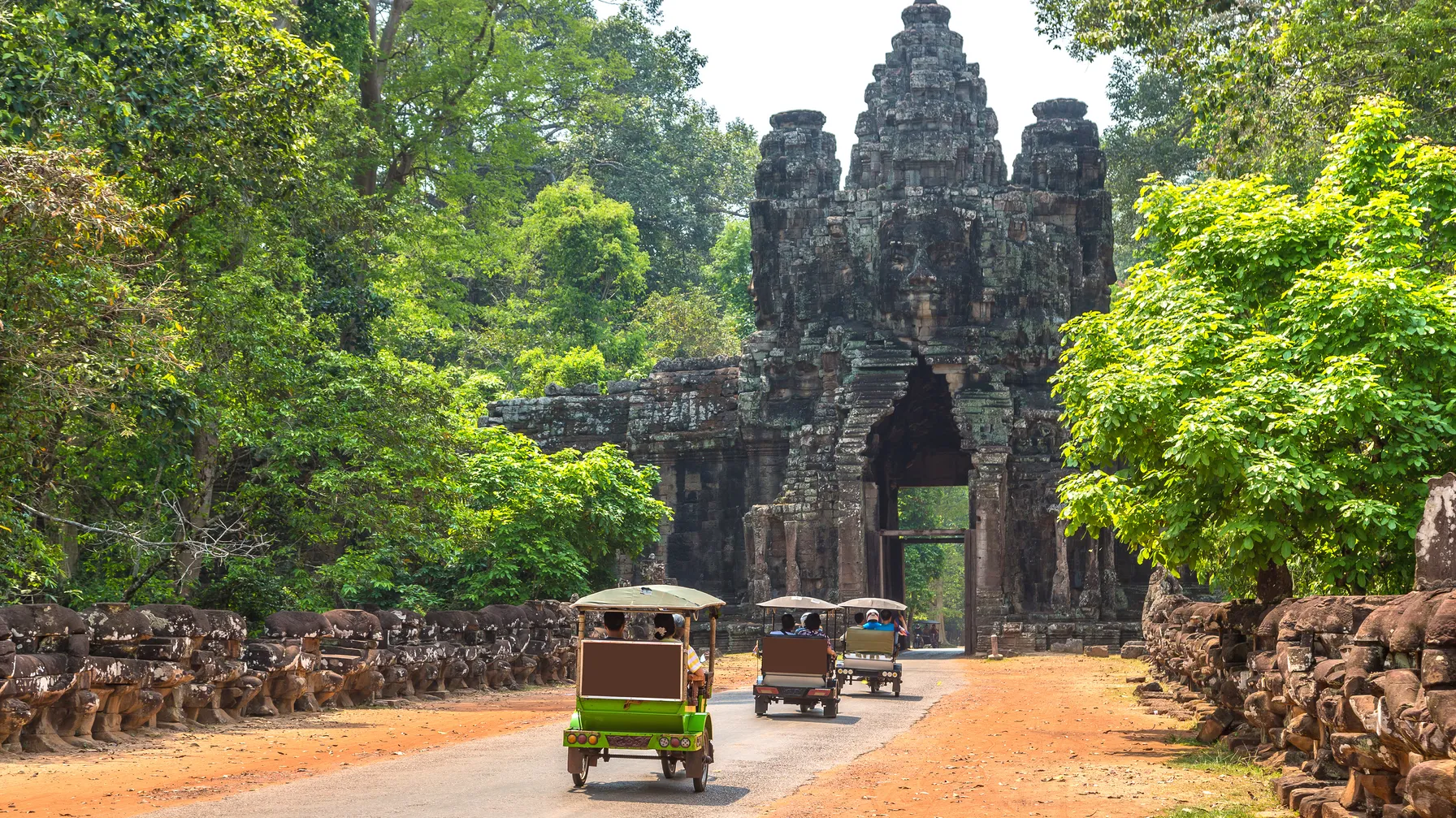
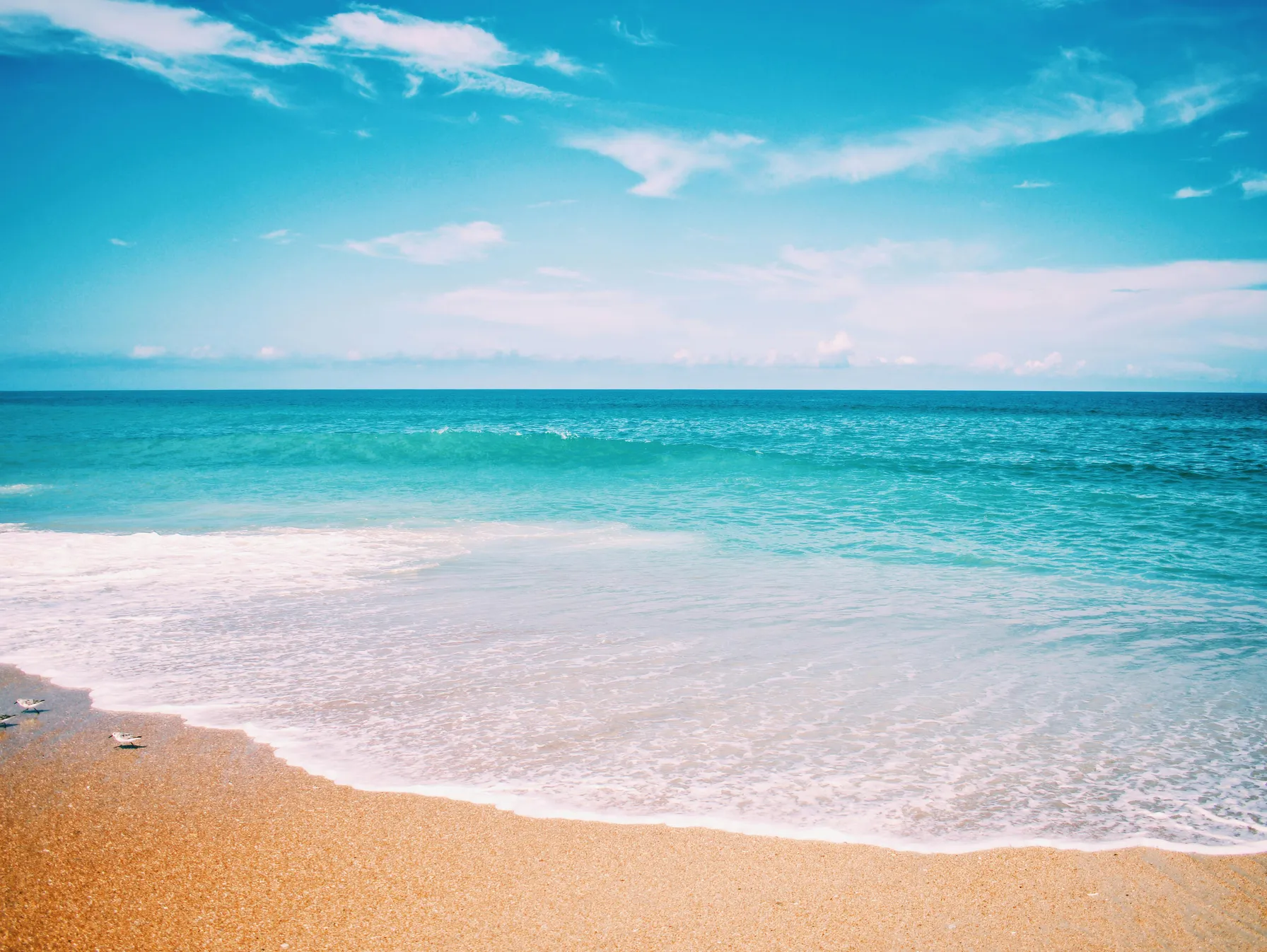
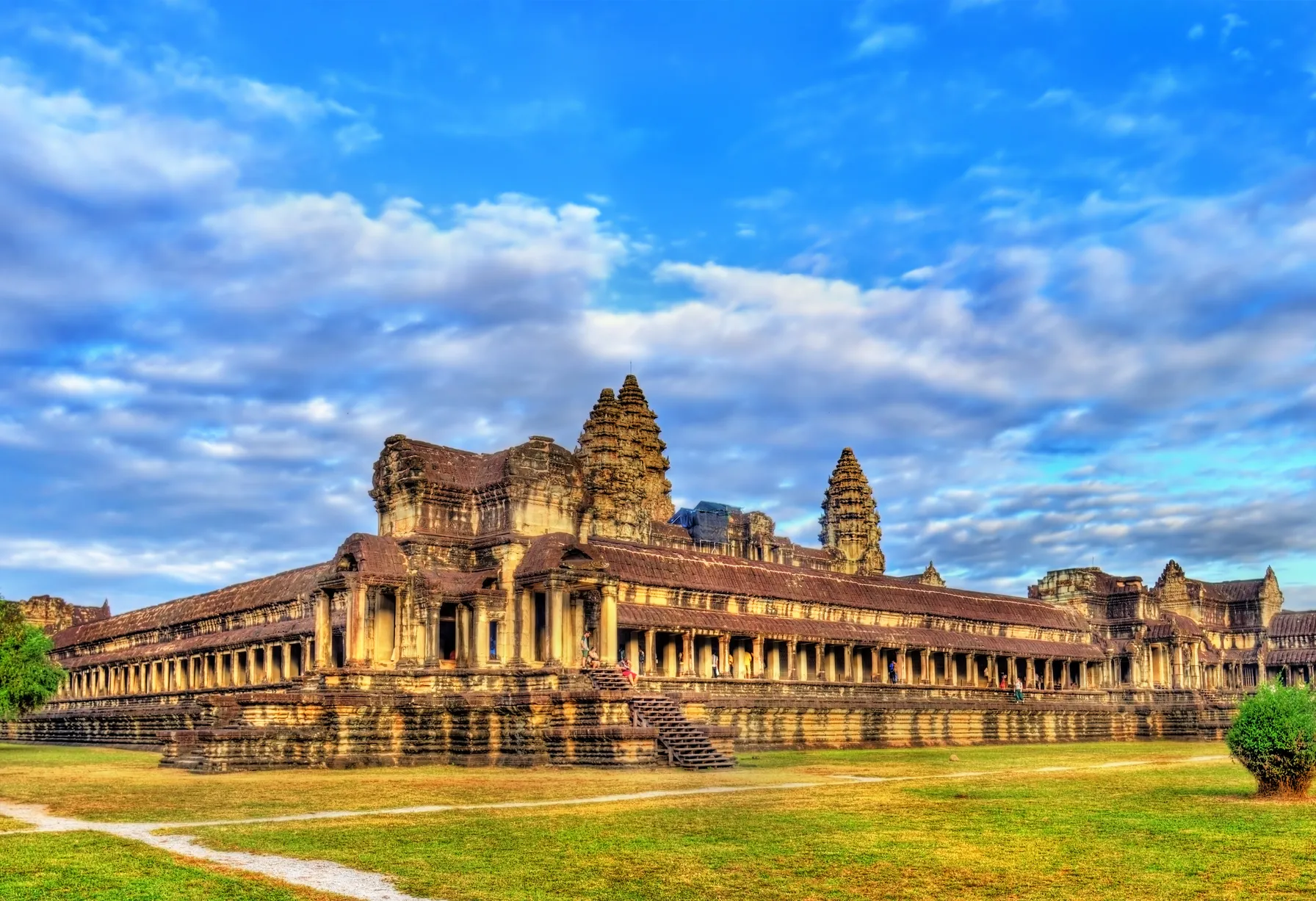
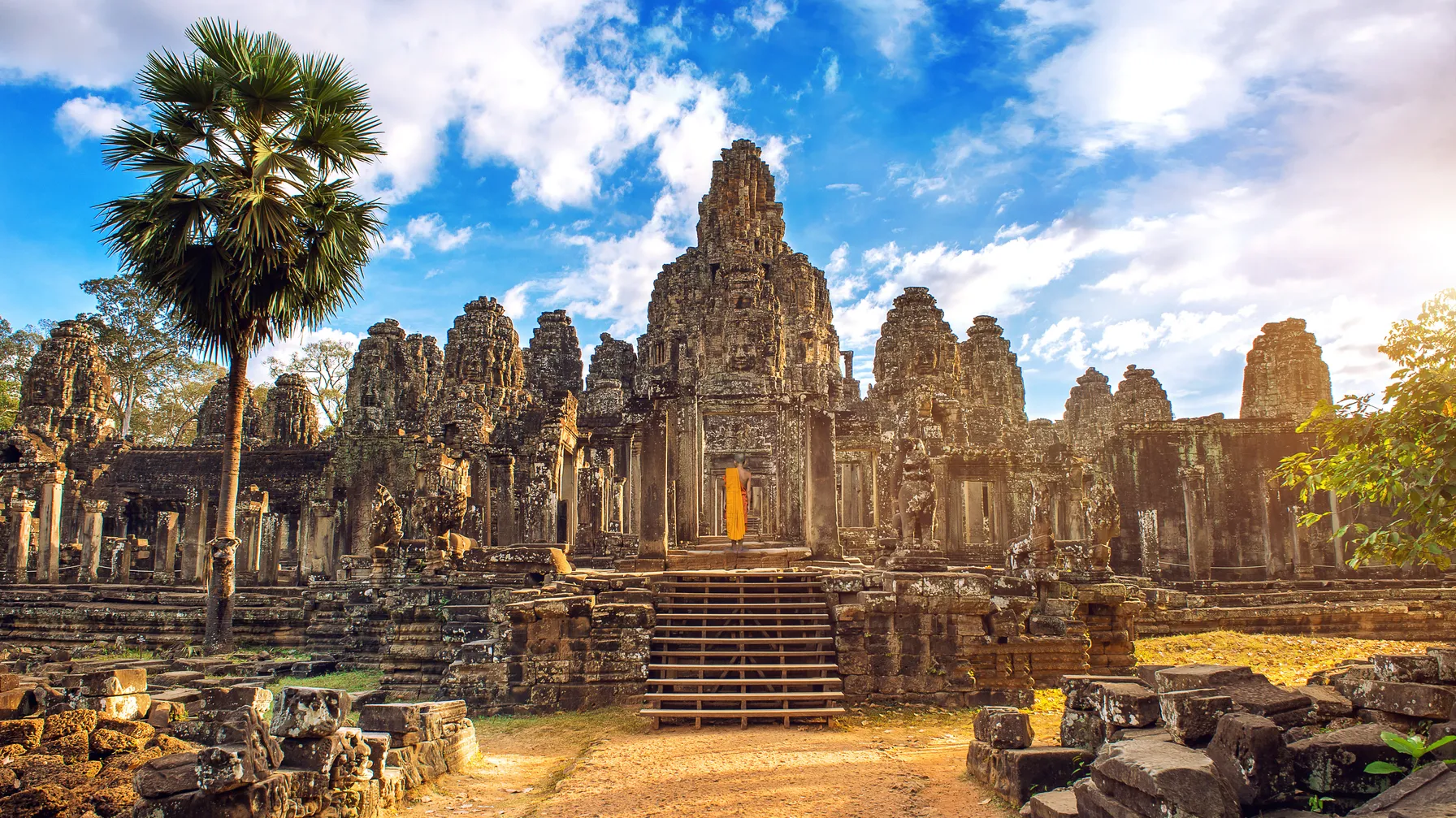
The Angkor temples, inscribed on the UNESCO World Heritage List, are the beating heart of Cambodian heritage. Angkor Wat, the most famous of them, reveals itself in all its splendor at sunrise from the pools facing it. A few kilometres away, the Bayon temple and its carved faces, or Ta Prohm entwined by the roots of the strangler figs, offer moments of rare discovery. Nature also plays a major role: the great Tonlé Sap Lake, the largest in Southeast Asia, is home to fishing communities whose floating villages form a landscape of singular beauty. To the south, the islands of Koh Rong and Koh Rong Samloem offer white-sand beaches and crystal-clear waters worthy of the most beautiful tropical settings.
A destination that suits all kinds of travelers
Whether you're traveling with family, as a couple, or solo, Cambodia adapts well. Families appreciate the cultural richness accessible from Siem Reap, where each temple becomes an open door to history. Couples will find in the southern islands an intimate setting and an exceptional backdrop, far from any bustle. For solo travelers, every step offers a chance of meeting someone or a unique experience, often unexpected.
Contact us for more information and craft your tailor-made trip to Cambodia with a dedicated Travel Planner.
What is the best time to visit Cambodia?
The Cambodian climate is divided into two main seasons, each with its advantages. Choosing your travel period carefully allows you to fully enjoy each stage of your stay, according to your preferences and your itinerary.
Dry season and the rainy season: what you need to know
The dry season, which runs from November to April, is generally recommended for visiting Cambodia. Temperatures range from 28 to 32°C, rainfall is nearly absent, and conditions are ideal for exploring the temples of Angkor as well as relaxing on the beaches. The rainy season, from May to October, offers, in contrast, a lush green landscape and a more moderate tourist turnout. Showers, often brief and intense, mainly occur in the late afternoon.
| Period | Average temperatures | Precipitation | Crowds |
|---|---|---|---|
| November – February | 24 – 30°C | Rare | High |
| March – April | 30 – 35°C | Rare | Moderate |
| May – October | 28 – 33°C | Frequent | Low |
Did you know? December and January correspond to the peak tourist season at Angkor. To enjoy the temples in a calmer atmosphere, the months of November and February offer a good balance between weather conditions and crowds.
What itinerary should you consider for 15 days in Cambodia?
A 15-day stay in Cambodia is ideally suited for a multi-stop discovery, from north to south. Take the time to settle in at each destination rather than multiplying travel. It is often there that the most beautiful memories are made.
Phnom Penh, between memory and bustle
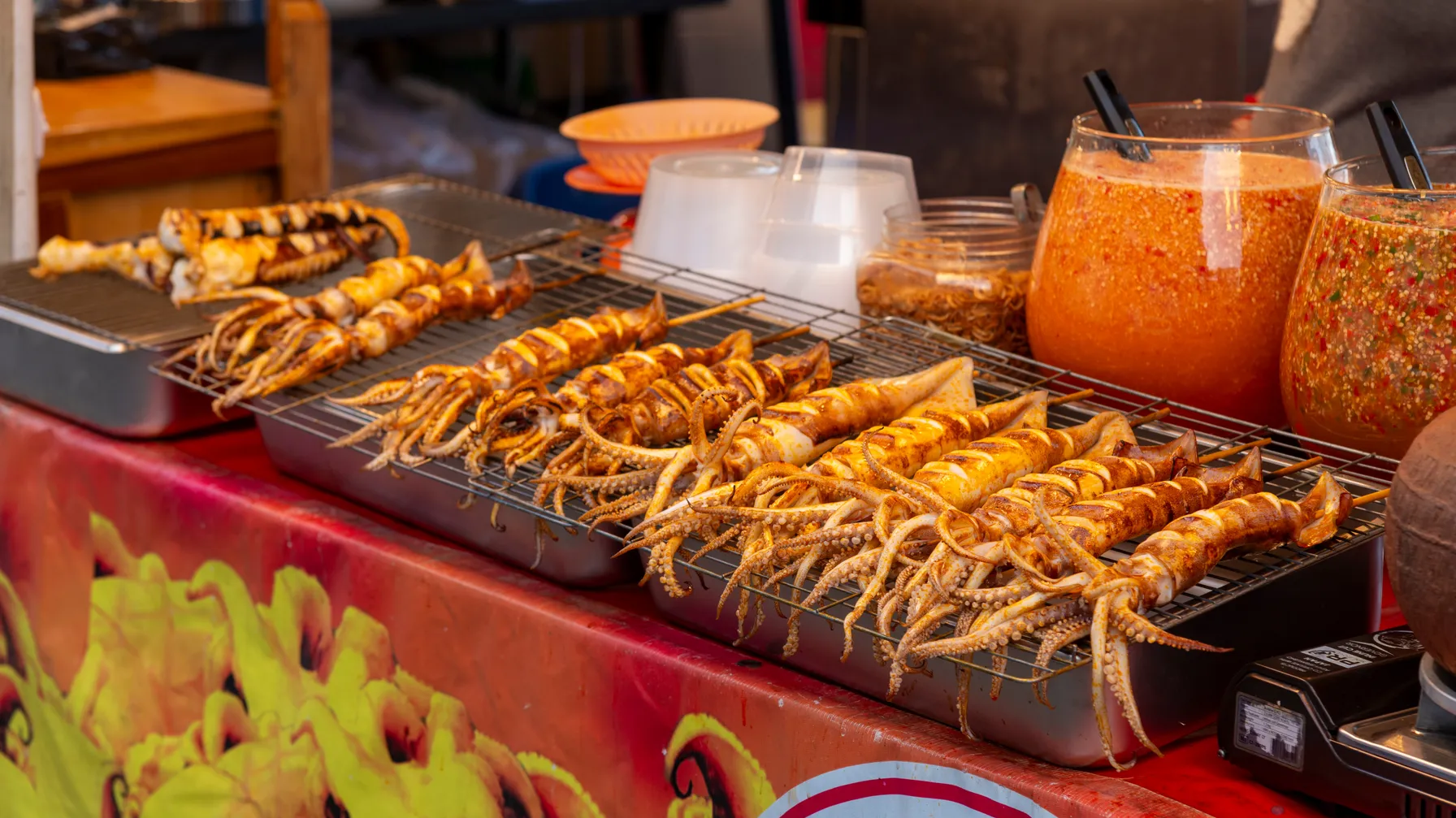
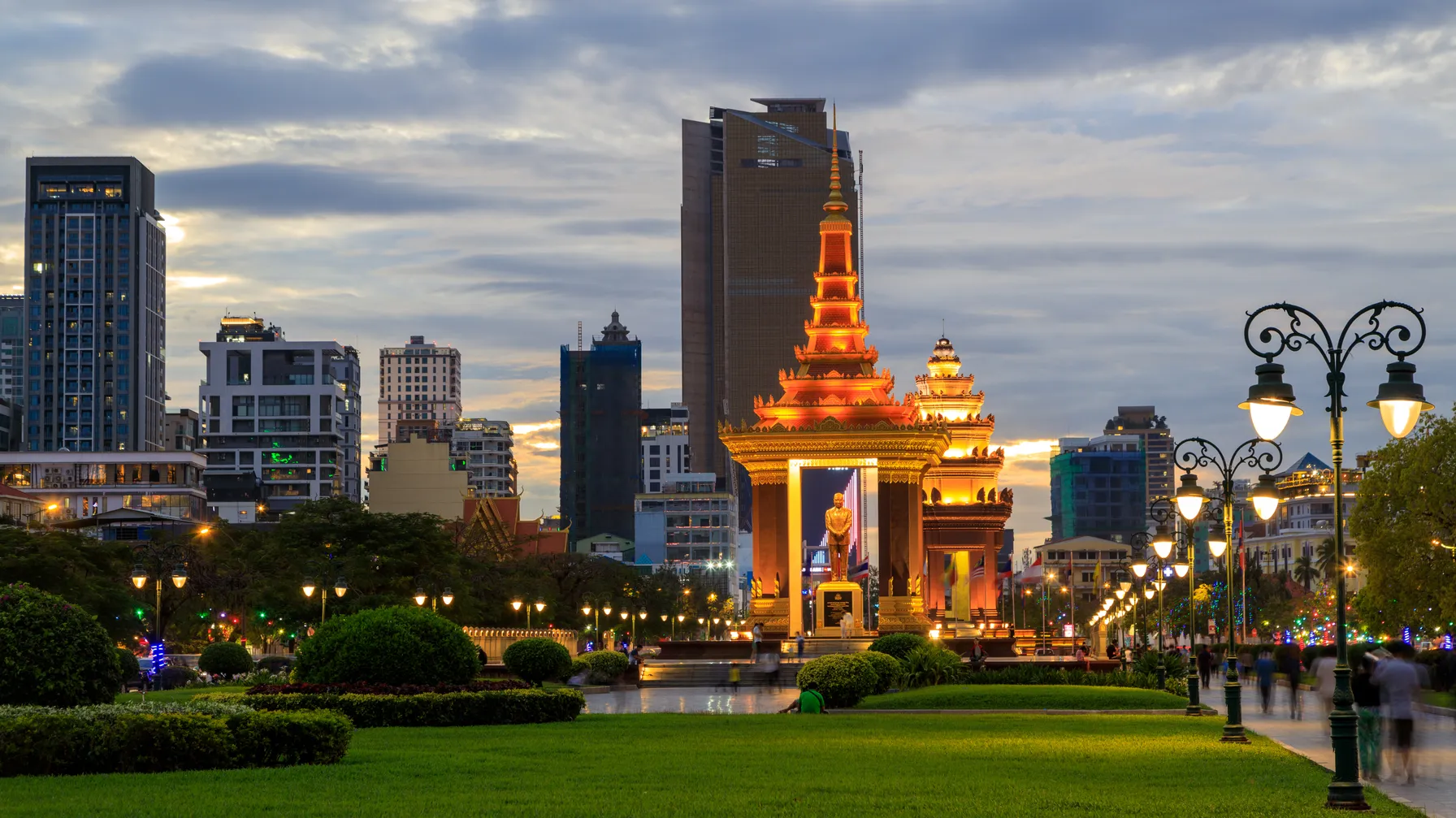
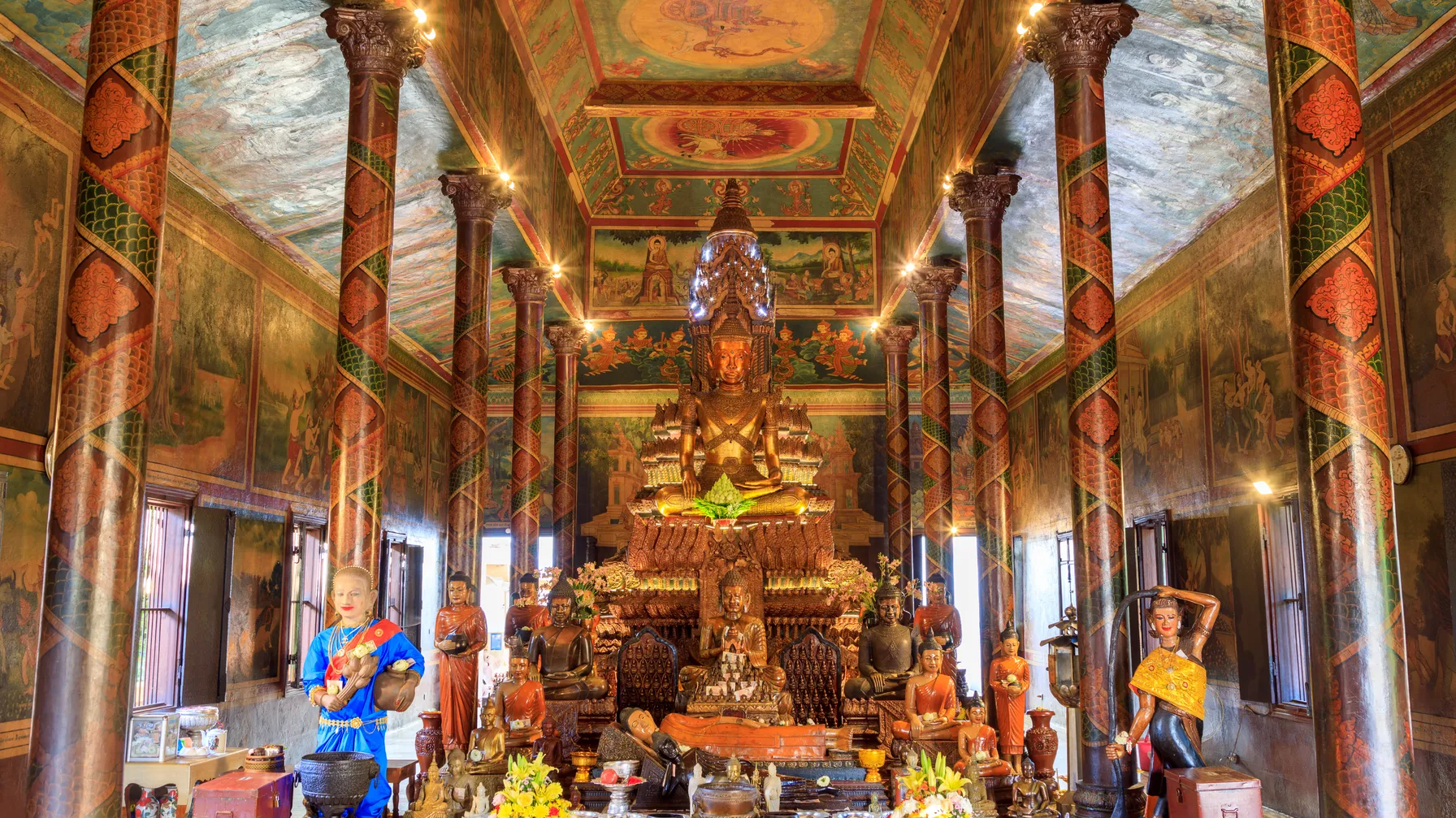
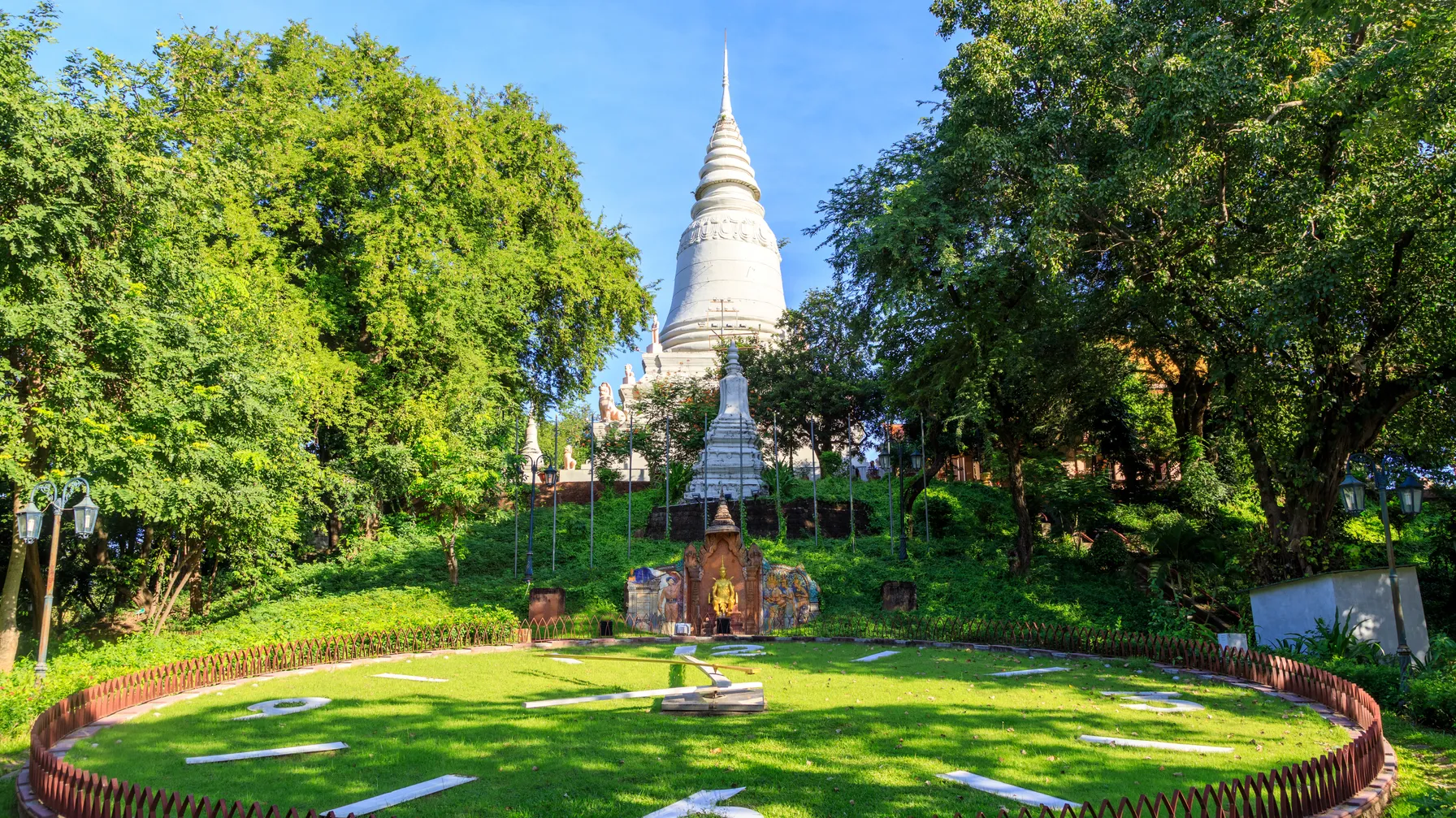
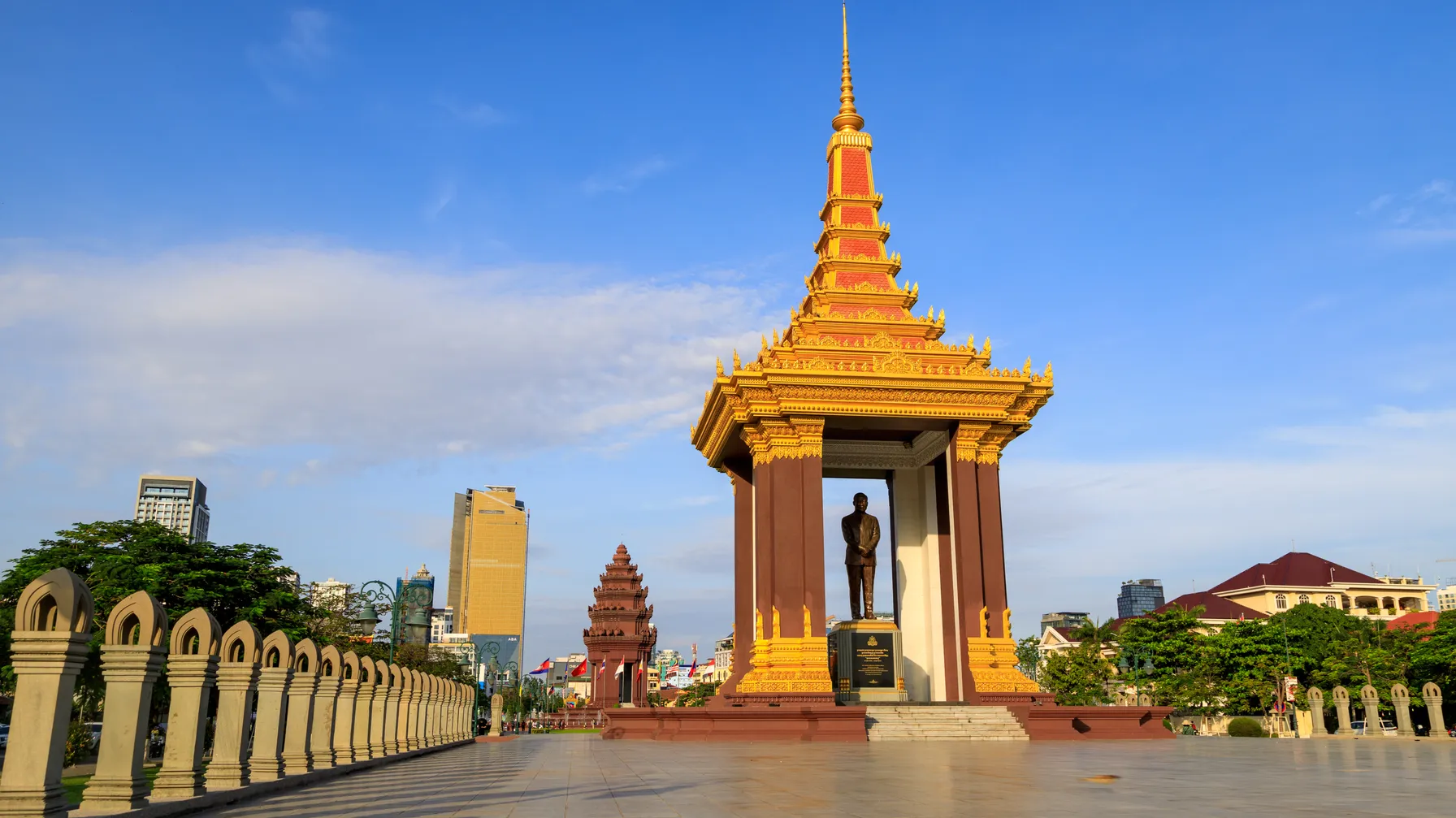
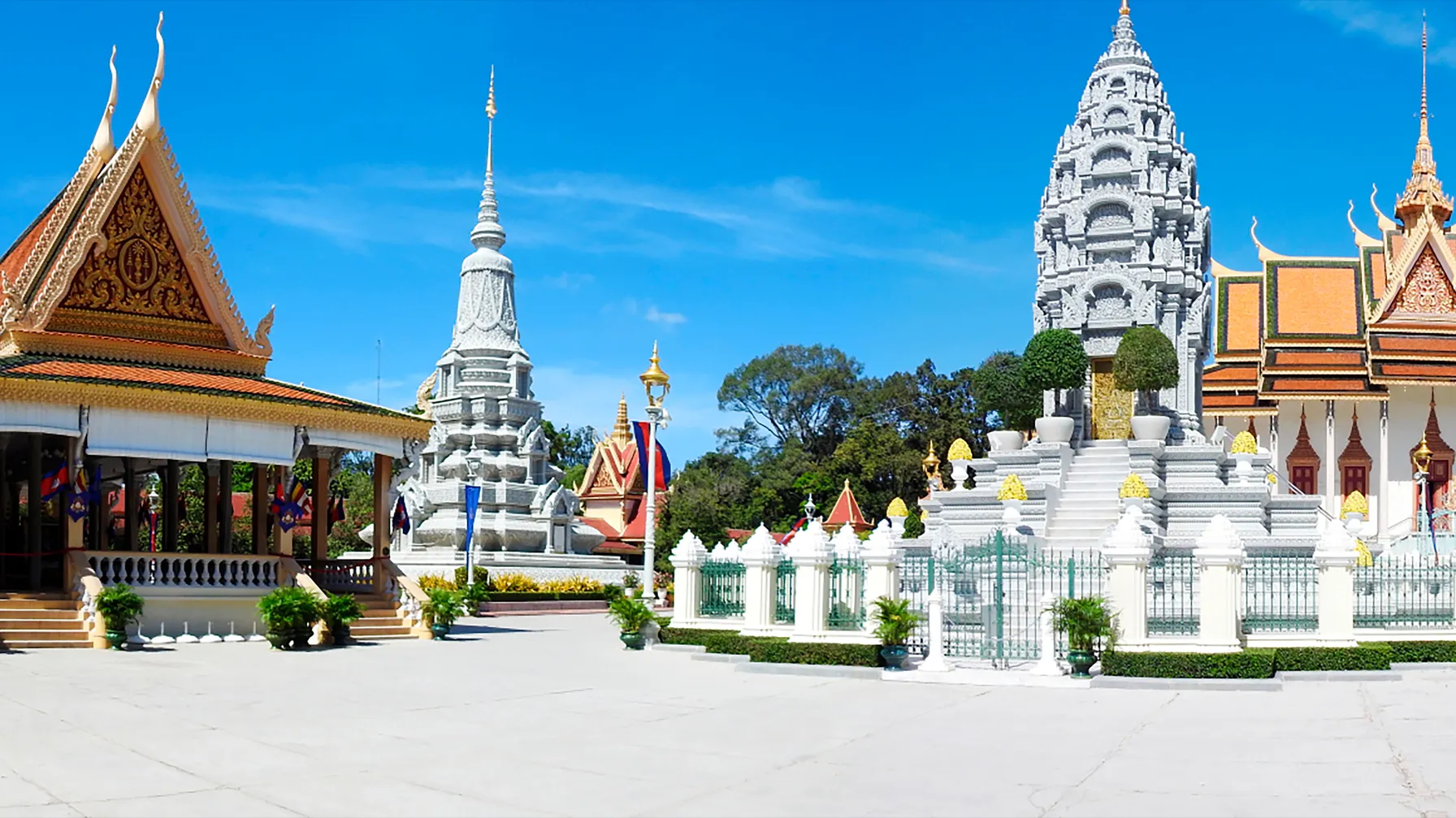
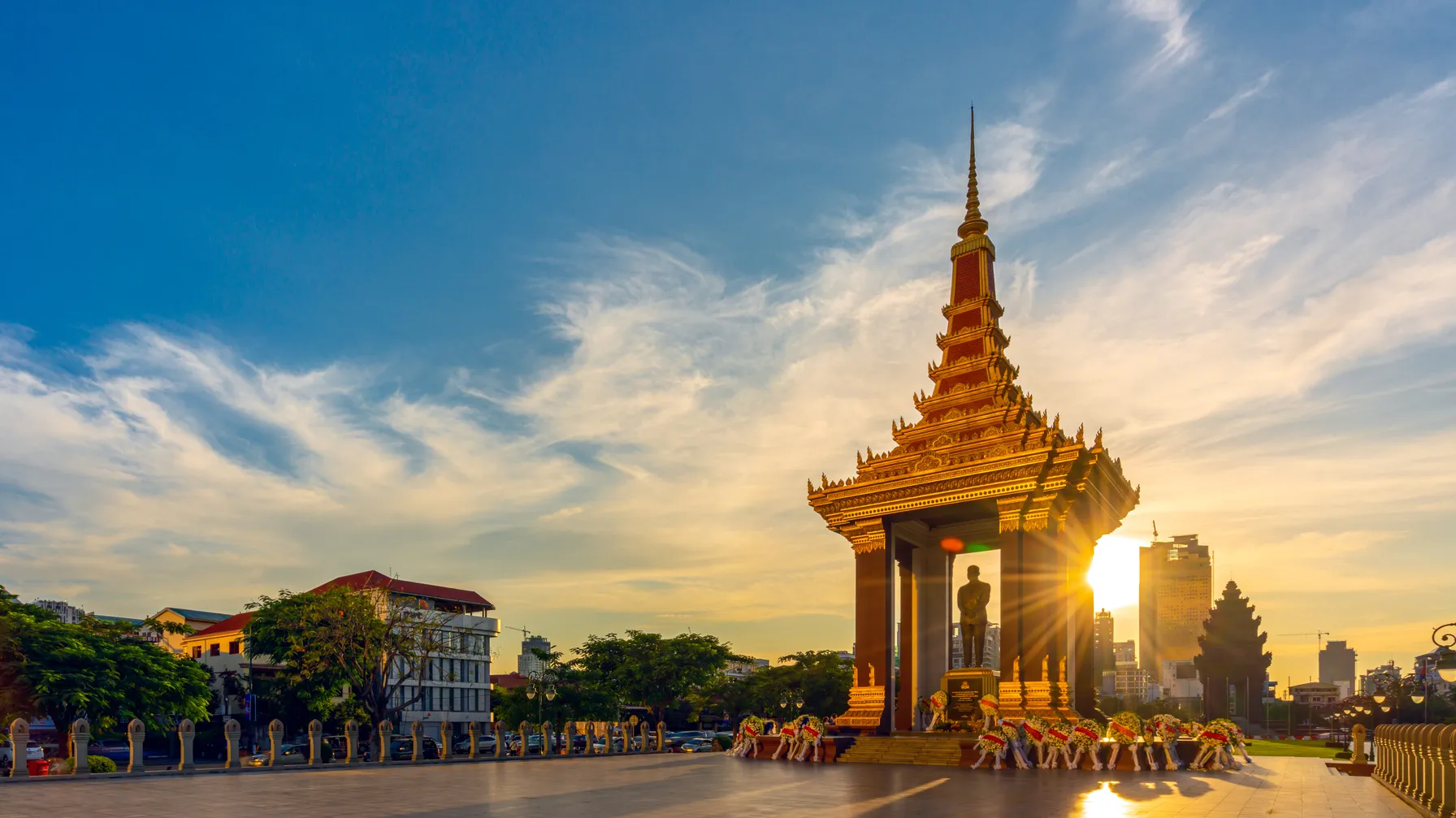
The capital naturally serves as a starting point. Understanding Cambodia's history goes through visiting the Royal Palace and the Silver Pagoda, two monuments at the heart of the city. For an immersion into the country's recent past, the Tuol Sleng Genocide Museum is a step as challenging as it is essential. In the evening, the banks of the Mekong invite a calming stroll before heading to the city's gastronomic spots, where Khmer cuisine reveals all its generosity.
Siem Reap, at the gates of Angkor
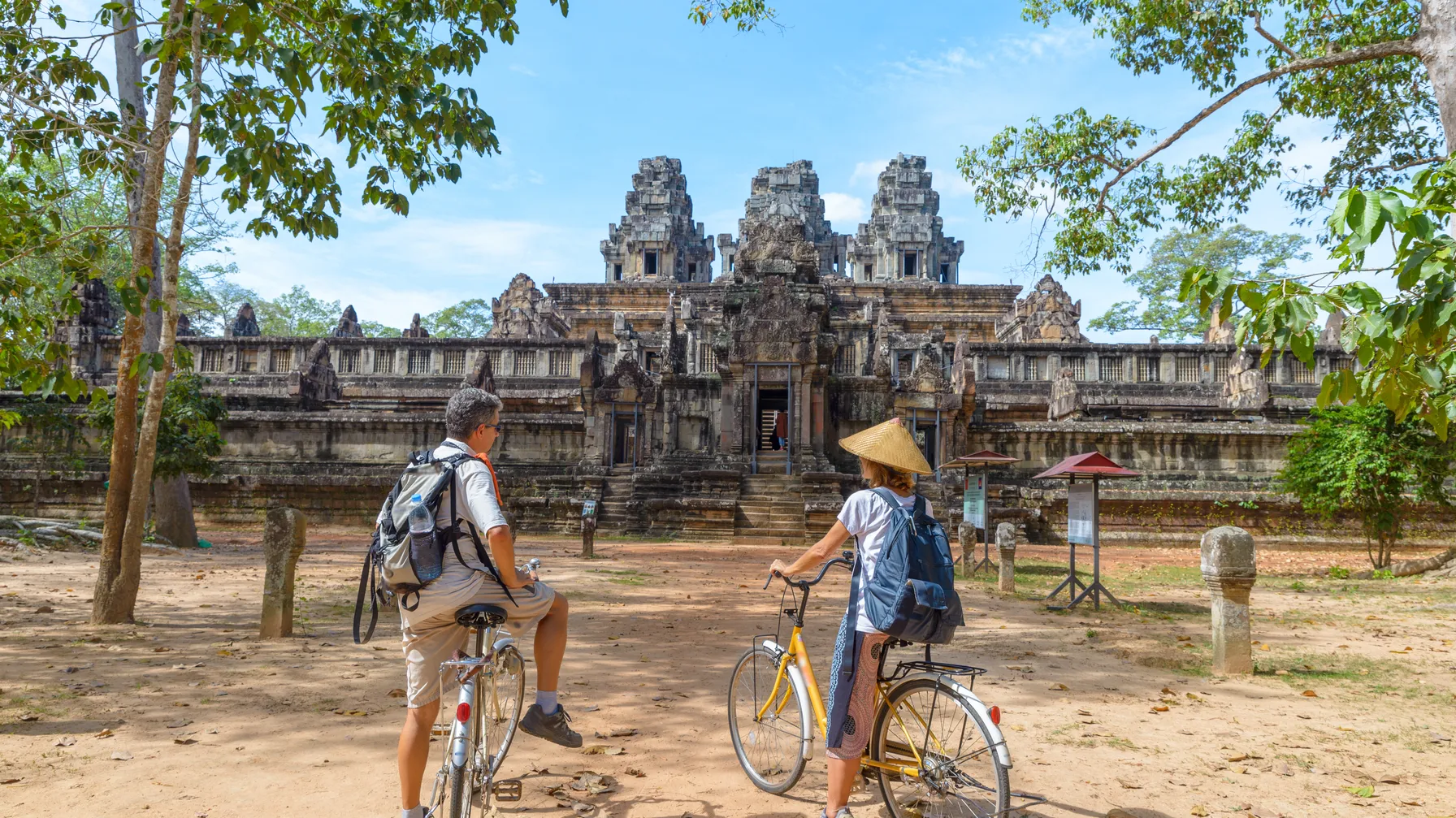
From Siem Reap, the Angkor archaeological site unfolds over several days. Angkor Wat, the Bayon, Ta Prohm, but also the less-visited temples like Banteay Srei: every carved detail tells a millennium-old story. Also reserve a half-day for a trip to a floating village on the shores of the Tonlé Sap. This great lake offers a plunge into the daily life of local communities, a rare experience far from ordinary circuits.
The southern islands, to end in serenity
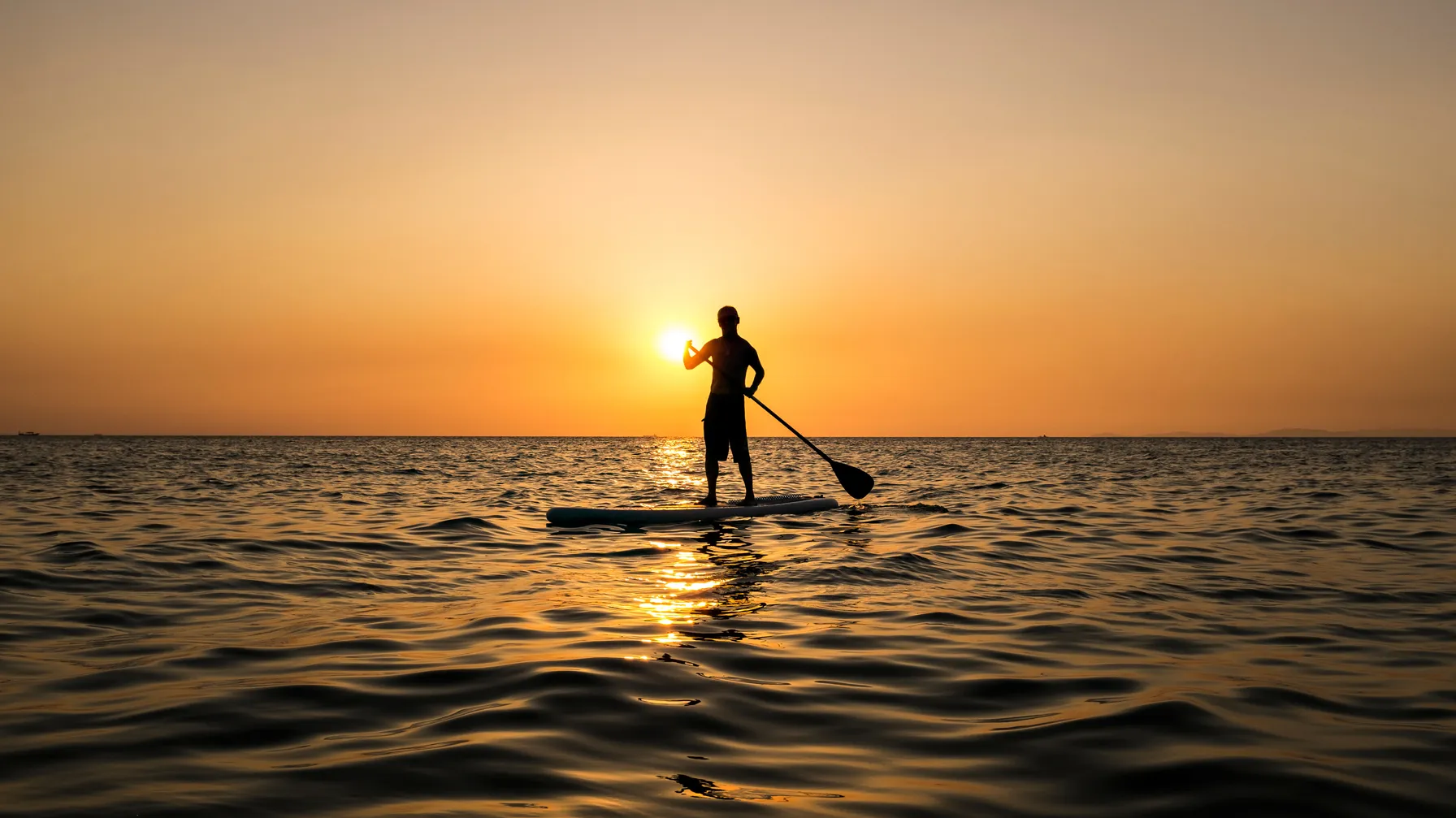
Pour clore votre voyage au Cambodge en douceur, cap sur les îles. Koh Rong et Koh Rong Samloem offrent des plages de sable blanc et une atmosphère préservée que l'on s'accorde rarement ailleurs. La nuit, le phénomène de plancton bioluminescent transforme les baignades en un spectacle inoubliable. S'accorder un peu de sérénité dans ce cadre d'exception, c'est l'une des meilleures façons de terminer ce voyage au Cambodge.
Réservez votre voyage au Cambodge maintenant et laissez nos experts construire l'itinéraire qui vous ressemble.
Demandez votre devis Cambodia sur-mesure 100% gratuit
 4.8
4.8+3.000 travelers satisfied
What practical tips before you hit the road?
Un voyage au Cambodge se prépare avec quelques informations clés pour aborder votre séjour en toute sérénité. Le visa est obligatoire pour entrer dans le pays et s'obtient facilement en ligne auprès des autorités cambodgiennes, pour un coût d'environ 30 dollars, valable 30 jours. La monnaie officielle est le riel, mais le dollar américain est largement accepté dans tout le pays. Pour les déplacements urbains à Phnom Penh ou Siem Reap, les tuk-tuks et l'application Grab permettent de se déplacer à prix fixe, en toute simplicité. Le décalage horaire avec Paris est de +5 heures en été et +6 heures en hiver.
Avant de partir, voici les essentiels à glisser dans votre valise :
- \n
- Light cotton clothing, with outfits covering shoulders and knees for temple visits; \n
- An effective mosquito repellent and a high SPF sunscreen; \n
- An insulated bottle, since tap water is not potable in Cambodia. \n
From a health standpoint, consult your doctor before departure to check your vaccinations, especially against hepatitis A and typhoid.
Contact us for more information on the formalities and the best times to go to Cambodia.