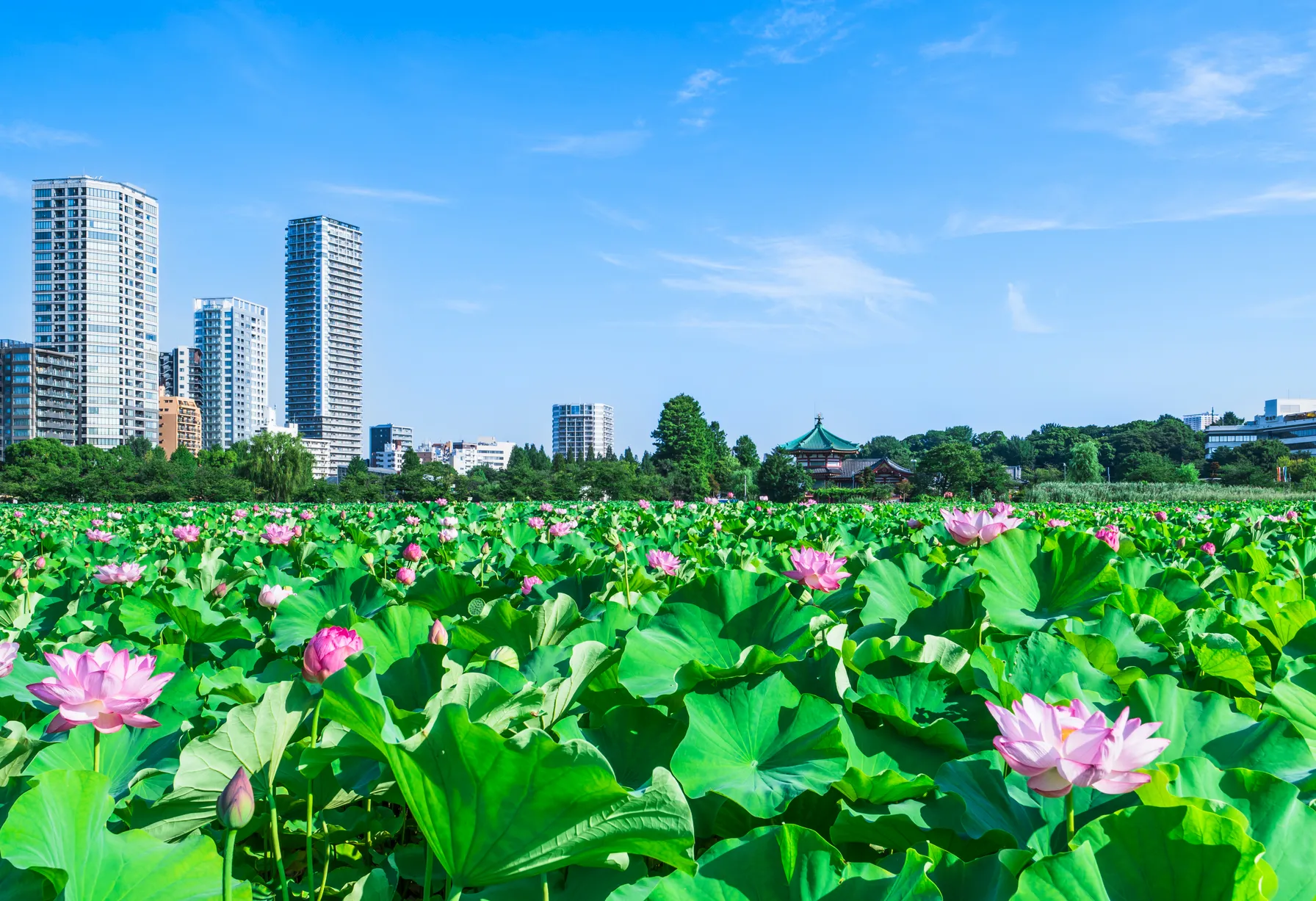
July in Tokyo: when to go explore the Japanese capital in midsummer?
What climate to expect in Tokyo in July?
Tokyo in July offers an intense weather experience that defines the authenticity of the Japanese summer. This period features specific meteorological characteristics that you should well understand to optimize your stay.
Summer temperatures and weather conditions
Tokyo in July immerses you in the intense atmosphere of Japanese summer. The average temperature ranges between 22°C and 29°C, but these figures only partly reflect the reality. Daytime temperatures regularly exceed 30°C and can reach up to 37°C on the hottest days. This heat is accompanied by a high humidity level that intensifies the feeling of mugginess, creating that particular ambiance of a Tokyoite summer.
The sunshine grants you about 6 hours per day, alternating with cloudy periods typical of this transitional time. Nights bring little relief with temperatures rarely dropping below 22°C, maintaining the tropical atmosphere that characterizes the summer season in the capital.
The transition from the rainy season to summer
July marks a pivotal period in the Japanese meteorological calendar. The rainy season, called tsuyu, usually ends by July 19th, freeing Tokyo from its daily showers to make way for the authentic summer. During the first half, you may still experience about 10 rainy days with total precipitation of around 141 mm.
This transition creates changing weather conditions: some days start under overcast skies to turn into sunny afternoons, while others see sudden tropical showers temporarily refreshing the atmosphere. These variations add an unpredictable dimension to your trip to Japan, but they are an integral part of the Tokyoite summer experience.
What to pack for Tokyo in July
Your wardrobe for Tokyo in July should prioritize lightness and breathability. Opt for natural fabrics like cotton or linen, which help moisture escape. Loose-fitting and light-colored clothing will help you withstand the heat while remaining stylish in the many places you will visit.
Make sure to include:
- A compact umbrella with UV protection, safeguarding you simultaneously from intense sun and sudden showers;
- A high-SPF sunscreen, as UV rays are particularly strong;
- A Japanese fan, a practical and culturally appropriate accessory;
- Spare clothes, as sweating is inevitable;
- An anti-mosquito repellent for evenings outdoors;
- A lightweight yukata if you wish to participate in festivals in the true spirit.
Contact us for more information on the best times to visit
Demandez votre devis Tokyo sur-mesure 100% gratuit
 4.8
4.8+3.000 travelers satisfied
Why does July transform Tokyo into an exceptional cultural scene?
July reveals the cultural richness of Tokyo in its most authentic and vibrant form. This period concentrates a multitude of traditional events and summer activities that add a unique dimension to discovering the Japanese capital.
The summer festivals that pulsate the city
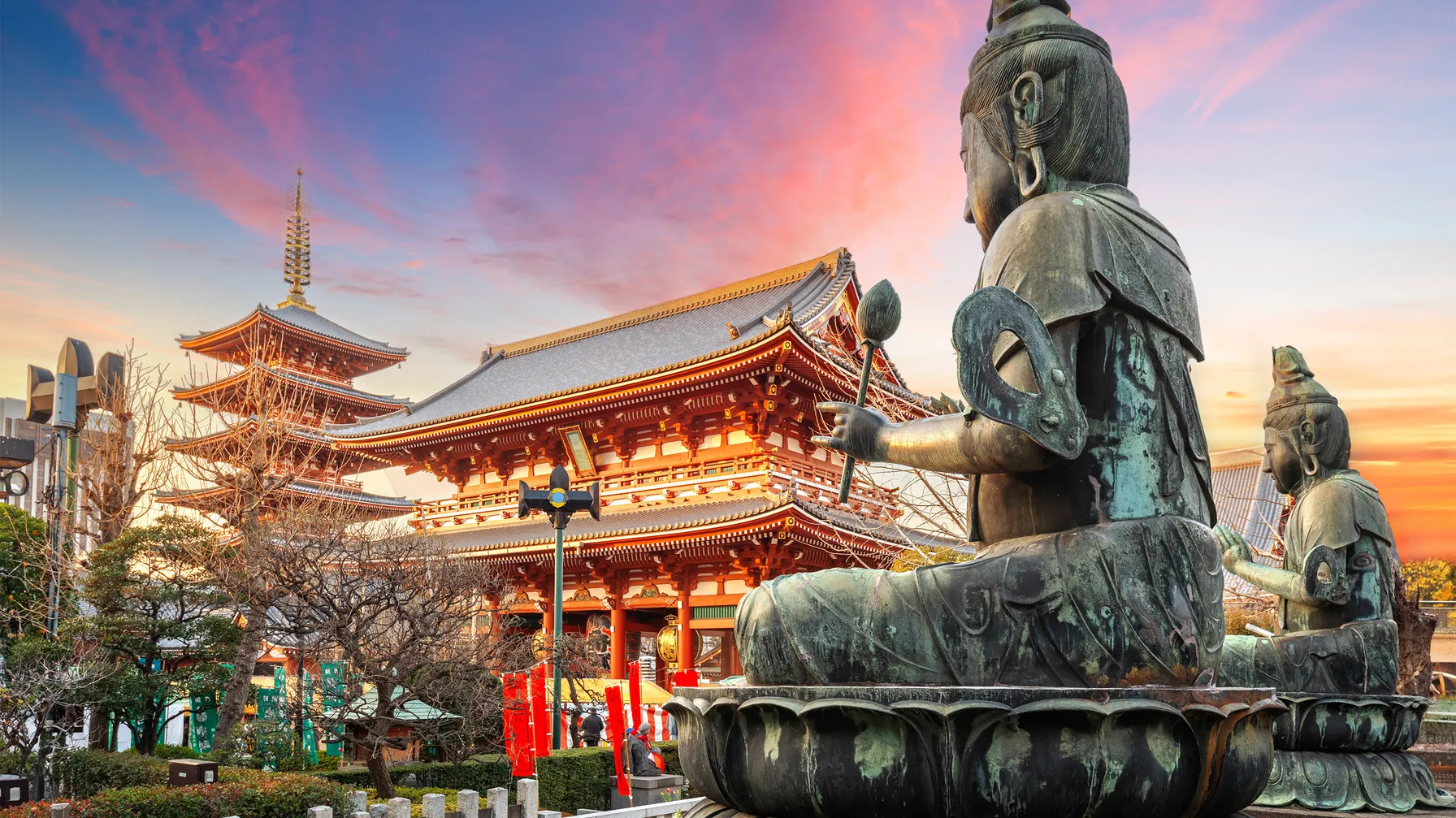
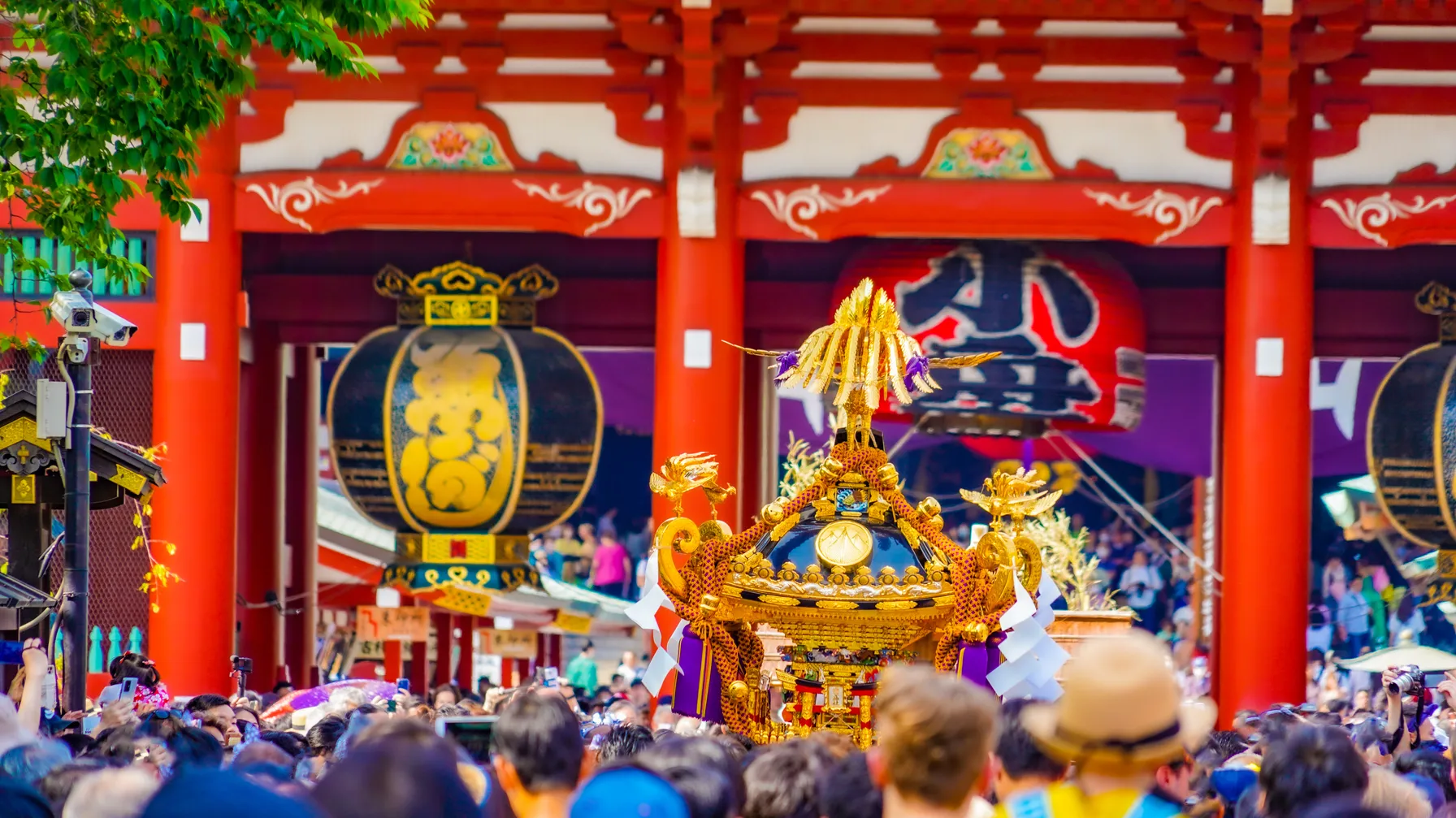
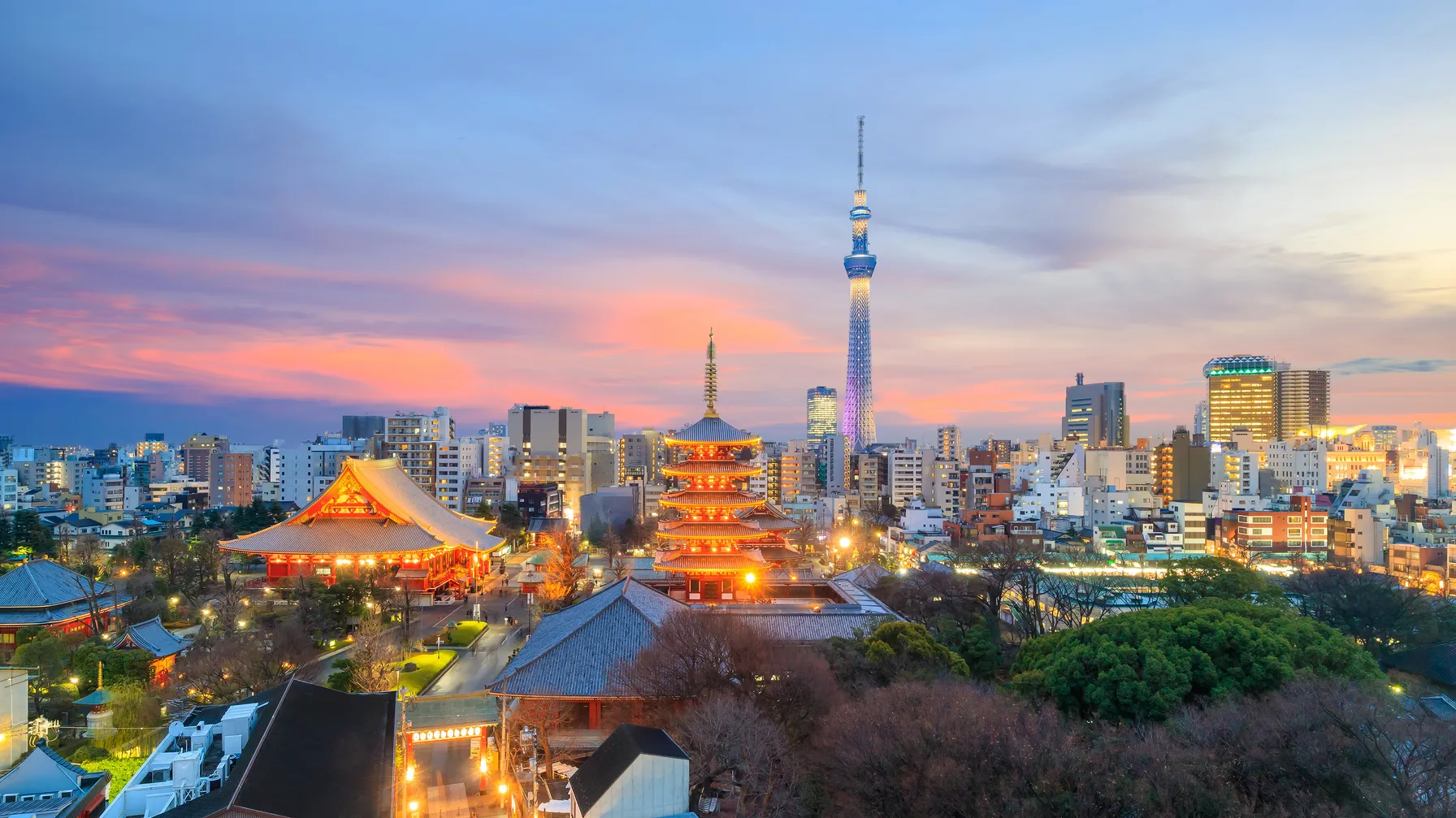
July transforms Tokyo into a series of celebrations revealing the festive soul of Japan. The Tanabata Star Festival, celebrated on July 7, decorates the city with colorful bamboo decorations where residents hang their wishes. This millennia-old tradition creates a unique poetic atmosphere in neighborhoods like Asakusa.
The Sumida River Fireworks Festival is the climax of these summer festivities. Nearly 20,000 rockets light up the night sky, attracting almost a million spectators in an electrifying atmosphere. The many Bon Odori festivals invite visitors to discover traditional dances in a friendly atmosphere, while the Mitama Matsuri at Yasukuni Shrine creates a magical spectacle with its thousands of lanterns.
The Design Festa at Tokyo Big Sight offers a contemporary perspective with its showcase of international creators, proving that July harmoniously blends ancient traditions and modern innovations.
Climbing Mount Fuji and summer activities
July marks the official opening of the climbing season for Mount Fuji, turning this symbol of Japan into a destination accessible to travelers from around the world. This unique period offers the unforgettable experience of climbing the sacred mountain to witness the sunrise from its summit, a tradition called \"goraiko\" that leaves a deep impression on the memory.
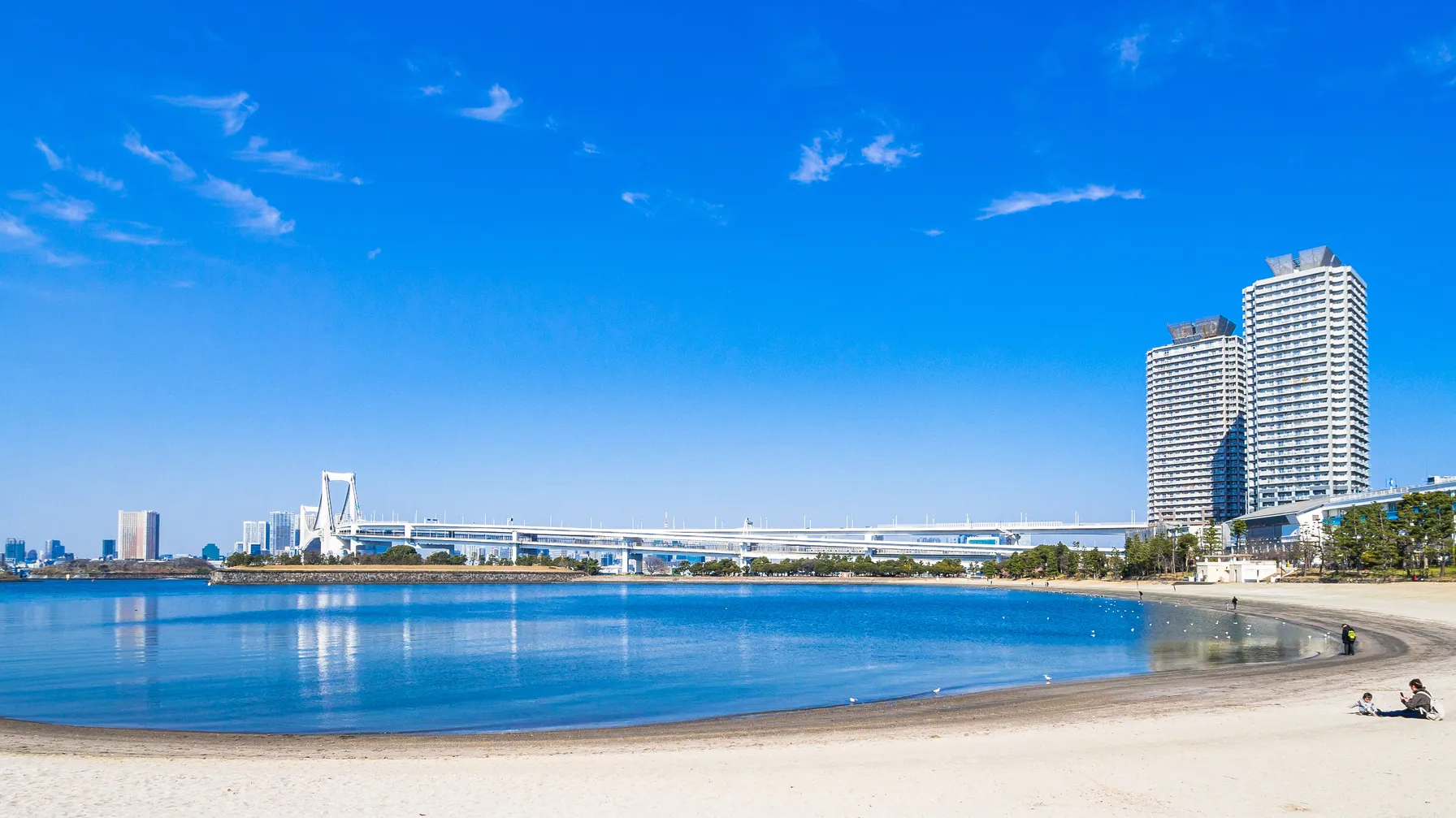
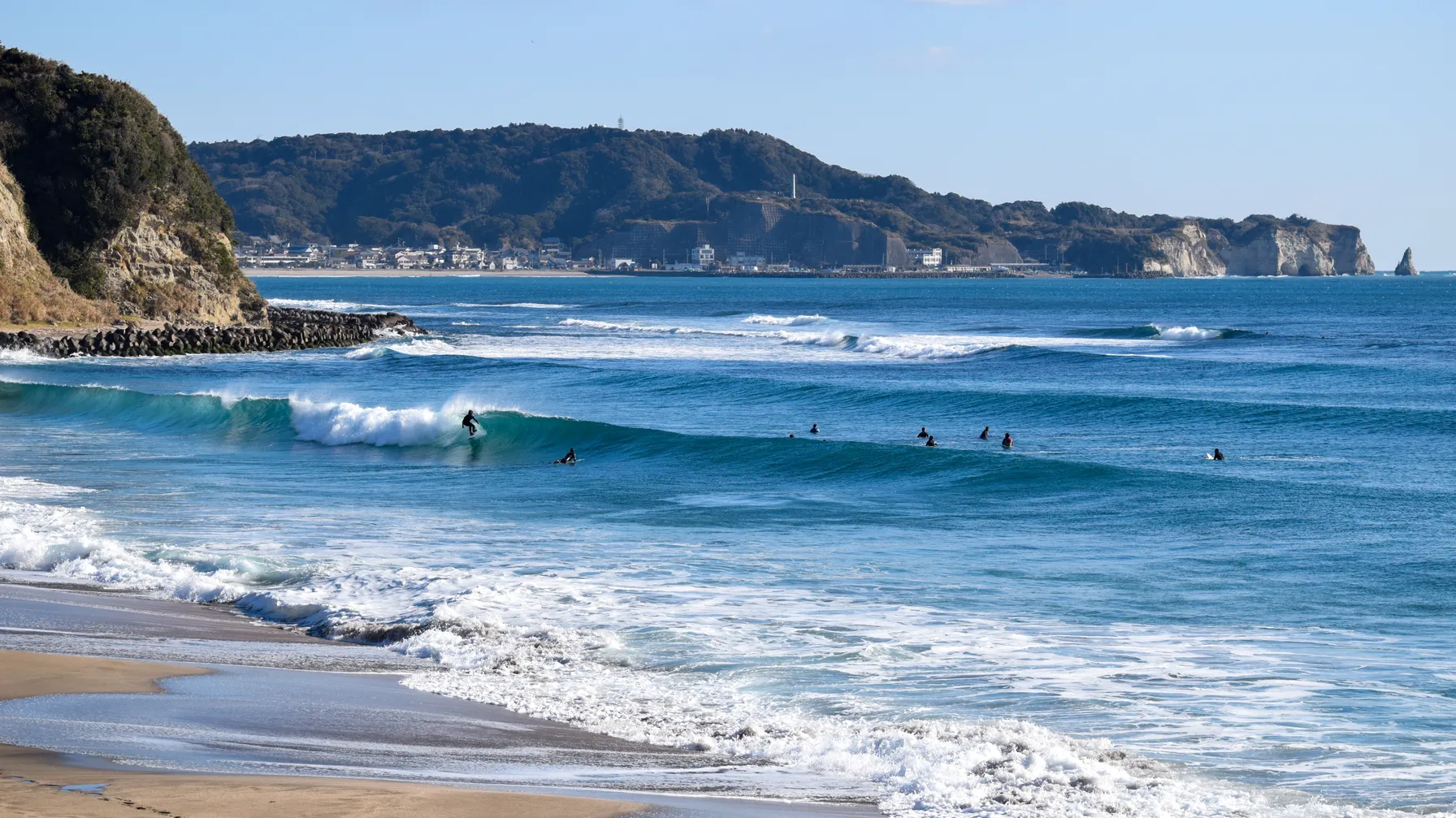
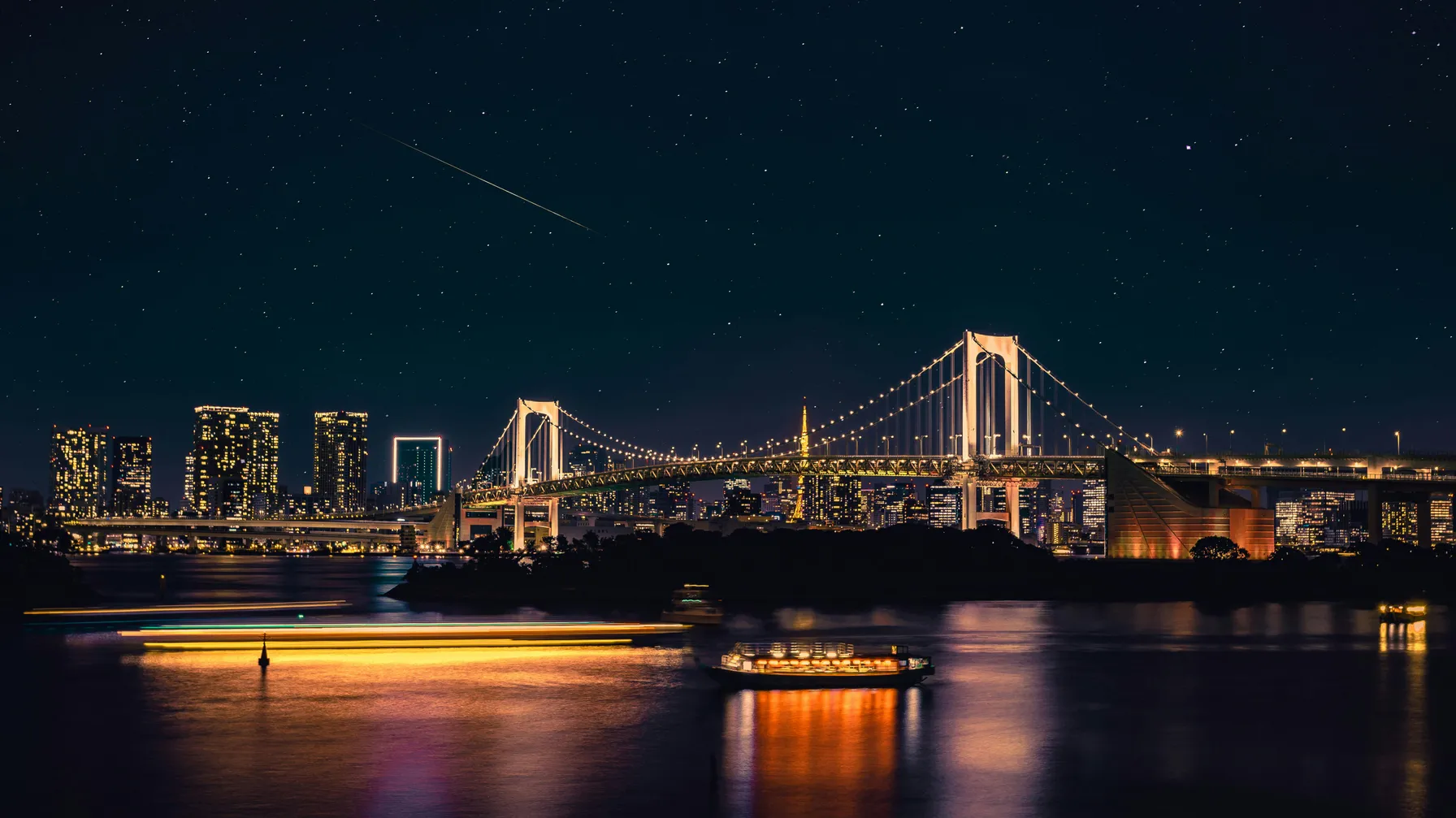
Water parks and beaches around Tokyo become popular havens for escaping the urban heat. Odaiba offers its seaside spaces, while beer gardens bloom on building rooftops, creating those oases of coolness so characteristic of the Japanese summer. These elevated terraces allow the enjoyment of summer specialties while admiring the nighttime panoramas of the metropolis.
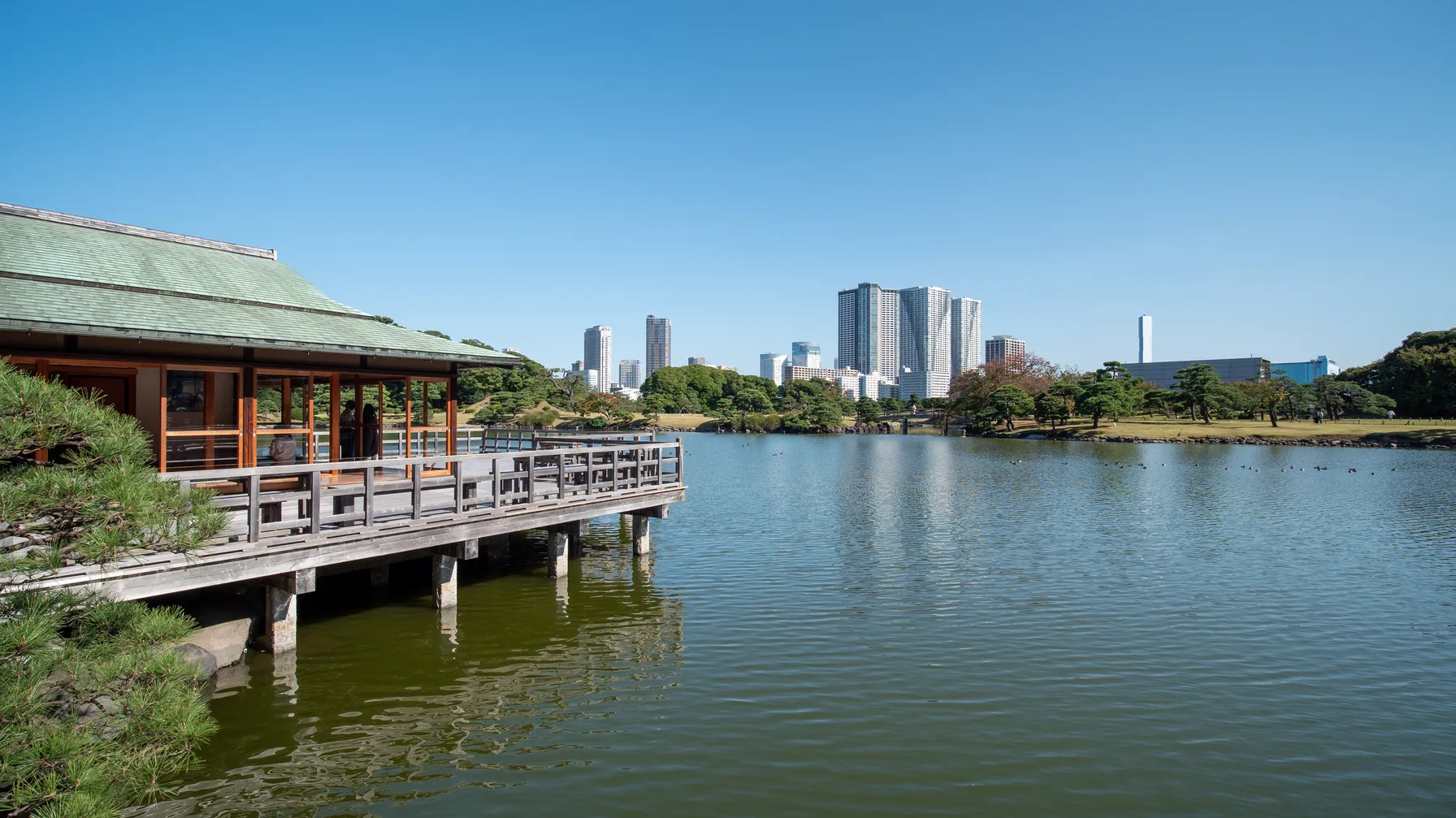
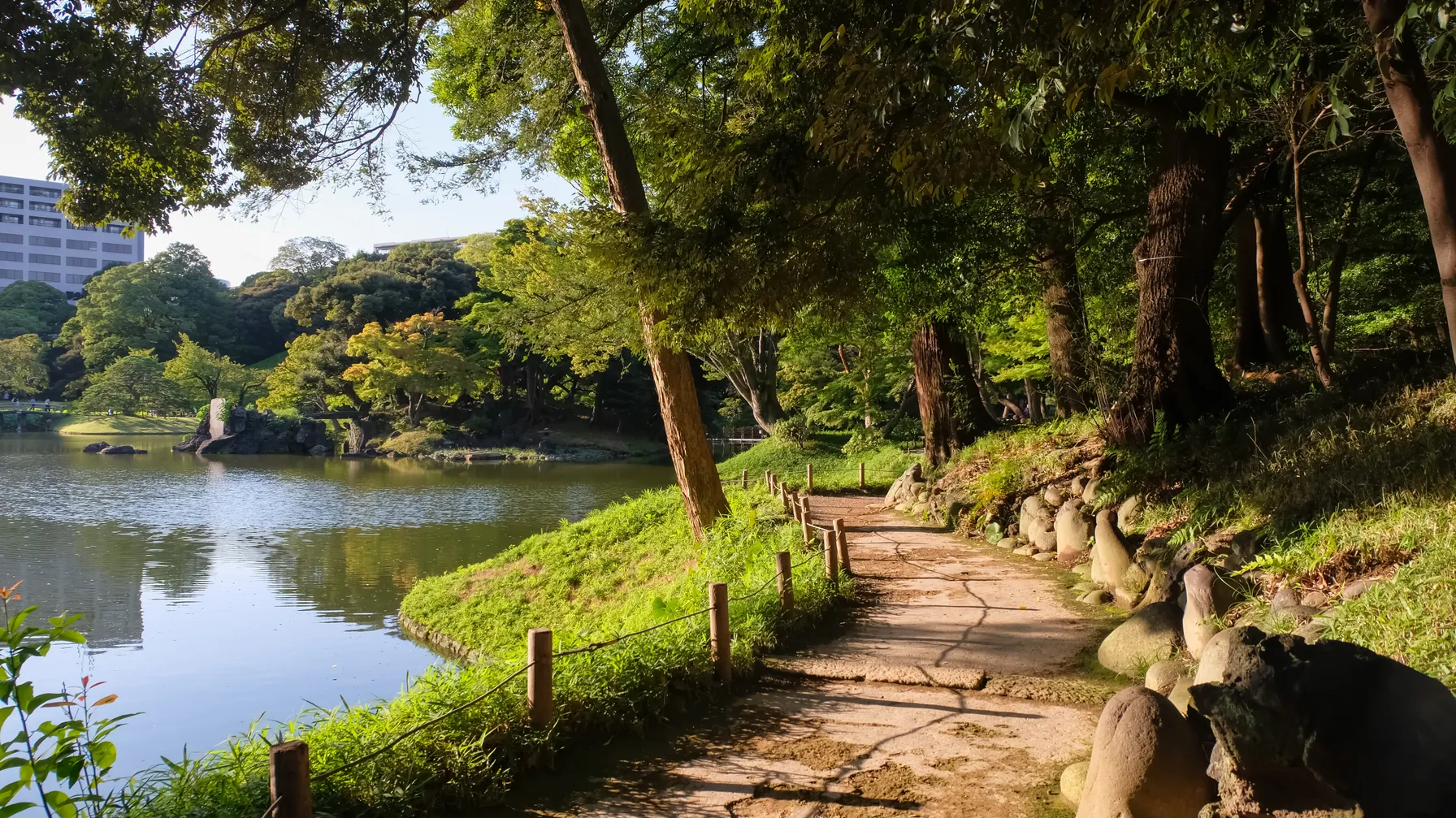
Outdoor activities diversify: morning hikes in parks to avoid the heat, excursions to cooler mountain regions, or discovering traditional gardens that reveal their unique summer beauty.
Unique experiences of the Tokyo summer heat
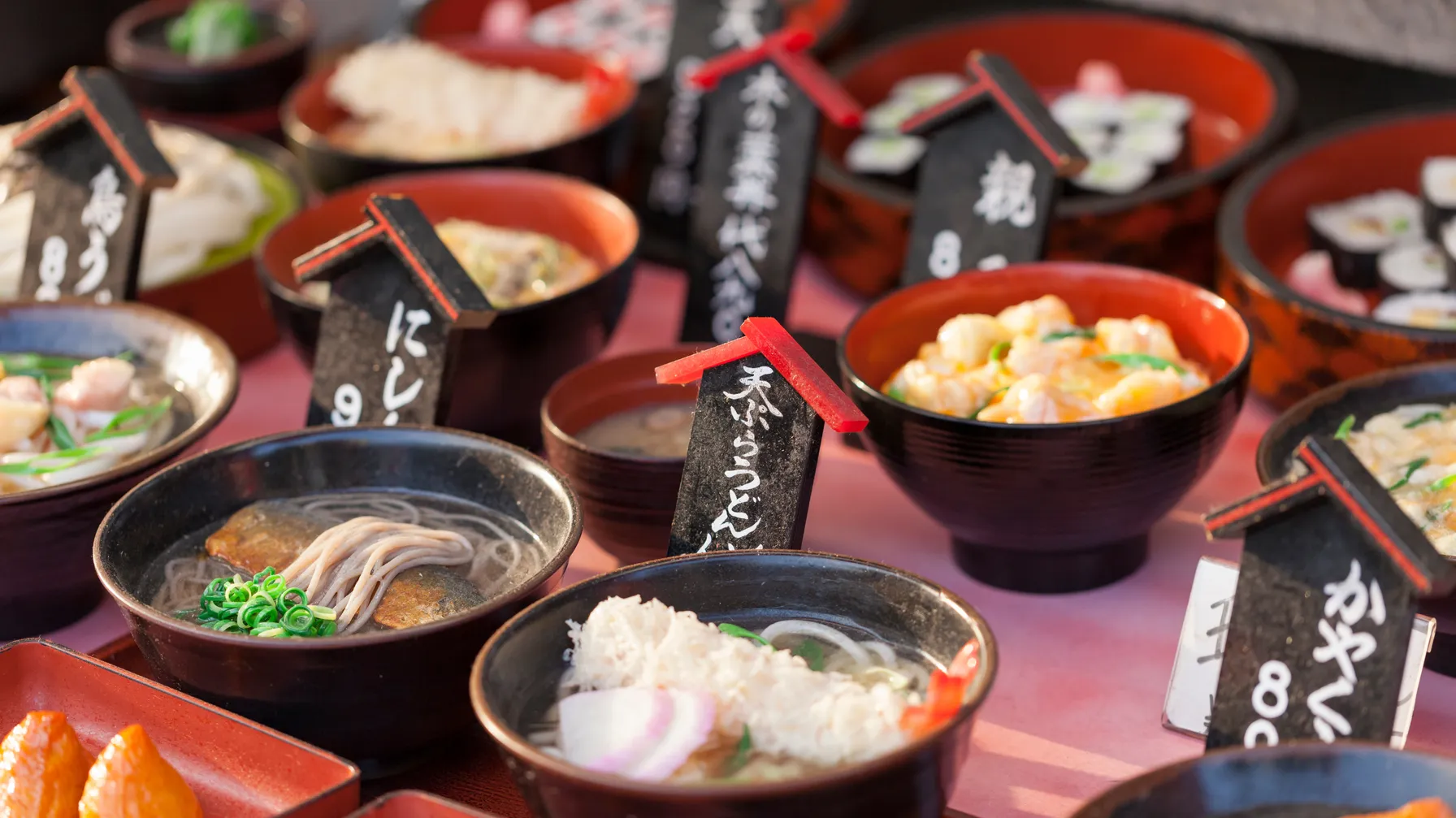
The heat of July unveils unexpected facets of Tokyoite culture. Kakigori, finely shaved ice desserts with refined flavors, become ubiquitous and offer a refreshing culinary approach to Japanese cuisine. Restaurants offer their summer menus with cold dishes like chilled soba or grilled unagi, known to provide energy during heatwaves.
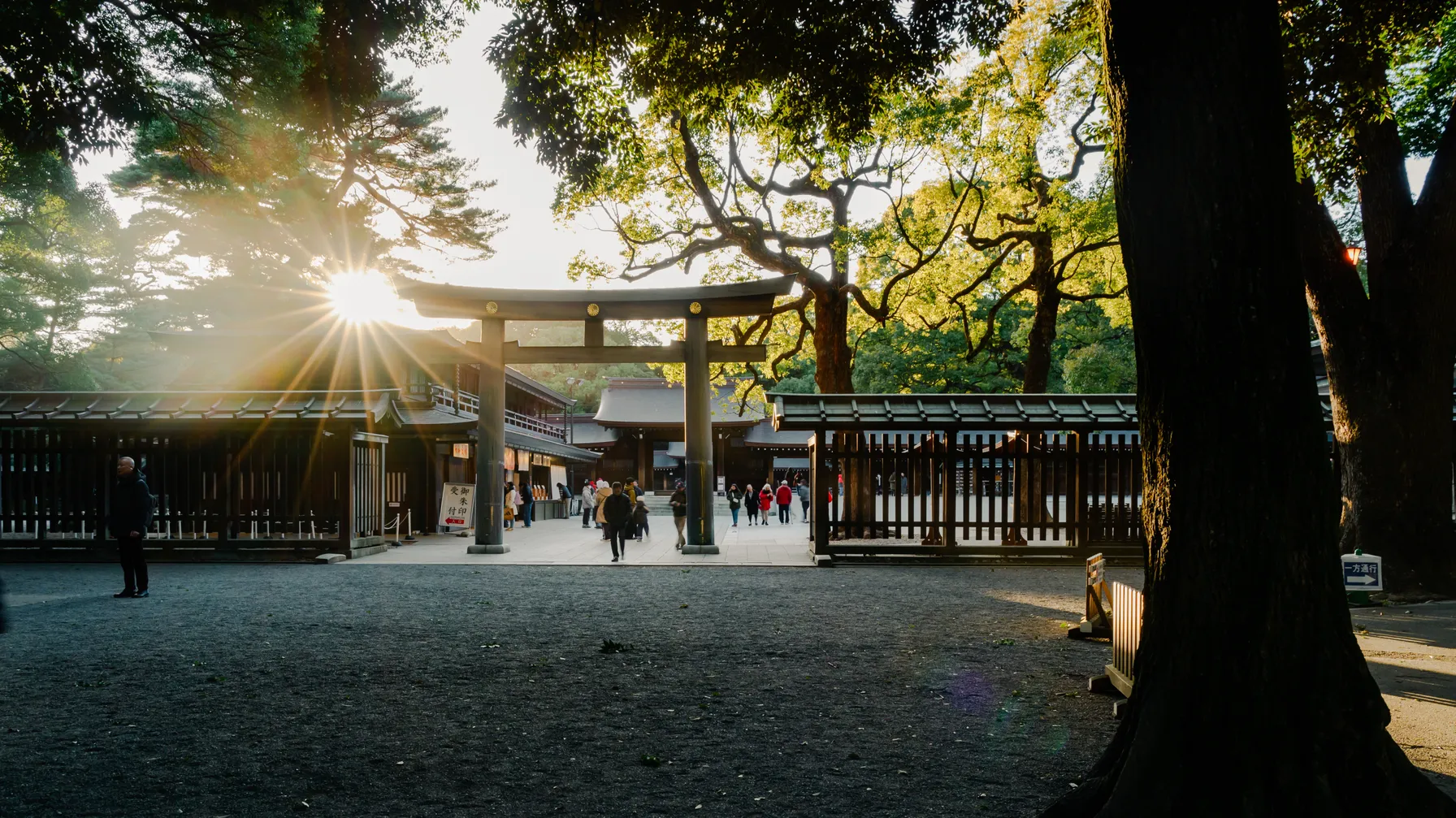
Tokyo nights take on a special dimension: residents flock to outdoor spaces as soon as temperatures become bearable, creating a permanent party atmosphere characteristic of the Japanese summer. Temples and shrines organize night ceremonies lit by lanterns, offering moments of serenity contrasting with daytime bustle.
Book your trip to Tokyo now
Does July in Tokyo meet your travel expectations?
Each traveler has different expectations and tolerance for Tokyo's summer conditions. This period presents undeniable cultural advantages but also climatic constraints that should be evaluated according to your traveler profile.
For which types of travelers is July ideal
July in Tokyo is perfect for travelers passionate about authentic culture, offering an opportunity to experience Japan in the full swing of summer. If you enjoy continuous activity, colorful festivals, and intense sensory experiences, this period will be fulfilling. Families with school-aged children find this the only possible summer vacation, and numerous activities tailored for younger ones make up for the climatic challenges.
Couples seeking romantic experiences will find magical moments during fireworks displays or night walks illuminated by festival lanterns. Tokyo in July also reveals its charms to adventurous solo travelers who are willing to step out of their comfort zones for unique experiences.
This period is also suited for photography enthusiasts who will capture vibrant street scenes, colorful festivals, and exceptional night atmospheres. The intensity of July creates indelible memories for those who fully embrace the experience.
The climatic challenges to be well anticipated
The heat and humidity in Tokyo during July require careful preparation and an adjustment of your visiting habits. High temperatures impose a different rhythm: prioritize morning and evening activities, and save afternoons for air-conditioned spaces like museums, shopping centers, or temples.
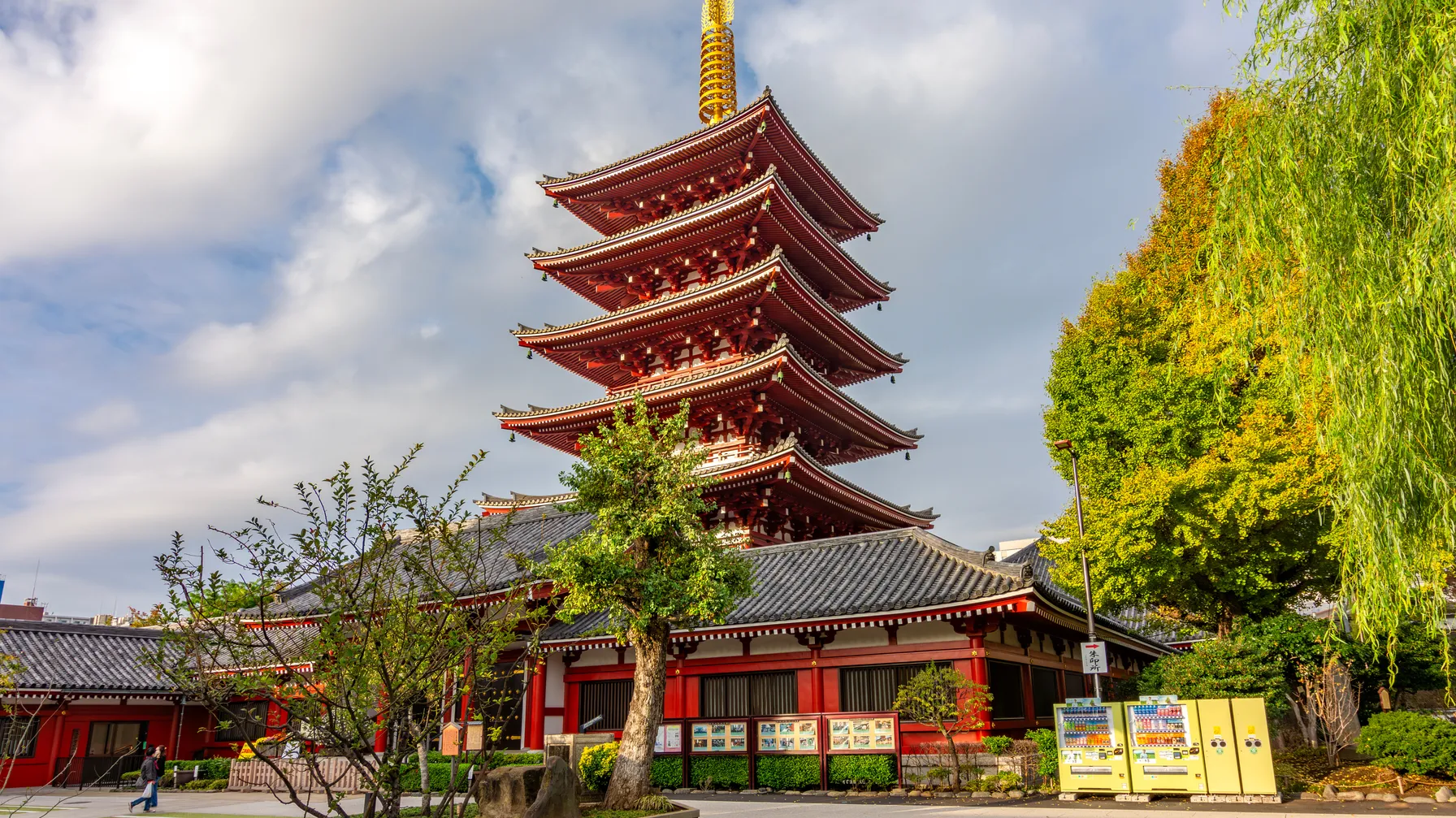
Hydration becomes crucial, and the ever-present vending machines in Tokyo become your valuable allies. Plan regular breaks in the shade and do not underestimate the impact of humidity on your energy level. Public transport, although air-conditioned, can become stifling during peak hours.
The travel budget significantly increases during this high tourist season: accommodations display their maximum rates and booking well in advance becomes essential. This financial constraint must be incorporated into your custom travel planning.
The best alternatives if July does not suit you
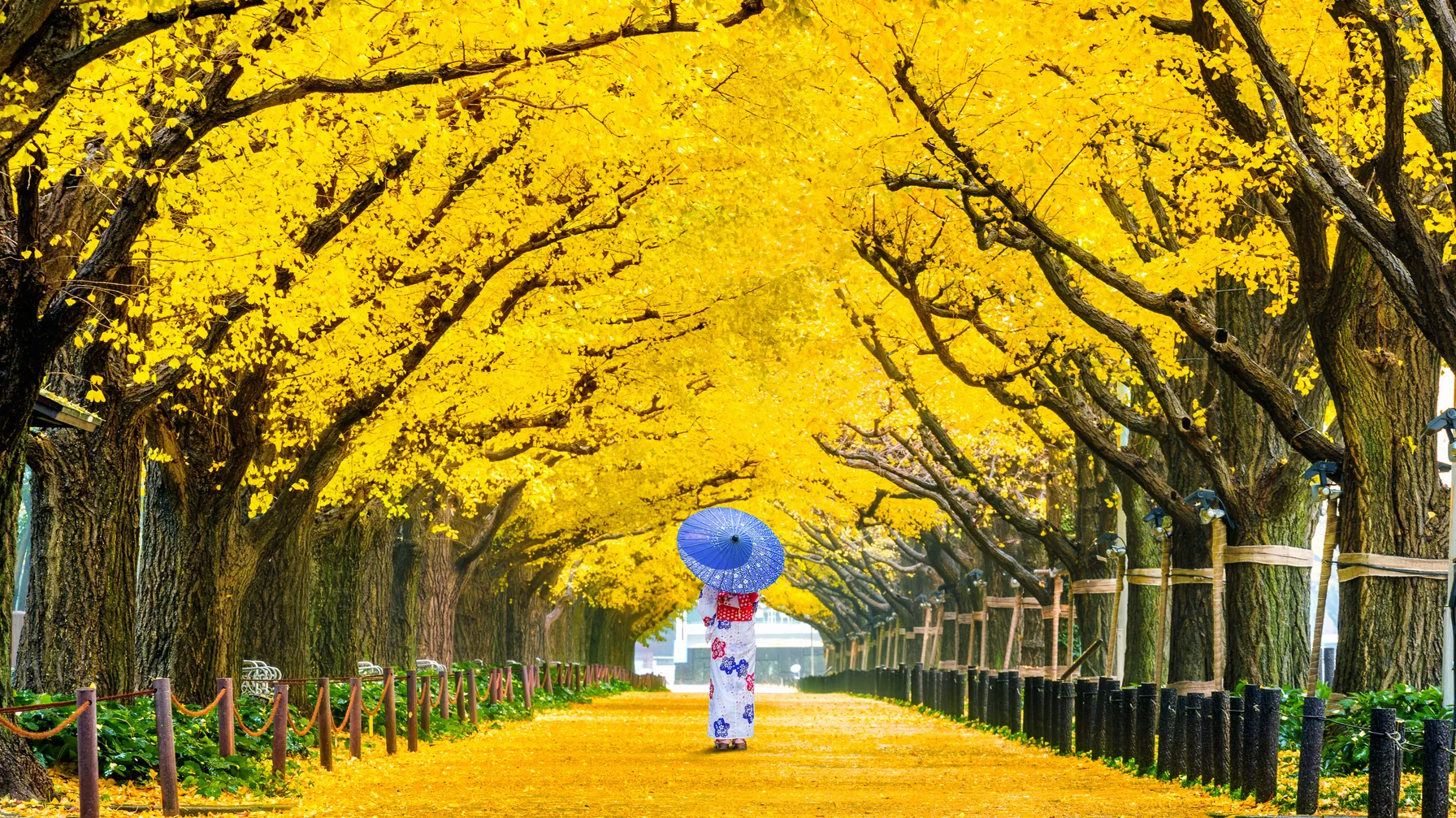
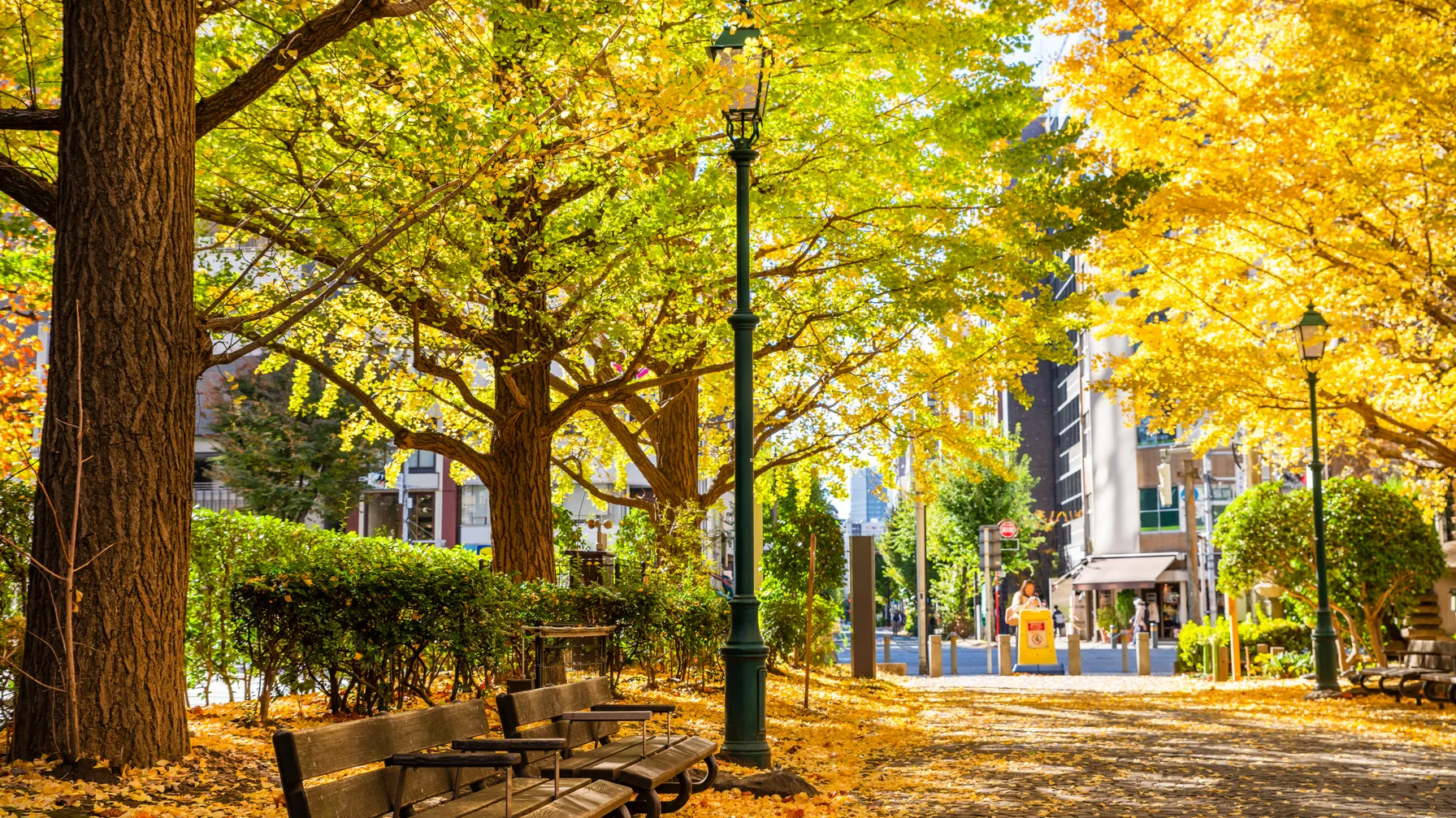
If the climatic conditions of July concern you, Japan offers milder seasons that reveal other equally captivating facets. From October to November, autumn presents ideal temperatures and the famous autumn colors igniting Kyoto and Tokyo's gardens.
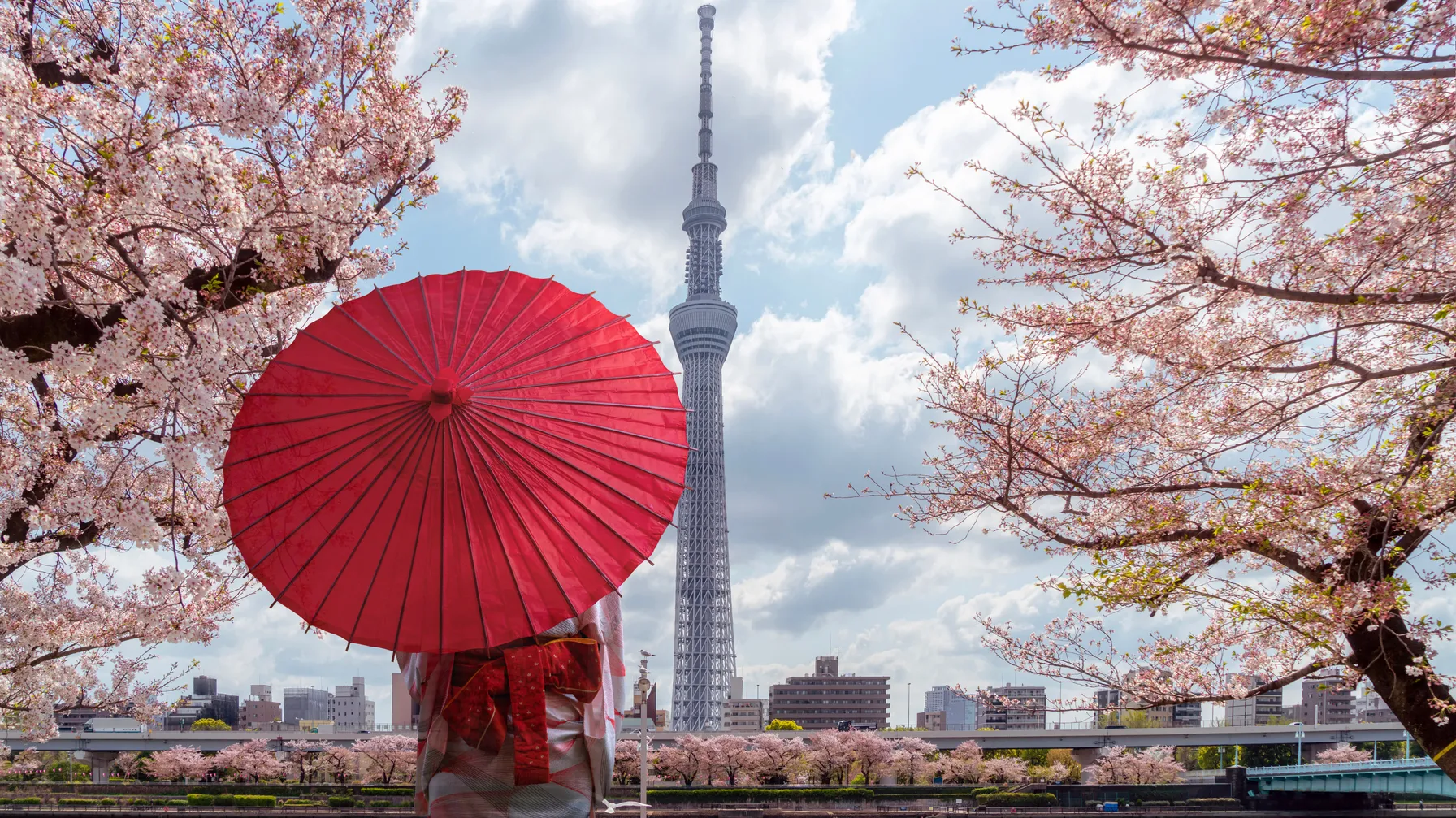
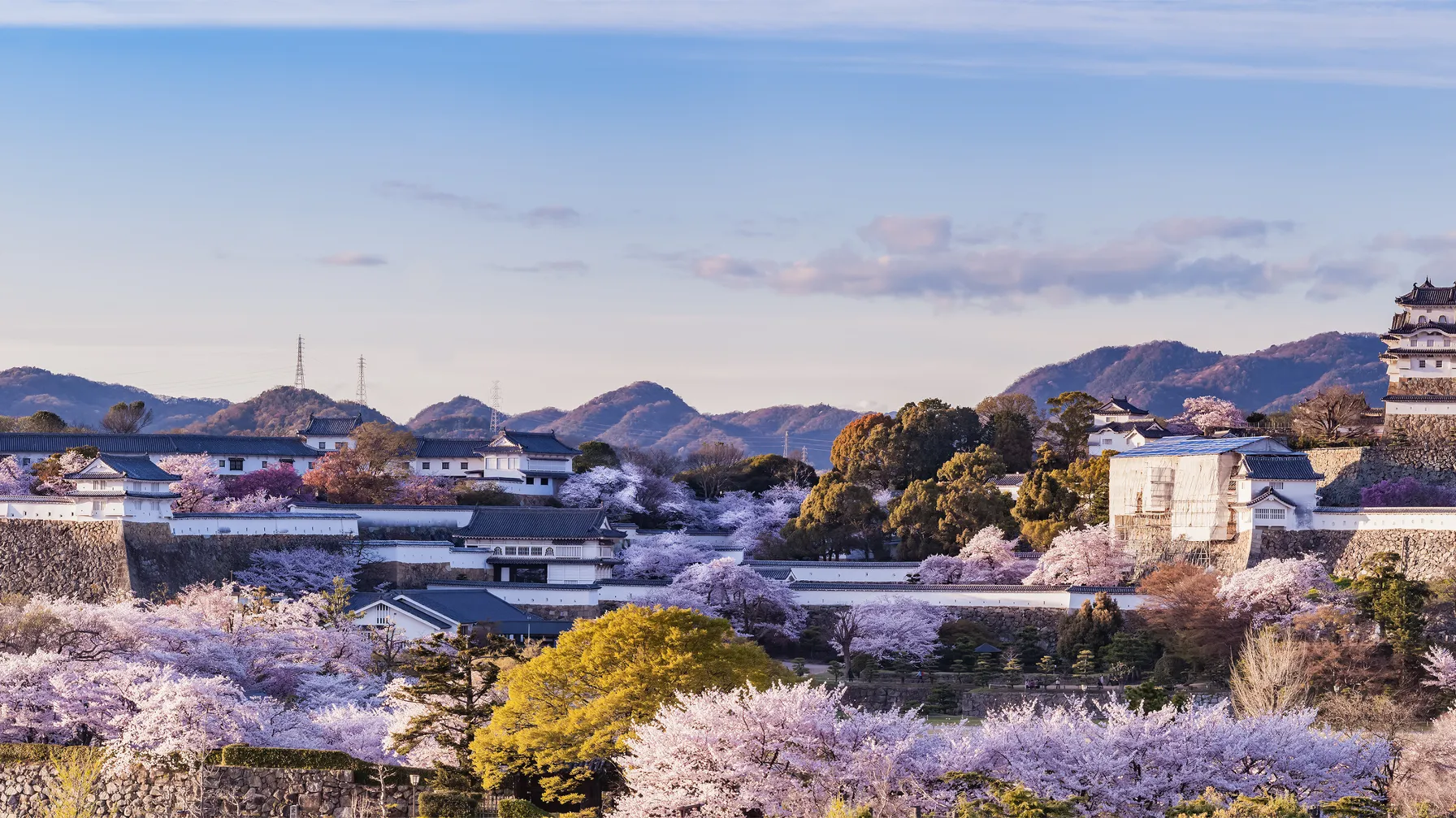
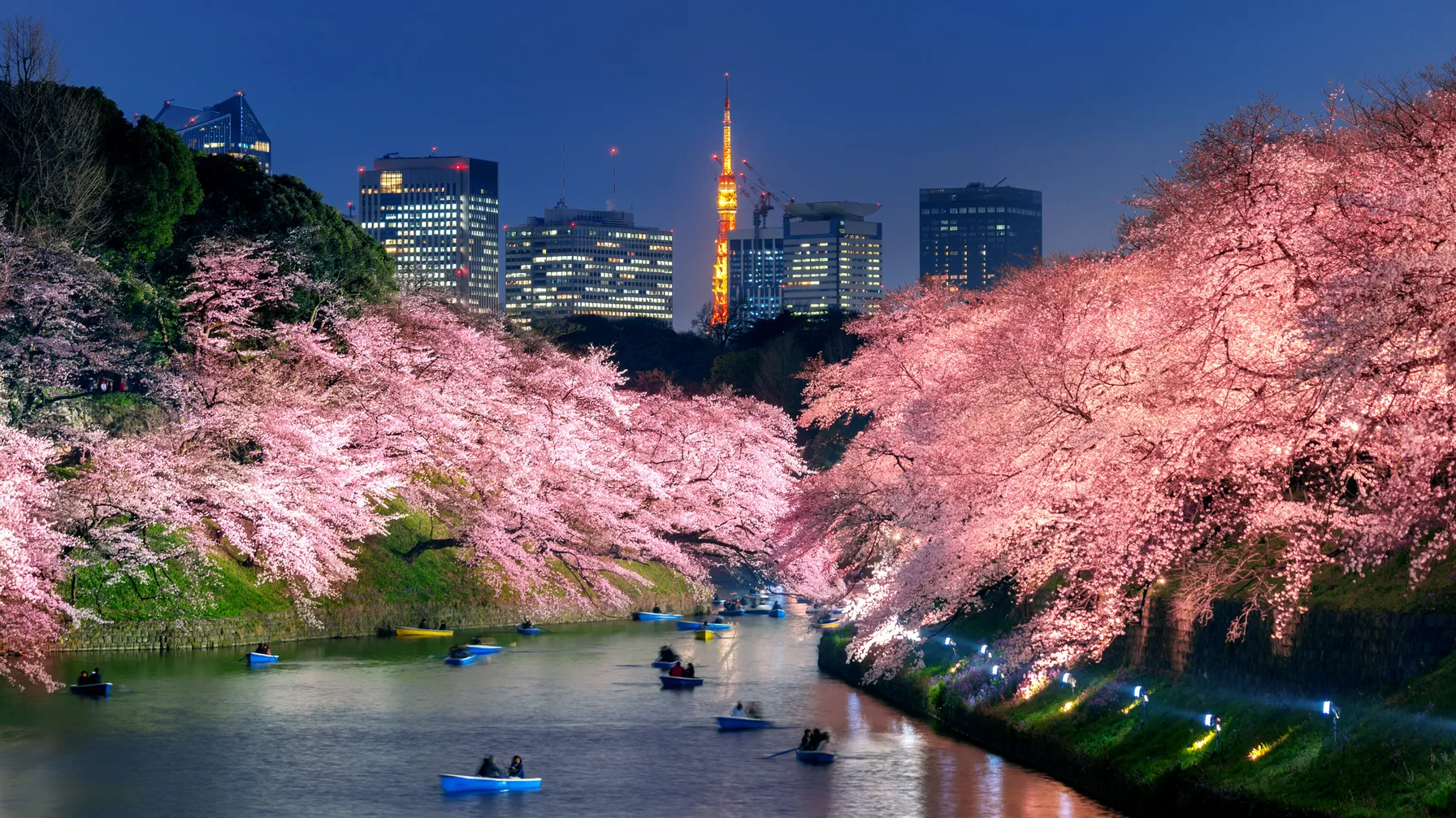
Spring from March to May avoids intense heat while offering the unparalleled spectacle of cherry blossoms in bloom, even though this popular period requires advanced planning. Winter, from December to February, reveals a more confidential Japan with cool but manageable temperatures and less tourist crowd.
Each season has its personality: summer for cultural vibrancy, autumn for aesthetic contemplation, spring for natural rebirth, and winter for authentic intimacy. Your choice will depend on your priorities between climatic comfort, cultural richness, and travel budget.
Contact us for more information