4 days in Tokyo: the guide for a successful visit
Why does Tokyo deserve a unique place in your journey to Japan?
Visiting Tokyo is about being surprised at every intersection. The Japanese capital cultivates a rare art: that of harmonious contradiction. Modernity and antiquity respond to each other without ever clashing, offering a travel experience of exceptional density.
Between millennia-old tradition and contemporary effervescence
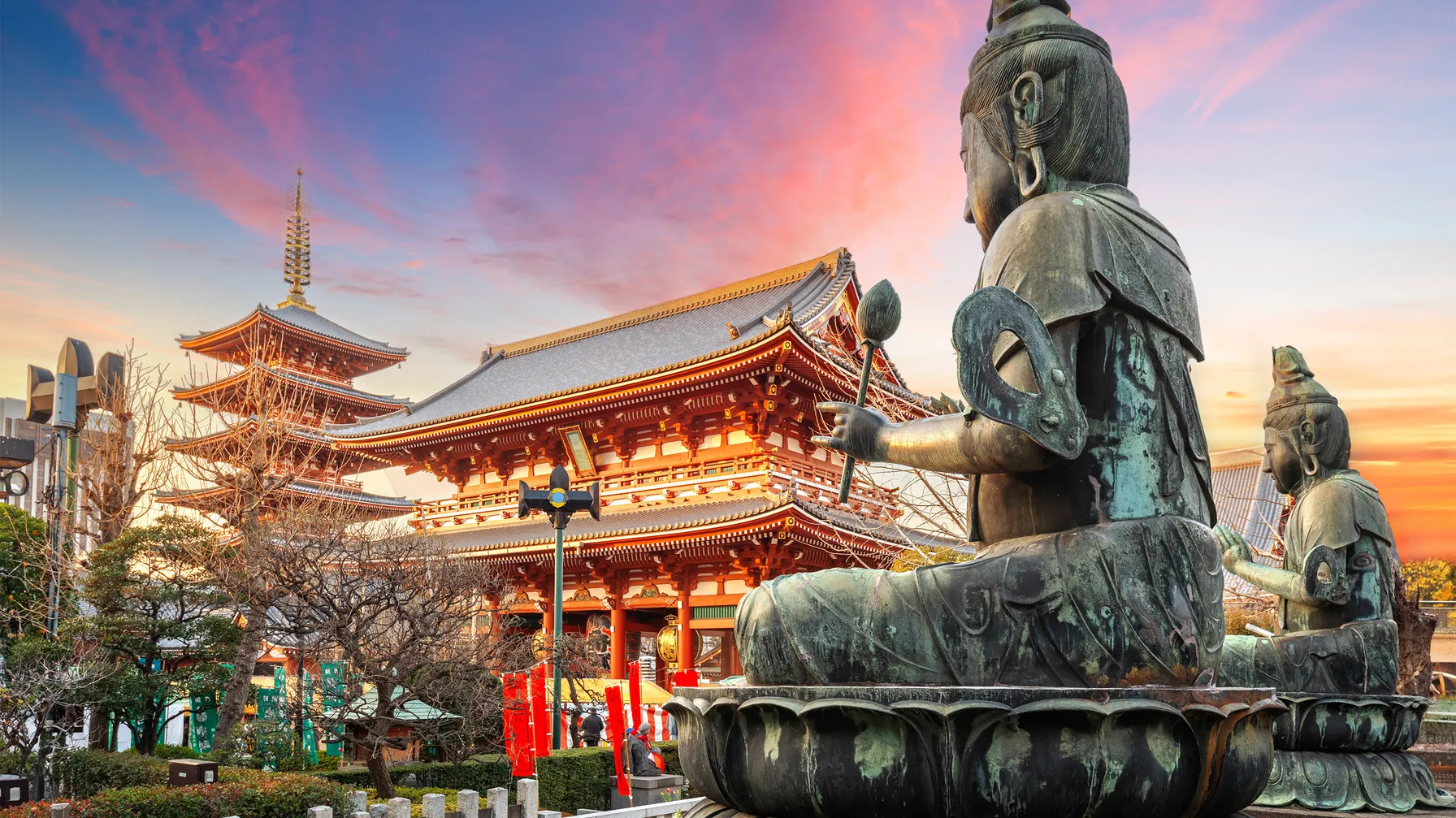
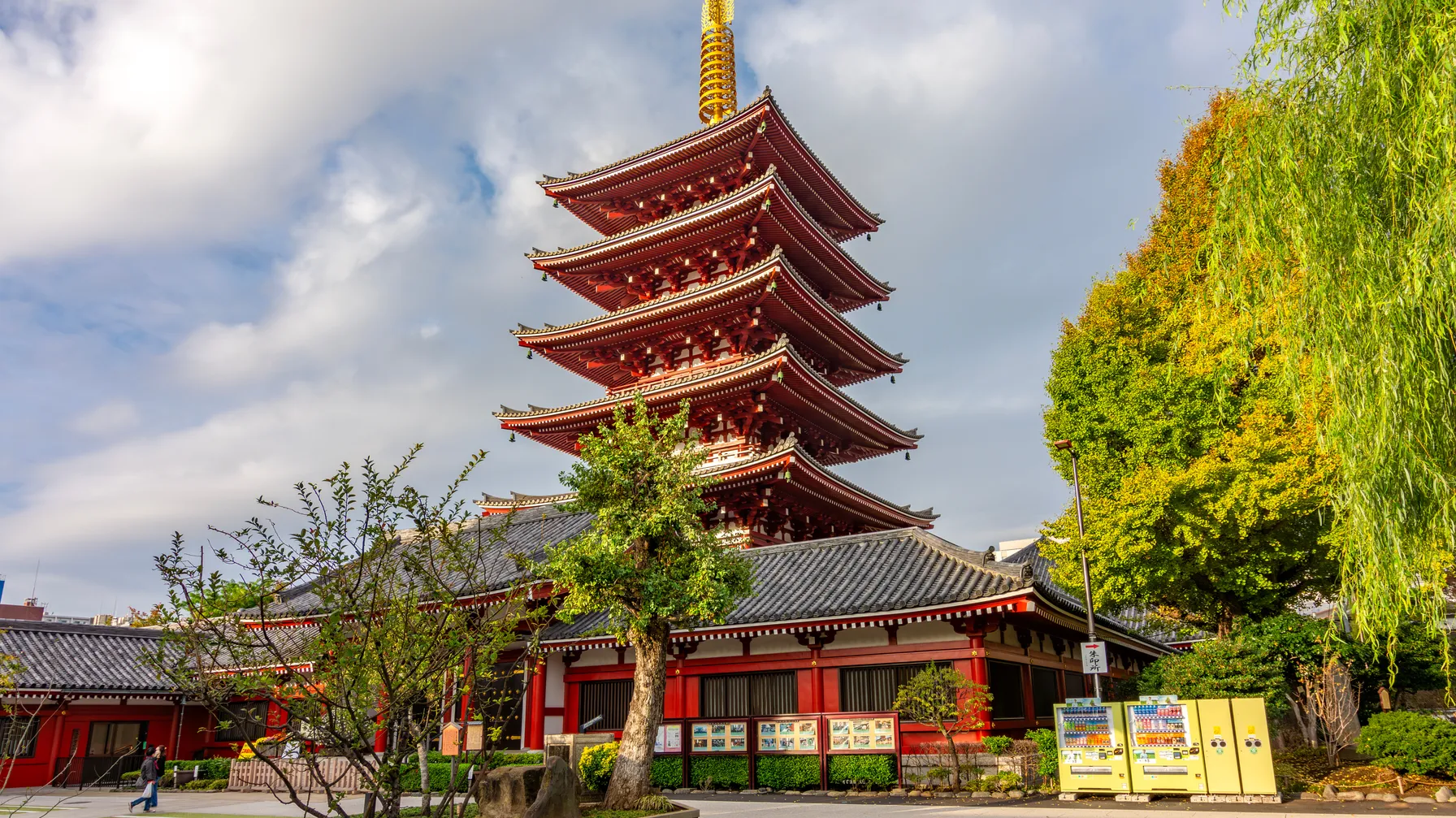
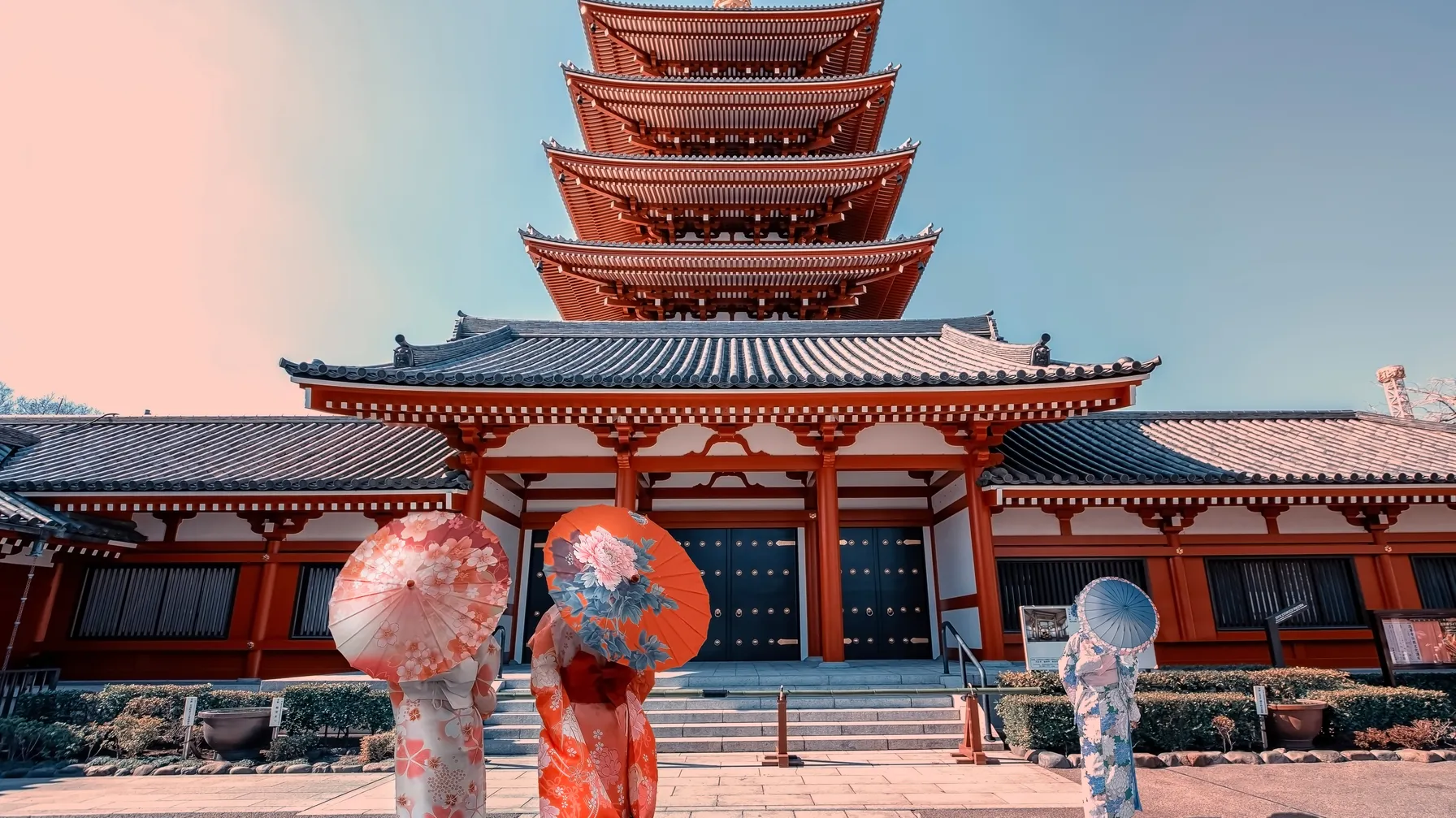
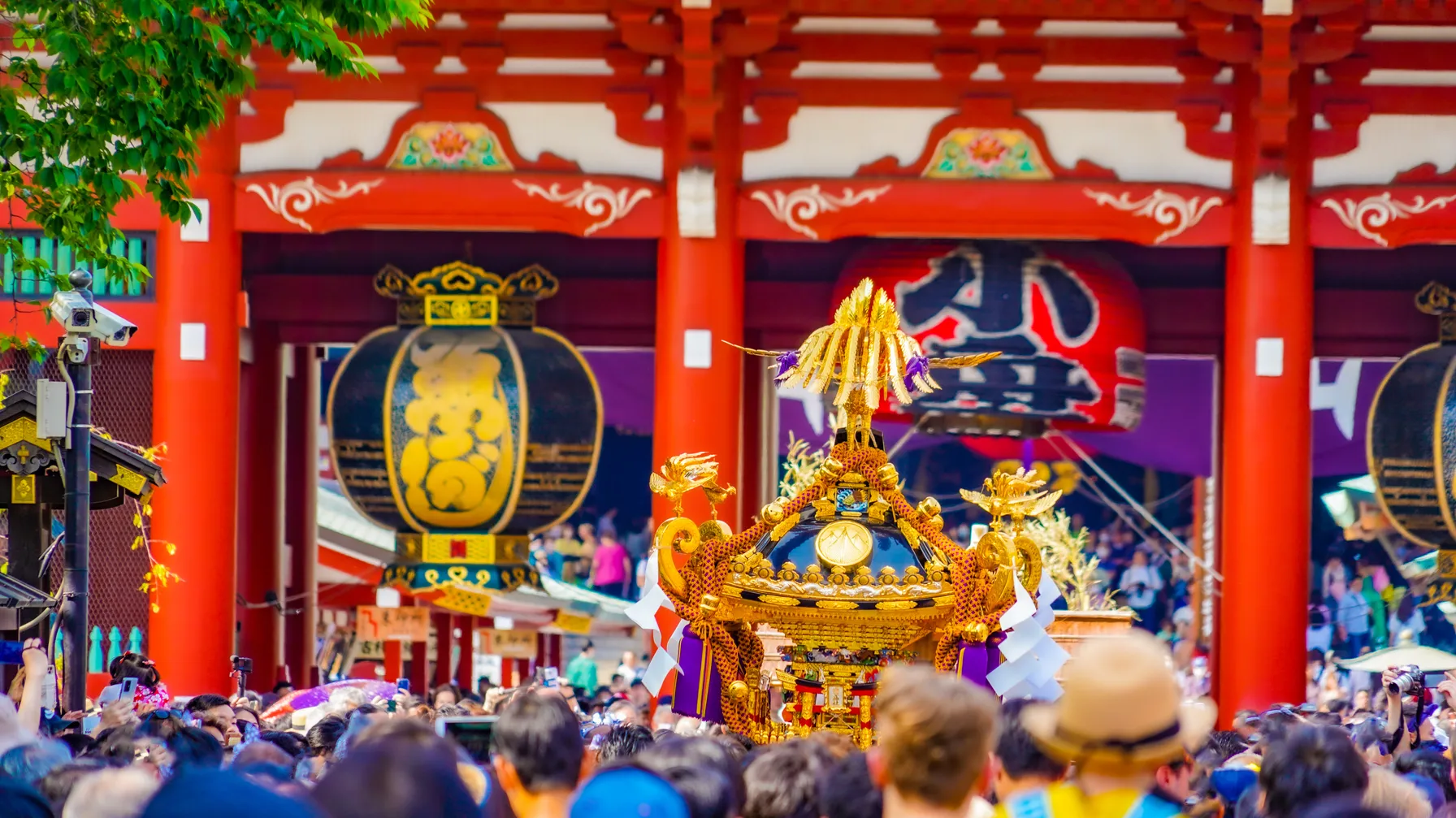
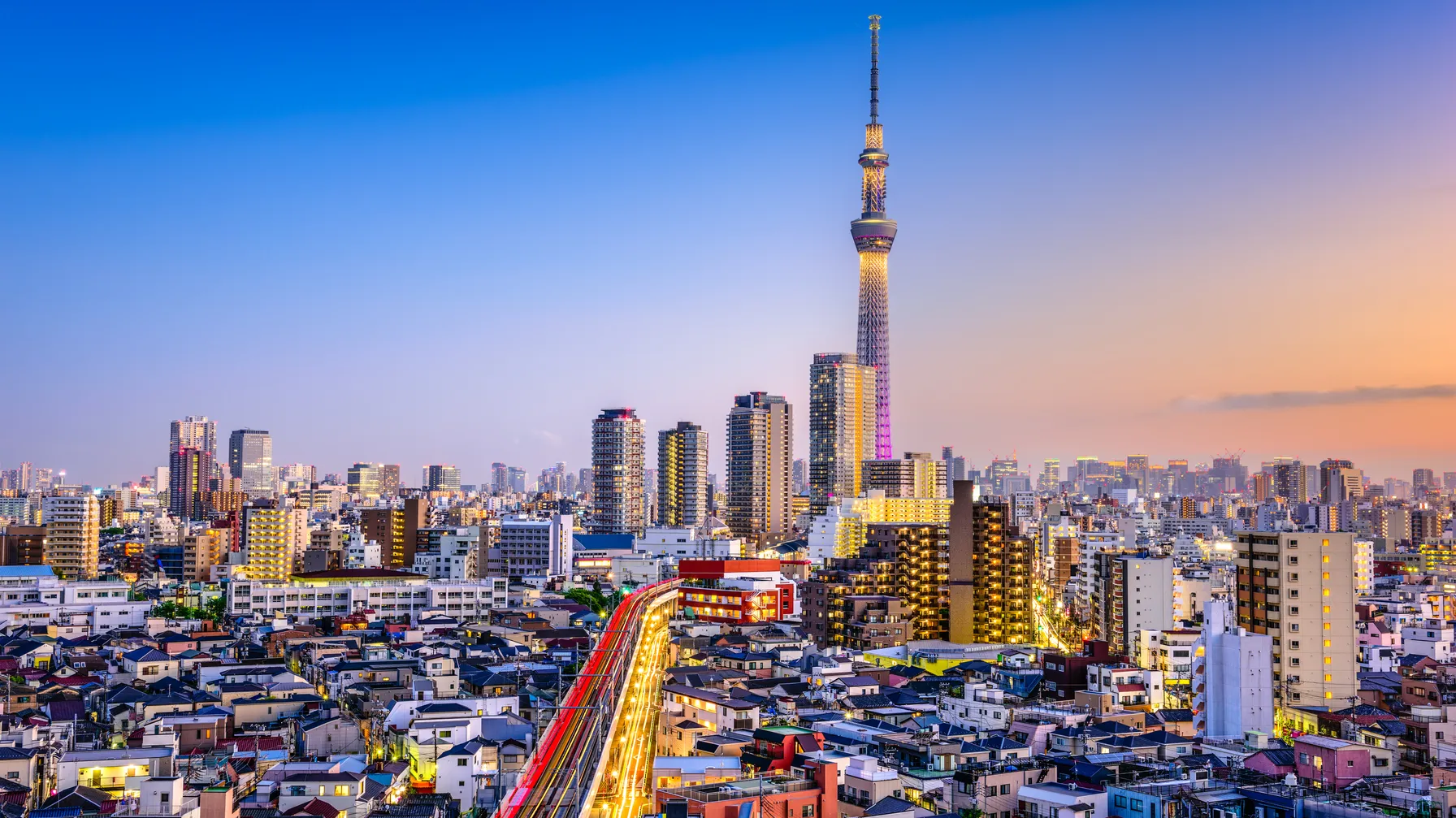
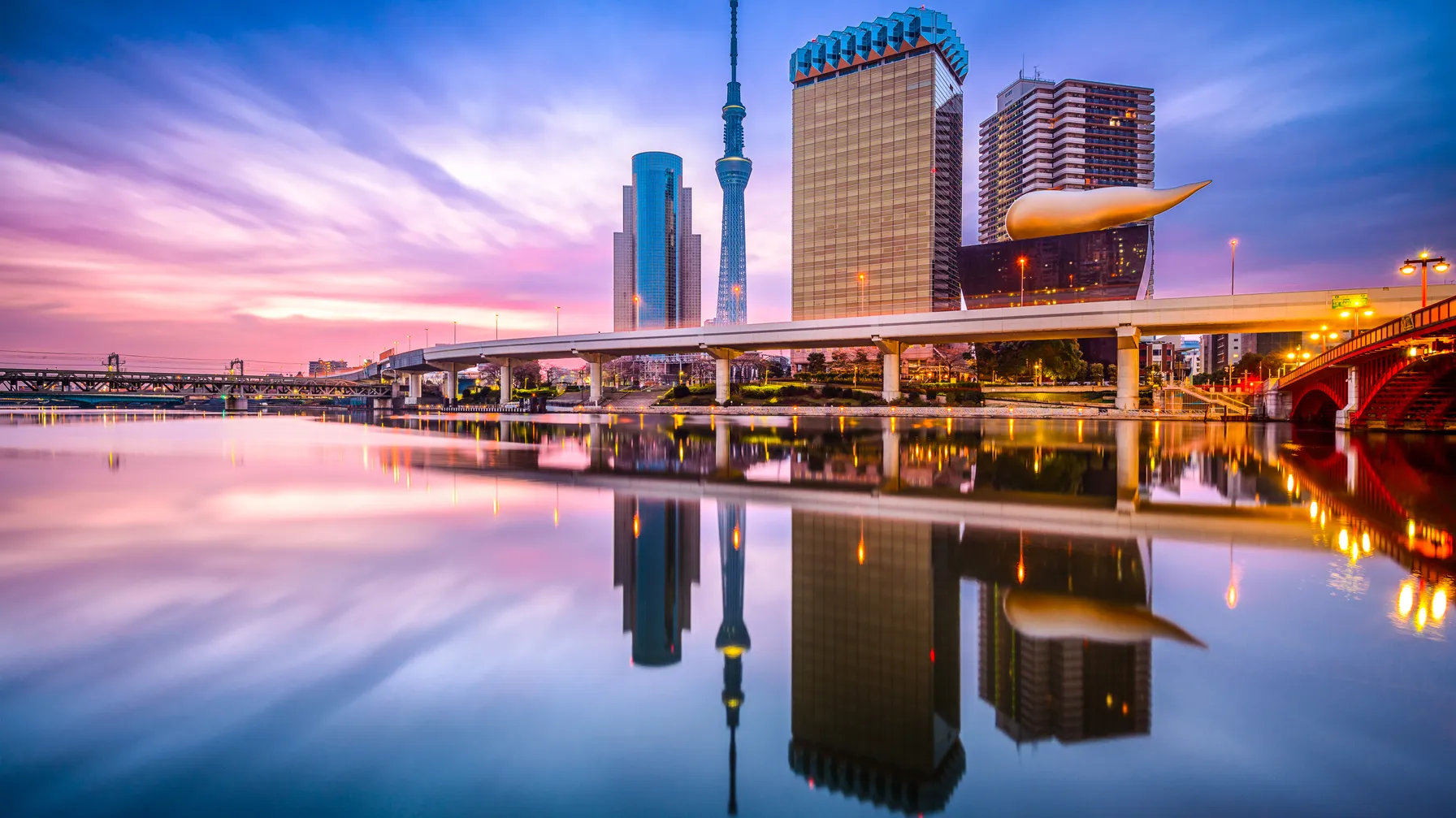
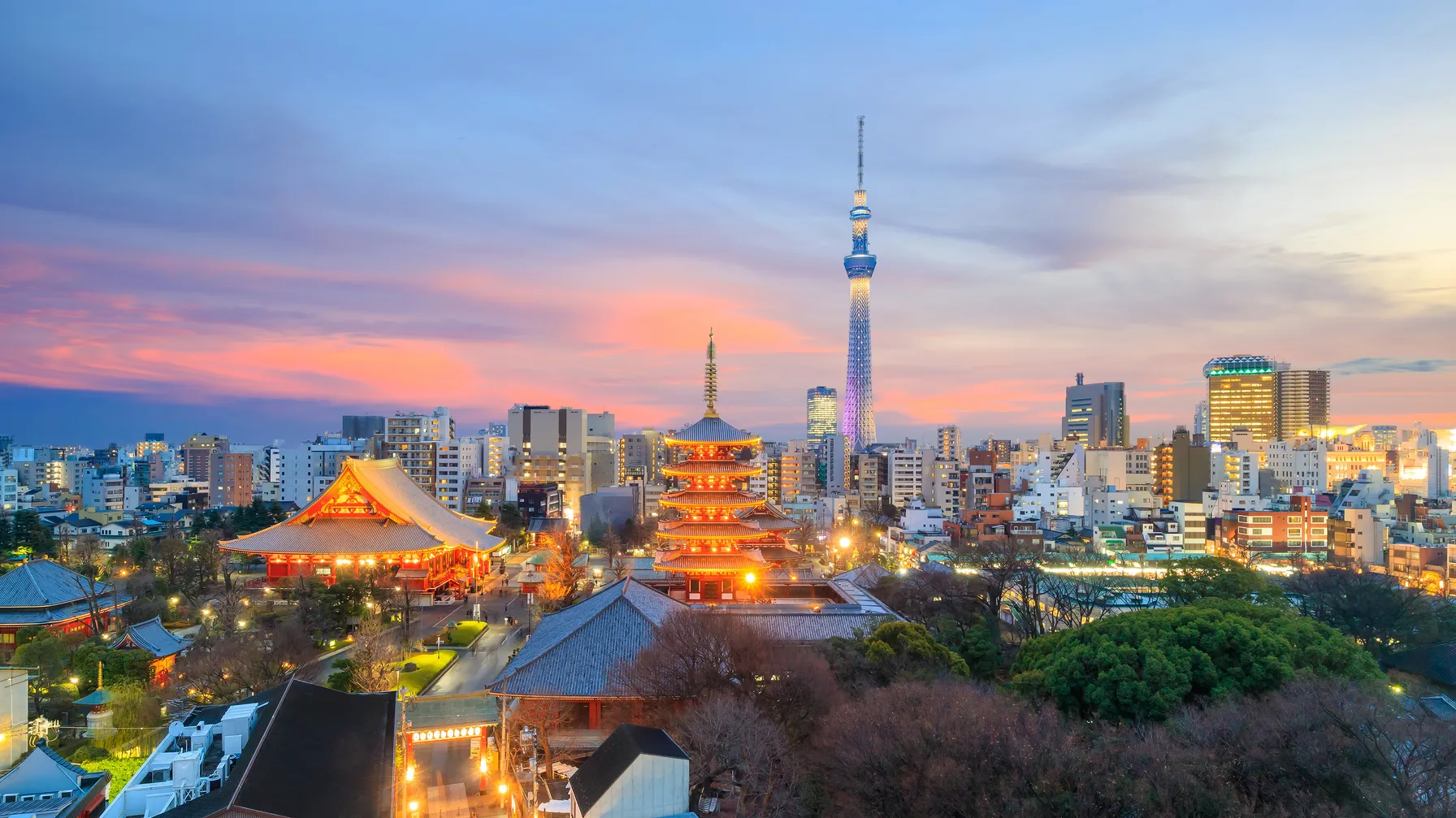
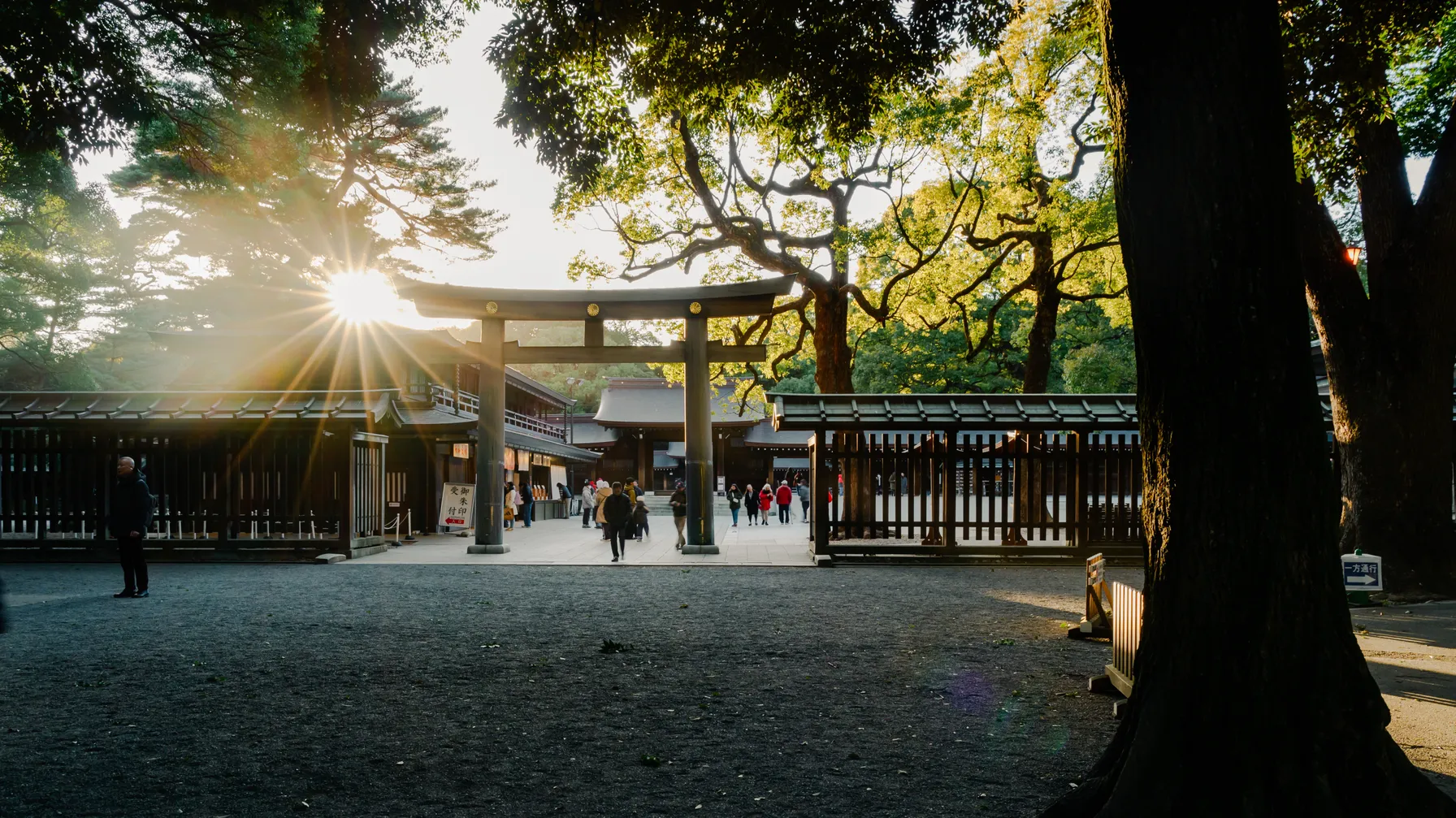
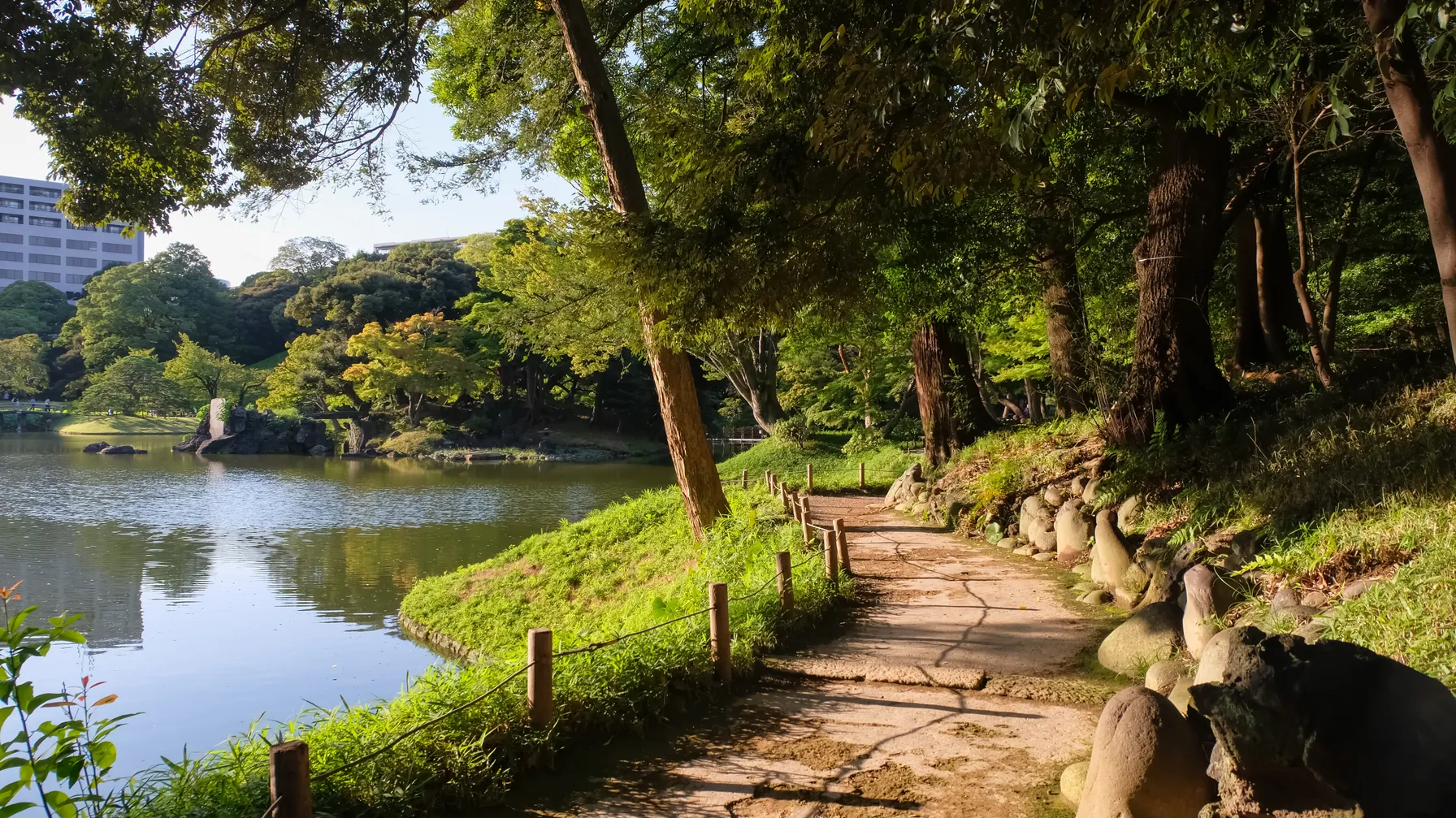
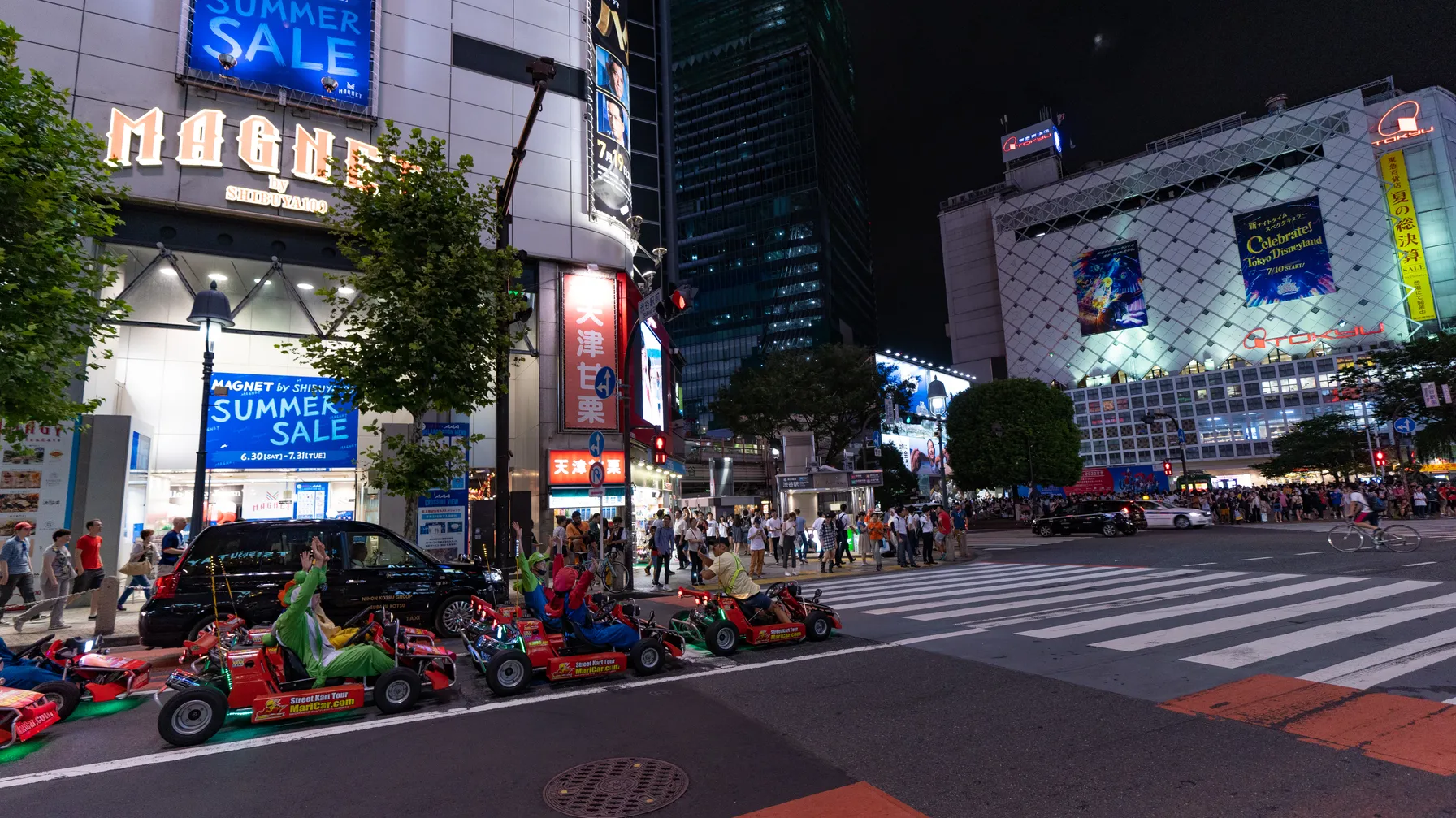
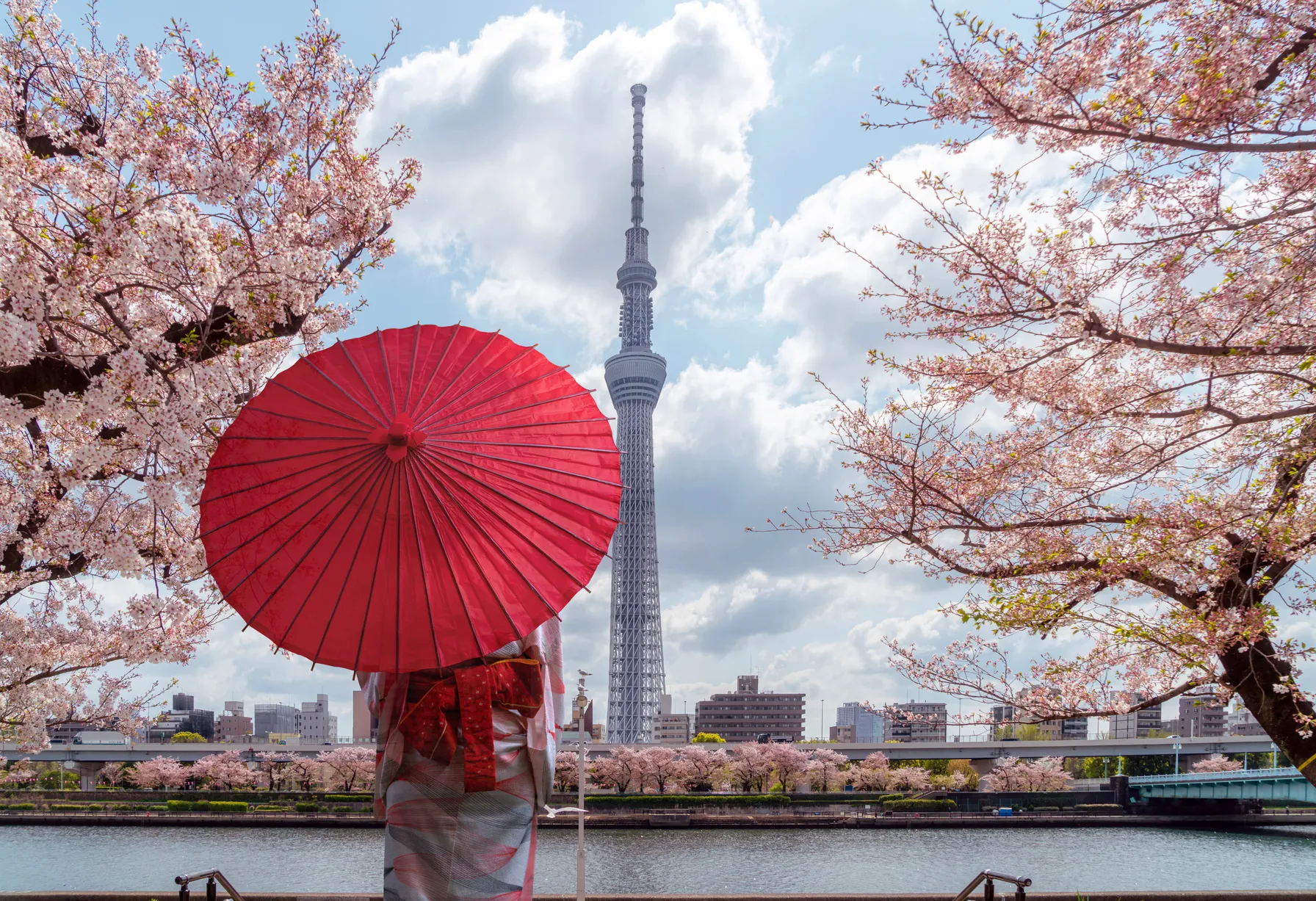
From the Meiji Jingu Shrine, nestled in a forest of 70,000 trees in the heart of the city, to the legendary Shibuya Crossing where thousands of pedestrians cross simultaneously, Tokyo offers an unmatched range of atmospheres. The Senso-ji Temple in Asakusa, with its red lanterns and its commercial street Nakamise, welcomes both families seeking souvenirs and enthusiasts of sacred art. The Sumida River provides a calming stroll, ideal for gaining some serenity away from the bustle of shopping centers. The Tokyo Sky Tree, standing at 634 meters, dominates this panorama and offers breathtaking views over the urban expanse.
A dining table among the most respected in the world
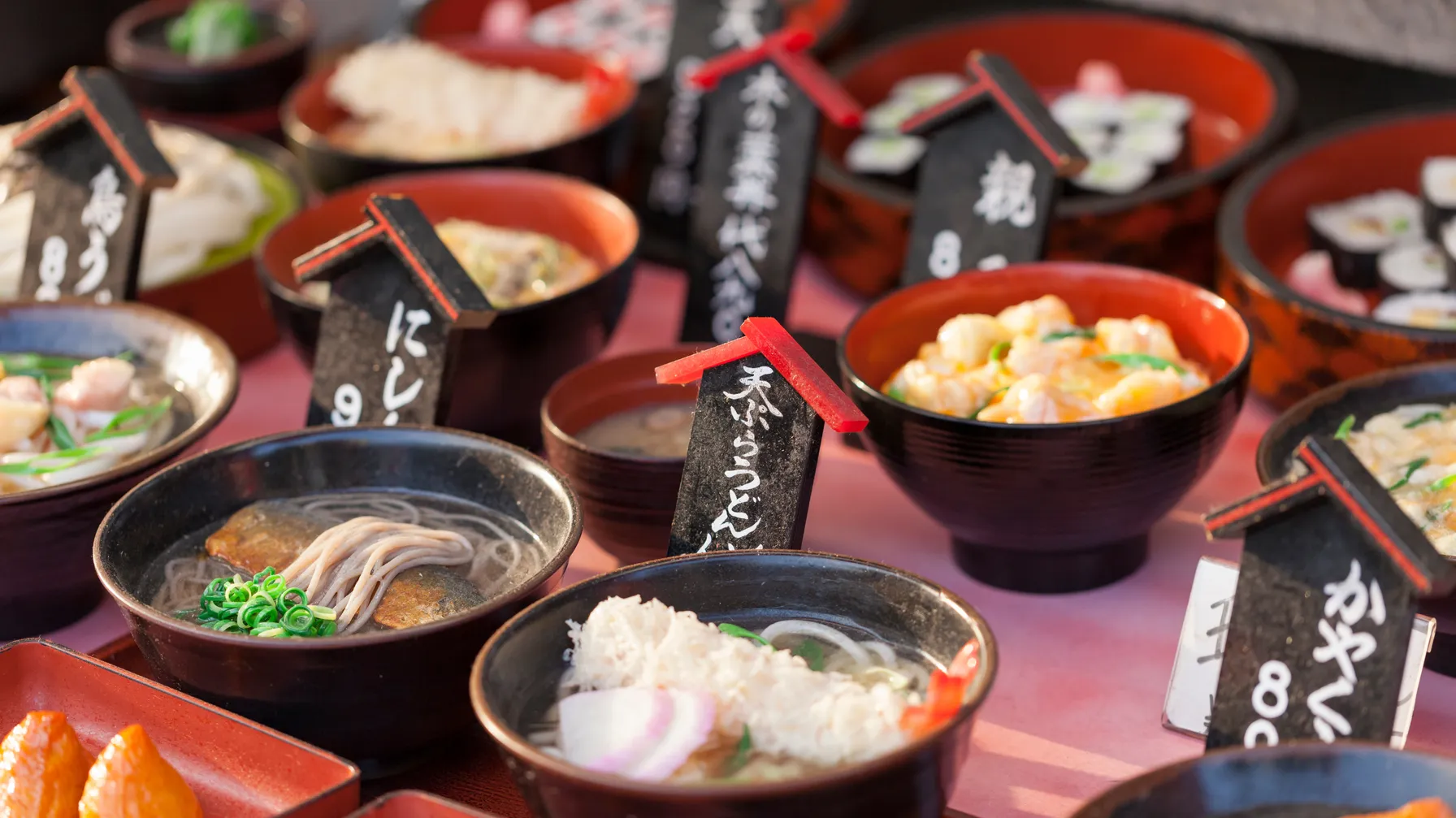
Taking a culinary tour around Tokyo is an experience in itself. Steaming ramen in a neighborhood shop, sushi prepared before your eyes in the Ginza district, grilled yakitori in an izakaya at dusk… each meal is an encounter with the care and precision that characterize Japanese cuisine. Participating in a cooking class or a traditional tea ceremony are among the most memorable moments of a stay in Tokyo.
What is the best time to spend 4 days in Tokyo?
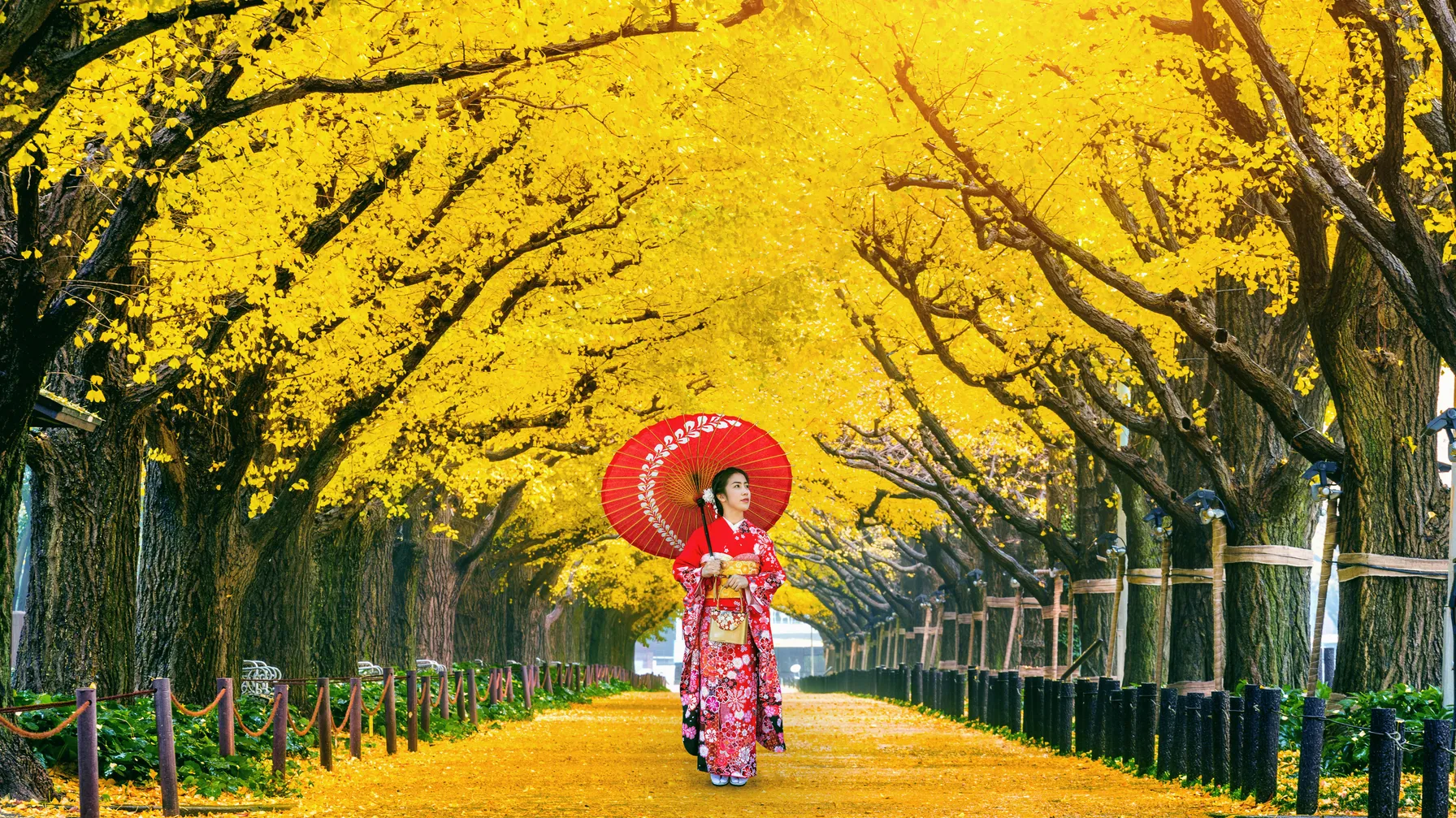
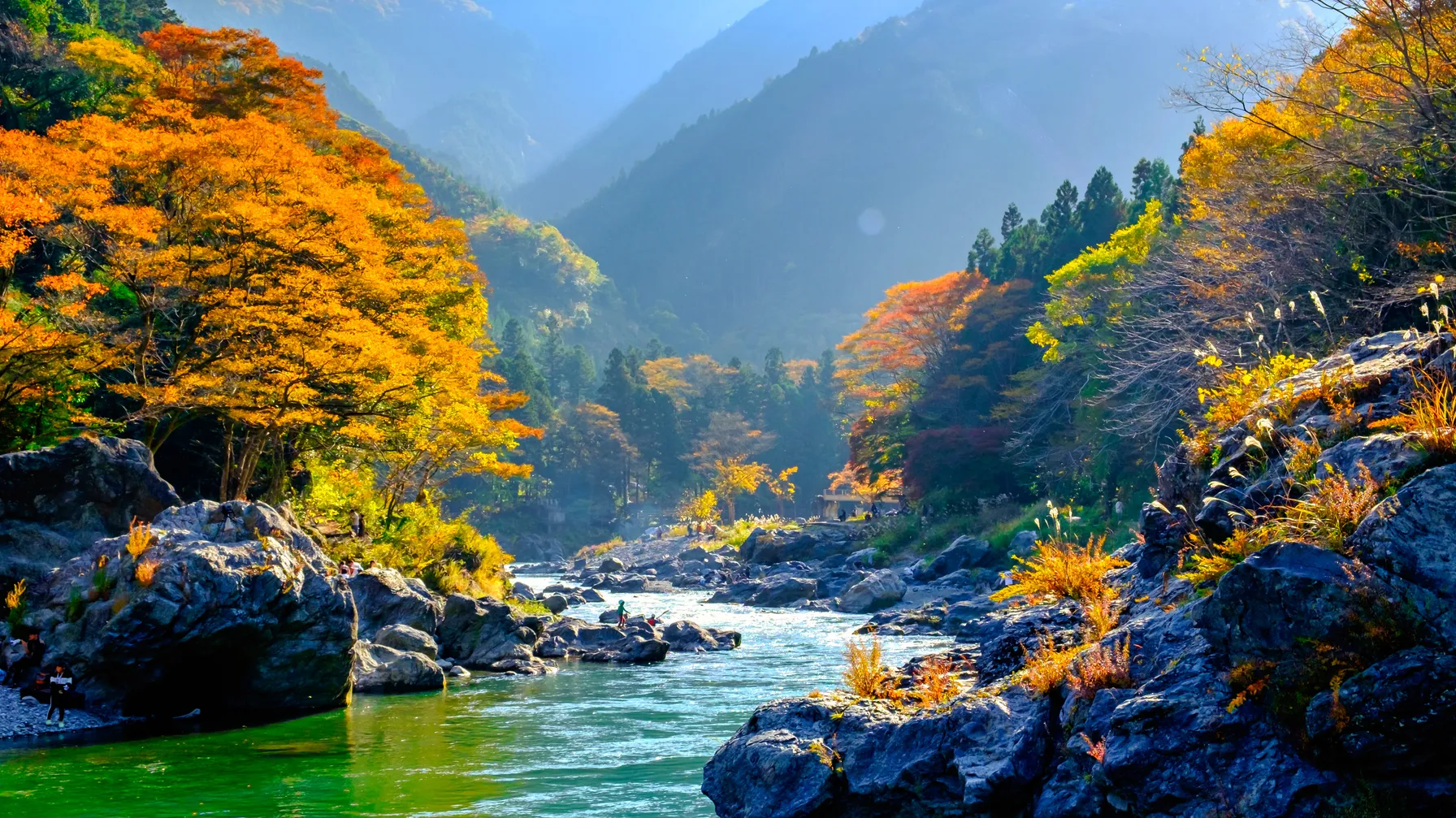
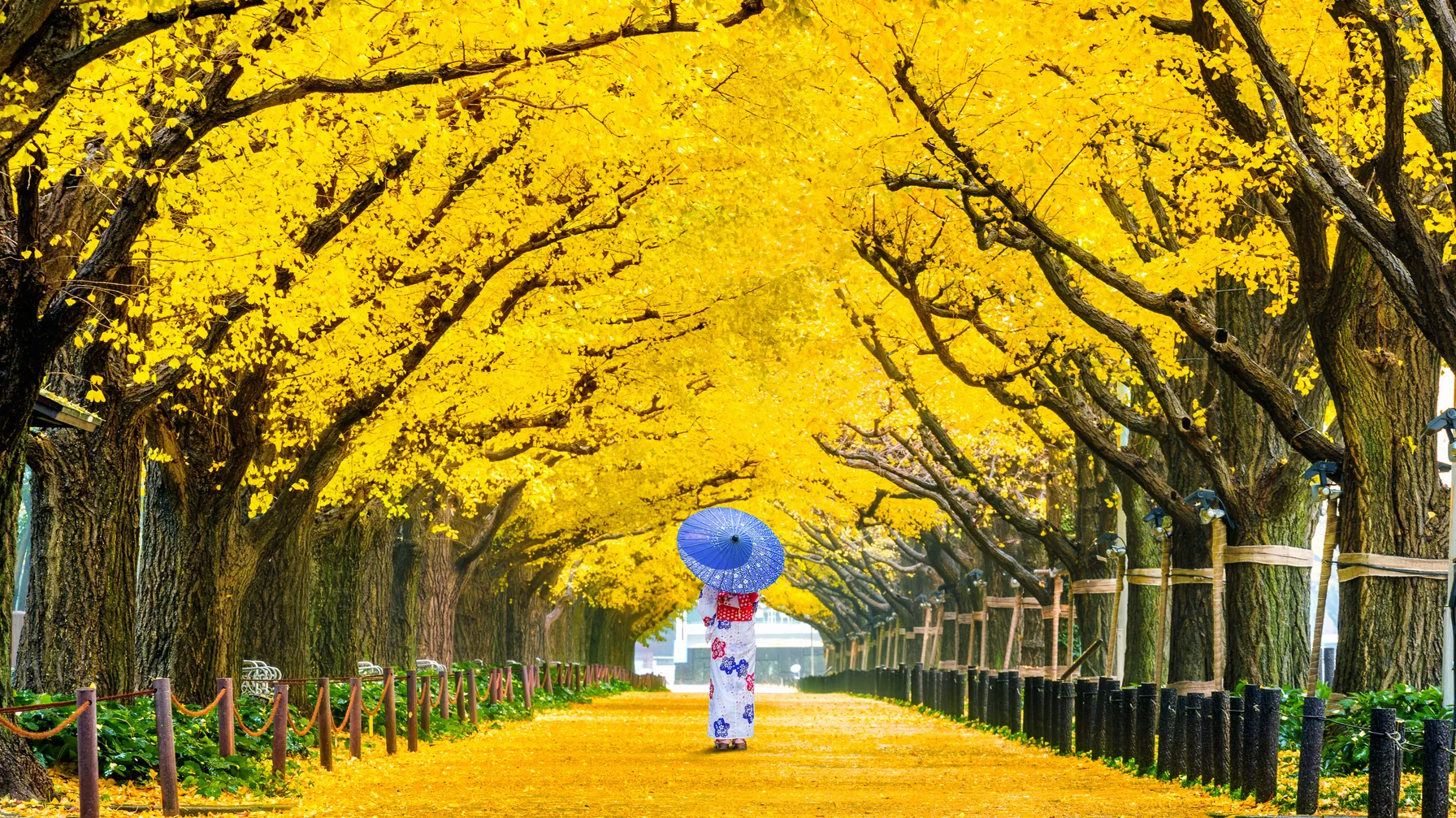
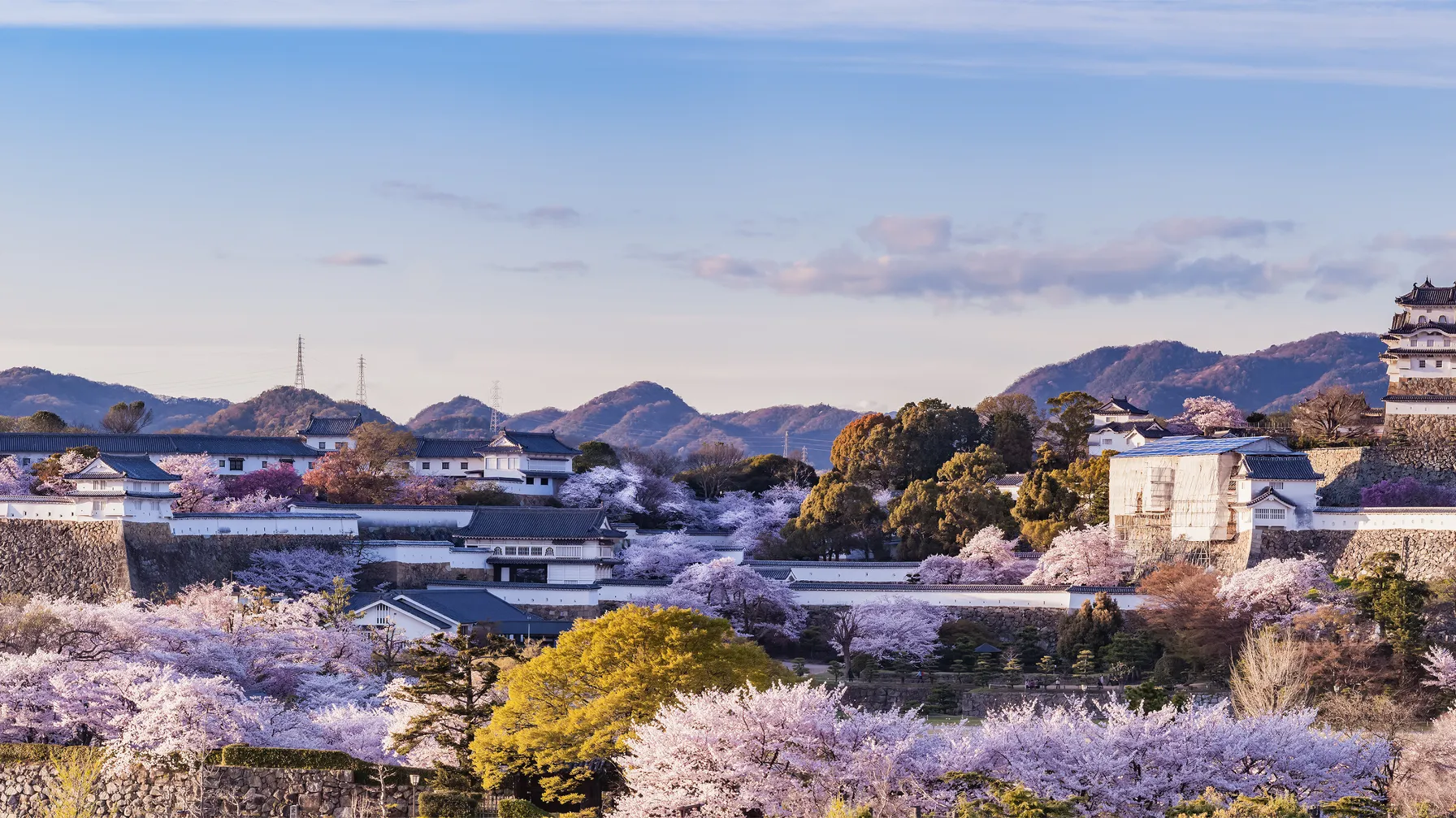
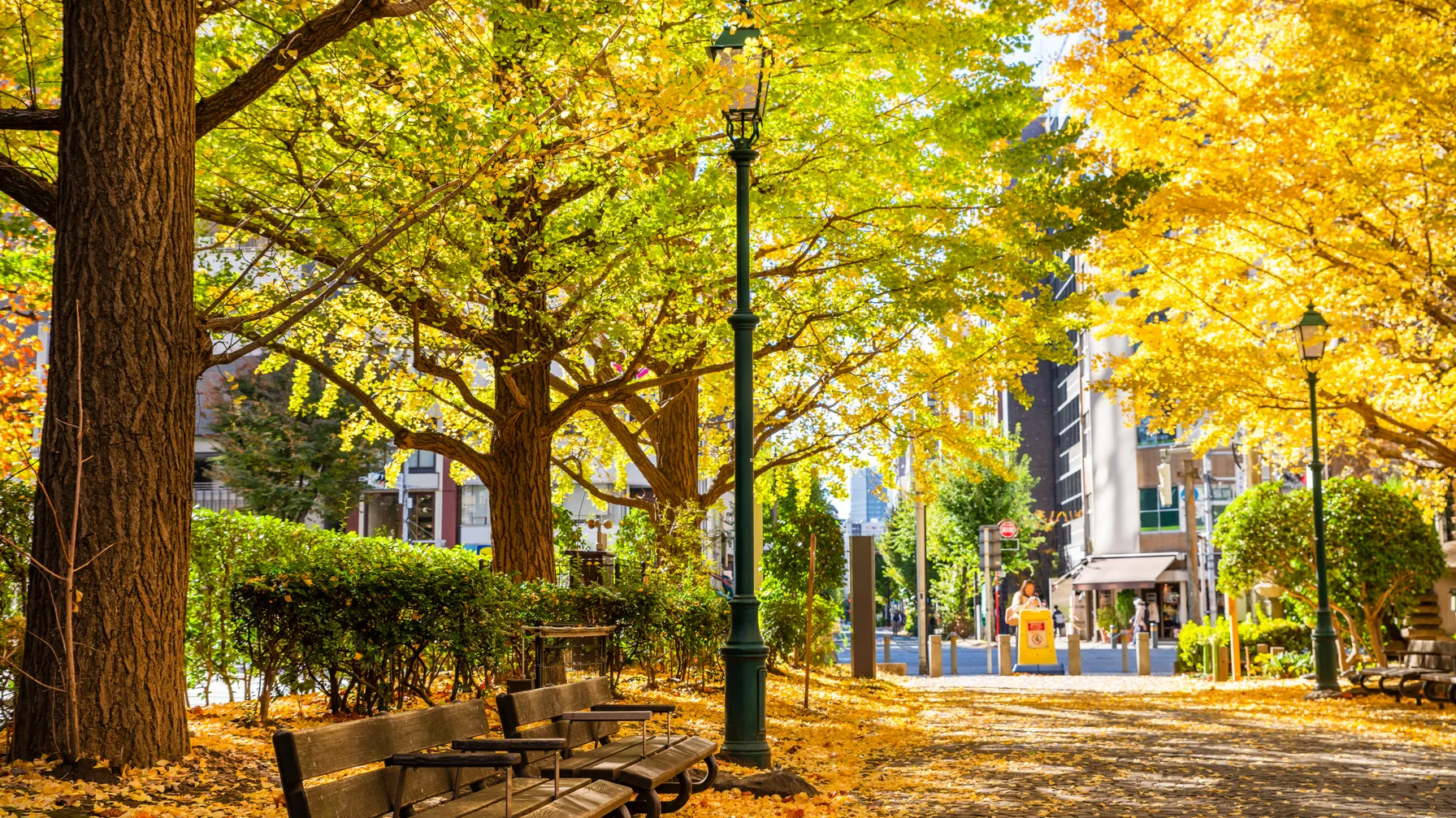
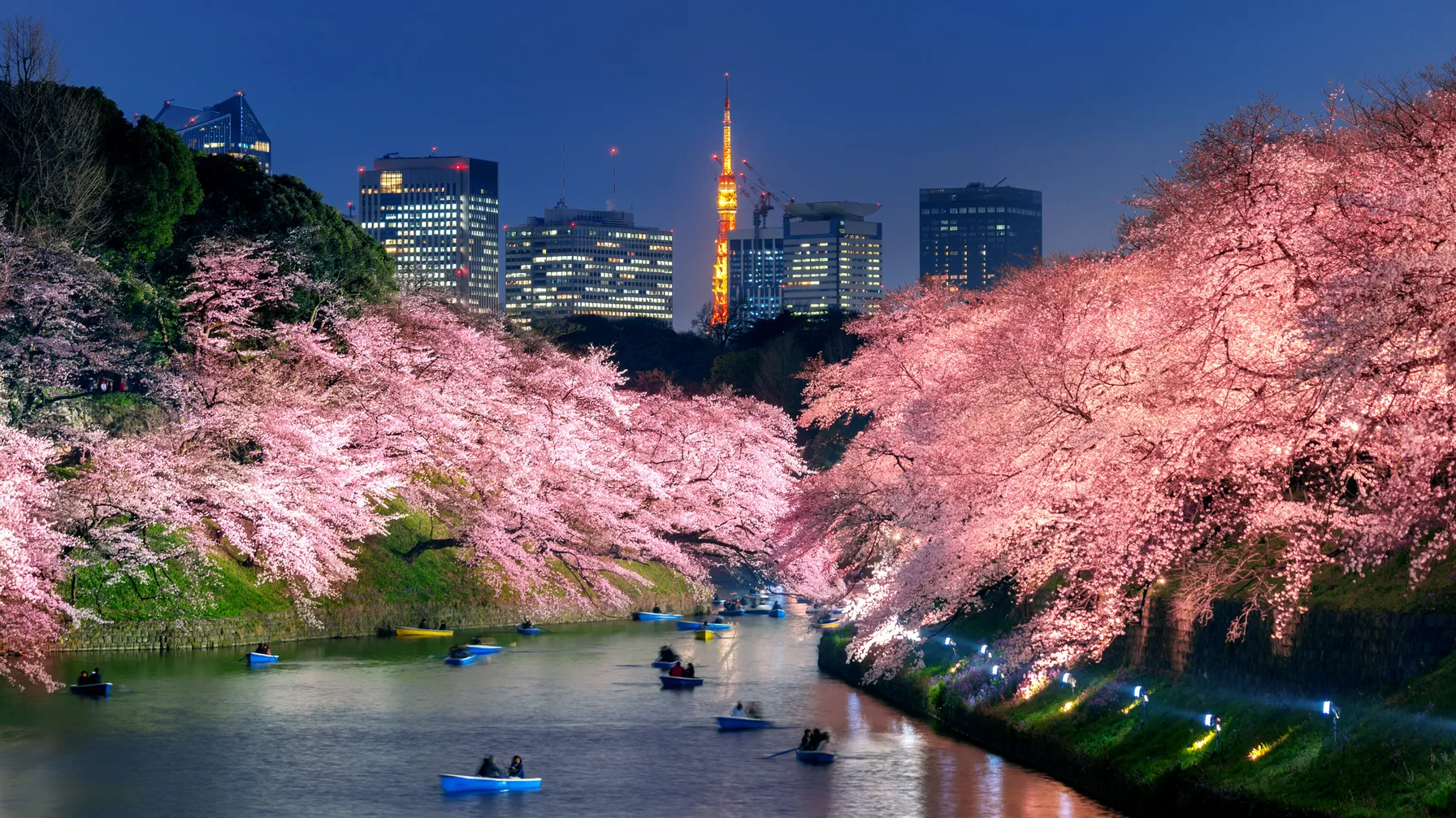
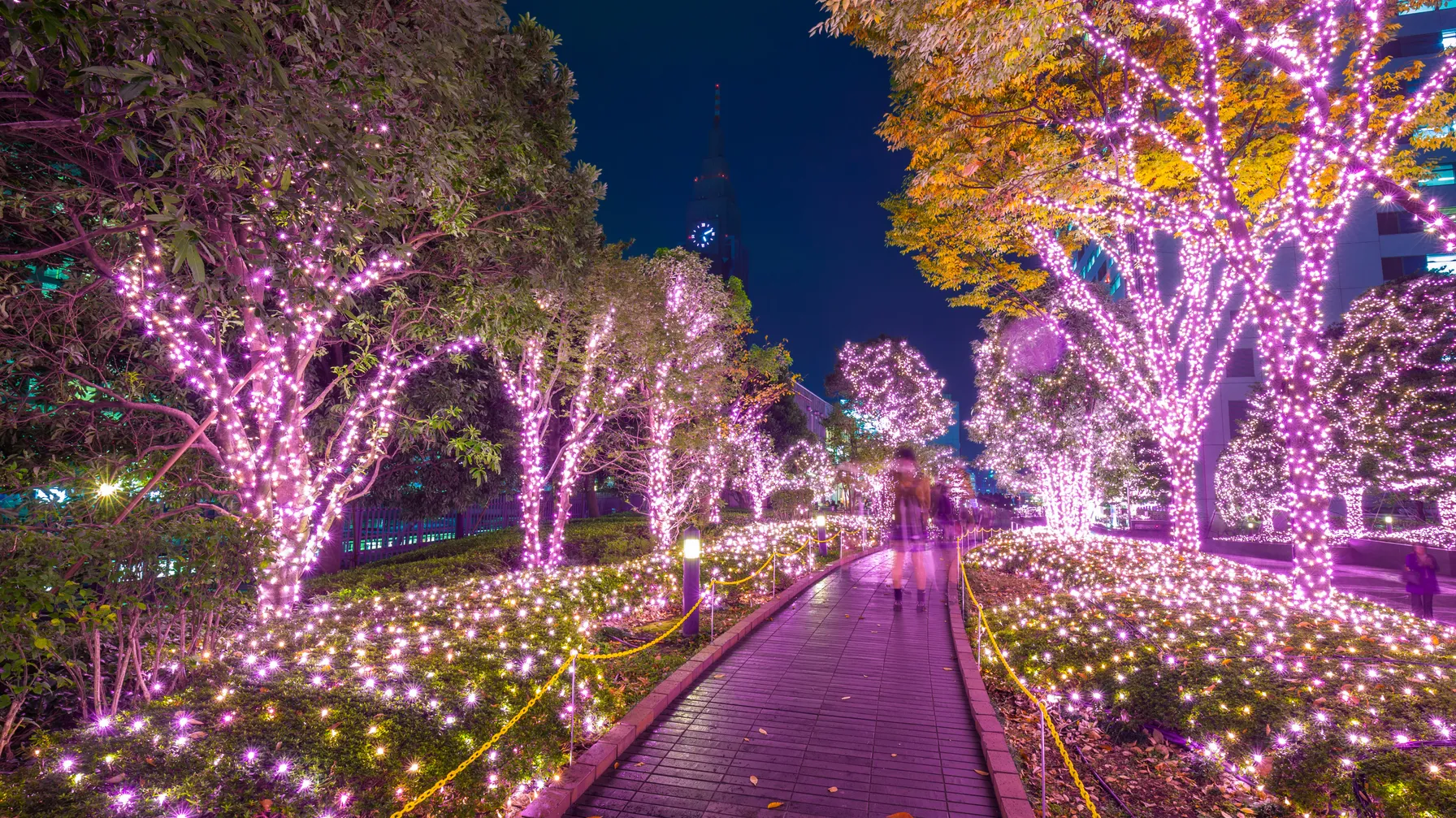
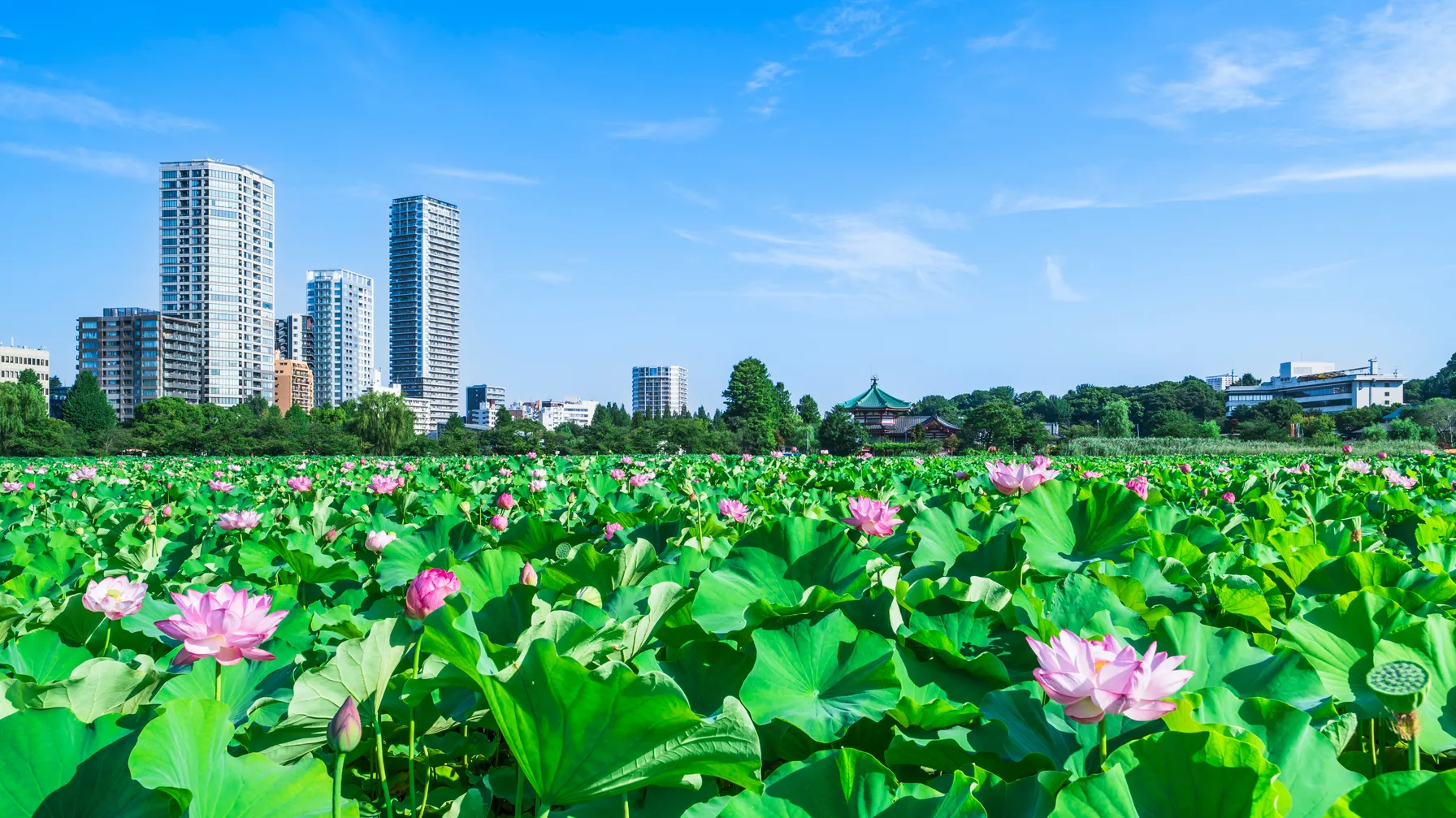
Each season has its own character in Tokyo, but not all are equal depending on what you want. Spring and autumn are generally the most popular times due to the mild climate and the beauty of the landscapes. The cherry blossom season, between late March and early April, transforms Ueno Park and the banks of the Sumida River into striking pink sceneries. Autumn offers superb golden hues in the Shinjuku Gyoen garden. Summer is hot and humid, sometimes challenging. Winter remains mild and sunny, ideal for visiting without the crowds.
| Season | Average Temperatures | Sunshine | Crowd |
|---|---|---|---|
| Spring (March-May) | 10 to 22°C | Good | High (cherry blossoms) |
| Summer (June-August) | 25 to 35°C | Strong but humid | Average to high |
| Autumn (Sep-Nov) | 14 to 25°C | Excellent | Moderate |
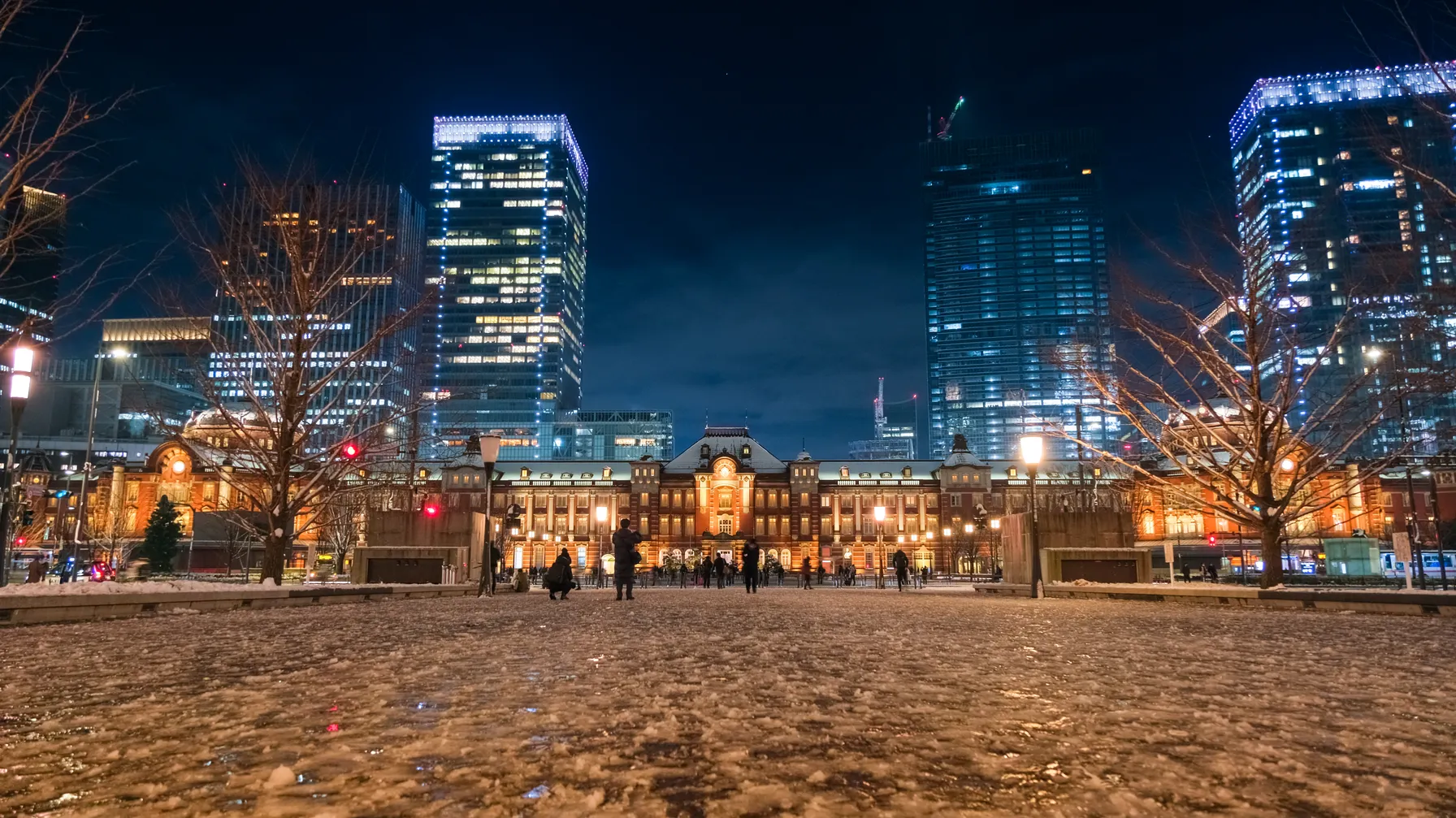
| Winter (Dec-Feb) | 2 to 12°C | Good and dry | Low |
Contact us for more information on the best times to visit Tokyo.
How to organize your 4-day visit to Tokyo?
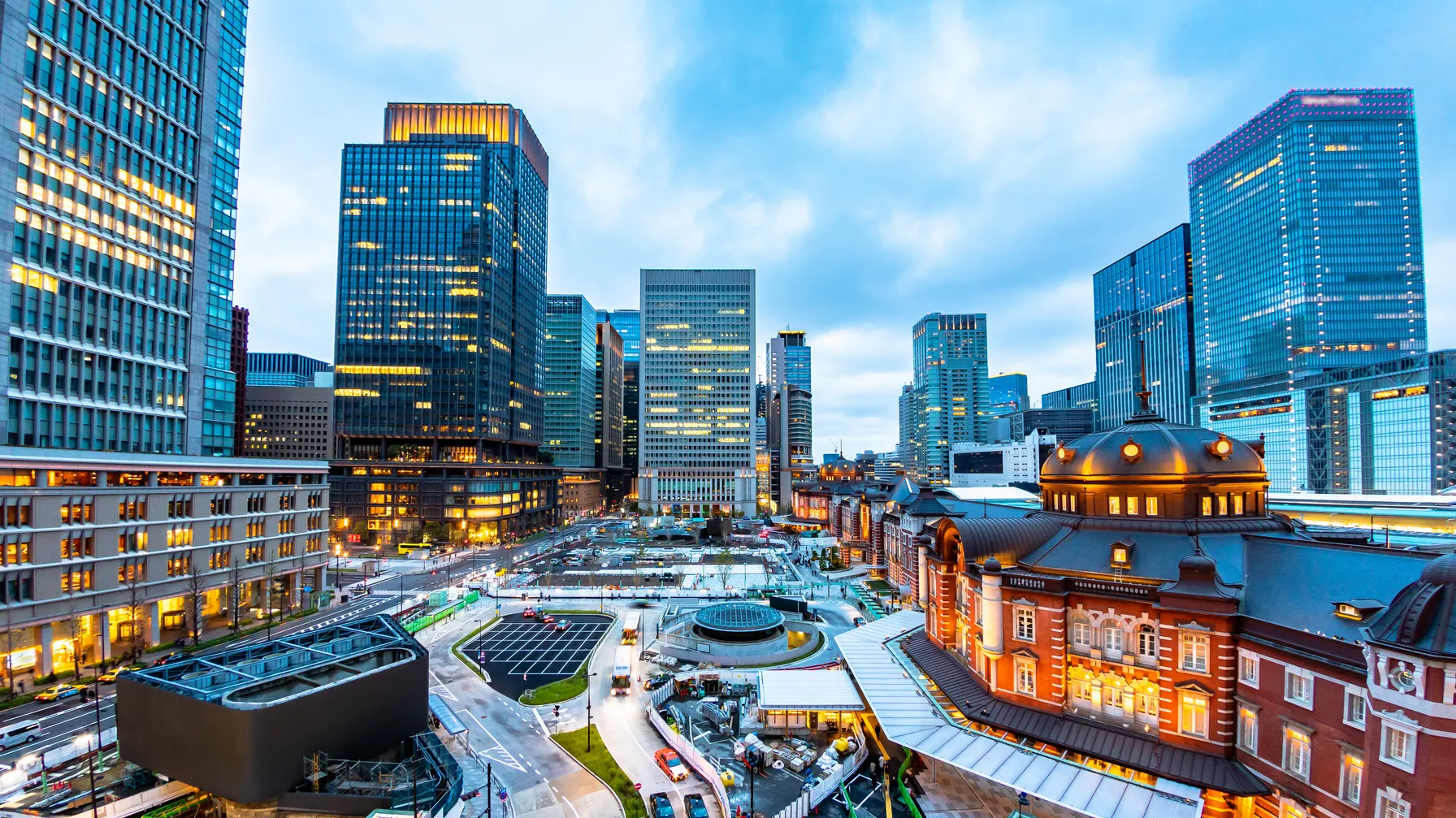
Four days in Tokyo require careful planning to avoid dispersing your energy in such a vast city. The key is to cluster visits by geographic area, following the lines of Tokyo Station and the JR network.
The districts to explore, from the most iconic to the most intimate
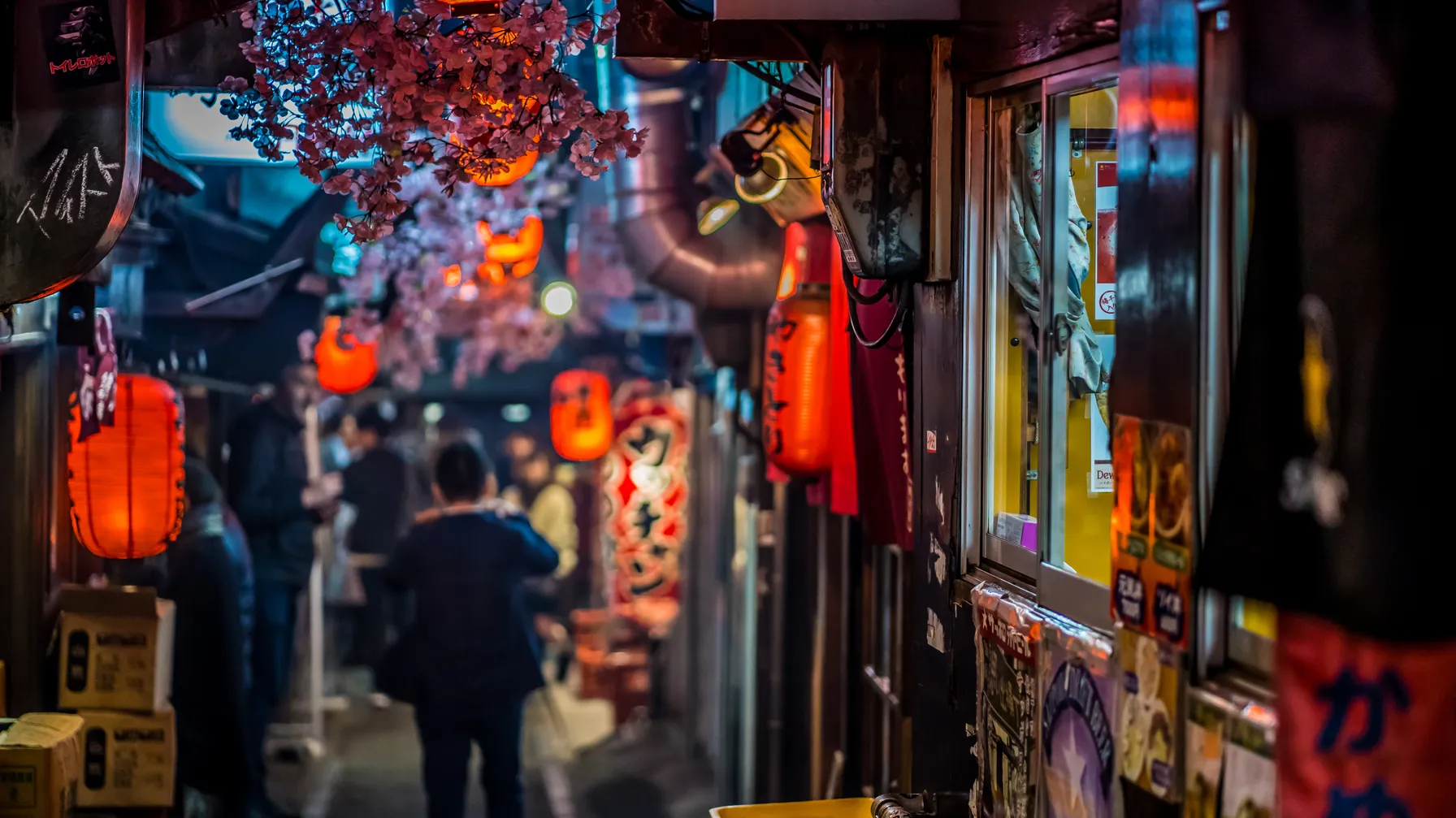
It would be difficult to stick to an exhaustive list, but certain districts naturally impose themselves in a Tokyo visit itinerary. Asakusa for its historical atmosphere and the Imperial Palace for its silent majesty each deserve a half-day. Shibuya with its famous dog Hachiko embodies the pop energy of Tokyo, while the Ginza district invites you to shop in an elegant and refined setting. More confidential, Shinjuku Gyoen offers an unexpected green break, particularly striking during the cherry blossom season. For those wishing to extend the evening, the nightlife of Shinjuku and its luminous alleys are an experience in themselves.
Cultural experiences not to be missed
Beyond the sites, it's in the experiences that Tokyo reveals its uniqueness. Here are some must-sees to include in your itinerary:
- Attend a sumo show or a demonstration of samurai techniques;
- Dive into the immersive digital art of TeamLab museum;
- Visit Ueno Park and its museums, especially the Tokyo National Museum.
Book your trip to Tokyo now and let our Travel Planners create your customized itinerary.
What practical tips should you consider for your stay in Tokyo?
Getting around Tokyo is surprisingly simple thanks to an extremely efficient public transportation network. The Yamanote Line connects the main tourist districts in a loop. To simplify each trip, the rechargeable Suica card is the most practical solution: it can be used in the subway, JR trains, and many shops.
As for formalities, French nationals do not need a visa for a tourist stay of less than 90 days. The local currency is the Japanese yen (JPY). The time difference with France is +7 hours in summer and +8 hours in winter.
For information on where to stay in Tokyo, prefer well-connected districts like Shinjuku, Shibuya or Asakusa. Staying near a JR station in Tokyo saves you precious time in your schedule. Options range from design hotels to traditional ryokans, depending on the experience you want to have.
Contact us for more information and let us organize every detail of your stay in Tokyo.
Demandez votre devis Tokyo sur-mesure 100% gratuit
 4.8
4.8+3.000 travelers satisfied