Hiking in Tokyo: Essential Routes to Explore
What kind of landscapes and terrains can one explore around Tokyo?
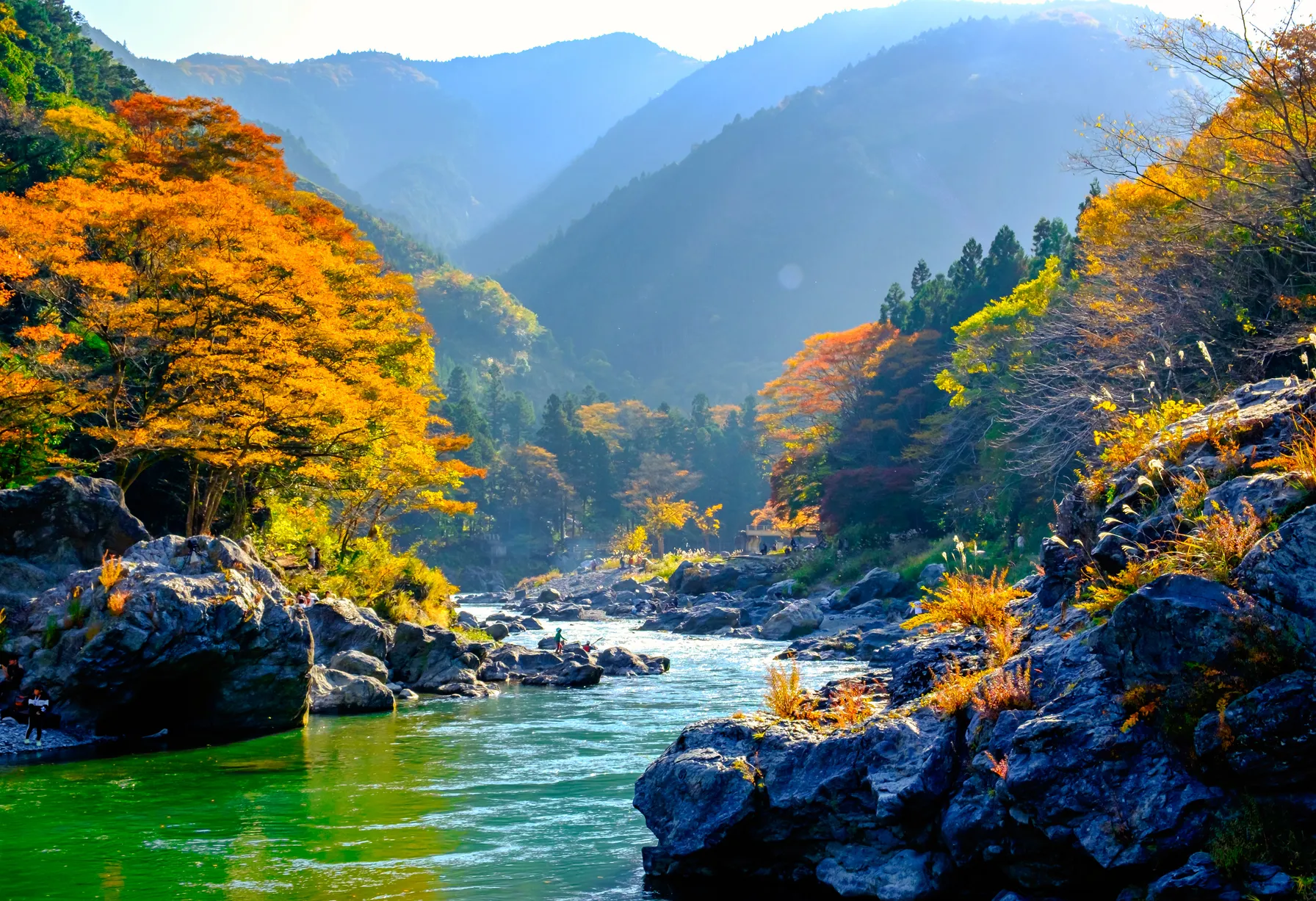
The Tokyo area surprises with the diversity of its natural landscapes. Cedar forests, scenic ridges, valleys crossed by clear streams, and hidden waterfalls make up a scene far from the image of the megacity. The trails range from the most accessible to the most demanding, and this is the richness of hiking around Tokyo.
Trails accessible just a few minutes by train
One of the major advantages of this destination is the ease of access. Taking a train from Shinjuku is enough to find oneself, in less than an hour, at the foot of green and tranquil massifs. The routes are generally well signposted, with English indications on the most frequented trails, making them ideal for families, novice hikers, or solo travelers seeking a bit of serenity away from urban bustle.
An immersion in the national parks of Western Tokyo
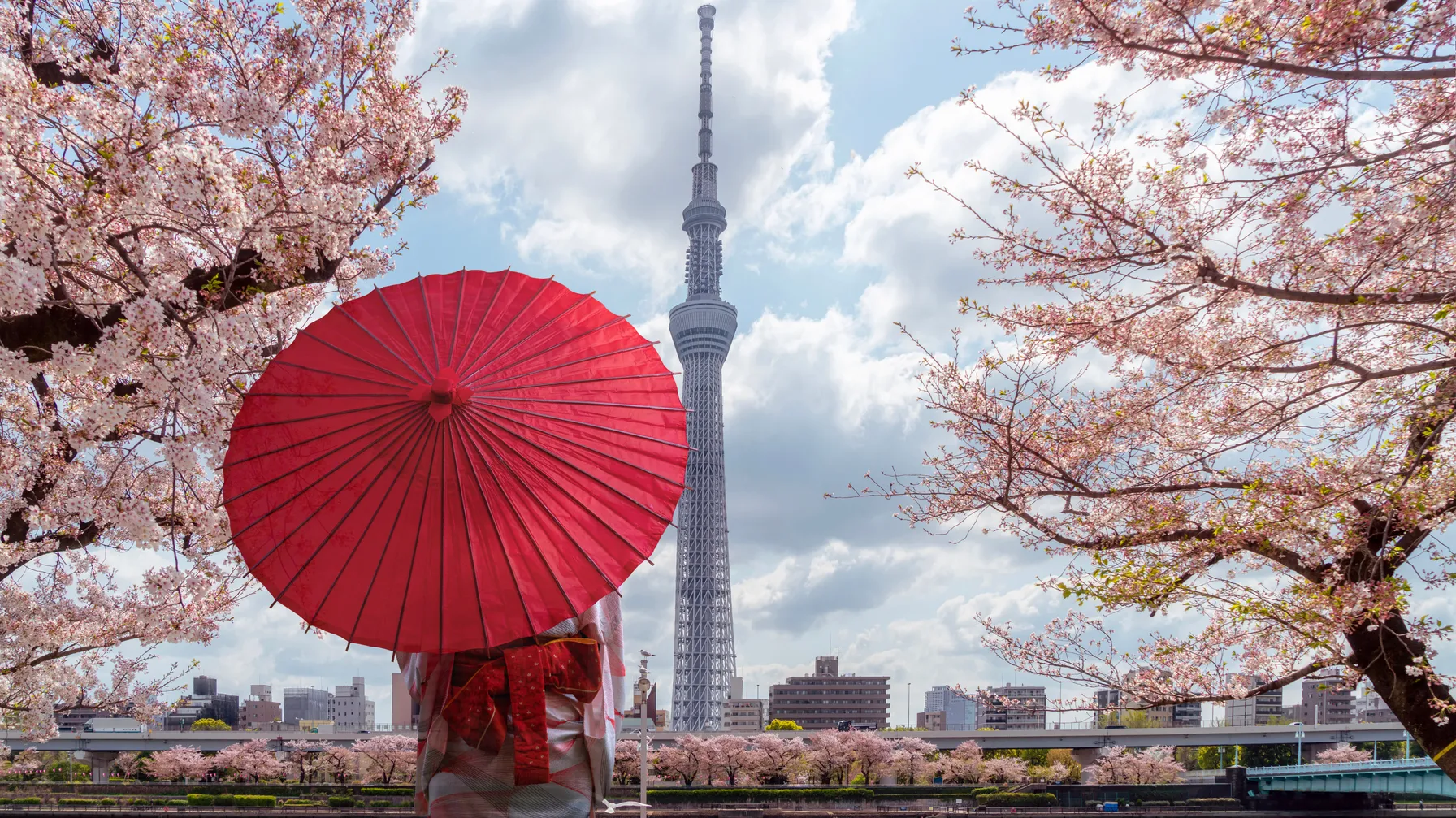
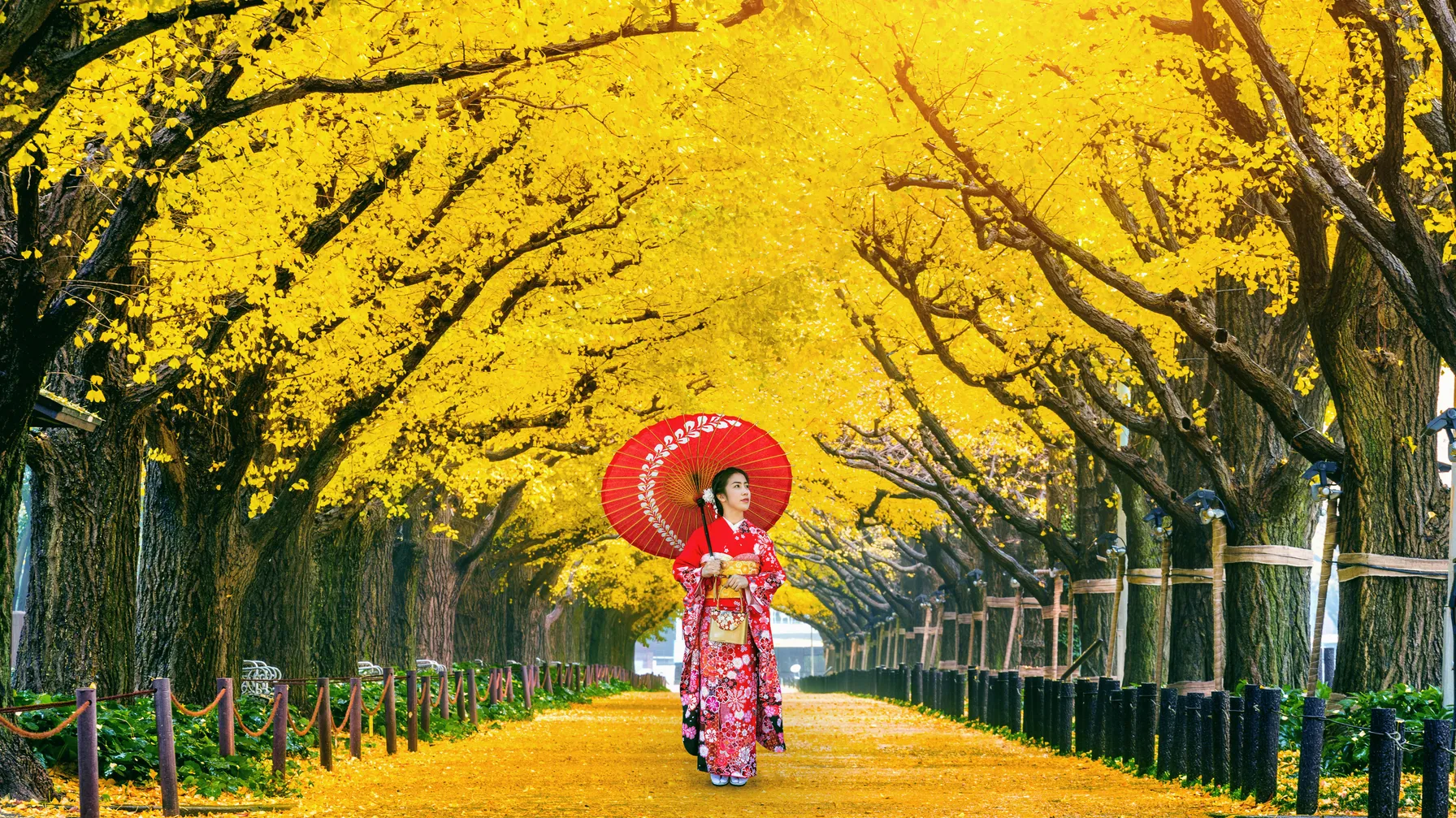
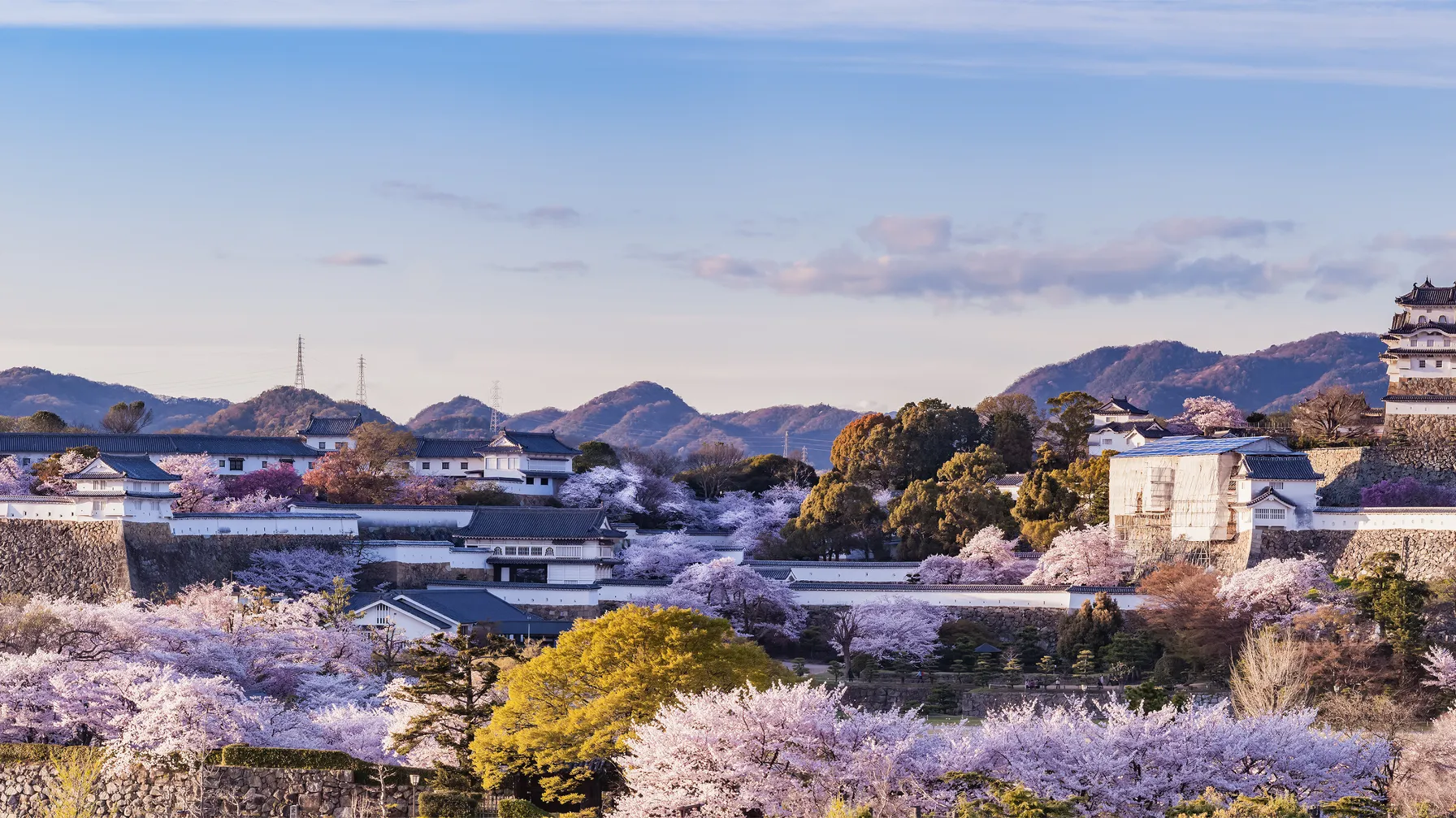
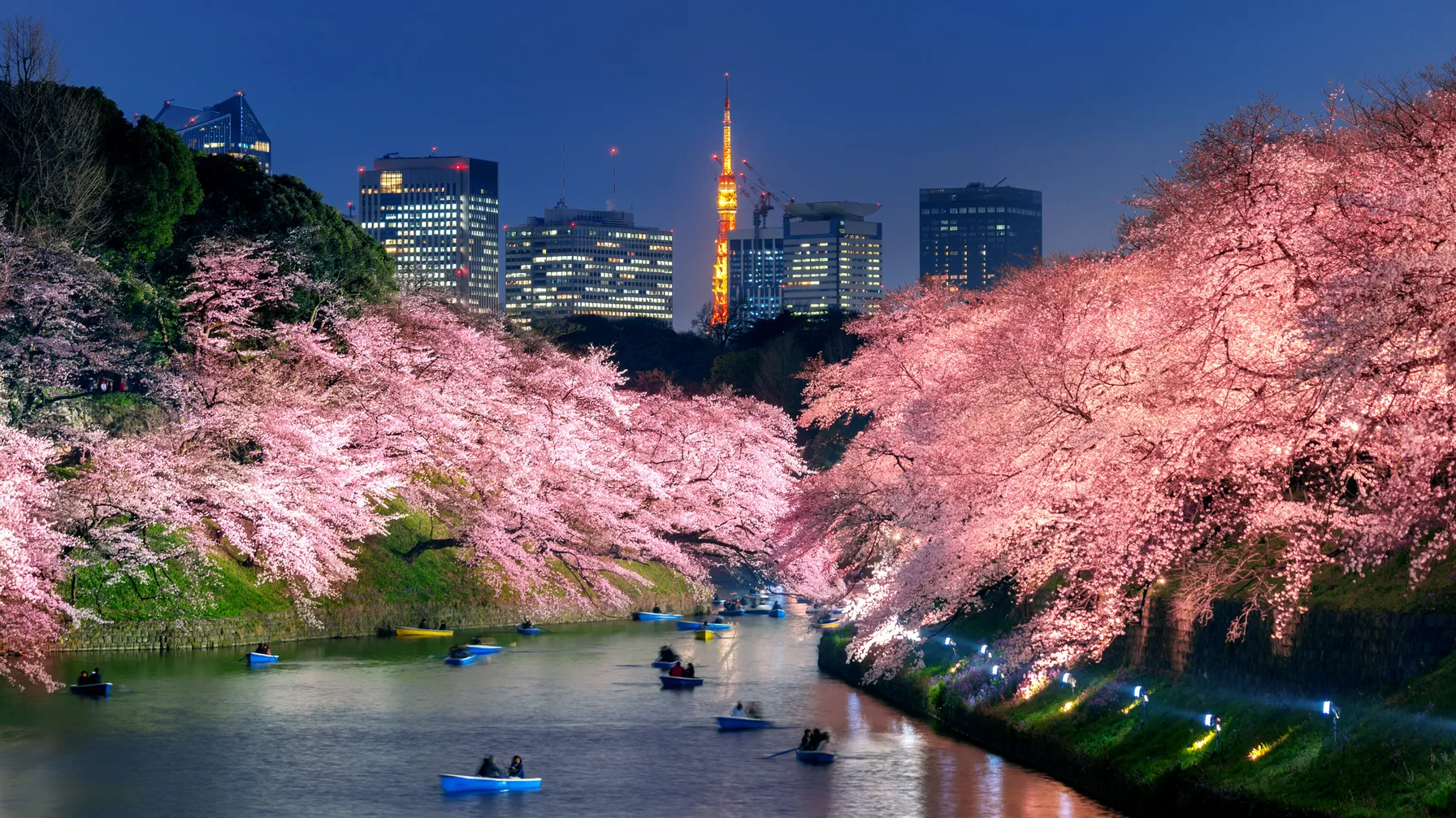
For further exploration, the west of Tokyo opens up to Chichibu Tama Kai National Park, a wild territory where nature takes back its rights. There are less frequented trails, preserved mountain villages, and breathtaking panoramas. The landscapes radically change with the seasons, from the cherry blossoms of spring to the copper hues of the Japanese autumn, two of the most beautiful times to hike in Tokyo and its surroundings.
Contact us to organize your customized hiking trip around Tokyo, tailored to your desires.
What are the best hikes to do around Tokyo?
Around Tokyo, each peak tells a different story. Between culture, spirituality, and natural panoramas, the region's best hikes offer much more than just miles to travel.
Mount Takao, the must-visit accessible from the west of Tokyo
About 45 minutes by train from Shinjuku, Mount Takao is an iconic hike to the west of Tokyo. The summit stands at 599 meters and can be reached by six different routes with varying difficulties. Route #1, the most popular, takes about 1 hour 40 minutes and passes by the Takaosan Yakuo-in temple, a major site of Shugendô, an ancient Japanese spiritual tradition. On a clear day, the view of Mount Fuji from the summit is a memory that lasts a lifetime.
Insider tip: for a sunset over Mount Fuji, route #4 with its suspension bridge is ideal in the late afternoon. A visual and sensory experience not to be missed.
Mount Mitake, between spirituality and mountain night stay
Also located in the Chichibu Tama Kai National Park, Mount Mitake is also accessible by a train from Tokyo. A cable car eases access to the upper part, from where several trails lead to wooded valleys and streams bordered by mosses. At the summit, the Musashi Mitake Shrine offers a breathtaking spiritual setting. For travelers who wish to extend the experience, a small hikers' village welcomes guests into traditional Japanese inns, ideal for fully immersing oneself in the mountain atmosphere.
Mount Mito, for lovers of rare panoramas
Among the best hikes around Tokyo, Mount Mito remains one of the best-kept secrets. Nestled in the peaceful area of Okutama, its trails are suitable for intermediate hikers and offer beautiful surprises: an impressive waterfall on the way up, and at the summit, a clear view of Mount Fuji. It is advised to arrive early in the morning to enjoy the panorama before clouds set in. On this more secluded route, it is better to bring enough food and water.
Book your trip to Japan with Vialala and enjoy a tailored itinerary, from choosing the trails to the accommodation.

Demandez votre devis Tokyo sur-mesure 100% gratuit
 4.8
4.8+3.000 travelers satisfied
How to properly prepare and organize your hiking trip in Tokyo?
A successful outdoor outing requires preparation in advance, especially when discovering a region as diverse as Tokyo. Conditions vary considerably by season, and choosing the right time makes all the difference.
| Season | Conditions | Level of recommendation |
|---|---|---|
| Spring (March – May) | Mild temperatures, cherry blossoms | Ideal |
| Summer (June – August) | Strong heat, humidity, typhoons | Moderate |
| Autumn (Sept. – Nov.) | Vibrant colors, dry weather | Ideal |
| Winter (Dec. – Feb.) | Cold, possible snow at higher altitudes | Experienced |
Spring and autumn are the two ideal windows for hiking around Tokyo. Beyond the climate, using a French-speaking guide greatly enriches the experience: they provide cultural and historical insights that give meaning to the places visited, from temples to local legends. As for equipment, the essentials to prepare are:
- Hiking shoes suitable for the terrain;
- A lightweight windbreaker and sun protection;
- A water bottle and sufficient provisions, especially on isolated trails;
- An offline mapping application or a paper map of the area.
Did you know? In Japan, hiking trails are governed by a strict ethic of respect: waste management, silence in sacred areas, and preservation of local flora are all integral parts of the experience.
Frequently asked questions
Can one hike around Tokyo without prior mountain experience?
Absolutely. Routes like those on Mount Takao are designed to welcome hikers of all levels, including beginners. A funicular is even available for those less comfortable with elevation changes. However, for wilder trails, minimal physical preparation and good equipment remain essential.
Is it possible to combine hiking and culture during a stay in Tokyo?
Absolutely. Most trails in the area pass through Shinto shrines, Buddhist temples, and traditional villages. Mount Takao, Mount Mitake, and Mount Mito offer this dual dimension of natural immersion and cultural discovery, making them particularly enriching stops in a trip to Japan.
Can children participate in hikes around Tokyo?
Yes, several routes are perfectly suited for families. Mount Takao, in particular, offers paths of low difficulty and amenities like the funicular. Vialala's Travel Planners tailor each program according to the age and pace of everyone, ensuring that hiking becomes a true moment of sharing for the family, without constraints or unexpected events.