3 Days in Tokyo: The Guide for an Unforgettable Immersion in the Japanese Capital
Why is Tokyo a must-visit destination for your next trip to Japan?
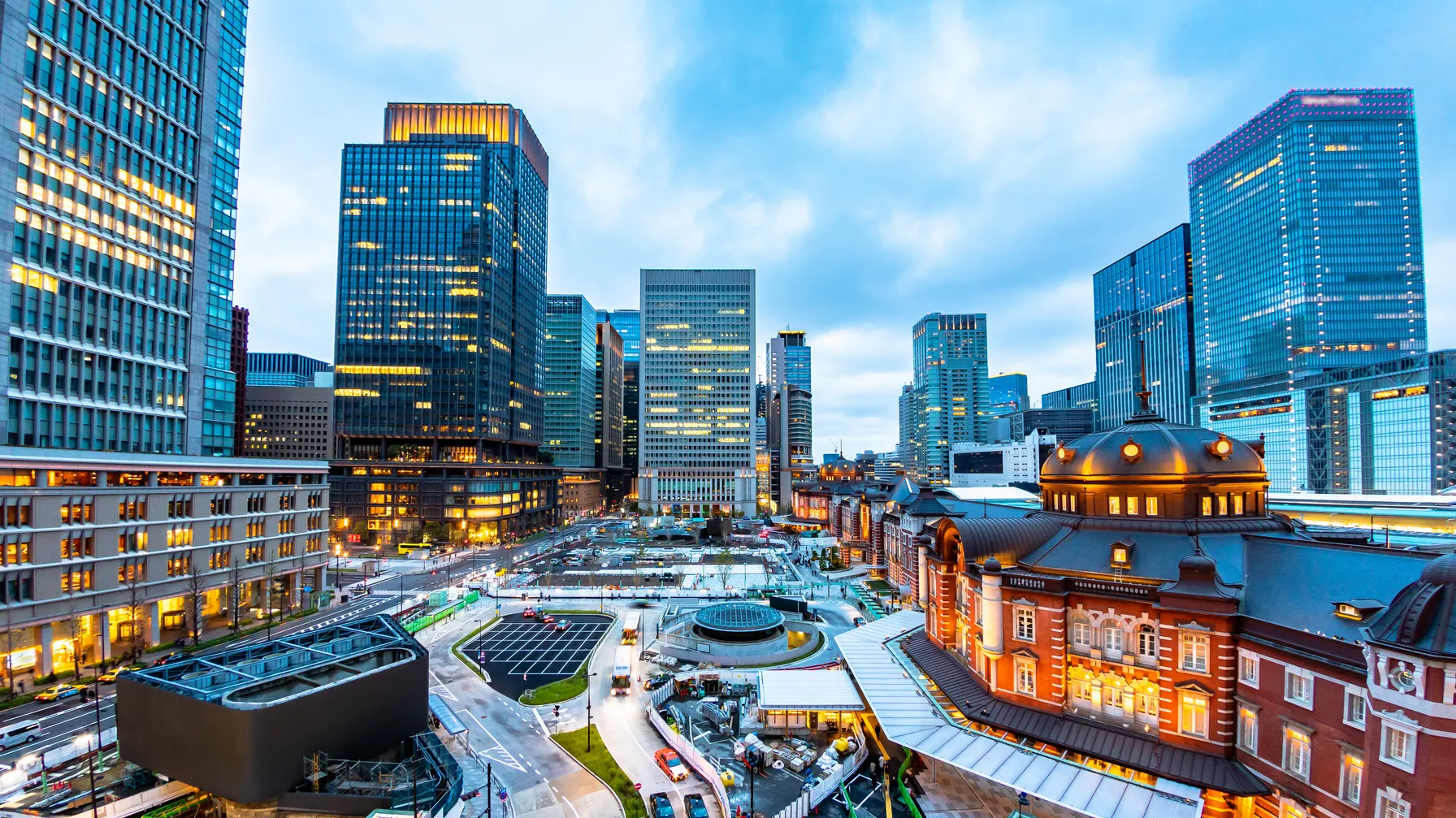
Ranked among the safest and most fascinating metropolises in the world, Tokyo blends the weight of history and the boldness of the contemporary with rare elegance. Nestled on the east coast of the island of Honshu, on the edge of Tokyo Bay, the Japanese capital offers a diversity of experiences that satisfies all types of travelers, from culture enthusiasts to culinary aficionados and urban explorers.
A city between ancient traditions and radiant modernity
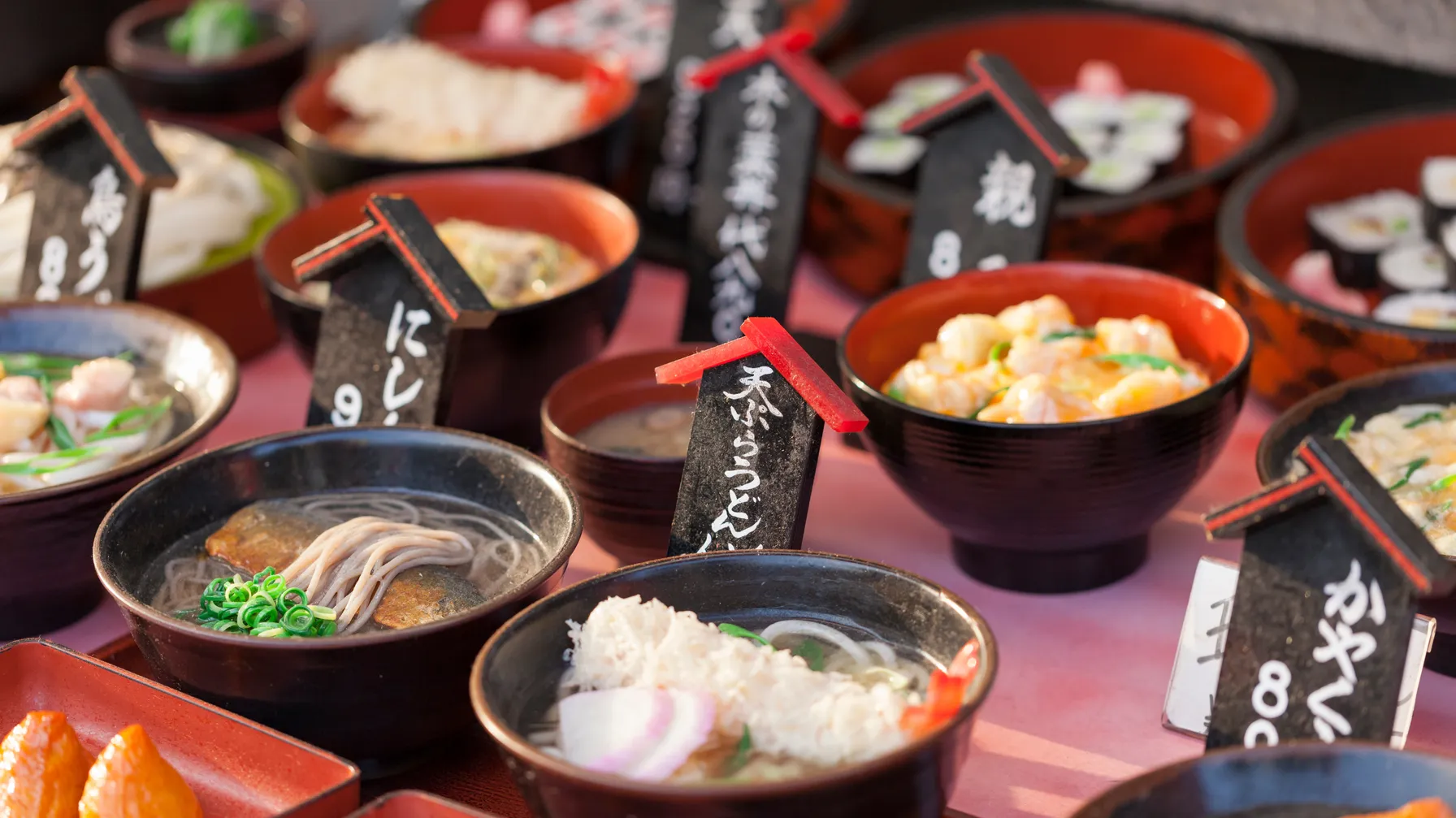
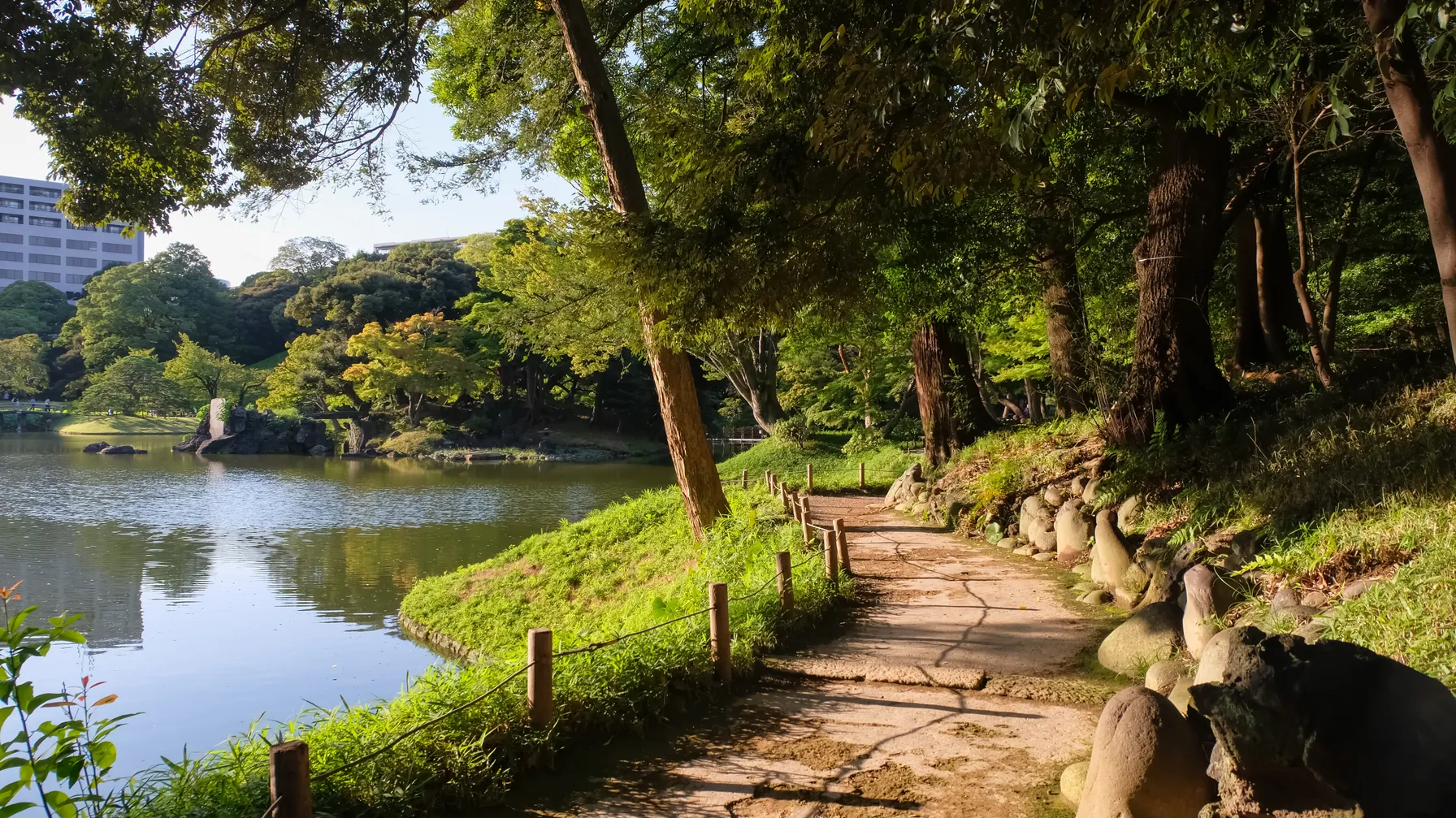
Walking through the streets, you alternate between serene Shinto shrines, bustling markets brimming with flavors, and trendy neighborhoods where fashion and art reign supreme. Japanese cuisine, inscribed on the UNESCO Intangible Heritage list, is a journey in itself: steaming ramen, precision-cut sushi, crispy tempura, and the soothing sweetness of tea ceremonies. Visiting Tokyo also means enjoying a bit of serenity in its many green spaces, like Yoyogi Park, a real green lung in the heart of the city.
Culturally, Tokyo reflects Japan in all its richness: Buddhist and Shinto influences are evident in architecture, language, and daily life gestures. Every detail of Tokyo life is given special attention, from impeccable service in restaurants to welcoming rituals in shops.
What is the best season to visit Tokyo?
Tokyo's climate changes significantly with the seasons, and the choice of time directly affects the quality of your stay.
| Season | Average Temperatures | Key Takeaways |
|---|---|---|
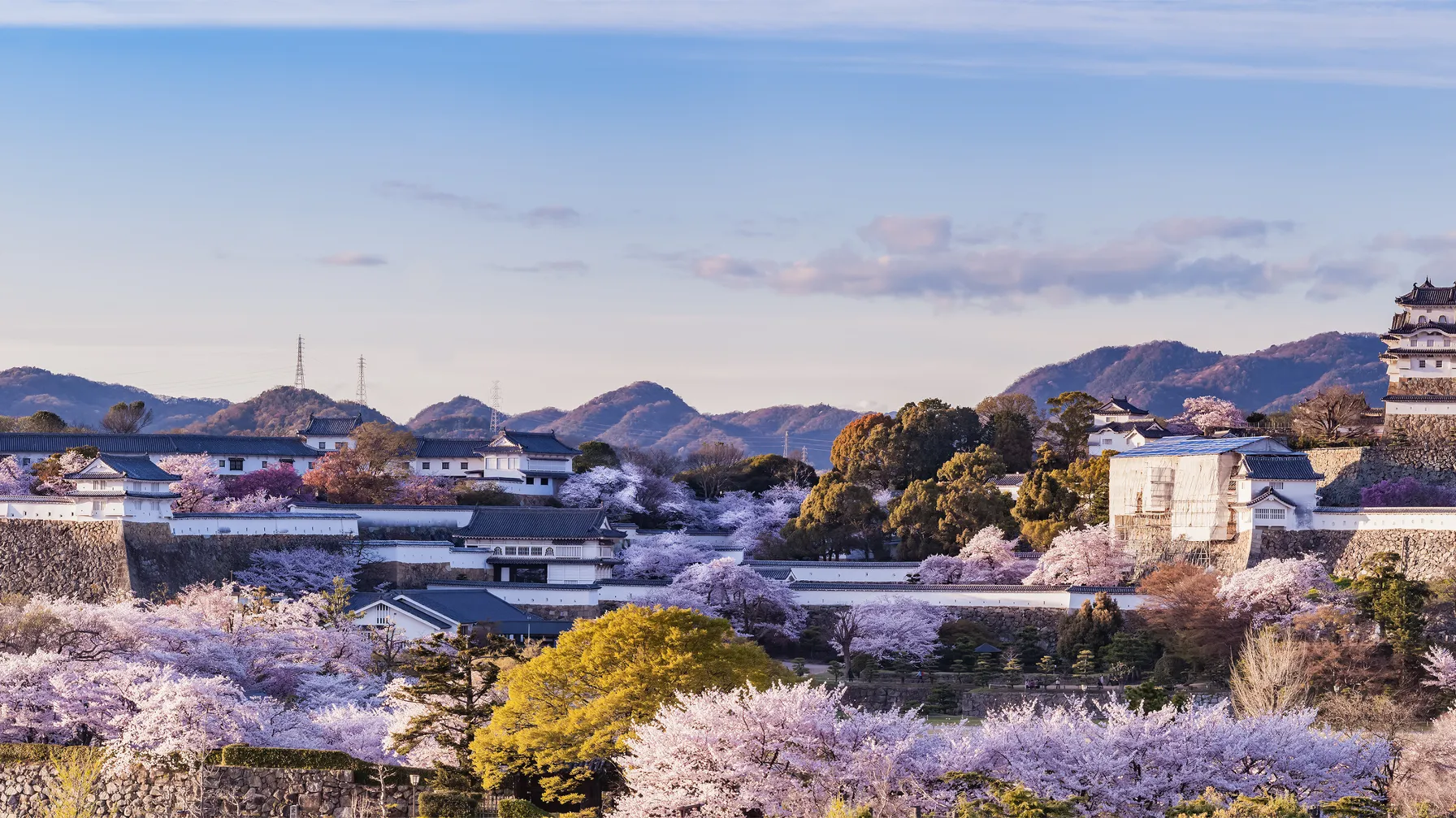
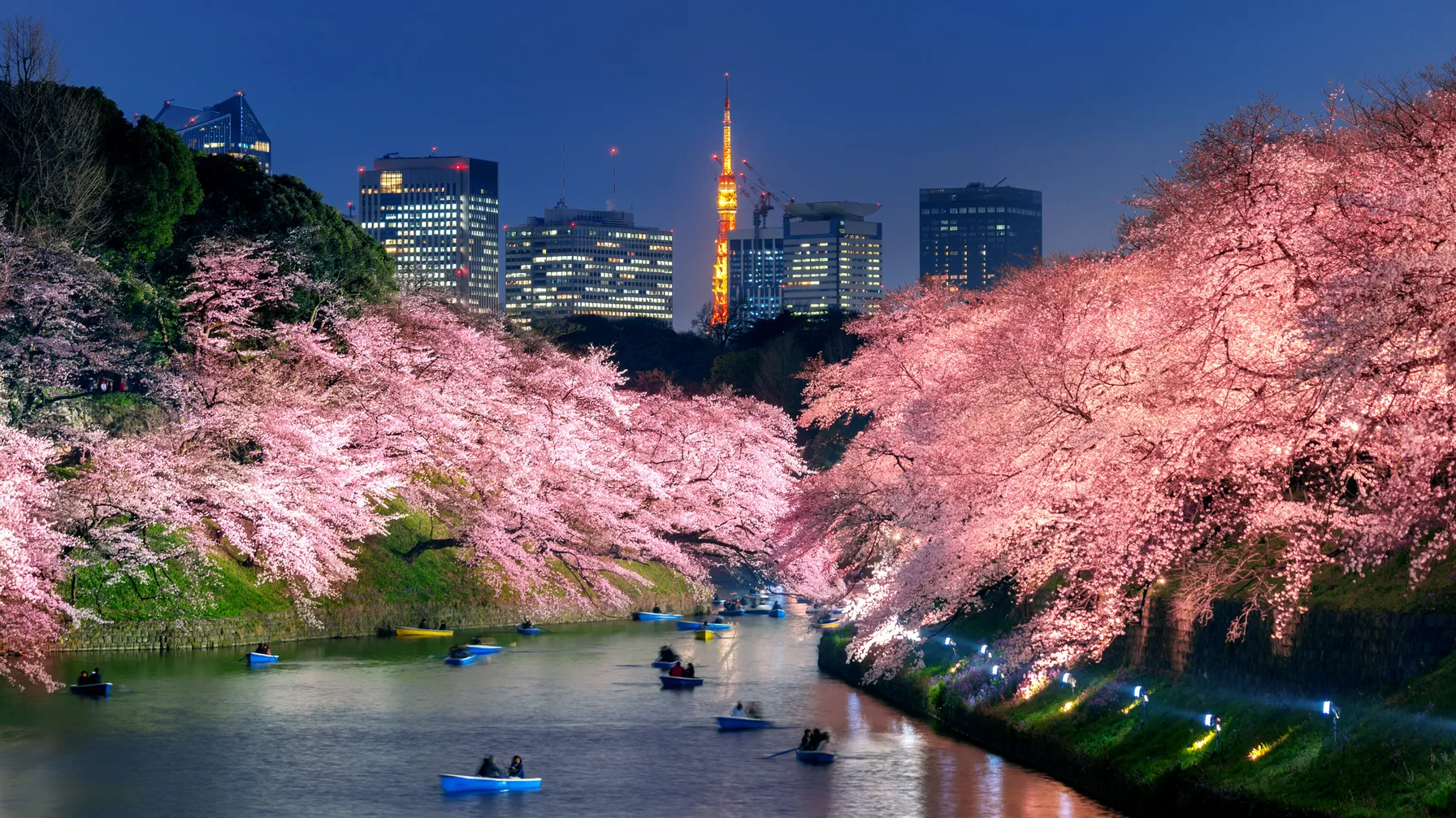
| Spring (March – May) | 10 – 22 °C | Cherry blossoms, ideal period |
| Summer (June – August) | 25 – 35 °C | Hot and humid, lively festivals |
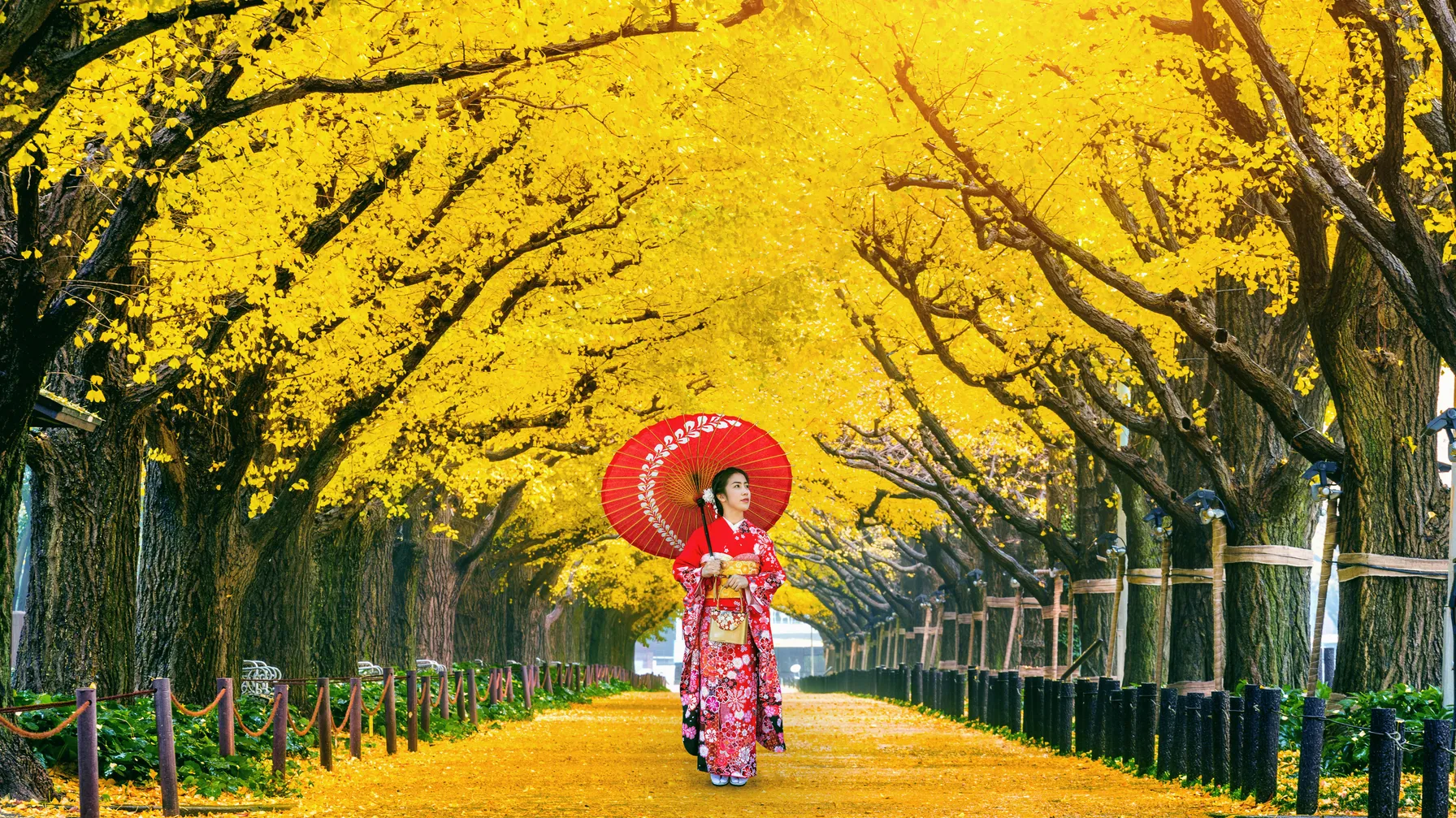
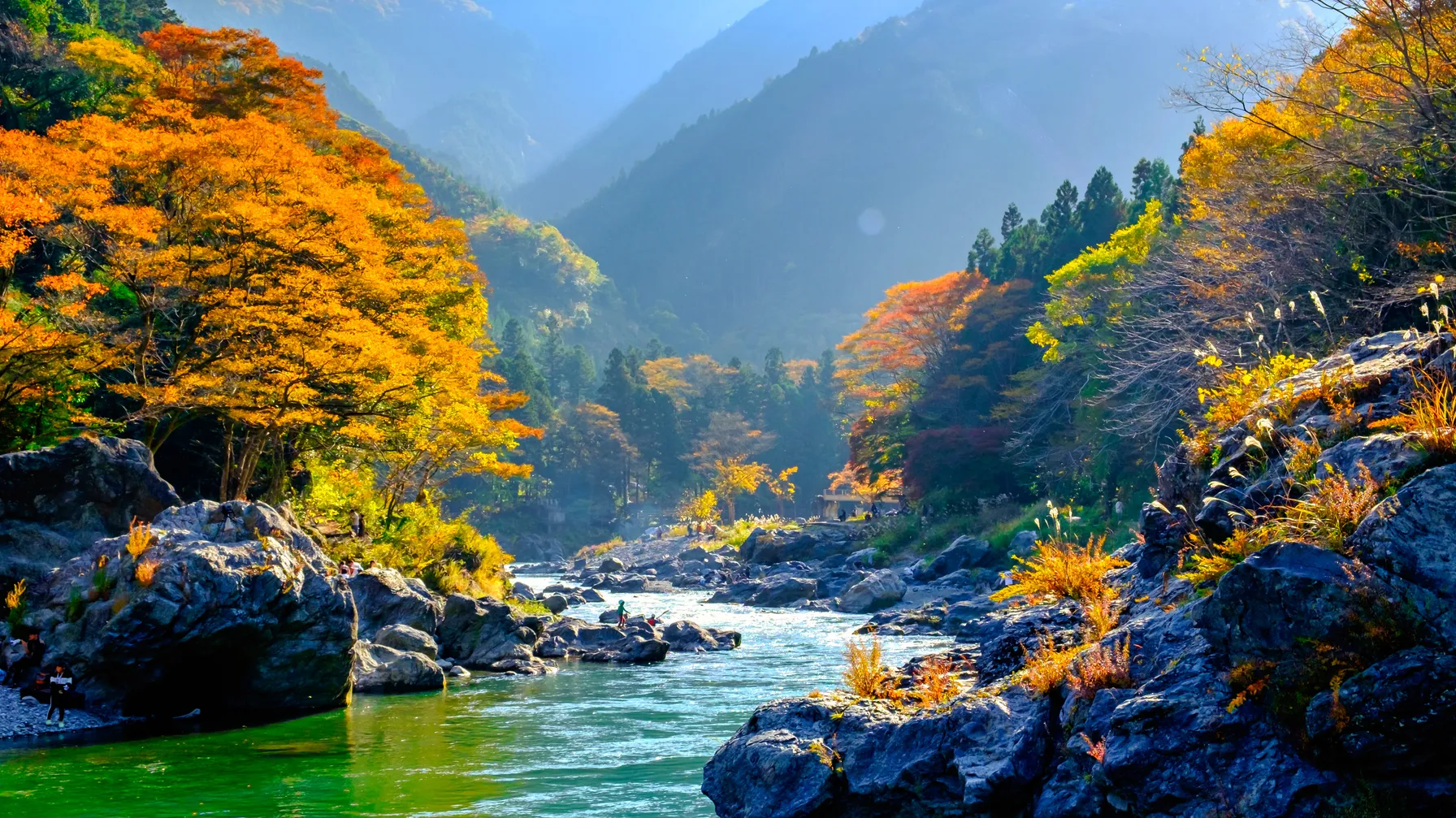
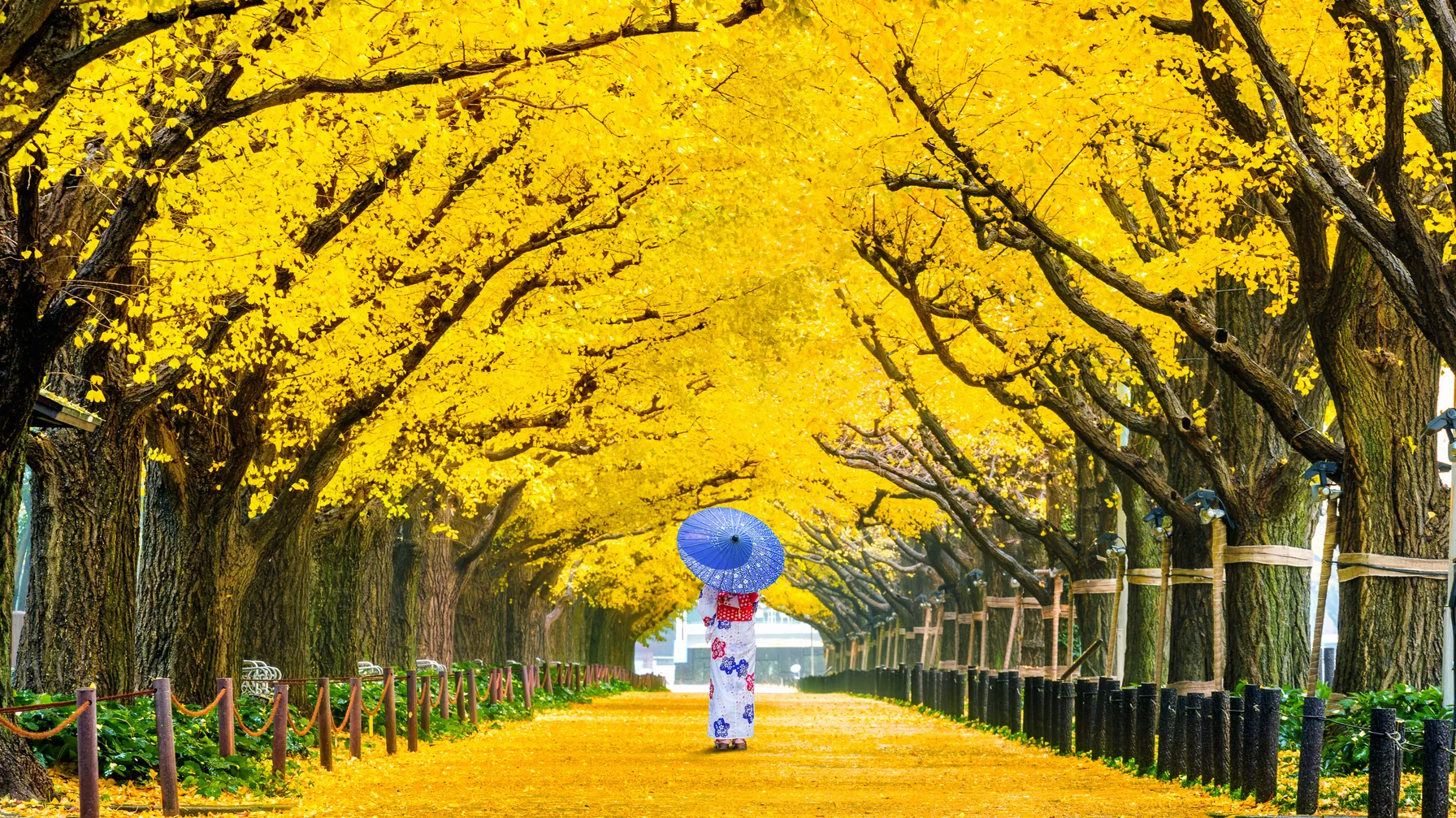
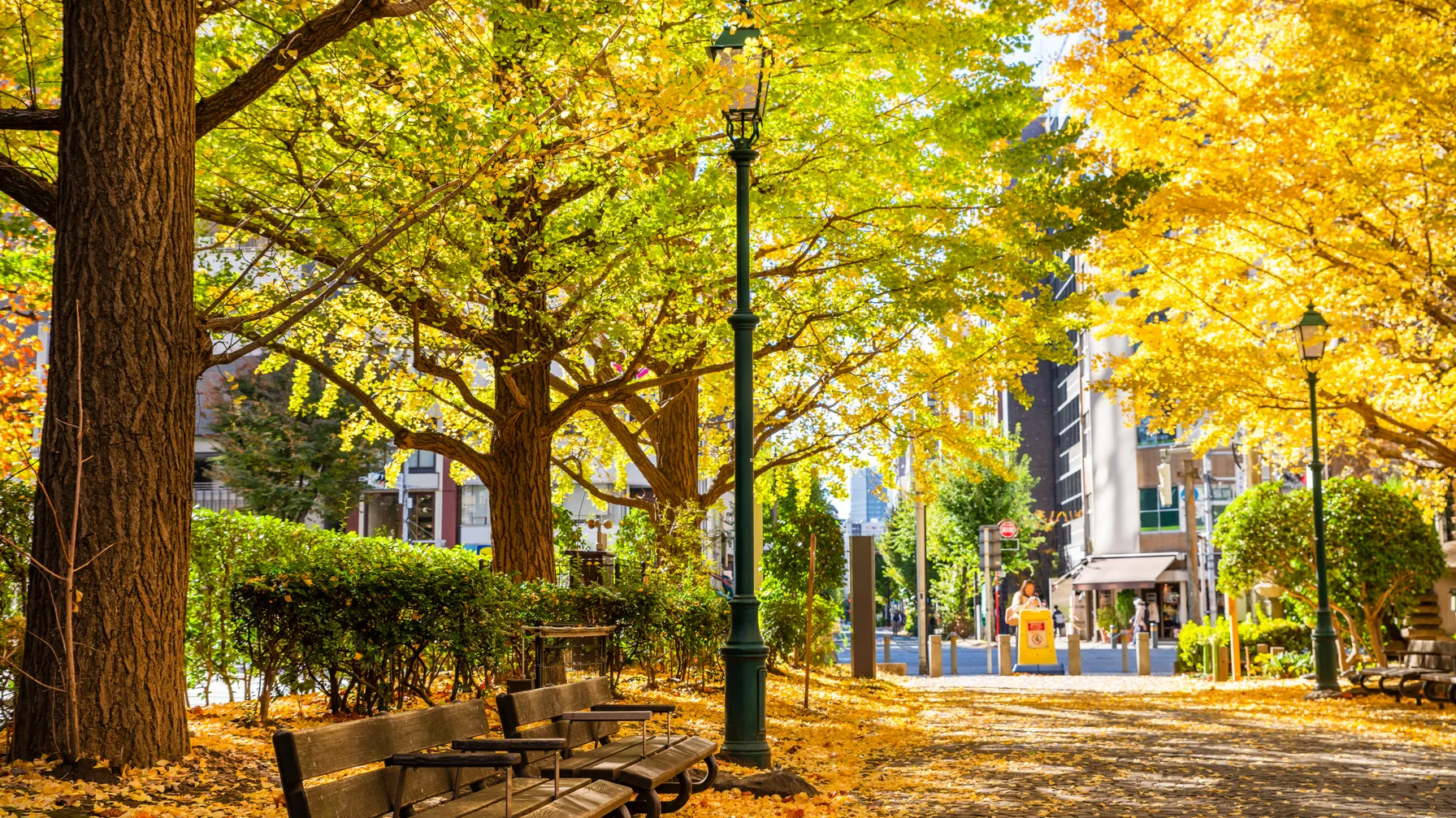
| Autumn (Sept. – Nov.) | 15 – 25 °C | Golden foliage, pleasant temperatures |
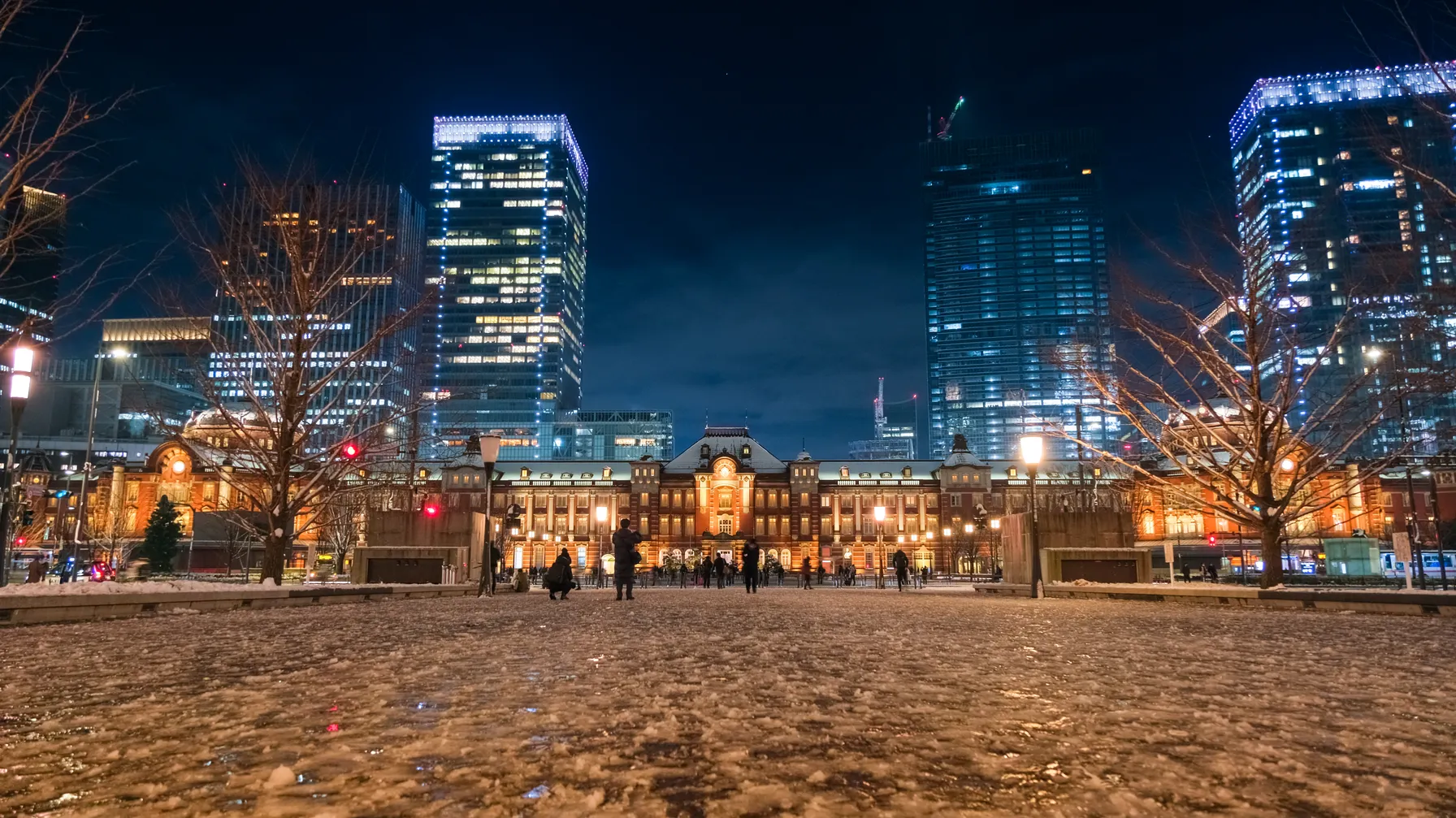
| Winter (Dec. – Feb.) | 2 – 12 °C | Less crowded, serene atmosphere |
Spring and autumn are the best times for a stay in Tokyo: the temperatures are mild and the landscapes are sublime. If you want to avoid the crowds while enjoying a more intimate experience, winter offers a serious alternative.
Contact us for more information on the best times to visit Tokyo.
What to see and do in Tokyo in 3 days?
Three days in Tokyo require meticulous planning. Here is an itinerary designed to alternate rhythms, atmospheres, and emotions without rushing from one end of the city to the other.
Day 1 – The Asakusa district, between spirituality and authenticity
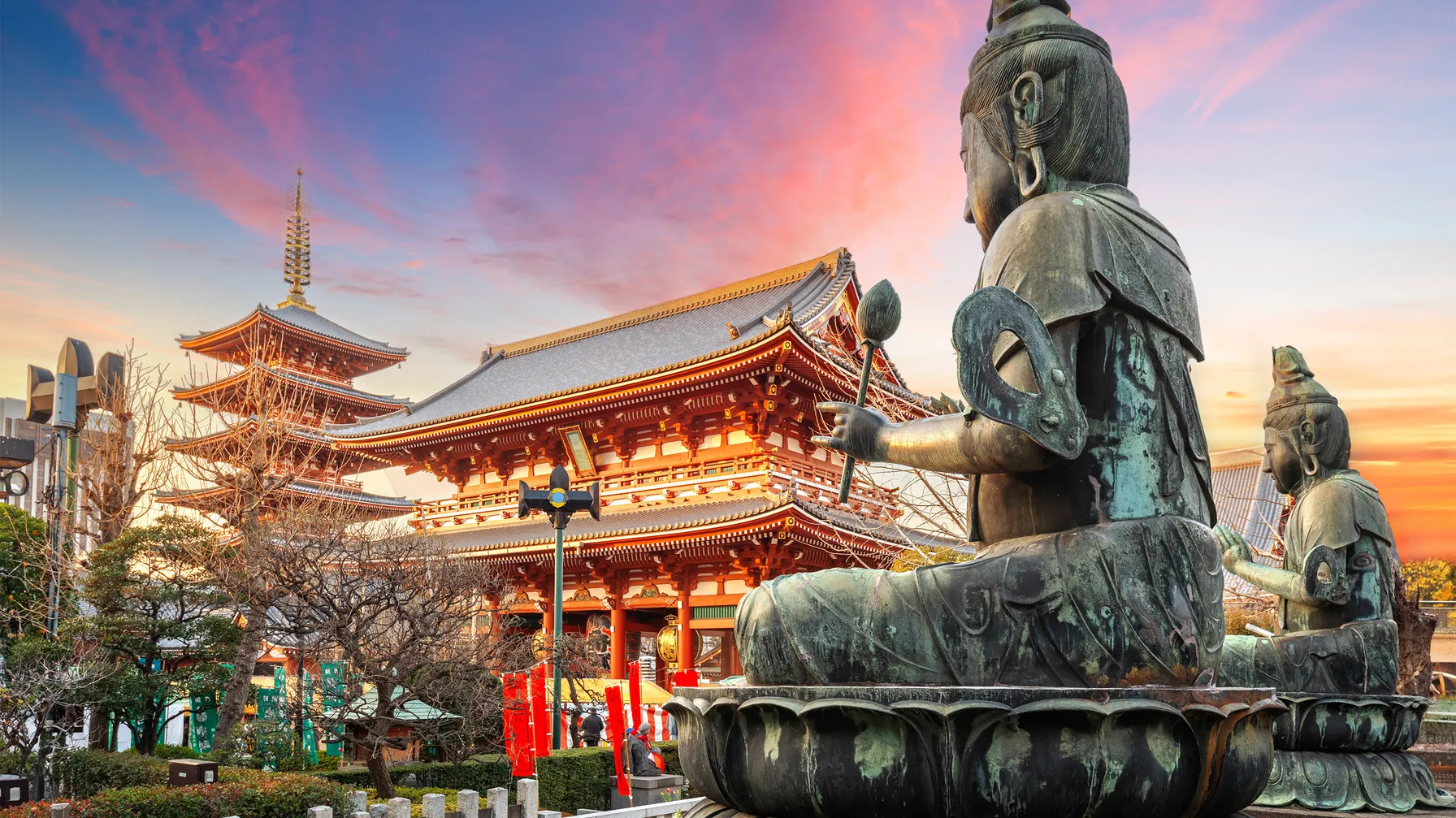
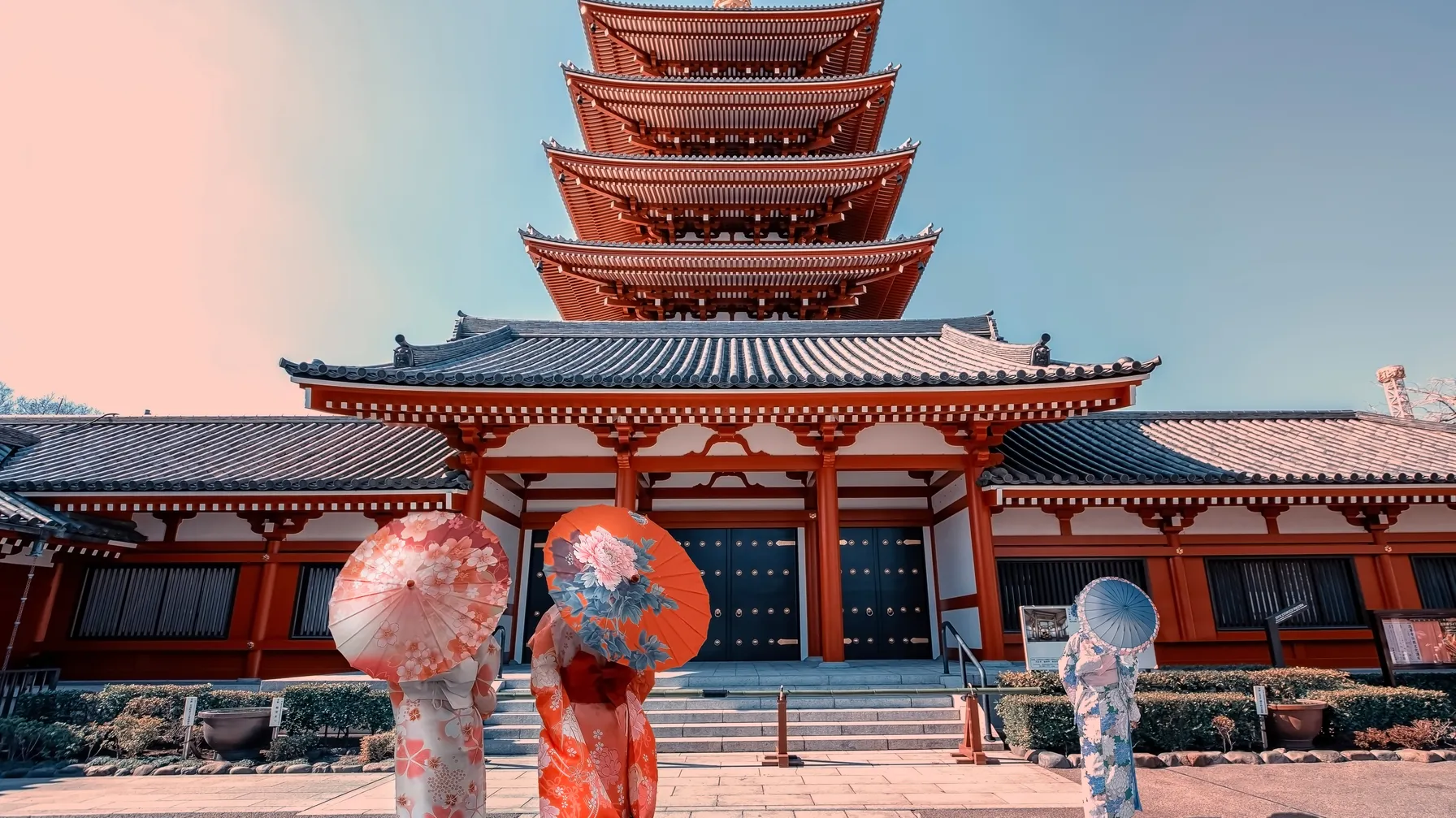
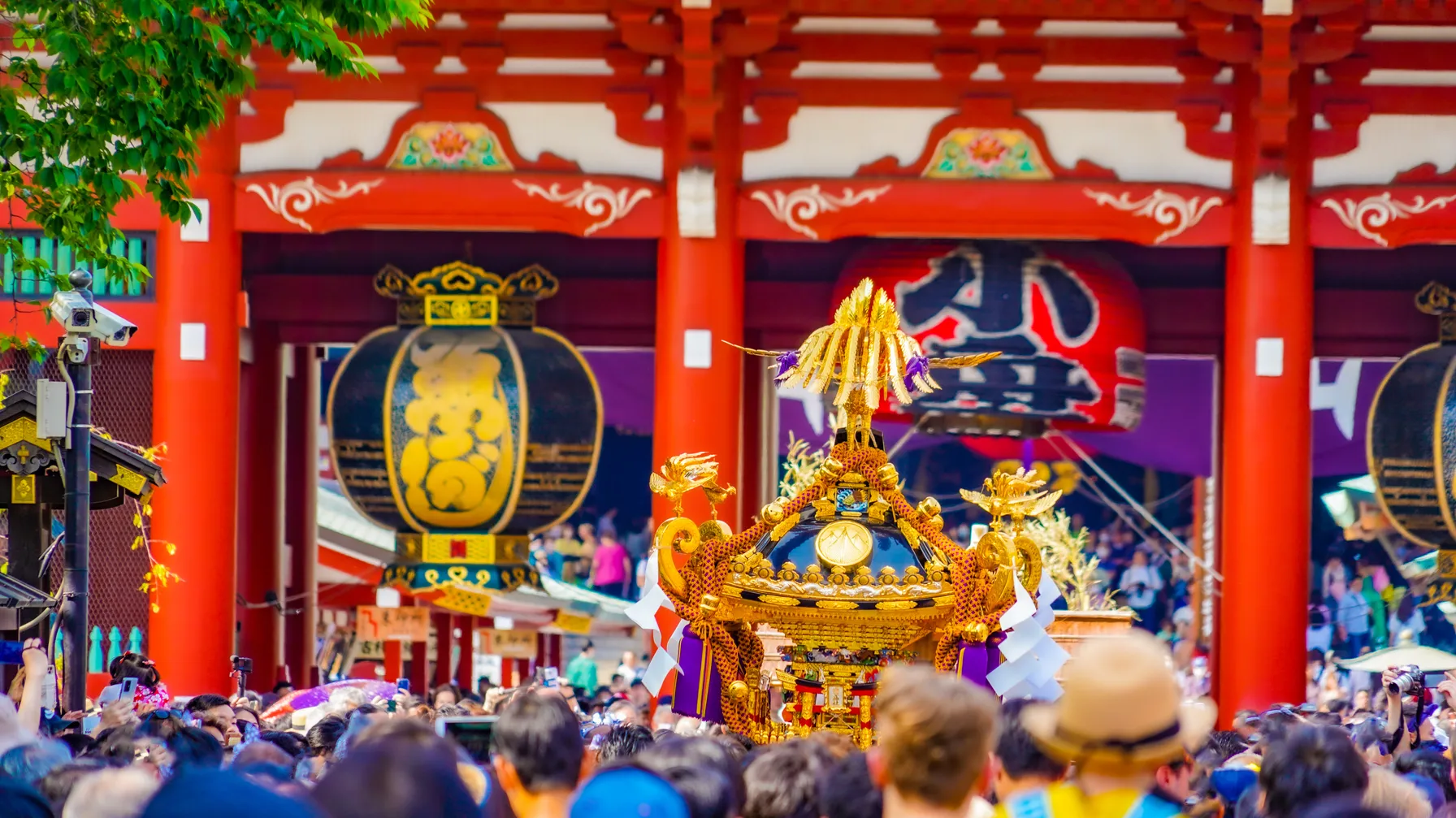
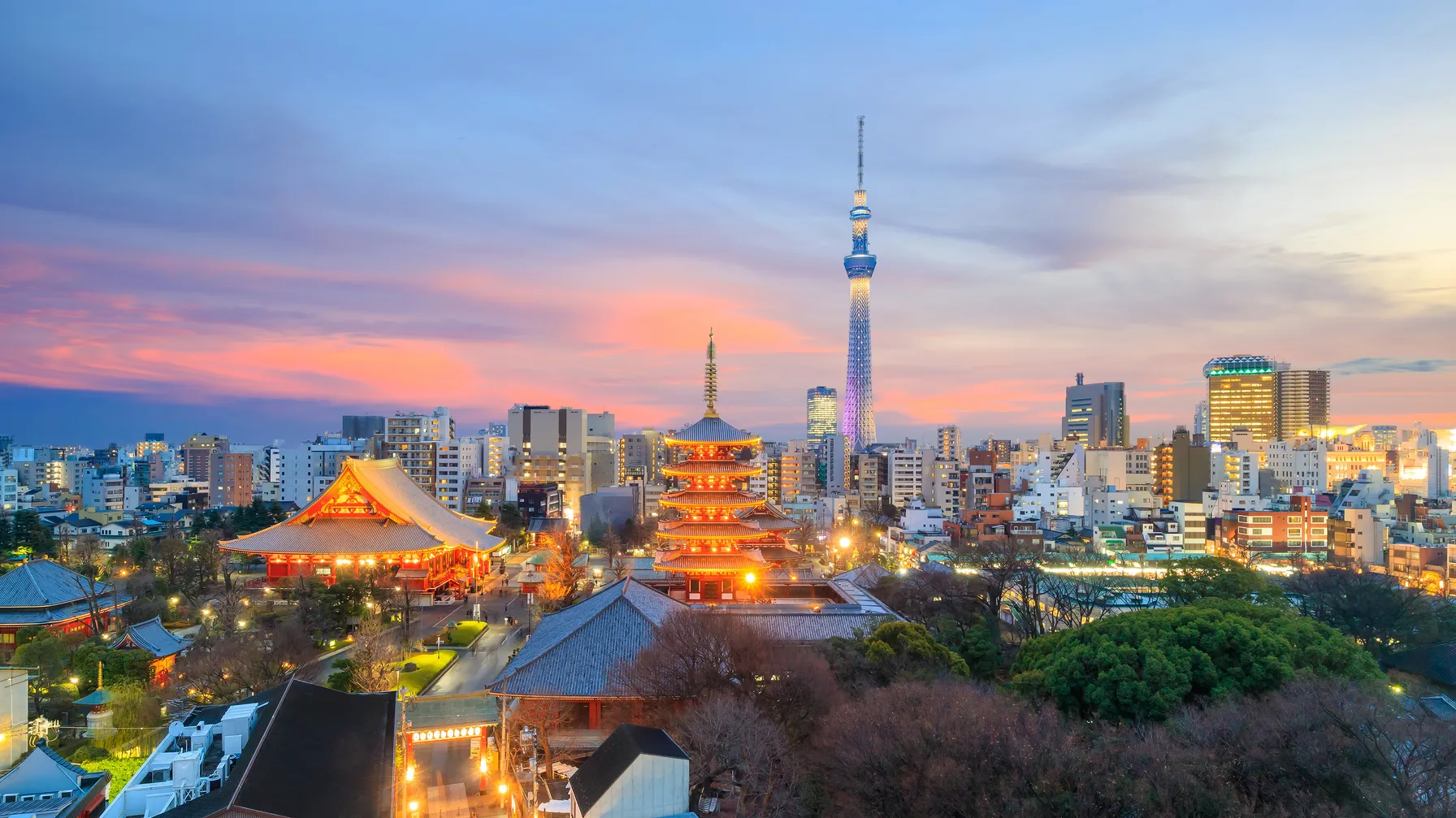
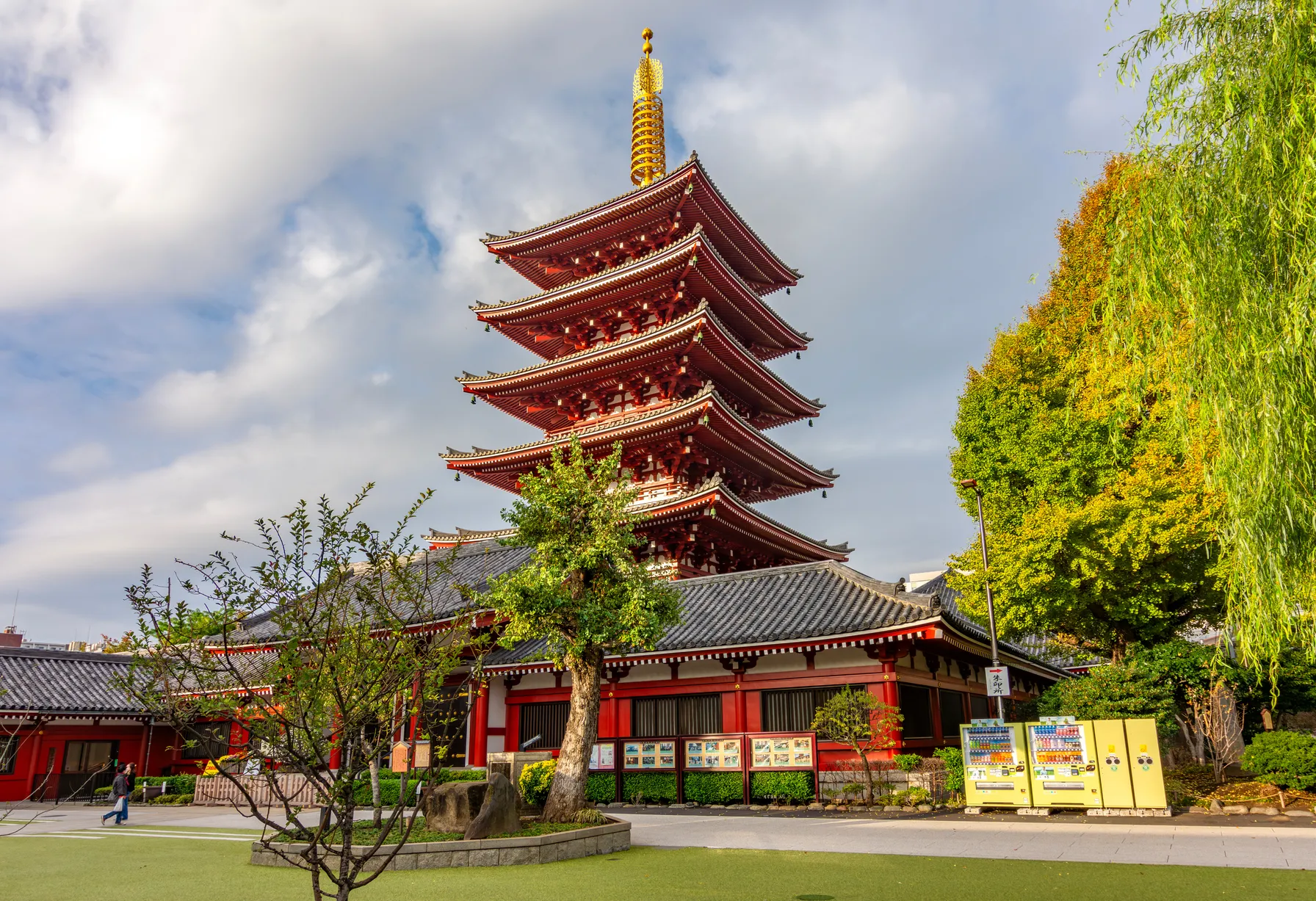
The first day naturally starts in the Asakusa district, one of the most emblematic areas of the capital. The Senso-ji temple, the oldest in Tokyo, asserts its presence right from the crossing of the large Kaminarimon gate and its iconic red lantern. The shopping alley leading to it is concentrated with artisans and local specialties: it's a tasty first encounter with Japanese gastronomy and craftsmanship.
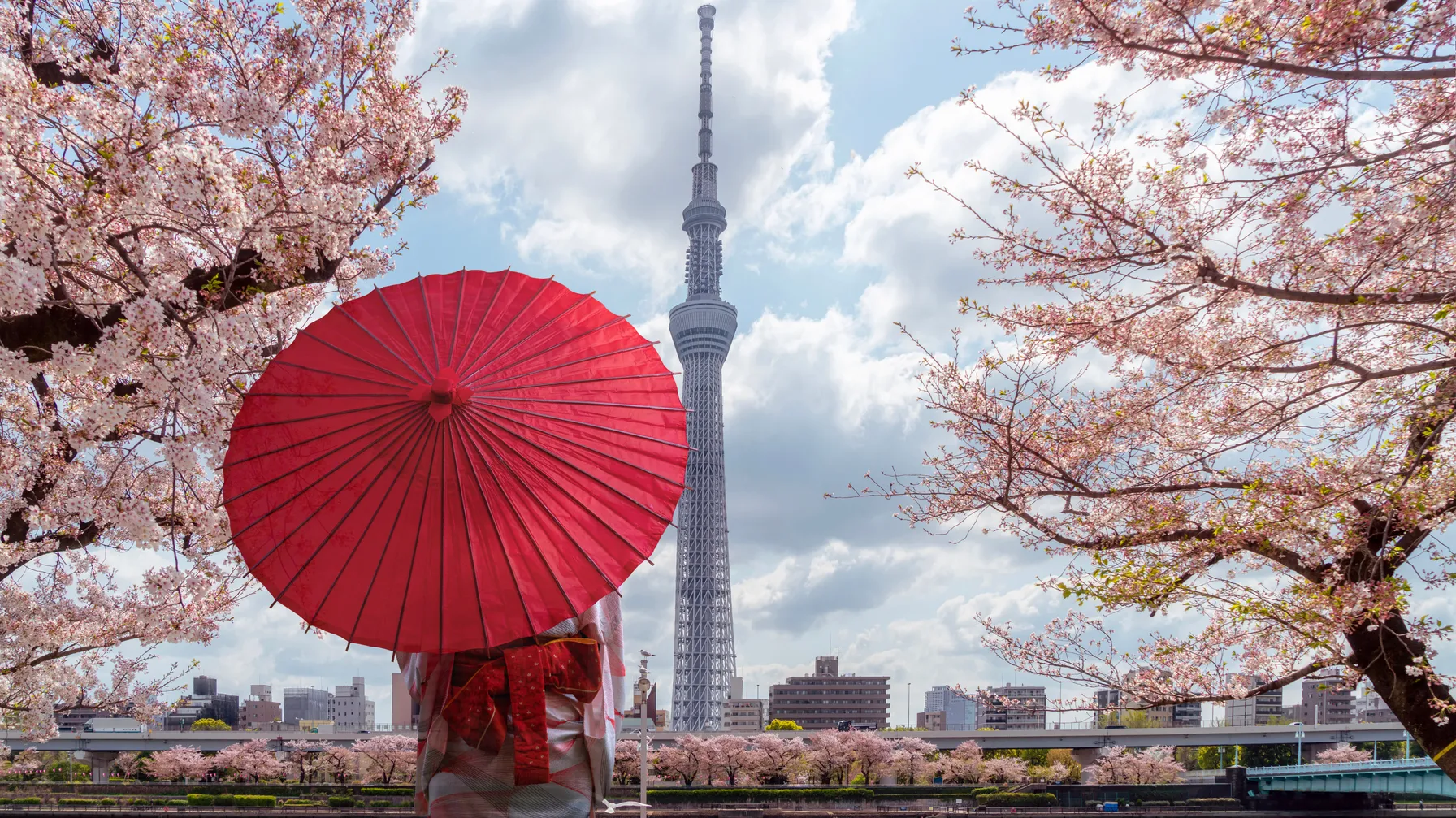
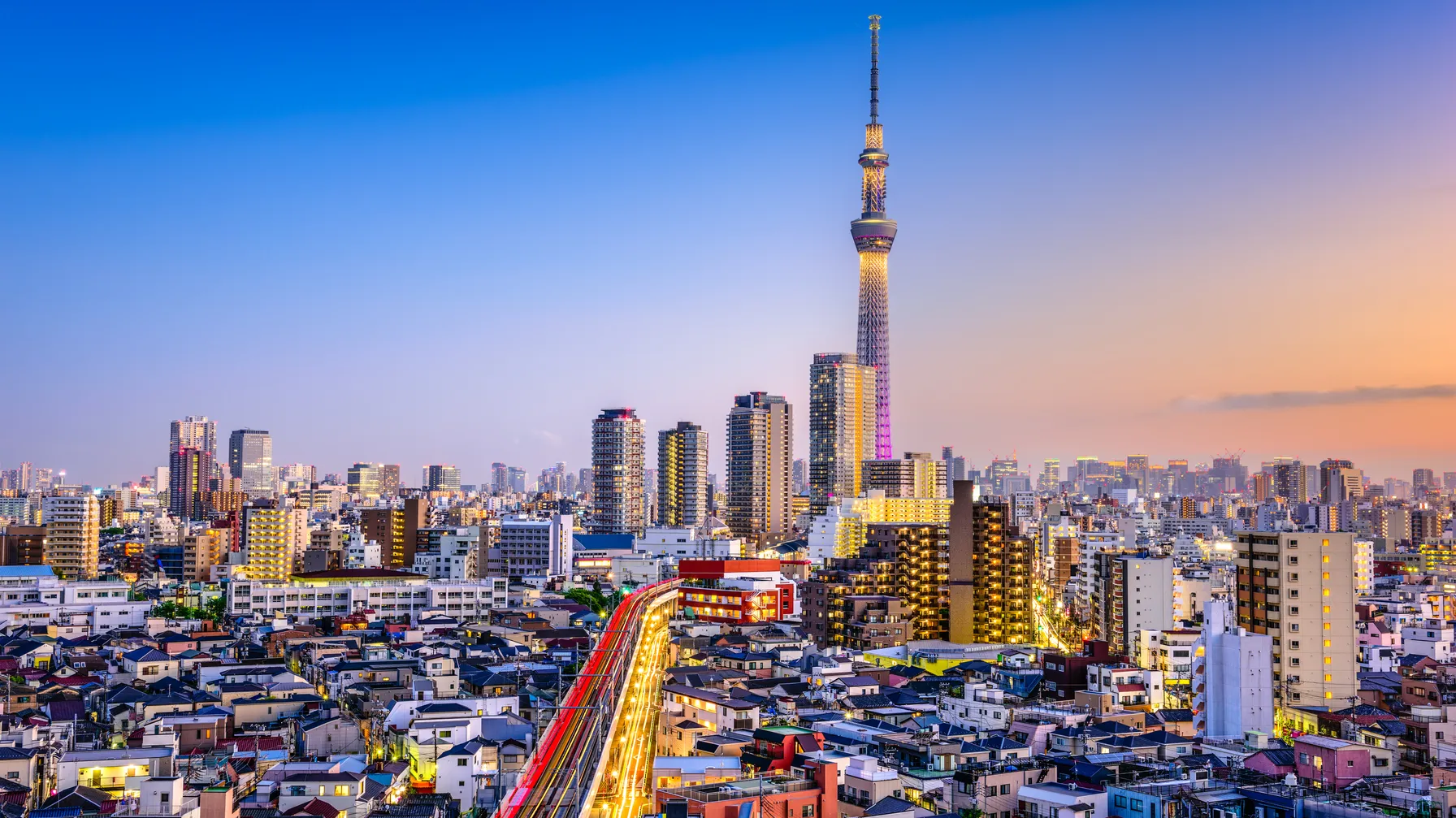
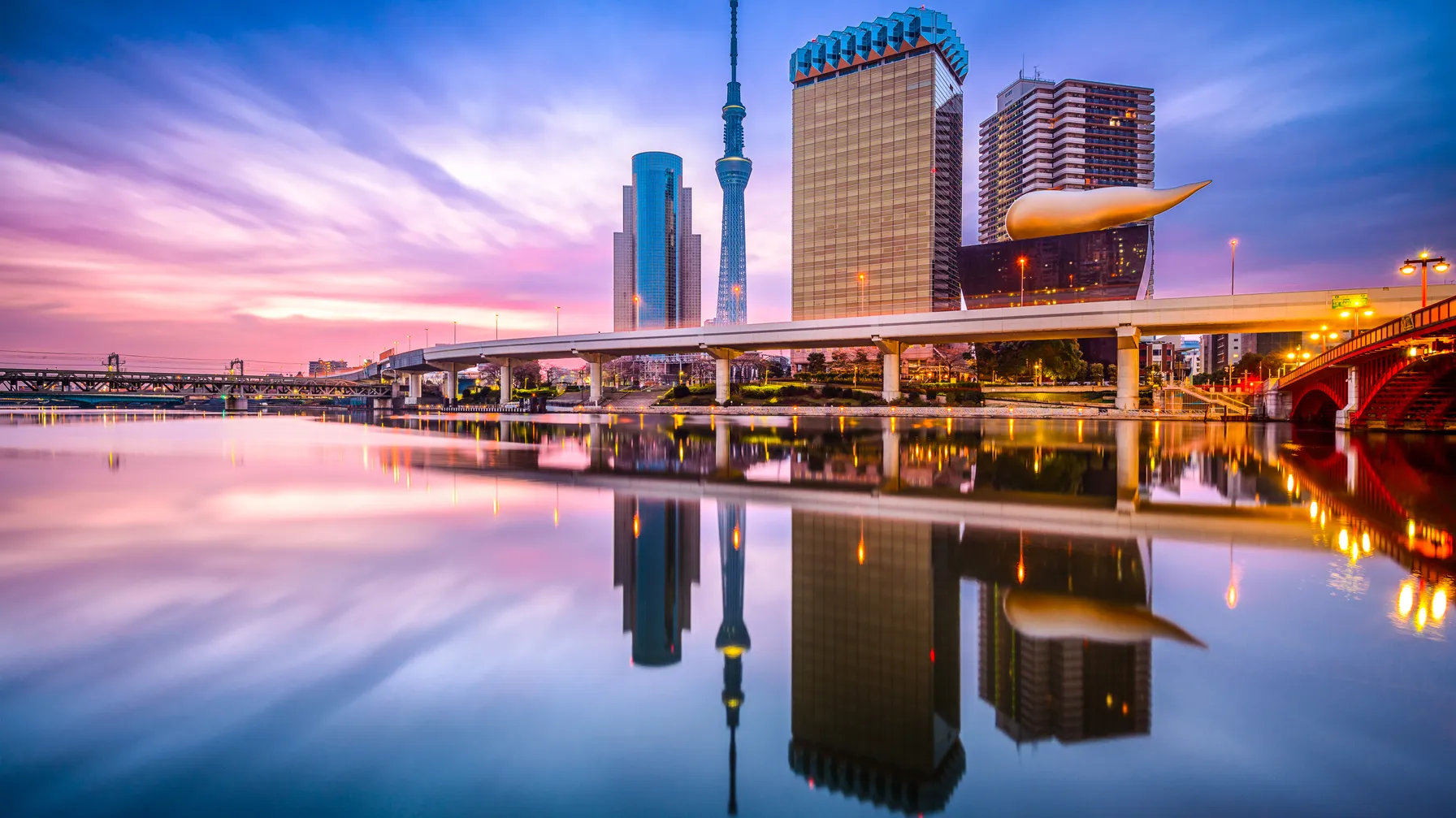
Not far from there, the Tokyo Skytree offers a breathtaking panorama of the entire city, and on clear days, even up to Mount Fuji. At the end of the day, a walk along the Sumida River allows you to soak up the unique atmosphere of this district that is both popular and authentic.
Day 2 – Harajuku, Takeshita Dori and Shibuya Crossing
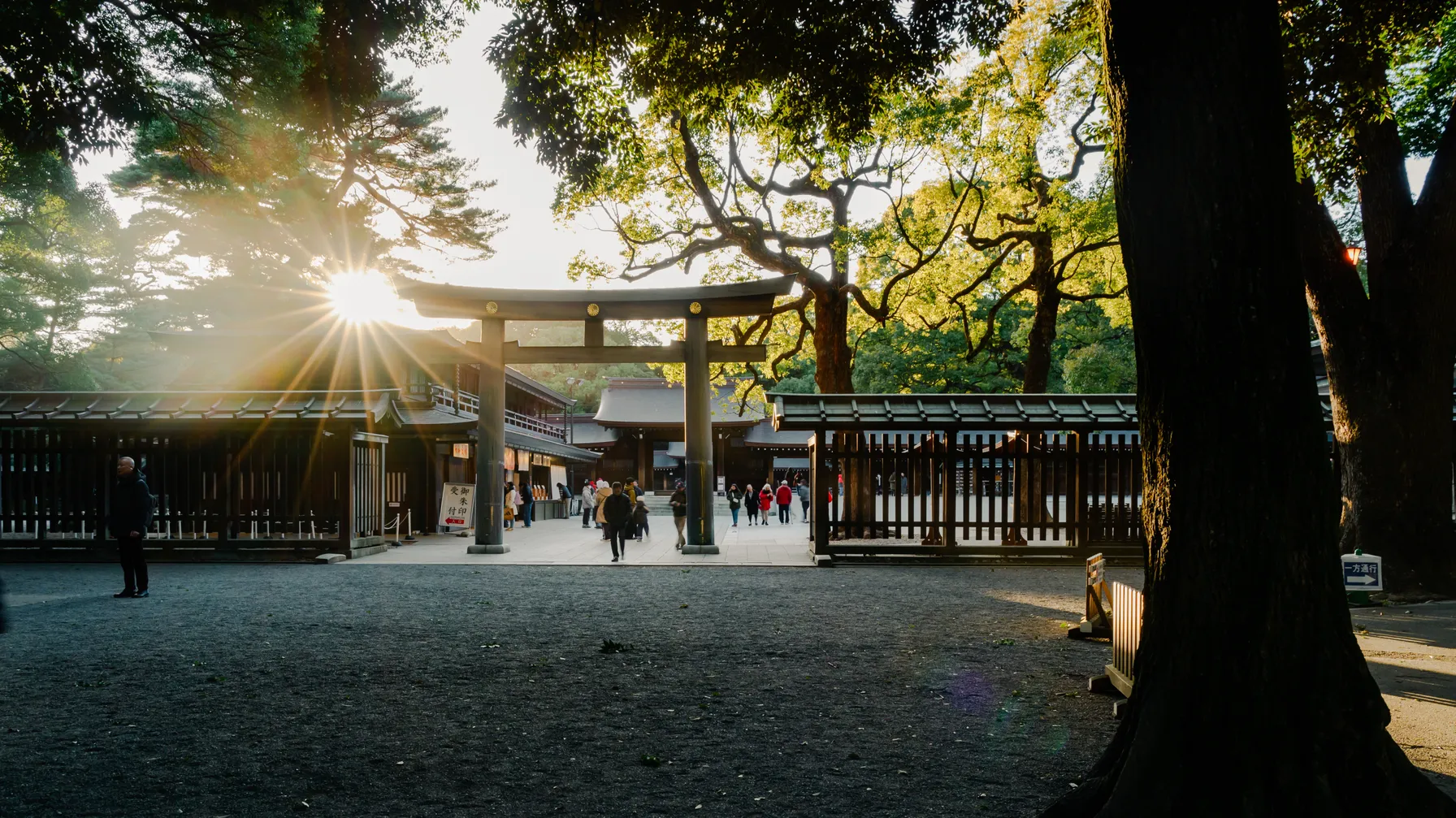
The second day dives into the energy of central Tokyo. Start with the Meiji Shrine, accessible after a long wooded path inviting contemplation. This Shinto shrine, dedicated to Emperor Meiji, contrasts beautifully with its surroundings.
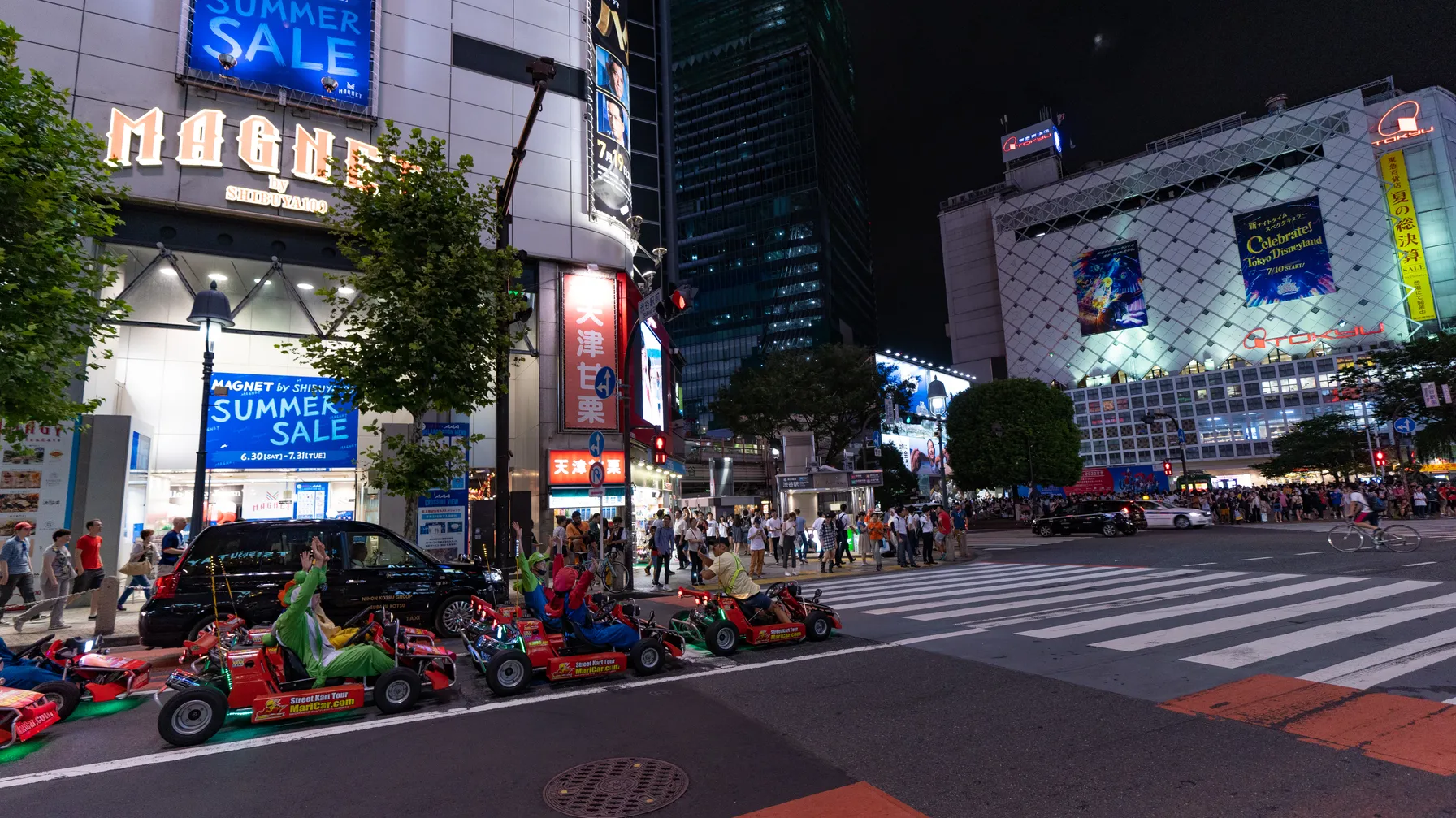
Takeshita Dori, right next door, is the iconic street of Harajuku: a trendy neighborhood where eccentric styles, colorful shops, and sweet delights intersect. From there, head to Shibuya for one of the most striking experiences of a trip to Japan: crossing the Shibuya Crossing. This legendary intersection, crossed by thousands of pedestrians at each green light, is even more impressive when viewed from the heights of surrounding buildings.
Day 3 – Shinjuku, Imperial Palace and Tokyo Bay
The last day invites you to explore the contrasts of Tokyo with another scope. In the morning, the gardens of the Imperial Palace offer a peaceful escape with their bridges, moats, and carefully pruned pines. It's one of the few places in the Japanese capital where silence truly prevails.
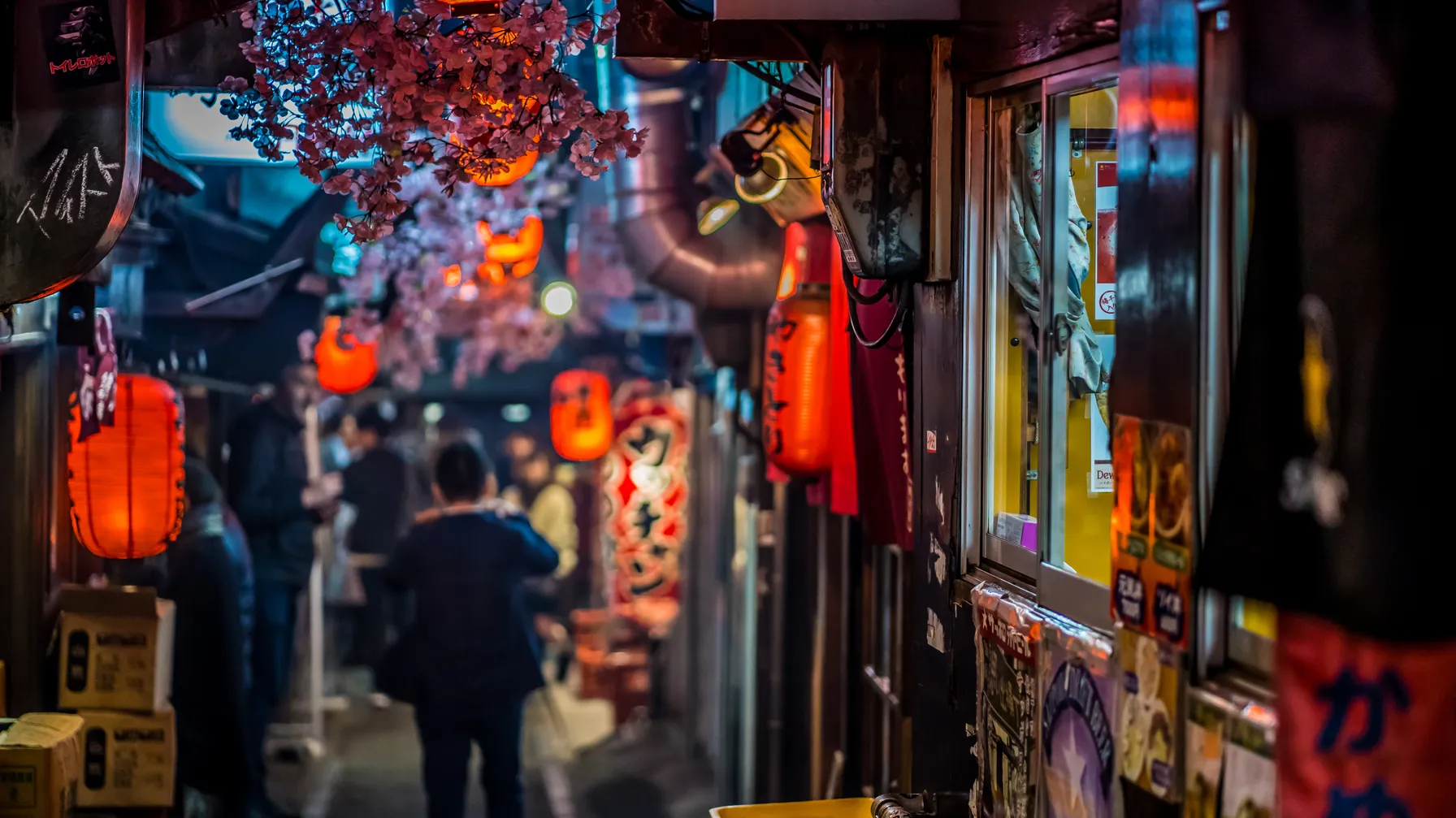
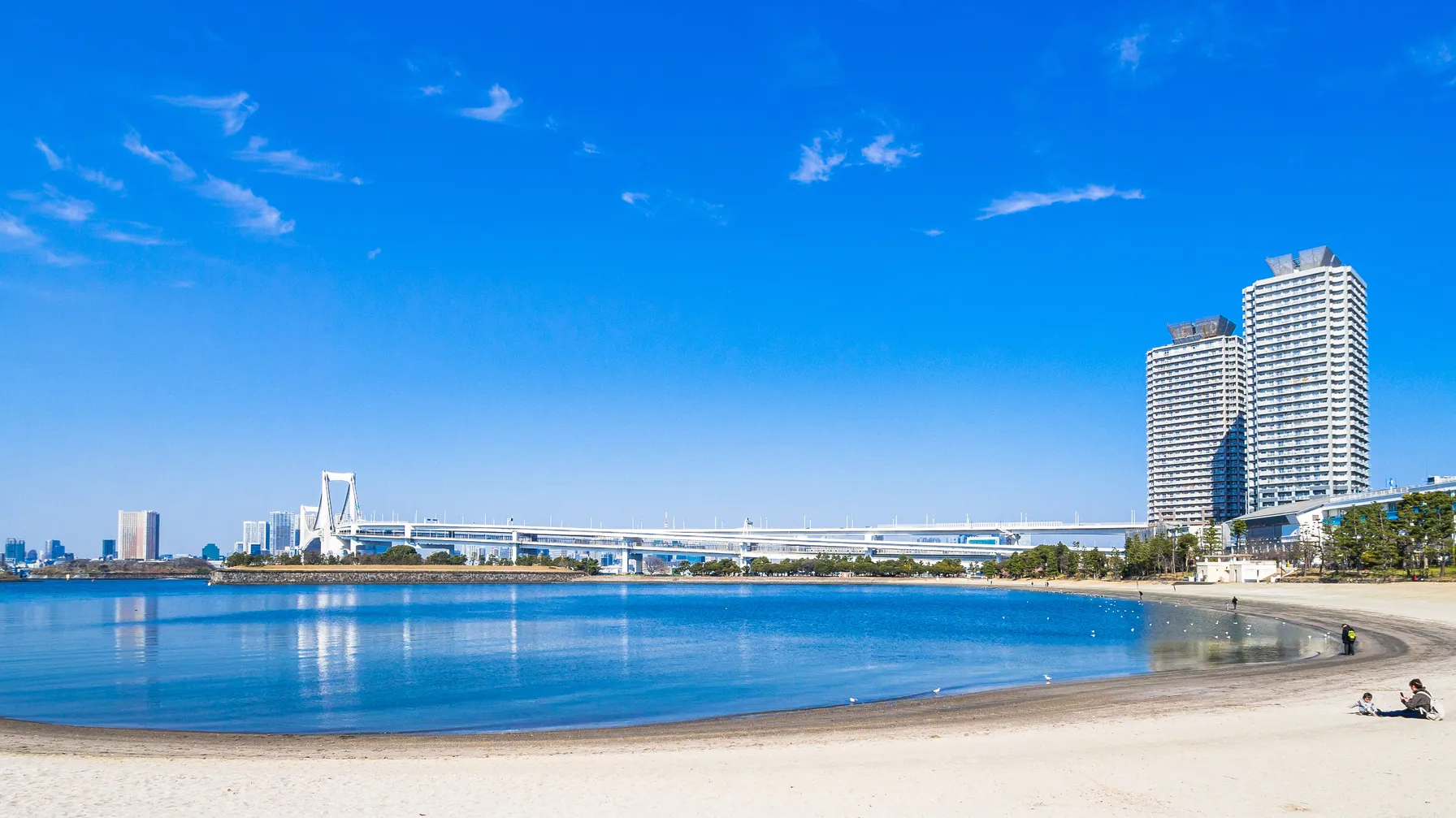
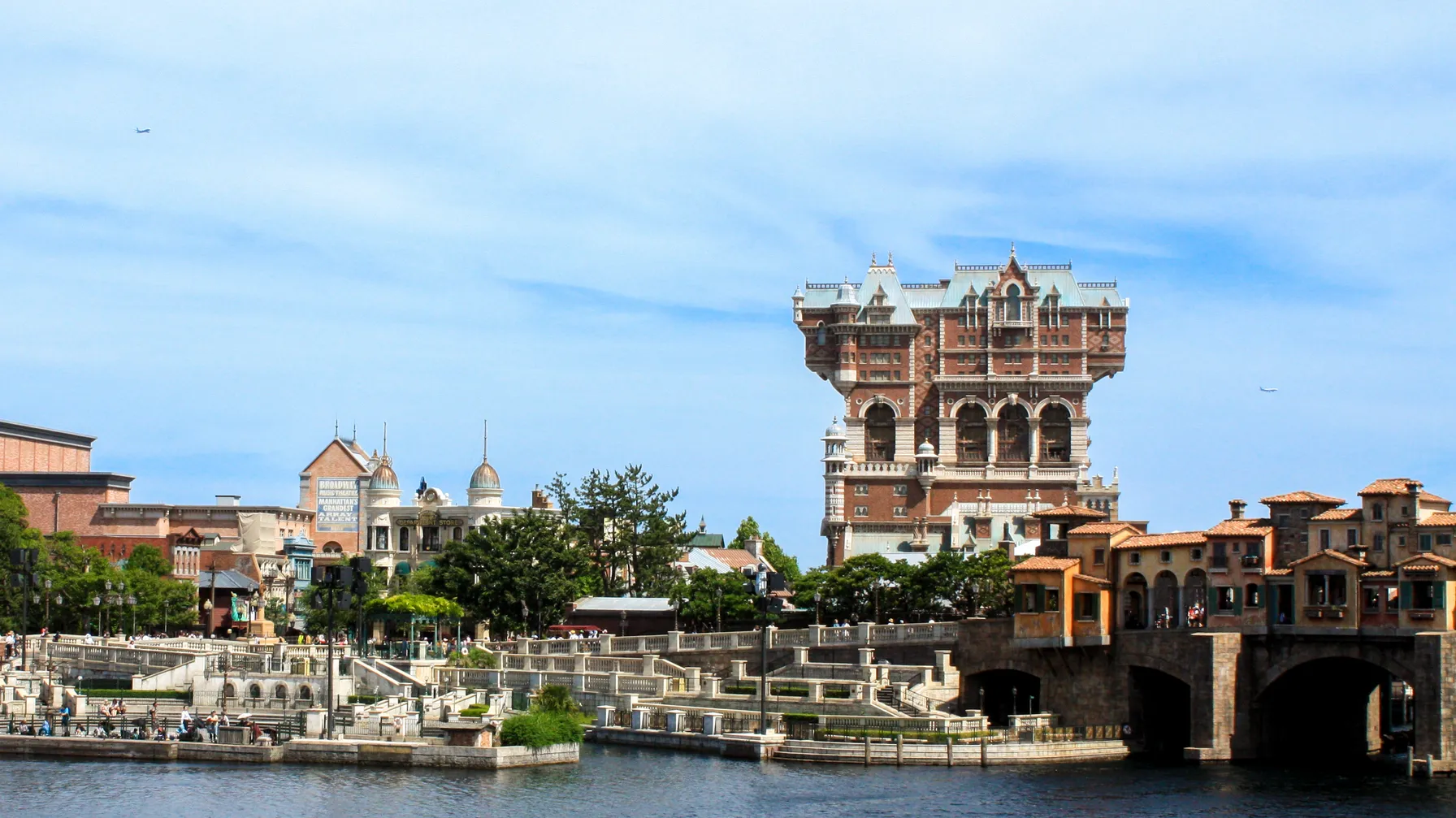
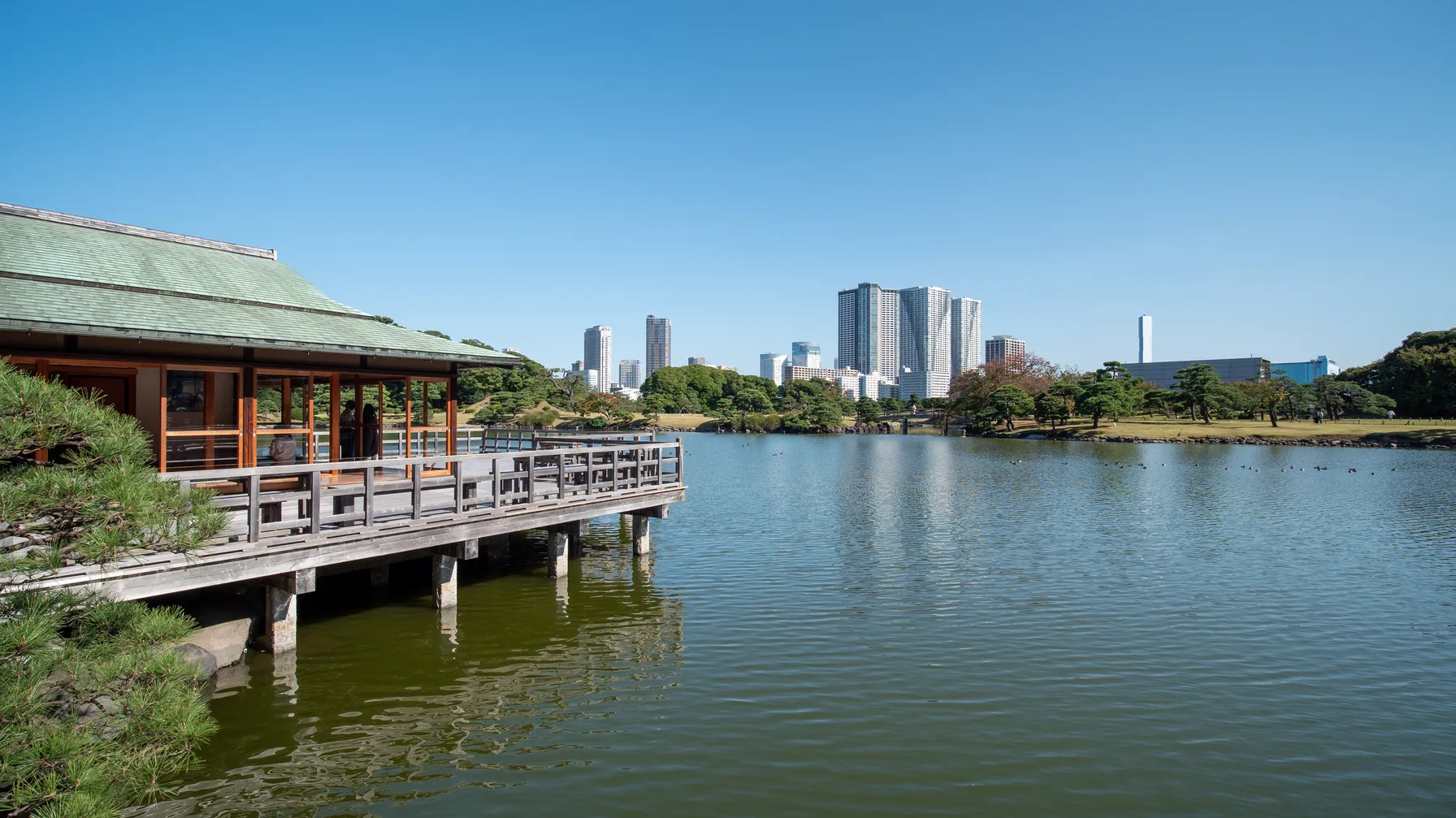
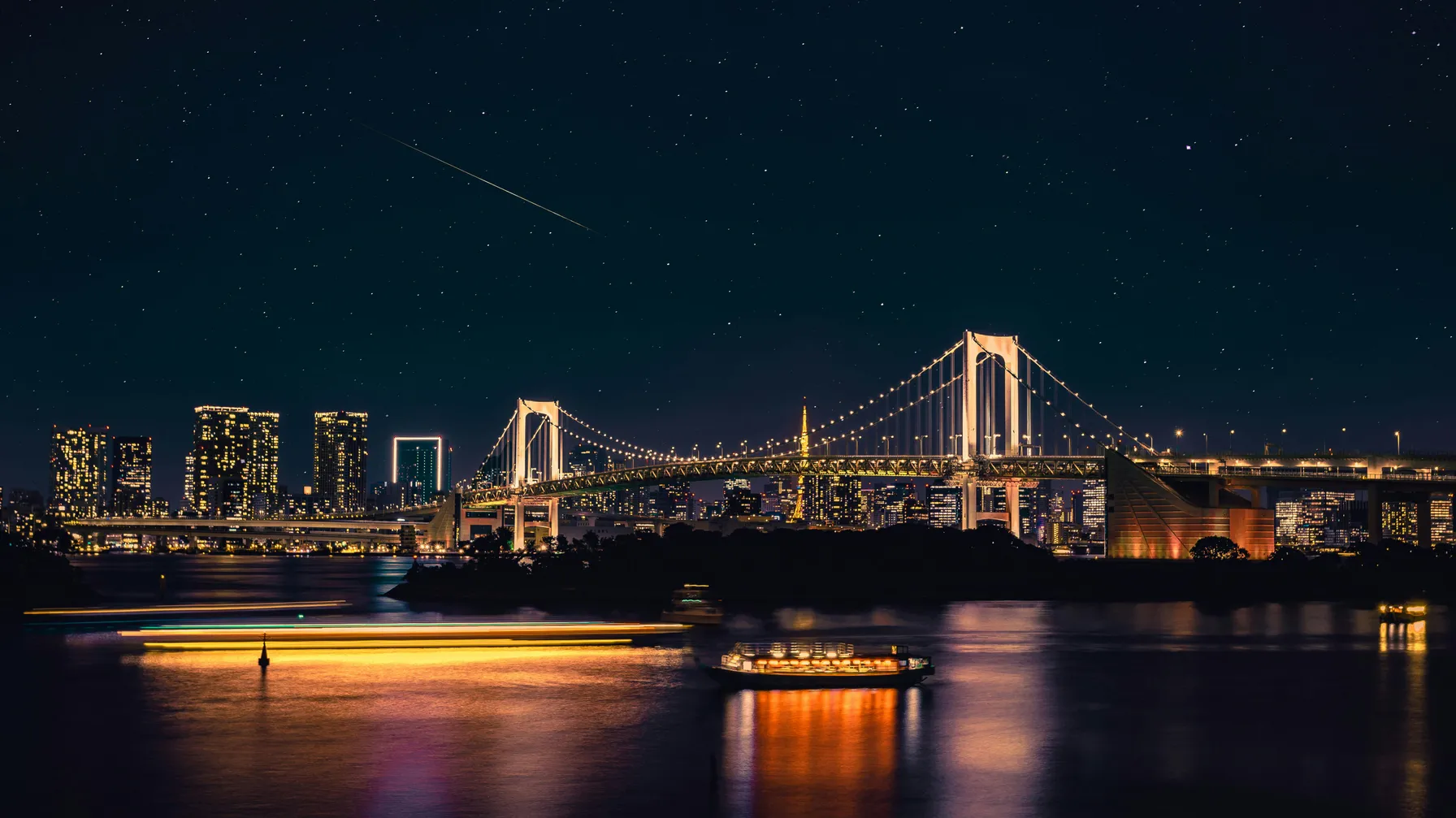
In the afternoon, Shinjuku reveals a completely different face. Omoide Yokocho and Golden Gai bring together lanes filled with history, flavors, and camaraderie, ideal for a final immersion in the popular soul of the city. To end the stay, a detour to Tokyo Bay allows enjoying a rare perspective on the capital's skyline.
Book your stay in Tokyo and let a Vialala Travel Planner compose your bespoke itinerary.
Demandez votre devis Tokyo sur-mesure 100% gratuit
 4.8
4.8+3.000 travelers satisfied
What are the practical details for planning your stay in Tokyo?
A successful stay in Tokyo also requires some concrete knowledge. Here is the essential information to know before packing your bags.
Transportation, formalities and essential landmarks
French nationals do not need a visa for stays of less than 90 days in Japan. The local currency is the Japanese yen (JPY) and the time difference with France is +8 hours in winter, +7 hours in summer. For travel in Tokyo, the Suica or Pasmo card is essential: rechargeable and usable on the metro, JR trains and in many shops, it greatly simplifies your days. Also, plan on comfortable shoes, as visiting Tokyo is largely done on foot.
Where to stay in Tokyo and which good addresses to remember?
For an ideally located stay, favor accommodation close to the Yamanote Line, which connects the major districts to each other in a few minutes. The areas of Asakusa, Shinjuku, or Shibuya offer direct access to the essentials of Tokyo, while immersing you in very different atmospheres from one another.
A good tip: to dine like a local guide and discover real good places, the izakayas in Shinjuku or the ramen spots in Asakusa are among the best tables to initiate yourself to Japanese cuisine without compromising on authenticity.
Contact us for more information and benefit from personalized support for your trip to Japan.