Tokyo Guide: Discover the capital of Japan like a local
Why choose a guide to discover Tokyo?
Tokyo is as fascinating as it can be intimidating for travelers due to its complexity and cultural richness. An experienced guide then becomes a valuable asset to understand this unique metropolis in the world.
A complex metropolis with a thousand facets
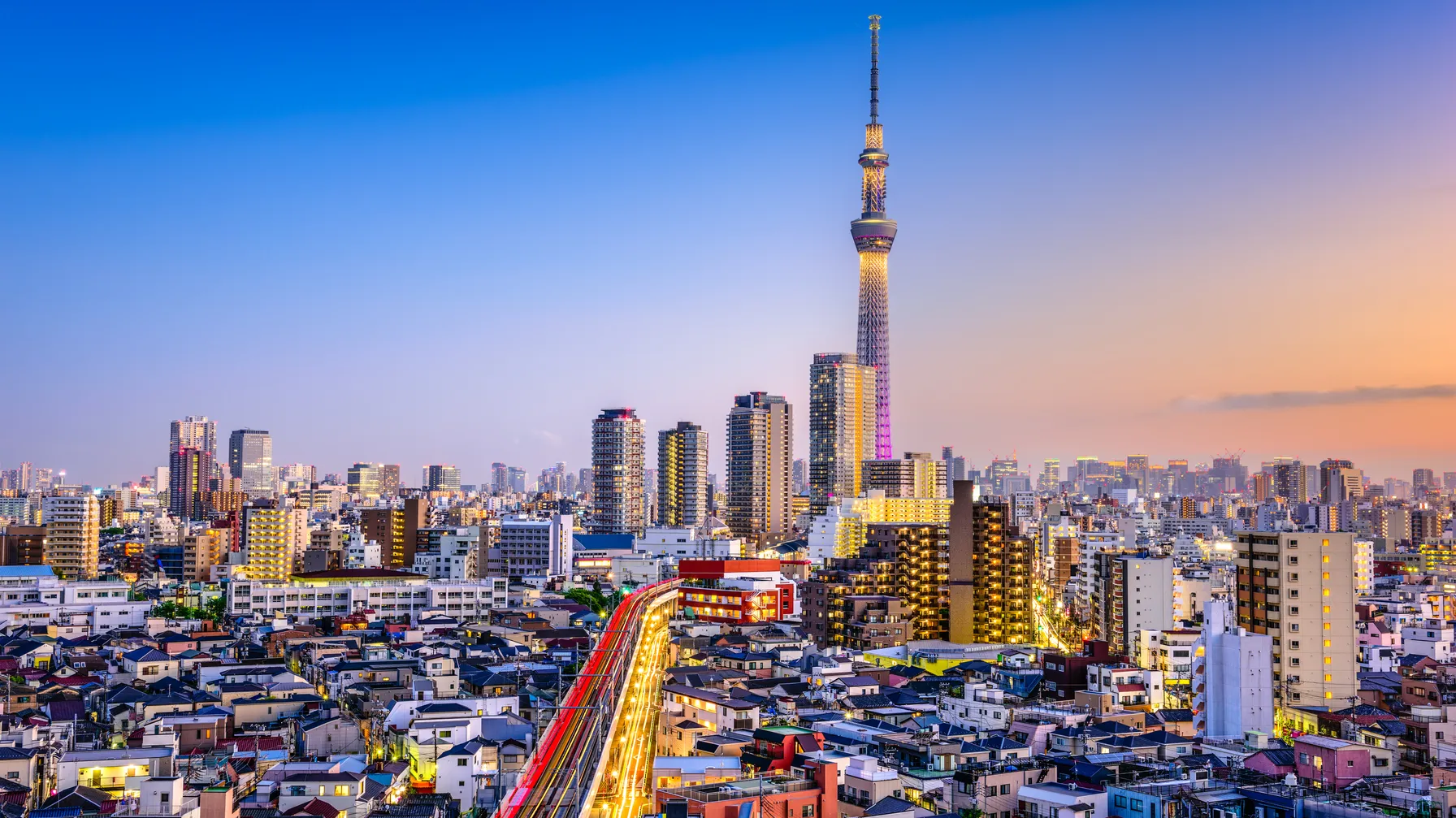
Tokyo impresses with its vastness and can destabilize first-time travelers. This sprawling prefecture encompasses numerous districts, each possessing its own identity. An experienced Tokyo guide helps you navigate this urban complexity by optimizing your travel and revealing the hidden gems of each neighborhood.
The transport system, particularly sophisticated, merits special attention. Metro, JR, private trains: understanding the different networks and their fares saves precious time. Local guides know the tricks to avoid peak hours and take the most efficient routes.
The art of the authentic Japanese experience
Discovering Tokyo with a guide allows access to places unknown to the general public. These confidential addresses: family-run restaurants without signs, peaceful temples away from tourist trails, workshops of traditional artisans - constitute the real soul of the city.
The language barrier can limit your interactions with the locals. A French-speaking guide facilitates these enriching encounters and introduces you to Japanese social codes. Knowing how to greet properly, remove shoes at the right time, or give a gift according to local etiquette greatly enriches your journey in Japan.
Contact us to organize your discovery of Tokyo with an expert guide
Demandez votre devis Tokyo sur-mesure 100% gratuit
 4.8
4.8+3.000 travelers satisfied
When to visit Tokyo for an optimal experience?
The choice of travel season greatly influences your Tokyoite experience. Between climatic variations, tourist influx, and seasonal events, several factors deserve consideration.
Climate and seasons: choosing the right time
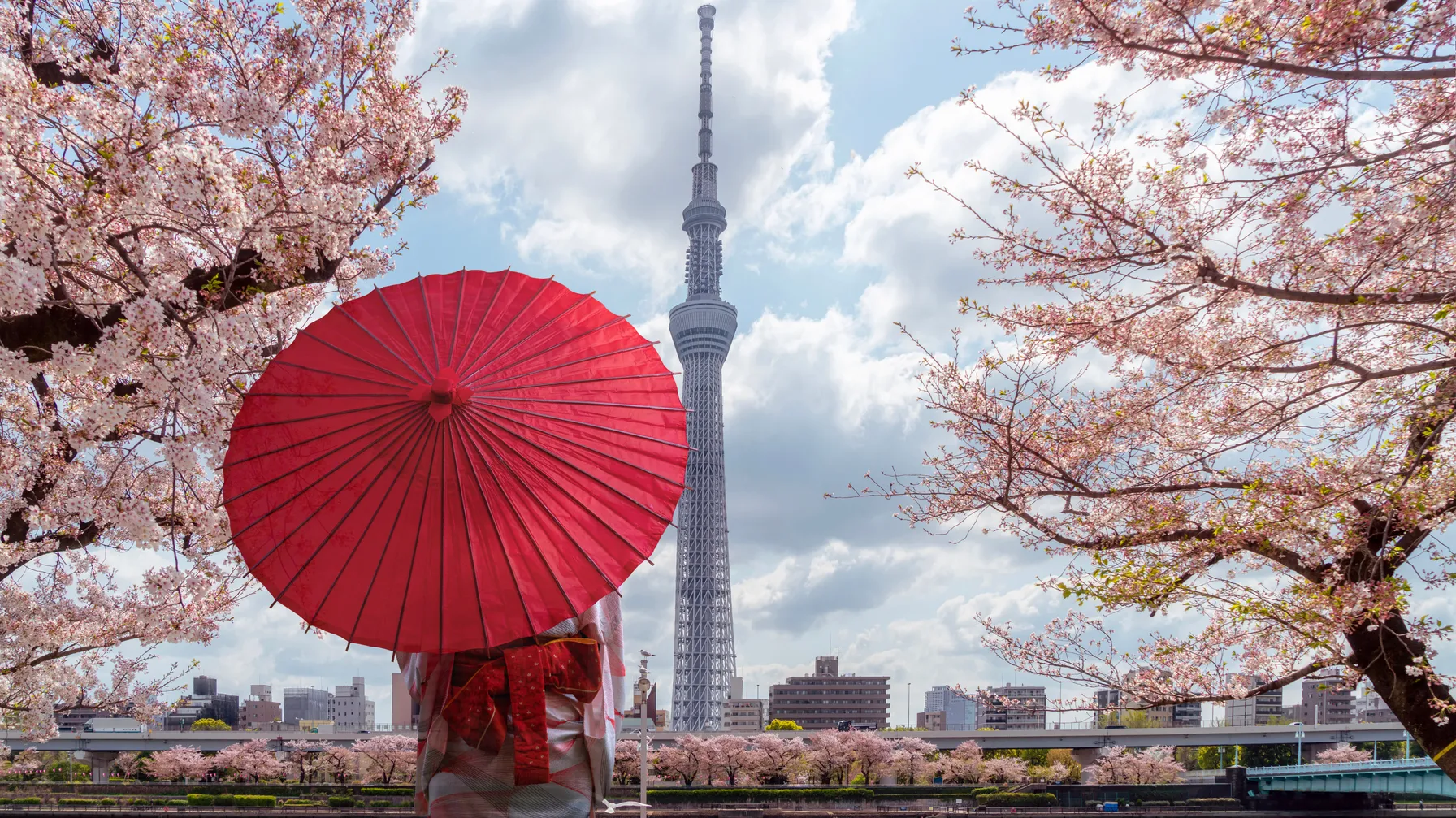
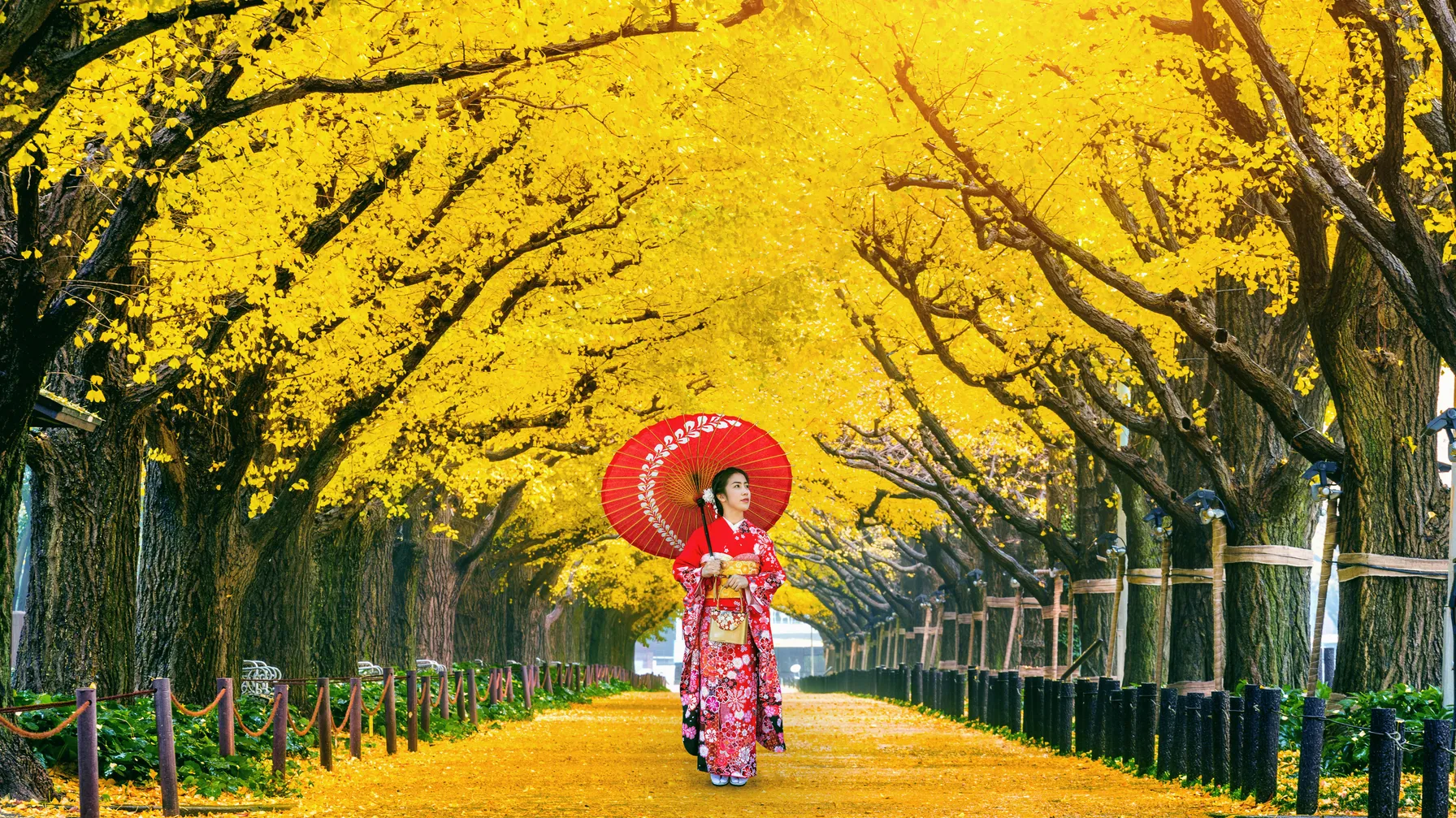
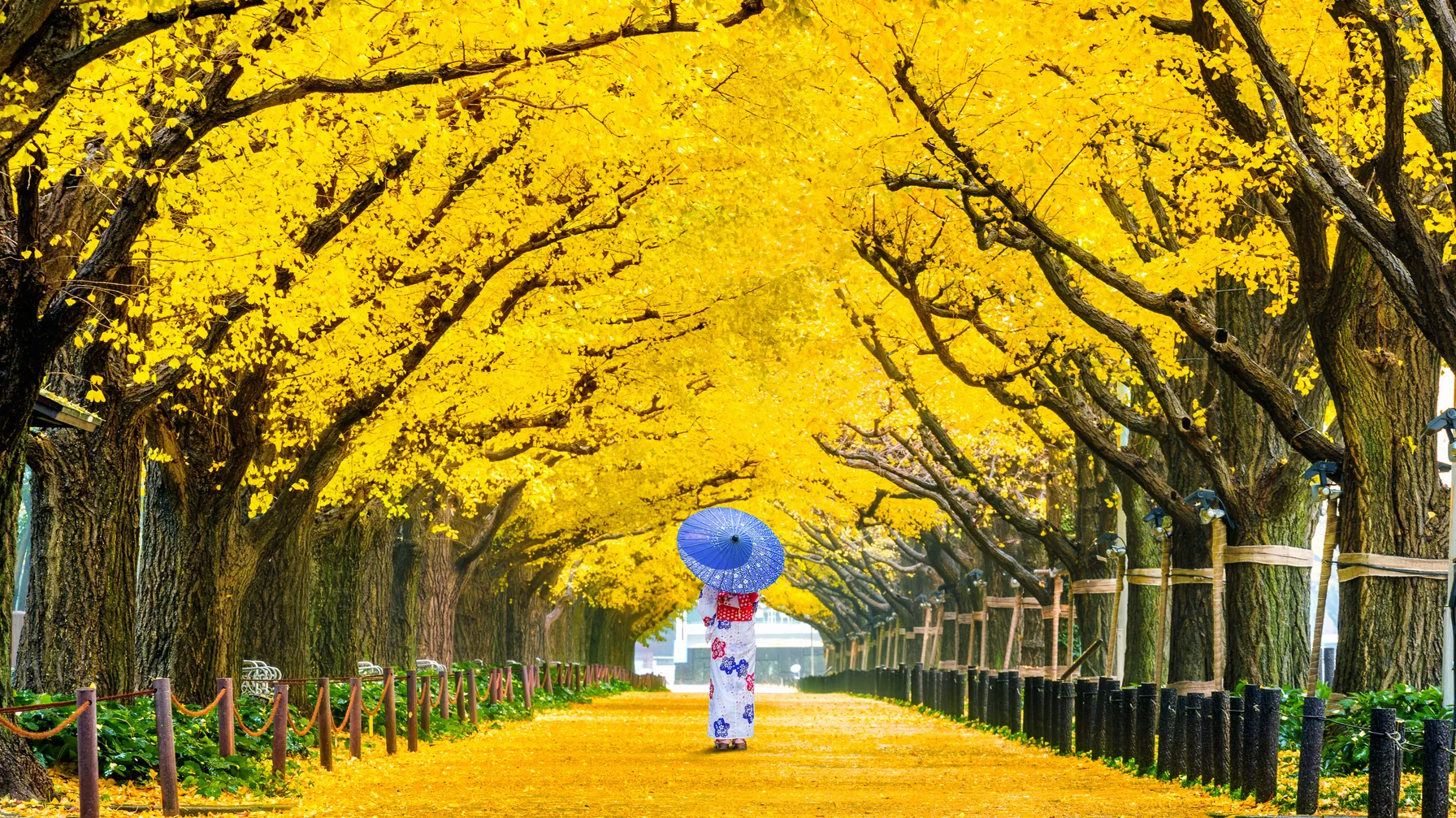
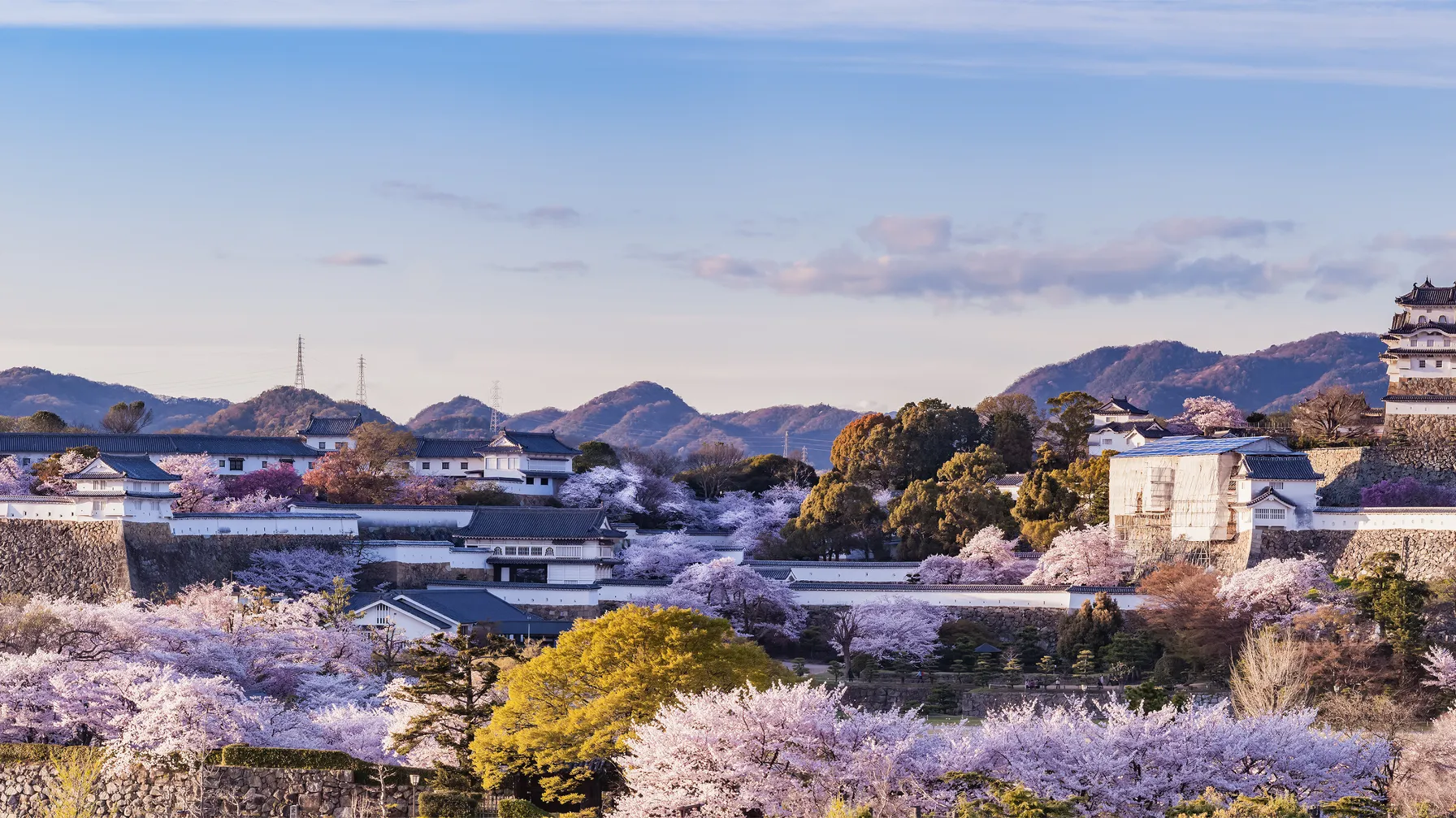
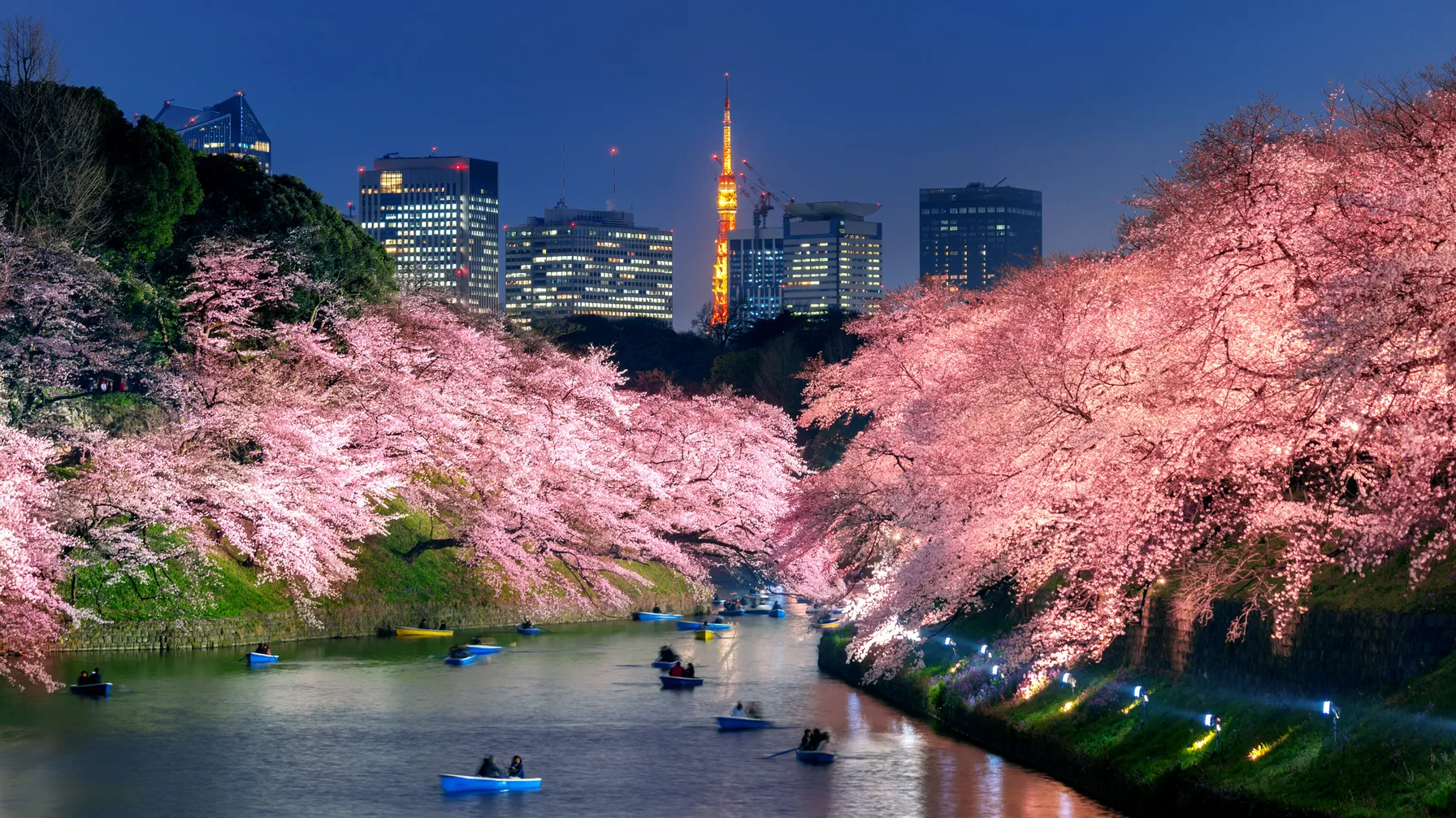
Tokyo's climate varies considerably with the seasons, directly influencing your travel experience. Spring (March-May) offers pleasant temperatures between 15°C and 25°C. This period coincides with the cherry blossom season, an emblematic natural spectacle that transforms the city into an impressionist painting.
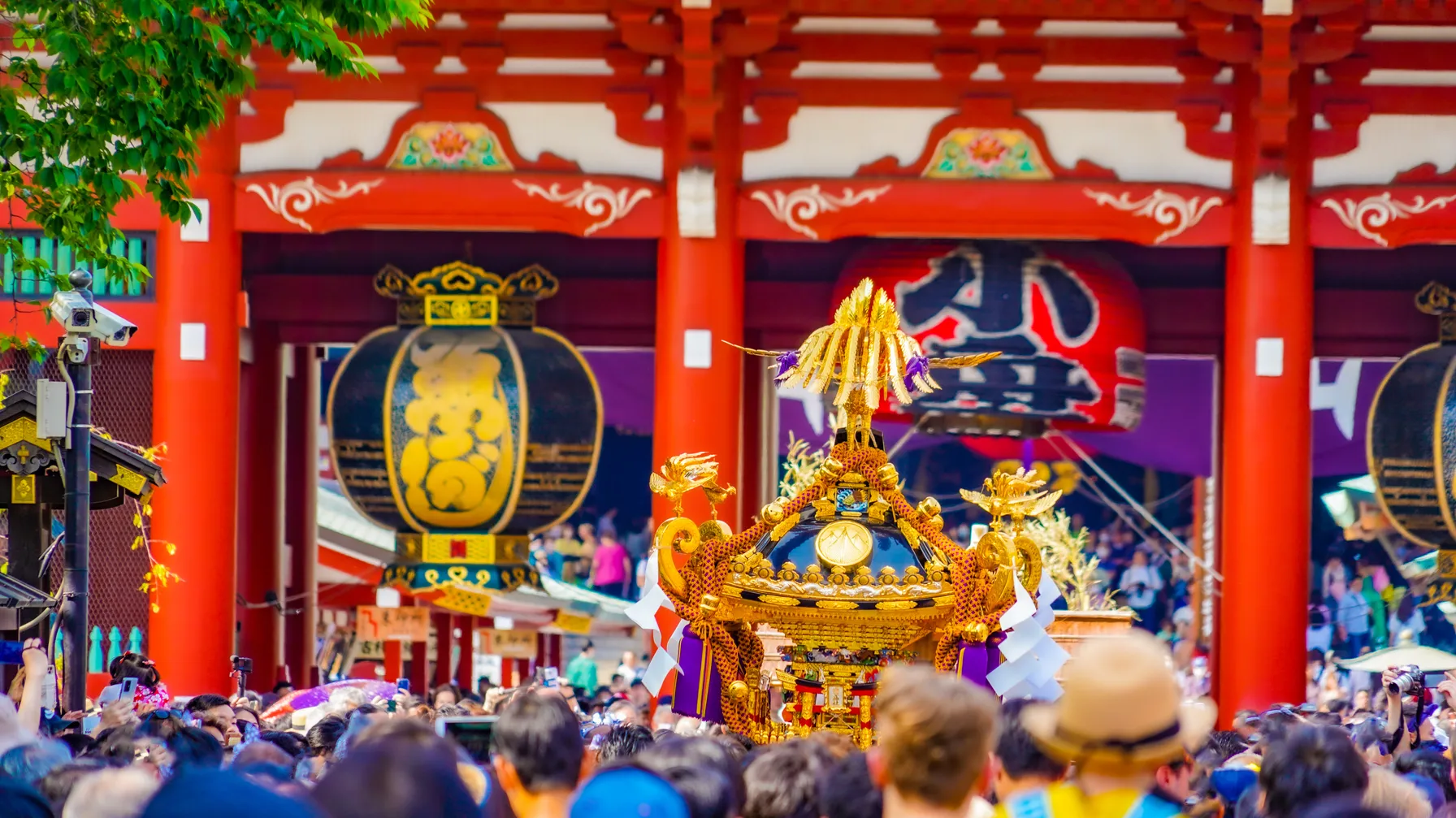
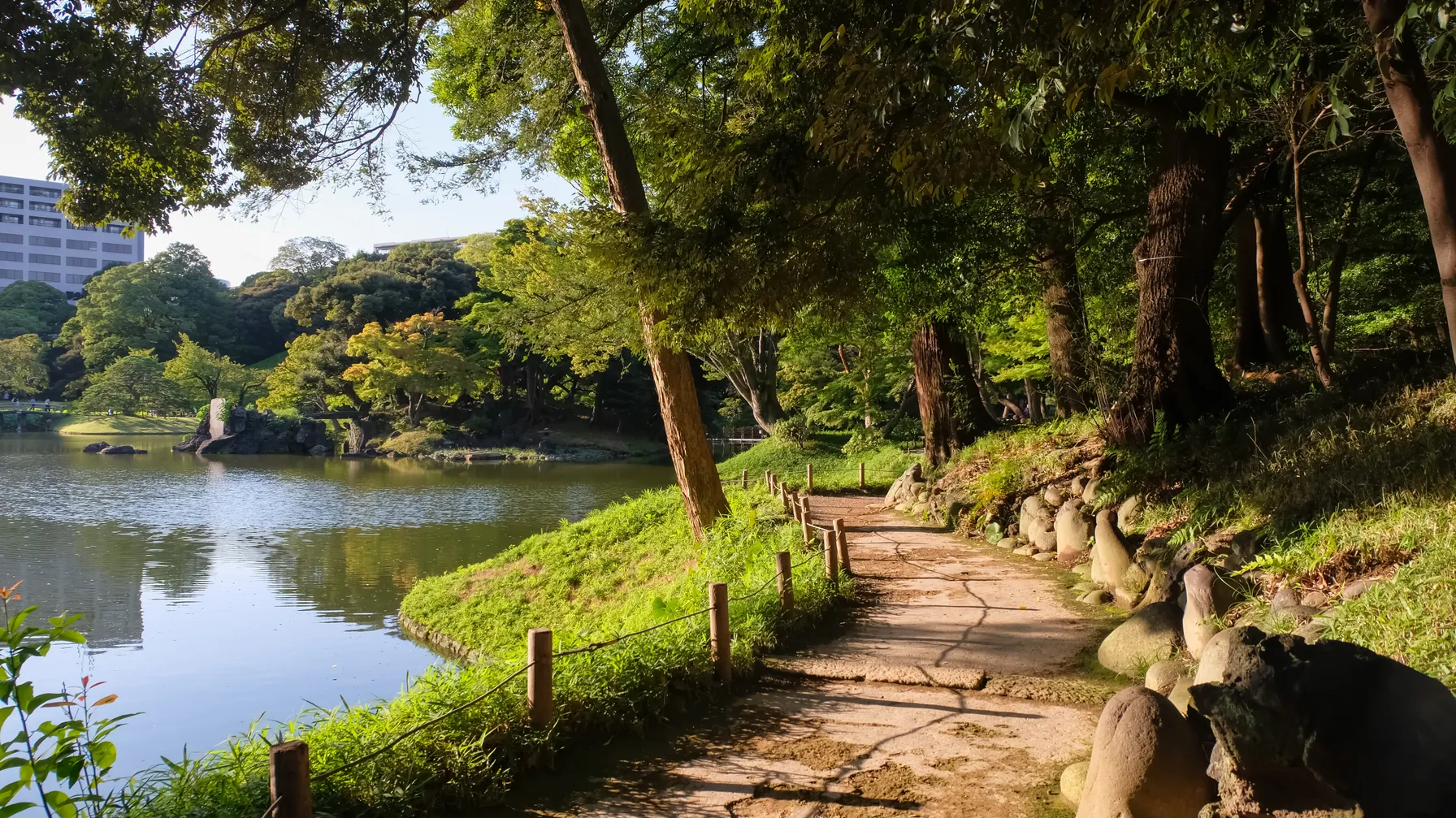
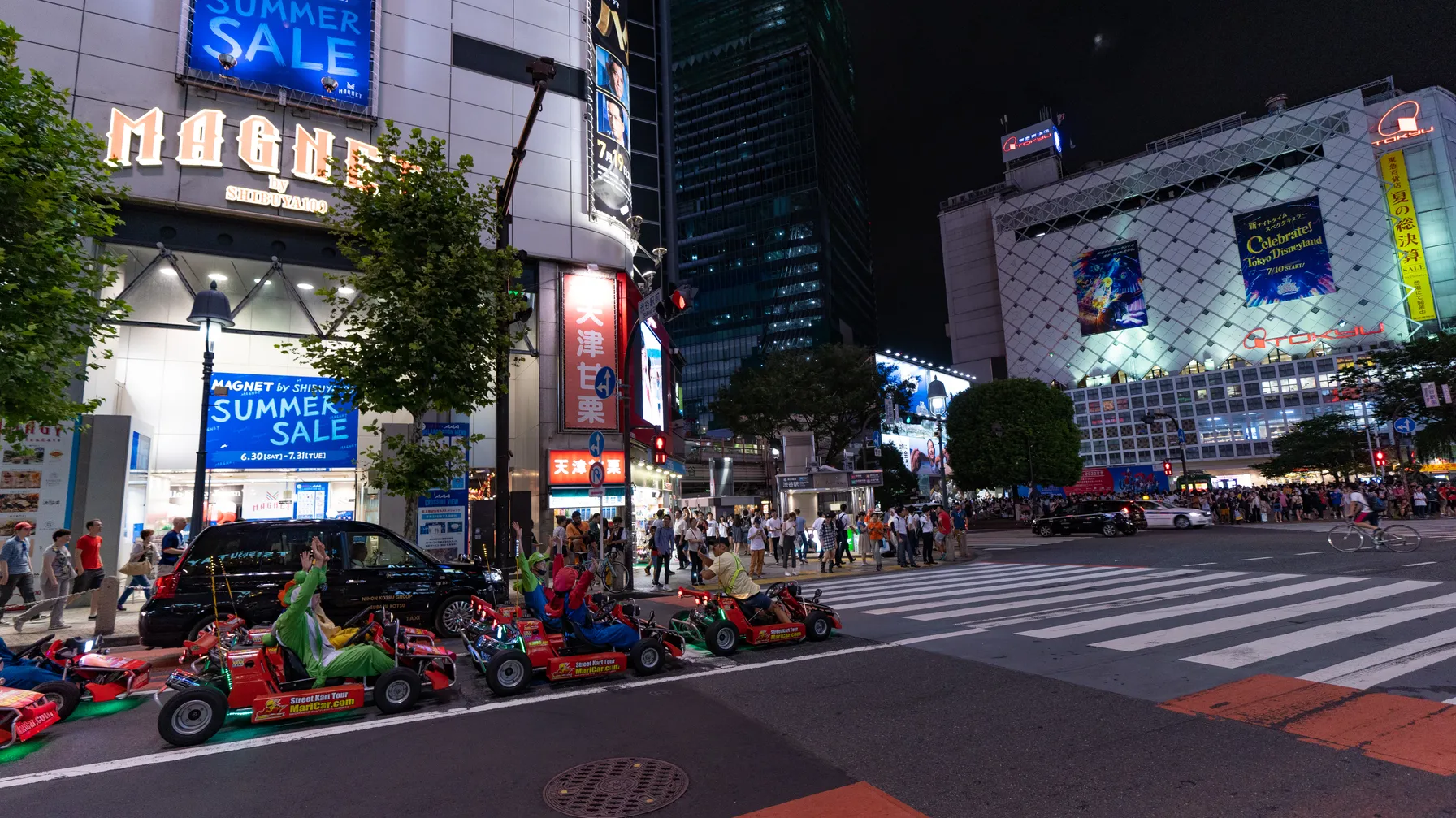
The Tokyo summer (June-August) is characterized by intense heat and high humidity, with temperatures regularly exceeding 30°C. However, this season reveals a unique festive side: traditional matsuri, spectacular fireworks, and an electrifying nightlife in districts like Shibuya.
| Season | Temperature | Precipitation | Crowd | Budget |
|---|---|---|---|---|
| Spring | 15-25°C | Moderate | Very high | High |
| Summer | 25-35°C | Heavy (June-July) | High | Medium |
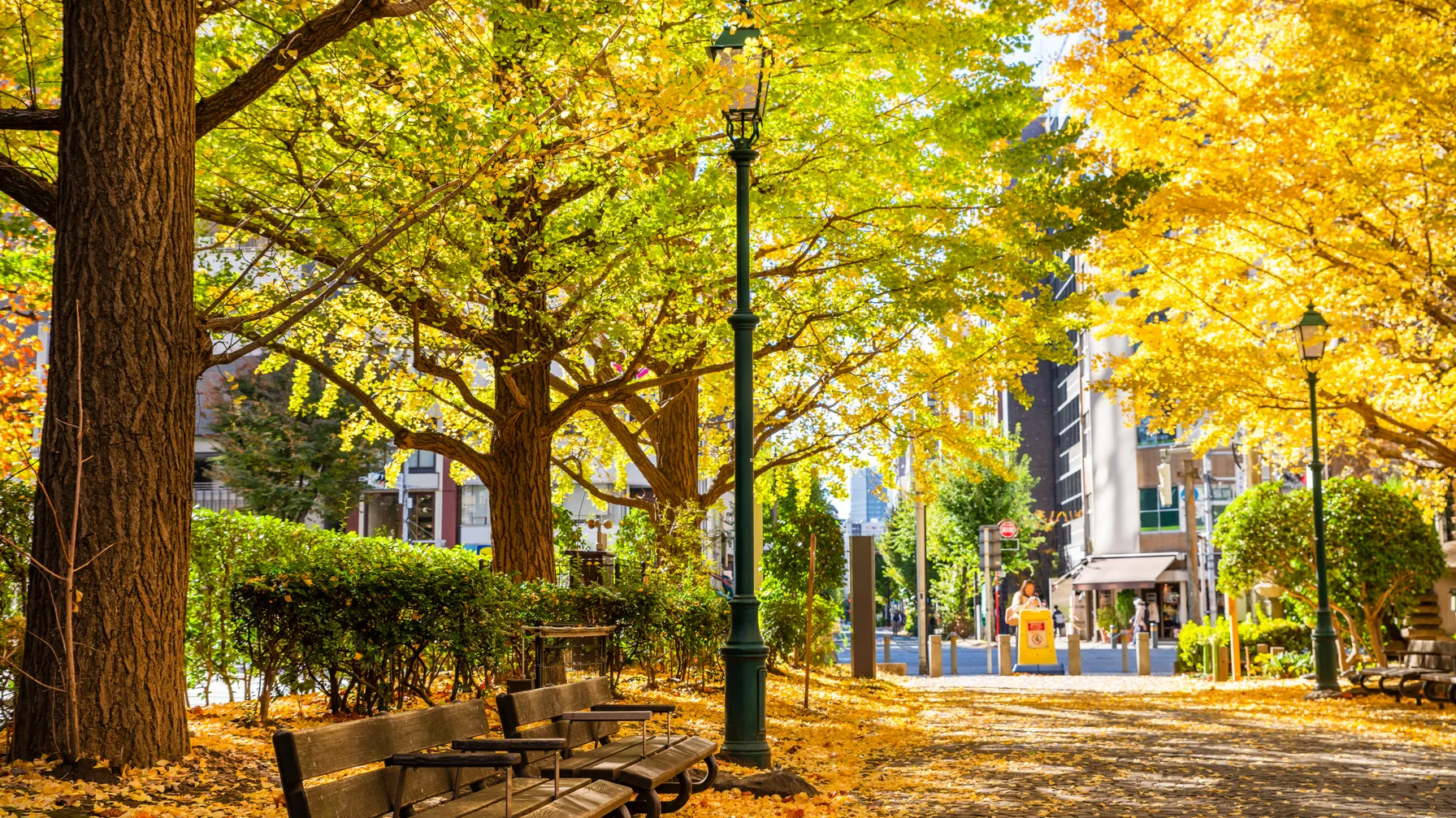
| Autumn | 10-20°C | Low | High | High |
| Winter | 0-10°C | Low | Low | Low |
Avoid the crowd while enjoying the festivals
Our Travel Planners suggest that February and November are optimal times to visit. Tourist affluence decreases while weather conditions remain favorable for sightseeing. This allows you to enjoy advantageous rates for accommodation and a more authentic atmosphere in places of interest.
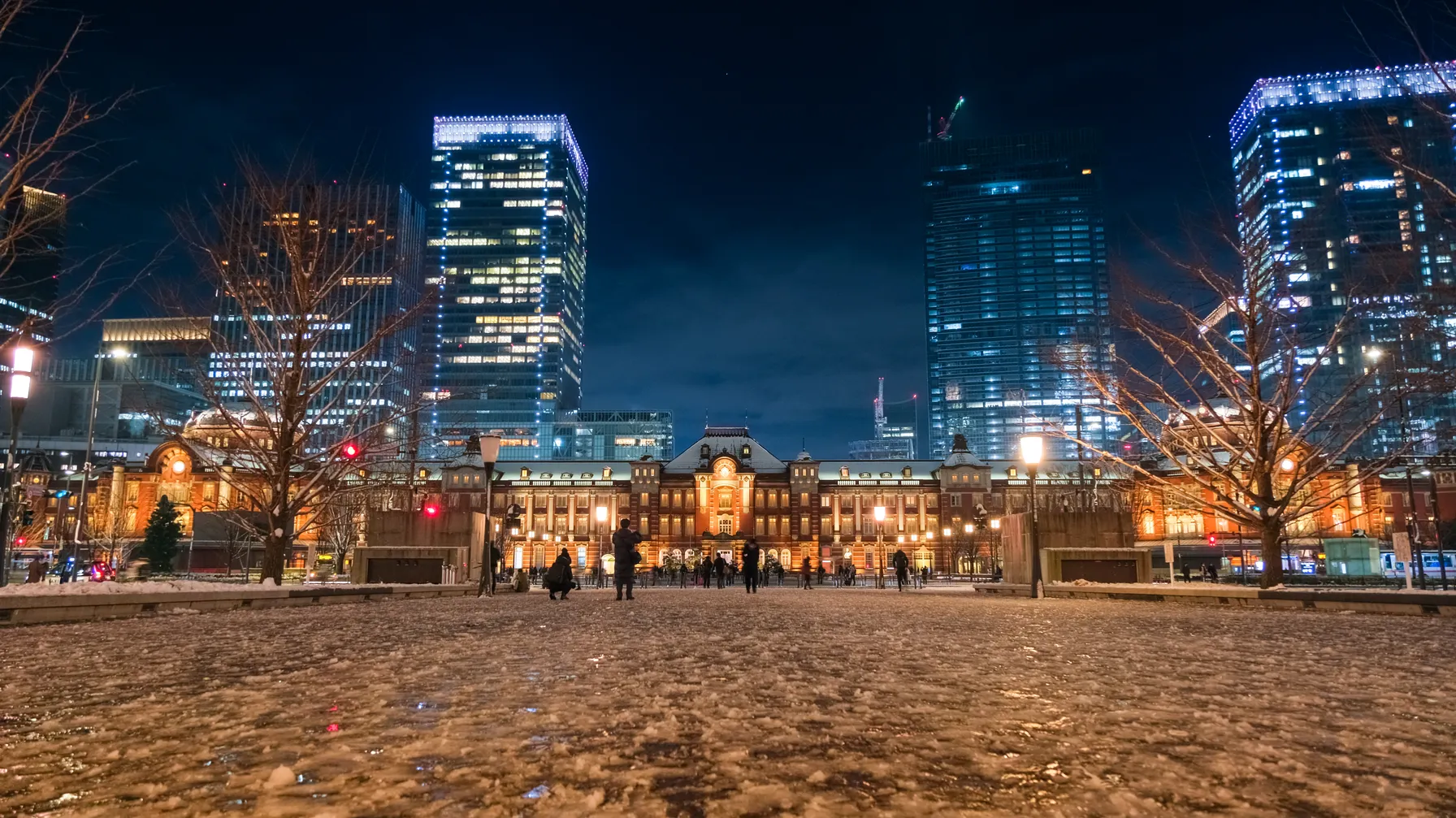
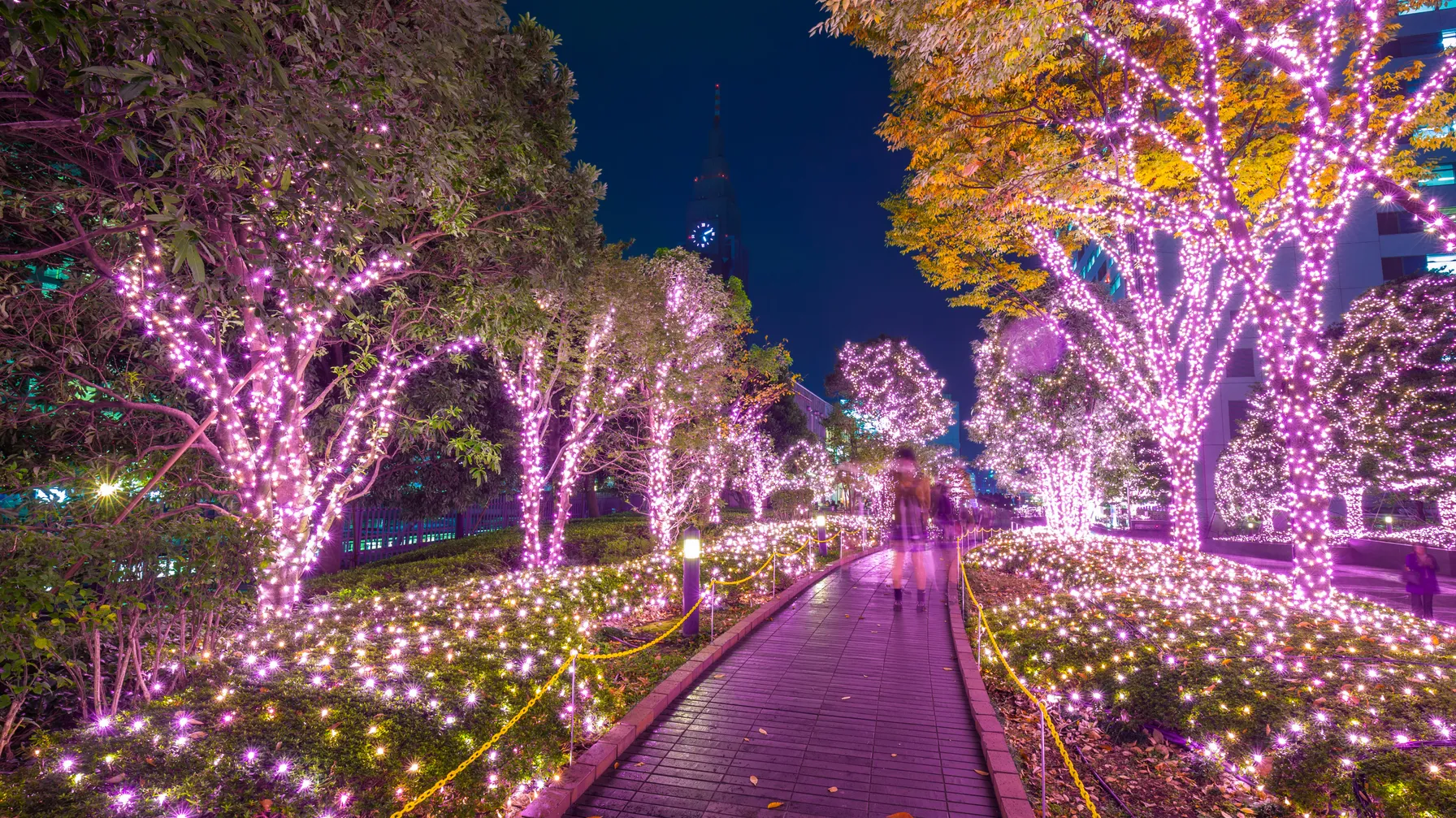
Tokyo's winter pleasantly surprises European travelers. The temperatures, though chilly, offer a different perspective for exploring the city. Winter illuminations transform shopping districts into luminous fairytales, creating a magical ambiance for families.
What to see in Tokyo: the essential districts?
The Japanese capital consists of a mosaic of neighborhoods with distinct atmospheres. Each district tells a different story of Tokyo's history and modernity.
Between tradition and modernity: Asakusa and Shibuya
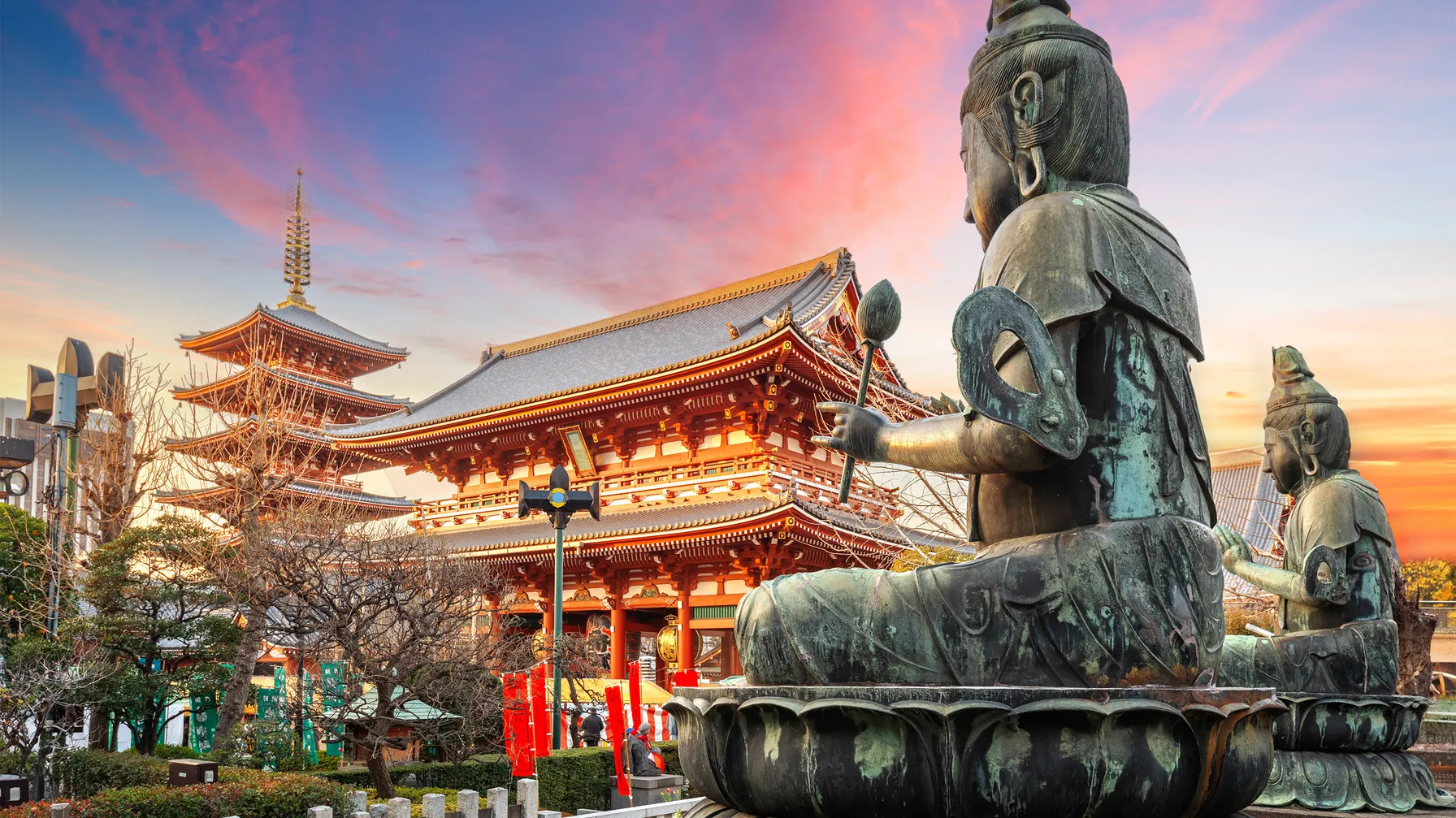
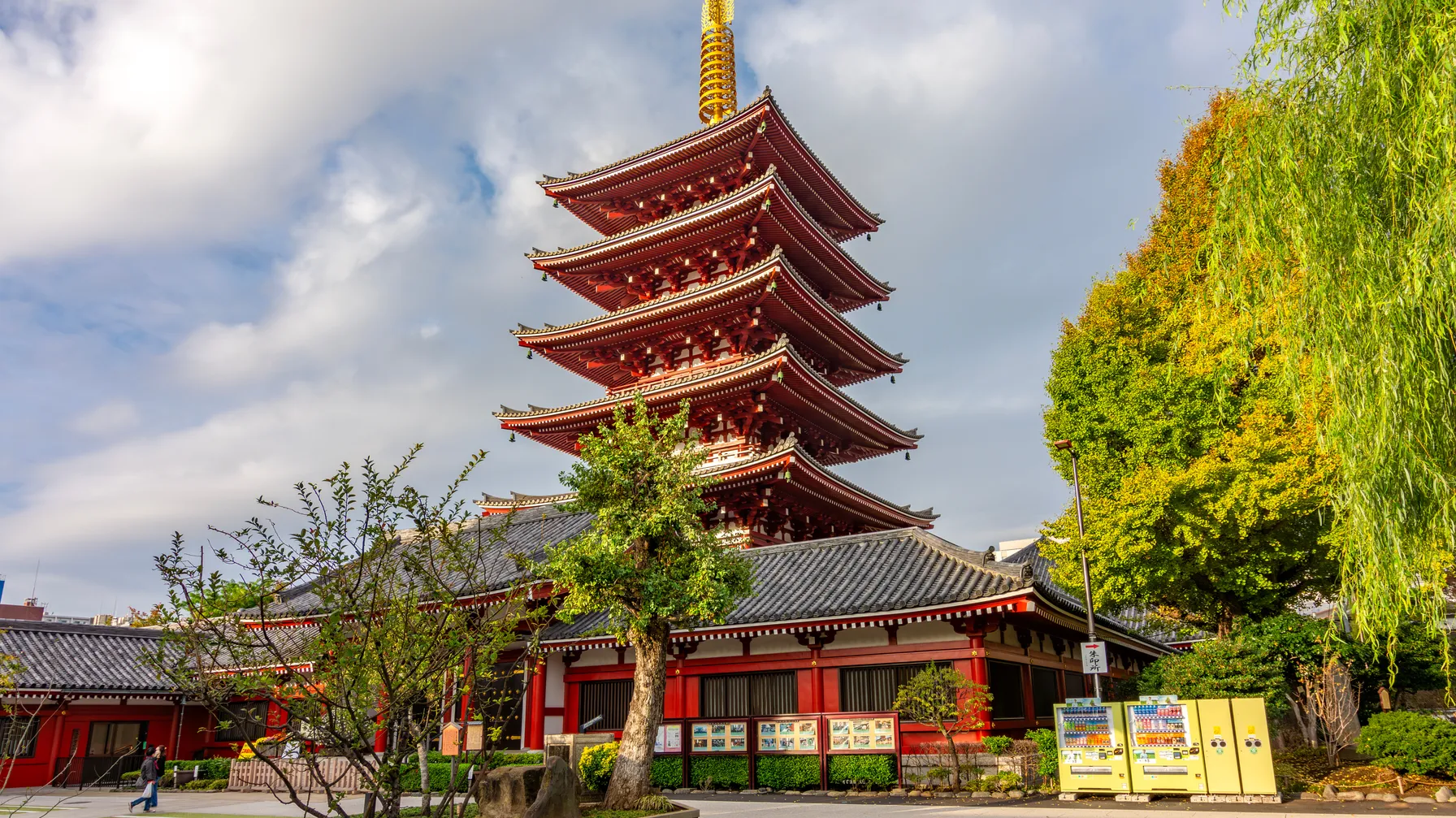
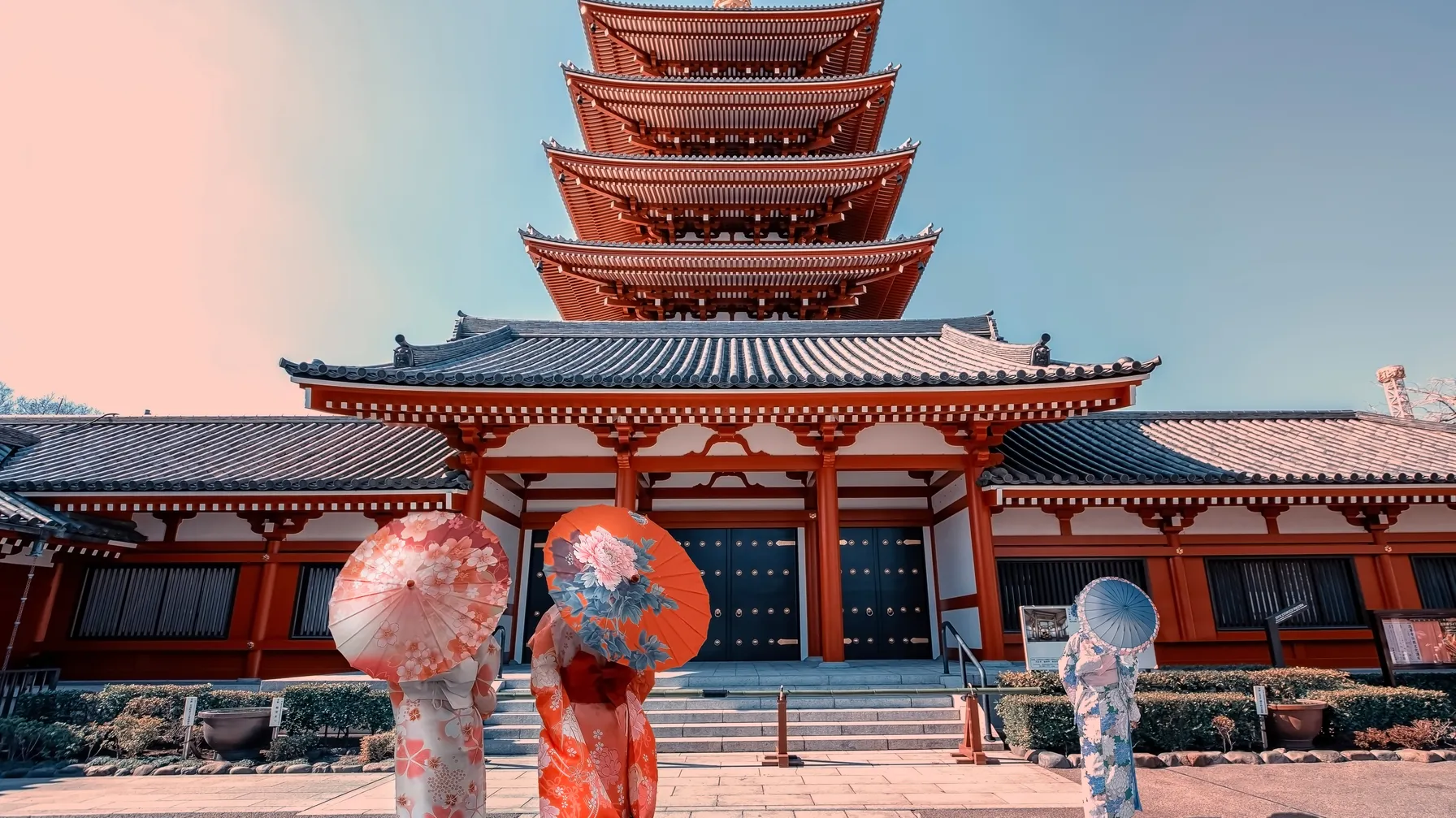
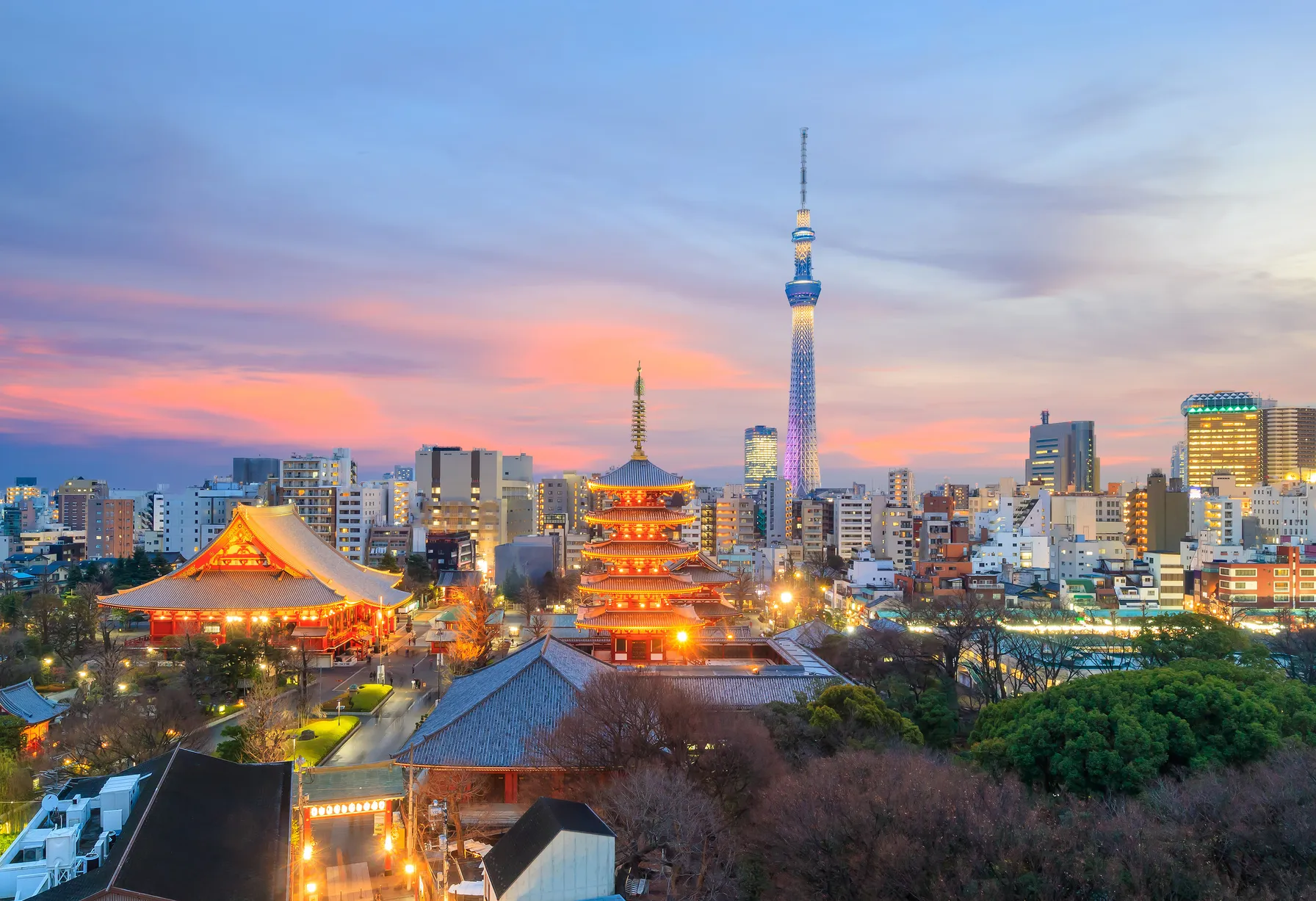
Asakusa represents the traditional soul of Tokyo. This historic district is home to the Sensoji Temple, a venerable shrine founded in the seventh century. The surrounding alleyways are filled with artisan shops where you can taste specialties like ningyo-yaki, small stuffed pastries. The experience continues in traditional ryokans that perpetuate the art of Japanese hospitality.
Conversely, Shibuya embodies Tokyo's modernity. The famous intersection, the stage for the daily ballet of thousands of pedestrians, symbolizes Japanese urban energy. Experienced guides lead you to the best viewpoints to observe this fascinating spectacle, then to the vertical shopping centers where the latest trends converge.
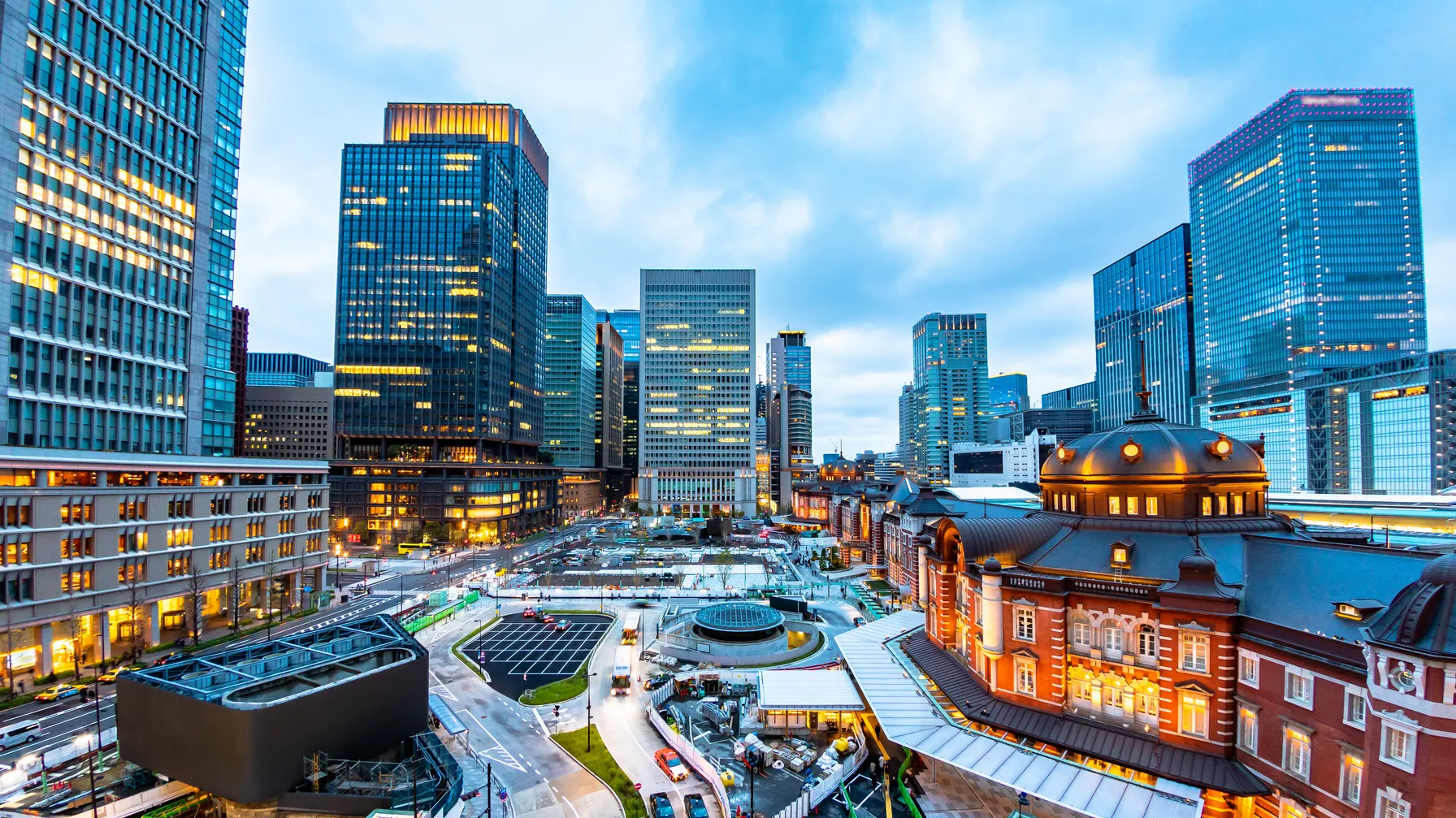
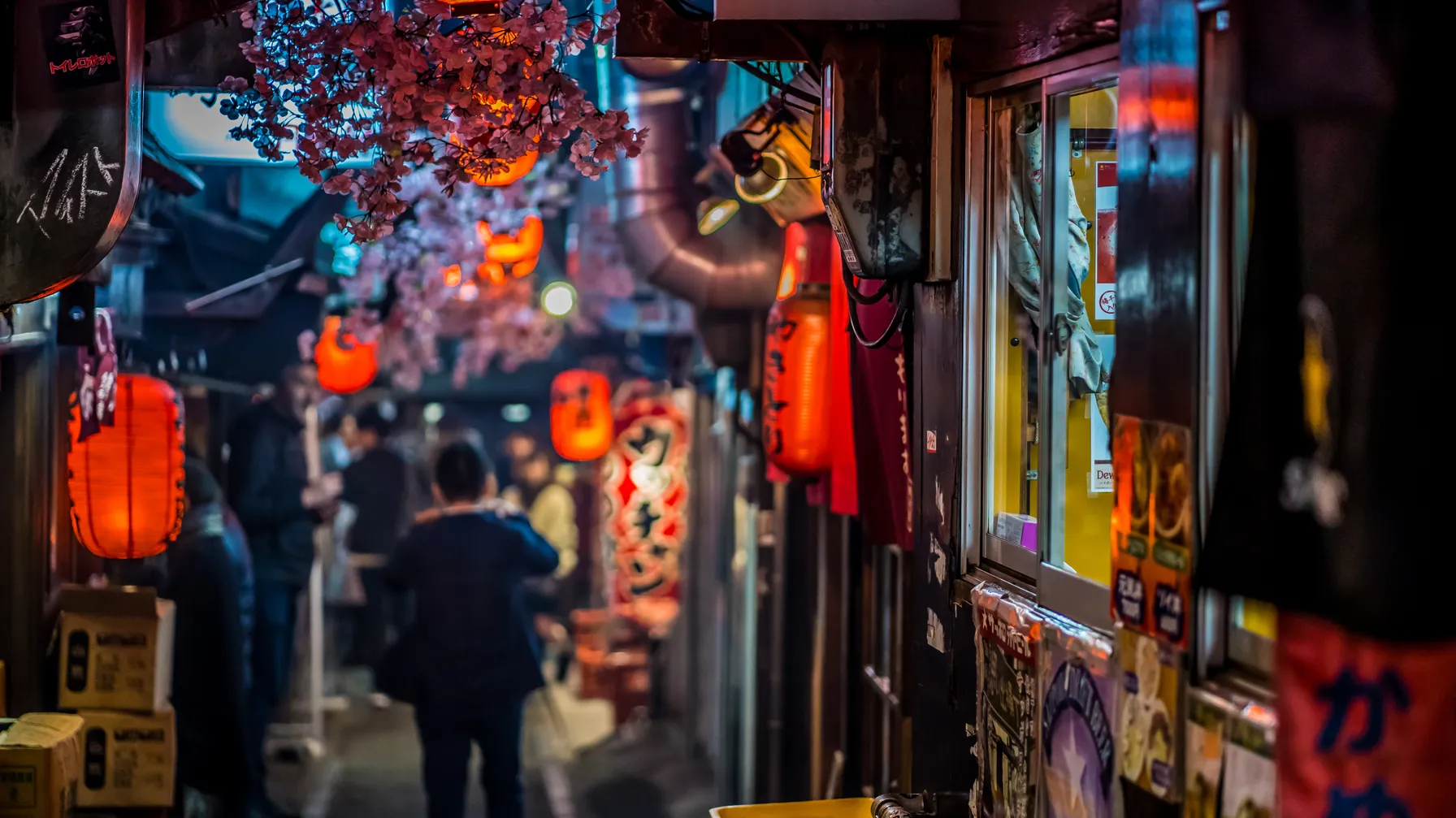
Shinjuku completes this discovery with its dizzying skyscrapers and hidden izakayas in the alleys of Omoide Yokocho. These tiny taverns, accessible only by hidden stairways, offer total immersion in contemporary Japanese culture.
Gastronomy and culture: a total immersion
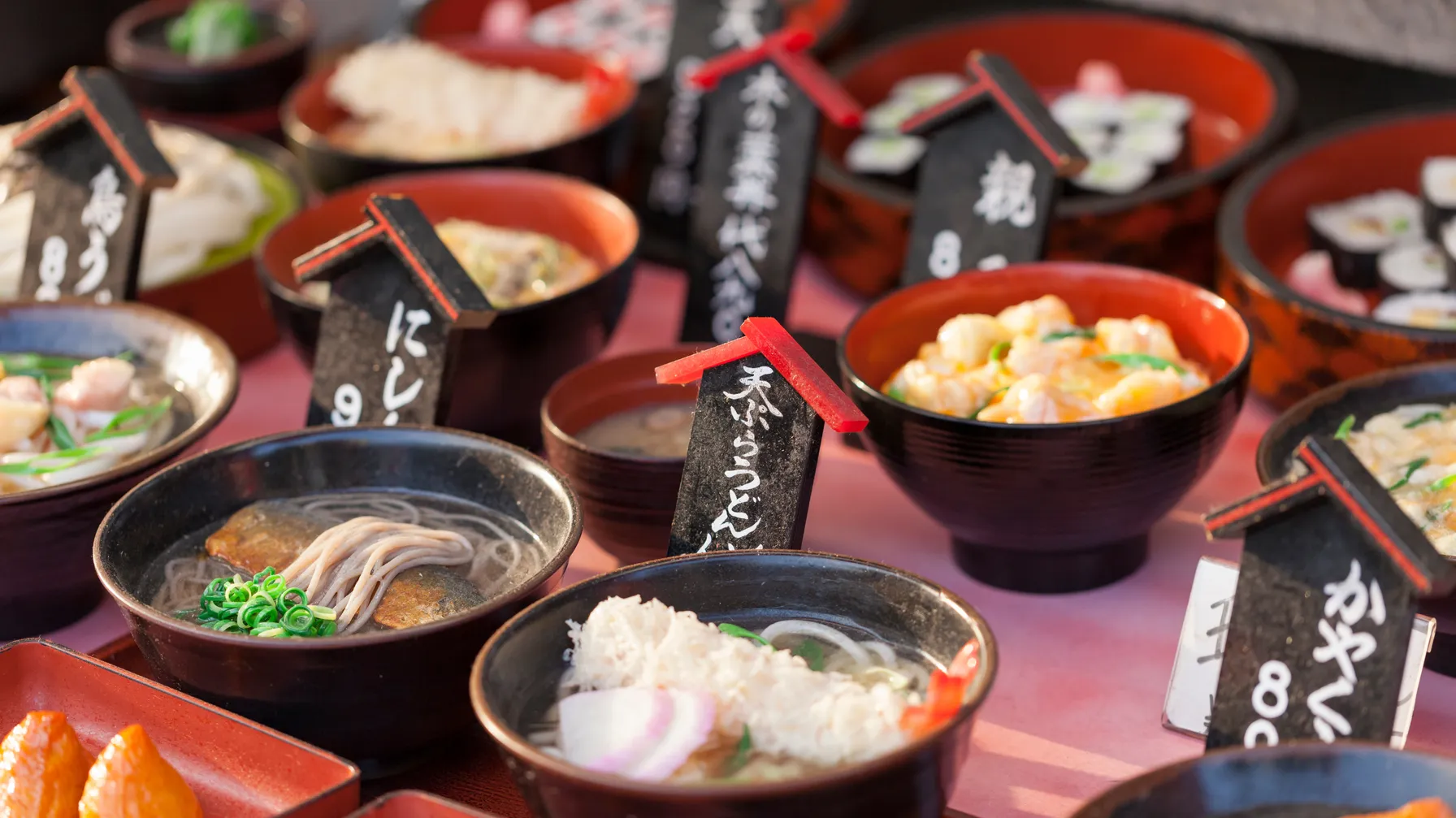
Tokyo's gastronomy deserves a thorough exploration. Beyond the globally known sushi, the capital reveals exceptional culinary diversity. Gourmet guides introduce you to regional specialties: different styles of ramen, crispy tempura, melting wagyu.
The Tsukiji market, now relocated to Toyosu, remains a must-visit to understand the unique relationship of the Japanese with seafood. An early morning visit, accompanied by an authentic breakfast at the nearby stalls, is an unforgettable moment of your stay.
Japanese culture also expresses itself in its exceptional museums. The National Museum of Tokyo houses millennia-old artistic treasures, while the contemporary installations of TeamLab push the boundaries between art and technology.
Book your trip to Tokyo now for a tailored experience
How to organize your visit to Tokyo?
Proper preparation guarantees the success of your stay in the Japanese capital. From administrative formalities, budgeting, to logistics, several practical aspects deserve your attention.
Practical tips for a stress-free preparation
Preparing for your trip to Japan requires some essential formalities. French nationals benefit from a visa exemption for stays of less than 90 days. Your passport must simply be valid for the duration of your stay.
The local currency, the yen, is still widely used for everyday transactions. Plan to withdraw cash upon your arrival, as many establishments do not accept foreign credit cards. Seven Bank ATMs, located in convenience stores (konbini), generally accept international cards.
Did you know? The time difference of 8 hours in winter and 7 hours in summer can disrupt your rhythm. Our Travel Planners recommend gradually adjusting your meal times a few days before departure.
Transportation and budget: making the most of your stay
The JR Pass is the most cost-effective investment for your travels. This pass, reserved for tourists, allows free use of the entire JR network, including the shinkansen for your possible excursions to Kyoto or Hiroshima.
For urban transport in Tokyo, expect to spend between 1000 and 2000 yen per day per person depending on your routes. The Tokyo Metro daily passes offer an economical alternative for intensive use of the underground network.
Regarding accommodation, the options vary greatly depending on your expectations:
- Traditional Ryokan: authentic experience from 15000 to 30000 yen;
- Business hotels: modern comfort from 8000 to 15000 yen;
- Capsule hotels: Japanese originality from 3000 to 6000 yen.
Tokyo dining adapts to all budgets. A meal in a starred restaurant can reach 20000 yen, while a delicious bowl of ramen costs about 800 yen. This flexibility allows you to tailor your visit according to your priorities and budget.
Contact us for more information on organizing your discovery of Tokyo