When to go to Tokyo: your complete guide to choosing the ideal time
What is the best time to visit Tokyo according to your expectations?
Each season in Tokyo reveals a different personality of this captivating metropolis. Your time to go essentially depends on your priorities: are you looking for the excitement of cherry blossoms in bloom, the authenticity of traditional festivals, the gentleness of autumn foliage, or the serenity of winter?
Spring in Tokyo: The Explosion of Cherry Blossoms (March to May)
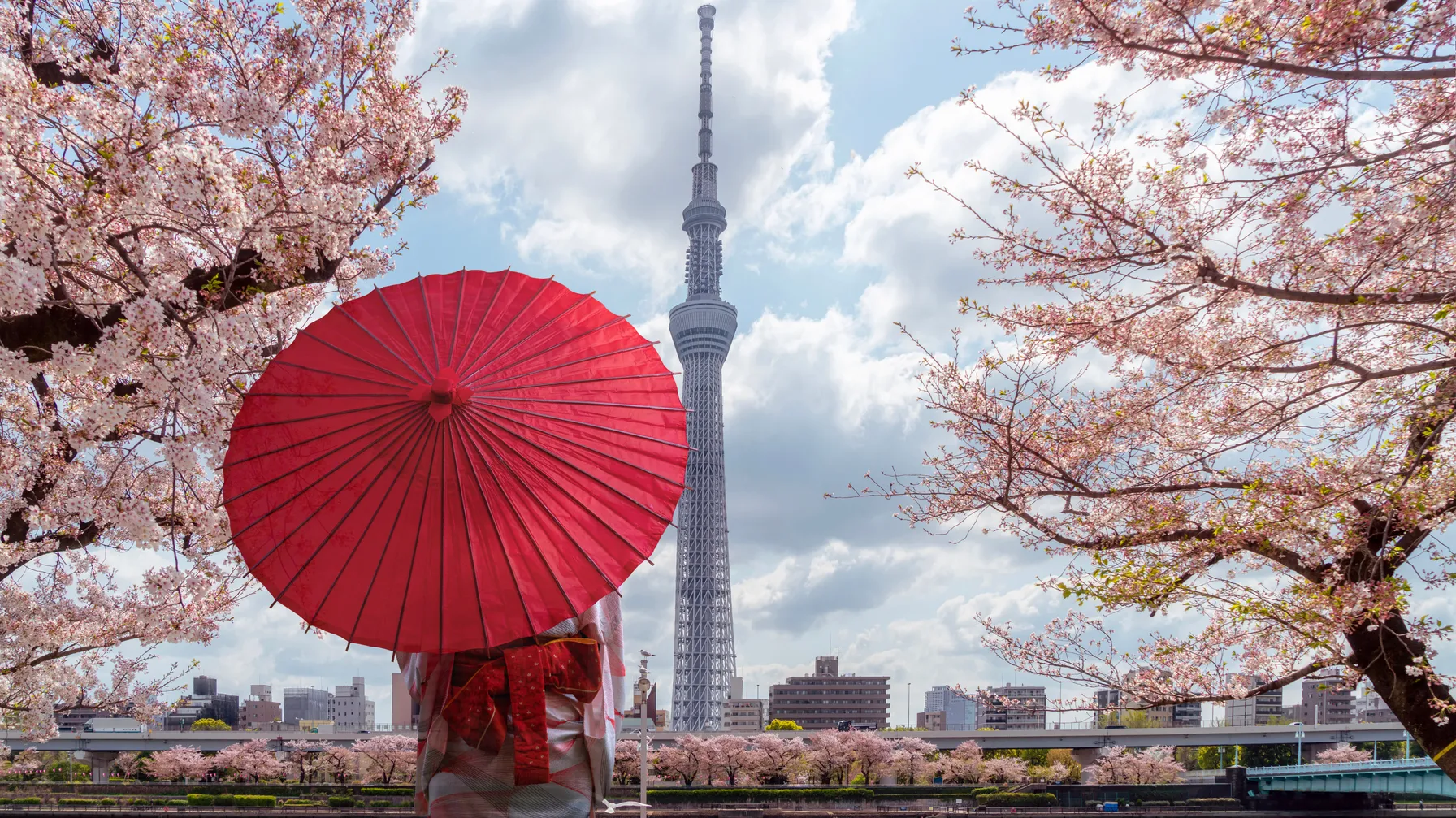
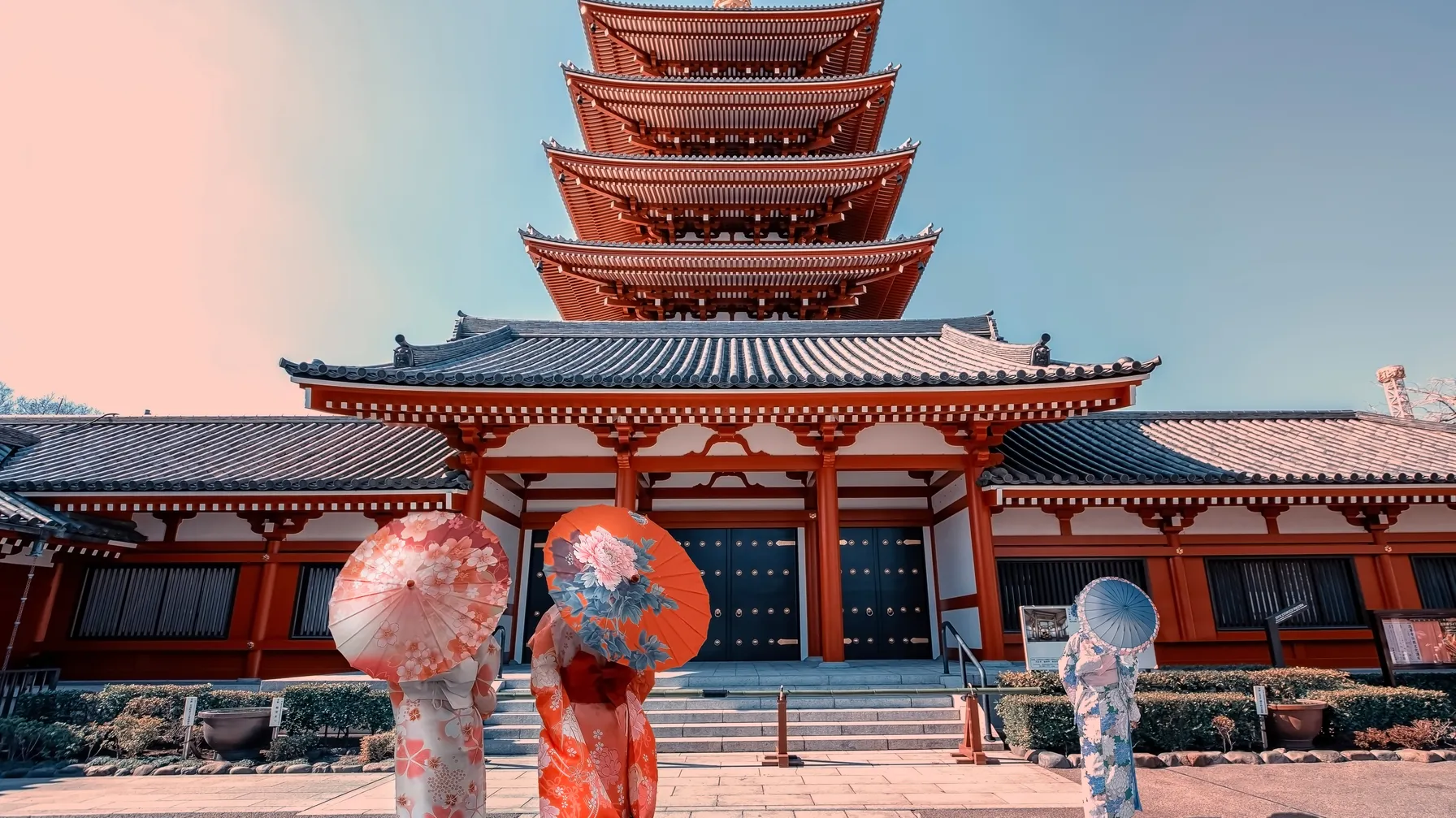
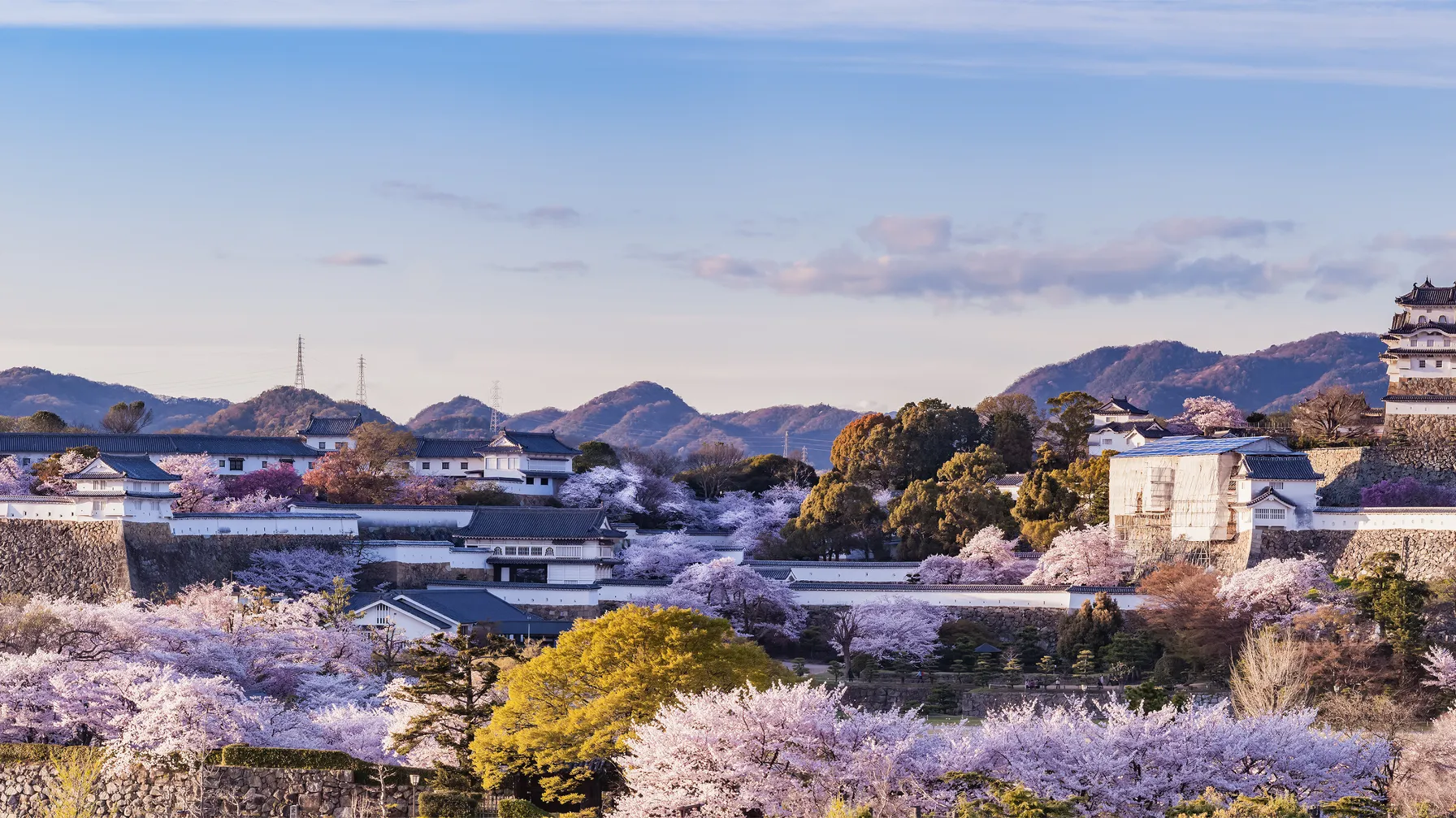
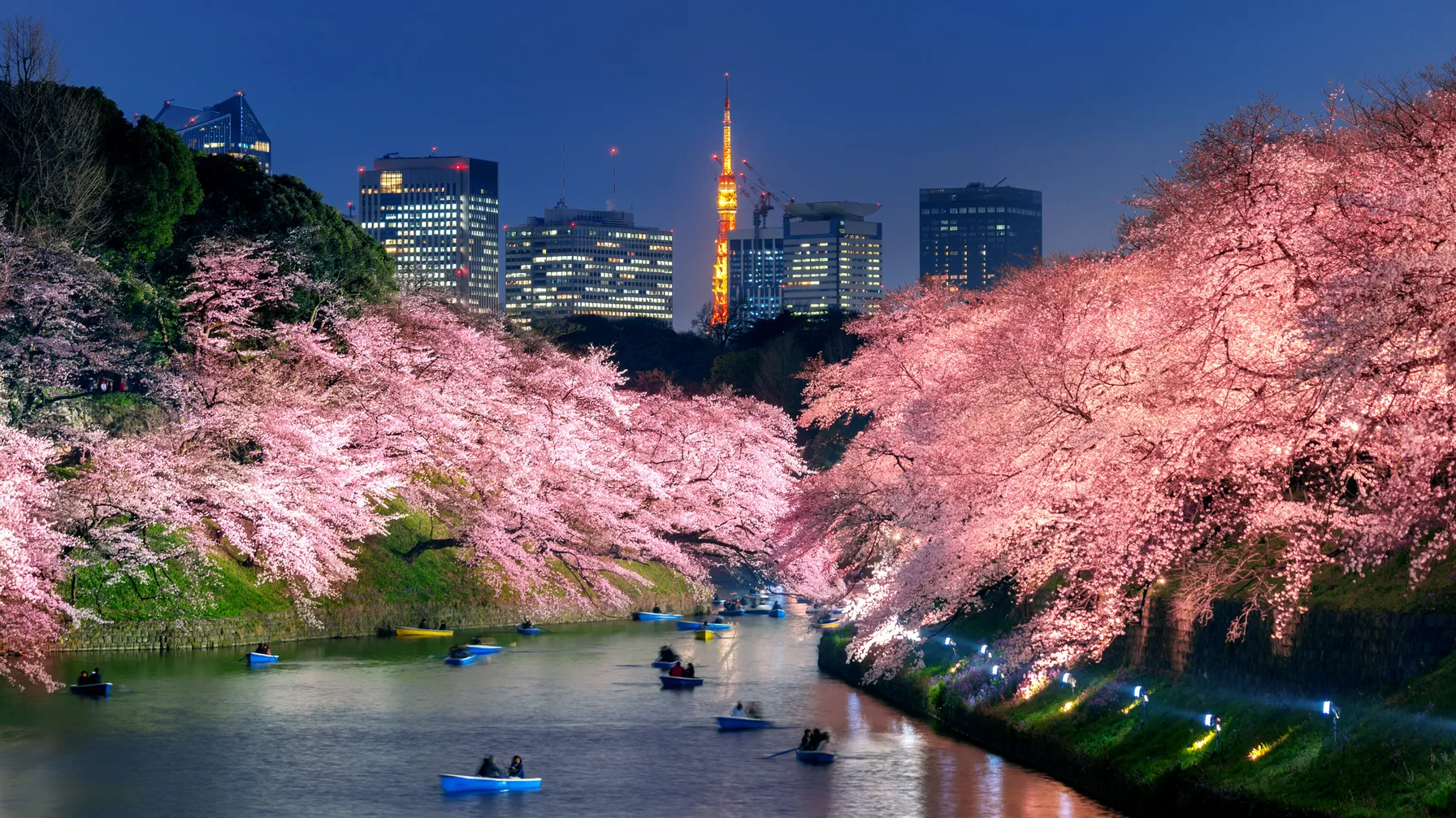
Spring in Tokyo is undoubtedly the best time to visit the capital, highly sought after by travelers from around the world. From March to May, the city of Tokyo dresses in its finest, offering a striking natural spectacle. The cherry blossoms literally transform parks, gardens, and streets into true capsules of poetry.
This season starts timidly in March, when temperatures fluctuate between 5°C and 14°C. The first sakura start showing their petals towards the end of the month, creating palpable anticipation throughout Japan's capital. The phenomenon of hanami, the age-old tradition of flower viewing, is in full swing in April with temperatures more pleasant between 10°C and 19°C.
May marks the peak of this spring renaissance. With an average temperature of 23°C during the day and 15°C at night, this period offers ideal conditions to explore every corner of the metropolis. The Imperial Palace, surrounded by its cherry blossom-lined moats, becomes a pilgrimage site for lovers of photography and contemplation.
Our advice: book your accommodation several months in advance if you wish to travel during this highly sought-after period.
Tokyo summer: festivals and electrifying ambiance (June to September)
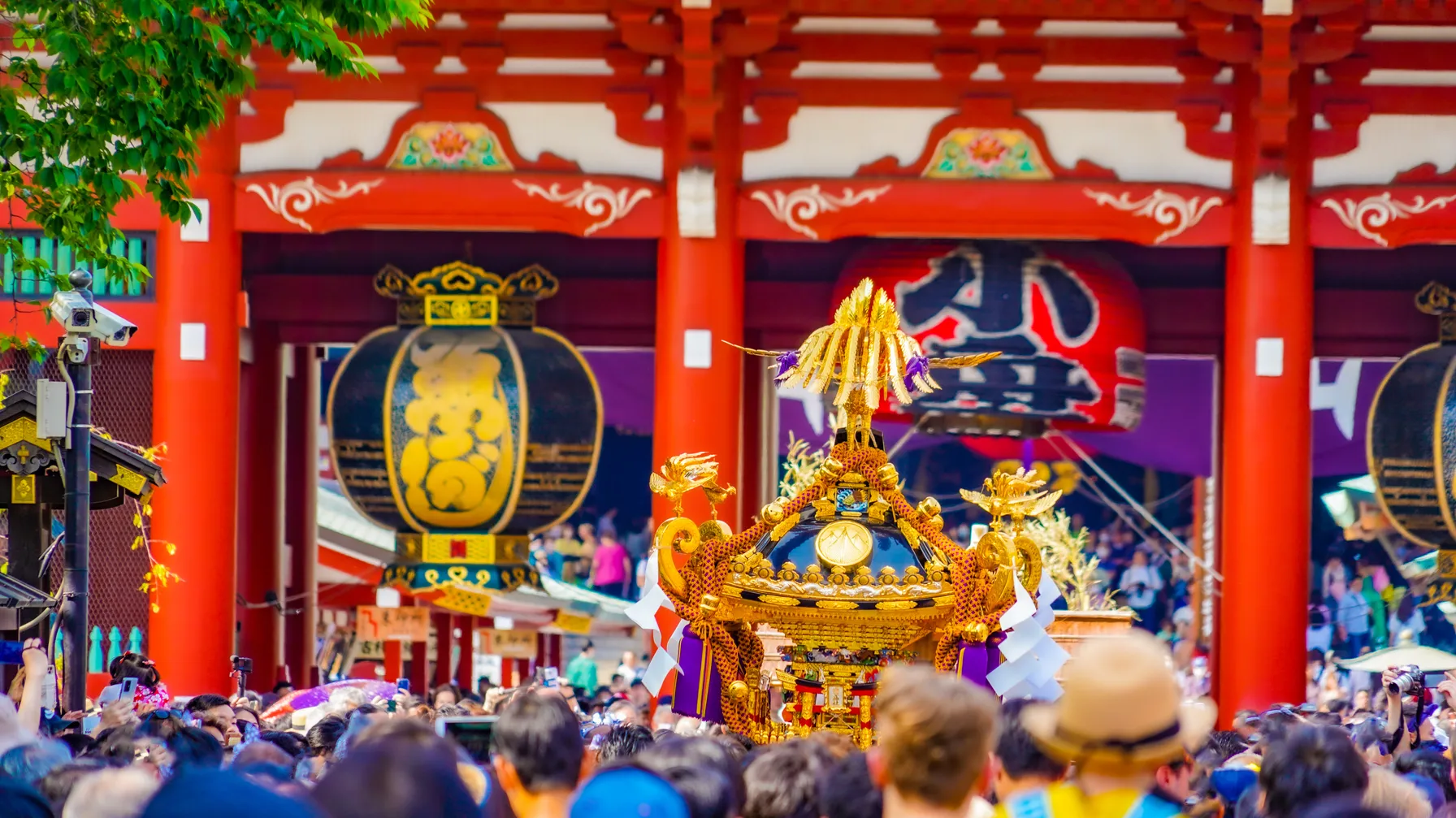
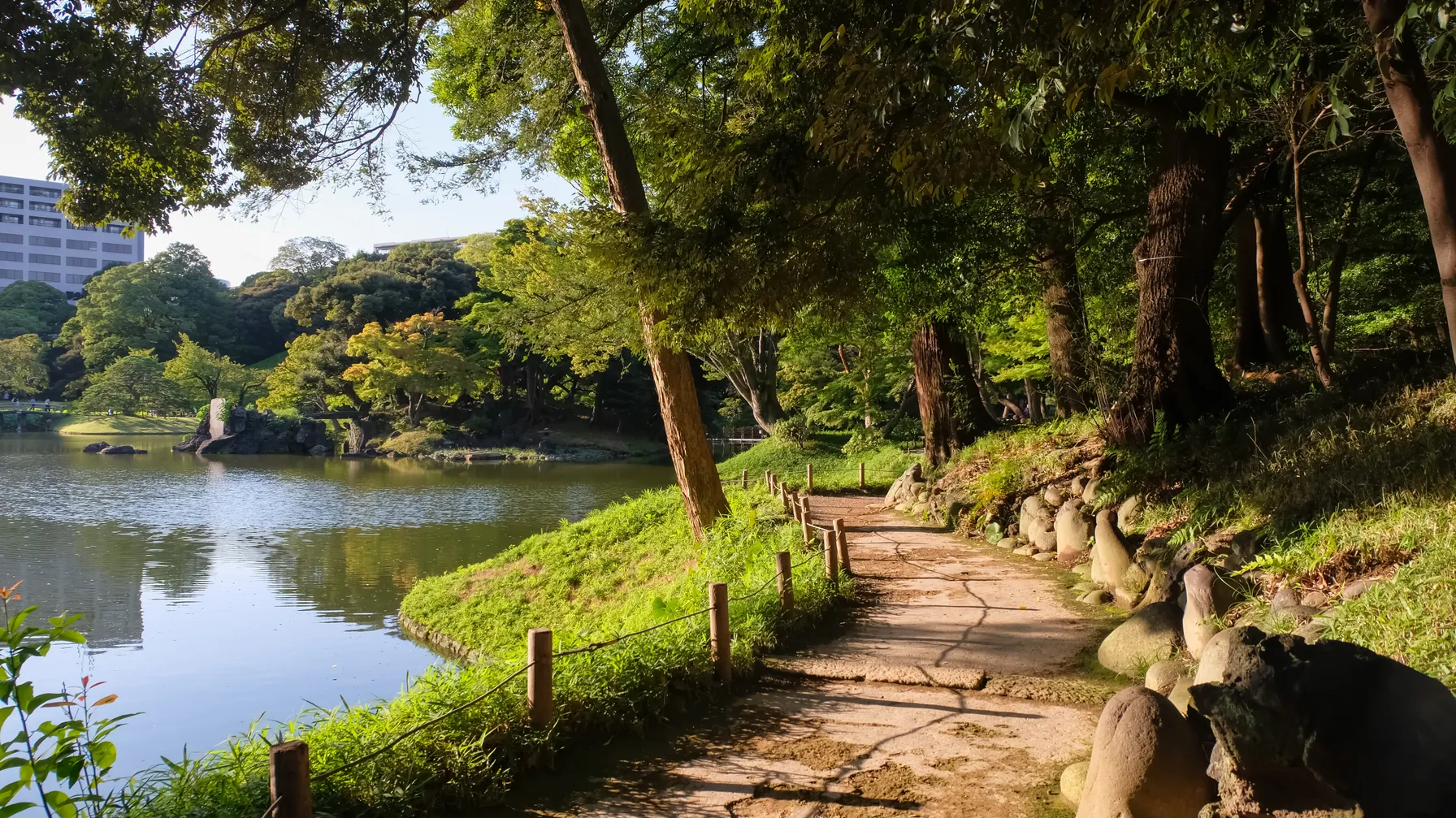
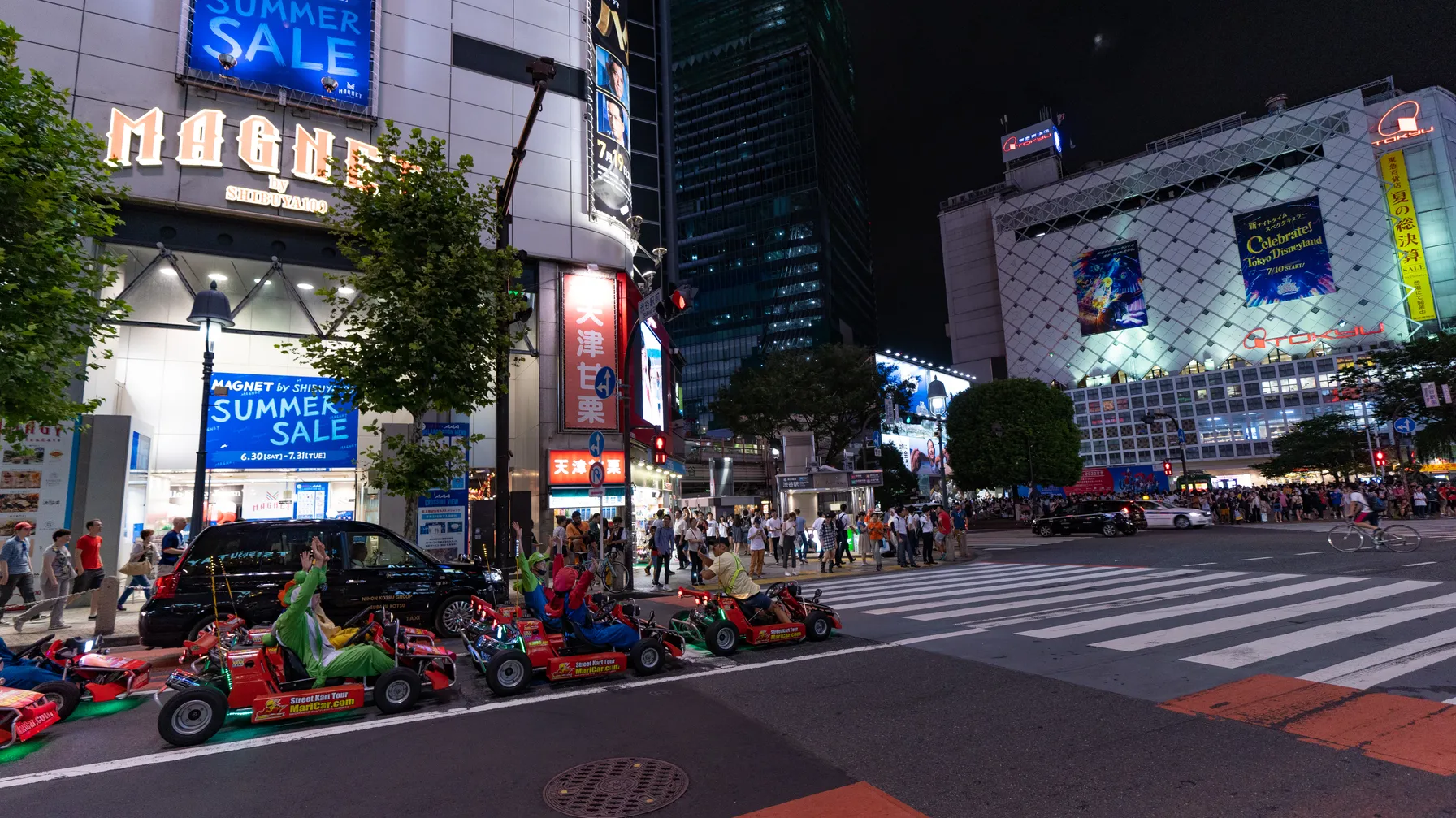
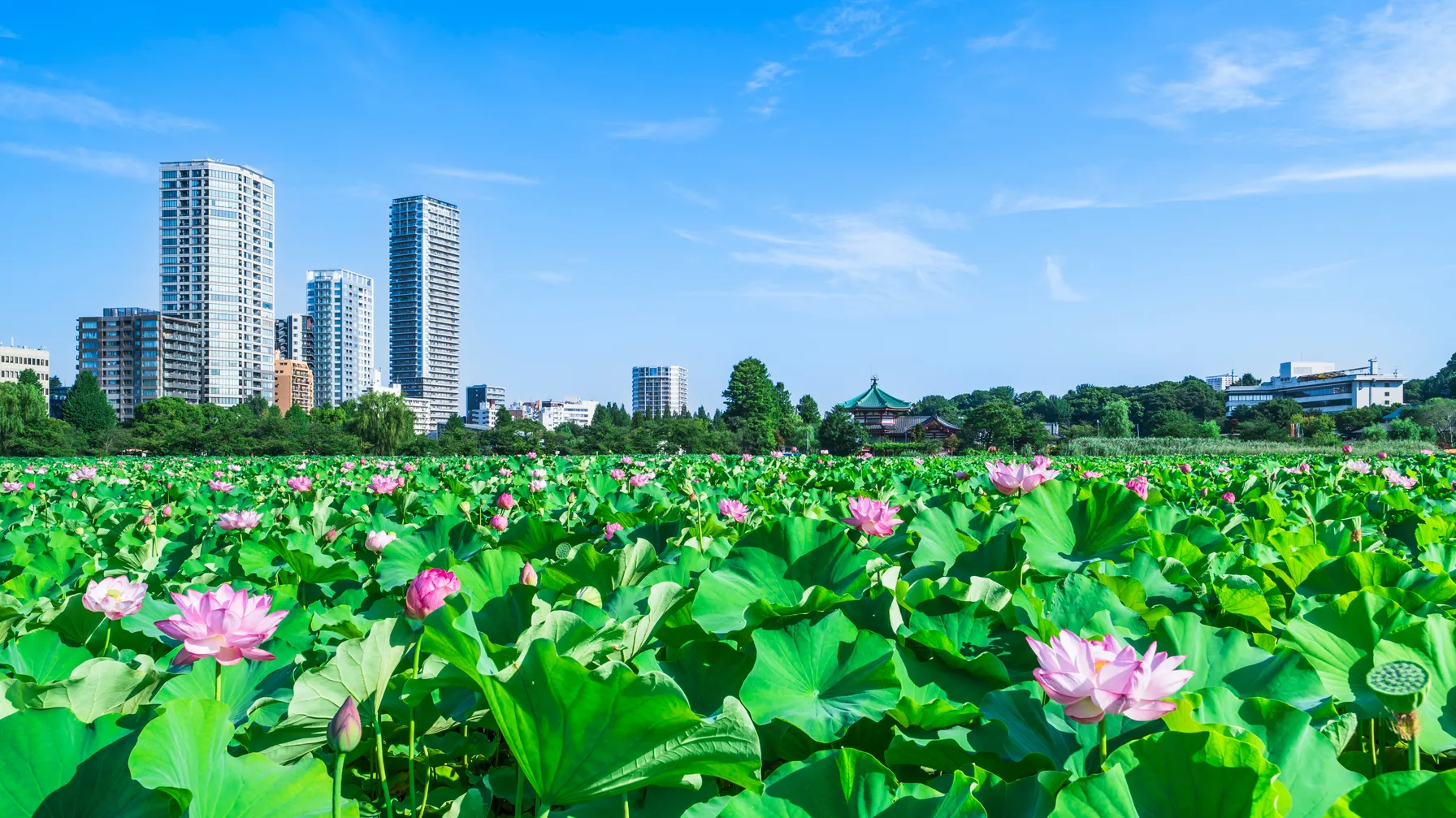
Summer in Tokyo is characterized by a particular energy, despite the climatic challenges it presents. From June to September, the Japanese capital pulses with the rhythms of traditional festivals and celebrations that animate its neighborhoods. This period, though marked by heat and humidity, reveals the festive soul of Japan.
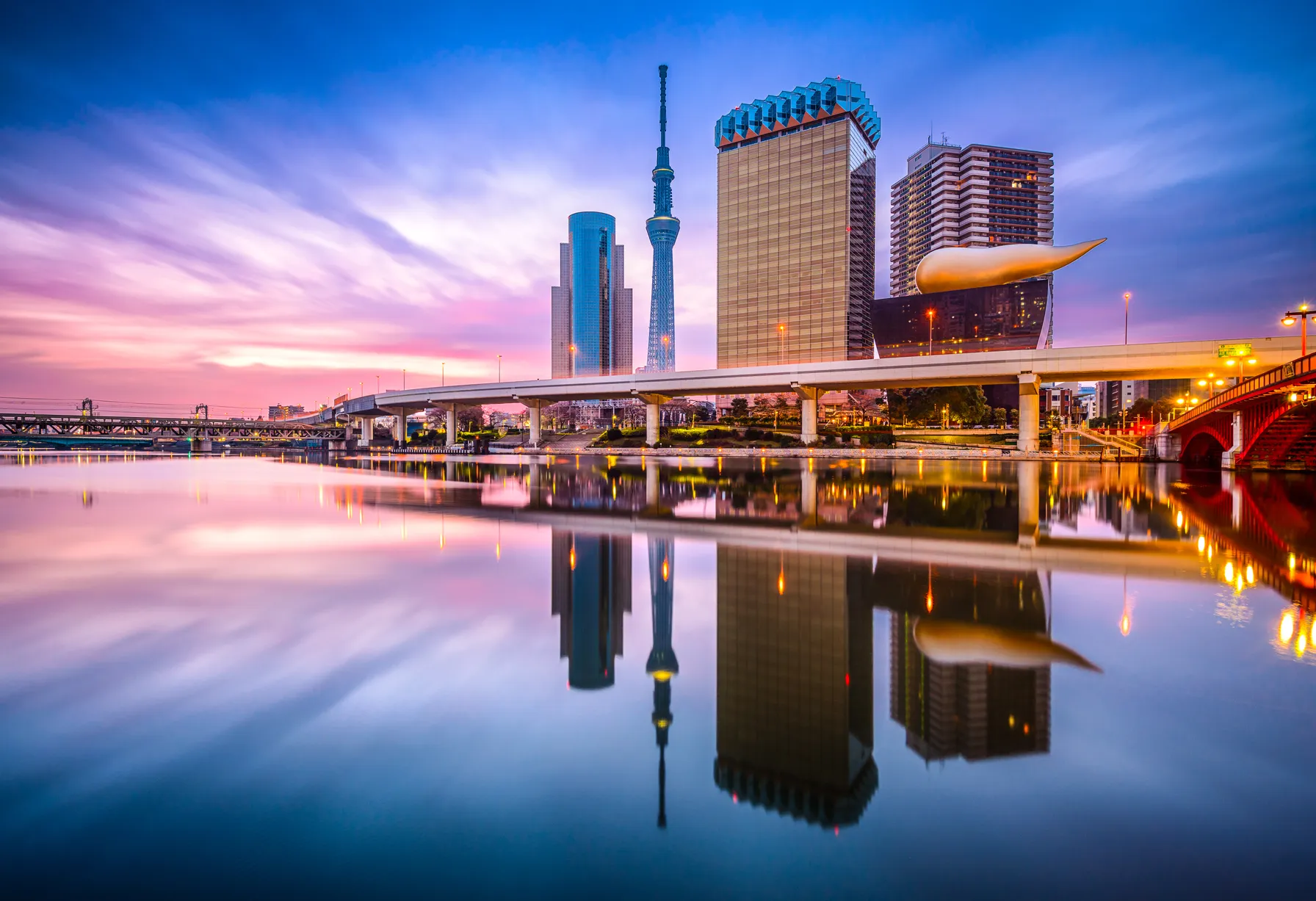
July truly inaugurates the summer season with temperatures reaching 30°C. The long evenings are adorned with spectacular fireworks, particularly the famous Sumida River festival that lights up the Tokyo sky. The atmosphere becomes electrifying as residents come out dressed in their traditional yukatas to enjoy the nighttime festivities.
July and August represent the heart of the Japanese summer, with temperatures regularly brushing against 31°C. This period also corresponds to the peak of the tourist season, particularly for families taking advantage of the school holidays. The Tsukiji fish market, although moved to Toyosu, retains its morning authenticity, offering a welcome coolness before the heat sets in.
It should be noted, however, that June and July traditionally mark the rainy season in Japan. These heavy rains, though abundant, bring a certain poetry to the urban atmosphere and momentarily refresh the ambient air.
Autumn in the capital: flamboyant colors and mild weather (September to November)
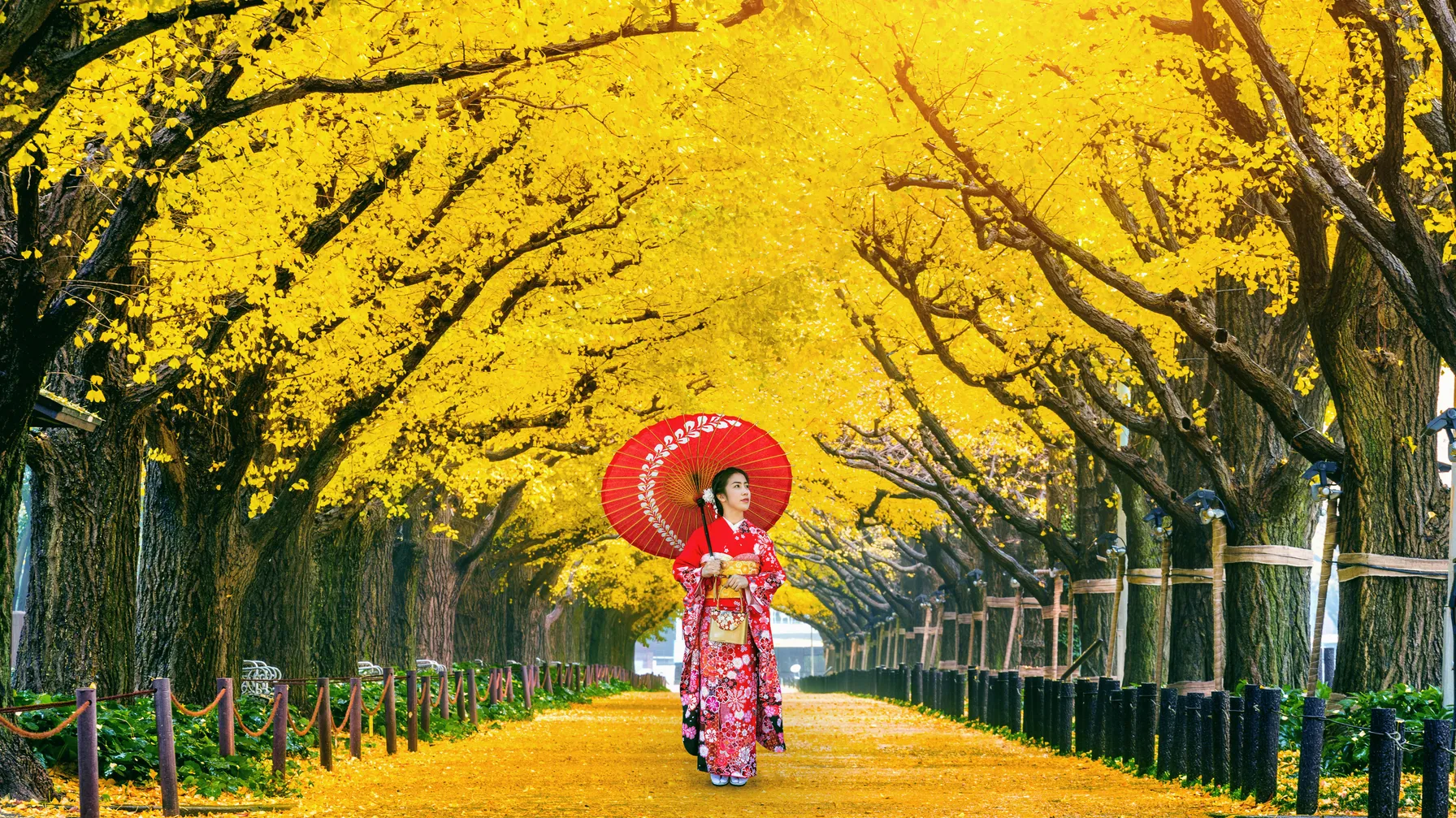
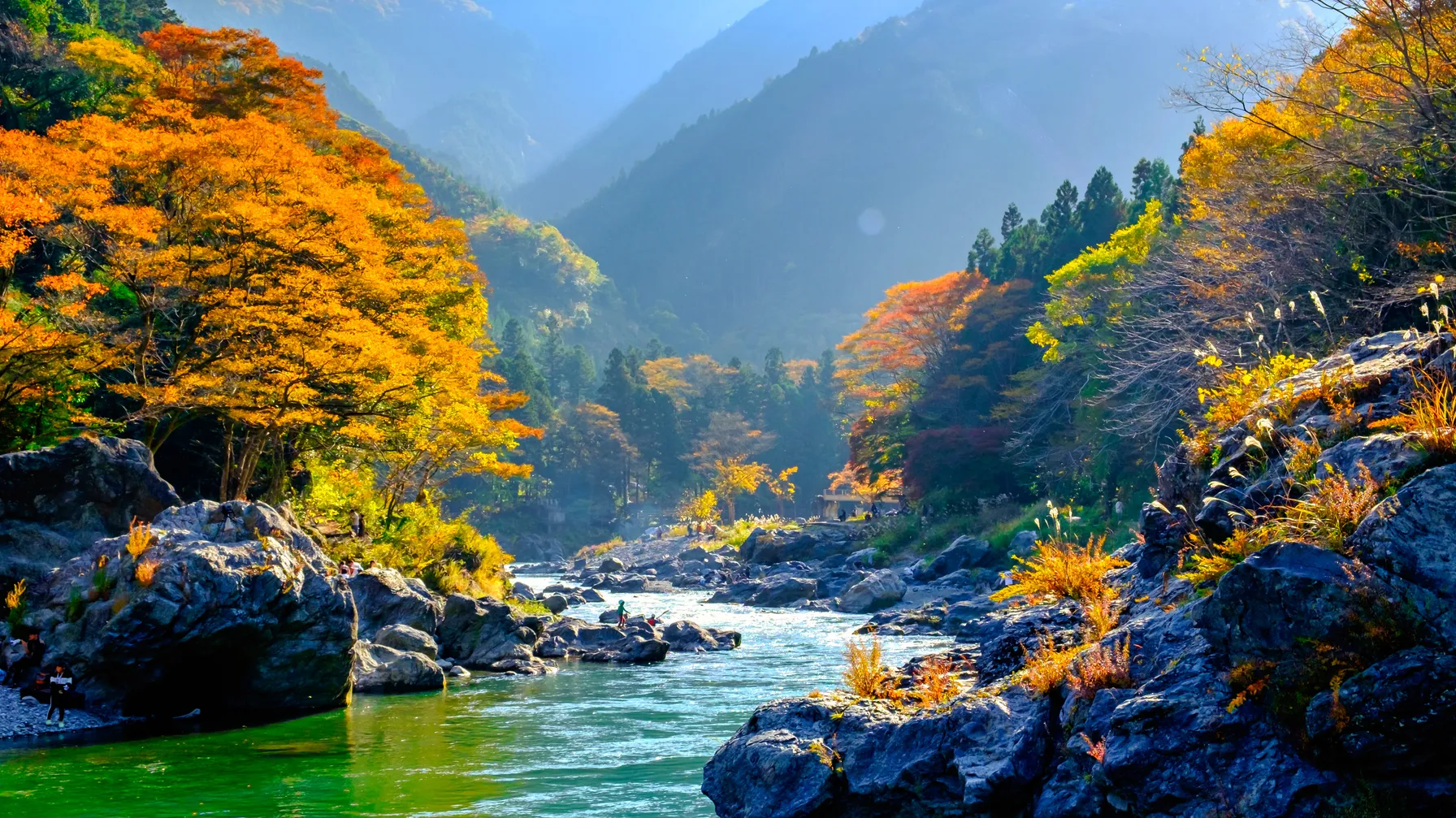
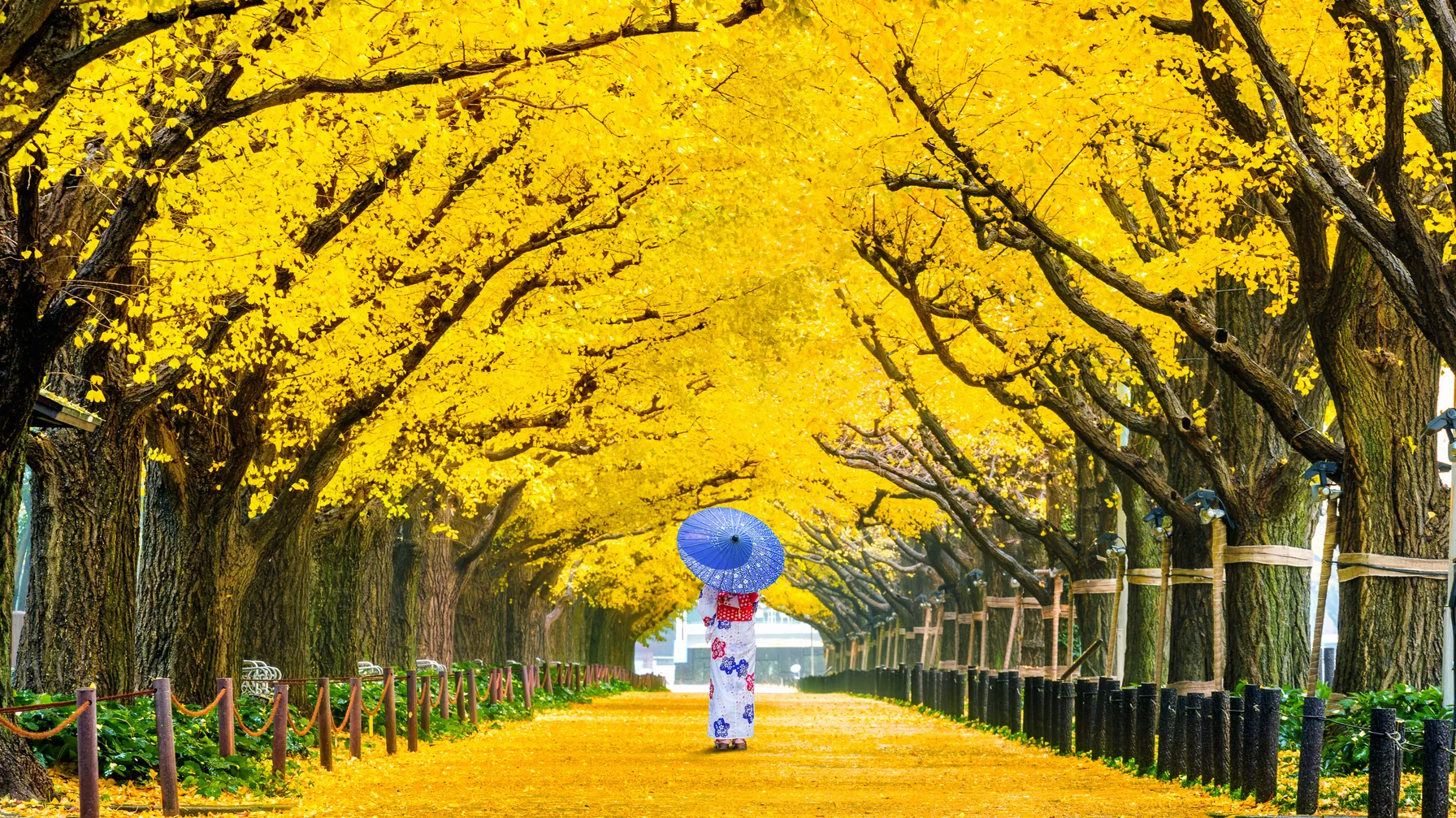
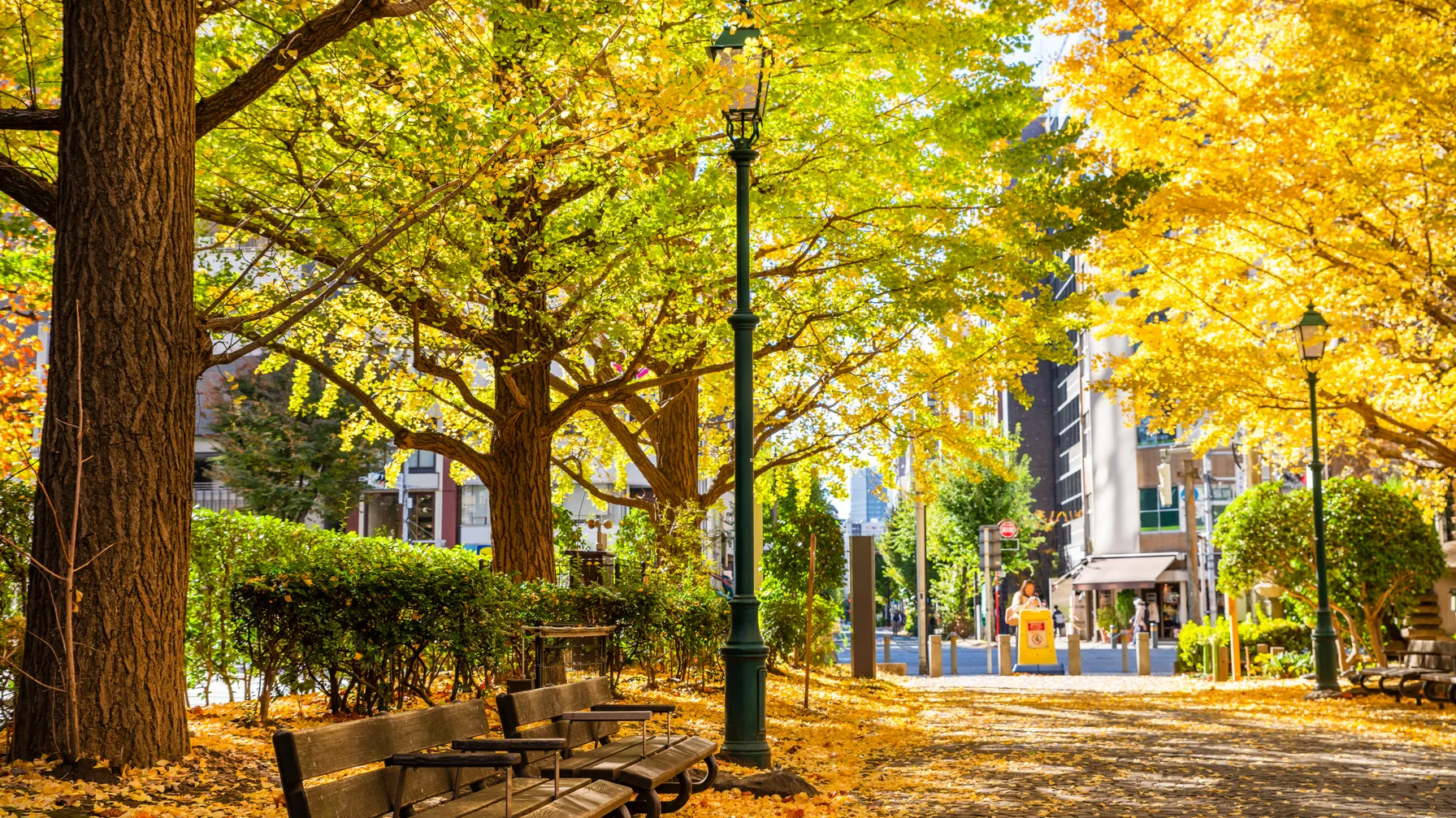
Tokyo's autumn rivals the beauty of spring, offering a natural spectacle of remarkable intensity. From September to November, the city of Tokyo transforms into a kaleidoscope of warm colors, creating an atmosphere particularly conducive to contemplation and cultural discovery.
September marks the gentle transition into this favored season. The temperatures, still mild with 27°C during the day and 21°C at night, allow one to fully enjoy the early colorful foliage. This period also corresponds to potential typhoons, but these weather phenomena are generally short-lived and do not significantly alter the travel experience.
October unveils the full autumnal splendor of the capital. With ideal temperatures of 22°C during the day and 16°C in the evening, this time is particularly appealing to photographers and nature lovers. Traditional gardens like Rikugien or the surroundings of Mount Fuji offer breathtaking panoramas.
November closes this magical season with cooler yet still pleasant temperatures, ranging between 17°C and 10°C. Tourist crowds diminish significantly, allowing a more intimate discovery of Tokyo's treasures.
Winter in Tokyo: serenity and magical illuminations (December to February)
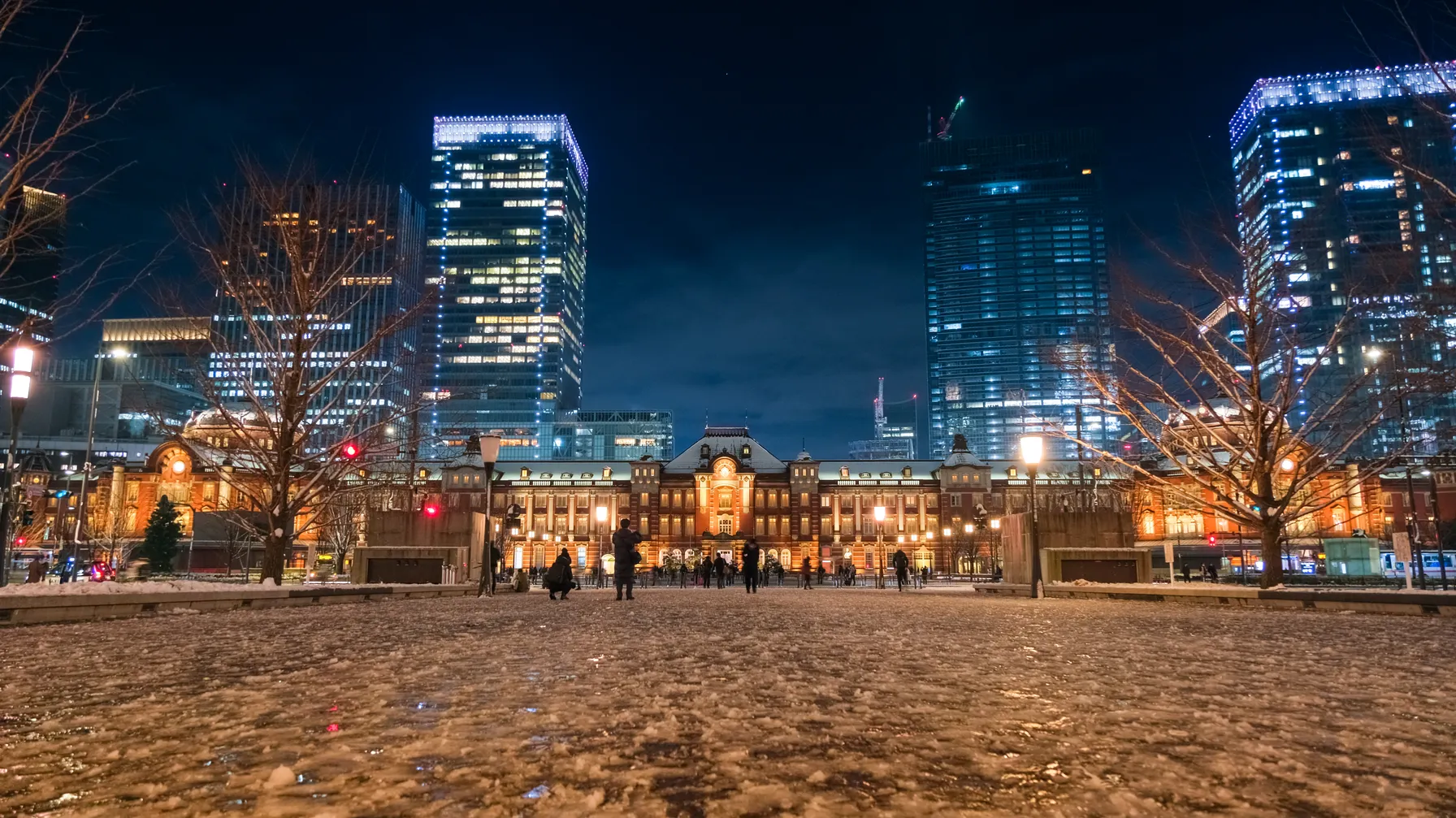
Winter in Japan, and particularly Tokyo during winter, pleasantly surprises visitors with its relative mildness and sunny days. This season, often overlooked by travelers, holds unsuspected charms and considerable advantages for a tailor-made trip.
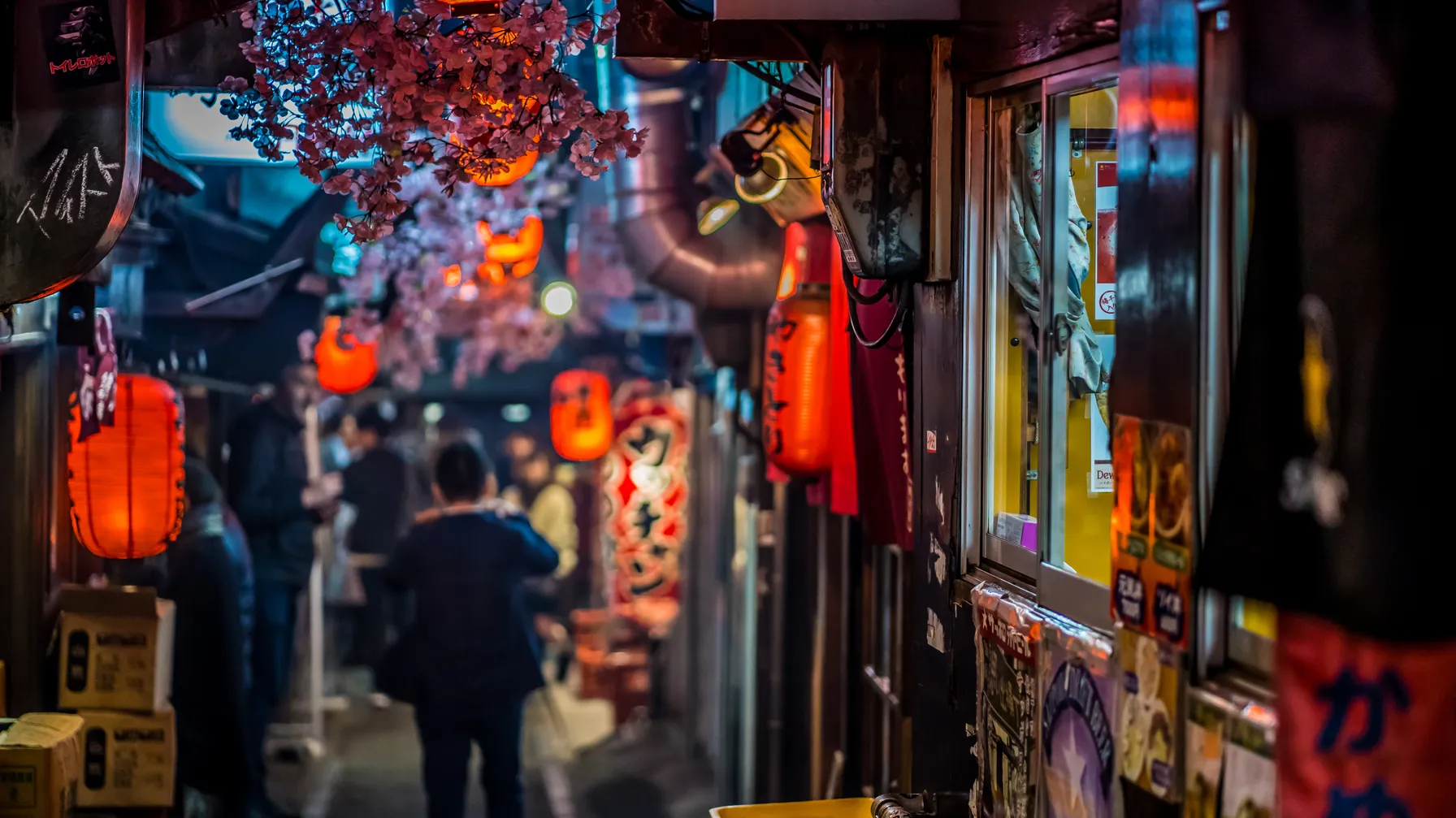
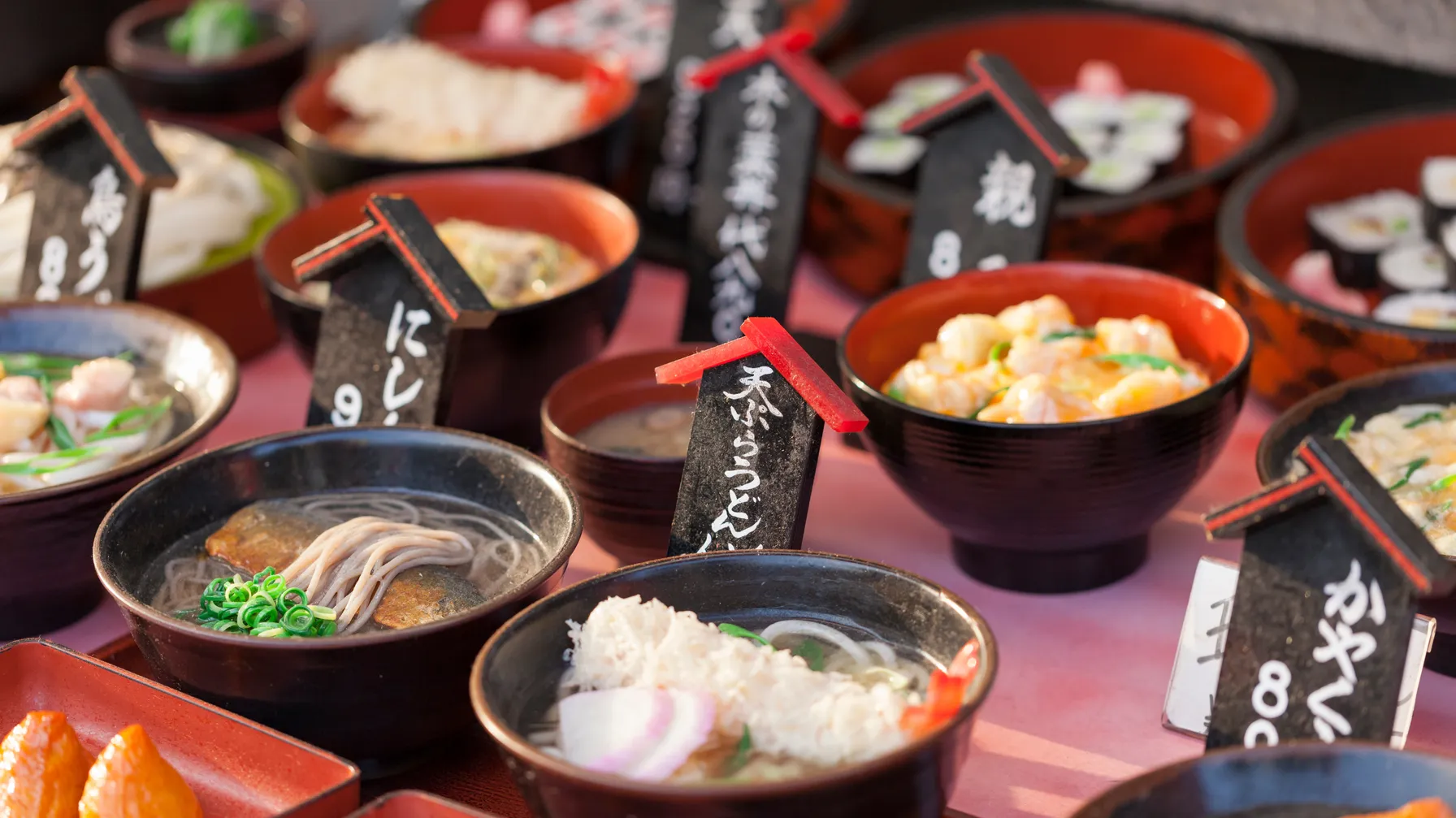
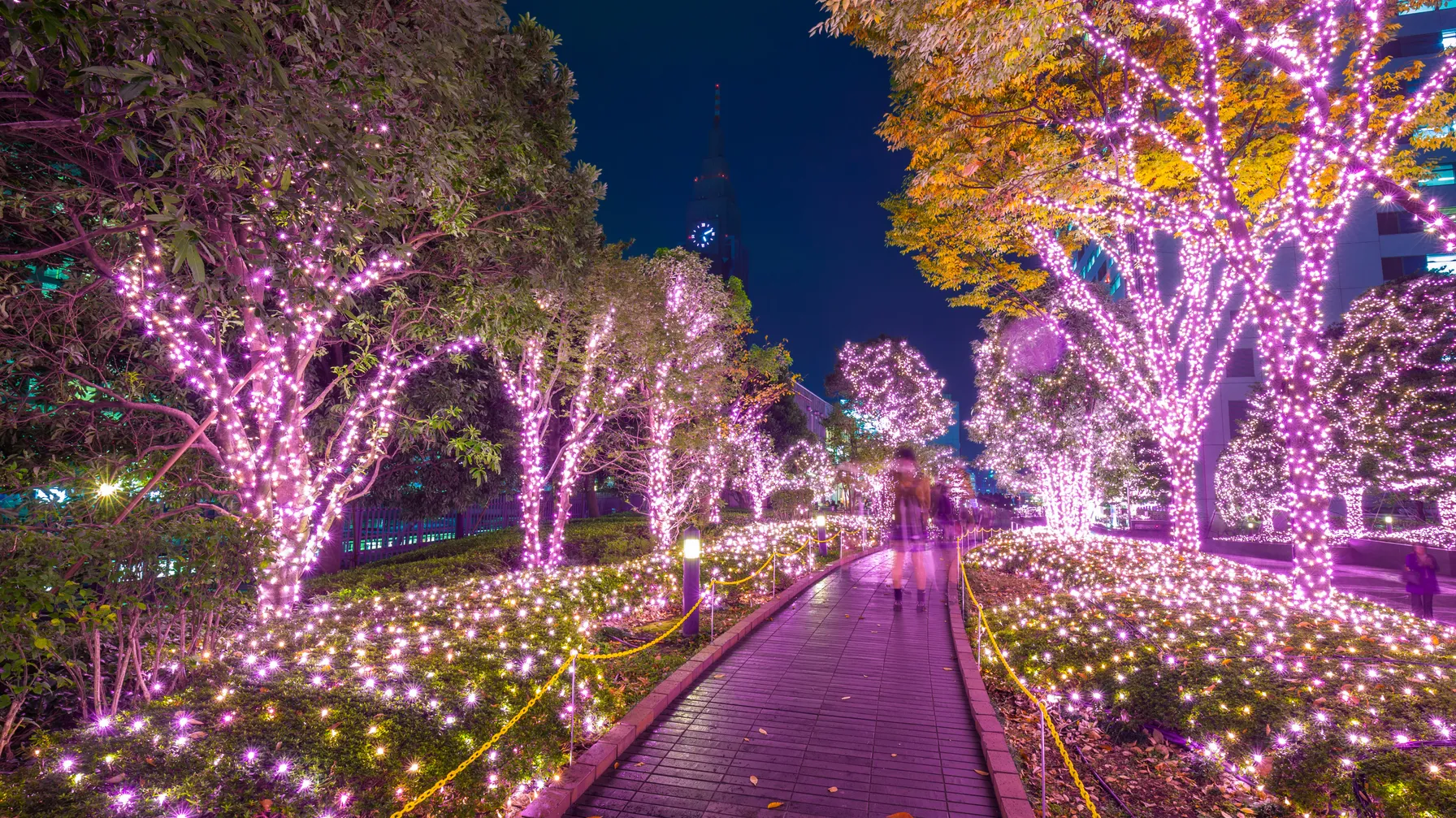
December starts this period with temperatures ranging between 12°C and 4°C. The city is adorned with its winter illuminations, transforming areas like Shibuya or Roppongi into veritable light fairytales. The atmosphere becomes more muffled, conducive to gastronomic discoveries in small traditional restaurants.
January and February, although representing the coldest months with minimum temperatures around 2°C, are compensated by a particularly pleasant dry and sunny climate. These stable weather conditions enable views of Mount Fuji from certain vantage points in the capital, a rare and precious sight.
This season offers the undeniable advantage of avoiding tourist crowds while benefiting from more favorable rates for accommodation and activities.
How does Tokyo's climate influence your stay?
Tokyo's humid subtropical climate directly shapes the travel experience and determines the conditions of your stay depending on the time chosen.
Understanding the humid subtropical climate of the capital
The climate in Tokyo is characterized by its location in the humid subtropical zone, a particularity that directly influences the experience of each visitor. This climatic classification explains the marked seasonal contrasts experienced in the region and naturally guides the choice of when to visit this exceptional destination.
Honshu Island, where Tokyo is located, benefits from oceanic influences that temper climatic extremes. Humid air masses from the Pacific bring summer rainfall, while continental winter winds ensure a dry and sunny climate during the cold season. This alternation creates conditions that are particularly favorable to a diversity of experiences depending on the chosen season.
Rainy days are primarily concentrated between June and October, with a notable peak during the traditional rainy season. However, these precipitations, often in the form of intense but brief showers, do not prevent the discovery of the city and even add a poetic dimension to the urban atmosphere.
Temperatures and precipitation: your meteorological dashboard
To best plan your tailored trip, here are the essential meteorological data that will guide you in your choice:
| Month | Min Temp. (°C) | Max Temp. (°C) | Precipitation (mm) | Rainy days |
|---|---|---|---|---|
| January | 2 | 10 | 62 | 4 |
| February | 3 | 11 | 61 | 6 |
| March | 6 | 14 | 125 | 8 |
| April | 11 | 19 | 139 | 8 |
| May | 15 | 23 | 150 | 9 |
| June | 19 | 26 | 168 | 11 |
| Ju... This average temperature varies considerably with the seasons, directly influencing the possible activities and the clothing to include in your luggage. What events and festivities punctuate the year in Tokyo?Tokyo thrives on a rich and varied festive calendar, where age-old traditions and contemporary events blend harmoniously throughout the year. Spring celebrations and age-old traditionsTokyo's spring is not only about cherry blossoms, although they are the main attraction of the season. This period reveals the exceptional cultural richness of the Japanese capital through a multitude of traditional celebrations and contemporary events. The Tokyo Marathon, held every year in March, transforms the metropolis into a vast sports arena, attracting runners from around the world. This sporting event offers a unique way to discover the city, crossing iconic districts and providing a unique perspective on urban architecture. Neighborhood festivals abound during this period, each revealing local specifics and preserved traditions. These moments of genuine sharing provide a rare opportunity to immerse oneself in Japanese culture and understand the deep attachment of the Japanese to their roots. Summer festivals and night-time spectacularsTokyo's summer beats to the rhythm of the matsuri, traditional festivals that animate each neighborhood with contagious energy. These celebrations, far from being mere tourist entertainment, represent the very essence of Japanese identity and offer an unparalleled cultural immersion. The Tanabata festival, celebrating the legend of lovers separated by the Milky Way, transforms the streets into true works of art with its colorful suspended decorations. This celebration, particularly poetic, reveals the refined artistic sensitivity of Japanese culture. The summer fireworks, true pyrotechnic shows, regularly light up the night sky. These events gather thousands of spectators on the river banks or in parks, creating a uniquely convivial and festive atmosphere. When to go to Tokyo depending on your traveler profile?Every type of traveler will find their ideal time depending on their specific expectations and priorities for discovering the Japanese capital. Tips for families and travelers seeking authenticityFamilies will find specific advantages in each season for their customized trip to Tokyo. Spring, despite its crowds, remains ideal for children with its mild temperatures and fascinating natural shows. The parks become true playgrounds where the young can explore the culture of hanami while having fun. Summer, though more demanding climatically, offers a multitude of activities suitable for families. Neighborhood festivals provide animations specially designed for children, while air-conditioned shopping centers offer a welcome refuge during the hottest days. Winter offers the significant advantage of more accessible prices and fewer visitors, allowing a more peaceful exploration of iconic sites. This season is particularly suitable for families seeking an authentic experience away from the usual tourist bustle. Optimal timing for lovers of photography and naturePhotographers and fans of beautiful landscapes will find each season its own creative opportunities. Spring remains essential for capturing the ephemeral splendor of cherry blossoms, but requires careful planning given the unpredictability of the bloom. Autumn rivals in beauty with more enduring colors and particularly flattering light. This period also allows combining a visit to Tokyo with excursions to Mount Fuji, often visible in clear weather and offering exceptional panoramas. Winter, often overlooked, reveals a different Tokyo under the illuminations and offers unique photographic opportunities with generally clear skies and crystalline light. Did you know? Winter weather conditions allow seeing Mount Fuji from some skyscrapers in Tokyo more than 60% of the time, compared to only 20% in summer. Our commitment to you is to customize each recommendation according to your specific expectations. Whether you prefer the vibrant spring, the authenticity of summer festivals, the serenity of autumn, or the intimacy of winter, Tokyo will offer you unforgettable moments of sharing. Every detail of your stay deserves special attention to turn your discovery of this unique destination into an exceptional encounter with Japanese lifestyle.  Demandez votre devis Tokyo sur-mesure 100% gratuit  4.8 4.8+3.000 travelers satisfied The Trip Planning MagazineYour tailor-made trip, in 4 stepsA Travel Planner who knows your destination, a fair price with no middleman, and human support 24/7. From the first idea to your return — and if the world shifts, we adapt your trip.
 Get a quote for your itinerary in Tokyo, no engagement, fully customized |