Hiking in Kyoto: essential trails to explore on foot
Which hiking trails should you explore around Kyoto?
Around Kyoto, hiking routes vary for all profiles and desires. From the hills in the south to the wooded mountains in the north, the trails accessible from the center invite exploring the city from a completely different angle.
Fushimi Inari Taisha: an ascent among thousands of torii
Among the most iconic hikes of the region, the Fushimi Inari Taisha loop stands out as a distinctive experience. This 4.5 km trail runs along thousands of chained vermillion torii on the flank of Mount Inari, forming colorful tunnels in the heart of the forest. Lasting about 1h30 to 2 hours, this moderate level trail suits most travelers, including families. As you ascend, the crowd thins and gives way to a more contemplative atmosphere. The viewpoints over Kyoto, accessible from the heights, fully reward the effort.
Kurama-Kibune Circuit: a dive into the northern mountains
For a more immersive experience, the Kurama-Kibune circuit stands out as one of the most complete hikes around Kyoto. Approximately 6 km long, this moderate level trail connects two mountain villages filled with spirituality. The hike starts in Kurama, reachable within 30 minutes from the center by public transport (Eizan line, Demachiyanagi station). It passes through the Buddhist complex of Kurama-dera, perched in a forest of centuries-old cedars, before descending to Kibune and its shrine dedicated to the water god. Count between 2h30 and 3 hours, with stops to admire the lanterns, small shrines, and, depending on the season, the blazing autumn foliage.
The insider tip: in Kibune, finish the hike by dining at one of the Kawadoko restaurants, whose terraces are built above the river. A delightful way to indulge in some serenity after the effort.
Mount Daimonji and Mount Atago: for seasoned hikers
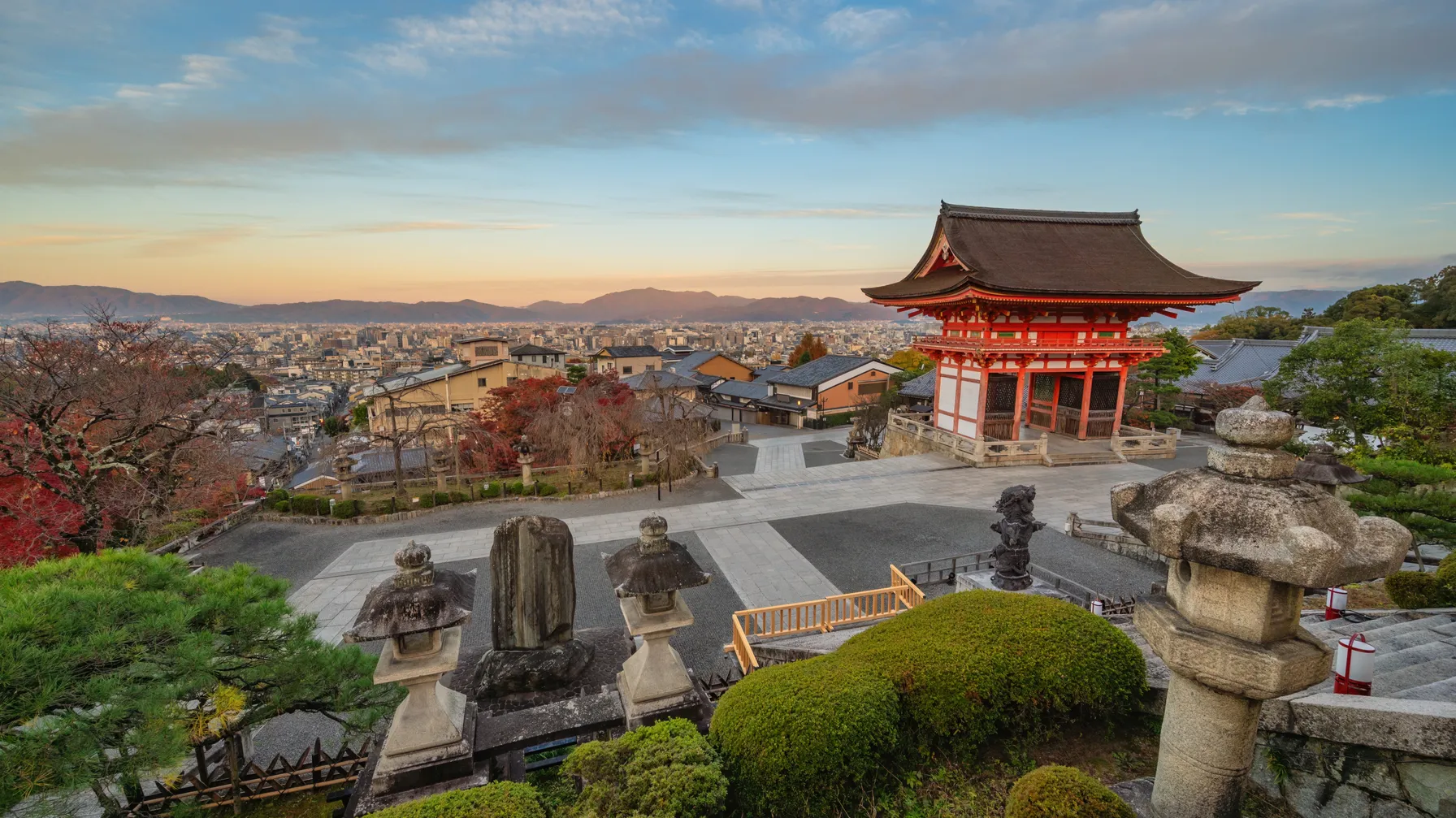
Hikers seeking elevation and spectacular panoramas will turn to two iconic peaks. The Mount Daimonji – Nanzen-ji trail (5.1 km, difficult level, about 2 hours) starts near Ginkaku-ji temple and climbs up stone stairs to the giant hearths of the Daimonji festival, with breathtaking city views on the descent. Even more demanding, the Mount Atago loop (nearly 10 km, about 5 hours) crosses an ancient and sacred forest, dotted with lanterns and small shrines. These two routes are suited for profiles with good physical conditioning and seeking first-hand life experiences on the heights of Kyoto.
Contact us to organize your custom-made hiking trip in Kyoto.
Demandez votre devis Kyoto sur-mesure 100% gratuit
 4.8
4.8+3.000 travelers satisfied
What is the best season to hike in Kyoto?
Hiking conditions vary significantly by month. Each season brings a different atmosphere to the trails, allowing you to tailor your stay to your desires and level.
| Season | Period | Conditions | Highlights |
|---|---|---|---|
| Spring | March – April | Mild (10-18°C) | Cherry blossoms on the trails |
| Summer | June – August | Hot and humid (30-35°C) | Cool forests, intense greenery |
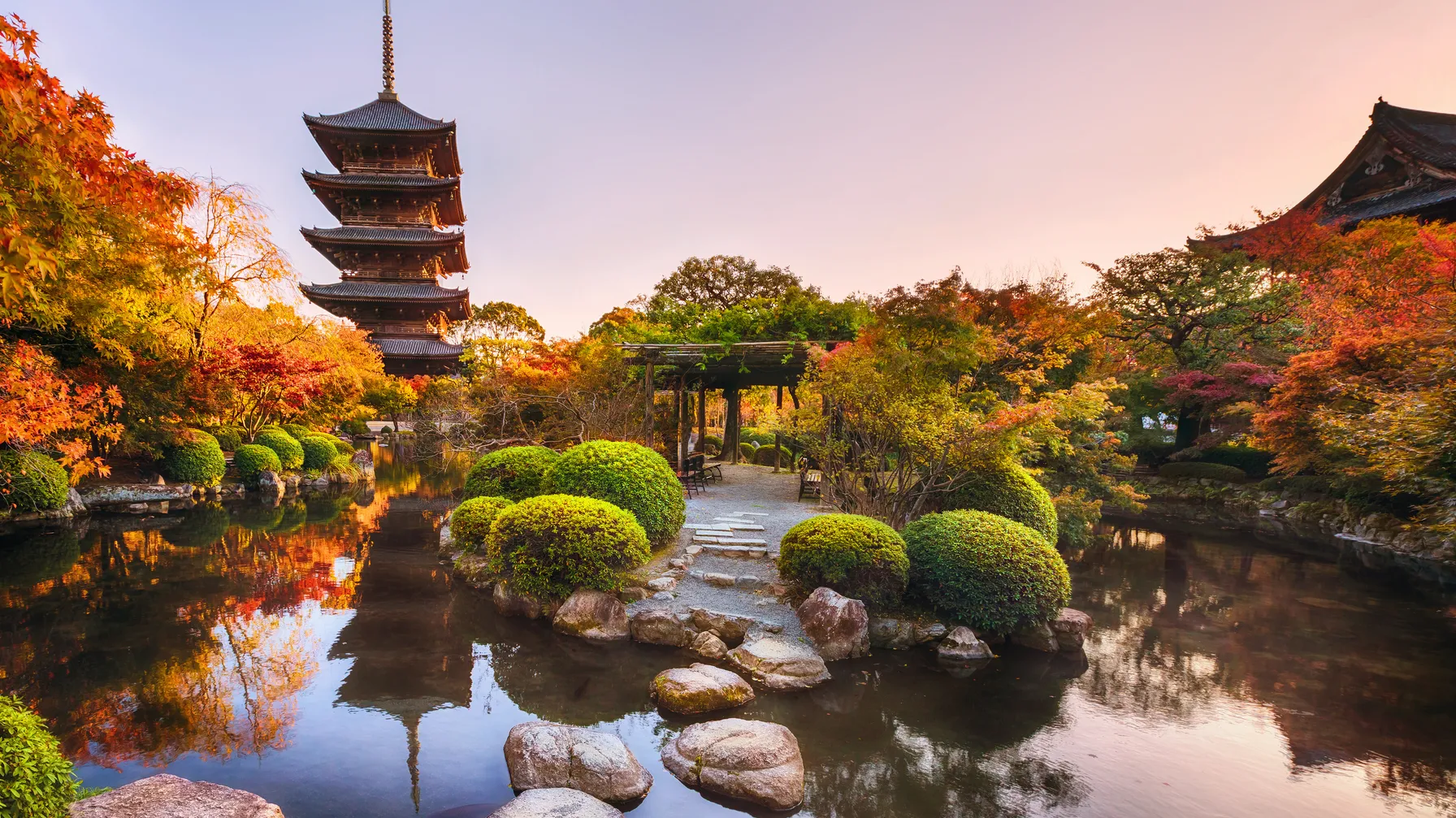
| Autumn | Oct. – Nov. | Ideal (15-22°C) | Flamboyant foliage (momiji) |
| Winter | Dec. – Feb. | Cool, sometimes snowy | Rare landscapes, few crowds |
Did you know? Spring and autumn are the most popular times for hikers in Kyoto. For a private moment on the trails, winter offers a rare and soothing experience, away from the usual tourist crowds.
How to properly prepare for your hike in Kyoto?
A hike in Kyoto requires some simple precautions to fully enjoy every detail of the landscape. Regarding equipment, walking shoes with adherent soles are essential, especially on the stony and sometimes wet trails of Kurama or Mount Daimonji. Also, bring enough water, sun protection, and depending on the season, a light raincoat.
To reach the starting points, public transportation is the most practical solution from the city of Kyoto. The Eizan line serves Kurama and Kibune in less than 30 minutes. Train lines also provide access to Fushimi Inari Taisha from several points in the city. On the trails, mapping applications like AllTrails effectively complement the signage, especially useful on less marked paths.
Some essential landmarks to keep in mind:
- Respect sacred areas: some trails pass through active religious complexes;
- Carry your trash with you, as garbage bins are rare on hiking routes;
- Inform a relative of your path for mountain ascents.
Book your trip to Kyoto now and put together an itinerary that suits you, with the support of a dedicated Travel Planner.
Frequently asked questions
Can you hike in Kyoto without a car?
Yes, and it is even the recommended solution. Public transport makes it easy to reach most of the starting points for hiking trails around Kyoto. The Eizan Line serves Kurama and Kibune from the city center, while several train and bus lines lead to Fushimi Inari Taisha and the Arashiyama district.
Are there family-friendly hikes in Kyoto?
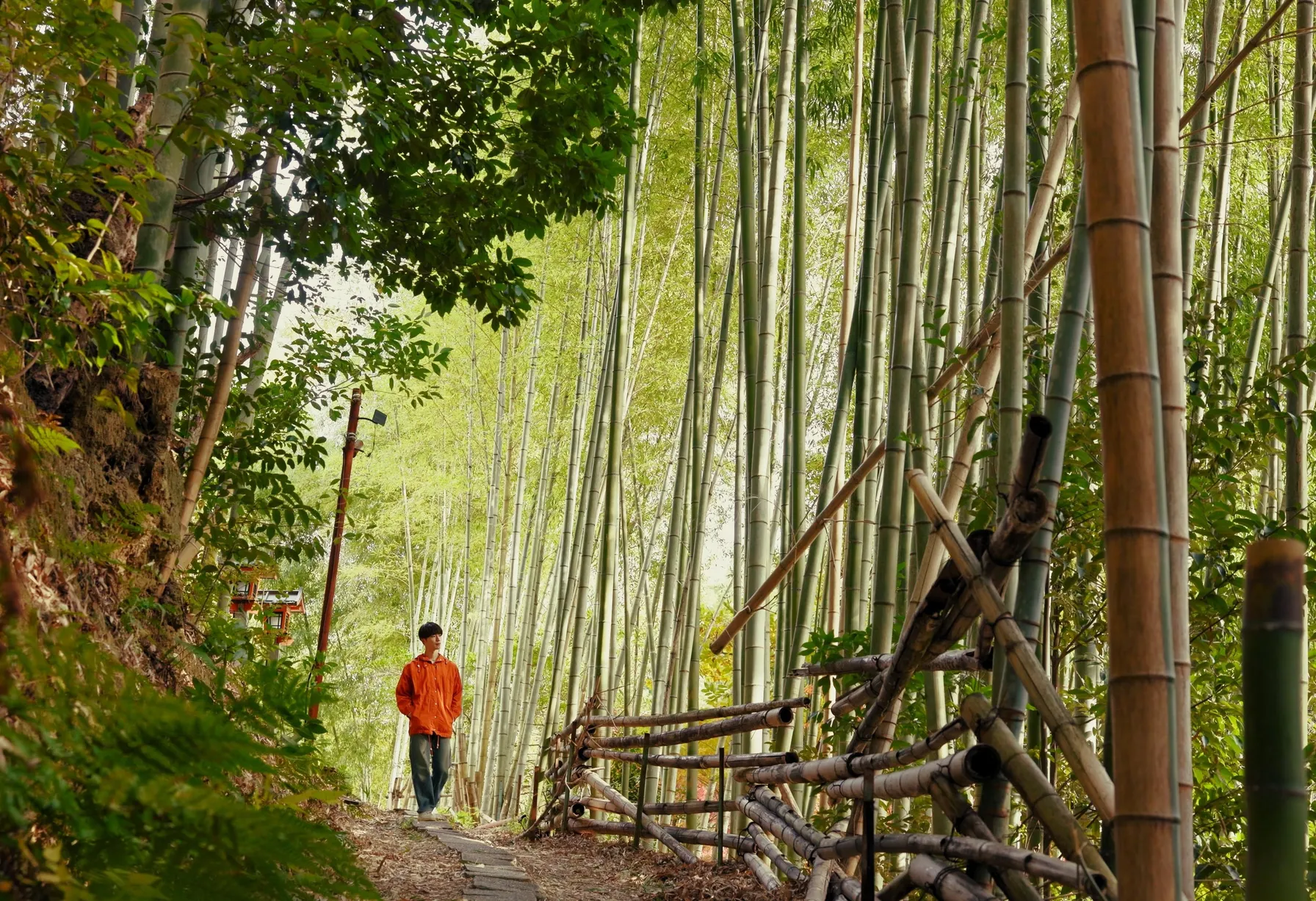
Yes, several trails are suitable for families. The 4.5 km loop of Fushimi Inari Taisha is accessible to children in good physical shape. The Arashiyama area also offers short and easy routes, combining the bamboo groves, Tenryu-ji temple, and Iwatayama Monkey Park, for a successful balance between cultural discovery and nature.
Is there a fee to access hiking trails around Kyoto?
Access to most trails is free. However, some sites crossed by the routes require an entrance fee, such as Kurama-dera temple (500 ¥ per adult). It's advisable to anticipate these costs when planning the trip to avoid any unpleasant surprises on site.