Visiting Kyoto in 3 Days: A Guide to Japan's Former Imperial Capital
Why is Kyoto a must-visit on a trip to Japan?
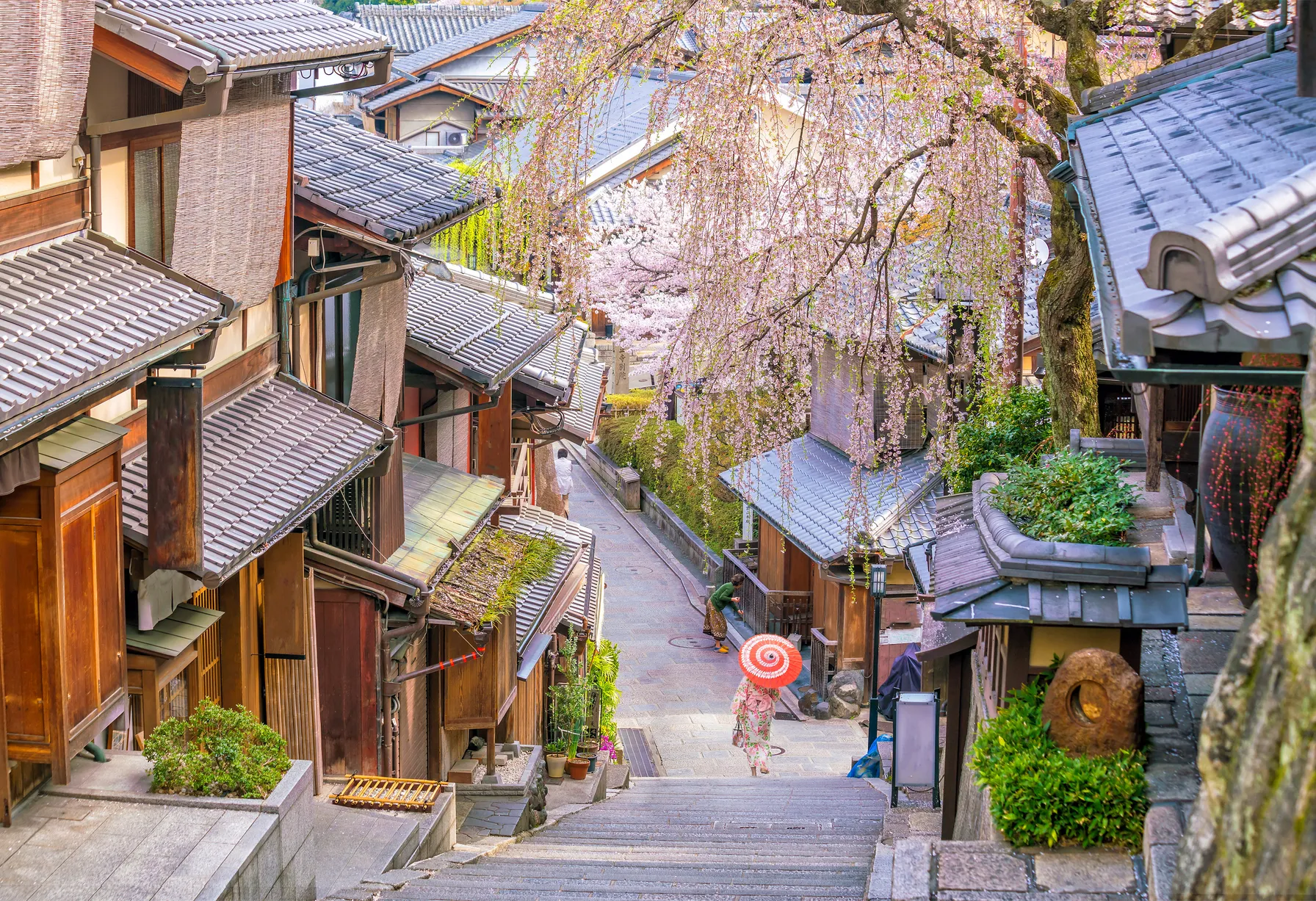
Founded in 794, Kyoto was long the political and spiritual heart of Japan before Tokyo took over in 1869. This past is visible at every street corner: in the traditional houses of the Gion district, in the tea ceremonies, in the silhouettes in kimonos seen around a cobblestone alley. With its approximately 1,600 Buddhist temples and its 400 Shinto shrines, the former capital offers a cultural density unmatched in the country.
The local gastronomy complements this picture with the same high standards. Nishiki Market, nicknamed "Kyoto's kitchen", stretches over 400 meters and offers tastings of tofu, miso sauce specialties, and traditional confections. Beyond Nishiki Market, the city's restaurants compete in skill to showcase seasonal products in a cuisine that is both subtle and generous.
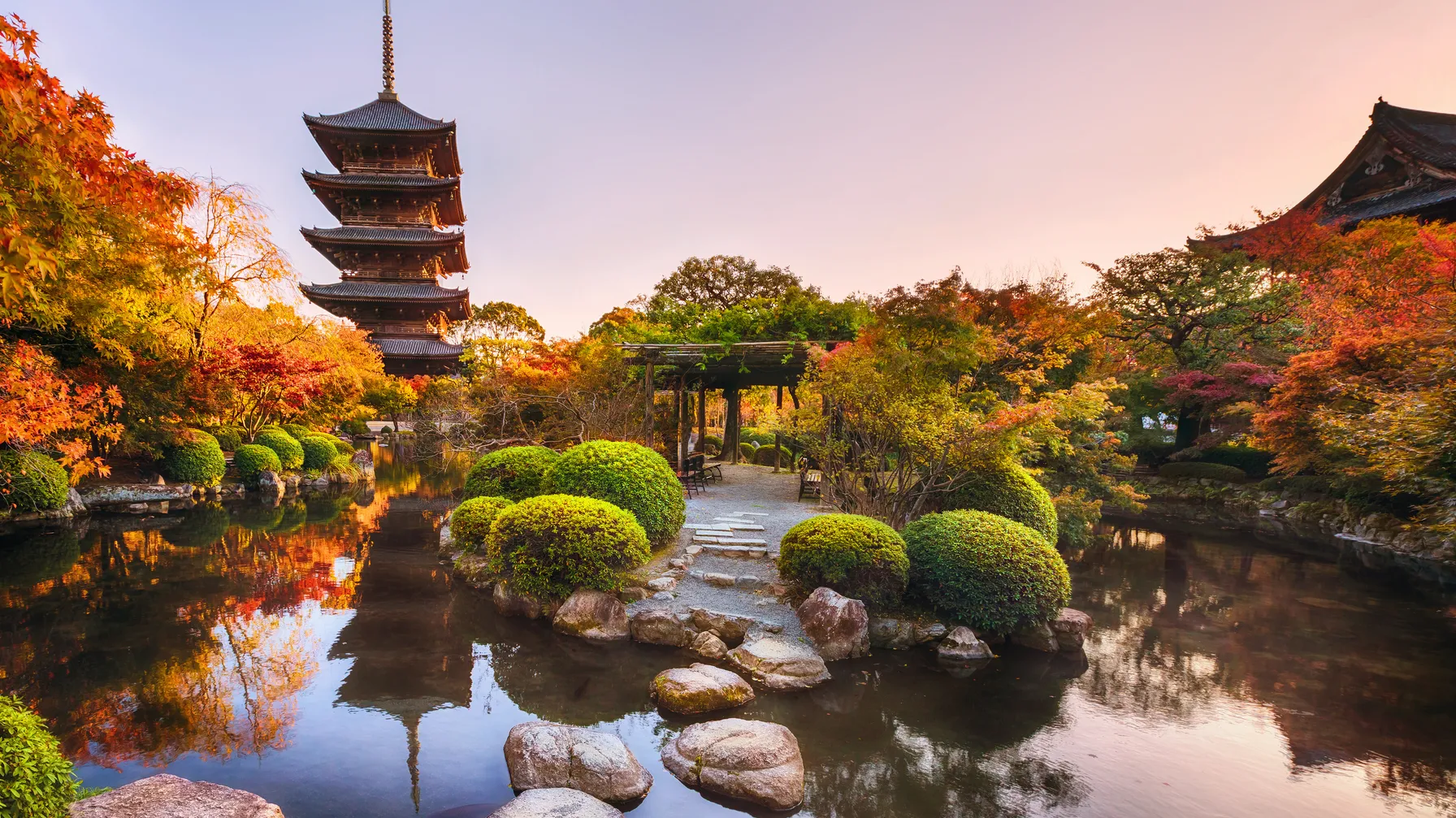
In terms of landscapes, Kyoto also knows how to surprise: bamboo forests, peaceful ponds reflecting temples covered in gold leaf, meticulously arranged zen gardens... The city appeals to both culture and history enthusiasts as well as travelers seeking serenity and natural beauty. This rare mix makes it a unique destination, capable of satisfying very different traveler profiles, whether with family, as a couple or solo.
Contact us for more information on the best times to visit Kyoto
How to organize 3 days in Kyoto to see the essentials?
Three days in Kyoto allow covering the iconic sites while still leaving room for leisurely strolls. To avoid the crowds at the busiest places, it is strongly recommended to start your visits in the morning, ideally before 8 AM. Here is an itinerary designed to alternate between cultural discoveries, walks, and memorable experiences, minimizing unnecessary travel.
Day 1 – The Gion district, the Imperial Palace, and the Nishiki Market
The first day invites you to immerse yourself in the unique atmosphere of the Gion district, a true symbol of Kyoto's traditional soul. Its cobblestone streets, wooden facades, and lanterns lit at dusk create a setting of rare authenticity. Starting early allows you to enjoy it in almost intimate quietude, before the groups arrive.
In the morning, visiting the Imperial Palace is a must. Formerly the residence of the imperial family, this vast complex offers a striking glimpse into the history of the former imperial capital. Nearby, the UNESCO World Heritage site Nijo Castle complements this first overview with its famous "nightingale floors". In the late afternoon, a walk through the Nishiki Market stirs the senses: colors, smells, and local flavors are at their peak.
Day 2 – Fushimi Inari, Kiyomizu-dera Temple, and the Philosopher's Path
The second day ideally starts at Fushimi Inari, one of Japan's most spectacular Shinto shrines. Its thousands of vermillion torii gates create hypnotic tunnels on the slopes of Mount Inari, accessible from Kyoto Station in just a few minutes by train. A two-hour hike to embark at dawn to fully enjoy this mystical atmosphere.
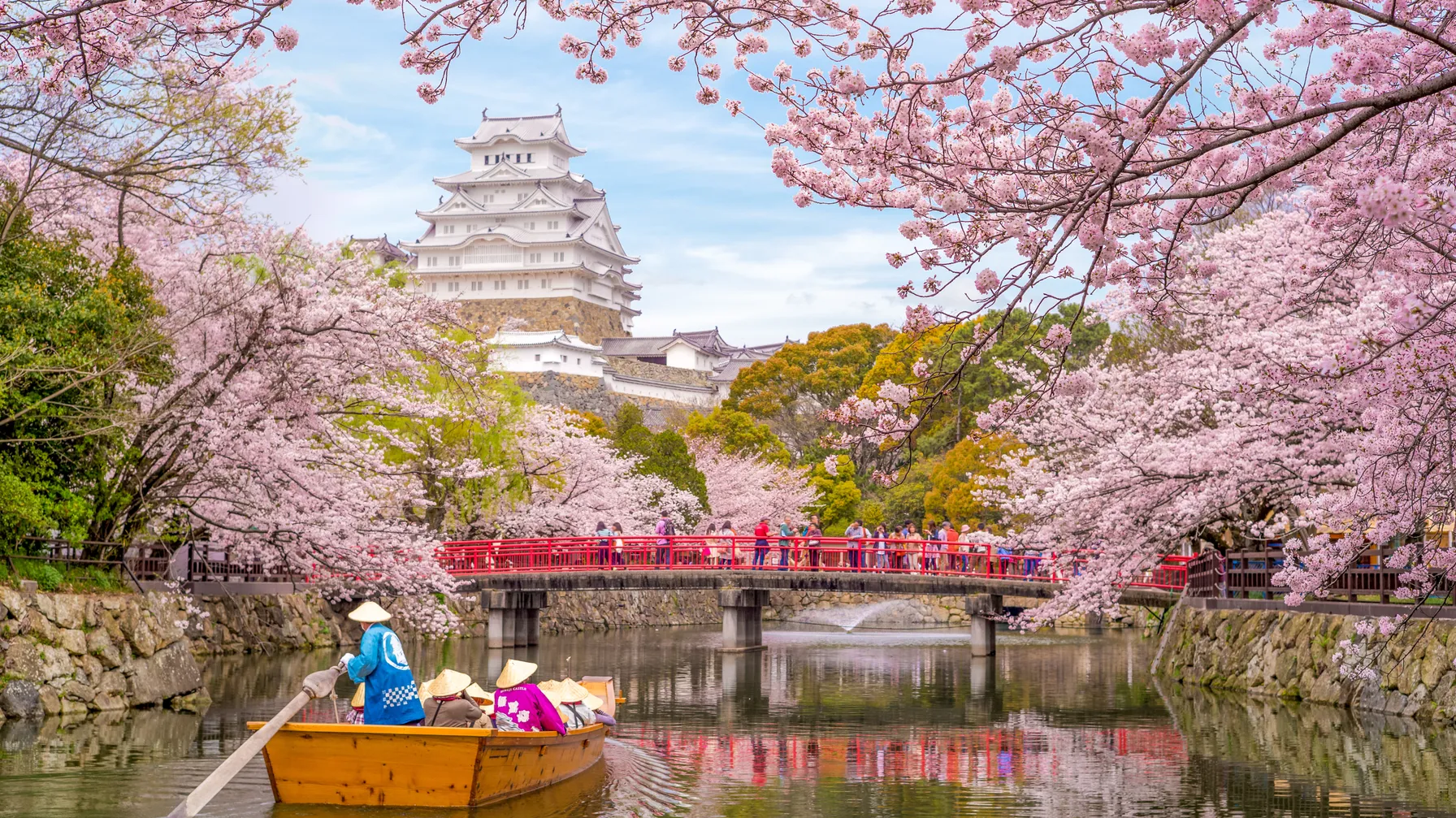
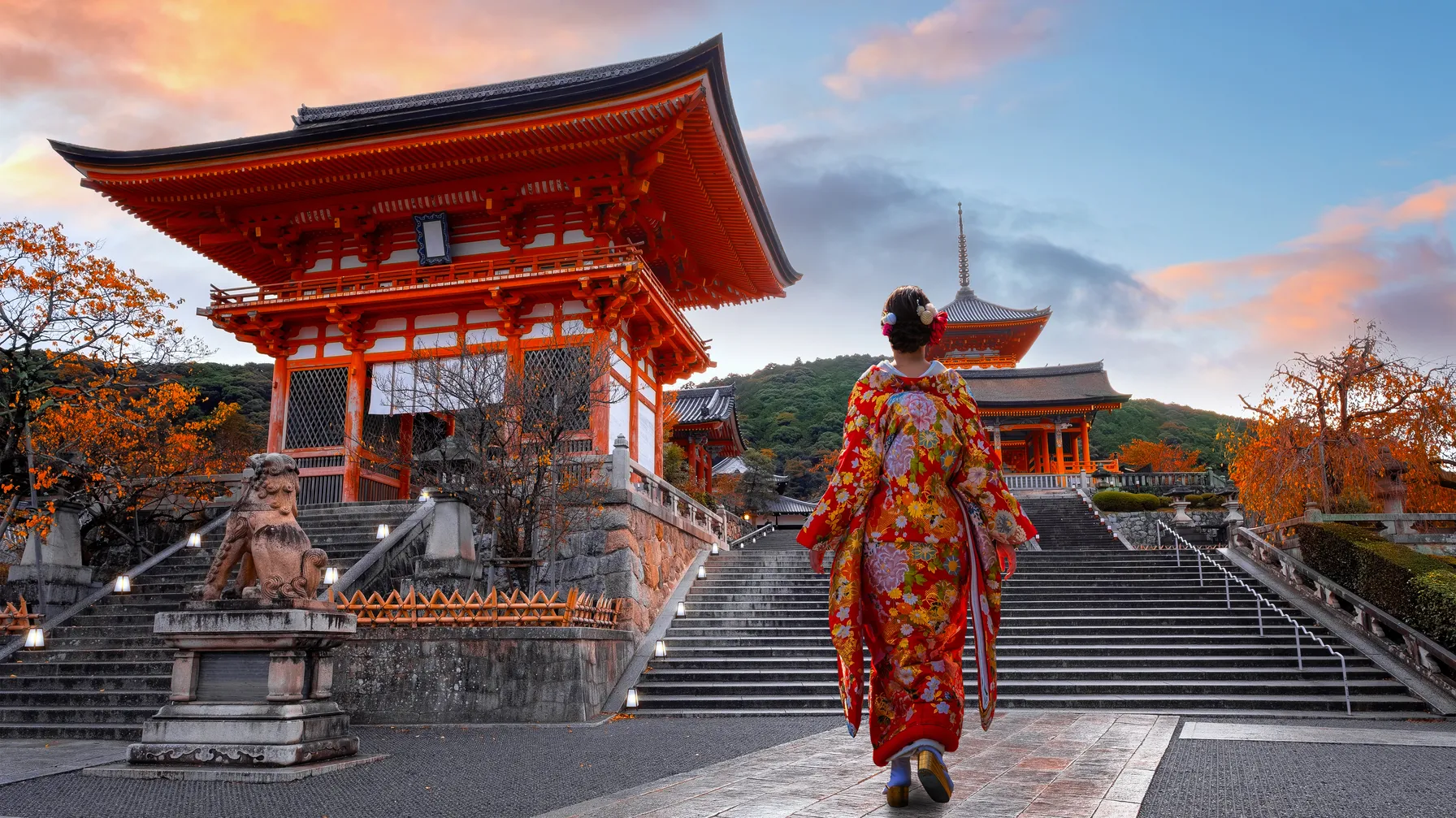
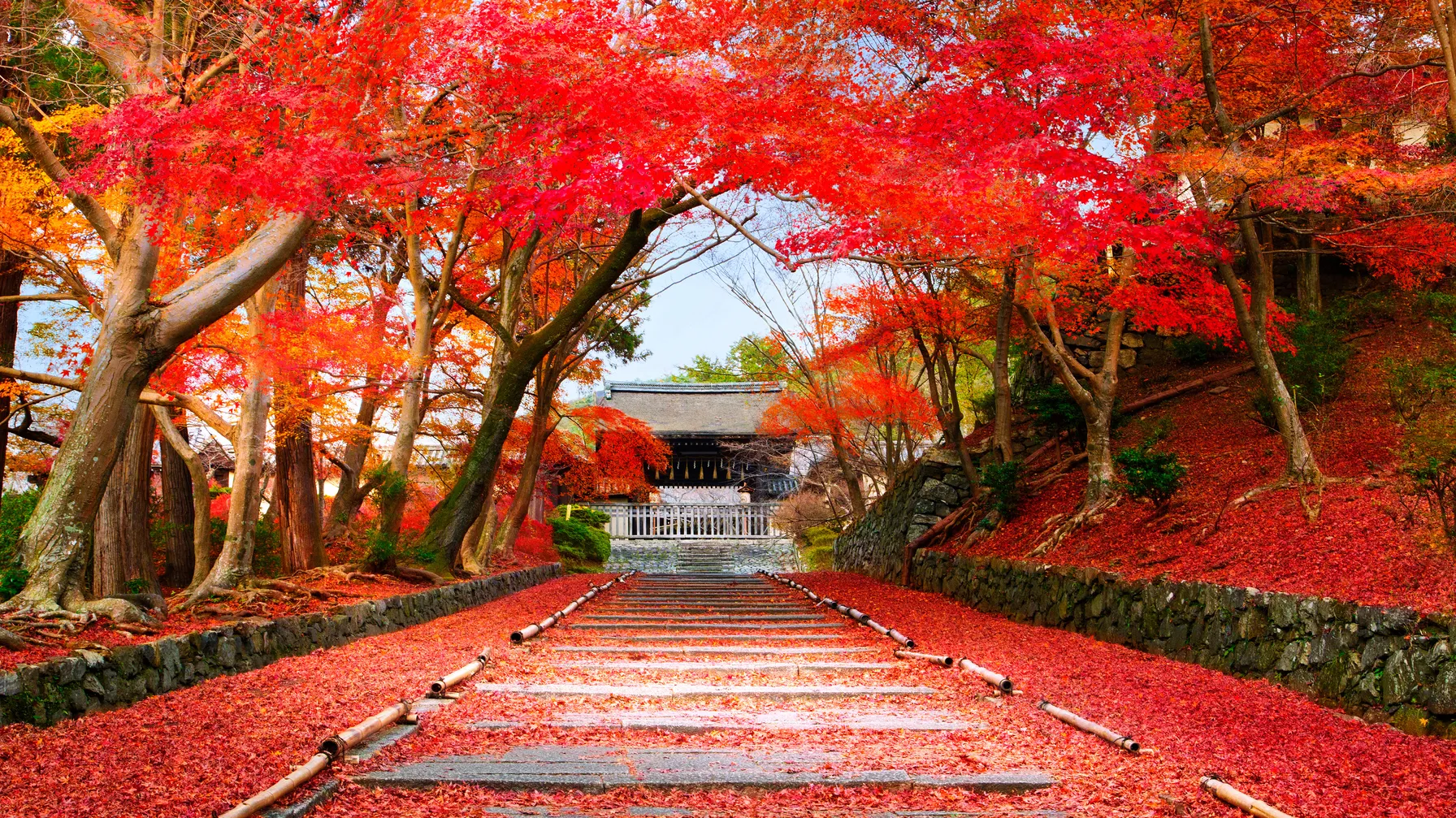
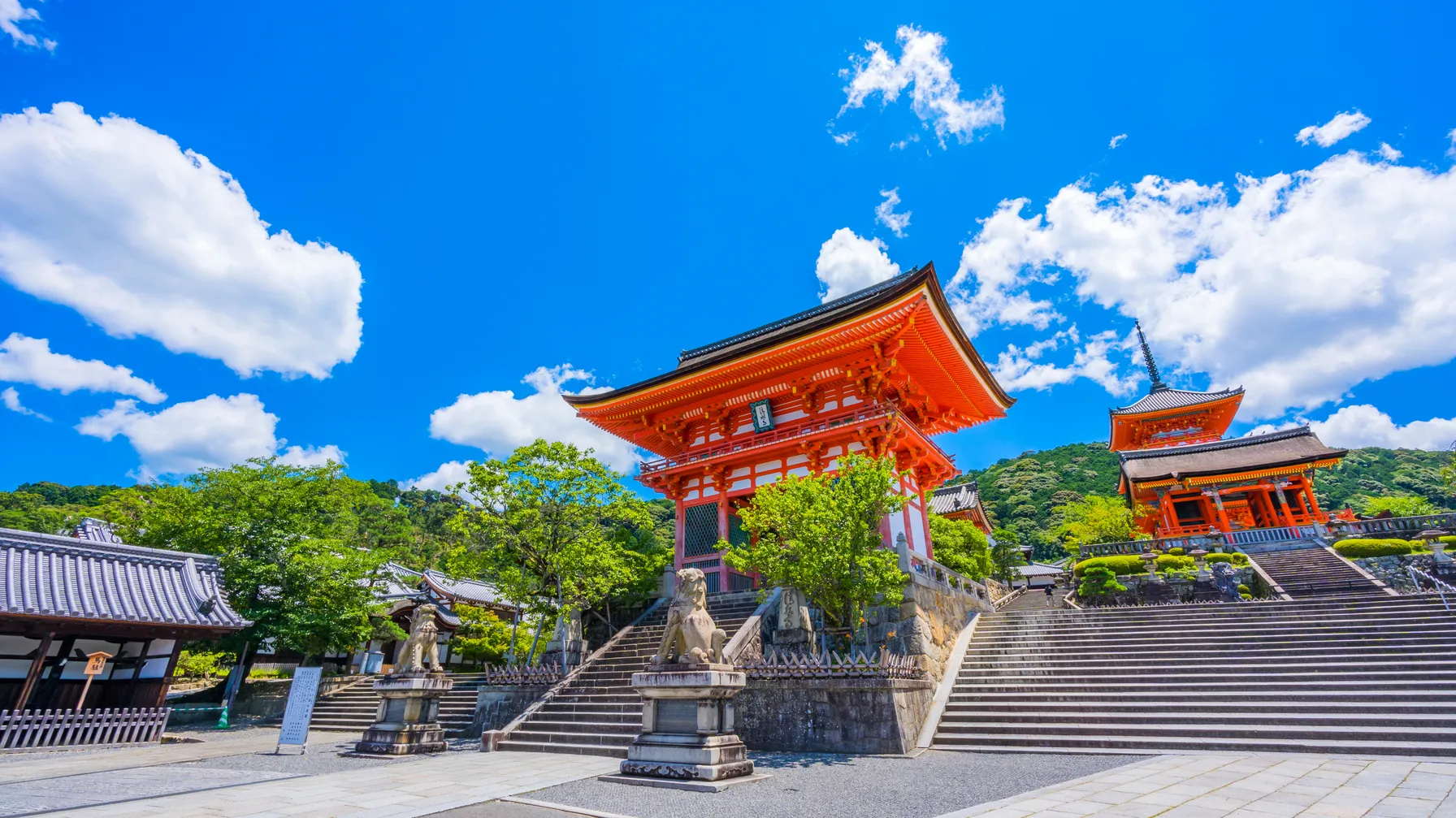
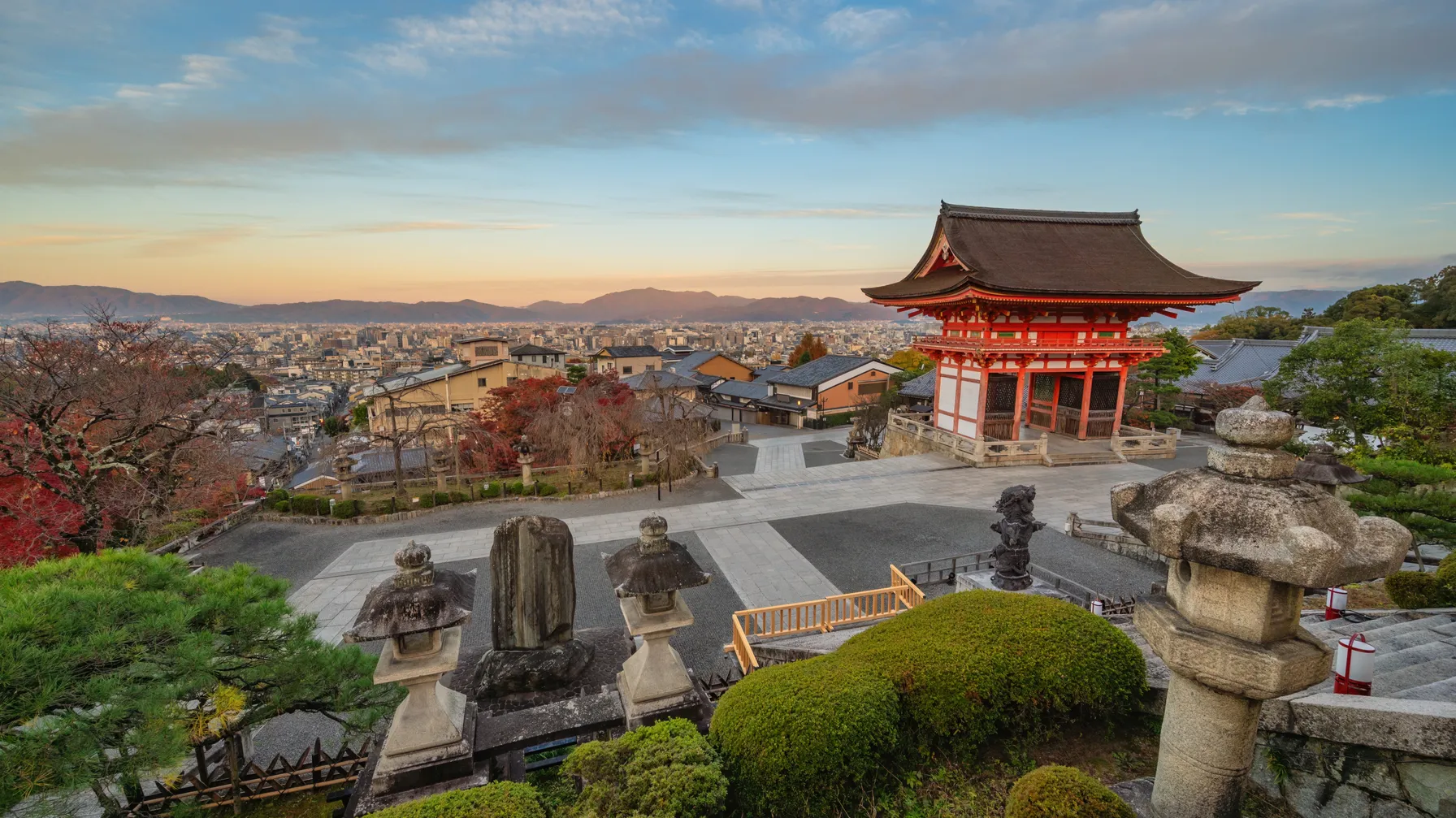
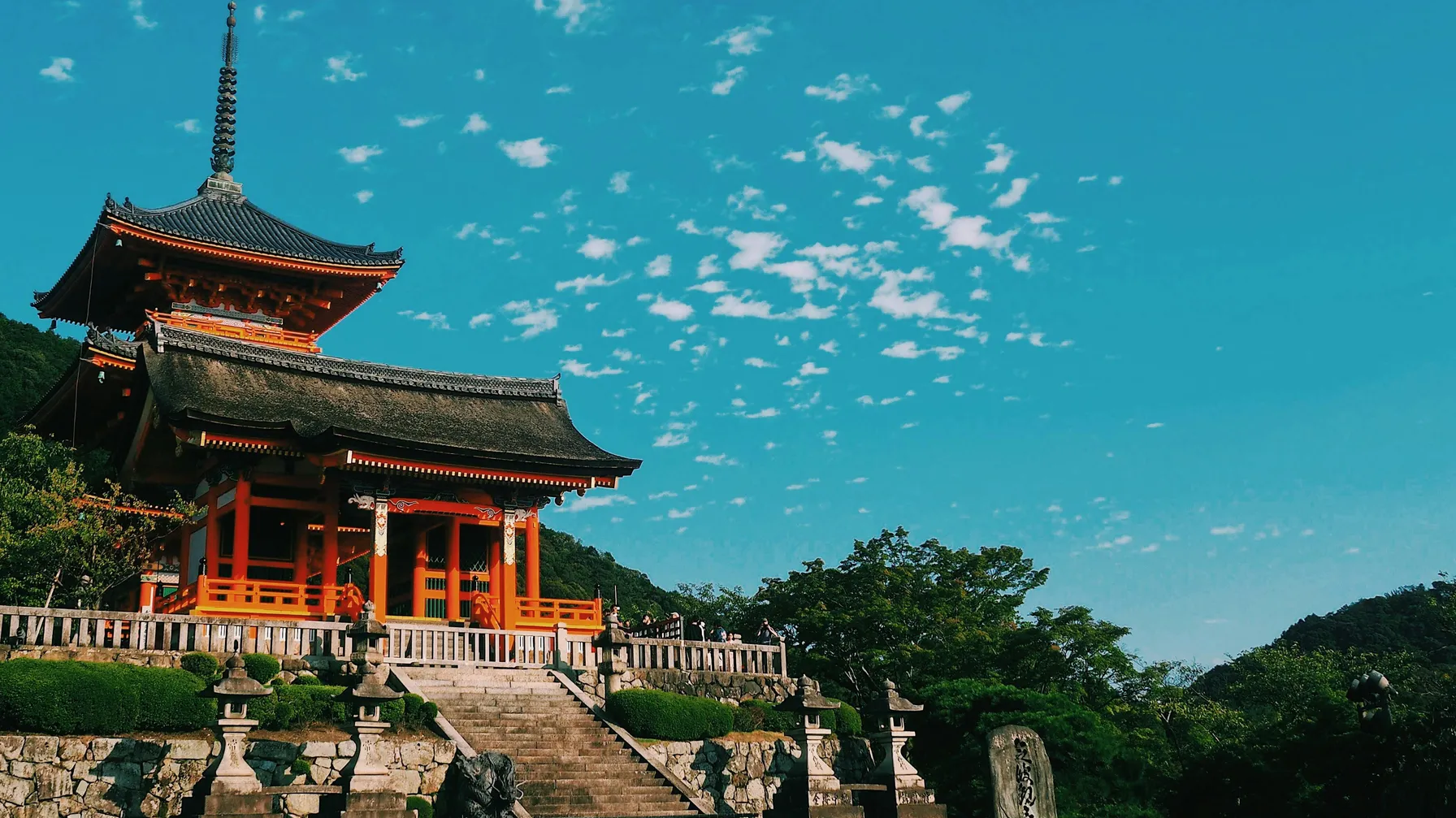
In the mid-morning, the Buddhist temple Kiyomizu-dera takes over. Built on the side of a hill and a World Heritage site, it offers a panoramic view over the city that is even more striking in autumn, with the blazing maples. The Philosopher's Path, connecting this area to the Silver Pavilion, offers a soothing break: this path alongside a canal, lined with cherry trees, invites one to slow down and cherish each moment.
Day 3 – Bamboo Forest, Arashiyama, and the Golden Pavilion
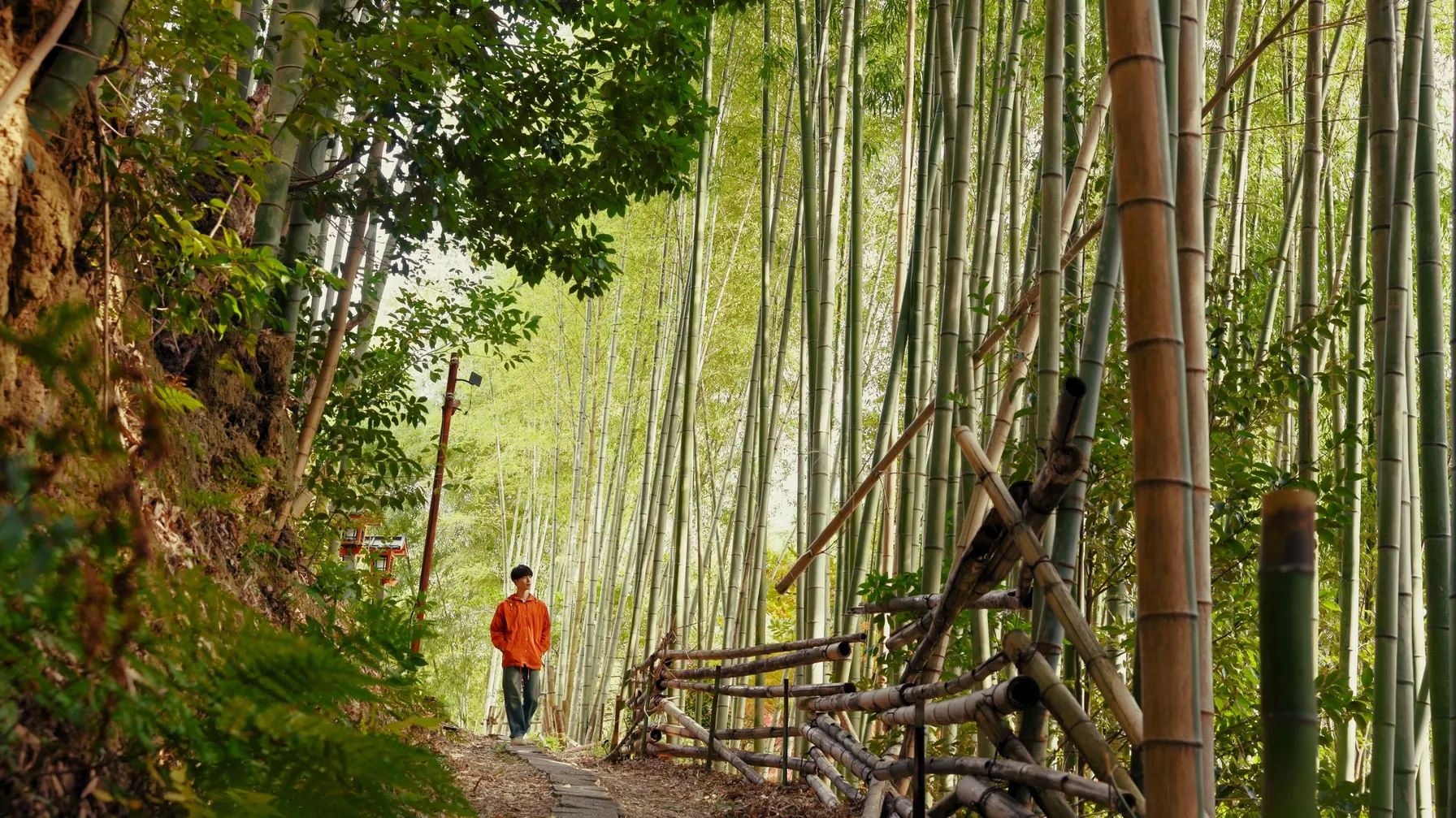
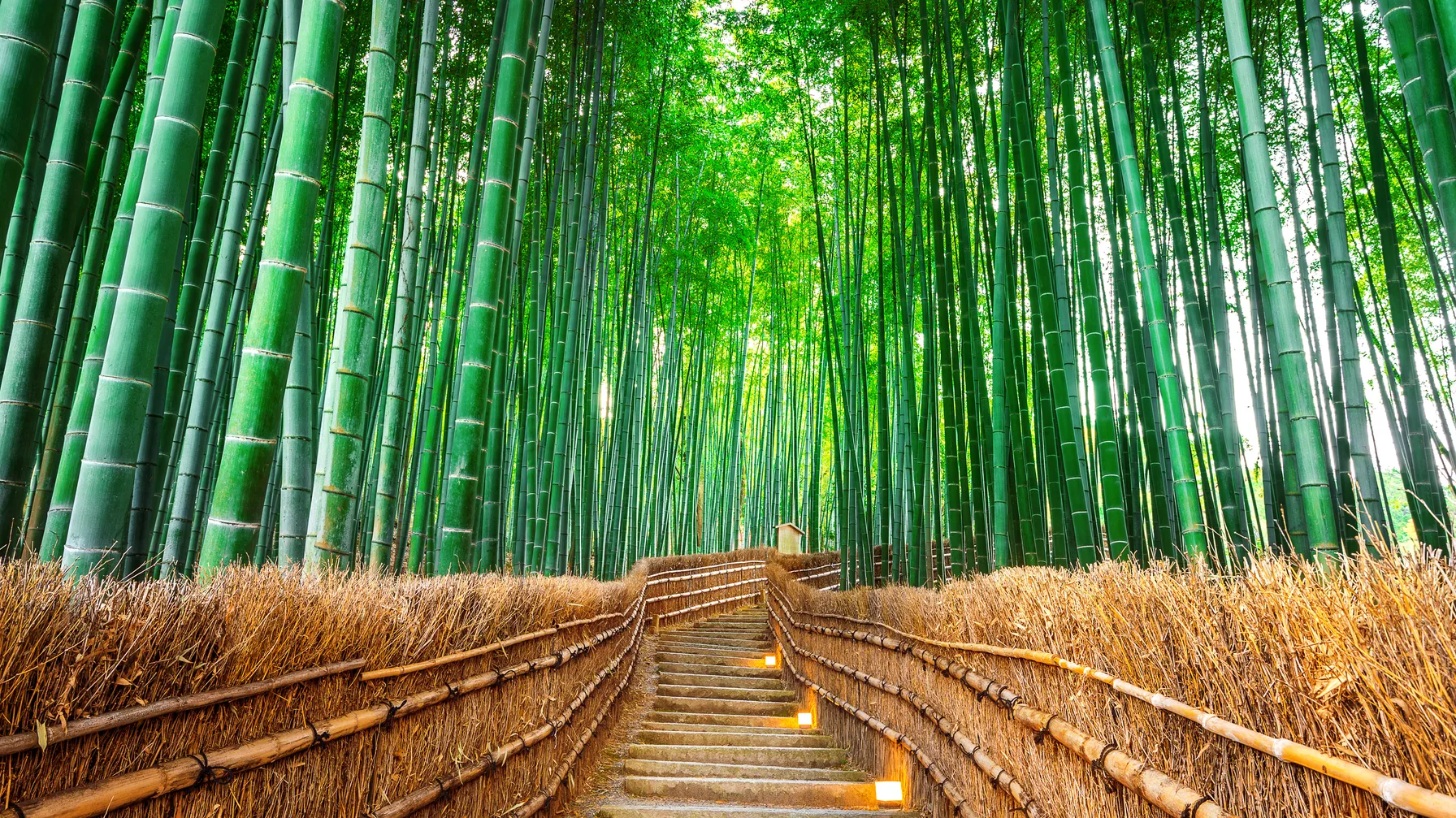
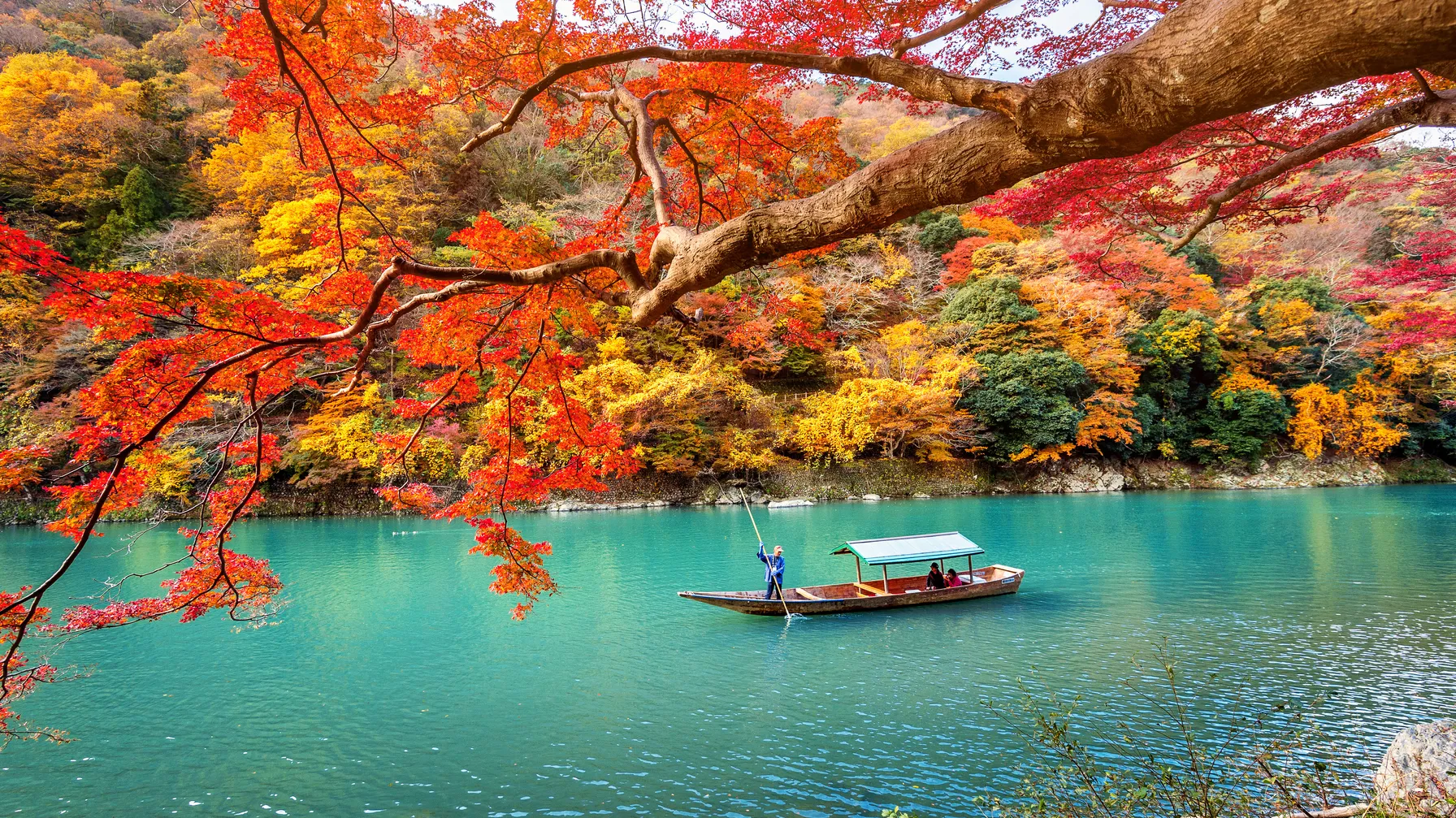
The third day leads to the west of the city, in the Arashiyama district. The bamboo forest there creates an almost unreal ambiance, with its tall, densely packed stalks filtering the morning light. Nearby, the Tenryu-ji Temple and its UNESCO-listed Zen garden invite contemplation in a setting of absolute serenity.
In the afternoon, head to the Golden Pavilion, this Buddhist temple whose facade is entirely covered with gold leaves and reflects in the pond surrounding it. An iconic place that the late afternoon light particularly enhances.
Book your trip to Kyoto now
Demandez votre devis Kyoto sur-mesure 100% gratuit
 4.8
4.8+3.000 travelers satisfied
When to go and what practical advice to keep in mind when visiting Kyoto?
Choosing the right time is crucial to fully enjoy your stay. The table below gives you an overview of the climate according to the seasons:
| Season | Months | Average Temperatures | Ambiance |
|---|---|---|---|
| Spring | March – May | 10 to 22 °C | Cherry blossoms, high attendance |
| Summer | June – August | 25 to 36 °C | Hot and humid, traditional festivals |
| Autumn | September – November | 12 to 24 °C | Flamboyant maples, ideal period |
| Winter | December – February | 2 to 10 °C | Quiet, snow possible, fewer visitors |
Practically speaking, Kyoto is 2 hours and 15 minutes from Tokyo by Shinkansen. The local currency is the Japanese yen and no visa is required for French nationals for stays of less than 90 days. To get around the city, the bus network and subway cover all sites without difficulty.
For accommodation in Kyoto, you have two main options. Ryokans, these traditional houses with tatami rooms, offer a complete cultural immersion and particular attention to details. Modern hotels, often located near Kyoto station, ensure comfort and convenience. A tip from our Travel Planners: book your accommodation several months in advance, especially if you are traveling in spring or autumn, as the best places get booked up very quickly.
Contact us to organize your tailor-made trip to Japan