What to do in Kyoto: Complete guide to essential experiences
Which temples and shrines reveal the ancient spirituality of Kyoto?
Spirituality permeates every stone of this former imperial capital, where Buddhist temples and Shinto shrines have coexisted harmoniously for centuries. Your trip to Japan would not be complete without exploring these sacred places that are the true jewels of the city.
Fushimi Inari Taisha Shrine, a vermilion tunnel to the infinite
Fushimi Inari stands out as one of the must-visit sites during your stay in Kyoto. This millennia-old Shinto shrine welcomes you with its thousands of torii gates that wind along the sacred mountain's flanks. Each vermilion gate, donated by Japanese businesses and individuals, forms a mystical four-kilometer tunnel leading to the mountaintop. Completing the climb takes about two hours, but each step unveils new views of the city. The first rays of the sun transform this walk into a magical experience, as light filters through the torii in a striking play of shadows and colors.
Kinkaku-ji, golden brilliance reflected in eternity
The Golden Pavilion embodies the quintessence of Japanese beauty. This 14th-century Buddhist temple, entirely covered in genuine gold leaf, reflects upon the peaceful waters of its pond. Your walk through the surrounding Zen garden reveals different perspectives of this architectural masterpiece. Every season transforms the landscape: spring's blossoming cherry trees, autumn's fiery maples, and even the winter’s snowy blanket enhance this World Heritage wonder.
The Kiyomizu-dera Temple, a terrace toward the heavens
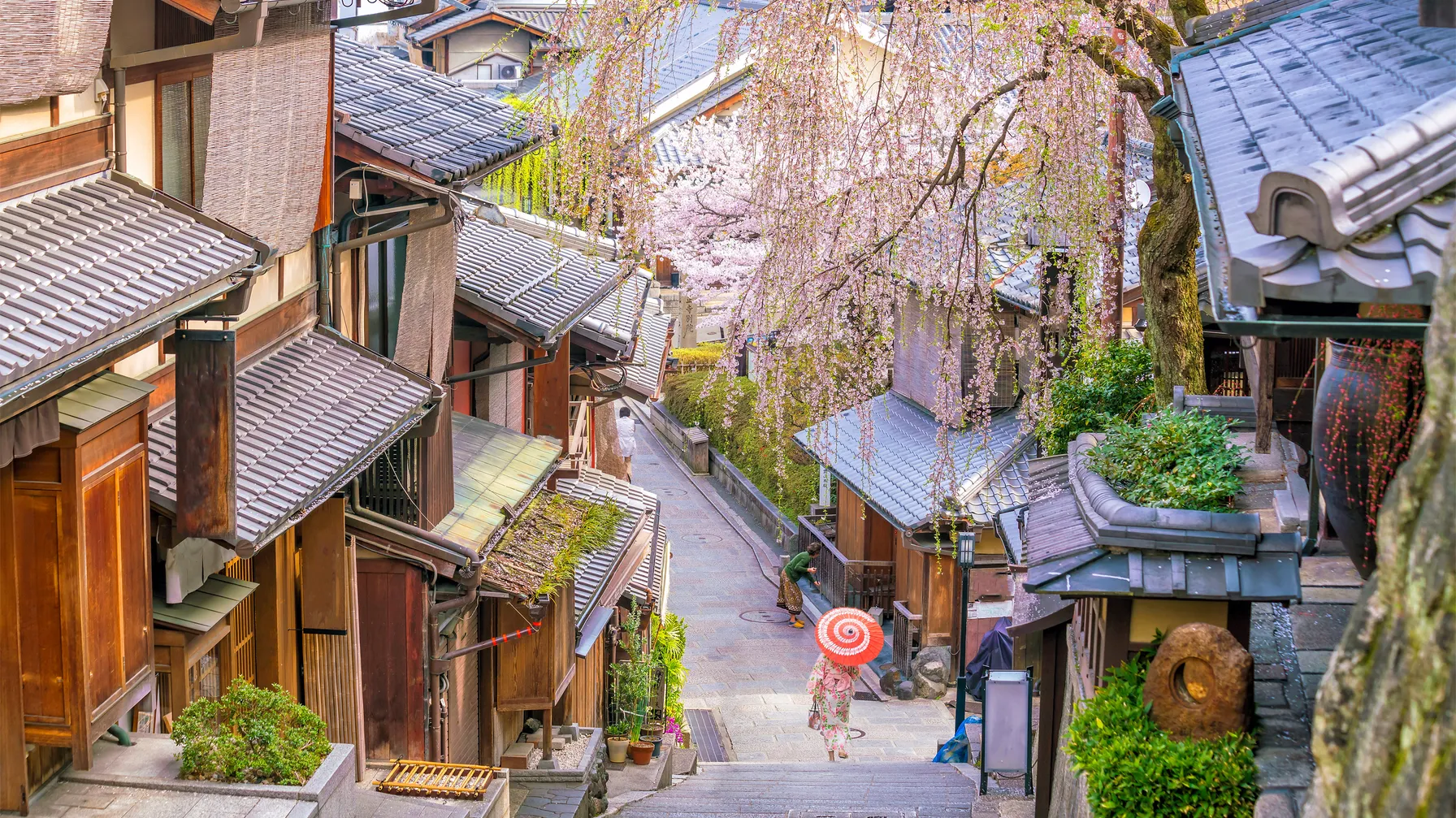
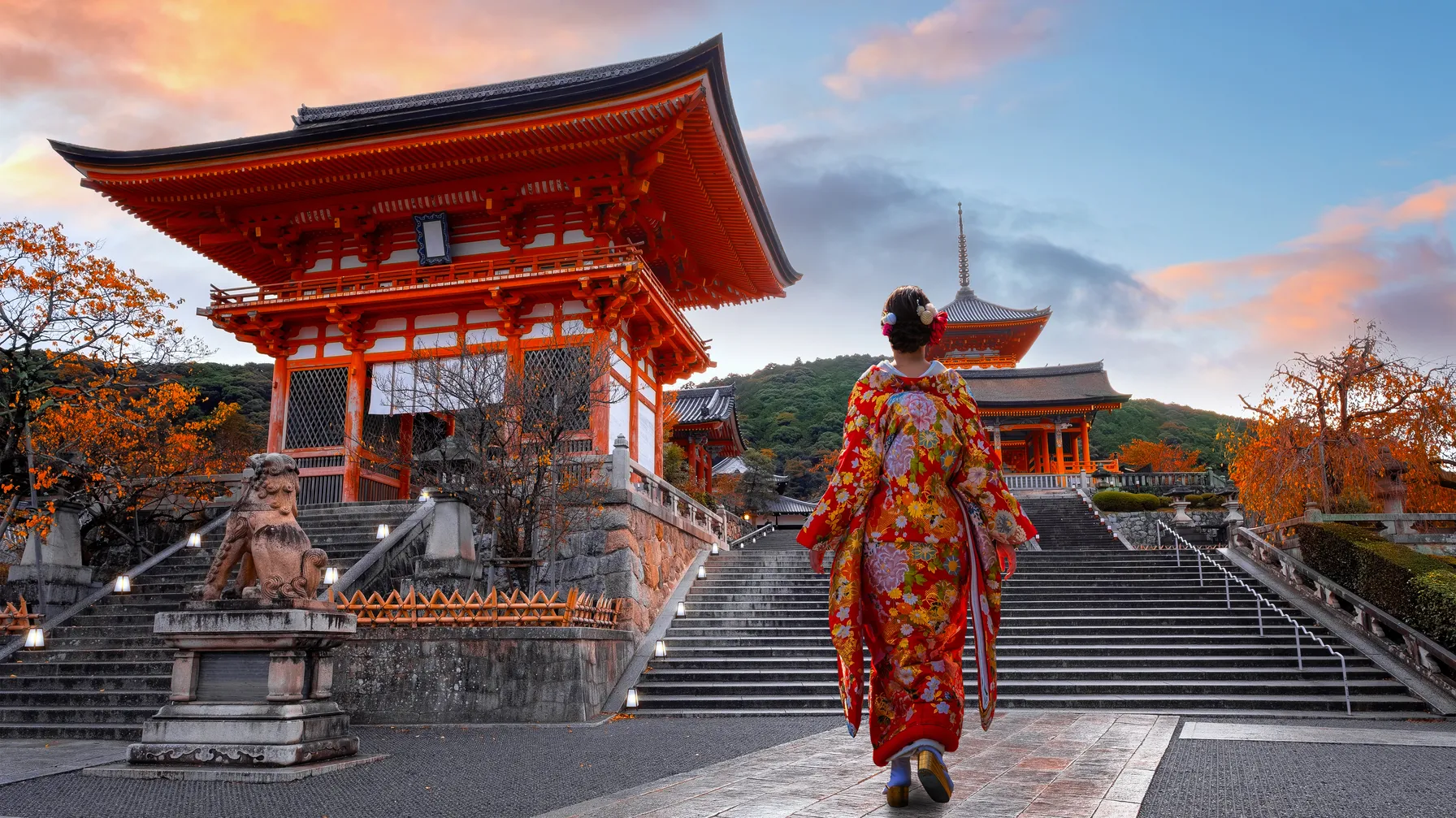
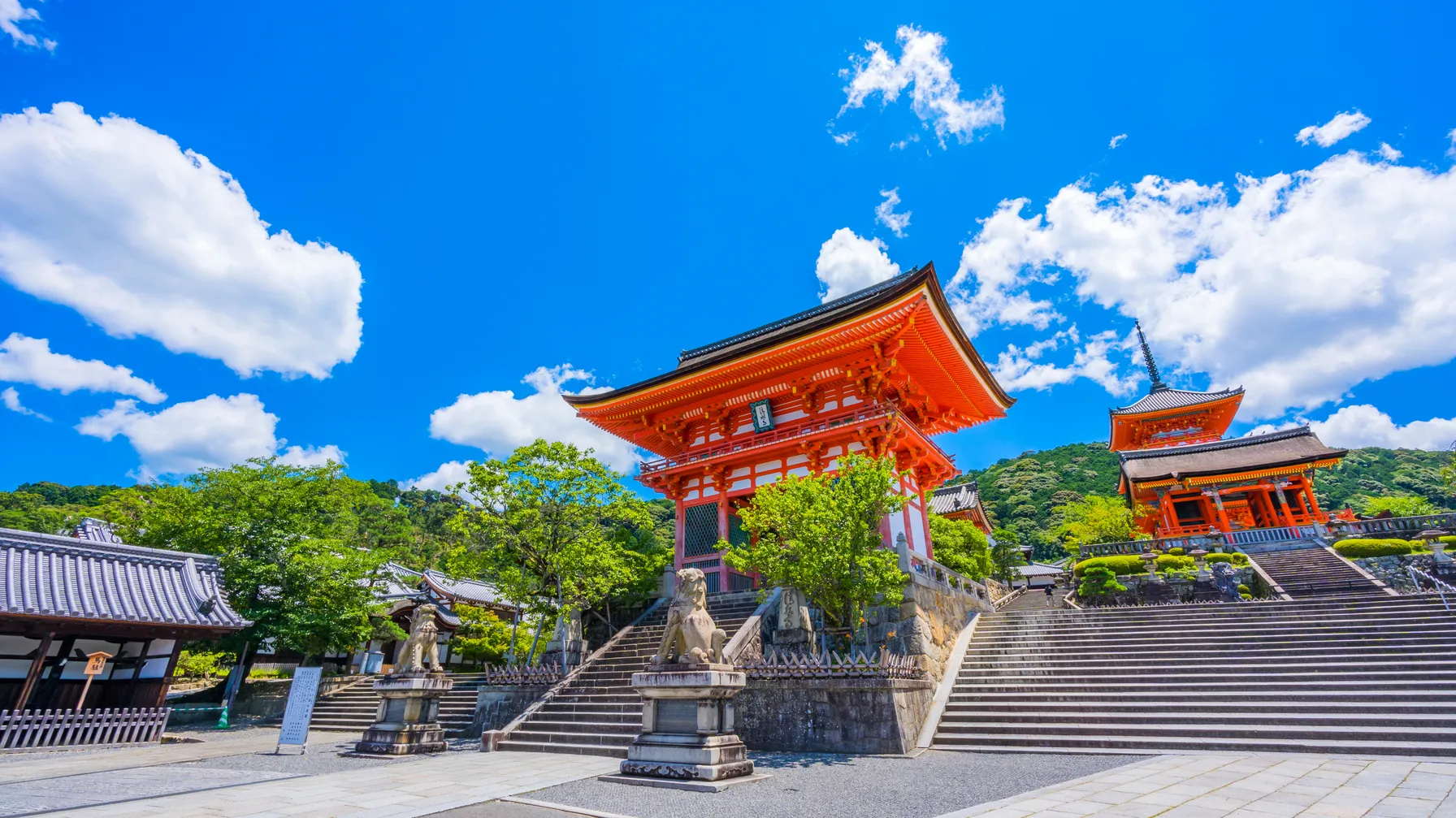
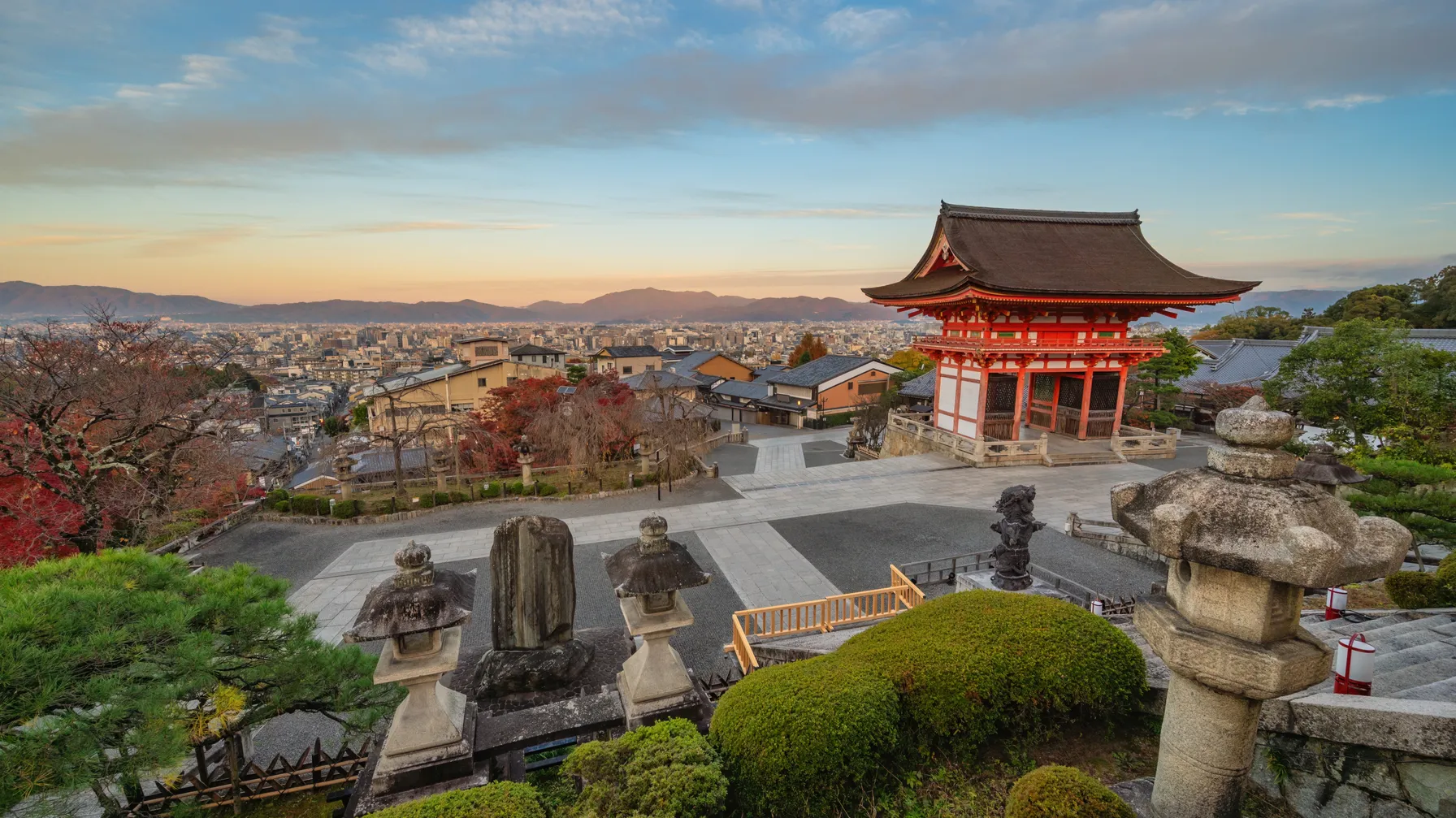
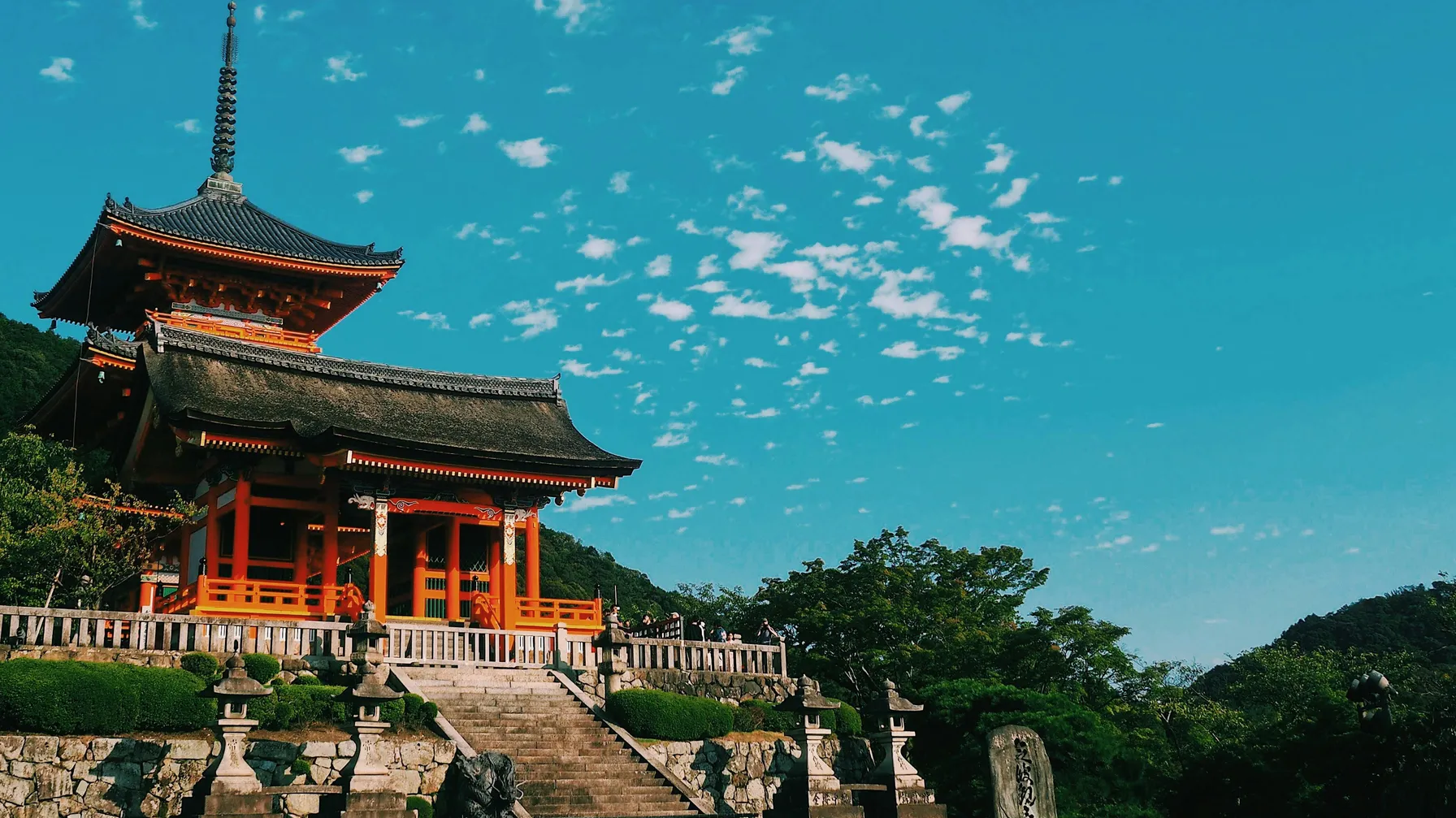
Perched on Kyoto's eastern hill, Kiyomizu-dera offers one of the most beautiful views of the city. Its famous wooden terrace, supported by massive beams without a single nail, juts out into the void in a bold architectural thrust. This Buddhist temple derives its name from the spring of pure water that emerges at its base, believed to fulfill visitors' wishes. The approach through the cobblestoned streets of Sannenzaka and Ninenzaka, lined with traditional houses turned into craft shops, is an integral part of this unique experience.
The Ginkaku-ji, refined elegance of the Silver Pavilion
Unlike its golden counterpart, the Silver Pavilion captivates through its sobriety and elegance. This 15th-century Zen temple reveals the Japanese art of suggestion over ostentation. Its moss and raked sand garden invites meditation, while the path winding up the hill offers magnificent views of Kyoto. The tour ideally extends with the Philosopher's Walk, this contemplative path running along a canal lined with hundreds of cherry trees.
Which traditional neighborhoods offer an authentic immersion into the Japan of yesteryear?
The soul of Kyoto reveals itself in its historical districts, where time appears to have stopped. These preserved areas transport you to Japan of centuries past, between traditional wooden houses and cobblestone streets.
Gion, the stage for the grace of geishas
The district of Gion is the beating heart of traditional Japanese culture. Its narrow streets, lined with wooden houses with lattice windows, are home to the okiya, where geishas live. Hanami-koji Avenue reveals its treasures: upscale restaurants, exclusive tea houses, and refined antique shops. At twilight, you can glimpse a geisha or a maiko heading to an appointment, a graceful silhouette gliding over the cobblestones in a rustle of silk.
Arashiyama, between bamboos and serenity
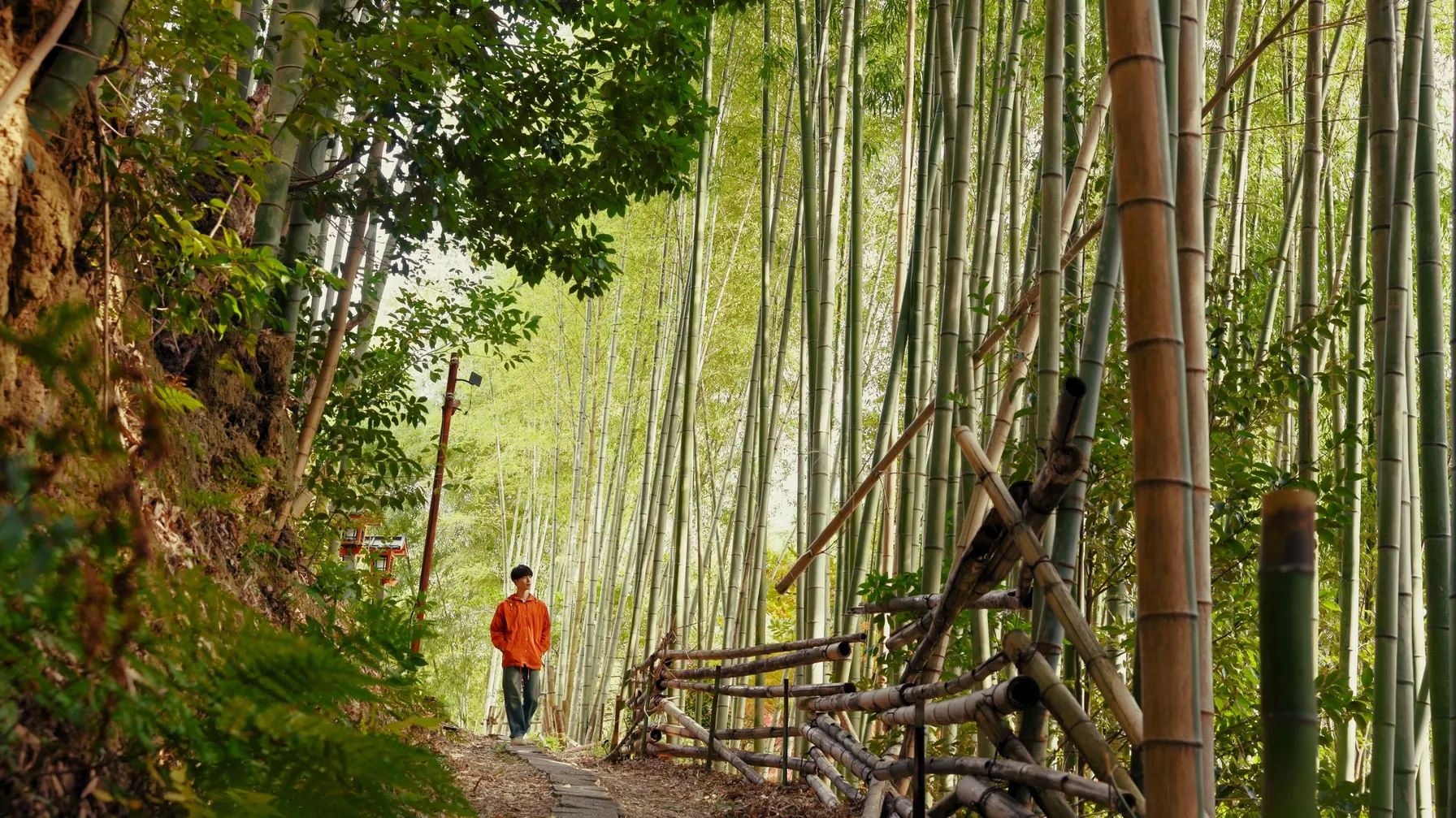
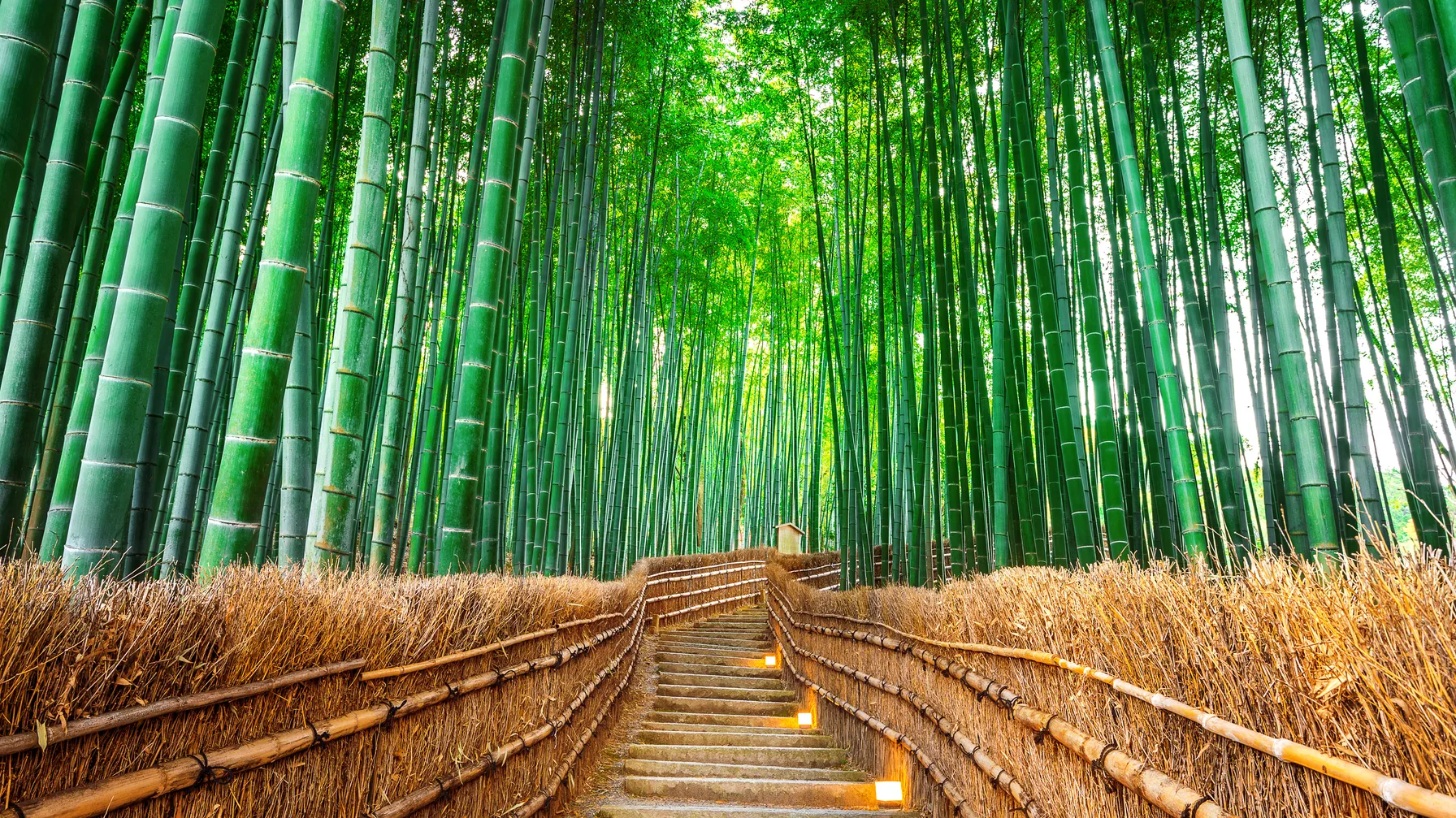
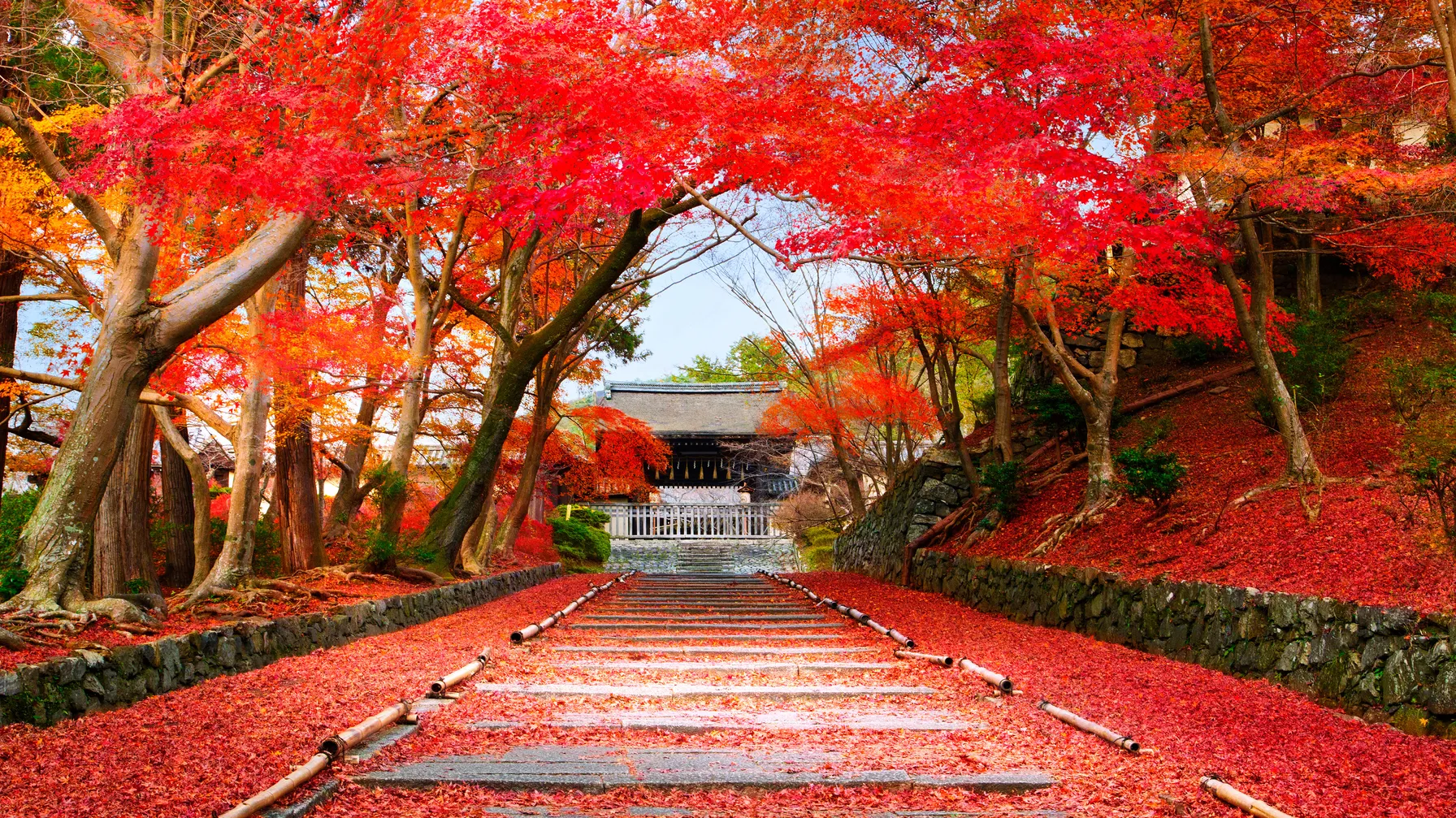
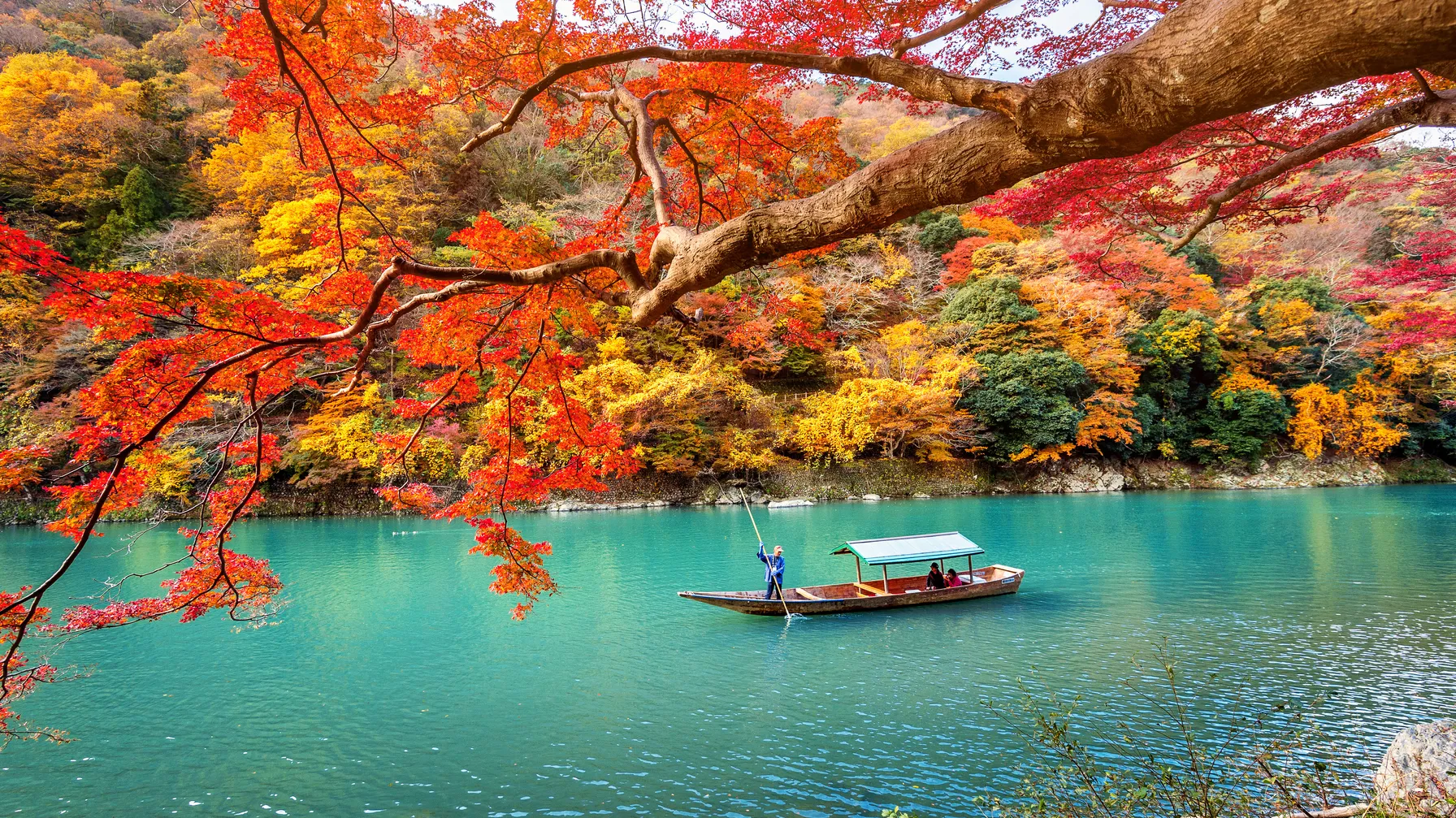
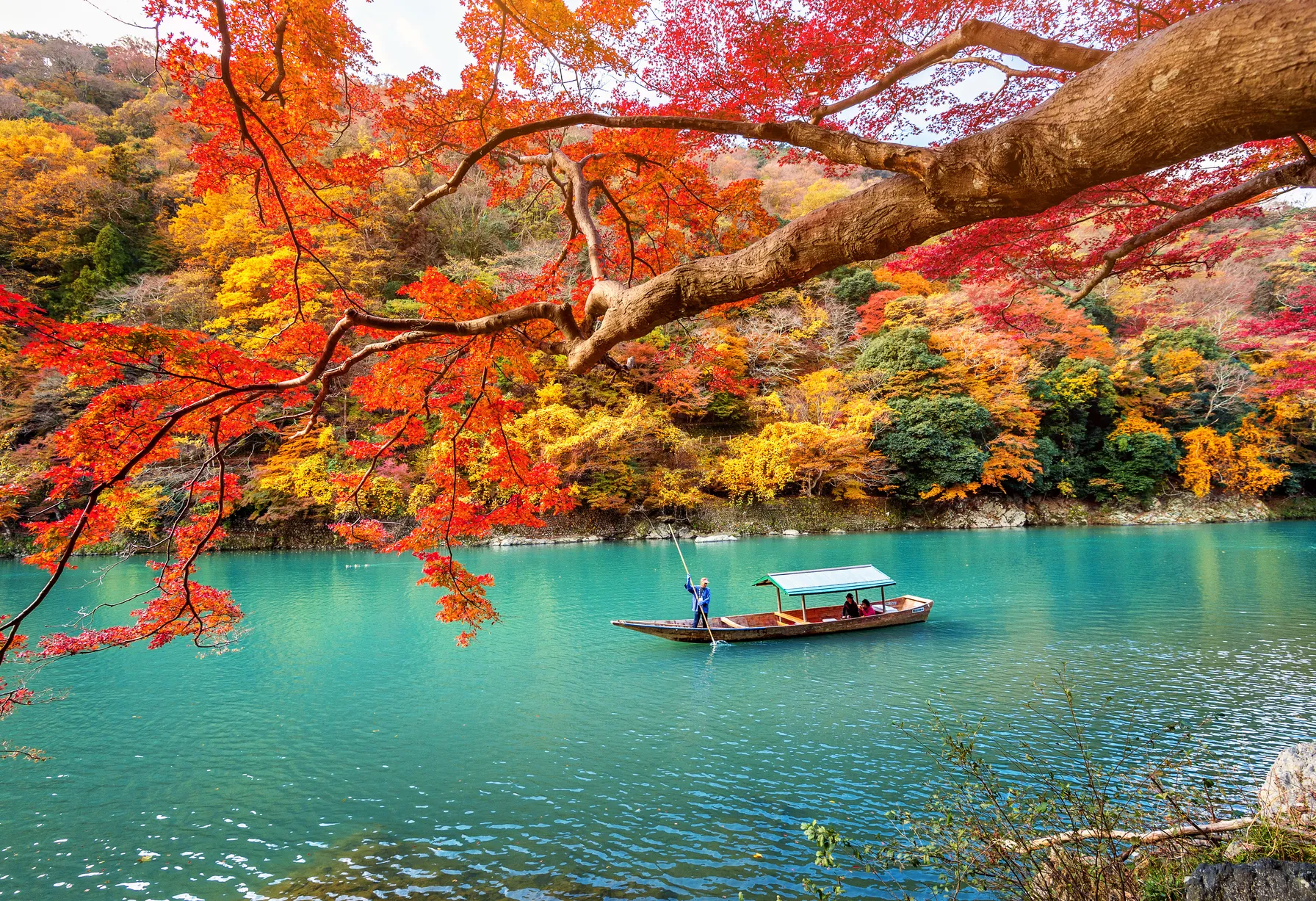
To the west of Kyoto, Arashiyama invites you to discover one of the most iconic landscapes of Japan. The bamboo forest creates a cathedral of vegetation where the filtered light draws moving shadows. This natural green tunnel extends over several hundred meters, offering a soothing walk away from urban bustle. The neighborhood harbors other treasures: the Tenryu-ji temple with its remarkable Zen garden, the Togetsukyo bridge spanning the Katsura river, and the surrounding hills that are dressed in flamboyant colors in autumn.
Pontocho, nocturnal intimacy by the water
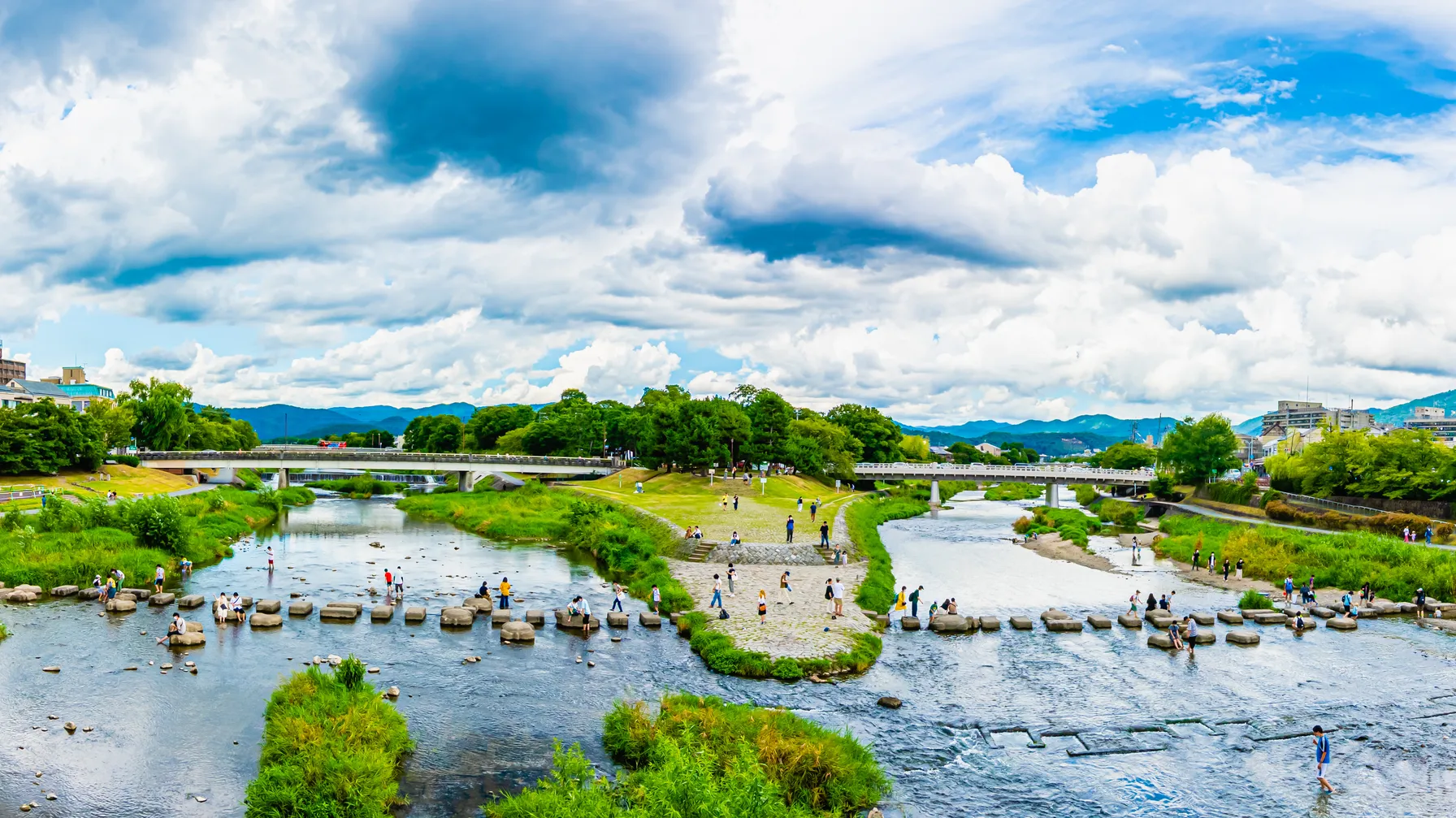
This narrow alley parallel to the Kamogawa River embodies Kyotoite intimacy. Only a few meters wide, Pontocho concentrates a multitude of traditional restaurants, sake bars, and tea houses. In summer, terraces are set up above the river, creating a unique atmosphere for tasting local specialties. The lanterns that light up the alley at night transform every step into a journey through time.
What unique cultural experiences allow you to live the Japanese tradition?
Your stay in Kyoto is fully realized through immersive experiences that reveal the essence of Japanese culture. These privileged moments transform your visit into a true initiatory journey.
The tea ceremony, the art of the perfect moment
Participating in an authentic tea ceremony is one of the essential activities during your visit to Kyoto. In the intimacy of a traditional tea house, you discover this ancient art where each gesture has deep meaning. The tea master guides your senses in appreciating matcha tea, this green powder with complex flavors, accompanied by delicate wagashi pastries. This experience transcends mere tasting to become a meditation in motion, a moment of grace suspended in time.
Gastronomic exploration at Nishiki Market
Dubbed "Kyoto's kitchen", Nishiki Market stretches for 400 meters in the historic center. This four-century-old institution introduces you to the authentic flavors of the region. Here, you can discover local specialties: Kyoto's silky tofu, traditional pickled vegetables, matcha in all its forms, and refined pastries. The merchants, often heirs to family skills passed down from generation to generation, willingly share their passion and advice. This culinary stroll reveals Japanese culinary art in its diversity and finesse.
Encounter with traditional craftsmanship
Kyoto sustains age-old artisanal traditions that you can explore in their original workshops. The art of kimono dyeing in the Nishijin district, the making of traditional fans, and the creation of raku ceramics provide unique windows into Japanese creativity. Some master craftsmen offer workshops where you can experience their ancestral techniques, creating your own pieces under their benevolent guidance.
A handy chart to organize your visits by season:
| Season | Recommended Temples | Special Experiences | Ideal Duration |
|---|---|---|---|
| Spring (March-May) | Kiyomizu-dera, Silver Pavilion | Cherry blossoms, tea ceremony | 4-5 days |
| Summer (June-August) | Fushimi Inari (early morning), Sanjusangen-do | Festivals, Pontocho terraces | 3-4 days |
| Autumn (September-November) | Kinkaku-ji, Arashiyama | Purple maple, photography | 5-6 days |
| Winter (December-February) | All temples (less crowded) | Meditation, onsens | 3-4 days |
Traditional shows and performing arts
Kyoto theaters continue millennia-old artistic forms. Kabuki, with its elaborate make-up and sumptuous costumes, tells of great Japanese epics. More contemplative, Noh theater invites meditation through its stylized movements and pared-down poetry. In the Gion district, certain restaurants offer maiko dance performances, these apprentice geishas who excel in the art of refined entertainment.
Demandez votre devis Kyoto sur-mesure 100% gratuit
 4.8
4.8+3.000 travelers satisfied
Your exploration of Kyoto is not just a simple touristic visit; it becomes a deep immersion into an age-old culture where every temple, every district, and every experience reveals an aspect of the Japanese soul. Between spiritual contemplation in Zen gardens, culinary discoveries at traditional markets, and authentic encounters in tea houses, you compose your own journey into the heart of the ancient imperial capital.
The places to visit in Kyoto far exceed the most famous sites. Each alley holds hidden treasures, each temple has its unique story, and each cultural experience enriches your understanding of timeless Japan. Whether you choose to stay in Kyoto in a traditional inn or a modern hotel, this city offers you the keys to an authentic Japan where tradition and modernity intertwine harmoniously.