Activities in Kyoto: discover the must-have experiences of the former capital
What are the spiritual and cultural activities not to miss?
The former capital of Japan harbors spiritual and cultural treasures that are the very essence of a journey to Kyoto. These activities in Kyoto invite you to discover the deep soul of this exceptional destination, where each temple tells a thousand-year-old story and each district preserves living traditions.
Iconic temples and sacred shrines
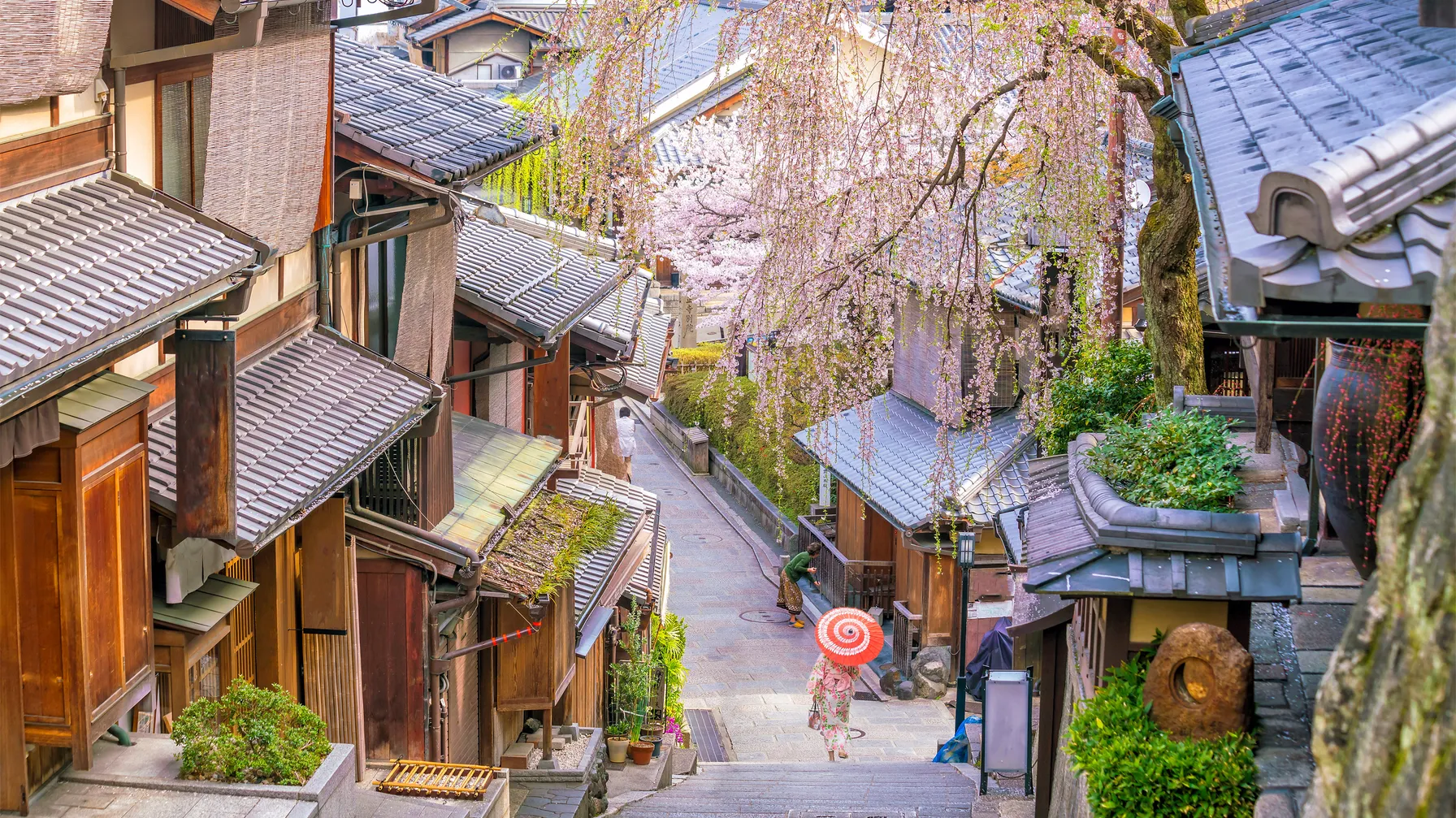
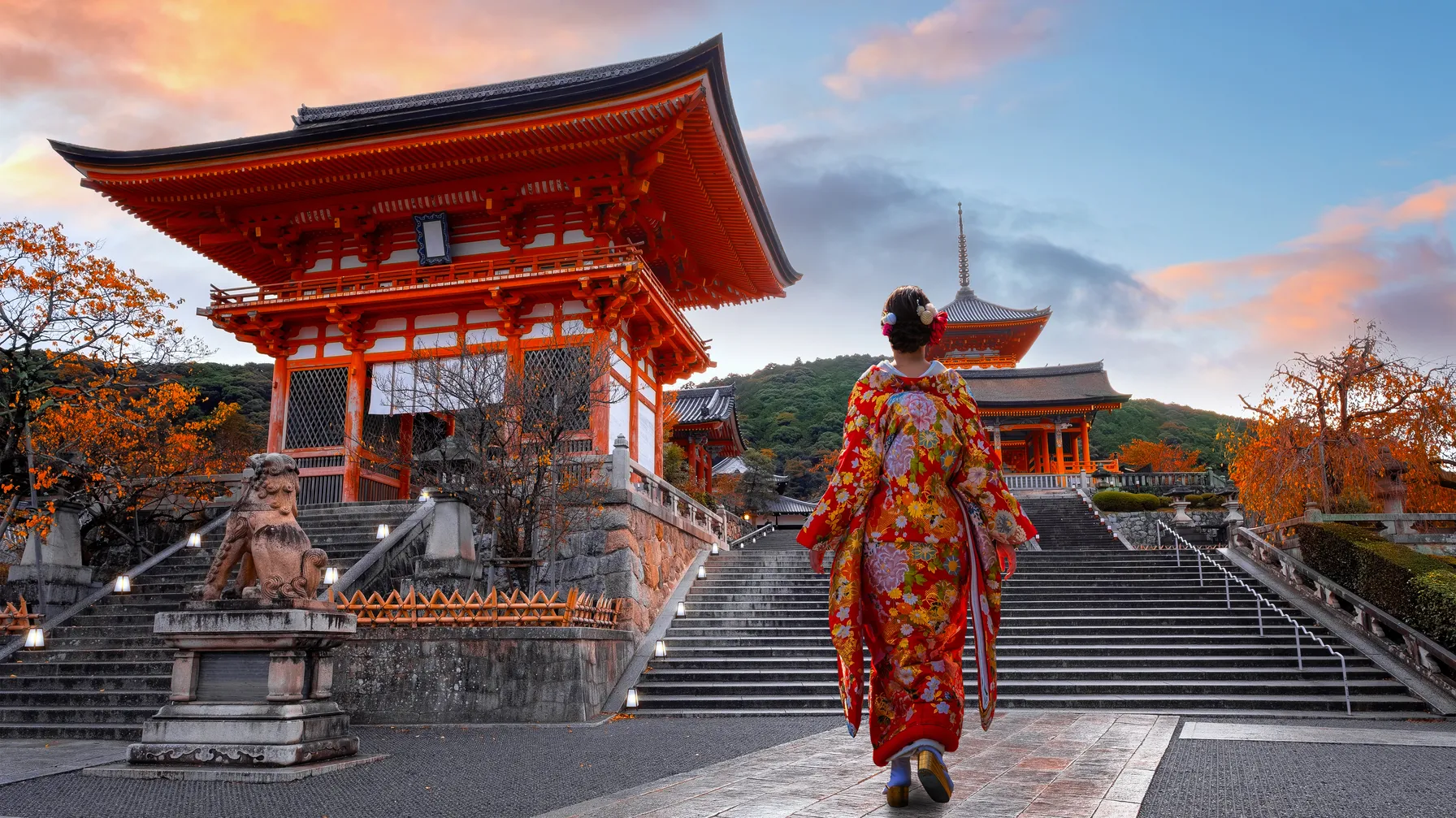
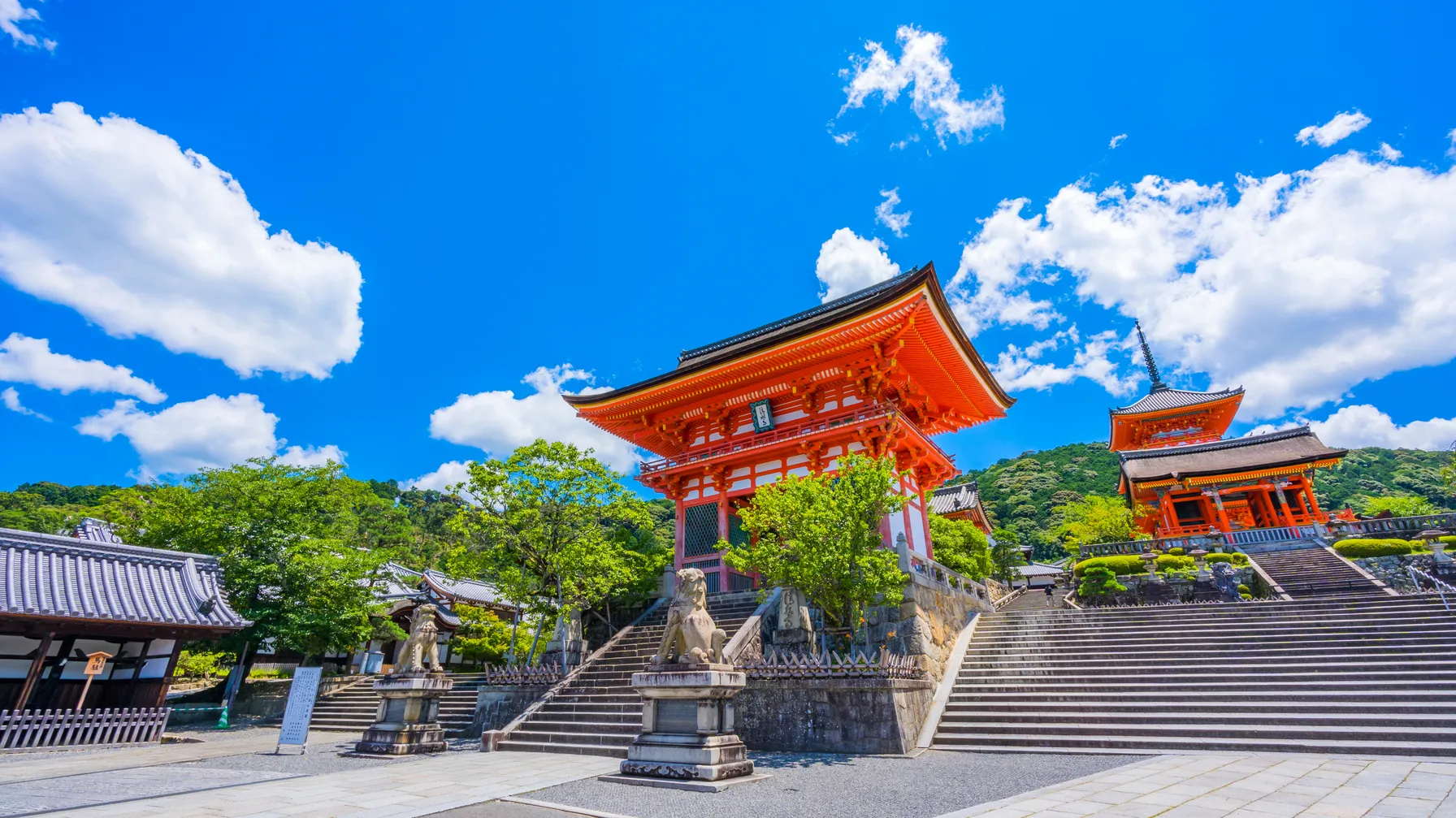
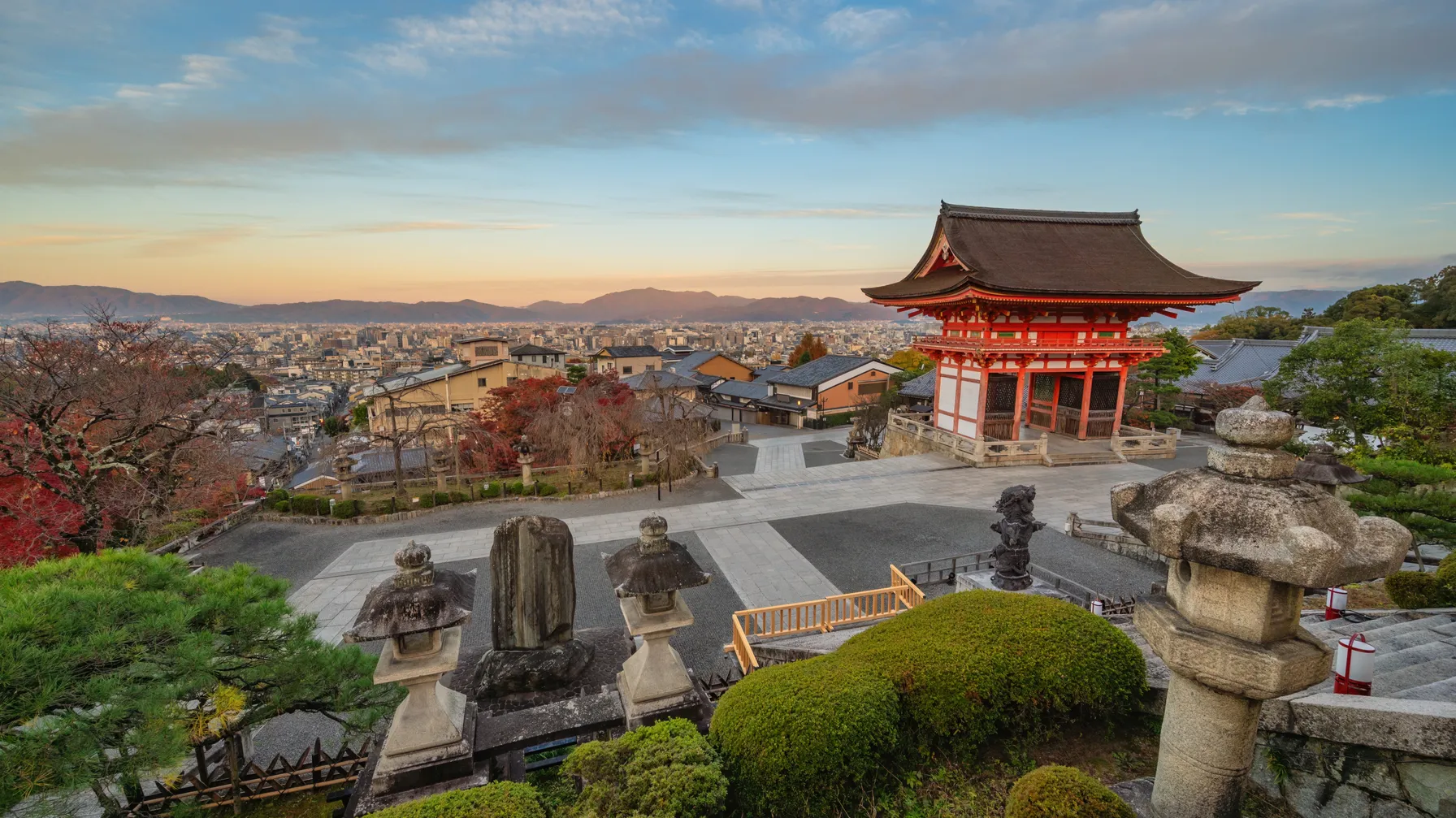
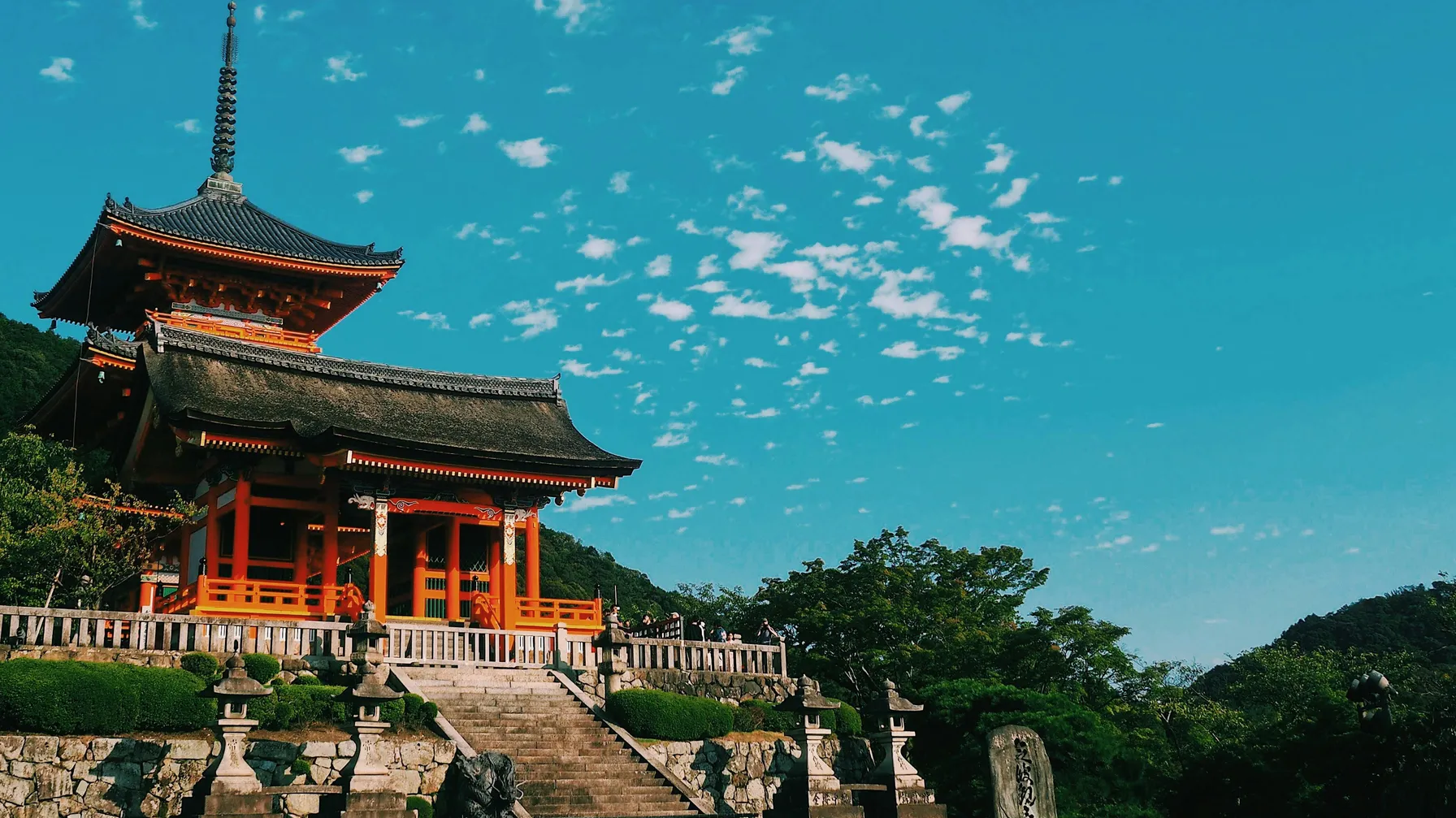
The Kiyomizu-dera temple is among the essential sites during your stay in Kyoto. This architectural marvel, listed as a UNESCO World Heritage Site, offers a stunning panoramic view from its wooden terrace over the city. Plan at least two hours to explore this religious complex and fully enjoy its contemplative atmosphere. The ascent to the temple, through the cobblestone streets of Higashiyama, is already a unique experience with its traditional shops and centuries-old tea houses.
The Fushimi Inari-taisha shrine deserves special attention during your visit to Kyoto. Its thousands of vermilion torii gates form a mystical path that winds up the sacred mountain. This spiritual hike can last from two to four hours depending on your pace and endurance. The early morning hours are ideal to avoid the crowds and capture the magic of the place in rare intimacy.
Not far from downtown, the Golden Pavilion or Kinkaku-ji dazzles with its golden beauty reflected in the mirror pond of its Zen garden. This icon of Kyoto, surrounded by meticulously orchestrated vegetation, perfectly illustrates the art of Japanese landscaping. A one-hour visit is sufficient to contemplate this architectural jewel, but you could stay much longer to admire the play of light on its sparkling facades.
Traditional neighborhoods and authentic encounters
Gion, the district of geishas, transports you to the Japan of yesteryear with its preserved alleys and traditional wooden houses. Strolling through this historic district at sunset reveals a special atmosphere, when the first lanterns light up and the maiko head towards their appointments. The ochaya, these exclusive tea houses, perpetuate a centuries-old art of hospitality.
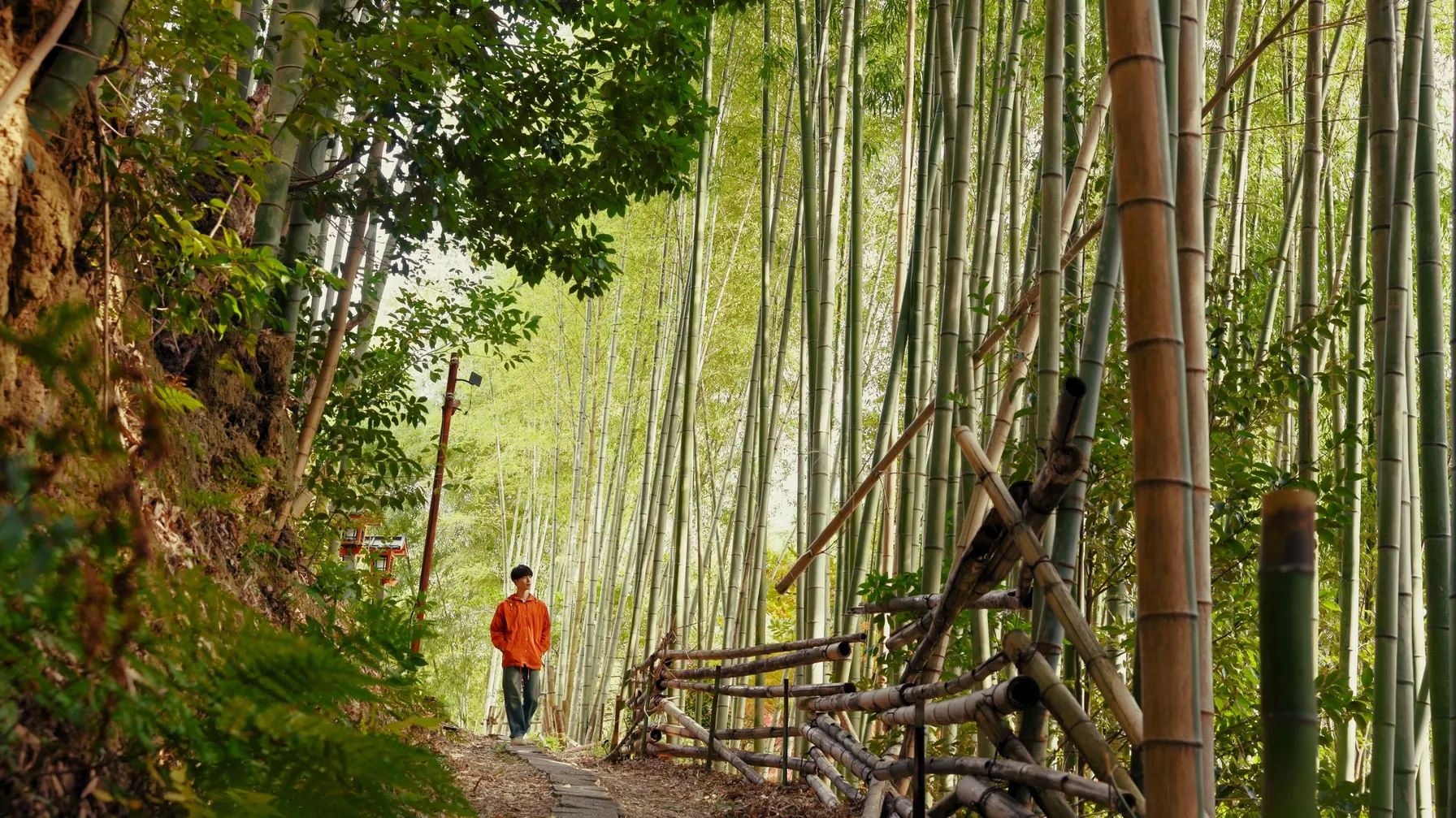
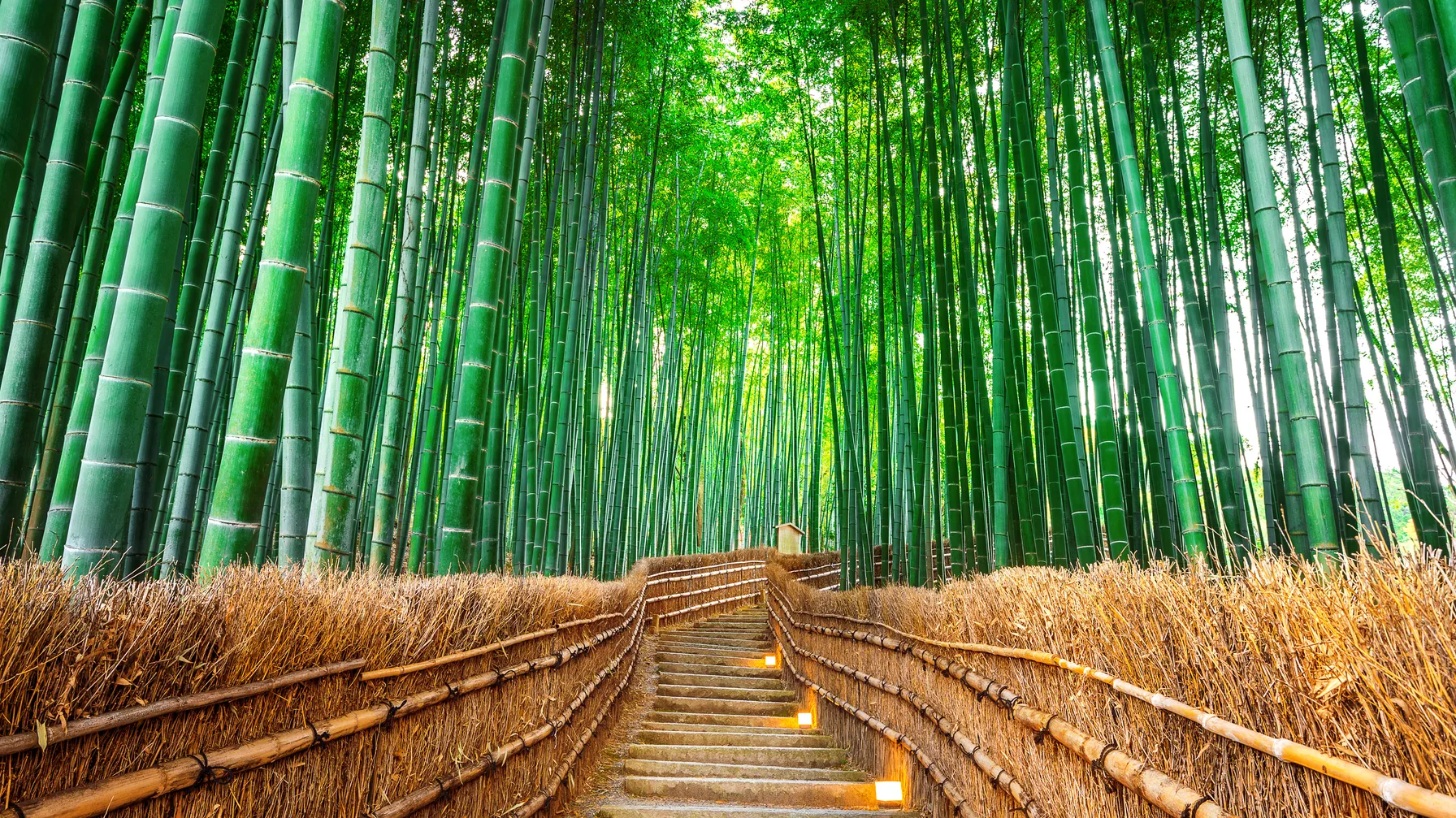
The Arashiyama district offers a unique natural experience in the heart of Kyoto. Its bamboo forest creates a green cathedral where light filters through the giant canes, producing a soothing visual and auditory spectacle. This walk, which takes about thirty minutes, can be extended by exploring the Tenryu-ji temple and its extraordinary gardens, or by a trip to the Iwatayama monkey park.
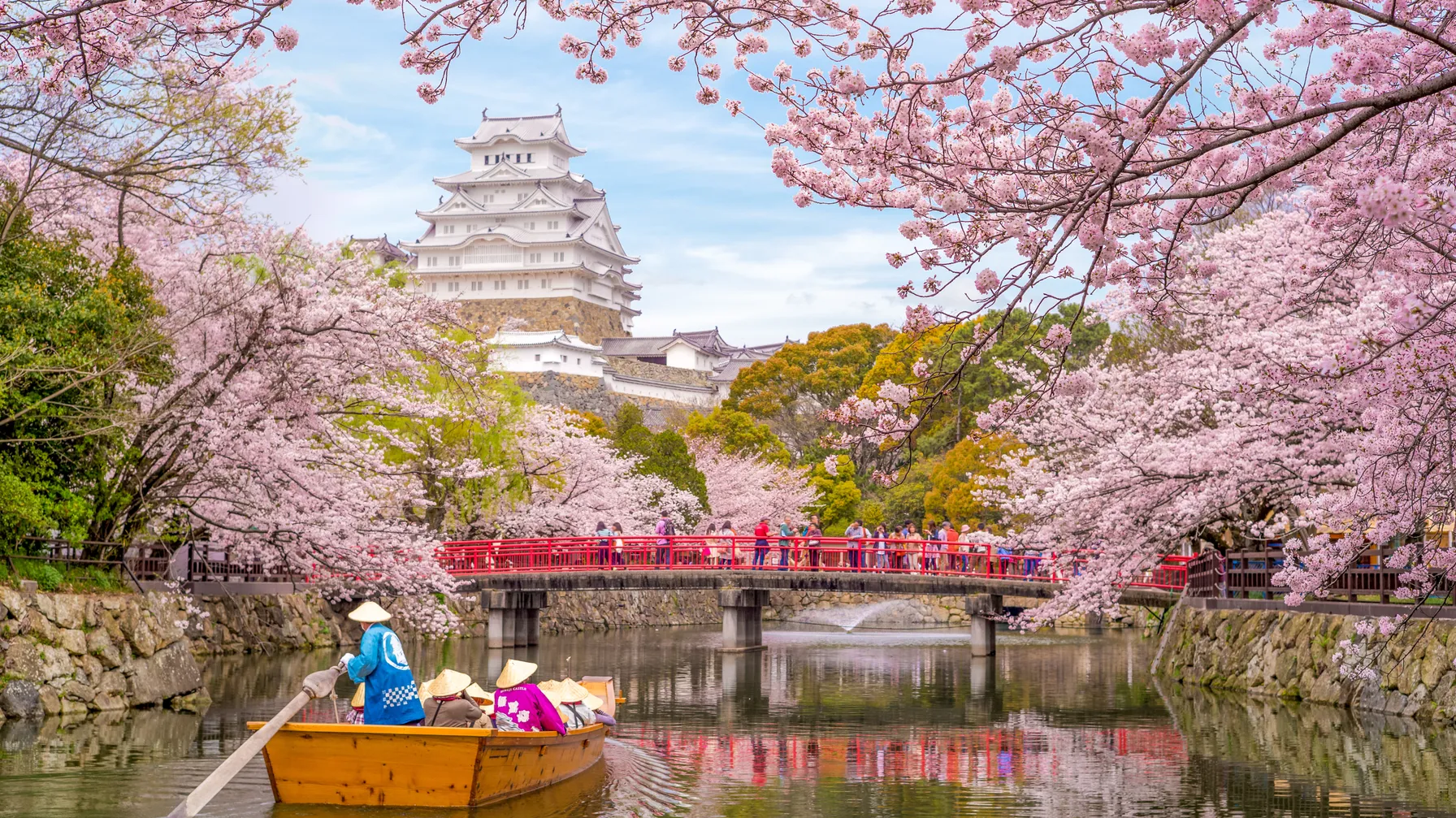
The Philosopher's Walk, or Tetsugaku-no-michi, connects several temples and shrines along a canal lined with hundreds of cherry trees. This contemplative path shows its most beautiful features in spring during the cherry blossoms, but each season gives it a special charm. Allow one hour to this meditative path that embodies the Zen spirit of Kyoto.
Contact us for more information on the best times to visit
Ancestral arts and refined ceremonies
The tea ceremony represents one of the most authentic cultural experiences you can have during your trip to Kyoto. These moments of sharing introduce you to precise gestures and the philosophy of wabi-sabi, the Japanese aesthetic that finds beauty in imperfection and the ephemeral. Several schools offer initiation sessions tailored to foreign visitors, usually lasting one to two hours.
Traditional Japanese performances are exceptional cultural events. Noh theater, with its expressive masks and codified movements, offers a dive into Japanese dramatic arts. The dances of maiko, these apprentice geishas, reveal the grace and elegance of traditions preserved for generations. Gion Corner regularly offers performances that allow you to discover several arts in one evening.
Japanese calligraphy workshops, or shodō, invite you to master the art of brush writing. This ancient discipline combines meditation and creativity, with each stroke revealing the personality of its author. A one-hour initiation session allows you to familiarize yourself with the basics of this delicate art and take home your first creations as unique souvenirs.
How to enjoy gastronomic and craft experiences?
Exploring Japan necessarily involves its refined flavors and artisanal know-how. Kyoto, the cradle of high Japanese gastronomy, offers gustatory and creative experiences that reveal the soul of this exceptional region.
Culinary discoveries and traditional markets
Nishiki Market, nicknamed "Kyoto's pantry", stretches over 400 meters and gathers about a hundred specialized merchants. This gourmet walk introduces you to the emblematic ingredients of the local cuisine: silky tofu, marinated vegetables (tsukemono), traditional pastries (wagashi), and many other specialties. Each stall tells the culinary story of the region and offers a taste of authentic products found nowhere else.
Sake tastings in the breweries of Fushimi are a must-have experience for wine discovery enthusiasts. This region produces some of the best sakes in Japan thanks to the exceptional purity of its spring water. Guided tours reveal the secrets of making this noble drink and allow tasting several varieties in a traditional setting.
Kaiseki cuisine, a refined culinary art from Kyoto, deserves an entire evening of tasting. These exceptional meals, served in traditional restaurants, respect the harmony of the seasons and elevate local products using ancestral techniques. Each presentation is an artistic tableau blending colors, textures, and flavors in perfect balance.
Ikebana, the Japanese art of flower arrangement, introduces you to floral composition according to precise aesthetic rules. These workshops of one to two hours reveal the Japanese philosophy of harmony between man and nature. Each arrangement reflects the seasons and expresses subtle emotions through the arrangement of branches, flowers, and foliage.
Japanese cooking classes allow you to master the techniques of preparing iconic dishes: sushi, ramen, bento, and tempura. These practical experiences, led by local chefs, typically last two to three hours and include tasting the creations. You leave with the recipes and skills to recreate these flavors at home.
Book your trip to Kyoto now
Traditional Japanese pottery, or ceramics, is learned in the workshops of artisan districts. These initiation sessions at the potter's wheel reveal the patience and precision necessary to create unique pieces. The wabi-sabi philosophy is particularly expressed in this art where voluntary imperfection becomes authentic beauty.
When to plan your activities for a perfectly orchestrated stay?
Planning your stay in Kyoto requires thoughtful scheduling to fully enjoy the many activities that this destination offers. Each season reveals different facets of the ancient capital, and certain special moments allow for unique experiences.
Seasonal activities and special moments
Spring transforms Kyoto into a true gem during the cherry blossoms season. This magical period, usually starting in early April, brings festivals and special events to all temples and gardens in the city. The hanami, these picnics under the cherry trees, are authentic moments of sharing with the locals. However, this exceptional season attracts many visitors, making early bookings essential.
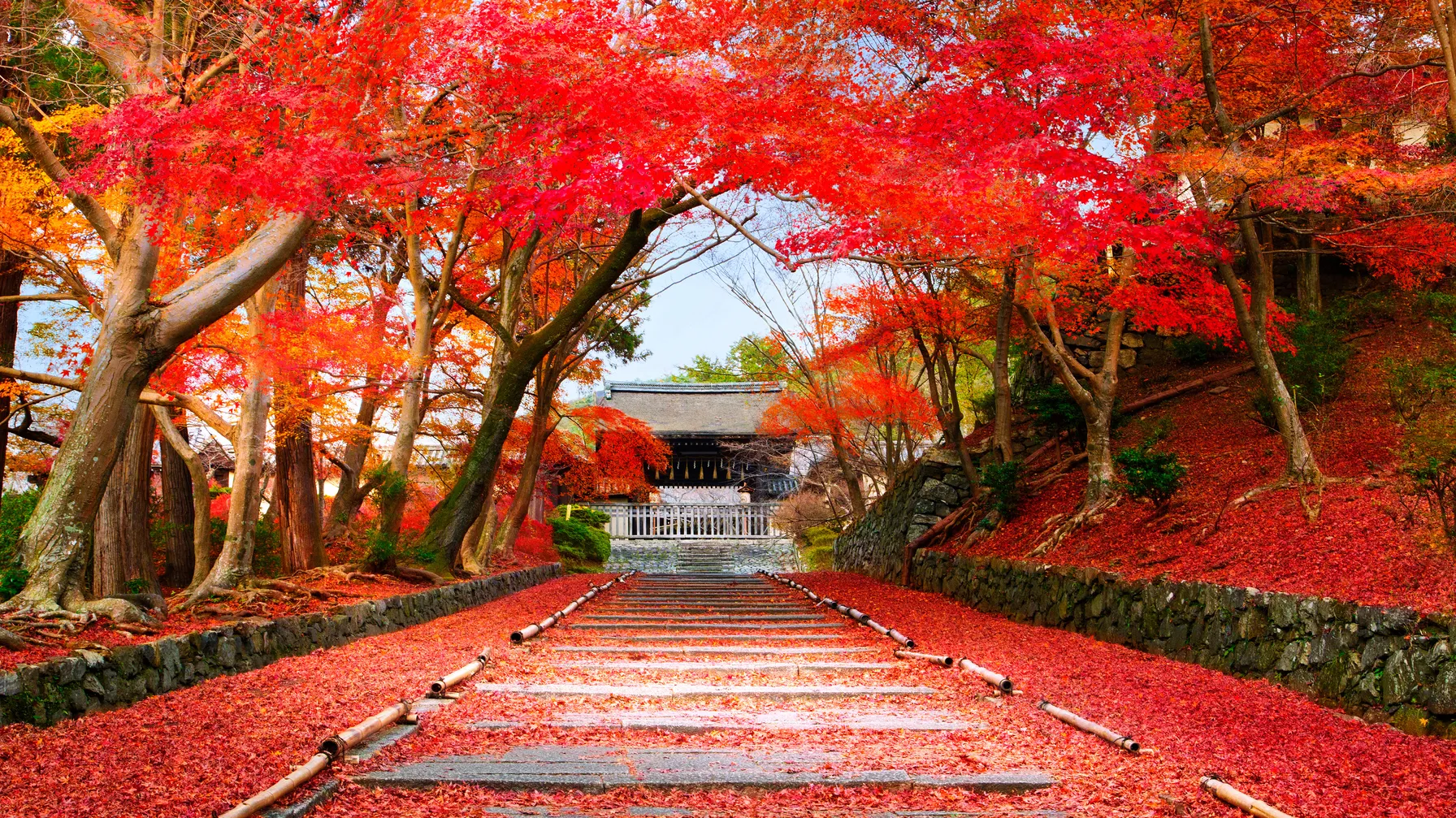
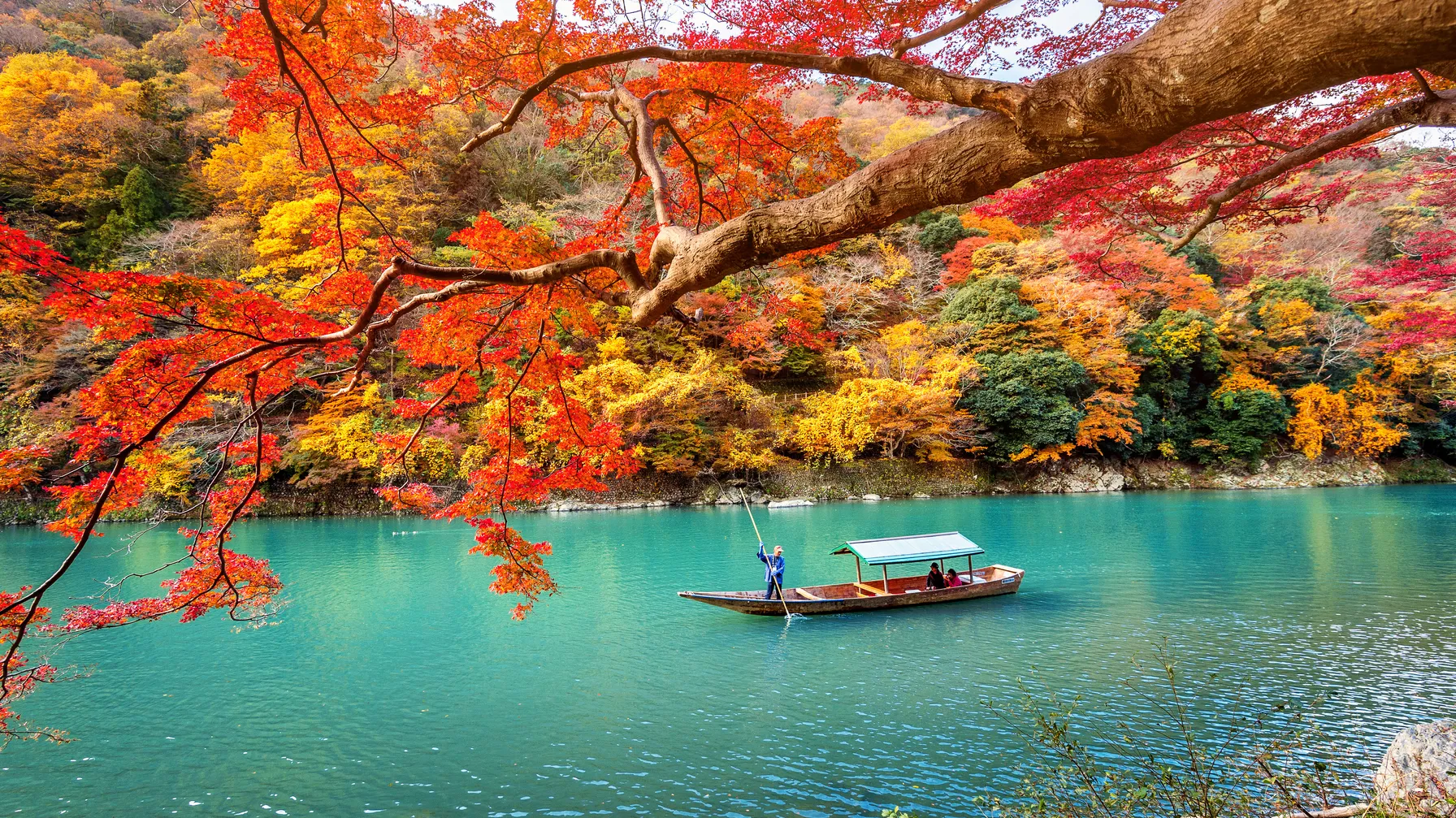
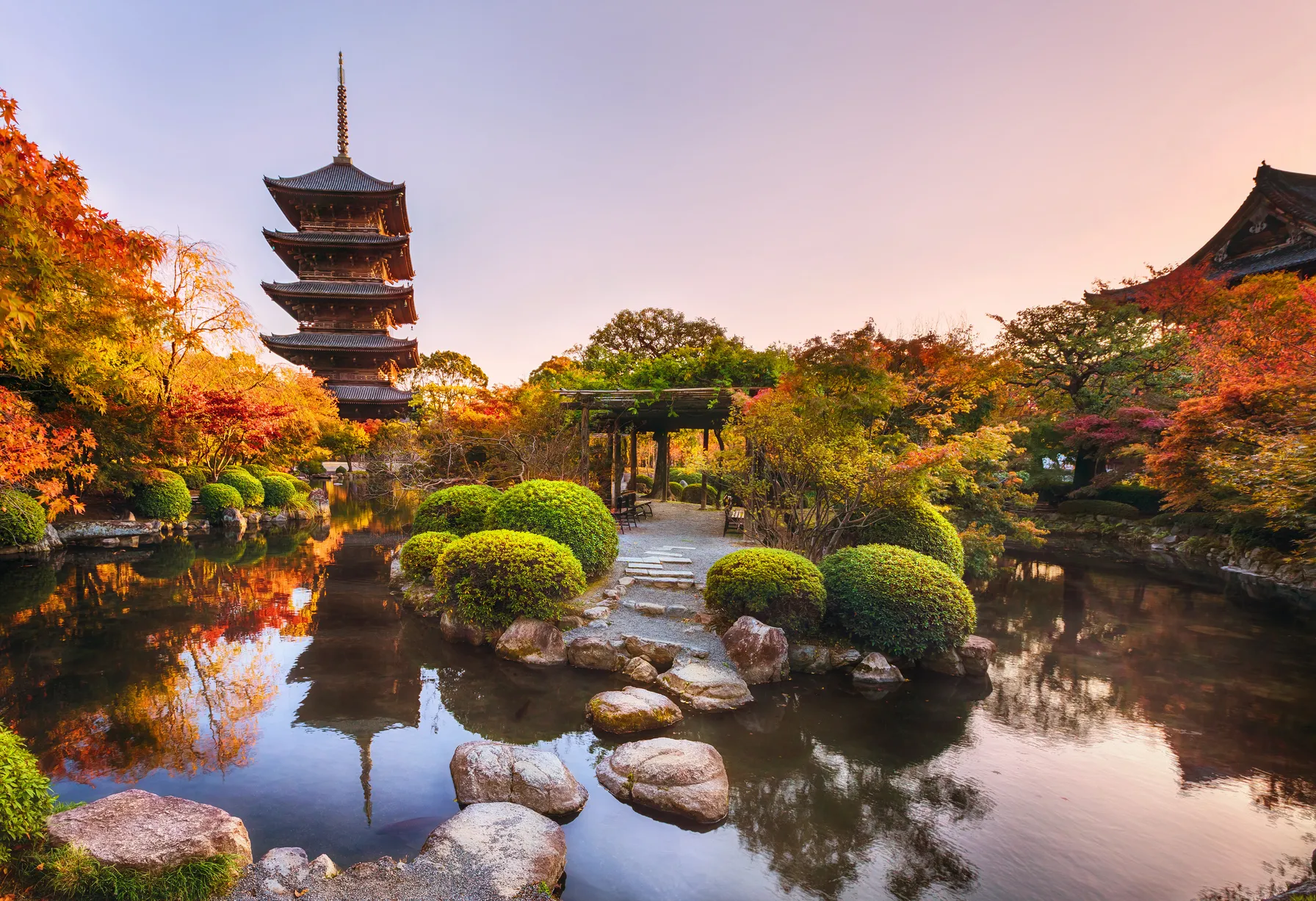
Autumn reveals the splendors of momiji, the glowing red maples that set zen gardens and mountain paths ablaze. The mild temperatures of November make long walks and temple visits more enjoyable. It's the perfect season for outdoor activities and contemplative experiences in the surrounding nature.
Winter reveals a more intimate Kyoto, where indoor activities become highly meaningful. Tea ceremonies in heated salons, craft workshops in traditional houses, and culinary tastings in izakayas create a warm atmosphere. The winter illuminations at temples add a magical dimension to the evenings.
Despite the humid heat, summer offers unique festivals and events like the Gion Matsuri, one of Japan's most famous festivals. Morning and evening activities are more pleasant, allowing enjoyment of the refreshing gardens and outdoor performances.
Organization tips and optimal itineraries
To optimize your discovery of activities in Kyoto, prioritize organization by geographical areas. The Higashiyama region includes several essential temples: Kiyomizu-dera, Kodai-ji, and Kennin-ji can be visited in the same day. This approach avoids unnecessary travel and allows for a gradual immersion in the spiritual atmosphere of each district.
Morning activities offer optimal conditions for photography and meditation. Temples generally open from 6 AM, allowing for moments of serenity before the arrival of groups. This strategy is particularly recommended for the Fushimi Inari Shrine and the Arashiyama Bamboo Grove.
The following table summarizes the best periods for each type of activity:
| Activity | Best Time | Recommended Duration | Tips |
|---|---|---|---|
| Temples and Shrines | Early morning (6-9 AM) | 1-3h per site | Avoid weekends |
| Historical Districts | Late afternoon (4-7 PM) | 2-4h | Best photo light |
| Cultural Workshops | Mid-morning (10 AM-12 PM) | 1-2h | Reservation required |
| Culinary Experiences | Lunch or dinner | 2-3h | Book several days in advance |
Demandez votre devis Kyoto sur-mesure 100% gratuit
 4.8
4.8+3.000 travelers satisfied
Guided tours prove invaluable for understanding the history and cultural nuances of each place. These guided visits provide access to locations usually closed to the public and enhance your understanding of Japanese culture. Favor local guides who share authentic anecdotes and hidden treasures unknown in typical itineraries.
Early booking of the most popular activities prevents disappointment. Some experiences, like dinners with maiko, tea ceremonies in private temples, or renowned craft workshops, are fully booked weeks in advance. This planning also allows for negotiating preferential rates and obtaining slots during optimal hours.
Contact us for more information