Discovering Culture in Kyoto: A Dive into the Heart of the Ancient Imperial Capital
What does Kyoto's exceptional heritage reveal?
The former capital reveals its cultural treasures through an exceptional heritage that bears witness to a thousand years of imperial history. This uniquely dense concentration of cultural sites in the world, shaped by successive dynasties, boasts temples, palaces, and gardens of timeless beauty.
The treasures of the UNESCO World Heritage
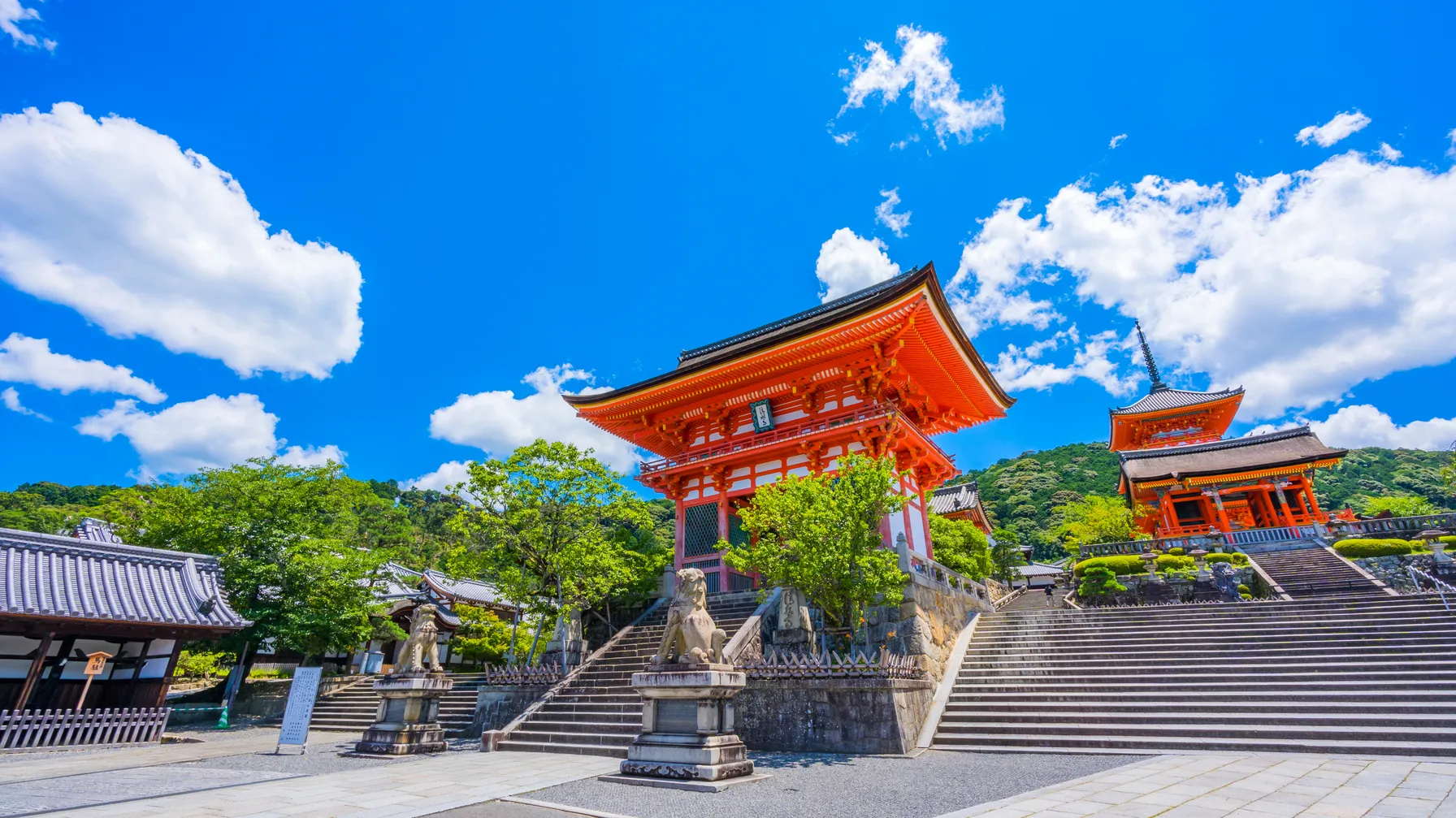
Kyoto holds the exceptional privilege of housing seventeen UNESCO World Heritage sites, forming an architecturally coherent group. The Golden Pavilion, or Kinkaku-ji, perfectly illustrates this splendor with its facades entirely covered in gold leaf reflecting in the peaceful waters of its pond. This 14th-century temple symbolizes the pinnacle of Japanese architectural art and attracts visitors from around the world.
In contrast, the Silver Pavilion, Ginkaku-ji, entices with its elegant simplicity and gardens of subtle sophistication. Despite its name, this temple is not covered in silver but reveals an aesthetic of unadorned beauty that favors natural harmony. Nijo Castle complements this prestigious ensemble by offering a unique example of shogunal palatial architecture, with its "nightingale" floors that sing under the steps of visitors.
The Fushimi Inari shrine deserves special attention with its thousands of vermilion torii gates winding up the sacred mountain. This spectacular installation, contributed by devotees over the centuries, creates a tunnel of color of striking spiritual intensity.
The architectural legacy of Zen gardens
The Zen gardens of Kyoto represent one of the most refined expressions of Japanese culture, where each element contributes to a silent meditation on beauty and impermanence. The stone garden of the Ryoan-ji temple represents the culmination of this contemplative art with its fifteen rocks arranged on a bed of white gravel raked into perfect geometric patterns.
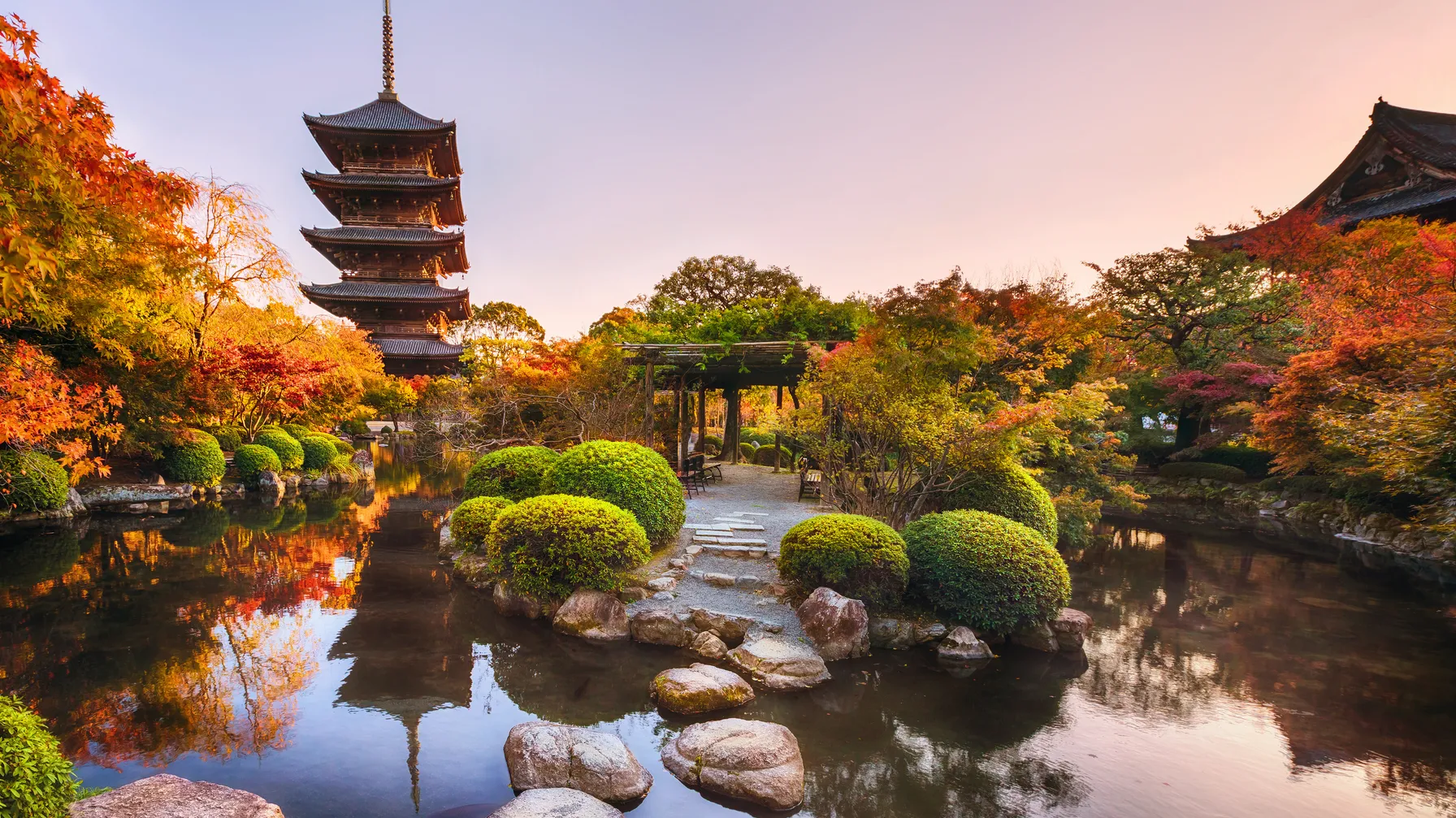
These gardens reveal a deep philosophy that transforms space into a medium for spiritual reflection. At the Imperial Palace, the imperial gardens unfold a more luxuriant aesthetic, blending pools, bridges, and pavilions in a composition of sovereign elegance. Each season reveals new perspectives, from the cherry blossoms of spring to the blazing maples of autumn.
Book your trip to Kyoto now
How to experience the authentic traditions of the former capital?
Immersing in the living traditions of Kyoto reveals an intimate dimension of Japanese culture, where ancient gestures continue to rhythm daily life. This authentic approach allows one to approach the true soul of the former imperial capital.
The Japanese art of living through the tea ceremony
The tea ceremony embodies the spiritual essence of Japanese culture through a ritual of meticulous precision where each gesture holds deep meaning. In traditional tea houses scattered throughout the city of Kyoto, you can discover this codified art that transforms the tasting of matcha into an active meditation.
This practice unveils the fundamental principles of Japanese aesthetics: harmony, respect, purity, and tranquility. The utensils used, often works of art themselves, reflect centuries of artisanal refinement. Each tea bowl, each bamboo spoon tells a story and contributes to the overall sensory experience.
The Nishiki market offers a complementary approach to this refined culinary culture, with its centuries-old stalls offering traditional ingredients for Kyoto cuisine. This "emperor's cuisine" prioritizes the finesse of flavors and the visual beauty of the presentations, reflecting the imperial aesthetic that permeates the entire city.
The preserved universe of geishas and historical districts
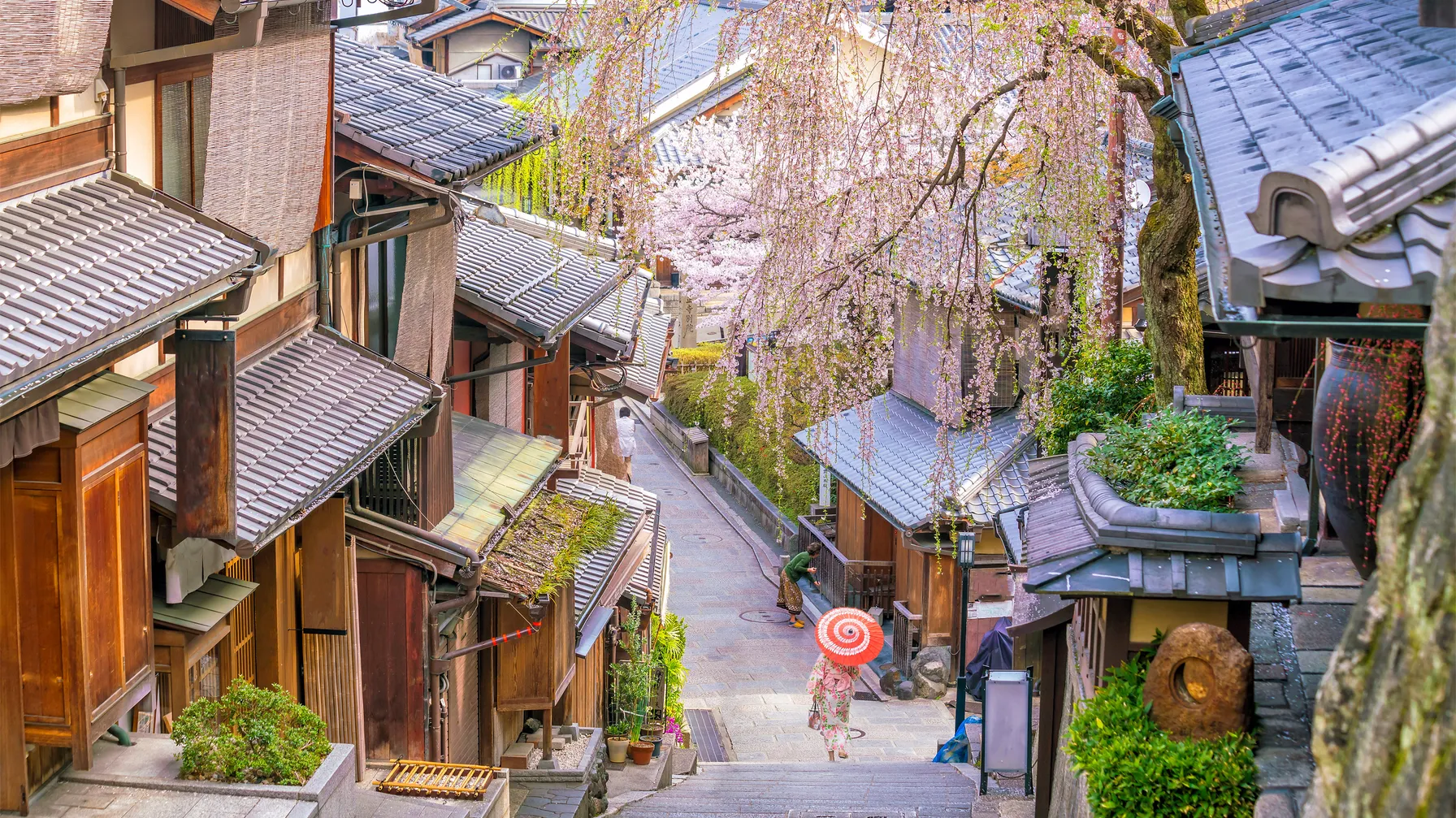
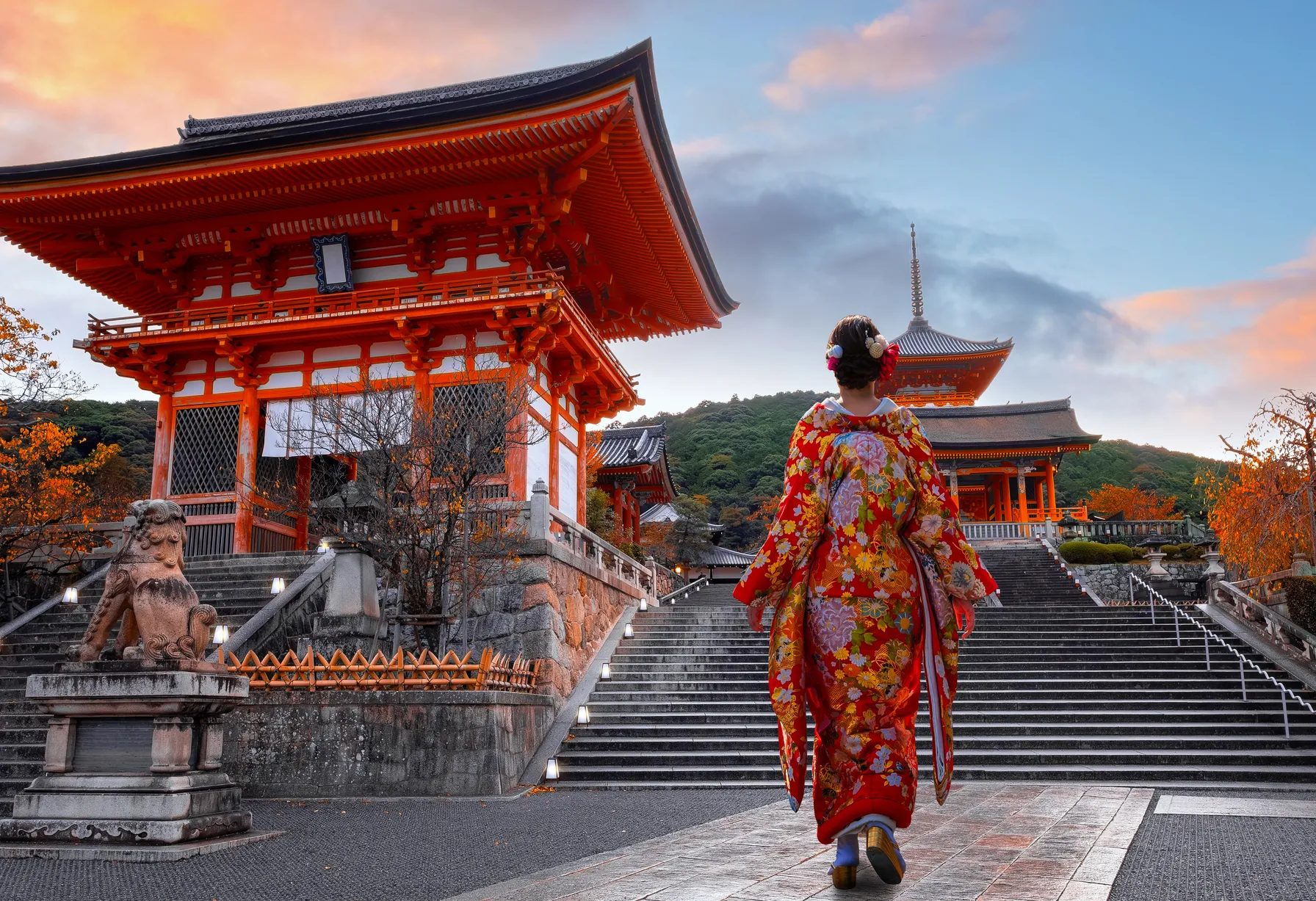
The Gion district preserves the authentic atmosphere of old Japan with its traditional wooden houses and paved streets where the geta of geishas can still be heard. This temporal enclave allows one to approach an ancient lifestyle where beauty, poetry, and music combine in extreme refinement.
Geishas, true guardians of traditional arts, perpetuate a precious cultural heritage through their performances of dance, singing, and music. Their training, which spans several years, reflects the depth of this tradition that values artistic perfection and elegance in every detail.
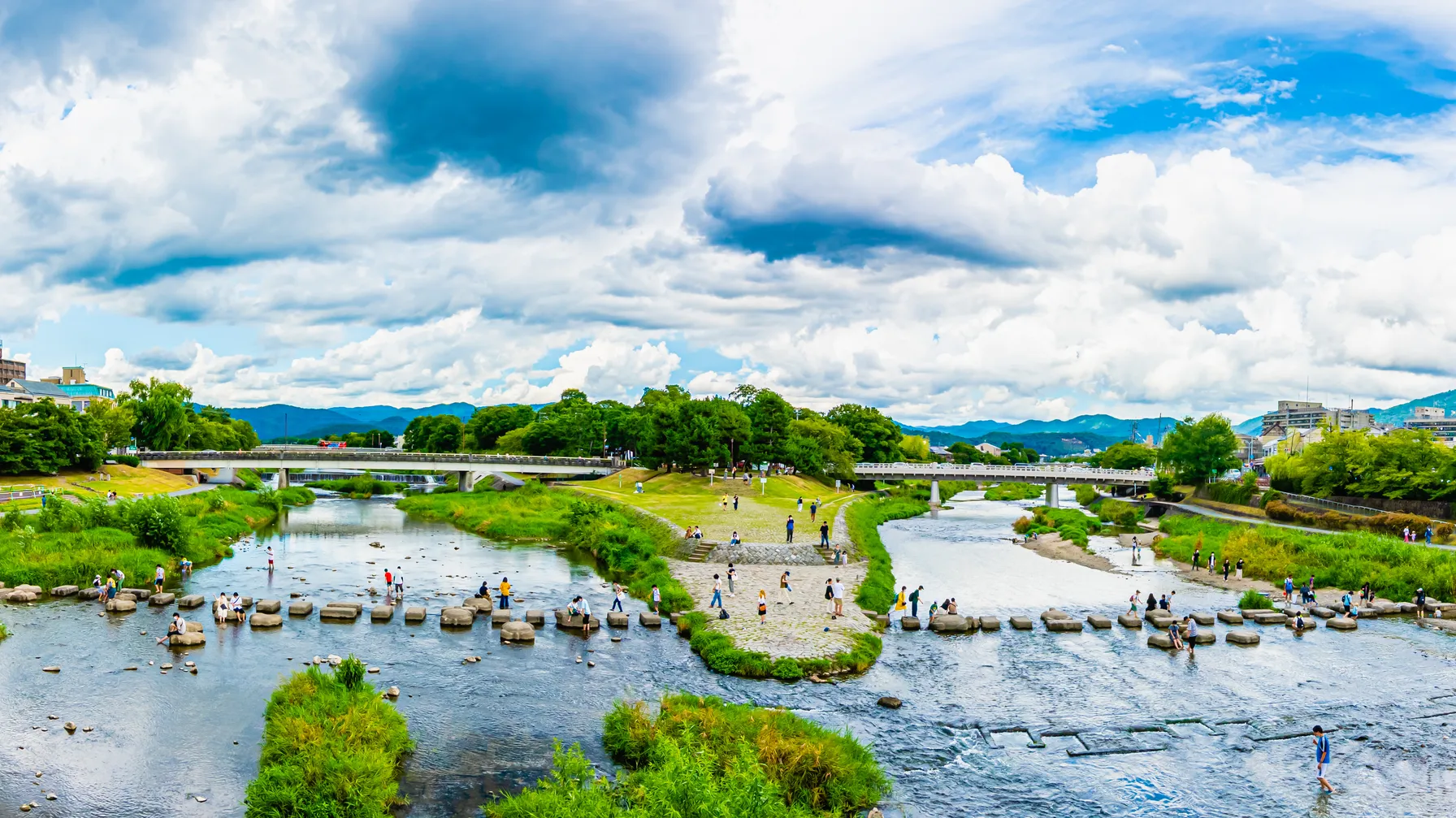
The hidden treasures of Kyoto are also revealed in less frequented districts like Pontocho, with its stilted restaurants overlooking the Kamogawa River, or in the secret alleys of Higashiyama where workshops still uphold the ancestral techniques of silk, lacquer, or pottery.
Contact us for more information on the best times to visit
What cultural routes to prioritize during your stay?
Planning a cultural itinerary in Kyoto requires a strategic approach to fully enjoy the rich heritage without experiencing the tourist crowds. Each route reveals different facets of this millennial civilization.
Discovery circuit from the center of Kyoto and its surroundings
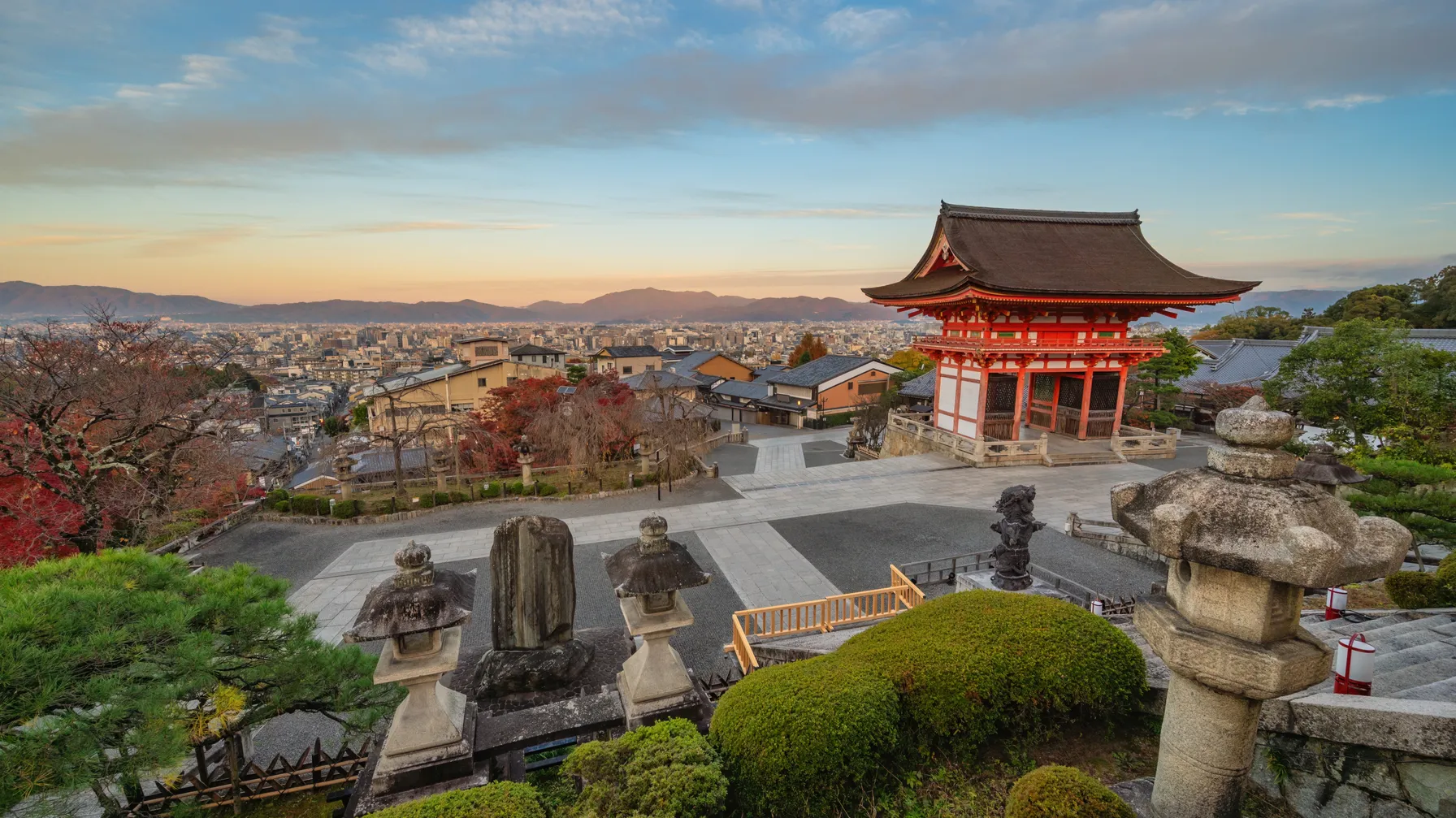
An optimal route begins by exploring the center of Kyoto, around the Kyoto station and its modern facilities, contrasting with the surrounding traditional architecture. This approach allows an appreciation of the harmonious coexistence between tradition and modernity that characterizes the city.
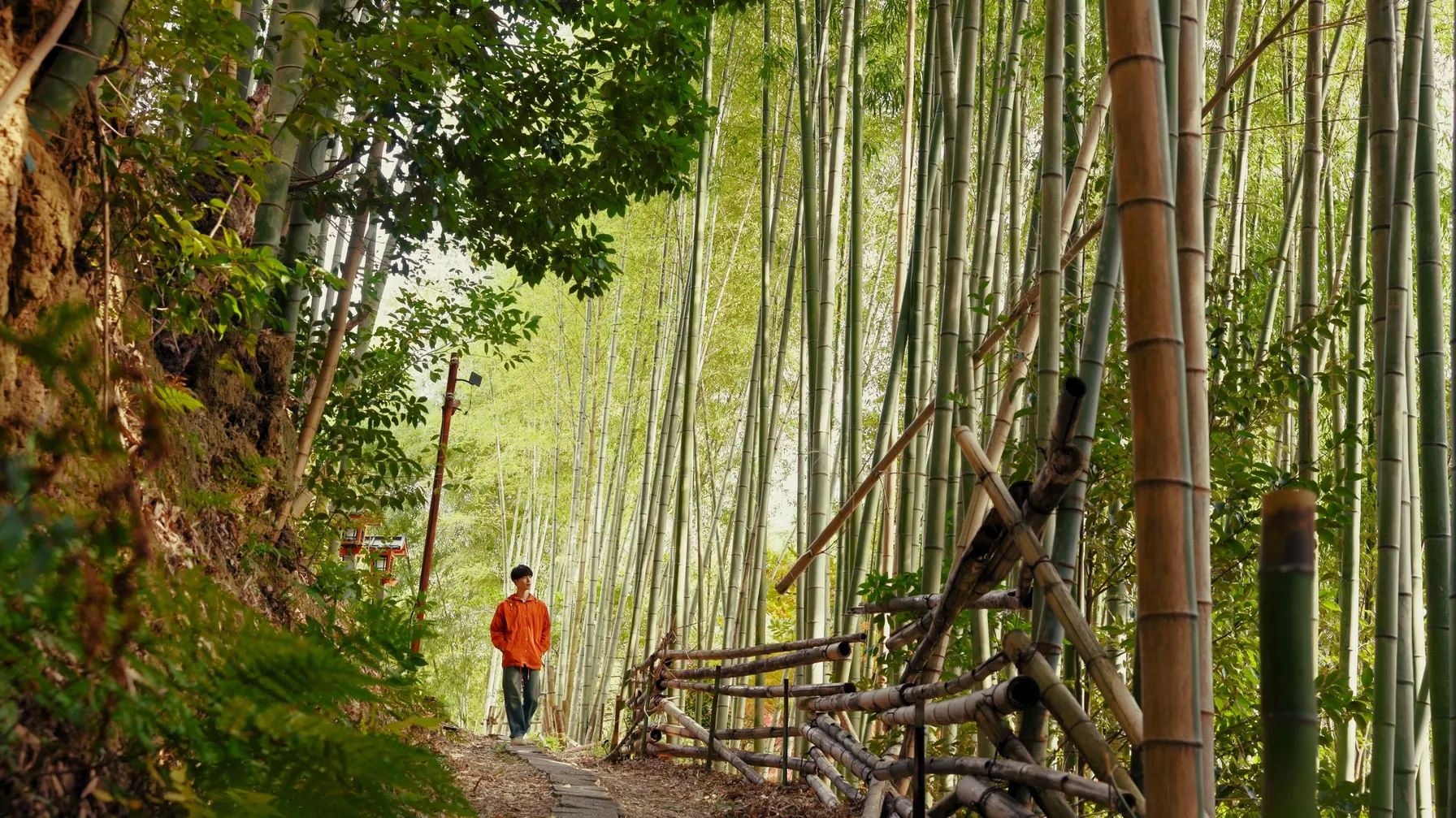
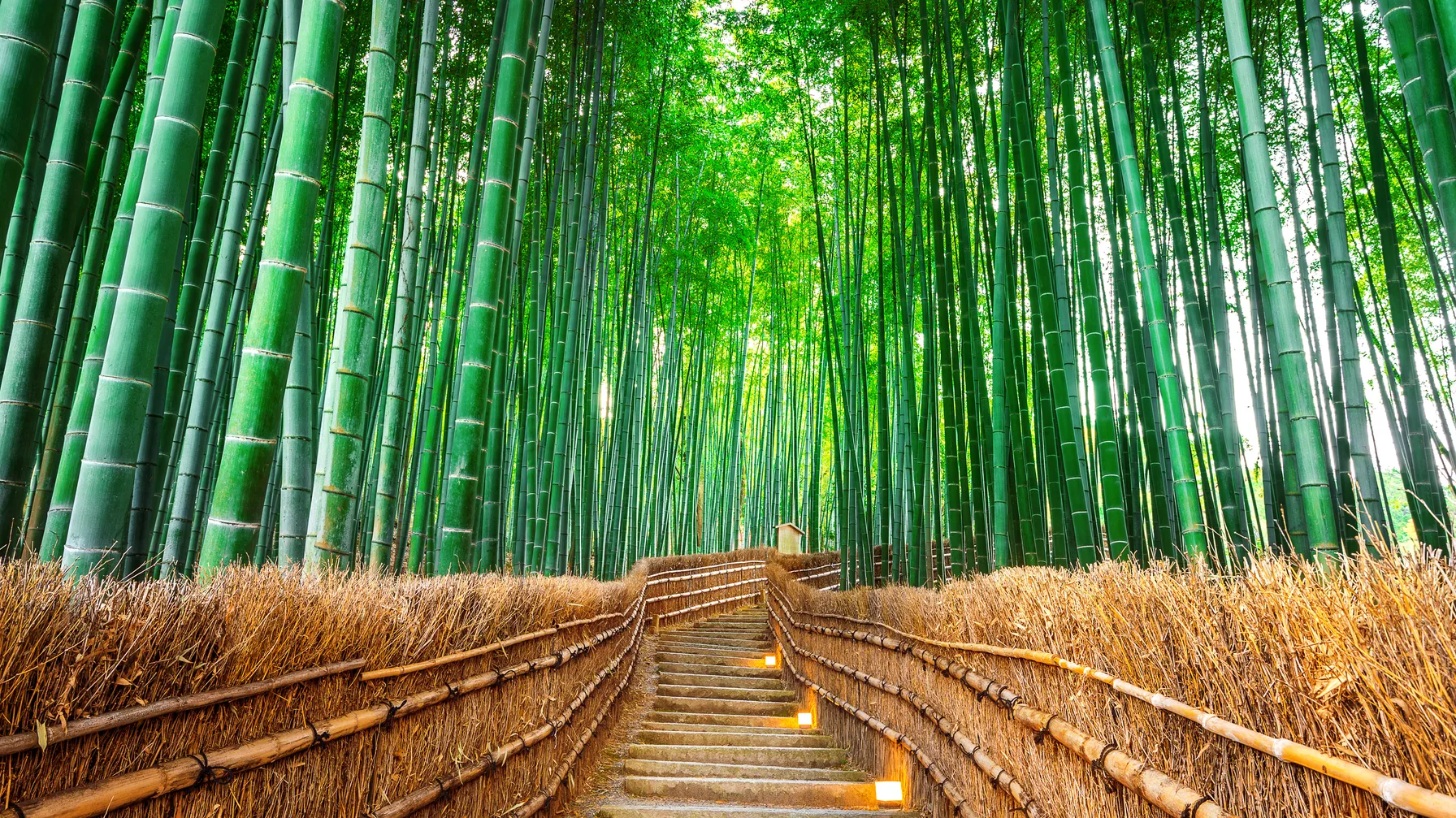
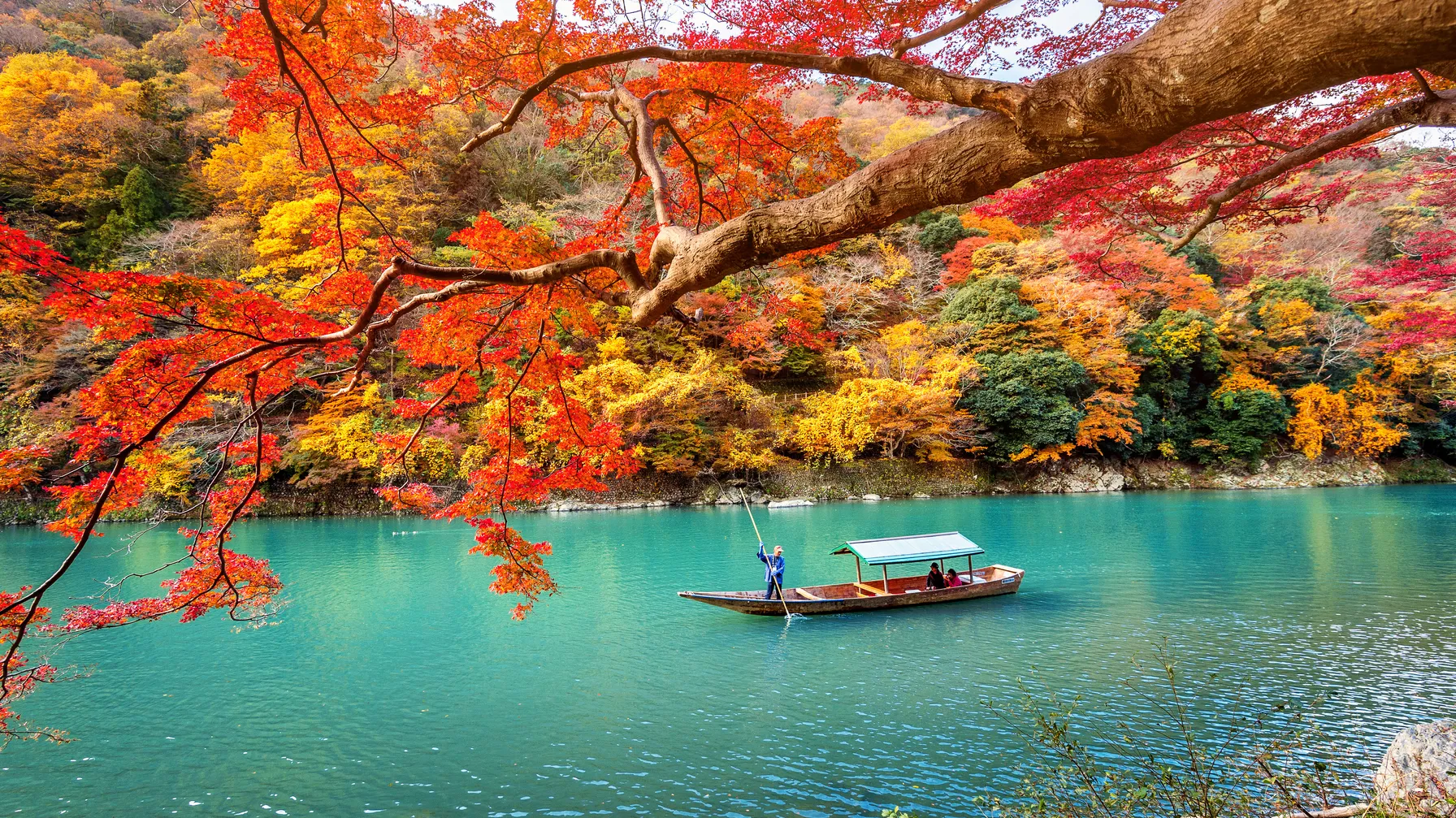
West Kyoto deserves a full day with the discovery of Arashiyama and its famous bamboo grove, a true plant cathedral that filters light creating a mystical atmosphere. The Tenryu-ji temple, with its stunningly beautiful landscaped gardens, completes this immersion in sacred nature.
The journey north reveals other treasures: the Golden Pavilion at sunrise offers a magical experience when the first rays illuminate its gilded facades, while the Ryoan-ji temple invites contemplation in its enigmatic stone garden. This geographic organization optimizes travel while varying cultural atmospheres.
Immersive experiences according to the seasons
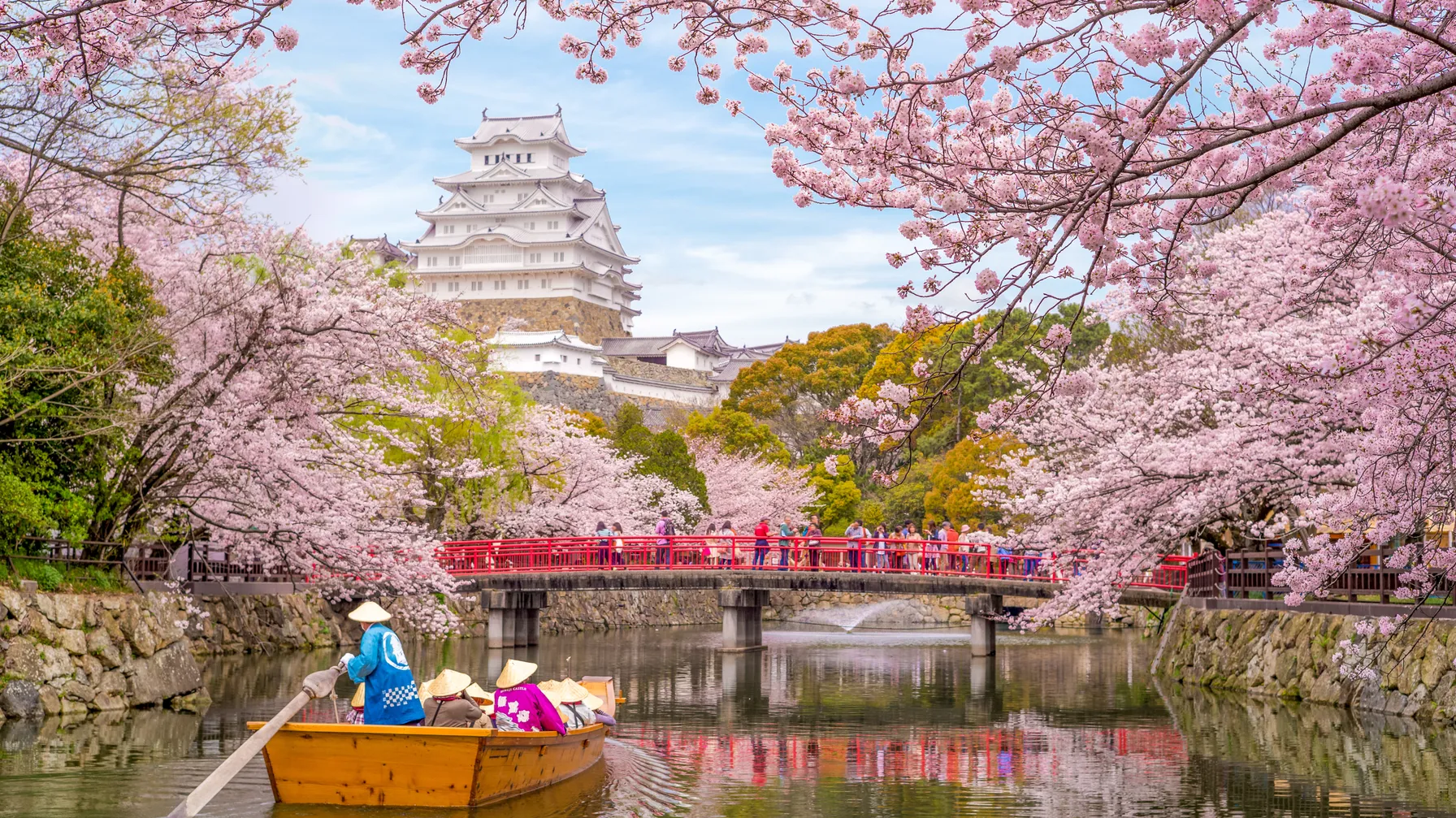
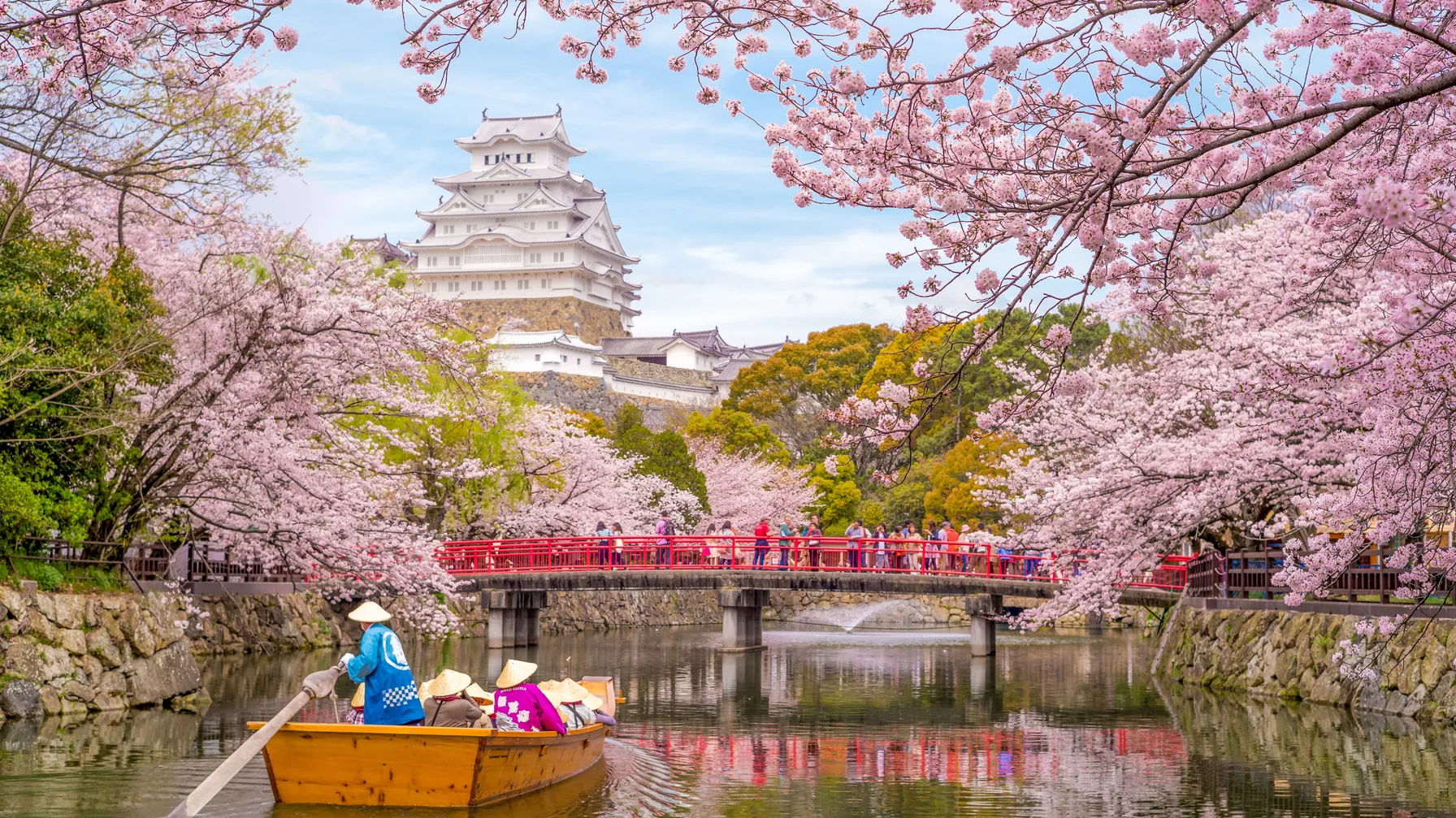
Each season transforms the cultural experience of Kyoto by revealing particular aspects of the Japanese sensibility. Spring magnifies the cherry blossoms that adorn temples and gardens with ephemeral beauty, celebrated for centuries. This privileged period allows for hanami, those contemplative picnics under the blossoming sakuras.
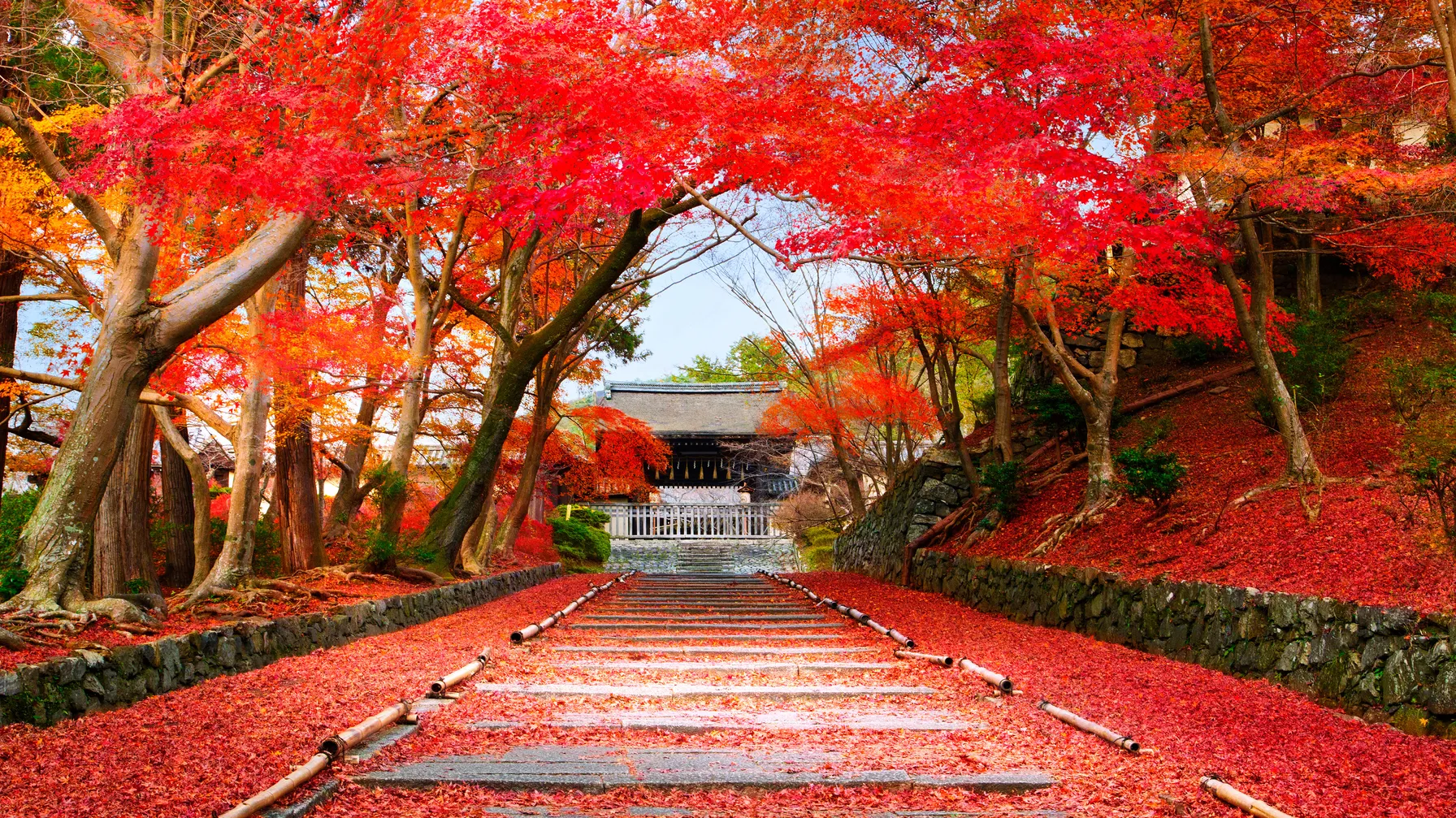
Autumn sets the Zen gardens ablaze with vibrant colors, creating pictorial compositions of striking intensity. The maples of the Tofuku-ji temple then offer a natural spectacle of breathtaking beauty, while the imperial gardens don vibrant gold and purple hues.
Winter reveals a more intimate Kyoto, where snow accentuates the architecture of the temples and creates a subdued atmosphere conducive to meditation. Tea ceremonies then take on a particularly warm dimension, offering a refuge against the outdoor cold.
Seasonal festivals enrich this cultural discovery: the Gion Matsuri festival in July features spectacular processions dating back to the 9th century, while winter illuminations transform certain temples into magical light settings.
Book your trip to Kyoto now
Frequently asked questions
How much time is needed to explore the culture of Kyoto?
A minimum stay of four to five days is necessary to grasp the main cultural aspects of Kyoto. This duration allows enough time to visit World Heritage sites, participate in traditional experiences like the tea ceremony, and explore different historical districts without haste.
When to book traditional cultural experiences?
Cultural activities such as tea ceremonies, meetings with geishas, or traditional art classes require booking several weeks in advance, especially during peak seasons (spring and autumn). Some exclusive experiences in private tea houses even require booking several months in advance.
How to avoid crowds at major cultural sites?
Visiting the most famous temples like the Golden Pavilion or the Fushimi Inari Shrine is best scheduled very early in the morning, right at opening, or late in the day. The quieter periods of January-February and June-July also offer a more serene experience while still providing full access to the cultural offerings.