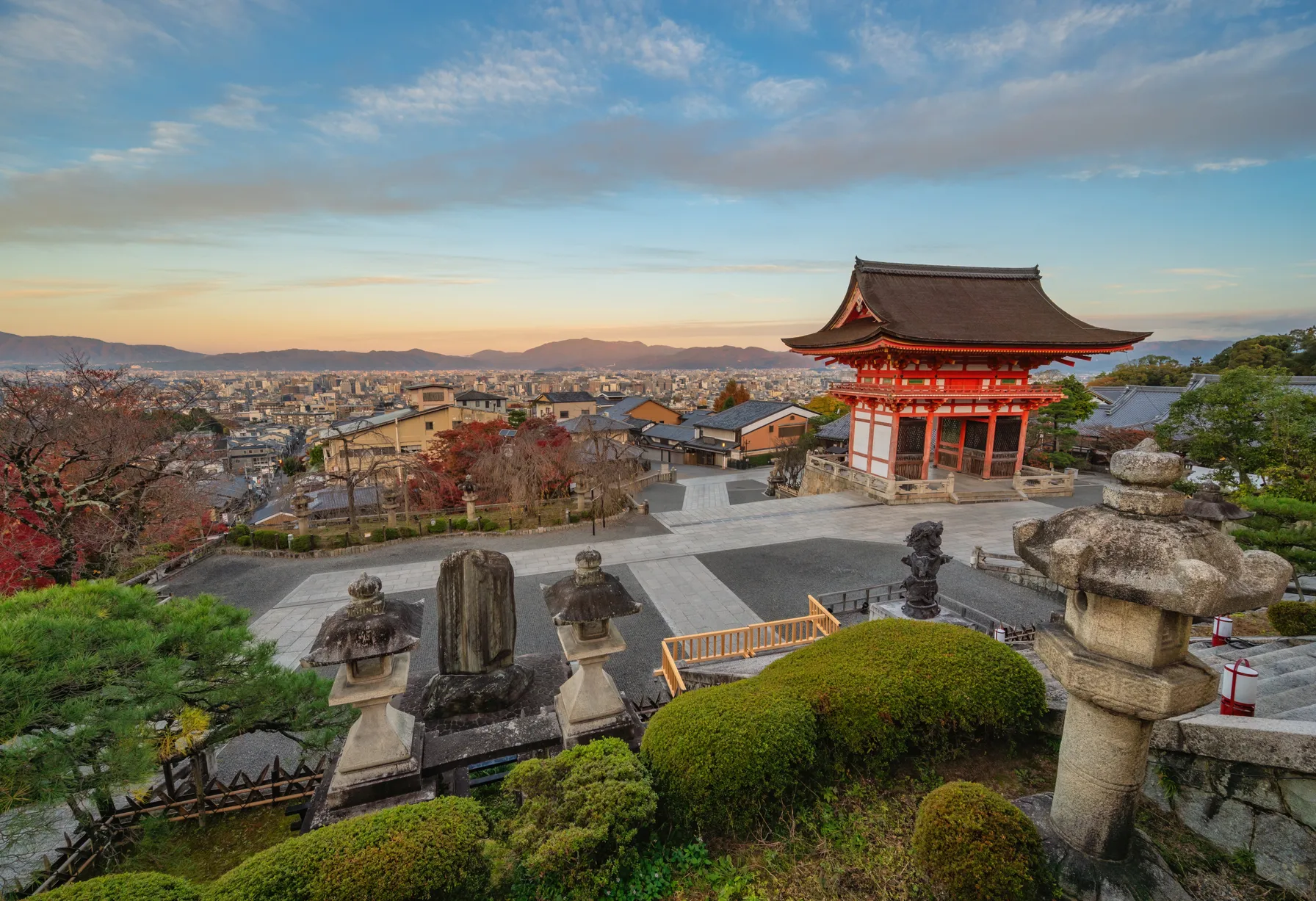
Kyoto Guide: Everything You Need to Know to Plan Your Trip to the Ancient Japanese Capital
Why is Kyoto so fascinating to travelers?
Located in the Kansai region on Honshu island, the city of Kyoto represents the cultural heart of Japan. This former Japanese capital, which ruled over the Empire for more than a thousand years, today houses a heritage of unmatched richness. Unlike Tokyo, Kyoto has preserved its traditional character, offering travelers an authentic immersion into Japanese culture.
An exceptional cultural heritage
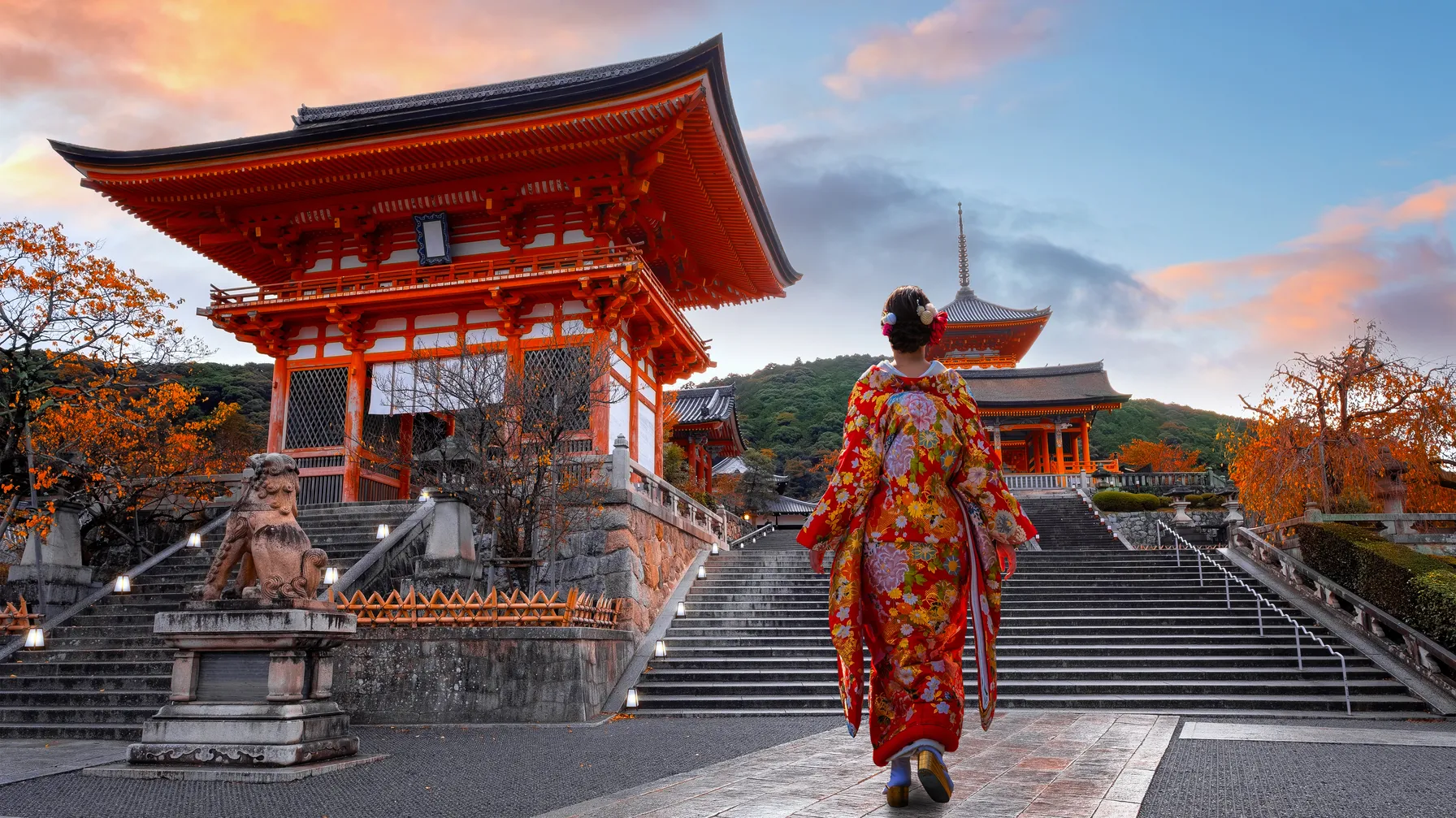
Kyoto is home to more than 2,000 Buddhist temples and Shinto shrines, including 17 UNESCO World Heritage sites. The famous Golden Pavilion (Kinkaku-ji) and Silver Pavilion (Ginkaku-ji) are among the most photographed architectural jewels in the world. The Fushimi Inari Taisha shrine, with its thousands of vermilion torii gates winding up the mountain, offers a striking spiritual experience.
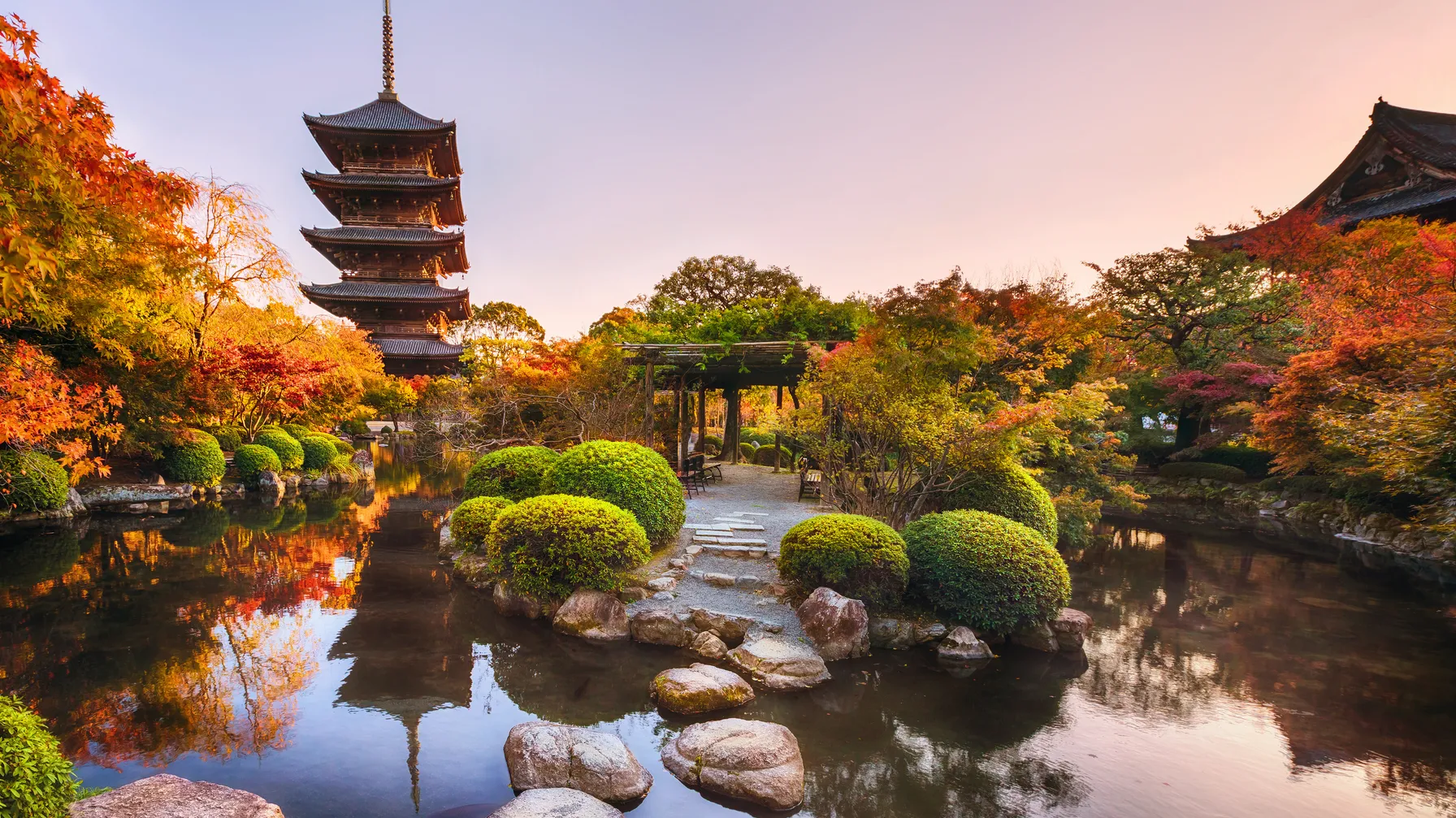
The Zen gardens of Kyoto are true works of landscape art. These contemplative spaces, like the Ryoan-ji temple with its iconic dry garden, invite meditation and provide unique serenity. Every detail is designed to create perfect harmony between man and nature.
Authentic experiences away from the beaten path
Beyond its iconic landmarks, Kyoto reveals its most intimate secrets in its traditional districts. The Gion district, famous for its tea houses (ochaya) and geiko and maiko, transports you to the Japan of yesteryear. The lanes of Pontocho and Hanami-koji still echo with the steps of courtesans of the past.
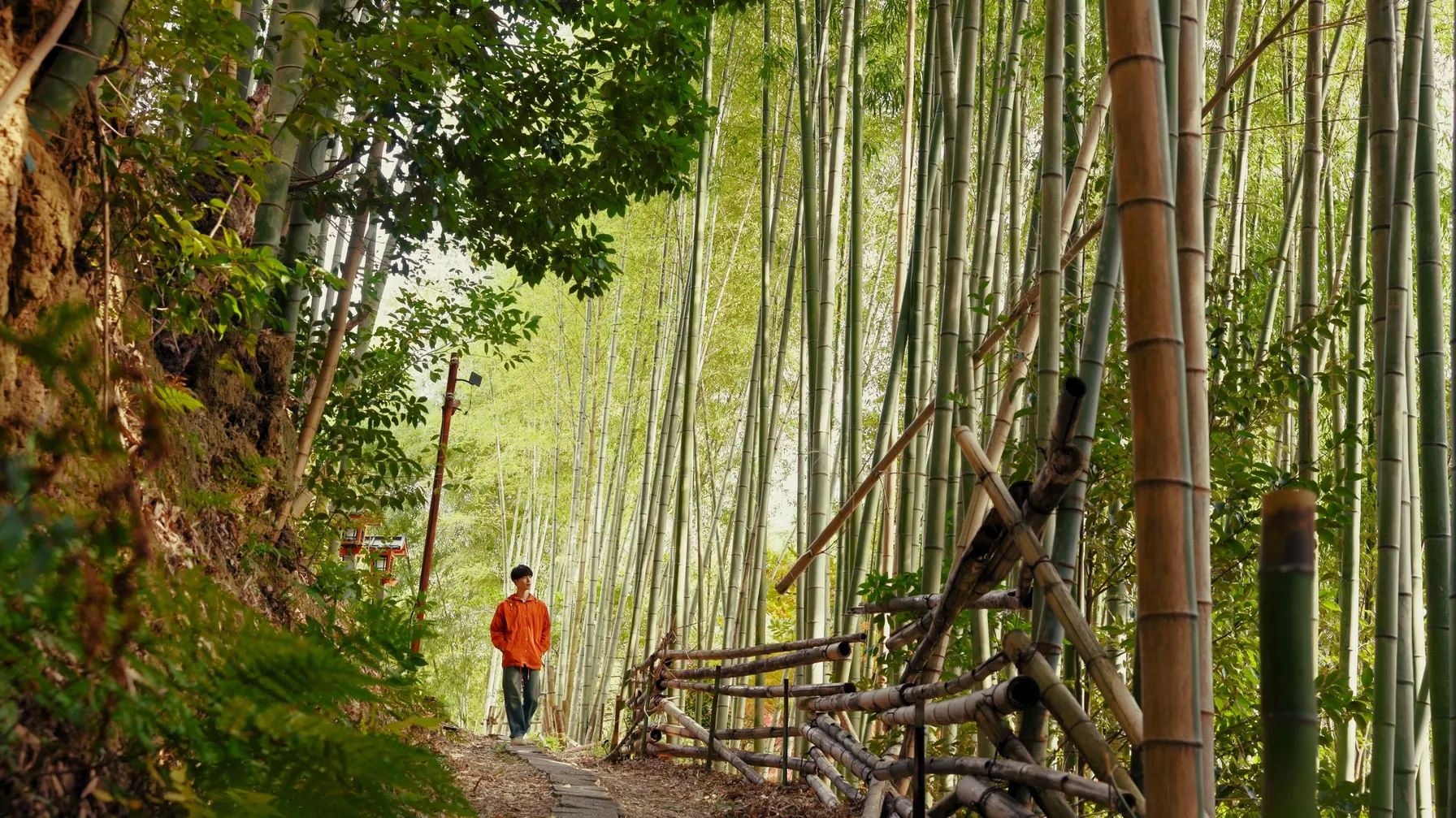
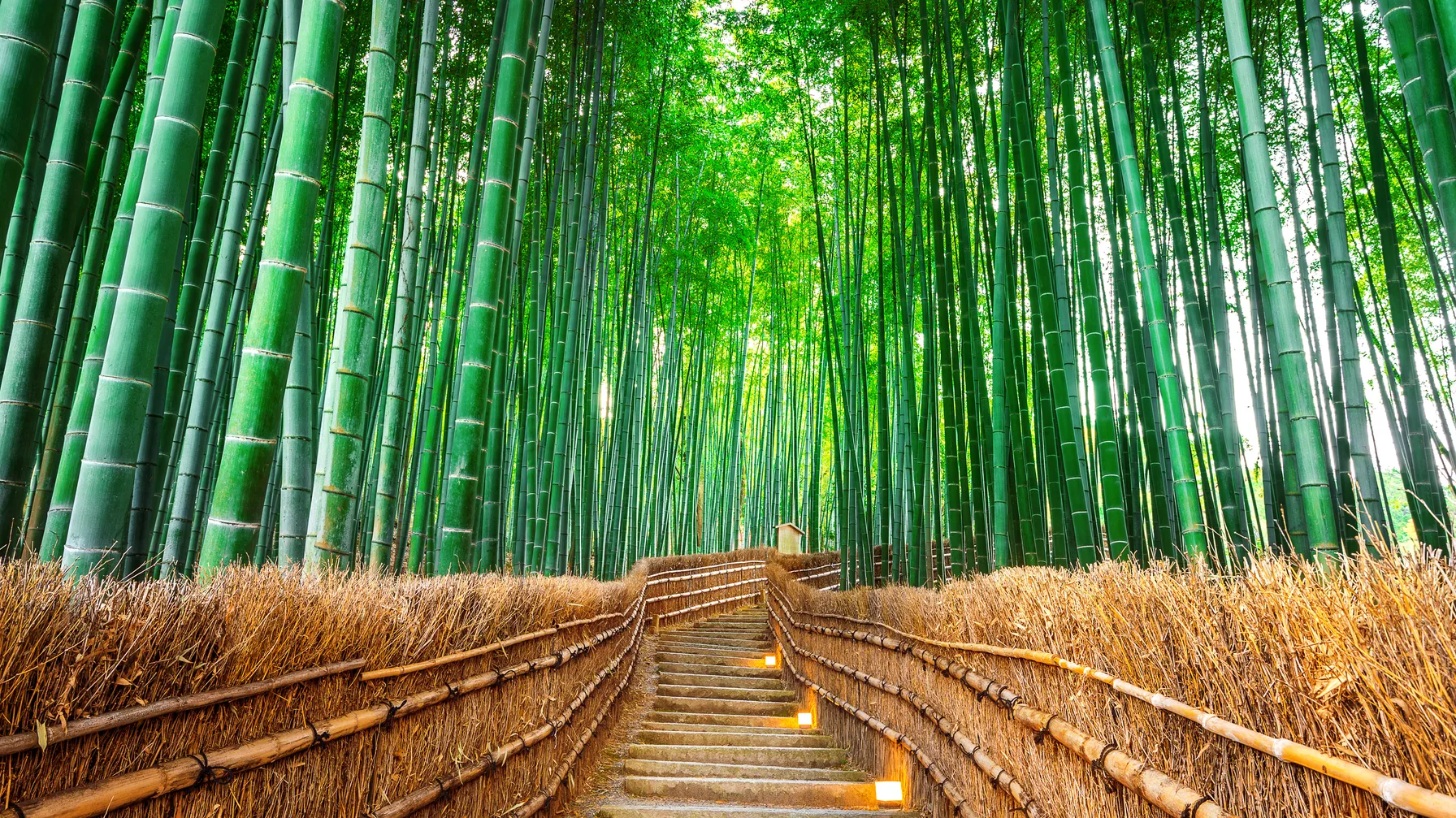
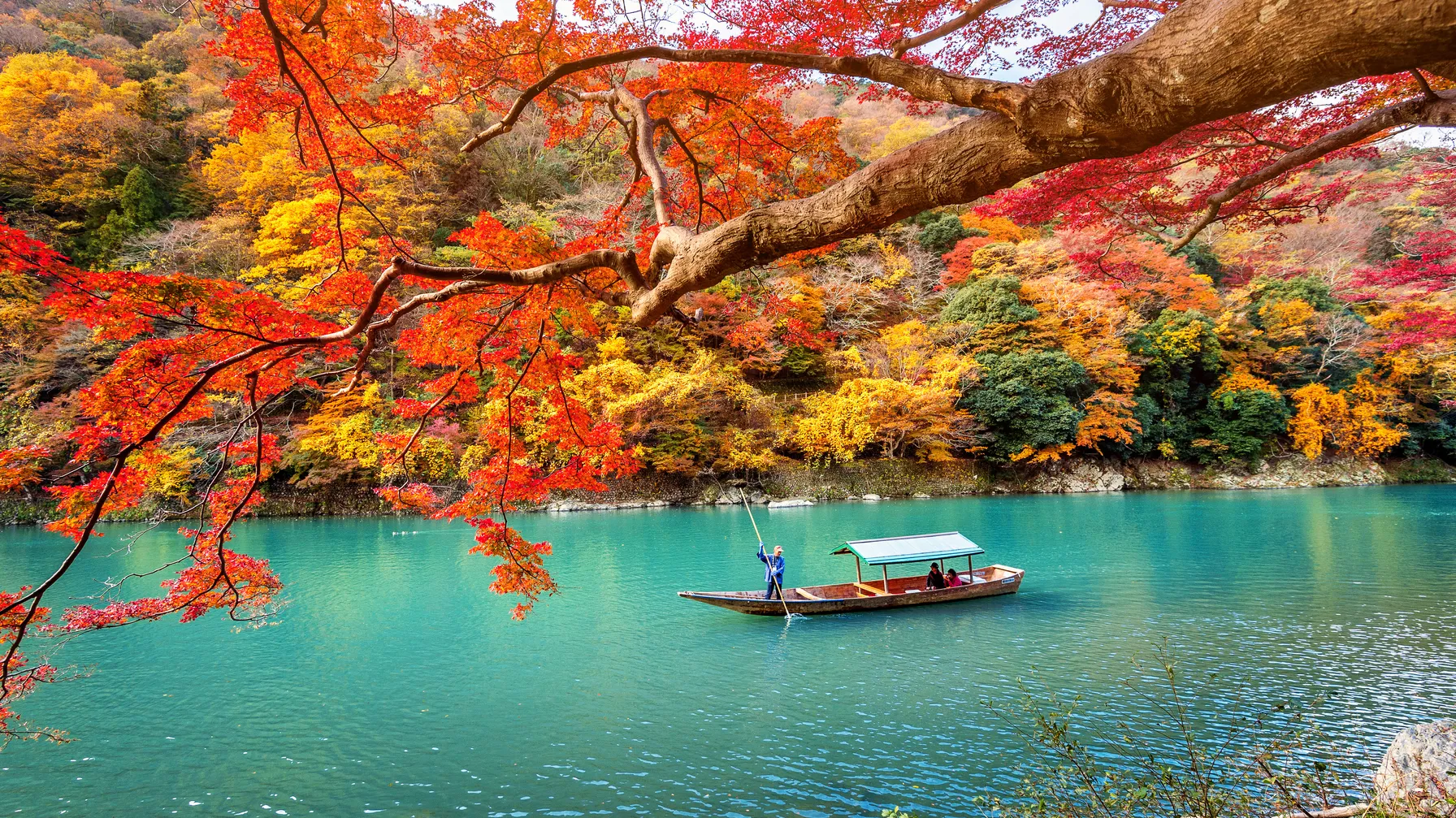
To discover Kyoto from a different angle, venture to the Arashiyama Bamboo Forest, where the filtered light creates a mystical atmosphere. The Nishiki Market, known as "the kitchen of Kyoto," introduces you to local flavors with its stalls of culinary specialties. A tea ceremony in an authentic tea house completes this cultural immersion.
Contact us for more information on the best experiences in Kyoto
When to visit Kyoto to fully enjoy your stay?
Planning your trip to Kyoto depends largely on your expectations and tolerance for tourist crowds. Each season reveals a different facet of the former capital, each with its advantages and constraints.
Deciphering the seasons and climate
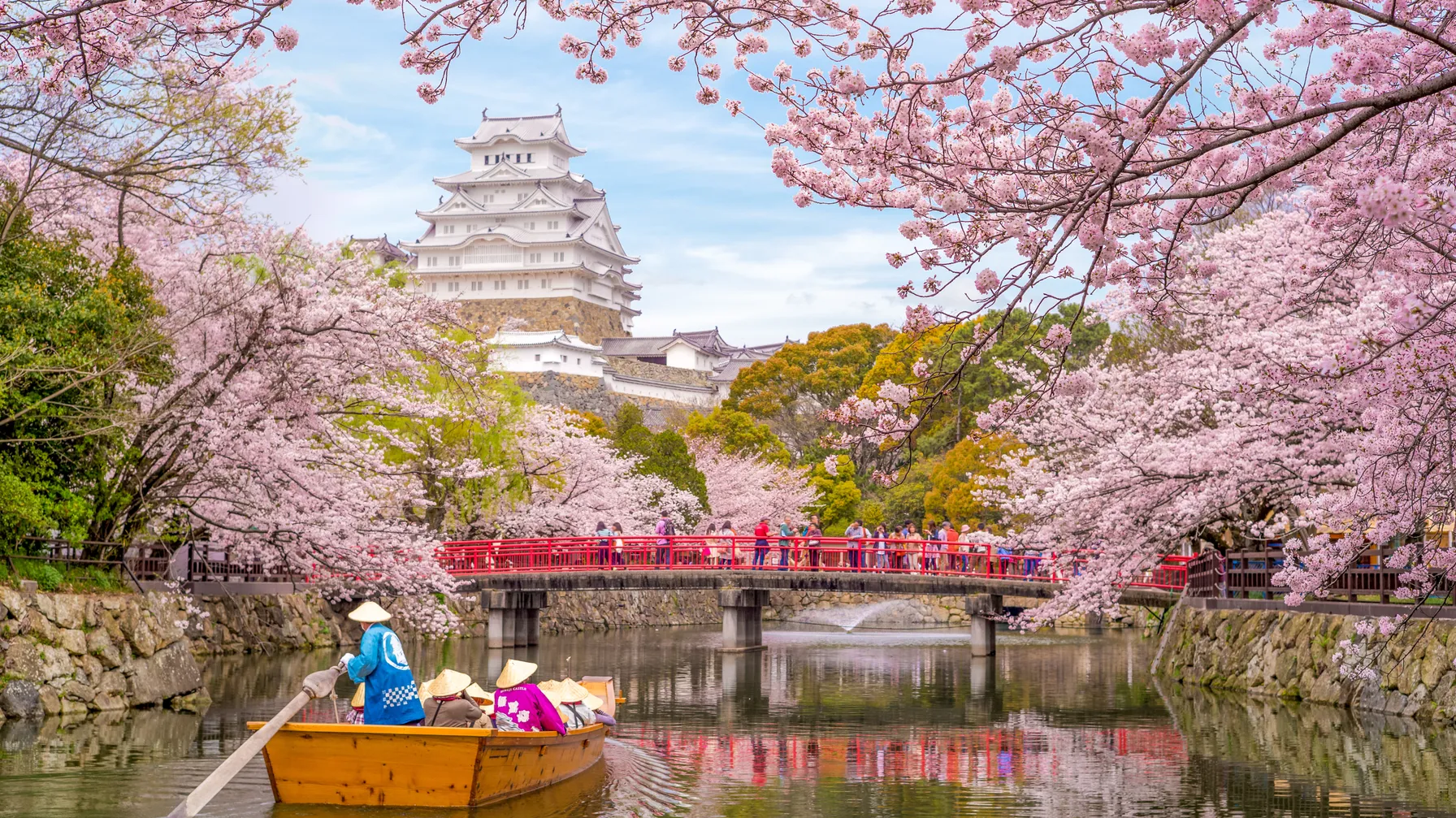
Kyoto's climate is characterized by four distinct seasons. Spring (March to May) transforms the city into an impressionist painting with the blooming of cherry trees (sakura). The mild temperatures, ranging from 15 to 25°C, make visits very pleasant. However, this period coincides with a massive influx of Japanese and international tourists.
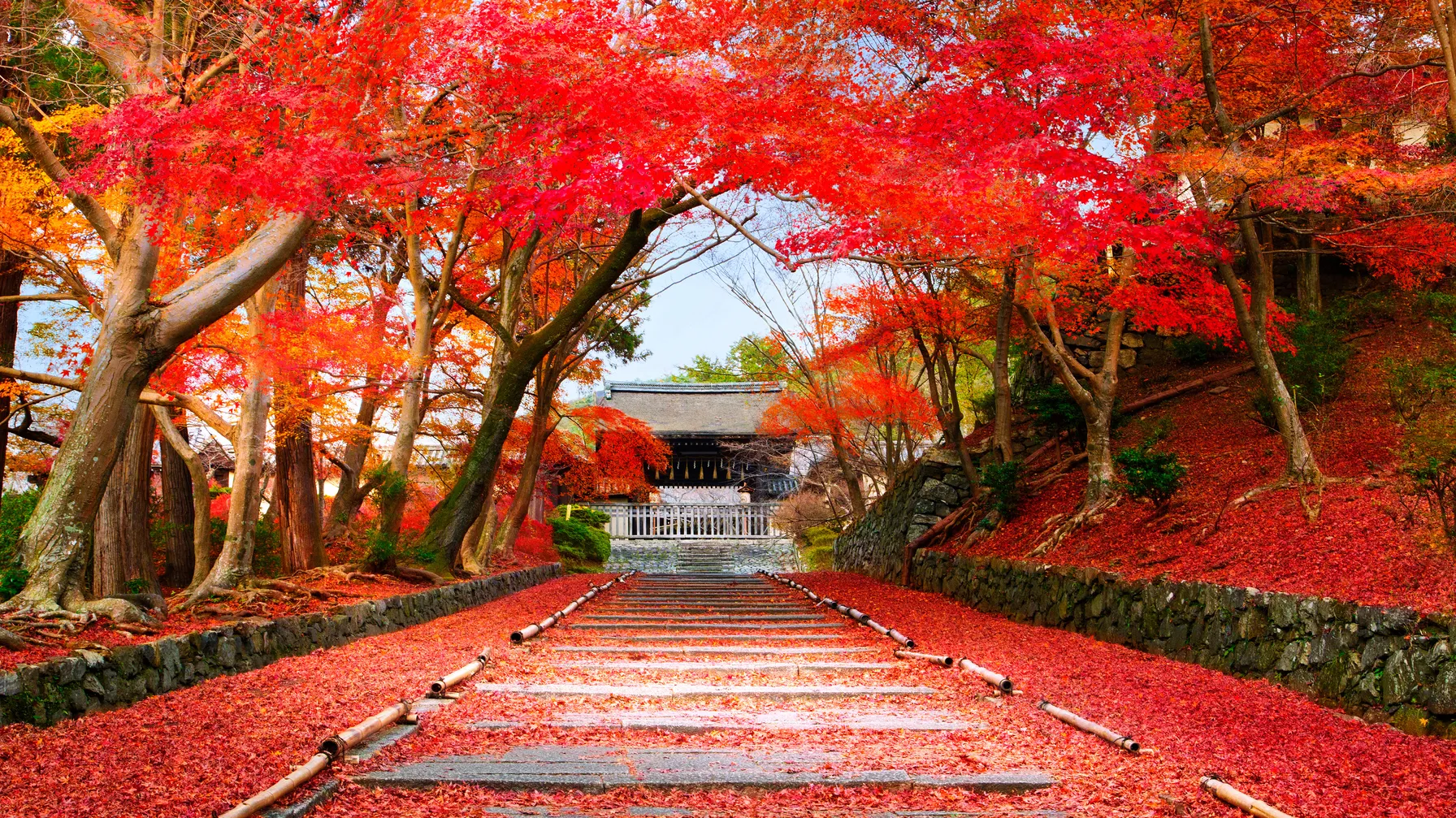
Summer (June to August) brings heat and humidity, with temperatures that can exceed 35°C. The rainy season (tsuyu) in June-July may disrupt your plans, but it reveals gardens of lush beauty. Autumn (September to November) offers a grand spectacle with red and gold foliage (momiji), particularly photogenic in temples and gardens.
Winter (December to February) has the advantage of reduced attendance and advantageous rates. Despite chilly temperatures (5 to 10°C), this season allows you to appreciate the tranquility of the places and sometimes the magic of snow on traditional roofs.
Choose the period according to your desires
| Period | Temperature | Crowd | Advantages | Disadvantages |
|---|---|---|---|---|
| Spring | 15-25°C | Very high | Sakura, mild climate | Crowds, high prices |
| Summer | 25-35°C | High | Festivals, green gardens | Heat, humidity |
| Autumn | 10-25°C | Very high | Spectacular momiji | Significant crowd |
| Winter | 5-10°C | Low | Quiet, attractive prices | Cold, short days |
For optimal discovery, prefer the months of May, October, or the winter periods if you seek privacy. Families with children will particularly appreciate the spring despite the crowd, while solo travelers can enjoy the winter serenity.
Book your trip to Kyoto now
How to effectively organize your discovery of Kyoto?
Good preparation is essential to maximize your time in this city of a thousand faces. The organization of your itinerary must take into account distances, opening hours, and local logistics.
The must-visit neighborhoods
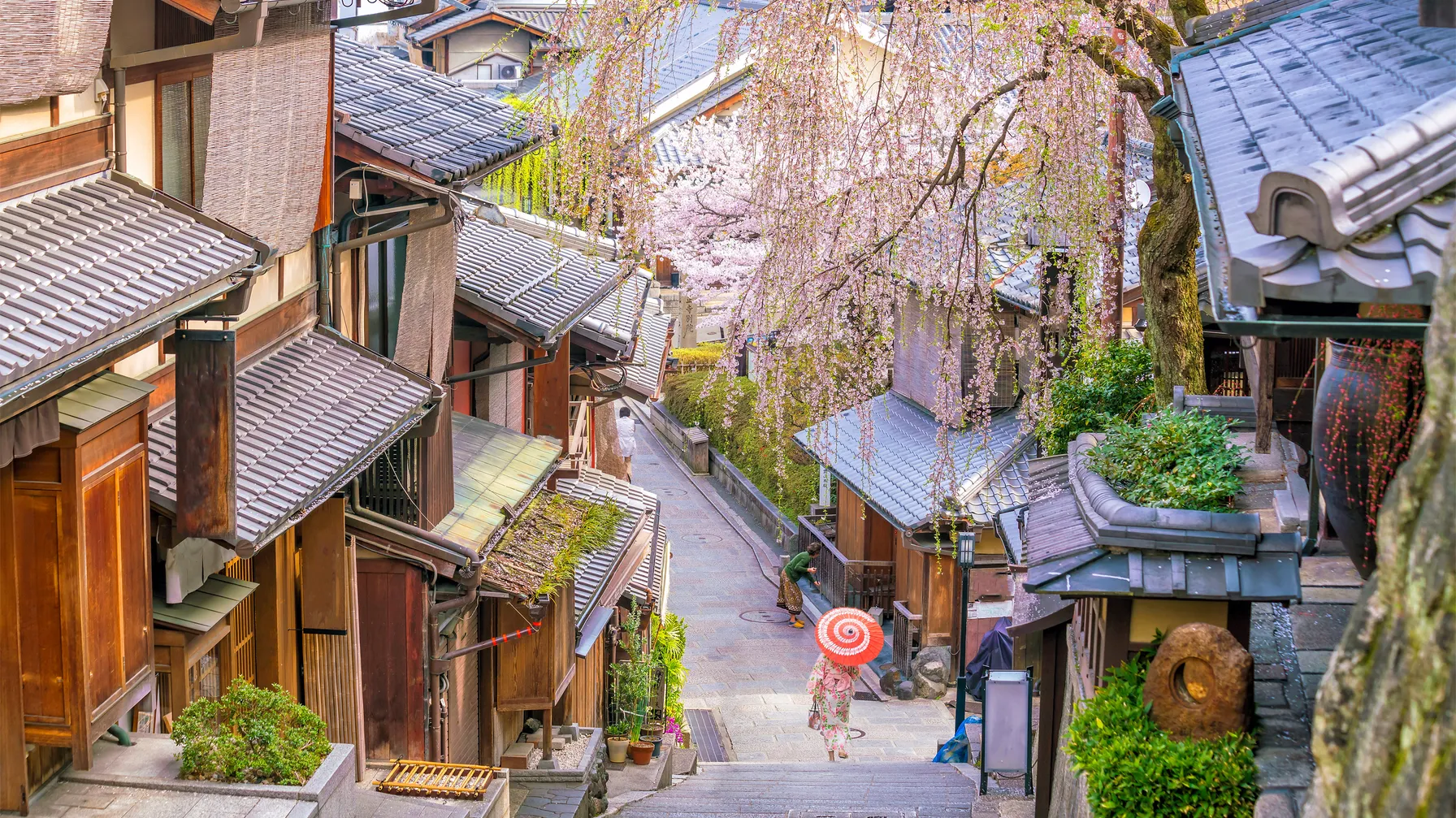
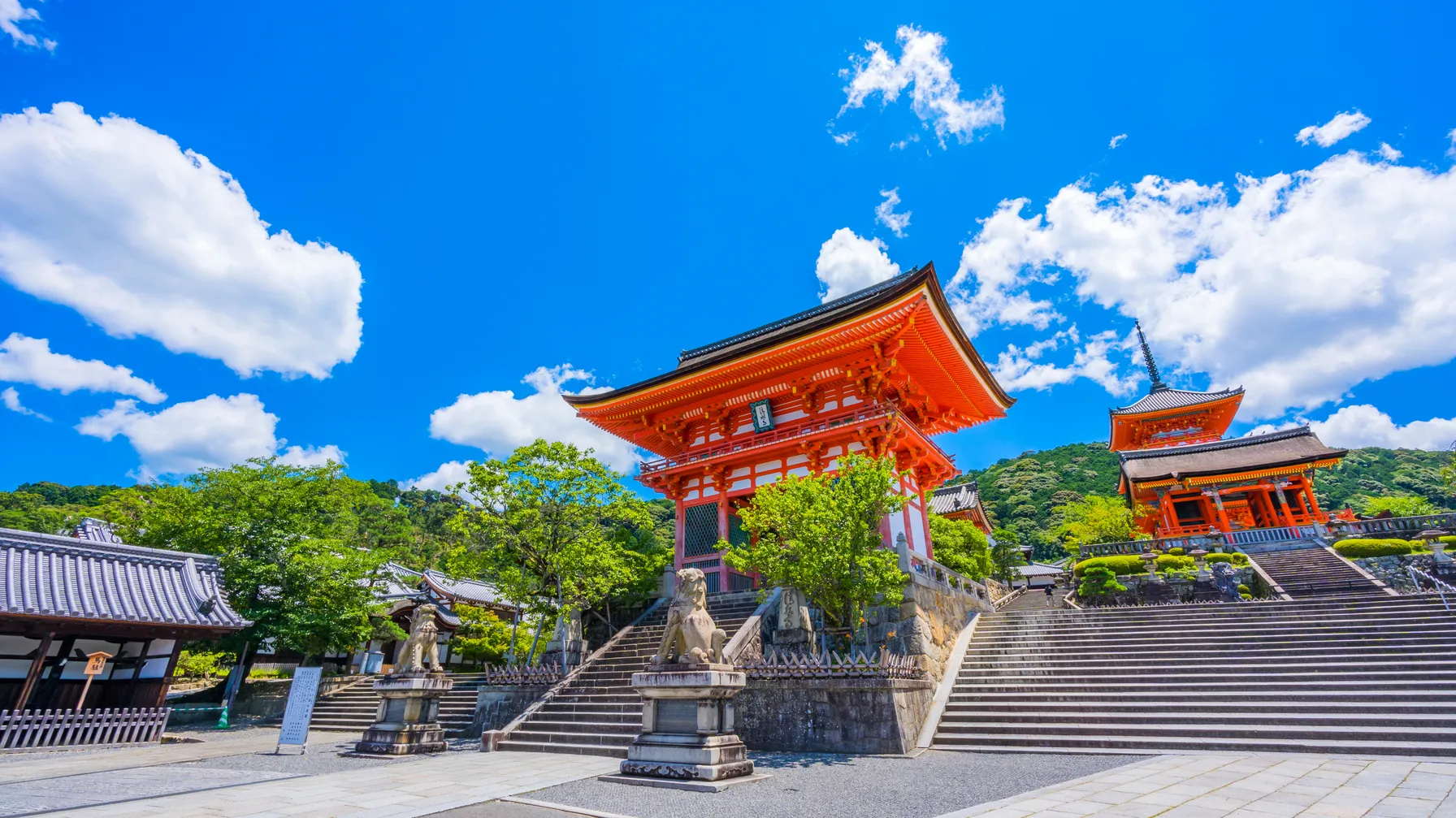
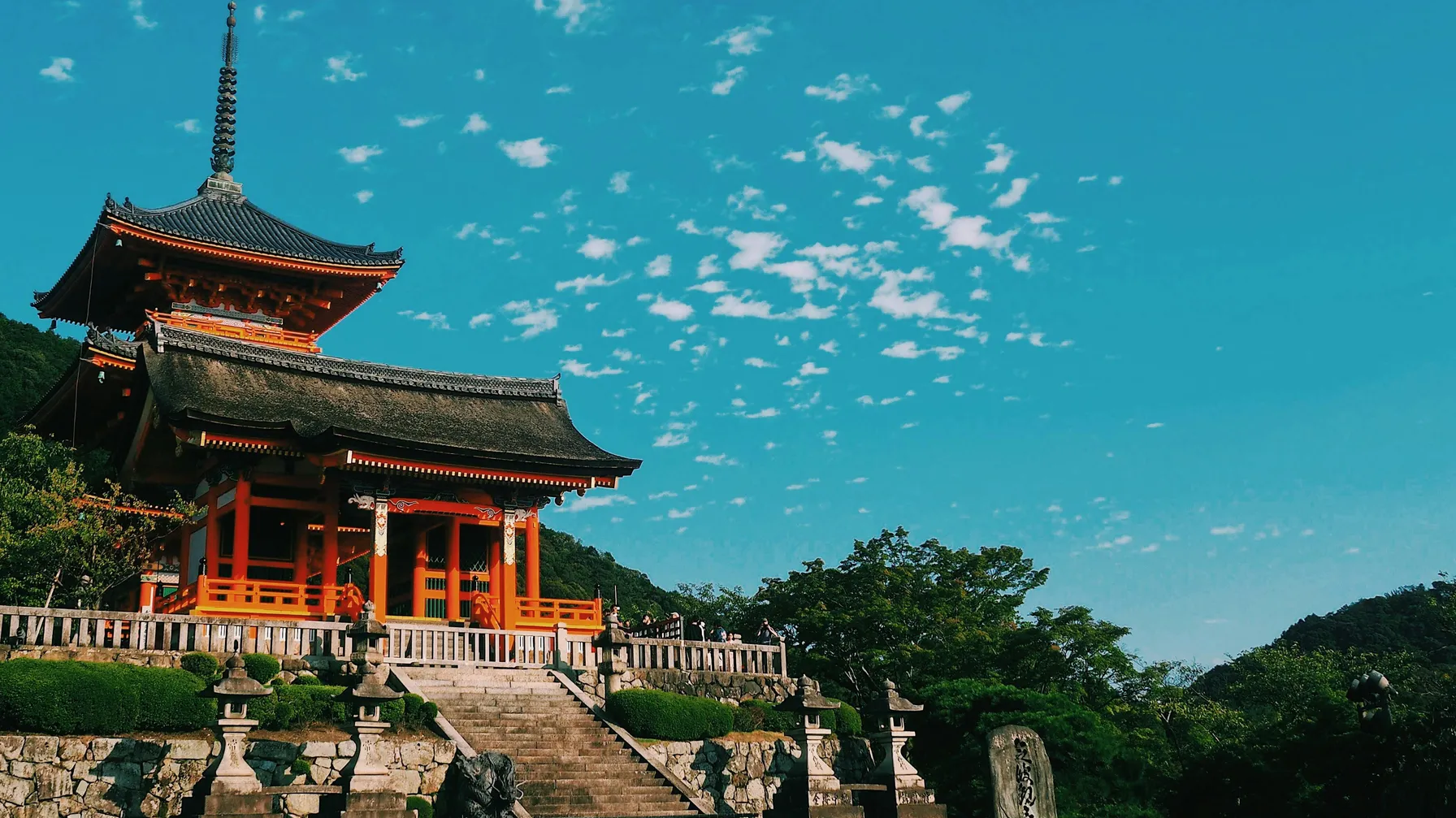
Kyoto is divided into several sectors, each with its own personality. The Higashiyama sector concentrates some of the most famous temples: Kiyomizu-dera, with its terrace offering a panoramic view of the city, and the preserved district of Sannenzaka-Ninenzaka with its cobblestone alleys lined with traditional shops.
The northern sector houses the Golden Pavilion and the gardens of Ryoan-ji Temple, while Arashiyama in the west captivates with its bamboo forest and natural landscapes. Don't forget Fushimi in the south, known for its shrine with thousands of torii gates and its traditional sake breweries.
For a complete cultural immersion, book a guided tour with a French-speaking guide. These local guides will reveal the hidden secrets of each neighborhood and allow you to discover places inaccessible to regular tours.
Transport and practical advice for getting around
The Kyoto transportation network combines city buses, subways, and private trains. The bus remains the most convenient way to reach tourist sites, but be aware of traffic jams during rush hours. Expect to pay around 230 yen per bus trip.
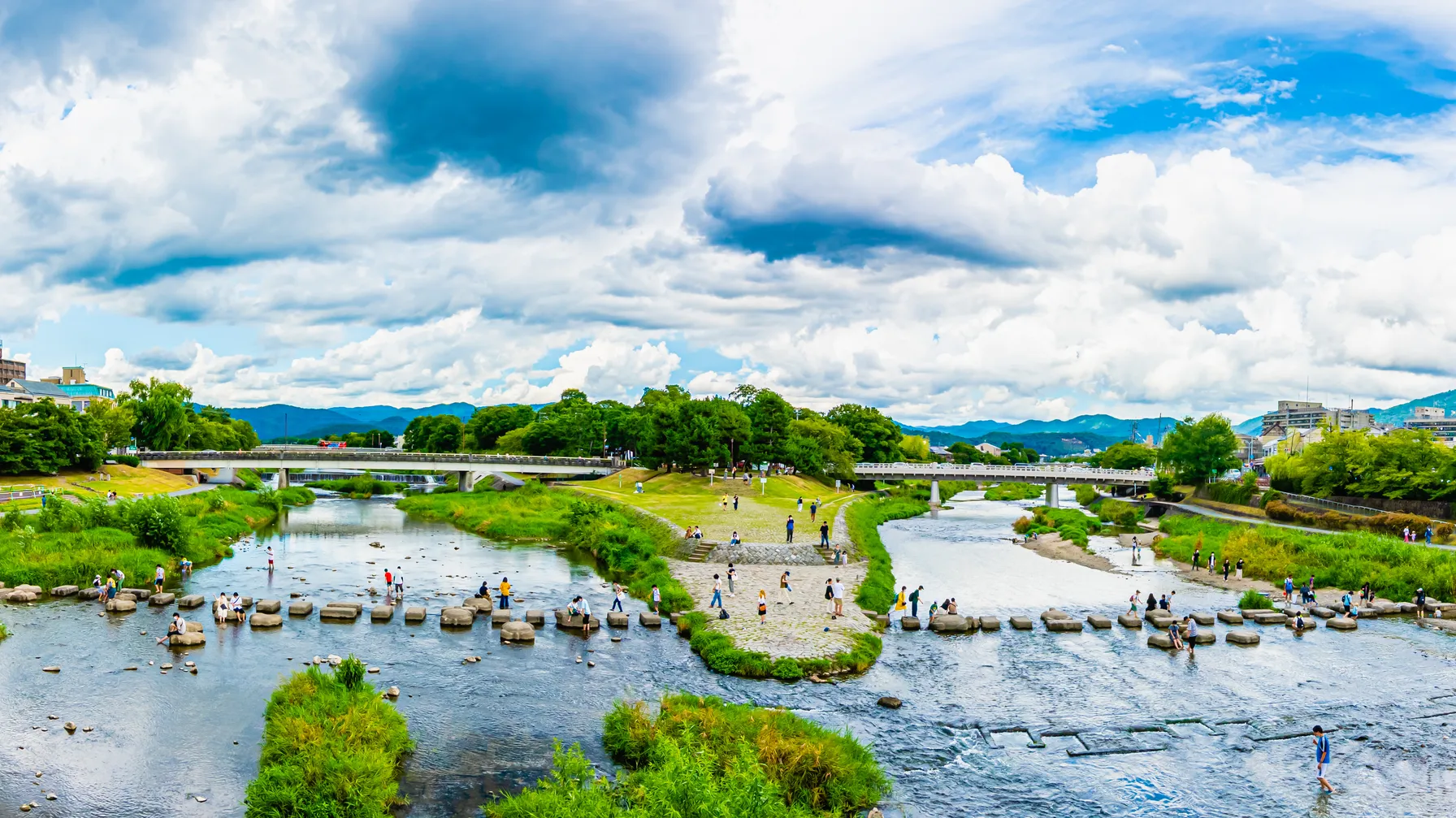
For your first days in Kyoto, invest in a daily transport pass (600 yen) that allows you to use city buses freely. Bicycling is also an excellent alternative for exploring neighborhoods at your pace, especially enjoyable in Arashiyama or along the Kamo River.
For accommodations, choose a traditional ryokan for an authentic experience or a modern hotel near Kyoto station for convenience. The districts of Gion and Pontocho, although more expensive, immediately immerse you in the historical ambiance.
- Wear shoes easy to remove for temple visits;
- Respect the photography rules, especially in the geiko district;
- Carry cash as many establishments do not accept cards;
- Learn some basic Japanese words to enrich your interactions.
Kyoto cuisine deserves special attention. The kaiseki cuisine, refined and seasonal, represents Japanese culinary art at its peak. Local specialties such as Kyoto tofu (yudofu), pickled vegetables (tsukemono) or delicate wagashi pastries accompanying matcha tea will introduce you to the subtle flavors of the region.
Contact us for more information about organizing your stay in Kyoto
Demandez votre devis Kyoto sur-mesure 100% gratuit
 4.8
4.8+3.000 travelers satisfied