Why choose a cruise in Thailand?
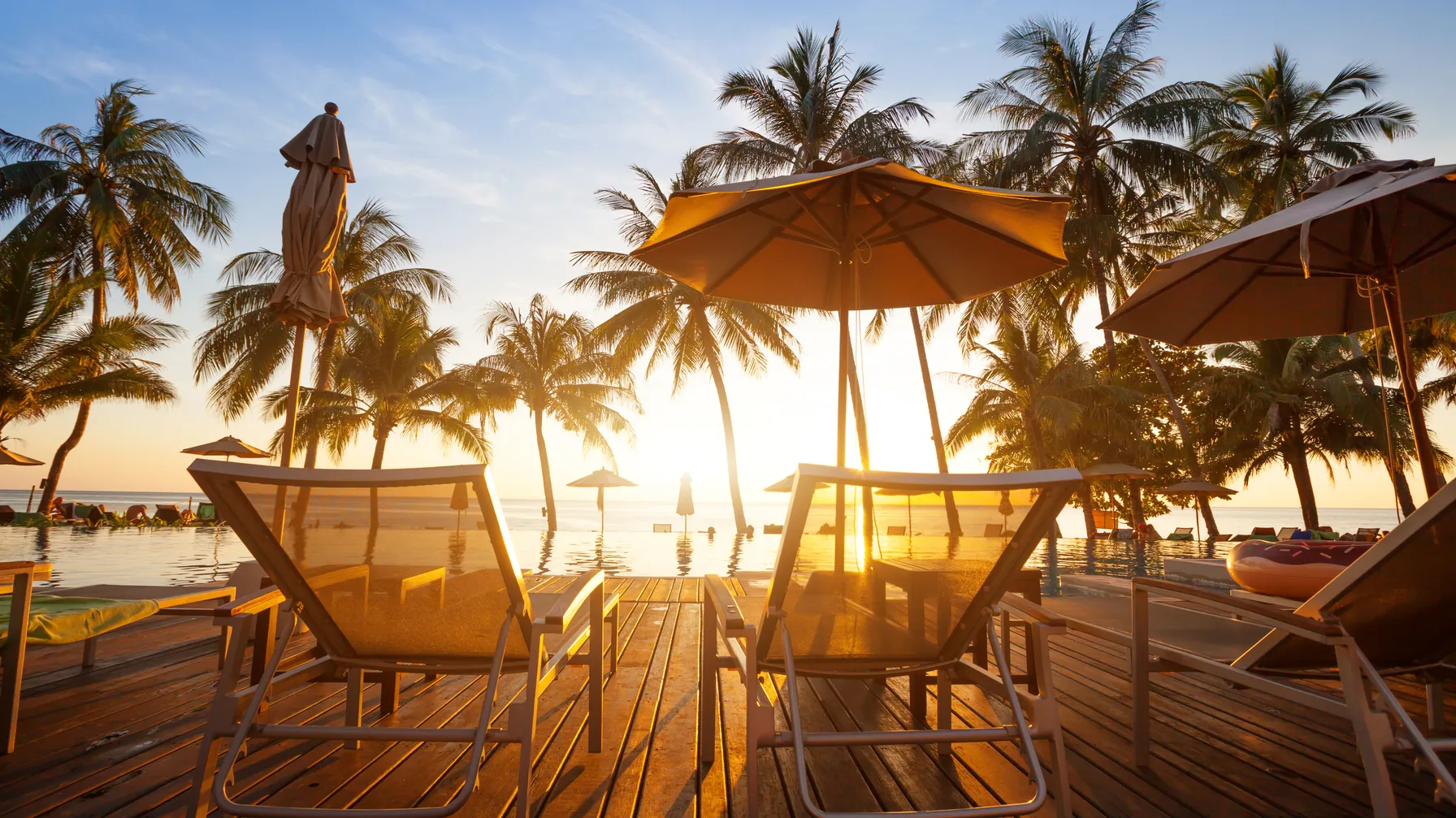
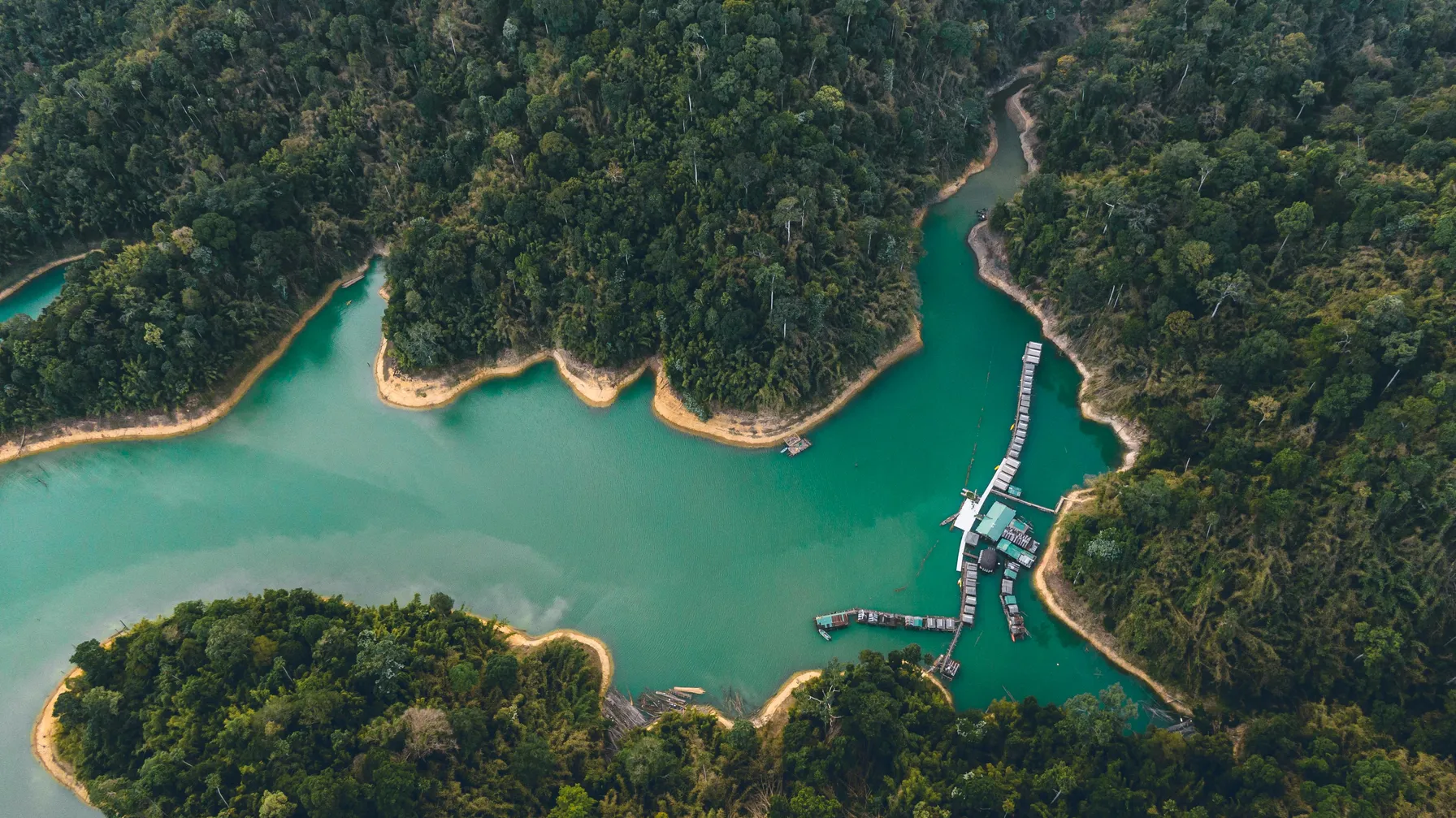
Thailand is one of those destinations that seem to have been designed to be explored from the sea. Its rugged coasts, secret bays, and scattered archipelagos between the Andaman Sea and the Gulf of Thailand make it one of the most fascinating nautical playgrounds in Southeast Asia. But beyond the postcards, it is the diversity of the experience that makes a Thai cruise so unique: each stop opens onto a different world, between unspoiled nature, Buddhist culture, and spicy cuisine.
Exceptional marine landscapes
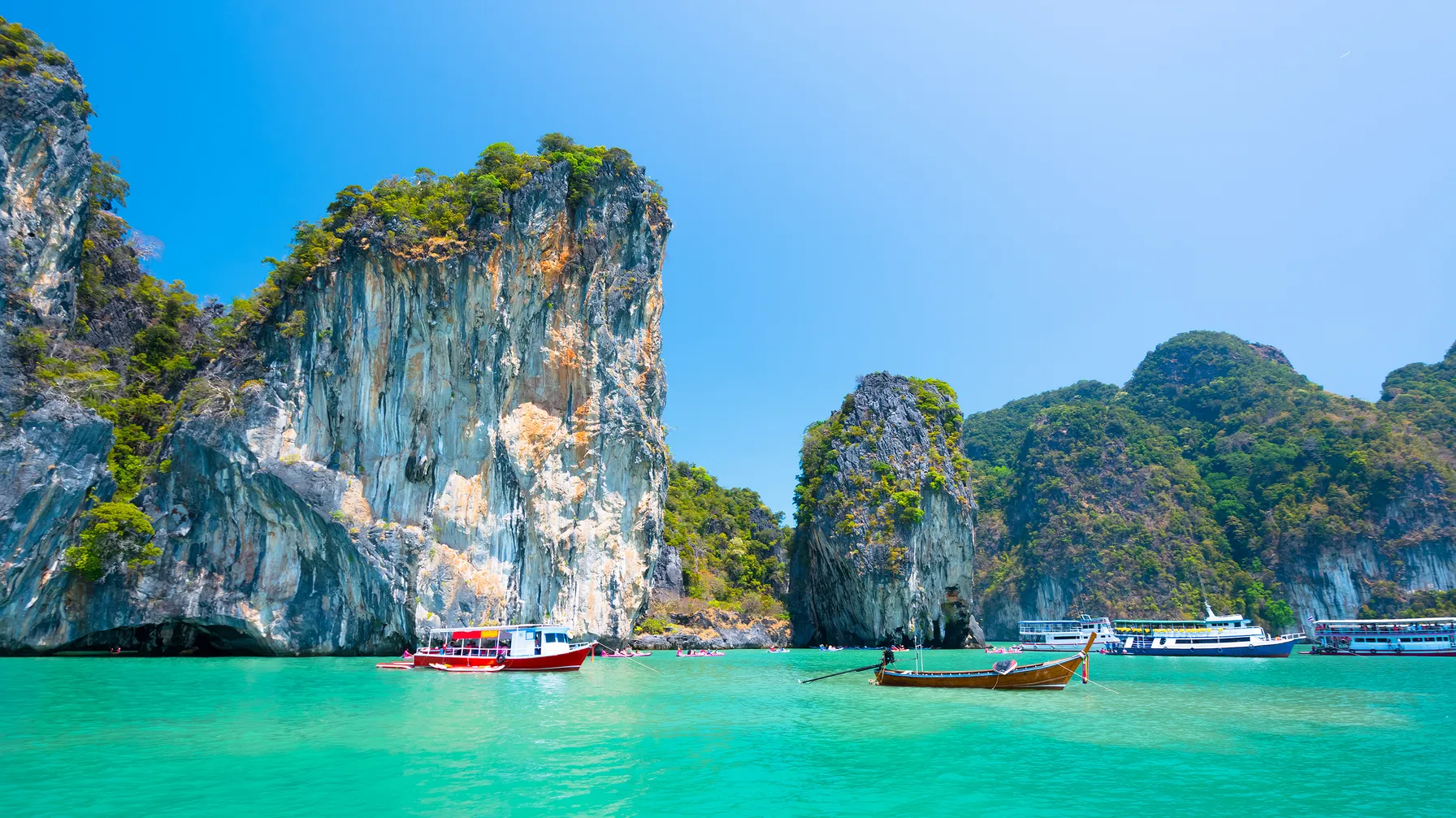
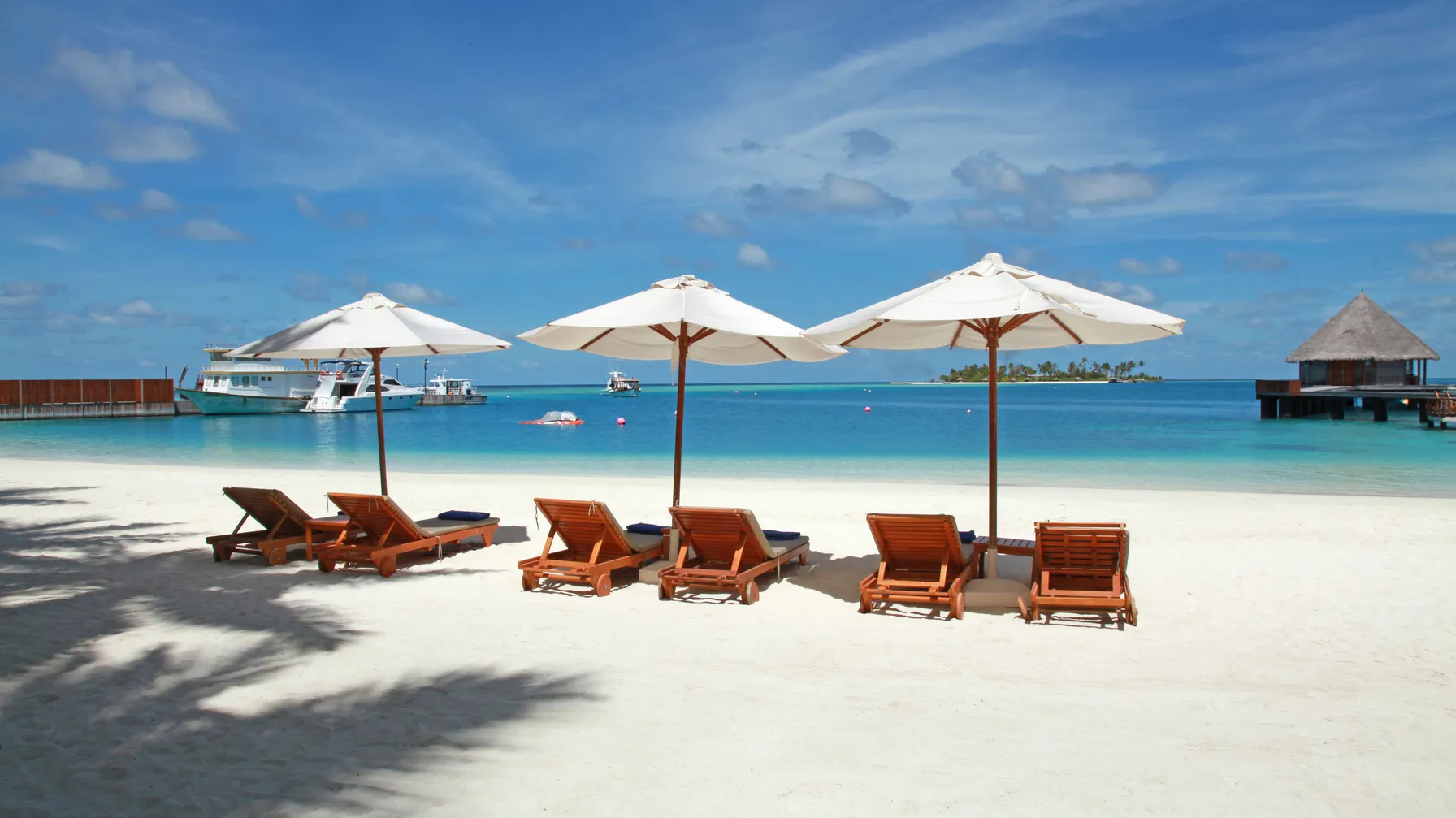
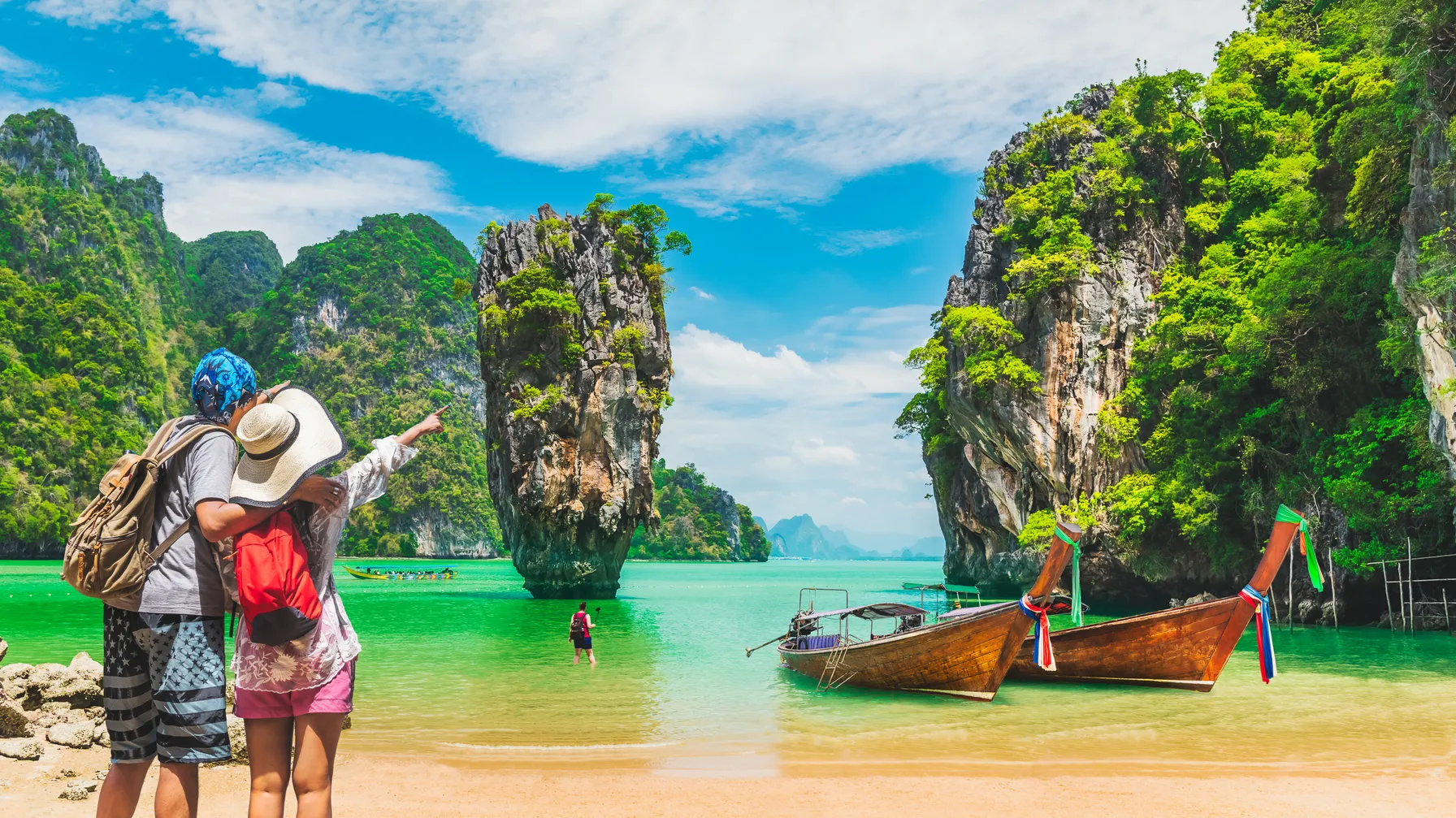
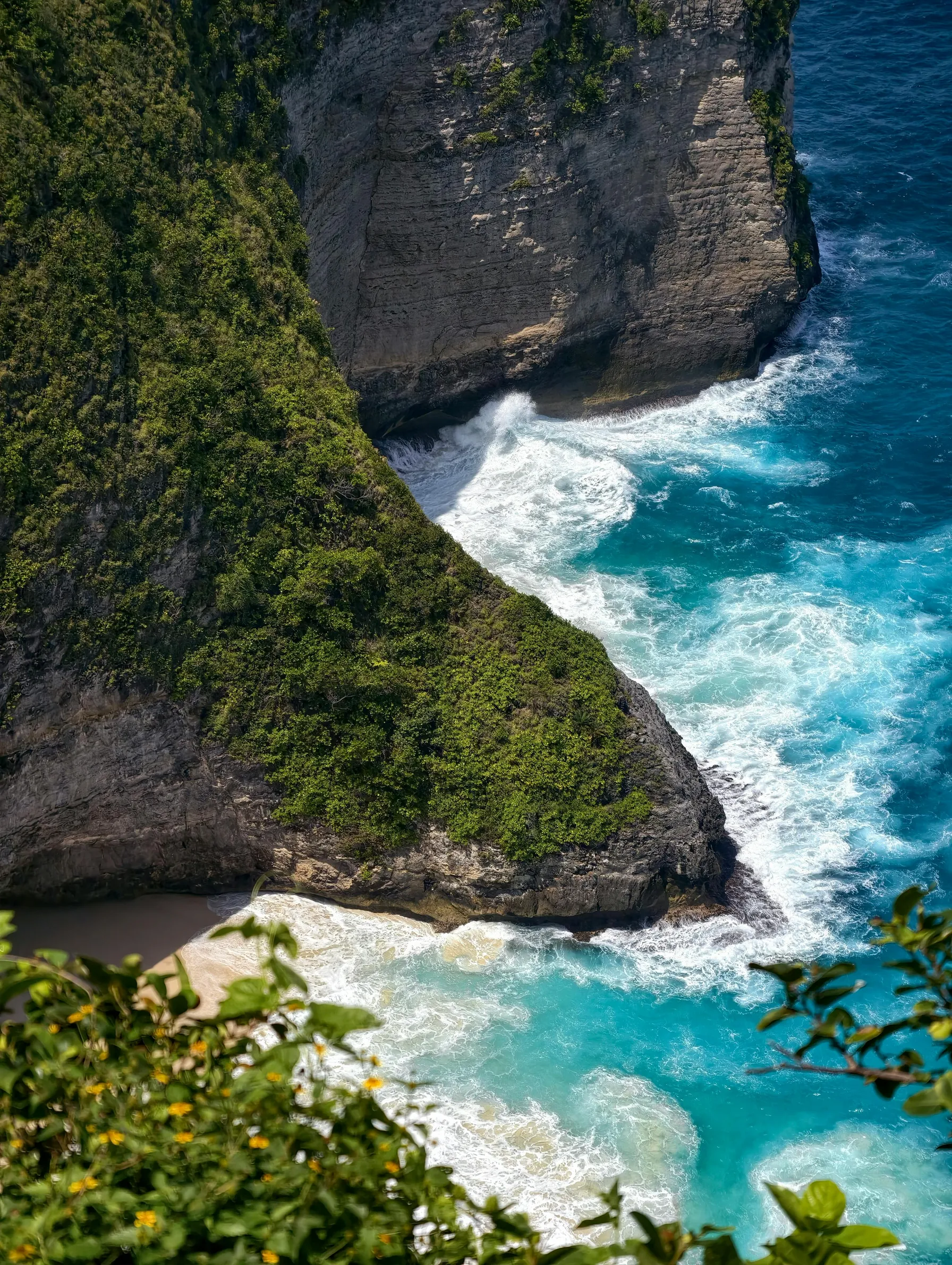
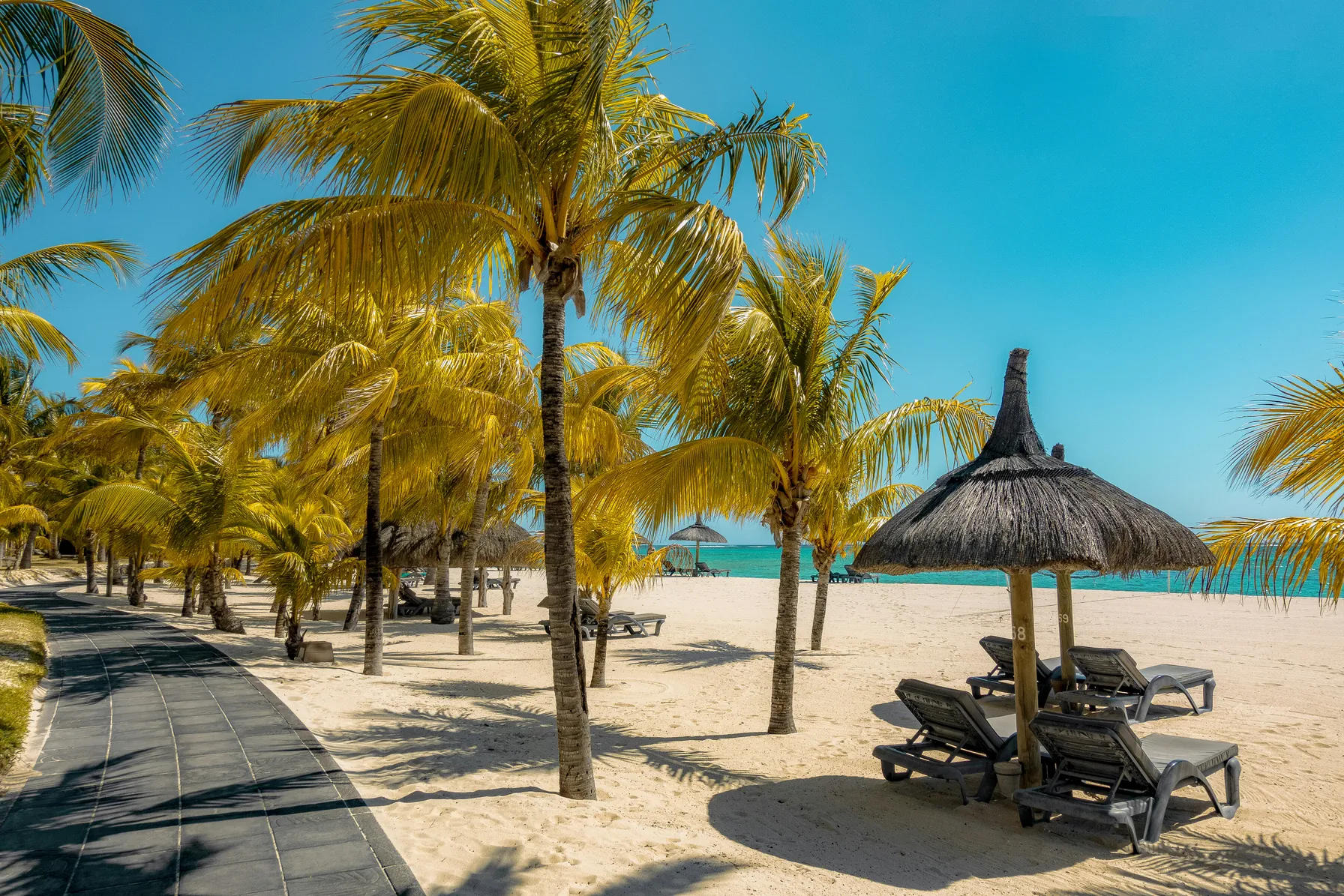
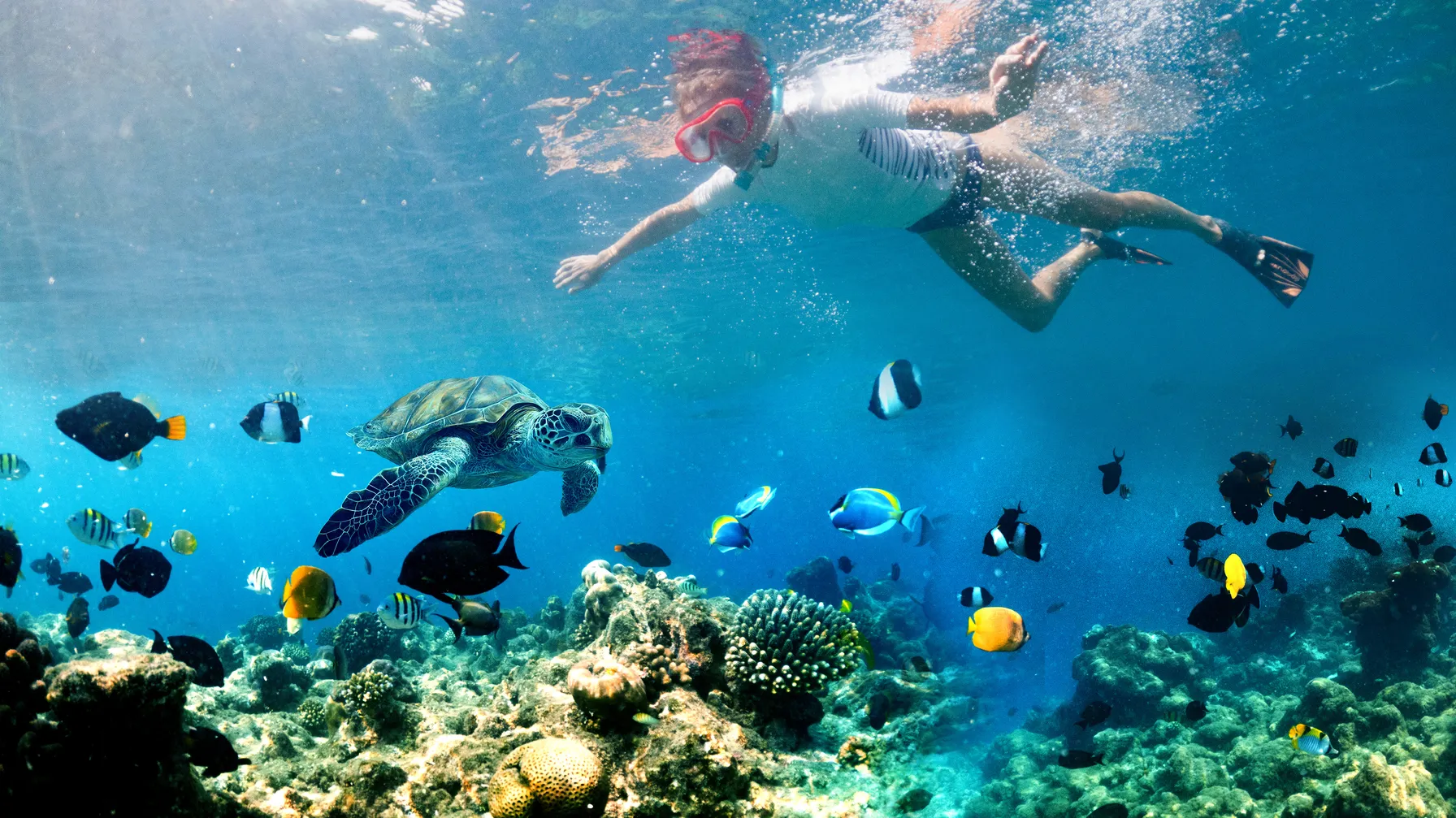
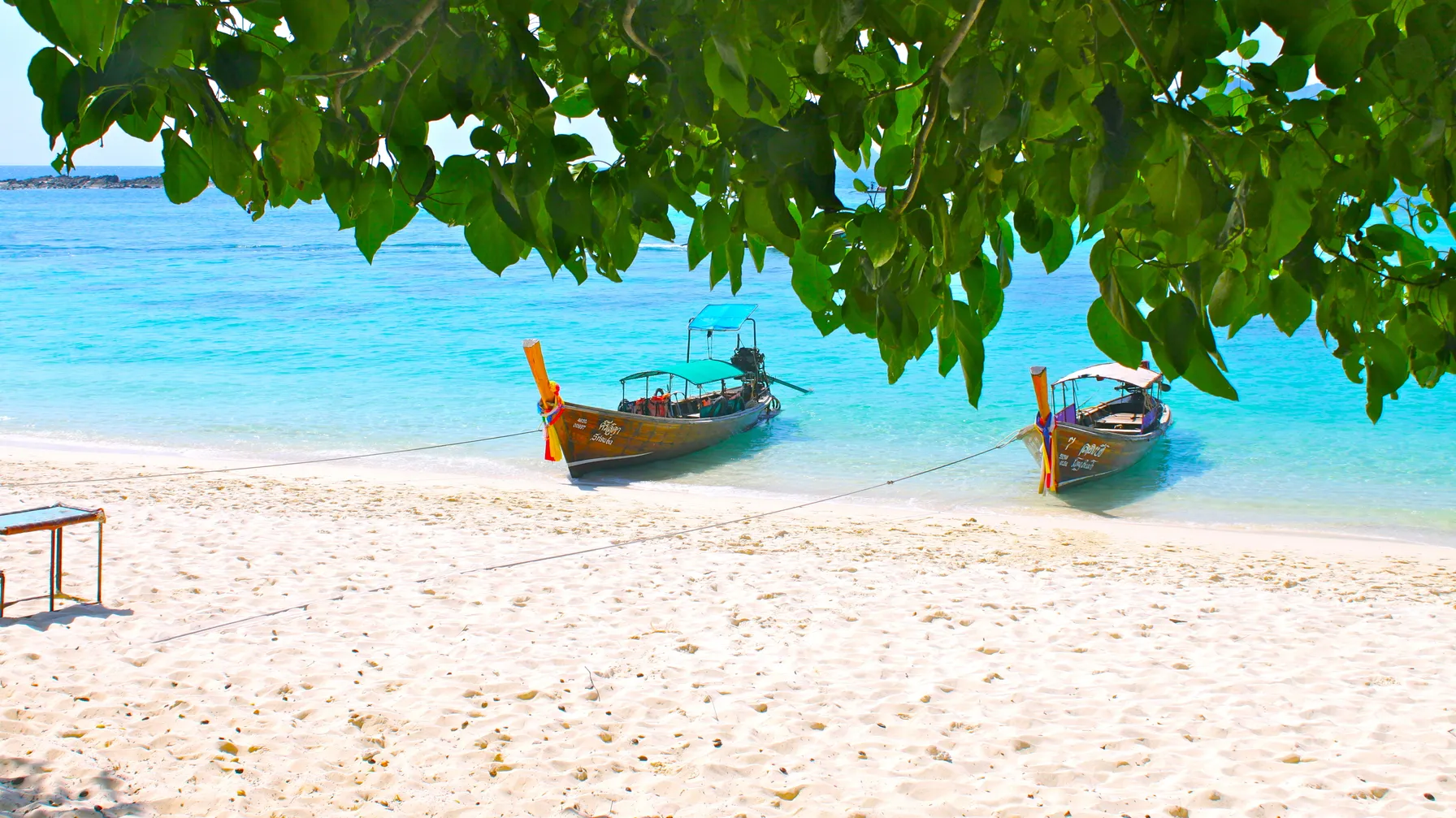
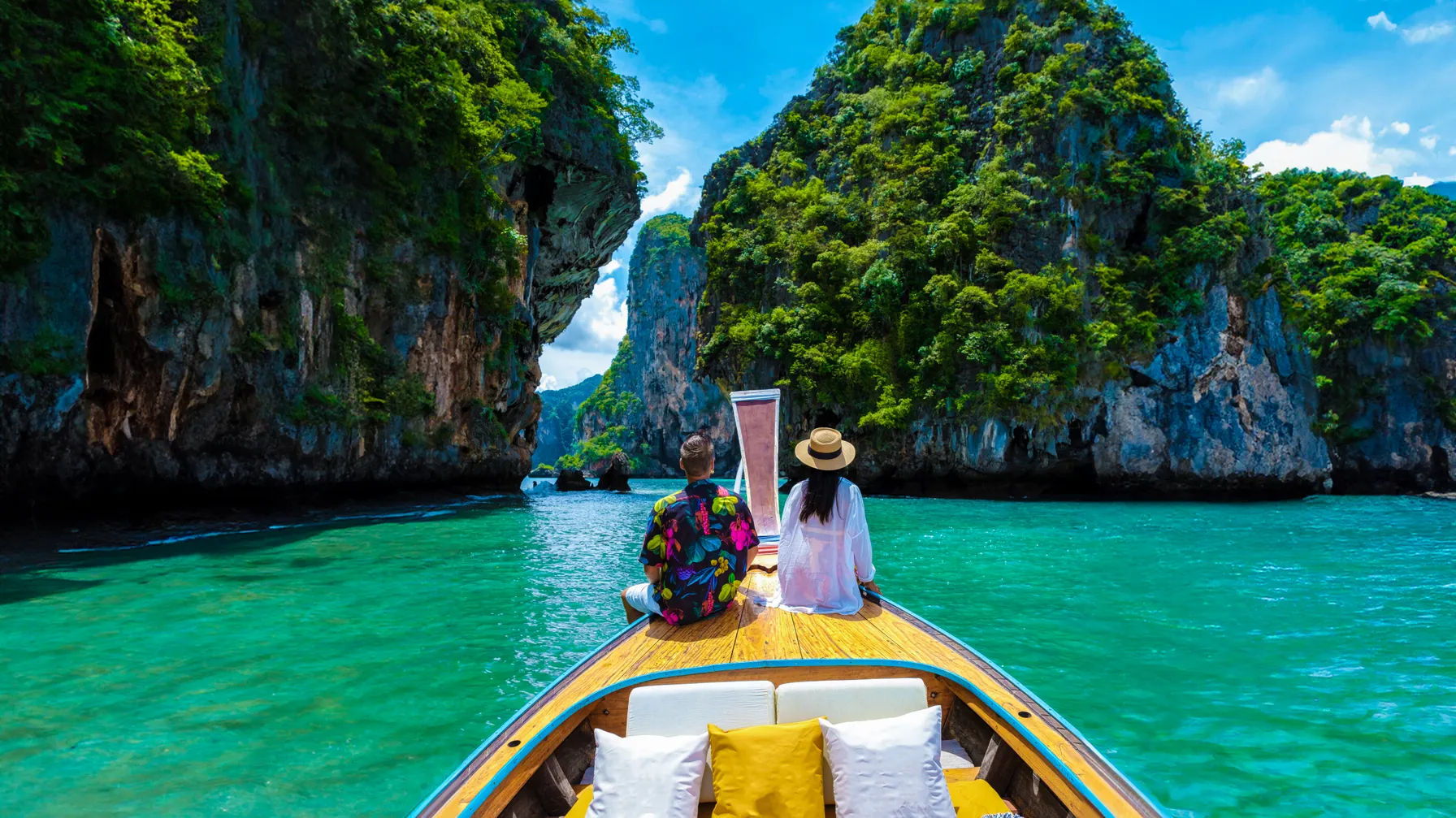
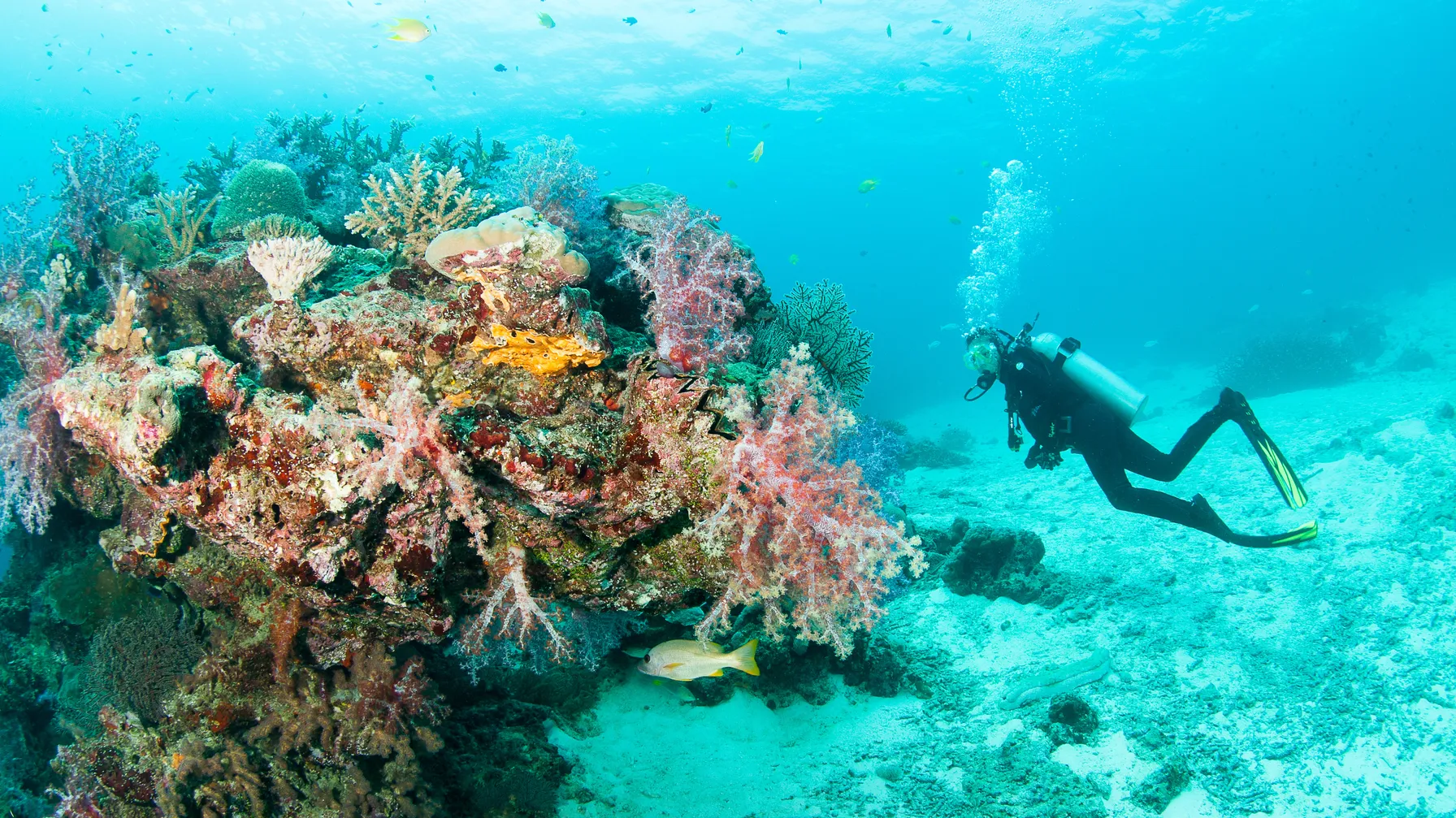
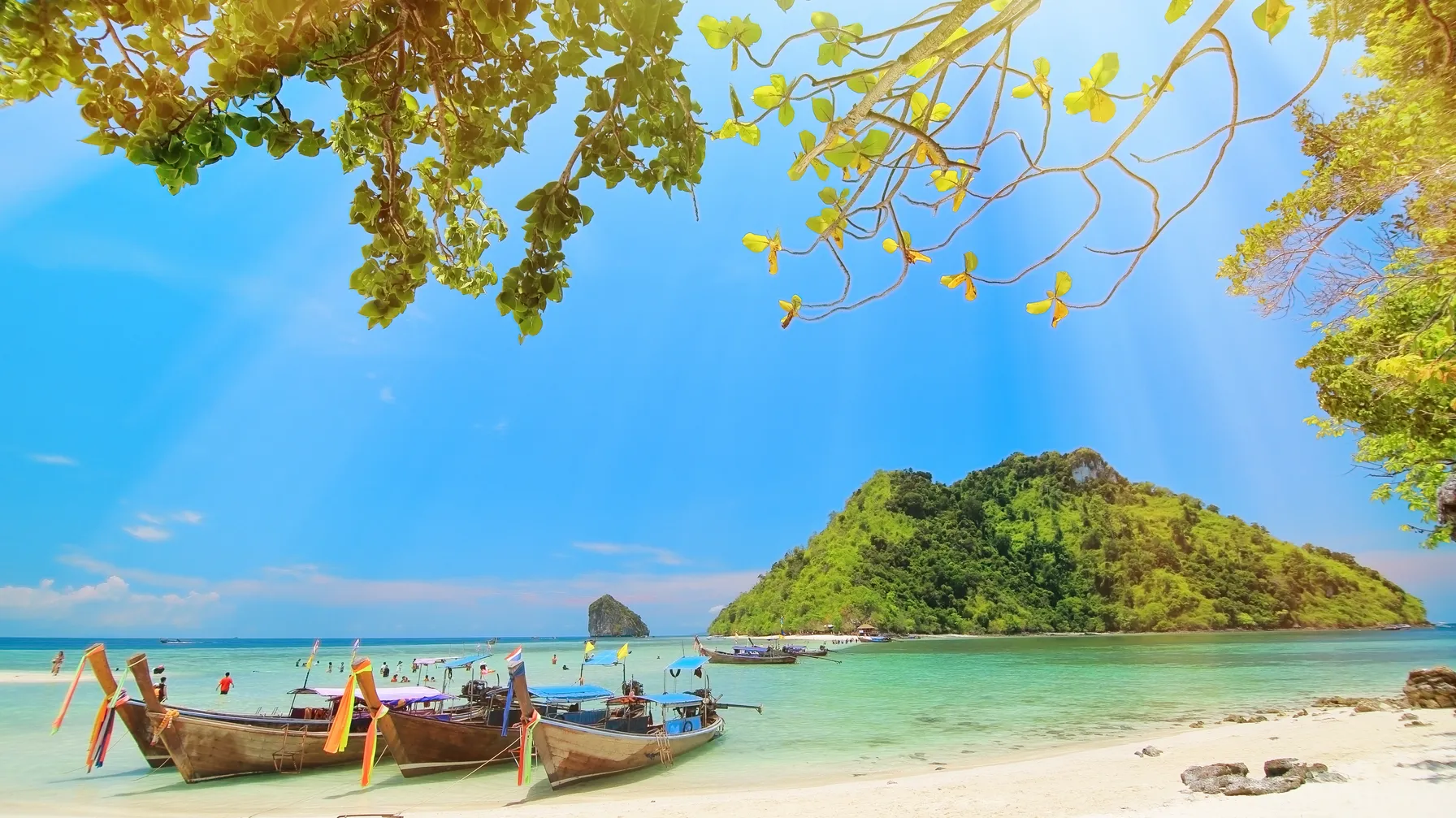
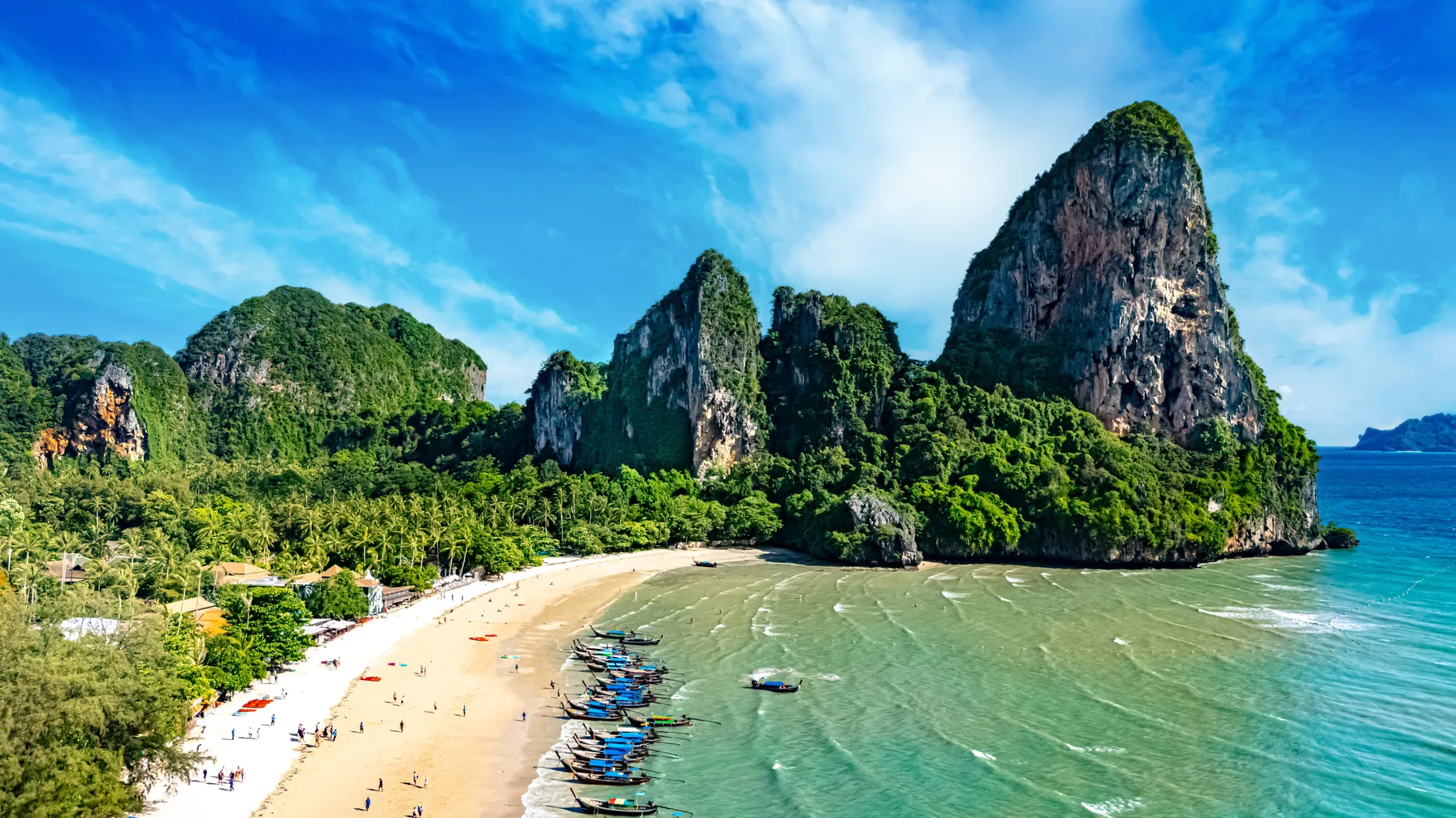
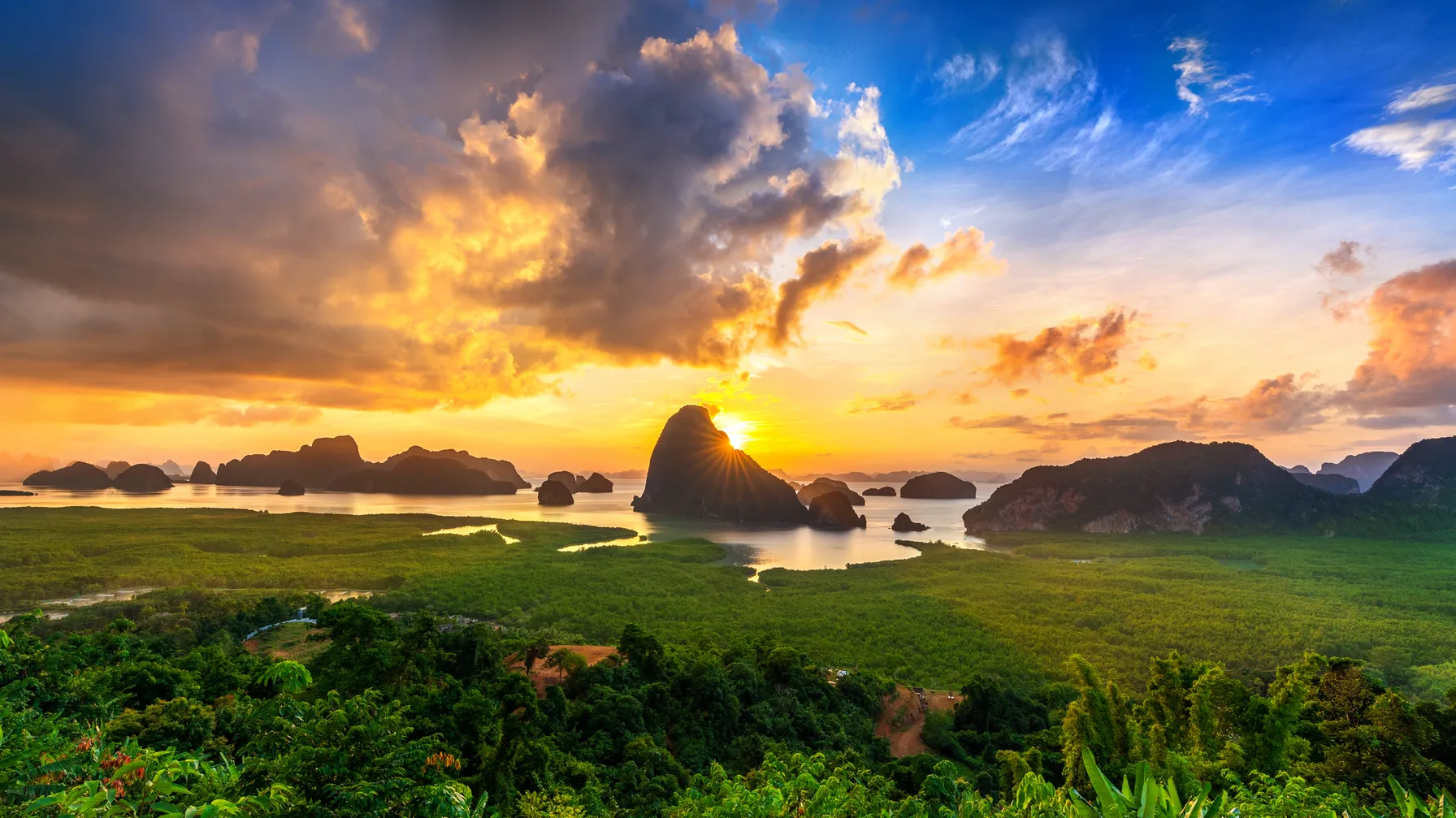
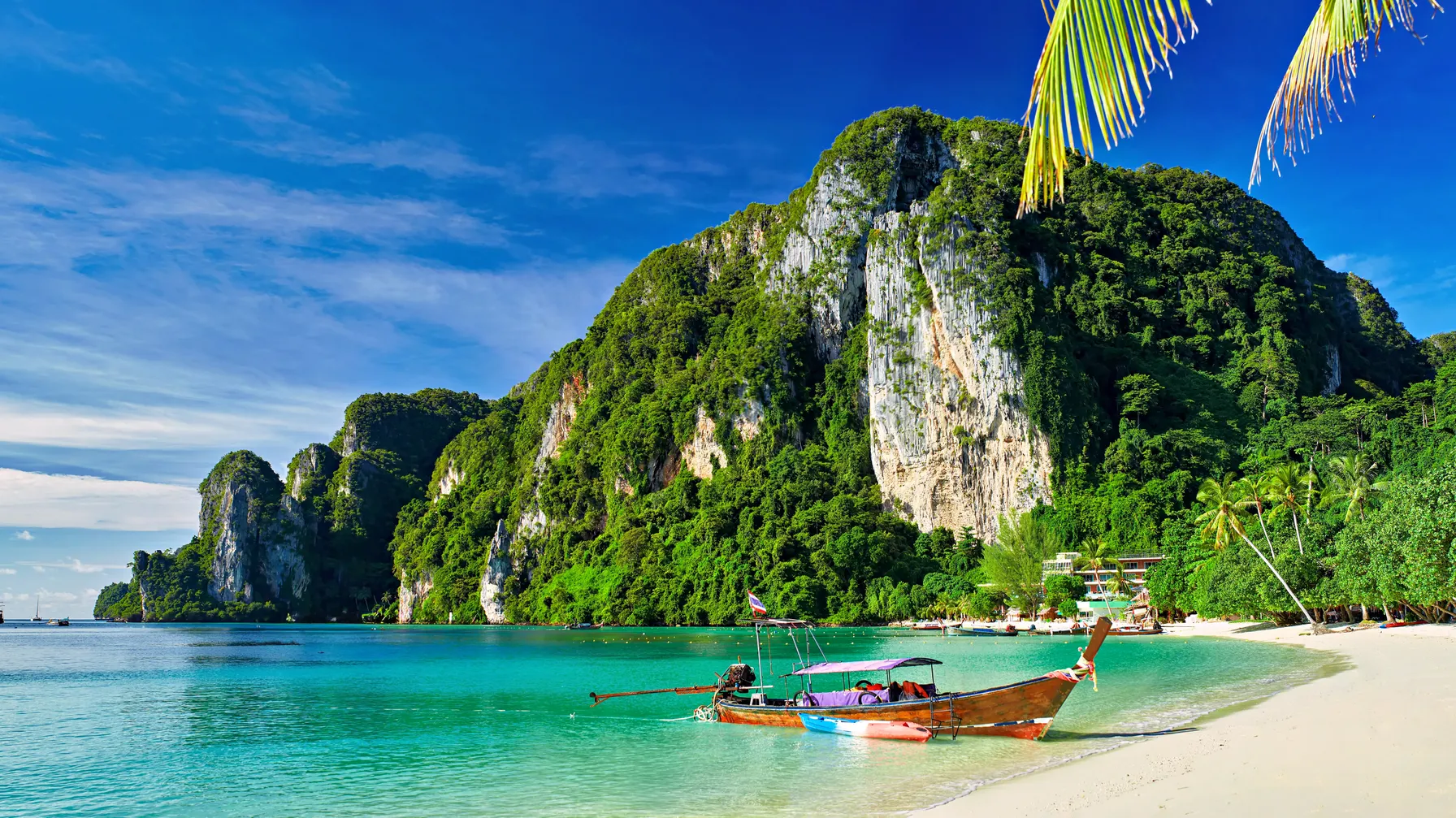
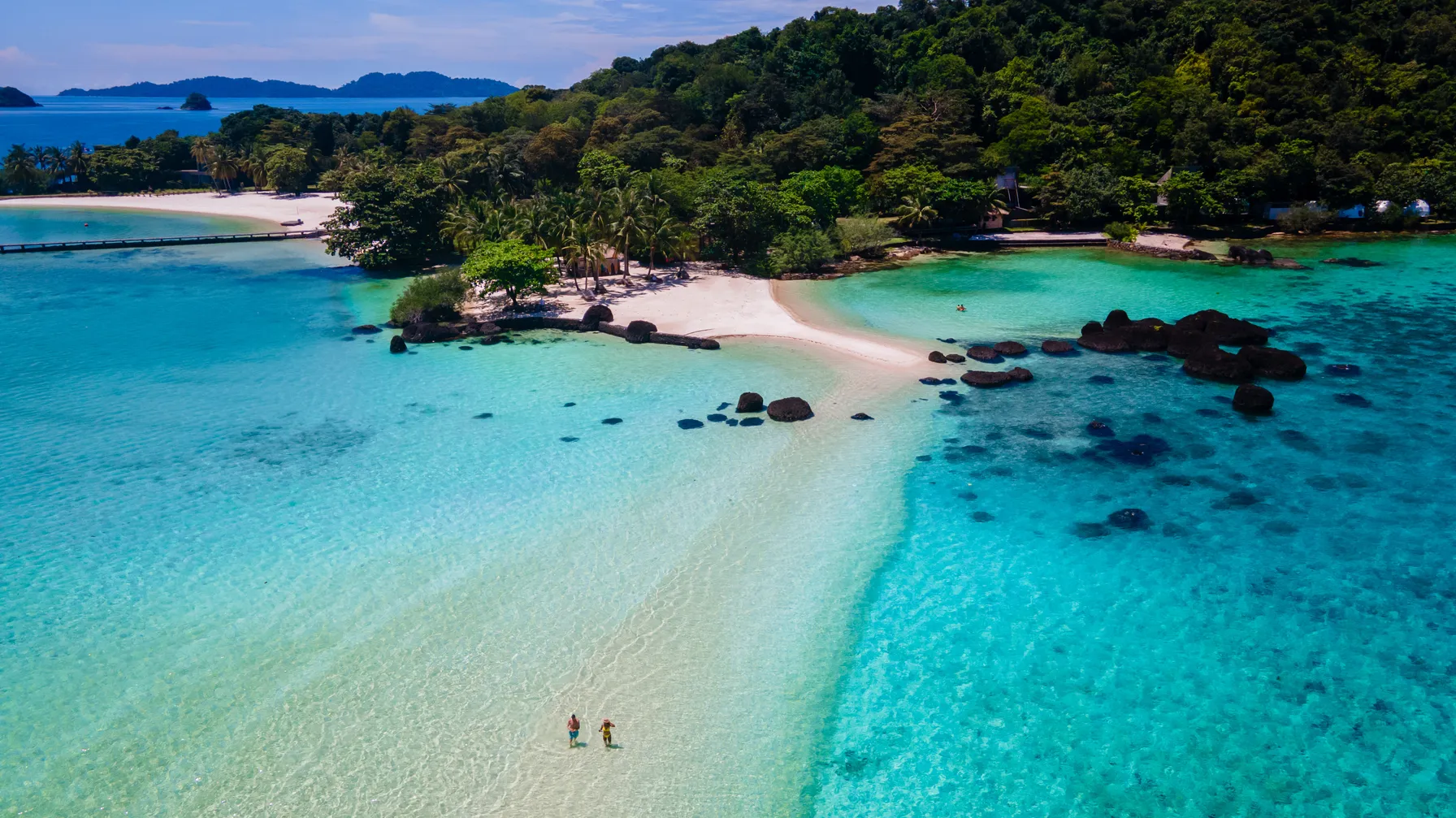
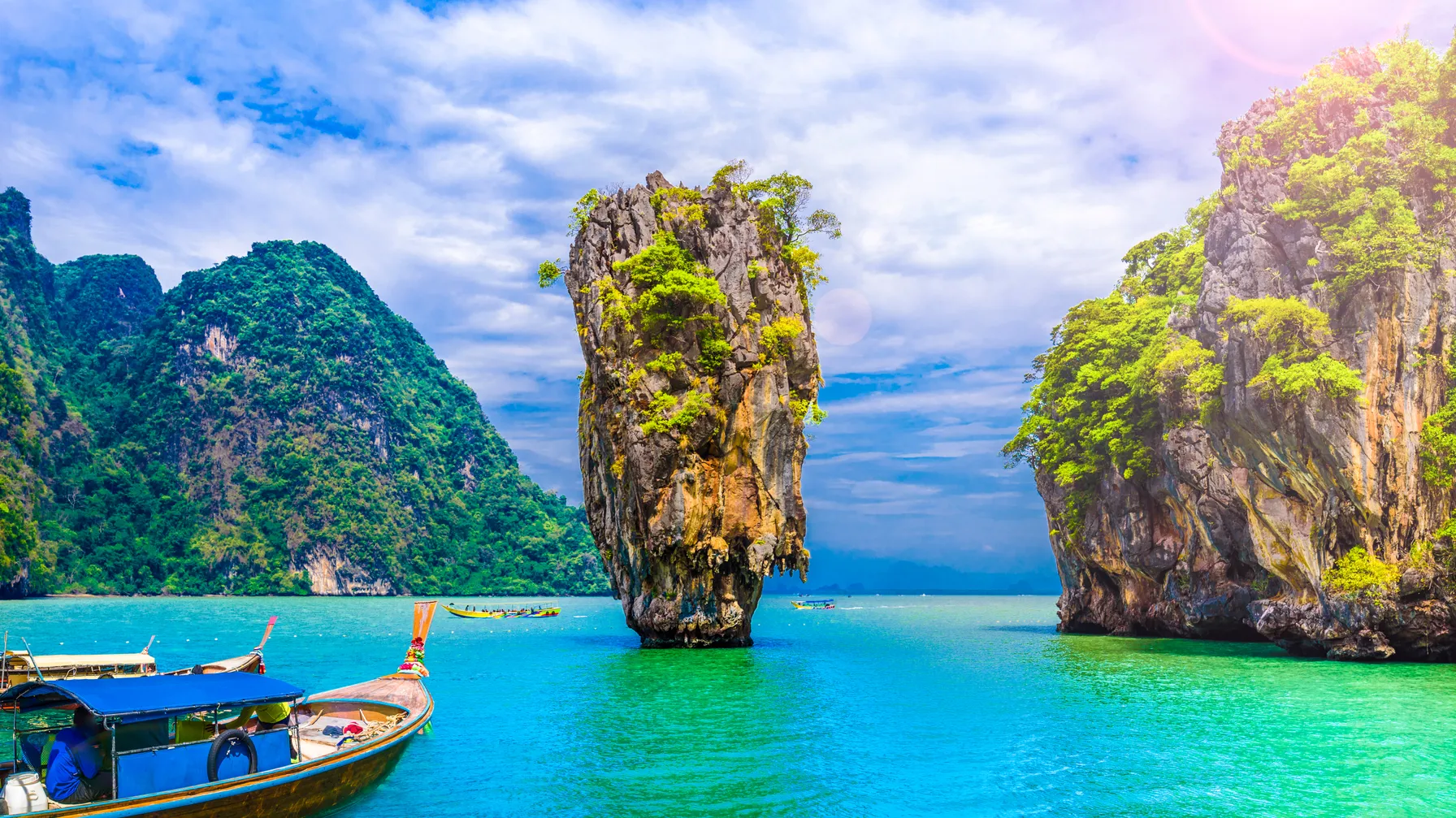
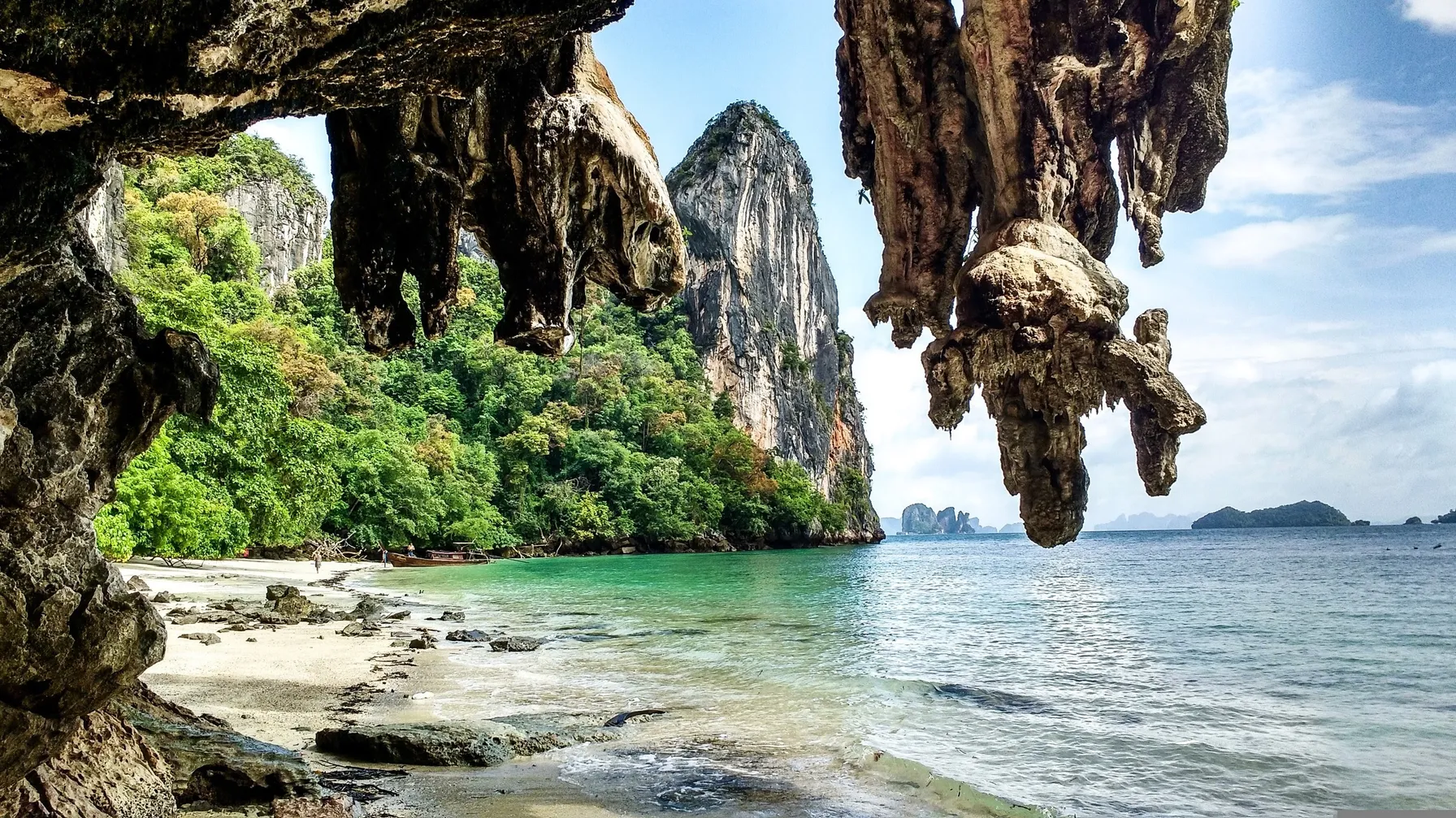
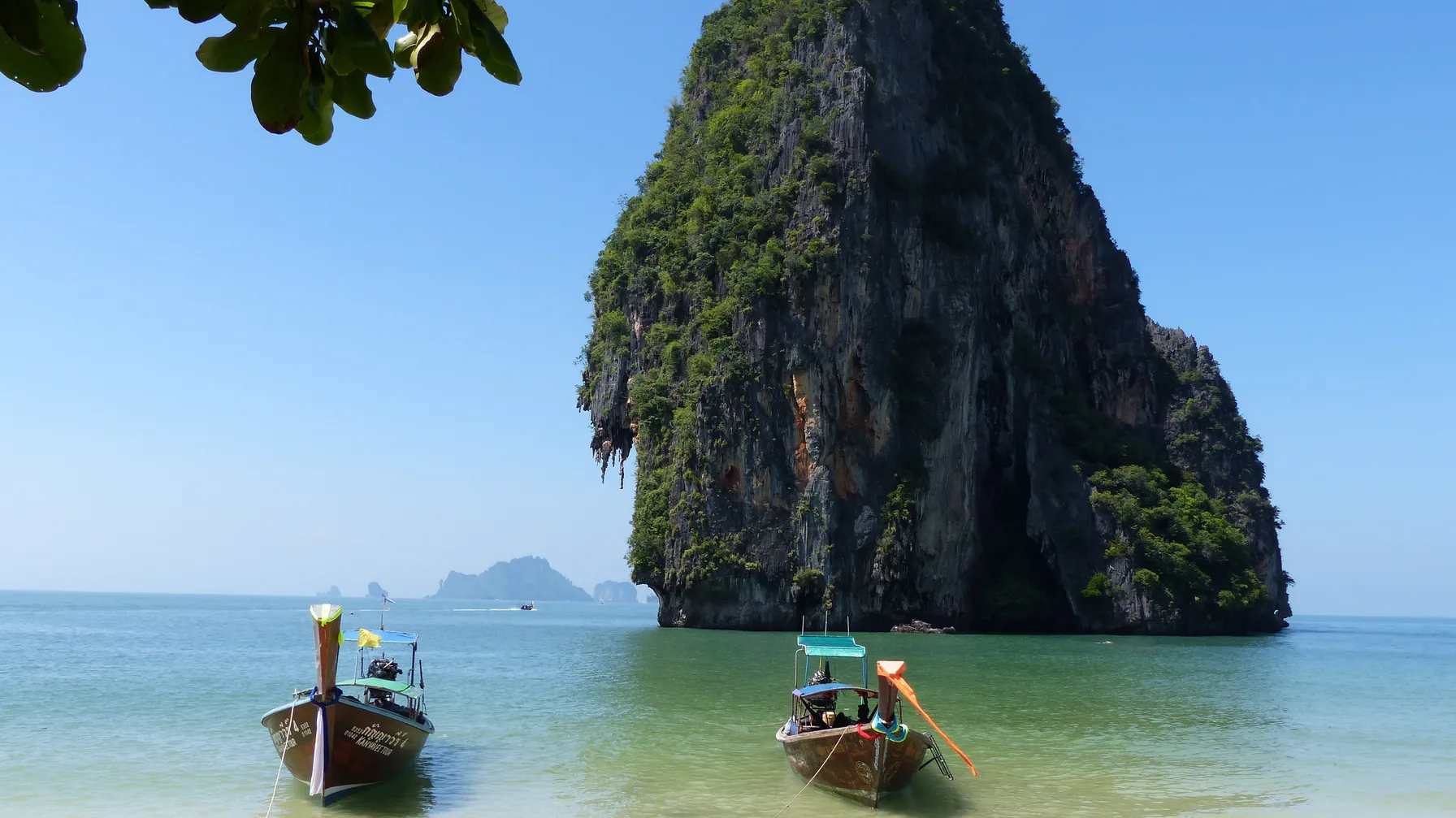
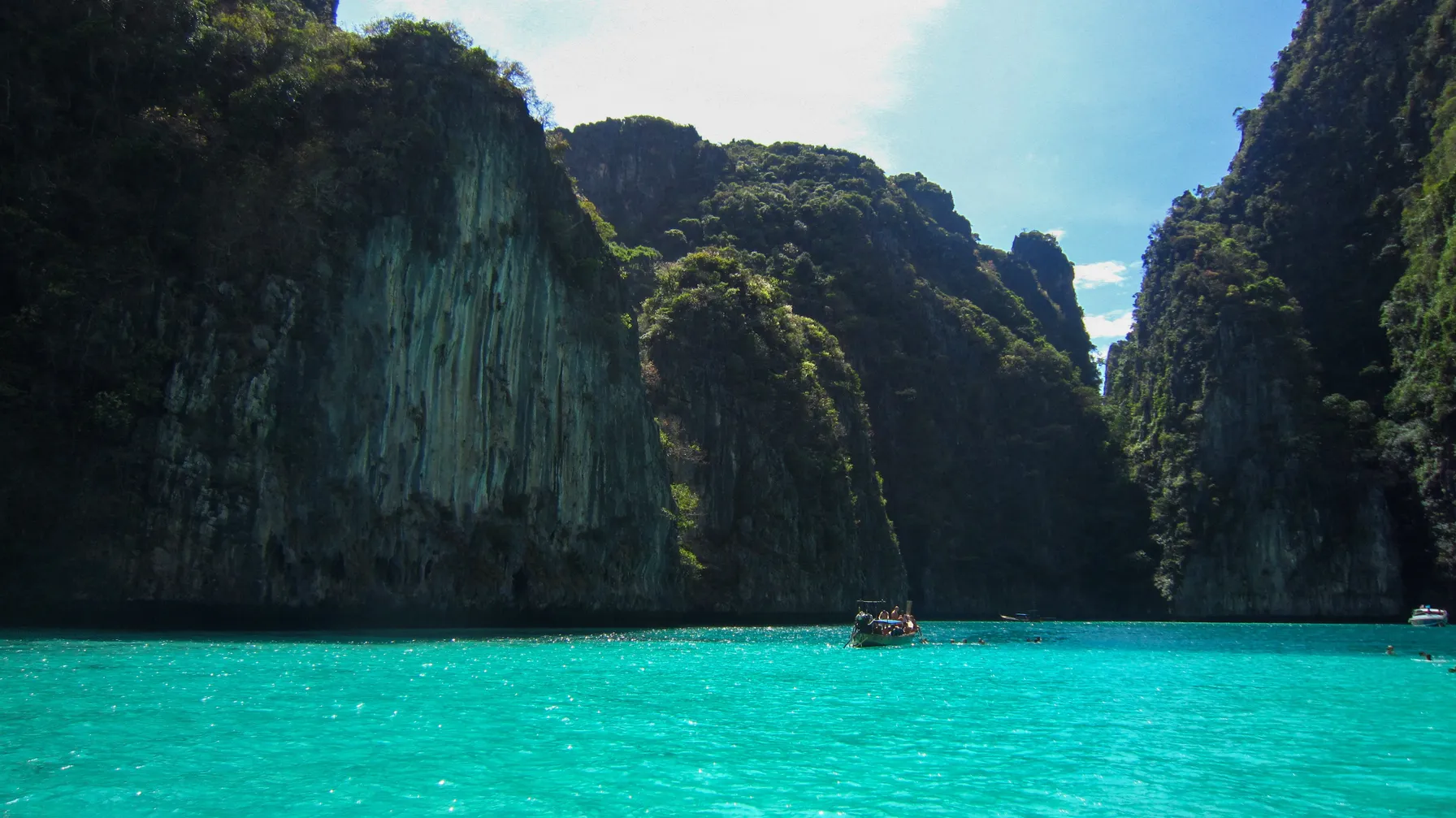
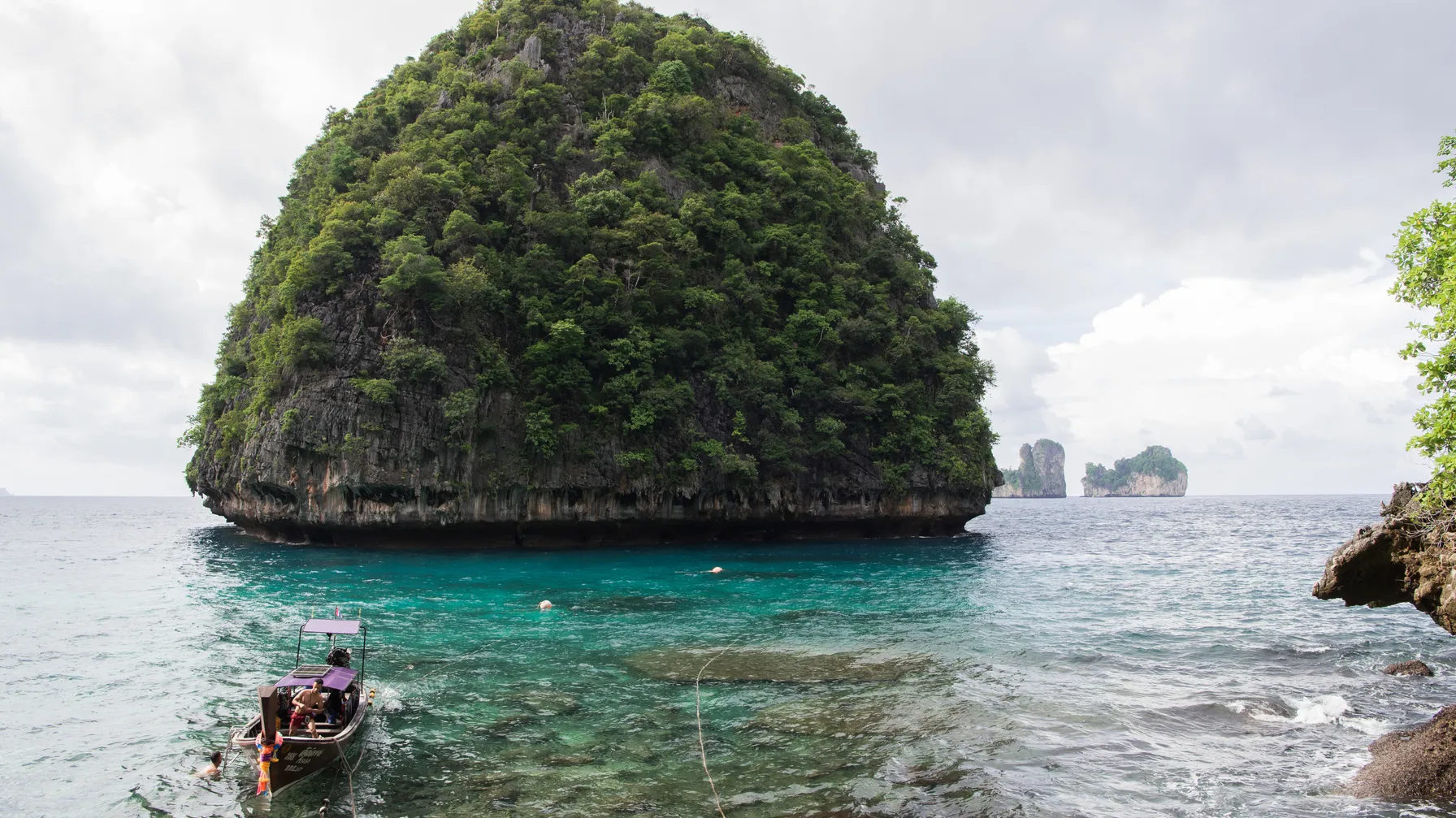
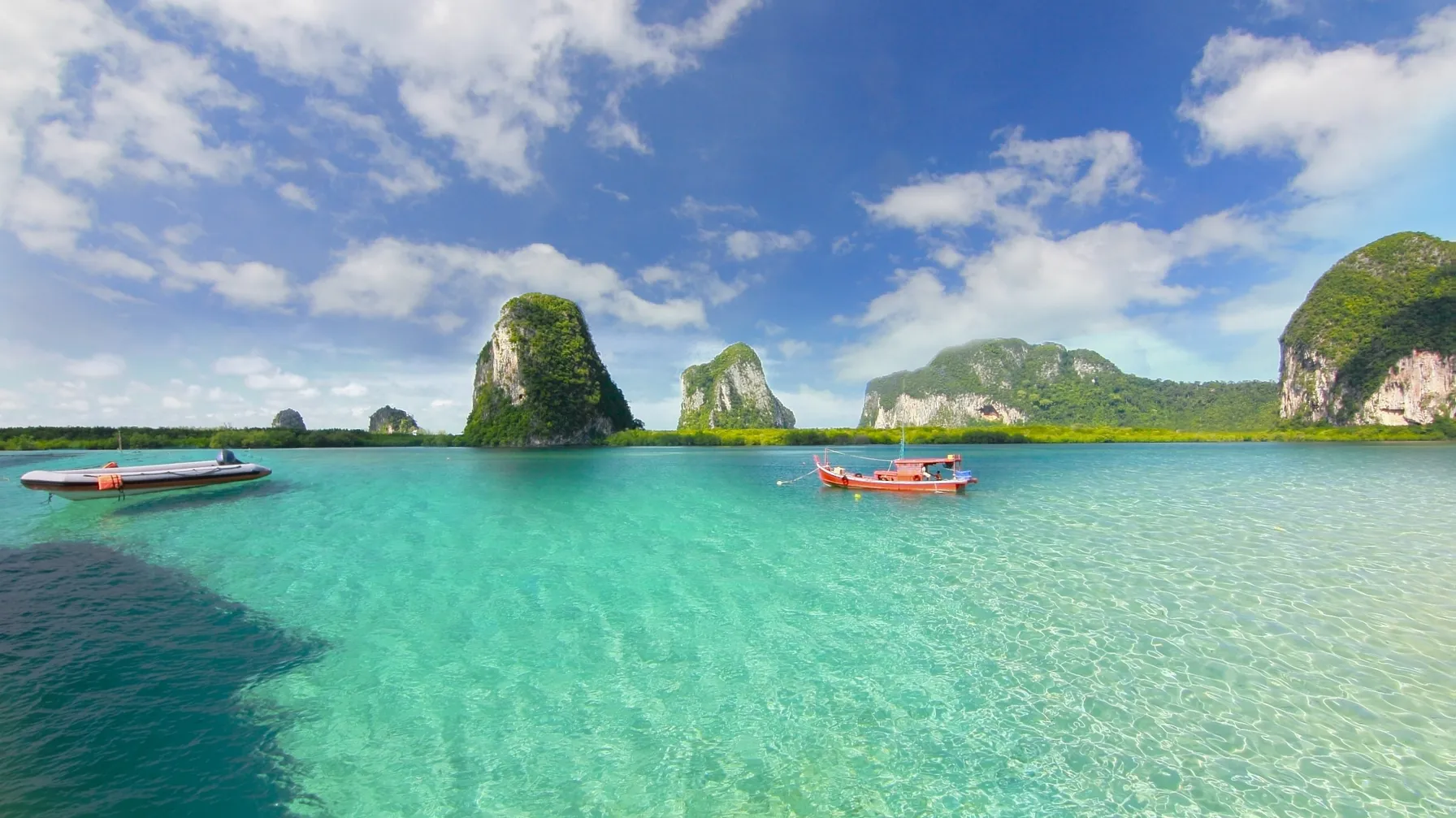
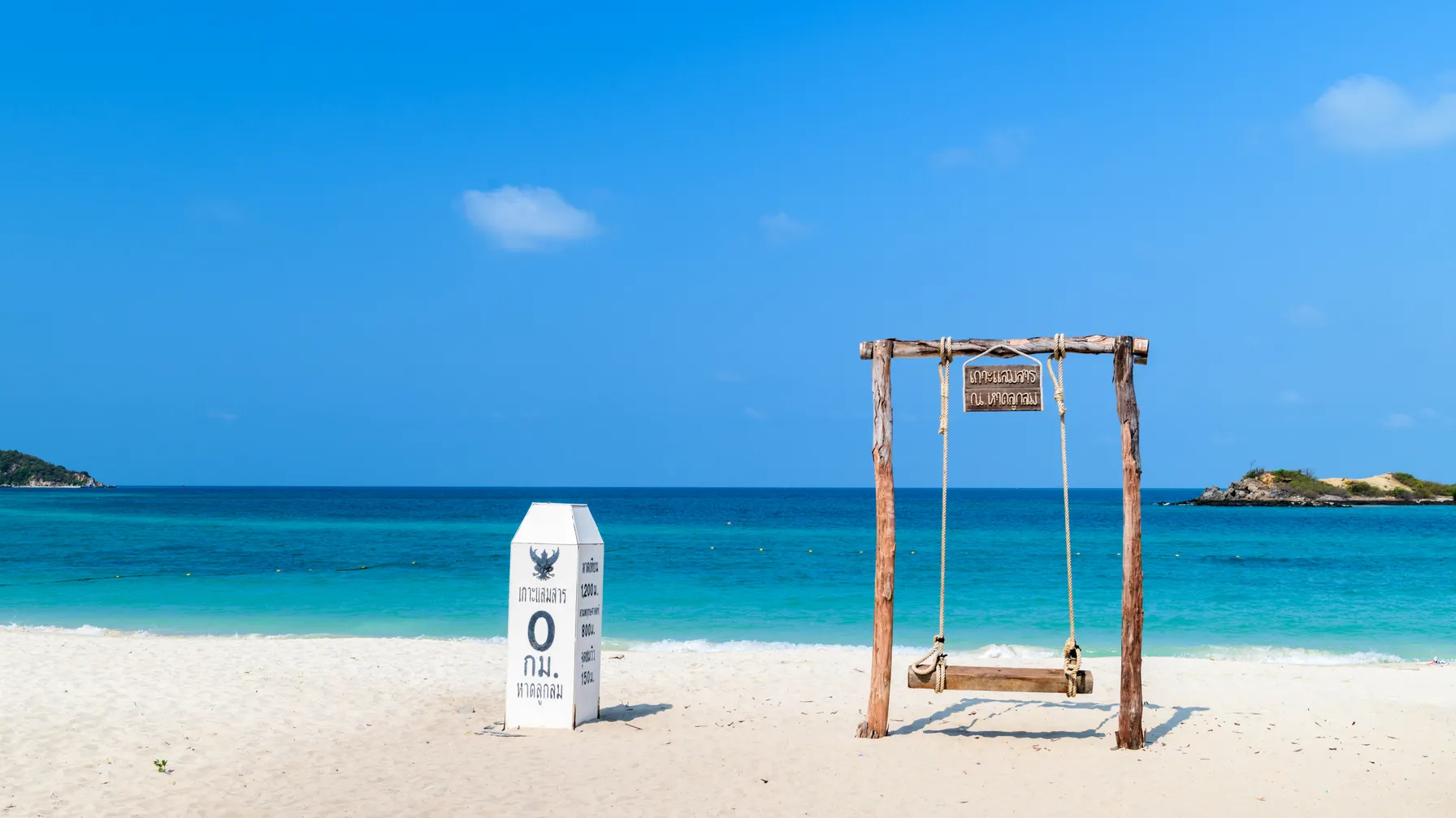
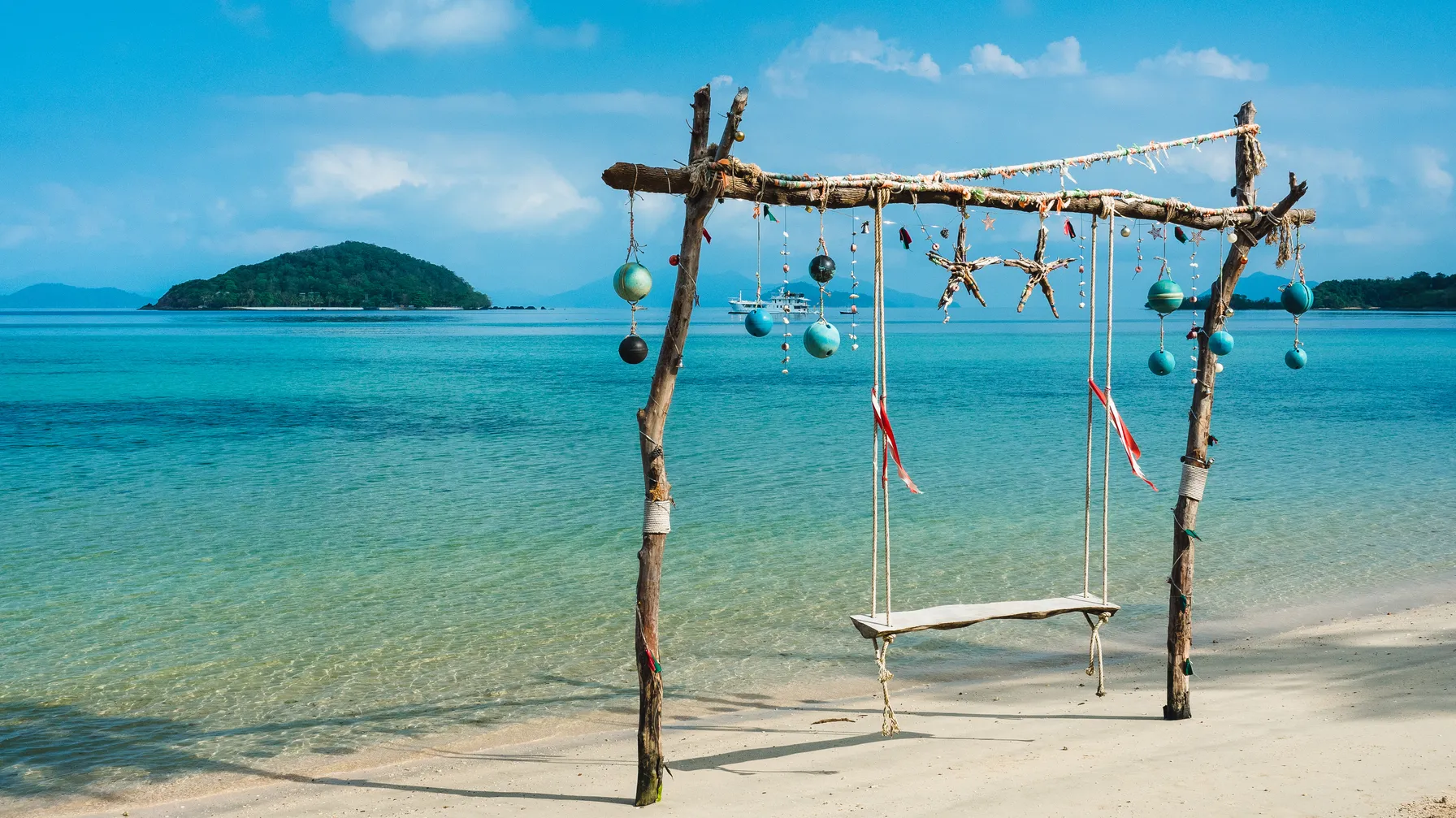
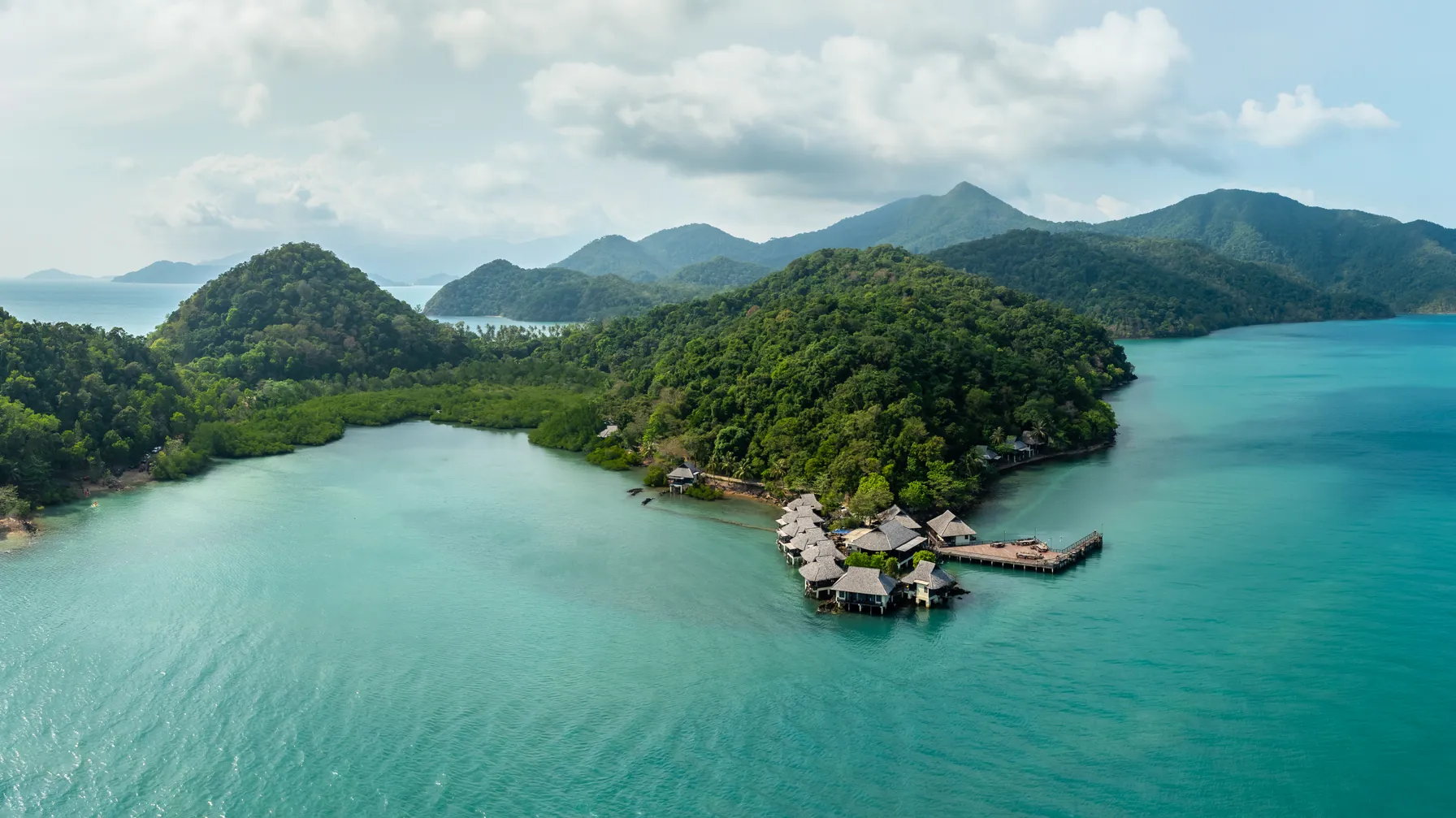
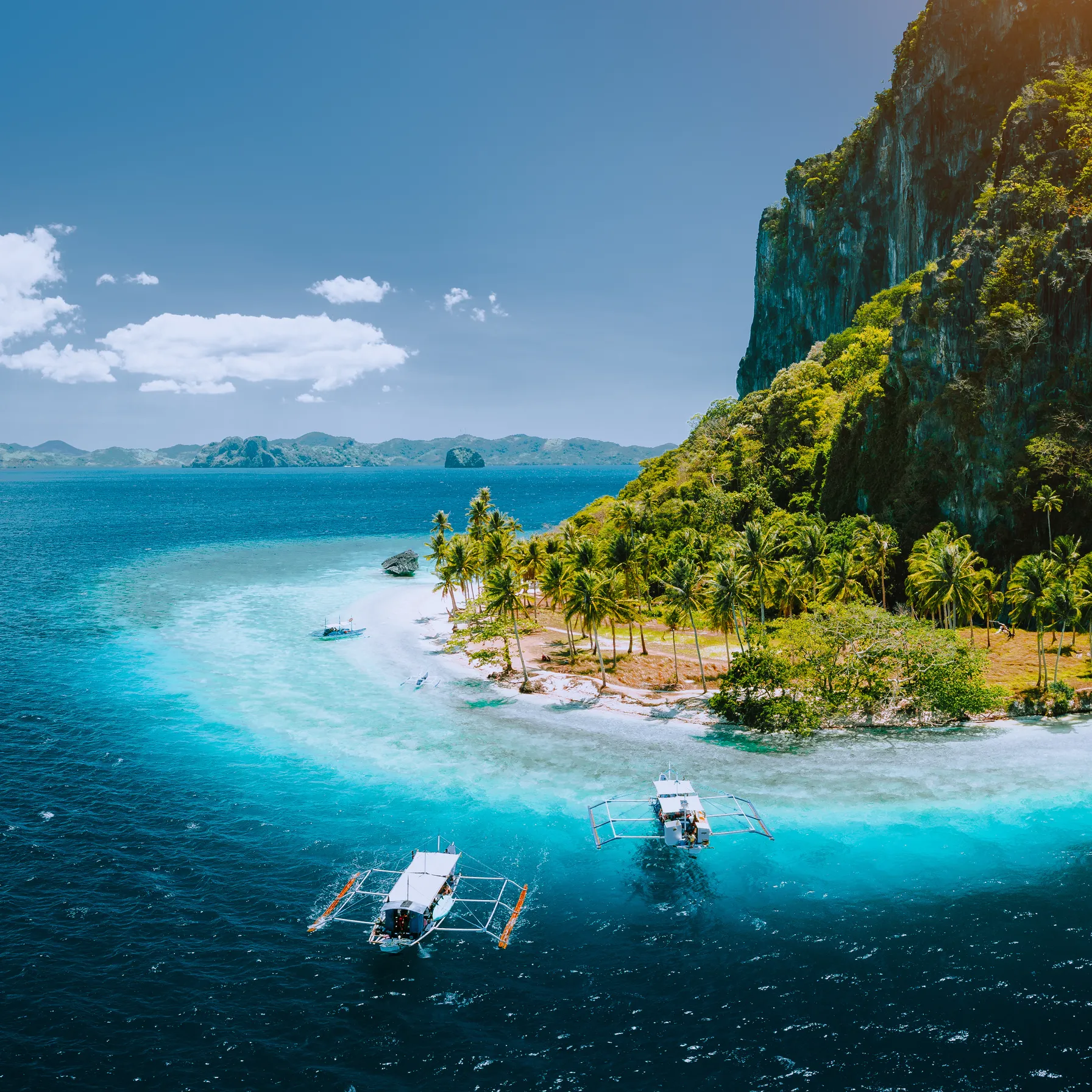
Sailing in Thailand means evolving in settings that seem unreal. The limestone formations of Phang Nga Bay emerge from the water like natural sculptures, while the sandy beaches of the southern islands shine under a golden light. The waters there are remarkably clear, ideal for scuba diving or simply enjoying a swim. Each anchorage promises a surprise: an isolated cove, a fishing village, a still intact coral reef.
Cultural richness at each stop
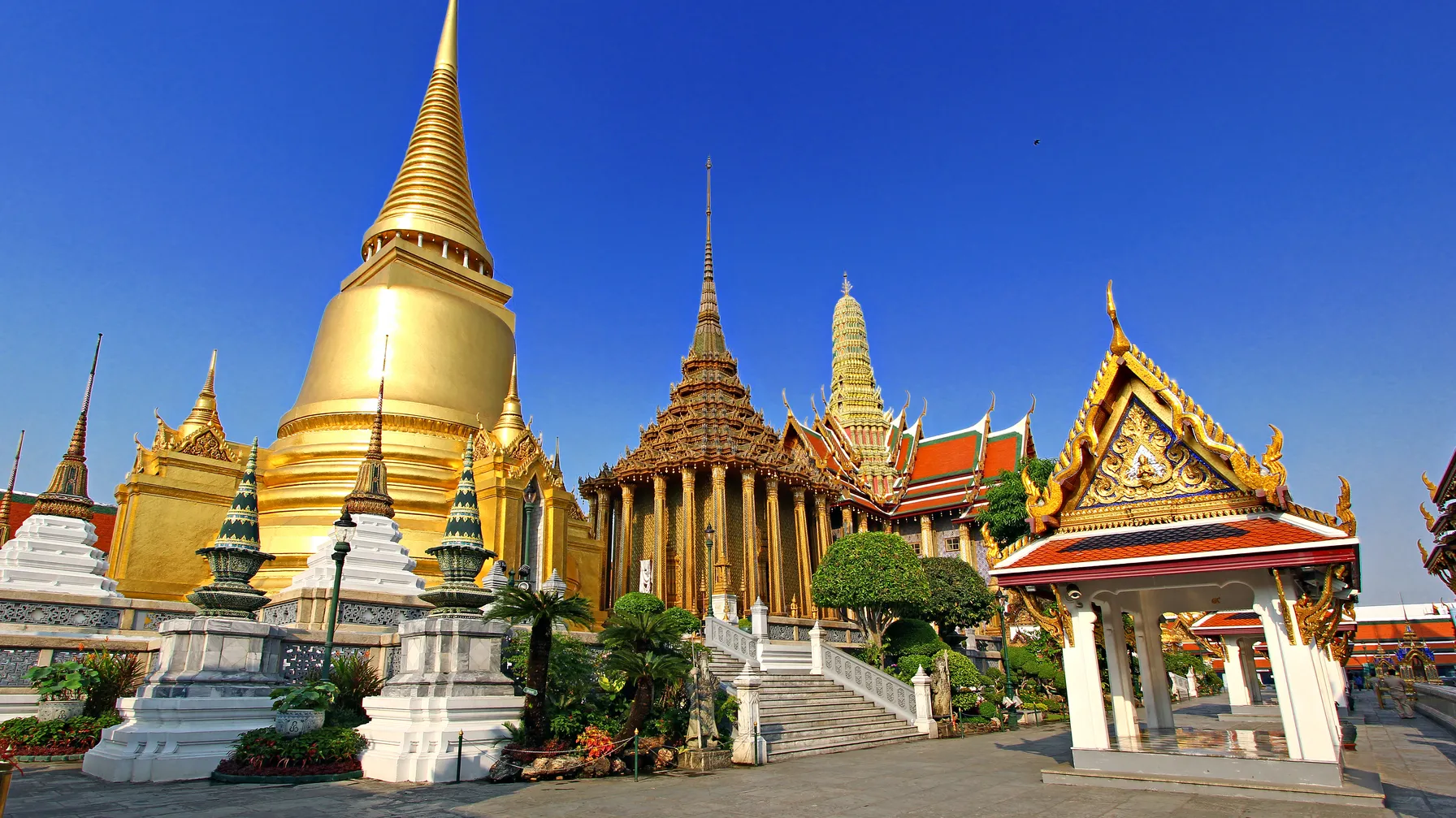
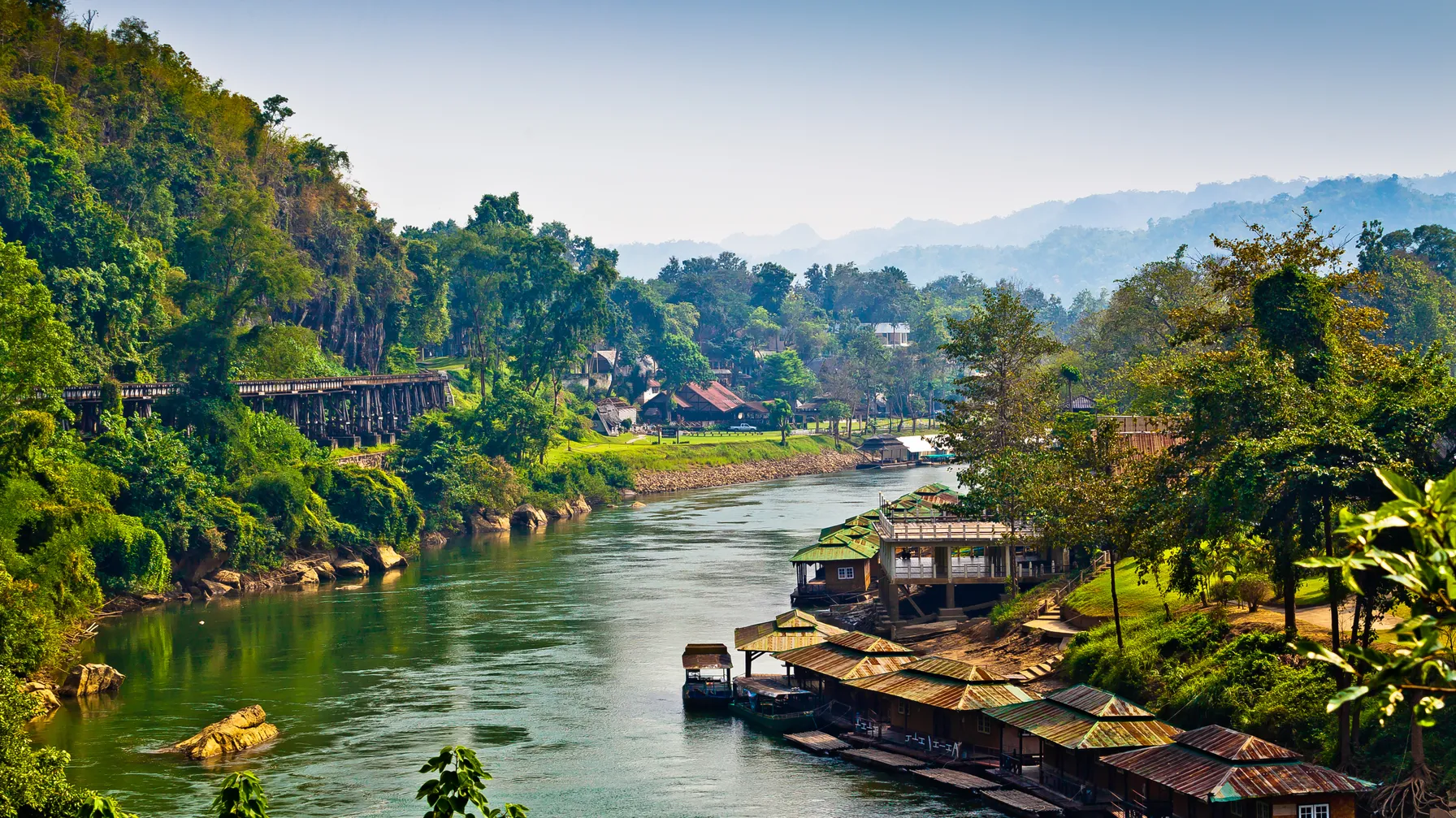
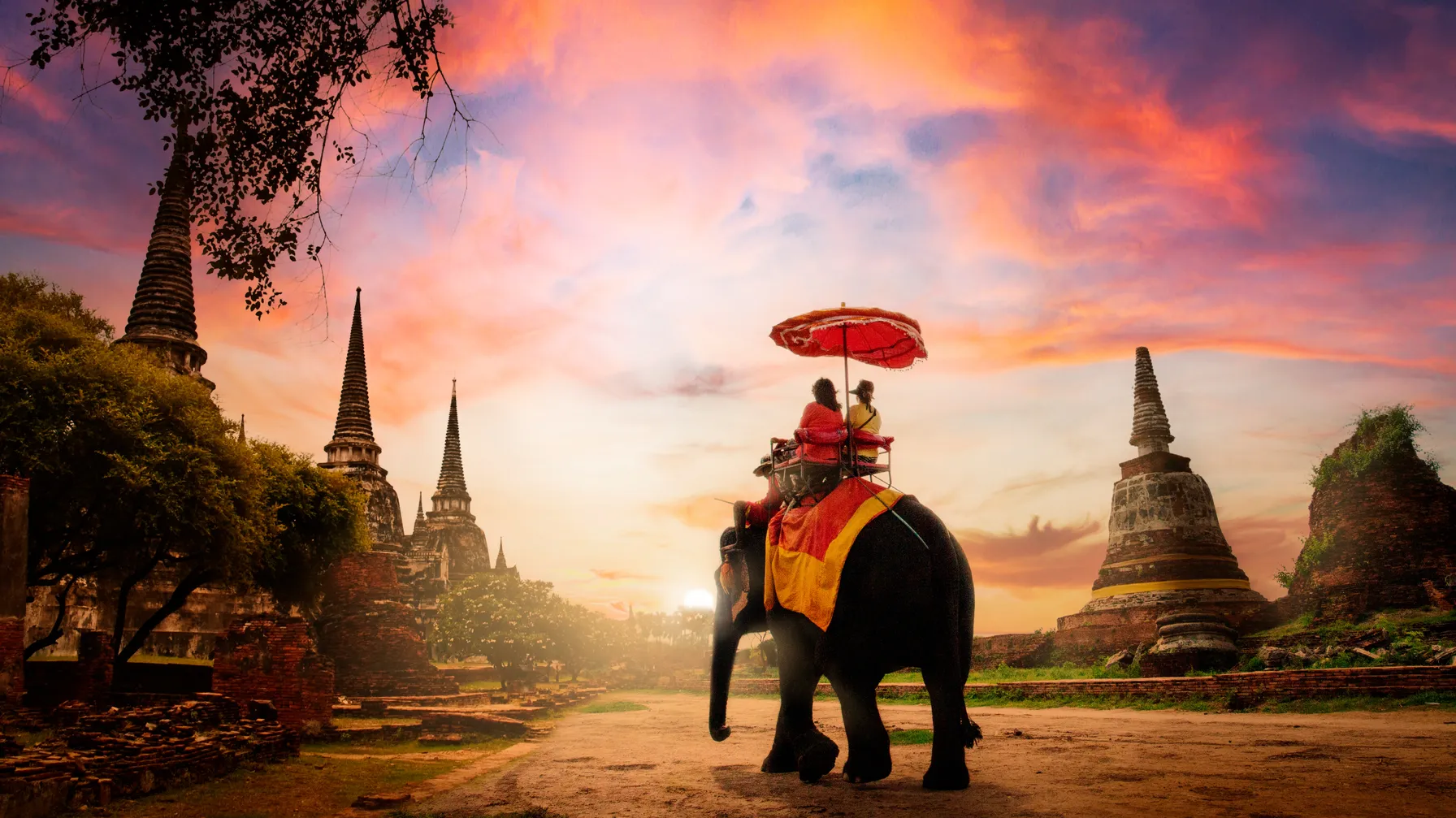
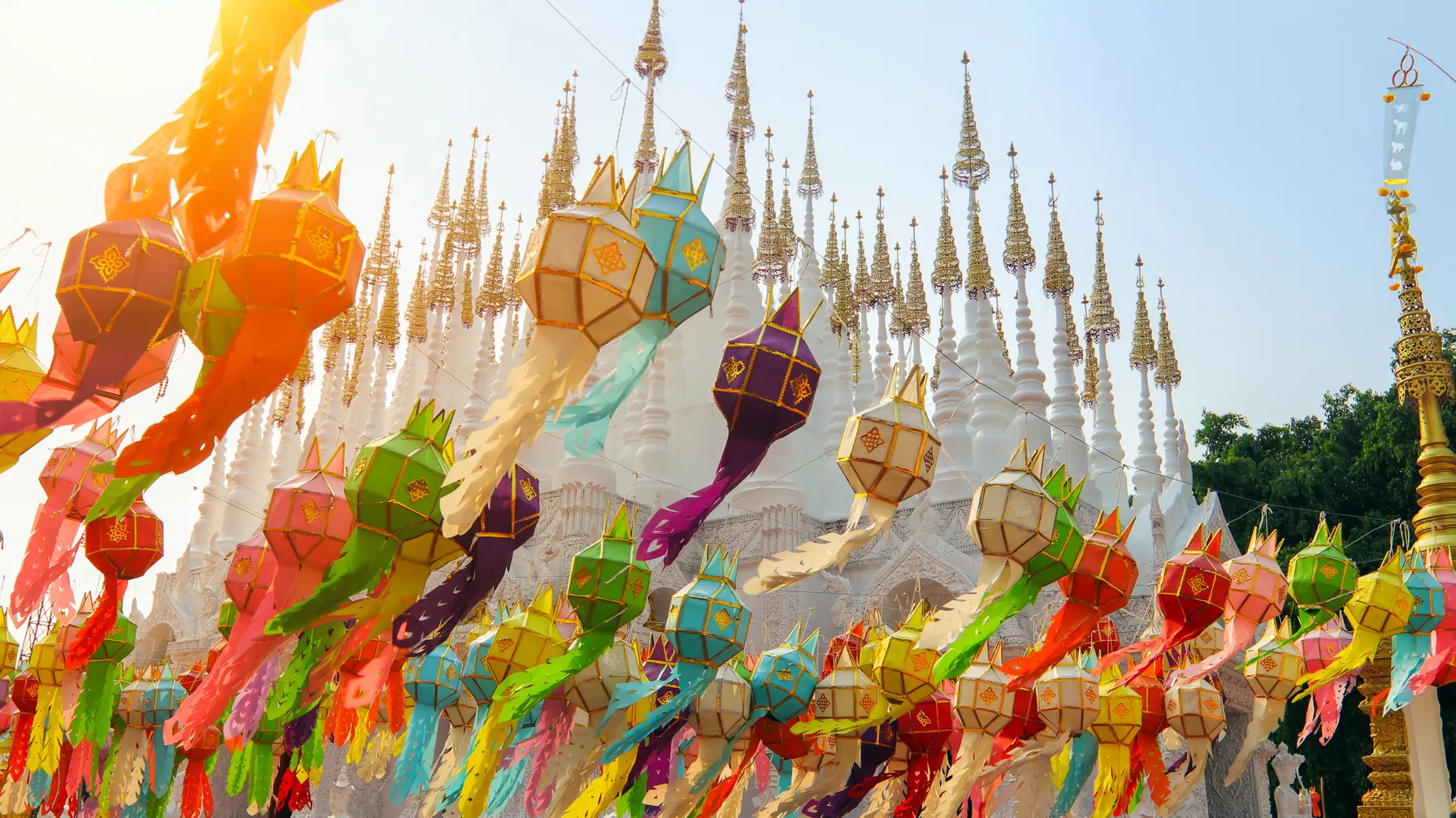
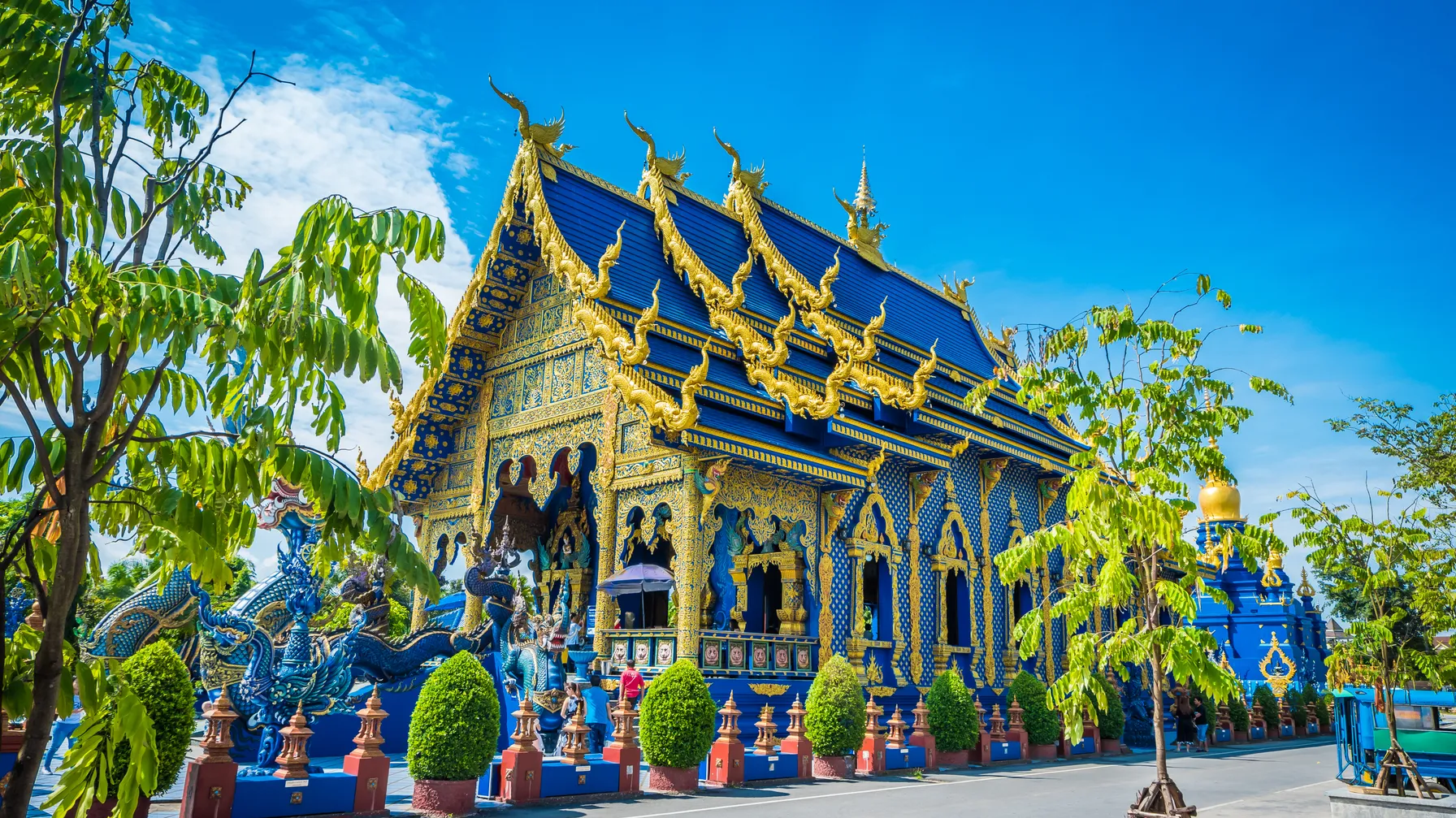
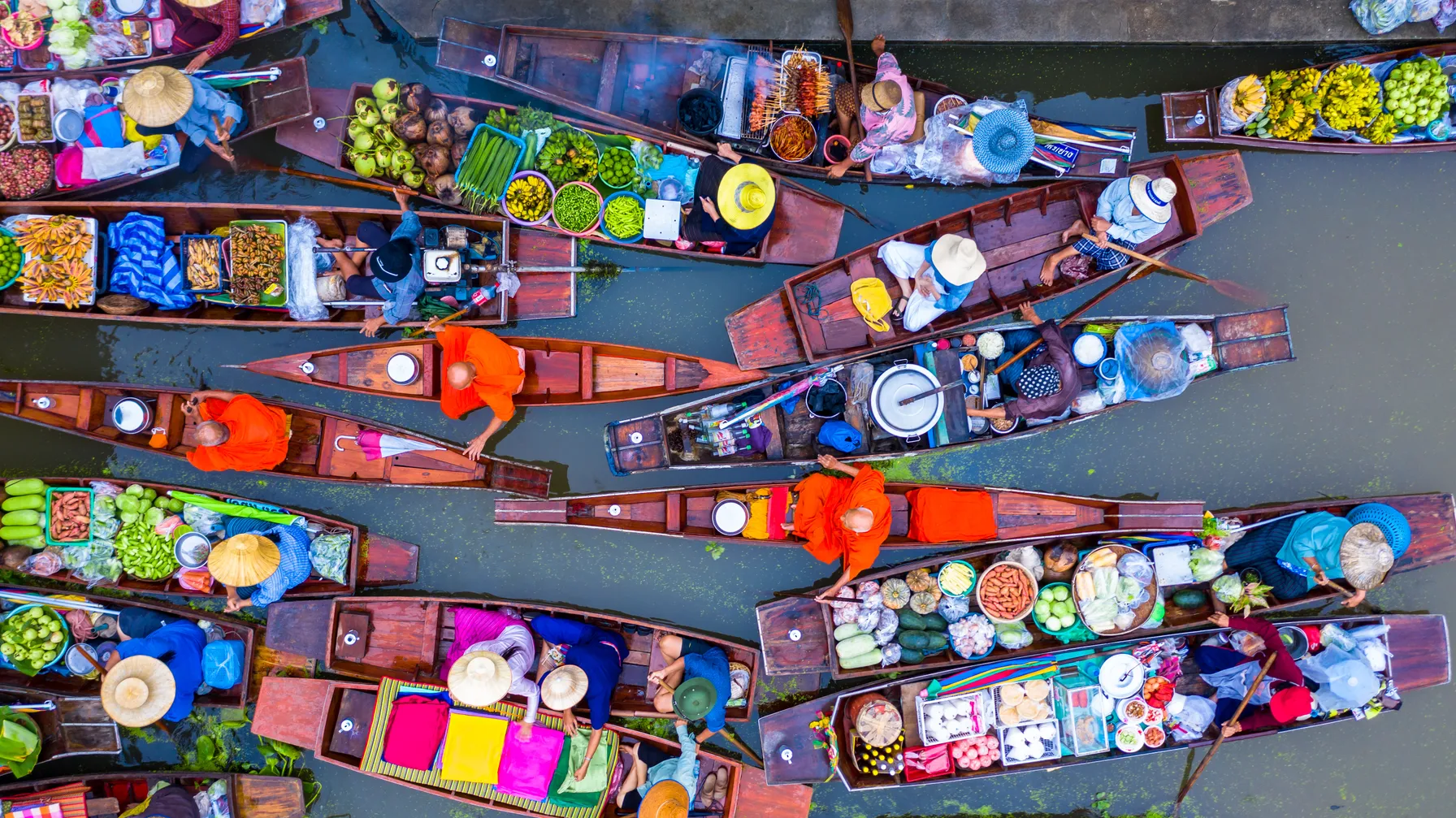
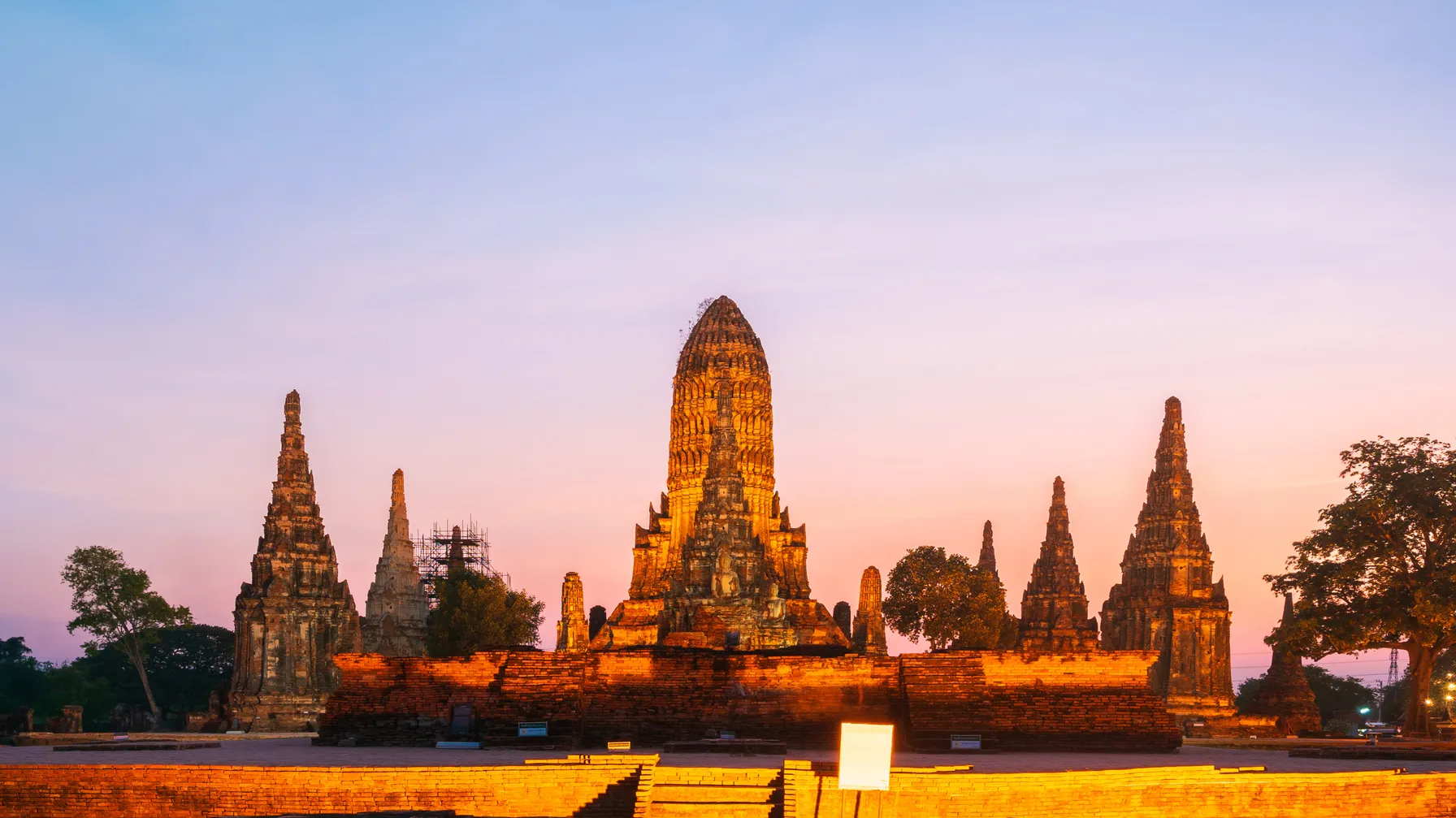
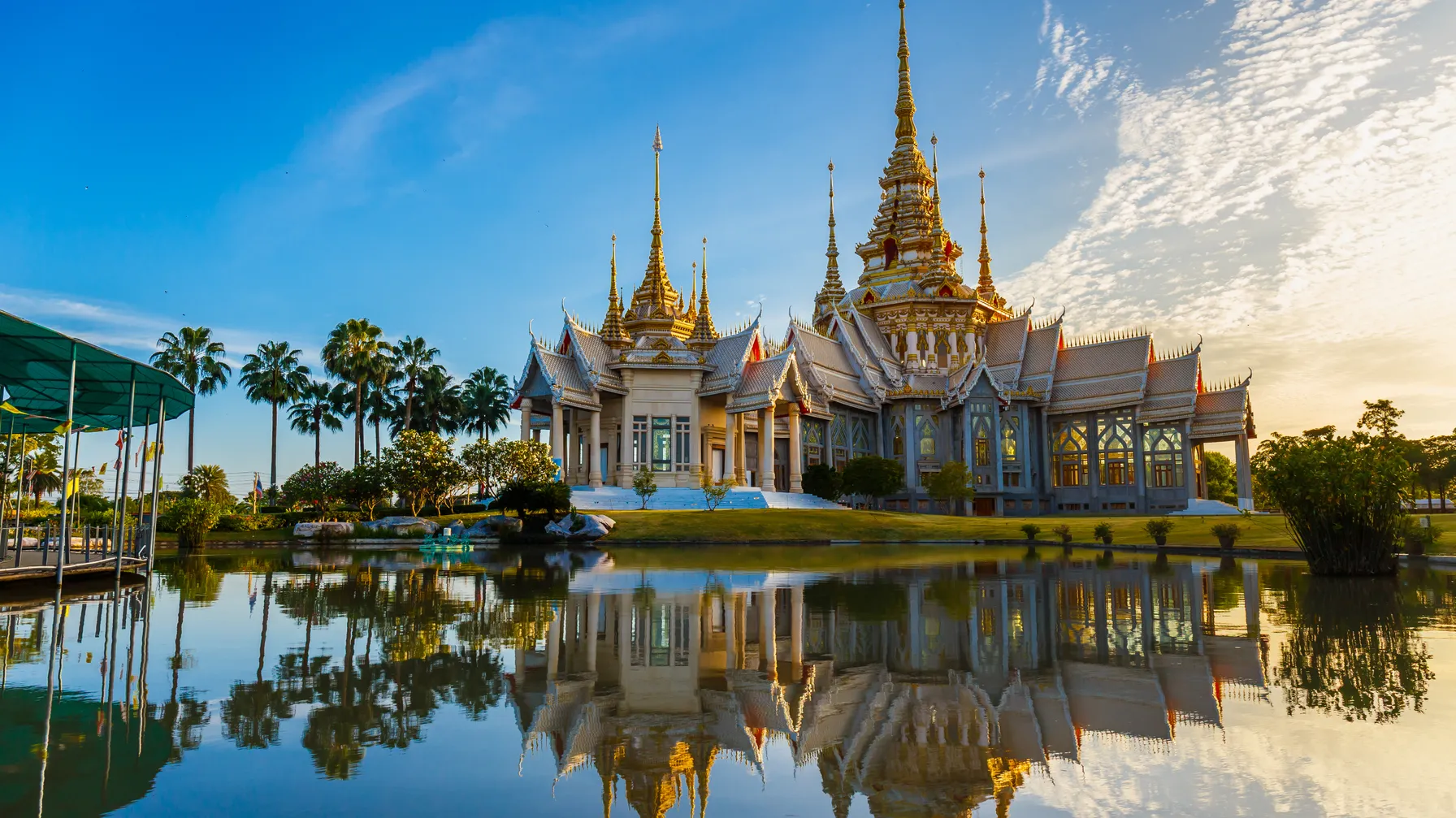
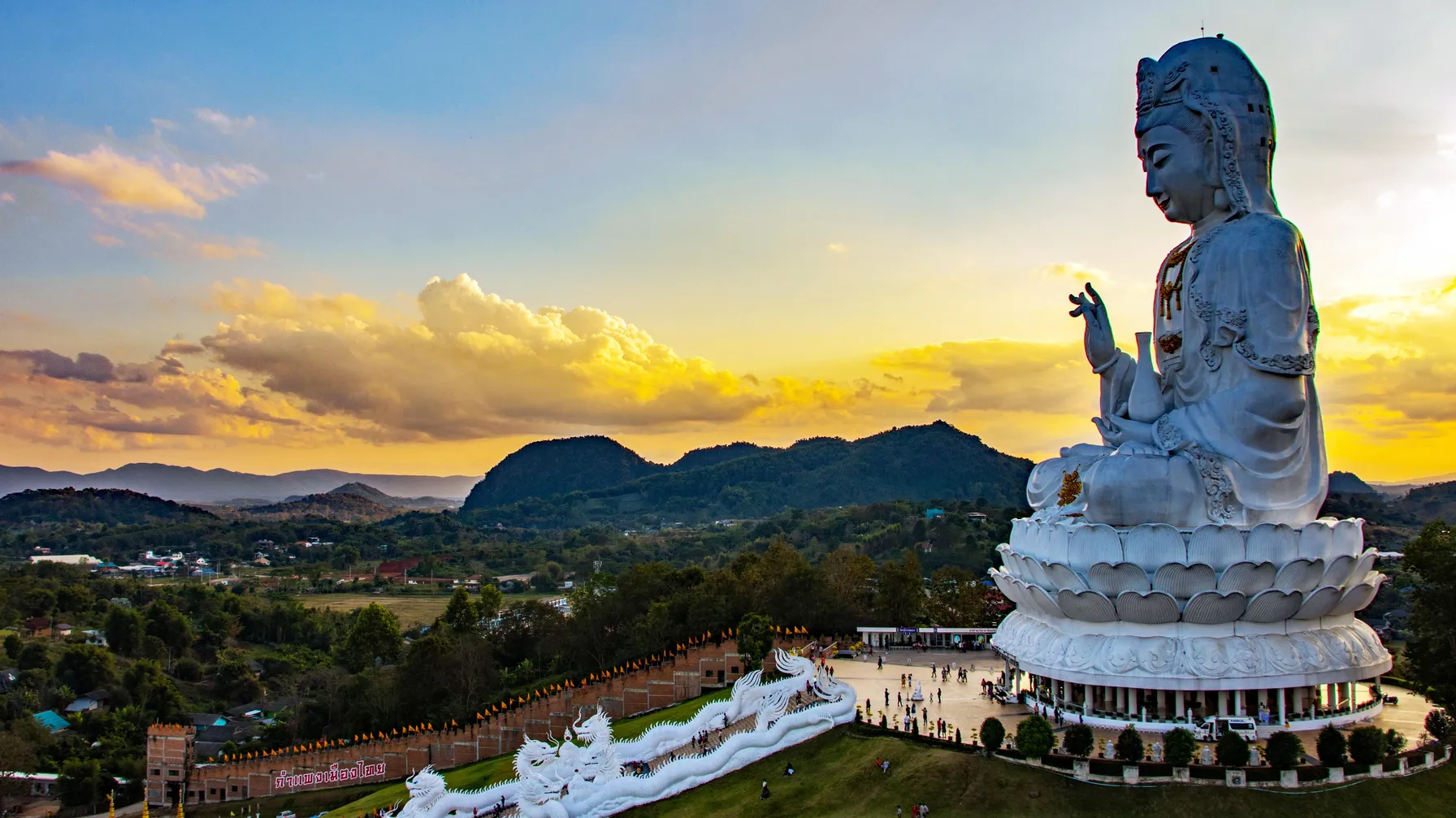
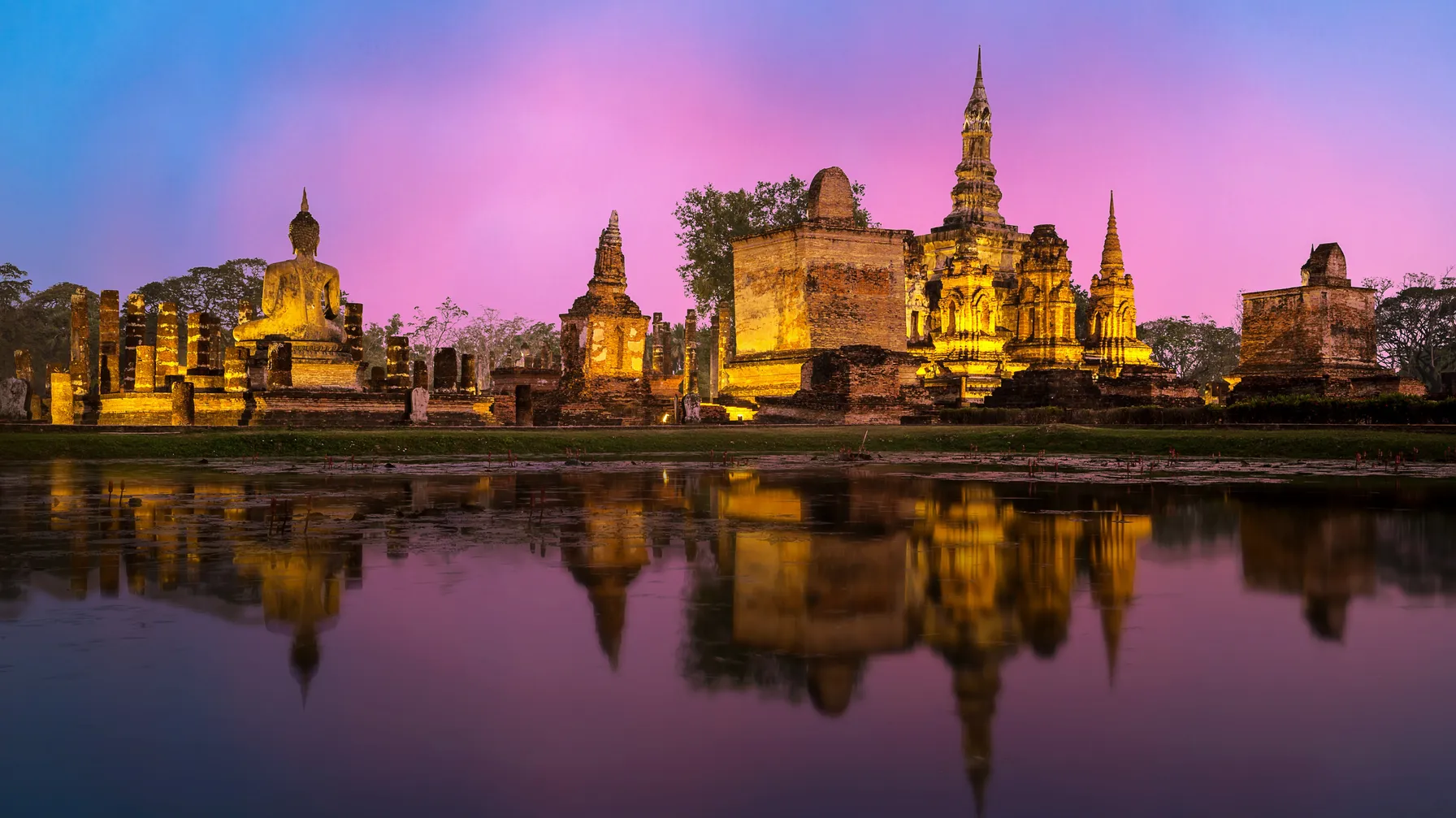
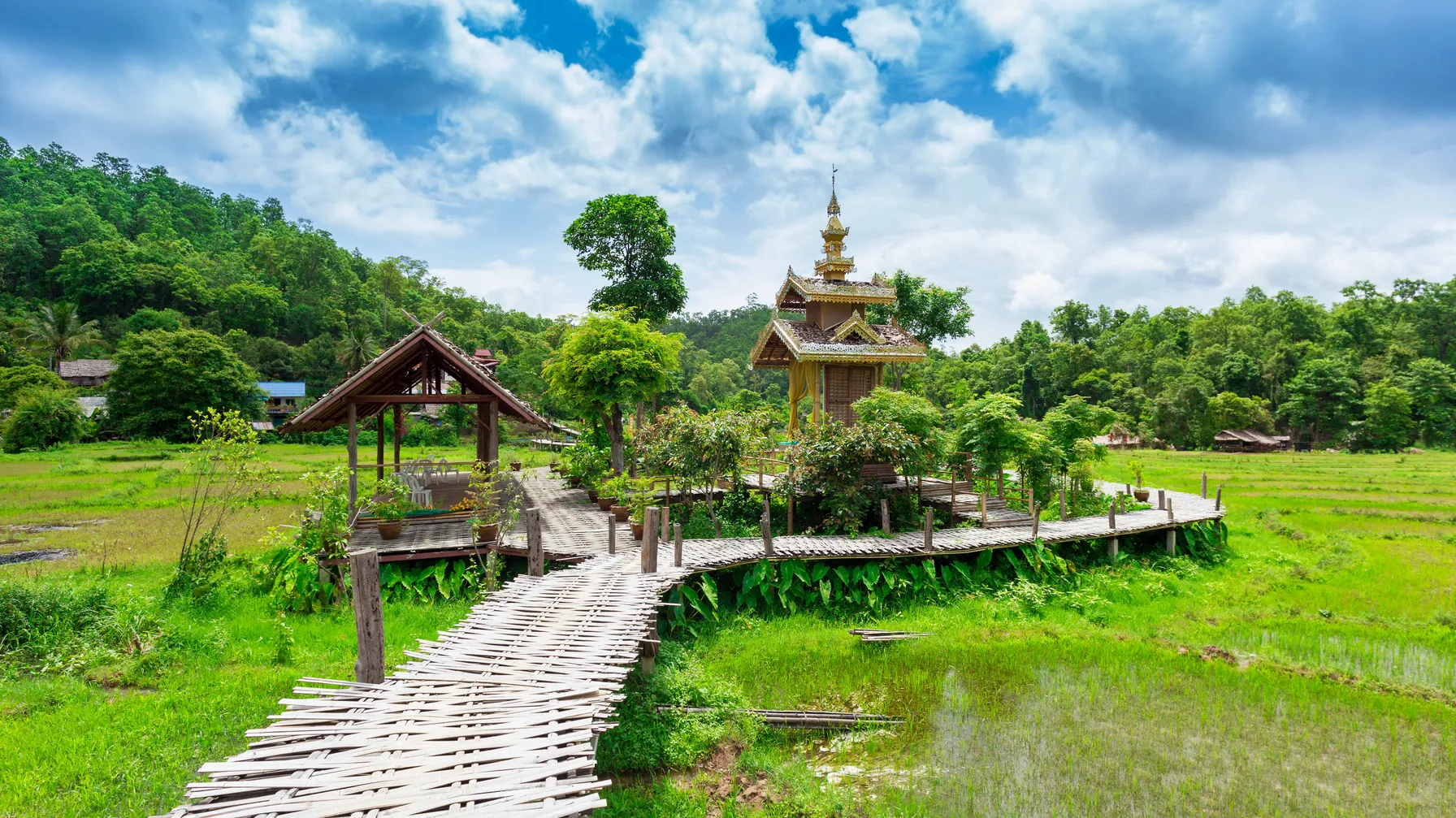
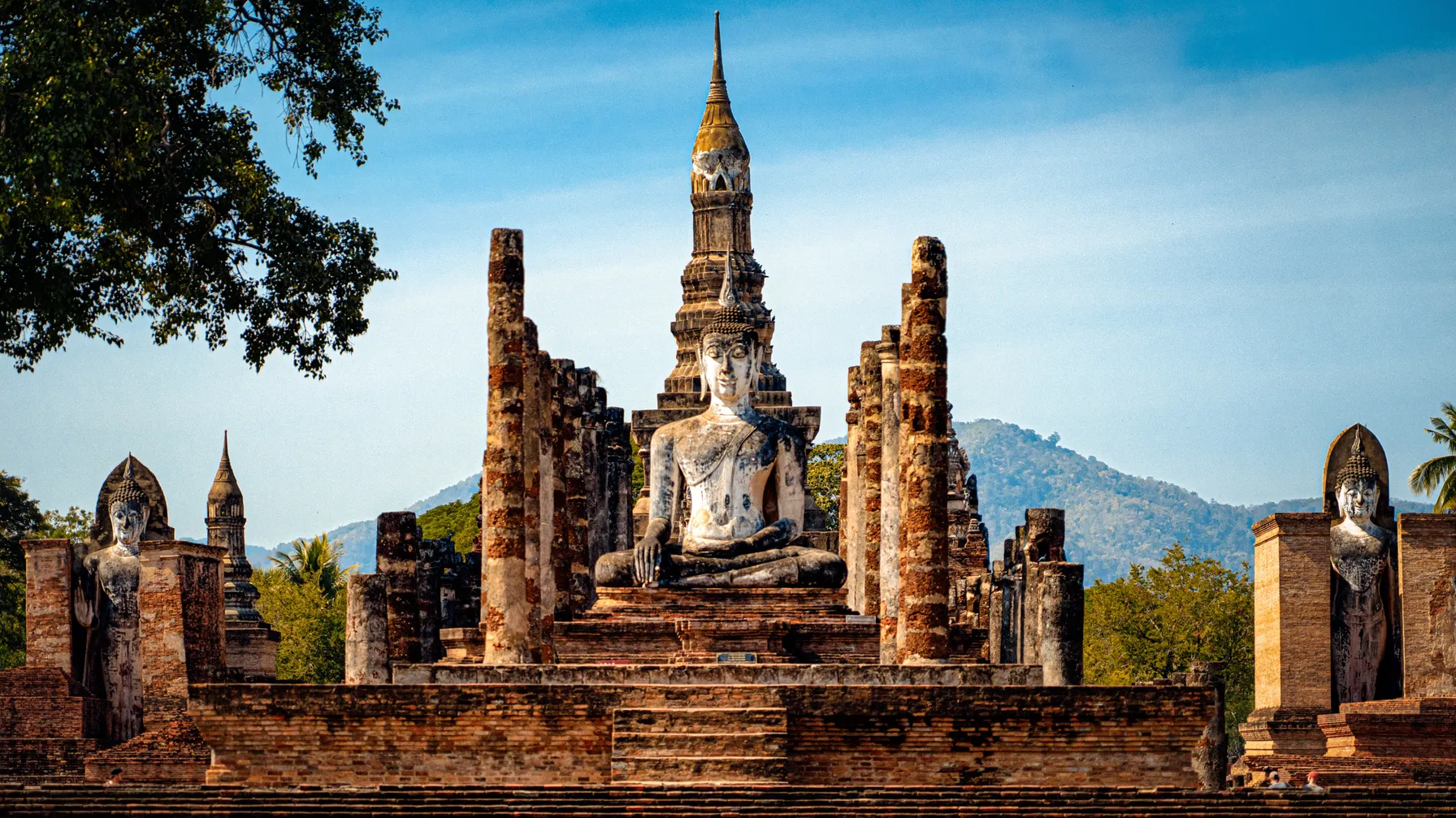
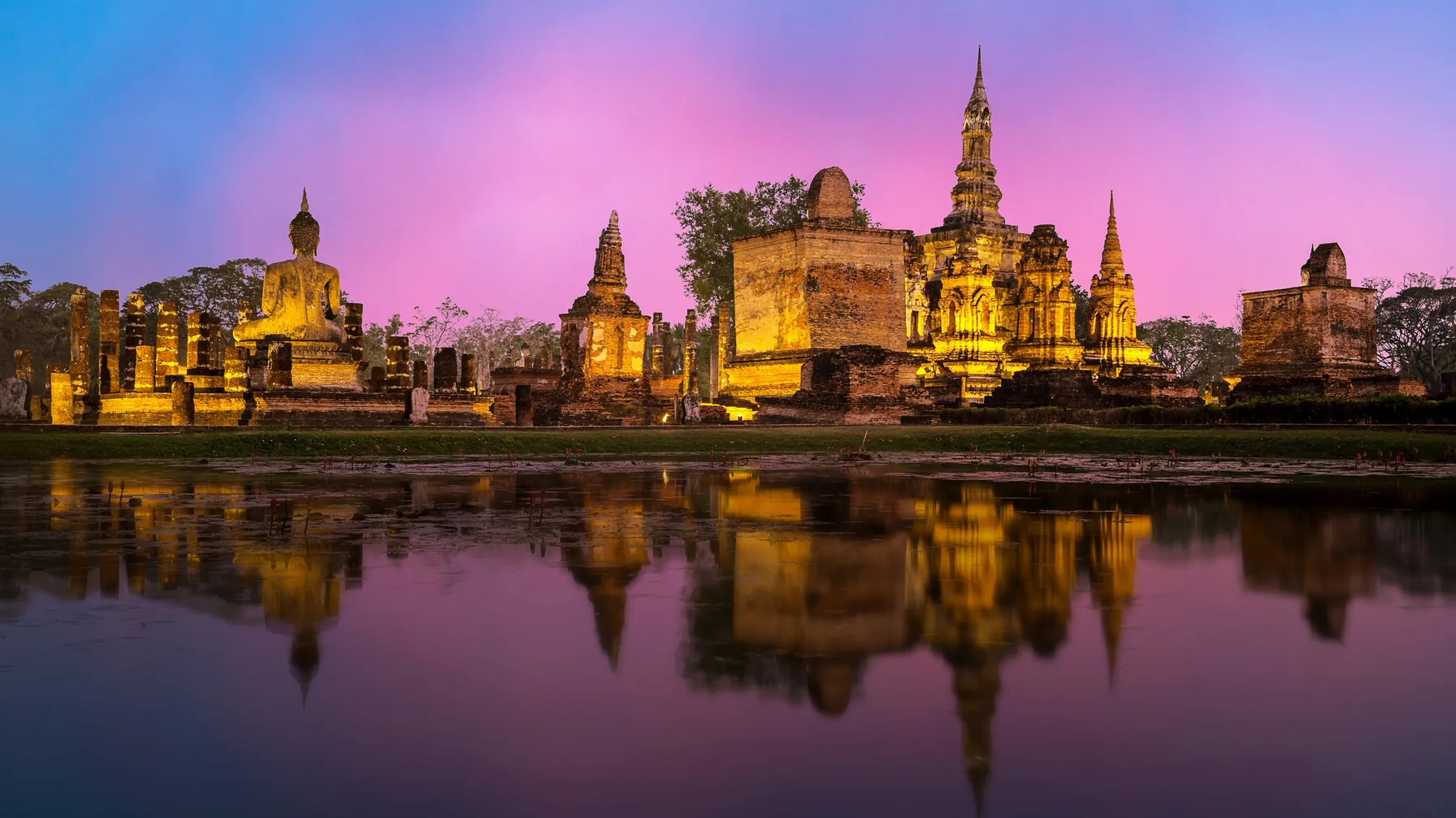
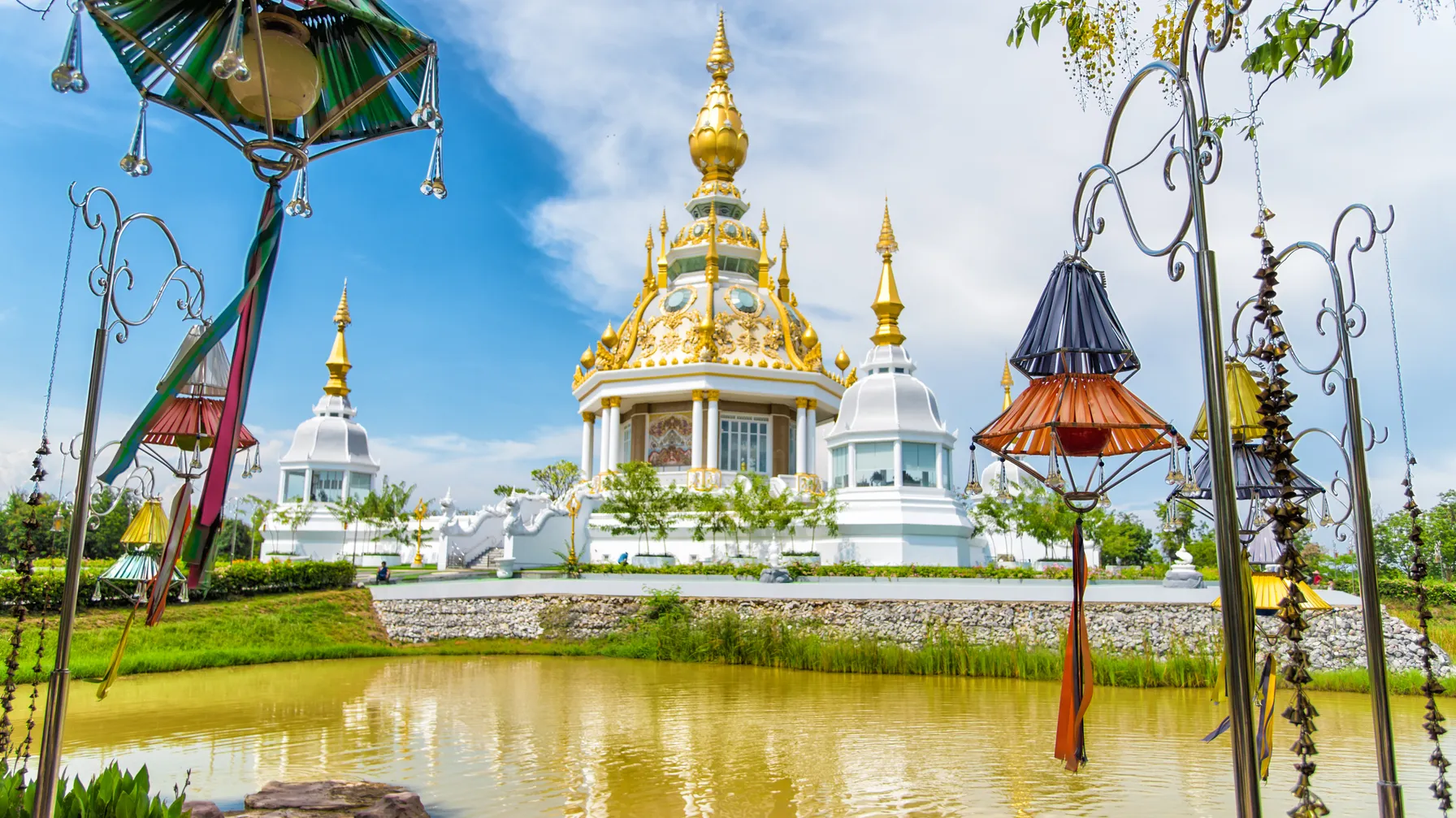
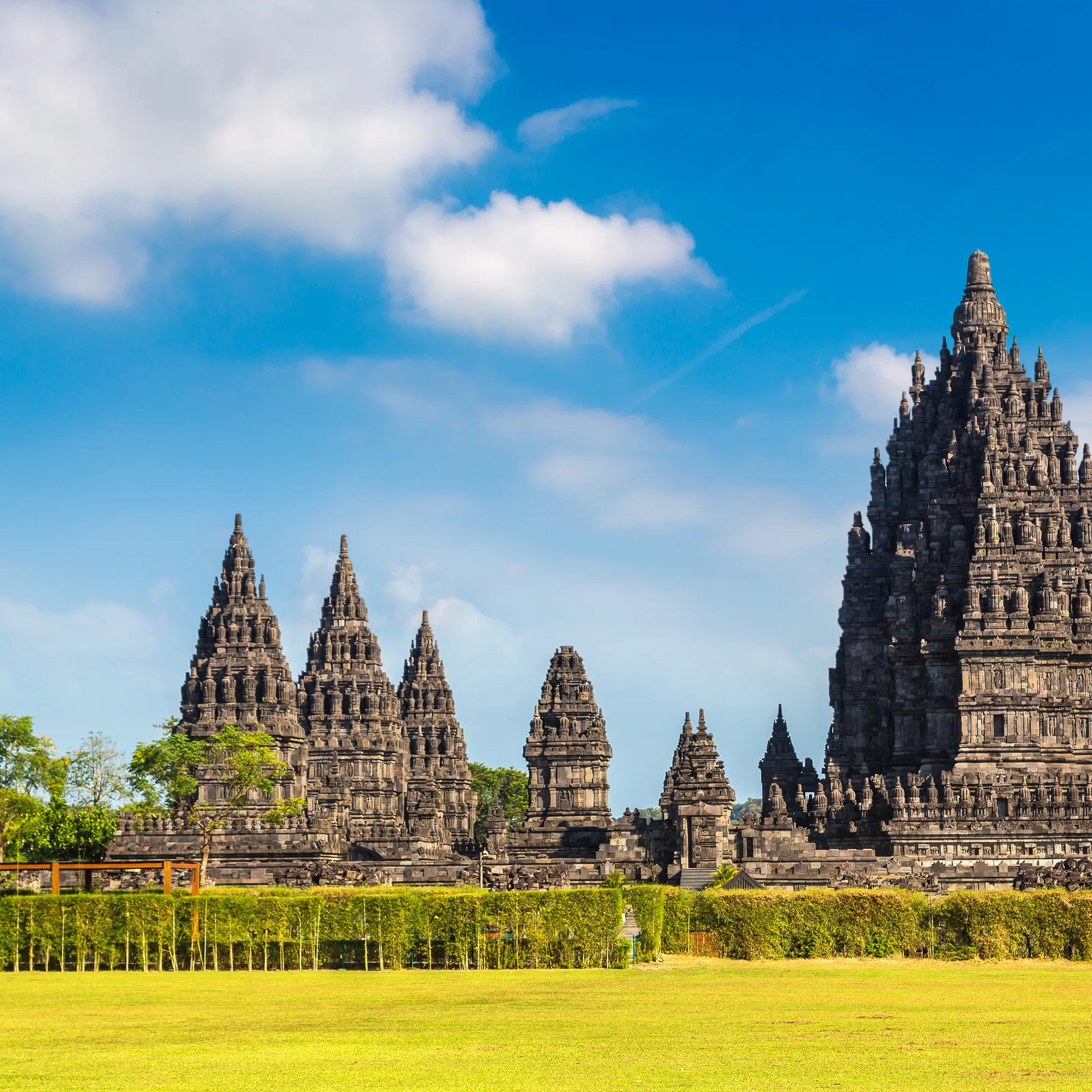
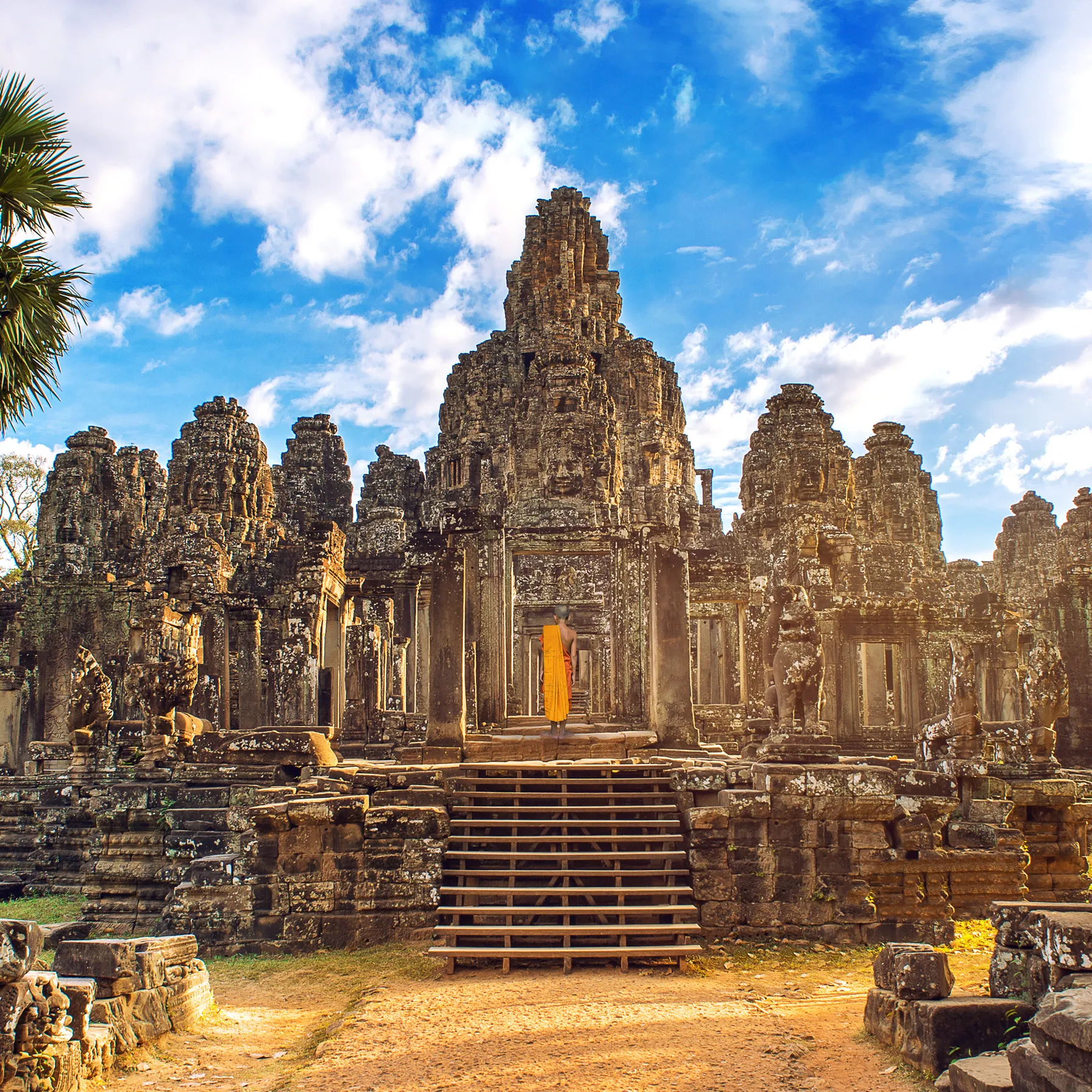
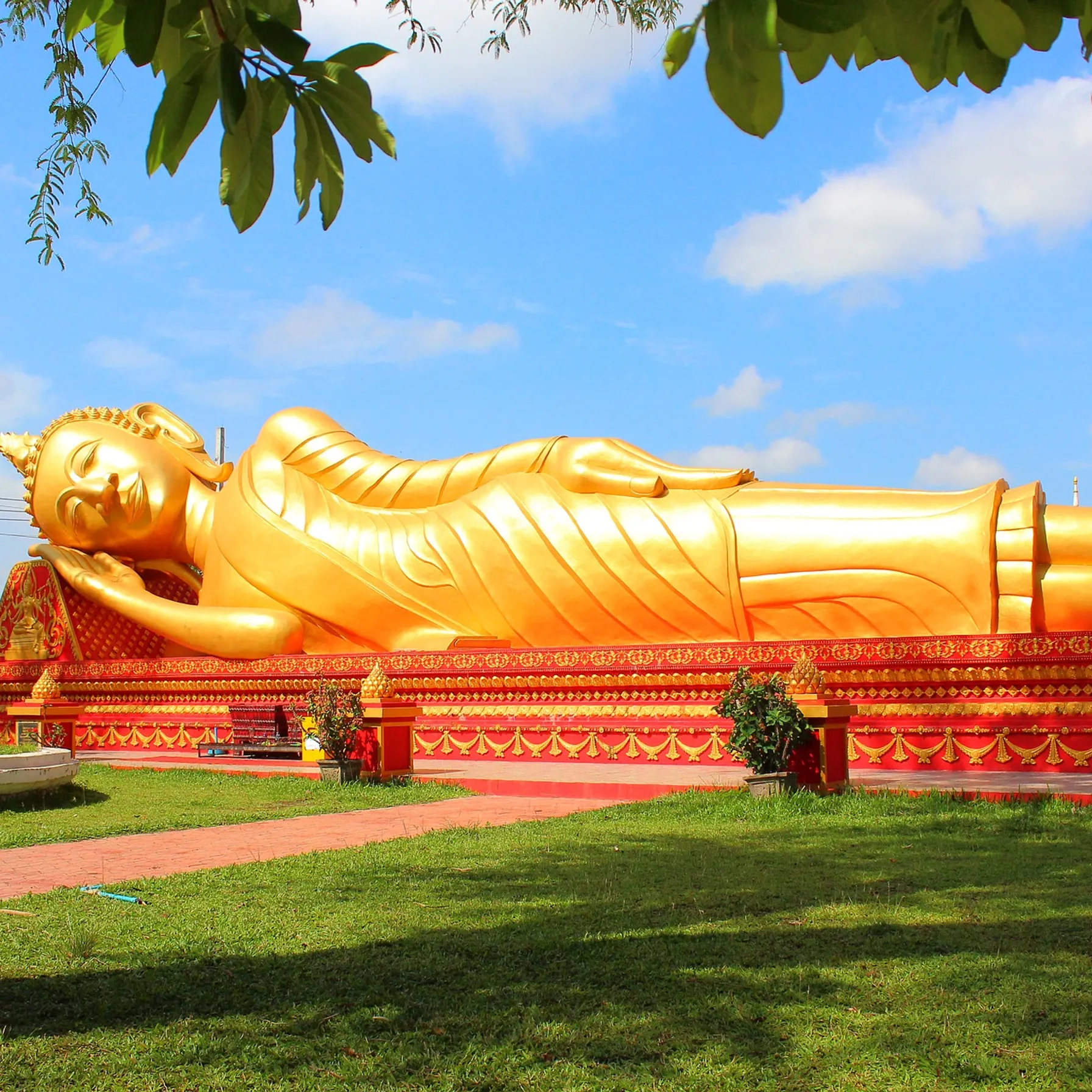
What distinguishes Thai cruises from other maritime destinations is the cultural depth that awaits travelers on land. The land of smiles is not limited to its beaches: its golden temples, lively markets, and enduring traditions make it a destination in its own right. In Bangkok, the Grand Palace impresses with its magnificence, while in Phuket, the Big Buddha watches over the island from the heights of Khao Nakkerd Hill. Each stop is an invitation to dive into an ancient culture.
What are the best itineraries for a cruise in Thailand?
Thailand offers two major sailing areas, each with its own characteristics and rhythms. Your choice of itinerary will depend on your desires, the season, and the length of your stay. Here is an overview of the two main routes to help you envisage.
The Andaman Sea and its legendary islands
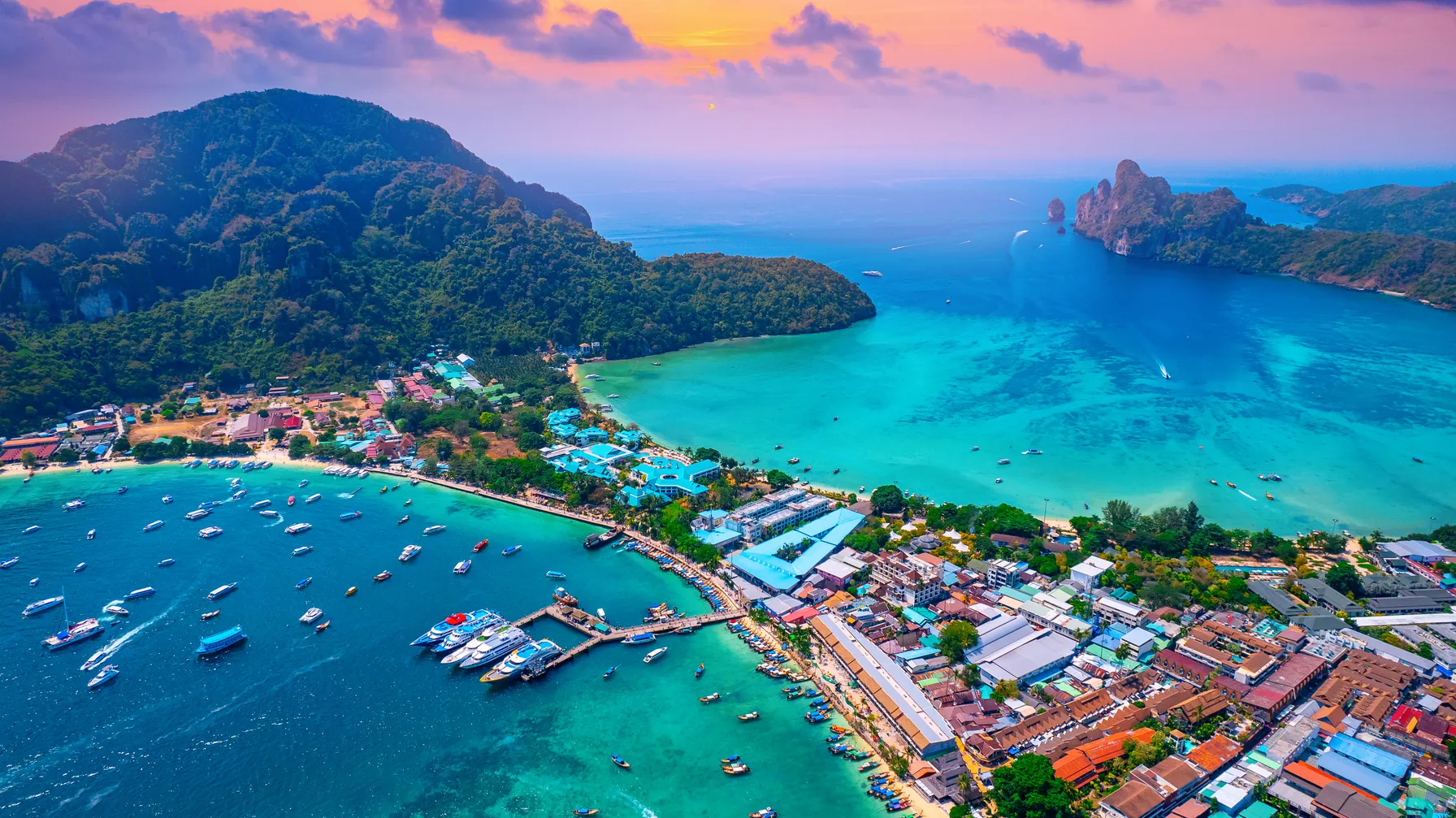
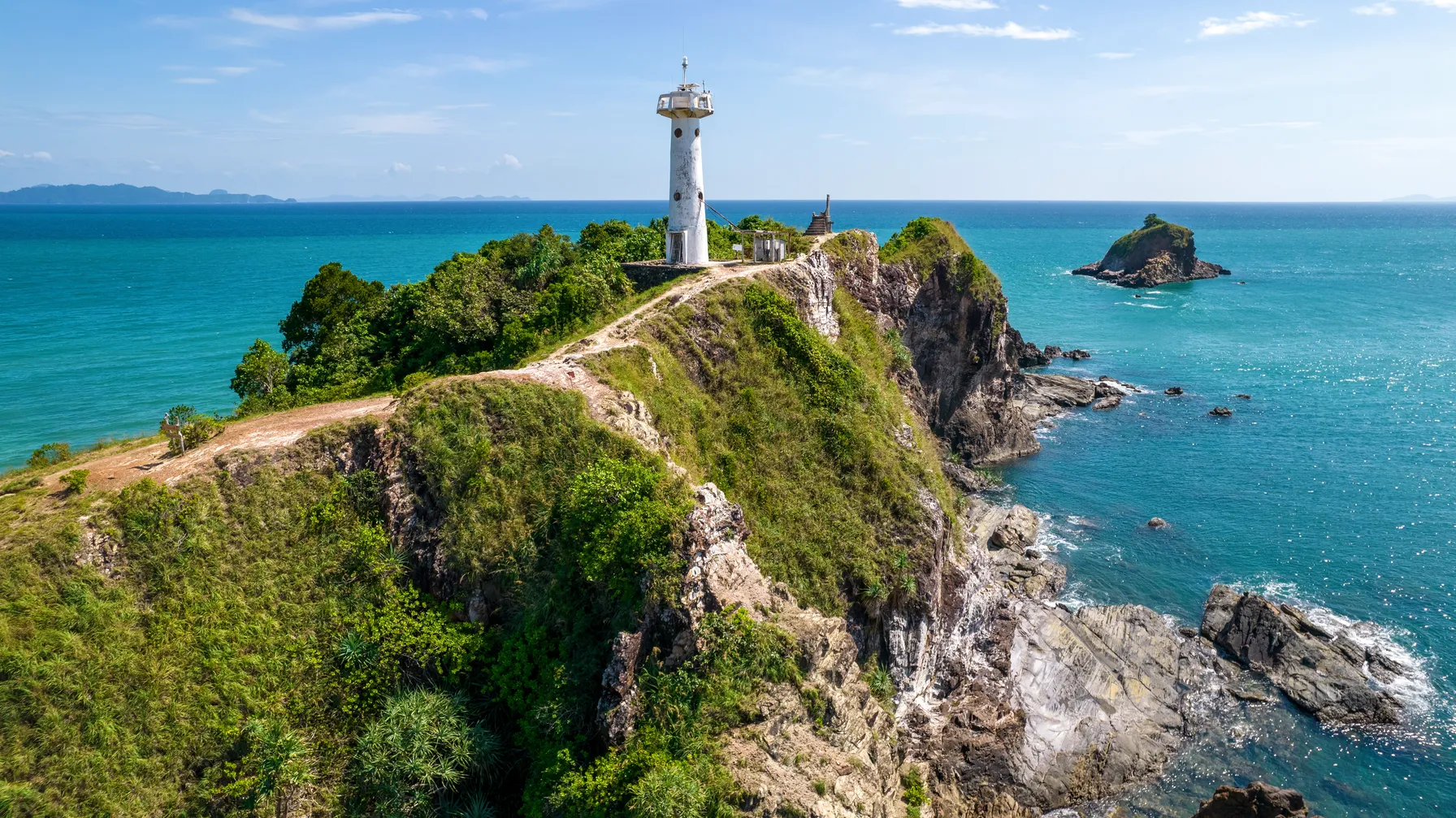
The western coast of Thailand, bathed by the Andaman Sea, is perhaps the most familiar to travelers. Phuket is the natural starting point, before heading towards archipelagos of rare beauty. Koh Phi Phi, with its cliffs diving directly into translucent water, is one of the most iconic stops in the Phi Phi Islands. Further north, Phang Nga Bay unveils breathtaking karst landscapes, ideally explored by sea kayak. The Tarutao National Marine Park, on the Malaysian border, offers almost deserted sandy beaches and exceptional underwater fauna.
The Gulf of Thailand, between temples and secret beaches
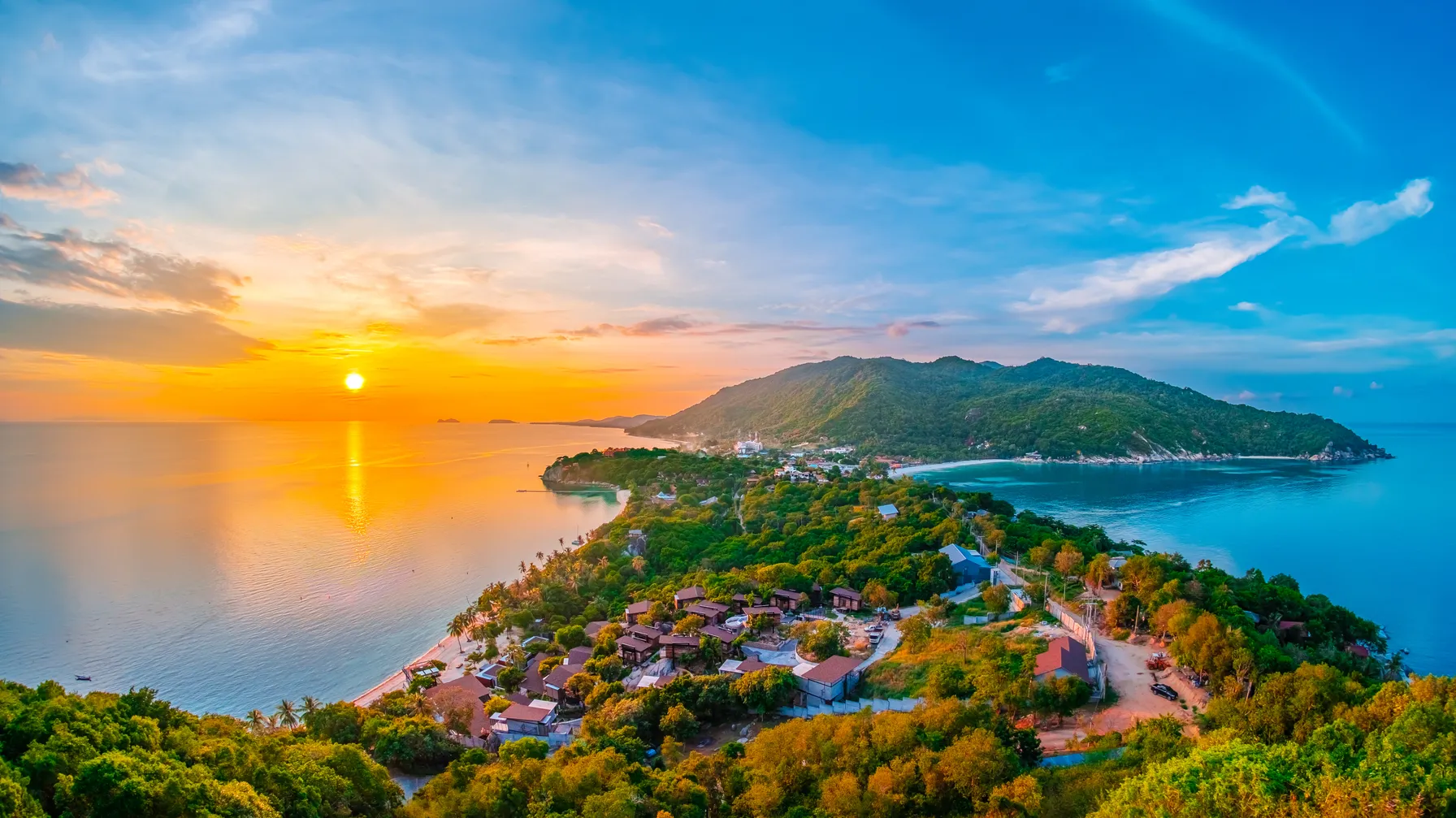
The eastern coast, on the Gulf of Thailand, offers a different, gentler atmosphere, less crowded. Koh Samui, Koh Tao, and Koh Phangan form an insular triangle where sandy beaches meet coral-rich seabeds. From Laem Chabang, the port of Bangkok, you can reach the capital in less than an hour to visit the Grand Palace or wander the city's canals. This route is particularly appreciated for combining beach relaxation and cultural discovery.
To choose the best time for your cruise in Thailand, here is a summary table of the weather conditions according to the areas:
| Period |
Andaman Sea (west coast) |
Gulf of Thailand (east coast) |
| November to April |
Ideal, calm sea, clear sky |
Good, some rains in November |
| May to October |
Rainy season, rough sea |
Ideal from June to September |
| All year round |
Bangkok accessible all year round |
Bangkok accessible all year round |
What experiences to expect during a cruise in Thailand?
A Thai cruise is not limited to navigation. It's a succession of experiences, at sea as on land, that build a memorable journey. Between nautical activities, cultural immersion, and culinary discoveries, each day brings its share of surprises.
On land: culture, cuisine, and local life
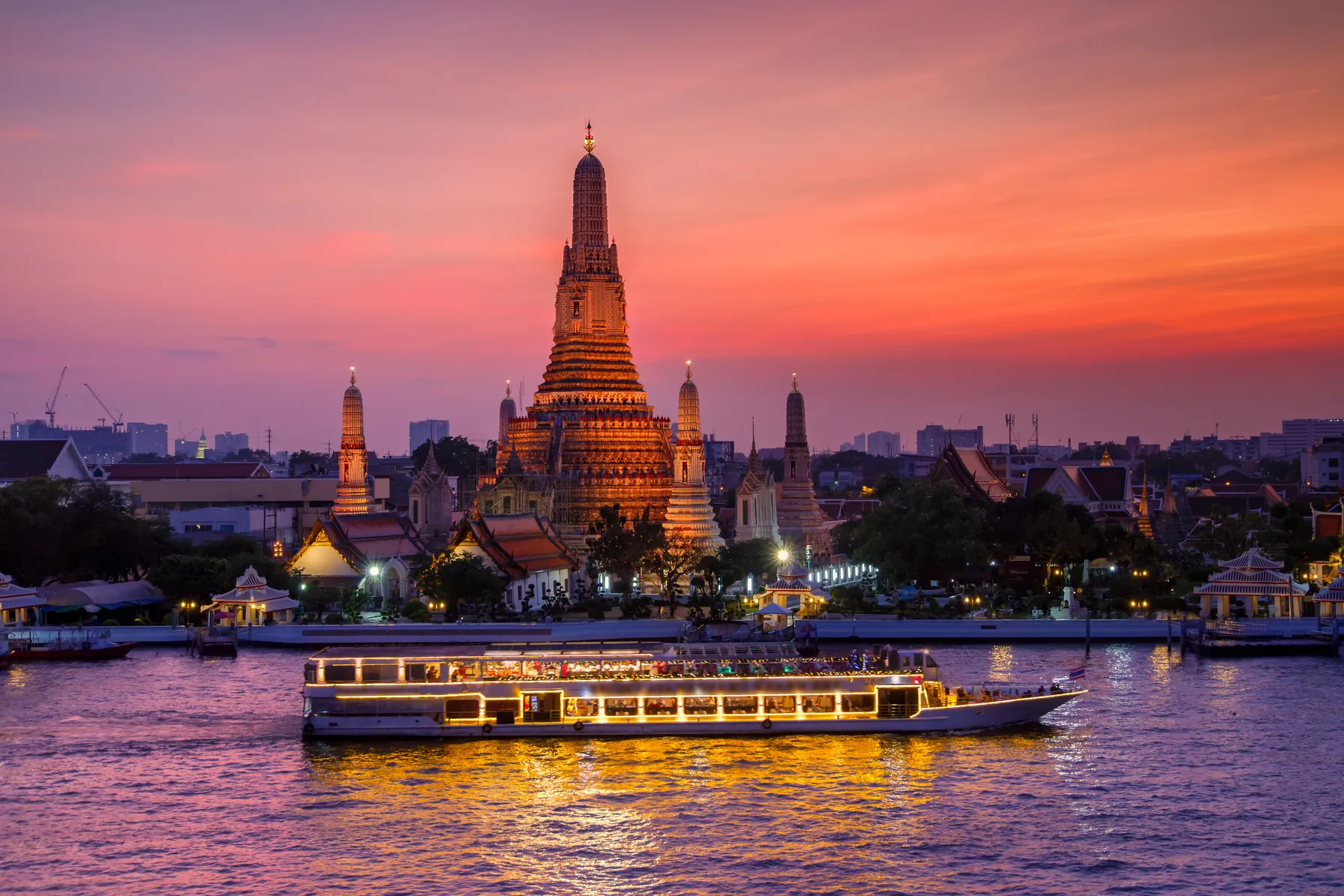
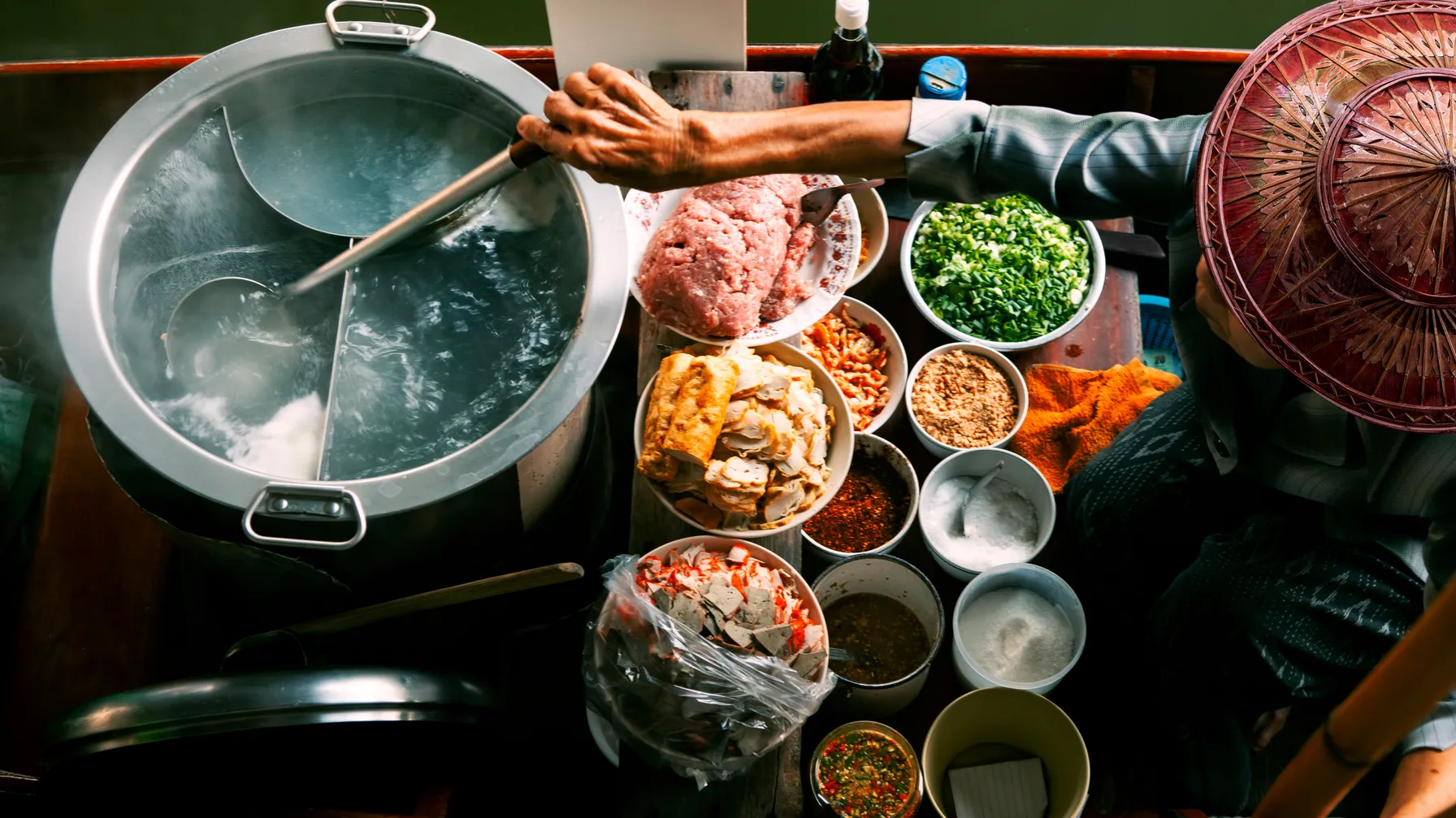
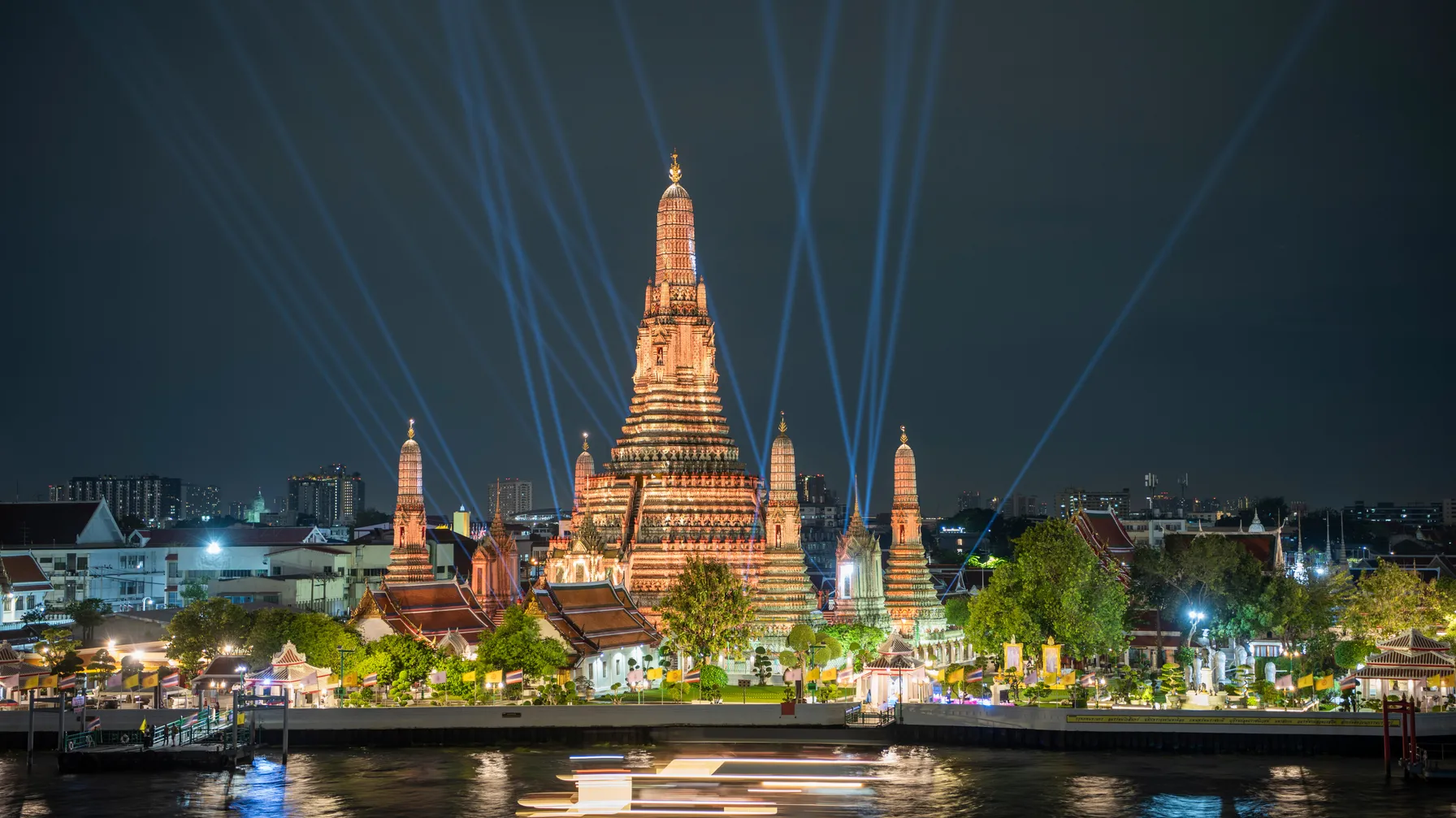
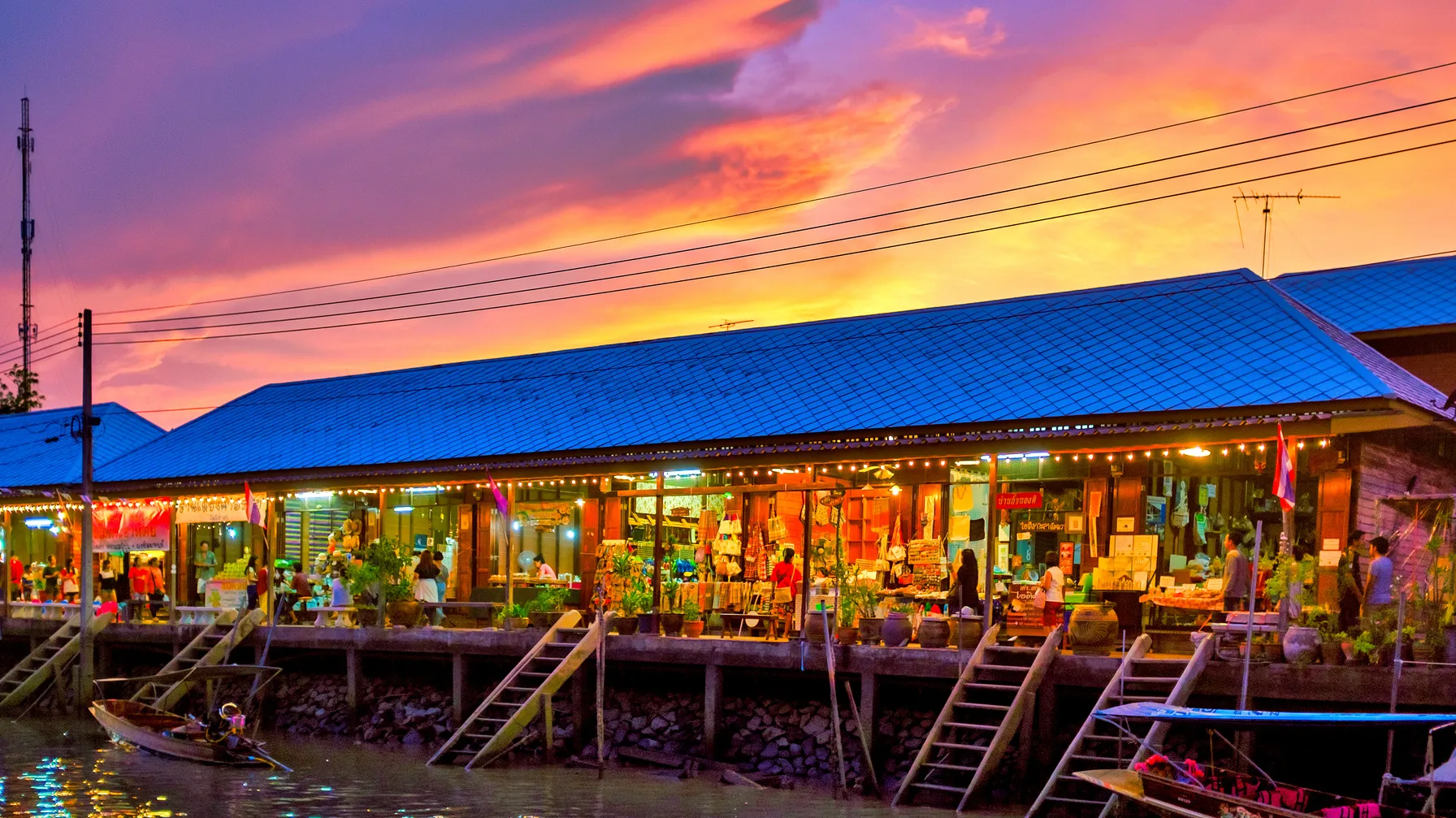
Each stop is a window open on authentic Thailand. In Bangkok, Buddhist temples such as Wat Pho or Wat Arun compete in splendor with the Grand Palace, whose golden roofs glitter under the sun. In street markets, the scents of lemongrass and galangal herald savory dishes: pad thai, green curry with coconut milk, tom yu [...]