When to go to Thailand for an unforgettable trip?
What is the ideal period according to your style of travel?
Choosing when to go to Thailand requires understanding the peculiarities of each season and their impact on your experience. The tropical climate of the kingdom is divided into three distinct periods, each offering advantages according to your preferences and your travel profile.
The dry season for a first discovery with the family
The best time to visit Thailand is from November to March, corresponding to the dry season. These months reveal the country at its best with temperatures oscillating between 25°C and 30°C, generous sunshine, and almost non-existent rainfall. This ideal period is perfect for families looking for optimal climatic conditions.
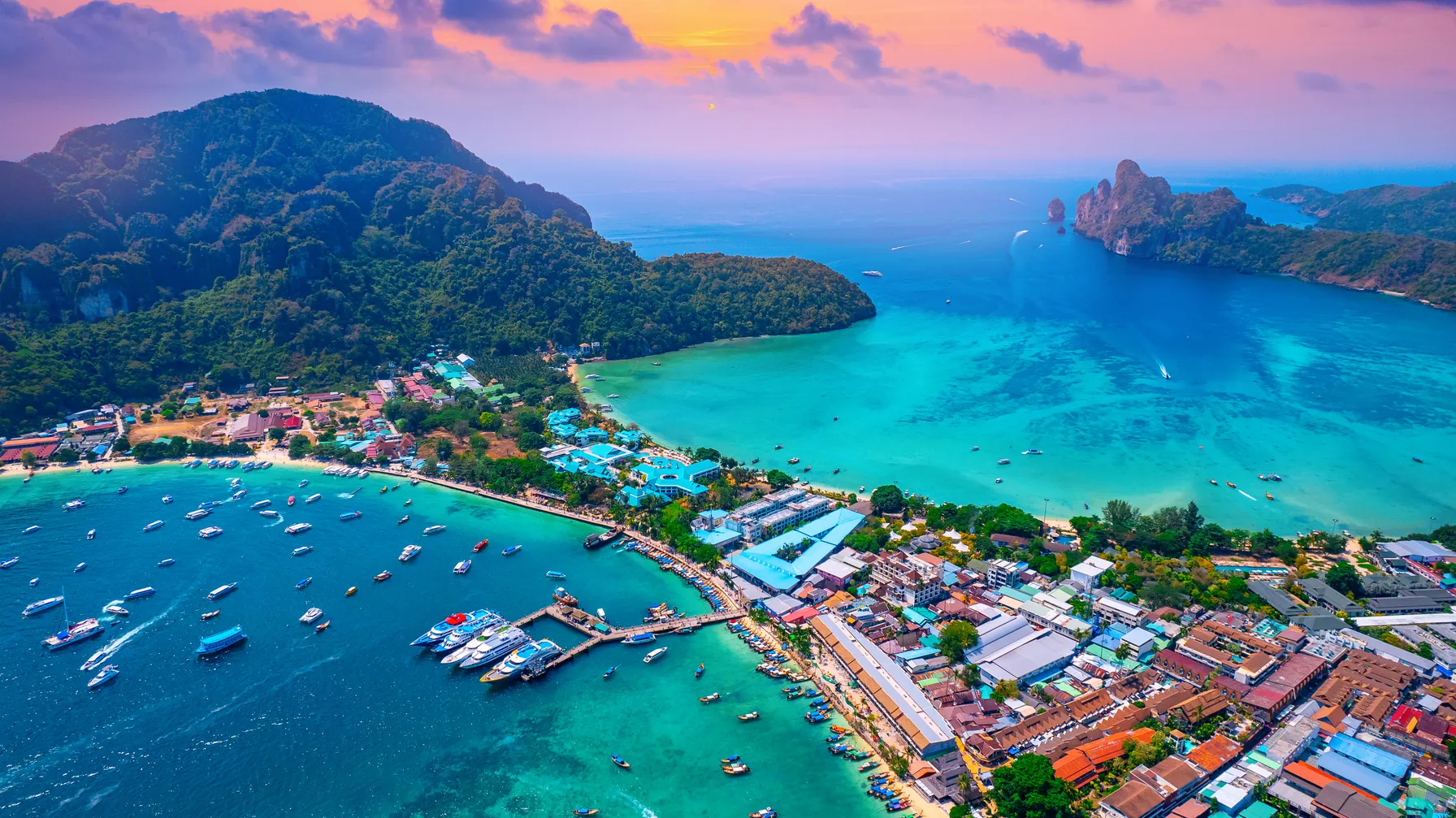
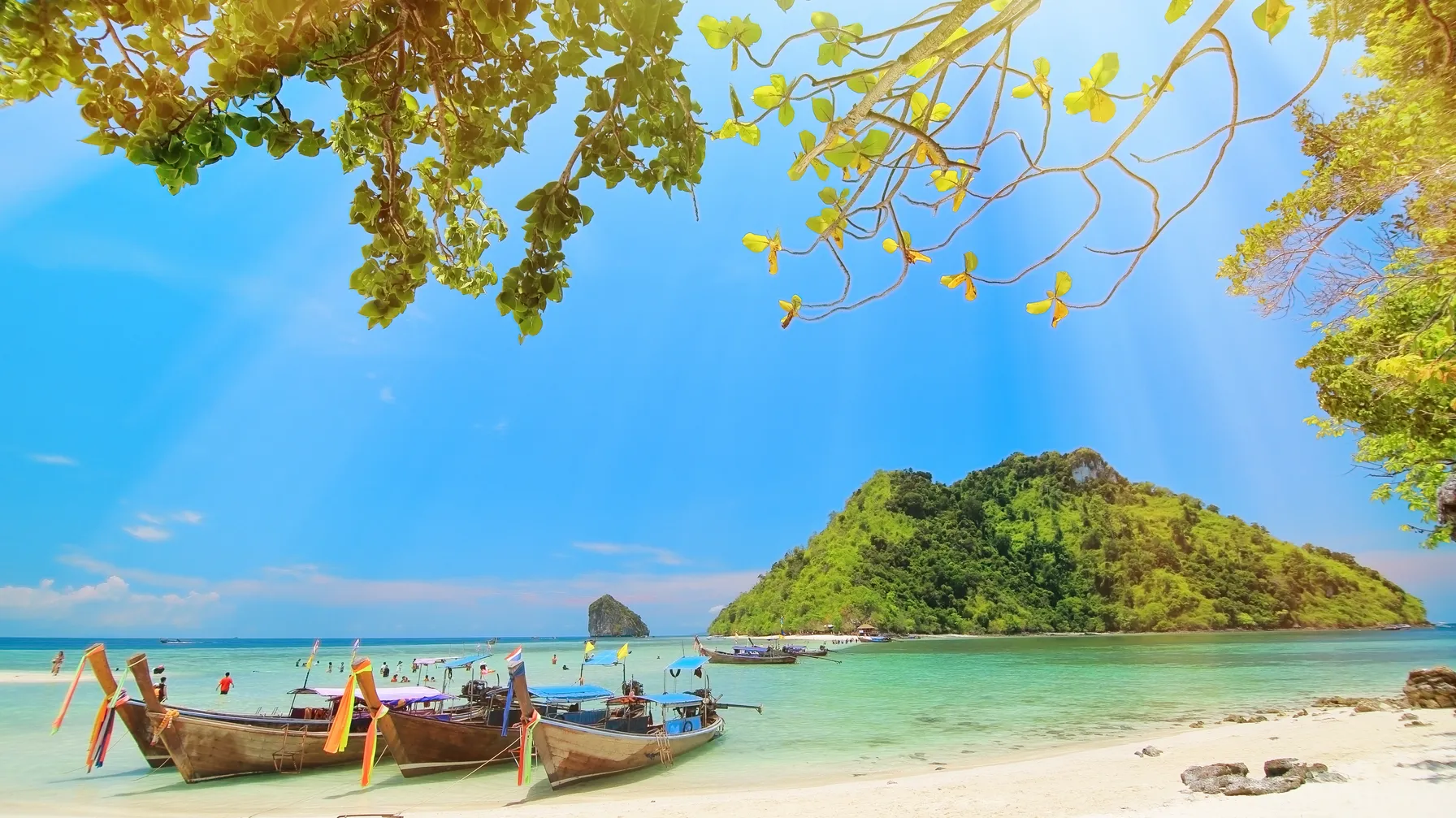
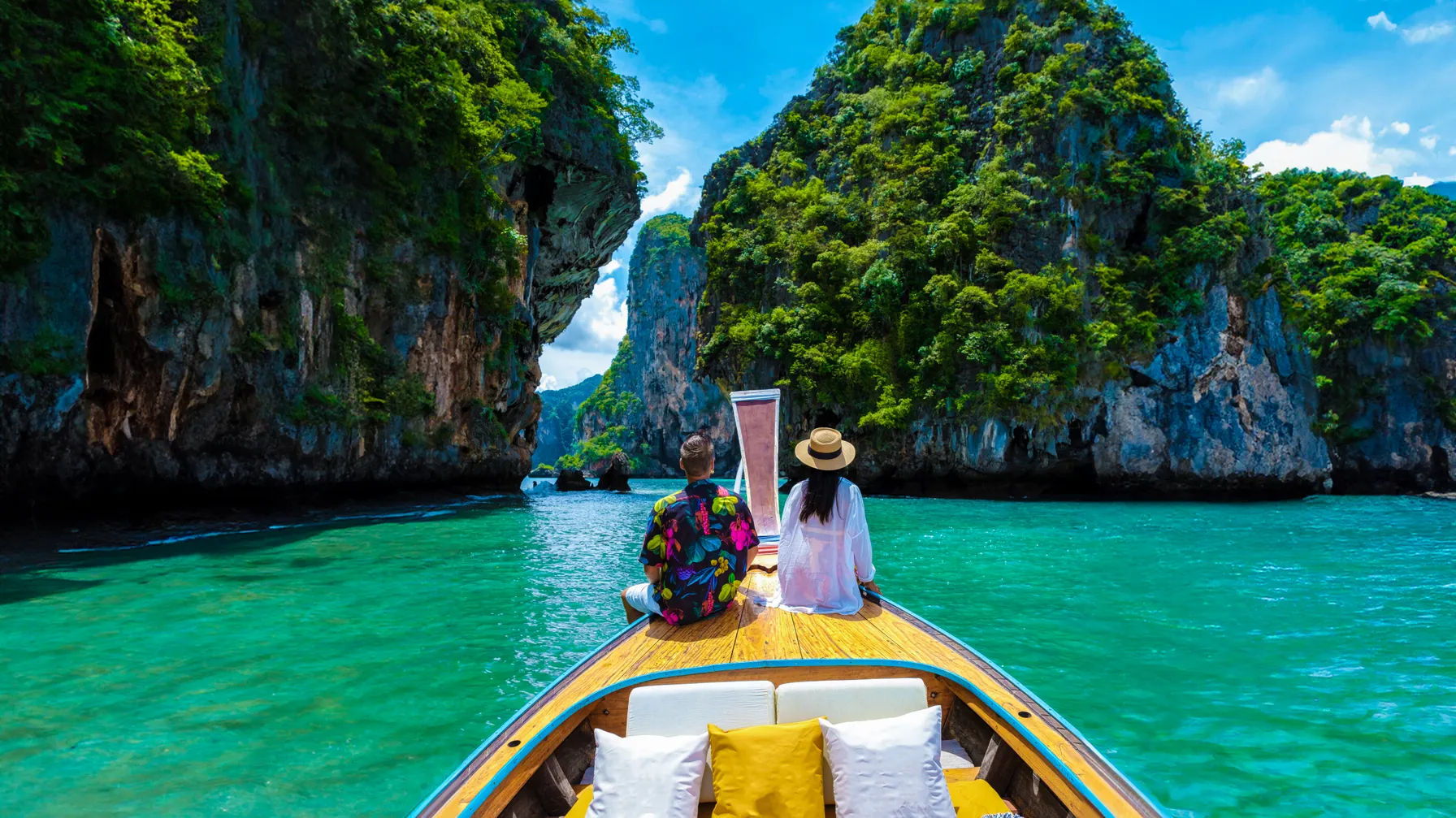
During these months, temperatures are pleasant both in the mountainous north and on the coasts. Chiang Mai shows minimums around 15°C in December and January, creating a welcome coolness in the evening. Islands like Koh Samui, Koh Lanta, or the famous Koh Phi Phi enjoy an ideal climate for enjoying the beaches and water activities.
This high tourist season still presents some drawbacks: the crowds are particularly felt at iconic sites and accommodation prices peak. However, families will appreciate the predictable weather and the ease of organizing activities.
The rainy season for an authentic experience
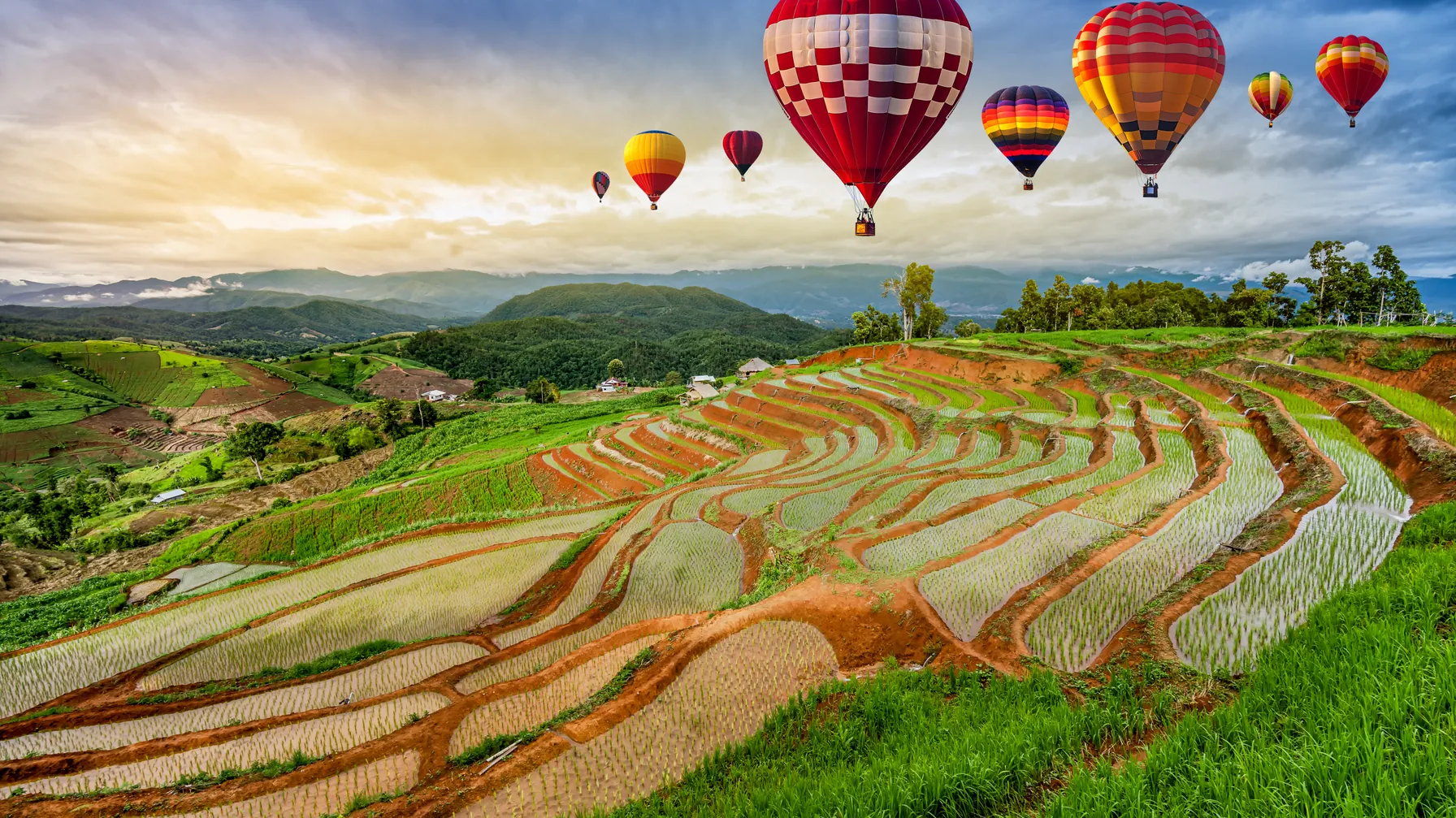
Traveling to Thailand from May to October unveils a different face of the kingdom. This rainy season, often wrongly feared, offers unique experiences to curious travelers. Tropical showers, usually brief yet intense, cool down the atmosphere and revive lush vegetation with a vibrant green.
Contrary to popular belief, it does not rain continuously. Precipitations often occur in the late afternoon or evening, leaving beautiful sunny days for your explorations. This low season has considerable advantages: reduced rates on accommodations and flights, less crowded tourist sites, more authentic encounters with the local populations.
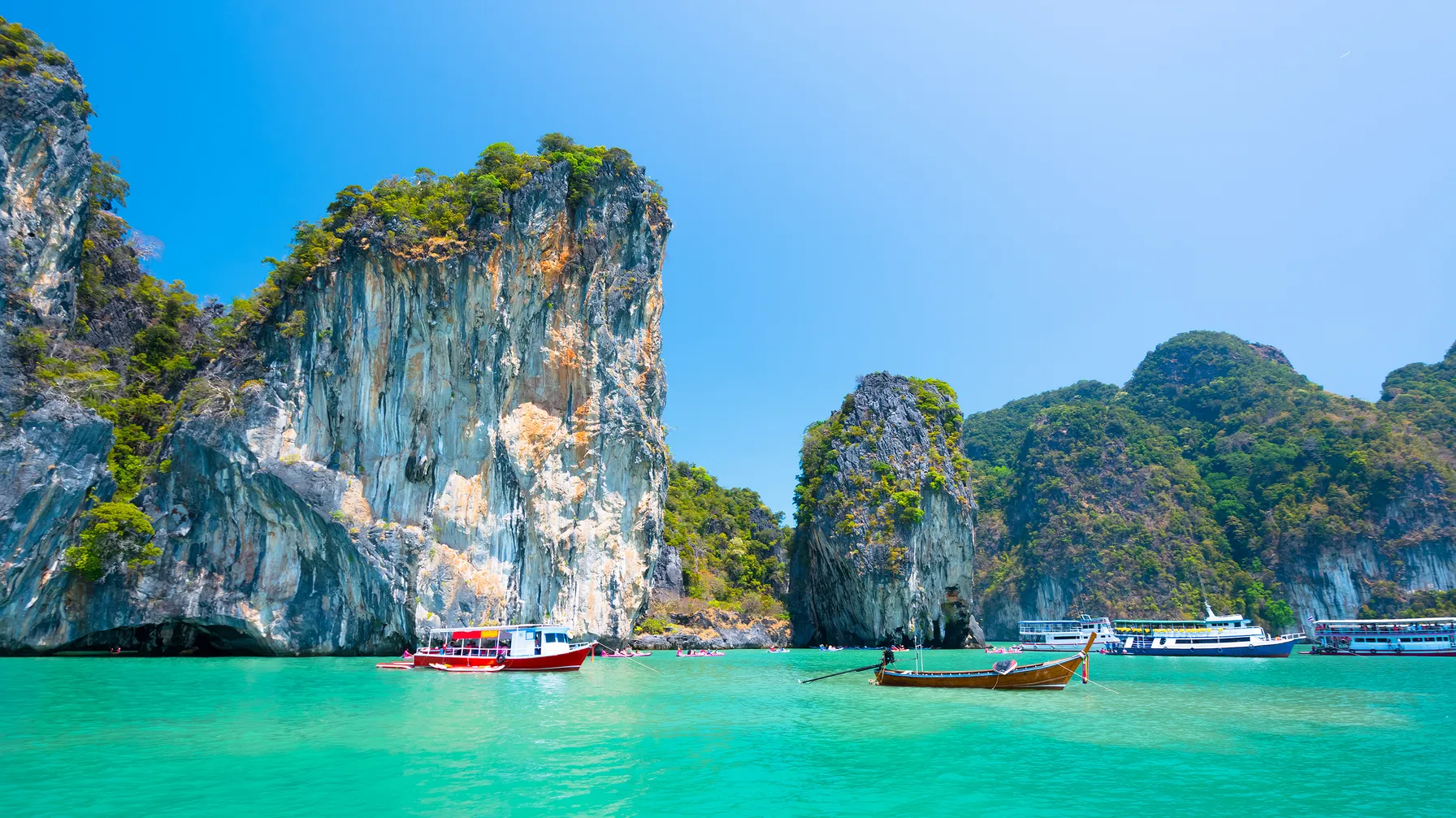
Some destinations are particularly attractive during this period. The Gulf of Thailand, including Koh Samui, Koh Phangan, and Koh Tao, remains relatively spared from heavy rains. The west coast, along the Andaman Sea, experiences more capricious weather, but the prices become very attractive.
Contact us for more information on the best times to go.
Demandez votre devis Thailand sur-mesure 100% gratuit
 4.8
4.8+3.000 travelers satisfied
Navigate between seasons according to your priorities
The transitional period from March to May, characterized by hot temperatures that can exceed 35°C, also merits consideration. These months offer an interesting compromise: rain remains rare, rates begin to decrease, and crowds gradually diminish.
To optimize your trip to Thailand, consider your personal priorities:
- Tight budget: prefer June to October to benefit from the best rates;
- Maximum comfort: opt for November to February with ideal temperatures;
- Avoid the crowd: choose May-June or September-October depending on the regions;
- Specific activities: adapt according to your interests.
How do regions influence your choice of dates?
Thailand exhibits significant climatic variations depending on the region. This geographical diversity greatly influences your choice of travel period depending on your preferred destinations.
The mountainous North and its thermal contrasts
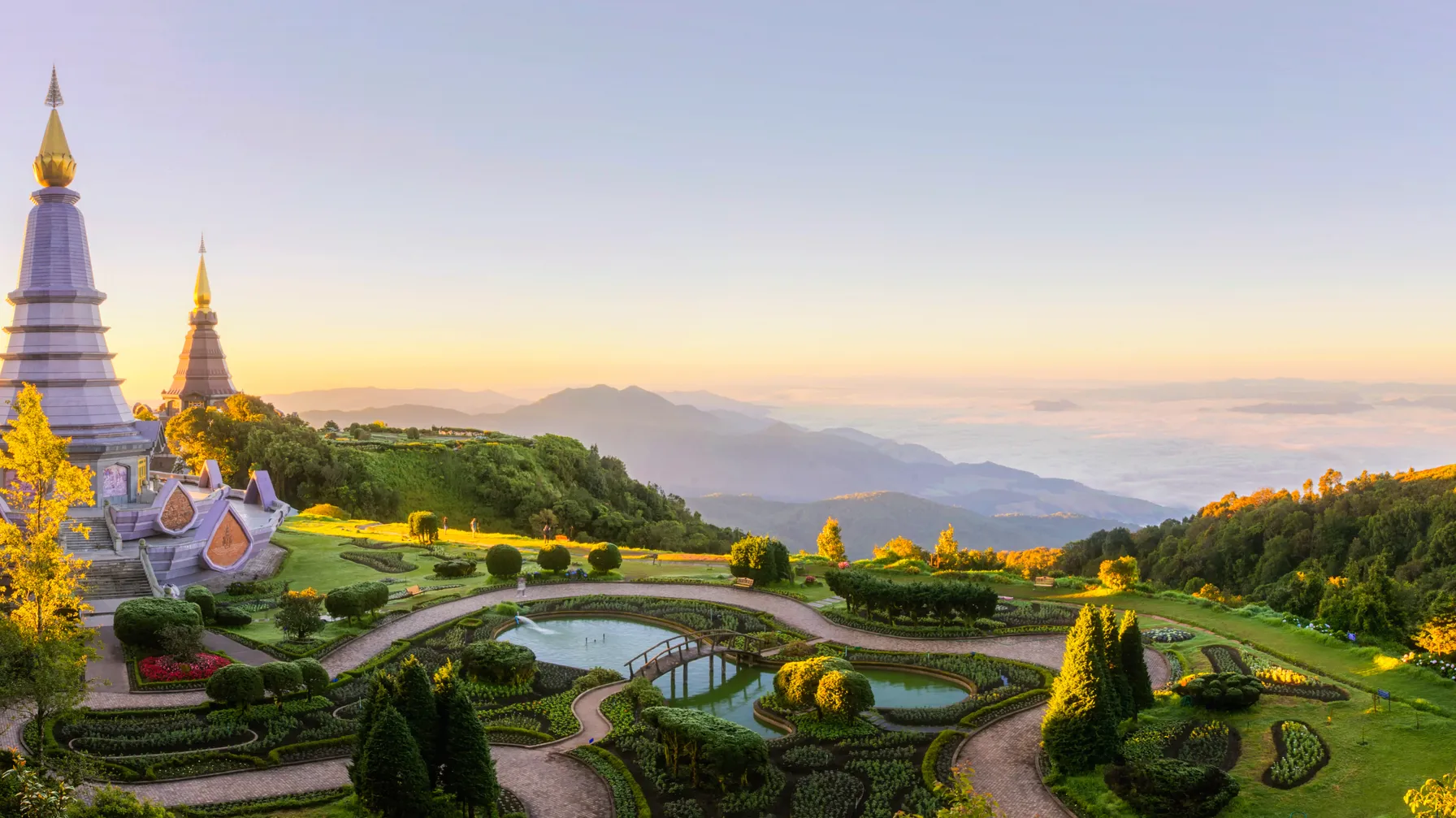
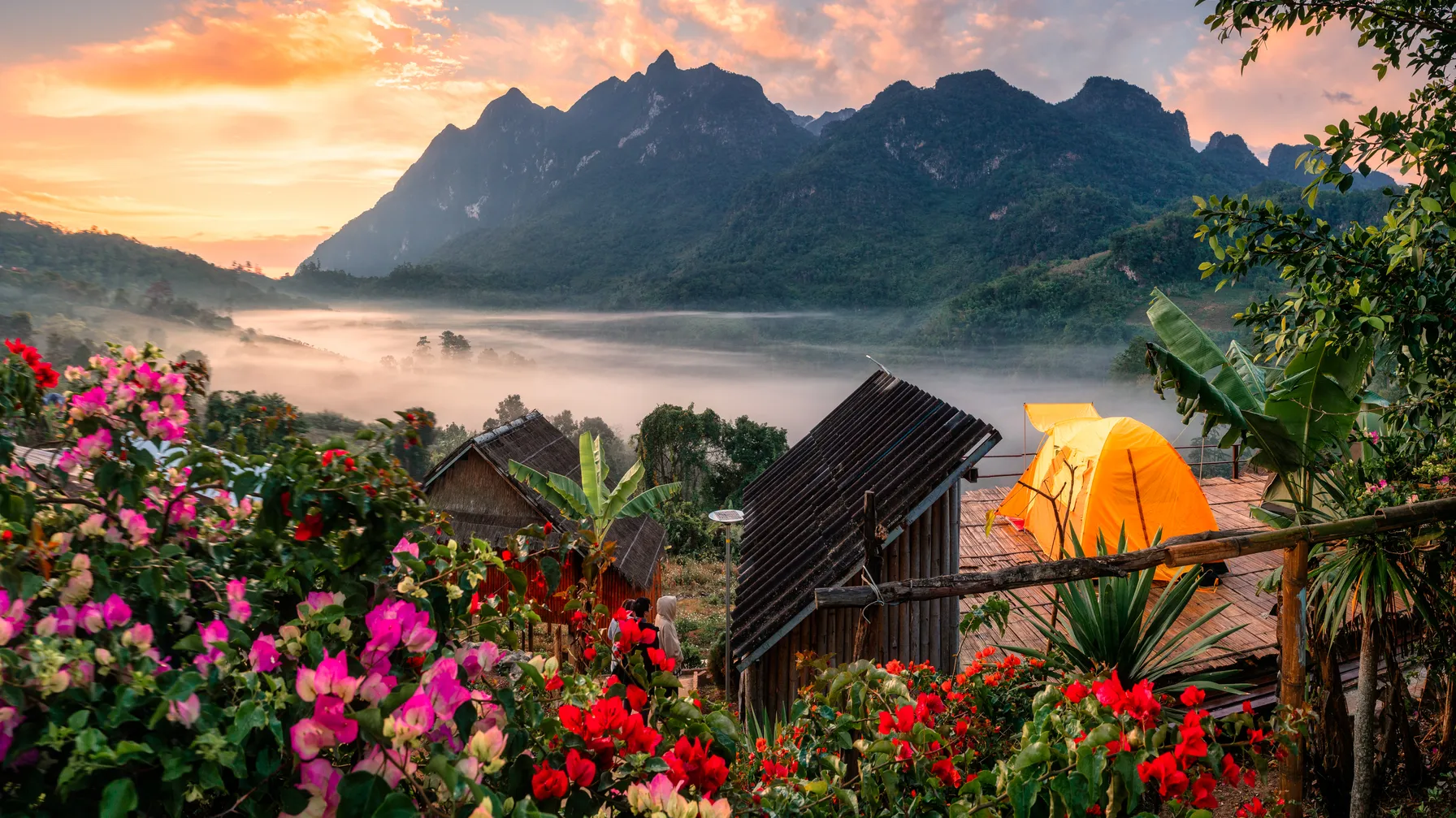
Chiang Mai, Chiang Rai, and all of northern Thailand benefit from a distinct microclimate. The high season, from November to April, showcases these regions at their best. Nighttime temperatures can drop to as low as 8°C in December and January, necessitating warm clothing for the evenings.
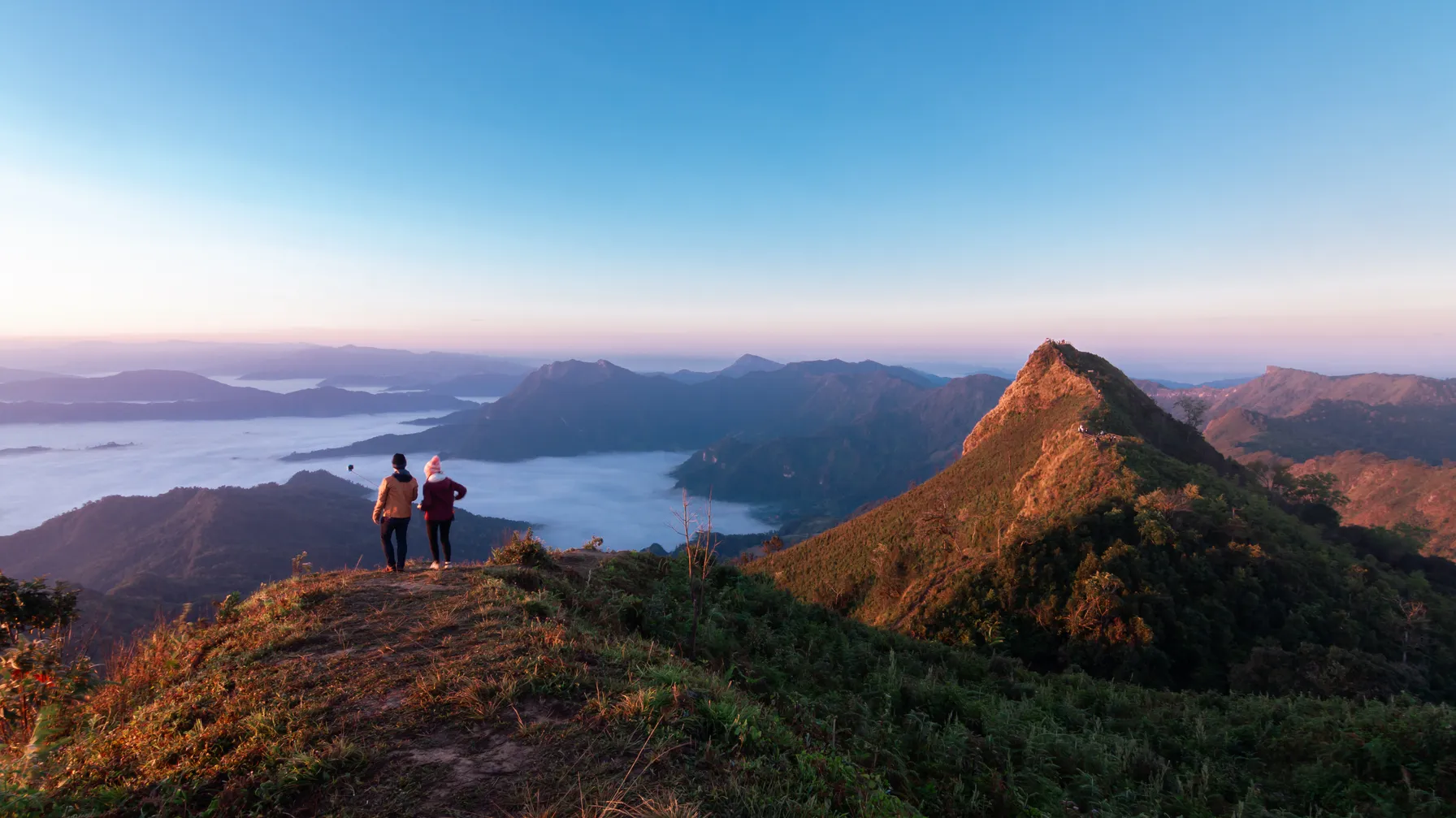
This relative coolness pleasantly contrasts with the heat of the coastal regions. Misty mornings in the mountains create magical atmospheres, perfect for photography and hiking. The dry season also promotes exploration of beaten paths and remote villages, often inaccessible during the rains.
The period from March to May turns the north into a furnace, with temperatures regularly exceeding 40°C. This intense heat makes outdoor activities strenuous, particularly in the midday. Paradoxically, this season precedes the first rains that bring much-needed relief.
The Southern Islands and their microclimates
The Thai beaches are split between two distinct climatic zones. The west coast, washed by the Andaman Sea, and the east coast, bordering the Gulf of Thailand, have offset weather calendars.
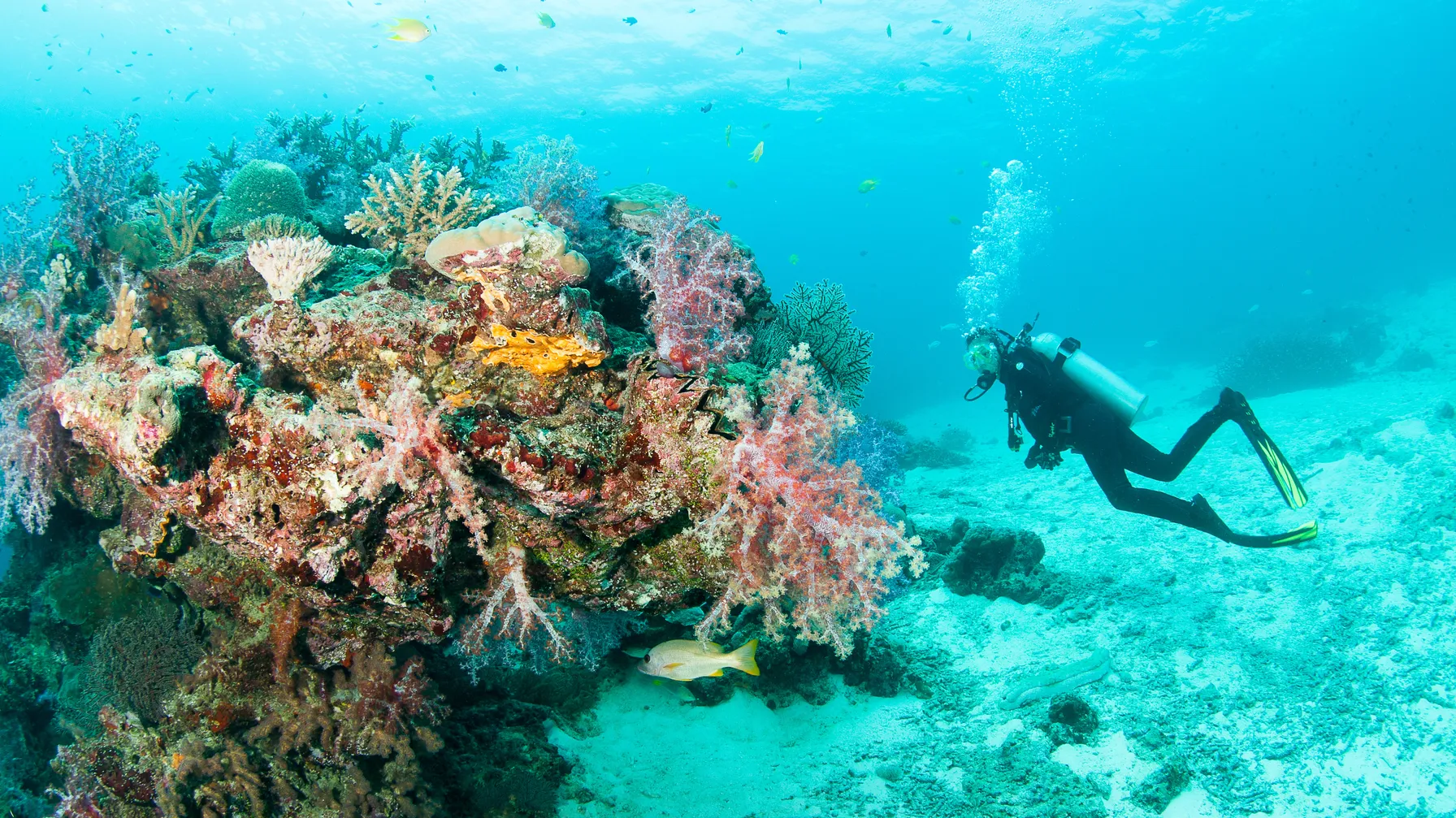
Phuket, Koh Lanta, the Phi Phi Islands, and Khao Lak enjoy their best season from November to April. The Andaman Sea then offers crystal-clear waters, ideal for diving and snorkeling. The months from May to October bring heavier rains and sometimes rough seas, leading to the temporary closure of some island establishments.
The Gulf of Thailand follows a different rhythm. Koh Samui, Koh Phangan, and Koh Tao enjoy favorable conditions year-round, with an optimal period from February to April. These islands remain visitable during the southwest monsoon, offering interesting alternatives when the west coast experiences its most significant rains.
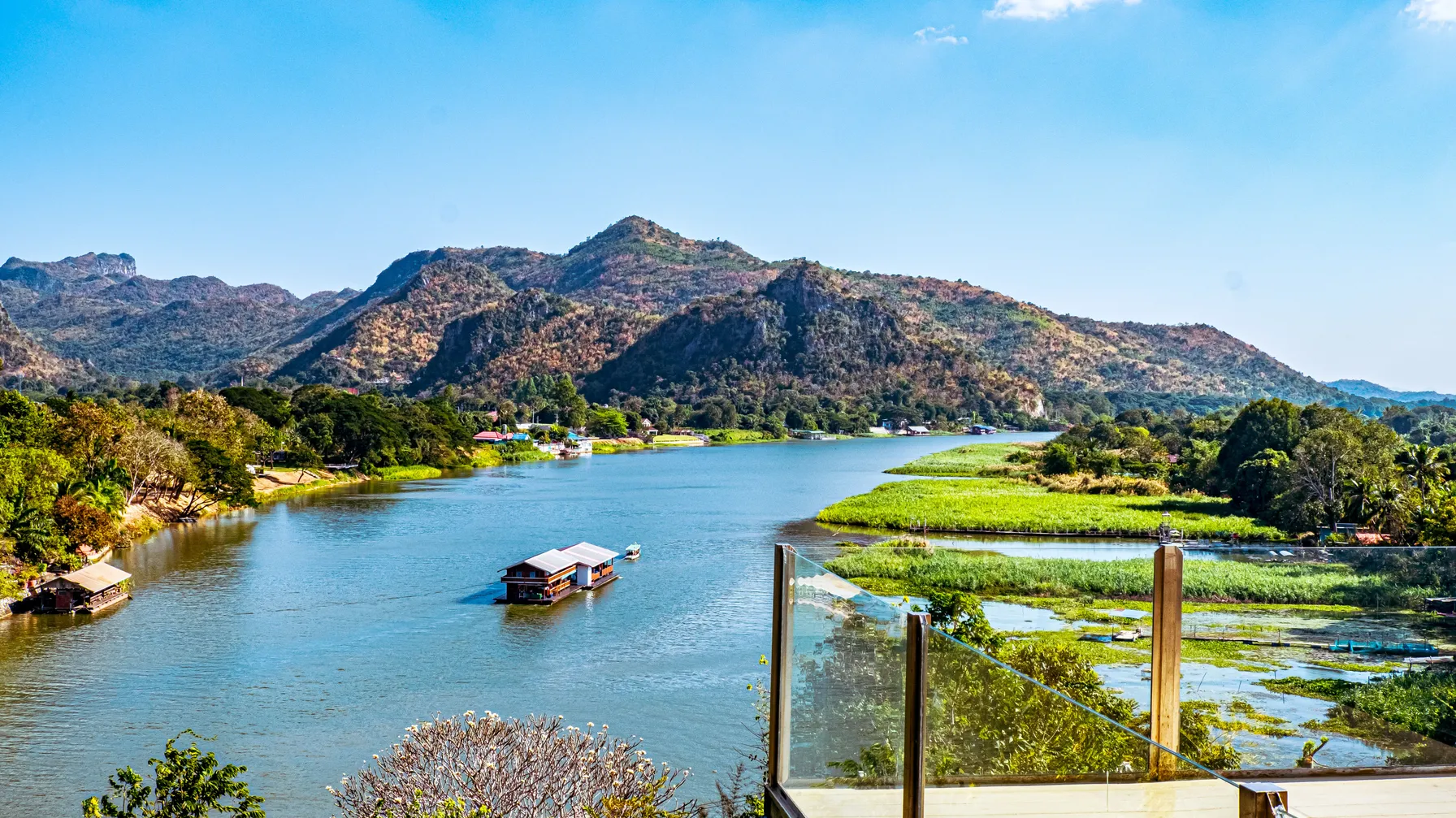
Hua Hin, a popular seaside resort, has the advantage of a relatively stable climate year-round. Its geographical position partially protects it from monsoons, making it a prime destination even during the rainy season.
Book your trip to Thailand now
What cultural events will enrich your stay?
The rich Thai culture unfolds throughout the seasons, offering travelers unique experiences depending on the chosen time. Understanding the festive calendar allows you to significantly enrich your discovery of the kingdom.
Essential festivals and local celebrations
April marks the festive peak with Songkran, the Thai New Year. This celebration transforms the entire country into a massive water fight, creating an atmosphere of infectious joy. Chiang Mai becomes the epicenter of these festivities, attracting travelers from around the world. The high temperatures of this period make these refreshing splashes particularly welcome.
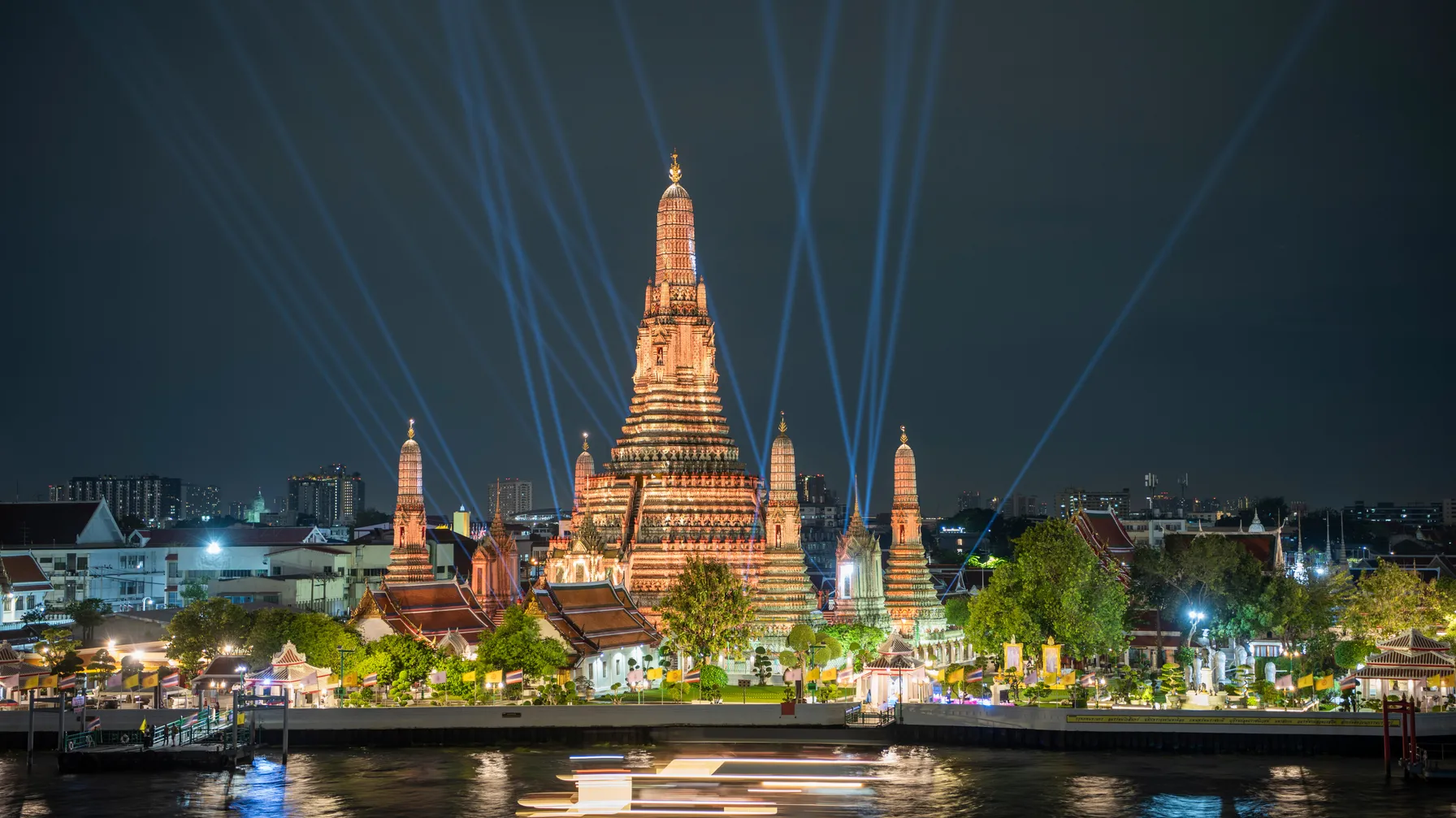
November lights up Thailand with Loy Krathong, the festival of lights. Rivers and ponds are adorned with thousands of small floral boats carrying candles, creating a magical spectacle. This period coincides perfectly with the beginning of the dry season, offering ideal weather conditions to fully enjoy these magical moments.
The beginning of the year brings the Chinese New Year, especially celebrated in the Sino-Thai communities of Bangkok, Phuket, and Pattaya. These festivities add a multicultural dimension to your trip, revealing the diversity of the Thai heritage.
Adapt your planning to the country's highlights
The high tourist season, concentrated from December to March, coincides with numerous cultural events. This period allows attending major traditional events while enjoying excellent climatic conditions. However, the tourist influx requires early booking of accommodations and a tolerance for crowds at emblematic sites.
The transition months, particularly April through June and September through November, offer an interesting balance. You still benefit from many local festivities while avoiding peak crowds. These periods reveal a more authentic Thailand, where encounters with local populations take on a more spontaneous dimension.
Depending on the regions visited, certain months are particularly favorable:
- Northern country: November to March for winter festivals and optimal hiking conditions;
- Southern Islands: February to April for combining perfect beaches and cultural events;
- Bangkok and central region: November to February to avoid excessive heat and monsoons.
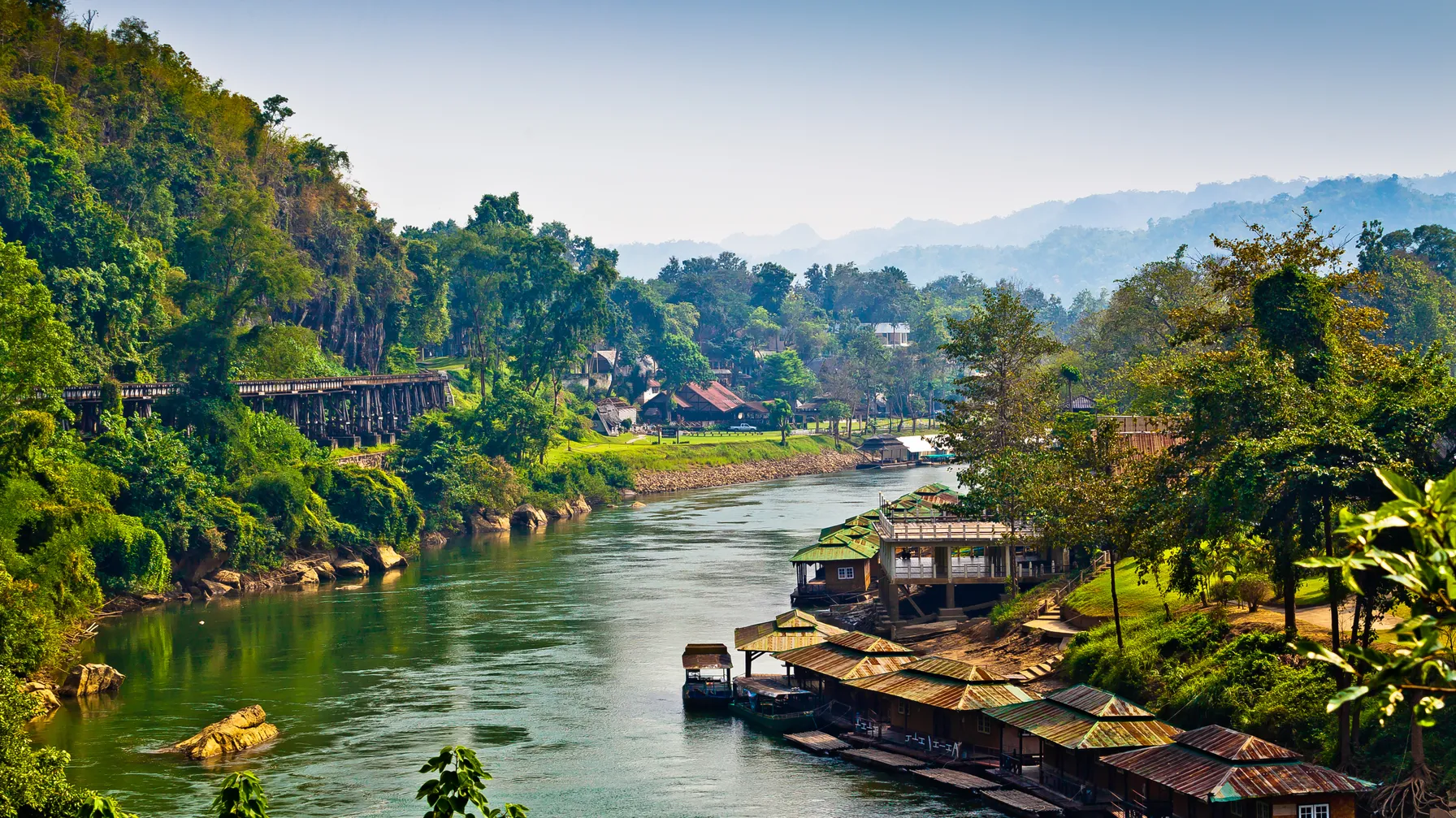
The period from May to October, despite the rains, retains its cultural richness. The celebrations often take on a more local and intimate dimension, offering curious travelers experiences off the beaten track. This season also reveals Thailand in its natural splendor, with landscapes of intense green and waterfalls at maximum flow.
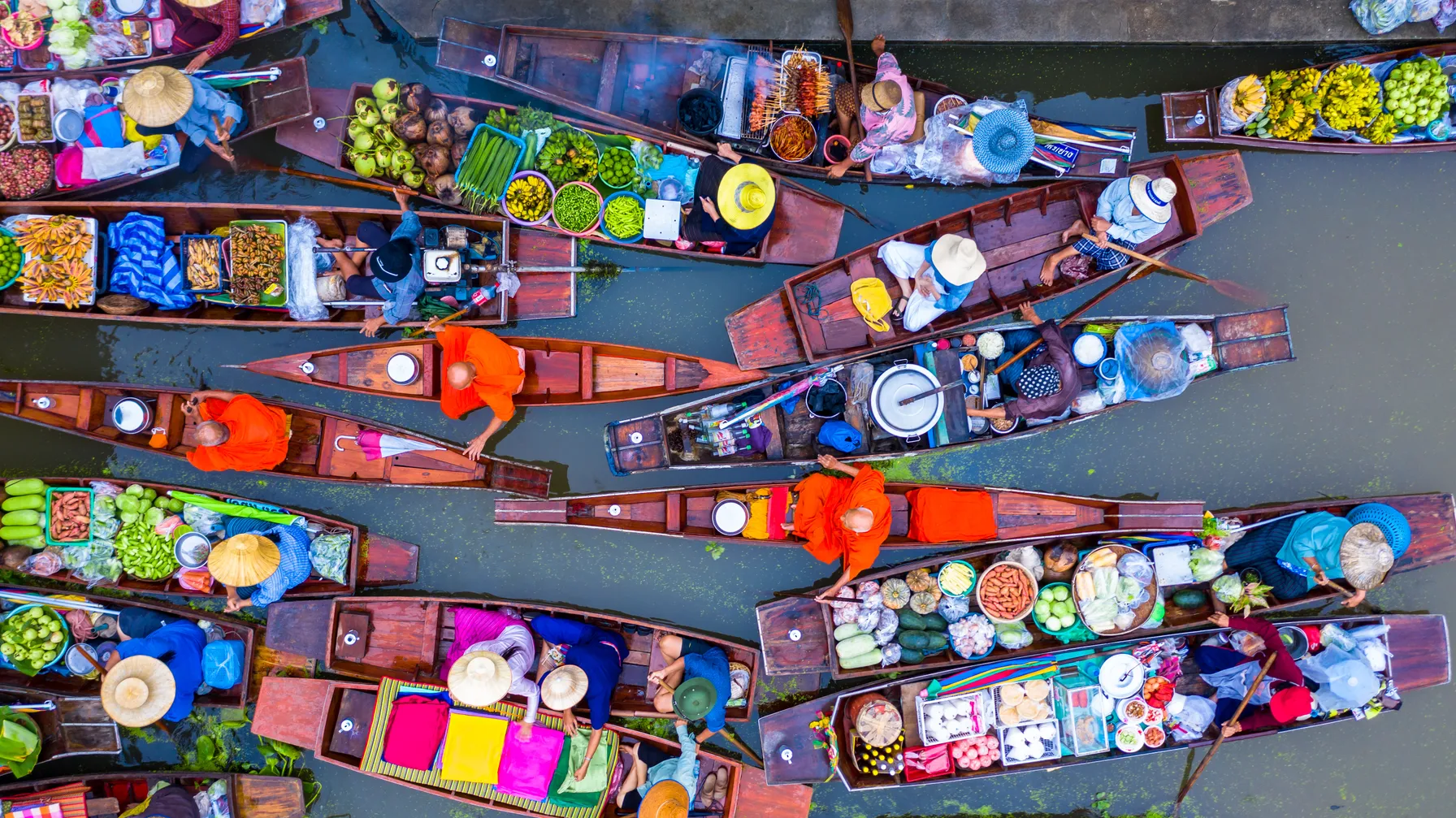
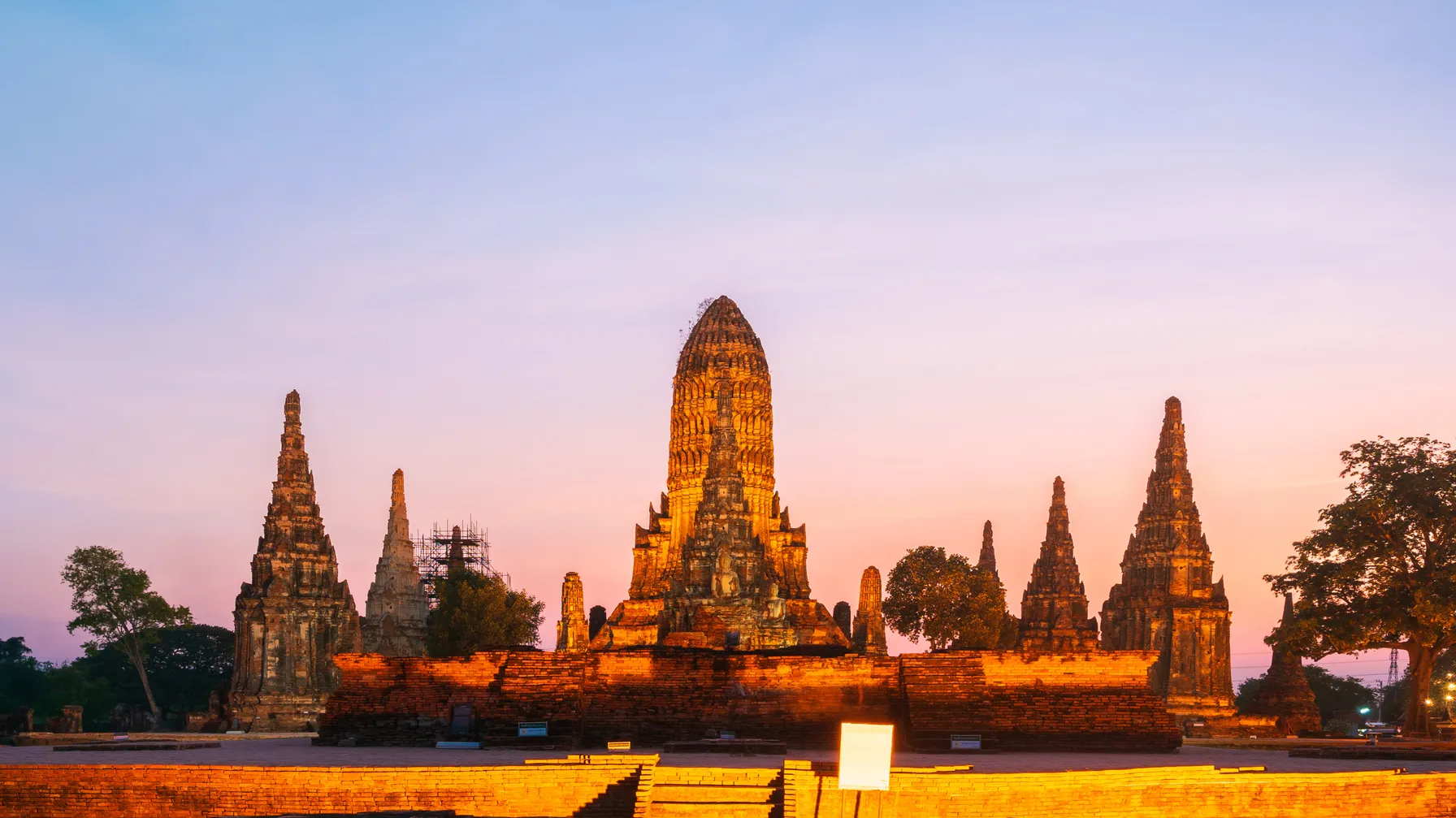
The choice of your travel period in Thailand ultimately depends on your personal priorities. Each season reveals distinct aspects of this fascinating kingdom, from dreamy beaches to mysterious mountains, from ancient temples to colorful markets. The important thing is to prepare well for your stay based on your specific expectations and your traveler profile.
Contact us for more information